Category: Telecom

Retail News Asia is committed to providing both local and global retailers with the latest Telecom & Telco news throughout the Asian market. This on a daily base.

  • SoftBank, Ericsson to trial 5G in 4.5-GHz

    SoftBank, Ericsson to trial 5G in 4.5-GHz

    Japan’s SoftBank plans to work with Ericsson to conduct a joint trial of 5G in the 4.5-GHz band in dense urban areas of Japan.

    The end-to-end trial will involve two 5G new radios, a virtual RAN and EPC, beamforming, Massive multiple input multiple output (MIMO) functionality and test support services.

    The trial is set to commence once Softbank obtains an experimental 5G license, Ericsson said.

    In March, SoftBank and Ericsson also teamed up for a 5G trial in the 28-GHz millimeter wave band, which followed more basic tests in the 4.5-GHz and 15-GHz bands in Tokyo in 2016.

    SoftBank aims to be one of the first operators to deploy 5G services once the standardization process is complete and seeks to position itself as a pioneer of 5G.

    The operator also recently announced plans to deploy Ericsson’s Radio Dot system across Japan to improve indoor coverage in high-density urban areas. Softbank has been testing the technology since 2015.

  • Axiata more than doubles Q2 profit

    Axiata more than doubles Q2 profit

    Malaysia’s Axiata Group has reported a strong 115.5% year-on-year surge in Q2 profit to 479.1 million ringgit ($112.2 million) due in part to record-high revenue.

    Group revenue increased 13.9% year-on-year and 3% sequentially to 6.1 billion ringgit, despite increased losses from Axiata’s 19.75% stake in India’s Idea Cellular due to that market’s ongoing weakness.

    Revenue and ebitda at both Malaysian mobile unit Celcom Axiata and Indonesia’s XL Axiata both improved, while Cambodia’s Smart Axiata had another strong quarter, the company said.

    Data revenue grew nearly 11% from the previous quarter to account for 44.1% of service revenue.

    In the group’s South Asian Markets, Sri Lanka’s Dialog Axiata increased its mobile data revenue by 44.1% sequentially, Bangladesh’s Robi Axiata’s year-to-date data revenue grew 95.6% sequentially and Nepal’s Ncell posted data revenue growth of 16.9% quarter-on-quarter.

    For the first six months of the year, group revenue grew 15.7% quarter-on-quarter to 11.9 billion ringgit with profit up 17% over the same period to 741.1 million ringgit.

    “While the Group achieved better-than-expected half year performance, there remain considerable macroeconomic and industry challenges. As such, the Board is supportive of the ongoing turnaround of key units, while balancing the need to remain fiscally disciplined in terms of dividend and investment policies,” Axiata chairman Tan Sri Azaman Hj. Mokhtar said.

  • Telekom Malaysia Q2 profit grows 51%

    Telekom Malaysia Q2 profit grows 51%

    Telekom Malaysia has reported a 51% year-on-year increase in net profit for the second quarter, as forex gains more than compensated for declining revenue.

    Net profit for the period reached 210.48 million ringgit ($49.3 million), with the operator reporting a foreign exchange gain of 50 million ringgit.

    But revenue declined 2.3% year-on-year to 2.98 billion ringgit, as a result of lower data, voice and other telecommunications service revenue.

    For the first half of the year, revenue increased a slim 0.7% to 5.94 billion ringgit. The company increased its broadband customer base to 2.36 million, while its LTE coverage grew to reach more than 80% in major cities.

    Capex for the six month period amounted to 899 million ringgit or 15.1% of total revenue.

    “This is a challenging period for the industry where we see flattish growth trends and cost headwinds. Our internet revenue, has seen commendable growth at 8.5% YTD,” Telekom Malaysia group CEO Dato’ Sri Mohammed Shazalli Ramly said.

    We are focused on empowering digitization in our daily operations to optimise processes and productivity. We are expediting our fiber rollout and expanding our reach with our ongoing investments, for example to high-rise buildings; and made some key execution leadership appointments to facilitate this, amongst others.”

  • Hong Kong’s TNG Wallet partners with 7-Eleven

    Hong Kong’s TNG Wallet partners with 7-Eleven

    Hong Kong digital wallet service TNG Wallet has partnered with convenience chain 7-Eleven to make top-up, payment and cash withdrawal services across more than 900 of the chain’s outlets in the city.

    The latest agreement brings TNG Wallet’s global cash pick-up points up to over 180,000.

    Holding a Stored Value Facilities license issued by the Hong Kong Monetary Authority (HKMA) in August 2016, TNG has not limited its influence and ambitions to Hong Kong.

    Since its founding in 2012, it has built a service infrastructure and network that offers a number of financial services including global remittance, person-to-person (P2P) money transfer, global bill payment, global SIM card airtime top-up, foreign currency exchange and purchase, and cash withdrawal.

    Karen Lam, e-business and service controller for 7-Eleven in Hong Kong and Macau, called the collaboration a ground breaking convergence of retail and Fintech. She believes that this collaboration will upgrade its customers’ in-store experience.

    TNG Wallet allows users to make cash withdrawals of up to HK$500 ($63.90) for each time anytime at any 7-Eleven store in the city. Advanced service such as cash withdrawal is limited to verified SVIP and VIP users.

    Users can register for a SVIP account through a simple face-to-face identity process that takes around 15 minutes, whereas to register for a VIP account, users only need to upload their ID card copy digitally through the TNG Wallet platform.

    TNG’s financial inclusion ambition extends beyond the borders of Hong Kong. To date, verified TNG Wallet users can remit money instantly to anyone in the above countries with or without a bank account, and recipients receive money into their bank account or receive / withdraw cash from over 180,000 cash pick-up points globally.

    “We are accelerating our pace to build a global e-wallet FinTech service network, and paying close attention to different technological and business development opportunities, especially in countries along the ‘One Belt, One Road’ route. On top of laying a solid foundation for TNG’s long-term overseas business expansion, it is also our mission to bring digital financial services to a wider range of people,” Kong added.

  • South Korean cellcos won’t sue over subsidy hike

    South Korean cellcos won’t sue over subsidy hike

    South Korea’s mobile operators have reportedly decided against taking legal action over the mandated subsidy hike for regular telecoms subscriptions.

    The ICT ministry this month instructed operators to implement a 25% discount rate for regular new subscribers, up from the current discount rate of 20%. In response, SK Telecom, KT and LG Uplus were said to be considering taking the government to court to request having the order rescinded.

    But the operators have now written to the ministry indicating that they will accept the discount hike.

    The discount is typically offered to customers on a two-year contract plan choosing not to take advantage of a handset subsidy.

    The ministry has estimated that the discount increase will allow a combined 19 million subscribers to achieve a combined 1 trillion won ($888.6 million) in savings per year. The current government has made reducing telecoms expenses for households a priority.

    But the operators have opposed the move on the grounds that it could dramatically impact their profitability, and that the decision was made without sufficient consultation with the industry. The operators have also expressed concern that the discount rate could be raised further in the future, compounding the impact on their finances.

  • VMware, HP team for device lifecycle management

    VMware, HP team for device lifecycle management

    VMware and HP have teamed up to simplify device lifecycle management for all of an organization’s endpoints.

    Under the partnership, HP will add VMware Workspace ONE to its Device as a Service (DaaS) technology platform.

    Workspace ONE, an integrated platform powered by VMware AirWatch Unified Endpoint Management (UEM) technology, provides a holistic and user-centric approach to managing all endpoints in an organization – from mobile and desktop to IoT.

    HP DaaS offers a modern consumption model for computing in which hardware and lifecycle services are combined to improve the user experience and free up IT resources to drive growth.

    “In the mobile cloud era, employees, devices, applications and data increasingly live beyond the physical walls of the workplace, the datacenter, or the network,” VMware COO Sanjay Poonen said.

    “Digital enterprises are struggling to deliver a unified digital workspace due to disjointed technology and teams. We are proud to be the first to bring together identity, device management and application delivery on a single integrated platform so business can be conducted by mobile end-users regardless of platform, location, device or application.”

    VMware and Dell first entered a partnership in February 2016. CEO Pat Gelsinger spoke about the constantly expanding partnership during Dell EMC World in May this year.

    He spoke about the integration of VMware AirWatch and Dell Client Command Suite client systems management tools which ultimately became part of Workspace ONE; to enable customers to empower their workforce to securely bring the technology of their choice (devices and apps) at the pace and cost the business needs.

  • SmarTone FY17 profit falls 16%

    SmarTone FY17 profit falls 16%

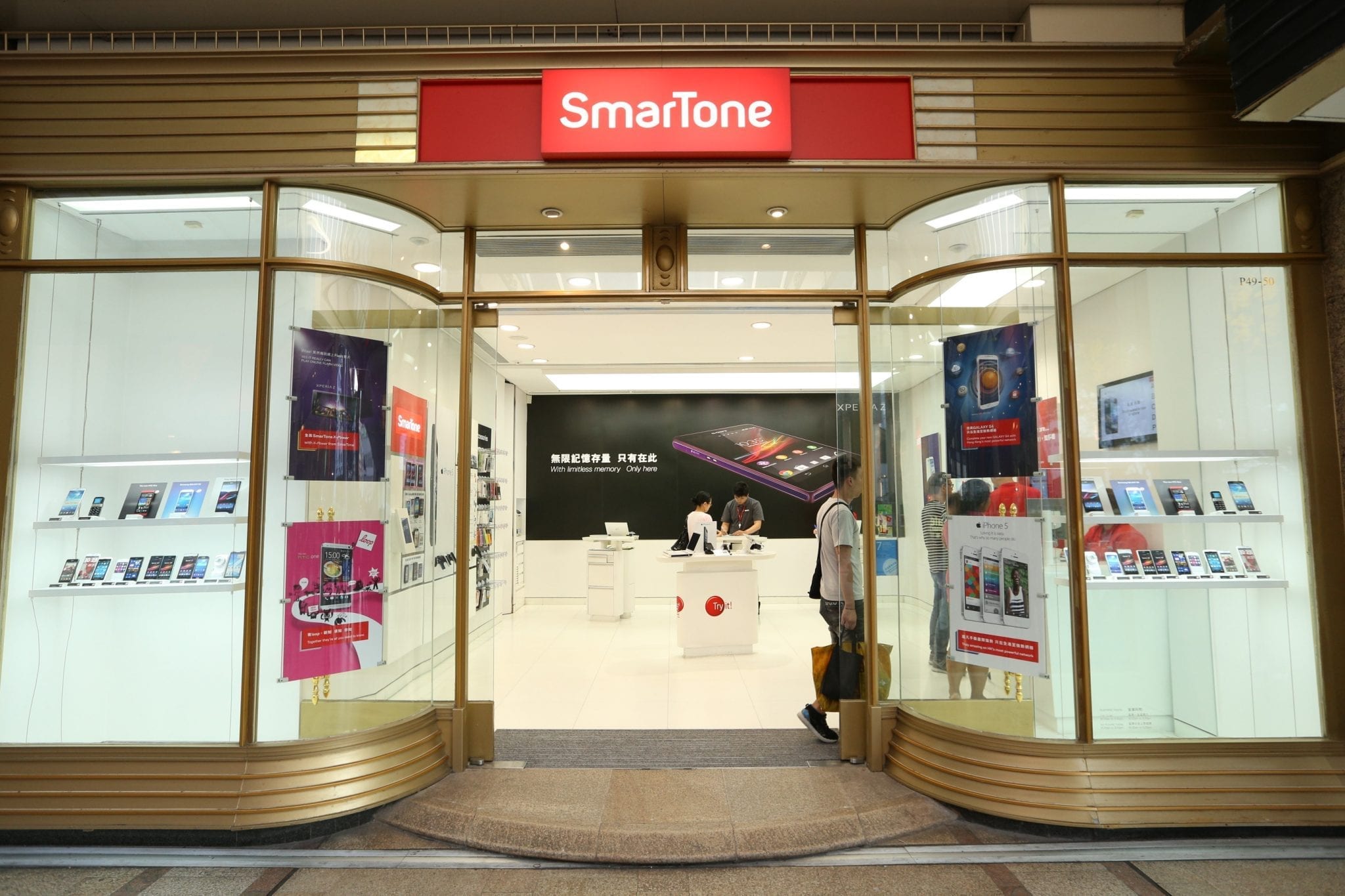
    Hong Kong mobile operator SmarTone has reported a 16% decline in group net profit for the financial year ending in June to HK$672 million ($858.8 million) as a result of falling revenue amid a challenging competitive environment.

    Service revenue fell 6% to HK$5.16 billion as handset revenue declined due to increased migration to SIM only plans, as well as weakness in the prepaid segment and falling voice roaming revenues.

    But without the effect of handset subsidy amortisation, underlying postpaid service revenue remained flat and local mobile postpaid service revenue increased by 2%. Roaming revenue declined due to ongoing OTT substitution, but its percentage of service revenue remained 14%.

    SmarTone lifted its local customer base by 4% to 2.06 million. The operator reported a churn rate of 1% and mobile postpaid ARPU of $285.

    As a result of the operator’s operational efficiency efforts, opex remained flat while capex fell by 14%.

    “While it is clear that the environment has been challenging and our profitability has been impacted, we have taken proactive measures to reposition our business for future growth,” SmarTone CEO Anna Yip said.

    “Active measures are in place to drive productivity improvements and we are taking a long-term view to investing in our business. Our focus remains on delivering the best experience for our customers.”

    But the operator warned it expects the challenging operating environment to continue, due to factors including higher spectrum costs, ongoing declines in voice roaming revenues, lower handset costs and severe competitive pressures.

    As a result, SmarTone is focused on improving productivity and accelerating growth of new revenue sources, such as IoT and M2M applications, AI and ICT services.

  • Myanmar’s MyTel to launch 4G in 1H18

    Myanmar’s MyTel to launch 4G in 1H18

    Vietnamese operator Viettel’s joint venture in Myanmar plans to launch 4G-only services in the first quarter of next year.

    The joint venture, MyTel, plans to cover 90% of the population by its official launch, deploying nearly 7,200 base stations and 33,000km of fiber. This footprint would be double that of its nearest rival.

    According to the news agency, in contrast to previous reports MyTel does not plan to deploy 2G or 3G in Myanmar but will instead jump straight to 4G.

    MyTel is a joint venture between Vietnamese military-run Viettel and a consortium of local ICT companies. The venture received Myanmar’s fourth telecoms license in January, and now has branches across the country and around 2,000 employees.

    The deployment has a total investment of around $1.5 billion, with Viettel contributing a 49% stake.

    MyTel plans to offer roaming to Vietnam, Laos and Cambodia at prices equivalent to local charges, the report states. The company also plans to build on its deployment in Myanmar to pursue expansion to 10 overseas market, it adds without elaborating.

  • StarHub offers unlimited data on weekends

    StarHub offers unlimited data on weekends

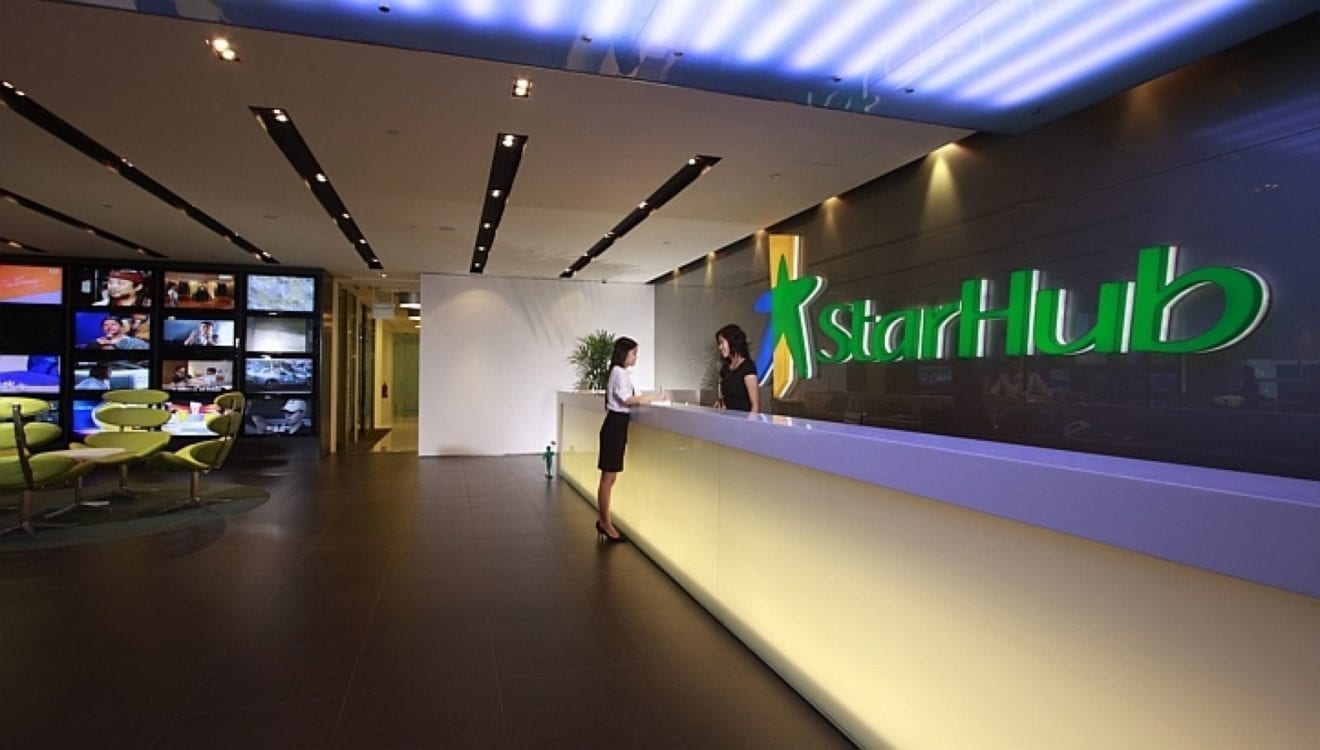
    Singapore’s StarHub has launched a range of new postpaid mobile plans offering free unlimited local data access on weekends.

    The range of plans will offer unmetered access from 12am on Saturdays to 11:59pm on Sundays.

    During the week the plans range from 3GB of bundled data for S$48 ($35.46) per month to 15GB for S$238. Additional allocations of between 5GB and 20GB depending on the plan can be purchased for S$10 per month, and 2GB can be purchased for roaming in multiple destinations for 30 days for S$15.

    Data can be shared with family members for a small additional fee.

    Voice allocations will be 200 minutes for the base plan and 400 minutes for the S$68 plan, with unlimited voice for the higher tier plans. SMS will be charged at 5.35 cents for all but the highest-tier plan, which comes with unlimited SMS and MMS.

    Customers with compatible smartphones will be able to take advantage of StarHub’s nationwide 400Mbps LTE-A coverage, and the operator has started deploying gigabit-class network upgrades in anticipation of 1Gbps capable handsets.

    “Fueled by more advanced phones and pixel-heavy content, Singapore consumers’ appetite for data continues to grow. With our new data-focused plans, we are enabling our customers to do more of what they love on their smartphones freely and at much faster speeds too,” StarHub head of product  Justin Ang said.

    “We will continue to innovate in step with our customers’ changing digital lifestyles to boost customer satisfaction.”

  • SmarTone trials LAA on live network

    SmarTone trials LAA on live network

    Hong Kong’s SmarTone has completed a trial of license assisted access (LAA) technology over a live network using equipment from Ericsson.

    The trial combined 10 MHz of licensed LTE spectrum with three 20MHz carriers of unlicensed 5-GHz spectrum to ahieve download speeds of around 800Mbps.

    Using a Qualcomm Snapdragon LTE mobile test device and Ericsson micro radio technology, Smartone validated the use of technology over its network to improve speeds and capacity for users.

    “SmarTone is very pleased to have completed the first LAA trial in Hong Kong.  LAA is an important technological evolution that can combine licensed and unlicensed spectrum to provide LTE service. It will be widely adopted in the US and European markets in the near future,” SmarTone CTO Stephen Chau said.

    “We are very excited that with the support of Ericsson, our long-term technology partner, SmarTone has once again brought a ground breaking technology to mobile users in Hong Kong and taken a great step further toward 5G.”

    The LAA standard is expected to be enhanced next year to enable download speeds of over 1Gbps by adding support for five component carrier aggregation, according to Ericsson president for Hong Kong and Macau Petra Schirren.

    “LAA is a key evolution of mobile technology and we are pleased to be first in Hong Kong together with SmarTone to demonstrate the increased capacity, improved speeds and enhanced user experience through the combination of licensed and unlicensed spectrum. Through the introduction of advanced technologies, such as LAA, we enable Gigabit Class LTE on the road to 5G”.

    SmarTone and Ericsson entered a pre-5G collaboration in the fourth quarter of last year.

  • India consulting on next spectrum auction

    India consulting on next spectrum auction

    The Telecommunications Regulatory Authority of India (Trai) has launched a public consultation on details of the next round of spectrum auctions, including for spectrum to be used for 5G.

    The regulator is seeking views on the timing, pricing and amount of spectrum to be sold during the next auctions.

    Trai is seeking views on the valuation methodology for 5G spectrum in the 3.3-GHz to 3.6-GHz bands. According to the regulator, the government plans to auction spectrum in the range of 700-MHz to 3.6-GHz in the next auction to be held later this year.

    But with operators struggling with high debts accrued from the previous auctions and intense competition triggered by the entry of a new operator, the telecoms industry is opposing any sale of new airwaves before 2019.

    Industry body COAI is arguing that the auction should wait until the current wave of consolidation triggered by this new competition draws to a close, and until the 5G technical and regulatory standards are settled.

    The consultation also covers proposals on spectrum caps and rollout obligations for 5G spectrum, as well as views on the pricing of the 700-MHz 4G spectrum left unsold during the most recent auction.

  • Symbio launches sub-wholesale MVNO service

    Symbio launches sub-wholesale MVNO service

    Australian wholesale telecoms operator Symbio Networks has launched an innovative new sub-wholesale MVNO offering allowing the activation of new SIMs within seven seconds of order placement.

    Through an agreement with Australia’s largest mobile operator Telstra, Symbio Networks will provide a service providing 4G coverage of 95% and combined 4G and 3G coverage of 98.8% of Australia’s far-flung population.

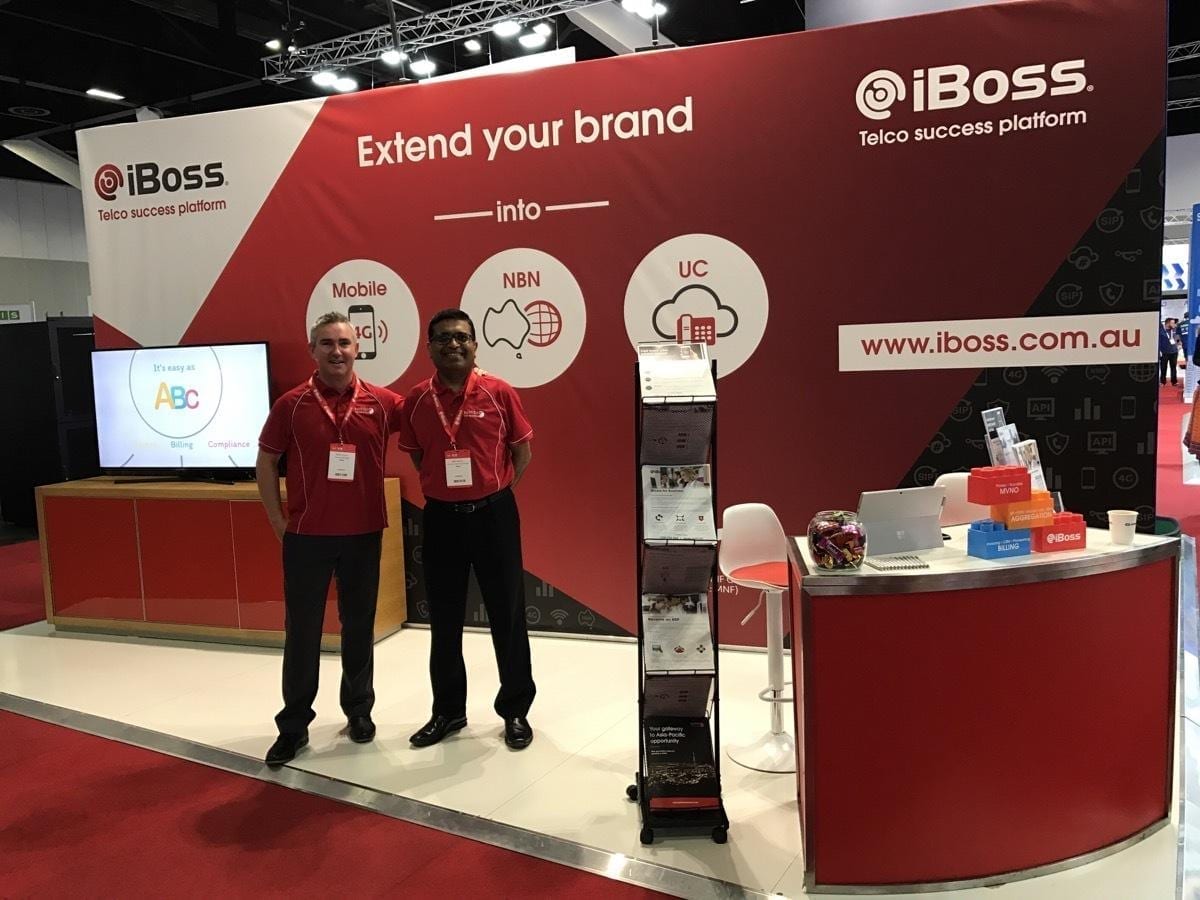
    The service will use Symbio’s iBoss platform to allow new mobile players to go to market in four weeks and activate SIMs in seconds.

    The white label service will allow customers to manage their own billing and communications with customers. Symbio also offers a conventional agency model iBoss MVNO service for customers which do not want to handle their own billing.

    Symbio said it has already signed up a number of new mobile players, including ISP Aussie Broadband.

    “Symbio and [parent company] MNF Group have a proven track record of delivering innovative, first to market solutions for our customers,” MNF Group CEO and co-founder Rene Sugo said.

    “While our agency MVNO offer has been welcomed by wholesale customers, we also found that there was a growing demand for services through a sub-wholesale model. This new MVNO offer will give our customers unprecedented control over their own consumers when it comes to billing and communication; we simply deliver the SIM card and the 4G mobile coverage.”

  • Emerging APAC nations most exposed to malware

    Emerging APAC nations most exposed to malware

    Emerging APAC nations are the most vulnerable to malware, according to Microsoft’s bi-annual Security Intelligence Report (SIR).

    Of the top locations across the globe most at risk of malware infection in the first quarter of 2017, most of them are developing economies in the region.

    The report found that Bangladesh and Pakistan have the highest malware encounter rates around the world. This is followed by two ASEAN nations – Cambodia and Indonesia. Approximately one in four computers running Microsoft real-time security products in these countries reported a malware encounter from January to March 2017.

    Other top areas facing malware threats include Myanmar, Nepal, Thailand, Vietnam, each with an average malware encounter rate of more than 20% in the first quarter of 2017. This is more than double the global average of 9%.

    On the other hand, markets with higher levels of IT maturity, namely Australia, Hong Kong, Japan, New Zealand and Singapore, performed better than the worldwide average. In fact, Japan has been ranked the safest country in the world, with only 2% of its computers reporting a malicious program incident.

    Ransomware attacks on the rise

    Ransomware is one of the most infamous malware families in 2017. In the first half of the year, two waves of ransomware attacks, WannaCrypt and Petya, exploited vulnerabilities in outdated Windows operating systems worldwide, disabling thousands of devices by illegitimately restricting access to data, through encryption. This not only disrupted individuals’ daily lives but also crippled many enterprises’ operations.

    The attacks were disproportionately concentrated in Europe while most of the Asia markets have not been too heavily impacted. In fact, Japan and China were listed as the two top countries with the lowest ransomware encounter rates. One of the few exceptions in the region is Korea, which has the second highest ransomware occurrence rate worldwide.

    Attackers evaluate several factors when determining which regions to target, such as a country’s GDP, average age of computer users and available payment methods. A region’s language can also be a key contributing factor as a successful attack often depends on an attacker’s ability to personalize a message to convince a user to execute the malicious file.

    Cloud accounts and services under cyber siege

    As cloud migration increases, the cloud has become the central data hub for the majority of organizations. This also translates into more valuable data and digital assets being stored the cloud, making it an increasingly attractive target for cybercriminals.

    The SIR highlighted a 300% increase in consumer and enterprise accounts managed in the cloud being attacked globally over the past year while the number of logins attempted from malicious IP addresses have increased by 44% year-over-year.

    In addition, a large majority of these security compromises were the result of weak, guessable passwords and poor password management, followed by targeted phishing attacks and breaches of third-party services. As the frequency and sophistication of attacks on user accounts in the cloud accelerates, there is an increased emphasis on the need to move beyond passwords for authentication.

    Malware Encounter Rates for Markets in Asia in Q1 2017 (from highest to lowest):

    1. Bangladesh
    2. Pakistan
    3. Cambodia
    4. Indonesia
    5. Mongolia
    6. Myanmar
    7. Vietnam
    8. Nepal
    9. Thailand
    10.  Philippines
    11.  Sri Lanka
    12.  China
    13.  India
    14.  Malaysia
    15.  Taiwan
    16.  Korea
    17.  Hong Kong
    18.  Singapore
    19.  Australia
    20.  New Zealand
    21.  Japan
  • STI to expand 4G services to Bali

    STI to expand 4G services to Bali

    Sampoerna Telekomunikasi Indonesia (STI) has announced plans to expand its Net1 Indonesia branded LTE services to the island of Bali.

    The operator’s 450-MHz LTE service will be deployed to all areas of Bali ranging from Gilimanuk on the west to the eastern end in Gili Selang, the operator announced. STI is targeting rural areas before entering urban areas.

    “Bali is one of the provinces on Indonesia that support the nation’s economy through its tourism industry, STI CEO Larry Ridwan said.

    “Over time, the tourism industry is not only talking about traveling or merely to market travel destinations, but also to provide growth for supporting industries, especially in remote parts of Bali island. That is why we have a strong commitment to support local economy of Bali through the provision of reliable telecommunication access.”

    STI is in the process of migrating its CDMA subscribers to its 4G network and plans to complete the migration by the end of the year.

    STI is Indonesia’s only operator to have deployed in the 450-MHz band using CDMA2000 1x technology. The operator holds a nationwide license and has so far deployed coverage on the islands of Sumatra, Java, Kalimantan, Sulawesi, Bali, Nusa Tenggara Barat, and Maluku.

    As part of its 4G migration, STI recently entered a partnership with telecoms vendor PT INTI to jointly produce devices supporting the 450-MHz spectrum.

  • Sri Lanka instructs cellcos to register SIMs

    Sri Lanka instructs cellcos to register SIMs

    The Telecommunications Regulatory Commission of Sri Lanka (TRCSL) has instructed the nation’s operators to register their customers SIMs in order to curb fraud and crime.

    The operators have been told to register SIMs with owners’ personal details and photocopies of their National Identity Cards, the Daily Mirror reported.

    President Maithripala Sirisena had proposed the SIM registration scheme after it was observed that a large number of active SIMs have been issued without proper documentation on the identity of the customers.

    Sri Lanka will be following other APAC nations in implementing a mandatory SIM registration scheme, such as Thailand, Bangladesh and Cambodia.

    Sri Lanka’s mobile market is dominated by the big three operators Dialog Axiata, Mobitel and Etisalat. Mobitel is in the process of being separated from parent company Sri Lanka Telecom (SLT) and listed on the Colombo Stock Exchange. The government currently owns a 49.5% stake in SLT.