Category: Telecom

Retail News Asia is committed to providing both local and global retailers with the latest Telecom & Telco news throughout the Asian market. This on a daily base.

  • 25 cellcos test 5G in Q1, says GSA

    25 cellcos test 5G in Q1, says GSA

    The GSA (Global mobile Suppliers Association) has said that in the first quarter alone at least 25 operators from 15 countries have demonstrated 5G technologies, or announced 5G tests, or trials.

    And 18 operators are currently committed to the implementation of services based on pre-standards 5G technology by or before 2019, says the GSA quarterly “Evolution from LTE to 5G” report.

    Although the GSA does not name all the specific pre-5G operators within the report, it does mention Etisalat, Telia Sonera, TIM and Verizon as four examples.

    A further 26 operators are trialling, deploying or planning LTE-Advanced Pro networks exhibiting multiple Rel-13 features such as those related to carrier aggregation, modulation scheme, MIMO, latency and MCPTT (mission-critical push-to-talk).

    An important milestone was reached in March 2017 when the 3GPP agreed on an intermediate target for early completion of Non-Standalone (NSA) 5G NR mode for enhanced mobile broadband. NSA mode anchors connections in 3G, using 5G NR carriers to augment data rates and reduce latency where needed. It was agreed to work towards finalization of the NSA standard by March 2018.

    At the same time, the group said it was still committed to completing the standard for Standalone (SA) 5G NR mode by September 2018. In February 2017, a large group of operators and vendors had lent their public support to this new approach, expressing the view that it will enable standards-based field trials to begin in 2019.


  • DoCoMo wins Indian court case over TTSL exit

    DoCoMo wins Indian court case over TTSL exit

    India’s Delhi High Court has found in favor of Japan’s NTT DoCoMo and local holding company Tata Sons in their dispute with the Reserve Bank of India (RBI) over an international arbitration settlement.

    With the verdict DoCoMo will be entitled to collect the $1.18 billion award reached in a settlement agreement in the London Court of International Arbitration, associated with DoCoMo’s planned exit of the Tata DoCoMo Indian telecoms joint venture.

    When DoCoMo first entered the joint venture in 2008 via an investment in Tata Teleservices, it was with the condition that the operator would be entitled to sell its stake in the venture at a predetermined sum if it chose to leave the venture.

    DoCoMo attempted to exercise this option in 2014 after the joint venture failed to perform as desired, and when Tata Sons failed to find a buyer the holding company applied to the RBI to make the acquisition.

    But the RBI blocked the transaction on the grounds that it violates Indian regulations restricting the sale of shares at a price higher than market value.

    DoCoMo entered international arbitration with Tata Sons and Tata Teleservices in an attempt to break this deadlock, and the court awarded DoCoMo with $1.17 billion in damages.

    But the RBI objected to this transaction, and DoCoMo accordingly brought the case before the Delhi High Court. DoCoMo and Tata entered a settlement agreement in February, but the RBI once again sought to block the enforcement of this agreement on the grounds that it would be circumventing Indian regulations.

    Tata Sons was required to deposit the $1.18 billion with the court while the case was being held. The settlement can now be transferred to DoCoMo in exchange for the operator’s shares in Tata Teleservices..

  • Ericsson, MTS test new 5G features

    Ericsson, MTS test new 5G features

    Ericsson have built a prototype 5G network and completed a successful test of new radio network features.

    The scope of the trial covered features such as massive and multi-user MIMO (multiple input multiple output), beam tracking and dynamic TDD (time division duplex), concepts and technologies that are available in Ericsson’s commercial portfolio, and included stationary and mobile test cases.

    The prototype system comprises a base station with integrated multiple antennas and two sets of user equipment, and is located in Moscow.

    The massive and multi-user MIMO features are based on hardware including up to 512 smart antennas with integrated transceivers per cell, which significantly improves throughput for subscribers.

    Also, the multi-user MIMO feature enables operators to serve multiple subscribers in one sector of a cell with the same spectrum, and thus increase the efficiency of frequency use and the cell capacity.

    “With a scalable and dynamic 5G network as a base, an array of new services and revenue streams will be available to operators,” said Hannes Ekstrom, head of customer unit MTS in Europe & Latin America. “It will enable the automation and business transformation required for the Internet of Things, as well as services like virtual and augmented reality.”

    Ericsson and MTS plan to further develop the 5G prototype system to an extended 5G demo zone in time for the 2018 international soccer competition in Russia.

  • Singapore leads region by online video consumption

    Singapore leads region by online video consumption

    Singaporeans lead the region in online video consumption, spending two hours every day tuning into video content, according to the results from a new YouTube Consumer Insights study conducted by Google Singapore and Kantar TNS.

    The survey of 1,035 Singaporeans aged 16 to 60 found that 78% of Singaporeans are turning to YouTube as their first stop for their daily dose of video. And perhaps not surprisingly, 6 in 10 agree that they visit YouTube for one video and end up looking at others.

    The study also found that Singaporeans are watching videos away from a desktop, with more than half of YouTube watch-time originating from mobile devices. Moreover, more than half are finding more content that they want to watch on YouTube than on TV, according to the study.

    Google pointed to recent research that it conducted with Ipsos that found attention to paid advertising on YouTube is 84% higher than advertising on TV. In addition, 95% of video ads on YouTube are also played with sound on, ensuring brands’ messages reach their audiences as intended.

    There is no question that the popularity of online video is at an all-time high; Google says that the hours of YouTube content uploads from Singapore has doubled compared to the previous year.

    “YouTube is popular with Singaporeans of all ages – who come to YouTube for entertainment, education, shopping and much more. With Singaporeans using YouTube to search for products, businesses looking to grow should use YouTube to tell their story and build their brands,” said Joanna Flint, country director of Google Singapore.

  • VoIP and SIP trunking revenues growing strongly

    VoIP and SIP trunking revenues growing strongly

    The benefits of VoIP access and SIP trunking services are prompting enterprise customers to transition to fully converged, IP-based networks, without having to overhaul existing IT networks, according to Frost & Sullivan.

    The research firm forecasts that market revenue will grow at a compound annual growth rate (CAGR) of 21.5% from 2015 to 2020, and a user base at a CAGR of 18.1%.

    Businesses aiming to lower operational expenditure and obtain significant returns on investments are being drawn to SIP trunking’s attractively priced services, layered with value additions such as voicemail, mobility and collaboration tools.

    Disruptive pricing, packaging, feature/functionality and business models within the existing VoIP access and SIP trunking market, as well as the emerging Communications Platform as a Service (CPaaS) space, are accelerating adoption among enterprises and heating up competition among service providers.

    “There are significant opportunities for providers of IP-based voice access to build on current successes and branch out into the emerging CPaaS arena,” said Frost & Sullivan Digital Transformation Industry Analyst Michael Brandenburg.

    “CPaaS offerings are emerging as an on-demand alternative to traditional communications services, prompting companies to build, buy or partner, to enable an application program interface (API)-level integration with voice services.”

    While the current adoption of CPaaS is largely limited to app developers and aggressive startups, customer demand for multiple ways to communicate with businesses, including voice, video and text messages will drive adoption among larger enterprises as well.

    “This is the right time for service providers to penetrate the emerging CPaaS arena through mergers and acquisitions that add breadth and depth to the existing portfolio and customer base,” noted Brandenburg.

    “Targeting competitors such as start-up CPaaS providers and API developers will provide complementary network footprint and service capabilities, helping the market grow significantly.”

  • Nokia narrows losses for Q1

    Nokia narrows losses for Q1

    Nokia has reported a first quarter net loss of €435 million ($472.7 million), an improvement from the €712 million loss recorded in the same quarter a year earlier.

    Operating profit actually grew 9% year-on-year during the quarter, but net profit was impacted by higher operating expenses accrued as the company invested in digital health and digital media businesses and faced increasing licensing-related litigation costs.

    Revenue declined by a lower than expected 4% to €5.38 billion, with the revenue decline in Nokia’s networks business slowing to 6% from 14% in the previous quarter.

    Networks revenue fell to €4.9 billion, with ultra broadband networks accounting for €3.59 billion of this total and IP networks and applications making up most of the remainder.

    Nokia Technologies revenue grew 25% year-on-year to €247 million, mostly due to higher patent and brand licensing income and the acquisition of French consumer electronics company Withings in June last year.

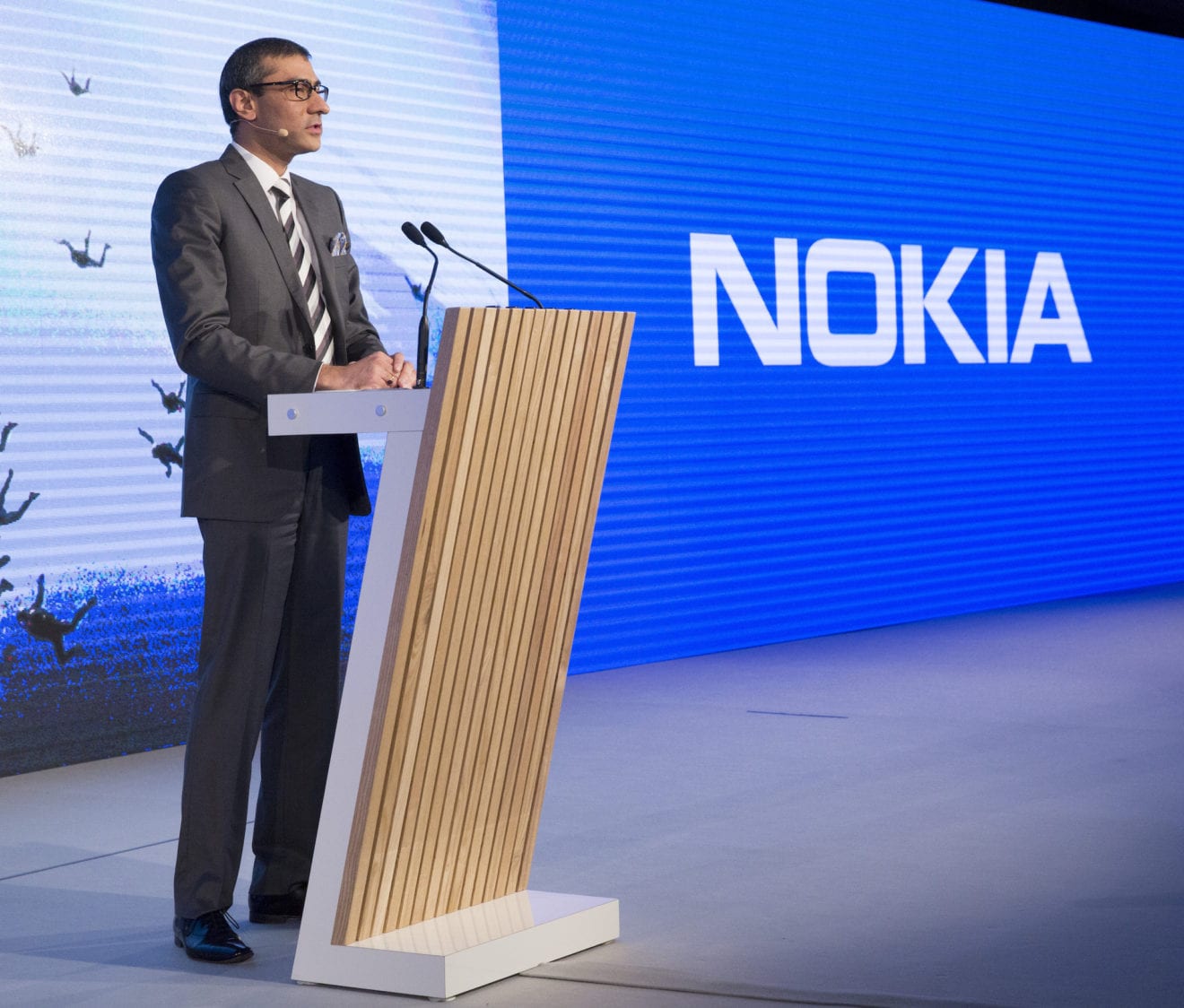
    “Nokia’s first quarter 2017 results demonstrated our improving business momentum, even if some challenges remain,” Nokia CEO Rajeev Suri said.

    “We slowed the rate of topline decline and generated healthy orders in what is typically a seasonally weak quarter for us. We also continued to see expansion of cross-selling across our full portfolio, delivered excellent gross margins and improved group-level profitability.”

    Suri said he is cautiously optimistic about Nokia’s performance in the year ahead, and expects to meet its guidance of ahieving a profit for the full year.

    But net sales for the year are expected to decline in line with the expected “low single digit percentage” decline in the primary addressable market for the company’s networks business.

  • NBN achieves 1.1Gbps speeds in fixed wireless trial

    NBN achieves 1.1Gbps speeds in fixed wireless trial

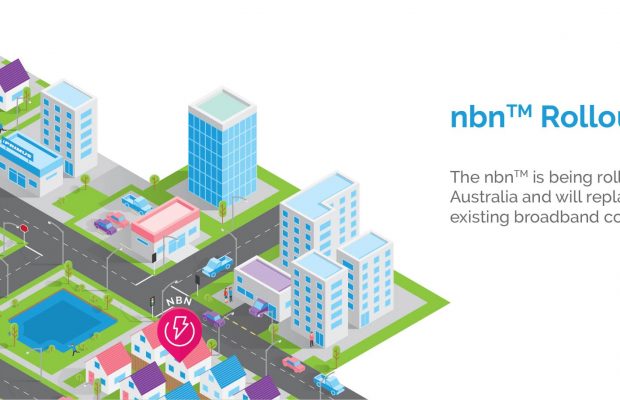
    Australia’s nbn, the state-owned company building the National Broadband Network, has achieved speeds of over 1Gbps during a trial of fixed wireless technology.

    The company used carrier aggregation to combine seven 3.4-GHz carriers with four in the 2.3-GHz bands, achieving a downlink speed of 1.1Gbps and upstream speeds of 165Mbps.

    Using a range of various carriers across the two bands, nbn also demonstrated trial peek speeds of 400Mbps/55Mbps, 250Mbps/50Mbps and 100Mbps/400Mbps.

    The fastest 1.1Gbps speed was achieved by using three next generation Wireless Network Termination Devices (WNTDs) while the others were achieved with a single such device.

    The trial was conducted with Ericsson, NetComm Wireless and Qualcomm, and used speed testing technology from Mill Software.

    nbn has pledged to launch a 100Mbps fixed wireless product for the regional business segment in 2018.

    “Our ability to deliver gigabit speeds on fixed wireless demonstrates our continued focus on identifying and implementing tech advancements as and when they are needed, across all technologies,” nbn CEO Bill Morrow said.

    “It’s particularly exciting to be able to reaffirm our commitment to delivering a great experience to the 600,000 premises in regional Australia that will be served by the fixed wireless network. Our fixed wireless network has already been recognised as a world leader and we are determined to maintain that position by making sure regional Australians get access to the same high speed broadband available in our cities.

  • SK Telecom to build O2O platform with Bluebell

    SK Telecom to build O2O platform with Bluebell

    SK Telecom has signed a memorandum of understanding (MOU) with Bluebell Korea to cooperate on bringing cutting-edge ICT to the luxury retail industry.

    Bluebell Group is a leading operator of luxury brands in Asia, which also specializes in consulting, and has eight branches in Asia distributing products from over 100 brands. Bluebell Korea is in charge of distributing luxury goods to duty free shops and shopping malls in Asia.

    Under the MOU, SK Telecom and Bluebell Korea will work together to build an O2O (offline to online) platform to enhance travelers’ shopping convenience; bring innovative changes to luxury goods stores and distribution channels; and develop luxury goods based on ICT.

    SK Telecom plans to apply its industry-leading ICT – including its cloud-based digital signage platform “Smart Signage” and IoT-based location tracking solution – to luxury brand stores and goods so as to increase customer loyalty and sales of luxury brands.

    The luxury industry has so far strictly adhered to the craftsmanship of products and traditional sales channels – that is, offline stores. However, a slowdown in market growth coupled with the rise of young, tech-savvy consumers who are taking up a growing share of luxury spending is driving new changes in the conservative industry.

    “Through the MOU with Bluebell Korea, SK Telecom expects to bring innovative changes to the luxury market through the application of its state-of-the-art ICT including IoT technologies,” said Cha In-hyok, EVP and head of IoT business division at SK Telecom.

    “The convergence between ICT and the luxury retail industry will not only create new business opportunities for both parties but also deliver enhanced value and experience for customers.”

  • SoftBank working on eSIM platform for IoT

    SoftBank working on eSIM platform for IoT

    SoftBank is developing an embedded subscriber identity module (eSIM) platform as part of its efforts to promote Internet of Things (IoT) solutions.

    The platform, which is scheduled to start operating in 2017, enables remote eSIM provisioning by connecting to carrier communication networks with the required profiles.

    When selling vehicles and other items embedded with machine-to-machine (M2M) equipment to markets abroad, until now it was necessary to prepare dedicated SIM cards with the necessary profiles to connect to the respective communication networks of overseas carriers.

    With eSIMs integrated into IoT products and M2M equipment, and by using the eSIM Platform, corporate customers will be able to remotely provision eSIMs with the profiles required for connecting to various carrier networks.

    For tablets, wearables and other consumer devices equipped with eSIMs, the eSIM Platform will also enable the remote provisioning of pre-registered contract information and other types of information, in addition to the necessary profiles for network connection.

  • Connected pallets are next greenfield IoT apps

    Connected pallets are next greenfield IoT apps

    Connected pallets are the most promising greenfield application enabled by the new wave of cellular and non-cellular LPWA technologies, according to Berg Insight.

    The research firm said in a new report the global installed base of pallets used for transportation is estimated at around 10 billion units.

    “With an average sales price of $10 per unit for regular pallets, the cost of adding connectivity can be justified by increasing efficiency in many logistics operations,” said Tobias Ryberg, senior analyst at Berg Insight.

    “The ability to track pallets can also contribute to extending their lifespan which is currently around two years,” said Ryberg.

    He added that several large industry players are evaluating connected pallets right now and they could proceed with large-scale deployments in the very near future.

    Smart cities and smart agriculture are other potential mass-volume market segments where LPWA technologies will be a key enabler. Berg Insight however believes that there are significant barriers that must be overcome before they can scale.

    Moving from today’s limited smart cities demonstration projects to city-wide deployments will be costly, complex and time-consuming. Smart agriculture is in an even earlier stage of development where the initial focus lies on proof-of-concept and application prototyping.

    “Today’s top IoT devices – the connected car and the smart meter – needed more than a decade to mature”, said Ryberg. “The smart city and the intelligent farm will need at least that much time to grow from vision to reality.”

  • IoT revenues jump 19% to $8b in Q4’16

    IoT revenues jump 19% to $8b in Q4’16

    Nearly all tracked IoT segments recorded double-digit growth in the fourth quarter of 2016, driving an overall 19% year-to-year revenue gain to $8.2 billion for the 29 companies benchmarked in Technology Business Research Inc.’s (TBR) Commercial IoT Benchmark.

    Cloud services was the benchmark’s fastest-growing segment, at 64% year-to-year as customers increasingly adopted centralized analytics, storage and other intensive computing applications such as artificial intelligence (AI) and machine learning.

    The experimentation on the edge and the necessity of hybrid IoT are also delivering ICT infrastructure a more permanent position in the IoT stack, rather than it being a victim of cloud-based IaaS. The ICT infrastructure segment grew 7% year-to-year to 10% of total benchmarked revenue.

    IT services grew 14% year-to-year and remains a crucial component of the IoT market due to the necessity of build, run and training services in IoT. However, IT services revenue growth decelerated from 15% year-to-year in the second quarter of 2016.

    Business consulting grew 29% year-to-year. TBR believes business consulting will be less impacted by standardization, prepackaged solutions and AI due to the complex knowledge and creativity necessary to guide transformation.

    The security and connectivity segments, necessary aspects of an IoT solution, grew 28% and 16% year-to-year, respectively. Both of these segments’ revenues scale extremely close to IoT adoption — as more devices and sensors are deployed by customers the more security and connectivity are required.

  • Nokia, University of Technology Sydney team on IoT projects

    Nokia, University of Technology Sydney team on IoT projects

    Nokia and the University of Technology Sydney (UTS) have signed a MoU under which Nokia will join the university’s UTS: Rapido, a new technology development unit.

    The two partners will collaborate on developing IoT-based business applications using high-speed, ultra-low latency technologies such as 5G.

    In the technology partnership with UTS: Rapido — established to help businesses unlock the potential of IoT — Nokia will work on advanced engineering projects that support the development of future network services to address the specific technological challenges of service providers and enterprises.

    Nokia and UTS will also explore the expansion of the advanced engineering activity into new areas of innovation and proof-of-concept development.

    The MoU covers the creation of a collaborative innovation and training facility at UTS, for which Nokia will provide IP routing, optical, fixed and 4G and 5G mobile network components, and applications and analytics platforms for project work and training. Nokia will also participate in the advisory board of the UTS Faculty of Engineering and Information Technology.

    In one of the first UTS: Rapido projects, researchers at the university are integrating video downloads filmed around the world using the Nokia OZO virtual reality camera into the UTS 3D Data Arena. This will show how operators could combine 3D footage with real-time data and graphics to explore new services and business opportunities.

    “This association will allow us to contribute our expertise in areas such as 5G, IoT and data analytics, through UTS: Rapido, to help Nokia’s customers unlock the potential of emerging digital capabilities,” said Myriam Amielh, associate dean for external engagement at UTS.

    Ray Owen, head of Oceania at Nokia, said the successful implementation of IoT and the connectivity of potentially billions of devices will rely on the deployment of technologies such as enhanced 4G and high-speed, low-latency 5G.

  • NTT Com secures international license in India

    NTT Com secures international license in India

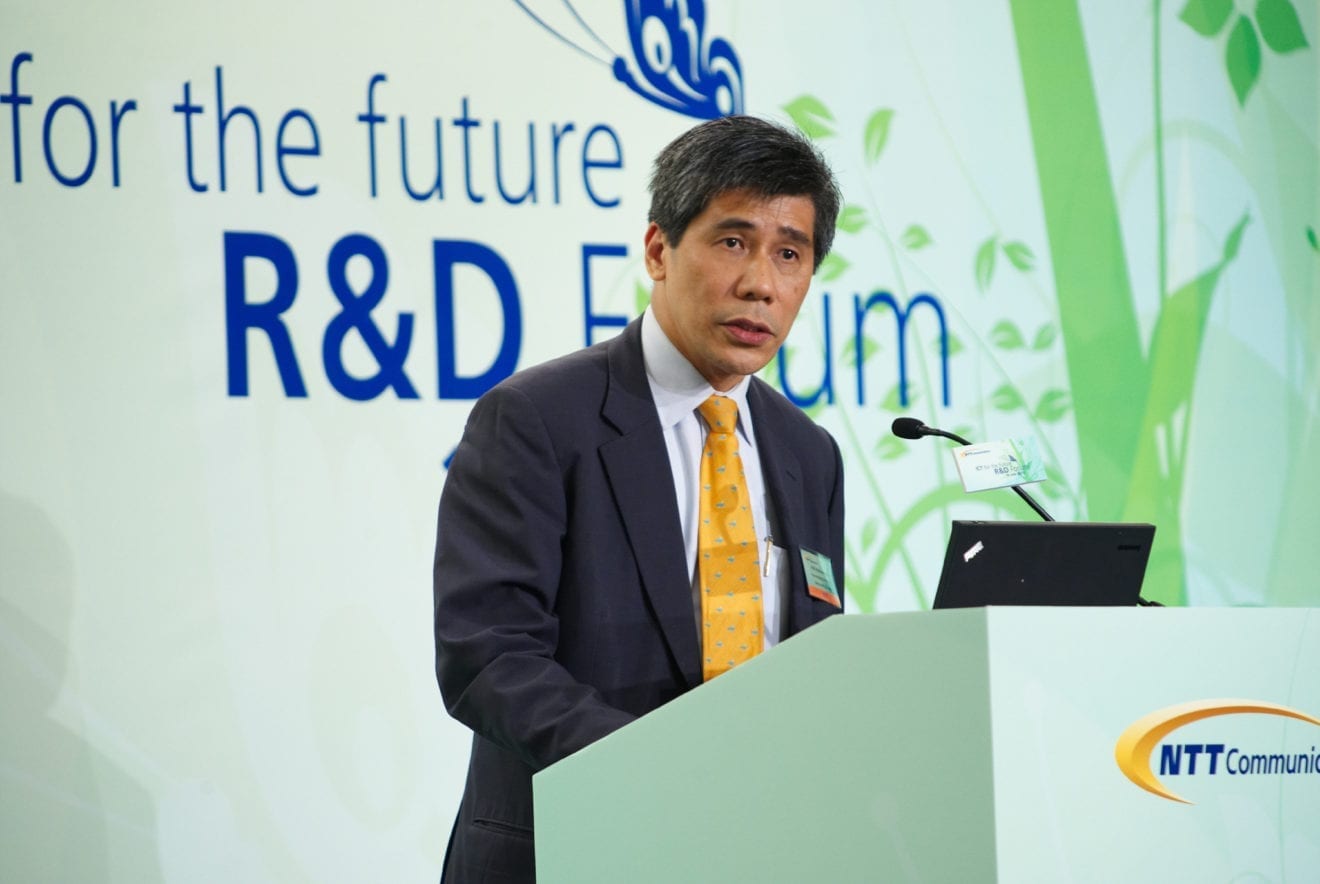
    TT Com has announced it has secured an international telecoms operating license in India via its affiliate NTT Communications India Network Services (NTTCINS).

    NTTCINS has secured a virtual network operator – international long distance (VNO-ILD) license in the market, becoming the first Japanese ICT provider to secure such a license.

    The acquisition will allow NTT Com to launch its Arcstar Universal One International Network Services in India, in addition to the national long distance network services it provides through NTTCINS.

    The company plans to offer a range of ICT solutions in the market, including WAN, LAN, data centers and value-added services. NTT Com also plans to enhance its network services and improve service quality in the market via closer relationships with local operators.

    NT Com has data centers in Chennai, Bangalore, Mumbai and Delhi. The company’s portfolio in India also includes colocation, managed hosting, cloud and ICT management services provided through affiliate Netmagic.

    “With the enhanced network capabilities coupled with managed hosting and cloud services, we are always committed to enable our customers to reap the maximum value from their technology investments,” Netmagic CEO Sharad Sanghi said.

    “This suite of offerings provides a robust value proposition as an ICT provider to meet our customers’ IT infrastructure and connectivity requirements.”

  • Executives betting on Industrial IoT

    Executives betting on Industrial IoT

    Many companies are unprepared for the Industrial Internet of Things (IIoT), but most executives at those companies realize that the future of their business depends on it, new research suggests.

    The study from the Business Performance Innovation (BPI) Network also suggests that large-scale integrators and other channel partners will be among the biggest IIoT beneficiaries over the next several years.

    The study was based on a global survey of some 350 global executives and interviews with innovation leaders at large global enterprises, including companies such as Airbus, Balfour Beatty, Embraer, Philips Lighting, Whirlpool, LafargeHolcim, TVH, Hitachi and others.

    “Executives are telling us that IIoT technologies are about to play a significant role in business and industrial performance, delivering significant improvements in operational efficiency and uptime, as well as growth from new business models, products, services and customer experiences,”  BPI Networks head of thought leadership Dave Murray said.

    “Nevertheless, less than 2% of large companies say they have a clear vision for how to move forward or have large-scale implementations underway. That dichotomy suggests we are experiencing the lull before the storm of IIoT transformation. This is an opportunity for real competitive differentiation and advancement.”

    The IIoT survey shows that 52% of executives at large enterprises—and 41% of executives at all companies—expect IIoT to have a significant or major impact on their industry within three years.

    In addition, 55% of all executives say IIoT is gaining adoption within their industries, including both pilots and larger-scale adoption.

    However, just 1.5% of executives at large companies say they have a clear vision with implementation well underway, while another 57% are either beginning implementation, have pilots underway or are committed and in the planning stages.

    New products and services lead as the area most companies say they will focus their IoT investments (35%), followed by customer touchpoints (29%), and manufacturing (23%).

    More cost-efficient operations (47%), product and service differentiation (36%), and improved customer engagement and satisfaction (34%) are seen as the top benefits of IIoT.

  • Myanmar mobile payment firm ONGO gets new investor

    Myanmar mobile payment firm ONGO gets new investor

    National Bank of Canada (NBC) has acquired a 22% stake in Myanmar-based mobile payments firm ONGO for an undisclosed sum.

    ONGO is the consumer facing brand of Ronoc Asia, a subsidiary of the emerging markets investment business Ronoc. It offers retailer payments solutions, payroll programs and direct to consumer services leveraging payments technology.

    ONGO currently employs over three hundred people in Yangon and is expected to grow to five hundred by year end.

    “The addition of National Bank of Canada is an important milestone for our business. We have aggressive growth plans for Myanmar and have set ourselves a goal of providing over one million consumers with access to finance over the next three years,” said Michael Madden, the Founder and Chairman of Ronoc Asia/ONGO.

    “The addition of NBC as a strategic investor will strengthen our capabilities and accelerate our timelines in Myanmar as well as our expansion to other markets in the region.”

    “National Bank of Canada is proud to become a partner of Ronoc Asia/ONGO. This investment in fintech complements the activities we already have in the ASEAN zone through our subsidiary ABA Bank, in Cambodia,” stated Louis Vachon, President and Chief Executive Officer of National Bank of Canada. “We look forward to contributing to ONGO’s success.”