Category: Telecom

Retail News Asia is committed to providing both local and global retailers with the latest Telecom & Telco news throughout the Asian market. This on a daily base.

  • Google unveils 2 affordable smartphones in Philippines

    Google unveils 2 affordable smartphones in Philippines

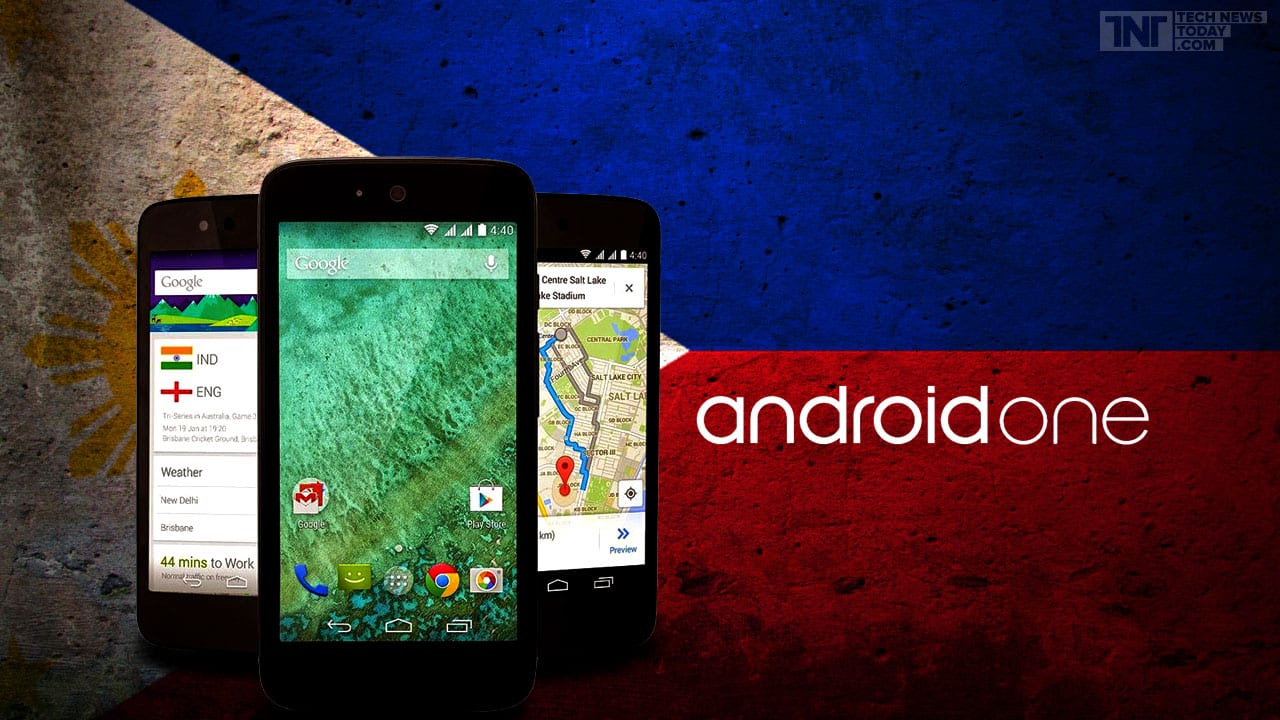
    Google unveiled two affordable smartphones in the Philippines built from the Android One program, a global initiative to bring high-quality smartphones to emerging markets.

    The two phones, developed by local manufacturers Cherry Mobile and MyPhone, will retail for PHP5,000 (USD113.4) in the coming weeks.

    Caesar Sengupta, Vice President, Product Management, Google, said the Philippines is the sixth country in Asia where the Android One program was rolled out, after India, Bangladesh, Nepal, Sri Lanka and Indonesia.

    Android One phones come with the latest version of Android Lollipop and the two phones that will sell in the Philippines will both have 4.5” FWVGA display, Cortex A7 1.3 GHz Quad-Core processor, 1GB RAM, 2 SIM card slots, and front and rear facing cameras and 4GB and 8GB storage (expandable to 32GB).

    Sengupta said Google is also working to reduce data costs for Android One users in the Philippines. For one, the data compression feature on the Android One Chrome browser helps compress the amount of data flowing between the phone and the Internet.

    The Philippines is one of the few countries where YouTube users can take videos offline to watch later during periods of low or no Internet connectivity.

    Telecommunications companies Smart Communications Inc, and Sun Celluar are pitching in effort to make the mobile experience better for users through free over-the-air (OTA) updates to the Android operating system and certain amounts of app downloads from Google Play for the first six months.

    Globe Telecom, on the other hand will be working with Android One users to better access the Internet through its network.

    Ken Lingan, Google’s Country Manager for the Philippines, said during the launch that the country now has over 44 million Internet users. The projection is that by 2016 there would be 66 million Filipinos online.

    “Currently, the Philippines is already the second largest Internet market in Southeast Asia, the 6th largest in Asia. The numbers are growing. There is a massive potential that we see for e-commerce and growing content online because as we see more Filipinos going to the Internet primarily through a mobile device,” he said.

    Sengupta said that it is part of Google’s mission to help connect the four billion or so people around the world who still do not have access to smartphones and are not yet online, mostly in emerging markets like the Philippines.

    “There are lots of first smartphone users do not really get a very nice experience with their gadgets, the software are pretty old and connectivity is expensive and the bandwidth limited,” Sengupta added. “We put together this programming called Android One as an integrated approach to try to solve these problems.”

    Mobile Internet in the Philippines is growing 112 percent year-on-year. By the end of this year, Google expects 50 percent of the population with smartphones. This growth is largely being powered by Android.

  • Optus boosted by customer growth

    Optus boosted by customer growth

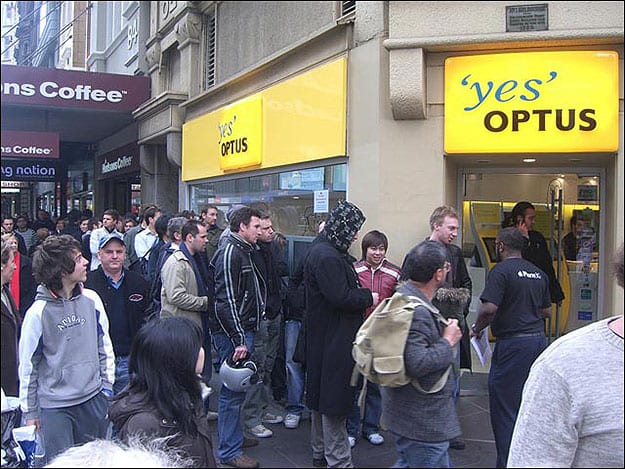
    New customers spending more on data have boosted revenue for Optus, but the telco continues to be outpaced by Telstra.

    Australia’s second largest telco achieved a 6 percent rise in revenue in the three months to December, as it added 100,000 mobile customers to 8.25 million.

    Data revenue rose 12 percent, as more customers moved to the company’s 4G network and new handsets, including the iPhone 6, were released.

  • Philippine telcos unveil more payment options for digital goods

    Philippine telcos unveil more payment options for digital goods

    Telecommunications companies in the Philippines are making it easier for Filipino shoppers to purchase digital goods such as apps, games, books, magazines, music and movies.

    With only around four percent of Filipinos owning credit cards, according to the CIA Fact Book in 2013, it is difficult for consumers to participate in e-commerce and fully enjoy a digital lifestyle.

    With the direct carrier billing service now provided by both Smart Communications Inc. the and Globe Telecom, it is expected that

    The pay-with-load service of Smart Communications, dubbed Pay-With-Mobile, unveiled on Friday, allows subscribers to purchase from the App Store and iTunes using prepaid load or to charge the purchase to their monthly phone bill.

    The service, which Smart said will be fully available on 18 February, eliminates the need for a credit card to make in-app purchases, which has long been a barrier for many Philippine shoppers.

    Smart said a 15 percent premium will be charged on top of the published App Store and iTunes rates to account for VAT (value-added tax) and foreign exchange rate difference in US dollars.

    To get started, users need to register their mobile number to get a Pay-With-Mobile number, which they can enroll in their Apple ID account to start making purchases.

    “Smart understands that not everyone owns a credit card, but that shouldn’t stop people from realizing the full potential of their mobile devices,” said Charles Lim, EVP and Wireless Consumer Division Head at Smart.

    Globe Telecom, for its part, has earlier launched its own direct carrier billing services for in-app purchase on Google Play last October.

    For Apple customers, Globe susbscribers can purchase from the Apple App store through the GCash American Express Virtual Pay, a service it introduced in 2012.

    Globe said app purchases comprise 27 percent of total GCash American Express Virtual Play purchases. Meanwhile, Google Play Store app purchases has more than doubled since its launch last October.

  • Malaysia smartphones sales peak at 8.5m units in 2014

    Malaysia smartphones sales peak at 8.5m units in 2014

    Malaysian consumers just cannot get enough of smartphones; buying more of them each year to bring annual sales volume to yet another peak in 2014 at 8.5 million.

    GfK retail sales tracking showed consumers buying around USD2.66 billion worth of the popular gadget between January and December last year. Total consumer spend, however, was down by 4 percent against 2013 due to the falling prices of smartphones in the country.

    “There was an influx of strong new players in the smartphones and phablets market in the past year, presenting an even wider array of more affordable options for consumers,” saidSelinna Chin, Managing Director for GfK in Malaysia. “Demand peaked in December when sales volume in that month alone reached nearly 769,000 units—over 106,000 more than the slowest sales month in the same year.”

    All regions across the country exhibited stable growth in 2014, with the Central region contributing to nearly half (46 percent) of the entire market share volume.

    The biggest spike in sales was contributed by the USD150 to USD200 segment of smartphones. Its volume share grew from 10 percent of the total market in 2013 to 16 percent in 2014; making it now the biggest segment within the local market.

    “Smartphones below USD200 will continue to be in demand moving into 2015, driven by the multitude of brands, improved technical specifications, aggressive marketing and price erosion — key factors which will further encourage consumers to replace their smartphones,” said Chin. “In a separate GfK consumer survey conducted nationwide, nearly half of all respondents indicated that price is the most important deciding factor when choosing which phone to buy.”

  • Cyberattacks target in-store sales systems

    Cyberattacks target in-store sales systems

    Cyberthieves are increasingly targeting credit card information from point-of-sale systems, Tokyo-based information security company Trend Micro Inc. has warned.

    It’s a problem shared by countries worldwide, and Japan is no exception, the company said.

    POS attacks involve the use of computer viruses to intercept and extract confidential data from systems used to process credit card settlements and manage customer information as well as product sales records and inventories. The systems also play a role in marketing, through analysis of store-by-store sales trends and inventories.

  • Mobile internet will top $1.55 trillion

    Mobile internet will top $1.55 trillion

    Mobile internet is already generating some US$700 billion in annual revenues across the 13 nations which comprise 70 per cent of the world’s GDP.

    And a new report by Boston Consulting Group, commissioned by Google, predicts that by 2017 mobile internet revenues will reach $1.55 trillion – an annual increase of 23 per cent.

    BCG says mobile internet has already created 3 million jobs.

    Revenues are growing especially quickly in developing markets, according to the report The Growth of the Global Mobile Internet Economy, “fuelled by competition among the various mobile internet ecosystems.”

    “The resulting innovation and choice are leading to better devices and falling prices for consumers.”

    Revenues in India are growing at 40 per cent a year, for example, and in China and Brazil they are growing at an annual rate of 25 per cent (comparable to the US and the EU5). Even in most mature mobile markets, such as Japan and South Korea, mobile internet revenues are growing at 10 per cent a year – a rate much faster than overall GDP growth.

    The new report examines the economic impact of the digital economy related mobile devices (such as smartphones, tablets, and wearables) and excludes economic activity generated by the broader mobile technology industry, such as revenues generated by phone calls, SMS “texting,” the manufacturing of non-Internet-enabled devices (feature phones, for example), and capital expenditures for non-digital data activities on mobile networks.

    The 13 countries surveyed are Australia, Brazil, Canada, China, France, Germany, India, Italy, Japan, South Korea, Spain, the UK and the US. The single largest contributor to mobile internet revenue growth in the next several years will be the apps, content, and services component of the ecosystem, driven by the rapid expansion of mobile shopping and advertising.

    Consumers are by far the biggest beneficiaries of the mobile Internet. On a per capita basis in the 13-country sample, the average consumer surplus – the perceived value that consumers themselves believe they receive over and above what they pay for devices, applications, services, and access – is about $4,000 a year, or seven times what consumers pay for devices and access. The mobile internet’s consumer surplus across the 13 countries is approximately $3.5 trillion a year. The largest aggregate consumer surplus is in the US ($827 billion), followed by China ($680 billion). On a per capita basis, consumers in Japan, Germany, France, and Australia all enjoy mobile internet surpluses of more than $,000 per year.

    “Competition throughout the mobile internet ecosystem is driving innovation, growth, jobs, and a continually improving experience for consumers and businesses,” said Dominic Field, a BCG partner and coauthor of the report.

    “Increasing mobile access everywhere is leading to new uses of the Internet – in fields from banking to education and from healthcare to the delivery of public services – further propelling growth. Policy makers can help keep the mobile internet economy moving by pursuing proven policy goals that encourage continued improvement in these areas, as well as innovation, value creation, and consumer welfare and choice.”

    Competition occurs at every layer of the mobile ecosystem – among service providers, enablement platforms, and companies providing apps, content, and services. Competition is particularly intense – and evolution especially fast paced – among device manufacturers and operating system companies. As recently as 2010, the BlackBerry and Symbian platforms accounted for more than half of all smartphone sales in the 13-country sample; they now represent less than five per cent. Today, Apple’s iOS, Google’s Android OS, and Microsoft’s Windows Phone OS are fighting for market share while keeping an eye on newer entrants, such as Amazon’s Fire OS, Nokia’s X platform, Xiaomi Miui, Firefox OS, and Tizen, which are further augmenting user choice and competition. “All of this leads to faster innovation, more capable devices, and lower prices,” said the report.

    A big part of the mobile internet success story is the flourishing app economy. There have been more than 200 billion cumulative downloads from the various app stores since the first app was developed in 2008. More than 100 billion downloads took place in 2013 alone. Leading app-store operators paid developers more than $15 billion between June 2013 and July 2014.

    “The growth of the mobile internet economy is propelled by increasing affordability and accessibility, as well as by advances in technology and infrastructure,” said Paul Zwillenberg, a BCG partner and coauthor of the report.

    “The rapid advent of more affordable phones – those costing $100 or less – will drive both greater penetration and new uses.”

    He noted that while only about 20 per cent of smartphone shipments in 2013 comprised devices priced below $100, a fast-growing array of global, local, and new-entrant manufacturers are now making affordable smartphones.

    Large majorities of consumers in the 13-country sample would forgo most offline media (the one exception is TV) before losing their mobile internet access. Two-thirds or more would give up chocolate and alcohol. More than half are willing to forgo coffee and movies. A third are willing to give up their cars, and more than a quarter would abstain from sex.

    Download the report on mobile internet here.

  • Huawei in retail push

    Huawei in retail push

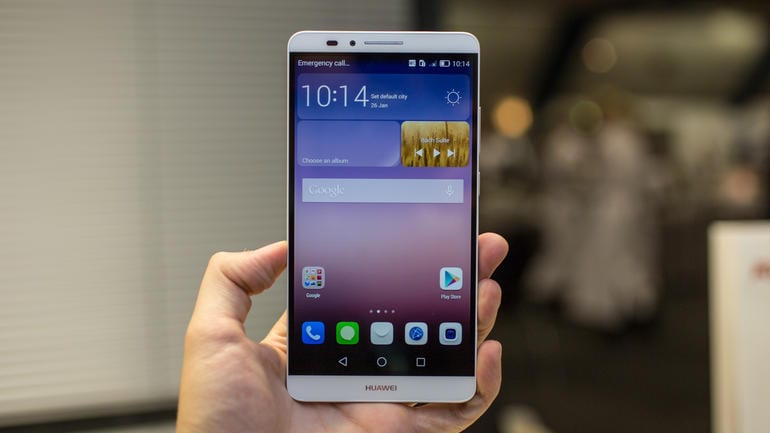
    Huawei Australia will rollout  ‘Experiential Zones’ at select Sydney Westfield shopping centres, showcasing its consumer product range in one location for the first time.

    Continuing its marketing push in Australia, the Huawei Experiential Zones offer customers the opportunity to explore the latest in mobile and mobile broadband technology.

    The Huawei Experiential Zones are located at Chatswood and Parramatta. An official launch will be held on February 7 and 8 at Westfield Chatswood and Westfield Bondi.

    Bondi Junction will launch on February 7, followed by Sydney City, February 9; and Miranda, March 16.

    To recognise the launch, Huawei ‘keys’ will be given to Westfield customers to access the Huawei Vault containing five Huawei Mate7 devices, with five to be won each day at each location.

  • Burberry teams with Line

    Burberry teams with Line

    Burberry and Line have launched a global partnership beginning with a platform first – the live stream of Burberry’s upcoming Prorsum womenswear show, direct from London.

    Burberry and Line say they will initially be partnering to offer Line users in Japan “unique creative content and real time technology” to take users closer to the luxury British brand.

    It’s the second major retail initiative this week for Japanese-founded Line, following the launch of an online supermarket service in Thailand as the first step in a Southeast Asia-wide grocery store roll-out.

    But the Burberry relationship will not extend to online shopping, rather it is a brand building exercise which in time will expand beyond Japan.

    Burberry chief creative and CEO Christopher Bailey said Burberry has long admired Line for its innovation and creativity.

    “This exciting collaboration will help us share our rich heritage and culture of design by building a very personal relationship with audiences in Japan.”

    Users of Burberry’s Line official account will be able to watch the Burberry Prorsum Autumn/Winter 2015 Womenswear runway show live from London Fashion Week on February 23. Using the mobile live cast functionality Line Live Cast, viewers in Japan will be able to experience the show in real time.

    An exclusive collection of Burberry ‘Cony and Brown’ ‘digital stickers’ will be launched with both characters dressed in iconic Burberry trench coats and cashmere scarves designed for the platform. The stickers will be available exclusively to Line users in Japan from mid-February.

    Line CEO Akira Morikawa said his company was pleased to be recognised as “a powerful and stable platform” by Burberry.

    “This is a huge step for Line as it continues to grow its brand and expand globally. We look forward to working with Burberry to provide users with uniquely enjoyable and revolutionary experiences achieved by connecting an increasingly smartphone-oriented fan base with one-of-a-kind luxury fashion available both in-store and online.”

    Burberry is beginning a new chapter in Japan in 2015. From June, the brand’s licensed products will be replaced with the Burberry global product offering including its British made heritage trench coats and scarves.

    Burberry has 16 stores in Japan, including flagships in Kobe, Ginza Marronnier Dori and Roppongi in Tokyo. Last November it opened a new store in Omotesando, Tokyo.

    Line has expanded its user base globally and now has more than 181 million active monthly users.

    Burberry’s Line official account: LINE ID : @burberry_jp. It is in Japanese only at this stage.

  • Alibaba invests in Indian mobile payment player One97

    Alibaba invests in Indian mobile payment player One97

    ANT Financial Services Group, an affiliate of China’s Alibaba Group Holding Ltd, has agreed to buy 25 percent of Indian payment services provider One97 Communications, tapping into the country’s smartphone and online industry boom.

    The companies did not provide the value of the deal, but a person with knowledge of the matter called the investment a precursor to One97 listing on the stock exchange, and said the stake was worth more than USD500 million.

    The deal values One97 at more than USD2 billion, making it one of the most valuable startups in the country. One97 runs Paytm, an online platform through which users can shop or pay utility bills, whereas Ant runs Paytm’s Chinese peer Alipay.

  • China Mobile eyes 5G technology

    China Mobile eyes 5G technology

    China Mobile, China’s largest 4G mobile network operator, has begun development on the next generation of mobile internet following the success of 4G, a senior executive of the company said on Saturday.

    Xi Guohua, chairman of the board for the telecom giant, made the announcement during the 13th China Enterprise Development Forum held by the Development Research Centre of the State Council.

    The move suggested the company is trying to maintain its leading position in an increasingly heated competition among the country’s three and only telecom service providers.

  • Line app gets into groceries

    Line app gets into groceries

    Social media and chat app Line is getting into the grocery retailing market with the launch of an online supermarket for Southeast Asia.

    Line, with 181 million monthly active users at the last count, will launch the supermarket service first in Thailand on February 4, reports TechInAsia.com. It promises discounts on some everyday groceries that people need to stock up on often, such as bottled water, coffee, and instant noodles. There will be free delivery for Thai shoppers.

    Thailand is one of the Japan-based app’s top markets, where is has 36 million active users at present.

    The new service was announced by Line’s eCommerce partner, aCommerce, which handles all the supplies, warehousing, and shipping.

    “Food and consumer goods-based ecommerce businesses have been around for quite a while now, especially in developed markets like the US and Korea,” said Sedong Nam from Line Plus Corp.

    “However, only recently are we starting to see the shift towards mobile-first with on-demand businesses that extend to every part of our life. This campaign is our first step towards moving into developing our channel exclusively for the emerging online groceries category.”

    Nam added that the messaging app faces a challenge in this new space and needs “to educate both consumers and retailers in the region on the benefits of mobile commerce.”

    Line first experimented with eCommerce in the region in late 2013 with flash sales for make-up products.

    Line’s online groceries store will expand to Southeast Asia at an unnamed date. This will likely be limited to certain cities, rather than covering entire countries.

  • Filipino telco unveils new retail concept

    Filipino telco unveils new retail concept

    Globe Telecom has simultaneously opened the first three stores in a new retail format named Generation 3.

    The Globe Gen3 format was designed by Tim Kobe, founder and CEO of Eight, Inc, whose most famous work is the Apple Store in New York.

    Globe says the colourful stores designed to engage with customers, set a new global standard in telco retail experience. The first three opened in SM North Edsa, Quezon City, Manila and in Limketkai Mall, Cagayan de Oro.

    “The Globe Gen3 stores will further engage and delight customers by fueling their passion in the areas of music, entertainment, productivity, and life,” the company said in a statement.

    “Globe is proud to bring to Filipino consumers another world-standard differentiated experience. Our passion for our customers inspires us to end the year on a high note by bringing innovation a notch higher in our stores, one of our key customer touch points, allowing us to truly empower our customers’ digital lifestyles,” said Ernest Cu, Globe president and CEO.

    Apart from reconfigured store displays, customers can also check out the Play Bar to explore the different featured apps and sit through one-on-one service consultations. Self-service tools are available that allow better interaction with customer representatives through a video hotline.

    “Exciting, unexpected, and experiential are the words to describe our Gen3 Stores. The concept and design of the Gen3 Stores have undergone intense research and consultation with the world’s top-notch designers and architecture experts. We are inviting customers to explore and be inspired by the stores’ four zones—music, entertainment, productivity, and life so they can fully enjoy a wonderful world,” said Joe Caliro, Globe head of retail transformation and management.

    The Globe Gen3 stores are home to various lifestyle zones with stories and exciting features for customers to experience and enjoy. These zones feature latest trends in product, people and even in business. Various lifestyle vignettes illustrate mobile and broadband technologies as connected solutions – featuring the latest devices, apps, digital connectors gadgets and services that contribute to the total interactive customer experience.

    The lifestyle zones will also highlight the stories of brand ambassadors every quarter. The store is a platform for the introduction of “must-watch personalities who are blazing new trails in their respective Art, Community and Technology spaces”.

    For the first quarter of 2015, with Music as the main theme, Globe Gen3 will feature four popular DJs: DJ Badkiss, Callum David, Mars Miranda, and Eric Capilli – who all have inspiring success stories in their chosen career. In the coming months, it will also feature the inspiring story of JR Dela Paz, a Globe myBusiness ambassador and owner of fast-rising restaurant chain Size Matters.

    The Globe Gen3 Store will also serve as a venue to introduce the latest products, devices, and services offered by Globe. To start, it is the first retailer in Asia to introduce and carry Google Cardboard, the fold-your-own virtual reality headset.

    On his design plan for Gen3, Tim Kobe shared: “The space is dynamic. It changes with new stories and experiences that support different events and moments. We have elements that move and reconfigure, the way entertainment venues support great concerts or shows.

    “Retail is one touch point where brands build relationships and sell products and services. It is important today to have a place to demonstrate what you stand for. More than 50 per cent of the reason why someone engages with a brand comes from word of mouth. Interestingly, 80 per cent of word of mouth comes from direct experience. Designing the experience is critical to building brand advocates.”

    Leading up to the launch of the Gen3 Stores, Globe collaborated with homegrown Philippine artists who took part in one of the telco’s biggest transformation projects to better serve its customers. Led by multi-awarded artist Ross Capili, the artists turned their design inspirations into live art galleries, showcasing murals exhibiting Globe’s brilliant vision, complementing the look, feel, and experience of its Gen3 Stores.

    By 2015, Globe is set to convert more of its existing stores into the Gen3 format.

  • China buying more iPhones than US

    China buying more iPhones than US

    Apple is expected to say this week that it has sold more iPhones in China than on its home turf in the US for the first time last year, highlighting the shifting power balance of the smartphone market.

    Analysts estimate that the US tech group reached the turning point in iPhone sales after expanding its presence in China last year via a deal with China Mobile, the country’s largest network operator, and after the release of the latest iPhone 6 in the country in October.

    The iPhone’s growing market share in China comes as Samsung, the global market leader by smartphone volumes, has stumbled and the region has seen the rapid rise of low-cost challenger Xiaomi.

  • Most Taiwan mobile shoppers spend over USD32 a month

    Most Taiwan mobile shoppers spend over USD32 a month

    A large majority of Taiwanese who make purchases on mobile devices spend more than NT$1,000 (USD31.9) a month, according to a survey conducted by the government-sponsored Institute for Information Industry.

    The Market Intelligence Center (MIC) under the III, cited a survey as saying that almost 70 percent of respondents who have purchased goods through their mobile devices spent at least NT$1,001 (US$31.68) a month on such purchases.

    The survey, conducted between Nov. 20 and Dec. 3, found that 62.5 percent of respondents said they made purchases on mobile devices, such as smartphones and tablet computers.

    According to the survey, 30.4 percent of those who used mobile devices to shop spend NT$500-NT$1,000 a month on average, 33.1 percent said they spend NT$1,001-NT$2,000 a month, and 16.6 percent said they spend NT$2,001-NT$3,000 a month.

  • A 48 second online store

    A 48 second online store

    The barrier to opening an online retail store just fell a lot lower…

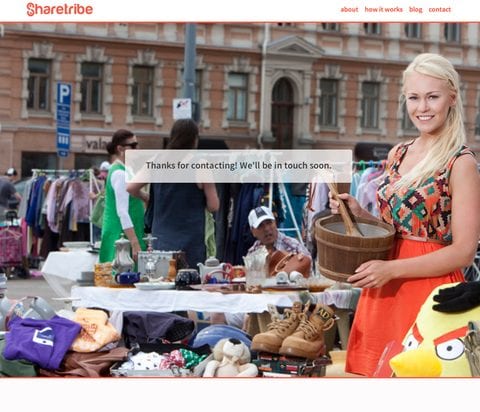
    Trend monitoring website Springwise.com reports on a new platform established by a startup called Sharetribe which allows “anyone” to set up an online marketplace in 48 seconds. All without coding.

    The concept of peer-to-peer marketplaces has exploded in the past decade thanks to platforms such as eBay, Etsy and Airbnb. But their success has relied on feature-rich web tools that regular small businesses simply couldn’t afford to build themselves.

    While we’ve recently seen The Grid offer instant website design using artificial intelligence, Finnish company Sharetribe is now helping businesses get their own online marketplace up and running without any coding.

    For businesses that need to let their users sell or swap goods, rent out their bike or car, or find someone to walk their dog, it can be expensive and timely to hire a developer to build the platform. Sharetribe promises that its set up process takes just 48 seconds, with businesses able to customise the features as they wish.

    The platform supports different types of marketplaces, offering visual listings, categorisation and browse filters, storefronts and member profiles, merchant-buyer messaging and language and currency options. Each marketplace can be completely customised to reflect the business’s brand and comes with the ability to integrate with social media.

    Sharetribe helps businesses offer a new feature for their existing communities or quickly set up a marketplace to start competing in the new sharing economy. Packages start at US$39 a month for sites with up to 300 members.