Category: Telecom

Retail News Asia is committed to providing both local and global retailers with the latest Telecom & Telco news throughout the Asian market. This on a daily base.

  • BlackBerry Targeting Local Retailers In Indonesia

    BlackBerry Targeting Local Retailers In Indonesia

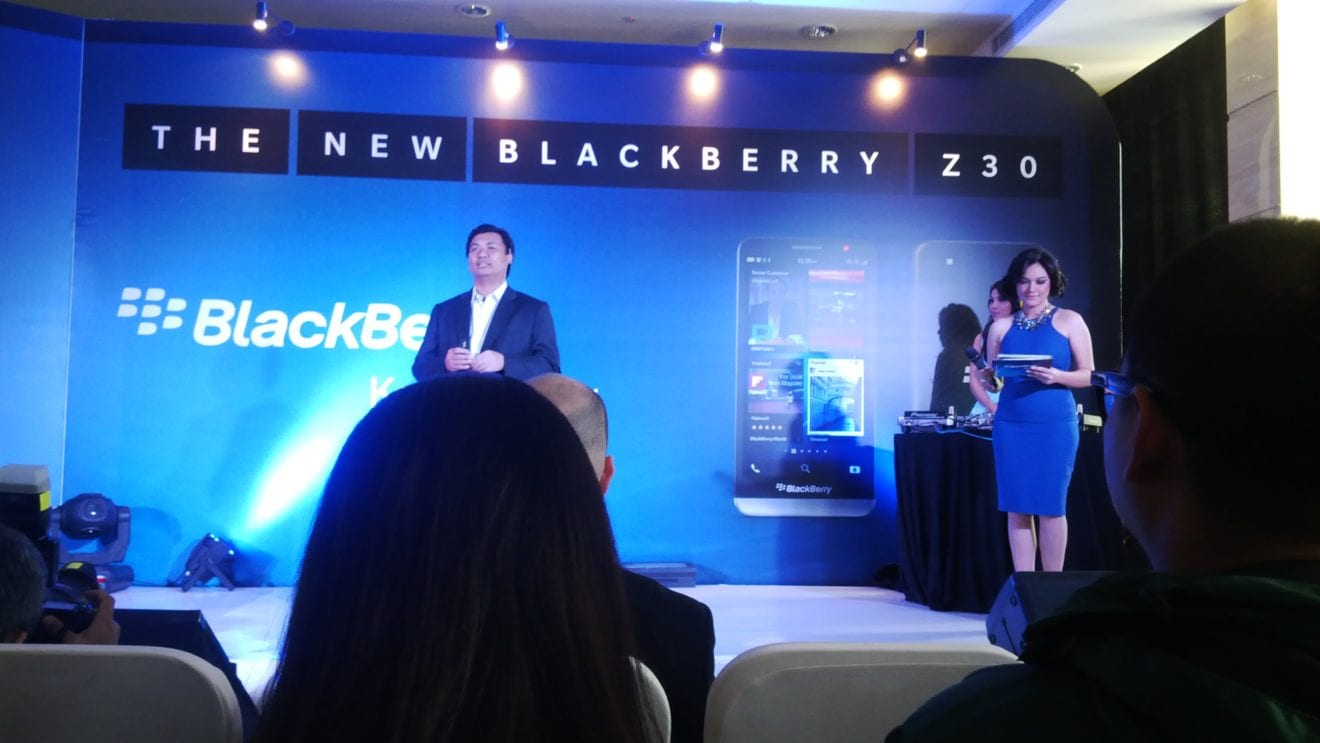
    BlackBerry Ltd (NASDAQ:BBRY) (TSE:BB) is now relying heavily on its mobile application services as it struggles with its device business in Indonesia, which is one of the most important consumer market for the company. The Canadian smartphone manufacturer is seeking to monetize the application services in the region

    Indonesia holds big potential for BlackBerry

    Matthew Talbot, senior vice president for emerging sales at BlackBerry Ltd (NASDAQ:BBRY) (TSE:BB), told that the Jakarta Post that the company had plans of approaching the brick and mortar retailers and e-commerce players for partnerships. Talbot said Thursday that these partnerships will help the company in monetizing their services.

    Talbot said both, the virtual shop of BlackBerry and BlackBerry’s e-money application dubbed BlackBerry Messenger Money (BBM Money), were used for advertising by e-commerce marketplaces Qoo10, Tokopedia and Elevenia. The executive, further, informed that globally advertisement requests received by the company per day were noted at 300 million in December last day, and in January this figure went up to an average of 400 million.

    “There’s a good opportunity to bring more and more merchants to the table as there is a large volume of retailers that are emerging in Indonesia,” he said, adding that Indonesia was the second-fastest growing e-commerce market after China. Internet penetration in the country is estimated to reach 55% by 2017 as informed by financial services company UBS, adding that there has been exponential growth in the e-commerce of Indonesia in recent years. An e-commerce provider Vela Asia said that the e-commerce market in Indonesia was calculated at $8 billion in 2013 and by 2016, it is forecasted to grow to $25 billion.

    Not BlackBerry devices, but BBM popular

    BlackBerry Ltd (NASDAQ:BBRY) (TSE:BB) has lost its smartphone share in the country to global competitors that include Apple, Samsung and LG. However, the case is not the same with the messaging application, BBM, and it remains the most popular in the country. BBM is used by 80% of the smartphone users in the country for 23 minutes a day, says a report from Nielsen, released last year.

    Competing chat apps, WhatsApp and Line, are being used by way less number of smartphone users. The time spent on the apps on the daily basis being six and five minutes, and the number of smartphone users using the apps was 57% and 30% respectively, according to the study.

  • Indosat launches i-Aplikazone app store

    Indosat launches i-Aplikazone app store

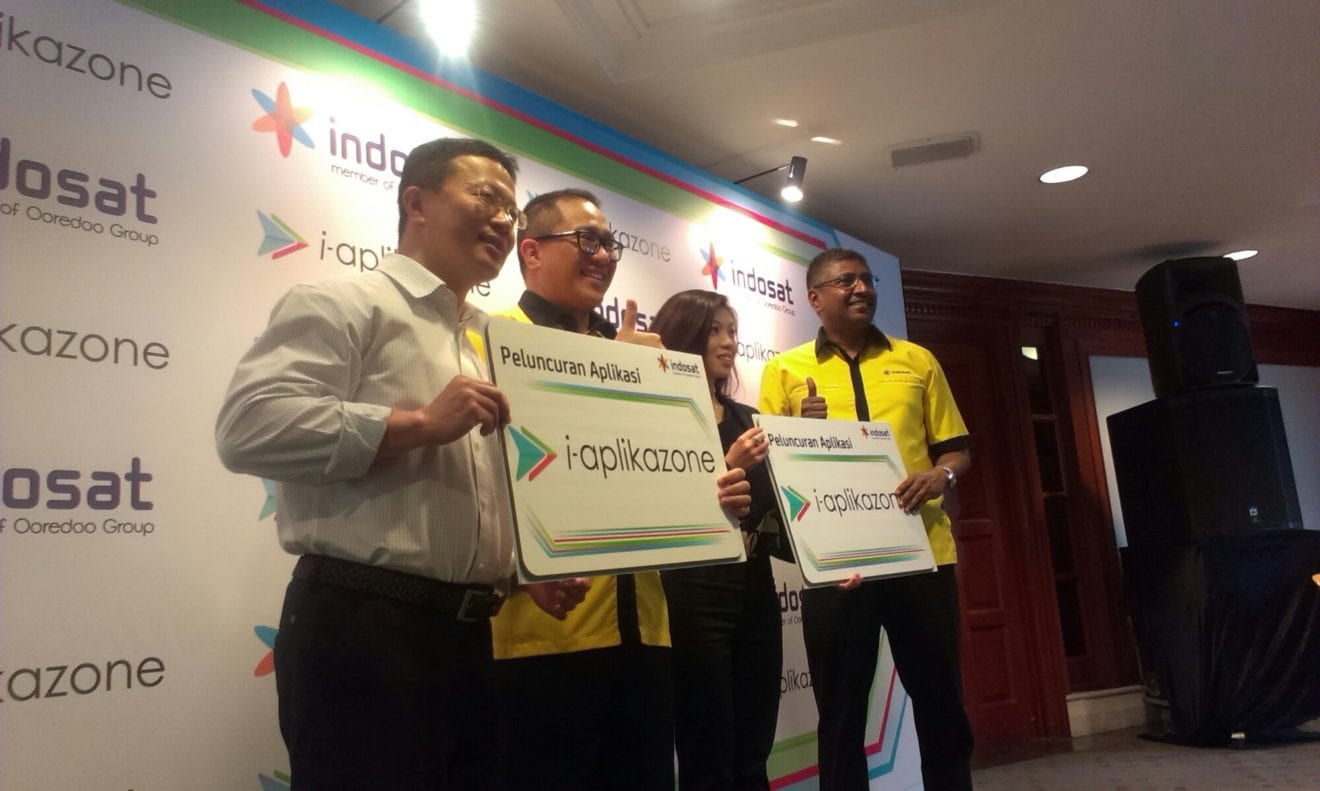
    Indonesian mobile operator Indosat has joined the expanding operator crowd in trying to tap into the growing app economy by developing its own app store.

    With the launch of i-Aplikazone on Wednesday, the company said it expects to increase revenue from data users, the Jakarta Post reported. Indosat president director Alexander Rusli set the ambitious target of having all smartphone customers download the app, a move it hopes will attract more data users.

    The app store has about 10,000 applications, of which more than 1,000 are in Indonesian, thePost said.

    Indosat, which is 65 per cent owned by Ooredoo, is now the country’s second largest mobile player after recently edging out rival XL – Indosat has a 19.5 per cent market share vs XL’s 18.5 per cent, according to GSMA Intelligence.

    Almost a third of Indosat’s 63 million subscribers are smartphone users.

    Earlier in the year it said it expects data traffic to jump at least 50 per cent after completing a two-year network upgrade. The operator has devoted the majority of its annual capex budget of IDR8 trillion ($625 million) to the network modernisation programme, which focused on 23 of the country’s largest cities.

    Number two player XL introduced its app store — Gudang Aplikasi – a year ago and said it has 2.3 million registered users in Q1. It has an estimated 22,000 apps.

    XL’s data revenue increased 29 per cent year-on-year in Q1 and now accounts for almost a third of service revenue. Smartphone adoption increased 54 per cent to 17.2 million users, giving it a smartphone penetration rate of 33 per cent.

    State-owned Telkomsel, the market leader with a 44 per cent market share, set up TemanDev in August 2013 to encourage local developers to create apps. It offers open APIs and organises local competitions, such as BestAppsID.

    South Korea
    Two months ago South Korea’s three leading mobile operators met with mobile app developers to discuss setting up a joint app store called the One Store, which is scheduled to open in May. The three currently have their own app stores – Olleh Market (KT), T-Store (SK Telecom) and U+Store (LG Uplus).

    Operator initiatives to create their own app stores and app-developer communities have not had much success.

    Analysys Mason identified 30 operator-run application stores in Asia, the Middle East and Africa at the end of 2012 and only a handful of those had been successful.

  • New know-how guarantees buying revolution

    New know-how guarantees buying revolution

    Think about purchasing with no trolley. New know-how on show in Korea this week demonstrates how shoppers can buy groceries in a grocery store, scan the barcodes of the merchandise they need to purchase and have them delivered at house at their comfort.

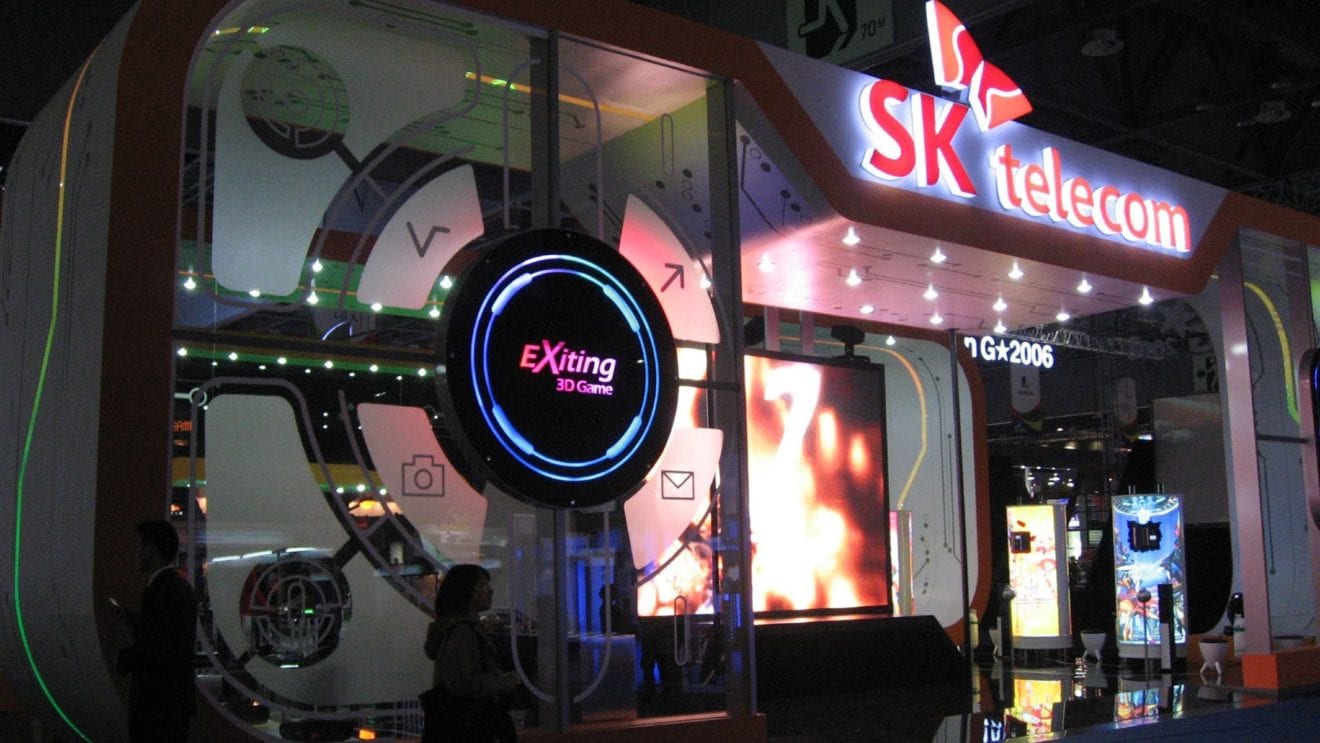
    The idea was mentioned by an SK Telecom official on the World IT Present 2015, the most important IT exhibition in Korea, held at Coex .

    Korean cellular carriers are specializing in cubicles the place guests can expertise day by day life with future communications applied sciences.

    For instance, SK Telecom, the most important cellular service in Korea, ready a mannequin house the place guests can expertise its “Sensible Residence Service” app, which lets customers activate and off numerous units present in abnormal homes like door locks, dehumidifiers, boilers and fuel valves. They will regulate lighting of their houses a thoughts boggling 36,000 methods.

    SK additionally recreated a big grocery store as a part of its exhibit. Within the demo retailer, guests can expertise its “Sensible Shopper” app, which helps customers make straightforward purchases by scanning product barcodes.

    To not be outdone, KT unveiled its GiGA Path know-how that mixes Wi-Fi and long-term evolution networks to help cellular connections which are 4 occasions quicker than these provided by present know-how. The corporate pledged to be the primary on the planet to unveil a 5G cellular community, with a deliberate launch in time for the 2018 PyeongChang Winter Olympic Video games.

    At SME cubicles, corporations exhibited promising know-how reminiscent of three-dimensional printers, versatile joint robots, drones and wi-fi recharging techniques for cellular units and digital automobiles.

    In the meantime, Samsung Electronics and LG Electronics launched their newest TV and different IT merchandise. Samsung exhibited ultra-high-definition (SUHD) televisions and new flagship smartphones together with the Iron Man restricted version of the Galaxy S6 Edge. LG displayed natural light-emitting diode (OLED) televisions, its newest flagship handset and smartwatches.

    A customer to the present stated, “With the exhibition, we will think about our future lives. Nevertheless, it’s a pity that it couldn’t differentiate itself from the Cellular World Congress held earlier this yr.”

  • Djarum Group Takes Control of iForte Shares

    Djarum Group Takes Control of iForte Shares

    Sarana Menara Nusantara, a listed telecommunications tower operator controlled by Djarum, has acquired 100 percent of iForte Solusi Infotek, a telecommunication infrastructure company affiliated to Saratoga Group.

    Sarana Menara took over iForte through its subsidiary Profesional Telekomunikasi Indonesia.

    With the acquisition, Sarana Menara will also take over all of iForte’s bond debts and warrants.

    Sarana Menara hopes the transaction will help the company achieve its target to become the biggest telecommunications tower operator in Indonesia.

    “We hope the transaction can create a synergy that would speed up the company’s business growth,” Sarana Menara Nusantara corporate secretary Arif Pradana said in a filing to the Jakarta Stock Exchange last week.

    The transaction will make up less than 20 percent of Sarana’s total equity, recorded at Rp 4.67 trillion ($354 million) at the end of 2014.

    IForte, established in 2002, started its business as an information technology company.

    IForte was taken over by Saratoga in 2010 and has since transformed into a telecommunication infrastructure company with a fiber optic network presence and a Micro-BTS license for the Greater Jakarta area.

    Meanwhile, 33 percent of Sarana Menara is controlled by Djarum through subsidiaries Tricipta Mandhala Gumilang and Caturguwiratna Sumapala.

    Sarana Menara’s biggest clients include Telkomsel, the biggest mobile-phone operator in the country and a subsidiary of the country’s largest telecommunications firm Telekomunikasi Indonesia, and XL Axiata — the country’s second-biggest mobile network operator.

  • Huawei Ingenuity to Power ‘Smart Cities’

    Huawei Ingenuity to Power ‘Smart Cities’

    Shenzhen-based telecommunications company Huawei has transformed itself into an information and communication technology giant, and now intends to boost its business in Indonesia’s government sector by helping to build smart cities, with services for industry and finance among a host of others.

    If you still underestimate Chinese technology — which in the United States has often been accused as a cover for spy tools — now is the time to change your mind. There was good reason to be skeptical in the past, but the former telco operator has transformed itself into a gigantic information and technology (ICT) industry with a range of services and competitive prices.

    Some years ago Huawei sold only phones and wireless equipment but since then it has expanded to become an important player in ICT. Not only does it have a wide range of products, but it also concentrates on creating value and providing solutions in the entire range of modern digital life applications.

    In Indonesia, Huawei’s technology is inside the wireless 4-G LTE Bolt which provides seamless internet access.

    Globally, the company booked $46 billion in revenue last year, with the Indonesian market contributing about $1.3 billion, a figure expected to increase to $1.5 billion this year.

    Its new Bandung Smart City project, launched in conjunction with the recent Asia Africa Conference, represents an important step forward. The project is being developed as a “safe city” concept.

    Huawei along with state-owned telecommunications giant Telkom has built a command center monitoring cameras throughout the city.

    This program will be further developed into a “smart city” project that aims to give maximum services to the city in a range of areas.

    At the command center at the mayor’s office, for example, banks of monitors show what is happening across the city, assisting with the direction of traffic, guaranteeing a clean city and helping to stop crime.

    Bilateral momentum

    Sheng Kai, chief executive of Huawei Indonesia Tech Investment, is strongly optimistic about the Indonesian market.

    “Relations between Indonesia and China have reached the best momentum at this moment, which will allow Huawei’s business in Indonesia to make outstanding achievements in the future, through the products and solutions that Huawei can bring in,” Sheng says.

    The Chinese ICT company is cooperating with more than 250 organizations — vendors, suppliers and others — and sees the government sector, the banking industry and energy as its target market. Products will include simple gear like switches and routers through to storage and data-center business, with long-term evolution (LTE) for mobile applications.

    While the technology may be similar to that offered by other vendors, Huawei believes it has competitive advantage the speed of services and response.

    “We are open for cooperation with varied organizations to produce devices or any other joint venture,” Sheng says.

    In the financial sector Huawei has a reputation for helping banks to tackle data management, varied internet and mobile banking services at high speed.

    It recently helped Bank BJB to lower costs and improve delivery speed, an achievement other vendors had not been able to provide.

    For China’s Merchant Bank, the company helped install a big data system.

    “Big data is challenging, so we try with Huawei’s expertise that comes from our big expenditure in research and development to help banks for example build hubs, deliver bank services in omni-channel systems with other banks at low budget,” says Lance Zhao, enterprise business solution manager for Indonesia.

    He adds that reliability of the technology make it possible for banks to service millions of customers with a variety of banking services.

    Consumer trend

    While its carrier business or network service is expanding through cooperation programs with a number of organizations, Huawei also plans to target consumer goods products with low-end smartphones Ascend Mate7 and Ascend P7. The P8 will soon join the range with an initial launch in London.

    “With estimated smartphone sales of 30 million units last year, 60 percent of which were low-end products, I am confident we can take a share of about 10 percent in the  coming years with smartphone devices,” Sheng says.

    Sales of wireless modems with its Bolt product in cooperation with Lippo Group, a Jakarta Globe affiliate, have been outstanding this year, at about 1 million units in the first quarter. With hundreds of retail outlets in big cities, Sheng believes the 10 percent growth target is realistic.

    As consumer sales rely strongly on branding campaigns, Huawei will spend up on media this year and plans to sponsor popular sporting events in Indonesia.

    “We are working hard to evaluate sports as crowd-making events that will help boost our brand in Indonesia,” says Indonesia Huawei brand ambassador, Yunni Christine, adding that some major European football league clubs are also being sponsored by the brand.

    ‘Smart cities’

    The Indonesian government aims to develop more than 200 “smart cities” where technology will be a critical element.

    The Bandung Command Center is the forerunner of what the Huawei hopes will be many more such projects in a continuing partnership with Telkom. In addition to providing technical assistance, the project also provides Huawei with the chance to engage with the government and help it increase public service quality.

    Huawei has spent about $25 billion on research and development across the globe in the past decade. R&D was hot-wired into the company’s DNA from the day it started, Sheng says.

    Human resource development is another strong emphasis and in Indonesia is represented by a program to help build a research center at the Bandung Institute of Technology.

    As cloud computing is also increasingly important, Huawei is engaging with various organizations, including Telkom’s Sigma, to build data centers. The service concentrates on the development of cloud architecture to ensure maximum efficiency in data management for clients.

    The company also emphasizes the trustworthiness of its products, despite being accused of acting as an electronic spy agency by the US government.

    “We are present in more than 170 countries and comply with all local government laws and regulations,” Sheng says.
  • India’s Worst-to-First Phone Stocks Show $18 Billion Well Spent

    India’s Worst-to-First Phone Stocks Show $18 Billion Well Spent

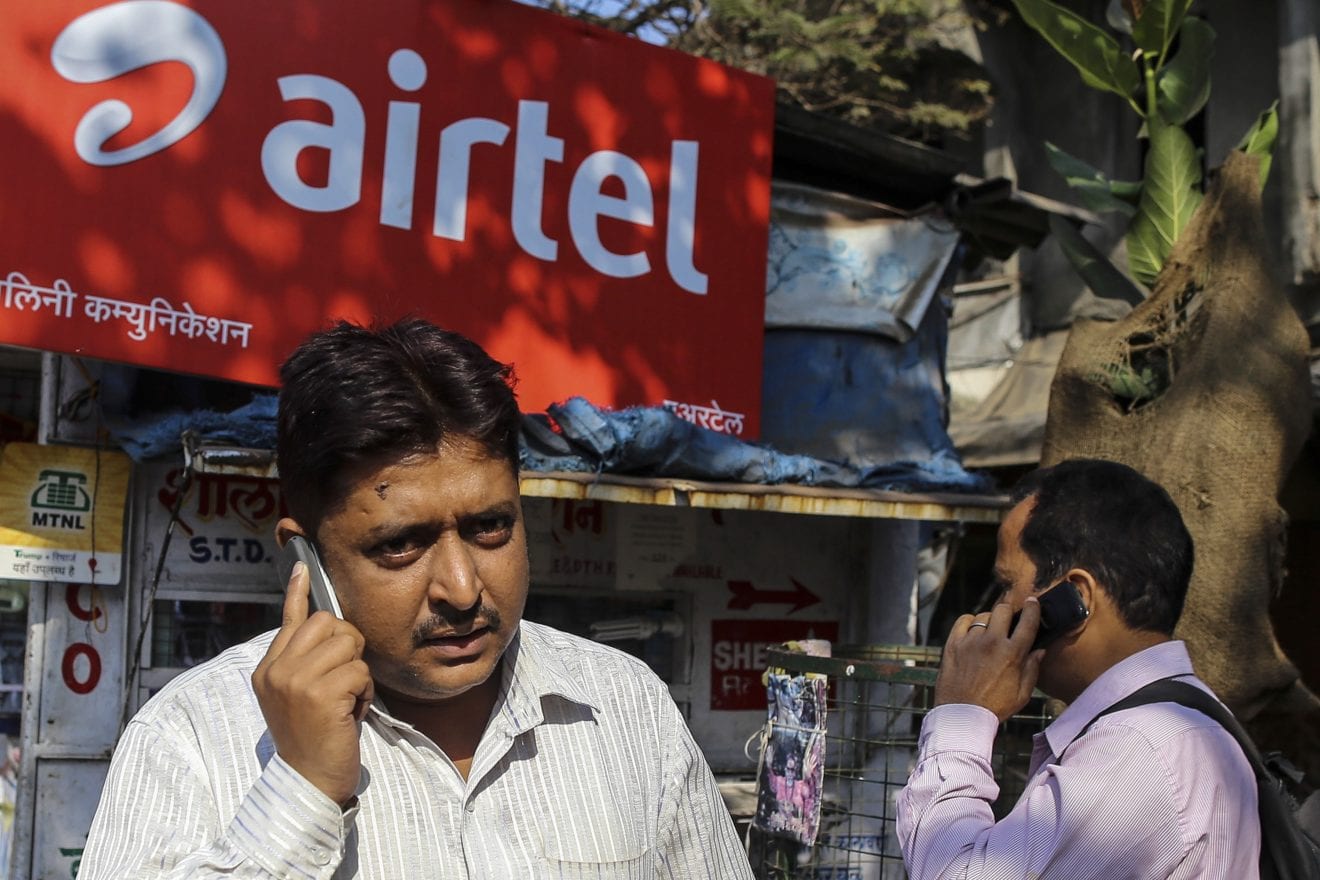
    India’s mobile-phone companies are paying a record 1.1 trillion rupees ($18 billion) to keep their networks running. It’s money well spent, if the stock market is any guide.

    The MSCI India Telecom Services Index has rallied 14 percent from this year’s low on March 9, the only gain among 10 industries, after losing 67 percent in the preceding decade. Local funds have increased holdings to the highest in 11 months, while BNP Paribas Asset Management’s top-performing Indian stock fund is bullish on the industry.

    Bharti Airtel and Idea Cellular are rallying on optimism the expense of securing spectrum for 20 years will pay off as the world’s second-largest wireless market grows. Net incomes at the two companies have climbed at least seven times faster than the broader market over the past six quarters as smartphones costing less than $200 spur a jump in mobile-data use.

    “In this desert of no earnings growth, telecom companies are the only ones whose profits are growing,” Anand Shah, the chief investment officer at BNP Paribas Asset Management India, which has $2.1 billion under management and advisory, said in an interview in Mumbai on April 29. “We’ve just scratched the surface as far as data is concerned.”

    Sensex retreat

    Money managers have been piling into telecom companies amid a weakening outlook for other industries. The S&P BSE Sensex, one of Asia’s best performing stock indexes in 2014, tumbled to a six-month low on Thursday amid growing concern about Prime Minister Narendra Modi’s ability to push through economic reforms.

    Spending on the wireless spectrum was 68 percent higher than the base price set by the government, according to auction results released March 26. Bharti, Idea and the UK’s Vodafone Group Plc retained airwaves that were up for renewal while also gaining spectrum that enables them to boost fourth-generation offerings.

    “Your costs are fixed for the next 20 years even as the market continues to grow,’” Ajay Srivastava, a managing director at Dimensions Consulting, said by phone from Gurgaon, near New Delhi. “The industry is an oligopoly and the players have realized the Indian market is big enough to be shared among the three or four players.”

    Reliance Jio

    Competition from billionaire Mukesh Ambani’s upstart operator Reliance Jio Infocomm may complicate the ability of carriers to raise rates in a market where calls cost less than one cent a minute, according to Birla Sun Life Asset Management.

    Reliance Jio, set to start service later this year, has been buying airwaves since 2010.

    “We’re not positive on the sector,” Mahesh Patil, the co-chief investment officer at Birla Sun Life, which has $17.5 billion in assets, said in an interview in Mumbai.

    Smartphone apps that allow free messaging and voice calls also threaten to eat into carriers’ revenue from traditional calls and texts, according to Kotak Institutional Equities.

    “We have no clue of the distraction that could come in the form of technology,” Sanjeev Prasad, the Singapore-based co-head and senior executive director at Kotak, said in an interview with Bloomberg TV on April 15.

    The BNP Paribas Equity Fund, which held 16 percent of its assets in Bharti and Idea on March 31, has beaten 87 percent of its peers since Jan. 1, with a 3.2 percent gain, data compiled by Bloomberg show. The fund has returned 44 percent in the past 12 months. Local funds held 1.8 percent of their assets in phone companies at the end of March, the most since April 2014, data from the market regulator show.

    Greater Internet access and rising smartphone ownership make the carriers a proxy for India’s consumer market, Dimensions’ Srivastava said. Data revenue for Bharti and Idea will grow at least 40 percent annually through March 2017, Mumbai-based brokerage ICICIdirect said in a April 30 report.

    “The telecom industry has a terrific matrix emerging,” Srivastava said. “Buy, close your eyes and just keep it.”

  • Globe Telecom partners with Lazada for mWallet service

    Globe Telecom partners with Lazada for mWallet service

    Globe Telecom recently partnered with online retailer and marketplace Lazada to bring its GCASH mobile wallet to the e-commerce space in Southeast Asia.

    Under the agreement signed by Globe Telecom President and CEO Ernest Cu and Lazada Founder and CEO Maximilian Bittner in Seoul, Korea, GCASH will be used as a mode of payment in Lazada’s eCommerce website through an open integrated mWallet platform.

    “By increasing transactions through mWallet, we will expand the online ecosystem of Globe and provide our customers with a full digital lifestyle experience,” said Cu. GCASH is a product of Globe Telecom’s wholly-owned subsidiary G-Xchange, Inc. (GXI) and is among the pioneers of telco-led mWallet.

    GXI’s partners today include government agencies, utility companies, cooperatives, insurance companies, remittance companies, universities, banks, and commercial establishments which accept GCASH as a means of payment for products and services via mobile phone or the Internet.

    Through mWallet, Globe customers no longer need to own a credit card or even have a bank account to shop online. Instead, they can turn their mobile phone into a virtual wallet to shop at the speed of a text message.

    Lazada has over 15,000 merchants in Southeast Asia, and 1.4 million active customers. In the Philippines, mobile traffic constitutes more than 50 percent of its daily traffic. According to Inanc Balci, CEO of Lazada Philippines, the Lazada Mobile App downloads have grown 18 percent month-on-month since its launch in early 2014.

  • TELIN: Indonesia As A Global Hub For Worldwide Telecommunications

    TELIN: Indonesia As A Global Hub For Worldwide Telecommunications

    The consortium of submarine cable communication system by the Southeast Asia-United States (SEA-US), which consist of global telecommunications company, announced the commencement of construction of the submarine cable projects that directly connects Indonesia to the United States. The construction project undertaken by the NEC Corporation and NEC Corporation of America with an investment of 250 million dollars is expected to be completed in the fourth quarter of 2016.

    The SEA-US consortium consist of PT. Telekomunikasi Indonesia International (Telin), Globe Telecom, RAM Telecom International (RTI), Hawaiian Telcom, Teleguam Holdings (GTA), GTI Corporation (a member of the Globe Telecom group), and Telkom USA.

    Director of Telin, Syarial Sharif Ahmad said, the construction of submarine cable communication system has become one of the important steps to meet the needs of rapid communication in Indonesia as well as proving Telin’s commitment in bringing high-tech telecommunications infrastructure.

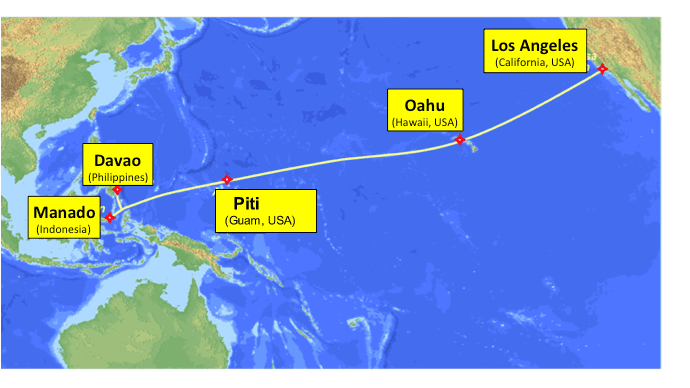
    This submarine cable system will connect five regions of Manado (Indonesia), South Davao (Philippines), Piti in Guam, Honolulu of the island of Oahu Hawaii, and Los Angeles, California in the united states.

    The long submarine cable construction is estimated to reach 15,0000 km and has been designed to avoid areas prone to natural disasters, so as to provide a different route than the existing cable system and ensure a more stable reliability service.

    The cable system provides an additional capacity of terabyte per second (Tb/s) by using technology of 100 gigabyte per second (Gb/s). With this capacity, SEA-US will be able to provide the bandwidth needs of Southeast Asia and North America, which are always increasing with unmatched performance, especially for the two ASEAN countries. The construction of the system will also benefit other countries such as Singapore, Malaysia, Brunei, Papua New Guinea, and Australia.

    The construction of the SEA-US project will later be connected with the SEA-ME-WE 5 (South East Asia – Middle East – West Europe) project by connecting Manado and Dumai via submarine cable communication system “Indonesia Global Gateway” (IGG). The overall submarine cable communication system by Telin is the reflection of Indonesia Global Networks (IGN) that highlights the real role of Indonesia as a global hub for worldwide telecommunications.

  • Huawei plans 40,000 new stores in two years  April 24, 2015

    Huawei plans 40,000 new stores in two years April 24, 2015

    Chinese phone maker Huawei plans to more than double its global store network from 30,000 to 70,000 by 2017.

    Huawei sees building its retail network is the key to selling more mid-range and high-end smartphones, taking on Apple and Samsung headon.

    More than half its current retail outlets are in China, which means the brand so far has only a modest presence and brand awareness internationally.

    By definition, Huawei’s stores will range from stand alone outlets to concessions and “display zones” where its phones were demonstrated for sale.

    Glory Zhang, chief marketing officer for Huawei’s consumer business group, says the company plans to launch more ‘high-end’ smartphones in international markets by the end of this year.

    Huawei is in the midst of a rapid growth phase. In 2013 it shipped 52 million smartphones, a figure dwarfed last year by 75 million, which made it the world’s third largest phone manufacturer. It is on track to ship well over 100,000 handsets in 2015.

    Within its own product range, high end units comprised just five per cent of its sales last year, but in the first quarter of 2015, they accounted for 34 per cent of sales.

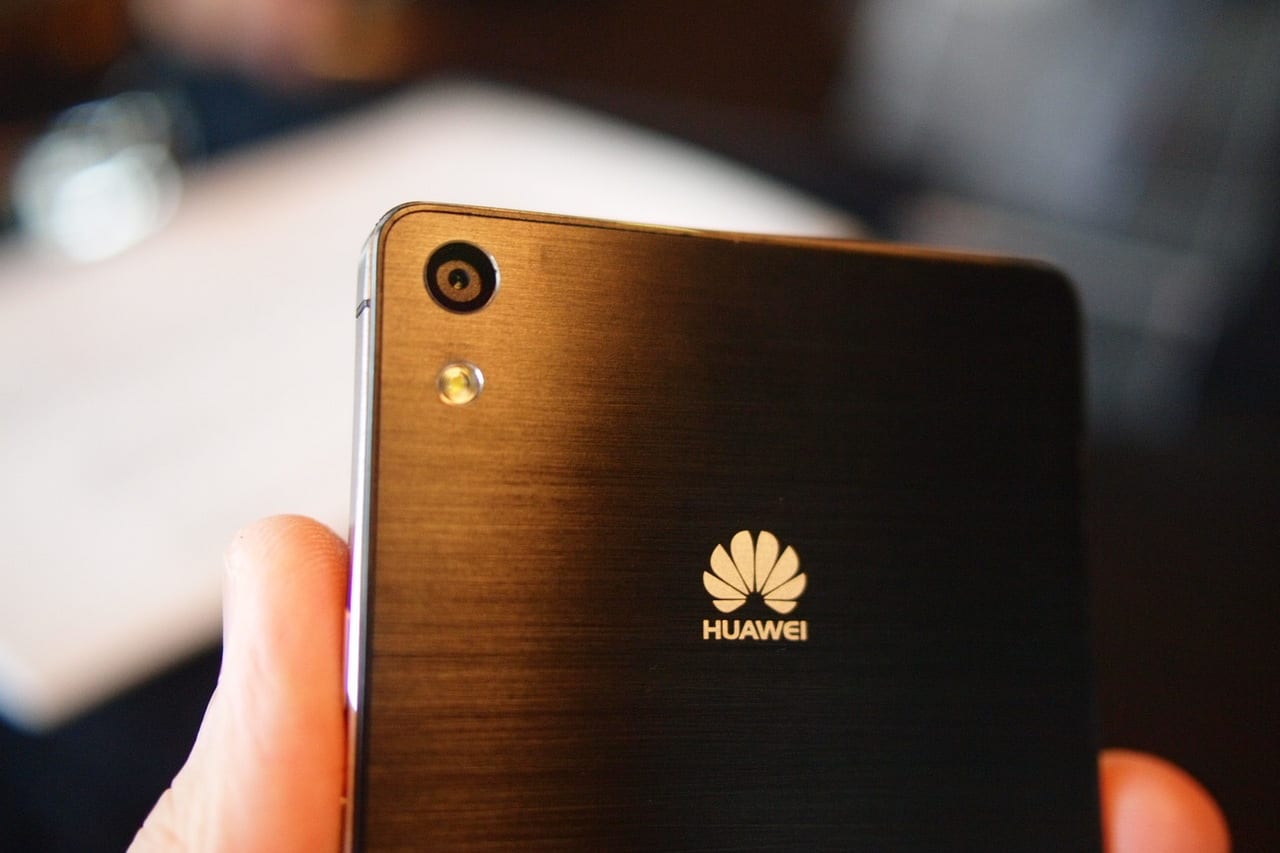
    Its newest showcase model is the P8, with a sleek metal body, (pictured above).

    Besides its retail network ambitions, Huawei has also revealed it plans to create a global service center network with urban customers no more than five kilometres from a repair shop.

    Zhang is confident about the brand’s international ambitions.

    “We’ve done this for a long time. We feel deeply that it’s easy to make a phone, but hard to make a good one.”

  • Korea mobile shopping hits new high

    Korea mobile shopping hits new high

    South Koreans are spending more online on mobiles than ever before.

    Korea mobile shopping spend reached a new record in 2014, crossing the 10 trillion won mark for the first time.

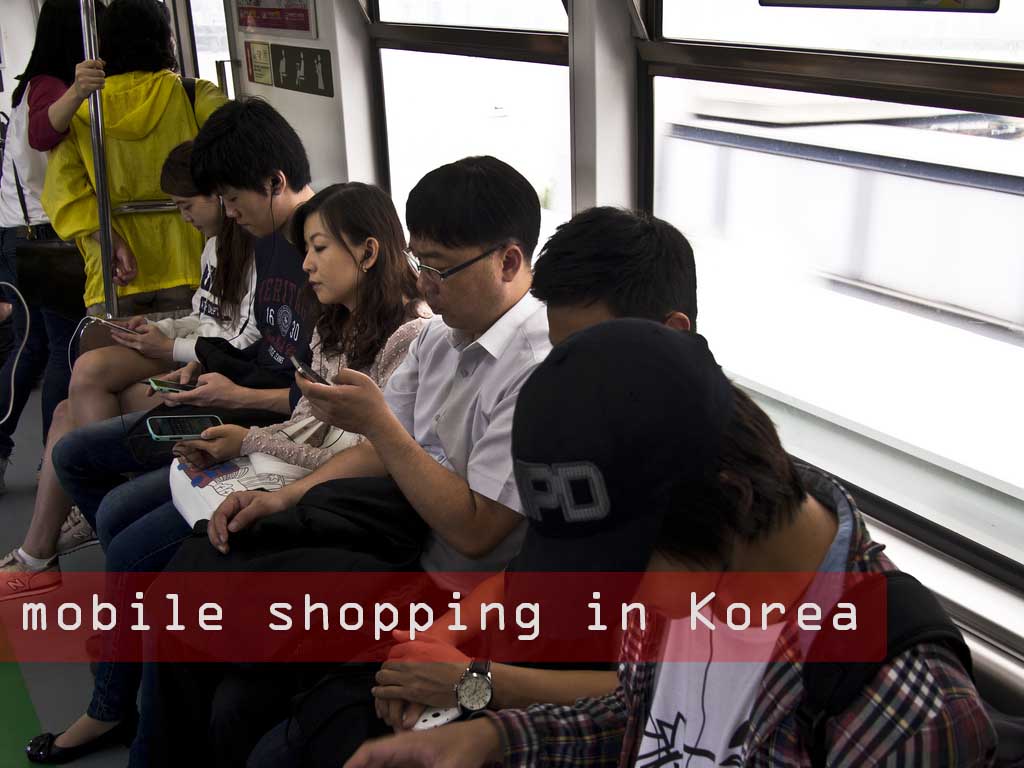
    Thanks to the ubiquity of smartphones and tablets, annual sales volumes for mobile shopping in Korea first exceeded the 10 trillion won (US$9 billion) mark last year.

    According to the “Distribution Industry Whitepaper 2015” released by the Korea Chamber of Commerce and Industry (KCCI), the total volume of mobile shopping sales was 13.1 trillion won – up a massive 12.5 trillion won from 2011 when the KCCI first started tracking mobile shopping sales figures.

    “As search and payment solutions through mobile devices continue to improve, online shopping channels are moving from PCs to mobile,” the KCCI said.

    In fact, the sales volume of online shopping through PCs decreased by 1.8 trillion won, but mobile sales increased by 7.2 trillion won.

    Meanwhile, offline shopping channels have mixed feelings of joy and sorrow. While traditional powerhouses such as the big box retailers (down 3.4 per cent), department stores (down 1.6 per cent) and supermarkets (up 0.8 per cent) showed negative or stagnant sales growth, convenience stores saw an increase of 8.7 per cent last year.

  • Google Play Korea faces telco challenge

    Google Play Korea faces telco challenge

    Korea’s three largest mobile network operators – SK Telecom, KT and LG Uplus – are to merge their individual app stores to create a new destination One Store.

    The combining of the offers of T Store, Olleh Market and U Plus Store will represent a significant challenge to the Google Play Korea app store.

    The three mobile operators invited 350 app developers and mobile business representatives to the introduction of the unified platform, which is scheduled to be launched in May, at SK Planet’s Supex Hall in Pangyo on March 20.

    Korean developers have had a difficult time registering their apps to the carriers’ three stores, as each had different policies and procedures. These issues should be mitigated with the launch of One Store, and app operators will also benefit from an integrated data management system that will provide information related to customers, downloads and sales.

    App users will also benefit from One Store, as they’ll be able to preserve their purchase history even if they change carriers, and access unified customer app reviews.

    Lee Jae-hwan, the head of SK Planet’s Digital Content department, said the One Store project has been initiated to create an app store that can compete with Google Play. Representatives of the three mobile operators also mentioned that cost savings resulting from the operation of the unified system would be used to invest in Korean developers’ IT projects.

    It was also announced that T Store’s most recent software development kit (SDK) will be fully compatible with the new One Store SDK.

  • WeChat owner’s profit soars

    WeChat owner’s profit soars

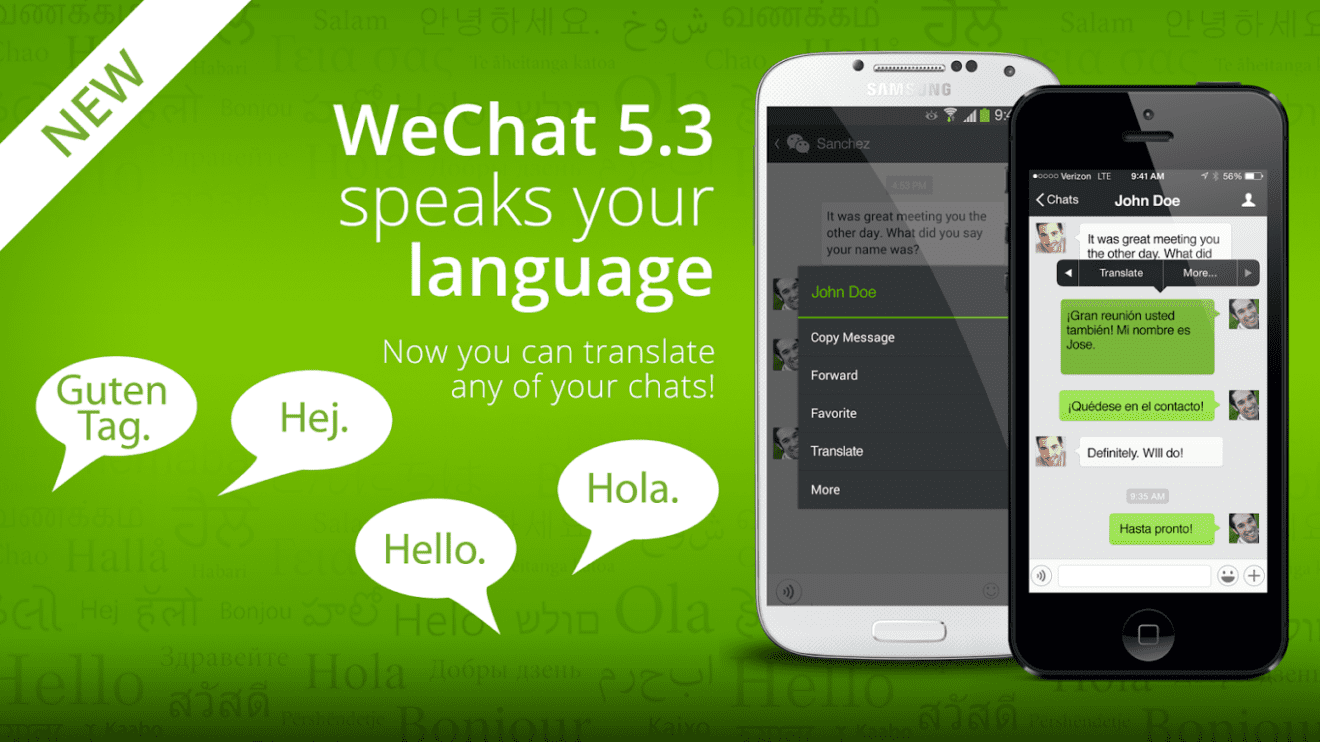
    WeChat parent Tencent says its profit soared 54 per cent in the year to December.

    Tencent, which also owns instant messaging service QQ, says profit was boosted by breakthroughs in the technology behind online security and mobile payments.

    With Facebook banned in mainland China, WeChat is one of the most-used social networking services and has a growing role in providing retail chains with eCommerce and brand marketing touchpoints with consumers in China and beyond.

    Shenzhen-based Tencent reported a profit of 23.81 billion yuan (US$3.82 billion) on sales of 78.93 billion yuan, up 31 per cent year-on-year.

    Chairman Ma Huateng said its social platforms QQ and WeChat continued to “innovate and grow”. More than 500 million people used WeChat as at the end of 2014 – 41 per cent more than at the end of 2013 – an astonishing figure for an app launched only in 2011.

    Online game revenues rose 40 per cent to 44.76 billion yuan with social media revenue up 43 per cent to 18.56 billion yuan.

    WeChat users can book and pay for taxis, share text, photos, videos and voice messages and meet strangers by shaking phones or searching for people located close by.

    Last year, Tencent launched WeBank, an online bank which has no physical branches.

  • Meet iBall: the tablet maker crushing Samsung in India

    Meet iBall: the tablet maker crushing Samsung in India

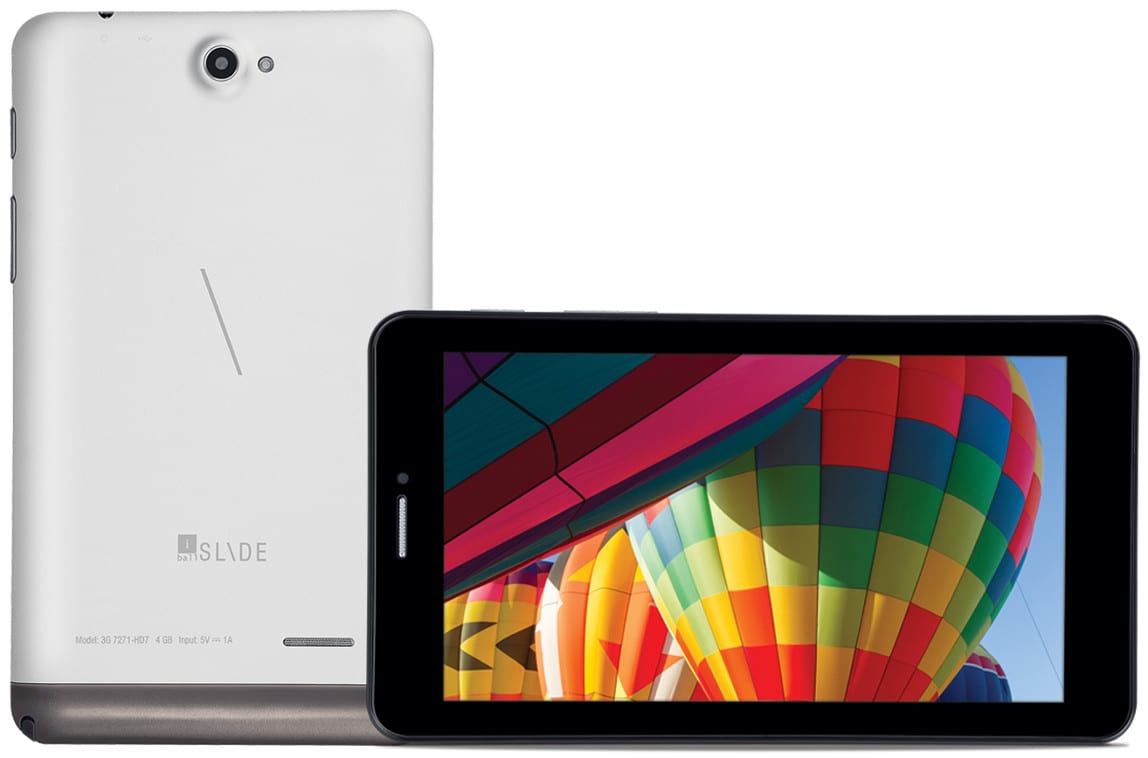
    Indian budget consumer electronics firm iBall raised eyebrows this week on a report that it has stolen South Korean juggernaut Samsung’s crown as India’s number one tablet vendor.

    Mumbai-based iBall claimed a 15.6 percent share of India’s tablet market in the fourth quarter of 2014, up from 4.5 percent a year earlier, as Samsung’s share shrank to 12.9 percent from 17.9 percent, according to IDC.

    iBall launched in 2001 with just one product category – the mouse. It ventured into the mobile phone business in 2010 and made its foray into tablet space a year later with the iBall Slide. In a price sensitive market, iBall products are attractive.

  • India’s Intex plans retail outlets to boost reach

    India’s Intex plans retail outlets to boost reach

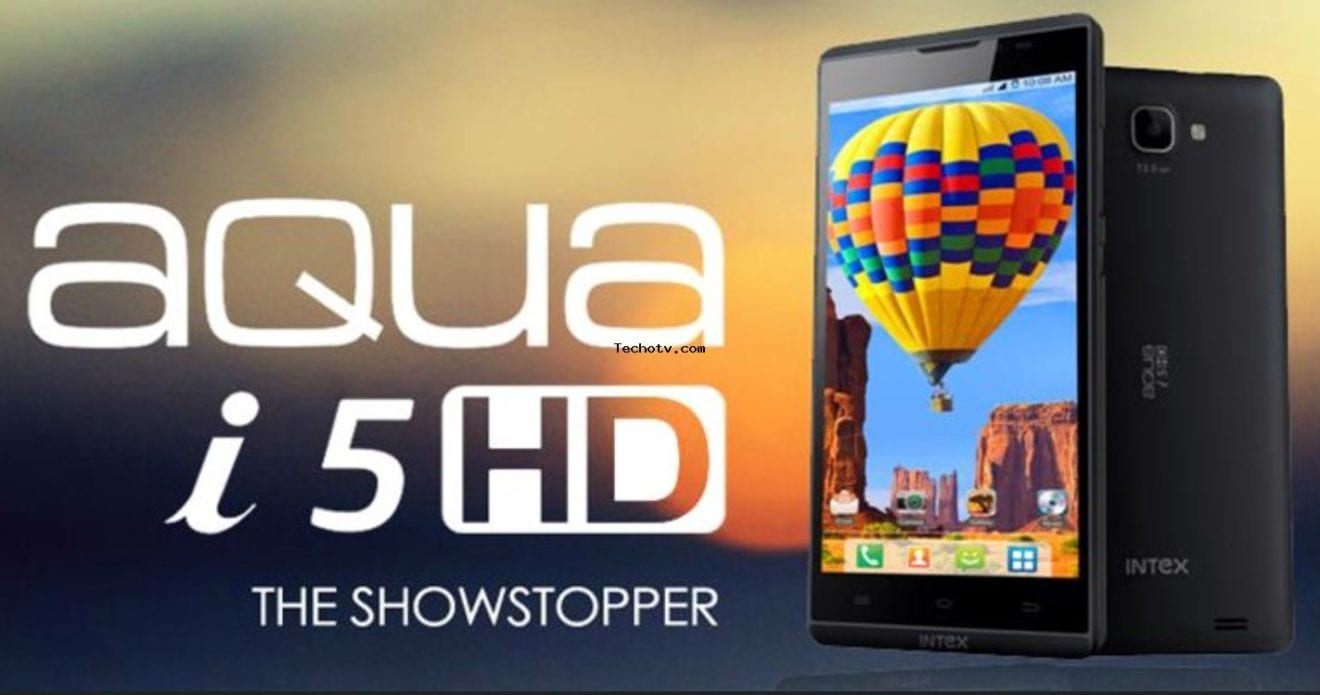
    Handset vendor Intex Technologies is planning to set up standalone brand stores to boost its retail presence. Called ‘Intex Smart World’, 400 stores will come up next fiscal (2015-16) at a cost of over Rs. 100 crore (USD16.1 million). Investments will be through internal accruals.

  • Xiaomi tops smartphone sales in China

    Xiaomi tops smartphone sales in China

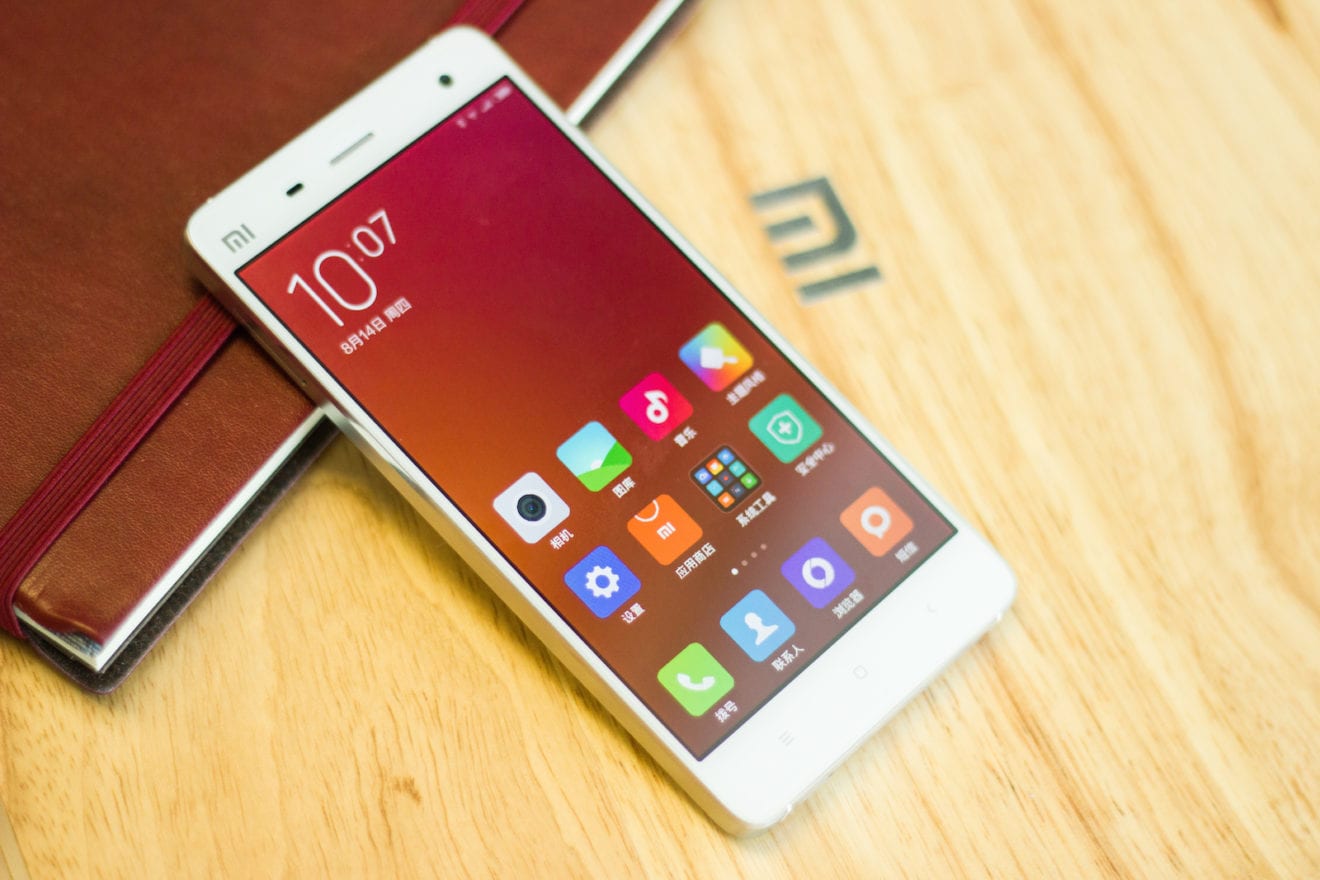
    Upstart Xiaomi was the top smartphone company in China last year with a 12.5 percent market share, narrowly outpacing South Korea’s Samsung, market intelligence firm International Data Corp said on Tuesday.