Category: Telecom

Retail News Asia is committed to providing both local and global retailers with the latest Telecom & Telco news throughout the Asian market. This on a daily base.

  • XL subscribers in Bandung,  Jakarta to enjoy 4G services

    XL subscribers in Bandung, Jakarta to enjoy 4G services

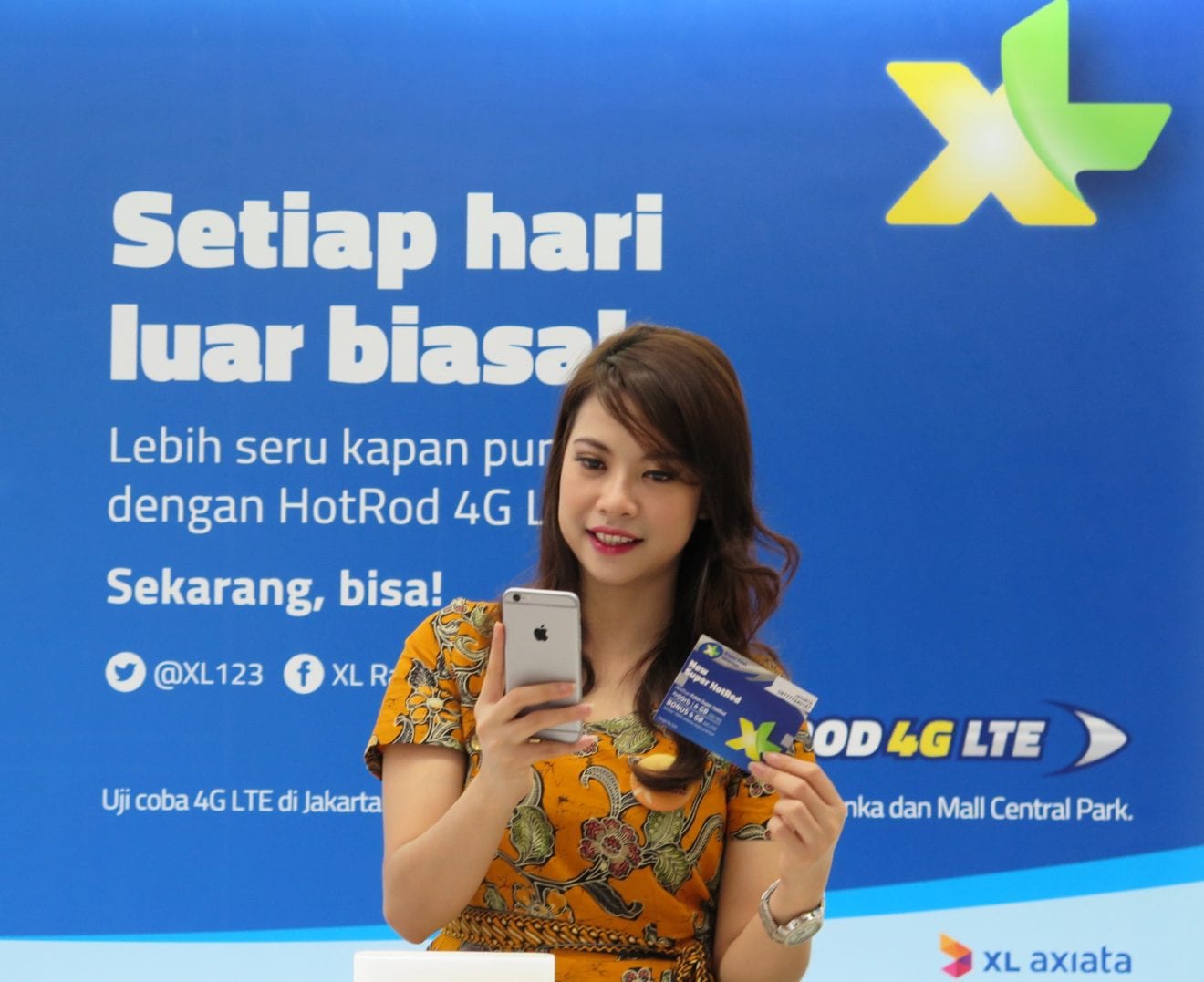
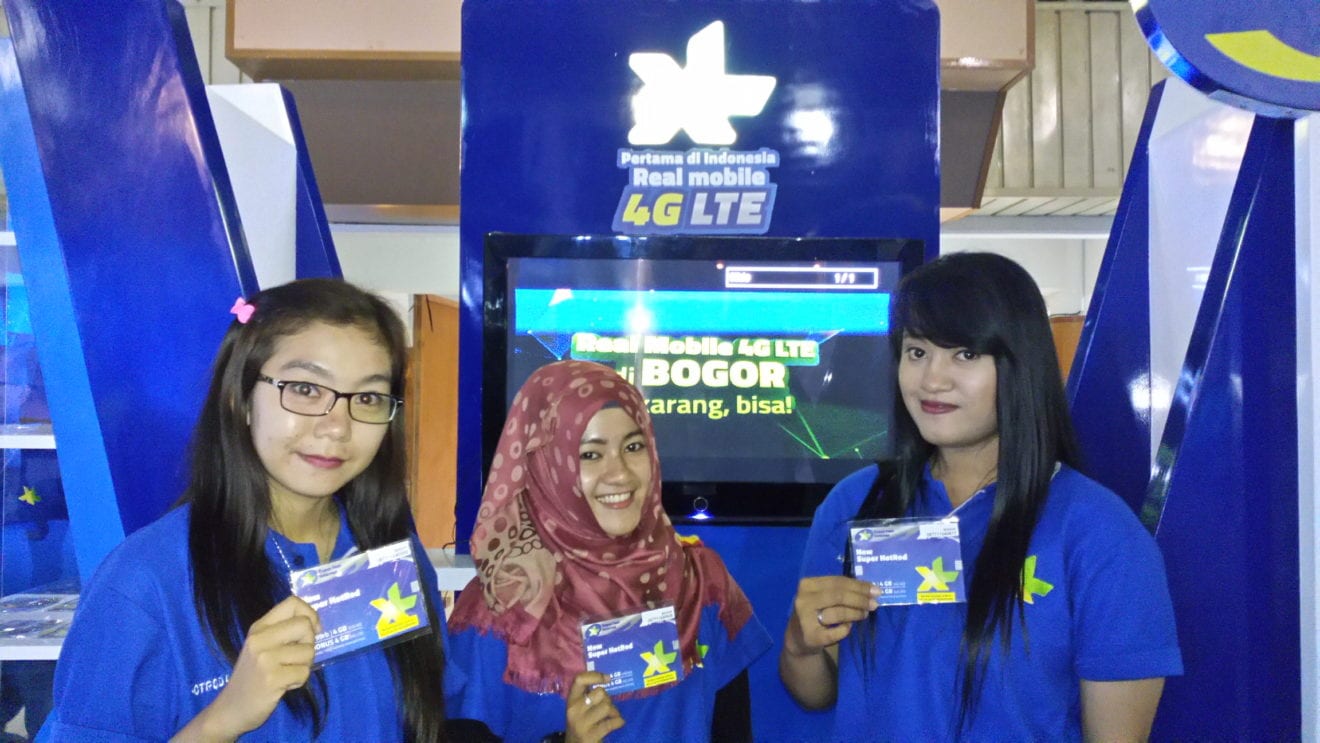
    Telecommunications firm XL Axiata says that its 1,800 MHz 4G/LTE services will likely be available in Bandung, West Java by the end of the month, while subscribers in Jakarta may enjoy the service in November after the company concludes its nationwide band refarming.

    “There have been minimal obstacles in the refarming process. That’s why we are confident to say that we are able to have 4G/LTE services operating in Bandung by the end of October, and in Jakarta by November,” XL Axiata CEO Dian Siswarini told reporters at the XL office in Central Jakarta on the sidelines of the company’s 19th anniversary celebrations late last week.

    In the nationwide band refarming, major telecommunication companies XL, Telkomsel, Indosat and 3 have been involved in preparing regions with structural capability to support 4G/LTE services.

    Dian said that XL’s band refarming process had reached Central Java and would conclude in November.

    Dian assured that despite the introduction of 4G/LTE services, there would be no changes to the existing 2G network service “since our 4G band does not need to reuse or recycle any of the 2G frequencies.”

    The four firms have been in the process of band refarming for 1,800 MHz since May starting from Papua, Sumatra, Sulawesi, Kalimantan, Bali, Nusa Tenggara and ending in Java. The last region to be refarmed will be Greater Jakarta because it is the most crowded in usage terms.

    According to Dian, XL will only provide the 4G/LTE services in select cities considering different market potentials and smartphone penetration.

    “Smartphone usage in Indonesia is not spread evenly. That is why the potential for usage is only feasible in several [major] cities. We also have to look at our customer database to see which markets would be the best bets,” she added.

    XL launched its initial 1,800 MHz 4G/LTE services in Lombok, West Nusa Tenggara in July and followed with Denpasar in Bali and Surabaya in East Java.

    The Communications and Information Technology Ministry had set a deadline for the band refarming on Nov. 23.

    Around 1.2 million XL users are actively using the carrier’s current 4G network, which operates on the 900MHz frequency. However, consumers have complained that 4G services on the 900 MHz frequency are not much faster than then those running on the 3G network.

    In another development regarding the government’s recent plan to tighten procedures on

    the purchase of mobile SIM cards, Dian said that her company had prepared for the regulation in terms of its data systems and forging standard operating procedures (SOPs) with retail outlets to make them aware of the regulation.

    XL’s data system, said Dian, was prepared to register customers’ identities on a large scale in preparation for the deadline. Informational awareness efforts have been taking place since May 2015.

    “We have completed the first phase on information dissemination to our retail outlet partners over mandatory ID requirement upon the purchase of SIM cards. The phase is still ongoing,” Dian said.

    The ministry and the Telecommunications Regulatory Body (BRTI) issued a regulation in September, requiring customers to show an ID upon the purchase of prepaid SIM cards starting Dec. 15.

  • PLAYe is revolutionizing how people play games with 3-in-1 online-mobile-offline platform

    PLAYe is revolutionizing how people play games with 3-in-1 online-mobile-offline platform

    It partners with retailers to offer interactive experiential centres. Hobbyists usually have to go to a store to buy their favourite games and collectibles. Depending on where they are based, they may have a limited range of merchandise to choose from and have to wait sometime to lay their hands on the items. “Is there a better way of delivering value to the end-user?” This is a question that a team of 20 people from tech firm Corous360 tried to solve in developing PLAYe, a 3-in-1 online-mobile-offline integrated platform. Launched in July 28, 2015, it aims to redefine the Asian consumer experience and to bring together all consumer profile channels into one.

    PLAYe claims to be the next wave of evolution for games and entertainment. It offers consumers an enhanced user experience wherein they can browse through a wide range of latest games and merchandises and make them accessible, convenient and secure purchase transactions via an app and online platform. The app is now available for download for free from Apple App Store and Google Play store.

    Consumers can also pre-order upcoming merchandises through PLAYe app and have them delivered to their doorstep.

    PLAYe also provides an up-close visual experience at retail outlets, also known as interactive experiential centres. These outlets double as convenient collection points for online purchases. Through its curated contents, PLAYe engages the gamers and hobbyist community by delivering timely and customised news at their fingertips. According to the Corous360, the most unique selling point is an in-built push-to talk function that further enhances the users’ experience.

    “Our goal is to bring the store front “face-to face/human interaction” experience to you through ASK PLAYe, which serves as a concierge service to consumers, where consumers can engage in a conversation on the latest range of collectibles and gadgets and offers updated information on the newest games and products at the push of a button,” said Kelvin Tay, CEO of Corous360.

    The PLAYe experiential centres are expected to be rolled out in the next six to twelve months.

    Kelvin added that they are ‘reinventing’ the shopping experience for the end-user by combining the satisfaction and reliability of the physical retail experience with the convenience and speed of a mobile platform.

    “The online and mobile platform becomes an extension of the physical store, and the physical store becomes an experiential centre that guides the consumer through the catalog and product descriptions,” he explained.

    The benefits for retailers

    Not only is PLAYe useful to consumers. According to Kelvin, PLAYe is also trying to solve the age-old problem of finite resources.

    “Anybody can point out that m-commerce/e-commerce represents the next opportunity for growth for retailers. The question, of course, is how would any given retailer accomplish a credible platform to tap into this growth without diverting their current limited resources?,” he said.

    By tapping into the PLAYe platform, Kelvin explained that retailers will be provided with a “plug and play” cost-effective e-commerce to integrate with their physical stores. They can then concentrate on their core strength which is to provide a superior brick-and-mortar experience. PLAYe will then work hand-in-hand with the retailer to realise their unique retail experience online.

    “For retailers, PLAYe app is able to reach out to a wider audience beyond the geographical location of a physical retail shop. Our PLAYe platform tracks both offline and online transactions. This consumer profiling allows the retailers to make more accurate forecasts on consumer demands, which helps improves their business efficiencies,” he said.

  • XIUS Awarded NFC Patent by USPTO

    XIUS Awarded NFC Patent by USPTO

    XIUS, a leader in delivering innovative, revenue-generating solutions to mobile operators, banks and financial institutions worldwide, announced today the award of its patent in Near Field Communication (NFC) technology. The invention relates to a smart integration of dual architecture contactless SIM into mobile devices and describes the method of efficiently performing various financial transactions. The patent filed in February 2010, was awarded by the US Patent and Trademark Office recently this year.

    NFC as a technology is extending beyond applications initially envisioned by the market. End users have started to believe that using their mobile phone for payments is safe and also addresses privacy concerns. Mobile wallets are now making a significant impact by creating new market opportunities. XIUS mobile payments solution is powered by futuristic technologies including NFC, and aims to deliver customers seamless services and enriched experiences in real-time fashion.

    Speaking on the occasion, said G.V. Kumar, CEO and Managing Director, “The award of yet another patent is testimony to XIUS’ thought leadership and emphasis on innovation. XIUS takes immense pride to have developed years ago, a SIM based solution for NFC enabled payments. Our endeavoring efforts have borne fruit and the award of this patent only reiterates our strong belief and commitment to continue innovating and contributing to the industry”.

    XIUS implements NFC as one of the technologies in offering banks and financial institutions its unique technology enabled banking services. The solution leverages existing mobile ecosystem and extends banking services to the unbanked and under-banked segments of the population that banks are otherwise challenged to penetrate and cater to.

    NFC technology allows retailers and brands to engage with increasingly connected mobile consumers. Retailers and brands can use NFC during the customer journey to improve in-store experiences, enable touch & go payments, generate more sales, and enhance customer loyalty and trust. As part of its mobile commerce offerings, XIUS NFC-based payment solution improves customer experience and delivers control of purchase flow to the merchant.

    Whether deployed to facilitate banking transactions or in a retail outlet, XIUS NFC mobile enabled solution has diverse uses among those that are now being widely publicized and adopted by technology companies / retail chains in evolved markets such as the US and Europe in the recent times.

  • Telin and iBasis Connect via Multiservice IPX for LTE Roaming

    Telin and iBasis Connect via Multiservice IPX for LTE Roaming

    iBasis, a KPN company, and Telekomunikasi Indonesia International (“Telin”), a subsidiary of PT Telekomunikasi Indonesia Tbk (“Telkom”), today signed a multiservice IPX interconnection for LTE Roaming that will enable mobile operator customers of both companies to provide a consistent, high-quality LTE roaming experience for their subscribers across a global footprint. The agreement also includes GRX, Signaling, SMS and Voice services.

    The global IP interconnection between both companies provides mobile subscribers using Telin and iBasis networks the flexibility to seamlessly transit between 3G and 4G services, guaranteeing high quality of experience while roaming between non-LTE and LTE networks.

    The strategic connection between both global networks over IPX enables multi-service continuity in the transition to all-IP and the provision of LTE Roaming for data and voice services alike. Both companies are committed to bringing to market innovative interconnect services and to rapidly expanding their respective footprint. Telin will leverage iBasis’ global reach of more than 300 LTE destinations.

    “We are pleased to be the IPX network partner of Telin and to work together on providing integrated LTE interworking and interoperability solutions to ensure global mobile user quality of experience,” said iBasis CEO Willem Offerhaus.

    “The collaboration with iBasis means access to an advanced global infrastructure and reach. Selecting a partner with the same focus on global reach and quality, enables Telin to generate new revenues through new roaming service offerings now and in the future,” said Syarif Syarial Ahmad, President Director of Telin.

    The iBasis LTE Roaming Solution
    iBasis offers mobile operators the shortest route to securing LTE roaming revenues and achieving a global LTE roaming footprint. A single point of access provides operators entry to iBasis’ live 4G (LTE) signaling network with Diameter Routing Agents on all continents for maximum service quality and a growing global footprint that includes all active LTE and GSM mobile operators. iBasis provides a full portfolio of LTE signaling, data and voice capabilities combined with the InVision advanced monitoring and reporting tool. The iBasis LTE Roaming solution uses the iBasis multiservice IPX for guaranteed and differentiated quality for all services. iBasis also offers a robust trial environment for testing LTE roaming scenarios and VoLTE.

  • 3 Hong Kong to sell iPhone 6s, iPhone 6s Plus for HKD 0

    3 Hong Kong to sell iPhone 6s, iPhone 6s Plus for HKD 0

    3 Hong Kong will launch Apple’s iPhone 6sand iPhone 6s Plus smartphones on the local market. Stating 25 September, 3 Hong Kong will offer the iPhone 6s 16GB and the iPhone 6s Plus 16GB for HKD 0 with a refundable deposit on the iPhone monthly plan.

    Customers will be able to acquire the iPhone 6s 16GB for HKD 0 for HKD 408 or above iPhone monthly plans. The iPhone 6s Plus 16GB will also be available for HKD 0 for HKD 498 or above iPhone monthly plans. The iPhone 6, iPhone 6 Plus and iPhone 5s will also be available.

    Customers who acquire the iPhone 6s and iPhone 6s Plus from 3 Hong Kong will be able to connect to the operator’s LTE network with VoLTE HD voice functionality. Users will also have internet access at 3 Hong Kong’s over 16,000 Wi-Fi hotspots.

    Customers can buy the iPhone 6s and iPhone 6s Plus at 3 Hong Kong’s retail shops and online at the iphone.three website.

  • Hong Kong mobile operator SmarTone prepares retailers to join the mobile e-commerce bandwagon

    Hong Kong mobile operator SmarTone prepares retailers to join the mobile e-commerce bandwagon

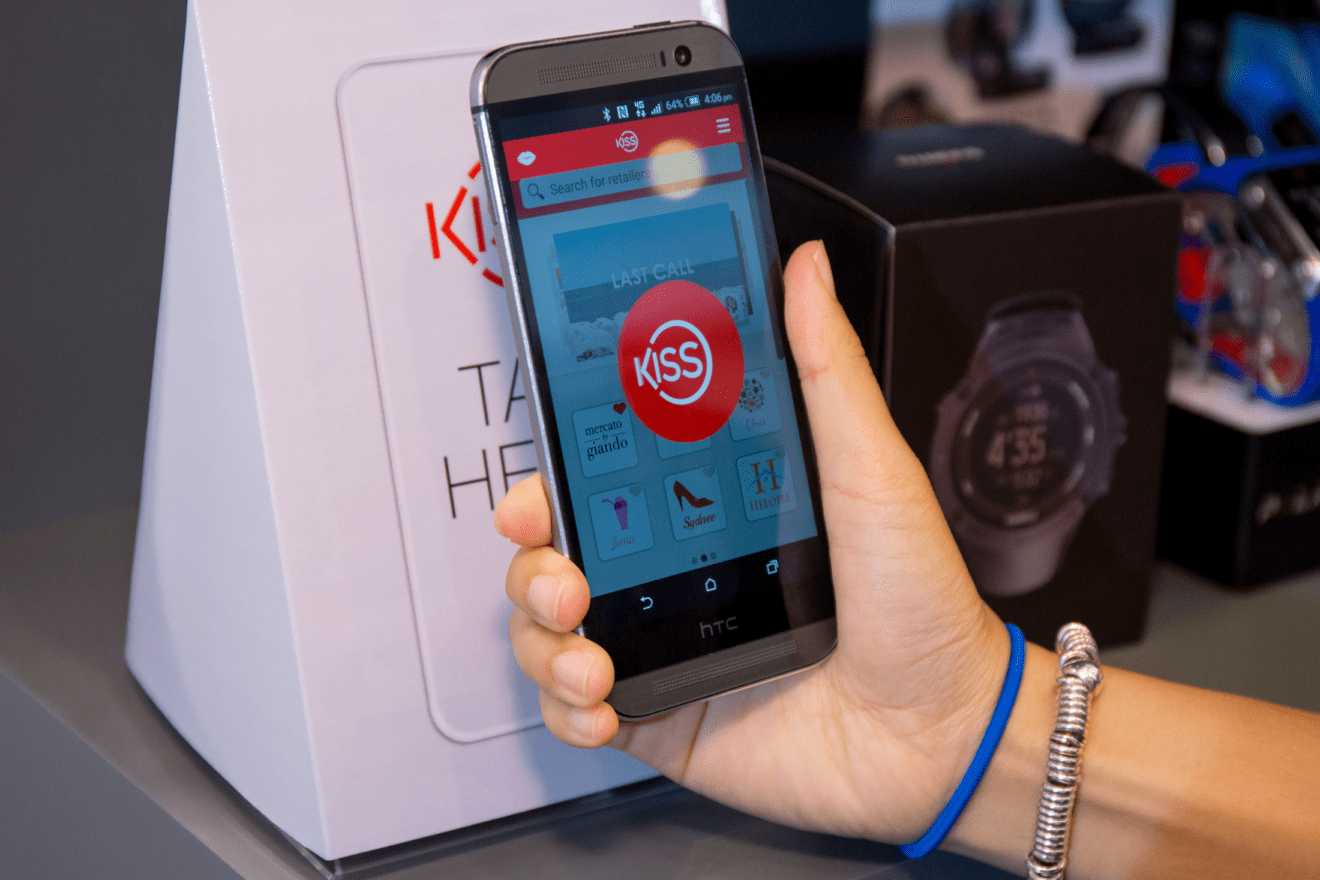
    Mobile network operator SmarTone Telecommunications hopes to roll out its new service called “Kiss” this December as the first batch of retailers in the city have signed up for the ambitious offline-to-online marketing and payments platform.

    “We’ve already started signing up stores, including [those run by] medium-sized retailers. Some bigger retailers are looking at it, too,” Douglas Li, the outgoing chief executive at SmarTone told the South China Morning Post.

    Li, who drove the platform’s two-year development, said SmarTone “should run Kiss for five to seven years to fully realise the value of how uniquely focused the platform is to help retailers”.

    He said there could be an opportunity to license the platform’s technology to telecommunications network operators outside Hong Kong.

    “It’s an internet business so the actual cost of implementation is not huge. The only question is how quickly it can scale up,” Li said. “If it does well in a foreign country, the sky’s the limit.”

    Launched last month, Kiss enables retailers to connect with consumers through a platform that links digital marketing and loyalty programmes with data analytics and mobile payment.

    Merchants are charged a monthly fee and provided with tools to create their mobile storefronts on the platform, directly message customers and launch targeted campaigns.

    “Retailers need to adapt to new thinking because the world has changed,” Li said. “You need only look across the border to see how online and mobile [e-commerce] are impacting the traditional bricks-and-mortar retailers. We’re offering retailers in Hong Kong a way to get into this [kind of operation].”

    Alibaba Group, JD.com Ctrip.com and Qunar have become China’s leading business-to-consumer e-commerce platform operators by providing convenience, choice and low prices to entice people to buy goods and services online through smartphones and tablets.

    Research firm eMarketer has forecast mobile e-commerce sales to make up 10.9 per cent of total retail sales in China next year and 55.5 per cent of all online retail shopping as the sector grows 51 per cent to US$506 billion, up from an estimated US$334 billion this year.

    “We hope to build a critical mass of connected retailers in Hong Kong so that Kiss will have a strong appeal for consumers,” said SmarTone chief technology officer and recently named interim chief executive Stephen Chau Kam-kun.

    Chau said SmarTone was signing up a mix of merchants with “high-value, low-frequency buyers” and “low priced, high-frequency buyers”.

    Kiss, operated by SmarTone subsidiary Kissco Marketing Services, also includes in its package a single-purpose Android tablet as tap-only mobile payment terminal, capabilities for customer data analytics and a Bluetooth beacon for the store, configured to push greetings and promotions to nearby consumers with the free Kiss app.

    Consumers use the Kiss Wallet feature to store credit card details, retailer cash credits and promotional Kiss Dollars. Kiss Pay is the digital token used for purchases and redeeming rewards.

    UnionPay International is the launch credit card partner for Kiss, although efforts are underway to add Visa and MasterCard.

    Li, , who resigned in April, said he left “a roadmap” to be implemented over the next two years to further develop the Kiss platform.

  • Arsenal FC picks Indosat as official telecoms partner

    Arsenal FC picks Indosat as official telecoms partner

    Arsenal Football Club has selected Indonesian operator Indosat as the club’s official telecommunications partner in Indonesia. Under the terms of the 2-year partnership, Indosat will offer club-related benefits and incentives to its customers and Arsenal fans in Indonesia. This will include official Arsenal signed merchandise, tickets to see the team in action at Emirates Stadium and access to exclusive match and player content such as match highlights, club news, interviews and photography.


  • Leading Tier 1 Operator in Malaysia deploys Elitecore’s Crestel Online Charging Platform

    Leading Tier 1 Operator in Malaysia deploys Elitecore’s Crestel Online Charging Platform

    Elitecore Technologies, a global provider of BSS and Packet Core solutios, announces that a leading Tier 1 Operator in Malaysia has deployed Elitecore’s 3GPP compliant Online Charging System (OCS) for their voice and data services; the solution enables its subscribers to keep track of their account, services and usage in real time. It supports dynamic notifications to customers prior to reaching their credit thresholds and also supports admin action in real time on threshold breach. The solution enables real-time charging of VOIP calls over SIP interface for post-paid subscribers on FTTX network.

    Elitecore’s real time OCS is a modular solution integrated with operator’s existing CRM and Billing systems, without having to go through a transformation of its existing billing system to support next generation services. The entire project was completed in just 3 months. The platform supports features such as single touch Point of Credit Governance for customer, Self Care service interaction in real time with accurate and timely information related to their usage, time/volume based rating, differential rating, advice of charges, shared balances, policy based discounting etc.

    Dhaval Vora, VP, Product Management, Elitecore says, “With our Real Time charging Solution, the operator is well prepared to support the growing demand for data services and benefit from enhanced real-time capabilities for its Data, Voice & Internet Services. Better real-time processing and instant notification of credit balance status enhances user experience and eliminates bill shock scenario.”

    The solution helps operators to add subscriber value through personalized offering, ensures optimum network utilization & greatly increases service usage and ARPU. Moreover, the solution is future ready which can support multiple networks on the same platform.

  • Axiata buys Komli Media’s SEA operations for $11.25m

    Axiata buys Komli Media’s SEA operations for $11.25m

    Malaysian telecommunications group Axiata Group Bhd has acquired the Southeast Asian operations of Komli Media, a digital advertising firm, for $11.25 million.

    In an announcement on Bursa Malaysia, the group said its subsidiary Adknowledge reached an agreement with Komli Asia for the acquisition.

    The business being acquired include, Mumbai-headquartered Komli Media’s operations in the Southeast Asia markets – Singapore, Thailand, Vietnam, Philippines, Indonesia, Malaysia – and Hong Kong.

    The rationale behind the acquisition, according to Axiata, is that it allows them to “skip past the formative stage of its business plan and scale up its presence and operations in Southeast Asian region.”

    It saw Komli’s geographical spread and diversified revenue streams as “a strong strategic fit across digital advertising verticals such as social, video, display and mobile.”

    Adknowledge Asia Pacific is an 80 per cent subsidiary of Axiata Digital Advertising, which is a wholly owned by Axiata Digital Services, which in turn is a wholly owned subsidiary of Axiata Group Bhd. Axiata said in its filing that the acquisition “does not have any effect on the issued and paid-up share capital of Axiata and will not have any material effect on the earnings, gearings and net assets of the Axiata Group for the year financial ending December 31, 2015.”

    Under the deal, $11.25 million shall be paid in cash. The purchase consideration shall be adjusted with the difference between the target working capital of Komli Asia Group against its working capital which shall be determined based on the aggregate value of Komli Asia Group’s current assets less its current liabilities.

  • ZTE Supports Smartfren Launch 4G LTE-Advanced Service in Indonesia

    ZTE Supports Smartfren Launch 4G LTE-Advanced Service in Indonesia

    ZTE Corporation (0763.HK / 000063.SZ), a major international provider of telecommunications, enterprise and consumer technology solutions for the Mobile Internet, is pleased to help PT Smartfren Telecom launch 4G LTE-Advanced network in Indonesia, giving users access to the highest-performance mobile broadband services.

    The new 4G LTE-Advanced, which supports both the FDD-LTE and TDD-LTE standards, was launched commercially by Smartfren in Jakarta on 19 August, and coverage areas already include the 22 major cities of Indonesia. The new network deploys ZTE’s market-leading 4G LTE solutions including eNB (evolved node B), Cloud Radio and eHRPD to deliver the best user experience to subscribers.

    “The nationwide launch of our 4G LTE-Advanced service follows successful trials and the June launch of our Andromax range of LTE Smartphone and portable WiFi devices. We believe that 4G LTE-Advanced technology will open many opportunities for our customers and further accelerate the Information and Communication Technology Industry as a backbone for Indonesian economic growth. 4G LTE-Advanced will enable our customers to enjoy improved multimedia streaming, online games, cloud storage and video conferencing. Smartfren is committed to bring the best of 4G LTE technology to Indonesia to deliver not only higher speeds but a more stable and reliable 4G LTE experience,” said Smartfren Chief Executive Officer Paul Hodges.

    “Smartfren just launched the widest LTE Advanced Service in Indonesia. We leverage both TDD and FDD technologies to get best of both technologies: high capacity and throughput on TDD at 2300 MHz and large coverage with FDD at 850 Mhz. With this combination, we can offer the best broadband experience. We have chosen ZTE for this deployment due to our long time relationship and their leadership with TDD networks,” said Smartfren Chief Technology Officer Christian Daigneault.

    “We are glad to partner with Smartfren to roll out their 4G LTE Advanced network in Indonesia,” said Shi Lirong, President of ZTE Corporation, “We are fully committed to delivering a state-of-the-art LTE ecosystem, which will help Smartfren offer the best mobile broadband services to their customers. This alliance has allowed ZTE to further cement our position as the partner of choice for telecom operators in the country in developing and maintaining their LTE ecosystem. This partnership also fits into our long term vision of developing a sustainable LTE network in Indonesia.”

    With ZTE’s powerful Universal Subscriber Profile Platform (USPP), Policy and Charging Rules Function (PCRF), and Online Charging System (OCS) products, the core NEs of both CDMA and LTE networks are highly integrated to provide a unified user database and policy control and charging policies, allowing the LTE network to be deployed rapidly, facilitating maintenance and operation of 3G and 4G networks in the future, and lowering operational costs. Smartfren can take advantage of the sophisticated OCS system to launch flexible tariff packages in the market to attract upscale users with an urgent need for mobile broadband services.

    By the end of June, ZTE has concluded 185 4G LTE/EPC commercial contracts globally, partnering with the world’s biggest operators including Bharti Airtel, China Mobile, China Telecom, Hutchison, Softbank, Telenor, TeliaSonera, Vodafone, VimpelCom, MTN and Telefonica.

  • Axiata to restructure Indonesia unit’s loan

    Axiata to restructure Indonesia unit’s loan

    Mobile operator Axiata Group Bhd, which reported a 34% jump in net profit to RM610.7mil in its second quarter ended June 30, is planning to restructure a US$590mil loan taken by its Indonesian unit into local currency-denominated partial sukuk.

    The move, its chief financial officer Chari TVT said, would help the group manage its foreign exchange (forex) exposure, as the volatility in the currency market rises.

    Apart from Indonesia, group borrowings include a US$134mil debt at its operation in Sri Lanka under Dialog Axiata PLC and US$100mil in Robi Axiata Ltd.

    “We also have an exposure of US$590mil, which is unhedged, in PT XL Axiata Tbk, so the total amount of exposure is about US$823mil, inclusive of Dialog and Robi,” he told reporters at a press conference yesterday.

    For operations in Malaysia, Chari said the group had borrowed some RM5bil, but there was no forex exposure as far as Malaysia was concerned.

    He said this after the mobile operator’s net profit jumped 34.2% to RM610.7mil in the second quarter from RM455mil a year ago, mainly due to lower losses from Indonesia arising from lower forex losses and net finance costs.

    Hong Leong Investment Bank Research said on a turnover of 11.1 trillion rupiah, XL had recorded a core net profit of 84 billion rupiah, accounting for 40% of the consensus estimate of 209.9 billion rupiah.

    The research house noted that XL’s transformation strategy was fruitful and was beginning to show early promising signs and results. “This is evident from several positive leading indicators, including a materially improving subscriber mix, rising reloads per sub, joiner average-revenue-per-user significantly higher than churners’ and an increased share of modern distribution versus traditional,” it said in a note.

    Chief executive officer Datuk Seri Jamaludin Ibrahim said XL’s transformation strategy was on track, as it saw a positive quarterly revenue from the group and plans to strengthen XL’s balance sheet to reduce its dollar exposure.

    Higher profits were also recorded by the Sri Lankan and Cambodian operations, and the share of profits from its associate company in India increased significantly.

    Revenue, however, was marginally lower at RM4.7bil compared with RM4.73bil previously due to lower revenues in Malaysia and Indonesia.

    Chari said the group planned to keep its capital expenditure within the RM4.8bil level this year, but will be more cautious next year, as the ringgit is expected to remain volatile.

    Meanwhile, Jamaludin said the group was reconsidering its listing plans for its Bangladeshi unit.

    “It was true that we had wanted to list out Bangladeshi unit. But that was before they came out with a new rule saying that we did not have to.

    “So, the current status is that we are re-evaluating whether we want the initial public offering or not. There are pros and cons,” he said.

  • Malaysia’s Axiata Boosted by Overseas Business

    Malaysia’s Axiata Boosted by Overseas Business

    Malaysia’s Axiata says profits rose sharply in the second quarter, thanks to contributions from various overseas interests, and claims to have seen improvements in the markets of Malaysia and Indonesia, where it has been struggling amid fierce competition.

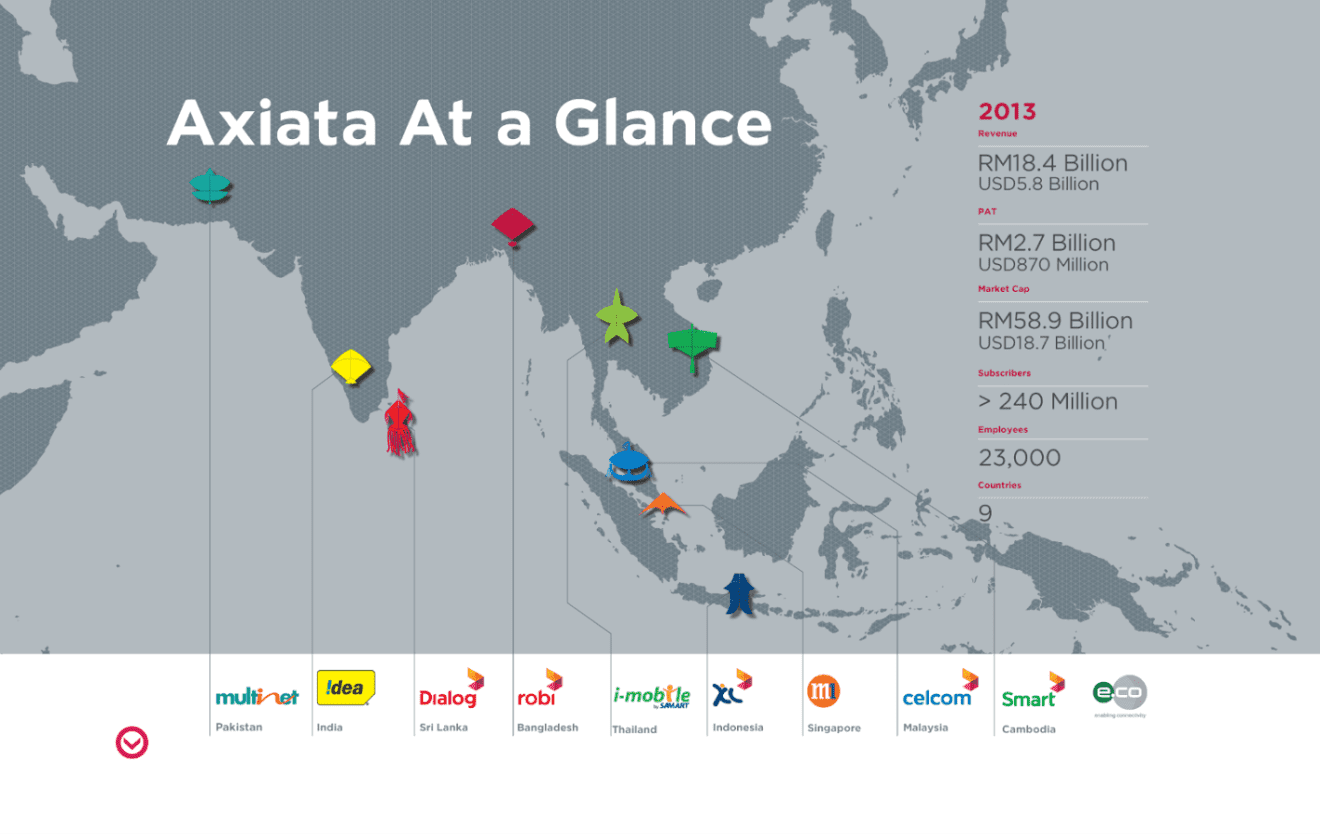
    Through its various subsidiaries and affiliates, Axiata Group Berhad serves about 260 million mobile subscribers in Asia, making it one of the region’s biggest operators by customer numbers.

    Axiata reported a 34.2% year-on-year increase in profits after taxation and minority interests, to 611 million Malaysian ringgits ($147.9 million), following strong contributions from subsidiaries in Sri Lanka, Cambodia and India.

    Difficulties in Malaysia and Indonesia triggered a 0.5% dip in revenues over the same period, to MYR4.7 billion ($1.14 billion), but the operator said that Malaysia’s Celcom Malaysia had grown its customer base for the first time since the third quarter last year and that Indonesia’s XL was also making good progress.

    Nevertheless, Dato’ Sri Jamaludin Ibrahim, Axiata’s president and CEO, said there is still work ahead before the operator could feel satisfied with its performance.

    “While Celcom’s IT transformation issues are generally resolved and we are making significant progress in regaining some goodwill that was lost last year, there is still more to be done,” he said in a company statement.

    Axiata blamed declines in the voice and text-messaging businesses for a dip in Celcom’s service revenue but also claimed to have added another 61,000 customers to its subscriber base in the quarter.

    Having launched a series of new pre- and post-paid tariffs, the operator said it is now “regaining market confidence.”

    Axiata serves about 12.3 million customers in Malaysia, down from 13.4 million in the second quarter of 2014, but still generates about 38% of its revenues in the country.

    Celcom believes that upgrades to its IT systems will help it to compete more effectively against rivals including Maxis Communications Bhd. and DiGi Telecommunications Sdn Bhd. , which appear to have been eating into its market share in recent quarters.

    A similar transformation program is under way at XL in Indonesia, where subscriber losses have been even more dramatic over the last year.

    Currently Indonesia’s third-biggest mobile operator, XL revealed that customer numbers fell to about 46 million in the second quarter from as many as 62.9 million in the same period last year.

    In local currency terms, revenues have dropped from 6.1 trillion Indonesian rupiahs ($439 million) to IDR5.6 trillion ($403 million) over the same period.

    XL says its current strategy is to focus on serving heavier-spending customers. It has booked a sharp increase in average revenue per user over the past year — up to IDR32,000 ($2.3) per month from IDR26,000 ($1.87) in the second quarter of 2014 — despite the overall sales decline.

    Axiata’s performance in the much smaller markets of Sri Lanka and Cambodia stood in sharp contrast to the setbacks at home and in Indonesia.

    Sri Lanka’s Dialog grew revenues to 17.7 billion Sri Lankan rupees ($130 million), from SLR16.7 billion ($120 million) in the second quarter of 2014, and saw its customer base balloon from 9.3 million to 10.1 million subscribers over the same period.

    In Cambodia, meanwhile, Axiata revealed that revenues have grown from MYR270 million ($65.4 million) in the first six months of 2014 to MYR420 million ($101.7 million) in the same period this year.

    Axiata was also boosted by the performance of Idea Cellular Ltd. , one of India’s biggest mobile operators, in which it owns a stake of about 20%.

    In its results presentation, the operator indicated that Idea contributed MYR102 million ($24.5 million) to its profit before taxation and minority interests in the second quarter — about a sixth of the total figure.

    Fueled by growth in India’s burgeoning mobile data market, Idea reported a 14% year-on-year increase in revenues in the April-to-June quarter.

  • MobiFone Vietnam moves into retail

    MobiFone Vietnam moves into retail

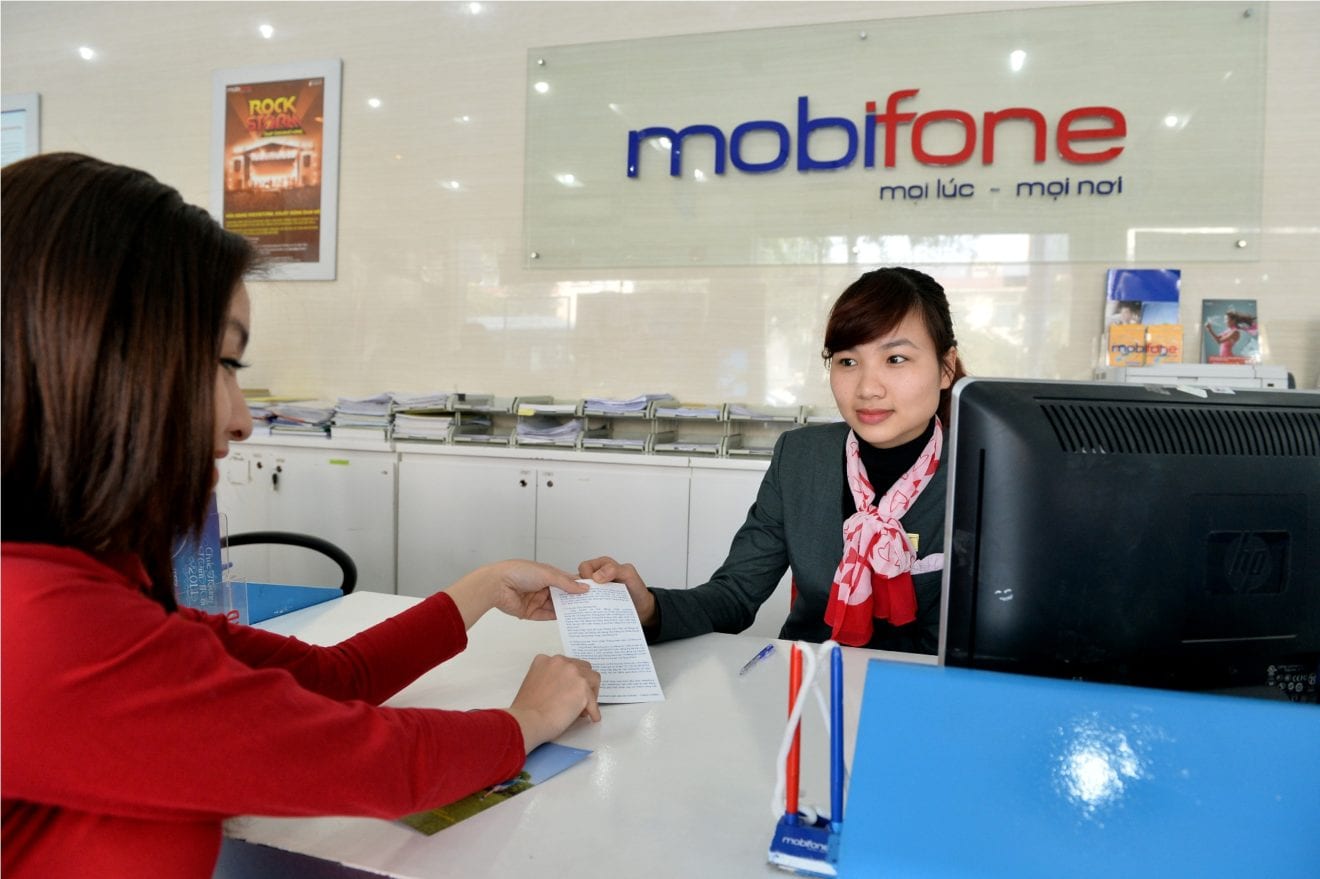
    Vietnam telco MobiFone says it will focus on expanding its retail presence in the coming year as it competes for market share.

    MobiFone Vietnam is one of three key mobile phone networks fiercely competing for a share of the nation’s burgeoning telecommunications business.

    In recent years rivals Viettel and VinaPhone have all stepped up their retail presence, but MobiFone has less profile at storefront level.

    Speaking at a shareholders meeting last week, MobiFone Vietnam general director Cao Duy Hai said the company will focus on its businesses in telecom, television, retail and multimedia in the 2015-20 period.

    He said the company planned “a large distribution channel” to increase MobiFone’s market share. Local commentators suggest this may include partnerships with mobile phone brands such as Samsung, Apple, Oppo and Huawei, all strong players in Vietnam.

    Viettel has stores in many cities and provinces throughout the country and VinaPhone has co-operated with Apple, among others, to distribute its products. But MobiFone tends to rely on trade through independent stores who can connect customers to any of the networks.

    MobiFone is 100 per cent Government owned and also has businesses in construction, minerals, broadcasting and multimedia.

  • Indonesia’s Telkomsel collaborates with Trikomsel for handset bundling deals

    Indonesia’s Telkomsel collaborates with Trikomsel for handset bundling deals

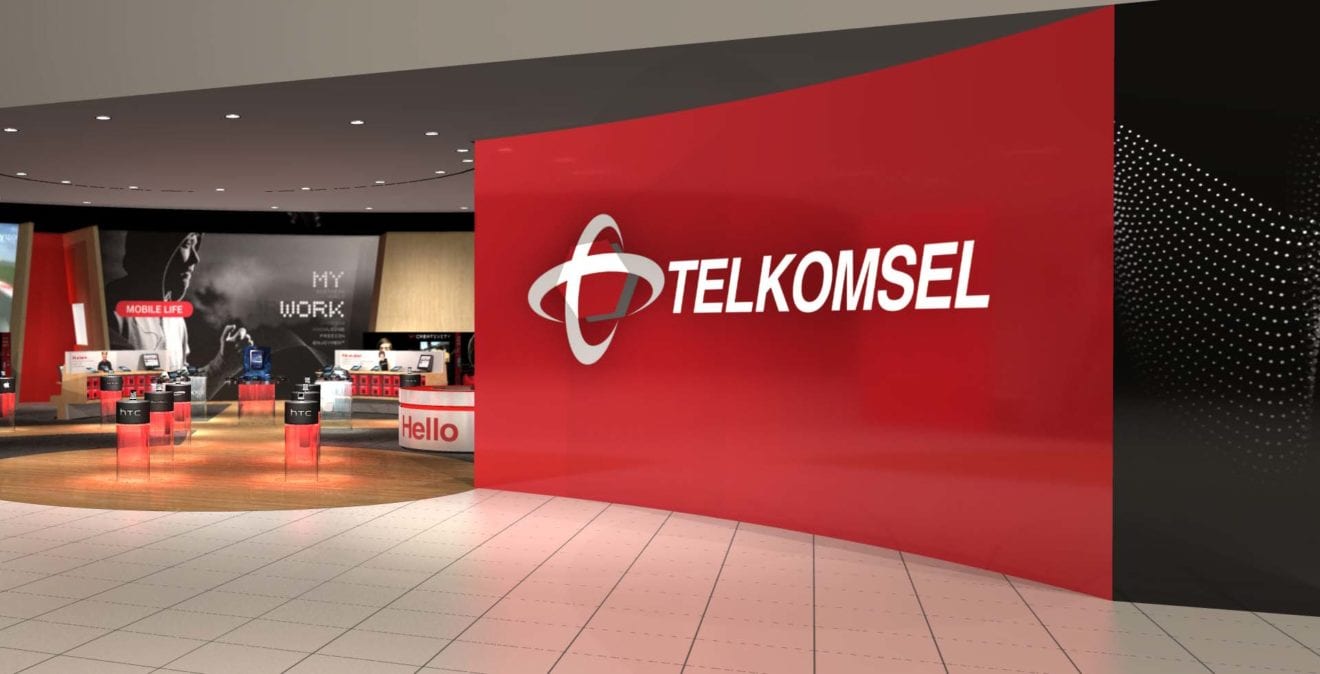
    The largest mobile operator in Indonesia, PT Telekomunikasi Selular (Telkomsel), unit of state-run telecom operator PT Telkom Indonesia Tbk (TLKM), has joined hands with gadget store operator PT Trikomsel Oke Tbk (TRIO) to launch a device bundling program to drive the growth in smartphone users, the company said in a statement.

    The device bundling program includes, Lenovo Vibe X2, Xiaomi Redmi 2 and Xiaomi Mi 4i with cash back and data package promotion. In addition. Telkomsel also launched device bundling program for BlackBerry Classic, Samsung Galaxy S6 edge and LG G4 to attract high value customers.

    Since December 2014, Telkomsel has successfully rolled-out 4G LTE services to support the data services in Jakarta, Bali, Bandung, Surabaya and Medan using the 900Mhz spectrum. The operators are in the midst of rearranging their 1800Mhz spectrum and expected to be completed by the end of the year.

    To signify the completion of spectrum rearrangement in areas outside Java, Telkomsel launched 4G LTE services using 1800Mhz spectrum in Makassar and Lombok in July 2015. To date, the operator has more than 1,000 4G LTE BTS serving the seven key cities.

    In the first half of 2015, Telkom as a group has spent Rp11.9 trillion ($888.06 million) in capital expenditure (capex), of which Rp5.8 trillion was for Telkomsel and the remaining Rp6.1 trillion was for Telkom and other subsidiaries.

    Telkom’s capex was mainly utilised for deploying access and backbone infrastructure to support the broadband services, while Telkomsel’s capex was mainly utilized for radio access network. Other subsidiaries’ capex was utilised for towera, property, data center, and project international cable systems.

    In first half of the year, Telkomsel reported that net profit rose 14.7 per cent from previous year (Rp8.81 trillion to Rp10.11 trillion). While the company revenues rose 13 per cent from Rp31.33 trillion to Rp35.40 trillion in first semester of 2015.

    Revenue from prepaid customers accounted for 84.9 per cent with Rp30.04 trillion of Telkomsel’s total revenue mainly driven by prepaid subscriber base, high increase in data usage and data revenue as well as continued growth in voice and SMS revenues.

    Postpaid revenue increased by 13.5 per cent to Rp2.78 trillion mainly driven by the increase in the postpaid customer base which grew by 16.6 per cent to 3 million subscribers. Revenue from postpaid customers contributed 7.9 per cent to the total revenue.

    Telkomsel continued aggressive network deployment with 11,495 new BTS installed in an effort to maintain leading network supply to strengthen mobile broadband experience. Around 90 per cent of new BTSs were 3G/4G BTS.

  • Indonesians pressure the country’s largest telco to lower data costs

    Indonesians pressure the country’s largest telco to lower data costs

    Indonesians are pissed off about Telkomsel’s data package pricing policy. While they’re considered expensive for Jakartans, Telkomsel – Indonesia’s state-owned and largest mobile carrier – charges up to twice as much for the same amount of data if you happen to live in a bad “zone.”

    To protest this, activist Djali Gafur started a petition called “Internet for the people“. It has already accumulated over 10,000 signatures.

    Telkomsel divides the archipelago into 12 districts. Jakarta, as well as most parts of Java and the surrounding islands are in Zone 1, and tariffs actually go up as the areas get more remote. West Papua’s Raja Ampat district, for example, is in Zone 12.

    “We in Zone 12 don’t have a choice,” says Gafur in the petition on Change.org. It’s true because Telkomsel is often the sole carrier in remote areas. The others don’t even bother because the infrastructure costs outweigh the opportunities.

    Gafur demands that people in his area get access to the internet for an equal price, so that they too can participate in things like education, tourism, government, and creative industries online. “If [the connection] is a little slow, that doesn’t even matter so much,” he adds.

    Indonesia’s ICT Minister Rudiantara has since responded to the petition, and met with Telkomsel’s president director to discuss the matter, according to local media.

    Rudiantara said that the government is looking into subsidizing Telkomsel in areas where it is the only operator on the ground, supported by the Universal Service Obligation (USO) fund.

    The USO in its current form has been in place since 2005. Mobile phone carriers operating in Indonesia have to contribute 1.25 percent of their gross revenue into a shared pool, which non-profit government agencyBP3TI deploys toward connectivity programs in remote areas.

    Apparently, BP3TI is not quick enough to keep up with the demand for affordable mobile internet connectivity in the remote parts of Indonesia.

    Indonesia currently has no regulation on data tariffs, but according to Rudiantara, discussions on this will take place in 2016. In order to allocate funds from the USO to support Telkomsel in said remote zones, USO’s structure has to be changed. That will take time. For now, it’s up to Telkomsel to respond to the increasing frustration from people in zone 12.