Category: Telecom

Retail News Asia is committed to providing both local and global retailers with the latest Telecom & Telco news throughout the Asian market. This on a daily base.

  • U Mobile inks RM1 billion credit facility with UOB Malaysia

    U Mobile inks RM1 billion credit facility with UOB Malaysia

    U Mobile Sdn Bhd has inked a three-year RM1 billion term loan credit facility with United Overseas Bank (Malaysia) Bhd (UOB Malaysia) to fund its various capital expenditure programmes, including the company’s network expansion and enhancement goals across the country.

    U Mobile CEO Wong Heang Tuck said the RM1 billion credit facility agreement is one of the largest to be signed in this country to date and this reflects the bank’s vote of confidence in U Mobile’s credit quality and business fundamentals.

    “The fresh injection also means we are able to expedite our network strategy and customers will soon enjoy much better experience throughout the whole of Malaysia.”

    He added that the agreement, apart from enabling U Mobile to build a financial track record, affirms the company’s position as a credible challenger in the telco landscape.

    Over the past few years, the company has enjoyed traction in the industry and its subscriber base crossed the 6 million mark at the end of last year.

    U Mobile’s rising popularity in Malaysia also enabled the telco to become ebitda (earnings before interest, tax, depreciation & amortisation) positive mid last year, highlighting the company’s improving financial health.

    As at Dec 31, 2017, U Mobile’s shareholders have invested over RM4 billion in the business. With the RM1 billion loan from the commercial bank, U Mobile would be investing over RM5 billion in its network infrastructure, aggressively expanding its network footprint nationwide as well as enhancing customers’ mobile experience.

    The investment will also accelerate the telco’s growth ambitions, reinforcing its position as a serious industry contender. The network infrastructure upgrade is also a critical foundation to U Mobile’s expanding suite of mobile digital services, which spans from telco-assurance to payments.


  • Celcom Axiata appoints Idham Nawawi as new CEO

    Celcom Axiata appoints Idham Nawawi as new CEO

    Celcom Axiata Bhd has appointed Mohamad Idham Nawawi (pix) as its new CEO effective Sept 1, taking over the reins from Michael Kuehner whose tenure ends on Aug 31.

    The group said in a statement that the succession is part of the original plan two years ago to appoint an internal talent for its next phase of transformation and Idham was appointed following a thorough selection process.

    “As an internal talent with excellent management and operational experience within the group, as well as a member of the Celcom board, Idham is already well versed in Celcom’s strategic directions, operations and challenges. The board is confident Idham will be able to move quickly and efficiently to execute on the next phase of transformation,” it said.

    Idham has been with the group since 2012 and is currently the group chief corporate officer, responsible for regulatory management, corporate communications and sustainability, corporate affairs and government relations for the group. He also manages the group CEO’s office and the Axiata programme and governance office.

    Idham led the transformation programme office for Axiata 2.0 from 2012 to 2015, which was the impetus of Axiata’s expansion beyond its core mobile business into new digital services and tower business.

    As interim COO for Axiata Digital Services during its start-up phase in 2014, he was also instrumental in establishing the RM100 million Axiata Digital Innovation Fund targeted at developing Malaysian digital entrepreneurs.

    Idham has served as member of the board of directors in Axiata’s mobile operating companies in Malaysia, Cambodia, Bangladesh and Pakistan, and several Axiata Digital Services companies.

    Prior to joining Axiata, Idham was COO of Packet-One Networks (P1). He was previously head of strategy for Axis Telekom Indonesia and general manager at Maxis Communications Bhd, and had spent his early career with IBM Malaysia and Carl Zeis Inc in the USA.

    “We are pleased to welcome Idham as Celcom CEO. With his vast leadership and notable accomplishments in many roles, I am confident he will lead Celcom to the next level of transformation into a digital world as well as to pursue our profitable growth strategy. His decades of industry experience and familiarity of Celcom, being already a board member, will certainly help him to move quickly in the transition,” said Celcom chairman and Axiata president and group CEO Tan Sri Jamaludin Ibrahim.

    “At the same time, on behalf of the board of directors of Celcom and all of us, I would also like to take this opportunity to extend our gratitude to Michael for his immense contributions and for positioning Celcom solidly for the great opportunities ahead. We wish him all the best in his future endeavors,” he added.

    Kuehner, who took over from Datuk Seri Shazalli Ramly in September 2016, was previously the CEO of Robi Axiata Ltd in Bangladesh from 2009 till 2013.

    The group said his core strategy to provide the best customer experience in the industry saw Celcom achieve significant improvements in many areas in products and services, network quality and coverage especially in the deployment of 4G, sales and distribution as well as digitisation.

  • Vietnam telecom firm Viettel eyes Philippine market

    Vietnam telecom firm Viettel eyes Philippine market

    Vietnamese telecommunication company Viettel has set its sights on the Philippines as the next destination in its overseas expansion drive.

    The company said on Thursday, as the archipelago’s economy clears the way for the entry of a third operator.

    Fixing the Philippines’ notoriously patchy and expensive telecom services was a campaign promise of populist President Rodrigo Duterte, who had said late last year that a third player would join the market and end the duopoly of PLDT Inc and Globe Telecom Inc, which have a combined market capital of about $10.7 billion.

    “Viettel is interested in the third license on telecommunications in this market,” the military-run Viettel Group, Vietnam’s largest mobile carrier by subscription numbers, said.

    “Viettel will thoroughly consider participating in case the conditions of the bidding documents are in line with the strategy of Viettel.”

    The Philippines’ Department of Information and Communications Technology (ICT) issued draft rules this month on the entry of a third player, which require foreigners to team up with local partners holding congressional franchises.

    Foreign ownership of a telecom firm in the Philippines is capped at 40 percent, although Eliseo Rio, the acting ICT head, said in a recent interview that moves were underway to change that, so foreigners can raise their stakes later on.

    The Philippines has one of the world’s largest rates of average daily social media usage, yet insufficient infrastructure means its 105 million people suffer frequent dropped calls, weak signals and intermittent data.

    Viettel has already invested in 10 countries across Asia, Africa and America, and had 43 million subscribers overseas, as of end-2017.

    Last month, a Viettel official said the company was also eyeing opportunities in Ethiopia after the government there announced its intention to liberalise key economic sectors including telecommunications.

    In June, Viettel and its local partners launched a $1.5 billion 4G network in Myanmar, making them the fourth telecom operator in the country.

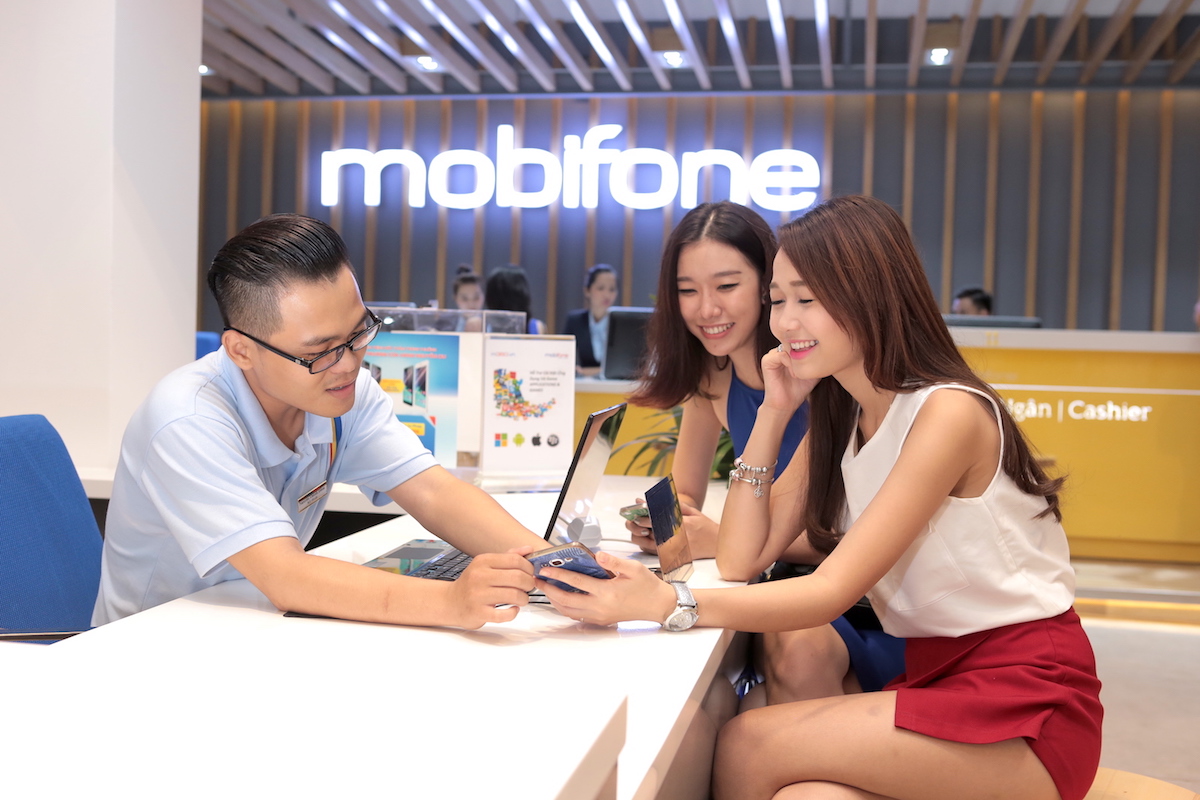
  • MobiFone gets new CEO

    MobiFone gets new CEO

    MobiFone has named deputy general director Nguyen Dang Nguyen as its new CEO in place of the disgraced Cao Duy Hai.

    Hai, 57, was removed last Tuesday for his role in the illegal acquisition of a TV firm in 2016 by the Ministry of Information and Communications, which runs the corporation.

    Nguyen also remains deputy general director in charge of technology area.

    Hai has also been sacked from the company’s board after being found responsible for “serious violations” in the acquisition of private pay TV firm Audio Visual Global JSC (AVG).

    According to the Central Inspection Commission of the Communist Party of Vietnam, Hai had been personally involved in the acquisition and signed many documents in violation of laws to come up with a deal that caused a significant loss to the government.

    MobiFone had made headlines in 2016 when it announced it was breaking into the pay TV market with the acquisition of a 95 percent stake in AVG.

    But the Government Inspectorate concluded the deal, which had not been approved by the government, had violated investment laws and caused an estimated VND7 trillion ($307 million) loss to the government.

    In a report on the deal last March inspectors said MobiFone had committed multiple violations in proposing the deal and AVG’s valuation.

    The ministry and MobiFone were responsible for the serious violations of the laws in assessing, approving and going ahead with the deal, the inspectorate said.

    MobiFone’s after tax profit dropped 26 percent year-on-year to VND1.95 trillion ($86.6 million) in the first half of this year as revenues fell 8 percent to VND14.7 trillion ($653.3 million).

    But the country’s third largest telco has said with the new CEO taking over it expects to achieve the full year’s financial targets.

  • KT korea to offer discount SIMs to tourists

    KT korea to offer discount SIMs to tourists

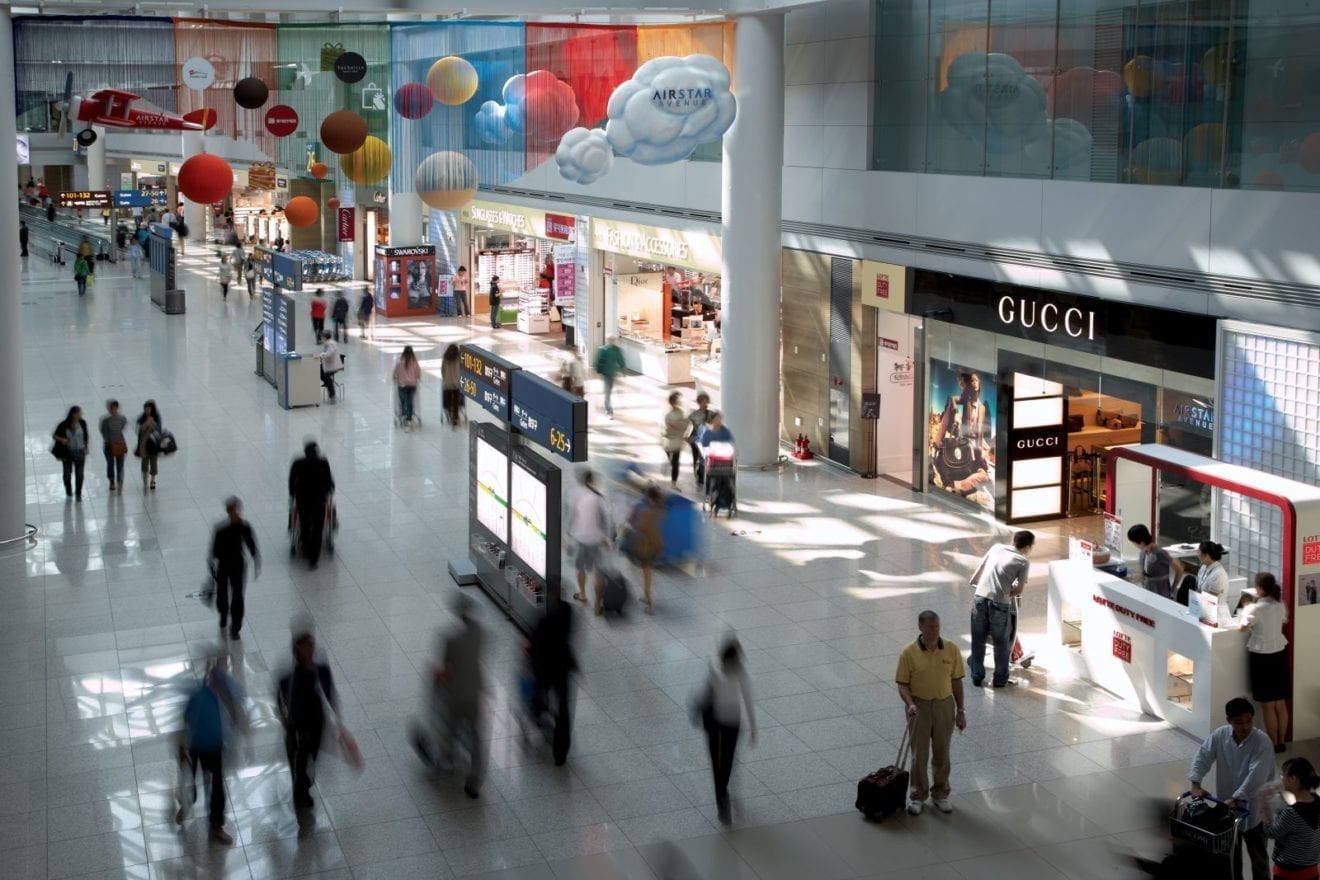
    KT, Korea’s second-biggest wireless services provider, said Friday it will provide discounts on SIM cards and WiFi services to foreigners visiting the country.

    Foreign travelers can receive a discount of up to 50 percent on KT’s mobile roaming services when ordering from the company’s English website by the end of this year, KT said.

    The SIM cards can be purchased at the KT’s roaming centers at Incheon International Airport, Gimpo International Airport, Gimhae International Airport and Busan International Port.

  • Net1 Indonesia Quick Response on the Lombok Earthquake

    Net1 Indonesia Quick Response on the Lombok Earthquake

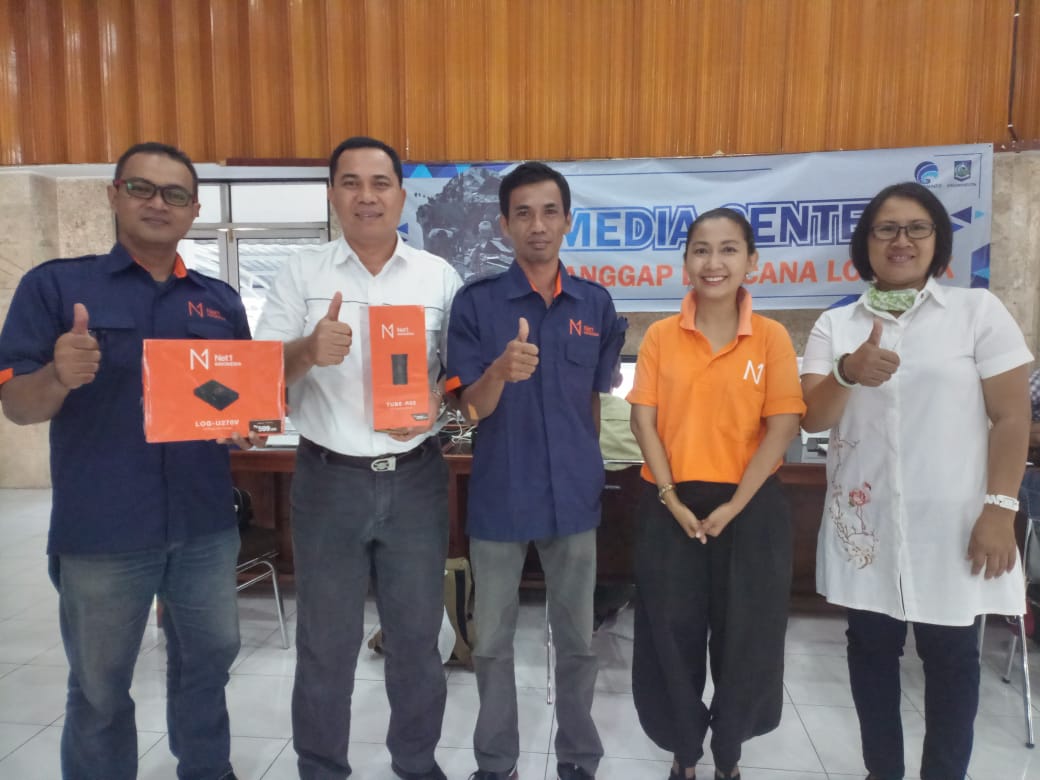
    Net1 Indonesia is quick responding towards the earthquake in Lombok Island, West Nusa Tenggara (NTB) by providing Free WiFi access for refugees in evacuation area. To implement the social action, Net1 Indonesia collaborates with Communications and Informatics Office (Kominfo) of Province West Nusa Tenggara. Net1 has donated 100 WiFi devices to the office to be distributed and installed in several evacuation areas.

    This caring action is part of Net1 Indonesia’s Corporate Social Responsibility (CSR) to relieve the burden of victims affected by the Lombok earthquake, which killed 113 people, injured 236 people and thousands others homeless caused of severe damage. Until Tuesday (8/8), aftershocks still occurred after the earthquake with a magnitude of 7 hit Lombok Island, West Nusa Tenggara, on Sunday (5/8).

    “We received information from our area team in West Nusa Tenggara that telecommunication access was down, while many people were still looking for their family members. Telecommunications access will facilitate people and their families to communicate and update each other on their conditions,” said Larry Ridwan, CEO of Net1 Indonesia.

    With the support of telecommunication access and internet from Net1, shelters around the disaster area can be an information hub to update informations related to the disaster, including the possibility to find people who separated from their family. The WiFi devices installation in the shelters is possible to be extended based on situation and condition in the natural disaster area.

    “We will distribute the one hundred devices to 48 sub-districts in Mataram City, and in the districts including North Lombok, Central Lombok, West Lombok and East Lombok. So far, the worst damage occurs in North Lombok with 78 death toll. We are excited since Net1 is very quick responding to fulfill the need of telecommunication and internet access. Telecommunication access in Lombok and its surrounding was down when people urgently need to contact and update their conditions to family and relatives,” revealed Tri Budiprayitno, Head of Kominfo Office in West Nusa Tenggara Province.

    “We hope this disaster will pass soon, so people can recover and resume to their activities,” Larry added.

    Because of the magnitude of the earthquake, a number of telecommunication infrastructure in Lombok damaged, but the damage did not affect the network and range of Net1 Indonesia 4G LTE. Net1 Indonesia’s networks and signals are normally operating at 450MHz frequency to provide adequate telecommunications access for its customers and victims.

    Net1 Indonesia also encourages Sentra Net1 which spreaded across Bali and Lombok Island to play an active role in providing technical repair if there are customers’ devices damaged because of earthquake. Please visit net1.co.id for more information.

  • Elon Musk’s SpaceX Helps Keep Costs Down on Launch of Telkom’s Merah Putih Satellite

    Elon Musk’s SpaceX Helps Keep Costs Down on Launch of Telkom’s Merah Putih Satellite

    Telkom Indonesia, the country’s largest telecommunications company, will save up to a quarter of the cost involved in the launch of its latest satellite through reusable rocket technology.

    The Merah Putih satellite cost $165 million to develop, launch and insure against launch failure, Zulhelfi Abidin, Telkom’s network and information technology solutions director, said on Sunday (05/08). In comparison, Telkom-3S satellite, launched on Feb. 15, 2016, cost Telkom $215 million.

    Bank Rakyat Indonesia’s 2016 BRIsat project – the world’s first satellite owned and operated by a bank – cost the state-owned lender $250 million to develop and launch, by Europe’s Arianespace.

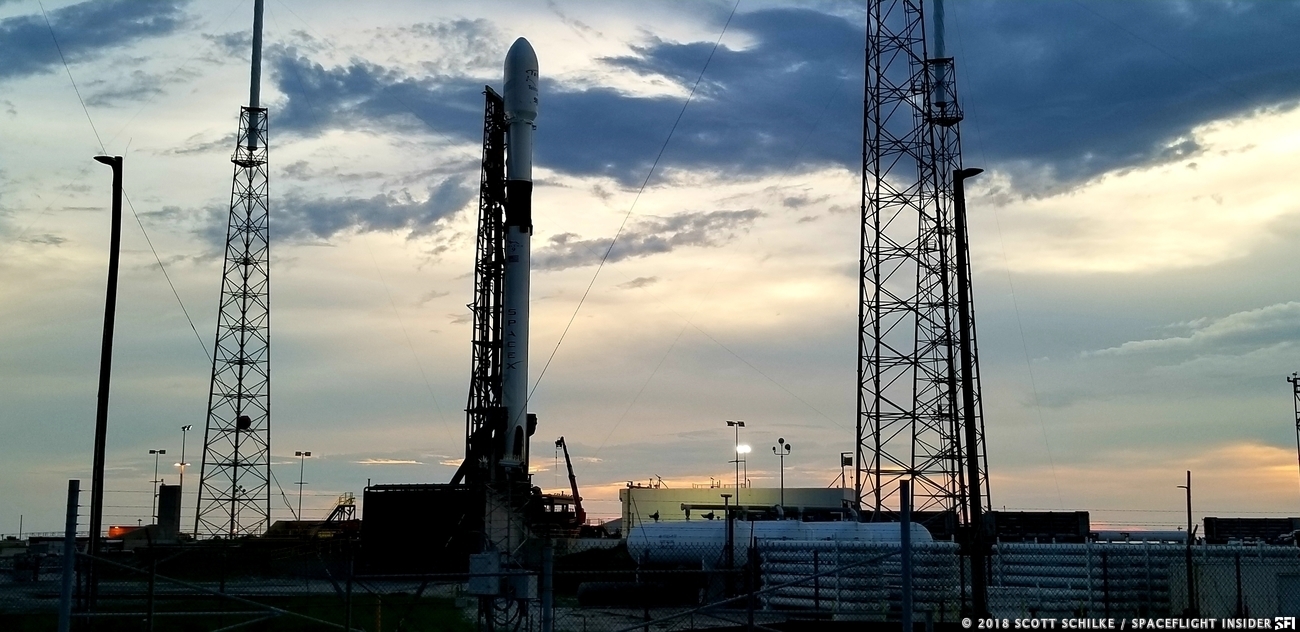
    Telkom contracted billionaire Elon Musk’s Space Exploration Technologies Corporation, better known as SpaceX, for the Merah Putih launch. The satellite will hitch a ride on SpaceX’s Falcon 9 rocket, which can be reused up to 10 times.

    “The process of combining the rocket with the satellite is already completed, so all that’s left is to wait for the launch,” Zulhelfi said.

    The satellite will be launched from Cape Canaveral Air Force Station in Orlando, Florida, on Tuesday.

    Telkom hopes Merah Putih will help it provide extended communication services across Indonesia, particularly in the country’s remote and outermost regions. The company also hopes to use the satellite to increase its business opportunities in South Asia.

  • SK Broadband adds home screens to TV

    SK Broadband adds home screens to TV

    SK Broadband will launch customizable home screens for all of its 4.6 million TV subscribers on Aug. 16.

    SK Broadband unveiled a series of upgraded TV media services on Tuesday and vowed to increase its offerings of customized content.

    “Paid broadcasting services are supposed to analyze the data of customers’ media consumption trends to come up with the services and content that suit them,” said Yoon Suk-am, head of the media business division at SK Broadband at a press conference at SK Telecom’s headquarters in central Seoul. “It will be the first step in raising customer value further.”

    Users may choose among three options to set their home screen, which appears right after the TV is turned on – video on demand, a real-time TV channel or a kids’ channel that consists only of content for children. Baseball aficionados, for example, can set a baseball channel as their home screen.

    The screen can also recommend content according to age group and based on the past user’s viewing habits, including their favorite TV programs from the past five years. The screen will also show which monthly plan users are subscribed to, valid membership points, coupons and discounts.

    SK Broadband said its mobile video streaming app, Oksusu, will offer real-time baseball broadcasts that are up to 20 seconds faster than competing apps.

    For children, SK Broadband will offer a custom fairy tale maker to TV subscribers. Kids can add their own voice, face and drawings to a TV screen to make their own TV fairy tale content, using 3D facial recognition technology and real-time facial expression generation technology. Some 250 fairy tales will be available for customization.

    When viewers take a photo of their face with a smartphone app and send it to the TV, the photo’s facial expression will take on up to 20 different emotions depending on the flow of the story. Viewers may even turn into the antagonist of one of the fairy tales. Children may also draw paintings that are added to the story and affect its outcome.

  • Soaring 3G, 4G use to boost mobile ads, commerce

    Soaring 3G, 4G use to boost mobile ads, commerce

    Widespread adoption of 3G and 4G networks in Vietnam presents a lucrative growth opportunity for mobile advertising and commerce.

    Vietnam had more than 123.9 million mobile subscribers active on 2G, 3G and 4G networks as of June this year, according to the Ministry of Information and Communications.

    The number of 3G and 4G subscribers had soared by 29.2 percent year-on-year. Preliminary statistics showed that the combined adoption of 3G and 4G reached 51.5 million subscribers in early 2018.

    Mantosh Malhotra, Southeast Asia and Pacific head of telecom equipment giant Qualcomm, said the growth was impressive and predicted 3G and 4G numbers to rise to 120 million by 2020, or 67 percent of all mobile devices.

    Doan Duy Khoa, head of consumer insight, banking and technology industry division at Nielsen Vietnam, said that the extensive 3G and 4G adoption in Vietnam would create huge opportunities for mobile advertising and commerce.

    Vietnam is ranked third in consumers’ internet access in Southeast Asia, behind only Singapore and the Philippines, he said. “Vietnamese spend 24.7 hours a week on average on the internet compared to nearly 26 hours in developed countries like Singapore.”

    Two-thirds of local internet users surveyed by Nielsen said they regularly use smartphones to browse the net.

    Khoa said this trend has been fostered by the upgrades to the 3G and 4G telecom infrastructure and the increasing mobile connection speeds on smartphones.

    By 2020 some 60 percent of Vietnam’s population is expected to use smartphones.

    Khoa quoted statistics from market research company eMarketer as saying Vietnam’s mobile advertising revenues were worth $77 million last year, double that of the previous year.

    He presumed the growth is on the rise.

    Mobile advertising growth would be driven by new ad formats like in-app ads, mobile video ads and mobile search services, Khoa said. “The rising trends of connectivity and smartphone use also give impetus to mobile commerce growth.”

    Smartphones inspire consumers to search online for brands, products and services before buying, and share their impressions after a purchase, he said.

    Khoa recommended that marketers should use smartphones as a tool to build brands and loyalty programs and promote sales. “Many providers of air, accommodation, and tourism services are leading the mobile commerce charge in Vietnam.”

    eMarketer predicted the mobile retail sector to grow by 24.3 percent to $1.14 million this year. The figure is expected to climb to $1.8 million in the next three years.

    But Khoa warned that mobile advertising and mobile commerce sectors face challenges since consumers tend to quickly turn off ads or even block and skip them. “Thus, to get past this, the advertising content must be very good.”

    “Consumers’ attention span is very short when it comes to mobile phones, especially compared to tablets and laptops. So, ads must be designed to run for six or 12 seconds instead of the 30 or 60 seconds of traditional ads,” he added.

  • Axiata to book non-cash loss on Idea Cellular-Vodafone Idea merger

    Axiata to book non-cash loss on Idea Cellular-Vodafone Idea merger

    Axiata Group said it is likely to book a RM1.5 billion to RM3 billion non-cash financial loss from the merger of 16.33% owned Idea Cellular and Vodafone Idea Ltd, which will make it the largest carrier in India by subscribers and revenue market share.

    Together, Axiata Group said in a statement, Vodafone Idea will serve a customer base of 440 million, representing 39% of the total market share while its revenue market share is estimated to be at 37.5%. Its revenue is forecasted to be in excess of US$10 billion (RM40.6 billion).

    The group said, the non-cash financial loss is due to applicable accounting standards from the dilution of Axiata Group’s shareholding in the merged enlarged Idea-Vodafone entity from 16.33% to 8.17%, upon completion of the merger which will result in the loss of certain shareholder’s rights as provided under the subscription agreement dated June 25, 2008 between, inter-alia, Axiata Group and Idea in relation to subscription by Axiata Group of shares in Idea.

    The estimated loss above is expected to have a material impact on the financial quarter ended June 30, 2018. The actual impact on de-recognition from the reclassification of Idea will be provided upon completion of the merger. Being a non-cash item, the financial impact above will have no bearing to Axiata Group’s current or future cash position.

    In a separate statement issued last Friday, the group said its cash balance is strong at RM5.7 billion as of end March 2018 with debts well within covenant and will not be a factor to impact Axiata’s dividend policy and payment for 2018.

  • India Reliance to borrow US$2.5 billion to refinance debt

    India Reliance to borrow US$2.5 billion to refinance debt

    Owned by India’s richest man Mukesh Ambani, Reliance is negotiating with more than a dozen banks to arrange the loans in single or multiple tranches as it rolls out an optical-fiber network and sets up more retail stores.

    This loans are to refinance existing offshore debt raised about two and a half years ago and would reduce average borrowing costs or extend maturities, the daily added.

    The conglomerate, whose interests range from petroleum to retail stores, has an ambitious plan to roll out its fixed-line broadband service Jio GigaFiber for 1,100 cities of India.

    Meanwhile India’s leading telecom service provider and Reliance rival Bharti Airtel is also looking to raise $1 billion overseas to refinance its high-cost debt.

    It wants to expand its fourth-generation (4G) mobile-phone technology network in order to face stiff competition posed by Reliance Jio.

  • China leads the world in mobile payments

    China leads the world in mobile payments

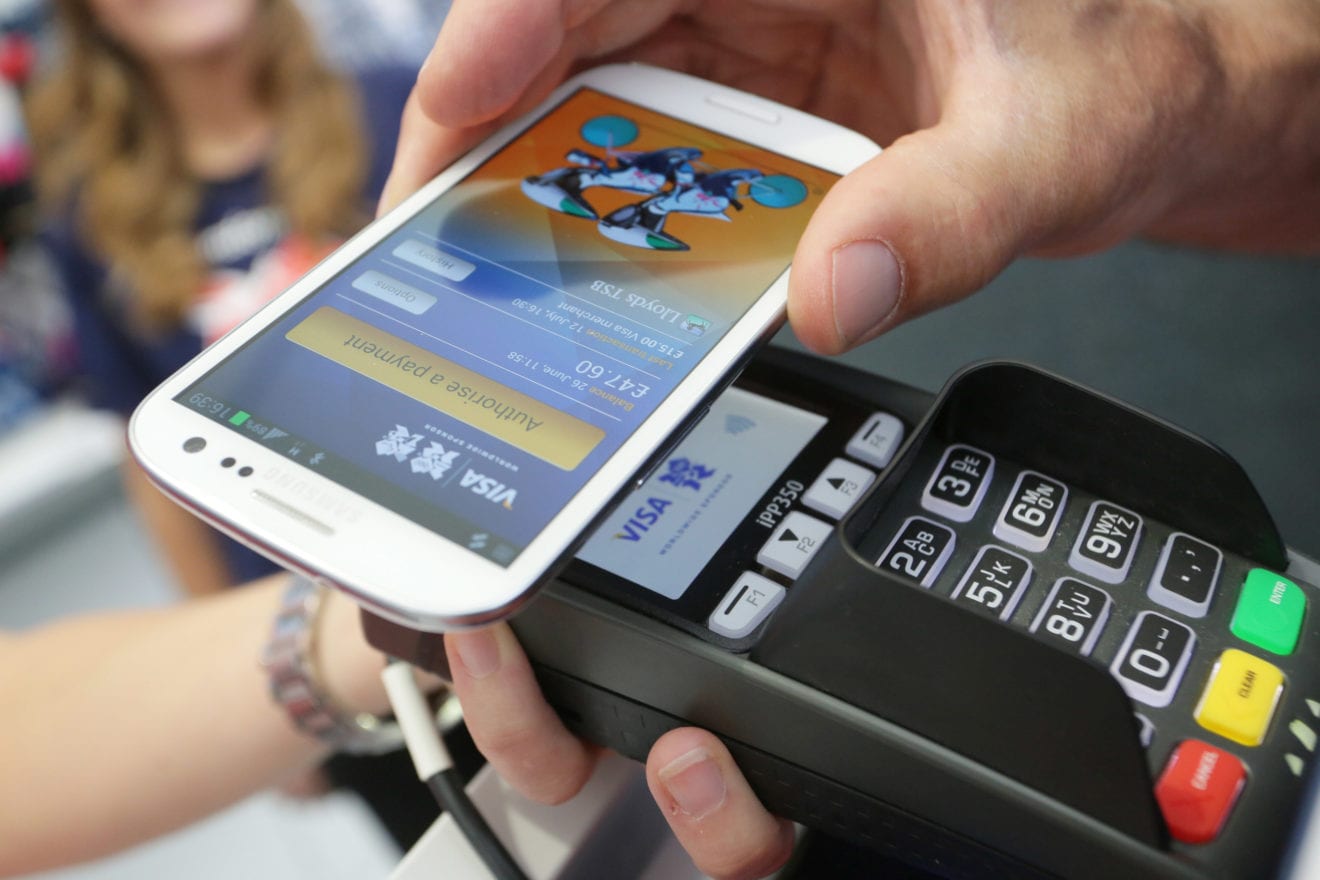
    In China, with just a mobile phone in your hand, you can hop on the subway or bus, shop in a supermarket or convenience store, pay for needed supplies while on campus or settle a traffic fine via the mobile Quick Pass function.

    This is now part and parcel of the daily routine for many people in China.

    Today, mobile payments have seamlessly penetrated into every person’s daily activities and has had a profound effect on their lives. All eyes are on China, as the world’s most populous country has rapidly taken the lead into the era of mobile payment.

    Ahead of the rest of the world

    A survey of 18,000 consumers across 23 countries and regions by Ipsos, an international market research firm, shows that 77% of all Chinese use mobile payment services, ranking the country first in the world. The penetration rate of mobile payment in the US and Japan has so far only reached 48% and 27% respectively.

    Given the size of the Chinese population, the difference is remarkable.

    Taking the daily movement of its population as an example, dramatic changes have been observed in the way Chinese commuters and travelers pay when they board a bus or subway or drive a car to get where they are going, all of which has been made possible by the popularity of mobile payments.

    Using UnionPay mobile payment to settle all fees that occur while in transit is now the commonly accepted way to get from point A to point B in more than 400 counties and cities across China, with the highest percentages of the population already doing so located in Shanghai, Guangzhou, Tianjin, Hangzhou, Fuzhou and Jinan.

    To cite Hubei province as just one example, car owners who have added their vehicle information to the UnionPay app and set up their UnionPay payment function as the default payment option can drive through any toll plaza along the highway without stopping, and the system will automatically recognize the license plate and submit the highway toll.

    Convenient mobile payment service for all payment scenarios

    With the goal of improving the quality of life through service enhancements that benefit every person resident in China, a project to evidence the convenience of mobile payments under the aegis of China’s central bank named the “mobile payment convenience demonstration project” targets areas that are most likely to touch on every person’s life, including what are referred to as the 10 major payment scenarios:

    • Travel by bus or subway
    • Food market and other local convenience shopping
    • Restaurant dining
    • Supermarket shopping
    • Use of public services
    • Self-service vending machines
    • On-campus activities
    • College or university cafeteria
    • Healthcare
    • Settlement of traffic fines
  • Axiata to sell loss-making Pakistan unit

    Axiata to sell loss-making Pakistan unit

    Axiata Group Bhd is planning to sell its entire 89% stake in Multinet Pakistan (Private) Ltd for a sum of US$1 on a cash-free and debt-free basis.

    The group told the stock exchange that its unit Axiata Investments (Labuan) Ltd (AIL) had entered into a share purchase agreement with Adnan Asdar Ali, who currently holds the remaining 11% stake in Multinet.

    It noted that Multinet’s financial performance has been declining for the last few years with accumulated losses of PKR754 million (RM25.64 million) for the financial year ended Dec 31, 2017.

    Accordingly, the group said Multinet’s contribution to its financial and business performance is immaterial.

    Axiata assured that the exercise will not have any material effect on the group’s consolidated net assets, gearing and consolidated earnings for the financial year ending Dec 31, 2018.

    Multinet is engaged in the business of providing telecommunication and electronic media services including internet services, design, development, implementation of networks including a wide range of non-mobile telecommunications services with a focus on the business-to-business (B2B) segment of the market.

    Axiata gained 2.7% or 11 sen at RM4.17 with 5.75 million shares being traded.

  • KT triples the Wi-Fi speed at 3 Seoul Starbucks branches

    KT triples the Wi-Fi speed at 3 Seoul Starbucks branches

    KT will triple the speed of the internet at some Starbucks Korea branches starting today.

    The company announced Monday that it will offer 10 GiGA Wi-Fi services at three Starbucks Korea branches. The cafes are in the Jongro Tower in central Seoul and COEX and Kyobo Tower in Gangnam District, southern Seoul.

    According to KT, the 10 GiGA Wi-Fi will enable consumers to use the internet at a speed of 4.8 gigabits per second (Gbps). This is three times the speed previously offered by the coffee chain, which topped out at 1.7 Gbps.

    The upgraded speed is meant to ensure the internet is still smooth and fast when multiple users are connected at once. In the past, customers complained about the internet slowing down when many users tried to connect at once.

    KT plans to expand the service to all of Starbucks’ premium Reserve stores in Korea by September.

  • 4G investments impacting ratings of APAC telcos

    4G investments impacting ratings of APAC telcos

    Half of the companies covered in Fitch’s APAC Telecommunications – Peer Comparison report now have limited rating headroom based on our downgrade guidelines, after investments to roll out 4G networks and, in most cases, higher dividend commitments caused net leverage to rise in recent years.

    The ratings agency noted that only PT Telkom achieved high rating headroom, while PLDT, Telekom Malaysia, SK Telecom and Singtel have the least.

    Some companies have gained temporary relief through cost management, asset disposals and dividend reduction, which also reflect their commitment towards deleveraging. PLDT and Advanced Info Service Public Company reduced dividends to manage their cash flows.

    Rating triggers are typically less stringent for companies with strong business fundamentals and supportive market structures, which present a lower business risk profile.

    Fitch considers competitive position and financial structure as key differentiating factors for APAC telcos, attaching high importance to these two sub-factors.

    Competitive position captures the significance of scale benefits, strong market position and low competitive intensity in driving a robust business risk profile. Meanwhile, an issuer’s capital allocation and debt capacity underpin its financial structure.