Blog

  • Alibaba Group sets up HK foundation for young entrepreneurs

    Alibaba Group sets up HK foundation for young entrepreneurs

    The Alibaba Group has established a HKD1-billion (USD128.9 million) not-for-profit Alibaba Hong Kong Young Entrepreneurs Foundation to support young entrepreneurs in Hong Kong.

    The goal is to help young people start and grow businesses on marketplaces and platforms in the Alibaba ecosystem. Entrepreneurs will have access to financial capital, technical assistance and training.

    The selection and funding process will be managed by a team of professional investment managers and operating advisors who will work closely with these young entrepreneurs in their companies’ early stages.

    Profits generated from these venture investments will be returned to the foundation for re-investment.

    “We hope to create life-changing opportunities so that Hong Kong’s young people have an opportunity to build thriving businesses that will serve as a bridge between Hong Kong and mainland China,” said Jack Ma, Executive Chairman of Alibaba Group.

    In addition, the foundation will also select 200 young people each year from Hong Kong universities to intern at Alibaba Group and other businesses within the Alibaba ecosystem. This will give an opportunity to university graduates to gain first-hand experience working in mainland China.


  • Tommy Hilfiger to publish memoir

    Tommy Hilfiger to publish memoir

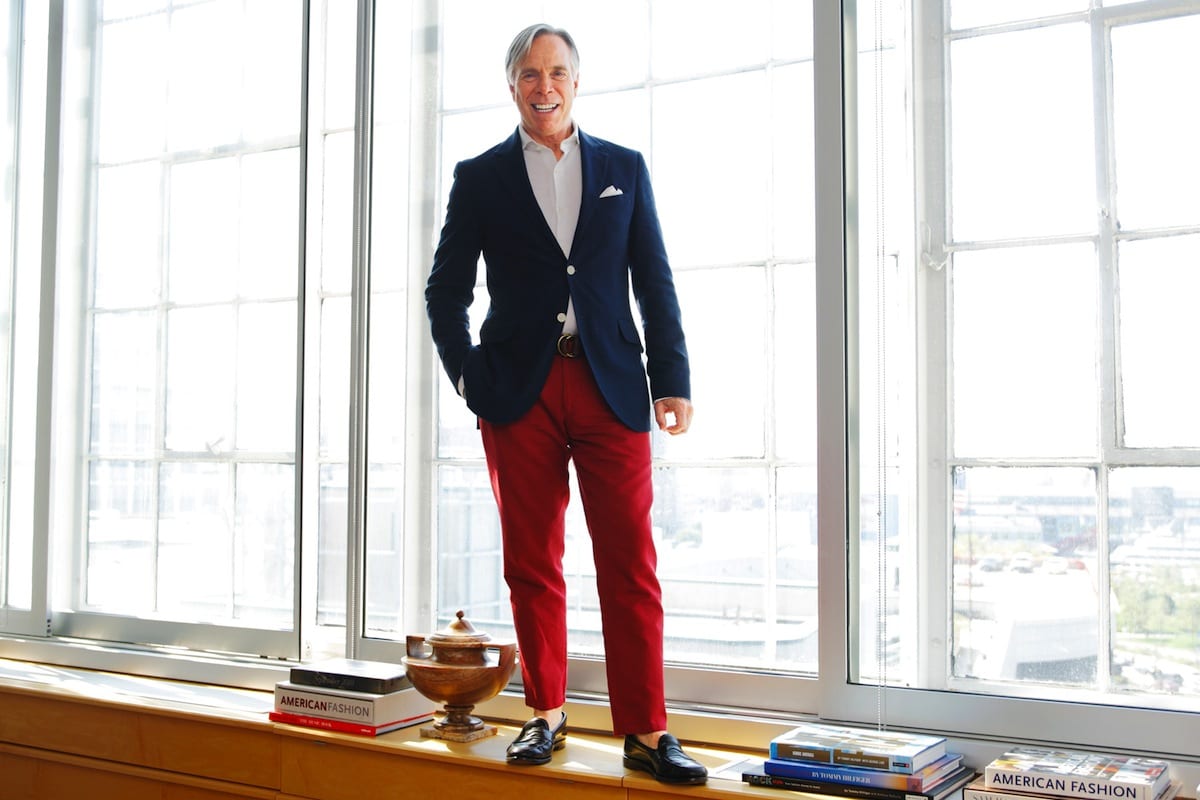
    Tommy Hilfiger announced recently that he will publish a memoir with Ballantine Books, an imprint of which will chronicle personal stories from his early childhood and formative years, his origins in the fashion industry, and the setbacks, triumphs, and sheer determination that drove him to build a multi-billion dollar global lifestyle brand.

    Publication is scheduled for Fall 2015, coinciding with the 30th anniversary of the Tommy Hilfiger brand.

    Hilfiger, 63, is known for classic, all-American style that melds pop culture and the preppy, East Coast lifestyle. Raised in New York, he opened a small chain of clothing stores in 1969 while still in high school. He launched his namesand fashion label in 1985, and the brand quickly expanded to include womenswear, Hilfiger Denim, kidswear, accessories, fragrance, and home, among other categories.

    In the 1990s, he was one of the first designers to blend fashion and celebrity, sponsoring tours for rock legends like The Rolling Stones and featuring musicians such as Lenny Kravitz, David Bowie and Beyoncé in his iconic advertising campaigns. In 2012, the Council of Fashion Designers of America honored him with the Geoffrey Beene Lifetime Achievement Award.

    “Reflecting on my experiences in the fashion industry over the last 30-plus years has been a wild ride, filled with milestone moments that have defined both my career and personal life,” said Hilfiger. “I always believe the best is yet to come, but so far: it’s been the adventure of a lifetime.”

  • JB Hi-Fi expects flat year as first-half profit dips

    JB Hi-Fi expects flat year as first-half profit dips

    Shares in JB Hi-Fi have risen more than 3 percent after the Australian consumer electronics retailer reported a 1.9 percent fall in first-half net profit to AUD88.5 million (USD68.8m) and confirmed flat earnings for the full year.

    Chief executive Richard Murray reaffirmed guidance for full-year sales of AUD3.6 billion after the retailer posted stronger sales growth in the December quarter and a surge in sales in January.

    Murray said net profit for the 12 months ending June was expected to come in between AUD127 million and AUD131 million, compared with AUD128 million in financial 2014.

  • Smartphones boost Indonesian ecommerce

    Smartphones boost Indonesian ecommerce

    Smartphone shipments to Indonesia will grow 20 percent during 2015 and will give a boost to the country’s ecommerce industry, according to a new forecast from research firm IDC. Some 24.8 million smartphones were shipped in 2014.

  • China Mobile eyes 5G technology

    China Mobile eyes 5G technology

    China Mobile, China’s largest 4G mobile network operator, has begun development on the next generation of mobile internet following the success of 4G, a senior executive of the company said on Saturday.

    Xi Guohua, chairman of the board for the telecom giant, made the announcement during the 13th China Enterprise Development Forum held by the Development Research Centre of the State Council.

    The move suggested the company is trying to maintain its leading position in an increasingly heated competition among the country’s three and only telecom service providers.

  • China’s commerce regulator meets Alibaba’s Ma Yun

    China’s commerce regulator meets Alibaba’s Ma Yun

    The head of China’s commerce regulator met with Alibaba’s chairman Ma Yun on Friday to exchange opinions on joint efforts to fight fake products.

    During the meeting, Zhang Mao, minister of the State Administration for Industry and Commerce (SAIC), reaffirmed Alibaba’s positive efforts in safeguarding consumer rights, purifying the business environment and promoting self-discipline.

    Meanwhile, there are currently some problems haunting online shopping platforms, Zhang said, adding that the SAIC should find new ways of supervision and set up a mechanism for communication and interaction in an effort to promote the healthy growth of internet economy.

  • Juara Beauty aims to win over Indonesia

    Juara Beauty aims to win over Indonesia

    Though France and the United States continue to lead trends in the beauty industry, the market is opening up for luxury brands from both local and international players.

    Entrepreneur Metta Murdaya aims to be a winner. That, at least, is the basis for her range of beauty products, which the Indonesian-born, US-based entrepreneur aims to transform into market favourite in Indonesia.

    Juara Beauty, the skincare line that took the United States by storm, is coveted by celebrities such as Brooke Shields, Keri Russell and Ashley Greene, and has since 2013 been making inroads in the archipelago.

  • Hanoi retail market retains lustre

    Hanoi retail market retains lustre

    The retail market in Hanoi is still attractive for investors, even though it has experienced business impediments during the past, a Hanoi Industry and Trade Department official said.

    Last year was continuously marked by numerous fluctuations in the modern retail market nationwide, as well as in Hanoi, which encountered many challenges in business, said Tran Phuong Lan, Director of the Department.

    Some trading centres in the city had to sell or temporarily stop their operations, including the Thai Berli Jucler Group buying Metro Vietnam, and the operations at Parkson Landmark 72 and Trang Tien Plaza being stopped for restructuring of retailers in the plaza, Lan stated.

  • Job ads cue more Apple stores in China

    Job ads cue more Apple stores in China

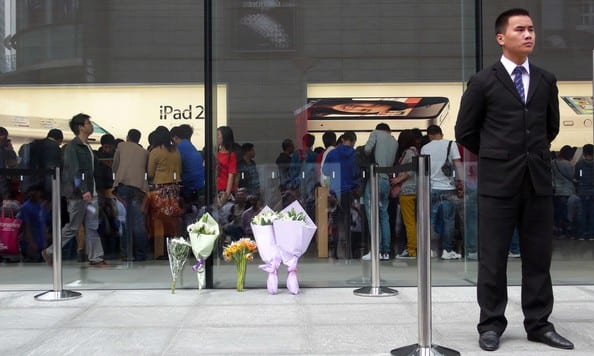
    Apple Inc, which just became China’s number one smartphone vendor, expects to open stores in another five cities based on advertisements that it placed for retail staff.

    It is hiring staff for its stores in Guangzhou, Shenyang, Tianjin, Nanjing and Dalian, where they currently don’t have outlets, Bloomberg News reported on Friday, citing advertisements posted on Apple’s website.

    Apple has 15 stores in the Chinese mainland and Hong Kong by 2014, and the firm plans to lift that to 25 soon.

  • Multimillion dollar counterfeit goods ring busted

    Multimillion dollar counterfeit goods ring busted

    Hong Kong Customs and police have raided four properties, seizing nearly 4000 fake items in an ongoing clampdown on counterfeit rings in the city.

    The raids occurred in Mong Kok and Tsim Sha Tsui and resulted in the arrests of four men aged 23-47.

    The seized goods have an estimated value of HK$3.37 million (US$434,000) were seized. During an operation, suspected counterfeit goods were found mixed among genuine products in a retail store in Mong Kok. They were sold at the discount price to the genuine products. After further investigation, Customs officers found some more suspected counterfeit goods in a warehouse in Tsuen Wan. A total of 438 suspected counterfeit goods were seized in this case, valued at about $1.17 million. The arrested 47-year-old man has been released on bail pending further investigation.

    Three other clandestine storehouses keeping and selling suspected counterfeit goods were also smashed by Customs during the operations. The enforcement actions there resulted in the seizure of about 3500 items of various kinds of suspected counterfeit goods for sale, including watches, handbags, leather goods and sunglasses, with an estimated value of around $2.2 million. Three men, aged 23 to 28, were arrested.

    The Customs Divisional Commander of Intellectual Property Transnational Investigation Division, Mak Wai-chung, said Customs and police will continue to conduct joint enforcement actions to more effectively combat the sale of counterfeit products. He reminded consumers to shop at retail stores with good reputations or at the official stores of the brands.

    Under the Trade Descriptions Ordinance, any person who sells or possesses for sale any goods with any forged trademark, or applies a false trade description in the course of trade, commits an offence. Upon conviction, offenders are liable to a maximum fine of $500,000 and imprisonment for five years.

  • Isetan Mitsukoshi: ‘This is Japan’

    Isetan Mitsukoshi: ‘This is Japan’

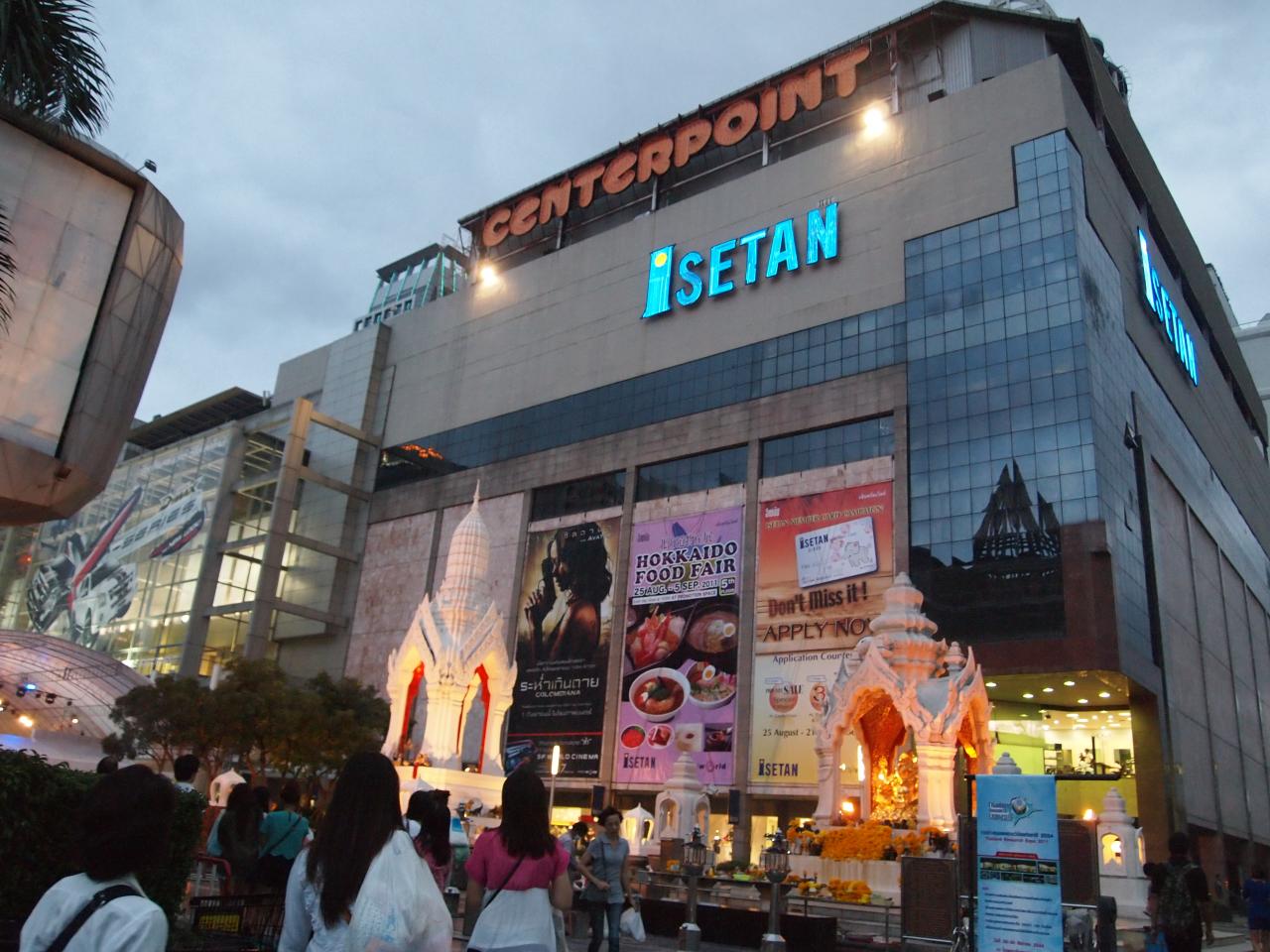
    Isetan Mitsukoshi has adopted a new branding positioning – and promises a new in-store concept which will make its debut in Malaysia.

    In a message to shareholders, CEO Hiroshi Ohnishi says the company has adopted a new corporate message for 2015 ‘This is Japan’, which will lead to a new in-store concept shortly to be launched in Kuala Lumpur’s Lot 10 shopping centre.

    “Since generations past when Mitsukoshi and Isetan operated as kimono merchants, we have always had an eye for quality. From the sense of touch as silk meets the skin, the sound as the obi closes, through to the fragrance and taste of the experience – refining the five senses has always been an essential component of our trade.

    “Under our Japan Senses initiative to date, we have also been able to source the very best of Japan’s culture and fine products and deliver this widely to our valued customers,” Ohnishi explains.

    “From now on, we will build on this product range and place a focus on communication in all its forms including the grace and beauty of Japanese omotenashi to present This is Japan as part of our management strategy and further refine our corporate activities.”

    A new ‘Japan mall’ will open inside the Isetan Kuala Lumpur Lot 10 store as part of the company’s overseas launch of This is Japan.

    He explains of the concept: “In 2015, we intend to provide new value and continue to aim toward realising our group vision of being the world’s foremost retail services group.”

    In other moves, in Japan it will remodel the interior and art floor (5F) and baby and childrenswear floor (6F) of its flagship Isetan Shinjuku Main store this spring.

    “We will also open Isetan Salone select stores in Tokyo Midtown, Harajuku Alta in spring, and Japan Duty Free Ginza on the eighth floor of Ginza Mitsukoshi in autumn.”

    Ohnishi says the company’s goal is to create new value to truly move its customers – “by no means an easy task”.

    “Each and every one of our staff must transform themselves to stay ahead of the changing interests of our customers. Because of this, we position employee training and development as the most important action that we can take toward achieving our group vision, and we are reforming our human resource structures with a focus on how our stylists (salespeople), who work in closest contact with our customers, can provide satisfaction and move our customers through the sales experience.

    “In 2015, we will focus even more closely on transforming our storefronts to satisfy our customers.”

    Of 2014, Ohnishi said price levels rose due to the weaker yen as well as April’s sales tax increase.

    “While we have seen signs of recovery in personal consumption in some areas, lacklustre economic conditions are continuing, mainly in the regions.

    “Our business faced reactionary drop-off after the strong demand leading up to the increase in consumption tax; however, the Isetan Mitsukoshi Group has been warmly supported by our customers, and we have turned the corner toward recovery.

    “Nevertheless, we still expect the economic environment to remain severe in the retail industry, and we must further accelerate our corporate reform in order to continue to grow.”
  • Line app gets into groceries

    Line app gets into groceries

    Social media and chat app Line is getting into the grocery retailing market with the launch of an online supermarket for Southeast Asia.

    Line, with 181 million monthly active users at the last count, will launch the supermarket service first in Thailand on February 4, reports TechInAsia.com. It promises discounts on some everyday groceries that people need to stock up on often, such as bottled water, coffee, and instant noodles. There will be free delivery for Thai shoppers.

    Thailand is one of the Japan-based app’s top markets, where is has 36 million active users at present.

    The new service was announced by Line’s eCommerce partner, aCommerce, which handles all the supplies, warehousing, and shipping.

    “Food and consumer goods-based ecommerce businesses have been around for quite a while now, especially in developed markets like the US and Korea,” said Sedong Nam from Line Plus Corp.

    “However, only recently are we starting to see the shift towards mobile-first with on-demand businesses that extend to every part of our life. This campaign is our first step towards moving into developing our channel exclusively for the emerging online groceries category.”

    Nam added that the messaging app faces a challenge in this new space and needs “to educate both consumers and retailers in the region on the benefits of mobile commerce.”

    Line first experimented with eCommerce in the region in late 2013 with flash sales for make-up products.

    Line’s online groceries store will expand to Southeast Asia at an unnamed date. This will likely be limited to certain cities, rather than covering entire countries.

  • Selfridges to launch gender-neutral shopping experience

    Selfridges to launch gender-neutral shopping experience

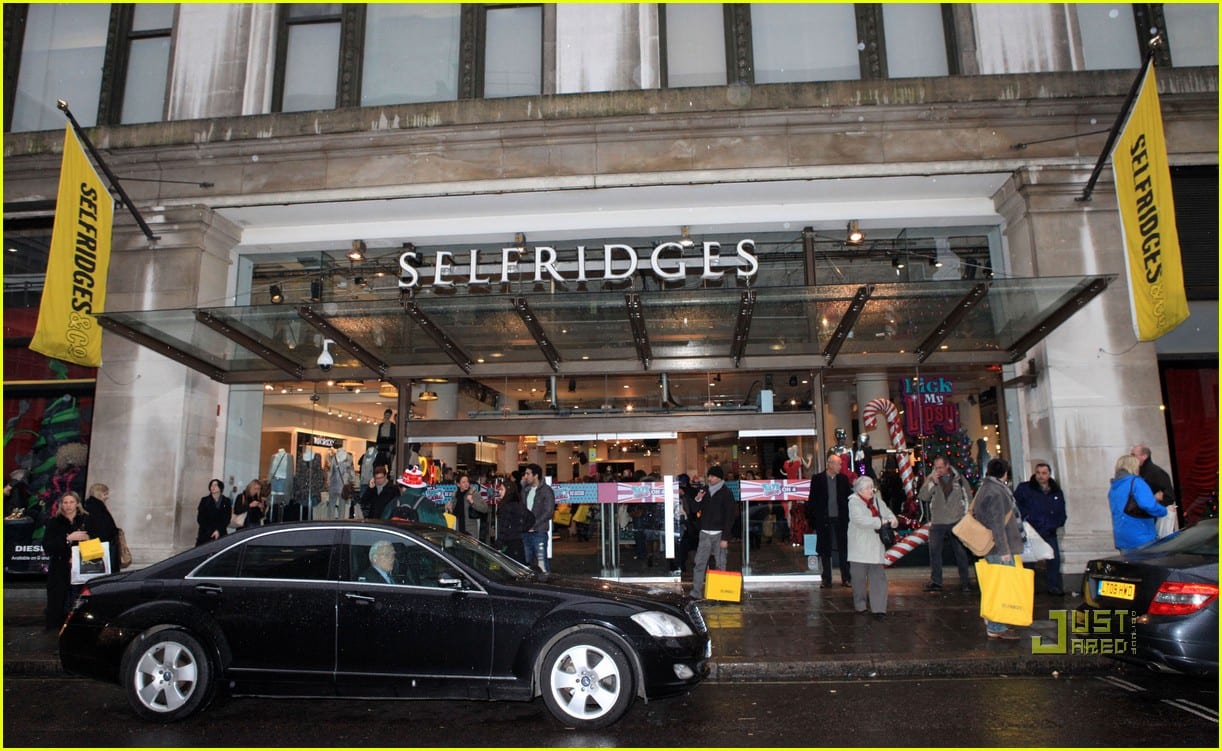
    The line between menswear and womenswear has become increasingly blurred: girls are stealing from the boys, men’s designers are showing cinched waists, and unisex lines are on the rise. So what better time than now to create a gender-neutral shopping experience?

  • Alibaba arm seeks to use police face scans to open bank accounts

    Alibaba arm seeks to use police face scans to open bank accounts

    Alibaba Group Holding Ltd’s financial arm is seeking regulatory approval to access the Chinese national police’s database so consumers can open online bank accounts with a mug shot.

    The financial arm, which operates the PayPal-like Alipay service, is planning to use the Face++ facial recognition system developed by partner Megvii Inc. The idea is that this would allow consumers to set up accounts without having to physically go to a bank,

    Megvii Chief Executive Officer Yin Qi said in a recent interview.
    “In terms of technology, everything has been sorted,” said Yin, 27, who dropped out of Columbia University’s doctorate program in computer science to co-found Beijing-based Megvii, whose latest round of funding values the company at US$100 million. “We are just waiting for regulators to approve.” The plan helps illustrate how Alibaba is joining the likes of Facebook Inc, Google Inc. and Baidu Inc. in embracing biometric technologies and artificial intelligence. Megvii’s application uses facial scans held in a Ministry of Public Security database drawn from legal identification files on about 1.3 billion Chinese.

  • The biggest threat to luxury brands’ rapid growth

    The biggest threat to luxury brands’ rapid growth

    The grass isn’t always greener on the other side.

    After years of fuelling the growth of luxury labels, there are signs that the global high-end consumer is starting to cool – placing a renewed emphasis on the importance of the United States and its affluent shoppers.

    According to a recent report by KeyBanc analyst Edward Yruma, weakness in the global economy, a strong US dollar and ongoing geopolitical issues are contributing to a slowdown among consumers who live overseas.