Blog

  • Mattel appoints new chairman and interim CEO

    Mattel appoints new chairman and interim CEO

    Mattel recently announced the appointment of Christopher A. Sinclair as the company’s new chairman and interim Chief Executive Officer.

    inclair, who has served as a member of Mattel’s Board of Directors since 1996 and as Independent Lead Director since 2011, has extensive experience in leading global, multi-brand, consumer-focused companies.

    He was Chairman and CEO of Caribiner International Inc. from 1999-2000, President and CEO of Quality Food Inc. from 1996-1998, and prior to that served in senior roles at PepsiCo, including as Chairman and CEO of Pepsi-Cola Company, and President and CEO of PepsiCo Foods & Beverages International and Pepsi-Cola International.

    “I look forward to engaging with the entire Mattel community as we work to deepen our connections with children and parents through expanded product innovation and improved retail execution. We will be working during the coming months to revitalize the business and to identify the right leadership for Mattel as it enters its next phase of growth and value creation,” Sinclair said in a statement.

  • MasterPass comes to China

    MasterPass comes to China

    MasterCard and BOC Services, the acquiring subsidiary of Bank of China, recently signed an agreement to making MasterPass available to Chinese merchants.

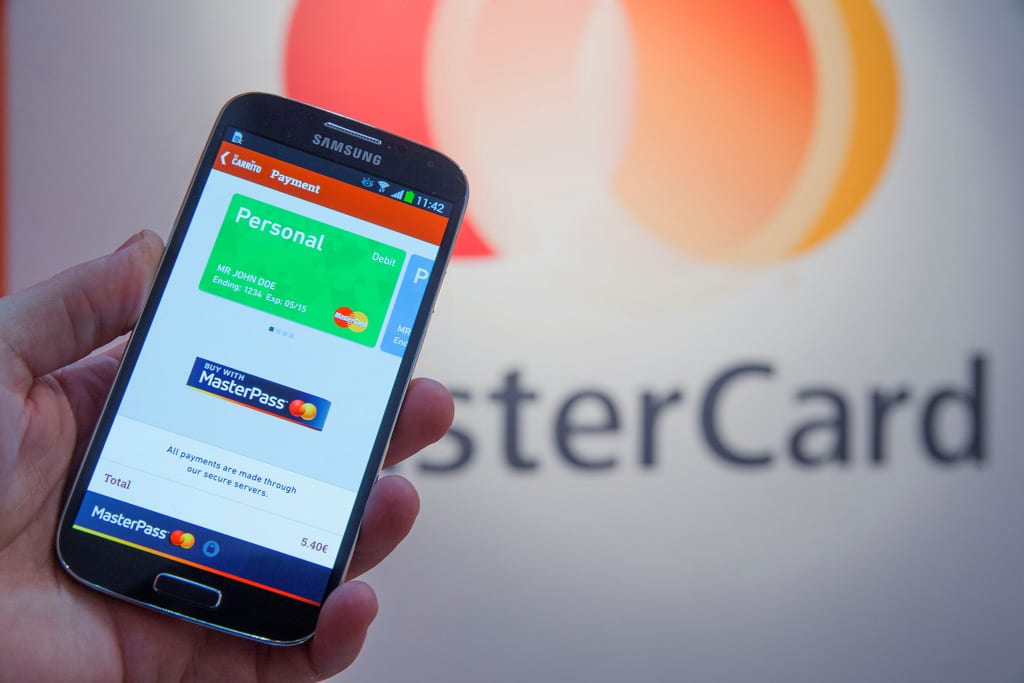
    A MasterPass wallet allows mobile shoppers to quickly and easily check out on any device, by simply clicking the “Buy with MasterPass” button.

    They can also securely store MasterCard and other branded credit, debit and prepaid card information, along with shipping addresses, so that they can be easily accessed when paying for purchases.

    This service is currently accepted by over 70,000 merchants in sixteen countries including China, as well as Australia, Canada, Czech Republic, France, Italy, New Zealand, Poland, Romania, Russia, Singapore, South Africa, Taiwan, United Arab Emirates, United Kingdom and the United States.

    In China, merchants including Ctrip.com, Osell.com, and Ceair.com will be among the first business implementing the service.

    Zhuang Dawei, General Manager, BOC Services Shanghai Branch, said the goal is optimize shoppers’ payment experience, and in the process, create more business opportunities for merchants.

    “Every digital device now has the potential to become a commerce device and Chinese consumers’ demands and spending habits are changing, too. This is bringing new challenges to the foundation of business – payment. This new cooperation will enable more Chinese merchants to utilize the powerful technology of MasterPass, creating more cross-border business opportunities,” added Dennis Chang, General Manager, China, MasterCard.

  • PH opens mammoth casino-resort, seeking high-rollers

    PH opens mammoth casino-resort, seeking high-rollers

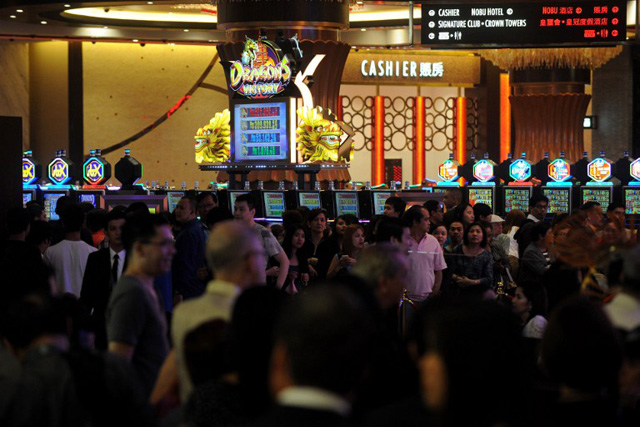
    The new casino is an imposing structure on Manila Bay with 6 gleaming golden towers surrounding a giant egg-shaped dome, and industry and government leaders hope it will attract cashed-up tourists from other parts of Asia

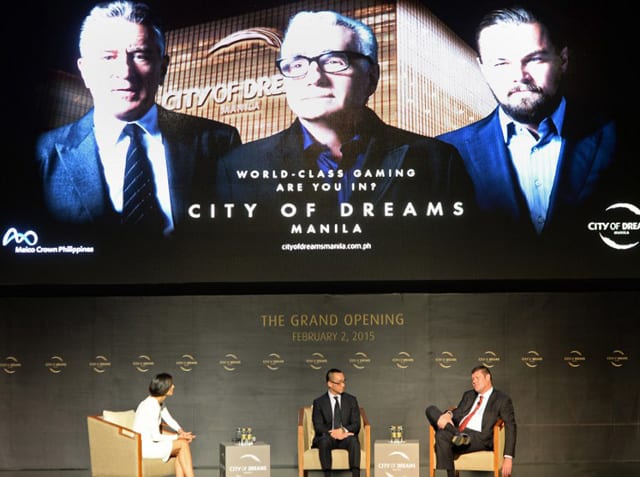
    Tourist and casino players arrive at the grand opening of the City of Dreams mega-casino in Manila on February 2, 2015. Photo by Jay Directo/AFP

    Manila aims to rival Macau and Las Vegas in terms of gaming revenues, and the “City of Dreams” is the latest in a string of casinos that have opened in recent years.

    The new casino is an imposing structure on Manila Bay with 6 gleaming golden towers surrounding a giant egg-shaped dome, and industry and government leaders hope it will attract cashed-up tourists from other parts of Asia.

    The casino is a joint venture between the country’s richest man Henry Sy, Australian billionaire James Packer and Lawrence Ho, son of Macau casinomogul Stanley Ho.

    “The goal is to find the best (sites) in Asia … The Philippines is one of the fastest growing economies anywhere in the world. We’ve seen the market really pick up,” Ho told reporters.

    Australian billionaire James Packer (right) and Melco crown co-chairman and with his co-chairman Lawrence Ho (center) during a press conference on the opening of the City of Dreams mega-casino in Manila on February 2, 2015. Photo by Ted Aljibe/AFP

    Ho also acknowledged the huge cost of building the resort. The Philippine government requires a minimum $1 billion investment for new casinos built in the area.

    Packer said jokingly that the resort was inspired by Hollywood movies “Casino” and “Oceans Eleven,” and Robert de Niro, Martin Scorsese, and Leonardo DiCaprio have appeared on giant billboards and TV commercials to promote the casino.

    The 6.2-hectare complex is the second of 4 mega resorts to open on reclaimed portions of the bay, just a few hundred meters from the city’s slum communities.

    The City of Dreams’ golden dome, called the “Fortune Egg,” houses two exclusive nightclubs, including Pangaea, where Picasso copies hang beside pictures of safari animals on walls covered in fake snakeskin.

  • TGI Fridays partners with Microsoft on tablets to streamline orders

    TGI Fridays partners with Microsoft on tablets to streamline orders

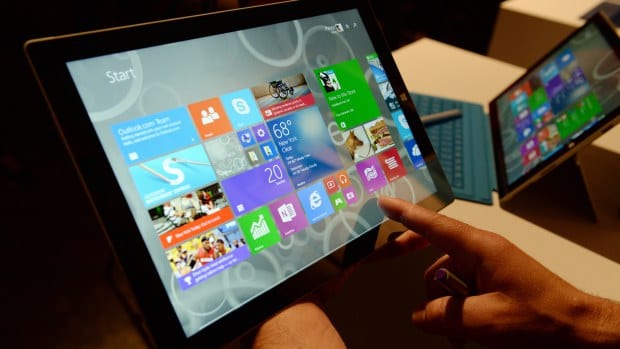
    TGI Fridays Inc. is equipping servers with 8-inch tablets so they can quickly and accurately process orders and payments while at the table.

    The devices use Windows 8.1, running Oracle’s MICROS Restaurant Enterprise Solution (RES) 5.4 on Oracle’s MICROS mTablet E-Series mobile point of sale devices.

    Servers can carry these tablets from table to table to take orders and respond promptly to guest requests. It improves table wait and helps regulate the pace of orders sent to the kitchen.

    “TGI Fridays is rethinking how technology can lead to restaurant innovation,” said Tracy Issel, general manager of Worldwide Retail, Consumer Goods, Hospitality and Travel for Microsoft. “We are helping it change the way food orders are processed and wait staff and managers do their jobs, reinventing the customer experience, one restaurant at a time.

    Many restaurant technology solutions rely on proprietary hardware or custom ruggedized devices, built to withstand the abuse of a kitchen environment. Such solutions can be expensive and take a long time to develop and deploy.

    Oracle’s MICROS RES 5.4 allows TGI Fridays to manage the various aspects of running a restaurant, from tableside ordering to traffic and queue management, all from one solution and in a much more cost-effective way.

    “Windows 8 gave us a platform that allowed us to develop a new user interface, which gives our servers even better tools to delight our guests and make their experience even more enjoyable,” said TGI Fridays Vice President and CIO Tripp Sessions.

  • Renminbi breaks into top 5 world payments currency, says SWIFT

    Renminbi breaks into top 5 world payments currency, says SWIFT

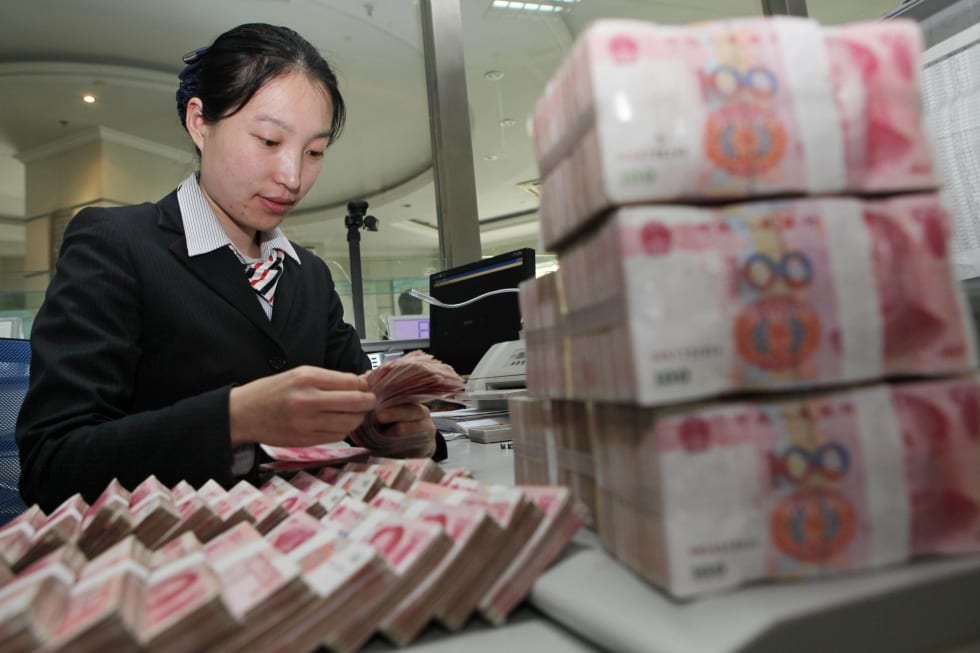
    The Chinese yuan (renminbi) overtook the Canadian and Australian dollar as a global payments currency in November 2014, and now takes position behind the Japanese Yen, British pound, Euro and US dollar, data from SWIFT shows.

    Brussels, 28 January 2015 – After nearly one year firmly positioned at #7, the Renminbi (“RMB”) has entered the top five of world payment currencies since November 2014, overtaking both the Canadian Dollar and the Australian Dollar by value.

    Just two years ago, in January 2013, the renminbi was ranked at position #13 with a share of 0.63 percent. In December 2014, it reached a record high share of 2.17 percent in global payments by value and now trails the Japanese Yen which has a share of 2.69 percent.

    “The rise of various offshore renminbi clearing centres around the world, including eight new agreements signed with the People’s Bank of China in 2014, was an important driver fuelling this growth,” said Wim Raymaekers, Head of Banking Markets at SWIFT.

    Overall, global renminbi payments increased in value by 20.3 percent in December 2014, while the growth for payments across all currencies was 14.9 percent. It has been showing a consistent three digit growth over the past two years with an increase in value of payments by +321 percent.

    Over the last year, renminbi payments grew in value by 102 percent compared to an overall yearly growth for all currencies of 4.4 percent.

    SWIFT is a member-owned cooperative that provides the communications platform, products and services to connect more than 10,800 banking organisations, securities institutions and corporate customers in over 200 countries and territories.

  • Japan’s fast-food chains face new headache

    Japan’s fast-food chains face new headache

    Already reeling from a handful of scandals, Japan’s fast-food industry faces a new problem: diners are no longer heading out for meals like they used to.

    “Japanese consumers are choosing to buy their meals at convenience stores and eat at home,” said Japan Food Analyst Association (JFAA) chairman Hiroyuki Kamiya.

    While the trend started a few years ago as convenience stores introduced new product lines, the consumption tax hike to 8 percent from 5 percent last April that pushed the economy into a technical recession and a string of employee exploitation scandals have accelerated the trend, he said.

  • McDonald’s names new CEO, CFO

    McDonald’s names new CEO, CFO

    McDonald’s said on Wednesday that Don Thompson will retire as President and CEO and as a member of the Board of Directors after nearly 25 years of service to the company, effective on 1 March. The Board has elected Steve Easterbrook to replace Thompson as President and CEO. Easterbrook was also elected to the Board of Directors, filling the vacancy created by Thompson.

    Prior to this promotion, Easterbrook was Senior Executive Vice President and Chief Brand Officer, leading McDonald’s efforts to elevate its marketing, advance menu innovation, and create an infrastructure for its digital initiatives. An accomplished, McDonald’s veteran, Easterbrook previously served in key leadership roles across the company’s global business, including president of McDonald’s Europe.

    In addition, Pete Bensen, Senior Executive Vice President and Chief Financial Officer, is promoted to the newly-created role of Chief Administrative Officer. In his new position reporting to Easterbrook, Bensen will oversee a number of functions supporting the company’s operations. Kevin Ozan, who currently serves as Senior Vice President and Corporate Controller, will succeed Bensen and is promoted to Executive Vice President and Chief Financial Officer.

    As CFO, Ozan will report to Bensen and will be responsible for managing the global financial organisation and leading the development and execution of the company’s fiscal strategies. Ozan brings broad financial experience and has held senior-level positions in the company’s Finance, Investor Relations and Accounting departments with assignments in both the US and European markets.

    The McDonald’s Board of Directors on Wednesday elected Bensen and Ozan to their respective positions, which will also be effective on 1 March.

  • Second Courts store in Indonesia begins construction

    Second Courts store in Indonesia begins construction

    Courts Asia, the operator of retailer Courts Megastore, began with construction of its second outlet in Indonesia on Thursday, as the company races to tap into the country’s growing middle-income group.

    The three-storey structure will boast 20,400 square metres of retail space in Bumi Serpong Damai, a satellite city located south of Jakarta, said Terence Donald O’Connor, Courts Asia’s executive director and group chief executive.

    That would dwarf Court’s first store in Bekasi, which offers 12,000 square metres of soft retail space and is currently the biggest Courts Megastore in Southeast Asia.

  • Matahari expands to “Chinatown” of Indonesia’s Kalimantan

    Matahari expands to “Chinatown” of Indonesia’s Kalimantan

    Matahari Department Store (MDS) opened a new store in Indonesia’s Singkawang, West Kalimantan, to tap the economy prospects in the region, the publicly-listed company said in a statement on Thursday.

    The store, called Matahari Singkawang Grand Mall – MDS’s 13th store in Kalimantan – has a total area of 6,300 square metres. The store is the first new location MDS has opened this year.

    “The presence of Matahari at Singkawang Grand Mall is expected to benefit citizens in its surrounding area, hiring 322 employees, the majority of whom are locals,” Matahari human resources director Andre Rumantir said.

  • Supermarket giants’ push into healthfood gets boost

    Supermarket giants’ push into healthfood gets boost

    Coles’ and Woolworths’ push into the healthfoods category has been bolstered by a global survey underlining the strength of consumer demand for healthier packaged and fresh foods.

    According to research firm Nielsen, about 71 percent of consumers in the Asia-Pacific region are changing their diets to lose weight and 25 to 40 percent are more than willing to pay a premium for foods that are free from artificial colours, flavours and gluten, low in fat and salt, and higher in protein and fibre. In Australia, more than half (56 percent) of consumers believe they are overweight and 78 percent believe changing their diet is more important than exercising.

    This behaviour is underpinning strong growth in the healthfoods category and prompting Coles and Woolworths to boost their offers by creating health food “destinations” within stores – increasing shelf space, expanding the number of products, and building private label brands.

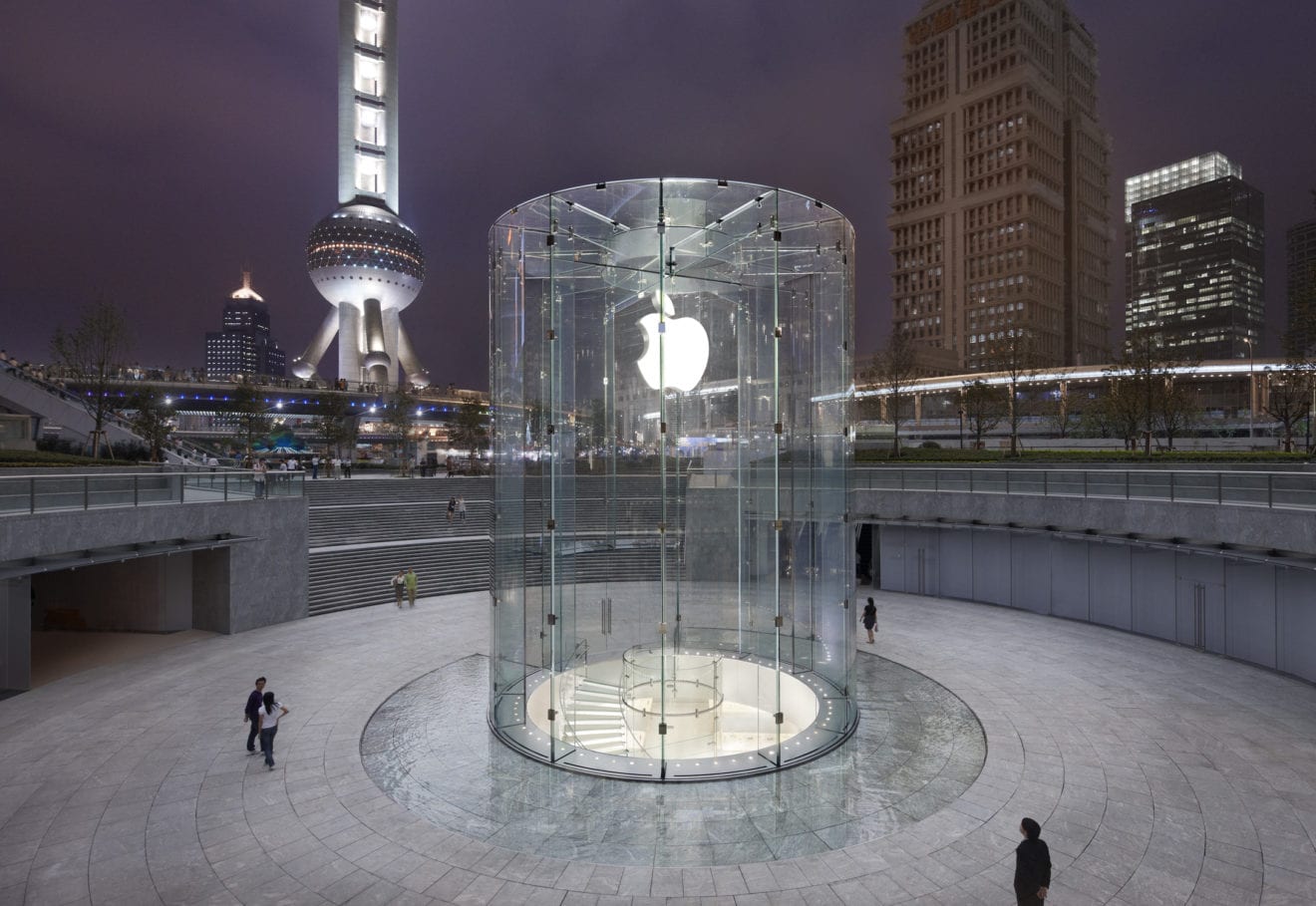
  • Apple ranks No. 1 in luxury gift giving in China on hot streak

    Apple ranks No. 1 in luxury gift giving in China on hot streak

    Apple Inc has taken the number one luxury gifting spot in China from designer goods maker Hermes International SCA, according to a Hurun luxury report on Thursday, reflecting the iPhone maker’s recent hot streak in the country.

    The US tech firm’s focus on glitzy stores and high prices helped it post a 70 percent rise in sales in China in the last three months of 2014 and powered the company to the largest profit in corporate history.

    Spending on gift giving overall fell 5 percent in 2014, after a 25 percent drop the year before, according to the Hurun Chinese Luxury Consumer Survey. Beijing has been cracking down on corruption and luxury spending among public officials, weighing down sales of premium liquor to handbags.

  • Malaysian cable TV enters retail JV

    Malaysian cable TV enters retail JV

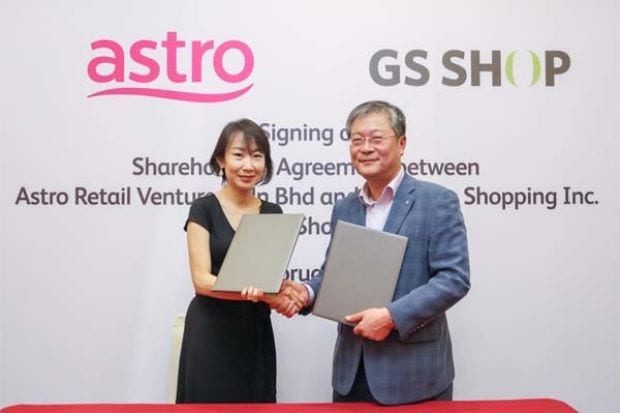
    Malaysian cable TV operator Astro has entered a joint venture with South Korean multimedia retailer GS Home Shopping.

    And Astro is projecting sales of RM500 million (US$143 million) annually by 2019 after the service has gained critical mass.

    Astro will own 60 per cent of the joint venture, Go Shop, which will operate 24-seven on TV and online. The service was soft launched in a trial last November.

    Datuk Rozalila Abdul Rahman, CEO of the JV, said the key to the concept’s success will be its presence across multiple platforms – Go Shop’s competitive edge was that it was available on various platforms. On Astro’s service it is on Channel 118 and it is also accessible online and on smartphones.

    Astro CEO Datuk Rohana Rozhan said the company reaches 4.3 million homes in Malaysia, with a reach of 17 million consumers. By nature, these will be largely middle class families or individuals with relatively high disposable incomes.

    Since the soft launch, Go Shop has sold more than 110,000 products, the majority household items.

    While just 60 products are available currently, the offer will double within the year.

    “To-date, the new 24-hour shopping service has over 72,000 customers with 800 new customers daily,” Rohana told a media briefing.

    She predicts the Malaysian retail market will grow from RM110 billion now to more than 160 billion by 2020.

  • CapitaLand China mall sales soar

    CapitaLand China mall sales soar

    CEO of CapitaRetail China Trust Management Limited (CRCT), Tony Tan said the growth was underpinned by the new contribution from CapitaMall Grand Canyon and rental growth from the other multi-tenanted malls.

    “Rental reversion was a robust 20.6 per cent, and portfolio occupancy as at December 31 was a healthy 95.9 per cent. Tenants’ sales and shopper traffic for 2014 increased year-on year by 16.2 per cent and 3.9 per cent respectively.”

    Singapore-based CRCT has 10 income-producing CapitaMall-branded shopping malls in greater China: Xizhimen, Wangjing, Grand Canyon, Shuangjing and Anzhen in Beijing; Qibao in Shanghai; Erqi in Zhengzhou, Henan Province; Saihan in Huhhot, Inner Mongolia; Wuhu in Wuhu, Anhui Province; and Minzhongleyuan in Wuhan, Hubei Province. Total assets are valued at about S$2.4 billion.

    All the malls are positioned as one-stop family-oriented shopping, dining and entertainment destinations for the sizeable population catchment areas in which they are located, and are accessible via major transportation routes or access points. A significant portion of the properties’ tenancies consists of major international and domestic retailers such as Beijing Hualian Group and Carrefour under master leases or long-term leases, which provide unitholders with stable and sustainable returns. Other tenants include KFC, Paris Baguette, Pizza Hut, Sephora, Uniqlo, Vero Moda, Watsons and Zara.

    “For 2014, CapitaMall Xizhimen and CapitaMall Wangjing – our largest revenue contributors – recorded growth of 16.4 per cent and 13.7 per cent in their net property income (NPI) respectively, after a series of tenant mix adjustments,” said Tan.

    “Over at CapitaMall Grand Canyon, new tenants such as Nanjing Impressions opened to strong sales, and plans for further reconfiguration of the mall’s layout to add more retail units are progressing well. CapitaMall Qibao, which achieved 17.5 per cent growth in NPI, strengthened its education and children-related trade offerings on its Level 4 with the introduction of C&S – an enrichment centre which offers baking classes to both adults and children and held well-received thematic marketing activities such as the Shanghai Animation Film Studio Exhibition.

    “The upgrading of the tenant mix at CapitaMall Saihan also showed positive results, with its NPI increasing by 19 per cent in 2014.”

    Tan said CapitaMall Wuhu is also currently undergoing tenant mix adjustments to achieve a stronger positioning and better trade mix.

    “In the short term, CapitaMall Minzhongleyuan’s NPI has been impacted by the road closure for subway construction works, but the mall will stand to benefit from increased shopper traffic when subway Line 6 linking Hankou and Hanyang becomes operational by end-2016. With the financial flexibility provided by our robust balance sheet, we continue to be on the lookout for acquisition opportunities to grow our portfolio further.”

    The trust achieved distributable income of S$20.5 million for the quarter, an increase of 15.6 per cent over the S$17.7 million for the fourth quarter of 2013.

    Chairman Victor Liew said China’s economy expanded by 7.4 per cent in 2014 and retail sales grew 12 per cent to RMB26.2 trillion.

    “The Chinese government has continued to place a strong emphasis on quality and sustainable growth, and we have seen an overall stability in the economy and the labour market in the past year. The country’s efforts at economic restructuring are seeing progress, and the services sector has developed into the largest pillar of China’s economy.

    “Moving forward, with the government’s focus on driving domestic consumption and maintaining long term stability, CRCT remains upbeat about China’s retail growth prospects,” said Liew.

  • Changi retail again tops $2 billion

    Changi retail again tops $2 billion

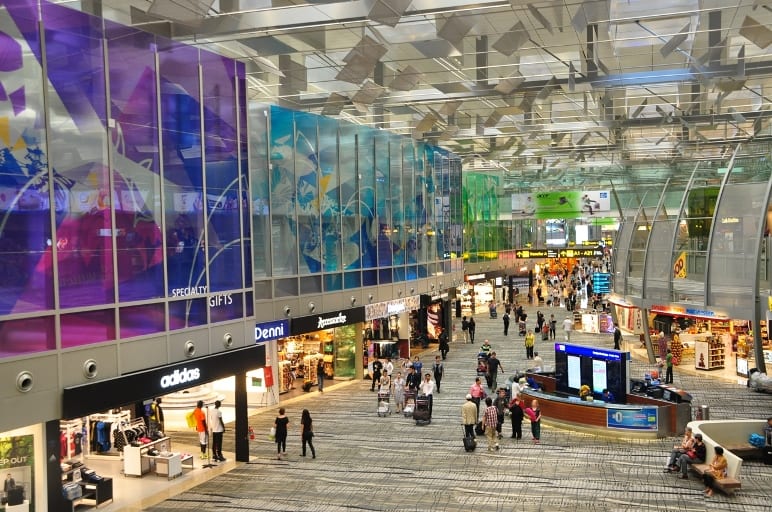
    Singapore’s Changi Airport says sales at retail outlets across its terminals topped S$2 billion in 2014, despite a slump in passenger numbers inbound from China.

    It’s the second year in a row the $2 billion barrier was breached – Its 2013 growth represented a nine per cent increase on 2012, but the percentage growth was not revealed this year, suggesting a stable result.

    The strength of the airport’s retail business – in part a consequence of the airport’s careful positioning as a transit hub, delivering a captive market of thousands of potential shoppers every day – underlines its decision to invest in the massive Jewel retail experience in partnership with CapitaMalls. The complex – already under construction and scheduled for completion by end of 2018 – will have five storeys above ground and five basement storeys, covering a total gross floor area of about 134,000sqm.

    Last year, Changi hosted 54.1 million passenger movements, the highest number yet, representing an average of 148,219 every day, the most in its 33-year history.

    What’ significant about Changi’s 2014 figures is that the retail sales held up despite a significant downturn in spending by Chinese passengers. China has been a key market for retailers in the airport, but fewer visited, or transited, in Singapore last year and those who did were coming from less affluent population centres, thus with more restricted budgets. It’s the same challenge retailers in the high streets and malls of Hong Kong and Singapore bemoaned all last year.

    Changi Airport Group (CAG) said that – just like in 2013 – the biggest customer groups by nationality were China, Singapore, Indonesia, India and Australia.

    The most-purchased retail categories were, perhaps predictably, cosmetics and perfumes, chocolates and candy, electronics, luxury goods, liquor and tobacco.

  • Google shopping fest debuts in Singapore

    Google shopping fest debuts in Singapore

    Google is expanding its Great Online Shopping Festival from India to Singapore, from today through Wednesday.

    The online event, loosely modelled on the famous US Cyber Monday, allows global apparel brands such as adidas and Uniqlo and travel retailers like Agoda, Hotels.com and Airbnb to make the most of Singapore’s high penetration of broadband internet.

    Just like Cyber Monday or Singles Day in China, the Google project encourages companies to offer discounts for products and services ahead of the retail-friendly Chinese New Year, later in the month.

    Google launched Cyber Monday in India in 2012, teaming up with well known fashion brands. It has grown year by year and the US based company “would love to do this everywhere” according to Singapore country manager Joanna Flint, who denied there are concrete plans for that just yet.

    The deals went live today, February 2, although previews of the promotions have been online for several days.