Tata Group, which was reportedly in talks with AirAsia’s parent company AirAsia Group Berhad last week for a $50 million emergency funding to keep the carrier flying in India, is now planning to raise its stake in AirAsia India to more than 76 percent.
Tag: airasia
-
Airbus resells six unwanted jets built for AirAsia
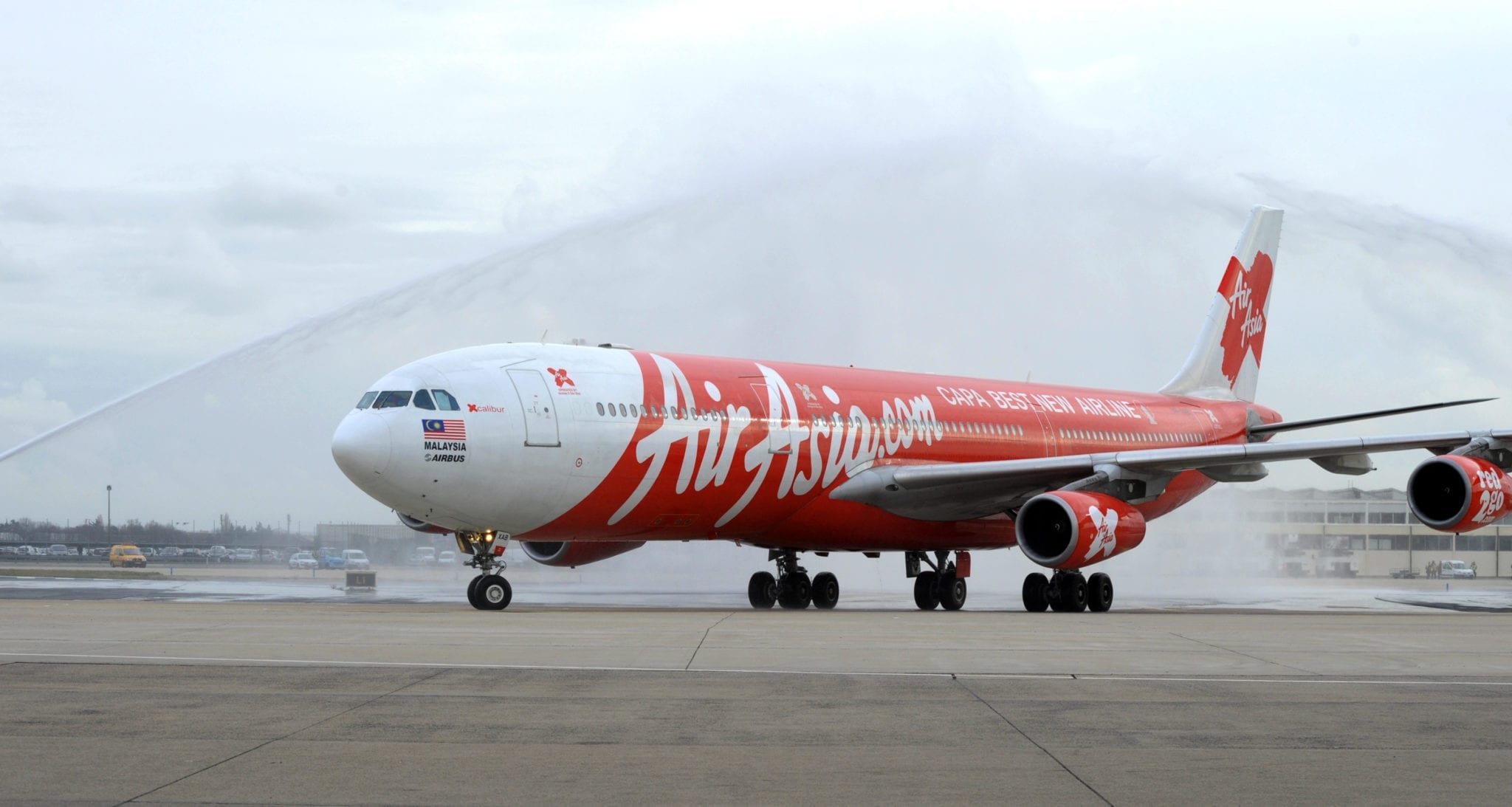
Airbus has found buyers for six aircraft from the A320neo family rejected by one of its main customers, Malaysia’s AirAsia, as it works off a surplus left by the coronavirus crisis, industry sources said.
Unwanted jets have become an emblem of pandemic-induced problems in the aerospace industry that have come on top of a chill in ties between two of its major players.
Tensions became unusually public when Airbus in April invited tenders for six jets that AirAsia had failed to take delivery of.
It has now found homes for all six, the last of which is being delivered this month, a European industry source told Reuters. Airbus provided no comment.
Airbus has been steadily increasing deliveries as it strikes deals with airlines to reschedule deliveries or store jets.
It said last month it had reduced an overhang that it had been unable to deliver during the crisis by 10 units to 135 jets. The redeployment of AirAsia orders is expected to trim the surplus further as deliveries top output in November.
Airbus is seeing strong demand, relative to the rest of the battered sector, for its A321neo jet, and the aircraft has broadly held its value, the European source said. It is sticking with plans to increase output of the single-aisle jets.
The A321neo competes with the two largest versions of the Boeing 737 MAX, which won approval last week to re-enter service after a 20-month grounding in the wake of two crashes.
Boeing is expected to re-sell dozens of 737 MAX whose buyers cancelled during the grounding, potentially depressing prices.
According to the UK-based consultancy IBA Group, all aircraft have lost some value during the COVID-19 crisis but the A321neo is trading around 5% below its inherent value while the MAX is 10% below – hurt also by the recent grounding.
Doubts remain, however, about demand for a larger Airbus, the A330neo, whose largest customer, AirAsia’s long-haul unit Air Asia X, is seeking new funding to survive.
AirAsia said in April it would stop taking deliveries of all Airbus jets this year and review remaining orders.
The move exacerbated concerns about demand in Southeast Asia, which was already struggling with overcapacity before the crisis.
AirAsia’s relations with Airbus were further clouded when it was drawn into an Airbus bribery case before being cleared by local investigators, industry sources have said.
AirAsia co-founders denied any wrongdoing in a sports sponsorship deal cited in a wider Airbus bribery settlement with prosecutors in January. The European source said AirAsia remained an important partner for Airbus.
-
AirAsia India plans expansion; to induct 3 more A320 neos by June 2021
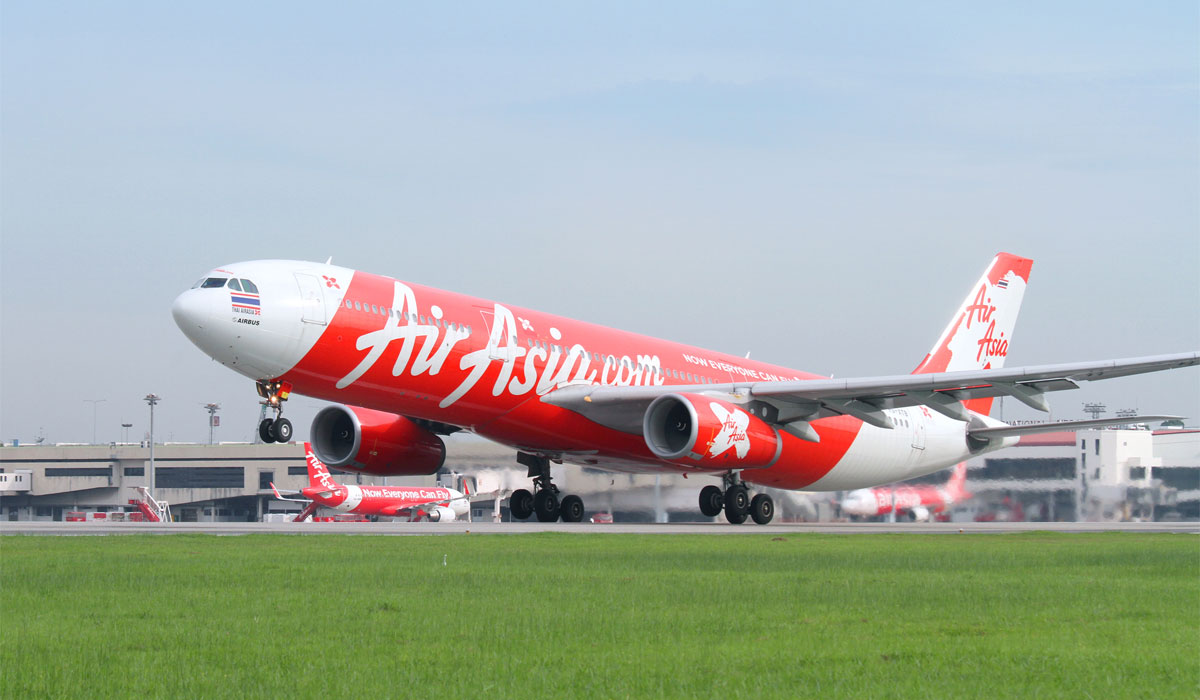
Budget carrier AirAsia India plans to add three more Airbus A320 neo planes by June next year as part of its fleet and network expansion. The airline — a joint venture between Tatas and Malaysia’s AirAsia Investment currently has 32 aircraft, including two A320 neos inducted recently.
In a statement to PTI, an AirAsia India spokesperson said the airline had signed an agreement for inducting five A320 neo planes last year.
The Bengaluru-based airline took delivery of the first A320 neo in October and another one earlier this month.
“We will be inducting our third Airbus A320 neo in December and we look forward to inducting our fourth and fifth A320 neo by June 2021,” the spokesperson said in the statement.
The statement was issued in response to the queries sent to the airline’s managing director and chief executive officer Sunil Bhaskaran.
On November 17, Malaysia’s AirAsia Berhad had said it was reviewing its investment in AirAsia India. Against this backdrop, there have also been concerns about the domestic airline.
Indicating that AirAsia India is on an expansion path, the airline’s spokesperson said it is planning to scale up the capacity to 70 per cent from 55 per cent at present.
“We are soon planning to amp up our capacity to 70 per cent,” the statement said.
Domestic commercial flights were suspended for two months from March 25 to curb the spread of coronavirus infections.
The Civil Aviation Ministry permitted increasing the capacity to 45 per cent with effect from June 27 from a maximum of one-third at the time of resumption of domestic flights from May 25. It was scaled up to 60 per cent from September 2.
Airlines were allowed to operate at 70 per cent of the pre-COVID-19 capacity from November 11.
Earlier this month, senior AirAsia India officials informed travel agents that it remains on the path of serving Indian market by growing its network and scale of operations.
-
Air Asia develops digital health pass
Air Asia has launched its digital health pass, Scan2Fly, to streamline health document checks and determine eligibility to travel.
Developed in partnership with analytics company GrayMatter, Scan2Fly has already launched on routes from Kuala Lumpur to Singapore, Surabaya, and Jakarta. About 4 in 10 passengers on these flights are already using the system, according to the airline.
Scan2Fly will enable passengers to scan and upload medical certificates at the time of online check-in. Entry documentation required by the destination country, including Covid-19 test certificates, is verified in real-time. The airline said the technology, which helps travelers minimize contact with airport staff, will eventually be rolled out to other Air Asia destinations.
Javed Malik, chief operating officer at Air Asia Group said:
“Covid-19 gave us the opportunity to fast track numerous new technologies to make flying not only safe and affordable but also more hygienic and contactless. We believe this innovation, alongside numerous others that we are rolling out across Air Asia Group, will help restore consumer confidence and stimulate future air travel.”
Air Asia’s proprietary digital health pass comes amid global efforts to harmonize standards in verifying passenger health data.
Cathay Pacific and United Airlines are among carriers trialing CommonPass, a digital health pass developed by the World Economic Forum and Commons Project Foundation. International SOS, a travel security company, is also in the process of developing AOKpass with trials in the Middle East. Meanwhile, the International Air Transport Association (IATA) is in the final development phase of its IATA Travel Pass.
Covid-19 testing and document verification is a priority for the airline industry as it lobbies governments for borders to reopen and international travel to resume.
Some governments, including China, have regulations to ban airlines if a certain number of passengers test positive upon arrival. Digital health passes, like traditional passport and visa checks, can help airlines reduce the risk of penalties for non-compliance.
“We have built Scan2Fly with both scalability and global compatibility in mind. Should there be an agreed global tracing app or vaccination app, our solutions can seamlessly integrate and or exchange relevant data as and when required,” Malik added.
-
Airasia joins forces with Turkish Airlines to prepare for return of international travel
In anticipation of a potential revival in international travel, airasia.com has partnered with Turkish Airlines to allow it to enhance its strong pan-Asia flight network.
The collaboration will enable airasia.com to tap into Turkish Airlines’ comprehensive destination map, which is the world’s largest in terms of the countries and international points flown by a global carrier, the low-cost carrier said in a statement today.
AirAsia Group chief executive officer Tan Sri Tony Fernandes said airasia.com welcomes the opportunity to promote Turkey as a major gateway to Europe, to prepare the airline once borders gradually reopen next year.
“Today airasia.com with its comprehensive portfolio of travel and lifestyle products is well-poised to promote the best that Turkey and the wider European market have to offer.
“We will continue to collaborate creatively with other industry players to stimulate travel demand and complete our product offering as the one-stop platform for all our customer’s travel and lifestyle needs,” he said.
While using its virtual interlining technology, airasia.com will now be able to combine Turkish Airlines’ extensive flight inventory with AirAsia flights and offer itineraries with attractive discounted fares from normal fares.
AirAsia said the partnership is expected to generate a substantial synergy between the two parties through the cross-promotion of destinations, with the mission of being proactively prepared to tap into forthcoming return of travel.
Travellers can also enjoy the convenience and great value of an end-to-end product offers across airasia.com ecosystem, from flights to hotels and activities, it added.
-
AirAsia Japan files for bankruptcy in latest Covid casualty
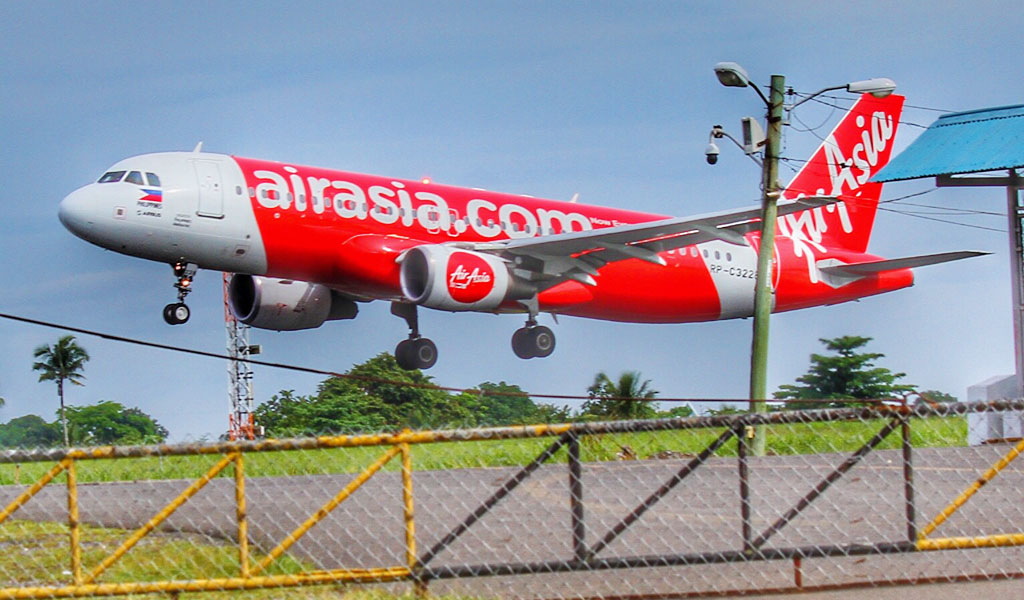
AirAsia Japan Co has filed for bankruptcy with the Tokyo District Court after flagging last month it would cease operations in the country, as the coronavirus pandemic that’s wiped out travel globally took its toll.
Flights between Japan and destinations such as Bangkok will continue to be operated by other AirAsia carriers.
The Japanese arm of Malaysia’s AirAsia Group Bhd received a provisional administration order from the court Tuesday, it said in a statement.
“Given AirAsia Japan’s current financial position, we regret to inform that AirAsia Japan is currently unable to settle the outstanding refunds,” the statement said. “We sincerely apologize for any inconvenience caused to customers who have used or booked AirAsia Japan flights.”
AirAsia, which reported its largest loss on record in the second quarter ended June 30, has been under immense pressure this year as Covid-19 roils the aviation industry. Airlines globally have been plunged into crisis, with many cutting thousands of jobs and trying to secure funds for survival. Some, pushed to the brink, have gone out of business.
The low-cost airline has also stopped funding its Indian affiliate, leaving the future of AirAsia India Ltd largely dependent on its majority shareholder, Indian conglomerate Tata Group. Long-haul budget arm, AirAsia X Bhd, isn’t faring much better, earlier this month submitting a new debt restructuring proposal to creditors.
AirAsia Japan had already canceled all flights, including one between Nagoya and Taipei. Services operated to Japan by AirAsia’s other carriers in places like Thailand and the Philippines won’t be affected. International services to Japan from Malaysia, Thailand and the Philippines will resume as travel restrictions are eased and borders reopen, the airline said Tuesday.
Customers who have booked AirAsia Japan flights can apply for a refund, which should be available from April next year, or they will receive a credit that can be used on any other AirAsia-operated flight.
-

Airasia.com Super Sale returns with a flurry of bargain offers
airasia.com has launched a second Super Sale via its ‘super app’, offering a range of deals starting from as low as RM1.99 (US$0.48) from 16 to 22 November
The airasia.com Super Sale made its debut last month, superseding the hugely popular AirAsia Free Seats sale.
The airasia.com super app offers a range of products and services, including fresh produce, groceries, food deliveries, travel & lifestyle products, Muslim-friendly services, and health & wellness packages.
airasia.com can be accessed via website or mobile app and customers can use BigPay Checkout for a seamless payment experience across all product lines.
Throughout the airasia.com Super Sale period, shoppers can enjoy up to -50% off from selected merchants on airasia Fresh with a RM1 delivery fee. They can also get 50% off from selected merchants via airasia Food, the online food ordering platform which runs on a zero-commission model.
Other deals include Buy 1 Free 1 for selected skincare, cosmetics, accessories and more on airasia Shop; -50% off with an additional -5% discount with the promo code ‘SUPER5’ for Unlimited Deals; -10% off Aqiqah Abroad and Aqiqah Makkah on Ikhlas; an aesthetics bundle from RM299 (US$73) on airasia Health and many more.
airasia.com CEO Karen Chan said: “Since the launch of airasia.com as an Asean super app in October, we have continued to expand our market reach and diversify our product range across the region. We have recently launched the AirAsia Unlimited Pass in the Philippines, Thailand and Indonesia, and introduced airasia Health in Malaysia – a platform that provides end-to-end medical services.
“We are also working on expanding our eCommerce presence within Asean through strategic partnerships and collaborations with technology providers, merchants and vendors.
“The airasia.com Super Sale this time offers even more exciting deals as we have included more products and merchants. Through the Super Sale we are able to help further revive the many businesses that have been affected by the effects of the pandemic. We hope everyone will have an enjoyable time shopping and finding the best deals for travel, activities, food, rewards and more,” she added.
On top of the discounts, shoppers can also earn 3x BIG Points when they pay with the AirAsia credit card during the airasia.com Super Sale. BIG members also have the option of paying using BIG Points.
-
AirAsia X makes creditor status concession to Malaysia Airports
AirAsia X has agreed to classify Malaysia Airports as a secured creditor, as it seeks to expedite its massive debt restructuring program.
“After consultation, AirAsia X has accommodated [Malaysia Airports] and made certain clarifications and revised the scheme under two separate classes ’A’ and ‘B’,” says the carrier in a statement.
“Class A shall consist of creditors who are considered critical or essential and who may have secured and/or other rights. Class B shall consist of creditors who do not fall within Class A.”
In a separate stock exchange filing, AAX states that Malaysia Airports’ legal challenge contended that as a secured creditor it has the right to detain aircraft, parts, accessories, vehicles, and other equipment.
AAX adds that it makes the status change “in the interest of time,” a reference that it hopes to come to an agreement with creditors in the first quarter of 2021. Announced on 6 October, AAX’s proposal calls for restructuring MYR63.5 billion into an “acknowledgment of indebtedness” for up to MYR200 million payable over the next five years at a 2% interest rate.
Following the airline’s proposed debt restructuring on 6 October, Malaysia Airports filed a legal challenge protesting its being lumped in with unsecured creditors. Malaysia Airports is also suing AAX for MYR78.2 million ($19 million) in unpaid passenger service charges (PSC) – the subject of a long-running dispute between the two parties.
The airline also notes that Malaysia Airports has threatened to take legal action against its directors in their personal capacity over the PSC issue, which it claims is “intimidatory in nature.”
“AirAsia X also wishes to report that major creditors have all demonstrated great maturity, professionalism, constructive engagement and commercial realism in dealing with the debt restructuring exercise,” it says.
“Though the process is on-going and a common consensus remains to be reached, AirAsia X looks forward to being able to present the revised scheme for all creditors to vote on early in the first quarter of 2021.”
Assuming 75% of creditors go along with AirAsia X’s proposal and other approvals are obtained, AirAsia X basically aims to start afresh in 2021, initially operating a pair of A330s, and working up to a full network by the end of next year.
Creditor BOC Aviation has also opposed the restructuring via legal means, with a challenge in the High Court of Malaya on 14 October. In September, before AAX announced its restructuring, the lessor filed a claim against the carrier for nearly $23 million in a London court.
AAX, lossmaking even before 2020’s coronavirus pandemic, faces an existential crisis owing to the collapse in international air traffic to and from Malaysia this year. In the second quarter, operating losses widened to MYR323 million on revenues of MYR91.4 million, which were down 91% from a year earlier. Its cash and cash equivalents at 30 June stood at MYR212 million, down 31% from three months earlier.
The airline operates 41 A330s, of which 18 are leased. It also has orders for 116 Airbus jets comprising 76 A330neos, 10 A350-900s, and 30 A321XLRs.
-
AirAsia X set to amend debt revamp plan
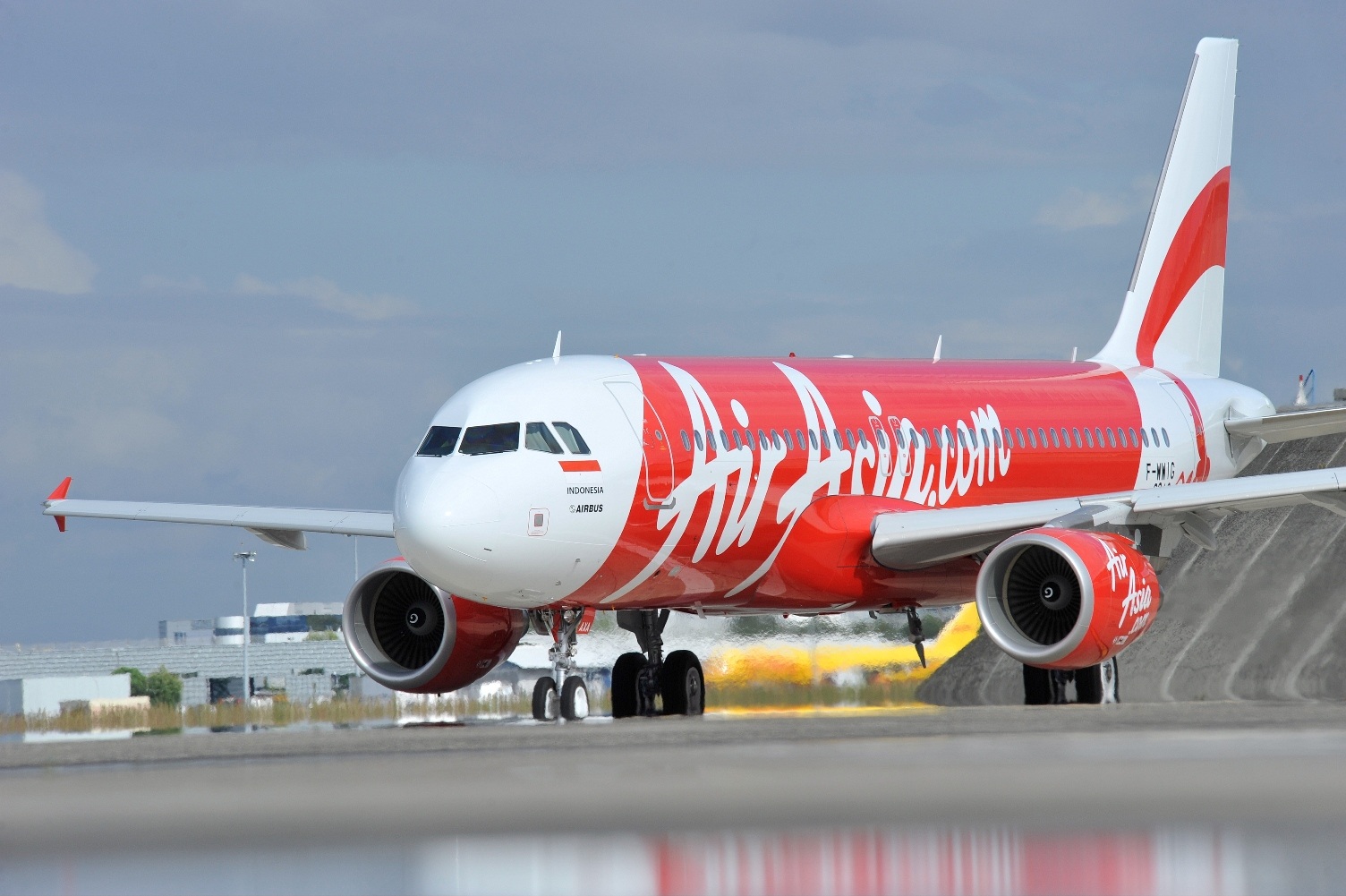
AIRASIA X, the low-cost long-haul affiliate of AirAsia Group Bhd, is expected to file an amendment to its originating summons next week, to make its debt restructuring proposal more palatable to the 1,200 unsecured creditors that the airline is asking to write down their dues.
This was disclosed to Kuala Lumpur High Court Judicial Commissioner Anand Ponnudurai by the lawyer for AAX last Friday (Oct 30). The matter came up before Anand at a case management hearing of an application by several of AAX’s unsecured creditors to intervene in the airline’s application for leave to hold a creditors’ meeting to vote on its proposed debt restructuring scheme.
Sources say AAX seeks to amend its originating summons, as well as some of the terms of its proposed scheme. This comes as more lessors and creditors have come out against AAX’s proposed scheme that was disclosed on Oct 6.
Under its proposed scheme, AAX is seeking to get at least 75% of the total debt value of its unsecured creditors to agree to take a 99% haircut, effectively cutting RM2 billion in current debts and another RM61 billion in future liabilities to RM200 million. It also entails undertaking a 90% share capital reduction to RM150 million from RM1.53 billion currently, and a consolidation of every 10 existing shares into one consolidated share.
It is learnt that apart from airport operator Malaysia Airports Holdings Bhd (MAHB) and aircraft leasing company BOC Aviation Ltd, Macquarie Aircraft Leasing Services (Ireland) Ltd, Sky High I Leasing Co Ltd and three other creditors are the latest to file an intervention application for their objections to the proposed debt restructuring scheme to be heard. Oct 30 was initially the date of the hearing for AAX’s application for leave to convene the creditors’ meeting for purposes of voting on the proposed scheme.
Sources say during the case management hearing, AAX had no objections to the intervention application filed by the creditors, which means the concerned parties are allowed to intervene and take a position in terms of the proposed scheme.
According to sources, Anand has also decided to recuse himself from the case, as he had previously appeared on behalf of AirAsia in its dispute with MAHB and the Malaysian Aviation Commission before he was pulled from private practice into the judiciary last November.
It is understood that another case management would be held next week to fix the leave hearing for the concerned creditors to raise the reasons for their objections to the proposed debt restructuring scheme. This is likely to be held before Judicial Commissioner Ong Chee Kwan.
“At the leave hearing, the creditors will then state if they think the proposed scheme is not good, unfair, or that they want to be excluded from the scheme,” one source said.
Sources also say the hearing date for AAX’s application for leave to hold the creditors’ meeting to vote on its proposed scheme is also expected to be fixed at next week’s case management hearing. “Depending on the judge’s schedule and subject to the availability of all the lawyers (representing the scheme creditors), the hearing could be held at the end of November or early December. Of course, it is best for AAX to hold the creditors’ meeting as soon as possible,” another source adds.
On a recent report that AAX plans to revise its scheme to address concerns raised by MAHB to be excluded from it — as the airport operator takes the view that it is a secured creditor — sources say this was not raised during the case management hearing on Oct 30. “There is nothing formal to suggest their removal (from the scheme) at the moment,” says one source.
At the case management hearing, AAX was represented by Foong & Partners with Gopal Sreenevasan as its lead counsel. MAHB and Sky High were represented by Claudia Cheah of Skrine while BOC Aviation and Macquarie were represented by Kwan Will Sen and Joyce Lim of Lim Chee Wee Partnership. David Hoh, counsel for Abdullah Chan, represented three other creditors.
On Oct 22, MAHB announced that it was suing AAX to recover RM78 million in outstanding aeronautical charges. The debt that it is owed is less than 0.01% of the total debt owed in the proposed scheme, it added.
BOC Aviation had also filed an intervention application in the court for its objections to the proposed scheme to be heard. It is seeking about US$30 million in dues from AAX.
-
Malaysia Airlines and AirAsia, once contrasting, now face same crisis
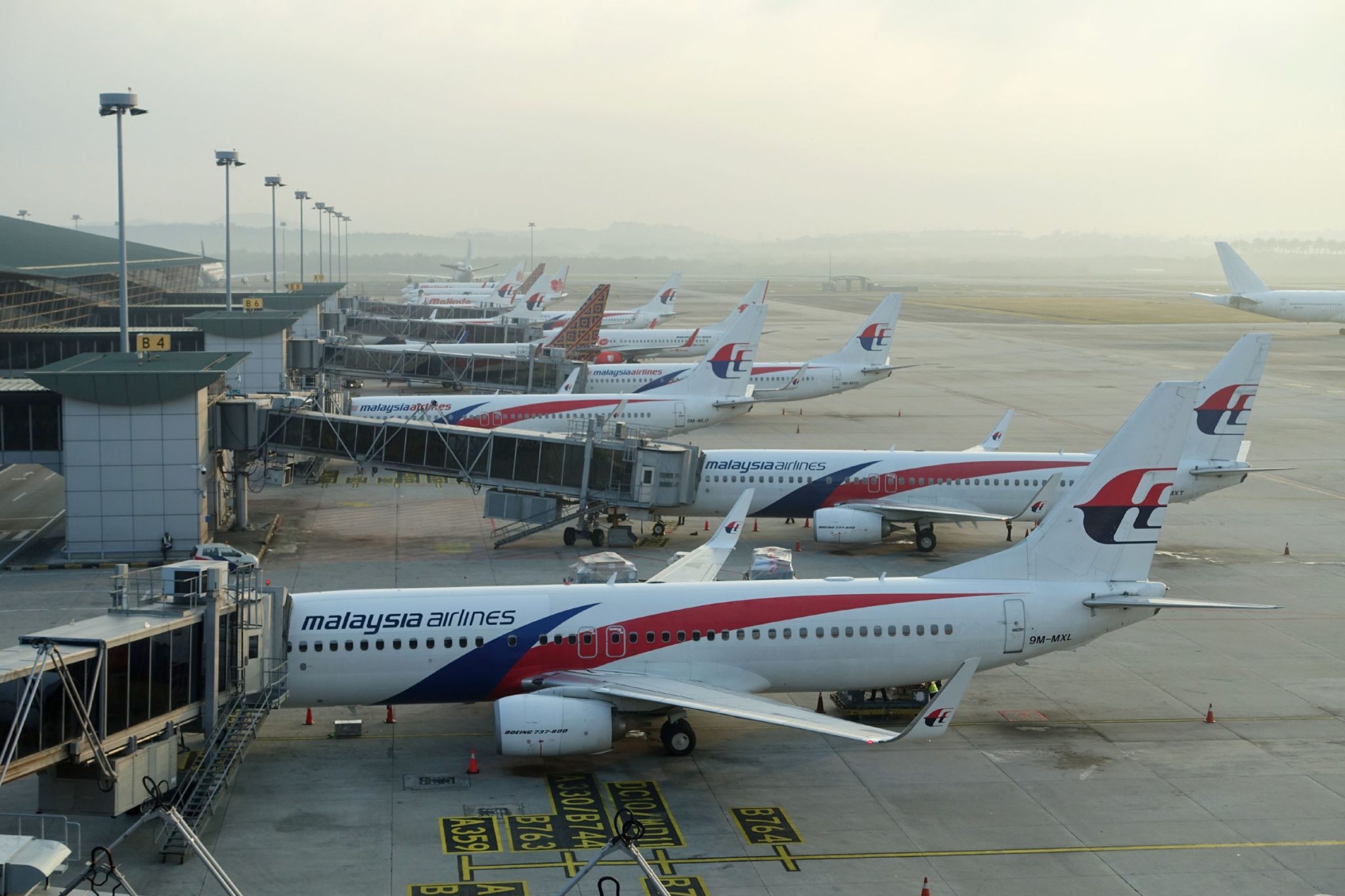
Struggling flag carrier Malaysia Airlines’ previous attempt turn itself around collided with low-cost local rival AirAsia Group’s rise. Now, both companies have run into the same turbulence.
Malaysia Airlines, which has yet to recover from two 2014 tragedies that made global headlines, faces a growing risk of being forced to halt flights unless it secures aid. But the state has frowned on the idea of another bailout.
A group of creditors recently rejected a proposal by Malaysia Airlines to restructure its 16 billion ringgit ($3.85 billion) in liabilities. This comes after the company made deep pay cuts for management and pilots, as well putting staff on unpaid furloughs to reduce costs as the coronavirus pandemic paralyzed global air travel.
This disruption has also clouded the prospects for leaner AirAsia Group, which together with the flag carrier holds a majority market share in the country.
“Our partners and creditors will have to sacrifice for the better of the future,” Izham Ismail, group CEO of Malaysia Airlines, told The Edge Malaysia newspaper in mid-October. “If they don’t want to help themselves to survive, I have no choice but shut it down.”
Malaysia Airlines revealed that it entered into debt restructuring negotiations with creditors in early October. The airline called on leasing companies and suppliers to cooperate with the turnaround effort. If the creditors had agreed, the restructuring would have been completed within the next few months, according to Malaysia Airlines’ plan.
The government has expressed its unwillingness to embark on another public-sector bailout of the national carrier, which is fully owned by the sovereign wealth fund Khazanah Nasional.
“The Ministry of Finance will not be injecting any cash or any capital into Malaysia Airlines through Khazanah,” said Finance Minister Tengku Zafrul Aziz. A proposal has been floated to liquidate the airline and transfer a portion of the assets and staff to Firefly, the group’s low-cost carrier.
Khazanah first took over Malaysia Airlines in 2001 following the ravages of the Asian financial crisis, holding a stake of 69%.The carrier’s fortunes turned again in 2014, when flight MH370 disappeared mysteriously en route from Kuala Lumpur to Beijing. This was followed months later by flight MH17 being shot down over Ukraine.
The two tragedies drove away passenger traffic, prompting Khazanah to acquire the remaining shares in Malaysia Airlines and fully nationalize the carrier. Malaysia Airlines laid off roughly a third of its staff in a bid to revive its earnings.
This previous restructuring effort never bore fruit because of competition from powerful rival AirAsia. The budget carrier made great strides in the 2000s with its low fares, eventually gaining control of half the domestic market.
Malaysia Airlines, meanwhile, has lost money since 2011. Part of the problem is Malaysia’s unstable political situation. Former Prime Minister Mahathir Mohamad’s government sought capital and operational tie-ups with foreign carriers after determining that Malaysia Airlines could not heal itself. Japan Airlines was seen as a leading candidate to sponsor a turnaround due to the company’s experience recovering from bankruptcy.
But Mahathir abruptly resigned and was succeeded by Muhyiddin Yassin this March. Not only has the pandemic sapped the finances of any potential sponsors, but Muhyiddin has his hands full maintaining his hold on power. Malaysia Airlines’ restructuring took a back seat.
“None of the restructuring went deep enough,” said Brendan Sobie, an independent analyst. He added that it is too early to tell if the proposed debt restructuring plan would be sufficient.
“All airlines face an incredibly challenging outlook,” Sobie said. “A lot will depend on how quickly the market recovers and if it fully recovers.”
Because Malaysia Airlines is the flag carrier, observers believe the government will ultimately be forced into a new bailout. But the damage to corporate value may have already been done by the drawn-out restructuring process.
Other flag carriers in the region have been faster to rehabilitate. Singapore Airlines, which is majority-owned by government investment group Temasek Holdings, came out with a $10.5 billion fundraising plan in March that leans on existing shareholders. Thailand, which holds 51% of Thai Airways International, signed off on a court-supervised rehabilitation process for the carrier in May.
Long profitable private-sector carrier AirAsia has not been immune to the effects of the pandemic, and it has sought to steer out of its slump.
The group founded by CEO Tony Fernandes won Malaysian state backing of a 1 billion ringgit loan in October. Early that month, the group’s long-haul carrier AirAsia X applied in court for a debt forgiveness plan that would slash 63.5 billion ringgit in liabilities, including aircraft purchase commitments, to just 200 million ringgit.
The plan still needs the approval of creditors holding 75% of the debt. AirAsiaX said the debt relief is needed “to avoid a liquidation and to allow the airline to fly again.”
AirAsiaX — which offers flights to Australia, Hawaii and other Asia-Pacific destinations — operated at a loss in the most recent two years.
AirAsia Group said in October it would end its Japan operations, and analysts expect further cutbacks in scale. The group posted a 992 million ringgit net loss for the April-June quarter on a 96% plunge in revenue.
“AirAsia was a profitable airline and was potentially sustainable had it not added capacity rather recklessly,” said Nungsari Ahmad Radhi, ex-executive chairman of the Malaysian Aviation Commission. “It got to the point where the seat growth probably outstripped demand growth. The pandemic was a fatal blow.”
-
AirAsia’s new platform for medical services
Karen Chan, chief executive officer of AirAsia.com said the digital platform is aimed at making it as seamless as possible for everyone from the initial consultation to post-treatment services. “Healthcare is essential, and its affordability and accessibility should be a right for everyone. We want to help facilitate that. AirAsia Health is where healthcare meets travel, complemented by the strength of our ecosystem encompassing travel logistics such as flights, accommodation and mobility options, enhancing the convenience factor for any medical traveller’s end-to-end journey,” she said.
Furthermore, AirAsia Health will partner with reputable medical providers and hospitals.
To kickstart the launch, it is offering booking for Covid-19 RT PCR tests on its platform, provided by its medical partners from Lifecare Diagnostic Medical Centre and Sunway Medical Centre.
-
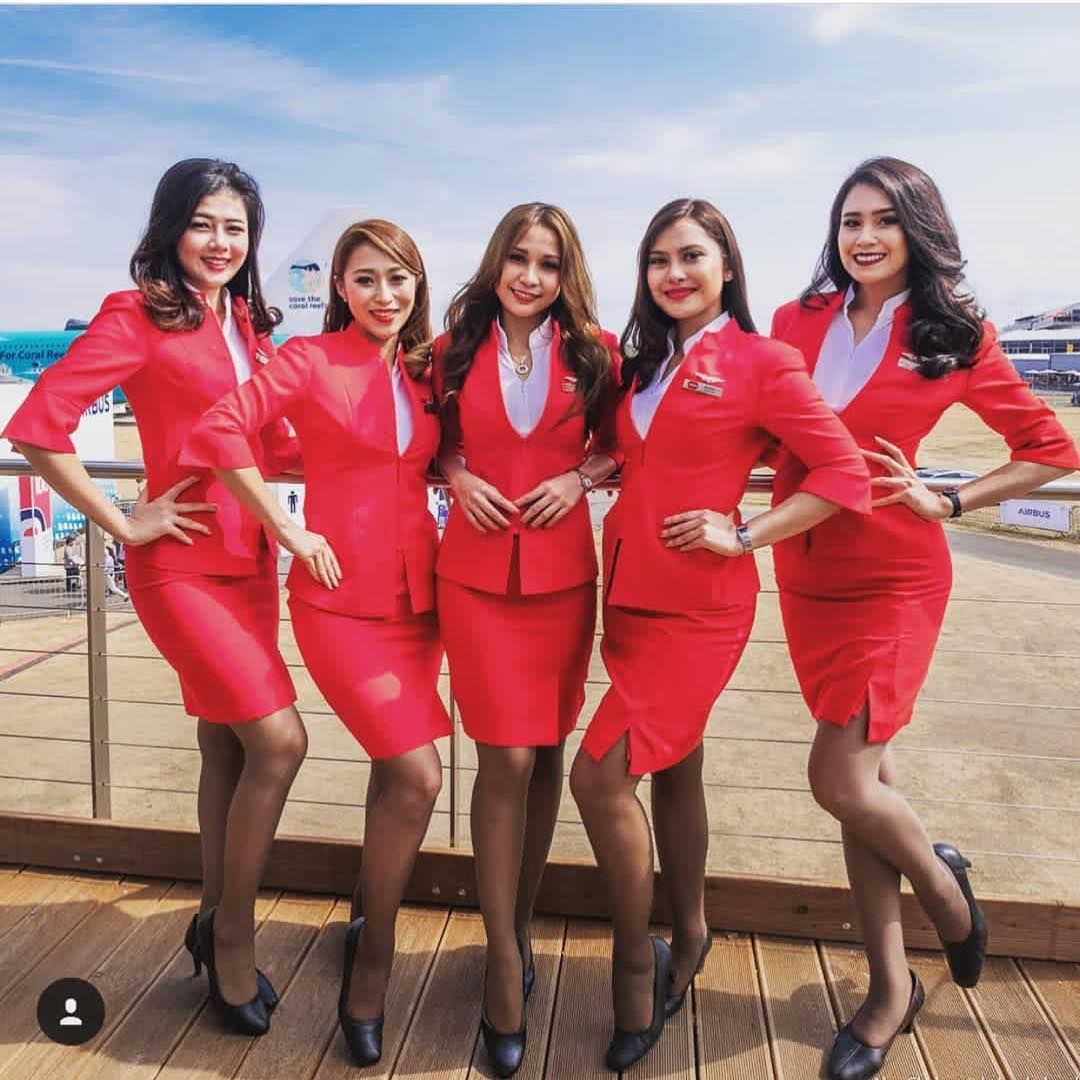
AirAsia awarded Asia’s Leading Low-Cost Airline & Low-Cost Airline Cabin Crew at World Travel Awards 2020
AirAsia has been awarded Asia’s Leading Low-Cost Airline for the eighth consecutive year at the World Travel Awards (WTA) – one of the most prestigious, comprehensive and sought after awards programs commemorating excellence across key sectors of travel, tourism, and hospitality.
AirAsia emerged top in the category having received the highest votes from travel professionals and industry players from around the region, ahead of regional players such as Scoot, Nok Air, VietJet Air, Jetstar and Firefly to win the top low-cost carrier awards – Asia’s Leading Low-Cost Airline 2020 and Asia’s Leading Low-Cost Airline Cabin Crew 2020.
Tony Fernandes, CEO of AirAsia Group said, “I am deeply humbled and honored to receive Asia’s Leading Low-Cost Airline 2020 Award for the eighth consecutive year. Winning the award this year is more important than ever and is of profound sentimental value as the industry is going through the most turbulent times. Our gratitude goes to every one of our over 600 million guests for their continued support and faith in us since day one, and their understanding as we weather through the most difficult period in AirAsia’s history. Most importantly, this award is dedicated to AirAsia’s Allstars (staff), including those who have left us recently through no fault of their own. I thank every Allstar for their commitment, perseverance and dedication as we navigate our way through this incredibly challenging year.”
AirAsia Group Head of Cabin Crew Suhaila Hassan said, “This pandemic has taken a toll on all of us, and the journey has been far from easy. Despite the crisis, I can say with confidence that our dedicated crew has risen to the challenge to show their service excellence and hospitality, adapting to the constantly changing rules and regulations. Our focus is to safeguard the wellbeing, health, and safety of each guest. And this award is a testament to our hard work and passion.”
World Travel Awards Founder Graham E Cooke said, “Despite the unprecedented challenges faced by the aviation industry this year, AirAsia continues to lead the way in low-cost aviation in Asia and beyond. Its strive for excellence remains unrivaled and I am delighted that it has been acknowledged by both the travel trade and the public by being voted ‘Asia’s Leading Low-Cost Airline 2020’ and ‘Asia’s Leading Low-Cost Airline Cabin Crew 2020’.”
Established in 1993, the World Travel Awards, one of the most prestigious and noteworthy awards programs in the global and tourism industry, acknowledges and celebrates excellence across key sectors of travel, tourism, and hospitality. The World Travel Awards brand is globally recognized as the ultimate hallmark of industry excellence.
Despite the incredible challenges faced by the aviation industry over the course of 2020, this year’s World Travel Awards program saw record month-on-month voting numbers from the all-important tourism consumers, whilst the official website continues to receive more search traffic than in any previous year. Organizers say, this indicates that the hunger for travel and tourism is as strong as ever, providing encouraging signs to all in the aviation and tourism industries.
-
AirAsia X flying out of money
The long-haul budget carrier AirAsia X Bhd has run out of money and needs to raise up to 500 million ringgit (US$120 million) to restart the airline, according to deputy chairman Lim Kian Onn.
The Malaysia-based affiliate of AirAsia Group said this month it wanted to restructure 63.5 billion ringgit ($15.3 billion) worth of debt and slash its share capital by 90% to continue as a going concern.
“We have run out of money,” Lim said in an interview. “Obviously, banks will not finance the company without shareholders, both old and new, putting in fresh equity. So, a prerequisite is fresh equity.”
He said the airline had actual liabilities of 2 billion ringgit, with the larger figure of 63.5 billion ringgit including all lease payments for the next eight to 10 years and its large order for Airbus planes and contracted engine maintenance with Rolls-Royce.
“If we find 300 million ringgit in new equity, then the shareholder funds are 300 million at the restart of business and if we are able to borrow 200 million ringgit, we feel that we will have a good platform to start all over again,” Lim said.
He said AirAsia X also needed to convince its lessors of its business plan, adding that an unnamed lessor recently took back one of the airline’s planes to convert it to a freighter.
The airline plans to liquidate its small Indonesia-based carrier and has completely written down its stake in Thai AirAsia X, with the Thai carrier not part of the restructuring scheme, Lim told the newspaper.
Rival Malaysia Airlines is also in financial trouble, but Lim said there would be “no good outcome” from seeking to merge two airlines in dire straits.
AirAsia X declined to comment beyond the details published in the newspaper article.
Initial negotiations with creditors have been tough as they are understandably upset, Lim said in the interview. They had asked for better terms, including free equity for the forgiven debt — something that would be impossible for the airline to fulfill, he added.
Still, Lim said all of them genuinely wanted to find a common ground to take the airline forward. “No one has anything to gain from our demise,” he told the newspaper.
The airline is planning to resume flights in the first quarter of 2021, though the process remains “dynamic”, said Lim. Should the rescue plan get approval, the company will have to renegotiate every single contract and will do its best to look after all stakeholders’ interests, he said.
-
Help small businesses instead of AirAsia
A political economist has questioned the decision of the government-owned Sabah bank to lend AirAsia RM300 million and said the money should instead be spent to help small and medium enterprises in the state.
Firdausi Suffian of Sabah UiTM said he was surprised to read reports that the budget airline has secured an RM300 million loan from Sabah Development Bank, a wholly-owned subsidiary of the state government.
Firdausi said while there was nothing wrong with a bank to issue loans to a company, a state-owned bank’s priority should be to assist companies in Sabah, particularly SMEs, which have been badly affected by Covid-19.
“Against the backdrop of Covid-19, one would think that the focus would be on SMEs rather than a company which has been making huge profits for the past few years.”
Last week, SAPP president Yong Teck Lee had urged the state government to stop the loan, as the bank was mandated to provide financing for projects in Sabah and not on “risky ventures”.
However, in a stock exchange filing on Friday, the airline said the loan had been secured and disbursed and would be used to enhance logistics in Sabah, helping to create over 100,000 new jobs.
Firdausi said SMEs were the backbone of the economy, and that Sabah had 55,000 SMEs employing over 150,000 people.
“SMEs are only getting the assistance of around RM90 million in the two Sabah government stimulus packages,” he said, pointing out that the sector contributes close to 57% of Sabah’s gross domestic product.
Another economist, Barjoyai Bardai of Universiti Tun Abdul Razak, said he could not see the Sabah government’s rationale in wanting to loan AirAsia so much money that could be used to support struggling businesses in the state.
“It is a different story if they are investing in the company. I think the state government will have to explain the rationale behind this decision because it will come under scrutiny.”
-
AirAsia X ‘out of money’
The long-haul budget carrier AirAsia X Bhd has run out of money and needs to raise up to 500 million ringgit (US$120 million) to restart the airline, according to deputy chairman Lim Kian Onn. The Malaysia-based affiliate of AirAsia Group said this month it wanted to restructure 63.5 billion ringgit ($15.3 billion) worth of debt and slash its share capital by 90% to continue as a going concern.
“We have run out of money,” Lim said in an interview. “Obviously, banks will not finance the company without shareholders, both old and new, putting in fresh equity. So, a prerequisite is a fresh equity.”
He said the airline had actual liabilities of 2 billion ringgit, with the larger figure of 63.5 billion ringgit including all lease payments for the next eight to 10 years and its large order for Airbus planes and contracted engine maintenance with Rolls-Royce.
“If we find 300 million ringgit in new equity, then the shareholder funds are 300 million at the restart of business and if we are able to borrow 200 million ringgit, we feel that we will have a good platform to start all over again,” Lim said.
He said AirAsia X also needed to convince its lessors of its business plan, adding that an unnamed lessor recently took back one of the airline’s planes to convert it to a freighter.
The airline plans to liquidate its small Indonesia-based carrier and has completely written down its stake in Thai AirAsia X, with the Thai carrier not part of the restructuring scheme, Lim said.
Rival Malaysia Airlines is also in financial trouble, but Lim said there would be “no good outcome” from seeking to merge two airlines in dire straits.
Initial negotiations with creditors have been tough as they are understandably upset, Lim said in the interview. They had asked for better terms, including free equity for the forgiven debt — something that would be impossible for the airline to fulfill, he added.
Still, Lim said all of them genuinely wanted to find a common ground to take the airline forward. “No one has anything to gain from our demise,” he said.
The airline is planning to resume flights in the first quarter of 2021, though the process remains “dynamic”, said Lim. Should the rescue plan get approval, the company will have to renegotiate every single contract and will do its best to look after all stakeholders’ interests, he said.