Tag: airasia

  • NRL’s winning partnership with AirAsia takes off

    NRL’s winning partnership with AirAsia takes off

    In the lead up to Game II of the 2019 Holden State of Origin Series, the National Rugby League (NRL) and AirAsia have announced an exciting new brand partnership, including the opportunity for Origin fans to win return flights to Asia.

    As part of the partnership, AirAsia, which was this week announced the World’s Best Low-Cost Airline at the Skytrax World Airline Awards 2019 in Paris, France, will also give away VIP tickets to each Origin match.

    AirAsia X Malaysia CEO Benyamin Ismail said the Holden State Of Origin Series is a perfect opportunity to connect with rugby league fans and tell the AirAsia story in front of a highly engaged and passionate audience.

    “We continue to increase our brand presence in Australia and today offer more than 50 flights into Southeast Asia per week,” he said.

    “With Origin being hosted in three of our key Australian ports – Brisbane, Sydney and Perth – we see this as a great opportunity to ensure Australian rugby league fans know that they can touch down in over 140 destinations across our extensive network.

    “The timing of today’s announcement couldn’t be better for those looking to grab a deal with the AirAsia BIG Sale now on at airasia.com.”

    The stadium giveaway at each match will take place at halftime. Two lucky people can also score VIP tickets to each Origin match by liking @AirAsiaAustralia on Facebook and entering the competition – simply guess the destination, say why you’d like to go there in 25 words or less and be in to win.

    The partnership will also be seen across multiple channels including broadcast, signage, the NRL’s Official Instagram account, co-created video content featuring key NRL legends and other onsite activations at each match.

    NRL chief executive Todd Greenberg welcomed AirAsia’s campaign and their addition as part of the Holden State of Origin platform.

    “We look forward to working with AirAsia into the future in extending their brand via our key channels and portfolios.”

    Game II of Holden State Of Origin kicks off on 23 June 2019 at Perth Stadium with the final game of the series culminating in Sydney on 10 July 2019.

  • AirAsia crowned world’s best Airline again

    AirAsia crowned world’s best Airline again

    AirAsia has been named the World’s Best Low-Cost Airline at the Skytrax World Airline Awards 2019 for the 11th consecutive year.

    The airline won the title based on a survey of over 21.6 million passengers of 100 nationalities and over 300 airlines between September last year and May.

    AirAsia also won Asia’s Best Low-Cost Airline award and the World’s Best Low-Cost Airline Premium Cabin award for its premium flatbed on widebody long-haul AirAsia X aircraft.

    The prestigious Skytrax World Airline Awards are considered the global benchmark of airline excellence.

    AirAsia Group Berhad executive chairman Datuk Kamarudin Meranun and AirAsia X Berhad chairman Tan Sri Rafidah Aziz were among those who accepted the awards at the Paris International Air Show yesterday.

    Kamarudin said it was an honour for the airline to be recognised for its commitment to provide “affordable travel and guest-obsessed service”.

    “The fact that these awards are based on direct feedback is a gratifying and wonderful recognition for the Allstars who put so much effort and commitment into service excellence for our guests,” he said, referring to AirAsia employees.

    Rafidah also expressed her appreciation for the airline’s employees for AirAsia’s win in the World’s Best Low-Cost Carrier Premium Cabin category.

    “(This year’s) win represents nine years of being the world’s best in this category, and is dedicated to our Allstars who have been steadfast in upholding our corporate culture, mission and vision,” she said.

    She added that AirAsia X will introduce the new Airbus A330neo, an aircraft which will bring even greater inflight comfort to passengers.

    “Combined with our renowned inflight service as a long-haul low-cost carrier, AirAsia X will strive to continue to offer excellent value for money to our guests to 30 destinations in 10 markets across the AirAsia Group long-haul network,” she said.

  • AirAsia prepares for budget long-haul flights

    AirAsia prepares for budget long-haul flights

    Malaysian low-cost carrier AirAsia launched the first of 66 new long-haul aircraft during the annual Paris Air Show on Monday, as it began to expand in Australia and could revive its Europe service to keep with the burgeoning market for budget long-haul flights.

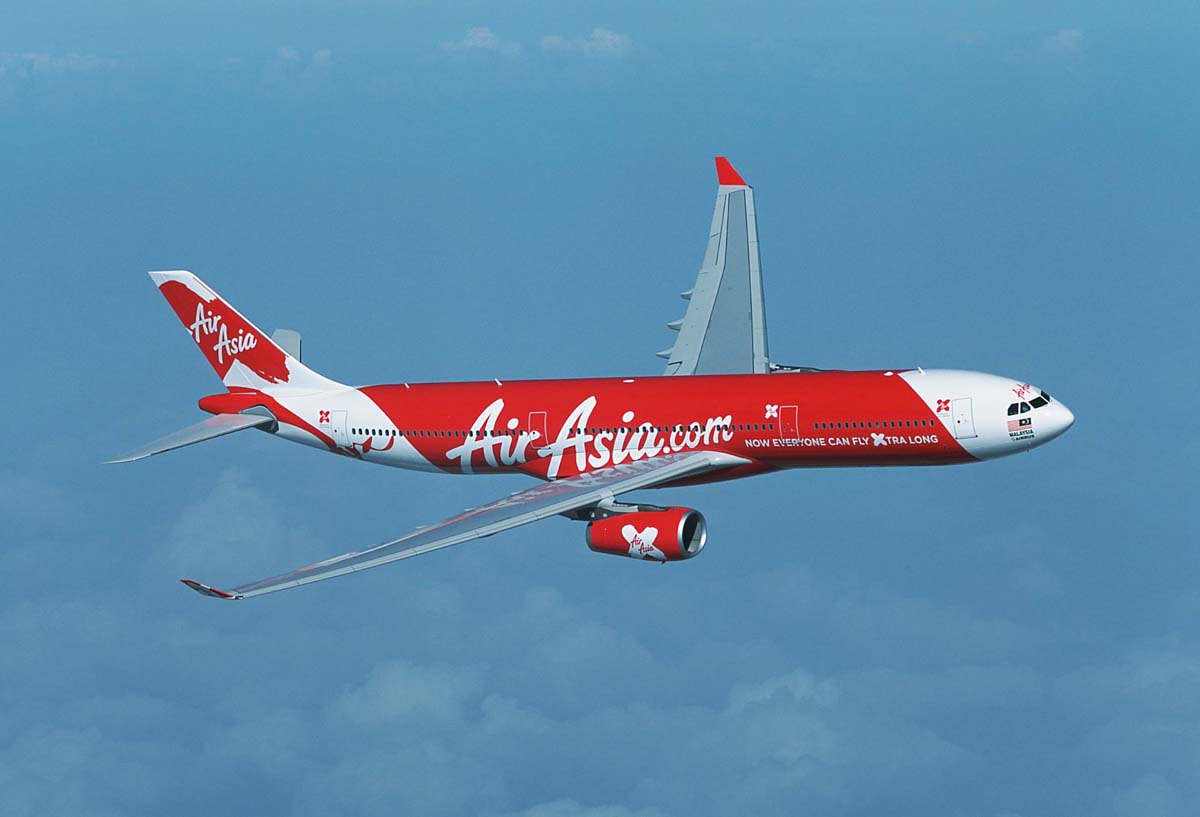
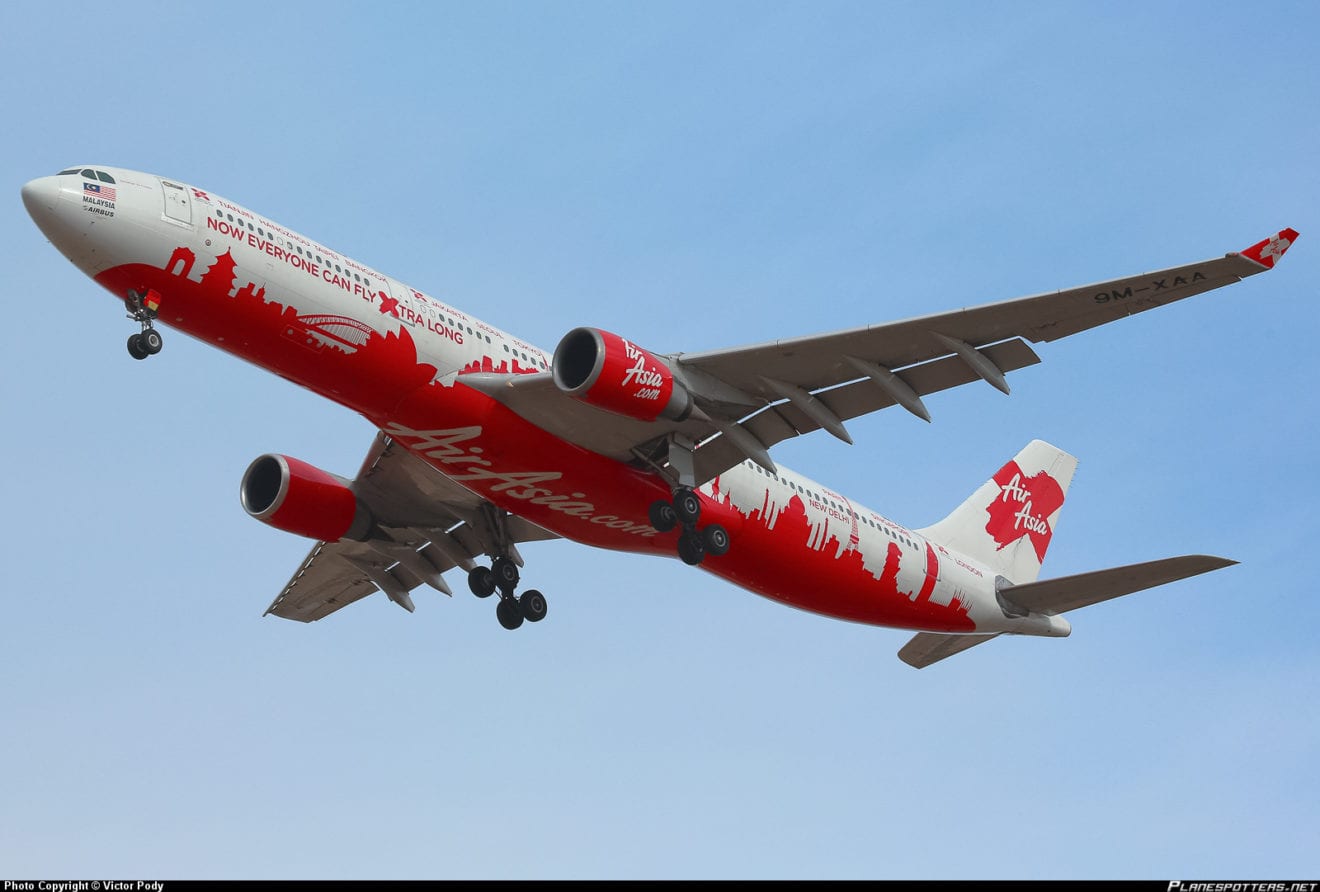
    The new Airbus A330-900 aircraft, showcased during the 2019 Paris International Air Show, is expected to take off on June 25 on the Bangkok-Brisbane (Australia) route via AirAsia’s long-haul affiliate, Thailand X.

    AirAsia declined to provide a definite timetable for the other 65 to take flight, saying it depended on Airbus. It also remained cagey about the other planned routes. But AirAsia X Group CEO Nadda Buranasiri said they were eyeing more destinations to and from Bangkok and other parts of China.

    With this purchase, AirAsia would become the first airline in Asia-Pacific to operate the A330-900: a wide-body 377-seater aircraft that could fly 12,000 miles over a 10 and a half-hour power range, said AirAsia X chair Tan Sri Rafidah Aziz.

    The planes boasted of comfort, with more legroom, larger cabin bag storage spaces and power sockets in every seat, she added.

    “Our destination reach is not limited because of the capabilities of the plane,” she said. “We can strategize now about where we want to go beyond what we have right now.”

    AirAsia was named the world’s best low-cost airline during this year’s Skytrax World Airlines Awards, the aviation industry’s Oscars, marking its record-breaking 11th win in a row.

    The Malaysian airline has always wanted to expand its footprint, but it has only gone so far as Hawaii in the United States.

    It earlier tried to operate in Europe via London, but the AirAsia chief said, “the fleet that we used to go to London, that was not the right plane. The cost factor killed us.”

    “Maybe now seems like an opportunity for us to start again in London, but I cannot say that yet,” she said. “So perhaps this plane (A330-900) could give us an advantage. We have to look it up very carefully.”

  • AirAsia Goes Big And Converts 253 A320neo Orders To A321neos

    AirAsia Goes Big And Converts 253 A320neo Orders To A321neos

    AirAsia bosses chose the second day of the 2019 Paris Air Show to announce that they are converting an order for 253 A320-200neos to the larger A321-200neo.

    Malaysia’s largest low cost carrier, AirAsia Berhad, today decided to ramp up the type it has on order in response, a spokesperson said, to “ongoing strong demand across its network.” One of Asia’s largest budget airlines, AirAsia intends to convert 253 A320neo on order to A321neos. The move will make the AirAsia Group the world’s largest customer of the type.

    AirAsia’s Executive Chairman Datuk Kamarudin Meranun said in a statement, “We have spent a number of years reviewing what the future of our operations will look like and today, we’re proud to become the world’s largest customer for the A321neo.

    The change will be applied to almost 90% of the Group’s current order of A320neos. Previously, the order was for 304 A320neos of which 37 had been delivered.

    The Group says it expects deliveries of the A321neo in the latter part of this year. The first four aircraft of the new type will be brought into play with AirAsia and jointly-owned Thai AirAsia.

    Following its up-sizing (and the purchase of its first A321neo at the start of 2019), AirAsia will become the world’s largest customer of Airbus’ New Engine Option jetliner.

    The Malaysian LCC intends to use the A321neo on its high-frequency routes. It is believed the alteration will result in the augmentation of overall seat capacity by almost a third without adding flights to an already packed manifest, according to CAPA.

    AirAsia currently has 230 A320 aircraft in service. The Group’s primary hub is at Kuala Lumpur International Airport. The Group’s subsidiaries (of which there are eight) have hubs in various parts of the world including India, the Philippines and Japan.

    The A321neo is a member of Airbus’s best-selling A320 family, the first of which was launched in 1984. In 2006 the type underwent extensive remodeling. Changes of the original design included measures intended to make the A320 more economically viable.

    Sharklets, aerodynamic refinements and weight reduction made the plane 15% more fuel-efficient. Airbus hopes to capitalize on this with a further 5% rise in operating efficiency by 2020.

    The family has since been further enhanced under the “neo” programme of changes.

    The A321neo’s extra capacity is due to Airbus’s optimizing its use of the cabin space. The “cabin-flex” option allows the manufacturer the ability to produce a narrow-body jet with a capacity of 244 seats compared with the A320neo’s 150 to 180.

    As reported by ch-aviation AirAsia’s Chairman Meranun said,

    We have spent a number of years reviewing what the future of our operations will look like and today, we’re proud to become the world’s largest customer for the A321neo.

    With its numerous efficiency benefits and the operational flexibility this aircraft brings, the A321neo will be the new backbone of our operations as we continue to expand to meet growing air travel demand across Asia.”

    We previously reported that AirAsia’s sister company AirAsia X last year ordered 34 A330neo wide bodies ; an order it has yet to execute. Some industry insiders believe it may be the next type to be replaced with Airbus’s expansive narrow body neo.

  • AirAsia Philippines delivers world-class flying at low fares

    AirAsia Philippines delivers world-class flying at low fares

    Challenging the common impression that customers get what they pay for in patronizing low-cost carriers (LCC), AirAsia Philippines redefines the flying experience with an uncompromising commitment to world-class safety standards and passion in delivering top-notch service without the hefty price tag.

    AirAsia Philippines is part of the AirAsia Group, which includes AirAsia Malaysia, Thailand, Indonesia, India and Japan. AirAsia Philippines operates a fleet of 23 aircraft out of four hubs servicing seven domestic destinations and 18 international destinations, in line with the group’s vision to be the “wings” that enable people to reach their dream destinations.

    “Having established ourselves as an LCC when we introduced all-in fares, we now want to be known for having the best service,” says Captain Dexter Comendador, AirAsia Philippines CEO.

    AirAsia Philippines commenced operations locally in 2012 with two new planes. With the acquisition of local airline Zest Airways the following year, AirAsia Philippines’ fleet became 13. Backed by its parent company, which boasts a total fleet of 252 aircraft and more than 140 destinations in 25 markets, AirAsia Philippines is set to raise the benchmark in the aviation industry, particularly the LCC segment.

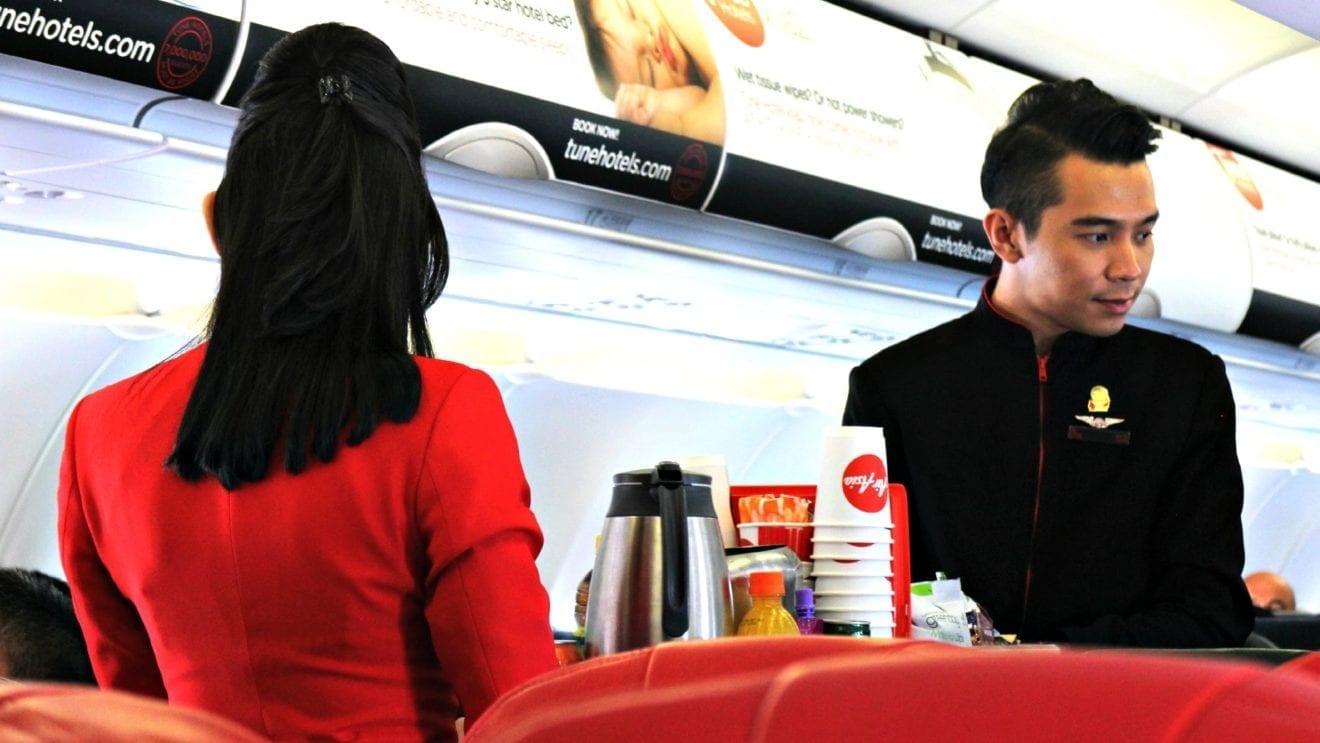
    The company constantly pursues initiatives to provide customers a hassle-free experience. For example, AirAsia Philippines relinquished the use of jet bridges and instead uses steps for boarding and disembarking passengers. By doing this, the airline has been able to keep turnaround time to 25 minutes – one of the quickest in Asia. Foregoing the use of expensive jet bridges also allows AirAsia Philippines to pass on cost savings to customers, resulting in more economical fares.

    Tapping technology to offer a seamless customer experience, AirAsia has overhauled its website and mobile app and even launched a chatbot named AVA (AirAsia Virtual Allstar). Powered by artificial intelligence, the chatbot is well-versed in English, Thai, Malay, Indonesian, Vietnamese, Korean and Chinese, and responds to queries instantly. As part of the AirAsia network, AirAsia Philippines has allowed customers to use AVA to manage their flight needs since March this year.

    AirAsia Philippines also takes a proactive role in creating hubs in the Philippines, connecting them to the whole AirAsia network. The airline now has hubs in Manila, Cebu and Kalibo. Outside Manila, AirAsia Philippines is launching new flights, and will soon fly directly to Macau, Kunming, Chengdu, Hangzhou and Taipei from its Kalibo hub.

    As it seeks to relocate its headquarters to Clark, Pampanga, AirAsia Philippines hopes to develop the former airbase as its next hub. It also aims to establish hubs in popular tourist destinations such as Bohol and Palawan.

    “Our vision is to be the No 1 LCC in the Philippines. We also want to be the employer of choice for aviation industry professionals,” Comendador says.

  • AirAsia India announces new route

    AirAsia India announces new route

    AirAsia India is on an expansion spree, it plans to add its first route to Chennai, from Kolkata. AirAsia India will now connect Kolkata and Chennai with one daily flight with effect from 1 June 2019. The launch fare for the new route between Kolkata and Chennai is 3,299.

    “Kolkata is a key market for AirAsia India as we currently operate 18 flights to 11 different destinations. The addition of this new route will strengthen up our connectivity in the east,” Sanjay Kumar, COO, AirAsia India, said.

    According to AirAsia’s release, the flight i541 will depart from Kolkata at 3. 30 pm and will reach Chennai at 5.55 pm. The return flight i542 will take off from Chennai at 6.25 pm and will reach Kolkata at 8.55 pm.

    High air fares and capacity constraints slowed India’s domestic air passenger traffic growth rate in March. As per the data of the Directorate General of Civil Aviation (DGCA), air passenger traffic growth rate in March rose a mere 0.14% to 115.96 lakh from 115.80 lakh reported for the corresponding month of the previous fiscal. According to the data, GoAir led the industry with 95% punctuality rate (on-time performance) at the four major airports of Bengaluru, New Delhi, Hyderabad and Mumbai. It was followed by Vistara (91.9%), AirAsia India (91.9%) and IndiGo (89.5%).

    Air Asia India, which started operations in June 2014, is a joint venture between Tata and AirAsia Berhad. It currently operates 164 flights a day, covering 19 destinations and carrying over 25,000 passengers.

  • AirAsia transitioning to asset-light business model

    AirAsia transitioning to asset-light business model

    AirAsia is moving from the traditional model of owning aircraft to become an asset-light airline. The company plans to fully shift to the new model by completely withdrawing from aircraft ownership, a move that would bring the obvious benefit of lowering its financial liabilities.

    During AirAsia’s conference call with analysts last Wednesday, its management said it is targeting to sell another 19 aircraft this year.

    AirAsia is also focusing on its “digitalization” agenda, management added.

    The analyst said AirAsia would be looking to secure a deal similar to what it achieved last year when it went into sale and leaseback agreements that helped it raise a lot of funds.

    AirAsia’s management expects to raise around RM1.5bil from the sale and leaseback of its remaining 19 aircraft.

    Last year, the airline group sold 79 aircraft and 14 aircraft engines to US private investment firm Castlelake LP in a deal worth RM4.38bil.

    Following the success of the sale, AirAsia had last week announced a bumper dividend of 90 sen a share, which is worth more than RM3bil in total payout.

    For shareholders of AirAsia, this strategy has worked out well. AirAsia began its aggressive sale and leaseback programme and dishing out dividends around 2017.

    Here’s an interesting fact: AirAsia shareholders who bought the company shares on Jan 2, 2017 would have paid RM1.78 per unit. Since then, that’s exactly how much the airline has paid back in dividends, giving back those investors their entire cost of buying those shares.

    “AirAsia is a different company now. It is transitioning into an asset-light model, focusing its services through its platform and on-the-plane experience as well as its mobile wallet,” an analyst said.

    Going forward, though, not all analysts have a positive view on the airline’s earnings growth prospects.

    Going by Bloomberg data, analysts have a varied target price on AirAsia’s shares, ranging from RM1.56 to RM5.20.

    For the first quarter ended March 31, AirAsia posted a 92% drop in net profit to RM96.09mil compared with RM1.14bil recorded last year, when it recorded extraordinary gains. Its shares closed at RM2.88 last Friday.

    CIMB Research analyst Raymond Yap expects AirAsia’s future earnings to be under pressure, stemming from rising operating costs and higher depreciation as well as interest expenses due to the Malaysian Financial Reporting Standards 16.

    He added that other risks included higher fuel prices and a weaker ringgit against the US dollar.

    “The poor results will likely shock the market and cause analysts to slash their earnings forecasts, although the share price may be supported in the next two months by the 90 sen special dividend per share,” he said in a report.

    Yap has recommended investors to sell their positions in AirAsia prior to the dividend ex-date on June 30.

    “We recommend investors to take advantage of any share price upside post-announcement of the 90 sen special dividend to sell into strength, and to sell their AirAsia holdings prior to the dividend ex-date on June 30, 2019, to avoid the rush out of the door,” he said.

    Although AirAsia’s management has highlighted that it is targeting to continue with special dividend payments to shareholders for every two years, Yap believed the group is unlikely to declare additional special dividends in the near future beyond the 90 sen per share it had announced.

    “Continued losses at AirAsia India and Indonesia AirAsia may require the group to provide further equity injection or continuous working capital support,” he said.

    A different view is held by Nomura Research analyst Ahmad Maghfur Usman, who has the highest target price of RM5.20 for AirAsia shares. He expects AirAsia’s core earnings in financial year 2019 (FY19) to double to RM1.37bil compared with RM656mil last year.

    “We remain optimistic on the earnings outlook on the back of lower fuel costs, coupled with the turnaround from its Asean affiliates, while we expect losses from India to narrow on improved scalability as passenger volumes increase,” he said in a research note.

    For this year, AirAsia is targeting to add 18 aircraft including additional 11 for AirAsia India.

    In terms of its digital business, AirAsia is targeting to roll out remittance and lending products and expand its BigPay offerings to other Asean countries this year.
  • Expedia, Booking.com warn AirAsia of turbulence in online travel plan

    Expedia, Booking.com warn AirAsia of turbulence in online travel plan

    Online travel giants Expedia and Booking.com are warning that budget airline pioneer, AirAsia Group, risks being destabilized by ambitious plans to become the “Amazon of travel”.

    AirAsia, which already offers limited travel plans on its website, plans to expand the online service to include booking flights with rival airlines and ecommerce. As profits tumble in the face of rising fuel costs and intensifying competition, CEO Tony Fernandes is seeking alternative sources of revenue and earlier this year told the Nikkei Asian Review he intended to invest 100 million Malaysian ringgit ($24.6 million) a year to become a technology-led company.

    The carrier’s future competitors in the wider online travel sector dismissed the threat posed by the company which brought low cost flight to Asia.

    Booking.com’s head of China, Marsha Ma, suggested the online travel giants would rally their vast networks of flights, hotels and services in the fight against any attempts by AirAsia to take market share. “The online travel agency business, especially accommodation, is a pretty heavy business model in terms of its supply chain management,” said Ma. “It takes years… We have offices at 190 locations and [they] have built up our supply chain capability, with width and depth.”

    “We will keep fighting on that,” the Booking.com executive said, speaking at an event held in Singapore last week by Skift, an U.S.-based travel industry information provider.

    Expedia, once a partner of AirAsia’s existing travel platform, indicated the carrier might not have the necessary skills to succeed. “What makes you great to run an airline” is not the same as being a great online travel agency, said Greg Schulze, head of commercial strategy & services at Expedia. Worse, the carrier risked being distracted from selling its own flights, which could exacerbate its current troubles, he suggested. “I am happy to see [AirAsia] negotiating with other airlines.”

    However, Aireen Omar, AirAsia’s deputy CEO for technology, was confident AirAsia could manage the risks. It was “ambitious, but I think it’s very doable,” Omar said.

    The aviation business model was changing, Omar said. “The key essence for us is no longer the aircraft but data.” AirAsia transported close to 100 million passengers this year alone in Southeast Asia, and was seeing six to eight million visitors come to its website every month. “A lot of new business opportunity is around there,” she said. This included enhancing its digital travel platform with itinerary suggestions, hotels or shopping, using technologies such as artificial intelligence to improve the offering.

    When asked if becoming the Amazon of travel is overly ambitious, Aireen Omar, AirAsia’s deputy CEO for technology and digital, said it’s “ambitious, but I think it’s very doable.” (Photo by Eri Sugiura)

    “I think online travel agencies are very cautious,” Omar said. She insisted that the company already has a “big platform” for AirAsia.com, the carrier’s BigPay, a mobile wallet which was launched in Malaysia last year tracking consumers’ credit and debit card payments, and combining this with its own loyalty program. “It is an opportunity for [other airlines] to have an access of the network and the data we have,” she added.

    AirAsia entered the flight and hotel package business in 2015 through a joint venture with Expedia. However last August it announced it would sell its 25% stake to Expedia for $60 million. This freed the carrier to build its own accommodation and other inventories. The airline in 2017 acquired 50% in travel tours and attractions provider startup Vidi, in a deal worth $2.6 million.

    Omar said the company’s data would be uploaded in the cloud by the end of the year, in preparation for the launch of its new service.

    AirAsia’s rush to build an enriched travel platform can be explained by headwinds the company faces in its core business. The carrier’s net income slipped to 96.1 million ringgit, a 92%-drop in the three months through March from a year earlier, as it was hit by high fuel costs and lower average fares.

    While the company remains profitable in Malaysia, where it is based, its operations in Indonesia, Thailand and elsewhere are either losing money or earning less.

  • AirAsia among top 5 most downloaded airline apps

    AirAsia among top 5 most downloaded airline apps

    Budget airline AirAsia was among the top five most downloaded airline apps worldwide in the first quarter of 2019, according to a new report from mobile app intelligence firm Sensor Tower.

    The most downloaded airline app worldwide for Q1 2019 was Irish low-cost airline Ryanair with more than 2.4 million installs, which represented a 10 percent increase from Q1 2018, said the report.

    American Airlines was the second most installed airline app worldwide last year with more than 1.8 million installs, which represented a 30 percent increase from Q1 2018.

    United Airlines, Southwest and AirAsia rounded out the top five most installed airline apps worldwide for the quarter, Julia Chan, Mobile Insights Analyst, Sensor Tower, wrote in a blog on Monday.

    When it came to downloads from Google Play Store, AirAsia came second after Ryanair.

    At the ninth position, Indigo also featured among the top 10 most downloaded apps from Google Play Store in the first quarter of this year.

  • AirAsia Philippines adds flights to Taiwan in August

    AirAsia Philippines adds flights to Taiwan in August

    Air Asia Philippines will start adding new routes to link the Philippines with southern Taiwan by August. The low-cost carrier said in a statement it will open flights from Clark and Cebu to Kaohsiung, Taiwan by Aug. 1, making it the first local airline to offer direct flights between the cities.

    “The Philippines continues to be one of the top holiday destinations for Taiwanese. As the only Philippine airline to connect Cebu and Clark directly to Kaohsiung, we are pleased to be able to contribute to Philippine tourism and bring Cebuanos and Kapampangans closer to southern Taiwan as well,” AirAsia Philippines President and Chief Executive Officer Dexter M. Comendador was quoted as saying.

    AirAsia will have thrice weekly flights for both the Clark-Kaohsiung route and the Cebu-Kaohsiung, and thrice weekly returning flights to the same local hubs, all available every Tuesday, Thursday and Saturday.

    The carrier said Kaohsiung will be the 10th international destination it is opening in 2019, boosting its growing flight network from Cebu and Clark.

    Excluding Kaohsiung, AirAsia flies from Cebu to 12 domestic and international destinations, namely: Manila, Clark, Davao, Cagayan De Oro, Puerto Princesa, Caticlan, Kuala Lumpur, Singapore, Seoul, Shenzhen, Macau and Taipei.

    From Clark, it also flies to nine domestic and international destinations, namely: Cagayan de Oro, Tacloban, Puerto Princesa, Cebu, Davao, Iloilo, Caticlan, Seoul and Taipei.

    Its operator Philippines AirAsia, Inc. reported a 12% growth in profit after tax to P424.5 million during the first quarter, driven by a 27% increase in revenues at P6.68 billion.

    The carrier saw a 23% jump in passengers during the January to March period at 1.97 million, and its load factor inch up to 91% from 87% last year.

    Philippines AirAsia will be adding three new aircraft this year as part of a group-wide fleet expansion program that aims to grow its fleet to 535 aircraft by 2028 across the six countries where AirAsia Group Berhad operates.

  • AirAsia to Expand E-Commerce Beyond Selling Plane Tickets

    AirAsia to Expand E-Commerce Beyond Selling Plane Tickets

    AirAsia Group, Southeast Asia’s largest budget carrier, wants to sell more than cheap flight tickets. AirAsia is talking to potential partners to build an e-commerce app that it wants to see overtake the size of its airline business, Group Deputy Chief Executive Aireen Omar said in an interview. The carrier, which is seen getting about 1 billion ringgit ($240 million) revenue a year from its AirAsia.com website, expects to earn 20 times more as it expands into an app that will offer lifestyle goods and services.

    “This will be bigger than the airline itself,” Aireen said at her office at the Kuala Lumpur International Airport. “There’s a lot you can do in just one app and that’s what we are trying to do with our travel and lifestyle app.”

    The budget airline, which carries 100 million passengers annually, is bolstering its digital capability to tap a regional e-commerce market that’s set to increase threefold to $240 billion by 2025, CEO and Founder Tony Fernandes said last month. Premium carriers Singapore Airlines Ltd. and Cathay Pacific Airways Ltd. are already turning to onboard duty-free sales to boost revenue, while AirAsia’s app will also offer everything from hotel bookings to beauty products and dinner vouchers.

    AirAsia, which announced a special dividend of 90 sen a share Wednesday, climbed 8% as of 4:14 p.m. in Kuala Lumpur. The shares rose as much as 16% earlier, the steepest gain since 2004.

    The digital business is likely to be spun off in the near future, Aireen said, without giving details.

    Fernandes has slowly but surely prepared the company to focus on this digital drive. AirAsia has sold aircraft parked in leasing companies and disposed a stake in its ground-handling operations. He also restructured the company to have an investment holding group as its publicly listed entity and separated the Malaysian airline business.

    The moves come as the budget carrier grapples with rising risks to its airline business, from the closing of holiday destination Boracay island and natural disasters in Indonesia last year, as well as Malaysia’s clampdown on price surges during high season.

    Meanwhile, Brent has gained almost 30% this year, increasing costs for airlines from Singapore Air to Deutsche Lufthansa AG, which posted lower first-quarter profit partly due to higher oil prices. AirAsia’s net income slipped 92% in the three months through March from a year earlier, it said in a filing on Wednesday.

    The company realized about three years ago that it’s rich with consumer data that a lot of people would want access to, Aireen said. It plans to use the data to market goods and services in a targeted way and provide Internet connection on all its planes to sell products to passengers during the flight.

    The new app will eventually consolidate its current AirAsia BIG Loyalty program, which already partners with vendors from Nike Inc. to Sephora to give special offers and discounts.

  • CAE signs new deal with AirAsia in the Philippines

    CAE signs new deal with AirAsia in the Philippines

    CAE has signed a new five-year training agreement for AirAsia’s A320 pilots in the Philippines, extending the use of the CAE Rise training system to a third AirAsia affiliate.

    Through the new agreement, announced at the International Air Transport Association (IATA) Annual General Meeting (AGM), CAE will continue to provide initial training for the airline’s pilots and will soon undertake recurrent training at CAE Clark – Philippine Academy for Aviation Training (PAAT) in the Philippines, starting in July 2019.

    “AirAsia has embarked on a mission to digitise every aspect of their business and by implementing the CAE Rise™ training system they are better able to train and develop their pilots using real-time insights alongside a new level of training data analytics,” said Nick Leontidis, CAE’s Group president, Civil Aviation Training Solutions. “Just recently AirAsia extended the use of the CAE Rise™ training system on the Airbus A330 platform and it’s an honor to see them extend this training system on the Airbus A320 platform with a third airline affiliate.”

    Earlier this year CAE announced the signing of a five-year training agreement for AirAsia’s long-haul pilots, extending the use of the CAE Rise training system to AirAsia’s long-haul affiliate, AirAsia X on the Airbus A330 platform.

  • AirAsia’s new biggest shareholder is holding firm of party-list rep

    AirAsia’s new biggest shareholder is holding firm of party-list rep

    AirAsia Inc on Monday said F&S Holdings Inc, owned by 1-PACMAN party-list Rep. Michael “Mikee” Romero, is now the biggest shareholder of the budget airline’s Philippine arm after acquiring an additional 28.8 percent stake, which raised the holding firm’s ownership to 44.5 percent.

    Prior to the acquisition, Romero’s group owned 15.7 percent shares. Thirteen percent and 15.8 percent of shares were acquired from Ambassador Fred Yao and Maan Hontiveros, Romero’s wife Sheila Romero said in a press conference.

    “Rep. Romero said Air Asia Inc will continue to scale new heights for the multi-awarded Philippines AirAsia,” the carrier said in a statement.

    Businessman Antonio “Tonyboy” Cojuangco’s TNR Holdings has 15.7 percent shares, while the remaining 40 percent remain with AirAsia Berhad founders Tony Fernandes and his partner Kamarudin Menardum.

    Romero said he is bullish about AirAsia’s prospects this year as airlines have been booking 90 percent of seats recently.

    He said AirAsia is recapitalizing and restructuring its equities and is aiming to have an initial public offering of around $200 million worth of shares later this year.

    The company is also aiming to add 50 planes within the next 10 years and add more routes as it competes in the budget air travel market.

    “In fact we want to lower the prices and add more routes and flights,” Romero said in an interview with ANC’s Business Nightly.

  • India needs 10k pilots by 2030 says AirAsia

    India needs 10k pilots by 2030 says AirAsia

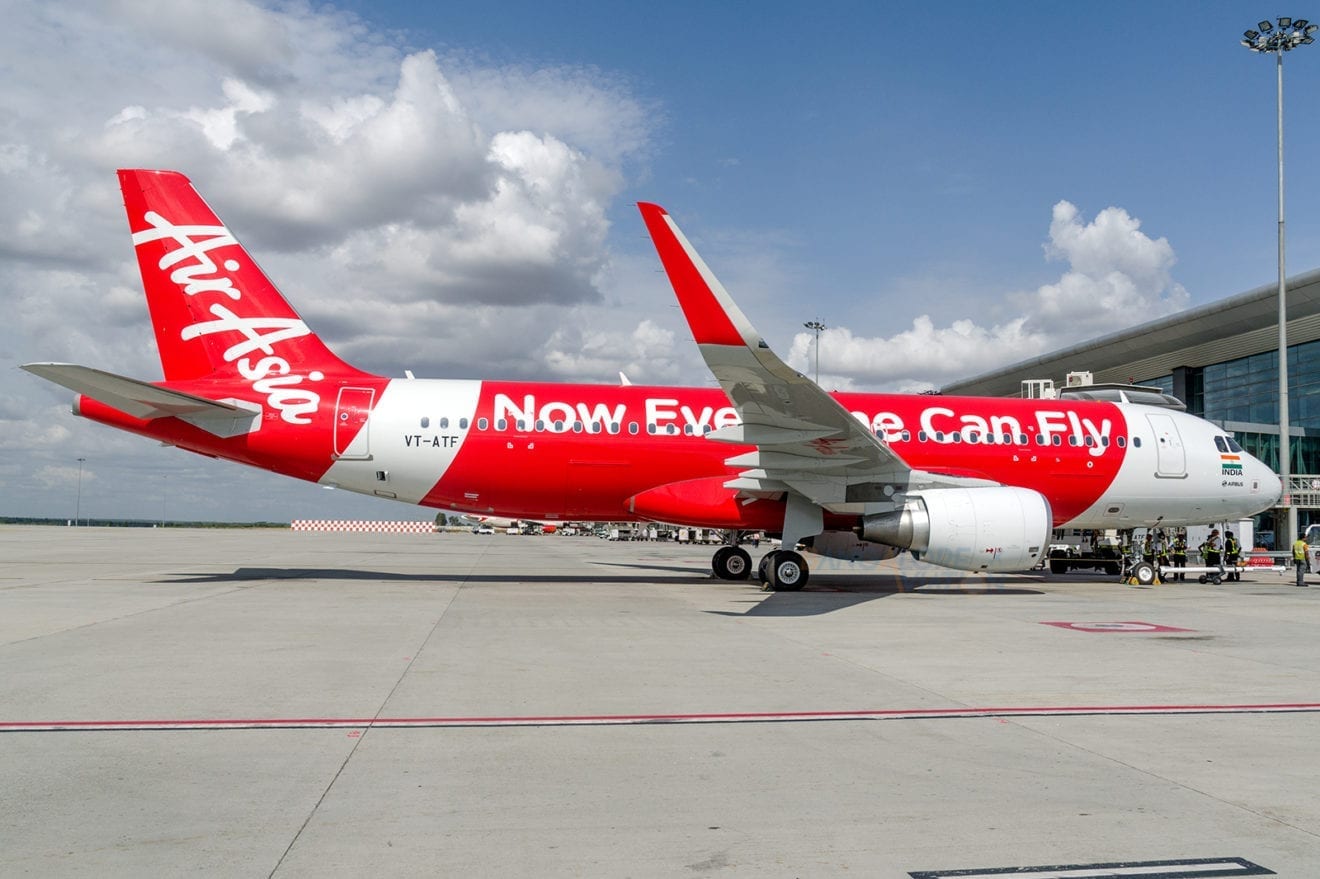
    Despite the current slump in the domestic aviation market, India will require up to 10,000 new pilots by 2030. Acknowledging this, AirAsia India on Tuesday launched the country’s first cadet-pilot program, ready to send its first batch of 15 cadets to New Zealand for flight training.

    By passenger volumes, India was ranked second globally among the fastest growing domestic markets for aviation. This would only mean the requirement for pilots will spike in the future, even as the Kingfisher and Jet Airways pilots are being quickly absorbed by other airlines.  To get the cadet-pilot project going, AirAsia India has partnered with New Zealand Academy and Harrison Omniview Consulting. As part of the 18-24 month course, selected candidates will be trained at the currently under-utilized Oamaru airport in New Zealand’s Waitaki district.

    The first batch of the cadets will come out in 2021, informs AirAsia India’s Head of Operations, Capt Manish Uppal. Cadets earn their second officer rank and commercial pilot license after 500 hours of flying before graduating to first officer, senior first officer, and captain, in charge of the entire aircraft and crew.

    The first batch of the cadets will come out in 2021, informs AirAsia India’s Head of Operations, Capt Manish Uppal. Cadets earn their second officer rank and commercial pilot license after 500 hours of flying before graduating to first officer, senior first officer and captain, in charge of the entire aircraft and crew.  Headquartered in Bengaluru, AirAsia India currently has a fleet of 21 Airbus-A320 aircraft covering 19 destinations across the country. The airline had commenced operations in India on June 12th.

    Uppal informs 11% of the airline’s crew are women. Most of the batch passing out from the cadet-pilot program are expected to be absorbed by the airline.

  • AirAsia Deputy CEO Confident That they Will Become the Amazon of Travel

    AirAsia Deputy CEO Confident That they Will Become the Amazon of Travel

    There was no backtracking from AirAsia in its plan to branch out into selling other airlines on its platform, financial services, and more experiences.

    Asked in Singapore  if becoming the Amazon of travel is overly ambitious, Aireen Omar, AirAsia’s deputy CEO, technology and digital said it’s “ambitious, but I think it’s very doable.”

    Another AirAsia executive recently made the declaration that the airline could become the “Amazon of travel.”

    Omar argued that AirAsia’s wealth of data from such things as its bookings systems and passenger management equip it to improve revenue management and personalization and to make its operation more efficient.

    The idea is to provide a seamless journey for passengers and to build new business areas for the airline beyond its core flying.

    Omar said AirAsia has been approaching other airlines about selling tickets, and that most are not afraid of doing that because they can take advantage of AirAsia’s network and data.

    Although AirAsia is interested in offering innovative payment systems, Omar said the airline would not use cryptocurrencies because their value fluctuates greatly, and AirAsia is interested in engendering consumer trust.

    Omar made a pitch for the greater inclusion of women in the airline industry. She said around 6 percent of AirAsia’s engineers are women, and so are about 10 percent of its pilots.

    Schools new to open up their curriculum to encourage women to become data scientists, for example, and to work for airlines.

    Omar is responsible for AirAsia’s digital strategy, promoting innovation throughout the group and encouraging collaboration across AirAsia’s businesses and markets. She oversees large, strategic group-wide initiatives to help transform AirAsia into a global, cloud-driven product and platform company.