Tag: airasia

  • How founder’s distaste for buying drove AirAsia’s growth

    How founder’s distaste for buying drove AirAsia’s growth

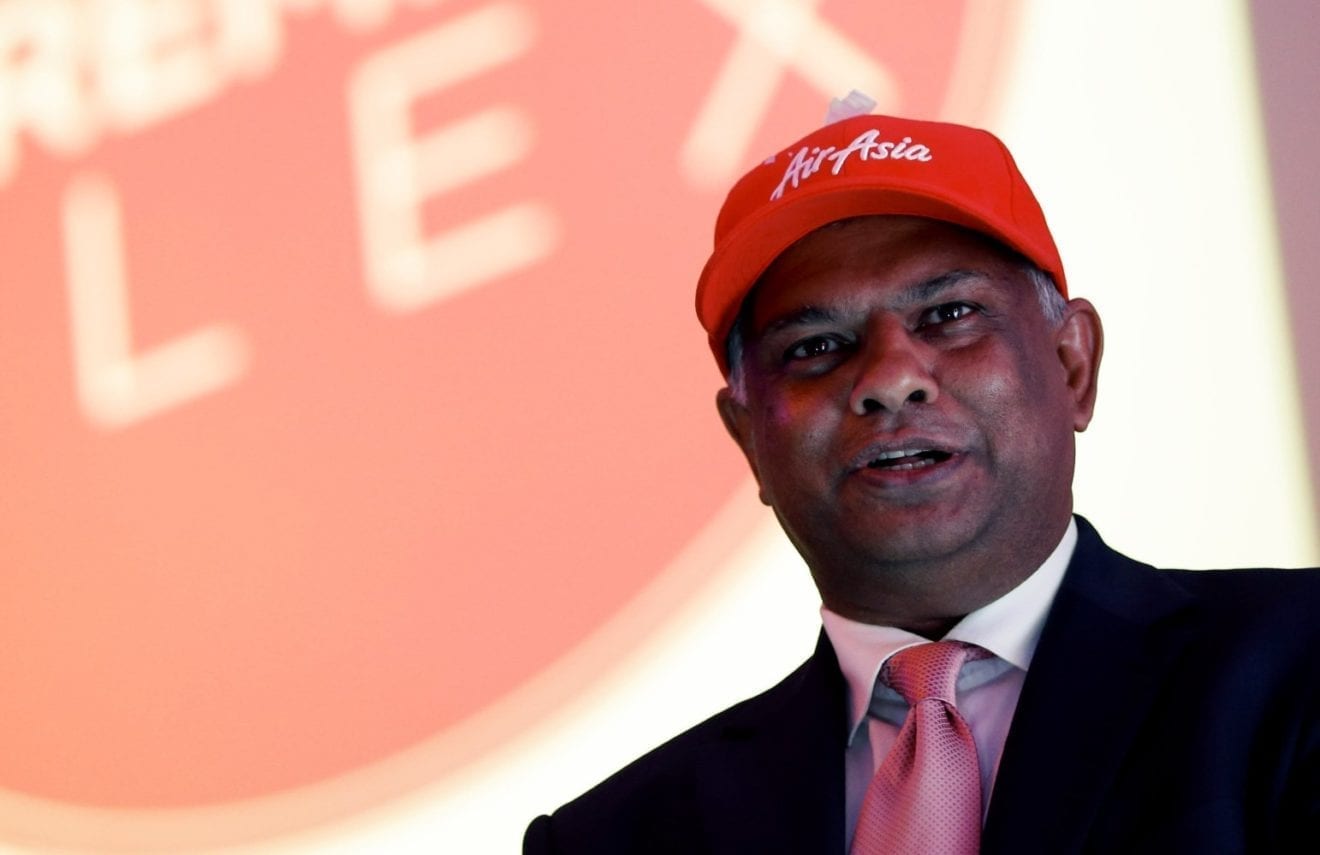
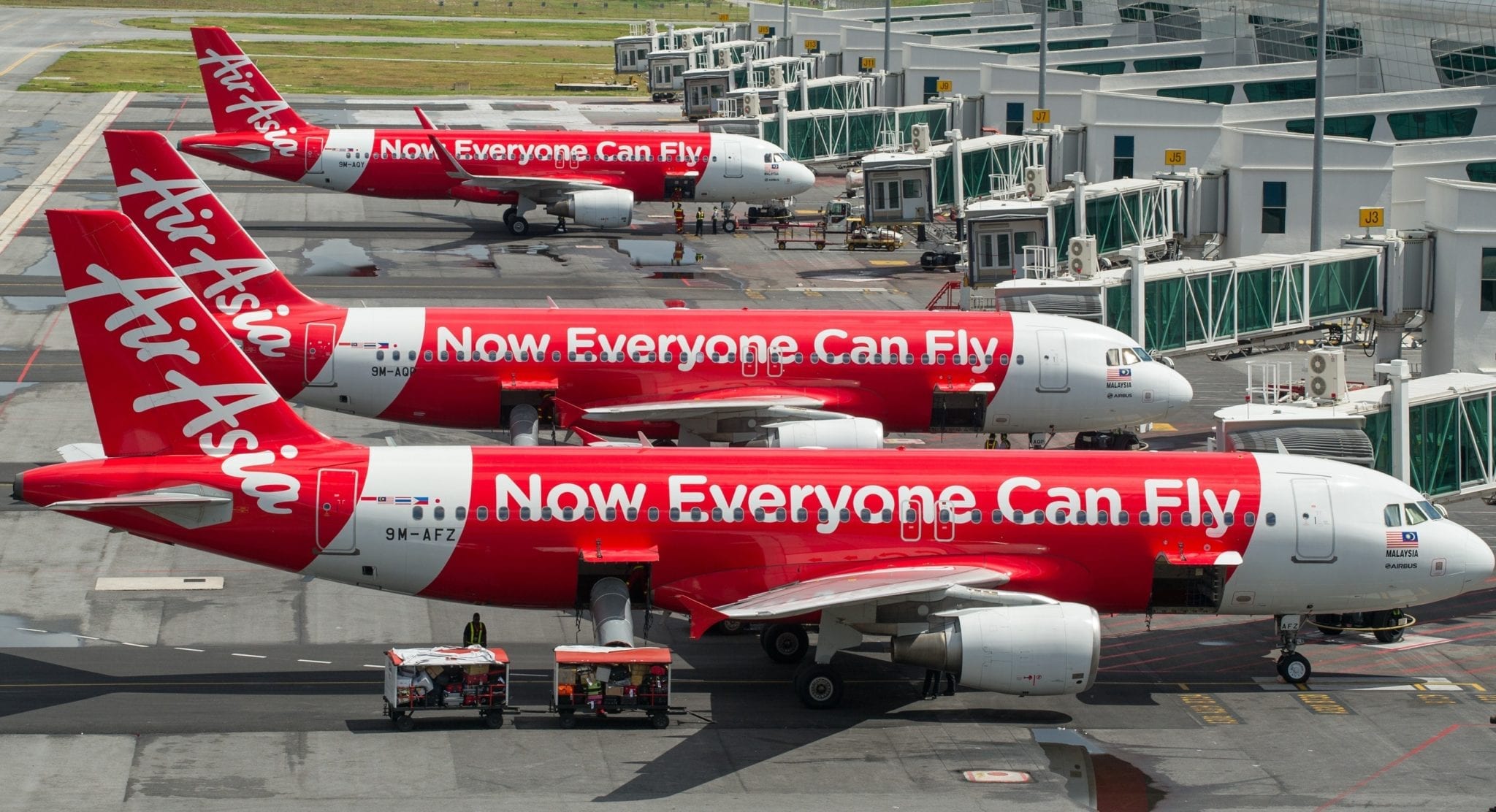
    AirAsia, the region’s biggest budget airline, said it prefers to pursue organic growth instead of expansion through acquisitions, partly explaining why it declined to buy Hong Kong’s sole low-cost carrier Hong Kong Express Airways (HK Express). Cathay Pacific Airways, Hong Kong’s flagship premium carrier, this week offered HK$4.93 billion (S$850 million) to buy its budget competitor from the indebted HNA Group. AirAsia looked at the proposal to buy HK Express and its full-service sibling Hong Kong Airlines, declining to acquire either, said founder Tony Fernandes.

    “My philosophy has been organic growth,” Fernandes said in an interview with South China Morning Post during Credit Suisse’s Asia Investment Conference in Hong Kong. “I generally don’t believe in acquisition because it comes with a lot of inherent issues. When you import through acquisition, it comes at a risk, so it’s not my preference.

    Fernandes’ approach illustrates how he turned the Kuala Lumpur-based airline from a near-bankrupt company into Asia’s largest budget carrier in less than two decades, with more than 140 destinations and flying on 320 routes at the lowest unit cost in the global aviation industry.

    Fernandes, who worked for Warner Music Group before striking out on his own, bought AirAsia in December 2001 for a token 1 ringgit, taking on the carrier’s 40 million ringgit (S$15 million at the time) of debt. Within a year, the carrier reported a profit, qualifying for a listing on the Kuala Lumpur Stock Exchange two years later.

    AirAsia’s 2018 revenue rose 9 per cent to 10.6 billion ringgit (US$2.5 billion), while pre-tax profit rose by the same quantum to a record 1.7 billion ringgit. Low-cost, long-haul AirAsia X notched revenue of 4.5 billion ringgit, flat year-on-year, but the 2017’s profit performance turned into a loss of 312 million ringgit.

    The airline and its affiliates flew 73 million passengers last year, a figure that beat even full-service flag carriers in Southeast Asia. AirAsia had made a single acquisition in 18 years, when it bought 49 per cent of Zest Airways for an undisclosed sum to secure a landing slot in the Philippines in 2013. Elsewhere in the region, AirAsia expands its network through joint ventures in seven countries, including Japan, India and Thailand.

    The airline, operating with 21,000 employees with no union representation, wants to steer clear of importing “inherent issues” and excess baggage from taking on another airline, Fernandes said.

    Now AirAsia has a chance to help revive Malaysia Airlines, the very competitor that the low-cost carrier had beaten into the ground. Malaysia’s Premier Mahathir Mohamad broached the idea of either selling or shutting the nation’s flag carrier two weeks ago.

    Malaysia Airlines, now under the ward of the country’s sovereign wealth fund Khazanah Nasional after a 6 billion ringgit capital infusion, “can definitely be turned around,” Fernandes said.

    Still, AirAsia is in no hurry to revive its 2011 share swap plan with the flag carrier, which was vetoed by the government of then-premier Najib Razak.

    “Many people will say that [AirAsia’s] expertise could be used to hurt Malaysia Airlines and benefit AirAsia. There is a genuine interest to help but in this day and age, not everyone will see it that way, ” Fernandes said. “It’s best that we do our own thing, and we’ve got a lot on out plate.”

    Worldwide aviation is booming, where 8.2 billion passengers could take to the sky by 2037, according to a 20-year forecast made in October by the International Air Transport Association (IATA), with the Asia-Pacific region driving the biggest growth.

    Still, not everything is hale and rosy in the region, as intense competition in a price-sensitive travelling weighed on airlines’ bottom lines. Only six of the 20 publicly traded airlines or affiliates in Southeast Asia were in the black, with 19 of them reporting declines in third-quarter profitability compared with a year earlier, according to CAPA Centre for Aviation.

    AirAsia had been approached for help. It has already evaluated and declined buying a stake in Bangkok-based NokAir. AirAsia’s Indonesia unit was also linked to – and denied – the possible purchase of Citilink, the low-cost brand of Indonesia’s flag carrier Garuda.

    “I never say no to any M&A, but it has to be a sexy opportunity to go down that route,” Fernandes said.

    Turning to India, and the troubles associated with Jet Airways, which was saved from near-bankruptcy at the last minute, the Malaysian-owned budget carrier said it was positioning itself for the opportunity to grow if runways slots relinquished come up for sale.

    “India is a prize, but just like with prizes, nothing comes easy. It’s been a lot of hard work,” Fernandes said.

    Expecting runway slots to be freed up, the AirAsia chief added. “We want to [buy] it in the right way. We’re not vultures. There will be a few airlines hoping Jet goes bust and we don’t want anyone to lose their jobs, we want every airline to survive and grow, but if an opportunity arises to take those slots, then for sure.”
  • AirAsia to fly Manila-Osaka route starting July 2019

    AirAsia to fly Manila-Osaka route starting July 2019

    Budget airline AirAsia announced it will operate flights between Manila and Osaka, Japan for the first time in July 2019.

    In a statement, AirAsia said its daily services for the Manila-Osaka route will begin on July 1.

    AirAsia Philippines president and CEO Dexter Comendador called the launch of the new route a “milestone occasion.”

    “Being able to travel directly and affordably to Osaka is fantastic news for Filipinos and we’re confident this new route will serve as a gateway for guests to connect to other popular destinations in Japan such as Kyoto and Nara,” said Comendador.

    “We are also excited to welcome guests from Osaka and its neighboring regions to the Philippines. This international route will contribute to the government’s target of 8.2 million visitors this year.”

    Along with the launch of this new route, AirAsia also announced an all-in, one-way promo fare starting at P1,990 for its BIG loyaty program members. The airline said bookings for this promo should be made from March 29 to April 7, for travels from July 1 to October 26.

  • AirAsia to launch Phuket-Phnom Penh direct flights

    AirAsia to launch Phuket-Phnom Penh direct flights

    Thai AirAsia CEO Santisuk Klongchaiya said the airline has devoted great importance to adding routes to its regional flight bases, looking to build a strong network of destinations that provide the opportunity to add even further routes, providing ever greater convenience to travellers who will no longer need to stop over in Bangkok, said a release today (April 1) announcing the new flights.

    “Phuket is a very important strategic flight base for AirAsia that has grown steadily along with the addition of direct flights to CLMV (Cambodia, Laos, Myanmar, Vietnam) cities such as Siem Reap.

    “With the positive response we have received from international travellers, we decided to add Phuket-Phnom Penh, connecting the resort town to Cambodia’s capital. The route should well serve tourists as well as members of the business community of both countries,” Mr Santisuk added.

    The flights will operate on Monday, Tuesday, Friday and Saturday.

    Thai AirAsia operates nine international routes out of Phuket: Phuket-Wuhan, Phuket-Kunming, Phuket-Hong Kong, Phuket-Macau, Phuket-Siem Reap, Phuket-Singapore, Phuket-Kuala Lumpur (Code AK), Phuket-Penang (Code AK) and the latest addition Phuket-Phnom Penh starting June 1.

  • AirAsia apologises for ‘Get off in Thailand’ advert

    AirAsia apologises for ‘Get off in Thailand’ advert

    AirAsia has apologised after its advertising campaign was labelled “harmful” in Australia. The advert containing the phrase “Get off in Thailand” was posted around the city of Brisbane to promote the airline’s direct route to Bangkok. Collective Shout, a grassroots campaign movement against the objectification of women claimed that the advert was promoting sex tourism in Thailand.

    Thailand has over 123,530 sex workers, according to a 2014 UNAids report.

    Melinda Liszewski, a campaigner at Collective Shout spotted the adverts on a Brisbane bus and posted the image to social media.

    She accused the airline of “promoting sex tourism.”

    A spokeswoman for Air Asia told the BBC: “AirAsia takes community feedback extremely seriously and the airline sincerely apologises for any inconvenience caused from recent concerns raised.

    “AirAsia can confirm the advertising campaign has ended and we instructed our media partners to have the advertising removed as soon as possible today from all locations.”

    One of the adverts was spotted at Brisbane Airport. It has confirmed on social media that its removal “is a priority.”

    Brisbane City councillor Kara Cook branded the campaign an “absolute disgrace” and said “it should never have appeared on our city’s streets.”

    She wrote on Twitter: “Council should be responsible & accountable for the ads on their buses.

    “I wrote to the LNP this morning demanding these buses be taken out of circulation. This shouldn’t have happened.”

    In response to the criticism, Brisbane City Council said that the Advertising Standards Board regulates advertising acceptability. It directed complaints to the board.

  • AirAsia X Wants To Launch Airbus Flights To Europe

    AirAsia X Wants To Launch Airbus Flights To Europe

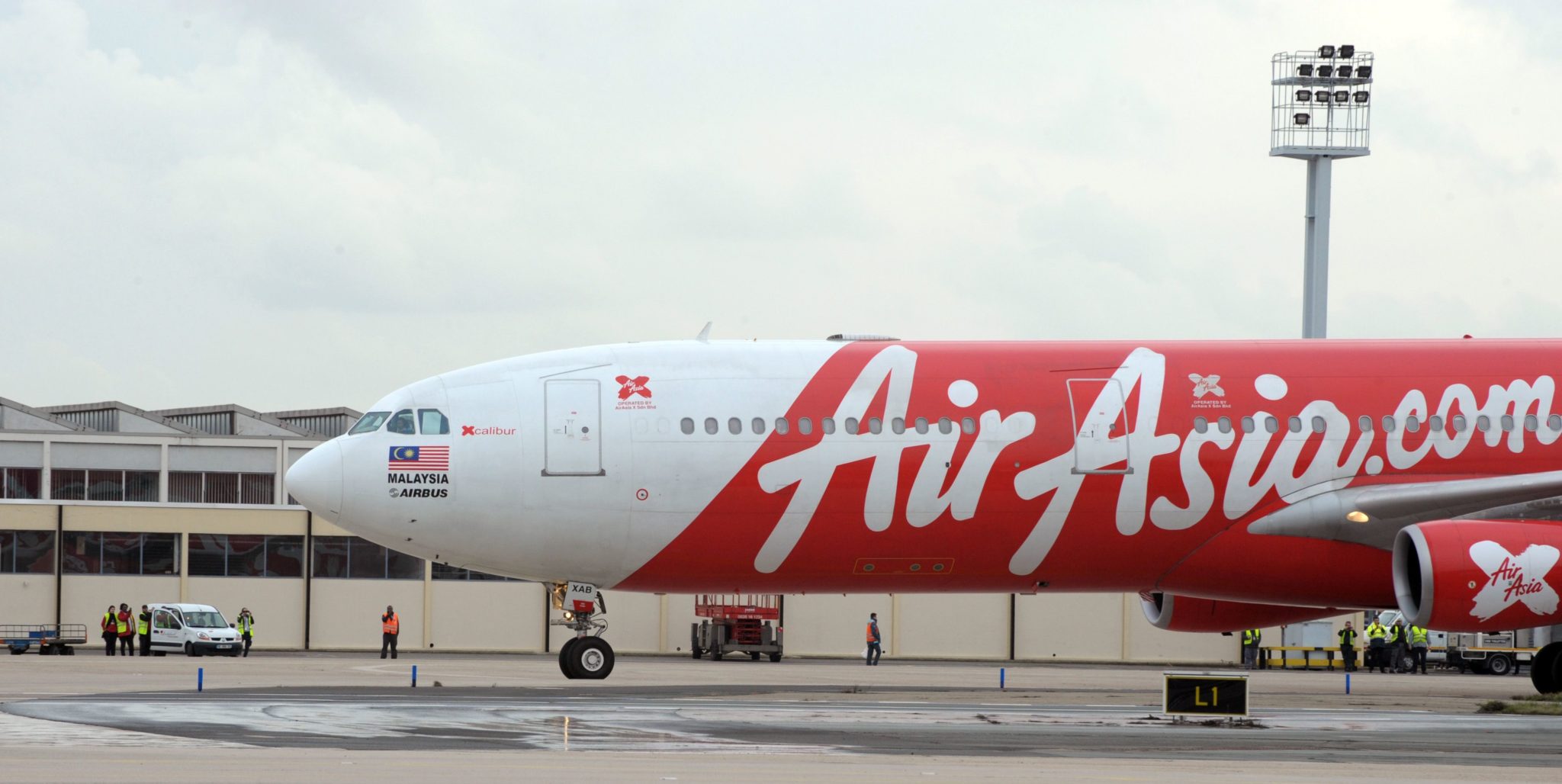
    AirAsia X is looking to launch flights to Europe using the Airbus A330neo. Flights could commence as soon as 2019, with the airline keen to reenter the market as quickly as possible.

    AirAsia X previously operated flights to Europe, but suspended these flights back in 2012. Now, it seems that the airline is ready to restart these flights. AirAsia X have 100 A330neo aircraft on order, with deliveries due to start later this year. As well as eyeing European service for these new planes, they may also look to start flying to the US too.

  • Are Indonesian online travel agents dropping AirAsia

    Are Indonesian online travel agents dropping AirAsia

    Following AirAsia’s withdrawal of flights from online travel agent Traveloka, the airline told that it will be placing its focus on enhancing its products and services as well as website and mobile app instead. This comes as online agents are rumoured to be asked by major Indonesia airlines to keep AirAsia’s Indonesia flights out of their platforms. The online agents reported by the travel publication include Traveloka, Tiket.com, Panorama Group, Golden Rama Tours & Travel, and Wita Tour. Traveloka PR director Sufintri Rahayu said that she hopes that AirAsia’s withdrawal is “not a permanent decision” and the company is currently discussing with the airline how to “reach the best outcome for all relevant parties.”

    She added, “We have always done our best to provide an open and fair online platform for all our airline and travel partners, including AirAsia, to sell their services to our customers. We respect and recognise AirAsia’s position as an important regional airline in Southeast Asia. Our faith and goodwill towards AirAsia remain high as ever.”

    Meanwhile, a spokesperson from AirAsia reiterated that it remains “open to dialogue with business partners” but  did not comment further on the alleged bans from various online travel agents. Previously, AirAsia Indonesia president director Dendy Kurniawan called Traveloka out for unexplained disappearance of AirAsia Indonesia flights from Traveloka for the second time in the two weeks. He said that the omission of flights has “hurt” cooperation between AirAsia and Traveloka, adding that Traveloka has “not acted in good faith.”

    Brand impact and sale for AirAsia

    While it remains uncertain how long this saga will last, aviation consultant at CommunicAvia Gerry Soejatman said that it is “unlikely for the withdrawal to impact on AirAsia’s international market”. Even domestically, the impact may not be as high as one would have expected. He explained,

    In Indonesia, AirAsia is perceived to be the airline with the strongest direct selling compared with the others, and its customers are generally quite loyal.

    And while being on online travel agents’ website is a great form of brand recall and point of sale for many travel brands, Construct Digital’s senior internal digital marketer Jan Mascarina suggested tactical campaigns such as awareness activations can help AirAsia elevate their position in Indonesian consumers’ minds. He said, “One way to do this, aside from aggressive media spending, is to maintain a social media presence that speaks local lingos and understands local trends, in order to connect with the very locals they are trying to win business from.”

    In terms of search marketing, AirAsia could consider hijacking competitor keywords. Mascarina said, “AirAsia can bid against searches for competing airlines in the country to keep itself as the first suggestion when users search for airlines.”

    He added with 97% of Indonesian search being powered by Google, this could present a low-hanging fruit for travellers exploring their options. Moreover, AirAsia could also bid against keyword searches “for the very travel site that it now finds itself at odds with, in order to funnel some of the users from these sites into their own website.” Additionally, AirAsia should find ways to engage and grow their current user base through loyalty or referral programs.

    Prantik Mazumdar, managing partner of Happy Marketer, a Merkle Company said if there is one independent airline brand that can fight being dropped from online travel agents’ lists on its own terms, it is Air Asia.

    “AirAsia is a pioneer in data-driven digital marketing and have made huge improvements in the recent past in terms of its mobile-first customer experience to drive bookings and multi-touch customer engagement,” he said.

    To further battle this challenge, AirAsia will need to invest resources in a multi-prong approach to capture more SEM traffic for generic keywords that are usually bid for by online travel agents. It will also need to run location-based dynamic ads to achieve higher relevance and click through rates. An added focus will be needed to improve conversion rates and cost per acquisition through tactical tweaks on landing pages and drive higher bookings through it’s existing customer base by targeting them through personalised offer emails or through custom audience ad messages on social media.

    “AirAsia will also need to now create more local destination related content independently or through syndicates that improve its SEO rankings; experiment with dynamic pricing to improve its average revenue per booking metric and beyond digital, you may also see them innovate through better bundled offerings and new partnerships with hotel chains and new age digital businesses in Indonesia,” he added.

    We have all seen that Tony Fernandes and his team relish a good challenge and I’m sure they will take this head on.

    He added that this could turn out to be a great imperative for AirAsia to further build on it’s own internal full stack marketing capability and reduce it’s reliance on online travel agents.

    Industry players said that one reason for airlines to exert pressure on travel agents may be because they “want to increase fares due to high fuel costs and AirAsia isn’t playing ball.” The article also said that several consumers have take their frustration about rising domestic airfares to an online petition, which has collected near to 400,000 signatures. In an update, it said that the Indonesian National Air Carriers Association and Transportation Ministry have since responded and brought the prices down on some flight routes.

    “Airlines usually sit together to discuss their challenges, but not to set prices, that would be illegal. The Indonesian Competition Commission is looking into those allegations,” Soejatman said.

  • Airasia will soon start selling flight tickets of other airlines

    Airasia will soon start selling flight tickets of other airlines

    AirAsia’s group CEO Tony Fernandes said the Malaysian low-cost carrier’s official website will soon start selling tickets of other airlines, as it looks to generate a new form of revenue. In a Twitter post, Fernandes said that AirAsia.com will be formed as a new company under the open sourcing firm that helps in building software, Red Hat Inc.

    Fernandes is confident that in time, airasia.com will generate as much gross merchandise volume (GMV) from non-AirAsia flight tickets as it does from selling AirAsia flight tickets. As of now, the GMV is $4 billion, he tweeted.

    GMV indicates total sales dollar value for merchandise sold through the ecommerce platform.

    Moreover, in a series of tweets, Fernandes announced that the hotel sales via the website increased 300 percent last week and is going to grow along with activities.

    He added that AirAsia’s loyalty points will help drive more people, because of their database, to the platform, which claims the strongest platform among ASEAN (Association of Southeast Asian Nations).

    “We have a much more powerful database and better knowledge of our customers than OTA,” he said in a tweet.

  • AirAsia to launch Mumbai-Kolkata daily flight from Mid-April

    AirAsia to launch Mumbai-Kolkata daily flight from Mid-April

    Low cost carrier, AirAsia India Friday announced the launch of its flight services to Kolkata from the city next month. This would be airline’s second destination from Mumbai after it started operating daily services to Bengaluru from the country’s financial capital.  AirAsia India will now fly connecting Kolkata and Mumbai, with one daily flight, effective April 15, the airline said in a release Friday.

    The introduction of Mumbai-Kolkata route comes close on the heels of AirAsia India adding eighth additional flights to its network of 19 destinations.

    “We recently introduced the first connection between Bengaluru and Mumbai and are now adding a new connection between Mumbai and Kolkata. It’s a key market for AirAsia and this flight will strengthen our operations in East. This new route is a manifestation of our future growth plan in these key and important business markets, said Sunil Bhaskaran, managing director and chief executive officer, AirAsia India.

    AirAsia India, a joint venture between Tata Sons and Malaysian airlines’ group AirAsia, currently operates to 19 domestic destinations with a fleet of 20 Airbus A320 planes. The group made its first entry in the Mumbai market with the launch of AirAsia Berhad services to here from Kuala Lumpur in May 2010.

    However, in 2012 it withdrew the route citing high airport charges. But came back again with its subsidiary Indonesian AirAsia X in May 2017, which was again discontinued in April last year.

  • AirAsia’s Tony Fernandes quits Facebook, citing social media ‘hate’

    AirAsia’s Tony Fernandes quits Facebook, citing social media ‘hate’

    AirAsia Group chief executive officer Tony Fernandes closed his Facebook account and said he may shut his Twitter page, citing “hate” being transmitted on the networks after the live-streaming of the terror attack on two mosques in New Zealand.

    “The amount of hate that goes on in social media sometimes outweighs the good,” Mr Fernandes said in a Twitter post on Sunday (March 17).

    “But on Twitter, I think the battle for me goes on.”

    Mr Fernandes said his Facebook account had 670,000 followers. He said in a Twitter post on Saturday that while he is “a big fan” of social media, he had to think hard about whether to remain on Facebook after Friday’s mass shooting that claimed 50 lives in New Zealand’s second-largest city of Christchurch.

    Mr Fernandes has about 1.29 million followers on Twitter and has tweeted more than 20,200 times since joining in 2008, commenting often on the performance of his companies and sports teams.

    He is the co-owner of English football club Queens Park Rangers. AirAsia is one of the region’s biggest discount carriers.

  • AirAsia launches cheap fares to Bali, a thriving tourism destination for many Australians’

    AirAsia launches cheap fares to Bali, a thriving tourism destination for many Australians’

    AirAsia is offering cheap one-way fares to a tropical Indonesian island, which has been tipped to take the top spot as the favourite destination for Australians. The budget airline announced its new four-time weekly flights between Perth and Lombok, east of Bali this week.

    As part of the announcement, AirAsia is offering one-way flights to Lombok from just $99. AirAsia has launched cheap one-way fares to Indonesia’s newest holiday hotspot Lombok, which has been tipped to take the top spot a favourite destination for Australians

    The budget airline announced its new four-time weekly flights between Perth and Lombok, east of Bali this week Jetsetters can snag the cheap flights until March 24, to travel between June 9 and October 26.

    Australian sun-seekers are expected to flock to the new destination, which has been described as ‘the new Bali’.

    Lombok, east of Bali, has gearing up to become the next tourism hotspot with promises of endless blissful beaches.

  • AirAsia announces ‘Red Hot’ sale started Monday

    AirAsia announces ‘Red Hot’ sale started Monday

    AirAsia Philippines said it would offer seats for selected domestic and international flights for as low as P16 starting on Monday.

    AirAsia will offer fares from as low as P16 for flights from Clark to Iloilo, Tacloban, Puerto Princesa, and Cagayan De Oro; P201 for flights from Manila to Kalibo, Cebu, Davao, Bangkok, and Kuala Lumpur; and P316 for flights from Cebu to Cagayan De Oro, Davao, Caticlan, Singapore and many more destinations.

    The sale will run from March 11 to 17 for travel from September 1, 2019 to June 2, 2020.

    AirAsia BIG members will also enjoy 24-hour priority access to the sale from March 10.

    Aside from discounted fares, AirAsia will also be offering discounts on its inflight meals and pick-a-seat options.

    Bookings can be made on AirAsia’s website and on its mobile app.

  • AirAsia offering five million promotional seats

    AirAsia offering five million promotional seats

    Budget airline AirAsia is offering five million promotional seats and this time with a bundle of discounts for hotels, add-ons and duty-free products.

    Promotional all-in members fares are up for grabs from as low as RM12 for flights from Kuala Lumpur to Kuantan, Johor Baru, Kota Baru and Penang, and from RM36 for flights to Can Tho, Padang, Hua Hin, Siem Reap, Banda Aceh, and many more.

    “Fly with AirAsia X (long-haul, low-cost affiliate affiliate of AirAsia Bhd) from as low as RM199 for flights from Kuala Lumpur to Tianjin, Gold Coast, Osaka, Seoul, Honolulu and others.

    “For comfort and perks, the Premium Flatbed from Kuala Lumpur to Jaipur, Taipei, Chengdu, Fukuoka, Jeju from only RM699,” AirAsia said in a statement today.

    Bookings can be done at airasia.com and the AirAsia mobile app from March 11-17, 2019 for travel between September 1, 2019 and June 2, 2020.

  • AirAsia opens technology centre in India’s Silicon Valley

    AirAsia opens technology centre in India’s Silicon Valley

    AirAsia has unveiled a new technology centre in Bengaluru, India’s Silicon Valley, housing 35 software engineering and technology experts each tasked to design and create custom-built solutions for AirAsia’s airline and digital businesses.

    The new centre affirms its mission to transform into a travel technology company, AirAsia said in a statement. The team will work to streamline the airline’s digital assets such as airasia.com and the AirAsia mobile app, alongside the creation and implementation of new products and enhancements such as the new AI-powered chatbot, AVA, to provide frictionless journeys for the airline’s guests.

    The opening of the new technology centre is one of many global initiatives AirAsia is exploring to drive its digital transformation. In recent times, AirAsia has implemented a number of new digital features including flight search mapping and voice assistance which provides guests with a more seamless, user-friendly experience on its mobile app. Last October, it also collaborated with Google Cloud to integrate machine learning and artificial intelligence into every aspect of the airline’s business and culture.

    Aireen Omar, AirAsia deputy group CEO (technology and digital) said: ““India is a source for innovation and cutting-edge technology, and offers us tremendous growth potential when it comes to our mission to develop an all-encompassing travel technology ecosystem. This is why we are so excited to expand our footprint in India with the opening of a new technology centre.”

    AirAsia India MD and CEO Sunil Bhaskaran added that India’s skilled manpower can address the requirements of the global market, at the same time adding value to the Indian ICT industry and helping to strengthen the industry ecosystem.

  • Ex-AirAsia marketer Kathleen Tan shares her personal challenges as a female boss

    Ex-AirAsia marketer Kathleen Tan shares her personal challenges as a female boss

    While there have been a wave of female leaders breaking the glass ceiling, women still face challenges in the workplace and those in leadership positions are often seen as aggressive or difficult. In 2018, Malaysia was ranked the sixth lowest in East Asia and the Pacific by the World Economic Forum in its Global Gender Report 2018, which measures countries on their progress towards gender parity.

    The country had a score of 0.676 out of 1.0 and was ranked 101th globally. Meanwhile, Singapore came in 67th with a score of 0.707, while Indonesia was ranked 85th with a score of 0.691. In line with International Women’s Day, A+M speaks to female leaders in the industry about their views on being a female boss and the challenges that come with it.

    Kicking off the series is marketing veteran Kathleen Tan (pictured), former AirAsia president of China who also previously helmed regional roles at Warner Music and FJ Benjamin. Tan shares her journey about being a female boss and the biggest challenges women on top in the advertising and marketing world face today.

    A+M: What has been the toughest thing about being a female boss?

    Tan: In my corporate journey, I have never put a lot of focus on my gender but rather on what I can contribute, and leverage on my ability to make a difference in whatever I do in my position as a professional and to do my best. However, there are some moments where I have to deal with male staff who let me or themselves down when it came to performance, and the toughest times for me is to see a man break down in front of me. Such moments strike the raw nerves of my gender and breaks my heart to see a man, who is traditionally seen as “macho”, cry.

    I worked in one of toughest industries – aviation – which is highly male-dominated who view women differently, and they see senior management roles more suited for qualified men than women. My toughest challenge is to combat prejudices in my early days as someone who came from an entertainment background and knew nothing about the aviation industry while also being a woman. I had to constantly deal with government regulators, especially in China. Many possess traditional views and dealing with foreign woman like me shocked their system.

    Instead of being daunted, I chose to view my role as a ‘novelty’ and took on the challenge to win and influence them with wit, charm and smartness.

    A+M: Staff members aren’t always the kindest to opinionated female leaders, how do you deal with this?

    Tan: I get this a lot and I either ignored them or squared with them. If things get out of control, confrontation is best way to handle them. Generally, people are still not used to seeing women speaking up or calling the shots as corporate boardrooms are still dominated by men. It takes courage, honesty to confront the issue and deal with it in a professional manner. After we became friends, I have had male leaders confess that they too get intimidated with strong women and are sometimes unsure of how to handle them, as well as what to wear when they had to meet me for the first time and what my expectations were.

    A+M: What are some of the biggest challenges women on top in the ad/marketing world face?

    Tan: Prejudices, discrimination and sometimes sexual harassment as women are viewed as the “the weaker sex” in the corporate world. However, to address and improve this, women must step up, be aware of our rights and not be afraid to call them out. Just focus on your competence and confidence to deliver results. The way we carry ourselves is also important so as to not send wrong signals.

    The ability to deliver results and be professional will silence critics.

    A+M: What was the toughest thing about getting to the top?

    Tan: As women contributors, we should not focus too much on our gender and if we want to be taken seriously, we should not expect to be treated differently but rather focus on our ability to deliver, work smart and not just work hard. While women have attributes that some may see as weakness, focus on turning them into advantages.  This has worked so well for me in a male dominated industry where I spent many years.

    My respect goes to women who can strike a good balance, to have a career, be a wife and mother. The key is to also build a strong support system whether it is in the workplace or at home. Having a strong mental resilience is essential.

    For women who are ambitious, build advocates with your male colleagues to win and influence them. Honest engagement with HR and management also helps.

    A+M: Is sexism and harassment in the ad/marketing industry an issue in Southeast Asia markets? 

    Tan: I believe it’s not just in Southeast Asia but an issue that is getting more attention and awareness by regulators especially through social media.

    A+M: Do you see tides changing locally since the emergence of the #MeToo movement?   

    Tan: It will take time but Asia is still behind and I believe with the Millennial generation, the issue may be lessened as their values are very different from the colonial era.

  • AirAsia scores with Malaysian Football League partnership

    AirAsia scores with Malaysian Football League partnership

    AirAsia has scored an agreement with the Malaysian Football League (MFL) to become the exclusive official airline for the 2019-2020 league season. As part of the partnership, AirAsia will support MFL teams playing in the Piala Malaysia, Liga Super, Liga Premier and Piala FA tournaments with discounted fares for them to fly with the airline to games across Malaysia and the region.

    AirAsia will also have the rights to sell match tickets either as standalone or packaged with flights and/or hotel deals through airasiaredtix.com.

    According to AirAsia’s group CEO Tony Fernandes, the MFL deal is an “incredible opportunity” for the airline to continue supporting Malaysian football. “We are proud to be able to play a part in inspiring a new generation of dreamers and making dreams come true for the players, the teams, and ultimately, the fans. We look forward to welcoming our heroes and their fans on board,” Fernandes added.

    MFL CEO Kevin Ramalingam said: “It’s not often that you see a Malaysian company make it big, and I think we can all be proud of what Fernandes and his team have achieved. We hope that with this partnership, the local football scene will grow to even greater heights as we strive towards putting Malaysia on the footballing map again.”

    The airline has been active in the football scene. Last year, it tied up with AFF Suzuki Cup 2018 as the official supporter for the first time, to drive greater fan engagement and offer players with more exposure in their home countries. It also picked Brazilian footballer Roberto Carlos as its global brand ambassador for two years.