Tag: Alibaba

  • Alibaba A.I. Labs Launches Hospitality Robot

    Alibaba A.I. Labs Launches Hospitality Robot

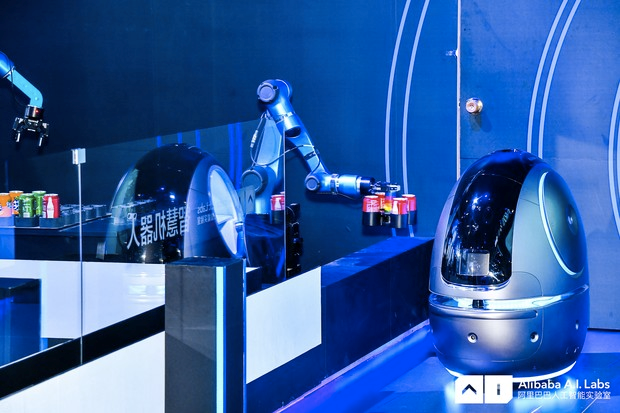
    The robotics industry is revolutionizing the world, and Alibaba A.I. Labs is raising the stakes in this cutting-edge industry with the announcement of launching service robots for the hospitality sector starting in October. Alibaba A.I. Labs is the department leading consumer AI product development at Alibaba.  Hotels have until now depended entirely on human labor. But the Labs’ service robot – from delivering meals to taking laundry to guests – demonstrates what guests can expect at hotels in the future. Guests talk to the robot via voice command, touch and hand gesture, and its responses are driven by AliGenie, the software that powers Alibaba A.I. Labs’ smart speaker, Tmall Genie.

    “We are excited by this tremendous development that is helping us bridge the gap between guest needs and the response time that they expect. Alibaba A.I. Labs’ robot is the next step in the evolution towards smart hotels. In addition, it is solving pain points in the hotel sector, such as enhancing service efficiency, with our leading AI technologies,” says Lijuan Chen, General Manager of Alibaba A.I. Labs. “The robot will be the ultimate assistant for hotel guests who want everything quickly and conveniently at their fingertips.”

    The technology that drives the Labs’ service robot is state-of-the-art, combining aluminum casing with multi-sensor data functionality and parallel computing for lightning quick responses. It also includes a semantic map, autonomous navigation system to identify obstacles, communication systems to control elevators, and identity verification via facial-recognition technology.

    The robot’s height is less than one meter, while its walking speed reaches one meter per second. After a trial at a hotel, Alibaba A.I. Labs will assess its suitability for other areas, including hospitals, restaurants and office services.

    According to the International Federation of Robotics, the global market for service robots are on the rise. The market is expected to grow from 20% to 25% from 2018 to 2020, while the sales forecast 2018-2020 indicates a cumulative volume of around 27 billion U.S. dollars for the professional service segment.

    Following the unveiling of the robot, Alibaba A.I. Labs also announced Tmall Genie Auto, the latest initiative in smart mobility and expanding the Tmall Genie ecosystem.

    Tmall Genie is the most popular smart speaker in China, with over 5 million units sold since its launch in 2017. It ranks number three in total shipments in the global smart-speaker market.
  • Alibaba’s Jack Ma opens tech institute in Indonesia

    Alibaba’s Jack Ma opens tech institute in Indonesia

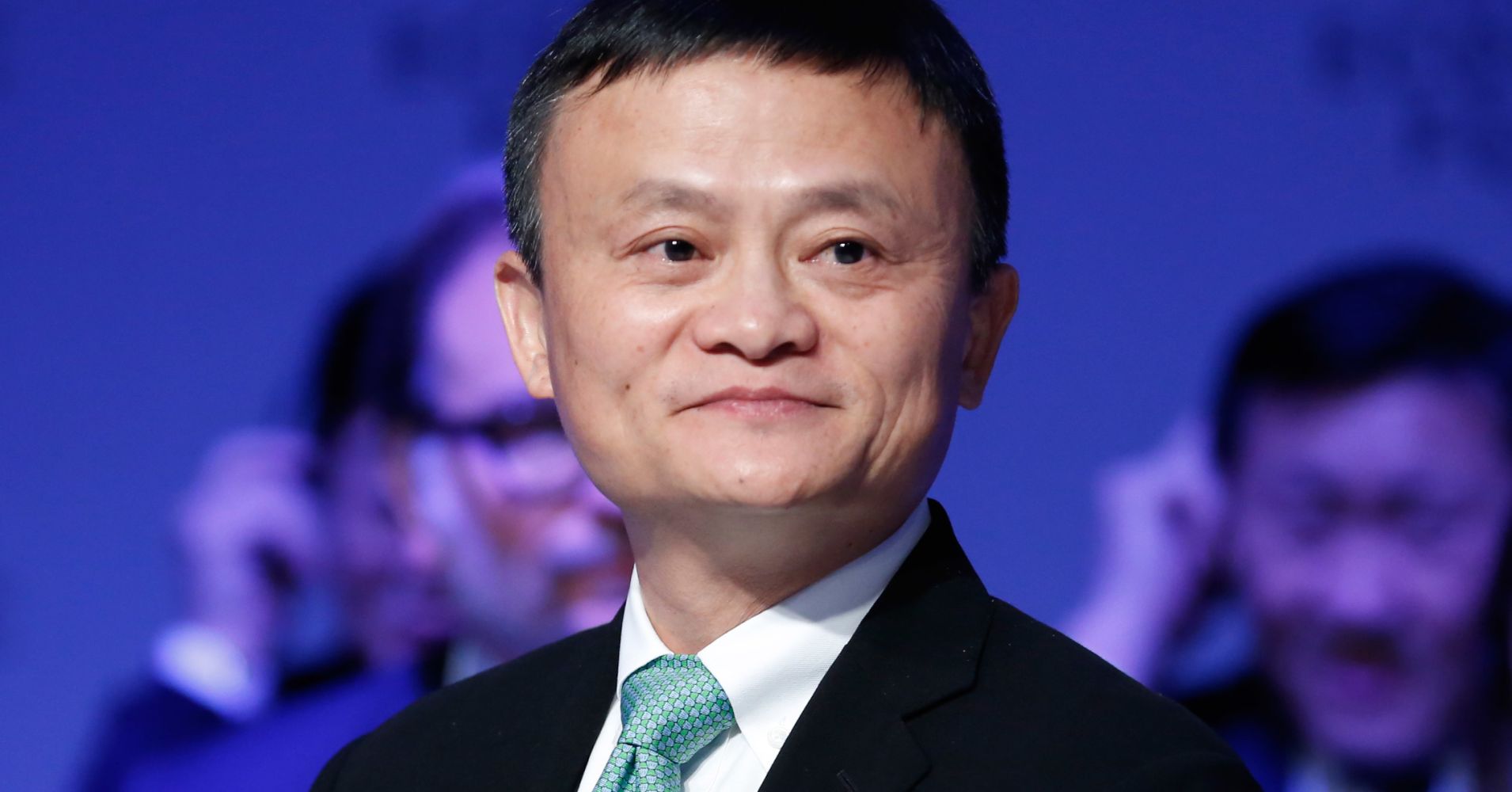
    Jack Ma, executive chairman of China’s Alibaba Group Holding, plans to open an institute to train thousands of tech entrepreneurs in Indonesia, where he is already an adviser to the government on e-commerce.

    Ma did not say when the Jack Ma Institute of Entrepreneurs would launch, but said the aim was to train 1,000 tech leaders a year over the next 10 years.

    “We’re giving a lot of opportunities for young Indonesian people to learn,” Ma said after meeting Indonesian ministers on the sidelines of the International Monetary Fund and World Bank meetings being hosted by Indonesia.

    The co-founder of Alibaba, China’s biggest e-commerce firm, said it is important for Indonesia to invest in human capital because “only when people improve, when people’s minds change, when people’s skills improve, then we can enter the digital period”.

    Indonesia has a shortage of trained engineers in technology and the institute will also train hundreds of developers and engineers on cloud computing to help make Indonesian businesses more digital-savvy.

    The country is a key market for Alibaba, whose cloud computing arm Alibaba Cloud launched a data center in Indonesia in March.

    Ma said his company would continue to invest “not only on e-commerce, but also cloud computing, logistics and…infrastructure” in Indonesia, while also helping local businesses to grow.

    Indonesian Communications Minister Rudiantara stated last month that Indonesia was partnering with Ma to look into ways to harness Alibaba’s businesses to increase its exports, particularly to China.

    McKinsey estimated in a report released on Aug. 30 that the value of Indonesia’s e-commerce market will surge to at least $55 billion (£42 billion) by 2022 from $8 billion in 2017.

    Last week, Ma told a panel discussion at the IMF and World Bank meetings that “the internet is designed for developing countries”, with “great opportunities in Africa” also.

  • New Product Debuts on Tmall to Reach 20million in 2018

    New Product Debuts on Tmall to Reach 20million in 2018

    Alibaba Group’s Tmall, China’s largest B2C marketplace for brands, has fast become the “go-to” platform for Chinese consumers who want access to new gadgets and products from around the world.

    In 2017, 12 million products debuted on Tmall, a number expected to exceed 20 million this year, as global brands respond to the array of innovation capabilities available to them.

    “Inspiring millions of Chinese consumers to pursue better lives, Tmall aims to help every brand speed up its product R&D, innovation process and time-to-market, reducing the risks faced by introducing a new product. This also allows more new categories and products to feature in Chinese consumers’ lives at a much faster pace,” said Tmall President Jet Jing.

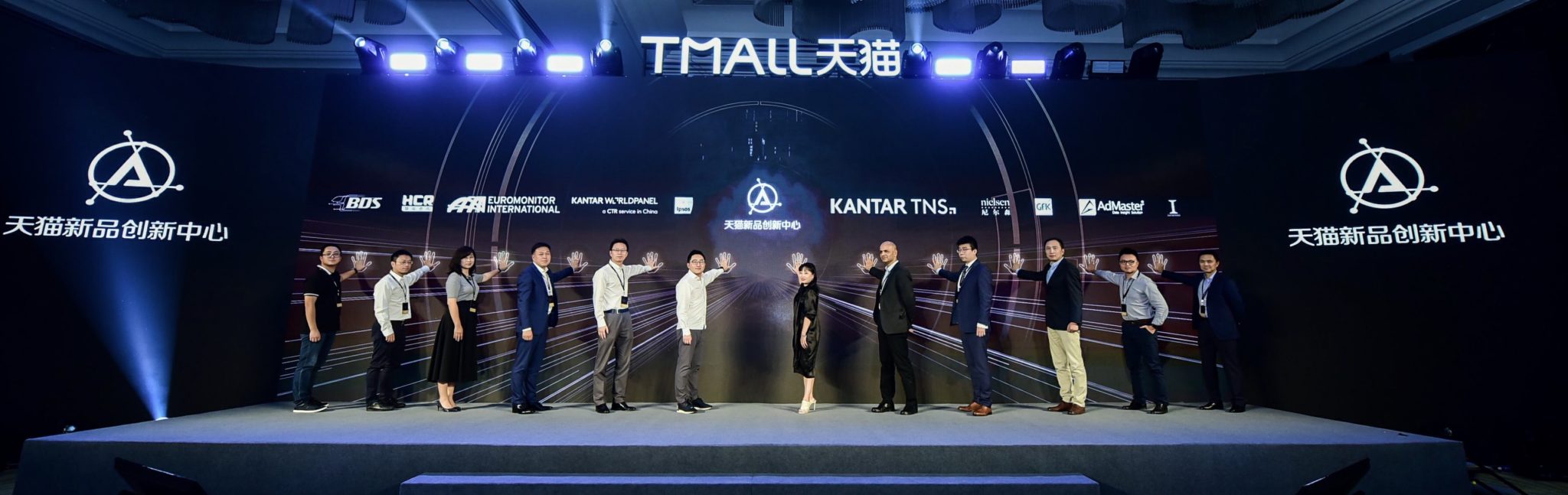
    By marrying the platform’s valuable consumer insights with analytical and research capabilities, Tmall Innovation Centre (TMIC), the dedicated retail innovation arm of Tmall, is focused on improving the effectiveness and efficiencies around launching new products. TMIC has collaborated with 81 leading enterprises over the past year, covering 600 individual brands. The household names which have already benefited include P&G, Unilever, L’Oréal, Estee Lauder, Shiseido, Mars and Samsung.

    TMIC has announced an alliance with 10 leading research and data technology firms to extend the capabilities of the ecosystem. Through this, TMIC is now joining with the industry to provide brands the necessary insights and analysis to supplement their research and development around new products, which will shape their China strategy. Partners include global market-research firms, The Nielsen Company, Ipsos, Kantar TNS, GFK and Euromonitor International, along with Kantar Worldpanel, which specializes in consumer panels and insight, and AdMaster, a Chinese marketing data technology company.

    This alliance pairs TMIC’s consumer reach and insights with the methodology and knowledge of its partners. Solid models will be built that cover the end-to-end process of product development, from R&D to precision marketing.

    Statistics from Alibaba have shown that brands working with TMIC have managed to cut the length of their product development cycle in half, at the same time mitigating the risks of misjudging consumer tastes and preferences.

    For example, with TMIC’s discovery of younger women’s preference for mouthwash products with flower and fruit flavors, Listerine, Johnson & Johnson’s oral care brand, will launch two mouthwash products in China during this year’s 11.11 Global Shopping Festival targeting women. Using the insights from TMIC, Listerine have only needed around five months to complete the “idea-to-shelf” journey.

  • Theory Expands Footprint in China with Tmall Debut |

    Theory Expands Footprint in China with Tmall Debut |

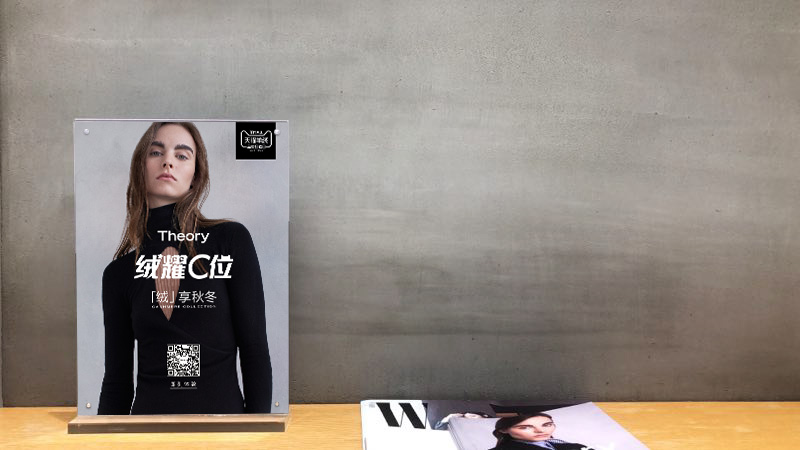
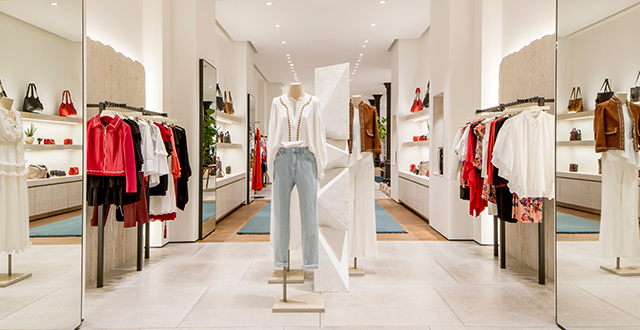
    New York-based clothing label, Theory, known for its minimalist, precisely tailored wardrobe essentials, has opened its first online store in China on Alibaba’s Tmall e-commerce platform and its dedicated site for high-end shoppers, Tmall Luxury Pavilion. The stores offer all items in Theory’s womenswear and menswear collections available in its brick-and-mortar stores, including its newest Good Wool and autumn-winter 2018 lines. Offline, the brand currently counts 33 stores across 17 cities in China, a number it expects to double in three years.

    “Tmall’s partnership with Theory is a milestone in our continued market leadership in China as the premier B2C platform for fashion. We will empower Theory through our unparalleled data-driven consumer insight and New Retail technology to serve and discover fashion consumers across China, as well as build lasting relationship with customers,” said Jessica Liu, president of Tmall Fashion and Luxury.

    As part of the partnership agreement, Theory and Tmall will work more closely to leverage consumer insights and offer personalized New Retail experiences, starting with providing the same bonus points, sales benefits and exclusive birthday perks to Theory’s hundreds of thousands of VIP loyalty club members, both online and offline, for a more-seamless shopping experience across all channels.

    Tmall also provided the brand with marketing support, such as promoting its popular merino wool and cashmere clothing on Tmall Cashmere Category Day, an online-to-offline, multi-brand marketing event that ran from Sept. 24 to 26. The category is specially highlighted because of growing popularity of cashmere goods among the 30-40 age group on the platform, with the most rapid sales growth coming from younger consumers under 30 years old, the e-commerce platform said.

    “We will continue to roll out similar campaigns with Theory. At the same time, the brand has already merged its online and offline membership system to ensure the most complete set of rewards and services for its customers across all its online and offline channels,” said Anita Lyu, vice president of Tmall Fashion.

    Owned by Japan’s apparel giant Fast Retailing, Theory has pioneered a new category in the market now known as contemporary fashion — garments and accessories with designer aesthetics and premium quality, but sold at more-affordable price points. Contemporary fashion labels include Massimo Dutti, Charles & Keith and H&M Group’s COS.

    Aside from Theory, Fast Retailing also owns fashion brands, including Austrian contemporary label Helmut Lang, Los Angeles-based demim brand, J Brand and French lingerie brand, Princesse tam.tam, as well as premium fashion brand Comptoir Des Cotonniers. Two of its brands, Uniqlo and GU, have already opened flagship stores on the Tmall platform.

  • Blockchain Yet to Prove Its Use to the World according to Jack Ma

    Blockchain Yet to Prove Its Use to the World according to Jack Ma

    Alibaba chief Jack Ma thinks blockchain tech is pretty meaningless – unless it helps us transform the manufacturing industry and protect the environment.

    In a keynote at World Artificial Intelligence Conference in China, the star entrepreneur shared his beliefs that budding technologies like blockchain, artificial intelligence (AI), and the Internet of Things (IoT) have yet to prove their utility to the world.

    For the record, while he did touch on blockchain, Ma focused his speech on some common misconceptions about AI and what role the technology can play in the future.

    Although the entrepreneur stopped short of revealing whether and how Alibaba intends to integrate blockchain into its services, it appears the company is no stranger to distributed ledger tech (DLT). Indeed, reports suggest Alibaba and IBM hold 90 percent of all DLT-related patents worldwide.

    “The data age is major opportunity for manufacturers to reform the industry,” Ma said at the conference. “But blockchain and IoT will be meaningless tech unless they can promote the transformation of the manufacturing industry, and the evolution of the society towards a greener and more inclusive direction.”

    Still, it turns out that wasn’t enough to stop Alibaba – and fellow Chinese tech giants Baidu and Tencent – from banning all cryptocurrency-related activities from its platform. A search for the two forums named “Digital Currency Bar” and “Virtual Currency Bar” shows that they have been temporarily closed in accordance with relevant laws, regulations, and policies.

    On the other hand, Alibaba and Tencent are cracking down on cryptocurrency transactions on their mobile payment services.

    WeChat, Tencent’s social media, messenger services, and mobile payments app, banned a series of cryptocurrency media outlets for spreading hype in violation of Chinese law.

    Now, Tencent has said in a statement that the company will also ban cryptocurrency trading on WeChat. The company will monitor daily transactions in real-time and block any cryptocurrency trading related activity.

    Alibaba Group’s Ant Financial said that it will take similar measures on its mobile payments app Alipay. The company will restrict or block all accounts that indulge in cryptocurrency trading.

  • Amazon, Alibaba seek Vietnamese sellers

    Amazon, Alibaba seek Vietnamese sellers

    E-commerce giants Amazon and Alibaba are looking to sign up more Vietnamese sellers for their online marketplace.

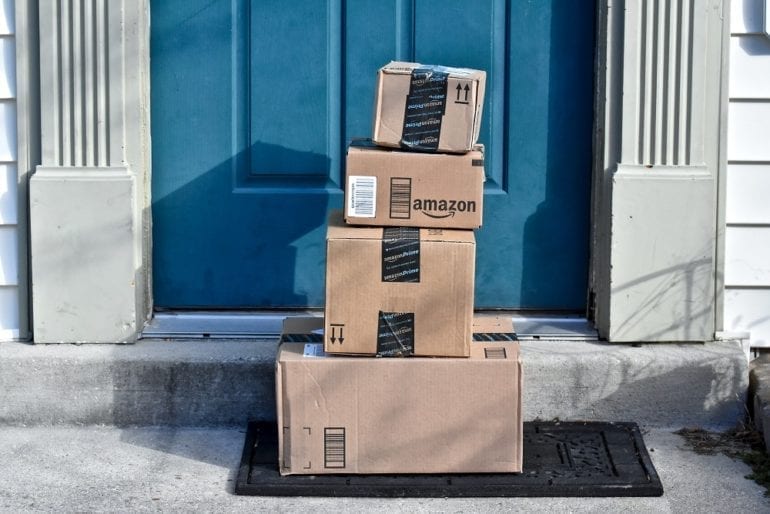
    U.S.-owned Amazon last month collaborated with the Vietnam E-commerce Association (VECOM) to organize a workshop called Selling Globally on Amazon in Hanoi and Ho Chi Minh City.

    The events attracted over 2,000 people each.

    Since March Amazon has been partnering with VECOM to host a number of training courses and workshops for sellers.

    It has launched a website and an official Facebook fanpage in Vietnamese to connect with individuals and businesses who want to sell their products on its network.

    Park Joonmo, CEO of Amazon Global Selling Korea and Southeast Asia, said there is an increasing number of Vietnamese sellers on Amazon, including manufacturers, brand owners and startups.

    They have started selling globally through Amazon to reach millions of potential customers all over the world, he said in a statement.

    Around 200 Vietnamese businesses are selling on Amazon, according to the Ministry of Industry and Trade.

    Experts said this number could rise greatly since Vietnam is a major exporter of items such as agriculture produce, foods and furniture.

    China’s Alibaba has also been looking for Vietnamese sellers on its AliExpress website since July.

    AliExpress executive Yang Ninh said Vietnam is one of the most diverse manufacturers in the world, and its growth makes it an important destination for Alibaba.

    AliExpress wants to open the door for Vietnam to over 200 markets around the world, he added.

    Vietnam’s e-commerce market grew by 25 percent last year, according to VECOM, which forecasts this rate to continue until 2020.

  • Alibaba invests in clothes sharing platform Ycloset

    Alibaba invests in clothes sharing platform Ycloset

    Alibaba has invested an undisclosed figure in Chinese garment-sharing platform YCloset.

    The site’s strategic fundraising round that secured the Alibaba funding will be used to expand its data analysis functions and physical operations centres.

    The Beijing-based service allows users to rent clothes and accessories for a monthly subscription fee. It has more than 15 million registered users and provides a range of subscription plans and options to purchase garments.

    YCloset CEO Liu Mengyuan said wearing fashionable clothes will “always top the agenda of almost every woman”.

    “Compared with buying items in a store, clothes rental services will allow women to update their looks more frequently and wear more dresses that they could not afford to buy.”

    He added that the company will cooperate with a number of e-commerce platforms including Xianyu, Taobao, Tmall and Alipay.

    Alibaba Innovation Ventures was among the investors who raised $50 million for YCloset last year in a series C fundraising round.

  • Tmall and L’Oréal China strengthen partnership

    Tmall and L’Oréal China strengthen partnership

    Alibaba Group’s Tmall, and L’Oréal China said today they’ll work closely together to find new ways for the beauty group to tap into the Chinese market, leveraging data-driven consumer analytics and a new value chain that better connects consumers, products and channels.

    Tmall Innovation Center (TMIC), the retail innovation arm of Tmall, will work closely with L’Oréal China to catalyze the consumer-to-business (C2B) approach, based on insights and trends generated from the 600 million-plus customer base across Alibaba’s marketplaces.

    The partnership’s first initiative will focus on China’s male-grooming industry. According to a white paper co-developed by TMIC and L’Oréal China Consumer Intelligence Team, online sales of men’s grooming products have increased by more than 50% in each of the past two years. In the past year, 62% of the male consumer pool between the ages of 15 and 50 said they used male-specific facial skincare products, showing a massive addressable market for male grooming products.

    “With Tmall’s unparalleled customer insight, we are committed to helping L’Oréal China offer its customers best-in-class personalized product experiences. Tmall has transformed product development in every area, from product innovation and brand building to consumer assets and channel management. We help brands discover new demand and markets as well as offer completely new customer experiences,” said Jet Jing, President of Tmall.

  • Alibaba invests in China’s YCloset

    Alibaba invests in China’s YCloset

    Chinese e-commerce giant Alibaba Group has invested for a second time in fashion rental platform YCloset, injecting an undisclosed sum.

    The Beijing-based YCloset is set to use to funds plans to expand its current team, upgrade the recommended algorithm system and continue to build its warehouse and cleaning operation centre.

    The start-up will also cooperate with Alibaba’s used goods platform and social media outlet Xian Yu.

    This is the second time Alibaba has closed on an investment round in YCloset. The first, back in September 2017, saw Alibaba join fellow investors SB China Capital and Sequoia Capital to complete a $50 million series C round in the start-up.

    Founded in 2015, YCloset charges users a monthly subscription fees (RMB499 or US$72.3) to rent clothes and accessories, and stocks hundreds of fashion and luxury brands such as Kenzo, Acne Studios and Self-Portrait.

    It claims to have more than 15 million registered users across 40 cities in China including Beijing, Shanghai, Guangzhou and Shenzhen.

    The news follows Alibaba’s ceding control of its Russian business to form a new venture with a state fund and two technology firms, and news that chairman Jack Ma plans retire in September 2019.

    Alibaba’s revenue rose 61% to 80.9 billion yuan ($11.77 billion) in the April-June period.

  • Indonesia to Work With Alibaba’s Jack Ma to Increase Exports: Minister

    Indonesia to Work With Alibaba’s Jack Ma to Increase Exports: Minister

    Indonesia will partner with Alibaba chief executive Jack Ma to look into ways to use of the e-commerce giant’s ecosystem to increase its exports, particularly to China, Communications Minister Rudiantara said on Sunday.

    “We are also discussing how to work together to develop tech talents to meet the needs of Indonesia and the region,” Rudiantara said after meeting Ma and President Joko “Jokowi” Widodo on Saturday.

    The Alibaba founder and chief executive, who was in Jakarta for the 2018 Asian Games, was named an e-commerce adviser to the Indonesian government in 2017.

    McKinsey estimated in a report released on Aug. 30 that the value of Indonesia’s e-commerce market will grow to at least $55 billion by 2022 from $8 billion in 2017.

    Alibaba is China’s biggest e-commerce firm, but its ecosystem includes payments platform Alipay and a cloud computing arm.

    Rudiantara told Reuters the details of the deal would be finalized during a second visit by Ma in October.

  • Alibaba Group revenue jumps high

    Alibaba Group revenue jumps high

    Alibaba Group revenue soared 61 per cent in the second quarter as the behemoth achieved a record 576 million active annual consumers in its marketplace – 24 million more than three months earlier.

    Total revenue was RMB80.92 billion (US$12.229 billion), with revenue from core commerce increasing by the same rate to RMB69.188 billion (US$10.456 billion).

    Cloud-computing turnover rose 93 per cent, entertainment and media by 46 per cent and revenue from innovation initiatives and other activities by 64 per cent.

    The number of mobile monthly active users on China retail marketplaces reached 634 million in June 2018, up 17 million on three months earlier.

    Adjusted earnings before interest tax and amortisation for Alibaba’s core commerce operations was RMB32.797 billion (US$4.956 billion), an increase of 22 per cent year on year, representing a margin of 47 per cent. Net income attributable to shareholders was RMB8.685 billion (US$1.313 billion), down on the same period last year due to a one-off accounting adjustment relating to Ant Financial. Without that, profit would have risen about 33 per cent.

    “Alibaba had another excellent quarter, with significant user expansion and even more robust engagement across our growing ecosystem,” said CEO Daniel Zhang. “Our China retail marketplace business continues to gain share, with New Retail initiatives driving further revenue growth and enabling our retail partners to seamlessly serve customers.

    “We are executing our plan of providing more value and choice to users along the consumption continuum, with digital entertainment and local service offerings that tap into big addressable markets beyond core commerce,” he said.

    “We will continue to invest in strategic business opportunities and innovation to sustain our competitive advantage and for long-term growth.”

    CFO Maggie Wu said the company was pleased with the strength and rapid growth of its business at such significant scale.

    “The exceptional growth across our major segments of core commerce, cloud computing and digital media and entertainment validates our strategy of investing in customer experience, product, technology and infrastructure for the future. We remain confident

    in our ability to continue to gain market leadership by delivering unique value propositions to our business customers, partners and consumers,” said Wu.

    Taobao growth

    Alibaba Group says growing use of its Taobao app helped grow the number of active monthly users on the Taobao platform rise by 17 million during the quarter, taking the total to 634 million.

    “Ongoing improvements in search and personalised recommendations on the Taobao App supported the acceleration of Taobao paid gross merchandise volume (GMV) growth during the quarter,” the company said. “During the quarter, around 80 per cent of the increase in annual active consumers were from lower tier cities as the platform broadened its offerings and services into those regions.

    Tmall gains wallet share

    Tmall, meanwhile, continued to gain wallet share and expand Alibaba Group’s B2C market leadership, the company said.

    Excluding unpaid orders, physical goods GMV grew 34 per cent year on year during the quarter. “The robust growth was driven by continued increases in conversion rates and average consumer spending with strong performance from FMCG, consumer electronics, apparel and home goods categories.

    “Tmall gained further mindshare among domestic and international brands as the leading brand-building and distribution platform that is capturing increasing consumer exposure and spending by users in China. During the quarter, international brands such as MCM, Moschino and Giuseppe Zanotti launched flagship stores on Tmall and joined the Luxury Pavilion, its customised and premium shopping experience for consumers.”

  • Alibaba signs new deal that speed up cosmetics certification in China

    Alibaba signs new deal that speed up cosmetics certification in China

    Alibaba Group has signed a deal with Zhoushan Free Trade Zone, in China’s eastern Zhejiang province, that speeds up the cosmetics certification in China for Tmall brands who want to import non special-use cosmetics.

    This agreement, signed between the Hangzhou-based e-commerce giant and two Zhoushan City government agencies, cuts the approval time down from a typical six to eight months to just three months, Alibaba said.

    The expedited service could be a major boon for brands that wish to accelerate the launch of their products in China, as they move to keep up with the rapidly changing tastes of the Chinese consumers, said Jet Jing, the head of Alibaba’s B2C marketplace Tmall.

    According to Chinese regulations, non-special-use cosmetics are products that do not have any specialty functions, such as lipstick and eyeshadow. Specialty items, such as sunscreen or freckle-removal cream, are not included in this agreement. Currently, nearly 80 per cent of the cosmetics sold on Tmall are non-special use, Alibaba said.

    The deal, effective immediately, is result of a policy enacted in March last year through which the China Food & Drug Administration accelerated the approval time for first-time imported non-special used cosmetics at the Shanghai FTZ. Since then, 11 FTZs nationwide, including Zhoushan, have been granted permission to offer the same expedited approval by centralising all the necessary testing agencies in one location.

    In China, only the very first shipment of non-special-use cosmetics undergoes this kind of testing. After that initial approval, all other testing is random in order to ensure that the quality of imported cosmetics is maintained. Alibaba emphasised that all required documentations and testing remains the same under the new scheme.

  • Inditex’s Uterqüe arrives in China in partnership with Tmall

    Inditex’s Uterqüe arrives in China in partnership with Tmall

    Zara sister label Uterque has opened a flagship on Alibaba’s Tmall to build brand awareness in China’s premium fashion market.

    Uterque has yet to open any physical stores in China, but the company’s parent Inditex says China is definitely on the radar in the near future.

    According to Alibaba Group news site Alizila, Uterque will continue its tradition of renewing the product selection in stores and online twice a week in China as well and customers of Tmall, Alibaba’s B2C marketplace, will have immediate access to all of the label’s newly launched clothes.

    “With the rapid growth of the market for high-end goods on Tmall, more and more premium fashion brands from Europe and North America have joined the platform, even opening a store on Tmall ahead of its brick-and-mortar roll-out,” said Anita Lyu, VP of Tmall Fashion.

    She said launching online in advance of opening physical stores helps brands understand the market first.

    “Through partnering with Tmall, brands can receive accurate feedback from Chinese users and leverage that to design an overall strategy that suits the China market,” Lyu said. “Meanwhile, tapping Tmall can help boost brand awareness and open up markets more quickly.”

    Inditex operates more than 7448 stores worldwide under eight brands, including Zara, Zara Home, Massimo Dutti, Bershka, Pull and Bear, Stradivarius, Oysho and Uterque. Uterque is the last to open an official store on Tmall.

  • Alibaba cloud eyes retail sector with 9 new product launch

    Alibaba cloud eyes retail sector with 9 new product launch

    The Retail industry in China has experienced some significant changes over the past few years.

    New Retail is trending as players in the industry are striving to bring customers an unique omnichannel experience. Shoppers can now buy anything, anywhere, anytime.

    The online-offline shopping experience has been strongly supported by digitalization. Alibaba, China’s e-commerce powerhouse, has been offering a wide range of services to support retailers. However, the latter were only available in China.

    Earlier this week, Alibaba has launched its suite of cloud-computing solutions globally. Among them are a smart access gateway that enables retailers to connect their data from different shops to a single cloud platform, data lake analytics, or a serverless, high-performance query service that analyses historical inventory and sales data. To prevent retailers from data loss, Alibaba Cloud also launched its Anti-Bot Service, a software solution that protects users from online scalpers and crawlers.

    Alibaba’s cloud-computing unit’s chief solution architect, Derek Wang said “This new suite of offerings includes products that are highly efficient, cost effective. Some of them are the first of their kind in the industry.”

    He said that all products have specific features meeting some identified need within the flourishing retail market in the Asia Pacific region, allowing retailers for a more effective deployment of their resources and deeper consumer insights.

    If the New Retail concept has been around in China for a while, Alibaba’s move aims at expanding it across Asia, specifically Southeast-Asia.

    Ng Yu Xuan, a Frost and Sullivan industry analyst, said Asia-Pacific’s cloud computing market is highly price-sensitive, giving Alibaba Cloud an opportunity to expand its footprint in the region through its aggressive pricing strategies.

    However, as AI and machine learning isn’t quite widespread in the developing countries, Ng said that should it want to succeed, Alibaba will have to build an extensive partner ecosystem outside China.

    As more ASEAN businesses are adopting a multi-cloud strategy to avoid supplier lock-in and reap the benefits of the latest innovations in the industry, Alibaba started an ASEAN partner alliance program. The program will allow the e-commerce giant to fuel growth in his Asian ecosystem as it aims to recruit 150 solution partners and train 600 sales and technology personnel in the following 12 months.

  • Hema Customers Can Track Farm-to-Shelf Food Journey

    Hema Customers Can Track Farm-to-Shelf Food Journey

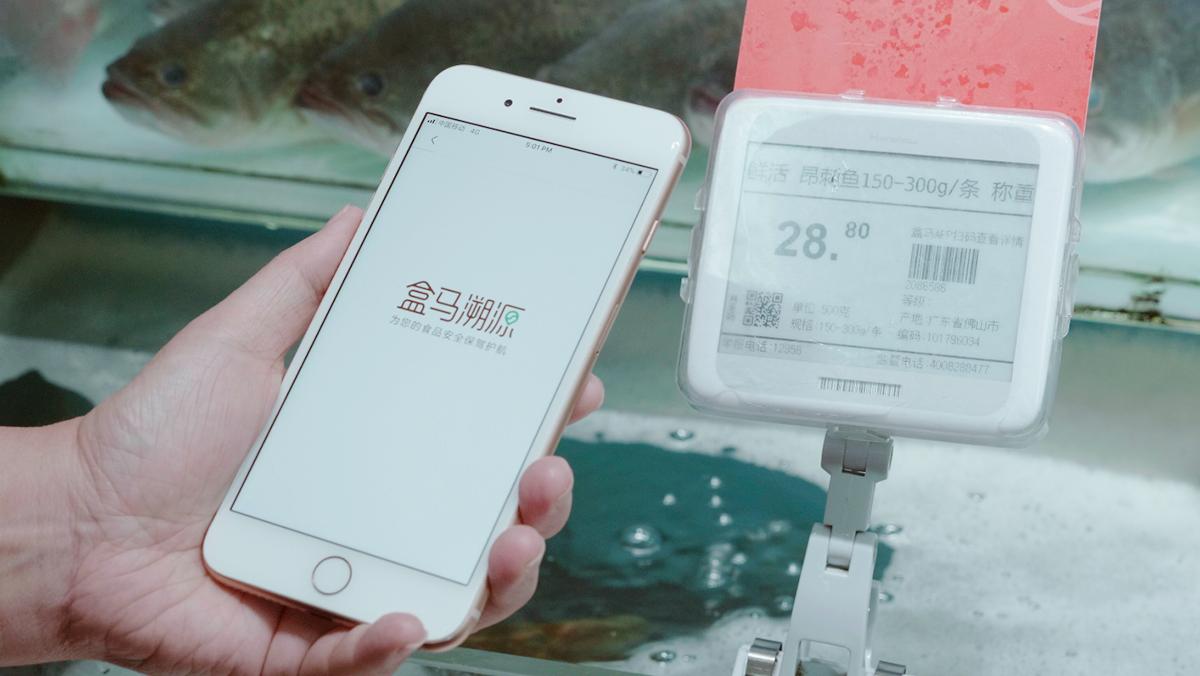
    Seventeen Hema supermarkets in Shanghai have launched a food-provenance feature that tells customers about an item’s farm-to-shelf journey.

    The information includes verifications such as photos of the distributor’s business licenses and food-safety certificates complete with an official government seal.

    To access the function, in-store customers use the Hema mobile app to scan a food’s QR code, which brings up the provenance details. Because the information lives on the product page of each item, consumers shopping from home via app have access to it as well.

    Watch: Hema’s Food-Tracing System

    The New Retail-driven supermarket chain’s food-tracking system comes as Chinese consumers grow more sophisticated in their food choices and embrace a healthier lifestyle.  Hema is among the first grocery chains in China to offer such service. Since its implementation in January, more than 1700 items in nine categories – including meat, seafood, rice, tofu and soy products, fruits, vegetables, poultry and eggs, dairy and cooking oil – have been included in the system.

    That includes watermelon. For Hema customers who want to know more than the place of origin, the system can tell them when a particular batch of watermelons was harvested – and by which farming collective. They can also find out the exact date when the watermelons were delivered to the store to assess freshness.

    For products that need to be kept under a certain temperature, such as meat and fish, the system can even tell customers how cold it was inside the delivery truck. Hema said it plans to roll out the system to all of its 64 stores, in 13 cities, in China by year-end.

    Established in early 2016, Hema integrates online and offline shopping into one seamless experience for customers, allowing to shop with a few clicks on their phones. With its in-store fulfilment system, orders can be delivered in as little as 30 minutes to those who live within three kilometres of a Hema. The supermarket chain also has opened a “robot restaurant” at one of its stores, in Shanghai, as part of its continued push to create new consumer experiences.

    Hema’s food-tracking system is one of several key features Alibaba has introduced to ensure customers are getting high-quality products. In April, Alibaba teamed up with a consortium of four Australian and New Zealand companies to introduce a food-tracking system using blockchain.