Tag: Alipay

  • Alipay and Singapore Tourism Board join hands to boost Chinese tourist spending

    Alipay and Singapore Tourism Board join hands to boost Chinese tourist spending

    Alipay, the world’s leading mobile and online payment and lifestyle platform operated by Ant Financial Services Group, together with the Singapore Tourism Board (STB), have launched a series of joint marketing initiatives aimed at raising destination awareness of Singapore and driving tourist spending among Chinese visitors.

    Alipay and STB signed a Memorandum of Understanding (MOU) in September 2017 to enhance Chinese tourists’ overall experience in Singapore. Under the MOU, both parties agreed, among other things, to explore co-investing in joint-marketing initiatives to encourage Chinese tourists to spend with Alipay while in Singapore.

    Since signing the MOU, Alipay has experienced double-digit growth in user spending. China has also become Singapore’s top market in 2017 for both tourism receipts and visitor arrivals, contributing S$4.2 billion in tourism receipts and 3.2 million visitor arrivals.

    The marketing activities are designed to incentivize Alipay users, through rewards and discounts, to spend across different types of tourism businesses such as retail, F&B and attractions, further boosting their spending in Singapore. Alipay and STB will also create tailored itineraries that are aligned with STB’s new Passion Made Possible brand. These itineraries will encourage Alipay users to pursue their passions by exploring and discovering new attractions, dining and shopping experiences. It will also give them more reasons to visit and spend more in Singapore.

    Additionally, the partnership will deepen STB’s understanding of Chinese visitors’ consumer behavior and spending patterns, leveraging Alipay’s insights.

    “With China being Singapore’s top source market for both visitor arrivals and tourist spending last year, we are pleased to partner with Alipay as their keen insights and deep understanding of Chinese consumers will help us to continue to grow in this critical market.

    We hope to continue to broaden over time our partnership with Alipay to explore more innovative marketing initiatives in the areas of content, digital and technology to further enhance the Chinese visitor experience,” said Ms Jacqueline Ng, Director, Marketing Partnerships & Planning, STB.

    “Singapore is a favorite destination for Chinese travelers. According to research released by Nielsen last year, it is one of Chinese tourists’ top ten preferred travel destinations in the world. Alipay is very pleased to be working together with the Singapore Tourism Board to ensure the consistent smart lifestyle for Chinese travelers in Singapore that they experience at home. At the same time, we are excited to connect more merchants in Singapore with Chinese tourists and be discovered by them through the app.” Said Cherry Huang, General Manager, Cross-border Business for South and Southeast Asia, Alipay.

    Alipay is committed to helping more local merchants be discovered by Chinese tourists and better supporting the needs of the Chinese travelers by providing a more efficient and convenient payment method via its platform.

    Mobile payment is gaining momentum among Chinese travelers overseas. According to the recent Nielsen reporti, 65% of Chinese tourists used mobile payment platforms during their overseas travels, more than six times in comparison to non-Chinese tourists (11%). Over 90% of Chinese tourists would consider using mobile payments when traveling overseas if more overseas merchants accepted them.


  • AS WATSON unveils new foodservice-focused concept store in China

    AS WATSON unveils new foodservice-focused concept store in China

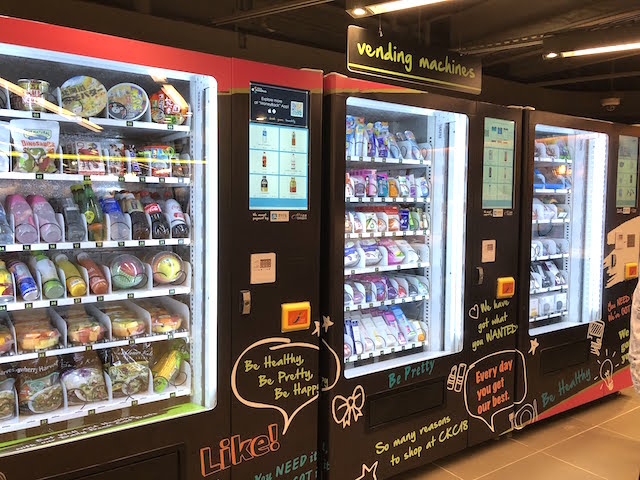
    Located on B2 of the Cheung Kong Center, the store, called CKC18, groups together four AS Watson retail brands in a way which makes each store appear independent, but connected.

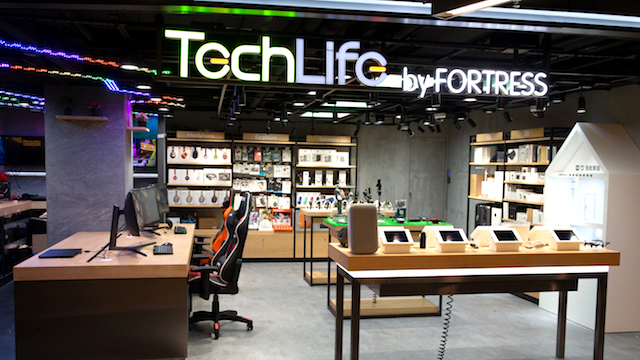
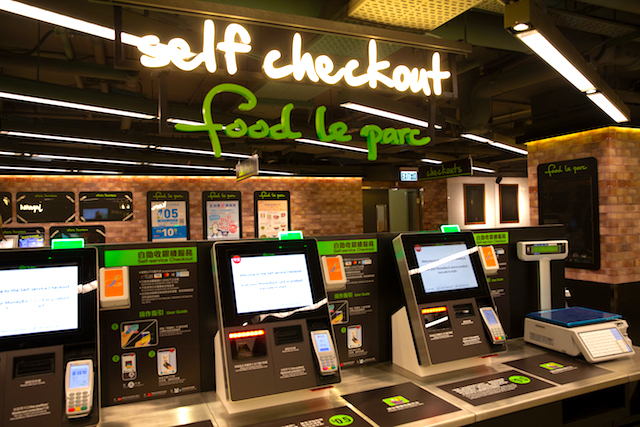
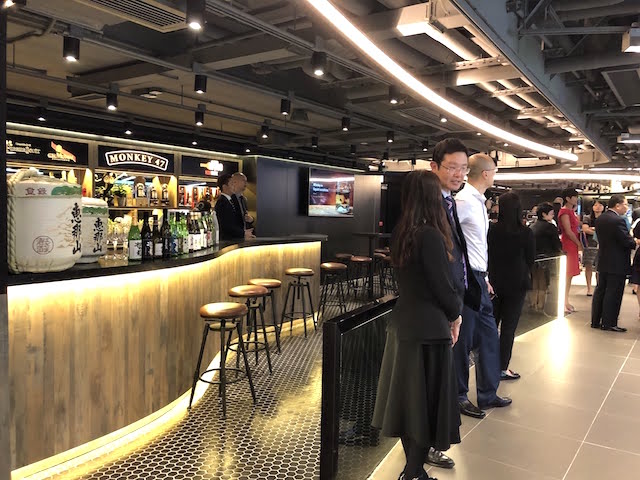
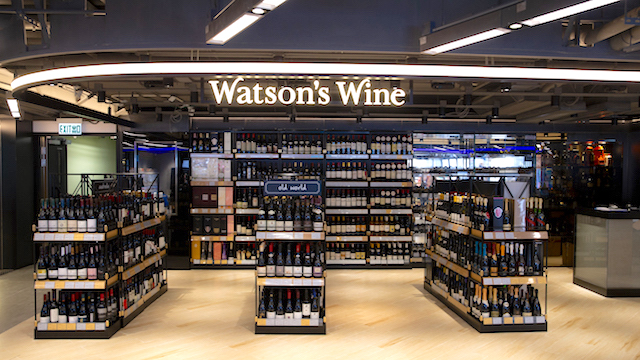
    The 26,000sqft CKC18 is home to international food emporium Food Le Parc, health and beauty outlet WatsonsLab, a TechLife by Fortress and Bar 0001 by Watson’s Wine.

    CK Hutchison Holdings chairman and group MD Victor Li and AS Watson Group MD Dominic Lai led the management team at a grand opening event last week.

    “As one of the landmarks in Hong Kong, Cheung Kong Center is located at the heart of the business district in Central with top notch financial institutions,” said Lai. “The grand opening of CKC18 indicates that Cheung Kong Center will soon become a hotspot for dining, shopping, entertaining and self-pampering.”

    TechLife by Fortress

    The electronics store brings together what AS Watson describes as “the trendiest and most innovative lifestyle gadgets”, eSports products and exclusive products from Xiaomi. There is also a GameZ area that allows customers to try on the international renowned eSports gear.

    Food Le Parc

    Food Le Parc – which translates to food park in English, offers 8500 choices of food from around the world, of which 1600 products are exclusive to CKC18.

    WatsonsLab

    A specialised Watsons boutique, WatsonsLab includes a ‘beauty bar’ that carries leading global cosmetics brands. A ‘Style Me’ app available in-store leverages Augmented Reality technology to offer virtual make-up services, offering more than 100 mix-and-match looks.

    Bar 0001

    Watson’s Wine and its in-shop Bar 0001 offers almost 100 wines, sakes and spirits sourced from around the world by the glass and more than 700 wines to take away.


    New technologies

    Lai says the team which created CKC18 wanted the store to demonstrate AS Watson’s determination to speed up digital transformation.

    The Scan & Go function in the app MoneyBack allows customers of Food Le Parc to simply take the products, scan the barcodes with their phones and pay at self-checkout counters. And at WatsonsLab, the Style Me tablet equipped with AR technology instantly and virtually shows customers how they look like when applying different makeup products.

    “We are glad to introduce the latest retail technologies to optimise shopping experience in a convenient and innovative approach. CKC18 applies technologies intensively. Besides the use of Alipay and other mobile payments, unmanned checkout counters are also available at WatsonsLab.

    Customers can simply checkout by placing their shopping baskets on checkout counters that automatically scan and tally up the total, and electronic payments are supported.

    “In addition, customers can use the TasteToGo function in MoneyBack app to reserve their meals in advance at Food Le Parc, minimising their waiting time during rush hours.”

    The store will also host events such as cooking exhibitions, gaming shows by eSports players, sake tasting and personalised make-up designs.

    AS Watson Group is the world’s largest international health and beauty retailer, currently opening a new retail store somewhere in the world on average every seven hours. That equates to 1300 this year, including more in Hong Kong.

  • Mobile payment firms struggle to dethrone cash in Southeast Asia

    Mobile payment firms struggle to dethrone cash in Southeast Asia

    Bui Mai Phuong is an avid online shopper, ordering anything from clothing to personal-care products from her smartphone. But she prefers to pay with cash.

    She is among hundreds of millions of people whom firms such as Softbank Group-backed Grab and China’s Tencent want to win over as they try to tap into Southeast Asia’s burgeoning internet sector.

    More than 70 percent of the region’s 600 million-plus people do not use banks – higher than the global average of about 30 percent – and e-commerce is projected to hit $88 billion by 2025.

    But convincing consumers like Phuong, who lives in Hanoi, could be tricky.

    “I have never tried using mobile payments because I don’t know how to use it and it seems a bit complicated to use,” said Phuong, 36, a manager at a construction material supplier in Vietnam.

    Mobile payments are ubiquitous in China; a consumer can spend a day without using cash at all in Beijing or Shanghai, and even some beggars accept mobile payments. But cash remains king in Southeast Asia.

    Hard currency, paid on delivery, accounted for 44 percent of total e-commerce transactions last year and is likely to remain the most popular payment option for at least the next three years, according to data by research firm IDC.

    “The biggest challenge for users and merchants to adopt cashless is the fact that cash remains ubiquitous, easy to use and inexpensive,” said ride-hailing firm Grab, which has ventured into e-wallets.

    And the mobile payment marketplace in Southeast Asia remains wide open, with no dominant players.

    Indonesia’s ride-hailing firm Go-Jek’s Go-Pay, Singapore-based Grab’s GrabPay, Japan’s messaging app Line’s Line Pay, Momo e-wallet owner M_Service in Vietnam and Voyager Innovations, which operates Paymaya in the Philippines, have all entered the fray. The gaming company Razer Inc has also indicated it is eager to play a role.

    Cash on delivery costs e-commerce businesses more than other payment methods, said Alibaba Group Holding-backed e-retailer Lazada Group.

    For example, sometimes a customer does not have enough cash on hand, or is not home to pay for the delivery. In those cases, the product must be sent back to the seller, adding logistical costs, Lazada said.

    Mobile payments address some of those problems. They can also benefit buyers by keeping payment in escrow and releasing it only on delivery.

    But it can be difficult to persuade users to switch from cash when they earn about $200 on average a month in economies like Vietnam and Indonesia, according to economic data provider CEIC.

    “To break habits of using cash, Grab is creating more daily use cases for cashless payment – commuting, food delivery, paying at food and retail stalls – to drive more usage of the GrabPay e-wallet,” Grab said in an email.

    Mobile payment companies bet they can transform their platforms into financial supermarkets, offering everything from loans to insurance on top of payment options.

    Slow going

    At the moment, usage is spotty. E-wallets will account for 16 percent of total e-commerce transactions in Southeast Asia by 2021, up from last year’s 9 percent, according to IDC.

    In countries like Vietnam, where the informal economy has long been a key part of the social fabric, many consumers do not bother to get a bank account.

    Some want to stay under the taxman’s radar or, like Quang Thi Si, simply do not see the need for a bank.

    Si, a 48-year-old scrap collector near Ho Chi Minh City, said her business is all cash.

    “Sometimes I need to send money to my relatives at home, and I often send in cash through my friends,” she said. “I don’t think I will have a bank account in the future because I don’t think I need it.”

    But Si does have a smartphone. More than 90 percent of Southeast Asia’s internet access comes through mobile devices, according to a Google-Temasek study.

    Even so, in countries like the Philippines, which is known for having some of the slowest Internet speeds in Asia-Pacific, connectivity is a major hurdle for digital payments to clear.

    ‘Late to the party’ 

    Such challenges are likely to pose a setback to Ant Financial and Tencent, which are looking outside China for growth.

    Ant, which has 600 million customers and aims to reach 2 billion worldwide in the next decade, has stepped up investments in the region, including a stake in Thai financial technology firm Ascend Money.

    But its services are largely limited to Chinese tourists.

    “Most of our customers are from China and they are usually very happy to know that we accept AliPay and WeChat Pay. This makes them more willing to spend money too,” said Daphne Tan, a staff member at a shop selling durian-flavored coffee and snacks in Singapore’s Chinatown.

    Tencent plans to make its first foray outside China with an e-payment license in Malaysia for local transactions.

    The Chinese players are “kind of late to the party,” said Michael Yeo, research manager for IDC.

    “By the time they come in with a local version, if they do, the local players will have a significant advantage,” said Yeo.

    Razer, which said last month it would buy the remaining stake in payments processor MOL Global that it did not already own, also signed a deal with Singtel to link its e-payments network with that of the telco.

    Other recent deals in the sector include Go-Jek’s acquisition of three financial technology businesses, while Grab’s purchase of a handful of companies as well.

    “It’s a highly fragmented market. Later on, there will be acquisitions, there will be shutdowns, there will be mergers,” IDC’s Yeo said. “The market will consolidate.”

  • Overseas Alipay transactions grew fivefold over Labor Day

    Overseas Alipay transactions grew fivefold over Labor Day

    Transaction volumes in Hong Kong grew sevenfold over the previous year, Alipay said.

    Asian markets dominated the list of the top destinations by transaction volumes during the year, accounting for nine of the top ten spots. Thailand, South Korea, Japan, and Macau rounded out the top five. This was followed by Taiwan, Australia, Singapore, Malaysia and the US.

    But the fastest growth was recorded in Canada (16 times), the Netherlands (12 times) and the Czech Republic (11 times).

    Meanwhile average total spend per user increased by 59% over last year to 1,508 yuan ($237), with European destinations accounting for half of the top 10 countries in terms of total per user spend. The highest average was in Spain (7,965 yuan), followed by France and Italy.

    Alipay’s data also show that just over two thirds of users of Alipay overseas were female, while 85% were born in the 1980s or the 1990s.

    Finally, among the 29 countries that support tax refunds via Alipay, South Korea recorded the highest amount in RMB terms, followed by France and Germany.

  • Chinese visitors can now use Alipay in The Dubai Mall

    Chinese visitors can now use Alipay in The Dubai Mall

    Alipay, the world’s largest online and mobile payment platform operated by Ant Financial Services Group, and The Dubai Mall, the world’s largest and most-visited retail and entertainment destination, located in the heart of the prestigious Downtown Dubai, today jointly announced that Chinese mainland visitors can now use Alipay to pay for a wide range of shopping, dining and must-see leisure attractions.

    With the remarkable growth and importance of Chinese tourism to Dubai, The Dubai Mall is continuing to look at ways to accommodate their needs, which includes multilingual Guest Services staff and Chinese language Mall Guides.

    Chinese visitors can now look for stores across The Dubai Mall through Alipay’s in-app Discover platform, and pay for their orders in RMB via Alipay at the cashiers.

    Key destinations include The Souk, an elegantly designed precinct featuring jewellery shops, accessory outlets, traditional Arab clothing and handicraft stores; or The Village, which offers a rich collection of denim brands and brings an outdoor community feel with tree-lined walkways, cafés and restaurants; or the newly expanded Fashion Avenue, which provides a significant boost to Dubai’s premium shopping options, with over 150 luxury shopping and dining experiences including flagships and new concepts.

    In addition, Chinese visitors can use Alipay at all The Dubai Mall’s popular entertainment attractions including Dubai Aquarium & Underwater Zoo, the newly opened VR Park, Dubai Ice Rink and At the Top, Burj Khalifa, the world’s highest observation deck with an outdoor terrace.

    With a total internal floor area of 5.9 million sq ft, The Dubai Mall has 3.77 million sq ft of gross leasable space and over 1,300 retail outlets including two anchor department stores – Galeries Lafayette and Bloomingdale’s – and over 200 global food and beverage outlets. The Dubai Mall offers an unparalleled retail mix combined with world-class dining, entertainment and leisure attractions.

    The Dubai Mall, the world’s largest shopping and entertainment destination, is part of Downtown Dubai, Emaar Properties’ flagship mega-development.

    Alipay currently has over 520 million active users in China. According to a report from Alipay and Nielsen, ease of payments is also a leading factor when it comes to key purchase decisions for Chinese tourists. 91% of Chinese tourists claimed they would show greater willingness to spend and shop if overseas merchants accepted Chinese mobile payments.

    Statistics by The Department of Tourism and Commerce Marketing in Dubai show that over 764,000 Chinese tourists visited Dubai in the fiscal year of 2017, with a year-on-year growth of 41%, ranking China as the 5th largest source market of Dubai. Over 68,000 Chinese tourists visited Dubai this January*.

  • Alipay expands footprint in SEA

    Alipay expands footprint in SEA

    Mobile payments platform Alipay is expanding its cross-border footprint with new outposts Cambodia, Myanmar, Laos and the Philippines.

    The deployment is aimed at connecting merchants with an estimated 520 million active users in China through its Alipay’s in-app marketing platform while they are traveling overseas.

    The company says Alipay is now accepted in Phnom Penh, Siem Reap and Sihanoukville across shopping, F&B, entertainment and hospitality sectors. Notable merchants include Sajibumi, which operates the food and beverage concessions at Siem Reap International Airport and Phnom Penh International Airport, Sokimex petrol kiosks, and Legend cinemas.

    Alipay will also be rolled out in duty free stores managed by DUFRY at Phnom Penh International Airport, Siem Reap International Airport, and NagaWorld, the largest entertainment complex in Cambodia.

    Mobile payment is gaining momentum among Chinese travelers overseas. According to the recent Nielsen report, 65% of Chinese tourists used mobile payment platforms during their overseas travels, more than six times in comparison to non-Chinese tourists (11%).

    Over 90% of Chinese tourists would consider using mobile payments when traveling overseas if more overseas merchants accepted it.

  • McDonald’s and private taxis in Thailand now accept Alipay

    McDonald’s and private taxis in Thailand now accept Alipay

    Alipay, the world’s largest mobile, online payment and lifestyle platform operated by Ant Financial Services Group, announced today that the payment platform will be available in all McDonald’s restaurants in Thailand by April 2018. This makes Thailand the first destination outside Greater China to accept Alipay at McDonald’s.

    Commenting on the development, Cherry Huang, General Manager, Cross-border Business for South and Southeast Asia, Alipay, said: “Thailand ranks #4 on the list of Top 10 Most Popular Destinations Outside Chinese Mainland for Chinese Tourists; to better facilitate the travel experience of Chinese visitors, our mission is to enable their smart lifestyle through our continuous efforts in expanding the merchant network and providing more value-added services. McDonald’s as one of the most popular fast food brands is an exciting addition to our merchant network in Thailand to bring greater convenience to Chinese visitors.”

    To date, Alipay has established a broad network of merchants in Thailand across shopping, F&B, entertainment, hotel and attractions, including duty-free brand King Power, convenience store 7-ELEVEN, shopping malls and night markets such as Asiatique and JJ Green.

    “Alipay has seen one of the highest penetration rates in Thailand. The average on-location spending of Chinese visitors in Thailand has surpassed USD2,000 per person per trip, which reflects a great business opportunity for local merchants,” added Cherry Huang, “Duty-free shops and convenience stores are the top two locations where Chinese visitors spend. Increasingly, we have also seen taxis becoming the transportation of choice in Thailand among Chinese visitors.”

    Currently, Alipay is available in hundreds of private taxis in Bangkok, which will further expand in 2018.


  • Alipay rolls out in four more Southeast Asian countries  for Chinese visitors

    Alipay rolls out in four more Southeast Asian countries for Chinese visitors

    Alipay, the world’s largest mobile and online payment and lifestyle platform operated by Ant Financial Services Group, has further grown its cross-border business in Southeast Asia, adding four new countries to its network. This takes the total number of countries where Alipay services are available to Chinese visitors and local merchants in this region to eight. With the expansion, merchants in Cambodia, Myanmar, Laos and the Philippines are now connected to 520 million active users in China via Alipay’s in-app marketing platform.

    Cambodia

    Alipay is now accepted in Phnom Penh, Siem Reap and Sihanoukville across shopping, F&B, entertainment and hospitality sectors. Notable merchants include Sajibumi, which operates the food and beverage concessions at Siem Reap International Airport and Phnom Penh International Airport, Sokimex petrol kiosks, Legend cinemas, etc.

    Alipay will also be rolled out in duty free stores managed by DUFRY at Phnom Penh International Airport,Siem Reap International Airport, and NagaWorld, the largest entertainment complex in Cambodia.

    Myanmar

    Myanmar is the latest country in the region to launch Alipay as a payment option. It is now accepted in popular shopping, F&B and tourist attractions in Yangon, including Sule Shangri-La Yangon, Rangoon Tea House, Yangon Yangon Bar, etc.

    Laos

    Alipay is now available in all department stores in Vientiane Shopping Center in addition to other convenience stores and F&B locations along the Mekong River in Vientiane and Luang Prabang.

    Alipay is also available across  the country in Jiffy Mart and Sokxay Mart convenience stores and at the fast food chain, EFG Group. Chinese shoppers at Haven Duty Free at Vientiane International Airport and at Don Chan Palace Hotel can also pay with Alipay.

    The Philippines

    Resorts World Manila (RWM) started accepting Alipay in February 2018. For the initial roll-out, RWM has Alipay-equipped terminals in Maxims Hotel, Newport Cinemas and Snack Bar, the VIP Concierge, the Gaming Redemption outlet, and its 12 signature restaurants.

    Commenting on the expansion, Cherry Huang, General Manager, Cross-border Business for South and Southeast Asia, Alipay, said: “We have a mission to enable the smart lifestyle for Chinese consumers and bring the same convenience that they enjoy at home to the overseas countries they travel to. We plan to achieve this through our continuous efforts to expand our partner and merchant ecosystem. Cambodia, Myanmar, Laos and the Philippines are exciting new additions to our network, as more and more savvy Chinese visitors opt to experience the rich history and culture of ASEAN. In 2017, all four countries collectively attracted over 2 million Chinese visitors. We look forward to connecting more merchants, even the smallest ones, through our partner ecosystem so that they are able to benefit from the boom in Chinese tourist arrivals.”

    Mobile payment is gaining momentum among Chinese travelers overseas. According to the recent Nielsen report, 65% of Chinese tourists used mobile payment platforms during their overseas travels, more than six times in comparison to non-Chinese tourists (11%). Over 90% of Chinese tourists would consider using mobile payments when traveling overseas if more overseas merchants accepted it. Alipay is committed to better supporting the needs of Chinese visitors by providing a more efficient, convenient payment method via its platform.

    Beyond an improved payment experience, Alipay’s in-app “Discover” function also allows merchants to market to Chinese visitors before, during and after their trips, boosting brand exposure of merchants amongst China’s rapidly growing overseas visitors.

    To date, Alipay operates its cross-border business in eight countries in Southeast Asia: Singapore, Malaysia, Thailand, Vietnam, Cambodia, Myanmar, Laos and the Philippines. It is working with more than 250 financial institutions and payment solution partners in its ecosystem to enable cross-border payments for Chinese traveling globally.


  • Retail brand Cue will roll out WeChat and Alipay payments across Australia

    Retail brand Cue will roll out WeChat and Alipay payments across Australia

    Fashion brand Cue Clothing Co. has staked a claim as the first Australian retailer to offer WeChat and Alipay payment services in every one of its standalone store sites, nationwide.

    In a statement, Cue said its three fashion brands, including Cue, Veronika Main and Dion Lee, will be using RoyalPay, a software platform that allows customers using WeChat or Alipay to pay in store using their local currency, such as the Chinese Yuan.

    The Cue group operates 126 Cue stores in Australia and New Zealand, as well as 108 Veronika Maine outlets. There are eight standalone Dion Lee stores.

    According to its website, RoyalPay acts as an intermediary between buyer and seller by taking the Yuan payment and settling the transaction with the merchant in Australian dollars.

    WeChat and Alipay are both major players in the Chinese market, with WeChat hosting over 900 million daily active users. Alipay is the third-largest payment platform globally, with 500 million users.

    “We have seen continued growth in Chinese customers shopping with us, particularly over the Chinese New Year period,” Cue chief information officer Shane Lenton said.

    “During this time Australia was the biggest market for cross-border WeChat payments outside of Asia.”

    While Cue Clothing says it is the first retailer to implement the new payment options across its entire network, it appears plenty of other Australian businesses also see value in experimenting with these platforms. More than 10,000 Australian shops and restaurants are using the WeChat Pay system and according to the RoyalPay website, Australian retailers including Priceline, Terry White Chemists and IGA have also already joined the platform to process Yuan transactions.

    WeChat presents potential to access to Chinese market

    According to Dr Gary Mortimer, an associate professor in the business school at Queensland University of Technology, adopting these new payment platforms is just one way Australian businesses, big and small, are attempting to attract the Chinese customer base.

    And it is happening at the same time as Chinese e-commerce giants Alibaba and JD.com are paying more attention to Australia.

    “There are some great opportunities in China for businesses. We’ve seen the growth of daigou businesses getting into the Chinese market,” he says.

    “Certainly with JD.com launching last year in Australia, it indicates there is a healthy appetite for Australian brands in the Chinese market. This looks like Cue is making headways by adopting these types of payment platforms.”

    However, Mortimer says security will be front of mind for any shoppers interested in using the new options. He believes Cue will have to show customers the platforms have been integrated with security in mind.

    “It’ll be vital that as Cue integrates these platforms into these websites that there’s enough security so consumers can feel confident that their platforms are secure,” he said.

    Mortimer says businesses are starting to facilitate digital payments and transactions through wearable technology and even through social media, as well as through the introduction of Apple Pay and other alternatives to cash and credit card payments.

    However, Cue’s existing customer base may not align with the kinds of customer willing to use WeChat or Alipay, meaning the company could be chasing a brand new demographic.

    “I suspect the demographic using these types of payment plans would be younger, Gen Y consumers. I don’t think that’s the core customer of Cue,” he says.

    “This is more about getting their product into the Chinese market using social media rather than facilitating extra sales.”

  • No more airport queues for overseas tax refund thanks to WeChat, Alipay

    No more airport queues for overseas tax refund thanks to WeChat, Alipay

    WeChat Pay and Alipay, China’s two biggest mobile payment platforms, have recently forged partnerships with tax refund companies to enable Chinese tourists to obtain rebates on their purchases via their respective mobile apps.

    Within this year, WeChat also plans to offer instant refunds in-store overseas as it competes for a larger share of rising Chinese tourist spending abroad.

    Their strategy is driven by how China has embraced mobile payments faster than any other country and is also the biggest source of outbound travellers. In 2016, mobile payment transactions in China reached US$5.5 trillion, making the country the largest mobile payments market in the world, according to iResearch.

    Both WeChat Pay and Alipay have been expanding their services as mobile payments are used for everything from food delivery, taxi rides and in-store purchases, both on the mainland and abroad.

    WeChat Pay, operated by Tencent Holdings, and Alipay, the payments subsidiary of Ant Financial Services Group, account for a combined 66 per cent of the third-party payments market in China, based on estimates of Analysys International.

    Ant Financial is an affiliate of New York-listed Alibaba Group Holding, which owns the South China Morning Post.

    WeChat Pay and Alipay, along with its overseas mobile payment partners, have estimated a total of 600 million and 800 million users, respectively.

    Late last month, WeChat Pay partnered up with Swiss firm Global Blue to offer an instant tax refund service for Chinese tourists leaving from Madrid airport, while Alipay rolled out a similar service for returning Chinese tourists at Singapore’s Changi airport.

    With those instant tax refund services, users can get their rebates settled in yuan and sent to their WeChat Wallet or Alipay accounts immediately once their tax refund forms are stamped and approved at the airport counter.

    The rising affluence of Chinese consumers and the boom in outbound China tourism also made it attractive for WeChat Pay and Alipay to facilitate tax rebates.

    According to a recent report by the China Tourism Academy and online travel agency Ctrip, an estimated 6.5 million outbound Chinese travellers spent this year’s week-long Lunar New Year holiday overseas. Each tourist was expected to spend an average of 9,500 yuan (US$1,500) on their trip.

    “Offering instant tax refunds is a smart strategy by both Chinese players to capture further market share beyond what is likely to be a close to saturated market within the mainland,” said Michael Yeo, research manager for financial and retail insights at IDC.

    “Many outlets across Asia, Europe and Northern America already accept both WeChat and Alipay payments. Offering instant tax refunds provide convenience and may prove to be an effective tool in luring these tourists to switch from other payment methods, such as cash or credit card, for such trips.”

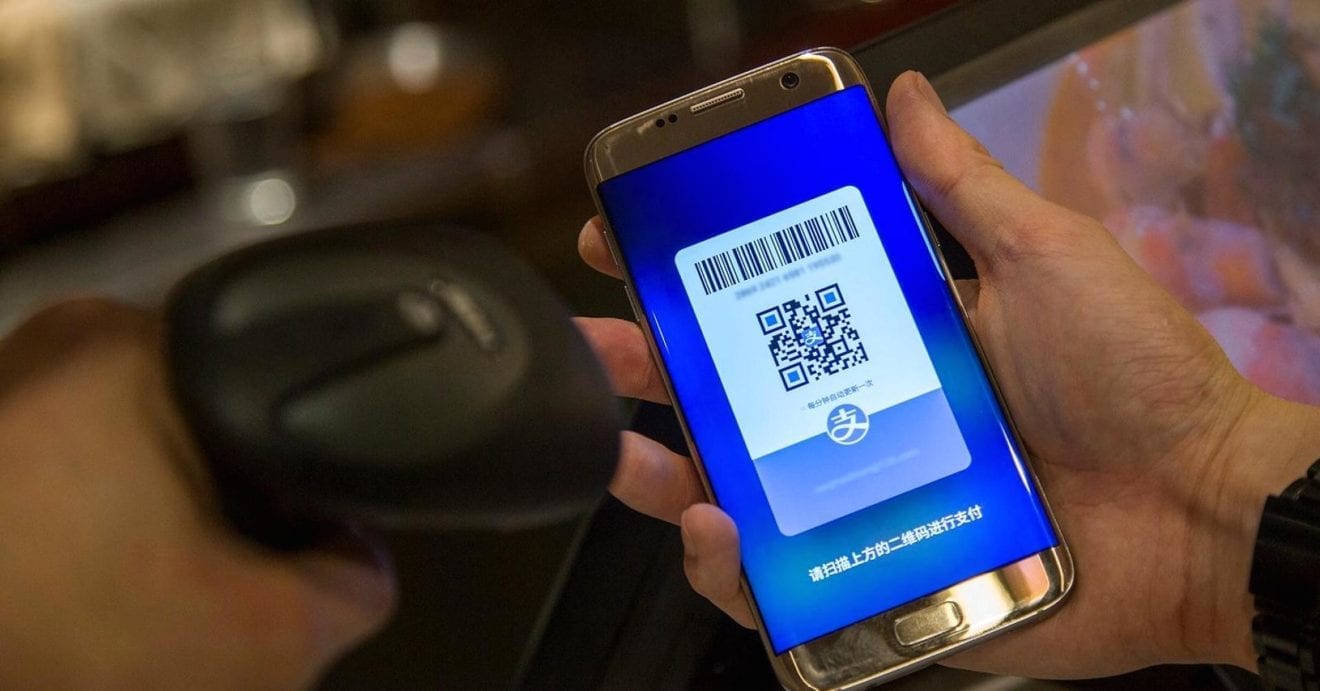
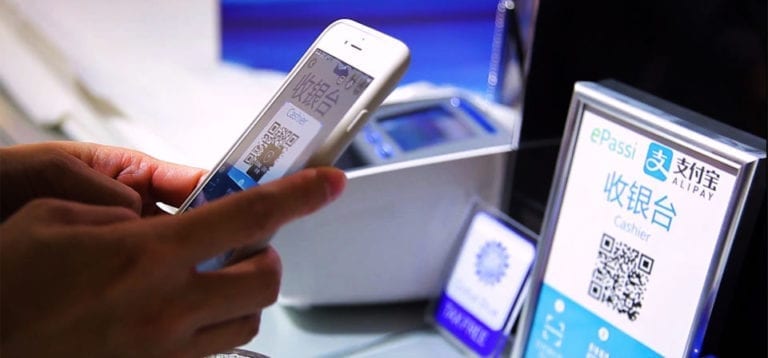
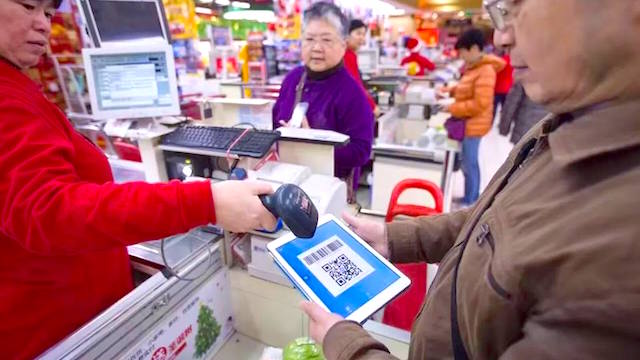
    Similar to other WeChat Wallet and Alipay programmes, the tax rebate service makes use of quick response (QR) codes. The tax refund officer scans the QR code on a user’s smartphone to credit the refund to their account.

    While Alipay allows users to access the QR code in the Alipay app, WeChat Pay users will have to search for its WeChat Tax Refund feature to process the refunds.

    Global Blue and WeChat Pay are now working to offer in-store refunds, which means that Chinese travellers would no longer need to line up to get their tax refund forms processed at the airport. The service is expected to be rolled out across Europe within this year, according to a joint statement.

  • Mobile payments preferred, says survey

    Mobile payments preferred, says survey

    Chinese tourists are taking their cashless lifestyle overseas, preferring mobile payments for shopping, says a new Nielsen/Alipay survey.

    Their joint Outbound Chinese Tourism and Consumption Trends: 2017 Survey provides analysis and insights into consumption and payment behaviours as well as assessing trends. Unlike similar studies, the report focuses on the use of mobile payment platforms by Chinese tourists travelling overseas.

    A growing number of Chinese tourists expect they will use mobile payments when travelling, says the survey, which includes a case study on mobile payment and lifestyle platform Alipay.

    China National Tourism Administration statistics show that Chinese tourists made 131 million trips overseas last year, an increase of 7 per cent from 2016. Data from the International Association of Tour Managers shows that overseas travel spending by Chinese tourists reached US$261 billion in 2016, up 4.5 per cent year-on-year, and ranking first worldwide.

    Key findings of the survey include:

    ● On average, Chinese tourists who took part in the survey visited 2.1 countries or regions in 2016-17, and expect to visit an average of 2.7 countries or regions this year. Chinese tourists spend an average of $762 a head on shopping while non-Chinese tourists spend an average of $486.

    ● Mobile payment is gaining momentum, with 65 per cent of Chinese tourists using mobile platforms while abroad, nearly six times that of non-Chinese tourists (11 per cent). They primarily use mobile payments for shopping, dining and visits to tourist attractions.

    ● More than 90 per cent of Chinese tourists surveyed say they would use mobile payments if more overseas merchants accept it.

    ● The habit of using mobile payments in China, convenience and extra discounts are key factors for Chinese travellers to use mobile payment overseas, while limited merchant coverage overseas is cited as the biggest obstacle.

  • Suntec City Inks Partnership with Alipay To Attract Chinese Tourists

    Suntec City Inks Partnership with Alipay To Attract Chinese Tourists

    Suntec City and Alipay are pleased to announce today that they have inked a two-year partnership to launch Alipay touchpoints in Suntec City.

    The two-year partnership between Suntec City, one of Singapore’s largest shopping malls and Alipay, the world’s largest mobile payment and lifestyle platform operated by Ant Financial Services Group, is set to attract more Chinese tourists and enhance their shopping experience at Suntec City.

    Under the partnership, approximately 350 retail establishments in Suntec City will progressively roll out Alipay as a payment option for Chinese tourists. By July 2018, the partners plan to cover 60% of the stores with Alipay touchpoints.

    To enable merchants to leverage on the Alipay platform to engage Chinese tourists, Alipay and its acquirer partners will jointly organize a series of workshops to sign up with Alipay and to promote merchants’ businesses on the Alipay platform. Acquirers also provide hands-on training to merchants to operate the Alipay payment terminal and manage strategic content feature of merchants’ offers. Alipay has also launched a dedicated Suntec City microsite within its app to provide ongoing publicity to Suntec City and its merchants. The current joint marketing campaign with Suntec City on Alipay’s app, from now till Mar 2018, offers a ¥25 F&B voucher and a ¥50 retail voucher which can be used at participating merchants in Suntec City.

    Mr. Chan Kong Leong, Chief Executive Officer of Suntec Real Estate Investment Trust, which owns Suntec City said, “With an extensive range of shopping, dining and entertainment offerings coupled with the iconic Fountain of Wealth as well as being the embarkation point for the Duck & Hippo Tours, Suntec City is a popular destination amongst tourists. We are delighted to partner Alipay to offer our Chinese shoppers a seamless payment system that they are familiar with. This partnership with the market leader in mobile and online payment platforms is a great opportunity for us to elevate engagement with our shoppers in the digital space.”

    “Suntec City is a must-visit shopping destination among Chinese tourists and business delegates who convene at Suntec Singapore for exhibitions, seminars and conferences. We are happy to partner with Suntec City to deploy Alipay touchpoints in the mall for Chinese visitors who are looking for the best of retail and lifestyle offerings and the same seamless shopping experiences that they enjoy at home. At the same time, we are very excited to help merchants in Suntec City connect with Chinese visitors.” said Cherry Huang, General Manager, Cross-border Business for South and Southeast Asia, Alipay.

    According to the Singapore Tourism Board, Singapore received 15.9 million international visitors in the first 11 months of 2017, during which, the number of visitors from China reached close to 3 million, a stellar 13.1% increase from a year ago. This also makes China the single largest contributing country to Singapore’s tourism industry.

  • Alipay now available in all Starbucks across South Korea

    Alipay now available in all Starbucks across South Korea

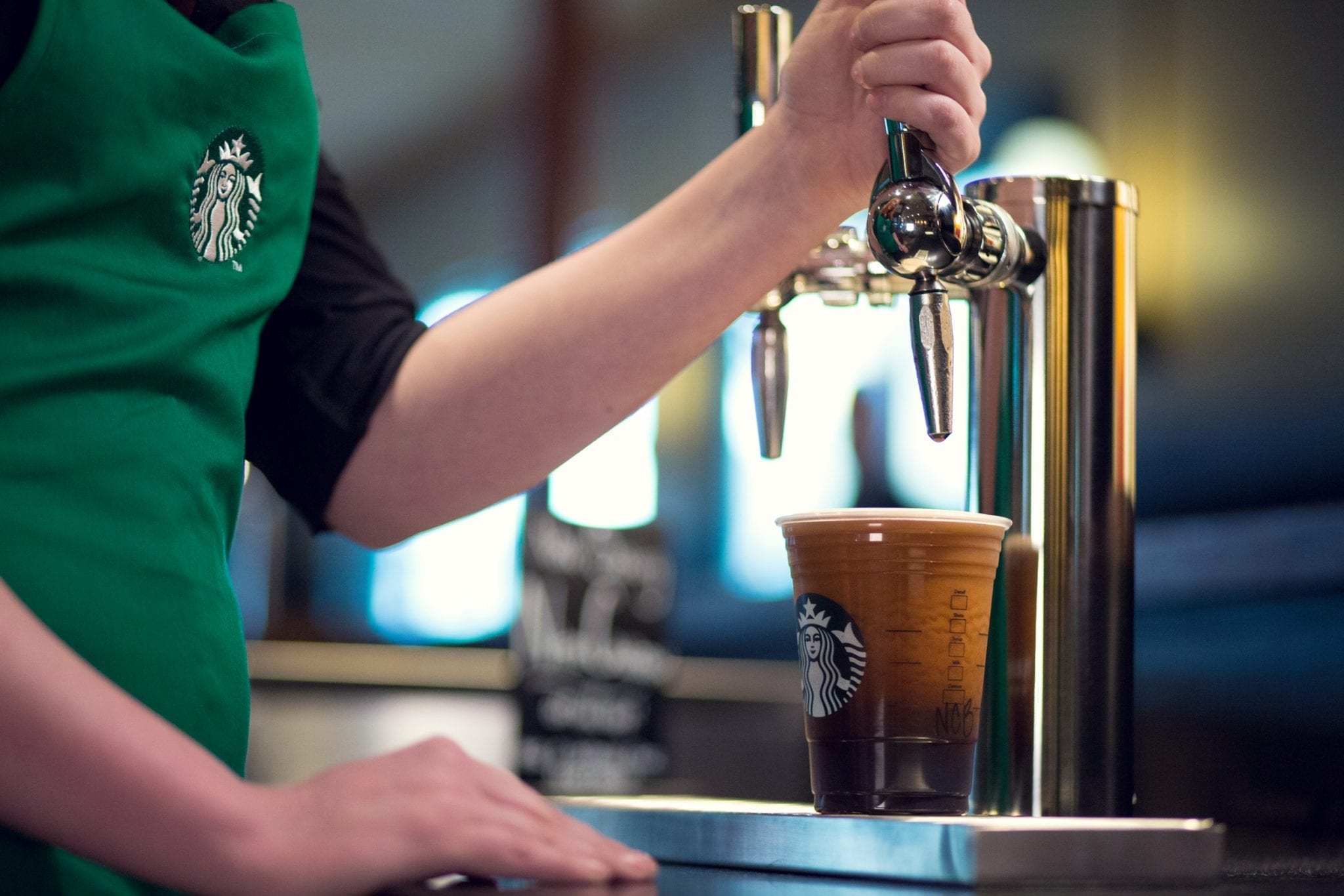
    For Chinese tourists traveling South Korea, paying for a grande latte at Starbucks is now as easy as showing your smartphone.

    Ant Financial, which now Alibaba a 33% stake, said Sunday its Alipay e-wallet service is now available at over 1,150 Starbucks branches across South Korea – the first third-party mobile-based payment method enabled nationwide at Starbucks in the country.

    “Starbucks branches are among the most-visited places by Chinese travelers in South Korea. We will continue to introduce Alipay to more local merchants, including restaurants and shops to make Chinese travelers’ journey as convenient as at home,” said Danny Chung, General Manager of Alipay Korea.

    Alipay, the world’s leading third-party payment platform available in 38 countries and regions, was first introduced in South Korea in 2015. Users of the online payment platform can also enjoy an instant tax refund via Alipay at four major airports in South Korea. Earlier this month, Finland became the first country to offer Chinese tourists fully cashless experience by adopting Alipay.

    According to the state-run Korean Tourism Organization, travelers from China make up around one-third of South Korea’s inbound tourists each year.

    The announcement comes on the heels of Alibaba’s launch of an interactive showcase at Gangeung Olympic Park, a staging area for PyeongChang 2018 that hosts the Games’ ice sports.

    Alibaba Group is an Olympic TOP partner through 2028.  As part of the Olympic Partner worldwide sponsorship program, the Hangzhou-based technology giant is the official “Cloud Services” and “E-Commerce Platform Services” partner of the International Olympic Committee, as well as a Founding Partner of the Olympic Channel.


  • Dusit International now accepts Alipay at its hotels and resorts in Thailand

    Dusit International now accepts Alipay at its hotels and resorts in Thailand

    Dusit International, one of Thailand’s foremost hotel and property development companies, has rolled out Alipay at its hotels and resorts in Thailand to cater to Chinese travellers who prefer to make quick and secure payments via mobile.

    With over 520 million users and counting, China-based Alipay is one of the world’s largest mobile payment platforms which allows its users to pay for goods and services by scanning QR codes on their smartphones or tablets. Its presence is ubiquitous in Chinese cities, where mobile payments are fast becoming a way of life.

    Dusit International already accepts Alipay at all of its hotels and resorts in China. Alongside Thailand, it also plans to roll out the system at its international properties soon.

    “The Chinese market is a key segment for our hotels in Thailand, so it is important our properties are equipped to meet the needs of those who prefer to pay via mobile, now the method of choice in China,” said Mr Lim Boon Kwee, Chief Operating Officer, Dusit International. “Alipay can certainly enrich and enhance the guest experience for all our Chinese travellers.”

    Dusit Hotels & Resorts in Thailand now accept Alipay at their restaurants, spas, participating outlets, and for hotel rooms upon check-out. The properties also accept China’s other major mobile wallet, WeChat Pay.

    Dusit properties in Thailand include Dusit Thani Bangkok, Dusit Thani Hua Hin, Dusit Thani Pattaya, Dusit Thani Laguna Phuket, Dusit Thani Beach Resort Krabi, dusitD2 Chiang Mai, dusitD2 Khao Yai, Dusit Princess Srinakarin Bangkok, and Dusit Princess Chiang Mai.

    Alipay is operated by Ant Financial, an affiliate of Alibaba Group Holding Limited, a Chinese multinational e-commerce, retail, and technology conglomerate which is one of the top 10 most valuable companies in the world.

  • Apple Retail Stores in China to Accept Alipay Mobile Payments

    Apple Retail Stores in China to Accept Alipay Mobile Payments

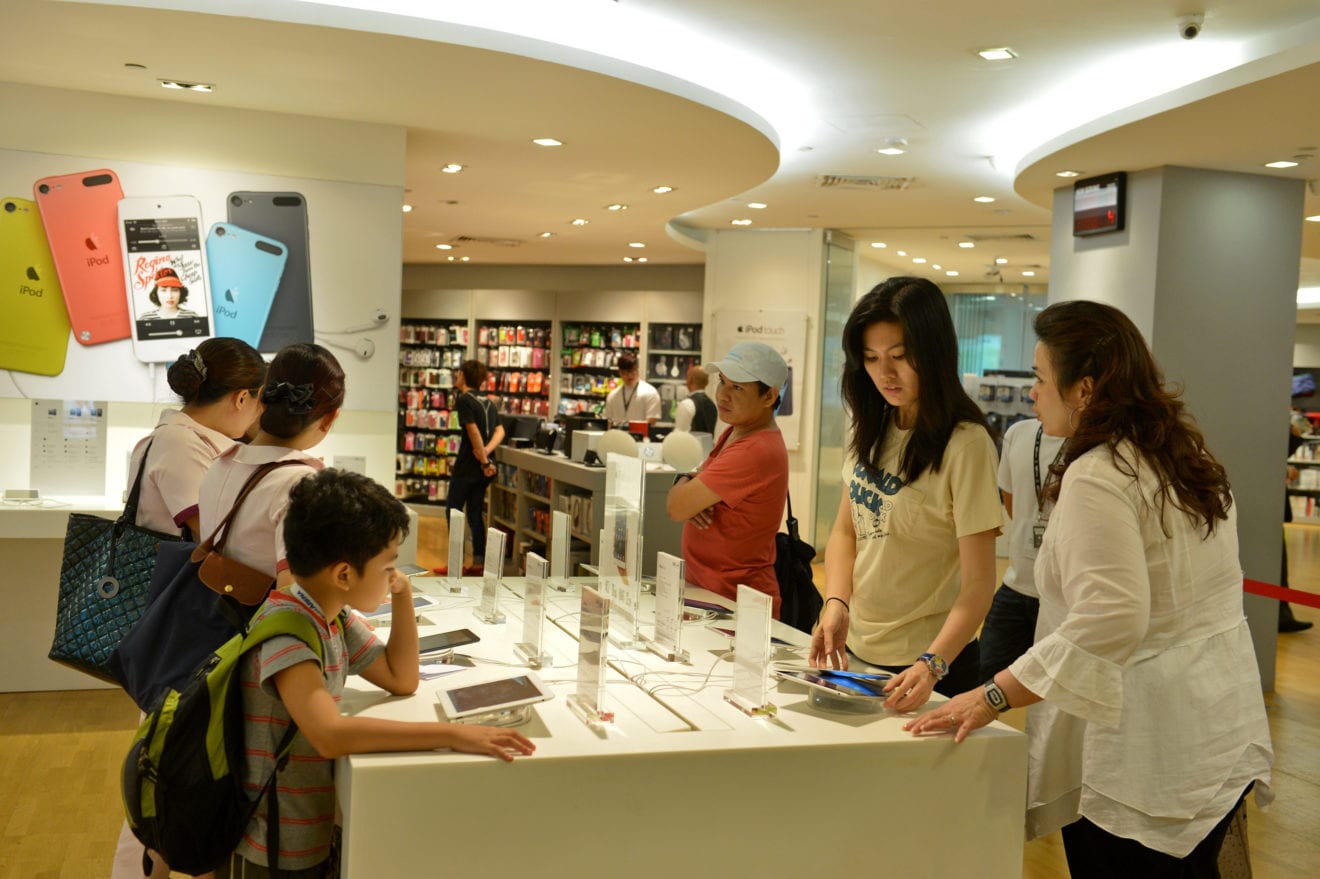
    Apple China will accept Alipay in its stores – the first third-party mobile payment system to be accepted at any Apple store worldwide.

    This follows lukewarm reception in China for Apple’s own payment system, says Reuters.

    The IT giant will accept Alipay payments across its 41 brick-and-mortar retail stores in China, says Ant Financial, which runs the system for Alibaba.

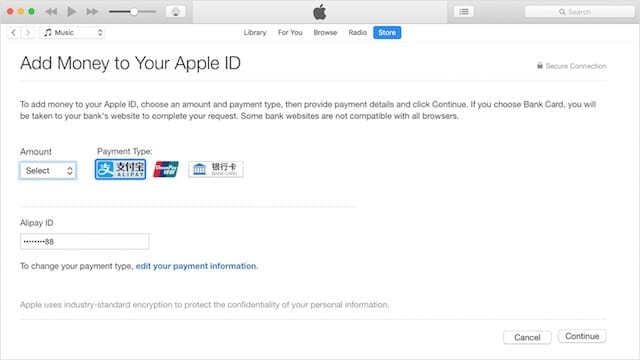
    Meanwhile, Apple China’s website, iTunes store and App Store have been accepting Alipay for more than a year.

    Apple is shifting user data to China-based servers this month to meet local rules, and last year removed dozens of local and foreign VPN apps from its Chinese app store.

    China’s official Xinhua news agency says Apple will build its second data centre in China, in the Inner Mongolia Autonomous Region, after setting up a data centre in Guizhou.