Tag: amazon

  • Amazon India christens assisted shopping service as ‘Amazon Easy’

    Amazon India christens assisted shopping service as ‘Amazon Easy’

    E-Commerce giant Amazon said its over 14,000 assisted online shopping service points, internally code-named ‘Project Udaan’ till now,will be branded as ’Amazon Easy’ by the middle of 2019, a senior company official said.

    “Starting withover 200 stores across the Krishna, West Godavari, East Godavari, Warangal, Nalgonda and Guntur districts in Andhra Pradesh and Telangana, Amazon Easy will be rolled out nationally acrossover 14,000 existing stores by the middle of next year,” Krishna Thota, Director – Customer Experience and Marketing, Amazon India was quoted by PTI as saying.

    According to a PTI report: Amazon.in appoints associates across logistics and retail startups like kirana stores, medical stores and mobile shopping outlets and small business and provides them a PC-based website. The store owners are trained to help customers find and buy products of their choice, while earning a commission in the process, he explained.

    The India-specific innovation is aimed at enabling customers in smaller markets to get access to the convenience of online shopping, Thota said.

    “Amazon Easy will play a significant role in enabling the next 100 million customers in India to enjoy shopping on Amazon.in starting with this upcoming festive season,” he was further quoted by PTI as saying.

    Amazon.in kicked off the assisted shopping project, code-named Project Udaan as a pilot in 2015 and has since expanded to 14,000+ stores in 21 states with large network partners like Storeking, Vakrangee to smaller partners like Linq, Indiabuys as well as individual entrepreneurs,a press release from Amazon India said.

    Amazon.in equips these offline stores with training materials that include skills like searching, browsing, and navigation on Amazon.in, helping customers set up Amazon accounts, check outs, payments, answering status and delivery queries, and refunds and returns if required. Customers can walk into the neighbourhood Amazon Easy store for assistance while shopping on Amazon.in. Amazon Easy store owners help customers browse the selection, identify and select a product they like, create their Amazon accounts, place orders and checkout to buy.

  • Hyundai teamed up with Amazon to plan new retail model

    Hyundai teamed up with Amazon to plan new retail model

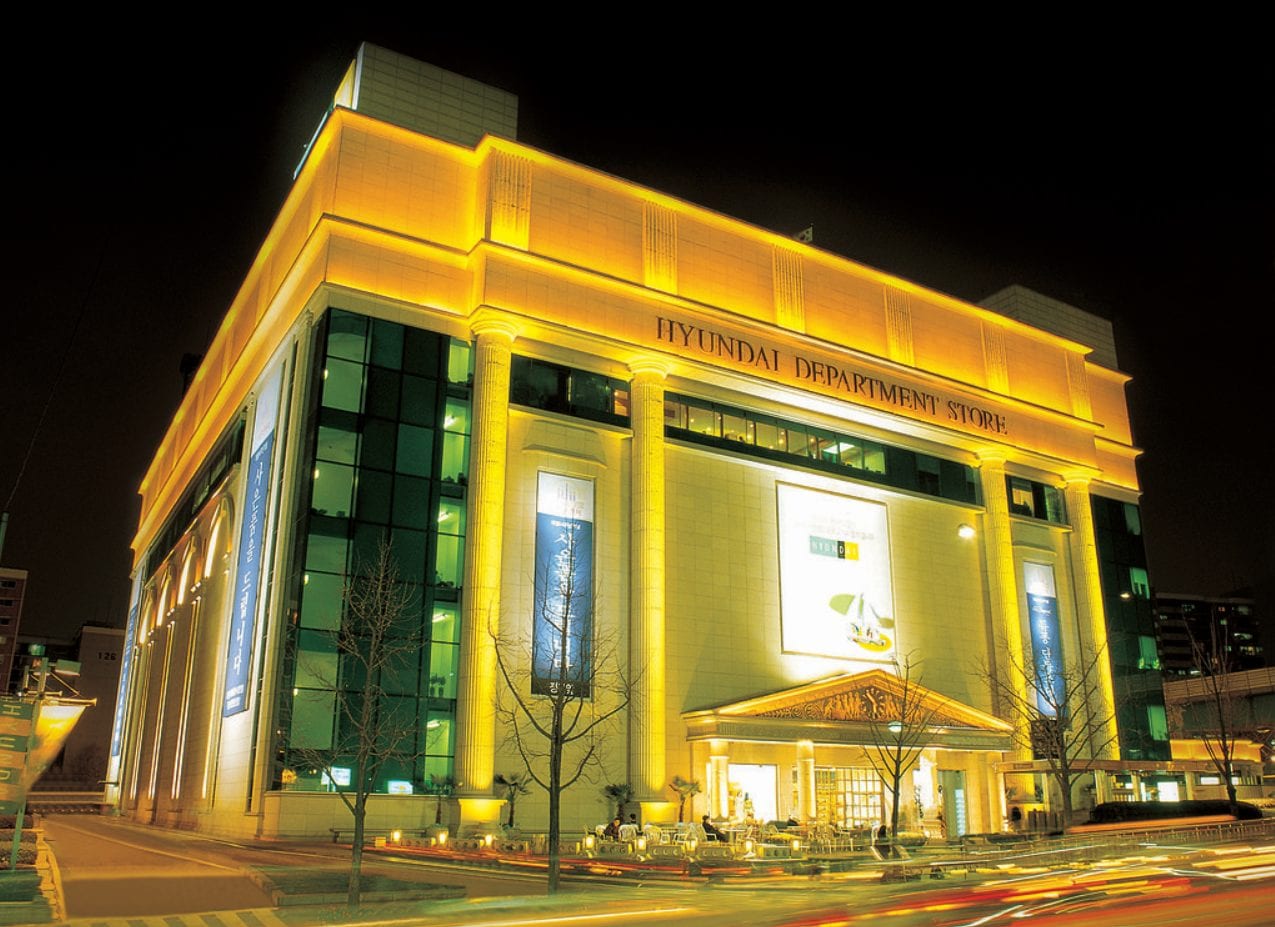
    Hyundai and Amazon plan to develop a “next-generation” retail model amid South Korean retailers’ push to adopt the latest technology to their online and offline platforms.

    Under the strategic collaboration agreement with Amazon Web Service (AWS) Korea signed on Friday, Hyundai Department Store Group said it will also establish a system to analyse customer activity and expand the partnership between its information technology arm and AWS, the US retail giant’s cloud-computing platform.

    Their joint research will focus on developing the Korean version of Amazon Go – the US e-commerce firm’s checkout-free offline mall – as well as using drones to deliver food and beverages, and applying artificial intelligence technology for automated concierge service, according to Hyundai.

    The Korean retailer’s aim is to implement Amazon’s cutting-edge technologies to its department store set to open in Yeouido, Seoul’s financial district, in 2020.

    “We will partner with Amazon to find a medium- and long-term roadmap to provide a new shopping experience to our customers,” a company official said.

    The deal was made as South Korean retailers are moving to secure competitiveness through the use of new technologies.

    Last Friday, E-Mart Everyday, another major South Korean retailer and Shinsegae’s supermarket-chain operator, opened a “cashier-less” store in Seoul where customers can pay via the firm’s mobile payment service app without going through a checkout counter.

    The 212sqm Gangnam store is expected to increase the company’s competitiveness in the market, allowing customers to use Shinsegae’s SSG Pay mobile payment system to make their purchases. It is the latest in a series of technological advances made by the company, including electronic price labeling and the use of robotic concierges and autonomous shopping carts.

    The new store will include a self-checkout counter as an alternative to using the app, and a cashier for age-verification sales of alcohol and tobacco products.

  • Amazon invests US $400 million more in its Indian arms

    Amazon invests US $400 million more in its Indian arms

    The US-based world’s largest e-tailer Amazon invested an additional US $400 million (Rs 2,700 crore) in two of its Indian subsidiaries, said business intelligence platform Paper.vc on Monday.

    “Our tally of Amazon’s total investment in its Indian subsidiaries, including this, is US $3.6 billion (Rs 25,241 crore),” Paper.vc founder Vivek Durai said.

    According to documents Amazon filed with the regulators at a meeting on August 6 in Bengaluru, the board of directors of Amazaon Seller Services Ltd approved allotment of 270 crore equity shares of Rs 10 face value for Rs 2,700 crore to the Singapore-based Amazon Corporate Holdings Ltd and an additional 124,753 shares to Amazon.com Incs Ltd without premium.

    “The board of directors of Amazon Retail India Ltd on July 31 agreed to allot 10 crore equity shares of Rs 10 face value for Rs 100 crore to its shareholders (Amazon Corporate Holdings and Amazon.com) without premium on rights basis.

    Ahead of the retail giant Walmart taking majority stake (77 percent) in India’s e-tail major Flipkart for US $16 billion in May, Amazon invested Rs 2,600 crore in its India operations.

    “The Amazon board has consented to allot 260 crore shares of Rs 10 face value aggregating Rs 2,600 crore to the shareholders on rights basis in the ratio of their shareholding,” said Amazon Services Ltd in a filing with the Registrar of Companies (RoC) on May 8.

    Amazon Chief Executive Jeff Bezos had earlier committed to invest a whopping US $5 billion in India to cash in on the rapid growth in e-commerce business.

  • Amazon India opens its largest fulfilment centre in Haryana

    Amazon India opens its largest fulfilment centre in Haryana

    Expanding its infrastructure footprint in India, online retail major Amazon India on Tuesday opened its largest fulfilment centre (FC) in Haryana with a view to enhance customer experience ahead of the festive season.

    Spread over close to 300,000 square feet with over 1.5 million cubic feet of storage space, the centre situated in Panchgaon will enable faster delivery to customers in the region, the company said in a statement.

    “With the launch of our largest fulfilment centre in Haryana, we now have a storage capacity of more than five million cubic feet in the state. The FC will enable sellers to use the local infrastructure, save capital and help them grow,” said Akhil Saxena, Vice President, Customer Fulfilment, Amazon India.

    The centre is expected to provide support to the local economy by enabling the growth of ancillary businesses such as packaging, transportation, logistics and hospitality across the state.

    It will cater to customer demand for products in categories such as smartphones, consumer electronics, appliances, fashion and consumables, Amazon India said.

  • Amazon India announces ‘Amazon Freedom Sale’ from August 09-12

    Amazon India announces ‘Amazon Freedom Sale’ from August 09-12

    Amazon India is all set to celebrate the country’s spirit of independence with the ‘Amazon Freedom Sale’ from 12 am (midnight) on August 9 to 11:59 pm on August 12, 2018.

    With over 20,000 deals on Smartphones, Consumer Electronics, Fashion, Large Appliances, Groceries & Daily essentials, TVs and more, customers can enjoy shopping from over 170 million products across hundreds of categories on Amazon.in.

    Customers can look forward to new launches and exciting deals across brands such as OnePlus, Huawei, Honor, Samsung, Vivo, RealMe, 10.Or, Marks & Spencer, UCB, GAP, Shoppers Stop, Levis, Pantaloons, Red Tape, Sanyo, Casio, Puma, UCB, Prestige, LG, Bajaj, Pampers, Lego, Lakmé, Nivea, Philips, Pedigree, Bombay Dyeing, JBL, Sony and many more. Amazon Echo devices, Fire TV Stick and Kindle e-readers will be available at great discounts on all four days of the sale.

    “As the most trusted and visited shopping destination in India, we look forward to celebrating every occasion with our customers. The Amazon Freedom Sale has been curated to offer everything customers are looking for this season and more! With new launches, great deals, extra cashback, no cost EMI and convenient exchange options, customers can look forward to a grand celebration on Amazon.in,” said Manish Tiwary, Vice President – Category Management, Amazon India.

    This Amazon Freedom Sale, customers can save more with an additional cashback of 10 percent when they pay using SBI debit and credit cards. Millions of eligible customers can also enjoy EMI on using their debit card from select banks.

  • Amazon Q2 profit jumped high

    Amazon Q2 profit jumped high

    Online giant Amazon has released its financial results for its second quarter ending June 30, with net income for the quarter increasing from US$197 million to US$2.5 billion; a 1,186 per cent increase.

    Additionally, the company found an operating income increase of 375 per cent, from US$628 million to US$3 billion.

    The company notes quarterly highlights relating to product launches, such as Fire TV Edition smart TVs released in Best Buy, as well as the integration of Alexa into many of its existing products, such as Fire HD 8 and 10 tablets, and external products such as vehicles from BMW, Ford and Toyota.

    “Despite its enormous size and previous run of strong growth, Amazon has had no problem in delivering another good set of numbers,” said Neil Saunders, managing director of GlobalData Retail.

    “It’s strong revenue growth, which saw product sales up by almost 30 per cent over the prior year, underlines its growing grip on the retail market and its ability to persuade an increasing number of customers to buy an increasing array of things from it.”

    Saunders notes that while the company makes growth look easy, the results are indicative of significant efforts on at least three fronts.

    “Firstly, it innovates and tries new things like no other retailer… other retailers would do well to take a leaf out of Amazon’s playbook on this front,” he said.

    “Second, across all of the things it tries and tests, Amazon is extremely customer-centric. It rarely innovates by increments, but instead looks to find problems consumers face and then uses technology in creative ways to help solve them.

    “Third, Amazon has created a compelling ecosystem which permeates many aspects of people’s lives.”

    Looking forward to the third quarter, the company expects net sales to be between US54 – 57.5 billion, a growth of 23 to 31 per cent over last years Q3, while operating income is expected to reach between US$1.4 to $2.4 billion, compared with US$347 million.

    In Australia, the company’s recent Prime Day promotion drove record traffic to its Australian marketplace, leading to the two biggest days of sales since the e-commerce giant launched in Australia.

    “Prime only recently launched in Australia yet we were thrilled to see the number of Australian members visiting amazon.com.au to make the most of the great savings available to them on Prime Day,” said Rocco Braeuniger, Amazon Australia’s country manager.

    Small and medium businesses, which make up the majority of sellers on Amazon’s global marketplaces, had already exceeded more than $1 billion in sales just 10 hours into the sale.

  • Know more about Amazon’s 5-minute shopping trip

    Know more about Amazon’s 5-minute shopping trip

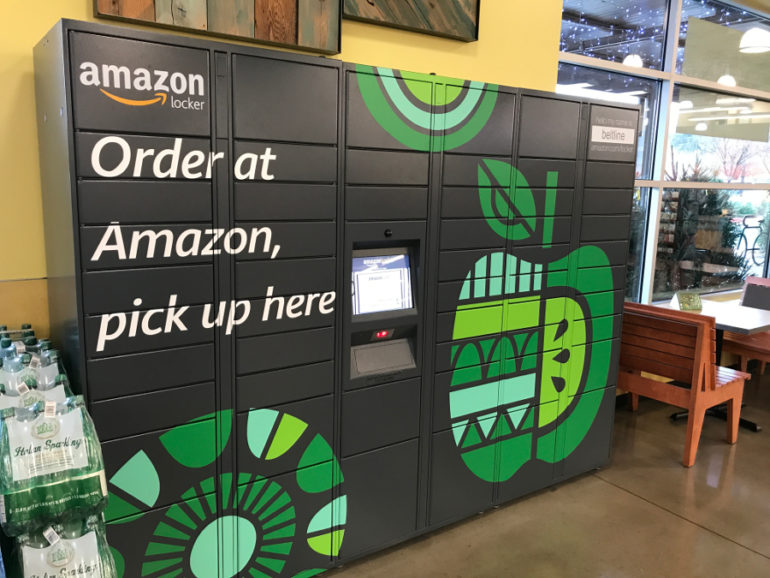
    Thanks to Amazon and Whole Foods, a new kind of locker talk could be sweeping the grocery sector, and it centers on how much can be bagged in a five-minute window.

    Micro-shopping trips, defined as trips that take less than five minutes, are becoming increasingly common thanks to grocery services that let customers order online and pick up in-store. The development made national news when such trips were reported to have climbed 8.7% at Whole Foods stores after Amazon acquired the grocery chain in August 2017, according to research by data-analyzing firm InMarket. The increase is attributed to its Amazon Lockers, where shoppers can pick up preordered items.

    These super-short trips can result in higher-proportioned revenue because shoppers who place pickup orders, encouraged by the prospect of a quick in-and-out visit, remain prone to split-second purchase decisions.

    “As good as delivery is getting — one-day delivery, sometimes one-hour delivery — that still can’t compete with the one-second immediacy of being in store and picking up that avocado … because I thought about it in that moment,” explained Todd Dipaola, chief executive and founder of InMarket.

    This explains why retailers from Walmart to Kroger are adding pickup options to attract time-strapped shoppers.

    Evidence that shopper lockers and similar pickup options lead to shorter trips exists in the breakdown of micro-trips at Whole Foods. Micro-visits at stores with Amazon Lockers rose by 11%, according to InMarket. At stores in the same cities without lockers, such trips rose by 7%.

    It counters what retailers strive for, which should be longer trips, but when shoppers have at their fingertips the means to shop wherever and however they want, food sellers are forced to acquiesce. However, smart merchants can find advantages in the micro-trips, from more efficient store formats to improved targeted marketing.

    Consider: 34% of shoppers who use click-and-collect shopping features (order online, pick up in-store) buy more than intended, according to research by WSL Strategic Retail. More important: 89% of those who use it are satisfied with the experience, largely because of the convenience.

    How big a segment is this? Right now, about 40% of U.S. shoppers use click-and-collect for groceries, according to Nielsen research, and the figure is expected to increase as the service becomes more available. Nielsen and the Food Marketing Institute estimate that Americans’ total online grocery spending will reach $100 billion between 2021 and 2023.

    Walmart Towers Over Convenience, Target and Kroger Click On

    As click-and-collect options expand, shopper loyalty shifts from brand to service, which often means ease. Among the services aimed to attract shoppers:

    Walmart Towers. In the first quarter of 2018, the superstore chain generated nearly $3.2 billion in e-commerce sales, according to its earnings report, and it is prioritizing online sales growth over that from new stores. Walmart operates 1,100 online grocery pickup locations and plans to add 500 pickup kiosks, or towers, by the end of 2018. It installed nearly 200 of the towers, which shoppers access by scanning barcodes into the kiosk computers, in 2017.

    Kroger’s ClickList. Online sales rose 66% in the first quarter of 2018, Kroger reported, crediting its ClickList in-store pickup service. The chain is even retrofitting some stores to accommodate ClickList, which enables users to retrieve orders at designated drive-thru areas. Among its features is a “favorites” list that tracks a shopper’s most commonly purchased items for faster reordering.

    Target Drives Up. Target is aiming for micro-parking with its Drive Up service, which it recently extended to 270 locations in the South. Through the app-enabled option, customers can place orders and wait to have their items brought directly to their cars by a store team member. Orders arrive within two minutes of the consumer pulling into the store parking lot.

    The 5-Minute Window Is Open for Business

    But how can a parking lot encounter, or any of these designated pickup options, translate to added purchases? It all hinges on understanding what the shopper is trying to accomplish.

    Here are ways merchants use what they offer to better cater to shoppers in a five-minute window.

    Be complementary. In addition to tracking frequently ordered items, Kroger can change suggestions week by week based on the items its ClickList shoppers purchase. With this history, it can alert shoppers if they will soon need to replenish detergent or benefit from complementary products. Promotions sent while the shopper is online can translate to larger digital baskets, while special promotions timed for at-store pickup can encourage the shopper to run in for a discounted item (particularly when those items are near the pickup area and can be easily retrieved).

    Shorten other causes for a trip. Shoppers do not always enter a store to pick up an order or even fulfill a list. Sometimes they have to return or exchange a purchase, grab a cup of coffee or simply use the restroom. Beauty vending machines that sell lipstick, cologne, shaving items and hair accessories can be placed by the restroom (two birds; one stone). As for transforming the pesky return process into an easy, quick shopping trip, Walmart’s Mobile Express Returns app allows shoppers to make super-fast returns in dedicated express lanes — and it gets them into the store, perhaps to buy a few dinner ingredients.

    Cover the last foot. This is where retailers really are tasked with understanding the shopper’s pain when picking up an online order, because they often have a lot going on. If a consumer is saddled with kids who are hungry after a day at school and a lengthening mental to-do list, she simply does not want to traverse the store for another thing. So retailers can bring the things she needs to her. Nearby grab-and-go snacks, prepared meals and even wine could find their way into her bag — if an easy payment option is available.

    Necessary for any of these efforts to work is understanding the shopper’s pain points and remembering that while convenience is essential for micro-tripping, not all shoppers insist convenience be fleeting. Lockers may help retailers bag sales, but they won’t capture loyalty — that takes locking in on shopper lifestyles.

  • Prime members in India enjoyed the biggest Prime Day yet

    Prime members in India enjoyed the biggest Prime Day yet

    Prime members in India joined members in 16 other countries to celebrate Prime Day, Amazon’s exclusive shopping event for Prime members. The 36 hours during Prime Day saw members in India shop and stream as never before, taking advantage of 200+ exclusive new product launches, thousands of deals, and video and music selections specially curated for Prime Day.

    More new Prime members joined the program in the one week leading up to Prime Day than any week since the launch of Prime in India. Additionally, more members than ever enjoyed Prime Video and Amazon Prime Music content, with the week leading up to Prime Day having the highest number of streamers ever.

    “Prime Day offers us a unique opportunity to thank Prime members with a celebration of our best deals, exclusive selection as well as new Prime Video and Prime Music content,” said Amit Agarwal, Senior Vice President and Country Head, Amazon India.

    Agarwal adds, “Extending Prime Day to 36 hours this year allowed us to further reward members with unbeatable deals, access to exclusive new products and unforgettable experiences that highlight the many benefits of a Prime membership. We also want to thank our sellers, brands and our content partners who helped to make Prime Day bigger and better.”

    Amazon Prime Day 2018 Shopping Highlights (Compared to normal business days in June 2018)

    – Prime members shopped for deals and streamed content across hundreds of cities in India, including Lucknow, Ludhiana, Jamshedpur, Ahmedabad, Noida, Thane, Kochi, Ernakulam, amongst others.
    – Customers in India purchased over 5X as many Fire TV devices this Prime Day than last Prime Day. July 17 was the best day ever for Echo devices on Amazon.in.
    – Wireless grew over 5X, offering members brands like OnePlus, Redmi, Huawei and Honor.
    – Large Appliance grew 9X and included selection from Bosch dishwashers and washing machines.
    – Everyday essentials saw 3X overall growth with Amazon Pantry finding strong customer favour. Members enjoyed brands like Nestle’s new breakfast cereal NesPlus, Saffola Oats, Dettol Liquid Handwash and Nivea Fresh Active Deodarant.
    – Fashion saw an over 2X growth with new brand launches including brands like Marks & Spencer and New Balance.
    – Consumer Electronics grew over 4X, with a Buy One Get One deal from TCL TVs and new launches of Sennheiser Wireless Noise Cancellation headphones and Bose QC 25 headphones.
    – Prime members topped up their Amazon Pay balance 7X more than on a regular day.

    Small and Medium-Sized Business Spotlight

    Prime Day 2018 was a success for small and medium-sized businesses who put their passion and unique skill sets on display. Prime members around India purchased thousands of products from these entrepreneurs, startups, artisans and mom-and-pop shops. Over 50,000 participating small and medium-sized businesses saw an average growth of 240 percent this Prime Day over an average day in June. Amazon Launchpad start-ups saw an average of 6X growth.

    In the new Prime exclusive launches, RoadGods (Xator backpack), Leaf Wearables (Beast headphones), Spruce Shave Club (beard oil & beard wash), Fego (motor bike air suspension seat) and Smartivity (DIY educational toys) were among the most popular products.

    “We are extremely happy with how Prime Day turned out for us. Our brand saw a spike of over 2X in sales and units sold over business as usual! This is very encouraging for us and the artisans working with us.”- Ravi and Gunjeet Singh, Two Moustaches

    “Prime Day 2018 has been phenomenal for RoadGods. The response to our new products ‘Xator’ and ‘Blue Ghost’ have been extremely encouraging. We saw a 2X growth in our overall business in just 36 hours! ” – Apoorv Mangalam RoadGods

    “Being a new start-up on Amazon Launchpad, this was our first Prime Day experience and we couldn’t have asked for more. Our brand saw more than 10X sales growth over business as usual in less than two days. And the cherry on the cake was to get mattress orders from all across the country, from Faridabad to Mysore.” – Ankit Garg, Wakefit

    Brand Spotlight

    “Red as a colour emotes a sense of self-confidence and positivity, and with the OnePlus 6 Red Edition, we aim to deliver a vivid sensory experience that will last for years. Amazon’s Prime Day is a great opportunity for our community to get their hands on this special edition in India. Last year, we received record sales for OnePlus 5 during Prime Day and this year, OnePlus 6 Red has crossed that mark by miles.” said Vikas Agarwal, General Manager – India, OnePlus

    “The launch of NesPlus through a digital-first approach marks an important milestone in the brand’s journey. We are extremely overwhelmed by the response that NesPlus has received for Prime Day across the towns and cities of India. NesPlus became no. 1 in the gourmet section of grocery and sold 1 unit every 3 seconds within hours of being on sale. With consumers increasingly opting for solutions online, it has become vital for all brands to move towards an integrated plan of action. Over a million customers have already interacted with the brand so far through the various online initiatives, specially the Virtual Reality integration. We are very excited to partner with Amazon for the NesPlus journey in India.” said Aparna Chopra, Business Executive Officer, Nestlé Breakfast Cereals

    Unique Prime experiences Across India

    In the weeks leading up to Prime Day 2018, Prime members saw Amazon unbox real-world experiences across the country. Amazon India had featured a virtual reality (VR) experience for customers in India’s top metros. Tens of thousands of customers in Delhi, Mumbai, Bangalore, Chennai and Kolkata visited top malls before July 17 to experience hundreds of new products launching exclusively on Prime Day. Additionally, pop-up installations and augmented reality experiences fueled customer excitement in the run-up to Prime Day 2018.

  • First time’s charm – Amazon’s Prime Day success in Singapore

    First time’s charm – Amazon’s Prime Day success in Singapore

    Prime day, Amazon’s own one-day-only retail holiday, was introduced in 2015 to overtake the well-established Black Friday and Cyber Monday and become the sales event of the year.

    The student has now surpassed the master as the number of ordered items by prime members in Singapore went through the roof for the exclusive shopping event surpassing those of Cyber Monday, Black Friday and the launch of Prime Now.

    Prime Day is a one-day only global shopping event exclusively for Prime members. Amazon Prime is a paid membership programme currently charged S$2.99 a month, with the option of a 30-day free trial. It offers members free international shipping, exclusive shopping and entertainment benefits. Crucial benefit of the program in Singapore is the free two-hour delivery service on a wide range of products for orders over S$40.

    This year, Amazon welcomed the Singaporean market to celebrate Prime Day. The kickoff was given at midday on July 16 where prime members were given 36 hours to shop with exclusive advantages.  Members enjoyed deals on a variety of categories including groceries, beauty products, consumer electronics and home appliances. Coca-Cola Zero, Kleenex toilet tissue and Play-Doh playsets were among the best-selling items for the event. Members also received thousands of units of free gifts and samples and enjoyed significant savings through credit card promotions.

    Henry Low, director of Prime Now Asia-Pacific said they “were excited to bring Amazon’s epic shopping event to Singapore for the first time this year to say “thank you” to our members”. A very-well received thank you as more members in Singapore joined Prime on 17 July than on any other single day since its launch.

    Prime Day is now officially Amazon’s biggest global shopping event in its history, another notch on the company’s belt.

  • Amazon Prime Day fizzles yet retailer expects membership growth

    Amazon Prime Day fizzles yet retailer expects membership growth

    Amazon is hoping for record Prime Day sales and sign-ups to Prime memberships in Australia, even after its website crashed at the beginning of the event.

    The online retailer experienced ‘technical glitches’, as well as some disappointed Australian consumers, during the flash sale, sparking the twitter hashtag, #PrimeDayFail.

    Amazon extended Prime Day to 36 hours from 30 hours last year and added four countries, including Australia, in its drive to increase Amazon Prime membership.

    Despite the glitches, Amazon claimed the first 10 hours Prime Day grew even faster, year-over-year, than the first 10 hours last year, exceeding US$1 billion in sales globally. Best-selling items included the Fire TV Stick with Alexa Voice Remote, Instant Pot 6 Qt 7-in-1 Multi Use and Echo Dot.

    According to various reports, spending jumped 89 per cent in the first 12 hours of the event compared with the same period last year.

    Amazon’s Black Friday equivalent had been expected to achieve US$3.4 billion of spending, up more than 40 per cent from last year. And despite the tech issues, Amazon’s stock gained 1.2 per cent to $1843.93 as of close of trade on July 17.

    The impact on Australian retailers has yet to be reported. However, Amazon retail’s arrival in Australia late last year proved underwhelming, with many consumers reporting the online retailer as worse than expected according to fresh research undertaken by Starcom. Local consumers were also disappointed when their US accounts were blocked as of 1 July, forcing them to use the Australian version.

    Since then, Starcom said Amazon.com.au has made up ground, with its improved pricing, product offerings and two-day distribution.

    “It is our belief Amazon’s free and fast delivery proposition is core and essential for long term Prime membership, but it is the little bursts of excitement, whether from access to amazing deals or favourite photos and music, that inspire people to take action and actually sign up,” Starcom director audience and measurement solutions, Nicole Conroy, said.

    “Based on our initial analysis and knowing that in the US more new customers joined Prime on Prime Day 2017 than on any single day in Amazon history12, we believe Amazon Prime Day will be a critical factor in boosting membership numbers in Australia.”

    Mindshare’s research into ‘The Amazon effect’ in June found overall online shopping traffic has grown 9.1 per cent off the back of Amazon’s launch, with local consumers turning away from overseas ecommerce sites in favour of locally based options.

    Amazon also grew traffic by 24 per cent post-launch, or between February-April 2018 and February-April 2017, attracting an additional 1.3 million visitors per month. This compared to an 11 per cent decline in Web traffic the previous year.

    However, local retailers hurt by Amazon’s arrival are commonly operating in categories of traditional strength for the US giant, such as gaming, books and consumer electronics. In Australia, these brands included EB Games, Booktopia, Harvey Norman, Supercheap Auto, Cotton On Group, eBay and Priceline, which all experienced a dip in traffic year-on-year.

    Globant VP of technology, Nicolás Ávila, saw Amazon Prime Day as a symbol of how Amazon transformed a great customer experience into a loyalty program.

    “Instead of building a loyalty program that is based on points, Amazon decided to charge a premium for clients willing to pay for a premium offering,” he commented. “Companies like Amazon, Apple and Disney have shown that building an emotional connection with customers comes from not focusing on the conversion, but instead improving the overall customer journey and removing friction points through new products and technology.”

    Avionos president, Scott Webb, said Amazon has continued to evolve its positioning, adapting to changing consumer expectations and retail industry trends.

    “What started as basically a flash sale to drive site traffic has now grown into a multi-channel blitz of Amazon’s private-label brands and in-store promotions, particularly with Whole Foods in the mix,” he said. “Prime Day has now infiltrated the brick-and-mortar market and even looks a bit like sales put on by traditional retailers, like Nordstrom’s Anniversary Sale or Macy’s Independence Day Sale – just more adapted to today’s online shoppers.

    “This has been a growing change in Amazon’s business model because today, it’s not enough for retailers to compete only online. We’re seeing Amazon continue to recognize this changing dynamic as it further blurs the line between online and offline commerce offerings. I think this is one of the first of many years that we’ll see Amazon expanding its Prime Day offerings into the physical space.”

    Episerver director of product strategy, personalisation, campaign and analytics, Jeff Cheal, said Amazon has set the standard customers have come to expect from a seamless and convenient shopping experience.

    “While Amazon has done well to cultivate strong brand loyalty, our experience and research shows that customers are quick to jump ship if an online shopping experience doesn’t live up to these new standards, even with sites they are previously familiar with,” he said.

    “If site performance stands in the way of a consumer’s shopping experience, especially during a banner sales event, users won’t quickly forget this. If Prime members can’t shop for the deals they were promised on Prime Day – Amazon’s highly-publicized bell ringing event – it means Amazon has fumbled in delivering on the very premise that has made it into the retail juggernaut it is today.”
  • Amazon servers crash in Prime Day event

    Amazon servers crash in Prime Day event

    Amazon’s annual shopping event, Prime Day, kicked off overnight, promising steep discounts on a wide range of items.

    But shoppers were left disappointed in the early hours of the sale, when the e-commerce giant’s website and app crashed, reportedly due to the high volume of traffic.

    “The good news is that after extensive marketing and hype, Amazon has clearly pushed demand for its Prime extravaganza to an all-time high – maybe even more than it anticipated,” said GlobalData Retail’s managing director, Neil Saunders.

    According to Downdetector.com, a website that monitors site outages, Amazon began experiencing problems shortly after the event kicked off. Downdetector’s outage map indicates that users around the world had trouble accessing the site, though most glitches appear to have occurred in the US.

    Saunders noted the irony of Amazon’s website crashing, since the company provides technology for other websites to handle large volumes of traffic.

    “The failure of Amazon’s systems and sites is rare: the online behemoth is one of the most advanced digital retailers and is usually able to cope with even extremely high levels of demand,” he said.

    “There is no doubt that this will erode sales and deter some customers from buying. The outage is especially problematic as many of Amazon’s Prime deals are promoted for a set window of time – something that could cause a great deal of frustration for potential customers.”

    US$3.4 billion on the line

    According to Coresight Research, Amazon was expected to bring in US$3.4 billion from Prime Day, up more than 40 percent from last year.

    While it is too soon to say what impact the outage will have on the company’s revenue, Saunders believes Prime Day is likely to be a financial success even with the glitch.

    In a perverse way, the site crash itself is an indicator of the event’s popularity. But with local Prime Day deals available to Australian shoppers for the first time this year, some wonder whether the event holds the same appeal in Australia as Amazon’s home market of the US.

    A review of 435 Prime Day deals on Amazon.com.au by Market Track Global found that the average discount on items is 35.4 per cent.

    Market Track Global noted that the deepest discounts so far are for the Braun TributeCollection Bench Blender at 82 per cent off and the NUK Thermo Express Bottle Opener at 80 per cent off, but many of Amazon’s own products are also steeply discounted:

    “In the early going, you’re seeing a lot of deals for Amazon-branded and Alexa-connected products, and the discounts are compelling. We looked at about 15 early deals for Amazon and AmazonBasics brands and shoppers are saving over 40 per cent off on average for these products.”

    However, the most significant measure of Prime Day’s success in Australia may not be the number of transactions made on the site over the course of 36 hours, but rather the number of people who sign up for Prime during the event.

    Research firm Starcom noted that the biggest jumps in Prime membership have traditionally occurred during key shopping events like Black Friday, Christmas and Prime Day.

    “Based on our initial analysis and knowing that in the US more new customers joined Prime on Prime Day 2017 than on any single day in Amazon history, we believe Amazon Prime Day, set to take place on July 16, will be a critical factor in boosting membership numbers in Australia,” Starcom’s director of audience & measurement solutions, Nicole Conroy, said.

    According to Starcom’s research, 52 per cent of visitors to Amazon’s Australia site said they are likely to join Prime, which offers members free shipping and returns, access to exclusive deals and digital content, among other benefits, for an annual fee of $59.

    Starcom also found that those who sign up for Prime tend to spend 4.6 times more, buy three times more frequently and feel more connected to Amazon than non-prime members.

    Given the slow initial uptake of Amazon in Australia, the e-commerce giant has a strong incentive to boost Prime membership and, subsequently, sales Down Under.

  • Amazon India launches 3rd fulfilment centre in Bengal

    Amazon India launches 3rd fulfilment centre in Bengal

    Spread over 140,000 square feet with over 600,000 cubic feet of storage space, this centre is one of the five announced for 2018.

    “We have been consistently investing in our infrastructure and delivery network, so that we can increase our speed of delivery.

    “With the launch of our third fulfilment centre in the state, we strongly believe that we will be able to better serve our customers with one-day and two-day delivery,” its Vice President (Customer Fulfilment) Akhil Saxena said, adding Prime membership in the state has been on the rise.

  • Supermarket chains Tesco, Carrefour form strategic alliance

    Supermarket chains Tesco, Carrefour form strategic alliance

    Britain’s largest grocery chain Tesco and French grocery giant Carrefour have joined forces on how they source and buy from suppliers in a bid to cut prices.

    The long-term deal, which was struck amid mounting competition from Amazon and other rivals, allows the supermarket giants to jointly source certain products to lower prices and offer a wide range of product offerings to customers.

    According to Tesco, the alliance will be governed by a three-year operational framework and will enable both companies to improve the quality and choice of products available to their customers at even lower prices.

    Both companies will continue to work with supplier partners at a local and national level.

    “By working together and making the most of our collective product expertise and sourcing capability, we will be able to serve our customers even better, further improving choice, quality and value,” said Dave Lewis, Tesco Group chief executive.

    Alexandre Bompard, chairman and CEO of Carrefour, said the strategic alliance between the two grocery giants is a major agreement that combines the purchasing expertise “of two world leaders, complementary in geographies with common strategies.”

    The alliance will be formally agreed within the next two months, Tesco said in a statement.

    The British retailer has trialled a few days ago a new “shop and go” technology that allows Tesco customers to pay for their groceries without visiting a till, just through a smartphone.

    The retailer has given 100 company employees smartphones and use them to shop at its headquarters to trial the service. They use the phones to scan barcodes and pay for their shopping.

    The experiment is similar to the technology Amazon has already adapted in its grocery store in Seattle.

  • Microsoft and Amazon compete in checkout-free retail

    Microsoft and Amazon compete in checkout-free retail

    Microsoft is taking aim at Amazon.com with the development of technology that would eliminate the need for cashiers and checkout lines.

    It’s a challenge to Amazon’s automated grocery shop.

    Microsoft has shown the idea to retailers around the world and has had talks with Walmart about a potential collaboration on the technology that tracks what shoppers add to their carts.

    In January, Amazon introduced Amazon Go, an automated brick-and-mortar store that opened in Seattle.

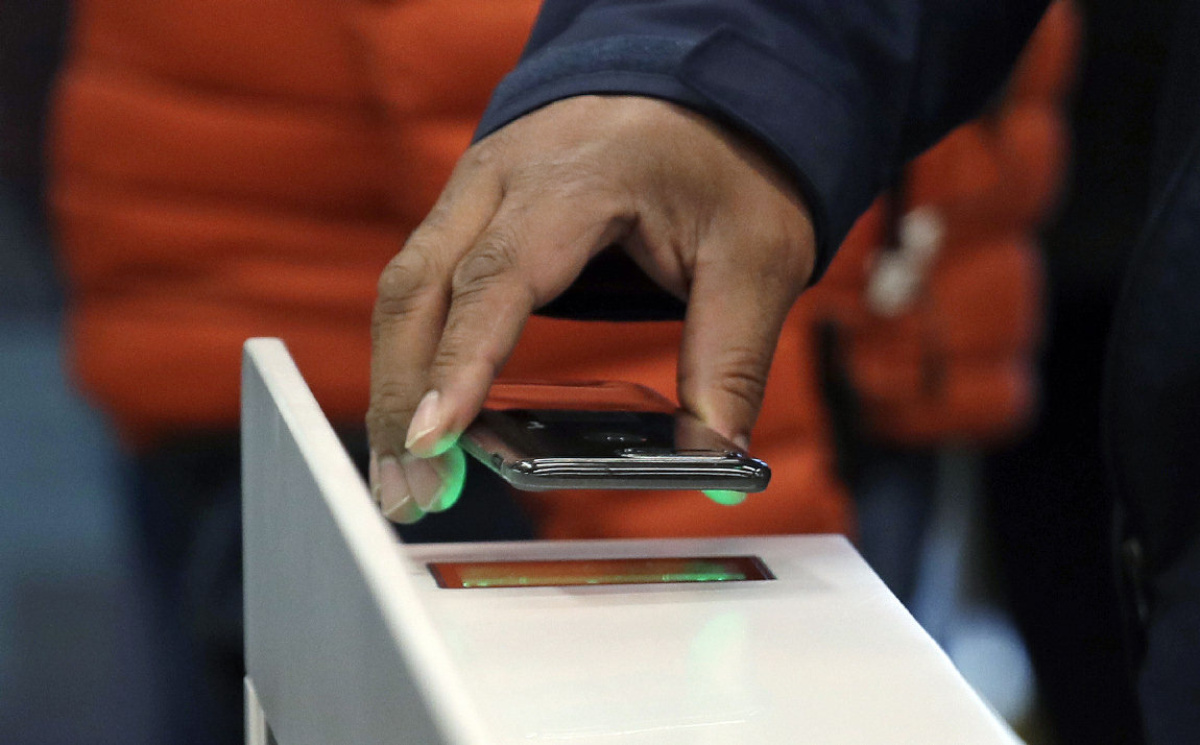
    Technology used at the store scans customers’ smartphones at a turnstile as they enter. Sensors then keep track of items that enter or leave a customer’s cart.

    As customers leave the store, Amazon automatically bills their credit card.

    Microsoft already competes with Amazon in selling cloud services that are important for running e-commerce sites.

    It is not clear how soon Microsoft would bring an automated checkout service to market, if at all, or whether its technology would be the answer retailers are looking for.

    “This is the future of checking out for convenience and grocery stores,” Gene Munster of Loup Ventures said.

    The venture capital firm estimates the U.S. market for automated checkout is potentially worth $50 billion. Cashier is one of the most commonly held jobs in the United States.


  • Amazon Australia launches Prime

    Amazon Australia launches Prime

    Amazon on Tuesday launched its membership program, Amazon Prime, in Australia, offering free two-day delivery to nearly 90 per cent of Australians for an annual fee of $59.

    This is significantly less than the $119 fee for Amazon Prime in the US.

    Amazon Australia’s country manager Rocco Braeuniger noted the company was “thrilled” to introduce Prime six months after launching a local retail offering in Australia.

    “We have been working hard to expand selection, ensure customers get great value, and improve the Amazon shopping experience for Australians. With the addition of Prime, customers can now enjoy the most convenient way to shop and take advantage of new and expanding benefits from Amazon,” he said.

    In a press release, Amazon said its Prime program will bring free two-business-day delivery to 90 per cent of Australians, with more cities, towns and suburbs being added over time.

    It is currently available to members in Australian capital cities, including Sydney, Melbourne, Brisbane, Canberra, Adelaide, Hobart and Perth, as well as regional cities, such as Albury-Wodonga, Bendigo, Gold Coast, Gosford, Newcastle, Shepparton–Mooroopna, Toowoomba, Wagga Wagga and more.

    Prime members in more remote or rural locations will receive free expedited shipping in as fast as four or five days.

    There is no minimum purchase to qualify for free delivery, however, it is only available on ‘Prime-eligible’ products.

    Amazon said there are Prime-eligible products across all 23 shopping categories on its local site, including clothing  and accessories, electronics, books, toys, consumables, and beauty.

    Eligible products at launch include items from brands such as Blackmores, Bonds, Sol-Sana, Breville, Bose, L’Oreal, Tommy Hilfiger, Nintendo, Disney, Universal Sony Pictures Home Entertainment and Huggies.

    Notably, Prime members in Australia also have access to more than four million products on Amazon in the US through the local Australian site and free international delivery on orders over $49.

    This comes after Amazon announced it will stop shipping orders from its US site to Australian addresses in order to avoid having to comply with the new GST laws.

    “We hope that Australians will love free two-business -day delivery on products from Amazon Australia and free international delivery on products from Amazon US, all available to customers on Amazon.com.au,” Amazon’s vice president of Prime International, Jamil Ghani, said.

    “We are really proud to bring Australians the most extensive set of Prime benefits at launch for any country – ever. This is just the beginning for Prime in Australia, as we will keep making Prime better, adding even more selection and benefits.”

    Prime members in Australia also gain access to Amazon’s award-winning Prime Original television shows, as well as other popular movies and shows with Prime Video, over 1000 e-books with Prime Reading, benefits for gamers with Twitch Prime.

    Amazon Prime has more than 100 million paid members around the world.