Tag: android

  • Aqua City’s android has the answers

    Aqua City’s android has the answers

    Odaiba’s Aqua City waterfront shopping complex in Tokyo has an unusual lady on the third floor who waits patiently to answer visitor inquiries.

    Chihira Junco looks exactly like the type of polite, impeccably dressed and well-groomed staff attendant you’d find at a service desk in Japan, only she is not human at all – she is a robot, created by the Toshiba Corporation.

    Robot Japanese mal 1

    Junco gets her name from the fact she was “born” in June, reports Rocket News. Said to be 26 years old, she stands at 165cm and speaks Japanese, English and Chinese.

    Her facial features and hand movements draw large crowds daily. Next to her is an information desk staffed by three real-life female attendants who tend to be overlooked.

    Alongside the android at her desk is a futuristic device that lets visitors interact with her. A touch-screen panel displays options, and responds to mid-air “touch”, meaning customers do not have to actually touch any surface.

    Robot Japanese mal 2

    Once the selection has been made, Junco springs to life, offering guidance and directions in the language chosen, complete with lifelike gestures and a friendly smile. Visitors have a list of options for their inquiries, such as restaurants, transport access and tourist information.

    In the future, the company plans to have Junco respond directly to questions from customers rather than have them use a menu. They also hope to add more foreign languages, including Korean.

    When not responding to customer requests, Junco spends time speaking in Japanese, Chinese and British-accented English in rotation. On special holidays, like Christmas, she dresses up in appropriate outfits.

    * More photos here.

  • Central Department Store app launched

    Central Department Store app launched

    A Central Department Store app has been launched to keep customers informed about in-store promotions, aiming to drive traffic in the lacklustre market in Thailand.

    In the Thai language, Central Smart Shopper lets users key in such factors as date, store branch and budget. It then shows a list of available promotions from about 20 credit-card companies.

    Executive VP for marketing Piyawan Leelasompop says the aim is to capture younger-generation shoppers. “They are eager to change, and one day we could foster the relationship and build brand loyalty.”

    Part of retail giant Central Group, the department store has invested more than 10 million baht (US$280,000) to develop the app, and targets 100,000 downloads by year-end. It plans to further develop the app to link to online shopping.

    This follows Central Group acquiring the Thai market for online fashion marketplace Zalora, as well as a slump in Thai spending. Thailand’s retail sector slowed to 2.8 per cent growth last year, according to the Thai Retailers Association.

    Central Group will kick off a one-and-a-half-month sale on Friday at its 64 branches nationwide, including Central Department Stores. It will invest 100 million baht in the campaign to offer discounts of up to 80 per cent.

  • The smartphone boon and bane

    The smartphone boon and bane

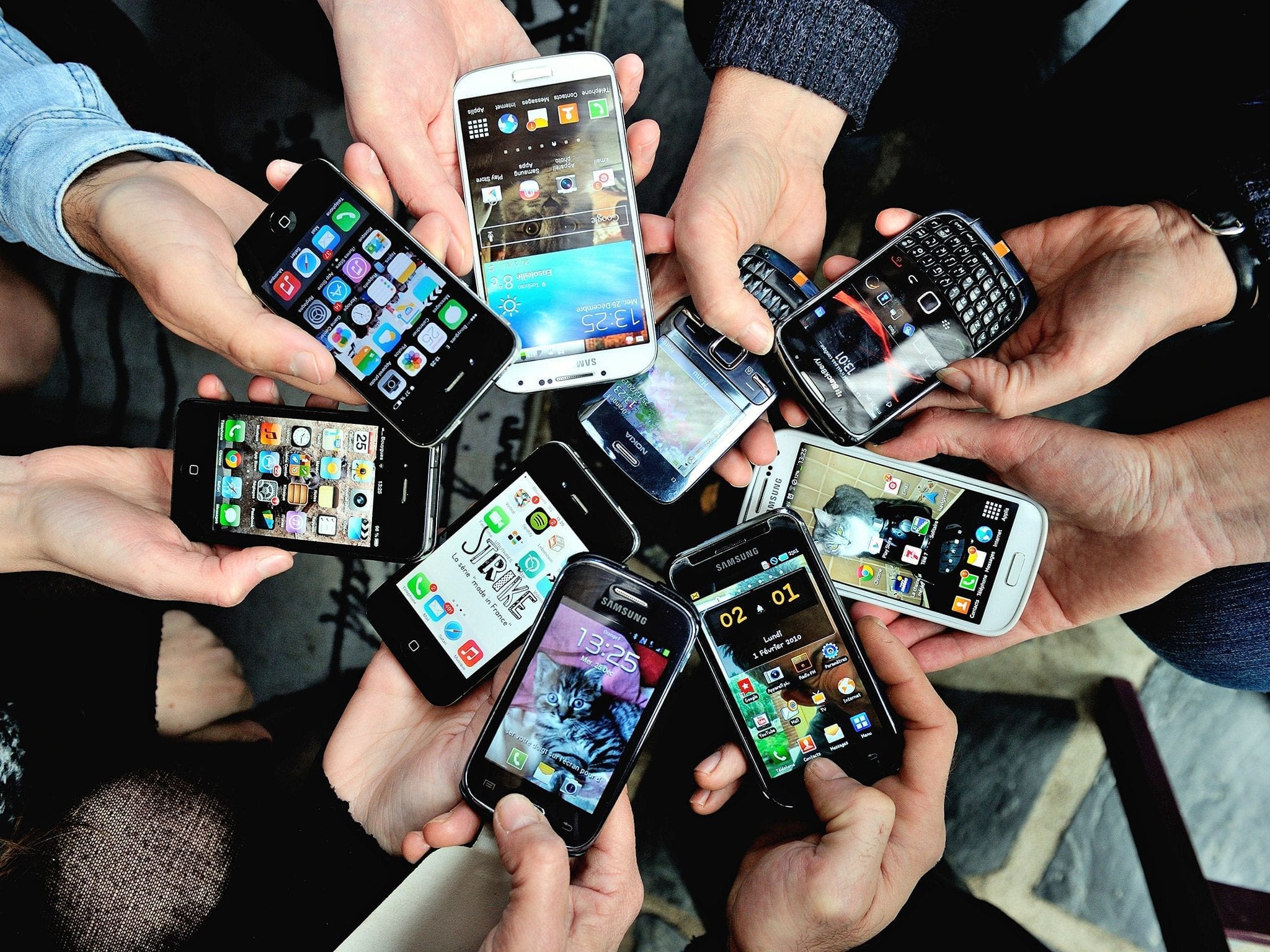
    Feature phones are on their last days, if not their last breath. Consumers’ massive shift in preference for smartphones have decimated feature phone sales.

    The upward mobility of smartphones contrasted with the downward spiral of feature phones has been an intriguing trend to observe. After all, it was only a decade ago when feature phones were enjoying its peak in popularity.

    The upheaval of the mobile industry arrived when Steve Jobs introduced the iPhone to the world in 2007. Steve Ballmer, Microsoft’s chief executive back then, claimed it was the most expensive phone in the world.

    Nowadays, feature phones are not ubiquitous anymore as new players from China, led by Xiaomi, continue to enter the market. These new upstarts not only produce smartphones with industry standard software and applications, but also price them very affordably.

    Asia-Pacific smartphone prices are predicted to drop to an average of $215, making it the region with the lowest price. APAC will be the region with the largest increase in smartphone usage from 2013 to 2019 with approximately 2 billion new smartphone users, where Singapore ranks the highest globally in smartphone users penetration.

    According to a recent survey, 90% of respondents in Singapore say they have access to smartphones. Factors which help facilitate this rapid adoption are fast connectivity and the availability of real-time information access at users’ fingertips.

    As smartphones become increasingly affordable, businesses become more complex specifically the IT infrastructure. Apart from individual and personal use, businesses also encourage employees to use their own devices for work with initiatives such as “bring your own device” (BYOD).

    Enterprises have gained a significant advantage with the modern development of mobile, but these positives also come with new challenges.

    When it comes to devices for businesses, applications play a big role. More and more enterprises are deploying business applications on smartphones and adopting cloud-based business models.

    This enables increased mobility and productivity, making businesses more efficient than ever. Unfortunately, now with various applications installed on smartphones and critical data being so easily accessible, businesses are more prone to virtual threats.

    In 2014, 16 million mobile devices have been contaminated by scams, and hackers are increasingly targeting mobile applications. It has been said that mobile apps are considered “low-hanging fruit” since it is rather fast and easy to exploit the vulnerability of apps as apps exist in an unregulated ecosystem.

    In Singapore alone, mobile security threats have affected 70% of companies. The majority of organizations saying “yes” to employees using their mobile phones for business without giving proper education on BYOD policies also contributed to this number. This trend will cease any time soon as the hackers are expected to continue focusing on mobile devices.

    Given the changes of this behavior and the advancement of technology on smartphones, organizations and governments will need to be able to serve this increasing number of mobile customers and employees while delivering applications and services seamlessly and securely.

    Businesses have always demanded agility and availability without worrying about the security of critical data. That mindset must shift — application security needs to be a top priority for businesses.

    With the rise of smartphones and mobile devices usage for business, the risk of enterprises’ critical data is increasing as well. Business flexibility provided by smartphones comes with a greater responsibility that requires enterprises to step up to secure and manage the applications to keep preforming.

    This generation will see the end of “dumb” phones, and the next might even see them in museums. With such rapid changes in the technology scene, it will be no surprise if the next big thing comes faster than the shift of feature phones to smartphones.

    Asia Pacific holds the biggest stake for smartphones companies, and any respectable industry player must look to the East whenever there is a shift in the mobile telecom enterprise industry.

  • BlackBerry upgrades Priv to Android 6.0

    BlackBerry upgrades Priv to Android 6.0

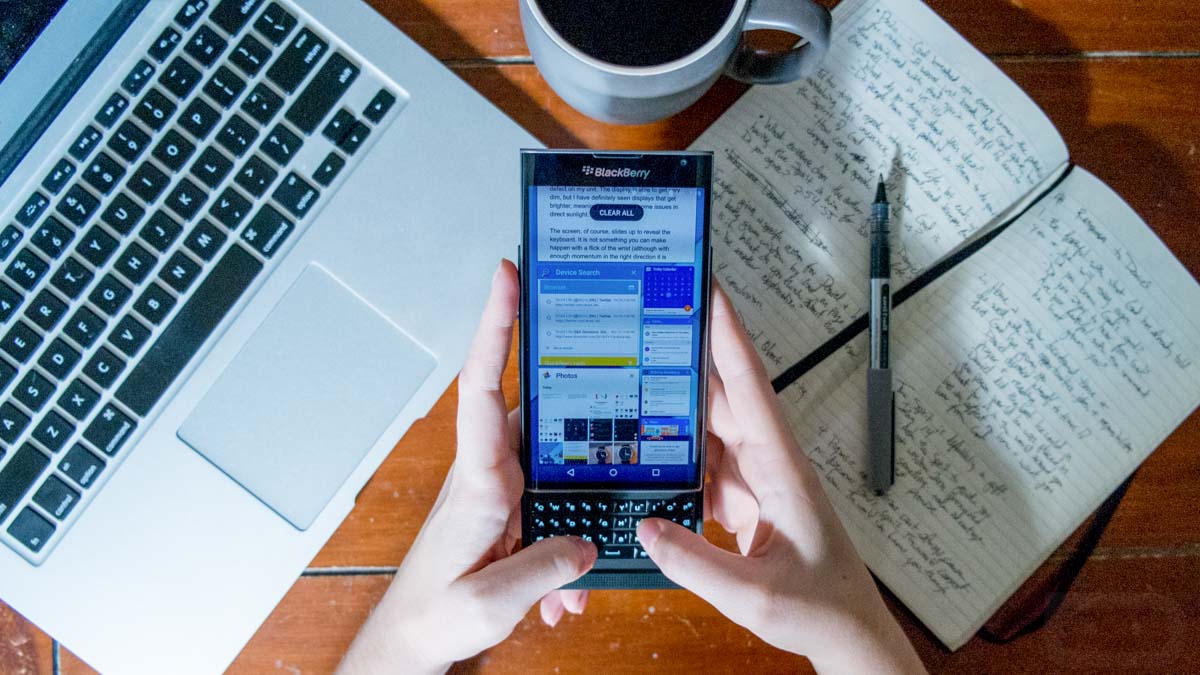
    BlackBerry has released the Android 6.0 Marshmallow (Android M) operating system for Priv, its first smartphone fully powered by Android.

    Priv with Android M is coming soon to major carriers offering the smartphone. Existing Priv users will be able to upgrade to Android M by downloading the software update on their device.

    Android M on Priv promises users more ways to improve their mobile security by providing new opportunities to monitor and control privacy with its unique DTEK app.

    Users will obtain greater productivity through enhancements to the BlackBerry keyboard, BlackBerry Hub, BlackBerry launcher and battery performance. Updates to the BlackBerry camera will foster their creativity.

    The BlackBerry Keyboard has been updated to provide better predictive typing, accuracy, and control. And there are customized notifications to better organise apps and manage productivity with a touch of a button.

    When Priv is at rest, Doze automatically puts the device into a sleep state to increase standby battery life. The App Standby feature will keep infrequently used apps from impacting the battery life.

    “Priv by BlackBerry is the most secure Android device in the market and we continue to find ways to further enhance users’ security and privacy by adding new features with the Marshmallow operating system update,” said John Chen, executive chairman and CEO of BlackBerry.

    Building on BlackBerry’s legacy of security and keeping customer data private, DTEK by BlackBerry has been updated to empower users with more ways to monitor and control their privacy – better protecting PRIV from malware, hacks and data breaches.

    Features include customized personal data permissions. DTEK gives the power back to users to control what to share and when. Users can turn permissions off at any time and still continue to use the app.

    With, improved notification settings, users will only be shown notification controls for sensors that a given app has specifically requested access to. For example, if an application does not request microphone it will not appear in the list.

  • Uber starts motorbike taxi service in Indonesian capital

    Uber starts motorbike taxi service in Indonesian capital

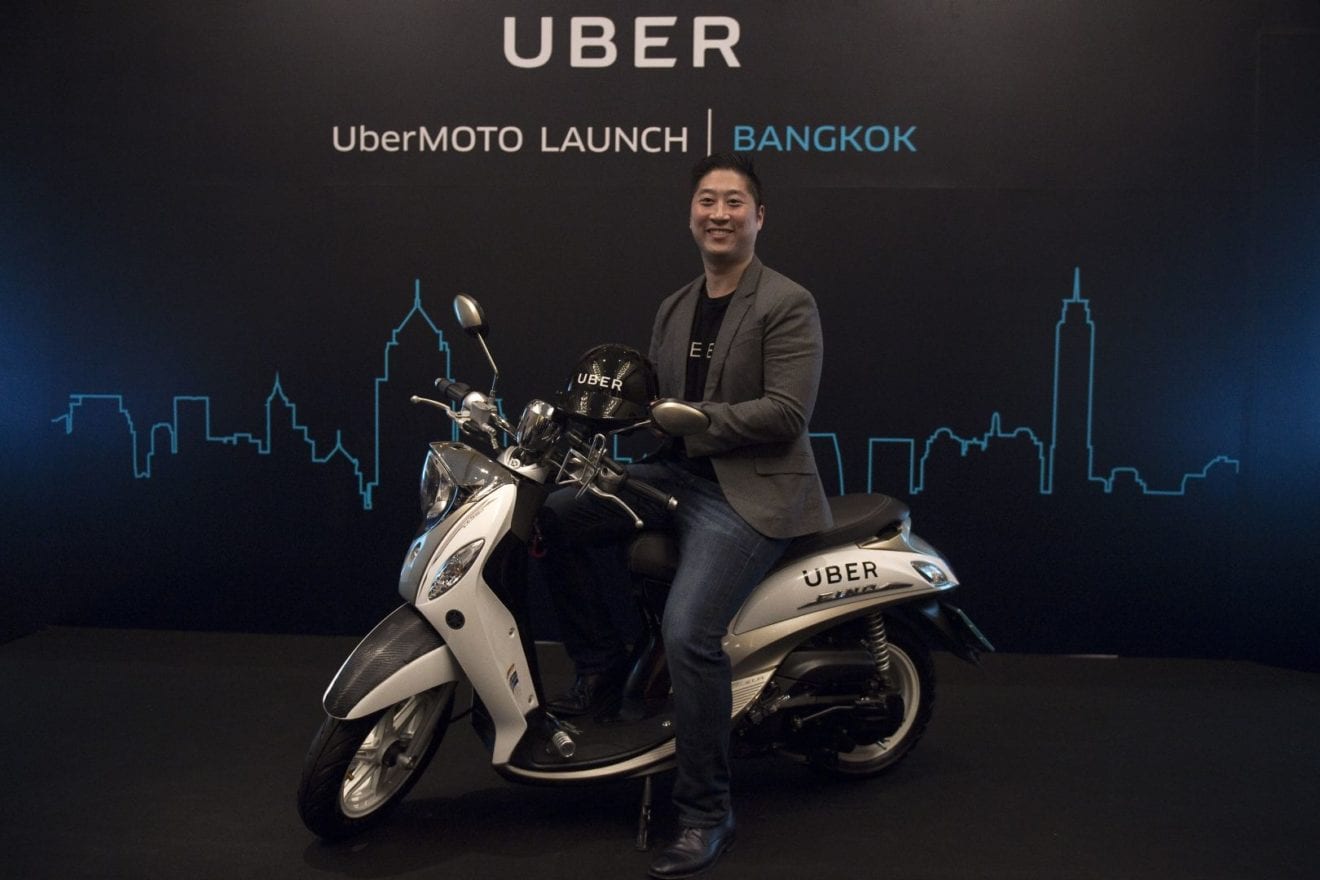
    Ride-hailing app Uber on Wednesday launched a motorbike taxi service in the Indonesian capital where Southeast Asian rivals Go-Jek and Grab are already battling for dominance.

    Jakarta is one of the world’s most congested cities and motorbike taxis ordered from a smartphone app have exploded in popularity in the past 18 months as a way to beat snarled traffic.Uber said that its “UberMotor” service would provide cheap and reliable transportation for hundreds of thousands of people.The company used a local social media and YouTube star Arief Muhammad to launch its service, saying he was the first person in Jakarta to use an Uber motorcycle taxi.

    Both Go-Jek, an Indonesian startup, and Grab, which operates in several Southeast Asian countries, claim to be the biggest provider of motorbike taxi rides in Indonesia.The popularity of motorbikes and regular taxis ordered from a smartphone has provoked a backlash in the taxi industry.Thousands of taxi drivers caused traffic chaos in Jakarta last month in a violent protest against what they believe is unfair competition.

    Drivers say the apps, which are using funding from venture capitalists to offer heavily discounted fares, have severely reduced their income. The app companies say the transport industry should adapt to new technology.The Indonesian government is drawing up new regulations to govern transport apps but has so far resisted calls to ban Uber and similar services.Officials estimate Jakarta’s traffic jams cause economic losses of about $3 billion a year.

  • Samsung won’t like it, but Xiaomi is coming to South Korea

    Samsung won’t like it, but Xiaomi is coming to South Korea

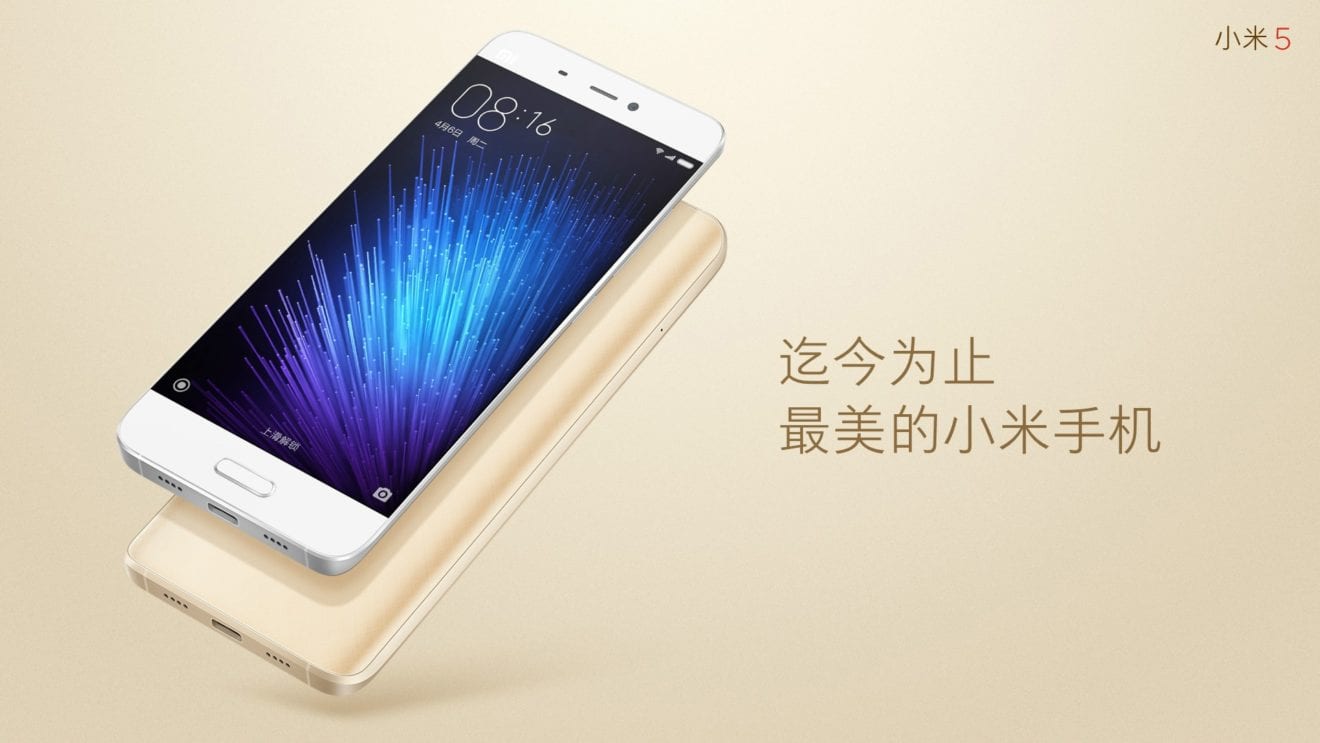
    China’s Xiaomi is now expanding in a country where the competition is particularly tough: South Korea.

    The land of Samsung and LG isn’t an easy proposition, but Xiaomi isn’t doing it alone. The company has this month inked a number of deals with Korean suppliers and distributors to ensure that it will have a presence on the ground in the country.

    Xiaomi has reached an agreement with Youmi and Koma Trade, making the two Korean companies the only official dealers of Xiaomi products in the country.

    The two partners will sell a variety of Xiaomi products, including battery packs, headphones, the Mi Band fitness tracker, and the Ninebot “hoverboard.” Neither company will sell Xiaomi phones, but they will be able to repair the devices and provide support.

    The land of Samsung and LG isn’t an easy proposition, but Xiaomi isn’t doing it alone.

    The paper says the partners are “small companies whose core business has become providing services for Xiaomi. Xiaomi selected the two companies since they can devote all their energy to the Chinese tech giant.”

    In addition to building up its network in the land of Samsung, Xiaomi has also been working on ecommerce and online payments.

    On March 8, news broke that Xiaomi’s smart TVs would be sold in Korea by ecommerce giants Gmarket and Auction.

    Xiaomi has also inked agreements with a number of other Korean ecommerce marketplaces, including E-Mart, ZMI, and 11st. This isn’t exactly a surprise – Xiaomi has always emphasized ecommerce sales beyond its own website, with deals on Alibaba’s Tmall and Taobao in China. But in South Korea, where the ecommerce market is a bit more fractured, the company is spreading its resources around.

    The smartphone conundrum

    None of those stores, however, are selling Xiaomi phones – yet. Aside from the occasional short-lived sale online, it’s rare to see Xiaomi’s smartphones for sale in the country, other than second-hand or from random Chinese importers. Ecommerce market KT briefly sold Xiaomi phones in January, but had to close the sale after just two days citing “legal issues.” It’s not clear if Xiaomi officially backed those sales.

    But those “issues” haven’t scared Xiaomi away from the Korean market. Just today, the Korea Herald reported that Xiaomi has filed for a patent in South Korea for its Mi Pay epayments service – a phone-based service that can’t exactly be used with its battery packs or TVs.

    Xiaomi certainly has smartphone sales in Korea on its roadmap.

    The Mi Pay patent shows that Xiaomi certainly has smartphone sales in Korea on its roadmap. The Herald speculates what many have long expected – that Samsung and LG have put pressure on Korean retail companies and mobile carriers to keep Xiaomi out.

    But their embargo doesn’t look like it will last forever. Xiaomi has managed to find enough local partners to gain a solid foothold in the country, and it looks like it will only expand from here. Samsung and LG might not like it, but it looks like their Chinese competition will be hawking smartphones in their backyards any day now.

  • Smartphones outpace tablets in Asian eCommerce

    Smartphones outpace tablets in Asian eCommerce

    For the first time, 34 per cent of browser-based online transactions globally are now made on a mobile device, compared to slightly more than 30 per cent last quarter.

    And smartphones are starting to outpace tablets.

    These were key findings of the fourth quarter edition of the Mobile Payments Index by Global payments technology company Adyen, which tracks mobile payment data from browser-based transactions across its client base and monitors Asian eCommerce shopping patterns.

    It also found that many consumers in Asia are increasingly using mobile devices to shop online. This is being driven particularly by such major payments methods as Alipay, JCB and UnionPay. JCB had the highest share (54 per cent) of mobile payments on the Adjen platform, up from 47 per cent the previous quarter. Alipay increased to 44 per cent (up from 35 per cent) while UnionPay reached 31 per cent (from 23 per cent).

    “The checkout stage of the shopper journey is not the end, but the beginning of an on-going relationship with the consumer,” says Adyen Asia Pacific president Warren Hayashi. “Merchants with a frictionless mobile checkout experience are driving repeat traffic, especially in Asia.”

    For the first time, the index shows that smartphones have overtaken tablets as the preferred device for online shopping – 17.5 per cent on smartphone against 16 per cent on tablet, compared to 14 per cent and 17 per cent respectively the previous quarter.

    When it comes to mobile payments globally, the trend to use smartphones rather than tablets continues for the 10th consecutive quarter. Last quarter this share was up 2 per cent to 68 per cent on smartphone versus 32 per cent on tablet.

    Smartphone use far outweighed tablet in Asia, with 29.5 per cent of online payments on a smartphone compared to 4.5 per cent on a tablet.

    In terms of average transaction value, iPad led the way for the first time at $107, edging out not just smartphones but also desktop/laptop, the traditional leader (at $106). Following were Android tablets at $86, iPhone at $83 then Android smartphones at $73.

    Adyen has been tracking the evolution of mobile payments since June 2013. The index is based on its global browser-based mobile payment transaction data. It does not track in-app mobile payments. With its headquarters in Amsterdam and San Francisco, Adyen serves more than 4500 businesses, customers including Airbnb, Booking.com, Crocs, Dropbox, Facebook, KLM, Mango, Netflix, Spotify and Yelp.

  • Amazon Fire tablet hits China

    Amazon Fire tablet hits China

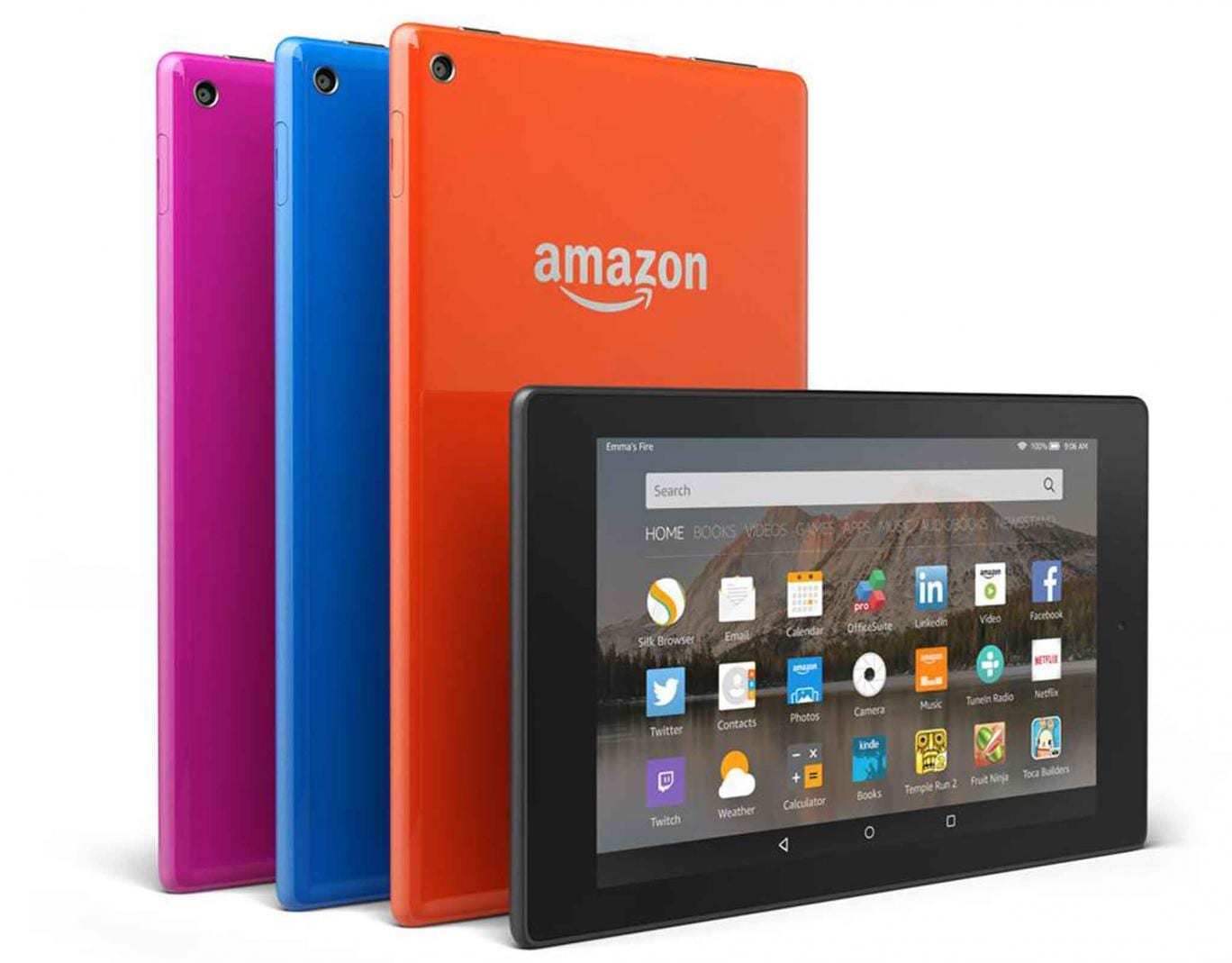
    Amazon has launched its first ever tablet in the Chinese market. The online retail giant has made the Amazon Fire tablet available in China. It initially launched in the West back in September with an eye-catching £50 price tag.

    With a price of 499 RMB, the Amazon Fire is pretty much identically priced in this new market.

    Amazon has had to find a new search engine partner for the China launch. Google is unable to operate in the country, so Amazon is partnering with top Chinese search engine Baidu to help power its tablet.

    Baidu will also provide apps through its 91Wireless Android app store, as well as online video through iQiyi – China’s second biggest online video service.

    Amazon doesn’t enjoy anything like the same market position as it enjoys in the US and UK over in China. It’s online retail business is well behind such local giants as Alibaba and JD.com.

    It will be interesting, then, to see how the Amazon Fire tablet fares in China – especially as its low price is nothing special in a market filled with affordable, decent-quality Android tablets.

    Still, the extensive backing of China’s top search engine should at least start the Amazon Fire tablet off on something like a level playing field.


  • Mobile banking consumers in Singapore warned of malware threat.

    Mobile banking consumers in Singapore warned of malware threat.

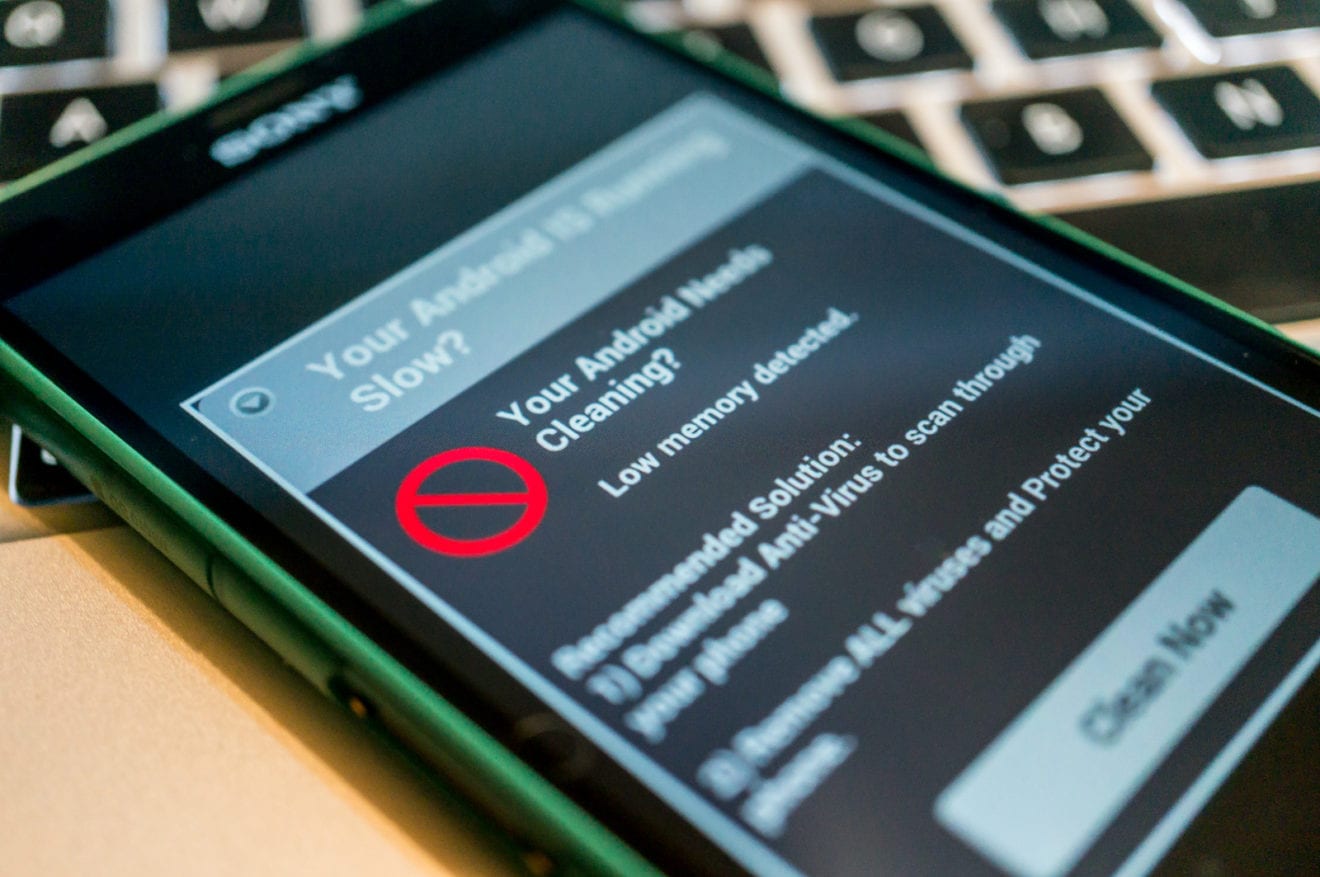
    Bank customers in Singapore have been warned of a rise in malware infections on Android phones that seek to hijack online passwords and one-time security codes.

    The warning, from the Association of Banks in Singapore (ABS), says the infections appear as a software update for Android smartphones, or as a service for updating WhatsApp.In the latter, a pop-up advertisement encourages consumers to tap it and download a “new” version of the program or risk losing access to the service. After downloading the update, the application will prompt the customer to input confidential information, such as credit card details, which could then be used to commit fraud.

    Smartphones that have been jailbroken or rooted are particularly susceptible to infection, says the ABS.

    Ong-Ang Ai Boon, director of ABS, says that major retail banks in Singapore have seen an increase of mobile banking customers from 1.5 million in 2013 to 2.4 million in 2015.

    “ABS would like to remind mobile banking customers that smartphones are as susceptible to malware as desktop computers or laptops,” she says. “Consumers are reminded to download applications only from trusted sources.”

  • ASOS launches mobile apps for iPhone, iPad and Android in China

    ASOS launches mobile apps for iPhone, iPad and Android in China

    Developed using retail technology specialist Red Ant’s award-winning RetailOS mobile commerce accelerator, the apps are:In a first for the UK’s largest independent online fashion and beauty retailer, ASOS has launched mobile apps for iPhone, iPad and Android to the Chinese market.

    • Fully transactional mobile app designed specifically for the 700 million-strong Chinese smartphone user market
    • Feature rich and fully shoppable with hybris commerce platform and Alipay
    • Features include Catwalk for all products, access to personal profiles, wishlists and Chinese social sharing

    Social media buzz suggests it has been well-received by ASOS customers and the fashion industry:

    • “I appreciate the fashion sense of ASOS’ fashion buyer, the items on the app attracted me so much and the app is more convenient than selecting on the website. I can also share the items with my friends from my phone, it is very warm and useful for us.”

    Men’s Health Assistant Editor Yu Qing

    • “Cool! Finally I can view the ASOS products in clear categories instead of spending a lot of time searching for what I want on Tmall. It’s more convenient.”

    Rayll Beauty Fashion Editor Kich

    ASOS’ general manager – China, Daniel Jenks, said: “ASOS is dedicated to delivering the best possible experience to our customers in China, and the launch of our apps, backed by Red Ant’s expertise, is a significant step towards ensuring they receive a high-quality, mobile-first service which meets all of their needs in an increasingly sophisticated marketplace. We’re delighted with the results so far and in the space of a few weeks, app downloads and sales have exceeded our expectations to form a substantial mix of our sales.”

    Red Ant’s CEO Dan Mortimer said: “As the UK continues to forge stronger and more profitable business relationships with China, we are delighted to be the mobile partner of choice in the Far East for one of the world’s most successful and reputable online retailers. The local knowledge and expertise of our team on the ground in Asia has been invaluable in developing an app which makes the most of the commercial opportunities presented by the world’s biggest mobile market.”

  • BlackBerry’s Priv Arrives in Hong Kong

    BlackBerry’s Priv Arrives in Hong Kong

     BlackBerry Ltd’s first Android-based smartphone, Priv, is coming to Hong Kong, according to a company release. Priv is expected to be formally available in retail stores in Hong Kong starting mid this month. In Hong Kong, Priv will be available at a price starting from HK$6,488. The device costs $700 in the U.S.

    BlackBerry Ltd’s Priv is set to officially launch in Hong Kong in the coming days. Powered by Alphabet Inc’s Android, BlackBerry presents Priv as a productivity tool that also doesn’t compromise on security or privacy. BlackBerry will sell Priv at HK$6,488 in Hong Kong as it targets to reclaim lost share of the smartphone market in Asia. The device is sold in the U.S. at $700 and is initially supported by AT&T Inc.

    Priv is a dramatic departure from BlackBerry’s hardware tradition. The smartphone not only runs a foreign operating system (Android), but also features dual keyboard whereby one is virtual and the other is a traditional physical keyboard. According to BlackBerry, the physical keyboard is perfect for fast and accurate typing, which is why power professionals would love the device.

    As a productivity tool, Priv gives users access to more than a million apps on Alphabet’s Google Play.

    Hardware built encryption

    Physical keyboard for productivity is only one of the key distinguishing features of Priv. BlackBerry has also improved security in the device by building encryption into the hardware. Most mobile security features are software-based. However, with heightened risks of hacking, building security into the device chips is expected to become popular. Speculations recently swirled that Alphabet was considering making custom chips for Android phones and it is believed the strategy is aimed at bringing device security to the chip level.

    In the case of Priv, BlackBerry has not only build encryption keys into the hardware, but also guarantees secure boot to ensure that nothing catches you unawares.

    Specs
    BlackBerry Ltd’s Priv spots 5.4-inch AMOLED display that renders resolution of 2560×1440 pixels. The device is powered by Qualcomm, Inc.’s Snapdragon 808 processor. Priv ships with 32GB of internal storage that is expandable up to 2TB through microSD card. The smartphone comes with 18MP camera at the back.

    The productivity nature of BlackBerry’s Priv is reinforced by a 3410 mAh battery capable of delivery 22.5 hours of usage.

  • Google Nexus 6P pre-order in Singapore starts Nov 2

    Google Nexus 6P pre-order in Singapore starts Nov 2

    Fans of Google Nexus smartphones in Singapore will soon be able to get their hands on the search giant’s latest large-screen flagship, the Nexus 6P.

    In a joint statement, Huawei Consumer Business Group (which manufactures the Nexus 6P and distributes the device in markets where Google’s official online stores aren’t available) and online retailer Lazada announced the smartphone will be available for pre-order exclusively on Lazada.sg from Nov 2-11.

    This is the first time a Google Nexus smartphone is being sold in Singapore through official channels.

    The last time a Nexus device made it to Southeast Asian shores was in 2013 when Taiwan’s Asus offered the Nexus 7 tablets through its retail outlets.  Last year’s Motorola-made Nexus 6 smartphone by comparison, was only sold through third-party importers.

    Huawei’s head of Consumer Device Singapore, Low Han Thong, said in the statement, “Huawei is excited to collaborate with Lazada to offer consumers in Singapore, for the first time, an alternative channel to own the premium Nexus experience.”

    The device will be available in silver and black colour options at a pre-order price of S$899 for the 64GB storage version and S$999 for the 128GB model.  After the pre-order period, the pricing will revert to S$949 (64GB) and S$1049 (128GB).

    At the Oct 28 media briefing organised by Huawei Singapore, a company spokesman said Huawei is planning to sell the highly-rated smartphone through traditional retail and carrier channels as well, although there’s no confirmation on which operator will carry the product eventually.

    Additionally, the company expects inventory for the 128GB model to be highly limited, due to a global supply shortage.

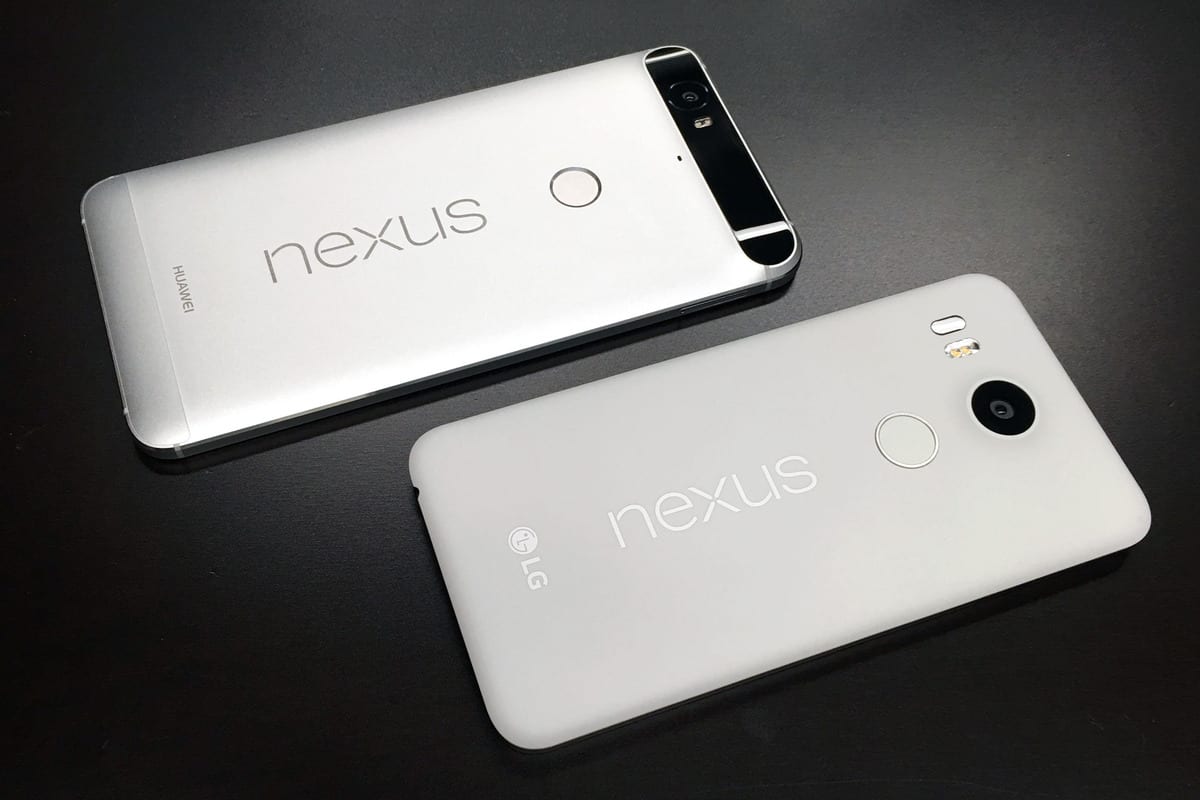
    The 5.7-inch Nexus 6P is designed with a full metal unibody and sports a high-resolution QHD AMOLED display with 518 ppi (pixels per inch).  That screen is flanked by two front-facing speakers that help improve the experience when watching videos or taking a conference call.

    The phone is powered by Qualcomm’s 2.1 version of its flagship Snapdragon 810 processor, has a fingerprint sensor and fitted with a reversible USB Type-C port with support for fast charging.  The device features 3GB of RAM and storage options of 64GB or 128GB.

    On the downside, there is no expandable storage support and the battery is non-removable, but at 3450mAh, it seems beefy enough that you won’t really need a second battery.

    The highlight of the device though, is that it runs on a pure, stock version of Google’s brand new Android 6.0 Marshmallow operating system, without the typical skins or bloatware offered by phone manufacturers.  For many, this is the primary reason to purchase a Nexus branded smartphone or tablet, as these devices are the first to receive the latest Android software upgrades from Google.

    The Nexus 6P is one of the two smartphones Google introduced during its recent Nexus event, the other being the smaller (but hardly small) 5.2-inch Nexus 5X, which is manufactured by South Korean giant LG Electronics.

    During the hands-on session at the media event, the Nexus 6P still felt a little large but did exude a premium feel. The Marshmallow interface isn’t that different from Lollipop (Android 5.0) but there are some changes under the hood, including better support for the biometric sensors like the fingerprint reader.  Autofocus on the camera was fast and the pictures turned out sharp and well-exposed.

    Overall, this smartphone looks like a credible contender against Apple’s iPhone 6S Plus and Samsung’s new Galaxy Note 5 in terms of large screen devices, although there is no shortage of impressive Android flagships this year, including Huawei’s very own Mate S.

  • PLAYe is revolutionizing how people play games with 3-in-1 online-mobile-offline platform

    PLAYe is revolutionizing how people play games with 3-in-1 online-mobile-offline platform

    It partners with retailers to offer interactive experiential centres. Hobbyists usually have to go to a store to buy their favourite games and collectibles. Depending on where they are based, they may have a limited range of merchandise to choose from and have to wait sometime to lay their hands on the items. “Is there a better way of delivering value to the end-user?” This is a question that a team of 20 people from tech firm Corous360 tried to solve in developing PLAYe, a 3-in-1 online-mobile-offline integrated platform. Launched in July 28, 2015, it aims to redefine the Asian consumer experience and to bring together all consumer profile channels into one.

    PLAYe claims to be the next wave of evolution for games and entertainment. It offers consumers an enhanced user experience wherein they can browse through a wide range of latest games and merchandises and make them accessible, convenient and secure purchase transactions via an app and online platform. The app is now available for download for free from Apple App Store and Google Play store.

    Consumers can also pre-order upcoming merchandises through PLAYe app and have them delivered to their doorstep.

    PLAYe also provides an up-close visual experience at retail outlets, also known as interactive experiential centres. These outlets double as convenient collection points for online purchases. Through its curated contents, PLAYe engages the gamers and hobbyist community by delivering timely and customised news at their fingertips. According to the Corous360, the most unique selling point is an in-built push-to talk function that further enhances the users’ experience.

    “Our goal is to bring the store front “face-to face/human interaction” experience to you through ASK PLAYe, which serves as a concierge service to consumers, where consumers can engage in a conversation on the latest range of collectibles and gadgets and offers updated information on the newest games and products at the push of a button,” said Kelvin Tay, CEO of Corous360.

    The PLAYe experiential centres are expected to be rolled out in the next six to twelve months.

    Kelvin added that they are ‘reinventing’ the shopping experience for the end-user by combining the satisfaction and reliability of the physical retail experience with the convenience and speed of a mobile platform.

    “The online and mobile platform becomes an extension of the physical store, and the physical store becomes an experiential centre that guides the consumer through the catalog and product descriptions,” he explained.

    The benefits for retailers

    Not only is PLAYe useful to consumers. According to Kelvin, PLAYe is also trying to solve the age-old problem of finite resources.

    “Anybody can point out that m-commerce/e-commerce represents the next opportunity for growth for retailers. The question, of course, is how would any given retailer accomplish a credible platform to tap into this growth without diverting their current limited resources?,” he said.

    By tapping into the PLAYe platform, Kelvin explained that retailers will be provided with a “plug and play” cost-effective e-commerce to integrate with their physical stores. They can then concentrate on their core strength which is to provide a superior brick-and-mortar experience. PLAYe will then work hand-in-hand with the retailer to realise their unique retail experience online.

    “For retailers, PLAYe app is able to reach out to a wider audience beyond the geographical location of a physical retail shop. Our PLAYe platform tracks both offline and online transactions. This consumer profiling allows the retailers to make more accurate forecasts on consumer demands, which helps improves their business efficiencies,” he said.

  • Users Can Pay Instantly Through BlackBerry ‘s BBM Money In Indonesia

    Users Can Pay Instantly Through BlackBerry ‘s BBM Money In Indonesia

    Blackberry disclosed that its users in Indonesia will be able to pay for goods, as well as, services through online and in stores instantly with the help of BBM money. The users need not have to bother where they bank and use it. The move comes on the heels of the company holding an event last week to provide an update to media, iOS, Android, and BlackBerry communities in the country.

    All Platforms

    BlackBerry Ltd indicated that the app could be used on all major platforms to make payments from mobile. The company said that BBM Money is an app that merges directly with BBM account of a customer, which enables users in Indonesia to pay in real-time with the help of its platform with which its BBM platform is familiar and comfortable with. The move strengthens the firm’s expertise, as well as, a legacy in respect of security and privacy.

    The company said that in Indonesia, BBM is the most popular messaging app, especially on devices running Android OS. BlackBerry believes there are three  favorable trends for making the country an obvious choice for the launch of a mobile money service.

    Booming E-Commerce

    BlackBerry Ltd (NASDAQ:BBRY) said that e-commerce is not only booming but also growing at a faster rate globally though behind China. Also, the 250 million people are witnessing a rapid development of economic activity in the country.

    The second trend is in respect of smartphone penetration, which reached 20%. The adoption rate is considered highest in the world. Also, mobile messaging appears to be common in Indonesia. Aside from these, the first experience of the Internet is from a smartphone for most of the citizens in the country. As a result, there exists a tremendous opportunity for innovative and entrepreneurial online retail startups. That is set to draw the attention of fresh customers through the smartphones. That is exactly where the company’s mobile channels and mobile ad platform will play a crucial role.

    Fewer People With Cards

    The last and the third trend pointed out by smartphone inventor is the fewer number of people having access to traditional bank account. Also, only 11% of the citizens have debit cards while credit card holders account for only 3% in the country. That suggests that there are more users of BBM than the card users. As a result, its mobile payment service is more useful for those without access to a bank account or credit or debit card. That is because its service is integrated with the mobile messaging service, which the citizens love very much.

    BlackBerry Ltd said that it is working with some of the retailers to accept instant mobile payments through BBM money to celebrate Ramadan. That is a busiest buying season in any year in Indonesia.

  • Myanmar is the eighth country to join Google’s Android One initiative

    Myanmar is the eighth country to join Google’s Android One initiative

    Following last month’s launch in Turkey, Google has today announced that Android One is now expanding to its eighth country: Myanmar. Cnsumers will be able to buy the Cherry Mobile One in the country, and like all Android One phones, it runs the latest version of Android 5.1.1 Lollipop. The hardware is definitely in the budget range, however,  and starting June 26, the device will be available for purchase at retail in Myanmar, starting at Ks 109,000.

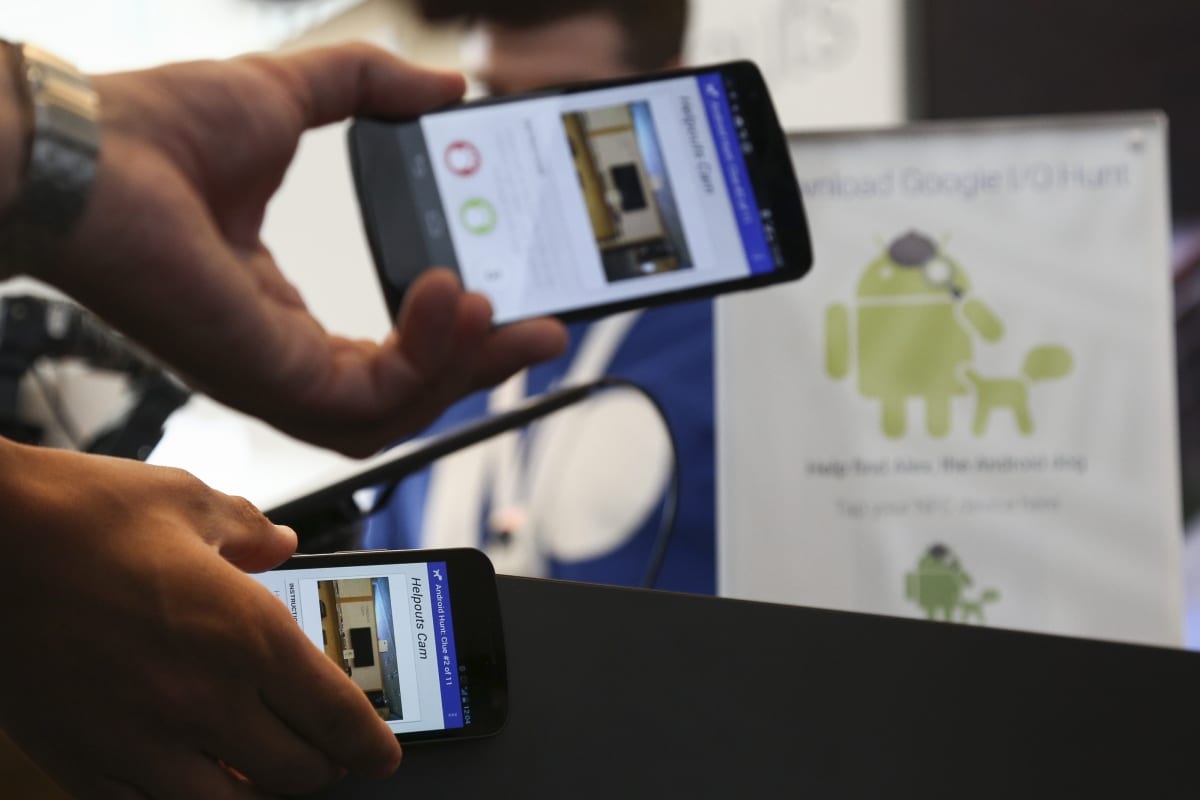
    Since they’re such an important part of our lives, the experience of a smartphone matters a lot. Last year, Google launched the Android One program to help put high-quality, up-to-date devices into the hands of as many people as possible. Following the launch in India nine months ago, Android One has expanded to six additional countries: Bangladesh, Nepal, Sri Lanka, Indonesia, the Philippines, and Turkey — and today, we’re excited to add Myanmar to that list, working in partnership with Cherry Mobile. That makes eight.

    Google originally launched the Android One initiative in India followings its announcement at Google I/O 2014. Following that, Android One made its way to Bangladesh, Nepal, Sir Lanka, Indonesia, the Philippines, and Turkey. You can find the official announcement of Android One’s entrance in Myanmar over at the Google Asia Pacific blog. Google says it hopes to “put great smartphones into the hands of more people across Myanmar,” and that more devices will launch soon.