Tag: android

  • Global device sales set to stay flat until 2018

    Global device sales set to stay flat until 2018

    Worldwide combined shipments of PCs, tablets, ultramobiles and mobile phones are projected to remain flat in 2017 with 2.3 billion units, according to Gartner.

    There were nearly 7 billion phones, tablets and PCs in use in the world by the end of 2016. However, Gartner does not expect any growth in shipments of traditional devices until 2018, when a small increase in ultramobiles and mobile phone shipments is expected.

    “The global devices market is stagnating,” said Ranjit Atwal, research director at Gartner. “Mobile phone shipments are only growing in emerging Asia-Pacific markets, and the PC market is just reaching the bottom of its decline.”

    Atwal said that aside from declining shipment growth for traditional devices, average selling prices are also beginning to stagnate because of market saturation and a slower rate of innovation.

    “Consumers have fewer reasons to upgrade or buy traditional devices,” he said. “They are seeking fresher experiences and applications in emerging categories such as head mounted displays (HMDs), virtual personal assistant (VPA) speakers and wearables.”

    Gartner sees the PC market benefiting from a replacement cycle toward the end of this forecast period, returning to growth in 2018. Increasingly, attractive premium ultramobile prices and functionality will entice buyers as traditional PC sales continue to decline.

    The mobile phone market will also benefit from replacements. There is, however, a difference in replacement activity between mature and emerging markets.

    “People in emerging markets still see smartphones as their main computing device and replace them more regularly than mature markets,” said Atwal.

    Device vendors are increasingly trying to move into faster-growing emerging device categories.

    “This requires a shift from a hardware-focused approach to a richer value-added service approach,” said Atwal.

    “As service-led approaches become even more crucial, hardware providers will have to partner with service providers, as they lack the expertise to deliver the service offerings themselves.”
  • Samsung Malaysia launches Galaxy A5 and A7 2017 with IP68 rated dust and water resistance

    Samsung Malaysia launches Galaxy A5 and A7 2017 with IP68 rated dust and water resistance

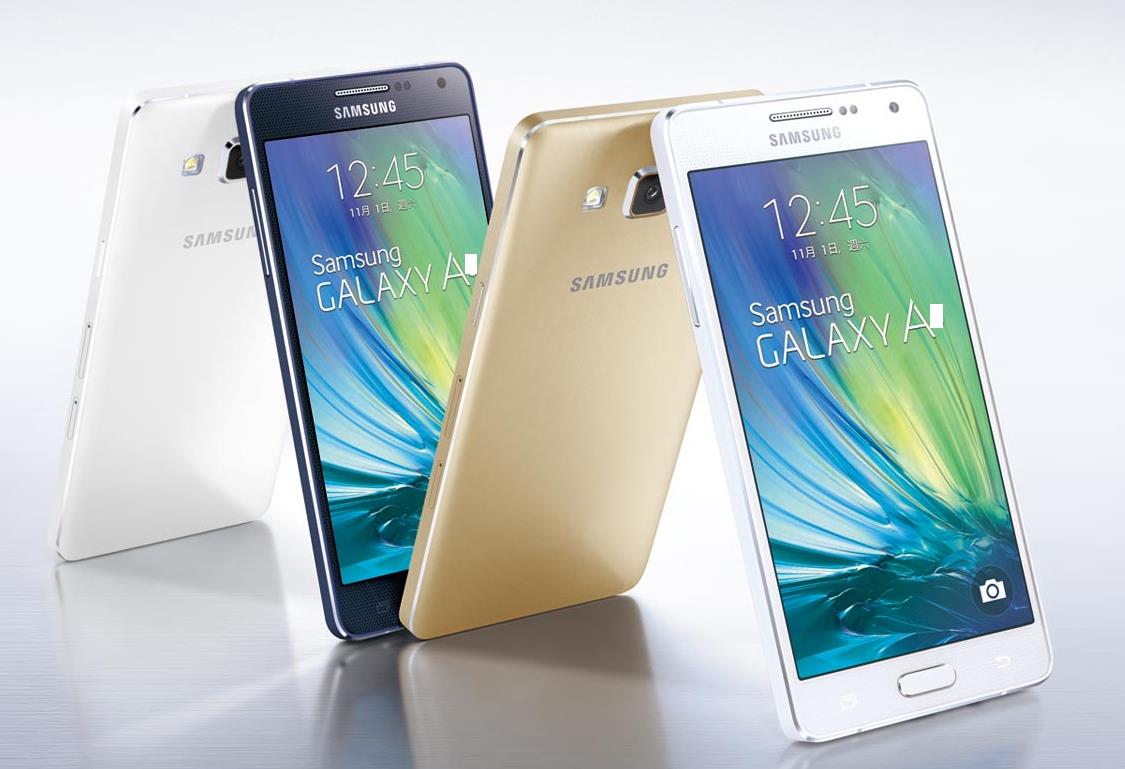
    Samsung Malaysia has announced the latest 2017 version Galaxy A lineup for the local market that features IP68 certified water and dust resistance along with built-in Samsung Pay function.

    The all-new Galaxy A series 2017 that was introduced include Galaxy A5 and Galaxy A7. The main differences between the two are the screen size and battery capacity. The Galaxy A5 comes with a 5.2 inch Full HD Super AMOLED display with a 3,000 mAh size battery. Galaxy A7 on the other hand features a 5.7 inch Full HD Super AMOLED display with a 3,600 mAh size battery.

    galaxy-a5-a7-01

    Apart from the above dissimilarities, both devices share similar components such as a 1.9GHz octa core SoC, 3GB RAM, 32GB expandable storage (up to 256GB), front-facing fingerprint scanner, 16 megapixel f/1.9 for both front and rear cameras as well as fast charging support via USB Type-C.

    It is worth noting that Samsung has separated the dual SIM card slots from the microSD card slot which means you won’t have to choose between using dual SIM card or one SIM card with a microSD card. We are also slightly disappointed that both the Galaxy A 2017 devices will be running Android Marshmallow OS instead of the latest Android Nougat.

    The local retail price for both Galaxy A5 2017 and A7 2017 are RM1,699 and RM1,899 respectively. Pre order starts from the 6th to 15th of January 2017 at selected Samsung outlets. If you make your pre-order during this period, you will receive a pair of Samsung Level U Pro wireless headphones worth RM399 for FREE!

  • Qualcomm to support Google’s Android Thing IoT platform

    Qualcomm to support Google’s Android Thing IoT platform

    Qualcomm announced that it plans to work with Google to add support for the search giant’s new IoT operating system, Android Things, in its Snapdragon processors.

    In a statement released Wednesday, Qualcomm said the collaboration with Google will focus on developing both “consumer and industrial applications” and the initiative would help a vast number of developers participate in the IoT opportunity.

    “We anticipate Android Things running on Snapdragon processors will offer developers familiar connectivity environments, including cellular, Wi-Fi, and Bluetooth; support for a wide array of sensors; camera, graphics, multimedia, and rich UI capabilities; hardware-based security; Google services and cloud integration; test and optimization tools, and more – allowing for rapid development of scalable, cost-effective and security-focused IoT solutions,” Qualcomm said.

    Although Android Things is currently in a developer preview stage, Qualcomm noted the platform is expected to be released more broadly on Snapdragon processors next year.

    Qualcomm’s announcement came a day after Google launched a preview of the new IoT platform which it said would enable developers to quickly build smart devices using Android APIs and Google services.

    In a blog post on the Android Developers’ Blog, Google said Android Things incorporates feedback received on its Project Brillo IoT OS and will include tools such as Android Studio, the Android Software Development Kit, Google Play Services, and Google Cloud Platform.

    Google will also offer Developer Preview updates in the coming months to provide the infrastructure necessary to securely push OS patches, security fixes, a developer’s own updates, built-in Weave connectivity and more, the search giant added.

    Google is also updating its IoT communication platform Weave to help facilitate cloud connectivity for all types of devices so they can interact with services like Google’s Assistant.

    “This is just the beginning of the IoT ecosystem we want to build with you,” Google developer advocate Wayne Piekarski wrote in the blog post.

  • Meitu’s Hong Kong IPO to value China photo app maker at up to $4.5 billion

    Meitu’s Hong Kong IPO to value China photo app maker at up to $4.5 billion

    Chinese photo app and mobile phone maker Meitu Inc is set to launch an up to $735 million initial public offering in Hong Kong, IFR reported on Monday, citing people close to the deal. Meitu, better known for its apps that let users retouch and beautify selfies and other photos, is offering shares in an indicative range of HK$8.50 to HK$9.60 ($1.10-$1.24) each, added IFR, a Thomson Reuters publication. The IPO is slated to be priced on Dec 8.

    Meitu did not immediately reply to a Reuters request for comment on the IPO terms. The deal will value Meitu, which counts venture capital investors Qiming Venture Partners, IDG-Accel China and Tiger Global among its backers, at up to $4.5 billion, IFR said.

    The IPO will be a rare technology sector IPO in Hong Kong. Between one-quarter to one-third of the shares will be sold to cornerstone investors, IFR said. That would be much lower than some of the large new listings in the city, including the $7.6 billion IPO of Postal Savings Bank of China (PSBC) in September that had 77 percent of its deal bought by cornerstones.

    Large investments by cornerstone investors hurt liquidity for IPOs once the shares start trading, as the stock is locked up for a minimum of six months. The cornerstone money can also pressure the stock as the expiration of the lock-up period nears. China Merchants Securities, Credit Suisse and Morgan Stanley were hired as sponsors of the IPO.

  • BlackBerry launches branded smartphone in Hong Kong

    BlackBerry launches branded smartphone in Hong Kong

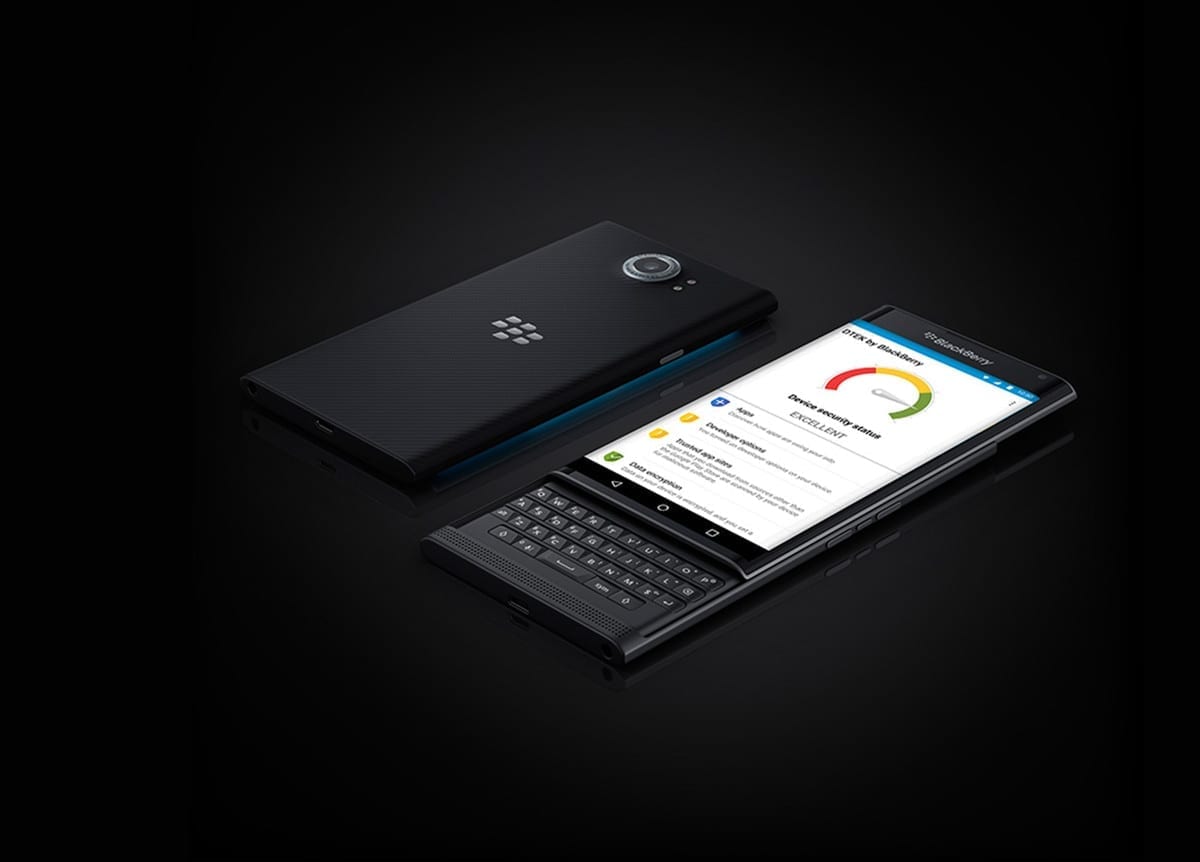
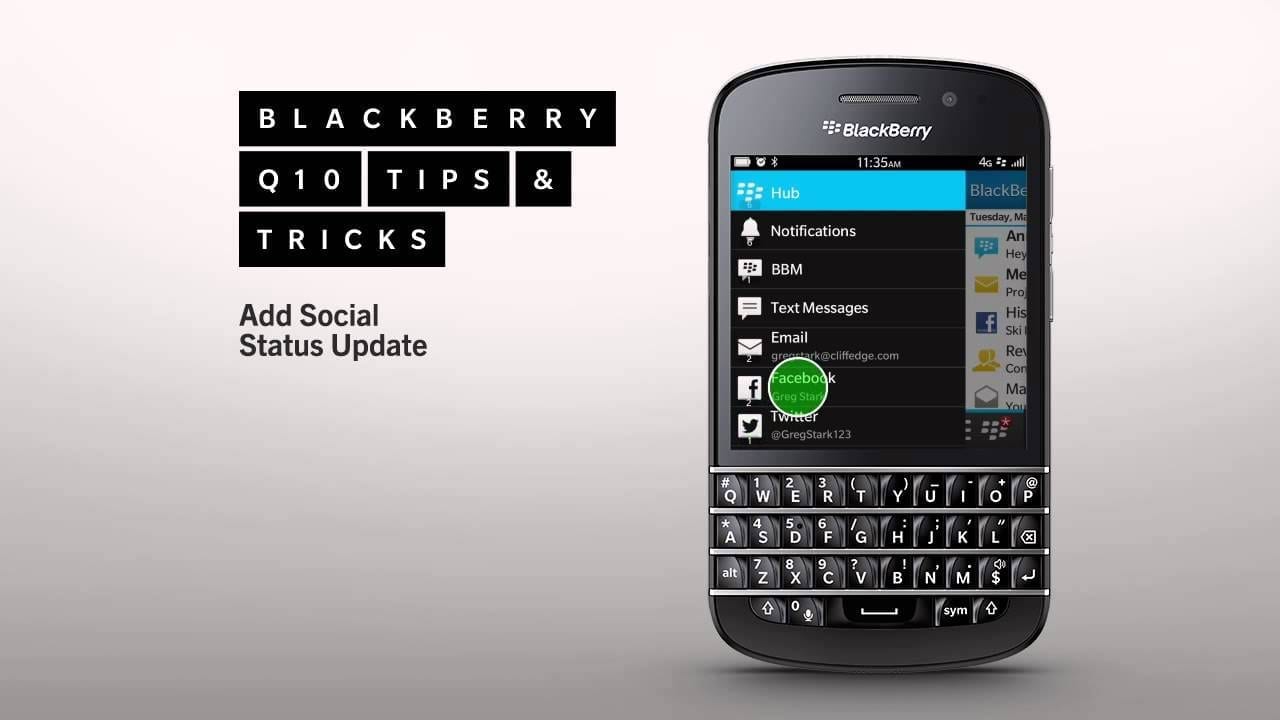
    BlackBerry has launched a new branded smartphone, the Android-based DTEK60, in Hong Kong.

    The DTEK60 is the second device in the DTEK series of Android smartphones. BlackBerry launched the DTEK50TM in Hong Kong in September.

    In line with BlackBerry’s decision to stop producing its own smartphone hardware, as announced in September, the device was manufactured and partly designed by China’s TCL. BlackBerry is providing its enterprise messaging and security software.

    The DTEK60 includes a fingerprint sensor for unlocking the devices and authorizing purchases, an intelligent keyboard designed to learn from users to increase accuracy and speed, the BlackBerry Hub for consolidating messages and a customizable convenience key providing quick access to commonly-used applications.

    The device has a 5.5” Quad HD display, an 8 megapix front and 21 megapixel rear camera and a battery life that supports up to 24 hours of mixed use.

    It comes preloaded with BlackBerry’s full suite of enterprise mobility management and secure productivity solutions, and supports advanced security features including a secure boot process, Android OS hardening and full disk encryption.

    “With the DTEK60, BlackBerry continues to focus on our strengths: state-of-the-art software and security solutions. When you see our logo it means security, from our class-leading enterprise software to devices secured by BlackBerry software,” BlackBerry COO Ralph Pini said.

  • Google Android Pay lands in Hong Kong

    Google Android Pay lands in Hong Kong

    Google may be blocked in mainland China, but it’s Android Pay mobile payment service has just launched in the freer environs of Hong Kong.

    The mobile payment service from the American Internet company has launched in Hong Kong and is now available at thousands of retail outlets.

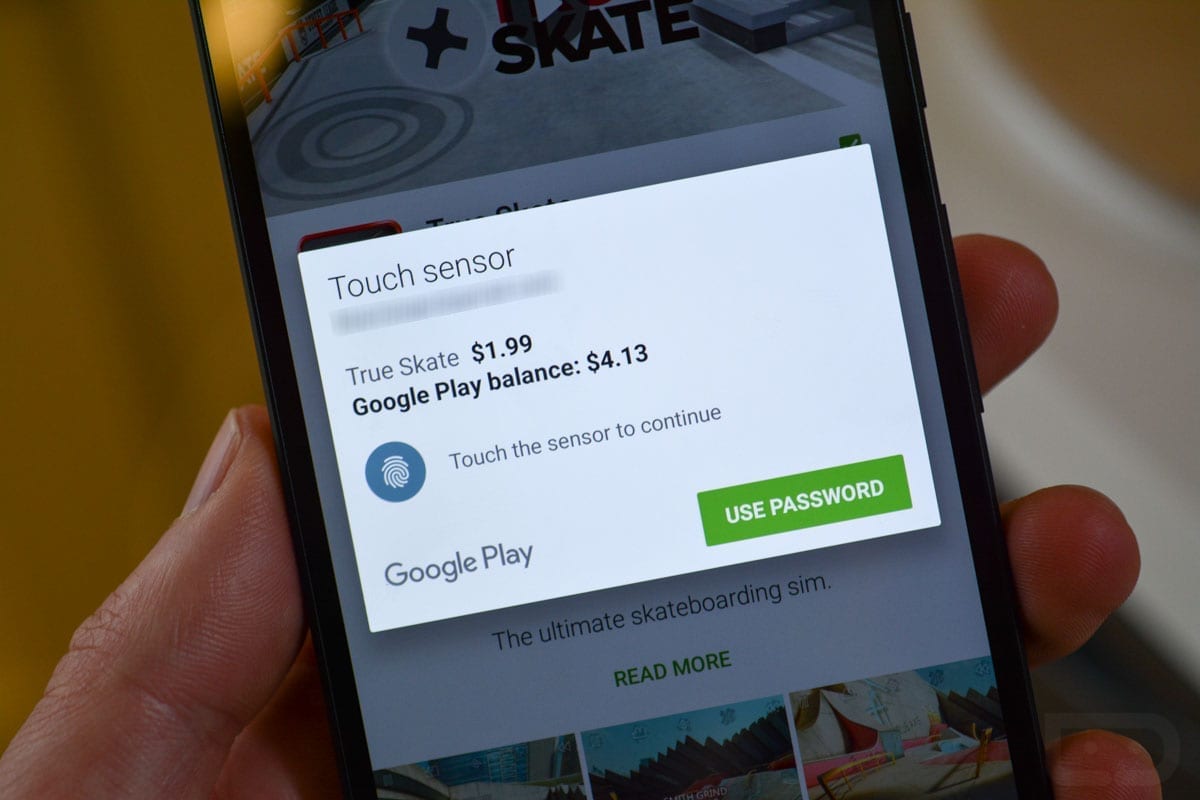
    Android Pay is a “one-click payment” service launched by Google. It features NFC communications technology and can be used on devices starting with the KitKat 4.4 Android system.

    Android Pay is similar with Apple Pay, which supports rapid and convenient payment functions via smartphones. Apple Pay launched in Hong Kong and mainland China earlier this year.

    Android Pay has established partnerships with the Bank of East Asia, DBS, Dah Sing Bank, Hang Seng Bank, HSBC, and Standard Chartered Bank in Hong Kong. At the same time, Android Pay gained support of over 5,000 retailers, including 7-11, Circle K, Fortress, Mannings, Maxims Cakes, MX, and McDonald’s.

  • Samsung kills the Galaxy Note 7 for good

    Samsung kills the Galaxy Note 7 for good

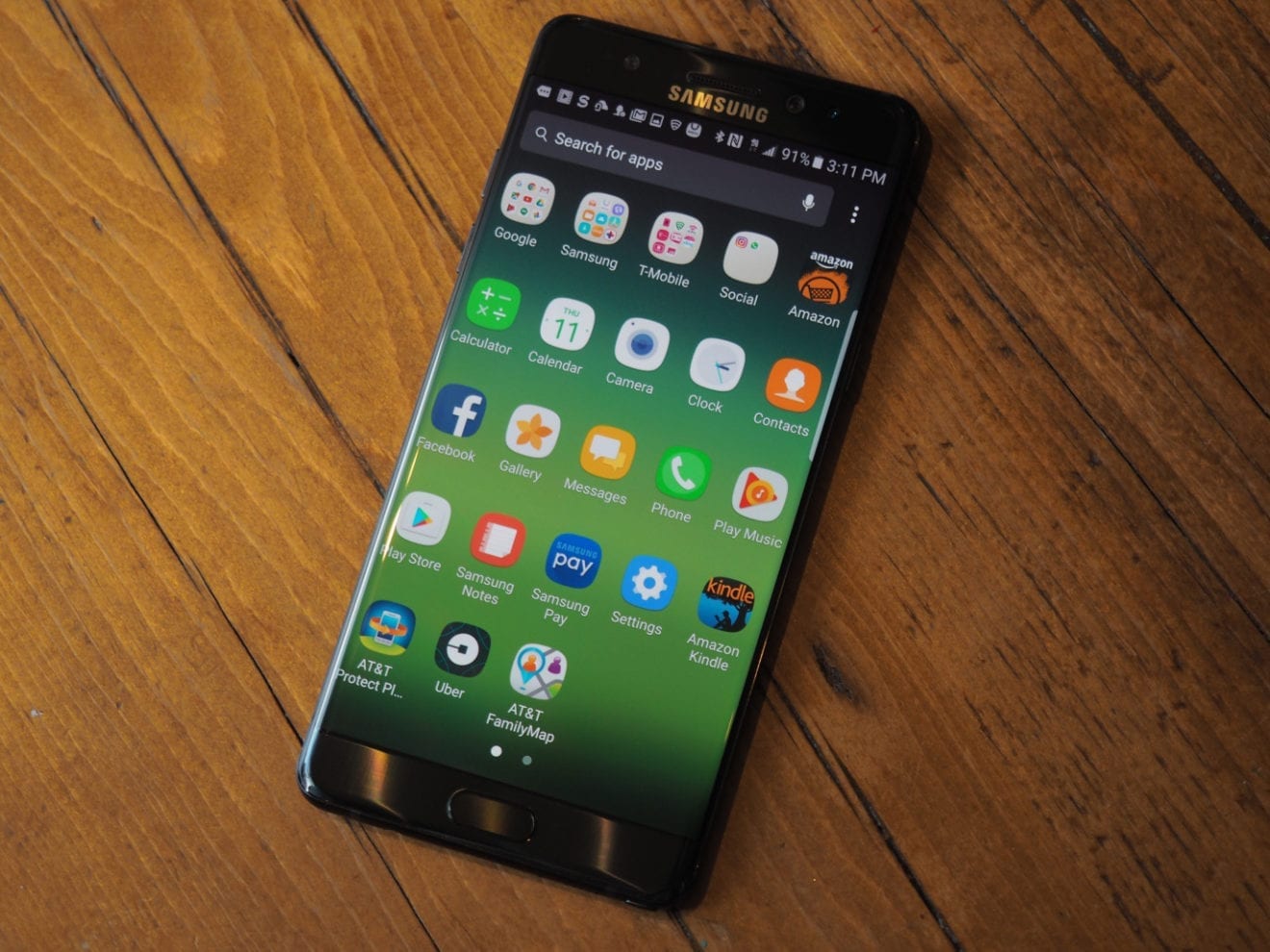
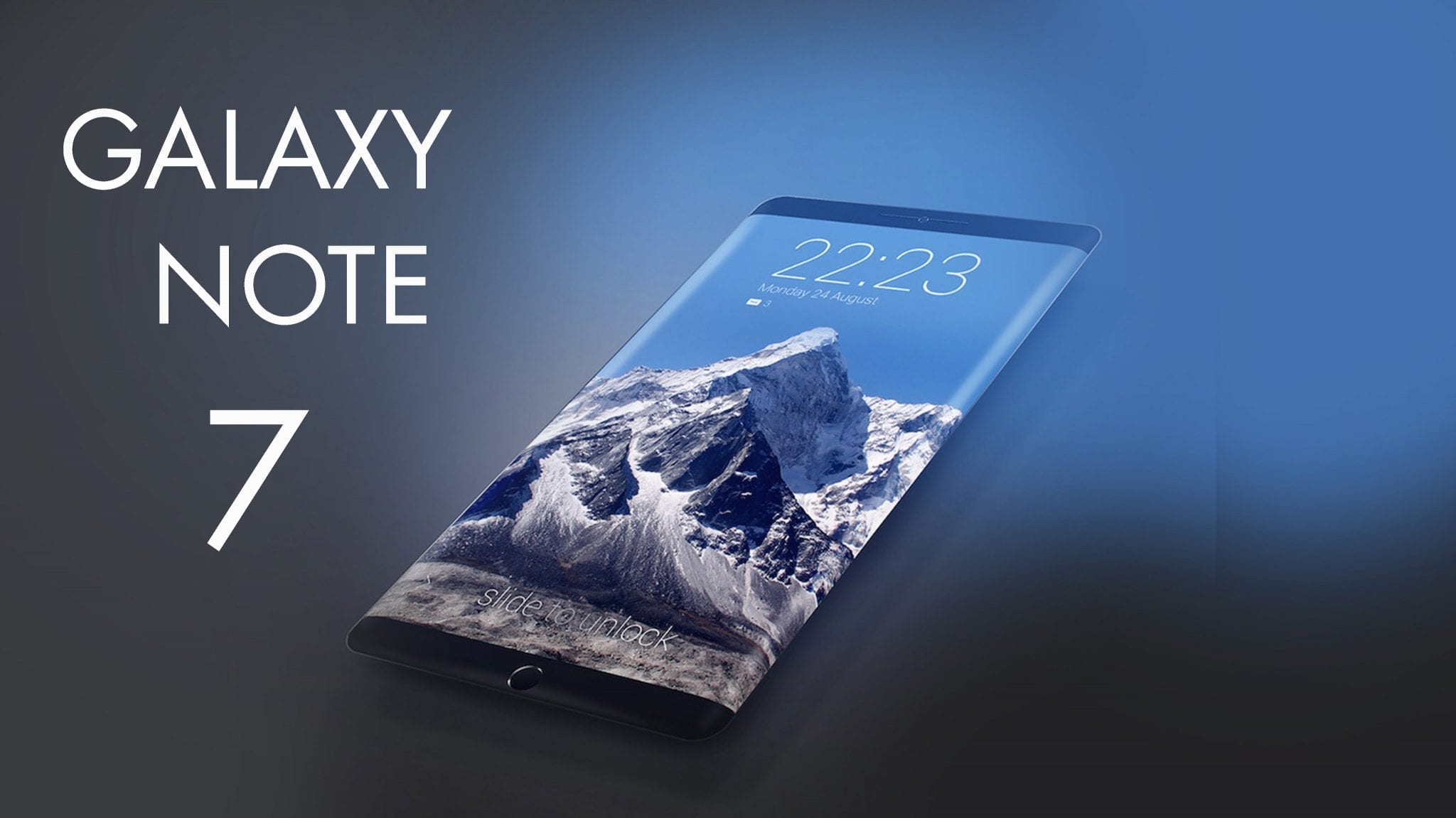
    Samsung is permanently discontinuing production and sales of the Galaxy Note 7 smartphone, owing to safety fears over defective batteries — including in replacement handsets the company had subsequently sent to customers following a recall of original devices.

    The news was reported earlier by the WSJ, and a spokeswomen for Samsung confirmed it is ending production of the device, telling: “We can confirm the report that Samsung has permanently discontinued the production of Galaxy Note7.”

    The company did not provide any additional statement explaining its decision but in a filing about ending production with South Korean regulators it cites ‘customer safety’ as the reason.

    Yesterday Samsung had asked carriers and resellers to halt sales and exchanges of Note 7 devices, as reports of problems with replacement handsets mounted. Note 7 owners were offered a full refund or a refund for a different Samsung smartphone, along with a $25 gift certificate or other add-on to sweeten the hassle of dealing with two rounds of recalls.

    The initial recall of the circa 2.5 million Note 7s in circulation was announced in early September.

    The company had also previously said it was adjusting production of the Note 7 to, in its words, “take further steps to ensure quality and safety matters”.

    However, in the event, and given the mounting PR nightmare of even replacement Note 7s having a demonstrable risk of an exploding battery — coupled with the model being namechecked as a safety hazard at airports and on flights all over the world — it’s hardly a surprise Samsung has decided to pull the plug and put the Note 7 out of its misery.

    Aside from the damage to Samsung’s Galaxy brand of being associated with exploding batteries, the cost of withdrawing the Note 7 will not come cheap. Reuters cites analysts estimating that a permanent end to Note 7 sales could cost the company up to $17 billion.

    Meanwhile, the company’s stock price has also taken a substantial hit on the news of the Note 7’s nixing: falling by 8 per cent today, its biggest percentage decline since October 2008, as investors wiped some $19 billion off the value of the company.

  • Lenovo launches transit app in China

    Lenovo launches transit app in China

    Lenovo has commercially launched its transit application in China with the electronic payment and settlement service provider BMAC (Beijing Municipal Administration and Communications Card).

    The service is supported  on Lenovo X3 smartphones driven by the eSE PEARL by OT (Oberthur Technologies).

    Thanks to OT’s NFC embedded Secure Element, end-users can now use their Lenovo X3 smartphone to install the Beijing Municipal Administration Traffic Card in their Lenovo Transit application and commute simply by waving their phone in front of contactless transit terminals.

    PEARL by OT is described as  the most advanced embedded Secure Element on the market, offering a yet unattained level of security and the largest memory on the market. It allows easy deployment of secure mobile contactless payment, transit, governmental and automotive applications, as well as secure access to online services for enterprise and consumer markets.

    In addition to its eSE, OT provides its Key Management System to Lenovo to manage security domains on the eSE in which partners can securely load, install and run their applications.

    Via its China Secure Hub, a platform used to connect handset makers and their partners in different cities in China, OT also securely ensures the connectivity between Lenovo and BMAC’s TSM provider, Beijing eNFC science and technology.

    “China is often at the forefront of new technologies and we are happy to offer Lenovo users with a convenient, secure and easy-to-use way of commuting with the BMAC application” said Viken Gazarian, deputy managing director of the connected device makers business at OT.

    “PEARL by OT is the best eSE on the market to address the fragmented market of transport systems throughout the world and is the sole component to support international as well as Chinese transit technologies,” said Gazarian.

  • Samsung permanently halts Note7 production

    Samsung permanently halts Note7 production

    Samsung has officially halted production of the Galaxy Note7, following multiple reports of batteries overheating and catching fire even in devices replaced during last month’s recall.

    The company confirmed it has permanently discontinued production of its flagship smartphone, leaving the company without a high-end device to compete against the iPhone 7 with during the holiday shopping season.

    During last month’s major product recall, Samsung had blamed a single battery supplier for the overheating problem that caused the fires, and had switched suppliers for production of the replacement models. But with multiple reports that even replaced devices are catching fire, this explanation is in doubt.

    Samsung is offering Note7 buyers either full refunds, or the option to replace their device with an S7 or S7 Edge and receive a refund for the difference in price.

    Analysts are predicting that permanently ending Note7 sales could cost Samsung up to $17 billion in lost sales, and the potential for reputational damage is arguably even greater.

    Curiously, analysis from mobile application technology company Apteligent suggests that the reports of exploding batteries have done little to deter usage of Note7 devices. As of Sunday, the smartphone reached its highest usage rate since in August launch – 10% higher than the date of the recall. The first reports of replacement devices exploding began circulating days earlier.

  • Grab adopts Adyen for payment platform

    Grab adopts Adyen for payment platform

    Ride hailing platform Grab has adopted Adyen to extend the capabilities of its payment platform in Indonesia, Philippines, Thailand and Vietnam.

    The two companies aim to deliver a consistent, frictionless payment experience for customers traveling across markets regardless of device or payment method.

    Grab customers will be offered both traditional cards and, over time, country-specific payment methods, using Adyen’s expertise and data to expand payment options. Adyen supports around 250 payment methods globally.

    “As part of Grab’s drive to make ride-hailing even safer, easier and more accessible to everyone in Southeast Asia, providing trusted, seamless mobile payments is crucial for the overall customer experience. Grab wanted a partner who could support a variety of traditional and alternative payment methods to support our growth across the region,” Grab head of payments and commerce Joel Yarbrough said.

    Business travelers who work within the region can also easily tabulate their business ride spending with Grab through the Grab for Work portal, and companies can automatically pay for their employees’ rides through the use of corporate cards.

    “Southeast Asia is a diverse and highly fragmented region and there is no one preferred method of payment. However, mobile penetration in the region remains high and drives several key trends including the rise of mobile payments and platforms as a service,” Adyen president Warren Hayashi said.

    “Partnering with a fellow innovator and disruptor such as Grab, we are eager to empower commuters in Southeast Asia with the same convenience of hailing a ride seamlessly as paying for their Grab ride with equal ease.”

  • Apple Pay, Android Pay purchases may hit $8b by 2018

    Apple Pay, Android Pay purchases may hit $8b by 2018

    In-app purchases and website retail payments are projected to drive annual spend via Apple Pay and Android Pay up to $8 billion in 2018, up from $540 million this year, Juniper Research reveals.

    The company also projects that the value of digital and physical goods purchased through mobile ‘OS-Pay’ platforms will increase by fifteen times in the next two years.

    Meanwhile, despite the continued contraction of the consumer tablet market, more than 85% of remote goods payments are forecast to be made using mobile devices in 2021.

    The new study, “Mobile & Online Remote Payments for Digital & Physical Goods: Opportunities & Forecasts 2016-2021,” found that the integration of OS-Pay into apps will be standard for developers looking to reduce buyer friction, where password entry on smartphones remains cumbersome.

    “It is clear that even in markets where PCs and laptops have a high installed base, the smartphone is playing an increasingly important role where remote goods purchases are concerned,” noted research author Steffen Sorrell. “For merchants, this means that the buyer experience must be made as frictionless as possible – from product search and discovery to purchase.”

    Apple has recently signalled its intent to offer Apple Pay to online merchants by the end of 2016, offering a similar payment mechanism to PayPal. Juniper anticipates that this move will be welcomed by most merchants as long as integration into their storefronts is made simple and rates are competitive.

    The research firm also expects the entry of Android Pay into this space as it expands to more countries. This will no doubt boost the market further in terms of merchants who may have been undecided where Apple Pay is concerned.

    Juniper believes that these OS-Pay solutions are likely to pose a threat to PayPal’s Western dominance, although it said it does not anticipate that combined sales via Apple Pay and Android Pay will approach those via PayPal within the next five years at least.

  • India to capture 13.5% of smartphone sales by 2019

    India to capture 13.5% of smartphone sales by 2019

    India is on track to corner a 13.5% share (approximately 180 million smartphones in circulation) of the total global smartphone market by 2019, up from 7.5% today.

    This was revealed by a joint study conducted by the Associated Chambers of Chambers of Comerce & Industry of India (ASSOCHAM) and KPMG.

    The study noted that the advent of affordable smartphones designed for the Indian user and low-cost data connectivity options, more people are shifting to smartphones and mobile Internet.

    The average selling price of a smartphone in India in 2015 was 12,285 rupees ($183.70), a 25% year-on-year increase. The affordable models sell between 3,000 rupees and 10,000 rupees ($44.80 to $149.50).

    “The smartphone shipments in India grew a healthy 23% annually in the first quarter of 2016 compared to the global growth, which stalled for the first time ever since smartphones first began to sell,” ASSOCHAM said in a report posted in its website.

    “The increase in smartphone sales has changed the face of e-commerce industry in India in the last two years,” it added. “Mobile transactions accounted for 41% of total e-commerce sales in 2014. Developing a mobile (sometimes mobile only) strategy has been an important agenda for many of the leading e-commerce players in the country over the last two to three years.”

    The government has launched its ‘Digital India’ initiative in July 2015 for the different stakeholders to work together to transform the economy. Several international device vendors have also set up manufacturing facilities in India, supporting the government’s ‘Make in India’ initiative aimed at boosting local manufacturing.

  • BlackBerry launches BlackBerry Hub+ for Android

    BlackBerry launches BlackBerry Hub+ for Android

    BlackBerry has launched a software licensing program for its Mobility Solutions business. The vendor has introduced the BlackBerry Hub+ for Android 6.0 Marshmallow smartphones.

    The company’s Mobility Solutions unit manages the BlackBerry smartphone business and development of device software offerings that includes making BlackBerry 10 software features accessible on other platforms.

    BlackBerry Hub+ for Android is a suite of applications that includes the BlackBerry Hub, calendar, contacts, notes, tasks, device search, launcher and password keeper applications for Android smartphones.

    Key features include a unified inbox (Hub), calendar, Password Keeper, Contacts, Tasks, Device Search, Notes, and Launcher.

    The vendor is offering the hub as a free trial on any Android device running 6.0 Marshmallow, and will subsequrently offer the applications for free under an ad-supported model or ad-free for 99 cents per month with the addition of new features.

    “An important initiative of the Mobility Solutions unit is a software strategy that combines BlackBerry’s strength in security, engineering savvy and device experience. The result – the ability to extend the best of BlackBerry’s secure communications and productivity features to any Android M consumer, enterprise or government customer,” said Ralph Pini, Chief Operating Officer and General Manager, Mobility Solutions, BlackBerry.

    “Our customers have always raved about the unique experience of our proprietary productivity apps such as the BlackBerry Hub, calendar and contacts, amongst others. I’m excited that we’re now able to offer these amazing features to all Android users that demand the most out of their smartphones.”

  • More than 1 in 4 cloud apps are high risk

    More than 1 in 4 cloud apps are high risk

    More than a quarter (27%) of third-party apps can be classified as high risk, according to research from CloudLock Cyberlab.

    Analysis conducted across 10 million users, 1 billion files, and nearly 160,000 unique applications found that cybercriminals can exploit weaknesses in high-risk apps to gain programmatic access to corporate platforms impersonating end users. 

    The shadow IT dilemma is meanwhile only becoming more challenging as usage is increasing exponentially year over year, the company said.

    The past three years saw nearly a 30 times increase in the number of apps detected, from 5,500 to nearly 160,000. Each application instance represents a backdoor through which hackers can infiltrate and externalize sensitive corporate assets.

    CloudLock Cyberlab said an organization may embrace its employees’ “shadow” exploration of innovative technology solutions and sanction a subset of these apps as Productivity IT, but it’s essential to closely monitor the connected third-party apps and identify cloud native malware in real time.

    Security conscious enterprises recognize the high risk associated with connected third-party apps and take immediate action. While apps can be banned for any number of reasons, including concerns around productivity, a clear majority are banned because of the security vulnerabilities they introduce. 

    The key recommendation is to reduce cloud app risk by establishing an acceptable use policy, with which organizations can significantly reduce the application risk level organization-wide. Automating whitelisting or banning of potentially risky applications is an effective strategy. 

    “The shift to the cloud creates a new, virtual security perimeter that includes third-party apps granted access to corporate systems,” said Ayse Kaya Firat, CloudLock director of customer insights and analytics.

    “Today, most employees leverage a wide variety of apps to get their jobs done efficiently, unwittingly exposing corporate data and systems to malware and the possibility of data theft.”

  • Xiaomi taps China Unicom to boost offline sales

    Xiaomi taps China Unicom to boost offline sales

    Chinese smartphone maker Xiaomi has teamed up with the country’s second largest mobile carrier, China Unicom, to expand its sales through offline retailing channels.

    The partnership with Unicom signals a move to a more conventional sales operation for Xiaomi, whose sales have been heavily relied on internet channels.

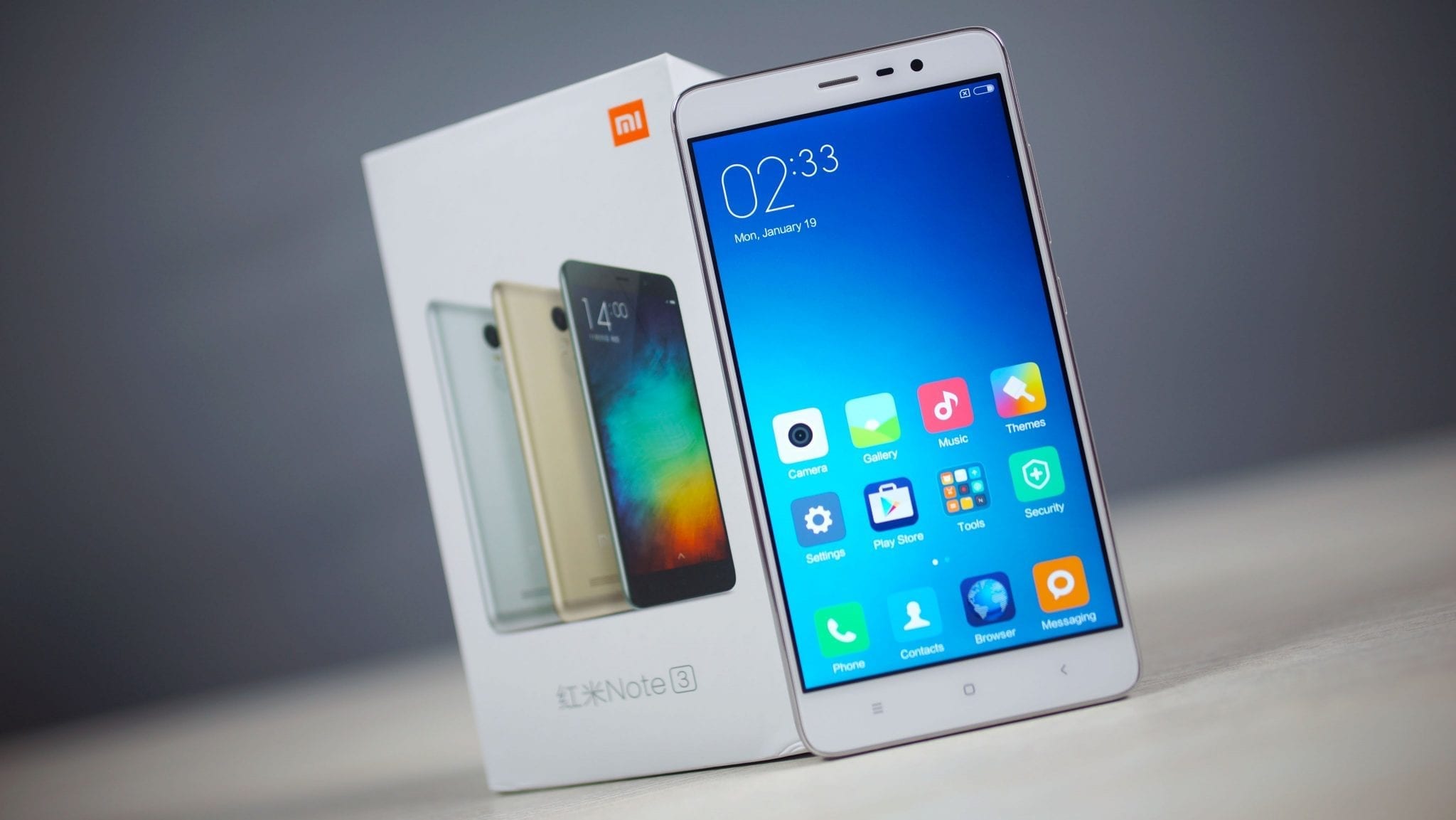
    Xiaomi launched a new customized 4G smartphone Redmi 3X for Unicom, as part of a strategic alliance the pair announced last Wednesday.

    The Redmi 3X smartphone, powered by 1.1GHz octa-core Qualcomm Snapdragon 430 processor and a 4100mAh non removable battery, will go on sale for 899 yuan ($136) through Unicom’s 30,000 own retail stores and more than 230,000 retailing partners.

    Xiaomi CEO and founder Lei Jun said so far more than two-thirds of the company’s smartphones have been sold through e-commerce platforms and the company’s official website.

    “The proportion of online sales is too big,” Lei said. “To maintain the rapid growth we have seen in the past four years, expanding offline retailing channels becomes the key.”

    Xiaomi said earlier this year it will open 200 to 300 of its own retail stores to bolster sales.

    Xiaomi and Unicom will also expand their cooperation beyond handsets to a wide range of products, such as Xiaomi TV, routers, wearable devices and air purifiers.

    China Unicom deputy general manager Xiong Yu said all of these Xiaomi products will be available at the operator’s offline retail stores across the country.

    The move fits into the operator’s broad efforts to transform its abundant bricks-and-mortar assets into a big retailing platform of various electronic products, Xiong added.