Tag: android

  • Xiaomi Pocophone F1 Lite could launch soon

    Xiaomi Pocophone F1 Lite could launch soon

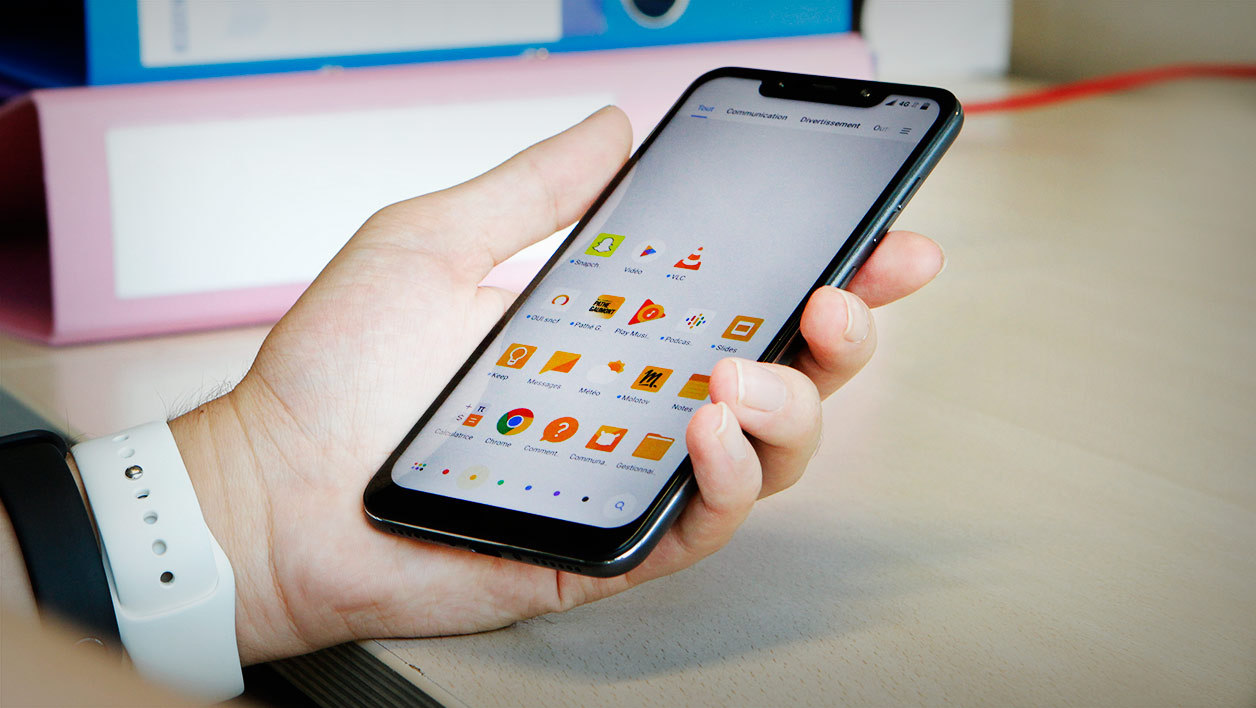
    The Pocophone F1 is one of the most competitively-priced smartphones out there. It offers Qualcomm’s Snapdragon 845, 6GB of RAM, and 64GB of storage for just €329/$389. But not everyone can afford to spend that on a smartphone, and it now seems as though a solution might be on the way. From the look of two Geekbench listings, Xiaomi sub-brand Pocophone is developing a slightly less powerful device that will be offered to consumers at a much lower price. Rather than including the high-end Snapdragon 845, the device looks set to adopt Qualcomm’s mid-range Snapdragon 660.

    This chip has already been succeeded by the newer Snapdragon 670 and 675 but should still provide decent levels of performance. In fact, Xiaomi recently used it inside the Redmi Note 7 and the Android One-powered Xiaomi Mi A2.

    The smartphone, which is codenamed ‘Uranus,’ also includes a respectable 4GB of RAM and Android 9 Pie straight out of the box. As for external features, the notched display and 3.5mm headphone jack will probably both be retained. Xiaomi may also keep the second rear camera, although a downgrade to the sensor is likely.

    At the moment, it’s unclear when this smartphone will hit shelves across the globe. But pricing wise, Xiaomi could easily price this device below $200. After all, the Redmi Note 7 mentioned above costs just €179 ($202) in Asia.

  • Google has yet to fix a serious issue with the Pixel 3 and Pixel 3 XL

    Google has yet to fix a serious issue with the Pixel 3 and Pixel 3 XL

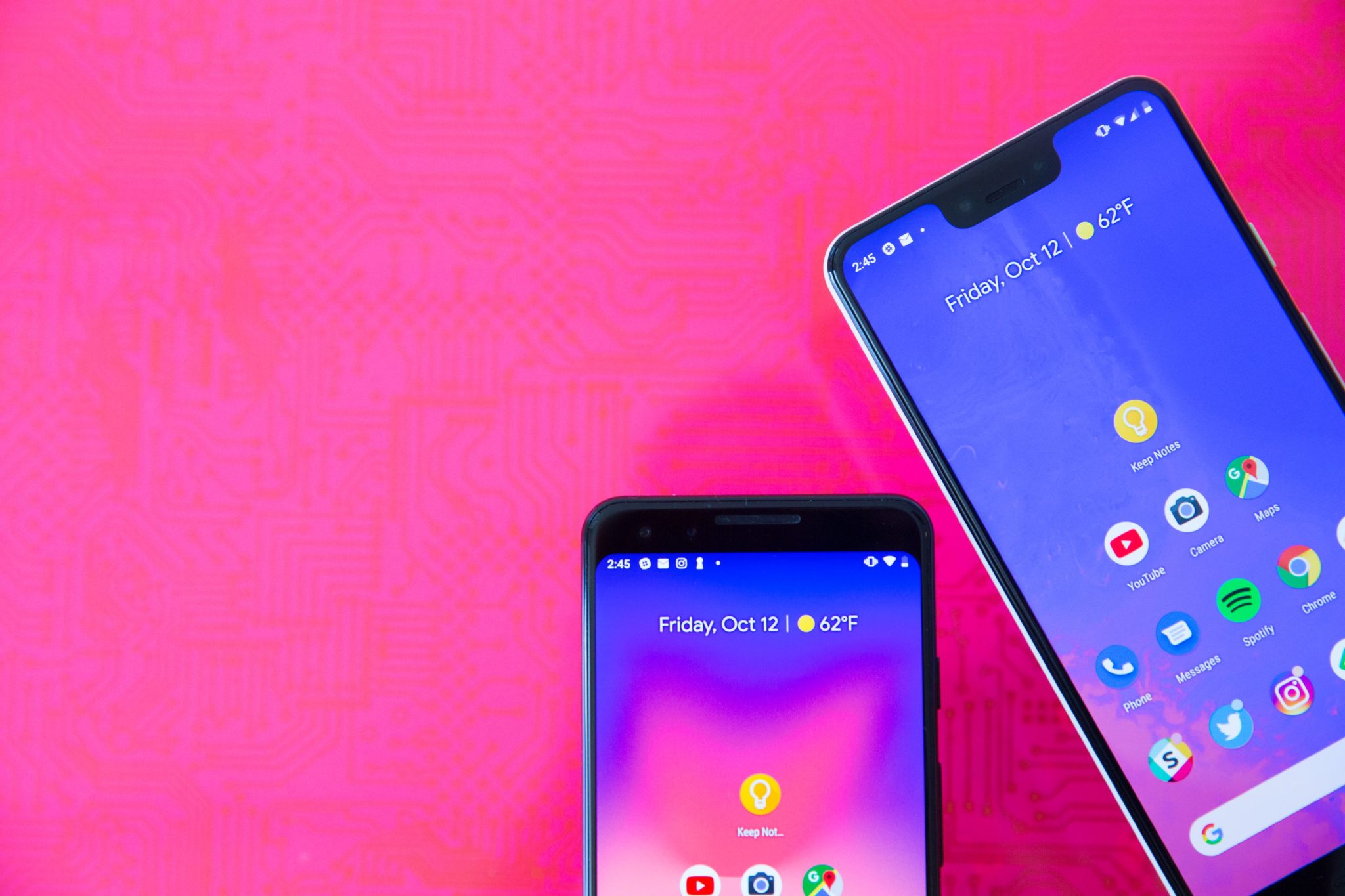
    Back in December, we told you that several Google Pixel 3 and Pixel 3 XL users were having an issue getting the person on the other end of a phone call to hear them properly. The Pixel series has been notorious for having a number of problems out of the box that are fixed by a subsequent software update. You might recall that the Pixel 2 and Pixel 2 XL had so many issues out of the gate that a law firm was recruiting users of the 2017 models to join a class action suit against Google, LG and HTC.

    According to Android Authority, it appears that Google never got around to fixing the problem with phone call connectivity with the 20218 Pixels. On the Google Product Forums are the posts that we discussed in our original story. But newer comments have been posted as recently as last month. It seems that when a Pixel 3 or Pixel 3 XL user is on a regular phone call, the person on the other end of the line is hearing an echo, choppy audio that cuts off words, silence, and more.

    Some troubleshooting tips (factory reset, going into safe mode, switching to 3G from 4G) failed to resolve the issue for everyone, which puts the ball back squarely in Google’s court. Hopefully there will soon be a software update disseminated that will allow those engaged in a phone call with an affected unit to hear the Pixel owner’s voice crystal clear.

  • The Google app hits an impressive milestone in the Play Store

    The Google app hits an impressive milestone in the Play Store

    Remember when the Google Play Store was called the Android Market? Google changed the name on March 6th, 2012. Twenty-six months later, Gmail became the first Android app to reach 1 billion installs. Since then, two other apps in the Play Store have been installed over 5 billion times-that is, until today. Google Maps and YouTube have been joined in the exclusive club by the Google app.

    Video streaming site YouTube was the first Android app to hit 5 billion downloads, and was followed this past weekend by navigation app Google Maps. Now, the Google app itself  has joined the club. Technically, there are four members if you include Google Play Services, but this is a systems app that allows an Android phone to update Google developed apps and apps from the Google Play Store.

    The three apps, YouTube, Google Maps and Google, are not only must-haves for every Android user, they are also pre-installed on every Android phone that comes with Google Play Services out of the box. When an app is pre-loaded onto an Android device, that is included in the total number of installations.

    Google has worked on expanding the features offered by each of the three apps in the 5 billion installs club. Besides offering streaming videos from amateurs, the site now includes trailers from movies and clips taken from television shows. In addition, YouTube now offers its own original programming for paid subscribers. Google Maps has added several new navigation based items, including the ability to report a crash or speed trap, a speed limit reminder, and more. It also has moved into the lifestyle category by showing places of interest to visit in your home town and locations you travel to.

    The Google app, which helps users search for websites, also reports news, sports and weather of interest to the user. A summary of the user’s schedule for the day can be seen thanks to Google Calendar integration, and a list of stock prices can be monitored. All three apps do have iOS counterparts in the Apple App Store.

  • Huawei Mate 20 sales achievement proves the company doesn’t need the US

    Huawei Mate 20 sales achievement proves the company doesn’t need the US

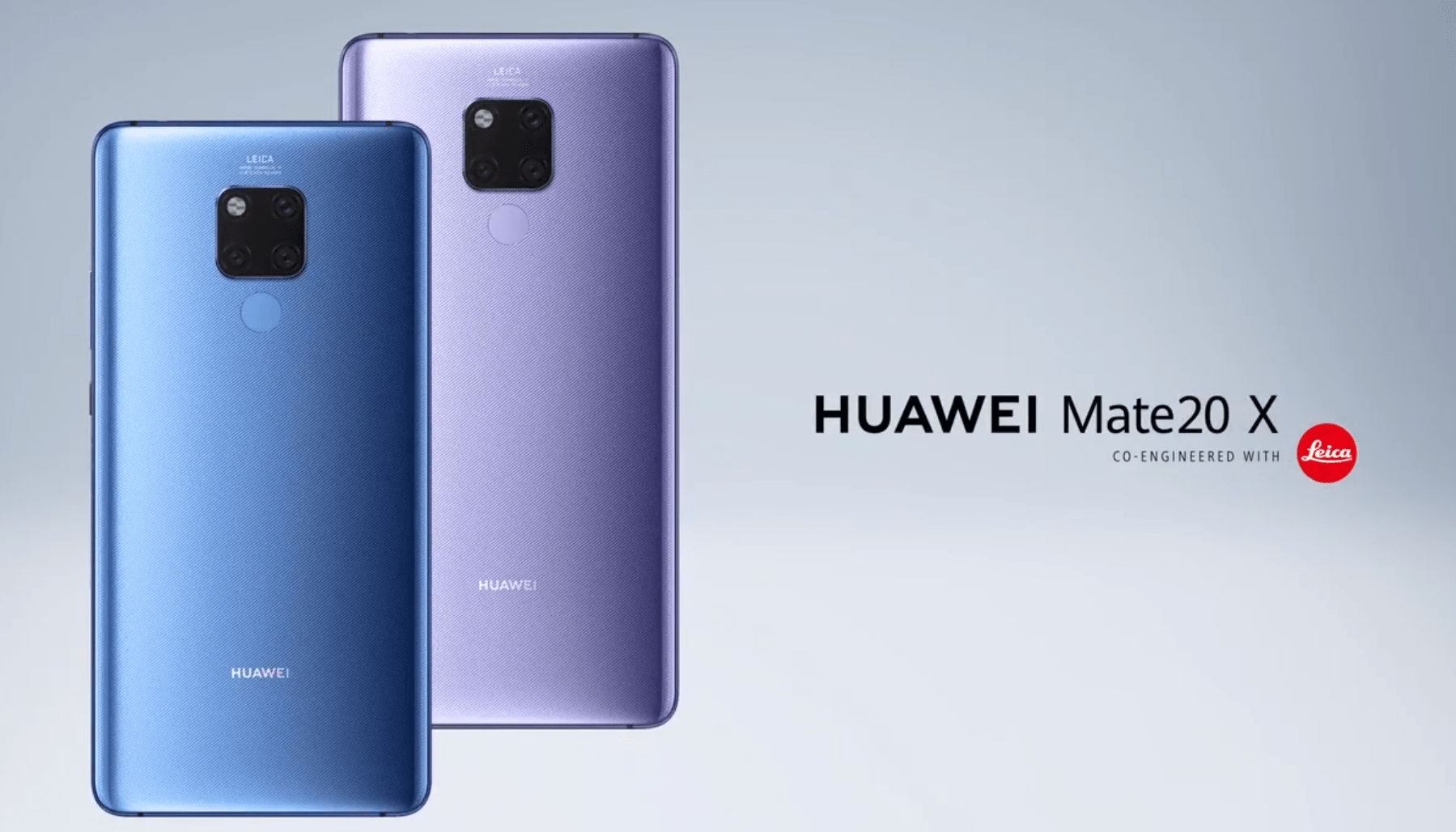
    With a little over two weeks left until Huawei will finally take the wraps off the P30 flagship series, the company is mainly busy building hype around a quad camera setup that might take mobile zoom photography to a whole new level of excellence. But at the same time, the world’s second-largest smartphone vendor continues to boast impressive achievements on its way to the global market’s first place. Despite not being officially available in the US, which remains one of the world’s biggest and most profitable smartphone markets, the Huawei Mate 20 “Series” has managed to rack up a grand total of 10 million shipments in just four and a half months. That’s obviously not the first time one of the company’s flagship families has reached 10 million unit sales, but the P20 and Mate 10 got to that number pretty much simultaneously back in August 2018.

    While the P20/P20 Pro duo needed roughly five months on store shelves to cross the milestone, the Mate 10 and Mate 10 Pro were nowhere near as popular, taking twice as long to score a combined 10 million shipments. And yes, we’re talking about the same Huawei Mate 10 Pro that you could buy unlocked from a number of authorized US retailers with a valid warranty included.<where more or less reliable vendors can hook you up with "international" stock at decent prices, but with no warranty. What this all suggests is that Huawei really doesn't need the US to succeed. The Chinese tech giant is huge in Asia, growing at a crazy pace in Europe, and even decently popular in Canada, where the Mate 20 Pro is sold through major carriers like Rogers, Bell, and Telus. If the company continues its progress in both the high-end and mid-range categories, there's definitely a good chance the smartphone market will have a new leader soon.

  • Astro seen benefiting if Android box is banned

    Astro seen benefiting if Android box is banned

    Astro Malaysia Holdings Bhd is the clear winner if the government moves to ban the sale of Android set-top-boxes (STBs) in the country as this could possibly halt or slow down its declining subscriber base and lift its average revenue per user (ARPU), according to HLIB Research. It was reported that the government has set up a task force to consider banning the sale of Android STBs, mirroring Singapore’s move last month.

    The rapid sale of Android STBs in Malaysia has hampered the development of Pay-TV in the last two to three years, HLIB Research analyst Khairul Azizi Kairudin said in a note.

    He said this is evident by Astro’s declining premium subscribers who opted to shift to Android STBs and other digital platforms (both legal and illegal).

    “In Malaysia, Astro appears to be the most impacted player with the rapid sales of Android STBs as evident by its declining premium subscribers in the past three years. However, we note that Astro has managed to slow down the subscriber loss with NJOI,” he added.

    Nevertheless, he noted that despite the ban on Android STBs, Astro would still face competition from legal streaming platforms such as Netflix.

    While Singapore took three years to review the ban of Android STBs, which includes amending its Copyright Act, Khairul expects a shorter timeframe for Malaysia as media companies have mooted the idea in the past two years due to the disruptive impact.

    “We believe the government has started the discussions on the ban by setting up a task force to review the current law,” he said.

    Additionally, he said HLIB Research views Telekom Malaysia’s (TM) recent announcement that their latest Unifi package would not be bundled with Unifi TV subscription due to changing consumer trends as a positive for Astro as this could assist the latter to expand their subscriber base.

    Astro controlled 77% market share of Pay-TV market in Malaysia and the rest is controlled by TM through Unifi TV.

    Khairul said should the ban on Android STBs material, it would be a positive catalyst for the lacklustre media sector (especially for Astro) which is being hampered by the digital disruption.

    “For now, we maintain our ‘underweight’ rating on the media sector. Following the recent surge in Astro share price, we downgrade Astro from ‘buy’ to ‘hold’ with an unchanged target price of RM1.70.

    “Nevertheless, Astro’s earning prospect remain intact on the back of its stable advertising expenditure outlook and coupled with generous dividend payment of 5% yield,” he added.

  • Xiaomi’s Pocophone F1 to go on sale next month in Korea

    Xiaomi’s Pocophone F1 to go on sale next month in Korea

    Xiaomi’s affordable smartphone Pocophone F1 is arriving in Korea next month. The Pocophone F1, the first smartphone from Xiaomi’s sub-brand Poco Global, was first unveiled in early August. The F1 will cost 429,000 won ($376) here, around one-third of the price of an Apple iPhone XS and half the price of Samsung Electronics’ Galaxy Note 9.

    The phone has already proved to be a success in other markets, especially in India, where it raised 30 billion won in sales within the first five minutes.

    The F1 comes with six gigabytes of RAM and three storage options: 64, 128 or 256 gigabytes. In Korea, only the 64 gigabytes will be available for purchase. SK Telecom, KT and LG U+ will start receiving preorders from Nov. 12.

    Jay Mani, the head of product for Poco Global, said the core motivation for developing the Pocophone F1 was the market trend where fierce competition drives manufacturers to add all kinds of new functions and features that aren’t relevant to everybody.

    “So the phones you have today – they have all these new functions but many do not appreciate them, nor are they excited about them, and yet the prices have come up to the current level,” he said in a press conference held in southern Seoul on Monday. “We wanted to buck this trend.”

    The Pocophone F1 focuses on performance. Inside its plastic body, the F1 uses the same processor chip as the Galaxy Note9 and LG Electronics’ latest V40: the Qualcomm Snapdragon 845. Its battery storage is 4,000-milliampere hour, larger than most phones released this year and equivalent to the Note9. To ensure its high speed, the F1 has a cooling system that keeps the phone’s temperature down. The hotter a device, the slower it gets, said Mani.

    However, it also adds some of the core features used in competitors’ top phones today. For example, the artificial intelligence-embedded camera can add 25 filters while taking a photo by automatically perceiving what the object is, while a camera on the front of the device allows for face recognition.

    “Reaching out to loyalists, that’s something that takes time, but there are also a lot of people who we can make think: ‘Does [my phone and its price] make sense?’” said Mani.

  • Dialog Axiata launches VoWiFi

    Dialog Axiata launches VoWiFi

    Sri Lanka’s Dialog Axiata has launched what it says is the nation’s first voice over Wi-Fi calling service. The operator’s VoWiFi service does not require a third party app to be installed and allows calls to be received over Wi-Fi as if they were standard incoming calls.

    Dialog Axiata is offering five Huawei smartphones that support the VoWiFi service, and plans to extend it to other VoWiFi supported handsets from Samsung, Apple and other vendors in the near future.

    “Dialog is committed to delivering the latest in technology and connectivity to all Sri Lankans, and VoWiFi is another key step in offering next generation solutions to our customers,” Dialog Axiata CTO Pradeep De Almeida said.

    “We started this journey by enhancing the infrastructure in our network and migrating to a new state-of-the-art core network. For our customers, this means a better experience through greater agility and flexibility.”

  • Singtel and Starhub to offer Google Pixel 3 in Singapore

    Singtel and Starhub to offer Google Pixel 3 in Singapore

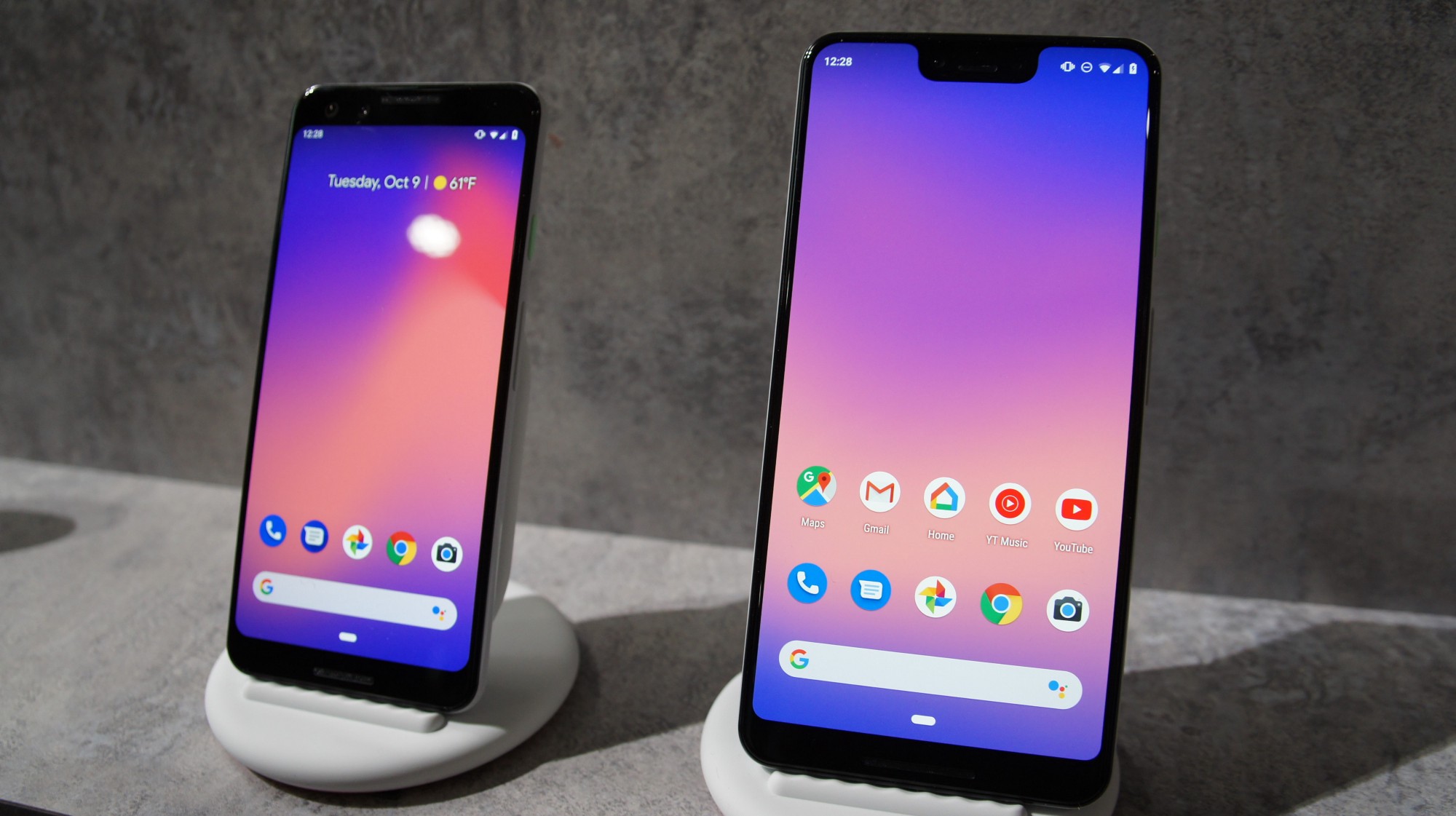
    The local telcos will include Google merchandise as part of their promo. Both Singtel and Starhub will offer Google’s flagship phone Pixel 3 as it launches in Singapore. Google itself will sell the handset through its online store starting 1 November.

    With price ranging from $1,249 for its 5.5-inch model and $1,399 for the 6.3-inch XL model, Google’s flagship will be sold in three colours including Just Black, Clearly White, and new colour Not Pink which will be sold exclusively by Singtel.

    Those who will buy from Singtel will also get a free Google Pixel Stand worth $119 when they additionally purchase certain data subscriptions. Meanwhile, those who will buy from Starhub will get Google Assistant worth $189 as a freebie.

    “Pixel users can gain an edge while streaming high-definition videos and chatting with the Google Assistant,” Starhub vice president of segment and marketing Donovan Kik said.

    Singtel launched the phone for pre-orders on 10 October.

  • Samsung launches Galaxy A9 with rear quad camera

    Samsung launches Galaxy A9 with rear quad camera

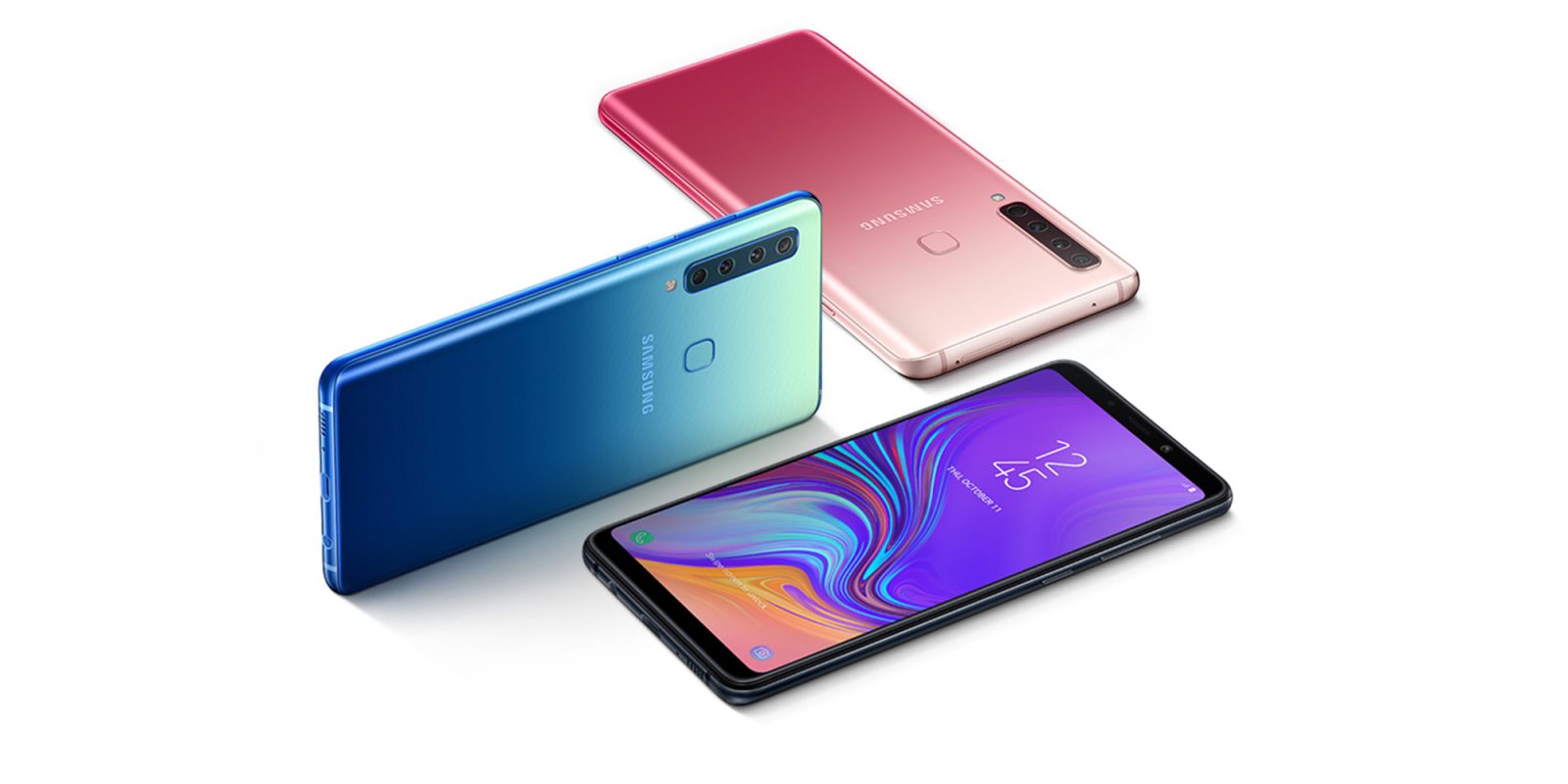
    Samsung Electronics on Thursday unveiled the world’s first smartphone with four rear cameras, packed with new features to capture moments more effectively.  The Galaxy A9 debuted at a launch event held in Kuala Lumpur, Malaysia, highlighting the first rear quad camera built for a world driven by visual communication.

    “Building on our legacy in smartphone camera development, we’re introducing next-generation technology across our entire Galaxy portfolio to give more consumers the opportunity to experience cutting-edge innovation,” said Samsung smartphone chief Koh Dong-jin. “We’re excited to deliver on this promise and debut world-leading smartphone camera technology with the Galaxy A9.”

    The Galaxy A9 with a 6.3-inch AMOLED display is packed with Samsung’s best camera innovations, Koh added.

    The rear quad camera, with four lenses on the back of the smartphone, allows users to get close, with a 2x optical zoom feature for detailed close-up shots even from far away.

    The 24-megapixel main lens captures clearer and brighter images in both bright and low-light conditions, while the ultrawide lens and the scene optimizer allow users to shoot scenes more like a professional.

    In addition, the camera’s AI Scene Recognition feature allows users to identify subjects and adjust settings accordingly for the best photo, in an instant.

    The Galaxy A9 comes with a 3,800-milliampere-hour battery, allowing an all-day performance. The new phone also provides 128 gigabytes of storage and up to 512 gigabytes of expandable memory for storing high-quality images and visual content.

    It will be released globally starting in November, in unique colors: Caviar Black, Lemonade Blue and Bubblegum Pink.

    The A9 also boasts a sleek and ergonomic design that fits in one hand with a curved back made of 3D glass for a luxurious comfortable feel, the company said.

    Smartphones with five cameras are becoming a major trend in the market.

    LG Electronics unveiled the V40 ThinQ smartphone with three cameras on the rear and two on the front on Thursday.

  • Google to send Pixel 3 smartphone into Asia

    Google to send Pixel 3 smartphone into Asia

    Google is taking a more global approach to the Pixel 3 and Pixel 3 XL launch, announcing that it will now offer its new phones in 13 countries, including Japan, Ireland, Taiwan, and France. This builds on the rather small list of countries where Google’s Pixel 2 saw official release, which comprised of US, UK, Australia, Canada, Germany, Italy, Spain, India, and Singapore.

    Now in its third generation, Google has been quite slow to bring its flagship smartphones to a wider audience, especially considering how easy it is to find a competing devices practically anywhere you live. For example, the iPhone XS and iPhone XS Max launched in more than 25 countries. Still, Google’s spread to more countries will give Android users more choice than before.

  • Smartphone Sales Will Drop for Second Straight Year, IDC Predicts

    Smartphone Sales Will Drop for Second Straight Year, IDC Predicts

    Global smartphone sales are expected to fall for the second year running this year, before  returning to growth next year, according to analysis by the International Data Corporation (IDC).

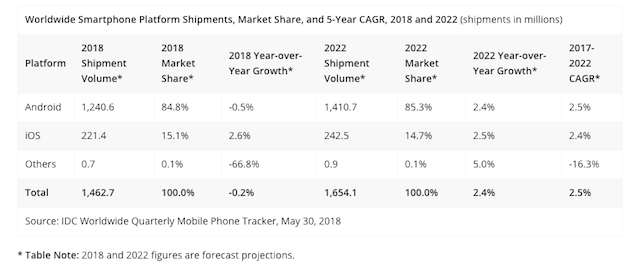
    In the research house’s Worldwide Quarterly Mobile Phone Tracker, smartphone shipments are forecast to drop 0.2 per cent this year to 1.462 billion units, after a 0.3 per cent decline last year. Looking further out, IDC expects the market is to grow roughly 3 per cent annually from next year onwards, with worldwide shipments reaching 1.654 billion in 2022 and a five-year compound annual growth rate (CAGR) of 2.5 per cent.
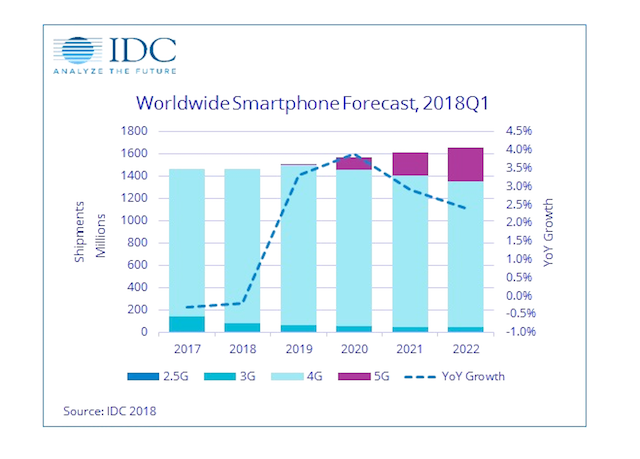
    The biggest driver of last year’s decline was China, where smartphone sales declined 4.9 per cent year-on-year. And the IDC expects sales in China to decline a further 7.1 per cent this year before flattening out next year.

    The biggest growth market in Asia Pacific continues to be India, with volumes expected to grow 14 per cent and 16 per cent this year and next.

    “Chinese OEMs will continue their strategy of selling large volumes of low-end devices by shifting their focus from China to India,” says IDC. “So far, most have been able to get around the recently introduced Indian import tariffs by doing final device assembly at local India manufacturing plants. As for components, almost everything is still being sourced from China.”

    “With 2017 now behind us a lot of interesting market dynamics are unfolding,” says Ryan Reith, program VP with IDC’s Worldwide Quarterly Mobile Device Trackers. “Even though it declined 5 per cent last year, China remains the focal point for many given that it consumes roughly 30 per cent of the world’s smartphones.

    “But plenty of pockets of growth can be found beyond China. India is now grabbing headlines and the market itself is going through some rapid transformation. Local Indian manufacturing continues to ramp up, despite still having a heavy dependence on China for components. The boom in India is likely to continue in the years to come, but the move toward building up local production has certainly caught the eye of many in the industry.”
    Outside of Asia Pacific, the biggest regions for growth will be the Middle East, Africa, and Latin America. All three regions have relatively low penetration rates and plenty of upsides, says IDC. Economic challenges have been the main inhibitor over the past two years, but IDC expects consumer spending to rise throughout the forecast and smartphones to be a big benefactor.

    5G opportunity

    The other catalyst to watch will be the introduction of 5G smartphones. IDC predicts the first commercially ready 5G smartphones will appear in the second half of next year with a ramp up across most regions happening in 2020. IDC projects 5G smartphone volumes to account for roughly 7 per cent of all global smartphone sales in 2020 or 212 million in total. The share of 5G devices should grow to 18 per cent of total volumes by 2022.

    “Although overall smartphone shipments will decline slightly this year, the average selling price (ASP) of a smartphone will reach US$345, up 10.3 per cent from the $313 of last year,” said Anthony Scarsella, research manager with IDC’s Worldwide Quarterly Mobile Phone Tracker.

    “This year will continue to focus on the ultra-high-end segment of the market as we expect a surge of premium flagship devices to launch in developed markets. Devices featuring large Amoled bezel-less displays, advanced camera functions, and an overall increase in speed and performance will be the driving factor in the increase of ASPs. Moving forward, we can expect this trend to continue as the ASP for a smartphone will continue to grow throughout the forecast period. In 2022, the final year of our forecast period, the average selling price for a smartphone will be $362, resulting in a five-year CAGR of 2.9 per cent.”

    Android vs Apple

    Android’s share of t sales is expected to remain relatively stable at 85 per cent of total global smartphone sales. Volumes are expected to grow at a five-year CAGR of 2.5 per cent, with shipments totaling 1.41 billion by 2022.

    “There is no question that Android is the OS of choice for the mass market and nothing leads us to believe this will change,” says IDC. “Given the large number of Chinese OEMs dependent on Google’s OS, as well as components from other US companies like Qualcomm, it will be interesting to see how things develop with all the discussion about a US-China trade war. Android OEMs continue to drive down the cost of new technology features at a rapid pace. IDC estimates that 98 per cent of Android phones will ship with screens larger than five inches by 2022, with 36 per cent being six inches or larger. While some of these will remain premium flagship models, the aggregate ASP of Android phones with a six-inch screen or greater by 2022 is projected to be $414.

    Meanwhile, iPhone volumes are expected to grow 2.6 per cent this year to 221 million. IDC is forecasting iPhones to grow at a five-year CAGR of 2.4 per cent, reaching volumes of 242 million by 2022. With rumors of some upcoming larger screen iOS smartphones, IDC has changed its screen size forecast for Apple by introducing volumes greater than six inches. Products are likely to begin shipping in the fourth quarter of 2018, with volumes ramping up and accounting for 36 per cent of all iPhones shipped by 2022.
  • Xiaomi Malaysia picks Kuala Lumpur to open its 2nd store

    Xiaomi Malaysia picks Kuala Lumpur to open its 2nd store

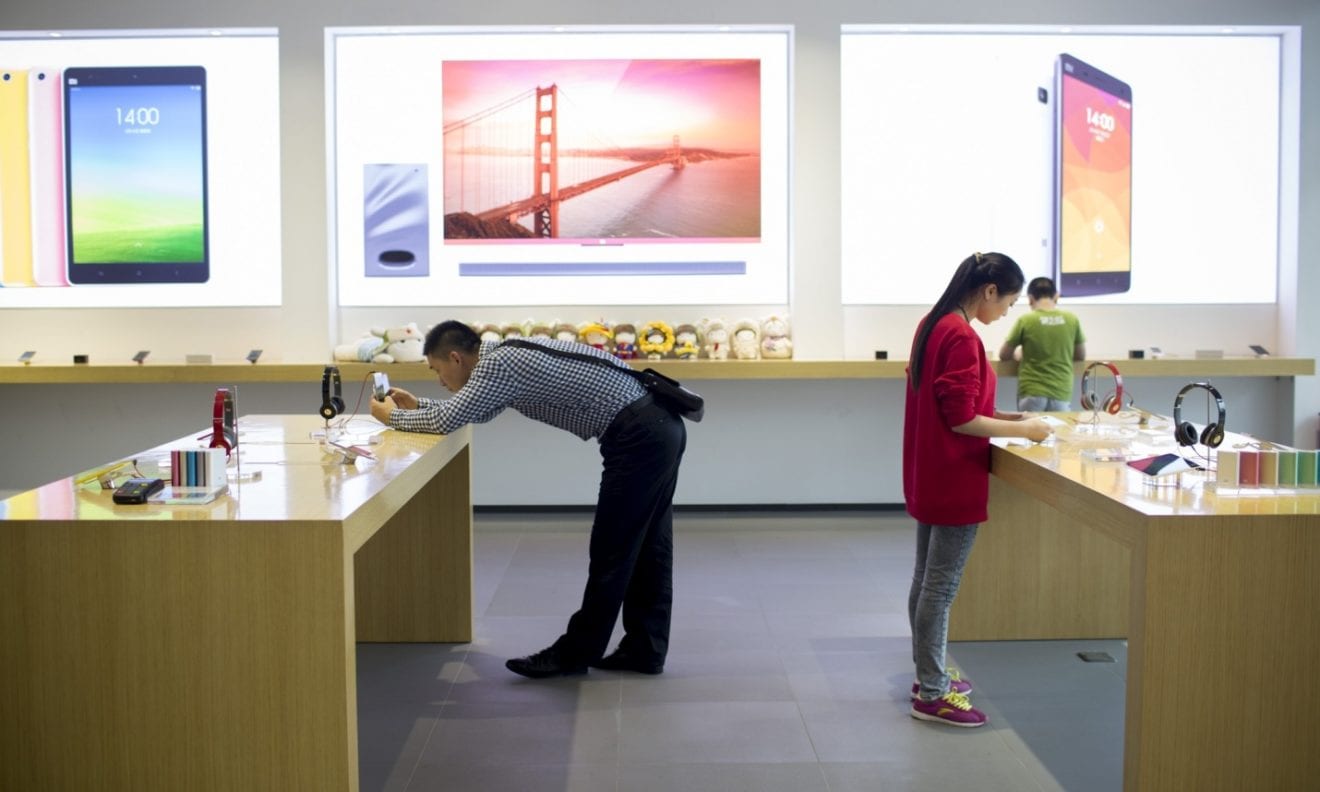
    Xiaomi Malaysia has opened its second retail store, offering Kuala Lumpur shoppers greater access to its Mi Ecosystem products.

    Originally the Chinese electronics company had sold its smartphones and other products exclusively online, but in its home territory has been introducing its Mi Home stores.

    At 940sqft (90sqm), its second authorised Mi Store is smaller than the debut store in Penang.  Xiaomi South Pacific head Steven Shi says the opening of a second store indicates the brand’s “great expectations” for growth in Malaysia.

    Two new smartphone models were released to coincide with the store’s opening, and Shi says Xiaomi will soon expand its Mi Ecosystem of products in Malaysia. These include IoT-ready products such as a smart rice cooker that can be pre-programmed for different recipes, a smart luggage bag than can be unlocked by phone, plus routers, TVs and drones.

    Meanwhile, Xiaomi is expanding across Southeast Asia, and has opened 15 Mi Stores and a factory in Indonesia. Xiaomi also has two Mi Stores in Singapore and one in Thailand. Its network in Malaysia is run by CG Computers.

    Its second concept phone, released with the KL store opening, was designed by Philippe Starck and features a curved ceramic back that that transitions to an aluminium frame. It will be available for pre-order on Saturday through online and offline channels including Lazada and authorised Mi Stores.

    Also showcased in the new store is the Redmi 5A Prime, the first Xiaomi phone that pairs a selfie light with a 16-megapixel front-facing camera. It has a fingerprint sensor on its back.

  • Android ransomware abuses accessibility services

    Android ransomware abuses accessibility services

    ESET researchers have discovered DoubleLocker, an innovative Android malware that combines a cunning infection mechanism with two powerful tools for extorting money from its victims.

    “DoubleLocker misuses Android accessibility services, which is a popular trick among cybercriminals,” commented Lukáš Štefanko, the ESET malware researcher who discovered DoubleLocker.

    “Its payload can change the device’s PIN, preventing the victim from accessing their device and encrypts the victim’s data. Such a combination hasn’t been seen yet in the Android ecosystem.”

    On top of being ransomware, DoubleLocker is based on the foundations of a particular, already documented banking Trojan. According to Štefanko, the functionality for harvesting users’ banking credentials and wiping out their accounts can be added easily.

    “The additional functionality will turn this malware into what can be called ransom-banker,” warns Lukáš Štefanko, who claims he spotted a test version of such a ransom-banker in the wild in May 2017.

  • Samsung says to sell refurbished Galaxy Note 7s

    Samsung says to sell refurbished Galaxy Note 7s

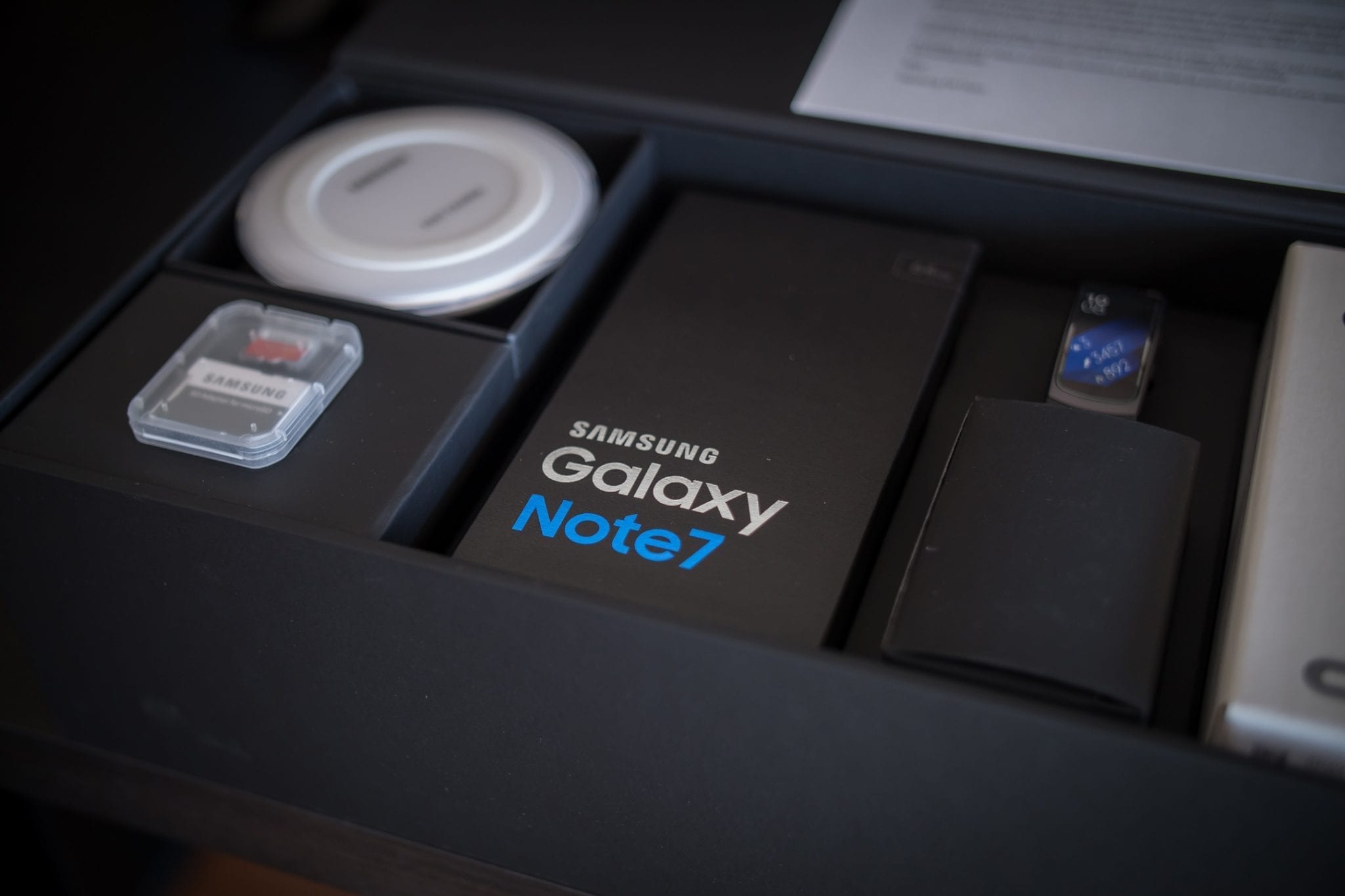
    Analysis from Samsung and independent researchers found no other problems in the Note 7 devices except the batteries. Tech giant Samsung Electronics said late on Monday that it plans to sell refurbished versions of the Galaxy Note 7 smartphones, the model pulled from markets last year due to fire-prone batteries.

    Samsung’s Note 7s were permanently scrapped in October following a global recall, roughly two months from the launch of the near-$900 devices, after some phones self-combusted. A subsequent probe found manufacturing problems in batteries supplied by two different companies – Samsung SDI Co Ltd and Amperex Technology.


    Analysis from Samsung and independent researchers found no other problems in the Note 7 devices except the batteries, raising speculation that Samsung will recoup some of its losses by selling refurbished Note 7s.

    A person familiar with the matter told in January that it was considering the possibility of selling refurbished versions of the device or reusing some parts.

    Samsung’s announcement that revamped Note 7s will go back on sale, however, surprised some with the timing – just days before it launches its new S8 smartphone on Wednesday in the United States, its first new premium phone since the debacle last year.

    Samsung, under huge pressure to turn its image around after the burning battery scandal, had previously not commented on its plans for recovered phones.

    “Regarding the Galaxy Note 7 devices as refurbished phones or rental phones, applicability is dependent upon consultations with regulatory authorities and carriers as well as due consideration of local demand,” Samsung said in a statement, adding the firm will pick the markets and release dates for refurbished Note 7s accordingly.

    The company estimated it took a $5.5 billion profit hit over three quarters from the Note 7’s troubles. It had sold more than 3 million Note 7s before taking the phones off the market.

    The company also plans to recover and use or sell reusable components such as chips and camera modules and extract rare metals such as copper, gold, nickel and silver from Note 7 devices it opts not to sell as refurbished products.

    The firm had been under pressure from environment rights group Greenpeace and others to come up with environmentally friendly ways to deal with the recovered Note 7s. Greenpeace said in a separate statement on Monday that it welcomed Samsung’s decision and the firm should carry out its plans in a verifiable manner.

  • Indonesia’s cooperative kicks off smart phone production

    Indonesia’s cooperative kicks off smart phone production

    Jumping on the bandwagon of local cell phone production, newly-founded cooperative Koperasi Digital Indonesia Mandiri (KDIM) on Friday started the production of a locally built smartphone under the brand of Digicoop.

    The smartphone is set to bolster the domestic cell phone market currently dominated by big players, especially foreign manufacturers.

    The initial model comes with a 4.7 inch-screen, a 1.5 Ghz quadcore processor, 1 GB of RAM, two cameras, two SIM card slots and 4G LTE compatibility.

    Unlike commercially distributed phones, this smartphone can only be obtained by becoming a member of the cooperative via its website, after which one needs to pay Rp 100,000 (US$7.48) per month for one year. Delivery occurs after two month of subscription.

    KDIM chairman Henry Kasyfi Soemartono said the cooperative would produce 5,000 units in the initial phase, with pre-orders currently running at 1,500 units.

    Henry further said the basic idea of the cooperative was to maximize people’s power to create a strong local information technology business.

    “A cooperative is the ideal format for crowdfunding in Indonesia,” said Henry during the event to kick off production. “It is neutral and everybody has the same say. It also provides benefits to its members.”

    KDIM was set up in June last year by the Associations of Indonesian Internet Providers (APJII) and Indonesian Information and Telecommunications Society (Mastel).

    It aims to bring the cooperative format to Indonesia’s information technology (IT) business currently saturated by giants.

    The cell phone is the result of collaboration with a team of experts from the Bandung Institute of Technology (ITB) and is made in the factory of electronics manufacturer PT VS Technology in Cikarang, West Java.

    Indonesia has seen its domestic phone industry rise in recent years, with some manufacturers, like Polytron, already running local factories.

    Communications and Information Technology Minister Rudiantara, who was present during the event, said the economic model of a cooperative could be a solution for the IT business, including the ride-sharing business based on mobile phone applications.

    “The Uber and Grab Car drivers need entities to operate, while both companies have yet to register as transportation companies. So, we’ve suggested that they form cooperatives for the drivers,” he said.

    Rudiantara said the government would support the development of KDIM, such as by facilitating synergy with cooperatives for ride-sharing.

    Henry said KDIM had ambitions beyond smartphone-making, namely to buy a satellite and run an internet provider business. To do this, members interested in participating in the satellite purchase could deposit Rp 5 million and in return access internet for free for a lifetime.

    “We need to find at least 500,000 people who want to participate, so that we can buy a satellite for the people,” Henry said, adding that a satellite would cost between $200 million to 250 million.

    The plan would materialize in the next three years as preparations were still underway, he added.

    Based on the latest APJII survey, Indonesia has 132.6 million internet users, the highest number in Southeast Asia and the fourth-highest globally. Half of its more than 260 million population still cannot access the Internet.

    KDIM digital equipment head Teguh Prasetya said KDIM was preparing for designs for middle and high-end models. In the meantime, the cooperative tried to increase its local content, including applications, from 20.2 percent at present to 30 percent by the end of this year.