Tag: android

  • Google Maps update brings Nokia’s classic Snake Game

    Google Maps update brings Nokia’s classic Snake Game

    The classic Snake game that made its debut on Nokia phones back in 2007 and achieved popularity not long after, is now available to all Google Map users. Well, let’s say that a very improved version of that game can now be played by Android and iOS users directly in Google Maps.

    Apparently, Google continues the tradition of celebrating April Fools with a long-lasting gag that will be available to those using some of its services on mobile and desktop. This year Google has decided to make Maps the main platform of its gag.

    All Android and iOS users will be able to play Snake on their phones and achieve high scores by picking up as many passengers and visiting as many iconic locations as possible. You’ll be able to play in different locations across the world, such as Cairo, London, San Francisco, Sao Paolo, Sydney, and Tokyo, or simply choose to play in the World.

    In order to start playing Snake, you’ll have to open the Google Maps app, tap on the menu icon on the top left corner, then select “Play Snake” to start playing directly in the app.

    Depending on what city you chose to play in, you’ll have to gather passengers with your ever-growing train and visit important locations around the world, including Big Ben, the Great Sphinx of Giza, and the Eiffel Tower.

    The Snake game is now rolling out worldwide on Android and iOS and will be available from within the Google Maps app for about a week.

  • Update to the Google Camera app adds a new popular feature

    Update to the Google Camera app adds a new popular feature

    The update to version 6.2 of the Google Camera app comes with Dark mode and a few other changes, and it is rolling out to Pixel handsets via the Google Play Store. According to Android Police, the settings on the updated camera app will go into Dark mode when the Battery Saver is enabled. The report says that this works consistently with the Android Q beta installed, but not so much with Android 9 Pie.

    Since the camera app already uses a black background, why add this feature? Well, if you’re in a dark room or out at night and need to go into the Google Camera app’s settings, you’ll instantly be blinded by the white background used for that page. Why did Google have Dark mode enabled when the Battery Saver is turned on? Because if you have a phone with an AMOLED screen, a black background means fewer pixels need to be activated, which means that the phone will consume less battery power.

    Another change can be seen when moving between the camera, video, portrait, and panorama settings in the app. Previously, when a user switched between camera and video, for example, he would see a black transition screen with the icon of the selected setting in the middle. With version 6.2, when switching between settings, the screen no longer turns black and instead shows what your camera is looking at. There is also a zoom in and out effect while the selected setting’s icon remains in the middle of the screen. And there is one last change. When the flash is turned on for the front-facing selfie camera, the flash icon will appear on the display

    Remember, you need to have version 6.2 of the Google Camera app and a Pixel handset to enjoy all of these new goodies.

  • Twitter for iOS just gained a black “Lights Out” mode

    Twitter for iOS just gained a black “Lights Out” mode

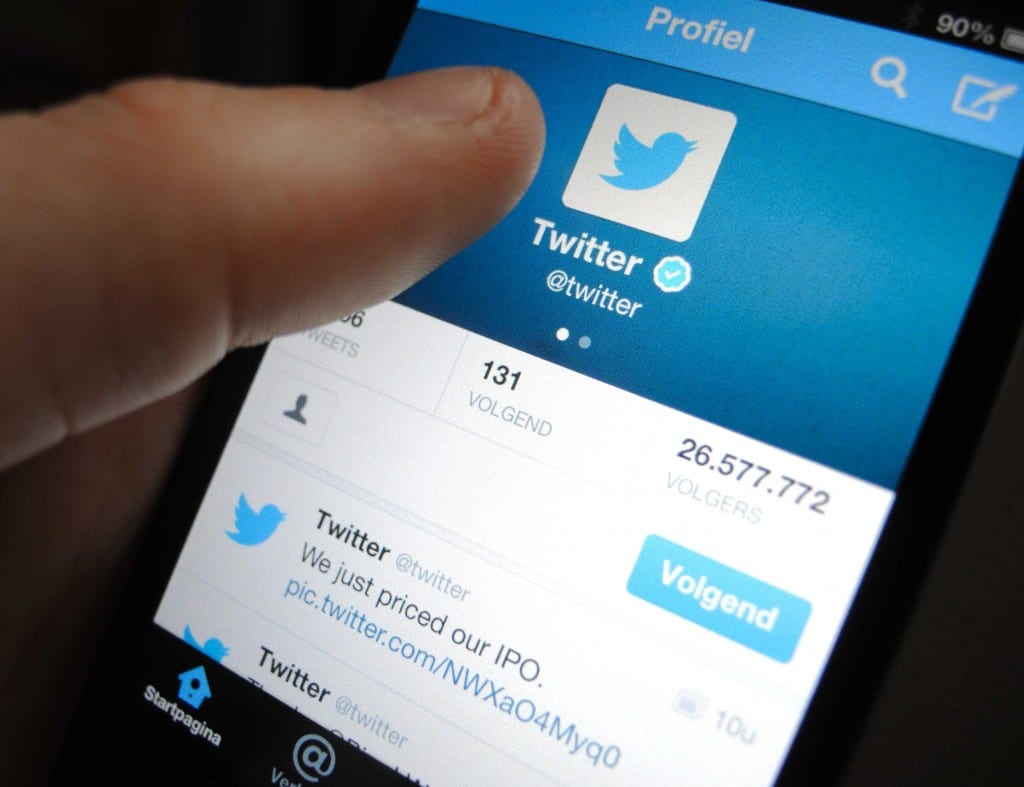
    Twitter has offered a native Dark Mode option for quite some time now, but today the popular feature is getting one highly-requested upgrade which could help improve your smartphone’s battery life.

    After previously teasing the feature, today Twitter announced that it’s rolling out a new “Lights Out” mode which ditches the blue color used by the standard Dark Mode and replaces it with a pure black background.

    To many, this means that the app’s built-in Dark Mode will now be much more aesthetically pleasing. It also means that OLED displays will directly turn off pixels, thus providing true-black tones and saving a bit of battery in the process which is always a good thing.

    In order to access it, users simply need to head to the ‘Display and sound’ menu within Settings, activate Dark Mode, and then select “Lights Out.” The original Blue theme, now called “Dim,” is still available for those who prefer it.

    The new Lights Out option is rolling out today to iPhone and iPad users. A timeline for Android is yet to be announced.

  • The Razer Phone 3 delayed because of 5G

    The Razer Phone 3 delayed because of 5G

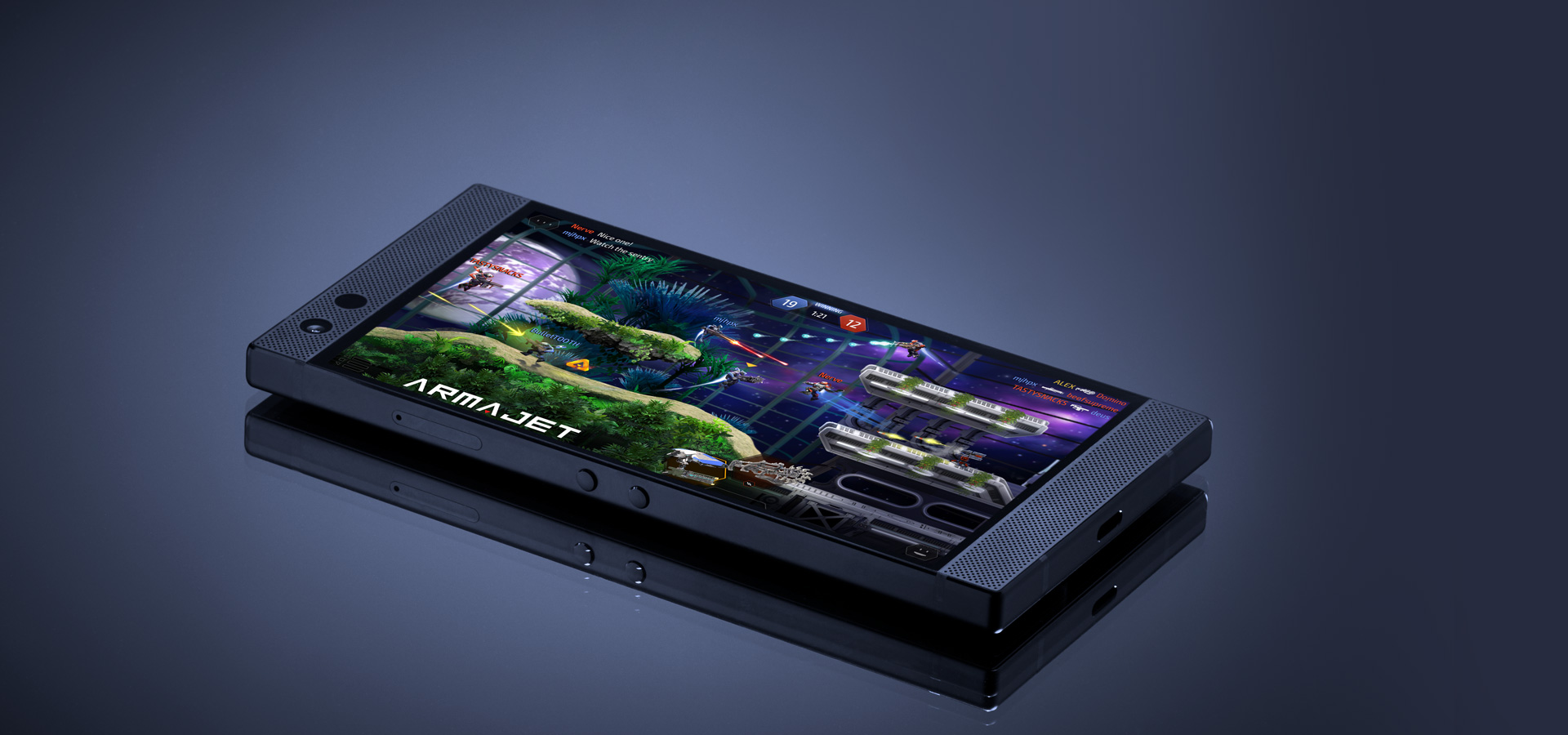
    Most of Razer’s mobile division staff were either relocated or laid off last month, sparking speculation that the brand’s next smartphone may have been canceled. Last week, though, a report claimed that Razer had simply delayed its next-gen device and now the reason for this may have been revealed.

    In a recent interview with Engadget, Razer CEO Min-Liang Tim suggested that buying a gaming smartphone right now may not be the best idea. He believes that gamers looking to purchase a device this year will “want to buy a 5G phone,” but purchasing one now means that there’s “no network to use it on.”

    In the eyes of Razer, this essentially makes the higher price that 5G smartphones command unjustifiable at the moment. It also means that there’s less demand for 4G-ready gaming smartphones because consumers are waiting for 5G alternatives to become widely available.

    Like its predecessors, the Razer Phone 3 wasn’t expected to arrive until mid-October or early November. But considering Razer’s current view on 5G networks, the smartphone now probably won’t make its debut until early 2020. By then, 5G networks should be up and running across the globe and there should be sufficient demand for such a device.

  • Sony Mobile insists the end is not near after it closes a smartphone plant

    Sony Mobile insists the end is not near after it closes a smartphone plant

    While Sony’s fall from grace in the global mobile industry hasn’t been as dramatic as those suffered by Nokia, BlackBerry, and even HTC, it’s more than obvious the Japan-based tech and entertainment behemoth needs to do something about its smartphone division. Unfortunately, as the company’s various attempts at revising and transforming the Xperia portfolio over the last few years have failed to turn a profit, the time has come for more drastic austerity measures.

    After laying off 200 employees in Europe to cut costs across a number of mobile business areas, Sony has confirmed long-rumored plans to close an entire factory in China earlier today. The Beijing plant will reportedly cease all smartphone manufacturing activities in “the next few days”, although Sony does intend to “shift production” to a different factory in Thailand in a move expected to greatly contribute to reducing expenses by around 50 percent.

    The ultimate goal is to make the smartphone division profitable again as early as 2020 after years and years of bleeding serious money, but it remains to be seen how much of a mobile business Sony will be left with when that happens. According to the latest official estimates, yearly Xperia shipments are down to as little as 6.5 million units. To put that number into perspective, Samsung’s Galaxy S10 lineup was projected to hit 10 million global unit sales in just its first month of availability.

    Of course, Sony has repeatedly claimed in the past year or so it has no intention to abandon the smartphone market on the eve of a 5G revolution. Once again, the company is highlighting its strategic measures are simply meant to strengthen the business rather than killing it piece by piece. And while it’s definitely not unprecedented to see a major smartphone vendor cut its Chinese costs, it remains unclear exactly how much of Sony’s Bejing operations will “shift” to Thailand.

    Either way, this probably won’t impact the Xperia 1 launch or even the rumored Xperia 2. What comes next, however, is anyone’s guess.

  • Scootch, display speakers and finger scanners

    Scootch, display speakers and finger scanners

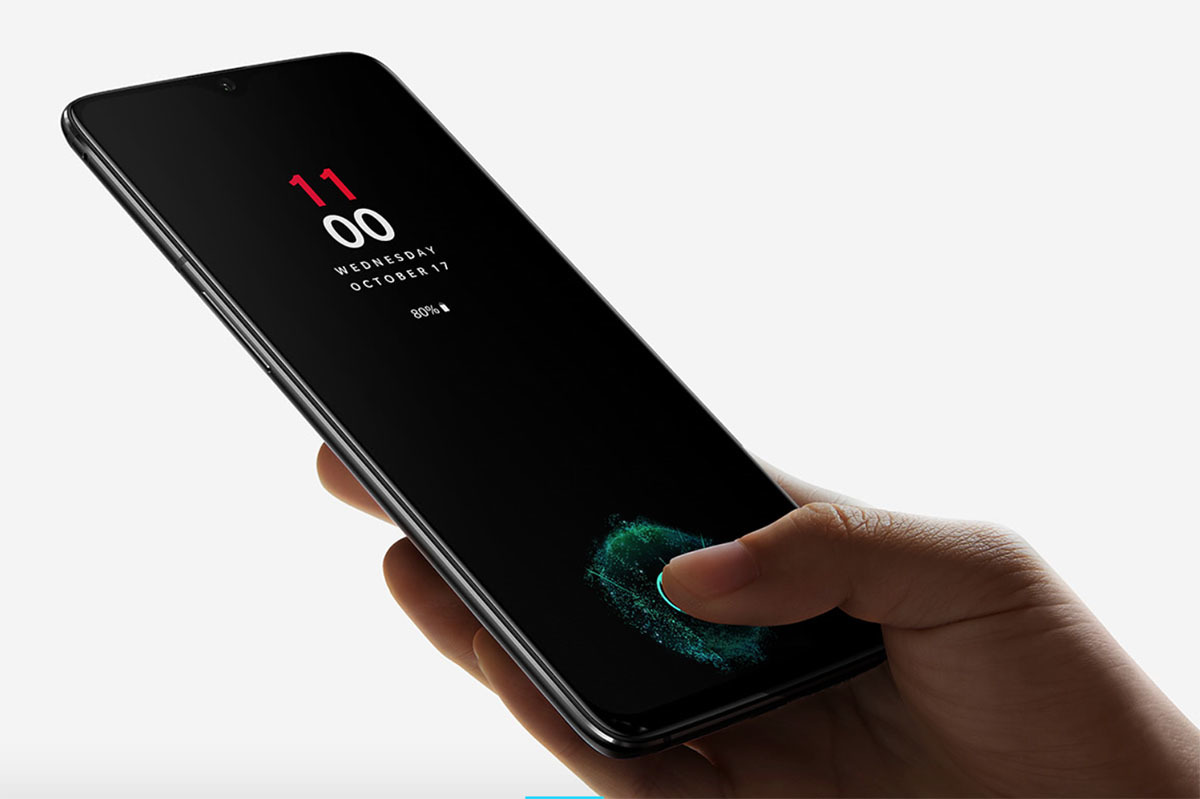
    We shudder to think how expensive a screen replacement is going to get once manufacturers stuff everything they are intent on stuffing in there. In the last few years alone they fused the touch layer into the display itself, increased the resolutions, moved to the more expensive OLED variety, started bending, folding or piercing them to fit various design trends, tacked in-display fingerprint readers on, started using them as sound emitters instead of the good ol’ earpiece, etc.

    Now, what else can we slap into the display package, wondered LG, and came up with an idea. The phone maker has reportedly managed to save precious space inside phones by integrating… wait for it… 5G antenna in the display itself. Well, integrating is not the right word, as it looks like the LG engineers simply slapped thin antenna films on the back side of the screen, but still.

    Given that the current number of antennas needed for grabbing 5G coverage borders on 30, and that adds significant bulk to the usual phone antenna design, being able to move the 5G antenna to the display package sounds like a practical space-saving solution, especially if it improved the coverage as well.

    LG said it can also apply the 5G antenna films on the back of the phone, and again improve reception by using the vast surface but, come to think of it, space there may be needed for all those wireless charging coils that are becoming the norm, too.

    In any case, LG seems to have circled the wagons around its 5G-in-display invention with patents, but apparently, we won’t see the technology applied to the V50 in May. That one will still have the current bulky 5G antenna design.

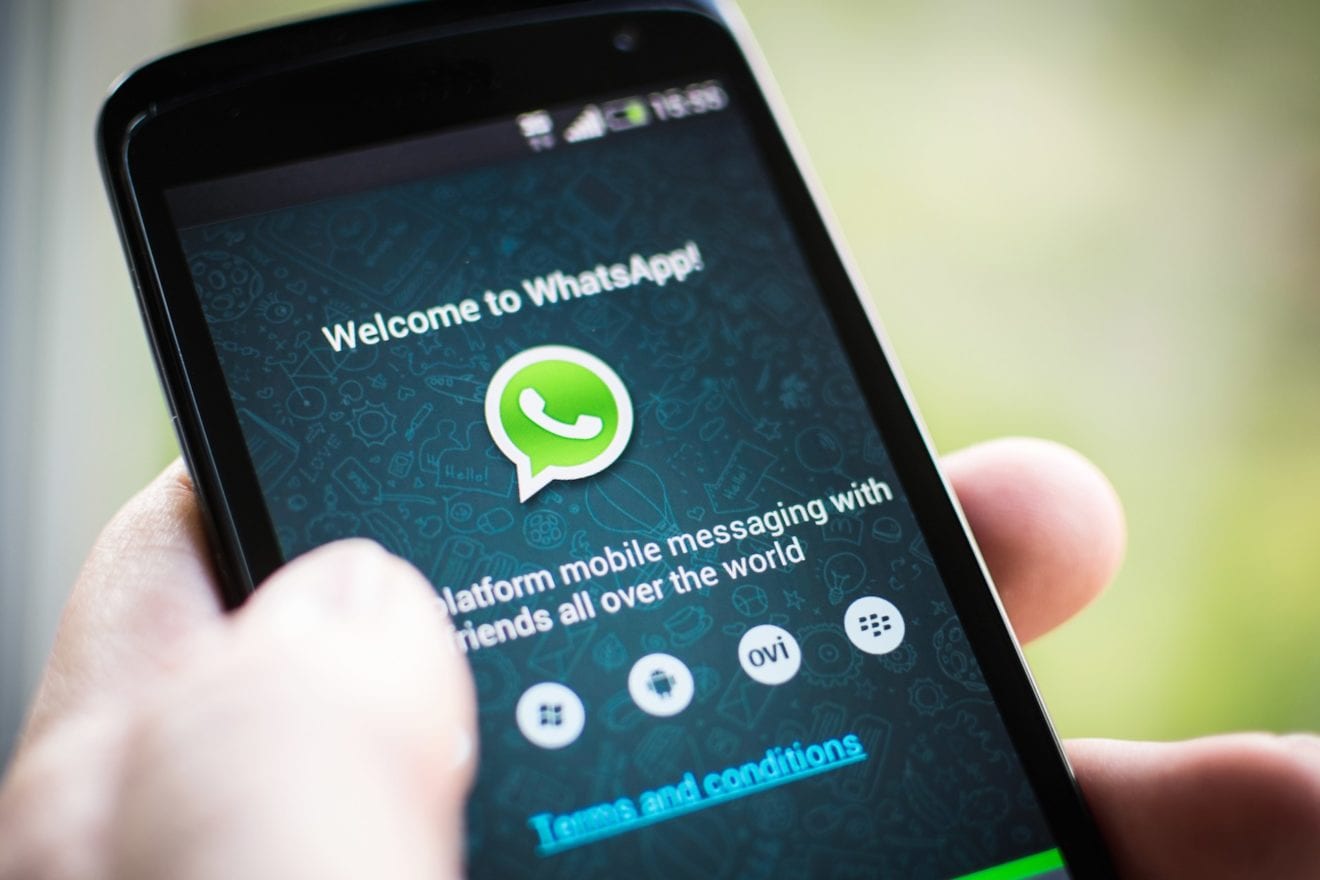
  • WhatsApp closer to protecting the retinas of Androids

    WhatsApp closer to protecting the retinas of Androids

    There are two words that when seen in print by a smartphone user, will instantly get him or her to react by installing a particular app, or checking to see if an update has been received for an app already installed. Those two words are Dark Mode. This is a feature that reverses the typical black text on white background so that the screen shows white text on a black background.

    Android Q is supposed to feature a system-wide Dark Mode in its final version, and iOS 13 is rumored to have the same thing. Google added the feature over the last year to a number of core Android apps that it updated to the retina melting Material Design. The latter features plenty of bright white in the background. Dark Mode, as we’ve just insinuated, helps protect users from a blinding white background that is intensified at night or in dark rooms. It also can save some battery life on phones with OLED screens since more black in the background means fewer energy consuming pixels need to be turned on. And many feel it just is a different and “cool” look.

    Those with the beta version of WhatsApp installed on their Android phone have received version 2.19.82 of the app. The feature, while still under development, is hidden in the latest update, and right now it is being tested on the settings pages only. The iOS version of WhatsApp already has a Dark Mode. What might not seem obvious from the screenshots is that a dark gray, and not black background is being used by WhatsApp for its Dark Mode, which means you can scratch out the additional battery life you were hoping to achieve when the new feature is fully enabled on the regular Android version of the app.

    Besides Dark Mode, the new beta update adds the name of an audio file to the bar found on the display that includes the play button.

  • Apple Music is rapidly growing in popularity on Android

    Apple Music is rapidly growing in popularity on Android

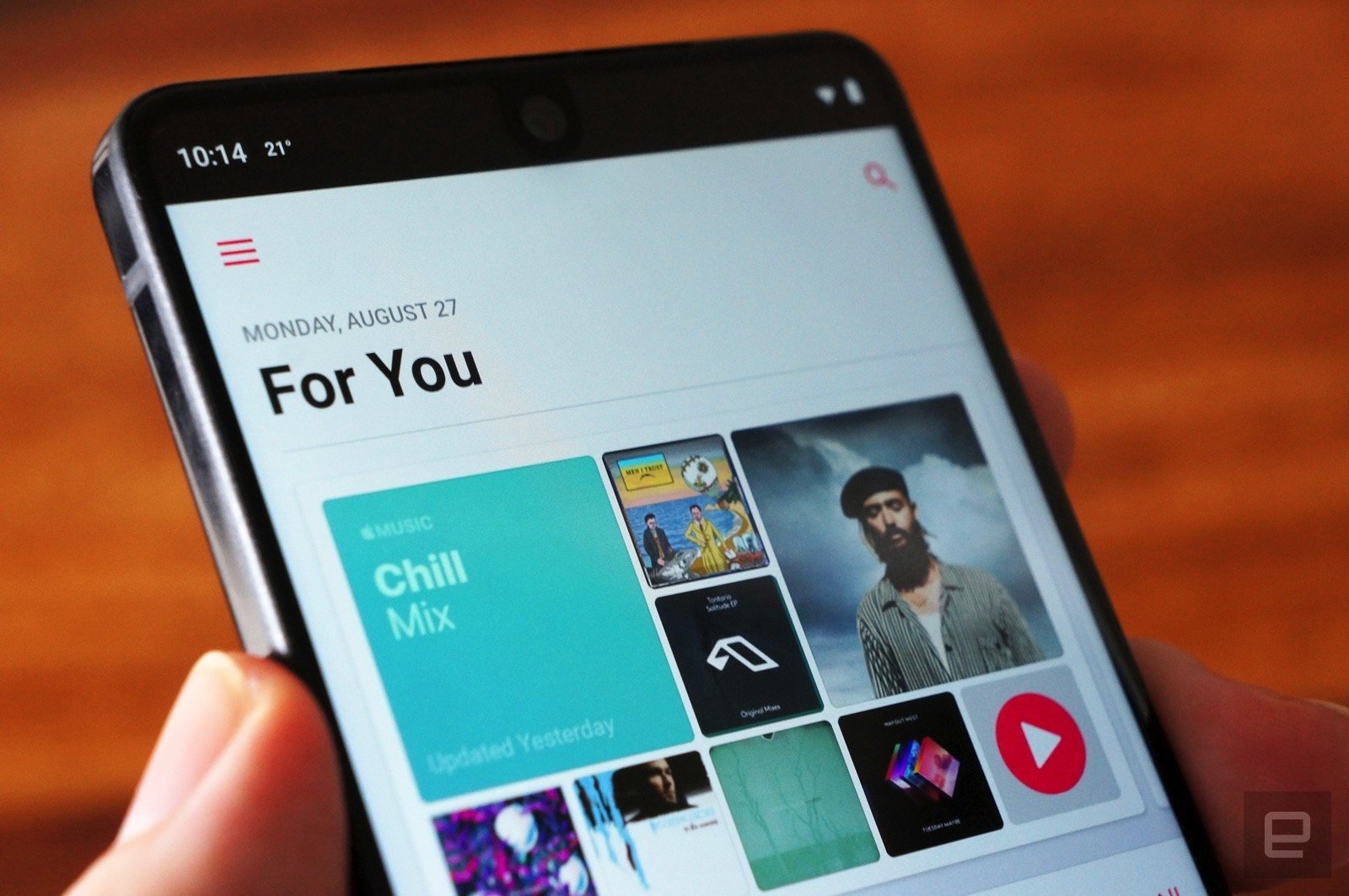
    Apple unveiled a ton of interesting stuff at a (Hollywood) star-studded event yesterday, but much to the disappointment of iPod Touch fans and potential AirPower buyers, not a single hardware announcement was made on stage in the Steve Jobs Theater during this “Show Time” shindig. While Apple’s focus on the so-called “services” business has sharply increased over the past year or so, it’s safe to assume the company’s TV+, News+, and Arcade platforms wouldn’t have happened were it not for the success of Apple Music.

    Released back in 2015 in more than 100 countries around the world, the music streaming service quickly emerged as the primary challenger to Spotify’s throne. Almost four years later, the global subscriber gap between the two remains pretty large, but Apple Music continues to make great strides in the US, as well as on other platforms apart from iOS.
    After expanding its support to Alexa-powered smart speakers, the service recently crossed an interesting milestone on Android, according to Sensor Tower estimates. Even though the app isn’t exactly well-reviewed in Google’s Play Store, with a mediocre 3.5-star average score based on over 280,000 ratings, a whopping 40 million Android users in total have reportedly tried out Apple Music since its 2015 debut. That’s not bad for something that’s only gained Android tablet compatibility a couple of months back.
    What’s perhaps even more impressive is that quarterly Android installs have apparently begun to surge again after a temporary but steep decline in late 2017 and early 2018. In fact, Q1 2019 could be Apple Music’s best-ever three-month period in terms of Google Play downloads, which are expected to reach 3.8 million by the end of March. That would represent an increase of half a million downloads from the final quarter of last year and an incredible 1.5 million more installs than back in Q2 2018.
    Obviously, it’s unclear how many of these downloads typically end up converting into long-term paid subscriptions, but that figure is also up, so there’s definitely a correlation between the two, even when not taking iOS usage and install numbers into consideration.
  • Sharp has patented a sleek foldable phone

    Sharp has patented a sleek foldable phone

    Sharp is not a smartphone brand that makes the news frequently. Its phones are mostly sold in Japan with some models making an appearance in Europe as well but in fairly small numbers. This is probably no one is expecting them to have a go at the latest trend in mobile tech: foldable smartphones. By now, you’re probably familiar with the Galaxy Fold and the Huawei Mate X, the two phones of that new class that you’re most likely to see in the real world (if you’re lucky). We’ve also seen hints that Motorola and Google are working on their own interpretations as well.

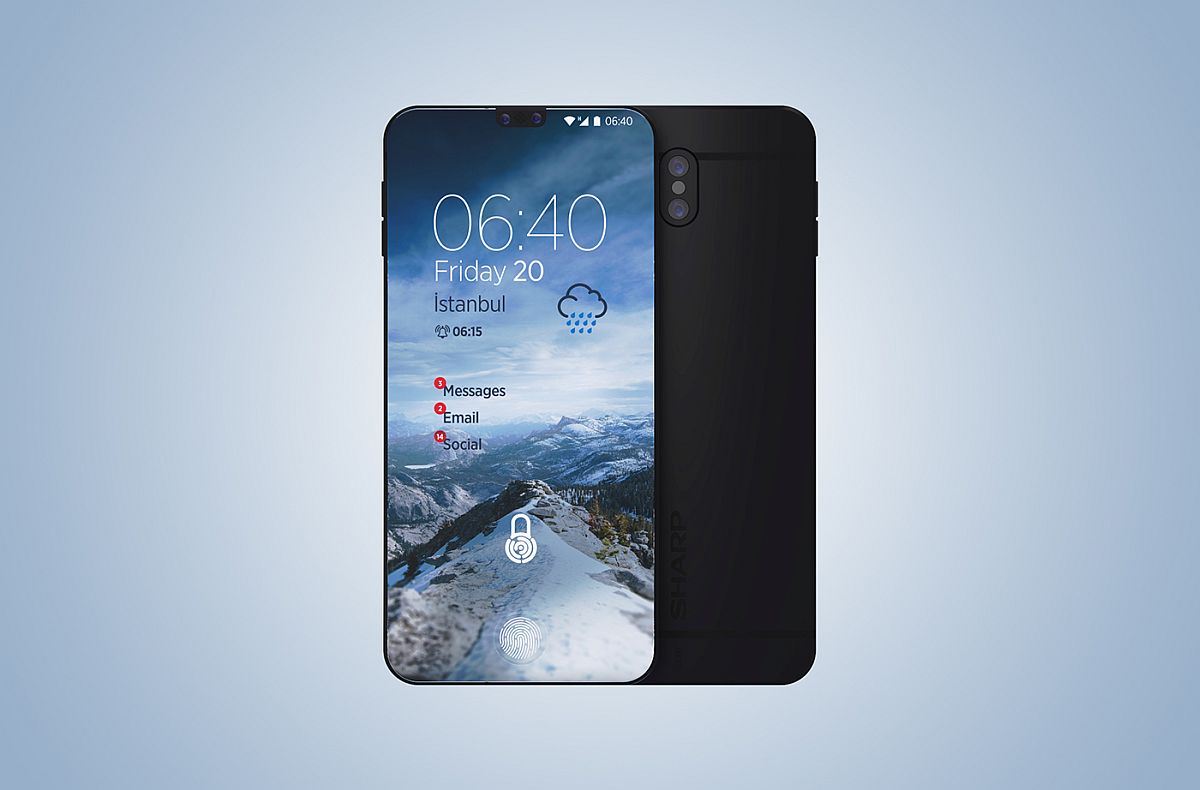
    Coming from patents yet again is information about Sharp’s intentions for a foldable phone. Picked up by LetsGoDigital and visualized in renders are drawings from an application to WIPO (World Intellectual Property Office) that was submitted by the Japanese tech giantThe design proposed by Sharp has some familiar elements with a twist. The fold of the display is horizontal, similar to that of the rumored Motorola phone, which means the screen size will be similar to current flagship phones, but the device will be more compact when folded. That approach has its advantages, but it seems that users have now accepted the form factor of current phones and prefer to get a larger display if their device is to be foldable.

    There are two things that grab our attention when looking at these renders. First, there seems to be no gap when the device is folded, which is something current foldable displays can’t accomplish. Of course, devices in renders are often quite different from real products, so it’s too early to judge. Sharp is one of the major display manufacturers, however, and it’s possible that the company is working on its own tech to achieve those results.

    The other curious thing is that the device has two hinges about half an inch apart, which allows the lower panel to either completely cover the top one or to leave about an inch of the display clear for notifications and other system indicators. While that might be handy in some situations, the added hinge is also another weak point for this device.

    There also appears to be no selfie camera in the drawings Sharp submitted, but this is likely just another omission until the design reaches a stage closer to realization.

    Currently, there are no hints from Sharp when or if we should expect a device like the one pictured above, but we certainly hope that more companies will join the foldable phone stage with their own ideas.
  • Samsung Galaxy A90 tipped to sport huge display

    Samsung Galaxy A90 tipped to sport huge display

    The Samsung Galaxy A90 is expected to debut in early April, and with less than three weeks to go some extra information about the smartphone’s most important feature has just leaked. As confirmed earlier this week by Samsung’s own website, the Galaxy A90 will be the company’s first and only smartphone to feature a ‘notchless Infinity screen.’ Naturally, this means that there will be no controversial notch or display cutout, with the smartphone instead expected to sport slim bezels all around.

    This prediction was today backed up by a leaked Galaxy A90 screen protector which clearly shows razor-thin bezels and a slightly larger chin. To further solidify the rumors, tipster Steve Hemmerstoffer weighed in on the matter by reaffirming the lack of a notch and pointing towards bezels that are just 1.2mm thick and a chin that measures in at 3.6mm. On a related note, it’s worth pointing out that Hemmerstoffer also believes the Galaxy A90’s display will boast a huge 6.73-inch diagonal, thus putting it on par with the Galaxy S10 5G and subsequently making it one of Samsung’s biggest smartphones ever.

    Expect a pop-out camera mechanism that also rotates

    Despite the company’s efforts to develop in-screen camera technology, Samsung recently admitted that ‘perfect full-screen’ smartphones are still a few years away. Because of this, the South Korean giant has apparently opted for a more unorthodox solution on the Galaxy A90. To be precise, Samsung’s upcoming smartphone is said to include a pop-out camera mechanism which houses the selfie cameras. These sensors, however, can also be used as the rear sensors thanks to a rotating mechanism that the pop-out module includes. Details about the cameras remain quite scarce, but the general expectation is that the device will feature at least three. According to previous leaks, the primary one will sport a whopping 48-megapixel resolution. The resolution of the other sensors hasn’t yet been revealed, but one will probably sport a wide-angle lens, while the other could act as a dedicated depth sensor.

    As a result of this unique setup and the lack of rear cameras, the Galaxy A90 is also expected to sport a very minimal rear design. In fact, the only noticeable element will probably be the Samsung logo – the Galaxy A90 is expected to adopt an in-display fingerprint scanner.

    An impressive processor that could beat the Snapdragon 845

    The inside of Samsung’s upcoming device remains a bit of a mystery. One rumor claims the company is preparing a budget Snapdragon 855-powered flagship which could easily be the Galaxy A90 – the smartphone is expected to sit directly beneath the Galaxy S10e in Samsung’s lineup. However, tipster Ice Universe believes this isn’t the case. Rather than using Qualcomm’s latest flagship chip, the historically-reliable source believes Samsung’s Galaxy A90 will make use of the yet-to-be-announced Snapdragon 700-series chip currently referred to as the ‘Snapdragon 7150.’

    Little is known about this chip right now, but the expectation is that it’ll take advantage of the 8-nanometer manufacturing process. Moreover, in terms of performance, it should sit somewhere between last year’s Snapdragon 845 (10-nanometer) and the newer Snapdragon 855 (7-nanometer) found inside the Galaxy S10 series. No further details about the Galaxy A90’s internal setup were provided, but the smartphone will most likely debut with a minimum of 6GB of RAM and 64GB of storage. However, more impressive variants with extra storage and potentially more RAM do seem extremely likely. Completing the smartphone’s setup should be Android 9 Pie straight out of the box and a 3,700mAh battery. But considering the rumored display size, it’ll remain to be seen what kind of battery life results this produces. In any case, improved fast charging of up to 25W is now expected.

  • Huawei Mate 30 line can be first to use chips made with new energy technology

    Huawei Mate 30 line can be first to use chips made with new energy technology

    Extreme Ultraviolet lithography (EUV) uses light to etch out the layout of transistors and other components on a silicon wafer. Consider that today’s modern chipsets employ billions of transistors on a single chip. If you think that this is an over exaggeration, the Apple A12X chipset used on the the 2018 iPad Pro tablets feature 10 billion transistors. And that is without the use of EUV. The latter technology will make the placement of these transistors more precise, allowing for a 20% increase in the density of transistors on a chip, making these components more powerful with less energy consumption.

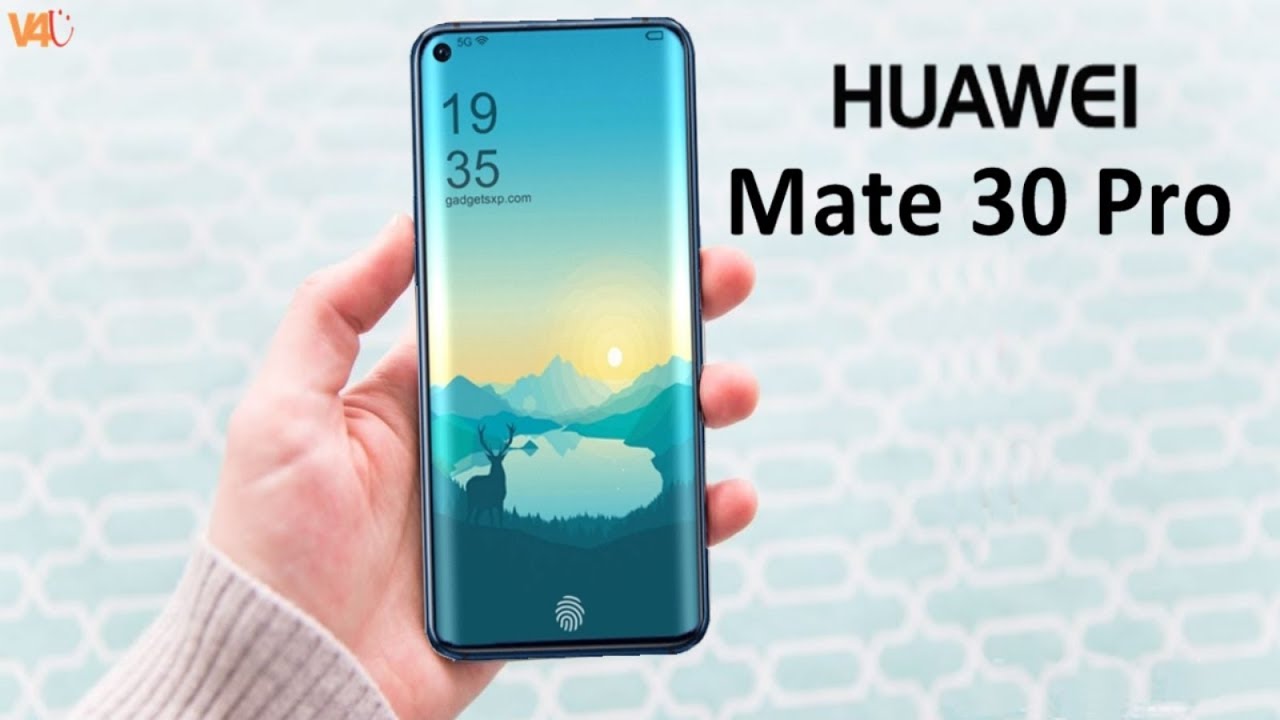
    The first smartphone chip to use EUV will most likely be Huawei’s Kirin 985 SoC, which will be fabricated by TSMC. The latter was the first to roll out chips using the 7nm process, an improvement from the previous generation of 10nm chips. That change alone, which signifies denser deployment of transistors, brings more power and less energy consumption to the newest smartphones; add in the capabilities of EUV and the next generation of chips will be faster while conserving more battery life.

    EUV will really show its worth in succeeding generations of chips (5nm and forward) because on 7nm chips, it really doesn’t show its true potential. So while Moore’s law, the observation made by former Intel CEO Gordon Moore that the number of transistors on a chip doubles every other year, might soon reach its physical limitations, EUV will help chip designers and manufacturers draw up and produce the components that will make current phones seem slow and inefficient in comparison.

    We could see the Kirin 985 chipset hit the market sometime during the first half of this year. The Kirin 985 will arrive too late for the soon to be unveiled Huawei P30 series, which will be unveiled on March 26th and launch on April 5th, powered by the Kirin 980. Perhaps we will see the Kirin 985 SoC make its debut on the Huawei Mate 30 range due out later this year.

  • Xiaomi preparing two in-screen fingerprint Android One phones

    Xiaomi preparing two in-screen fingerprint Android One phones

    The Xiaomi Mi A1 became almost an overnight success when it was released back in September of 2017. So much so, that Xiaomi followed it up with the Mi A2 and Mi A2 Lite last summer. And now, as revealed by XDA Developers, the Chinese brand is preparing a third-generation of the lineup.

    Codenamed ‘bamboo_sprout’ and ‘cosmos_sprout’ – all Android One smartphones include the ‘sprout’ suffix in their codenames – the new devices are expected to launch later this year commercially as the Xiaomi Mi A3 and Mi A3 Lite. From what can be gathered, both smartphones are currently being tested with ‘fod.’ In Xiaomi terms, this stands for an in-display fingerprint scanner, something that would probably be capture the attention of consumers.

    Nowadays, the general consensus is that traditional fingerprint scanners like the ones found on the Mi A2 series are much quicker and precise than in-screen implementations, especially optical in-display ones. But to regular consumers who don’t know too much about tech, the newer solutions are much more futuristic, hence why Xiaomi is probably looking to include them on the Mi A3 lineup.

    The specifications of these two devices remain a bit of a mystery at the moment. However, XDA Developers reports that both smartphones will come equipped with 32-megapixel selfie snappers.These will probably be contained inside small, waterdrop-like notches – almost every phone Xiaomi launches now includes this design feature.

    As for a release date, the Xiaomi Mi A3 and Mi A3 Lite will probably be announced in late May or early June prior to a launch soon after. Pricing hasn’t yet been revealed.

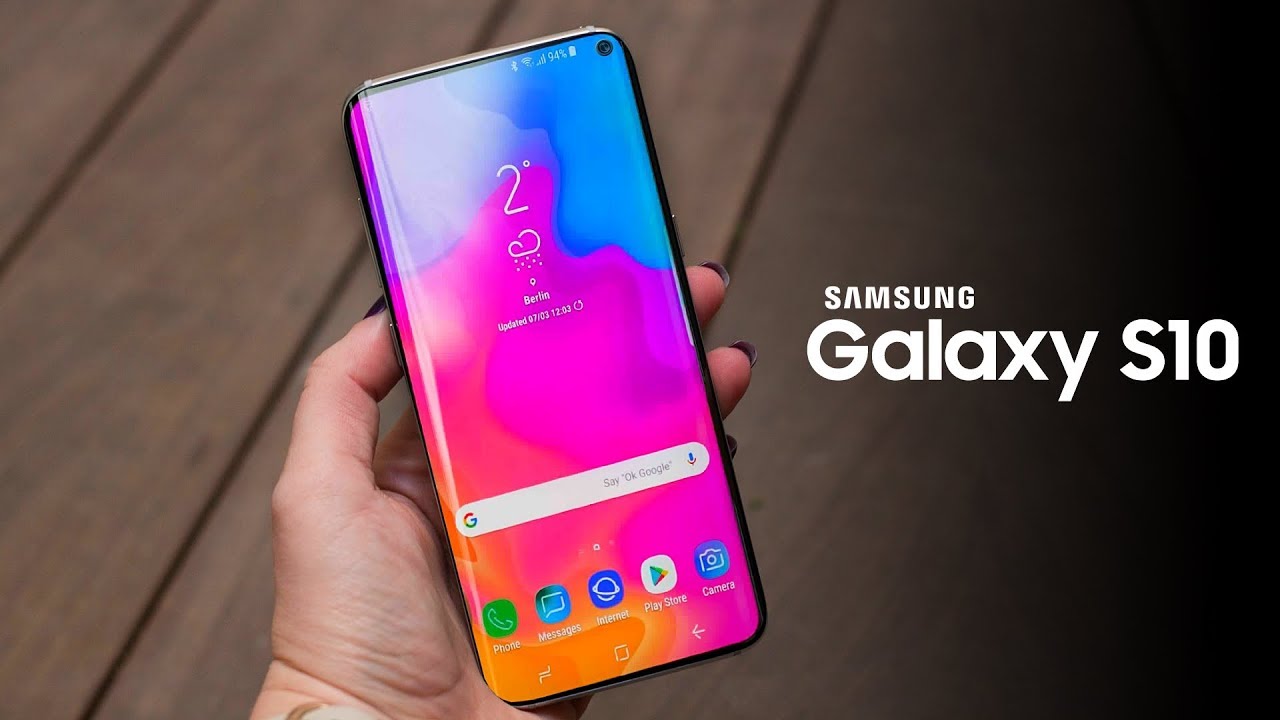
  • The Galaxy S10 has helped Samsung triple its market share in China

    The Galaxy S10 has helped Samsung triple its market share in China

    Samsung has been the number one smartphone manufacturer for years. It dominates key markets such as North America and Europe, while also remaining a strong player across Asia. In China, though, the situation is pretty different. Despite the company’s best efforts, over the past few years Samsung has seen its market share drop to a measly 1%. But thanks to the recent release of the Galaxy S10 lineup, things seem to be improving.

    The Samsung Galaxy S10 has accelerated growth in China

    According to reliable industry insider Ice Universe, Samsung’s market share in China has almost quadrupled since the beginning of the year, going from just 1% in early January to an impressive 3.6% during the tenth week of 2019 (March 4th to March 10th). The primary source of this growth is the recently-announced Galaxy S10 lineup.

    The new flagship series, which launched globally on March 8th, has reportedly been outperforming last year’s Galaxy S9 lineup by massive margins in China. In fact, the number of Galaxy S10/S10+ units sold within the first two hours of pre-orders was allegedly equal to double the number of Galaxy S9/S9+ devices sold during the first day.This impressive performance has also extended to a number of key global markets. In both the US and the UK, the Galaxy S10 series set new pre-order records for Samsung. The most popular model proved to be the Galaxy S10+, despite its higher price.

    10 million Galaxy S10 units could be shipped this month alone

    Although predictions do vary by analyst, the overall consensus appears to be that Samsung’s Galaxy S10 trio will achieve sales of between 40 and 45 million units by the end of 2019. Around 20 million of these should ship by the very end of June. If this is successfully achieved, the new lineup will have outperformed last year’s Galaxy S9 duo, which sold 19.2 million units during the same period. In regards to short-term performance, recent forecasts have suggested the Galaxy S10, Galaxy S10+, and Galaxy S10e are on track to ship a combined 10 million units by the end of this month alone.

    Things are looking positive for Samsung in China

    As a result of intense competition from local brands, Samsung revamped its mid-range strategy late last year. The South Korean giant started implementing a number of new designs and focused heavily on its mobile cameras. Additionally, it promised to make flagship features more accessible by introducing them to consumers via the new Galaxy A-series. So far this year, the company has introduced the public to the Galaxy A10, A20, A30, and A50. These represent some of the company’s best value-for-money offerings in years and help cater towards a range of consumers in the budget segment.

    Eventually, these four devices will be joined by the Galaxy A40, Galaxy A60, and Galaxy A70. As indicated by their respective names, these will target consumers with slightly larger budgets and should help cover any remaining price points that Samsung doesn’t yet have covered. Lastly, Samsung’s new Galaxy A series should be completed by the Galaxy A90. This device will act as the most expensive model but should still cost less than the Galaxy S10e. In fact, a rumor floating around leads us to believe that it may be some sort of budget flagship powered by the Snapdragon 855. The smartphone is also rumored to include a bezel-less display paired with a unique pop-out camera mechanism which will remove the need for separate front and rear cameras thanks to its ability to rotate.


  • Issues with Samsung Galaxy S10 line results in shorter battery life

    Issues with Samsung Galaxy S10 line results in shorter battery life

    According to posts on Reddit and the Samsung U.S. community forum made by owners of the new Samsung Galaxy S10 line, the accidental touch protection feature on the phone is not working. This includes the “Block accidental touches” option that is supposed to keep the display off when the phone is in a dark place, like a user’s pocket. The latter uses the handset’s proximity sensor. As a result, not only is the phone butt-dialing random people, when the device is pulled out of a pants pocket, the dialer is often on the display with a bunch of numbers, letters and symbols typed in. Some are blaming the placement of the proximity sensor, which is found on the status bar just above the “%” symbol used to show how much battery life is on the phone.

    Galaxy S10 users say that their phone takes screenshots, opens apps and even turns on the flashlight while in a pocket or a purse. The latter is quite an achievement since it requires the screen to be dragged down twice and the flashlight icon to be tapped. For some users, they can feel the handset vibrating in their pocket and when the device is pulled out from there, it is running hot and the battery is draining faster than it should be. The failure of the accidental touch protection feature to work can lead to some embarrassing moments. For example, a Galaxy S10 owner didn’t realize that his phone had butt-dialed the police emergency number. When he returned home, the cops were there asking if he had an emergency.

    Butt-dialing calls, overheated phones and shorter battery life are some of the symptoms

    One Galaxy S10 user had an interesting theory. He said that the proximity sensor might be seeing light through his pants, keeping the screen on as a result. The sensor is designed to turn off the screen when something is in close proximity to the display. This turns off the screen when you are on a call and the device is placed to your ear, in order to save battery life and prevent accidental touches. The original Apple iPhone was the first smartphone to offer this feature. Testing his theory, this Galaxy S10 user covered up the proximity sensor with his hand with the device in his pocket, and the screen stayed. He believes that Samsung has not calibrated the accidental touch protection correctly. Another user figured that because he had the fingerprint unlock turned on, his phone was constantly scanning for a fingerprint when the display was pressed against his leg with the device in his pocket.

    While many Galaxy S10 owners listed a variety of problems they had trying to keep their phone asleep inside their pocket, one Galaxy S10e user says that he was able to prevent the phone from turning on and butt-dialing from his pocket by disabling the “Lift to Wake” setting. Another user noted that disabling “Always On Display” and “Double Tap to Wake” resulted in more battery life on his phone when he pulled it put of his pocket (50% vs 20%), which he cited as an indication that turning off those features managed to fix the issue.

    But not every Galaxy S10 user who disabled these settings found success. While Samsung forum moderators are certainly aware of this issue, there has been no reaction from Samsung itself. Perhaps Samsung is working on a software update that will fix the problem. For now, if disabling some of the aforementioned features does not help, you might want to consider topping off the battery before you head out just in case your

  • Huawei ready to replace Android if it loses legal battle

    Huawei ready to replace Android if it loses legal battle

    Huawei is being attacked from all sides, and even though the Chinese company seems to have been cornered, it still has the will to fight. Huawei recently sued the United States, as a means to fight a ban that prevents its telecom equipment from being purchased and used by government institutions.

    The same ban prohibits major US government contractors from using Huawei equipment, a major blow for the Chinese company’s local telecom business. Although the legal battle between Huawei and the US is just beginning, the former has everything prepared in case of a negative outcome.

    Huawei’s executive Richard Yu said in a recent interview with Die Welt that his company already has its own operating system ready to replace Android and Windows.

    We have prepared our own operating system, if it turns out we can no longer use these systems, we will be ready and have our plan B. Huawei started working on its proprietary ecosystem seven years ago, following a US investigation that also targeted ZTE. According to Yu, Huawei will continue to use Google and Microsoft operating systems, but if the legal battle intensifies, it won’t hesitate to switch to its own ecosystem.

    The bad news for fans of the Chinese brand is that not even Huawei believes in the success of its own ecosystem. A Huawei spokesperson was cited saying that the company doesn’t expect to use its “backup systems” and that it doesn’t actually want to use them.