Retail News CRM

Tag: apple

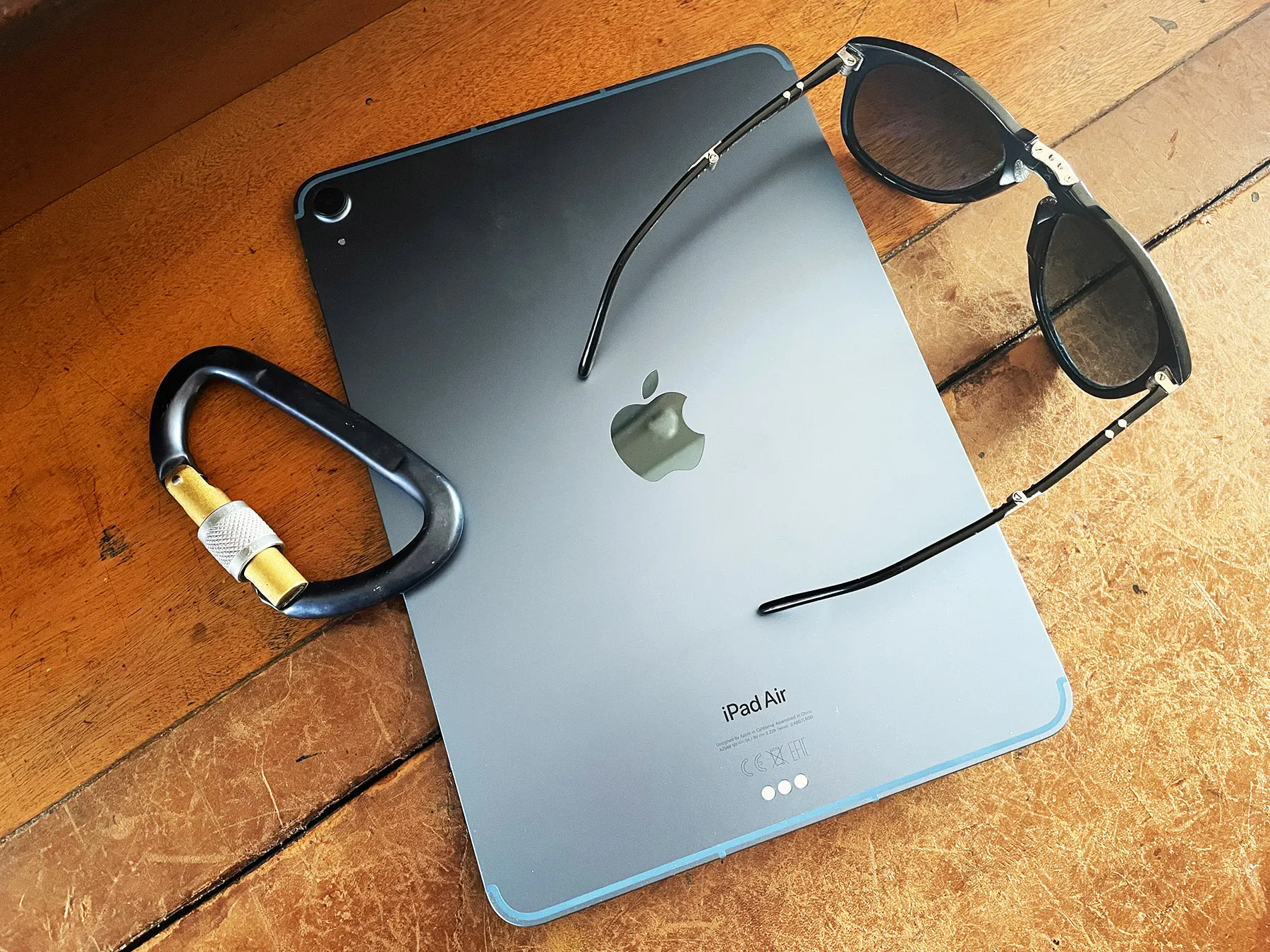
  • iPad Air with boosted specs is apparently right around the corner

    iPad Air with boosted specs is apparently right around the corner

    The current iPad Air came out in March 2022 and Apple is already contemplating a new model for this year, per Bloomberg journalist Mark Gurman.
    In the latest edition of his weekly Power On newsletter, Gurman says that Apple could announce the first Mac computers with the rumored M3 chip in October. He thinks Apple could reveal a new iMac, 13-inch MacBook Air, and 13-inch MacBook Pro in October.
    He also says that Apple is working on a new iPad Air model. He didn’t go into the specifics and only revealed that the model could feature boosted specs. He had previously said that the spec bump would be minor.
    The iPad Air 2022 has a 10.9 inches LCD screen, the M1 chip, and single main and front-facing cameras.
    If we were to speculate, we’d say that the new iPad Air will have the M2 chip that powers the iPad Pros and maybe a Thunderbolt port.

    Gurman has also said that Apple is unlikely to reveal new iPad Pros this year. Instead, the next iteration will probably arrive next year. The 2024 iPad Pros are rumored to have OLED displays and will allegedly be powered by the M3 chip.

    As for the M3 chip, it will be based on TSMC’s 3nm process, which would make it more powerful and power efficient than the M2, which is already insanely fast. The fabrication process allows for a higher-density chip, enabling manufacturers to fit more cores into a processor.
    It’s not clear whether these October products will be announced through a press release or if Apple will hold a dedicated event for them.
    Before that, in September, the company is expected to reveal the next crop of iPhones: iPhone 15, 15 Plus, 15 Pro, and 15 Pro Max. Like the M3 chip, the Pro model’s A17 chip will also be manufactured on the 3nm node.
  • Apple Pay all set to come to Vietnam

    Apple Pay all set to come to Vietnam

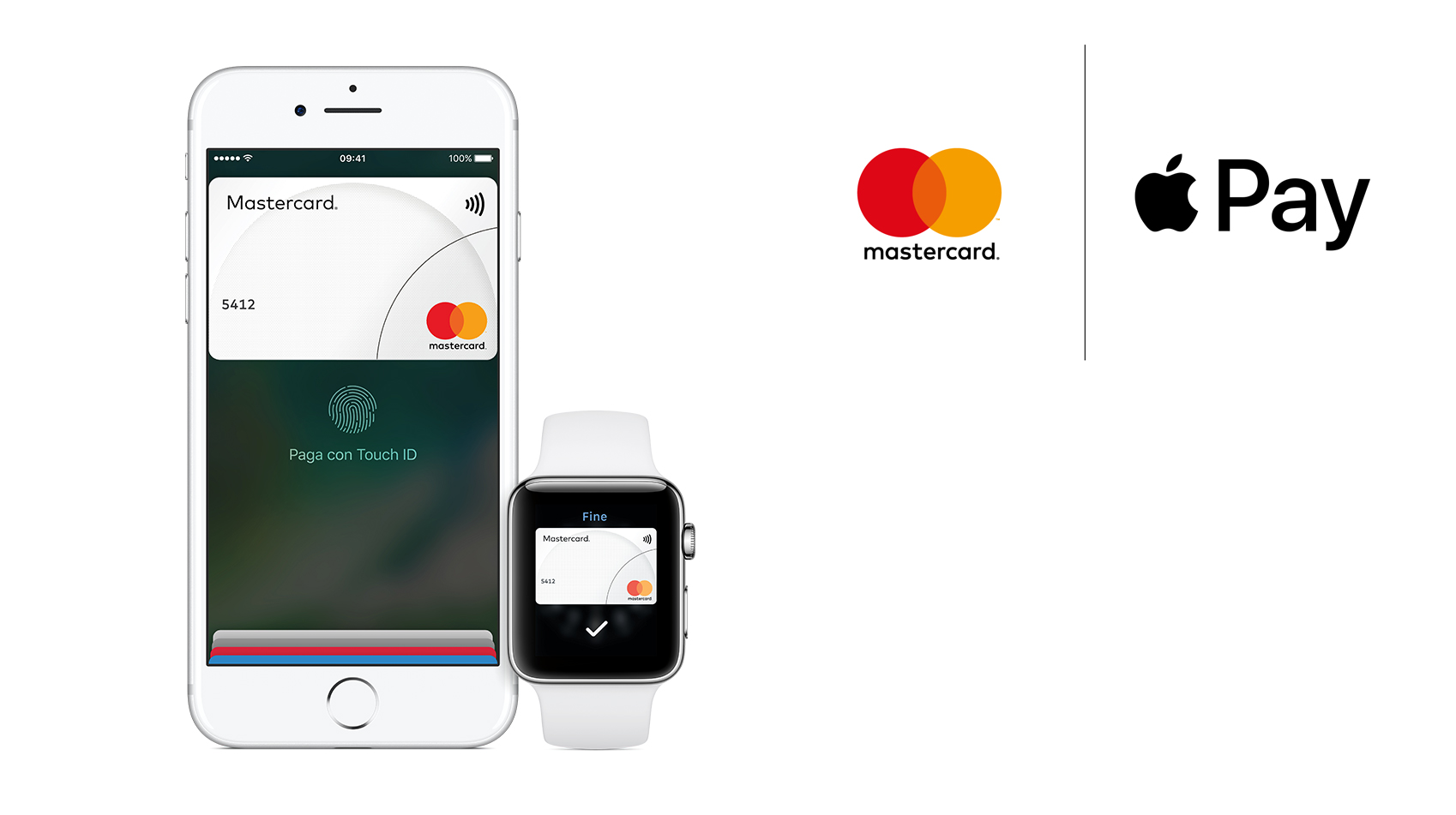
    Digital wallet Apple Pay will soon be available in Vietnam. At least one bank has announced that it will soon support Apple Pay services.

    Sources have told VnExpress that three other major banks will also launch Apple Pay by the end of this month.

    Users can add their credit and debit card information to Apple Pay and make payments through their iPhone or Apple Watch.

    Devices connect through near-field communication and are authenticated by users’ FaceID or fingerprints.

    In most markets, users do not have to pay Apple Pay fees since their banks cover them.

  • Apple paying TSMC special rate for 3nm A17 Bionic

    Apple paying TSMC special rate for 3nm A17 Bionic

    TSMC’s yield rate on its 3nm production is said to be at 55%. At that rate, a bit less than half of the silicon wafers used to produce Apple’s A17 Bionic and M3 chips are frisbees or extra-large drink coasters. Remember, the iPhone 15 Pro and iPhone 15 Pro Max will be the only smartphones powered by a 3nm chipset this year due to the high price of the wafers.
    But Apple reportedly has worked out a deal with TSMC and will pay only for known good die rather than the $17,000 per wafer price. But Brett Simpson, senior analyst at Arete Research, provided EE Times with a report in which he said that once yields get to 70%, TSMC will put its most lucrative client back on standard wafer prices.
    Simpson wrote, “We think TSMC will move to normal wafer-based pricing on N3 with Apple during the first half of 2024, at around $16-17K average selling prices. At present, we believe N3 yields at TSMC for A17 and M3 processors are at around 55% [a healthy level at this stage in N3 development], and TSMC looks on schedule to boost yields by around 5+ points each quarter.”
    The report from Arete Research says that the A17 Bionic requires 82 mask layers and with a die size in the range of 100-110 square mm, each wafer can yield 620 chips with a wafer cycle time of four months. That’s the time it takes a wafer lot (usually 25 wafers) to move from start to finish in a fab. The report added that the M3 chip is likely to be around 135-150 mm square die size and yield up to 450 chips per wafer.

    The first generation 3nm chips from the foundry are using the N3B process node for the A17 Bionic. In 2024, Apple might switch to the N3E node for the A17 Bionic which will have lower production costs and higher yields. The only downside, according to one tipster, is that it supposedly delivers less of a performance increase than the N3B node delivers.

    This is a rumor, but even so, it isn’t clear whether Apple would stick with the N3B node to manufacture the A17 Bionic and M3, or switch to the less-expensive but slightly less impressive N3E node. If Apple decides to go with the N3E node, you might see prospective iPhone 15 Pro and iPhone 15 Pro Max buyers trying to figure out which variant of the A17 Bionic SoC is inside the phone they are about to buy.
    TSMC CEO C.C. Wei said during a conference call with analysts, “Our 3-nm technology is the first in the semiconductor industry to high-volume production with good yield. As our customers’ demand for N3 (3nm) exceeds our ability to supply, we expect N3 to be fully utilized in 2023, supported by both HPC and smartphone applications. Sizable N3 revenue contribution is expected to start in the third quarter, and N3 will contribute a mid-single–digit percentage of our total wafer revenue in 2023.”

    TSMC will start 2nm production in 2025

    Mehdi Hosseini, senior equity research analyst with Susquehanna International Group, says that in the battle between TSMC and Samsung Foundry, TSMC remains on top. “TSMC, in our view, remains the preferred foundry choice for leading-edge nodes as Samsung Foundry has yet to demonstrate a stable leading-edge process technology, all while IFS [Intel Foundry Services] is years away from offering a competitive solution,” he wrote.
    In the foundry business, you don’t get a second to look back at your accomplishments. TSMC says that N2 production will start in 2025. TSMC’s Wei states, “At N2, we are observing a high level of customer interest and engagement. Our 2-nm technology will be the most advanced semiconductor technology in the industry in both density and energy efficiency when it is introduced and will further extend our technology leadership well into the future.”
    The recent chip inventory correction has been worse than TSMC expected and the company said that it might report a drop in annual revenue (for 2023) which would be the first drop in a decade. The average inventory holdings for TSMC’s fabless clients (chip designers that don’t own a factory and turn to TSMC to make their chips) is 92 days. During Q4 of 2022, Nvidia had over 200 days of inventory with Marvell around 180 days and Qualcomm with about 160 days of inventory.
  • Apple patching a serious WebKit flaw by disseminating iOS 16.5.1 (c)

    Apple patching a serious WebKit flaw by disseminating iOS 16.5.1 (c)

    Back on June 21st, Apple disseminated iOS 16.5.1 and iPadOS 16.5.1. But soon it was discovered that the updates had a flaw in the WebKit browser engine that could lead an attacker to create an arbitrary code execution which would allow said attacker to run any command or code on a targeted device. That is a serious problem and to top it off, Apple said that it had reports that the vulnerability was being actively exploited.
    Instead of having to develop iOS 16.5.2 and iPadOS 16.5.2, Apple decided to use its Rapid Security Response feature to push out iOS 16.5.1 (a) and iPadOS 16.5.1 (a). These updates can be installed in a matter of minutes and can be quickly disseminated to Apple device users to patch a serious vulnerability such as the one that was supposed to be patched by Monday’s update. Note that we said that the update was “supposed” to patch the flaw. That’s because the updates sent out to fix the WebKit issue on Monday had issues of their own.
    According to several iPhone and iPad users, the updates changed the user agent for Safari. The user agent tells server information about the device requesting content from it so the server knows what information to send out. For example, the user agent will determine whether a request to see a phone manufacturer’s website should return the U.S. site with models sold in the States priced in Dollars, or whether it should show the site created for European buyers that lists models offered on the continent with prices posted in Euros.
    As a result of the issue with the user agent, iPhone, and iPad users complained that they were not able to access sites like Zoom, Facebook, and Instagram after installing iOS 16.5.1 (a) and iPadOS 16.5.1 (a). Apple, realizing that there was a problem with the updates, pulled them yesterday and even included directions on how to delete them. But if you haven’t deleted the updates, don’t worry. Apple has now released iOS 16.5.1 (c) and iPadOS 16.5.1 (c).
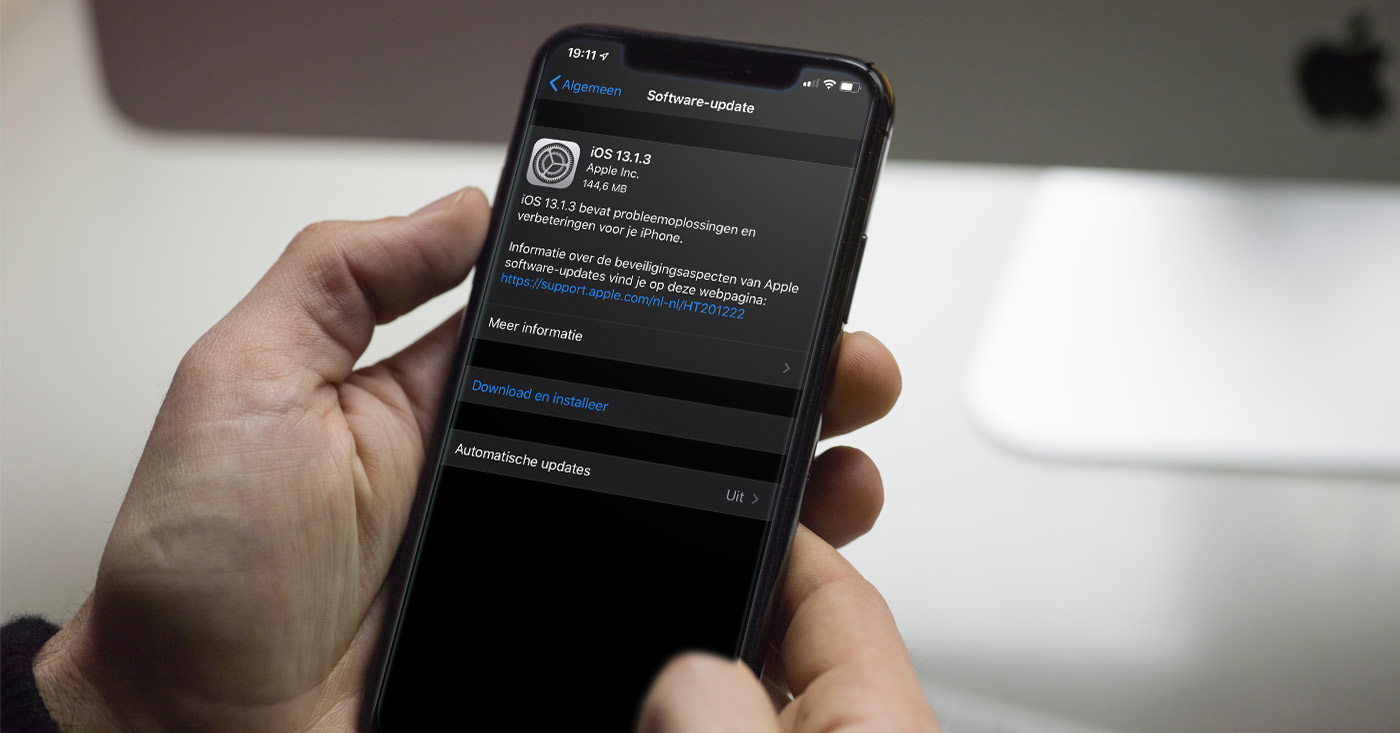
    We said the other day that the vulnerability was too serious for Apple not to push out another patch right away, and now it has happened. To download and install the updates, go to Settings > General > Software Updates and follow the directions. Hopefully, Apple won’t be taking these updates back.
  • Vision Pro’ will not immediately impact Apple

    Vision Pro’ will not immediately impact Apple

    Last month Apple unveiled its Vision Pro spatial computer and before the video of the new device was streamed to the world, many started to compare the introduction of the mixed reality device to that day in January 2007 when Steve Jobs masterfully hosted the introduction of the iPhone. Like the iPhone, the Vision Pro isn’t creating a new product category but is taking the category to a previously unseen level.
    But when it comes to the impact that Vision Pro will have on the world and Apple, that’s where the comparisons end. At least for now. The latest edition of Power On from Bloomberg’s Mark Gurman takes a look at some of Apple’s hit products and how they affected Apple’s overall revenue. For example, the iPod was launched in 2001 and by 2004, it was accounting for 16% of the company’s top line. By the time the iPhone was announced in 2007, the iPod was bringing in $8 billion a year which worked out to 40% of Apple’s gross.
    As Gurman notes, the iPhone, despite being an AT&T exclusive, still sold 10 million units during its first full year and the device contributed a third of Apple’s revenue by 2009. The iPad immediately contributed 18% of Apple’s gross in 2011, the year following the tablet’s initial launch. And the Apple Watch, which started life available in only 9 countries, is now part of a business segment that includes the AirPods and other products and brings about $40 billion into Apple’s coffers annually.
    And as far as the impact on society, nothing can touch the immediate response to the iPhone. The smartphone quickly became the most indispensable tech tool in the world. But the Vision Pro is a much different animal. While the iPhone was first considered pricey when it was introduced, the Vision Pro starts at a whopping $3,499. And while the Vision Pro offers some cool features, most of the applications it delivers can be found on the iPhone.
    Sure, Vision Pro gives you options to manipulate the environment and/or the datat you’re viewing but you’re paying a heavy price, and not just financially. The battery lasts only a couple of hours and unless you want to carry extra battery packs with you, Apple’s spatial computer is not yet ready, not even close, to replacing the iPhone.
    That’s not to say that the Vision Pro won’t sell. The original plans called for more than a million units to be sold in the first year. But the Financial Times recently reported that Apple isn’t pleased with the low yields Sony has had producing the micro-OLED displays for the product. Other production issues will limit the number of Vision Pro units assembled in the first year to 400,000 which means that the product will be hard to find.
    While Apple is reportedly working on a lower-priced spatial computer that might not have all of the features that the Vision Pro offers, I have to agree with Bloomberg’s Gurman when he says that most consumers will stick with their iPhone until Apple can reduce the Vision Pro to the size of a pair of glasses. Almost everybody who watches the tech world either as a writer or consumer has assumed that the next big thing for Apple after the iPhone would be a pair of glasses that would offer the features and functionality of the iPhone, but worn on the user’s face.
    Again, a product like AR smart glasses has always been assumed to be the endgame for Apple and not much has changed even with the appearance of the Vision Pro. Check out the AR features of the headset and the way the app icons appear and are selected with a look. TF International analyst Ming-Chi Kuo says not to expect Apple to release AR glasses until 2026-2027 at the earliest. That timeline might be too ambitious but Apple has taken the first step with this new device. Just don’t expect the Vision Pro to have the same impact on Apple and society as the iPhone.
  • Apple raises iCloud+ prices

    Apple raises iCloud+ prices

    Backing up your photos, videos, and important documents to the cloud is super handy. It keeps everything safe, even if your phone gets stolen or breaks. But, of course, this convenience comes at a price.For many Apple product users, iCloud+ is a familiar and widely used cloud storage service. Recently, Apple has raised the prices of its cloud storage in the UK and several other countries. The prices have increased by approximately 25%. iCloud+ offers additional features such as more storage space, a custom email domain, and HomeKit Secure Video, which are not available in the free version.

    When you create your Apple ID for the first time, Apple provides you with 5GB of free storage on iCloud. If you require more space, you can upgrade by choosing one of the iCloud+ subscription plans. Until recently, the prices in the UK were £0.79 per month for 50GB, £2.49 per month for 200GB, and £6.99 per month for 2TB.

    With the new pricing, these subscription plans have become slightly more expensive, now costing £0.99 per month, £2.99 per month, and £8.99 per month, respectively. The price increase affects not only iCloud+ users in the UK but also those in Poland, Romania, Turkey, Sweden, the Arab Emirates, and other countries. However, for now, the price for the service remains the same in the US.
    The higher prices without any additional storage upgrades may not be appealing to users, especially considering the availability of alternatives. There are numerous other cloud services to explore, such as Google Drive, which offers 15GB of free storage upon registering a Google account, as well as Dropbox and Microsoft’s OneDrive cloud storage.
    You can even make your own iCloud alternative using a network-attached storage (NAS) device – read our guide on how to make your cloud backup service for more details.
    Apple gave iCloud.com a fresh makeover last year, giving it a more modern and user-friendly look. However, redesigning the website might not be sufficient in a highly competitive market.
  • Apple tests faster haptic duration speed in the latest iOS 17 Beta

    Apple tests faster haptic duration speed in the latest iOS 17 Beta

    The release of the second iOS 17 Beta to developers on Wednesday includes a new setting that will make iPhone users feel the phone’s haptic feedback kick in faster than on iOS 16. Haptic feedback is considered an Accessibility feature which means that the settings can be found by going to Settings > Accessibility > Touch > Haptic Touch. There you will see a box with two options: Fast and Slow. You can adjust how soon after you long-press on the screen you’ll see a content preview, action, or a contextual menu.

    On iOS 16, as we said, there are just two options, Fast and Slow. The latest iOS 17 Beta release adds a third setting so the options are Fast, Default, and Slow. Tap the setting you want and an arrow will appear on it. The new Default setting is equivalent to the Fast setting in iOS 16. In the iOS 17 Beta, selecting Fast gives you an even faster duration for the haptic feedback compared to the same setting in iOS 16 which means that things take place at a faster pace.

    Whether you change the duration speed in iOS 16 or the iOS 17 Beta, you can test out the duration of the haptic speed you choose by long-pressing on the image of a flower under the heading  “Touch Duration Test.” Note the difference in each setting with the time it takes the image of the flower to reach its full size after you feel the haptic feedback.
    To reiterate, there are currently two haptic feedback duration options in iOS 16 which are Fast and Slow. The latest iOS 17 Beta has three: Fast, Default, and Slow. The Fast in the iOS 17 Beta is faster than the Fast available in iOS 16 and the Default in the iOS 17 Beta is equivalent to the Fast setting in iOS 16. Got it?

    Of course, some changes that are made during a Beta are tested and rejected before reaching the final version of the software. So there is no guarantee that Apple will keep the new faster haptic duration speed in the final version of iOS 17. If it does, you’ll have to test it out for yourself to see whether it gives you a faster and improved iPhone experience.

  • 15-inch MacBook Air to be launched in Vietnam in mid-July

    15-inch MacBook Air to be launched in Vietnam in mid-July

    First MacBook Air laptops with 15-inch screens will be officially sold in Vietnam in the second or third week of July at a starting price of VND32.99 million (US$1,398), some Apple authorized resellers said.

    Vietnam will be the second group of markets selling the latest laptop model of Apple.

    In the U.S. market, 15-inch MacBook Air laptops were pre-ordered right after its launching ceremony on June 6 and delivered to users one week later.

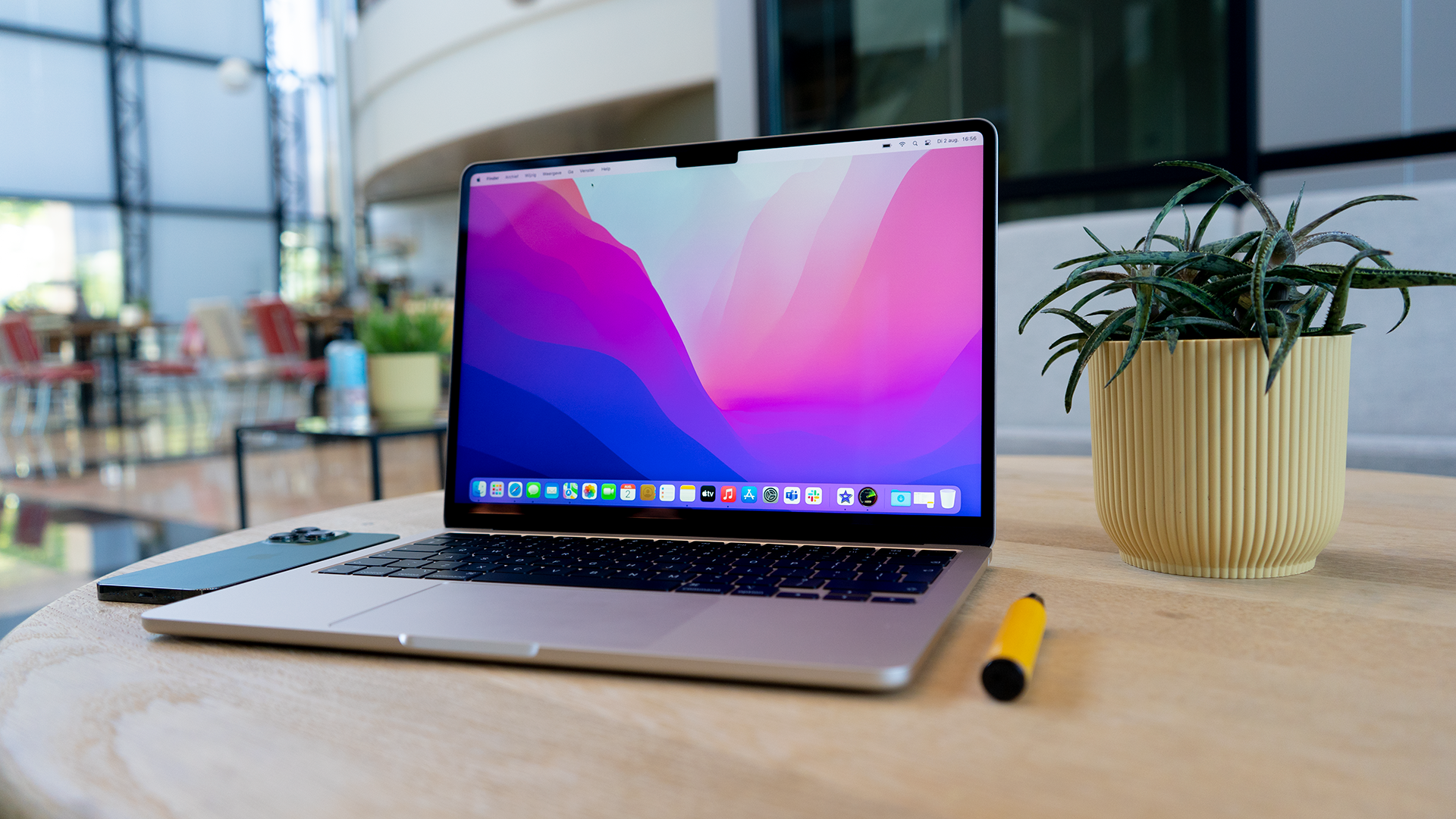
    15-inch MacBook Air is like the enlarged 13-inch version with no design changes. But many people has been waiting for this model because it is Apple’s only thin and light laptop with a large screen and good prices.

    Four configuration versions of 15-inch MacBook Air will be sold in Vietnam, with the 8-GB RAM, 256-GB memory version costing VND32.99 million, and the 512- GB memory version costing VND37.99 million.

    The device is available in four colors: blue, black, silver, gray and gold.

  • MacBook Air 15 sold for $1,400 in Vietnam

    MacBook Air 15 sold for $1,400 in Vietnam

    MacBook Air 15 M2 2023 is sold for VND32.9 million (US$1,394) for internal memory of 256 GB on Apple Store Vietnam.

    Apple Store Vietnam and local electronics retailers have also announced selling prices of MacBook Studio Ultra and Mac Pro 2023 at VND109 million and VND194 million or more, respectively.

    The prices were announced right after Apple unveiled new devices at the 2023 Apple Worldwide Developers Conference in California on Tuesday morning (Vietnamese time).

    The most advanced Mac Pro 2023 is sold on Apple Store Online Vietnam for VND306.5 million

    Selling prices at local electronics chain Di Dong Viet are similar to those at Apple Store Online Vietnam; and those at FPT Shop are VND100,000 lower, and those at Hoang Ha Mobile VND1 million lower than those at Apple Store Online Vietnam.

    According to Tuan Minh, manager of Hoang Ha Mobile, the 15-inch MacBook Air M2 is attracting attention thanks to its large screen, and it is suitable to people who like compact devices, large screens for entertainment and basic tasks with at a reasonable price.

    Nguyen The Kha, mobile telecommunications division director at FPT Shop, said Apple’s new devices are expected to reach Vietnamese users in early July.

    Local retailers can deliver Apple devices within one hour, change faulty products within 30 days, and offer direct support on technical issues and warranty, the services have not been provided yet by Apple Store Online Vietnam, he said.

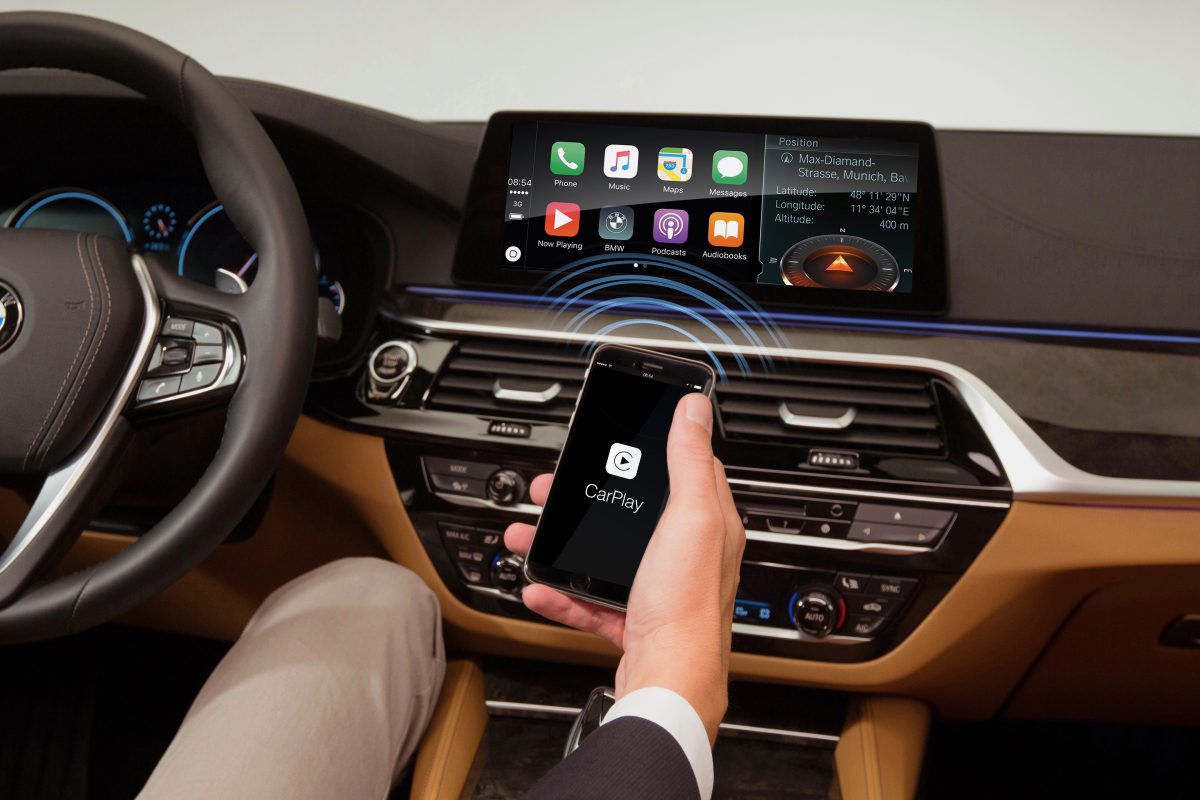
  • Volvo’s Latest Apple CarPlay Update Brings Navigation, Call Details To Driver’s Display

    Volvo’s Latest Apple CarPlay Update Brings Navigation, Call Details To Driver’s Display

    Volvo Cars is rolling out an important update for Apple CarPlay users in its vehicles worldwide. The over-the-air software update enhances the infotainment system and brings significant improvements to the Apple CarPlay experience. A key enhancement is the integration of Apple Maps and other supported navigation apps directly into the driver display (instrument cluster). This integration allows drivers to access navigation information conveniently while keeping their eyes on the road, improving safety and convenience.

    The update also improves call management by displaying call information on the driver display. Drivers can answer, reject, and end calls using the steering wheel buttons. Additionally, the CarPlay tile in the centre display now provides media information, making it easier to control media playback functions like play, pause, and skip.information

    Speaking on the announcement, Alwin Bakkenes, Head of Software Engineering at Volvo, said, “The latest update on CarPlay features is an excellent example of how we continuously improve and add features and functions together with our technology partners, making our customers’ experience richer over time.”

    In addition to the CarPlay improvements, the update brings various changes to enhance the overall driving experience. Drivers can now switch between different driver support functions using the steering wheel buttons. There is also an option to choose whether the wing mirrors should fold when locking the car. Volvo also says that the update includes minor engine calibration optimizations and bug fixes as well.

    The over-the-air update will become available on Volvo cars with Google built-in.

  • Vietnam excluded from Apple Store plans for Asia-Pacific

    Vietnam excluded from Apple Store plans for Asia-Pacific

    Vietnam does not figure in Apple’s plans for launching 15 new or rebuilt stores in the Asia-Pacific region from now through 2027.

    The U.S. tech giant plans to either build, remodel or relocated 15 sites in China, five in Japan, three in India, two in South Korea, and one each in Malaysia and Australia.

    This means Malaysia will be the next Southeast Asian country to get an Apple Store after Singapore and Thailand.

    Last month, Apple launched an online store for Vietnamese customers, and analysts expected this to lead to the opening of brick-and-mortar stores in the country.

    Apple has been showing increasing interest in the Vietnamese market in recent years. Last year it appointed a country manager for the first time, and set up an official YouTube channel.

    It also mentioned Vietnam as achieving double-digit growth in its financial report for the second half of last year.

    There are over 520 Apple Stores in 26 countries.

  • Apple removes 8,000 Vietnamese apps for fraud

    Apple removes 8,000 Vietnamese apps for fraud

    Vietnam is among the countries with the most apps removed from the App Store in 2022 for fraud or poor user experience.

    In its App Store 2022 Transparency Report, Apple said it has around 1.78 million applications and removed 186,195 last year.

    The largest number, 38,883, was in the Games category.

    Vietnamese apps accounted for 8,462. Most of them — 4,657 — were removed for violating design standards. Fraud caused the removal of 3,626 apps, the second highest of any country’s.

    According to Apple’s guidelines, design violations include applications that are outdated or have worse user experience than it expects, like redirecting to a website before running the app.

    Fraud included applications that create fraudulent reviews of competitors, unfair competition or false content to lure users.

    There were also other reasons for removal such as violating developers’ code of conduct, copying other apps’ designs, spam apps, violating intellectual property rights, fake news, etc.

    The report also showed that Vietnam was among the top 10 countries to appeal removals, with 11 out of 416 proving successful.

    China had the most apps removed with 41,000, followed by the U.S. with 32,000, and India with 10,000.

    China had the most apps removed for fraud and violating developers’ code of conduct, while the U.S. led in design violations and spams.

  • Smartphone exports to Vietnam plunge in deepest fall in Southeast Asia

    Smartphone exports to Vietnam plunge in deepest fall in Southeast Asia

    Shipments of smartphones to Vietnam plunged 30% year-on-year in the first quarter, the deepest decline among the five major Southeast Asian markets, according to a new report.

    Malaysia came second from bottom in terms of negative growth, down 29% year-on-year. Thailand saw shipments drop 1%, according to market research company Counterpoint.

    The five main Southeast Asian markets, including Indonesia and the Philippines, saw an overall drop in shipments of 13%.

    Counterpoint analyst Glen Cardoza said that consumer sentiment has not fully recovered in Vietnam.

    He added that inflation in Southeast Asia has affected buyer sentiment, leading to a decrease in demand for new phones.

    A report by another market research company showed that 2.5 million smartphones were sold in Vietnam in the first two months, down 30% year-on-year.

    “This year, people started to tighten their spending right from January,” said a representative of a smartphone retail chain.

    Cardoza said that another reason for the first quarter decline was that Vietnam had received many shipments in the last quarter of last year.

    Counterpoint data also shows that economic challenges have not affected the high-end segment.

    Samsung posted the biggest sales in Vietnam in the first quarter and claimed 21% of the market, followed by Oppo at 20%, Vivo with 14%, Xiaomi 14%, Realme 12% and Apple 7%.

    However, all brands saw a decline compared to the same period last year, except for Apple which posted growth of 18%.

  • Poor demand drags MacBook prices down

    Poor demand drags MacBook prices down

    Apple’s MacBook Pro laptops have seen their prices tumble by tens of millions of dong (VND1 million = $42.6) in the two months amid underwhelming demand.

    Quy Thien, a video editor, said when the MacBook Pro 16-inch was released in Vietnam at the end of March, he ordered a high-end model with an M2 Max chip, 96 GB RAM, and 4 TB storage for VND149 million (US$6,400).

    But Apple dealers told him the model was not available, but would arrive in two months. When his device arrived, he checked the prices and found it had fallen to VND133 million.

    “In two months, I lost VND16 million when I hadn’t even received my device,” he said.

    A retailer explained that the MacBook Pro is a niche product due to its high price. Dealers do not stock some high-end models, and users have to order and wait for six to 12 weeks. Thus, early buyers got a bad break since prices started to fall as they waited, he said. Even the standard version has become cheaper.

    At the time of launch the 14-inch version with 16 GB RAM, 512 GB storage and an M2 Pro chip cost VND52.9 million, and the 16-inch version cost VND65.9 million. If they had M2 Max chips, the prices were VND81.9 million and VND92.9 million.

    In the next two months retailers slashed the prices of the 14-inch model by VND5 million if it had an M2 Pro chip and VND8 million if it had an M2 Max chip.

    VND million (VND1 million = $42.63)MacBook pricesMarchMayMacBook Pro 14 inch M2 ProMacBook Pro 14 inch M2 MaxMacBook Pro 16 inch M2 ProMacBook Pro 16 inch M2 Max0255075100

    However, it has not worked and sales have not picked up, and the MacBook Pro only accounts for 2-3% of total laptop sales.

    Hoang Ha Mobile said the high prices are the biggest dampener of demand.

    Other Apple laptops have also become cheaper.

    The MacBook Air M1, which used to be the best-selling laptop in Vietnam, currently costs VND17.9 million, VND11 million down since its launch in January 2021.

    The MacBook Air M2’s prices have fluctuated. At the end of April its price briefly went down from VND28 million to VND25.9 million before climbing back up at the beginning of May.

  • MacBook Air M2 laptop price falls then rises

    MacBook Air M2 laptop price falls then rises

    The retail price of the MacBook Air M2 laptop dropped by VND2.1-3 million (US$89-127) to VND25 million in April and has risen back to VND28 million in May.

    The manager of an Apple distributor in Vietnam said retailers might have hiked the price because currently Air M2 inventories in the country are very low.

    “If the demand … surges retailers … will have to wait for eight to 10 weeks for the product to be shipped to Vietnam.”

    Large retailers such as The Gioi Di Dong, FPT Shop, and CellPhoneS had sold the Air M2 with the minimum configuration, the best-selling version, for VND28 million in early April, VND25.9 million in mid-April, and VND25 million in late April.

    The laptop first sold for VND32.9 million when launched in Vietnam in July last year, but its price declined sharply partly due to competition among retailers to get a larger share of the pie, according to a manager of a The Gioi Di Dong store.

    “Prices of technological products always tend to decrease gradually after launch. However, the continuous up and down with a large amplitude of several million dong in a short period of time shows the instability of the market,” said Nguyen Van Cong, a veteran trader of Apple products.

    According to the manager of The Gioi Di Dong, the big discount of MacBook Air M2 is part of its price competition campaign.

    In early April, during a shareholder meeting, Nguyen Duc Tai, Chairman of The Gioi Di Dong (Mobile World), said: “The price at The Gioi Di Dong was sometimes million dong higher than that at other retailers. However, this phenomenon will stop. We will not let the price difference become an advantage for competitors.”

    Refusing to give the reason for their price fluctuations, managers of CellPhoneS and FPT Shop said MacBook prices have been “actively updated by the stores based on business strategies and the general situation in the market.”

    In fact, the top three Apple device retailers in Vietnam, The Gioi Di Dong, FPT Shop and CellPhoneS, have changed the laptop’s prices frequently in recent days and the prices are almost the same.

    At some Apple stores, it is one of the two best-selling laptops along with the MacBook Air with the M1 chip.