Retail News CRM

Tag: apple

  • Apple co-founder Wozniak fears that AI will be used to scam the public

    Apple co-founder Wozniak fears that AI will be used to scam the public

    Apple co-founder Steve Wozniak, affectionately known as “The Woz,” says that artificial intelligence could make it harder to spot scams. Wozniak says that content created by AI should clearly be labeled as such and that regulation is needed or else bad actors will take control of the technology. Wozniak talked to the BBC about this issue two months after he and other tech leaders, including Elon Musk, signed an open letter asking for a slowdown in developing powerful AI models.
    Speaking to BBC Technology Editor Zoe Kleinman, Wozniak said, “AI is so intelligent it’s open to the bad players, the ones that want to trick you about who they are.” While The Woz thinks that the lack of emotion will prevent AI from replacing humans in the workforce, he fears that it will make bad actors seem more convincing when they are trying to scam the public. That’s because conversational AI chatbots like ChatGPT can create text that sounds convincing to the layman.
    As a result, Wozniak says that those who publish text written by AI are responsible for labeling it as AI-generated. “A human really has to take responsibility for what is generated by AI,” Wozniak says. He wants regulation to hold big tech firms accountable. The Woz didn’t mention any particular firm but said these are the tech companies that “feel they can kind of get away with anything.”
    Not that Wozniak was specifically talking about the company he helped create, but Apple CEO Tim Cook said to investors during a conference call last week that when it comes to AI, Apple would be “”deliberate and thoughtful. Cook added, “We view AI as huge, and we’ll continue weaving it in our products on a very thoughtful basis.”
    The Woz was not optimistic that regulators will be able to oversee the use of artificial intelligence. “I think the forces that drive for money usually win out, which is sort of sad,” he said. While he doesn’t believe that the development of AI can be stopped, he thinks that people can be educated to help them find situations where their personal data is at risk due to fraud.

  • Apple will reportedly allow Apple Watch to pair with multiple devices

    Apple will reportedly allow Apple Watch to pair with multiple devices

    When you buy a new Apple Watch, it must be paired with an iPhone. While one iPhone can be paired with multiple Apple timepieces, one Apple Watch cannot be paired with multiple Apple devices. But a Twitter tipster who made a great call last year says that the rumor mill is actively cranking out fresh speculation for mass consumption. This rumor says that Apple is developing software updates allowing an Apple Watch to pair with multiple Apple devices, including an iPhone, an iPad, and a Mac.
    Currently, an Apple Watch cannot pair with an iPad, but with the timepiece paired with an iPhone, a user can use his Apple Watch to help him view Apple Fitness+ workouts on an iPad that uses the same Apple ID. And those with an Apple Watch can unlock their Mac computers, view passwords, authenticate apps, and verify the user’s identity to complete an online Apple Pay transaction.
    “Apple Watch will sync across multiple iOS/iPadOS/Mac devices, and will no longer be tied to one single iPhone.” The tipster says that while he doesn’t know how Apple will implement this, he does know that in a future update, Apple will allow the Apple Watch to sync with more than one Apple device. Also unknown is which Apple Watch models will have this new feature and when it will be introduced.
    For example, the tipster says he is unsure whether Apple will include this new capability with watchOS 10, iOS 17, iPadOS 17, and macOS 14, all due out later this year, or if it will be delayed until then the 2024 updates.  The tipster, @analyst941, made a great call on the Dynamic Island before the feature was announced last year giving him some legitimacy.

    Recently, @analyst941 posted not to give up on seeing solid-state buttons replace the mechanical buttons on the two upcoming premium iPhone 15 models, contradicting more well-known analysts such as Haitong Tech’s Jeff Pu, and TFI International’s Ming-Chi Kuo. Pu and Kuo both say that Apple will stick with the physical buttons on the iPhone 15 Pro and iPhone 15 Ultra. But @analyst941 wrote that the two models “will still have capacitive touch buttons, {and that] contrary to rumors, the development team is working too closely with new hardware to turn back now.”

    The tipster also recently tweeted a list of new features he expects to see on iOS 17. Apple will discuss iOS 17 on June 5th, when the keynote will be held for the WWDC 2023 Developer’s Conference. The new iPhone, Apple Watch, and iPad operating systems will be released in September.


  • Taiwan’s Apple supplier Quanta plans Vietnam factory

    Taiwan’s Apple supplier Quanta plans Vietnam factory

    Apple supplier Quanta Computer plans to set up a factory in northern Vietnam, the Vietnamese government said.

    The company, a MacBook contract manufacturer, on Friday signed an agreement with the authorities of Nam Dinh Province, 90 km (56 miles) south of Hanoi, to construct the facility at an industrial park there, the government said in a statement late on Friday.

    The facility, which would be Quanta’s 9th factory globally, would initially cover an area of 22.5 hectares, the statement said, without giving its capacity nor a time frame for the construction.

    Local media said on Saturday Quanta would invest $120 million in the factory.

  • Apple Card Savings Account is here: Impressive 4.15% Interest Rate

    Apple Card Savings Account is here: Impressive 4.15% Interest Rate

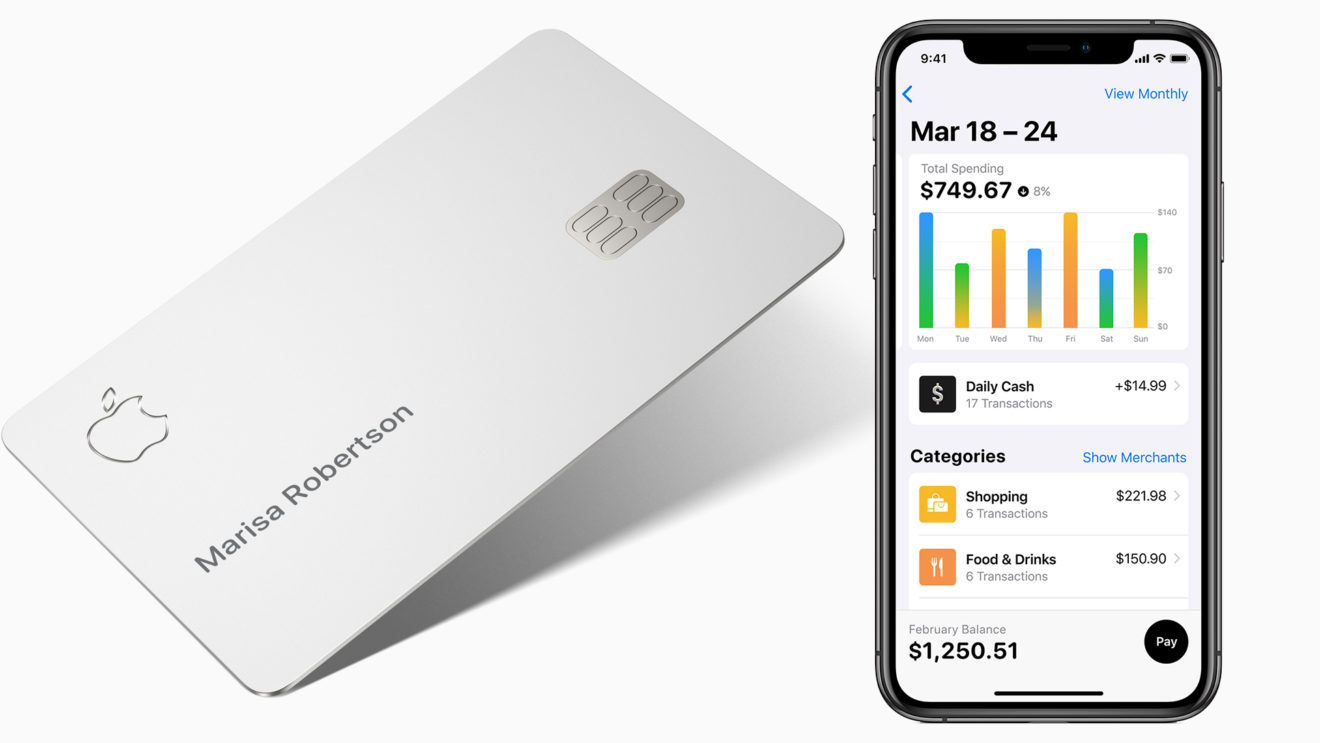
    Starting today, you can open an Apple Card Savings account with an annual percentage yield (APY) of 4.15%.

    We have been hearing rumors about this Apple Card Savings account recently, but now it’s finally official in a blog post on the Apple Newsroom.

    The main benefit of this account is the high APY. At 4.15%, Apple says this rate is 10 times the national average. The account operates in partnership with Golden Sachs.

    It’s also good to know that the Apple Card Savings account comes with no fess, minimum deposits, or minimum balance requirements.

    Apple Card holders can get between 2% and 3% cash back on purchases made via Apple Pay, and 1% cash back on transactions made with the physical card. So these Daily Cash balances will immediately go into the Savings account, so you can start earning interest.
    Users also gets a neat dashboard right in the Wallet app, where they can track account balance and interest earned over time.
    Here is how you open a savings account in the Apple Wallet app:
    • Tap on the Apple Card
    • Tap on the circle with three dots at the top of the screen
    • Tap Daily Cash
    • Select Set Up Savings.
  • iOS 17 could end software support for the iPhone X and other Apple devices

    iOS 17 could end software support for the iPhone X and other Apple devices

    Apple’s iPhones have a general reputation for being considerably more future-proof than the average smartphone, to the extent such a concept is possible in the mobile tech world. This sentiment is partly based on the fact that the Cupertino company commits to ensuring the long-term software support of all of its devices.

    But all good things must come to an end… even software support for smartphones as iconic as the iPhone X. According to a new leak, iOS 17 will be dropping the support for a number of iPhones, including the iPhone X, and the iPhone 8 and iPhone 8 Plus. All three of the aforementioned devices were launched in late 2017.

    Similarly, several iPads are also on the chopping block with iPadOS 17 – namely, the original 12.9” iPad Pro (1st generation), the 9.7” iPad Pro (1st generation) and the fifth-generation vanilla iPad. All devices listed by MacRumors were released between 2015 and 2017.

    For reference, iOS 17 and iPadOS 17 are expected to debut at WWDC 2023, alongside the Apple AR/VR headset. The conference will take place between June 5 to June 9. Beyond the recent leak, we know relatively little about the new iterations of Apple’s operating systems.

    Most reports indicate that iOS 17 will be a somewhat incremental update, focusing more on Apple’s commitment to complying with European legislation. The Cupertino company will likely roll out support for third-party App Stores for the first time.

    On the other hand, we know absolutely nothing about iPadOS 17. In all likelihood, Apple will continue implementing sophisticated multitasking features to facilitate a better 2-in-1 fantasy on its high-end ‘Pro’ iPads.

  • Apple expected to deliver big update for Apple Watch with watchOS 10

    Apple expected to deliver big update for Apple Watch with watchOS 10

    On June 5th Apple will kick off its annual WWDC Developers Conference at Apple Park. And besides unveiling the “Reality Pro” mixed reality headset, the company will also preview iOS 17 and other operating systems, including watchOS 10. According to Bloomberg’s Mark Gurman, writing in the latest edition of his weekly Power On newsletter, the update will deliver some big UI changes to Apple’s timepiece.
    The hardware itself isn’t supposed to see any big changes in light of last year’s introduction of the Apple Watch Ultra. The next big hardware update, according to Gurman, will take place next year and he expects the Apple Watch Series 10 models to feature larger displays. In February, we passed along some rumors about the 2024 Apple Watch models.
    The 2024 Apple Watch timepieces should follow the same 10th-year celebratory naming strategy as the iPhone did in 2017 when Apple called the device the iPhone X. Expected to be officially known as the Apple Watch X, the 2024 models are rumored to be equipped with a 1.89-inch and a 2.04-inch screen. The current Series 8 units carry a 1.7-inch display (41mm) and a 1.9-inch screen (45mm). Next year, we should also see the second-gen Apple Watch Ultra sporting a larger 2.1-inch micro-LED screen. The first-gen Apple Watch Ultra carries a 1.92-inch OLED display.
    Gurman writes that watchOS 10 “should be a fairly extensive upgrade – with notable changes to the user interface – unlike iOS 17.” While we should get an idea of what changes Apple has in store for the watchOS interface this year during WWDC, the actual release of watchOS 10 won’t take place until September and, as usual, will be coordinated with the release of the latest Apple Watch models.
    The Apple Watch has turned out to be an incredible success story for Apple which initially didn’t know how to market the device. At first, Apple looked to distribute the watch via fine jewelry stores and even had a fashion model pose with the device on the cover of Vogue China. But soon the Apple Watch became known as a device that people could wear to monitor certain health metrics and has even been known to save several lives. Today, the Apple Watch is the most popular wrist-worn timepiece in the world.


  • Your wishlist features may finally make it to iOS 17

    Your wishlist features may finally make it to iOS 17

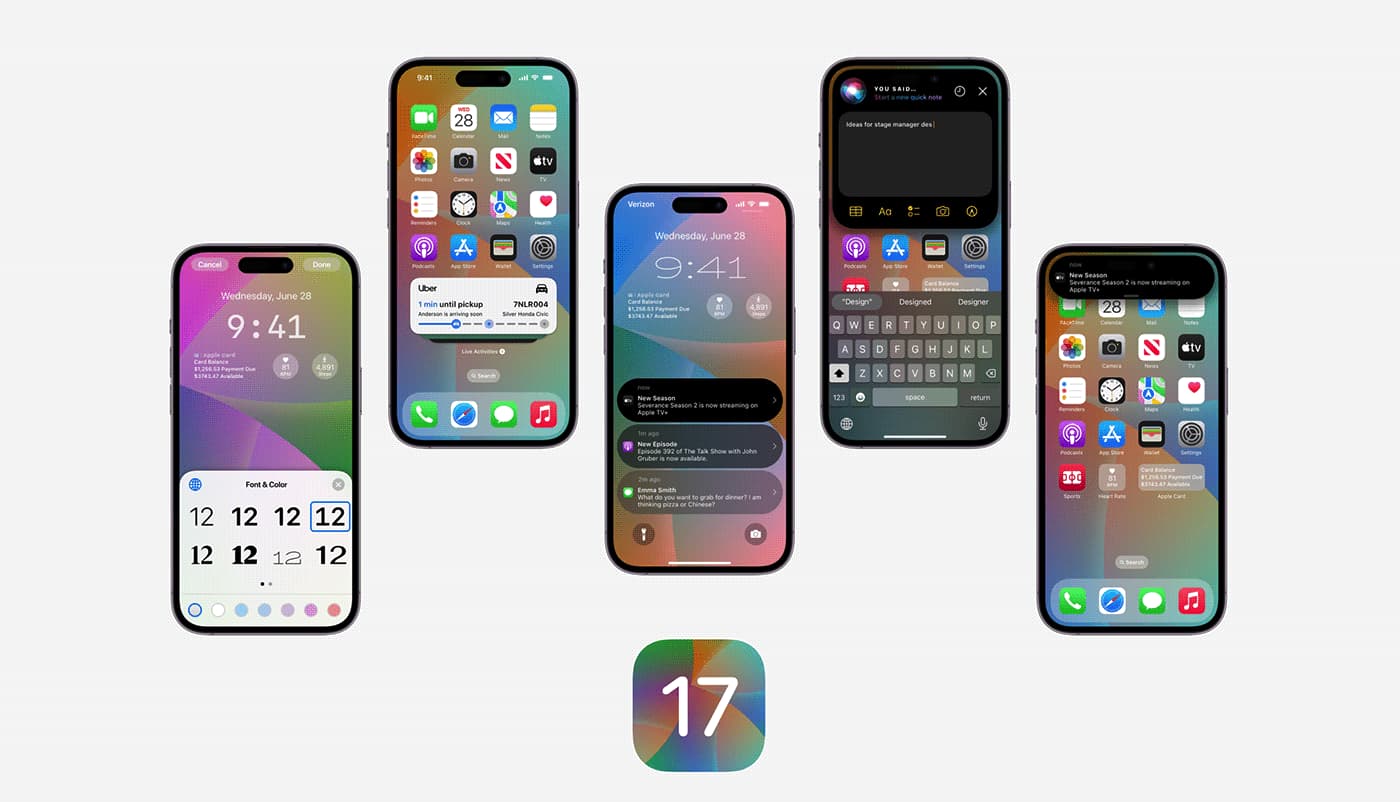
    The latest iPhone operating system, iOS 16, introduced many new features and visual changes such as a customizable Lock Screen, live activities, skipping CAPTCHAs, and the capability to unsend and edit iMessages. It was quite a buggy release though and Apple had to release several fixes to address issues with it. This, along with Apple’s focus on its rumored mixed-reality headset’s xrOS operating system, was expected to negatively impact iOS 17 but it now looks like the next iOS version will be more than a stability update.

    In January, Bloomberg’s Mark Gurman said iOS 17, which is codenamed Dawn, would have fewer major changes than initially planned. In the latest edition of his Sunday newsletter, the esteemed journalist says that iOS 17 won’t just focus on ironing out bugs and improving performance. Apple has changed its strategy and iOS 17 is now expected to have several new features.

    It’s still not going to be as big of an update as iOS 16 though but it could include many user-requested features. Gurman didn’t go into the specifics about the features. But, as always, we have rumors to fill in the gaps.

    First of all, it’s highly likely that iOS 17 will allow sideloading, meaning you wouldn’t be dependent on App Store for app downloads. Other than that, Apple may revamp iMessage with a new home, chat rooms, video clips, and AR chat features. A leaker with a questionable track record had also said that iOS 17 would largely focus on stability and efficiency and Apple could make changes to Mail, Fitness, Wallet, Home, and Find My apps. iOS 17 may also come with an app for Apple’s AR/VR headset.
    iOS 17 will likely be announced at the next Worldwide Developers Conference, which will apparently take place on June 5 and will be rolled out to eligible iPhones (iPhone XS and later models, presumably) sometime around mid-September.
  • Apple launches Apple Pay in South Korea

    Apple launches Apple Pay in South Korea

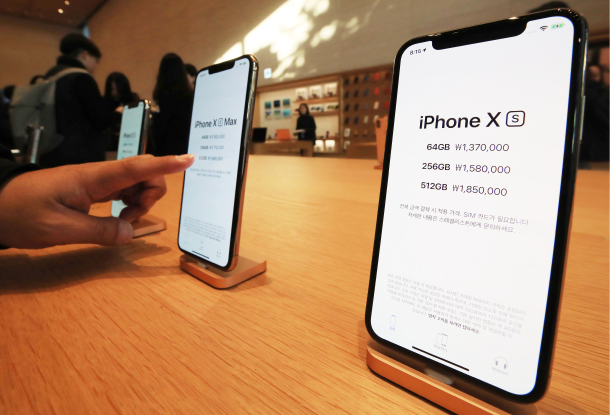
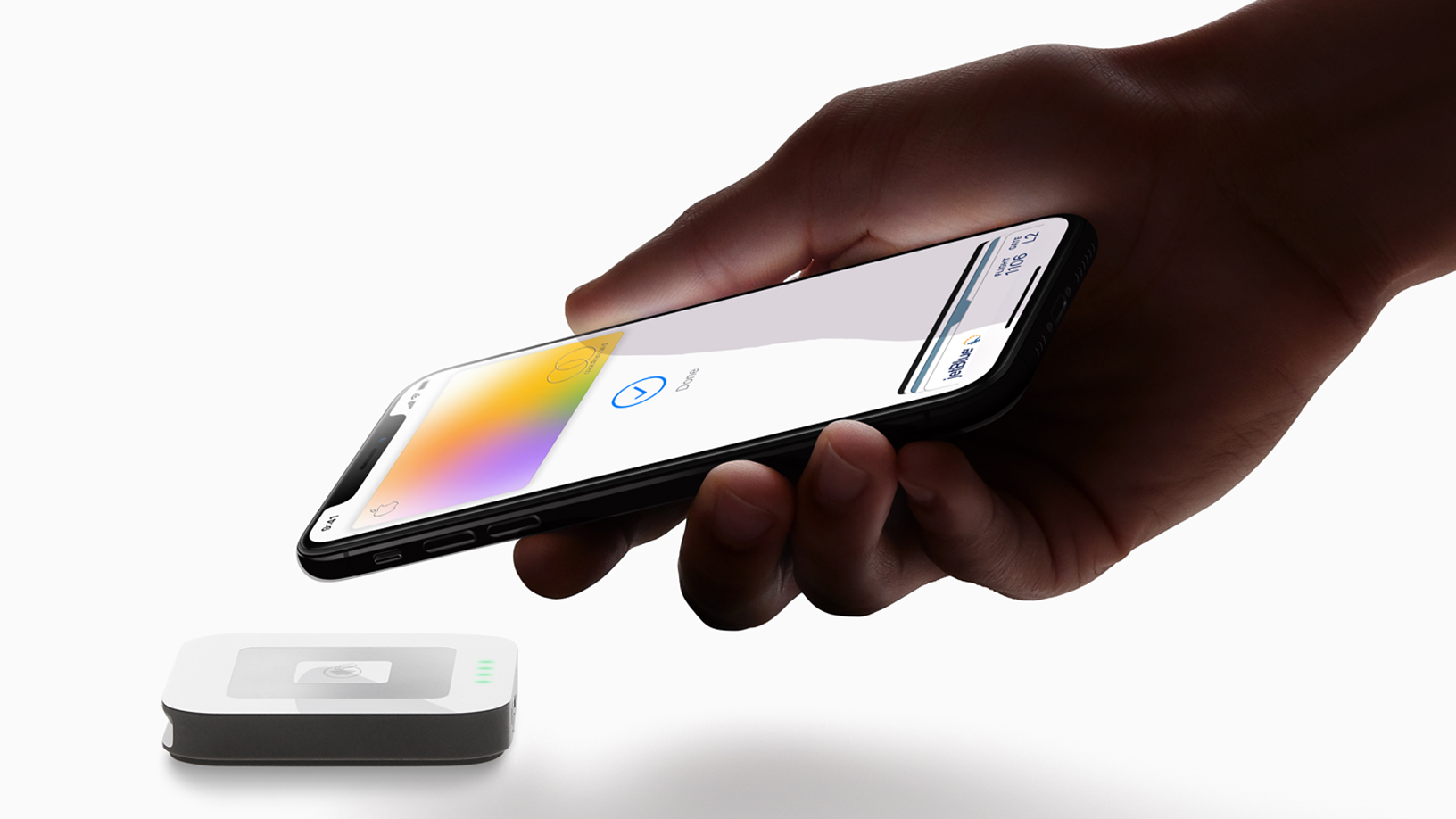
    After a years-long wait, Apple Pay today launched in South Korea, allowing those living in the country to use Apple’s payment system to make contactless payments using the iPhone or Apple Watch.

    Apple has been working to bring ‌Apple Pay‌ to South Korea since 2017, but Apple was unable to be registered as an electronic financial business operator because regulators were investigating whether ‌Apple Pay‌ violated local regulations and laws. Apple was finally approved by financial regulators back in February.

    NFC terminal adoption was also low in retail stores in South Korea around when ‌Apple Pay‌ first launched, which continues to be an issue. There are more NFC terminals than there were six years ago, but The Korea Times suggests ‌Apple Pay‌ will face “significant challenges” in Korea due to the limited number of NFC terminals.

    With ‌Apple Pay‌, credit and debit cards from supported banks in South Korea can be added to the ‌iPhone‌ and Apple Watch to make purchases at stores that have contactless payment options. ‌Apple Pay‌ cards can be used on ‌iPhone‌, iPad, and Mac to make ‌Apple Pay‌ purchases on the web.

    At the current time, ‌Apple Pay‌ is limited to Hyundai Card users, which could see South Koreans interested in using the service picking up a Hyundai Card. No other card companies are participating in ‌Apple Pay‌ as of yet.

  • Tim Cook pushes to get this device shipped against the wishes of Apple engineers

    Tim Cook pushes to get this device shipped against the wishes of Apple engineers

    Apple CEO Tim Cook and COO Jeff Williams have been pushing to release the Reality Pro mixed-reality headset this year. However, Apple’s industrial design team feels the product is not ready for prime time. The team wanted to hold off on releasing the Reality Pro until Apple first released its AR spectacles dubbed Apple Glasses. That release has reportedly been pushed back to 2025 or 2026.

    Meanwhile, Apple’s operation team wanted the company to release a headset resembling ski goggles with limited capabilities. For example, this device would allow users to make FaceTime calls using virtual avatars, something discussed for the Reality Pro, watch 3D videos, and exercise with interactive workouts. Apple engineers who worked on the mixed reality headset said that they were under “huge pressure to ship” the Reality Pro.

    The mixed-reality headset has been under development by Apple for seven years and is supposedly the most complex product Apple has ever made. The product is expected to carry a price tag as high as $3,000 and could be outfitted with as many as 12 cameras and a 4K micro-LED display for each eye. Manipulating the Digital Crown, like the one on the Apple Watch, will take the user from VR (which creates immersive environments for the user) to AR.

    The Reality Pro is expected to be powered by a 5nm Apple M2 chipset containing close to 20 billion transistors. Apple will supposedly introduce the Reality Pro at this June’s WWDC developers conference with a release expected later this year. The tech giant is reportedly devising an expensive ad campaign for the headset. Apple is also said to be working on a less-expensive second-generation headset that could be called the Reality One. The price for this headset will be in the range of $799 to $1,599 and will not have all of the capabilities of the pricier Reality Pro.

  • Apple’s 5G modem will be built by TSMC using its 3nm process node

    Apple’s 5G modem will be built by TSMC using its 3nm process node

    Apple has scooped up all of TSMC’s 3nm production capacity for this year. This will be the first shipment of 3nm chips made by the world’s largest foundry. To explain in simple terms what this is all about, a lower process node means smaller transistors are used. This allows more transistors to fit inside a chip and this transistor count is important. The more transistors in a chip, the more powerful and energy efficient it is.

    For example, the A13 Bionic used in the iPhone 11 line back in 2019 was produced using the 7nm node and contained 8.5 billion transistors. The 5nm A14 Bionic used in the 2020 iPhone 12 series was equipped with 11.8 billion transistors. The following year, the A15 Bionic, made using the second-gen 5nm process node, was used on the iPhone 13 line and carried 15 billion transistors. And last year’s iPhone 14 Pro models feature the A16 Bionic. The latter was manufactured using a 4nm process node and the transistor count is close to 16 billion.

    Since Apple has wrapped up all of TSMC’s 3nm production for 2023, it makes sense to expect Apple’s in-house 5G modem to be produced using the 3nm node. According to the Commercial Times, supply chain sources state that risk production of the modem will start in the second half of this year. This is when the foundry builds chips while still working out any issues. Yields are low. That is followed by volume production. Wafer output is expected to increase slowly in the first half of next year.

    Based on this timeline, it appears that Apple will continue using Qualcomm’s Snapdragon 5G mobile chips this year. The iPhone 14 line uses the Snapdragon X65 5G modem chip while the iPhone 15 series will most likely be equipped with the Snapdragon X70 5G modem chip. This would dovetail with reports from reliable analyst Ming-Chi Kuo, Qualcomm CEO Cristiano Amon, and reliable tipster Ross Young, all of whom expect Apple to debut its in-house 5G modem chip with the iPhone 16 series in 2024.
    Apple was hoping to use its in-house 5G modem chips with the iPhone 15 series but patent issues and other problems have forced Apple to delay the launch of the component. In the summer of 2019, Apple spent $1 billion to buy most of Intel’s smartphone modem business and has been developing the component ever since.
    While Apple executives reportedly had a high opinion of the quality of Qualcomm’s modem chips, it wasn’t happy with how Qualcomm sells these chips to smartphone manufacturers. First, Qualcomm demands that customers pay for a license (no license-no chips is Qualcomm’s mantra) and Qualcomm also charges for the chips themselves.
    The Nothing Speaker’s design has leaked, showcasing a unique new product
  • Apple has paid $12.12 million to Russia for antitrust practices, another fine is pending

    Apple has paid $12.12 million to Russia for antitrust practices, another fine is pending

    Apple’s decision to stop product sales in Russia over the war in Ukraine has not saved the company expenses, stemming from the multiple antitrust investigations that are going on. One of them has reportedly concluded with a $12.12 million fine over the Cupertino Company breaking monopoly legislation.

    This particular case goes back to 2020, when the Russian Federal Antimonopoly Service (FAS) concluded that Apple is receiving an unfair advantage through its dedicated AppStore. The case has taken years to revolve, but the competition regulator finally concluded that Apple owes Russia a massive amount of money. Naturally, Apple “respectfully disagrees” and plans to appeal this decision, even though reports from Reuters point to the fine being already paid out.

    All of this was initiated through Kaspersky Labs — a company renowned for its antivirus software — when its Safe Kids app was rejected as per AppStore internal regulations. Anton Gorelkin — a committee member on information and communications — went on record stating that the fine isn’t meant to be damaging to Apple, but to be noticeable enough to send a message to Big Tech.

    But as we all know, sometimes, when it rains — it pours. Russia’s Federal Antimonopoly Service (FAS) is gaining on Apple with another fine, this time for $17.4 million. This one is related to the AppStore’s way of processing payments and more specifically, the lack of options that developers have when it comes to choosing how they bill their customers.

    As per Reuters’ report, Russia sees Apple’s rules as abuse over its dominant position on the iOS market. Furthermore, the big, red, flashing light is related to Apple’s prohibition of developers to point users to payment solutions outside of the AppStore itself.

    This is yet another instance of Apple being pursued by legislators worldwide over the way it runs its AppStore. This isn’t something unique to Apple either, as Google was recently forced through law to open up Android to third-party stores in India. As more and more lawsuits are being won against Big Tech companies, one cant help but wonder what the future of mobile digital goods will look like.

  • Apple working on bringing glucose monitoring to the Apple Watch

    Apple working on bringing glucose monitoring to the Apple Watch

    It is hardly a secret that health-related features are one of the main selling points of the Apple Watch. From monitoring heart rate, though blood oxygen, to sleeping time, Apple’s wearable can be an indispensable ally for health-conscious users.

    The Cupertino company understands this very well, which is why it is continuously working on improving said functionality and implementing more health-related features. According to Bloomberg’s Mark Gurman, Apple has hit ‘major milestones’ in the development of a blood glucose monitoring technology that could eventually make its way to the Apple Watch.

    Through a process called optical absorption spectroscopy a precise measurement of glucose levels is possible even without a blood sample. Currently, the prototype device is ‘about the size of an iPhone’ according to Gurman, so more work will be needed before the technology becomes usable in wearables.

    Nevertheless, Apple is determined to ‘eventually bring glucose monitoring to the market’. Such a feature would be a game changer and could make the Apple Watch invaluable to many suffering from diabetes and other related conditions.

    By now, the Apple Watch has existed for the better part of a decade and, during this lengthy time frame, its purpose has been redefined on a number of occasions. Initially, the Cupertino company wanted to design an ‘iPhone-killer’, a device that could replace your smartphone.

    Subsequently, they attempted to transform the Apple Watch into a luxury piece, similar to conventional jewelry. Now, the Apple Watch is officially a health-oriented device above all else. Tim Cook has mentioned that Apple’s greatest contribution to mankind could end up being digital health.

    It seems Apple’s CEO had something in mind when he made that statement. It is precisely through such technologies that Apple could consolidate its place in history. It will take time, but, with such vast resources, the Cupertino company might well succeed.

  • Apple has sharply reduced the size of the order it has with TSMC

    Apple has sharply reduced the size of the order it has with TSMC

    Taiwan Semiconductor Manufacturing Co. Ltd., better known as TSMC, is the world’s largest foundry. Only TSMC and Samsung currently mass-produce chips using their respective 3nm process nodes (which use different types of transistors, as we will explain later). Apple is TSMC’s largest customer and is believed to account for a quarter of the company’s revenue (that’s 25% for you numerical types).

    With the overall weakness of the global economy and the hangover from last year’s chip shortage, some major brands have been canceling orders placed earlier with TSMC. And believe it or not, that goes for Apple as well. You know that we often cite Twitter tipsters and check out social media posts from Weibo writers for the sake of alliteration. Weibo is a Chinese social media site and one subscriber, whose user name translates to something like @CellPhoneChipExpert posted some big Apple news.

    The tipster, who allegedly gets news directly from the semiconductor industry, says that Apple has reduced its orders with TSMC by as many as 120,000 wafers. The canceled orders were for chips that would be made using TSMC’s N7, N5, N4, and even some N3 nodes. Rumors call for the A17 Bionic, which is expected to be found under the hoods of the iPhone 15 Pro and iPhone 15 Ultra, to be produced using TSMC’s N3 (3nm) process node. Apple’s M2 Ultra and M3 chips might also use the same node.

    Digitimes reports that TSMC has been able to beat out Samsung Foundry when it comes to signing up customers. Samsung’s 3nm node uses Gate-All-Around (GAA) transistors that allow the gate to come into contact with the channel on all sides resulting in less current leakage and higher drive current compared to the FinFET transistors used by TSMC for its 3nm node. GAA features vertically placed horizontal nanosheets while FinFET uses horizontally placed vertical “fins.” TSMC is expected to go to GAA for its 2nm production in 2025-2026.

    Despite sticking with FinFET for 3nm production, TSMC still has a pretty full-order book with big names like Qualcomm, MediaTek, and Nvidia reserving production capacity for 2023 and 2024. Samsung, though, has been handicapped in its efforts to secure more business due to low yields. That means that a higher percentage of the chips it cuts from wafers fail to pass quality control.

    The report says that in order to give Apple most of the 3nm production capacity later this year, Intel agreed to change its roadmap and delay receipt of its 3nm orders. TSMC’s enhanced 3nm process node (N3E) could be launched this year even though there might not be a big rush for orders considering the cost.

    Digitimes points out that wafer prices have skyrocketed with 90nm wafers selling for about $2,000 in 2004. By 2016, 10nm wafers cost $6,000 and that price hit $16,000 for 5nm which debuted on consumer electronics in 2020. Wafer prices for 3nm chips are priced in the $20,000 area.

    Intel has said that it will take process leadership from TSMC and Samsung by 2025 thanks to two developments. It will use RibbonFET transistors which is another term for the Gate-All-Around (GAA) transistors already employed by Samsung. And it will use a feature known as PowerVia or backside power delivery. This allows transistors to obtain power from one side of a chip while using the other side to connect to data communication links.

    Today’s chip designs have transistors trying to handle both functions from the same side which makes the process more complicated and limits the use of miniaturization. Intel will also be the first to use high numeric aperture Extreme Ultraviolet Lithography (EUV). This machine will etch higher-resolution circuitry patterns on wafers which could reduce the time it takes to add additional features to a pattern.

  • Apple releases software updates for three mobile devices

    Apple releases software updates for three mobile devices

    Apple released updates for some of its mobile devices today including iOS 16.3.1 for the iPhone, iPadOS 16.3.1 for the iPad, and watchOS 9.3.1 for the Apple Watch. Which should we start with? Let’s begin with iOS 16.3.1. Apple’s release notes indicate that the update will exterminate a bug that caused iCloud settings to be unresponsive. Another issue fixed by the update is one that prevented Siri users requesting the Find My app from having that app open on the screen.

    The iOS 16.3.1 update also adds some optimizations to Car Crash Detection on the iPhone 14 Pro and iPhone 14 Pro Max. Hopefully, this will stop the feature from getting set off by roller coaster riders, skiers, and others experiencing sharp movements unrelated to a car accident. Car Crash Detection uses sensors in the iPhone to detect when there has been an accident and rings an alarm. If the user fails to respond to the alert, Emergency SOS is triggered and emergency help is summoned.

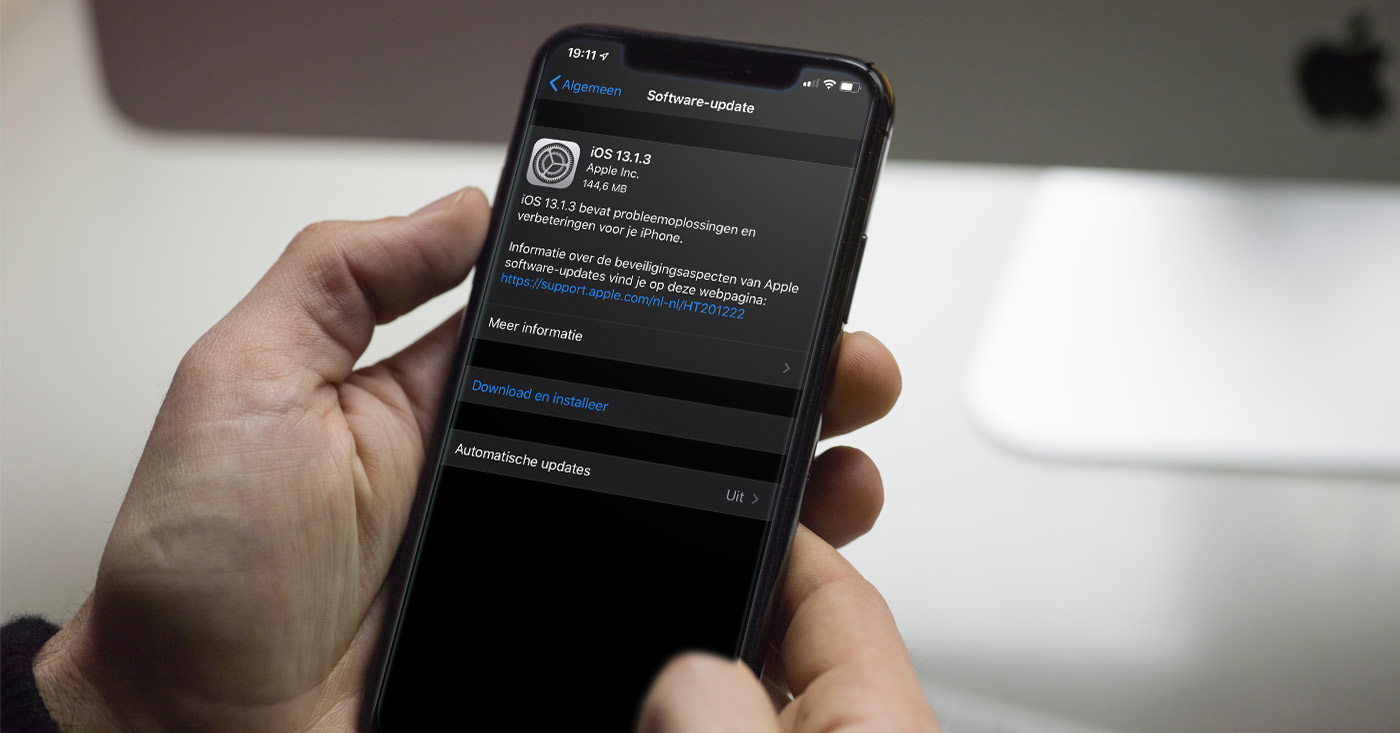
    To download and install iOS 16.3.1, go to Settings > General > Software Update and follow the directions.
    Next, let’s take a look at the iPadOS 16.3.1 update. The changelist here includes a couple of the bug fixes included in iOS 16.3.1:
    • A bug that caused iCloud settings to be unresponsive is exterminated.
    • An issue that prevented Safari from opening the Find My app is fixed.
    To download and install the update on your compatible iPad, go to Settings > General > Software Update.

    Lastly, we now take a look at the watchOS 9.3.1 update for the Apple Watch. There isn’t much to discuss since the changelist merely says, “bug fixes and important security updates for your Apple Watch.” What bug fixes? Apple doesn’t say. What security vulnerabilities were patched? Again, we don’t know.

    To download and install the update directly from your timepiece, go to Settings > General > Software Update. If a software update is available, tap install and then follow the  instructions on-screen.
    Or, you can open the Apple Watch app on your phone. Tap My Watch, go to General > Software Update, then, if an update is available, tap Download and Install.
    Even though there aren’t any amazing features being added to your iPhone, iPad, and Apple Watch, it’s always good to have the latest versions of the appropriate operating system installed.
  • iPhone 15 Ultra looks so chic in fan-made renders

    iPhone 15 Ultra looks so chic in fan-made renders

    The highest-end iPhone 15 model is expected to be a huge step up from the iPhone 14 Pro Max and to reflect those changes, Apple may call it the iPhone 15 Ultra. The company already uses this moniker for some premium products, including the Apple Watch Ultra. A digital artist has whipped up some renders to show us what the phone may look like.

    The iPhone 15 Ultra will have curved edges, titanium chassis, and thinner bezels than the iPhone 14 Pro Max, per rumors.

    Designer Jonas Daehnert has made some iPhone 15 Ultra renders. He says that the images are not based on leaks and he created them just for fun. The design crosse the iPhone 14 Pro and the Apple Watch Ultra.

    One rumor has already hinted that the iPhone 15 series will have an Apple Watch-like flat display and curved edges, so it’s not outlandish to assume that the iPhone 15 Ultra could have some elements of the Watch Ultra.

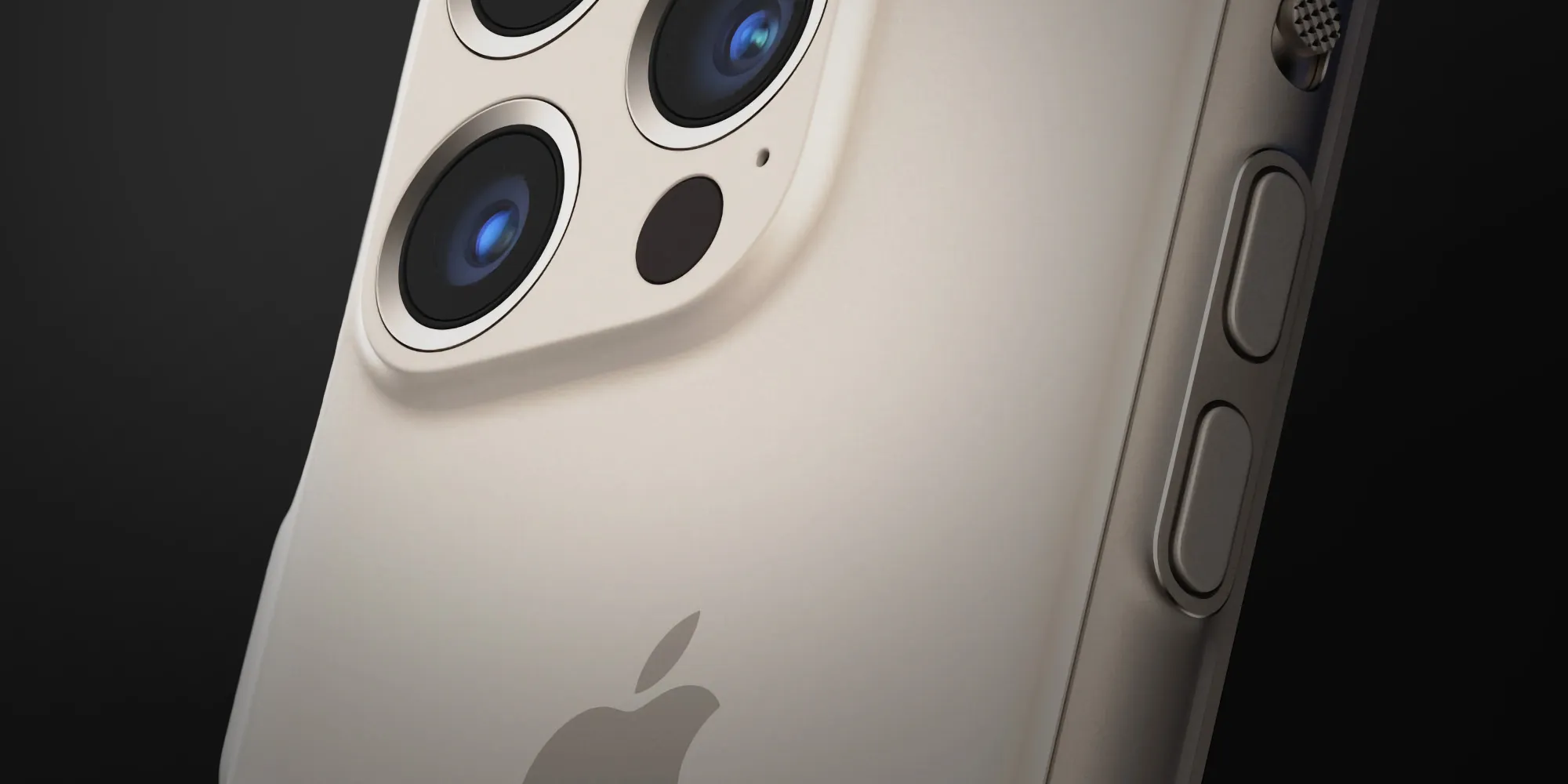
    The renders, as shown in the header and below, look gorgeous and envision an iPhone 15 Ultra with an Apple Watch Ultra-like orange button and port with orange accents. The volume, ringer, and side buttons are more raised than ones on the iPhone 14 Pro and the screen has raised rims and rounded corners.

    Although this design is unlikely to materialize, it looks very cool and the little touches give the phone more of a personality than just a boxy, bland iPhone.

    The iPhone 15 Ultra is highly likely to feature a periscope camera with 6x optical zoom. It’s expected to have the rumored A17 Bionic under the hood and a USB port instead of the lightning jack. The device could also feature solid-state buttons.

    Apple is also said to be working on an ultra-premium model for 2024 that might be a lot pricier than the iPhone 14 Pro Max.