Retail News CRM

Tag: apple

  • The EU will decide whether Apple will have to support RCS messaging

    The EU will decide whether Apple will have to support RCS messaging

    Thanks to the EU, the iPhone 15 series will have a USB-C port instead of the proprietary Lightning port. The EU’s Digital Markets Act (DMA), passed by its 27 member countries, might force Apple to allow developers to promote third-party in-app payment platforms that would allow developers to avoid the 15% to 30% cut of in-app transactions that Apple keeps.

    Apple will soon hear about another change that the DMA might force on it. Depending on whether the EU says that Apple’s iMessage platform is a “gatekeeper” or not, Apple could be forced to add support for Rich Communication Service (RCS). The latter is the platform used by Google’s Android messaging app and Google has been trying to get Apple to add iOS support for it.

    What is interesting is that RCS gives Android users many of the same features that iMessage gives iOS users such as end-to-end encryption, support for longer texts, high-quality images and videos, read receipts, typing indicators, and more. And here’s the thing. Like with iMessage, all of the extra goodies we just listed go away if an iOS user joins a group chat of Android users. Since Apple believes that iMessage is a unique feature that attracts iPhone buyers, Apple wants nothing to do with adding support for RCS.

    However, the features found on iMessage that you won’t get on RCS, such as Animojis, Memojis, and the capability of sending handwritten notes really shouldn’t be enough to make a consumer choose an iPhone over an Android device. And RCS has features that are unique too, such as suggested replies and the capability to share your location with family and friends.

    But let’s get back to the issue at hand. Per BGR, If the EU says that iMessage is a gatekeeper, Apple will be forced to support rival messaging platforms such as RCS. A company is considered a gatekeeper in the EU if had an average turnover of at least €7.5 billion in the last three financial years, or had a fair market value of at least €75 billion in the last financial year.

    A gatekeeper also has to operate in at least three Member States, and help over “45 million monthly active users and more than 10,000 yearly active business users in the EU during the last three years on a number of core platform services, such as search engines, social networking services, and operating systems.” Apple is arguing that it doesn’t have the 45 million iMessage users in the EU required to be a gatekeeper.

    Under the DMA definitions, the EU said back in July that seven tech firms qualify as gatekeepers including Apple, Google, Amazon, Meta, Microsoft, Samsung, and ByteDance. Booking.com said that it will join the group next year. Tomorrow, September 6th, the EU will announce exactly which firms are gatekeepers and will also list services, like iMessage, that are gatekeepers. So even though Apple is a gatekeeper in the eyes of the DMA, iMessages might not be. And this is important.

    Apple argues that iMessage, by itself, is not big enough to be a gatekeeper. Apple is hoping that the EU agrees in which case, Apple will not have to add support for RCS in the EU. If iMessage is considered a gatekeeper, Apple will have until March 24th to support RCS in the economic union.

    Unlike changing the iPhone’s port from Lightning to USB-C, which Apple is doing worldwide, the company would probably decide to offer RCS support, if forced to do so, only in the 27 EU member countries. The same thing would probably happen if Apple is forced to support third-party app stores and sideloading.

    So don’t forget to check back tomorrow to see if we have any news about whether the EU considers iMessage a gateway. For Tim Cook, it could be a sleepless night.
  • Apple creates a new website to promote its own apps

    Apple creates a new website to promote its own apps

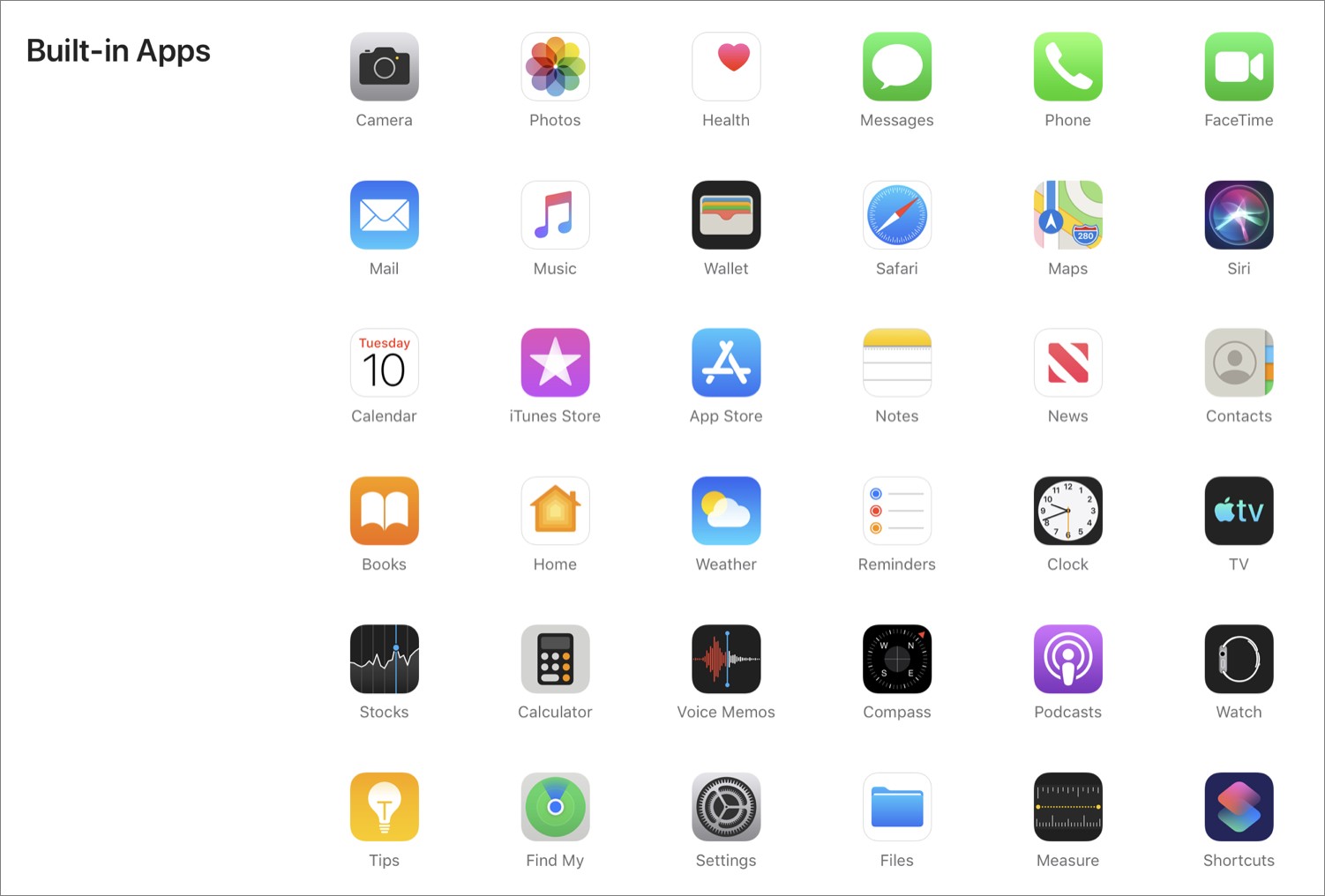
    In a bid to promote its own apps, Apple has created a website titled “Apps by Apple” that mentions homegrown apps that Apple developed for its products such as the iPhone, iPad, Apple Watch, Mac, and Apple TV. Apple has a good reason to promote its own apps with iPhone units in the 27 European Union (EU) countries being opened for sideloading thanks to the EU’s Digital Markets Act (DMA).
    Sideloading is the process of installing an app from a third-party app storefront. Apple has always claimed that its ban on sideloading was done for security reasons so that it could prevent users from installing malware-laden apps. But in some countries, the sideloading ban is seen as a way for Apple to force app developers to use its own App Store payment platform, giving Apple a 15% to 30% cut of in-app transactions and subscriptions generated in the App Store.
    By promoting its own in-house app selection, Apple hopes to keep these titles in the minds of Apple device users who might consider sideloading a similar third-party app from a third-party app storefront.
    Communication: “Apps to keep you connected.” Such apps include Phone, Messages, FaceTime, Mail, and Contacts.
    Creativity: “Tools for pros and passionate creatives.” These apps include Photos, Camera, GarageBand, iMovie, and Final Cut Pro for iPad.
    Productivity: “All you need to make your work of art.” Apps in this category include Notes, Reminders, Calendar, Freeform, and Pages.
    Exploration: “Discover the world and navigate it with ease.” Such apps feature Safari, Maps, Weather, Find My, and Wallet.
    Entertainment and Home: “Brilliant ways to watch, read, listen, and relax.” Apps in this category feature Apple TV, Apple Music, Apple Arcade, Apple Music Classical, and Podcasts.
    Health and Fitness: “Wellness for your mind and body.” Such apps include Apple Health, Fitness, Workout, Sleep, and Cycle Tracking.
    Features: Siri, iCloud, CarPlay, Continuity, and Family Sharing.
    Apple says that “Every app by Apple comes with powerful privacy features to help protect your data and give you control over your information.” The teach giant adds, “Accessibility features are built into every Apple product and app — to help all people learn, create, and do what they love.”
    As for the App Store, Apple states, “The App Store has millions of apps that bring you amazing experiences. And every one of them meets Apple’s standards for privacy, security, and content.” If you do not live in one of the 27 EU member countries (the U.K. is not a member), you still will not be allowed to sideload apps on your Apple devices at this time.
  • Apple announces the date for iPhone 15 ‘Wonderlust’ event

    Apple announces the date for iPhone 15 ‘Wonderlust’ event

    Apple has now confirmed that its next event for 2023, where it will apparently announce its new smartphone lineup, the iPhone 15, and new watches, will take place next month.

    The company’s website says that the event will take place on September 12 at Apple Park and will begin at 10 a.m. PT. It will be live-streamed on apple.com as well as the Apple TV app.

    The Pros will also likely feature a new 3nm chipset, which should make them faster and more power-efficient than the current models. The iPhone 15 Pro Max may feature a new periscope camera for a greater zooming range and this could make it the best camera phone of 2023.

    The iPhone 15 and 15 Plus will purportedly feature the Dynamic Island and a 48MP main camera.

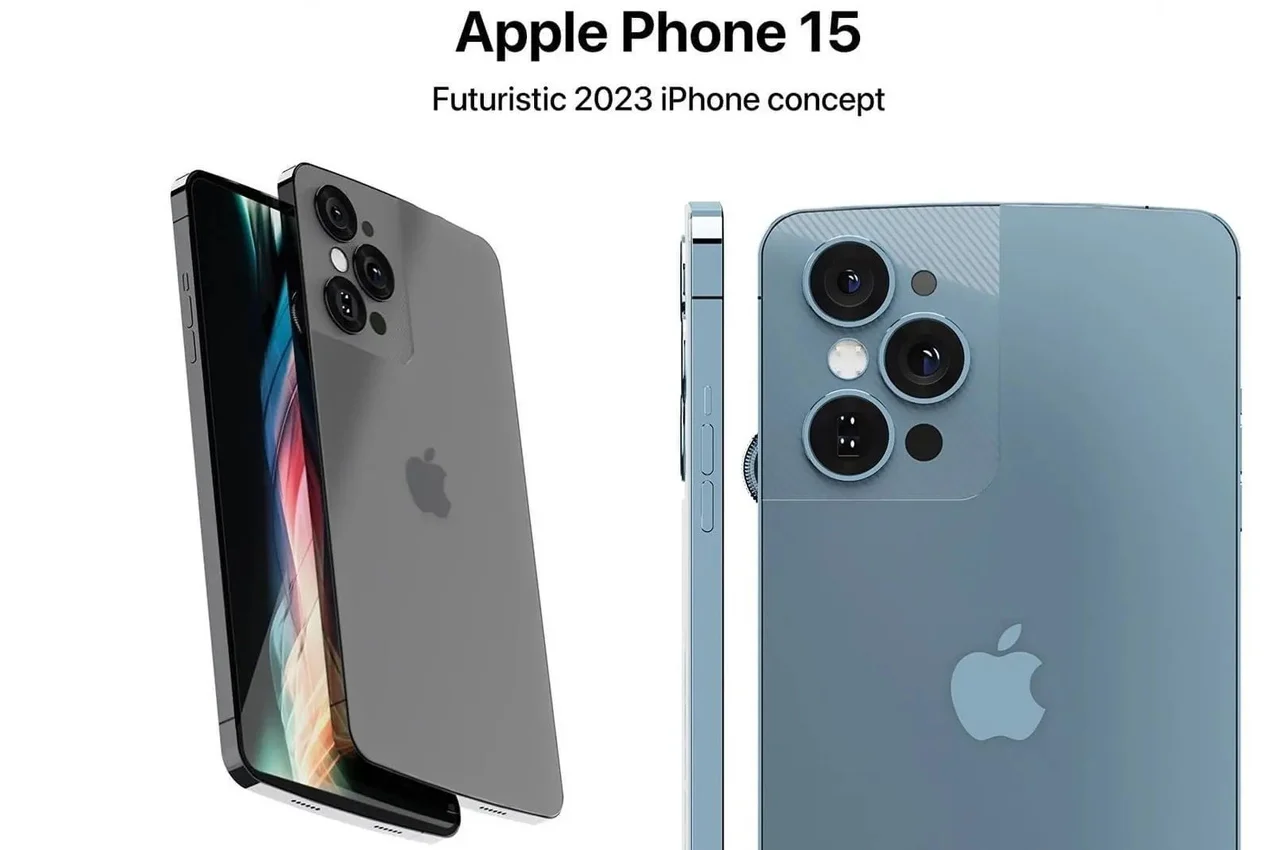
    The entire lineup will likely have USB-C ports, slimmer bezels, softer corners, and bigger camera bumps. The standard models will probably stick to last year’s pricing but the premium variants could be up to $200 more expensive.

    The phones will reportedly hit the shelves on September 22.

    Coming to the watches, we will probably also get to see the Watch Series 9 and the second Watch Ultra during the Apple 2023 event. The new wearables are sounding like incremental upgrades and the most interesting new feature is seemingly a new chip.

  • Apple Pay has many mountains to climb before it can become the world’s top payment option

    Apple Pay has many mountains to climb before it can become the world’s top payment option

    A few days ago we showed you some video ads that Apple has put together for a promo campaign it is running for Apple Pay, its mobile payment service. Apple does keep .15% of the value of a transaction that has been paid for with Apple Pay. That means if you use your iPhone or Apple Watch to pay for a $100 purchase, Apple collects the princely sum of 15 cents. But don’t worry about Apple; because Apple Pay is so often employed, one analyst says the company will take in $4 billion from the feature this year.

    And Apple feels that there is so much potential upside to Apple Pay that it is worth it to spend the money promoting the service. Hence, the new promotion campaign for the feature. According to data from the U.K.’s Merchant Machine, Apple Pay is only the fifth most-used payment method in North America based on the number of transactions. Visa is number one on the continent with a market share of 15.08% followed by MasterCard (10.98%), PayPal (10.70%), American Express (9.97%), and Apple Pay (9.22%).

    Globally, PayPal is number one with a market share of 20.53% with Visa and MasterCard second and third with market shares of 15.67% and 10.49% respectively. American Express is fourth (8.77% market share) with Apple Pay rounding out the top five (7.37%). Other tech-related firms that appear in the global rankings include Amazon Payments (6th place, 6.04% share), and Google Pay (8th place, 4.30% share).
    The best showing for Apple Pay is in Africa where Apple’s mobile payment service is third with a 9.49% market share. PayPal (25.06%) is on top on the continent with Visa next (17.14%). Interestingly, in Africa, both Apple Pay and Amazon Payments (9.23%) are ahead of Master Card’s 8.42% share. And in Asia, Apple Pay is fourth with 7.65% of transactions on that continent.
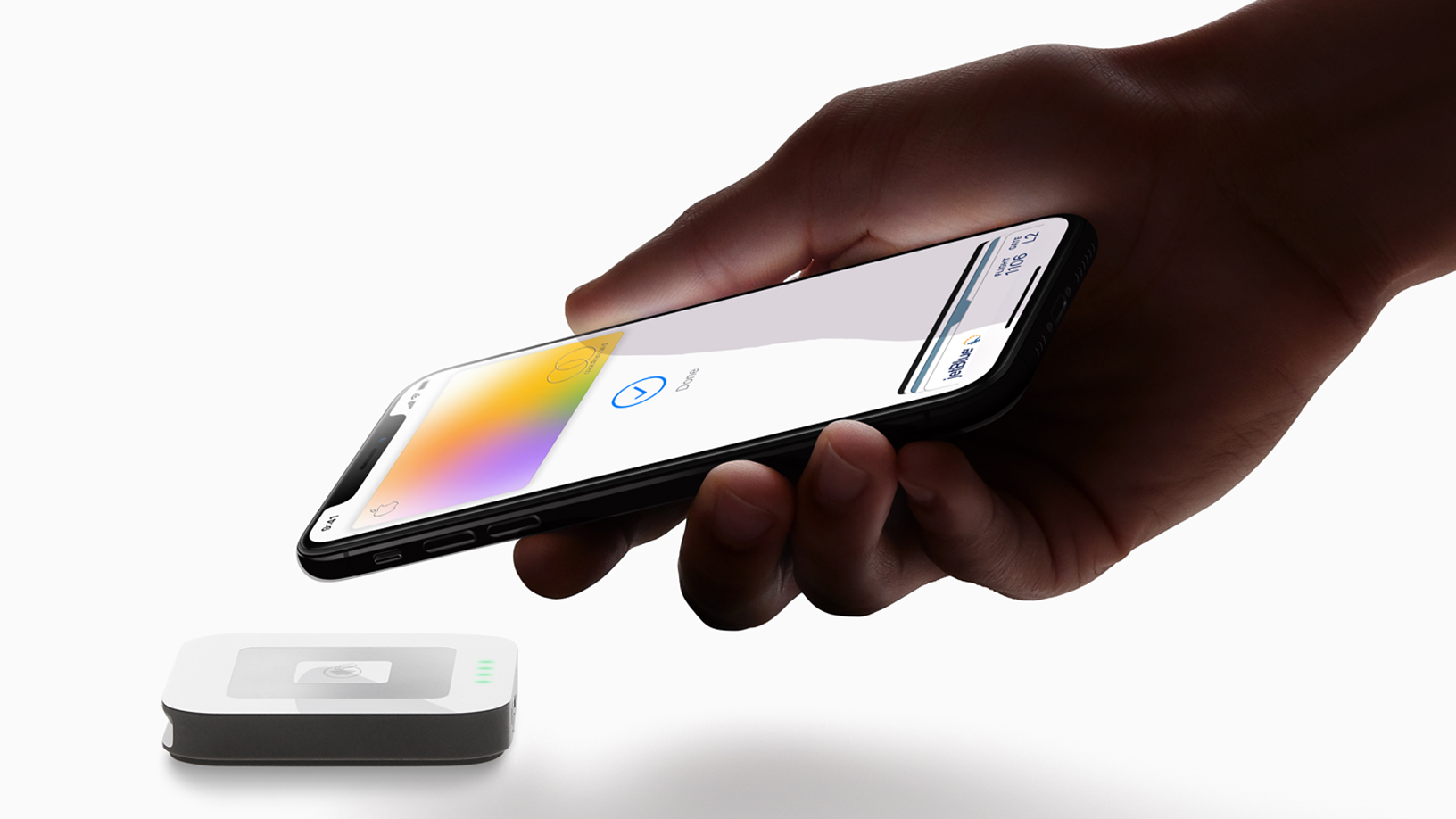
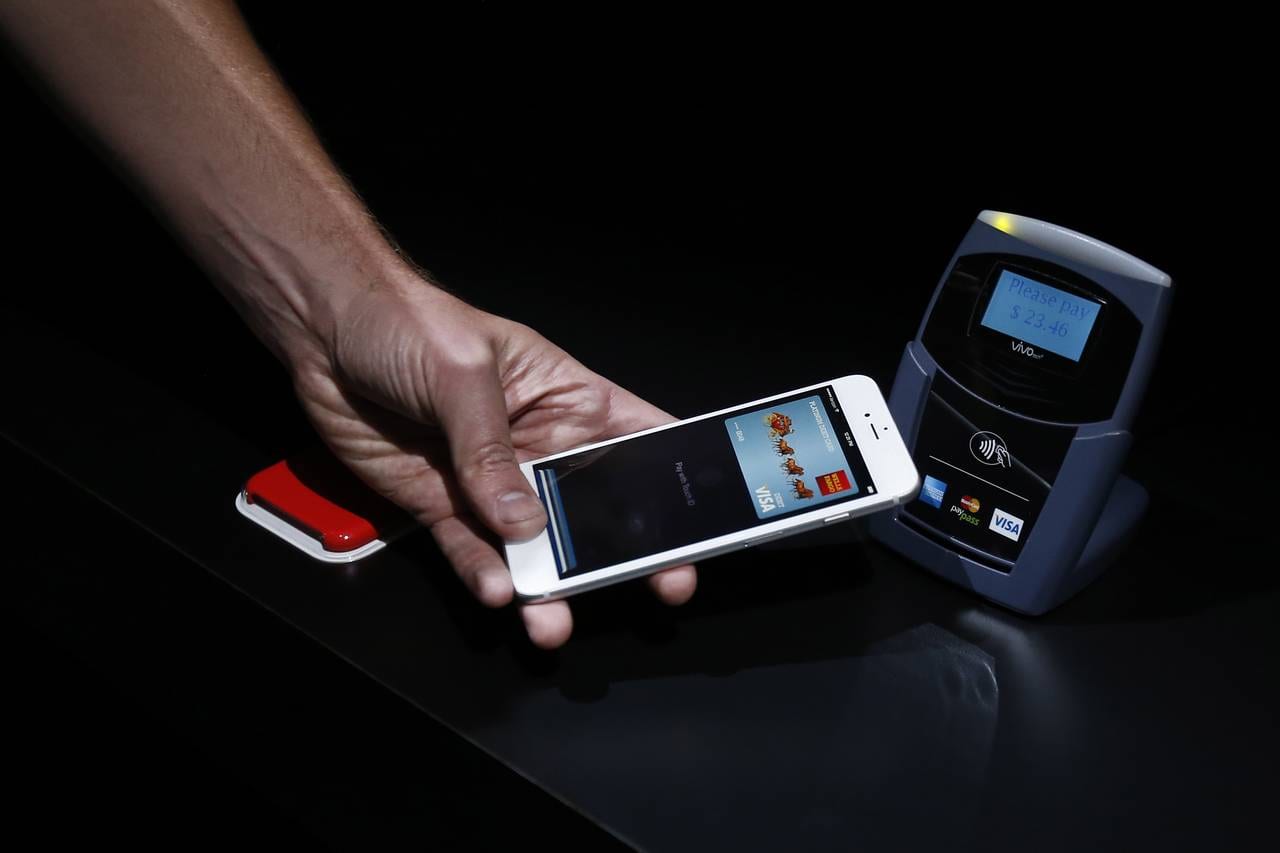
    So Apple is hoping to pump up usage of Apple Pay by using its new tagline, “Pay the Apple way.”It also is promoting the service on the social media platform that used to be called X and on other online sites as well. Mobile payment services are a convenience since you can whip out your phone or flick your wrist (assuming you’re wearing a smartwatch) to make a payment instead of struggling to take a credit card out of your wallet.
  • Check out the new promo videos for Apple Pay

    Check out the new promo videos for Apple Pay

    Last month when Apple started promoting hashtags for Apple Pay on X, we wondered whether this was the start of a marketing campaign for the service. Apple has indeed started to promote Apple Pay using a tagline that was one of those seen with a hashtag on X: #PayTheAppleWay. For the tech giant, it is a volume business; Apple gets .15% (not 15%) of the value of each transaction that is paid using Apple Pay. So for every $100 invoice paid by Apple Pay, the company gets 15 cents.

    That might not sound like a lot, but the feature is expected to gross Apple $4 billion this year. There is no denying that it is a convenience and with the Apple Watch, you don’t even need to pull your iPhone out of your pocket to settle up at the cash register. Using Apple Pay means that there is no more fumbling for your wallet so you won’t drop all of your credit cards on the tile floor while the long line of shoppers behind you starts grumbling.

    Most retail stores do accept Apple Pay, and Android users can use Google Pay or Samsung Pay if they own a Galaxy device. But since it is Apple promoting its mobile payment service, let’s focus on Apple Pay. The company has produced two 30-second spots and two 15-second spots (perfect for YouTube) to promote Apple Pay.

    The first ad, titled “The Dance,” shows a woman trying to pay for a purchase at the register, but she’s having issues. She’s either inserting her credit card into the terminal too fast or too slow. The cashier explains that there are two beeps that she needs to listen for, and, well, you can guess the rest. There’s a long line of disgruntled shoppers behind her. Meanwhile, at an adjacent register, a shopper uses Apple Pay and completes his transaction in seconds. Cue the tagline: “Pay the Apple way.”
    The next 30-second spot for Apple Pay is called “Captcha” which is the test that all of us have been put through to prove that we are human and not a robot. Sometimes it involves clicking on a small square, other times we have to click on the three squares out of nine that show a railroad crossing, a bridge, a car, etc. By the way, Captcha is owned by Google. In this ad, a woman is ready to buy a product online when asked to complete a Captcha by clicking the squares showing a traffic light.

    The woman, who might be overthinking her responses, keeps giving incorrect answers and can’t be confirmed as a human. This might feel very familiar to many of our readers; I’ve experienced this too many times to count. Finally, she visits another online retailer and buys a completely different product. This retailer has a payment option that reads “Pay with Apple Pay.” One tap and the transaction is completed.

    The two 15-second spots are just edited versions of the above 30-second ads. You will surely see these, if you haven’t already, while watching your favorite television shows and sporting events over the next few weeks.
    Apple Pay is part of Apple’s second-largest business segment, Services. This business unit generated $21.21 billion in revenue for Apple during the fiscal third quarter which not only topped the figure that Wall Street analysts were estimating but was also an 8.2% increase year-over-year. Per Forbes, the “Pay the Apple Way” campaign is rolling out in two countries right now, the U.S. and the U.K.
    Apple Pay’s success relies on recurring use of the service and like most of the businesses found under the Services umbrella, it relies less on selling more new iPhone units every year. Most of the offerings found in this business segment depend on monthly subscriptions (like Apple Music, or Apple TV+). Since Apple Pay is a volume business, it makes sense for Apple to promote it every now and then.
  • Siri can now remotely lock your Tesla’s doors and much more

    Siri can now remotely lock your Tesla’s doors and much more

    Over the weekend, the Tesla app in the App Store was updated to version 4.24.0 and the changelist included one sentence: “Access your vehicle controls and climate from the Apple Shortcuts app.” But within that small sentence is a big change. Previously, Tesla owners could remotely handle certain tasks through the Tesla app. But with the update, the Tesla app now integrates with the Apple Shortcuts app allowing Tesla owners to say “Hey Siri” on their iPhone or Apple Watch to lock and unlock the door of their Tesla vehicles remotely, and more.
    The list of supported shortcuts, will allow you to say “Hey Siri” to get your Tesla to start and stop charging; start and stop preconditioning; open and close the trunk, the front trunk, and the charge port; enable and disable Sentry Mode and Dog Mode; and as we previously noted, it will remotely lock and unlock the doors. It also will allow Tesla users to control some basic functions via their iPhones.
    Two paid apps in the App Store, Tessie, and Watch app for Tesla, allow you to use Siri Shortcuts on your iPhone or Apple Watch to control your Tesla. But now that this ability is found in the native Tesla app for free, Tesla owners can ask Siri to remotely perform some tasks for their car without having to pay for that convenience. It should be pointed out that the Shortcuts app allows iPhone users to use both ready-made and custom shortcuts to handle tasks by asking Siri to perform them.

    Apple continues to slowly but surely take Tesla under its wing. In December, Apple Music became available on Tesla as part of an update released for the holiday season. Just last month, AirPlay code was discovered in an update to the iOS Tesla app. In theory, this would suggest that in the future, an iPhone user with a Tesla might be able to “cast” his iPhone screen to the Tesla entertainment screen.

    AirPlay allows users to wirelessly stream audio, video, photos, and other content from their iPhones to a larger screen. Instead of using Bluetooth to stream their music over the speakers on their Tesla vehicles, users could rely on AirPlay instead.
  • Apple may sell iPhone 15 in Vietnam next month

    Apple may sell iPhone 15 in Vietnam next month

    Apple may sell its new iPhone 15 in Vietnam in September, a month earlier than last year as the company considers adjusting the country’s “priority level” from 3 to 2.

    According to a local electronics retail chain, Apple is considering adjusting the priority level of the Vietnamese market from three to two.

    Priority level two means Vietnam retailers could be authorized to sell the new iPhone 15 in its second phase of release.

    Last year, iPhone 14 was launched on September 7 and sold from September 16 in markets with Apple Store shops. The second phase started on September 23 in 20 countries and territories. The product was officially distributed in Vietnam from October 14, the release’s third phase.

    “The final decision has not been made, but it is a remarkable signal that Apple is more interested in Vietnam and iPhone 15 may be sold a few weeks earlier than previous years,” said the chain’s manager.

    The launch date of the iPhone 15 is likely to be announced on September 13 and the new model will be on sale from September 22. These timelines are about one week later than the iPhone 14’s schedule last year, but the sale to second-tier priority markets could still be as early as September.

    Some electronics retail chains said that although Apple wants to raise the Vietnamese market’s priority level, thin iPhone 15 supplies could push the release of the model past its expected date in early October.

    Vietnam does not have an Apple Store like neighboring countries Singapore and Thailand. However, in recent years, the growth of the iPhone’s presence in Vietnam has been significantly faster than in some international markets.

    Vietnam was the sixth country in Southeast Asia to open an Apple Store Online in May, and just two months later became the third country in the region to have Apple Pay.

    According to analysts, Vietnam, Thailand, Indonesia and India are becoming more important to Apple as growth in other key regions is slowing.

    “Apple is further consolidating its presence in emerging markets,” Chiew Le Xuan, an analyst at Singapore-based technology market analyst firm Canalys, said when Apple opened its online store in Vietnam on May 18.

    “In recent months, Apple has also increased their distribution and network of Apple authorized resellers (AARs) in Southeast Asia,” he said.

    During the coming September launch ceremony, in addition to the iPhone 15 series with four models, the Watch Series 9 and Watch Ultra 2 models are likely to be released. New operating system versions such as iOS 17 and PadOS17 will also be officially released.

  • Apple releases watchOS 9.6.1 with a big medical fix

    Apple releases watchOS 9.6.1 with a big medical fix

    Apple today released an update to watchOS 9.6.1 which is available for the Apple Watch Series 4 and later. That model was released on September 21st, 2018. This means that those with the Series 4 Apple Watch running through the Series 8, the two Apple Watch SE models, and the Apple Watch Ultra, will be able to download and install the update which is the first for the device since watchOS 9.6 was released on July 24th of this year.
    Next month, Apple will release watchOS 10, including a new widget-based UI for compatible Apple Watch models. Obviously a minor update, Apple says that watchOS 9.6.1 update “includes a fix for an issue that prevents access to motion data for apps that use the Movement Disorder API to track tremors and symptoms associated with Parkinson’s Disease.
    For example, H20 Therapeutics offers an app for the Apple Watch that tracks tremors and dyskinesia for Parkinson’s patients between visits to the doctor. This is accomplished by allowing the app to tap into Apple’s movement disorder API and the device’s inertial sensors.

    Dyskinesia is the involuntary movements that affect people with Parkinson’s disease. In 94% of cases, the smartwatch app was able to capture changes to the symptoms of a Parkinson’s patient that matched the expectations of the clinicians based on the patient’s current treatment. The clinicians look at the data for the remaining 6% of Parkinson’s patients to come up with a strategy to improve their treatment.

    Before the update was released, Parkinson’s apps could not access the Movement Disorder API preventing them from giving doctors information about whether their treatment plan was working for a specific patient wearing an Apple Watch. H20’s app, called Parky, captures 288 data points from Parkinson’s patients every day assuming that the watch is worn continuously. A color-based UI uses green to show that the patient has fewer symptoms.
    To update your Apple Watch, make sure your timepiece is on its charger and is within range of your iPhone connected to a Wi-Fi signal. Once the Apple Watch is charged to at least 50%, the installation process will commence. Do not restart or remove the Apple Watch from the charger until the update is complete.
  • Apple Pay launched in Vietnam

    Apple Pay launched in Vietnam

    Apple Pay has arrived in Vietnam, enabling users to make contactless money transactions through an iPhone or Apple Watch.

    Vietnam is the third country in Southeast Asia to allow Apple Pay after Malaysia and Singapore.

    Several lenders such as MB Bank and Techcombank now support Apple Pay services at some establishments such as Starbucks, Phuc Long, Mc Donald’s, Highlands Coffee, CGV, and Winmart.

    Users can add their credit or debit card information to Apple Pay using the Apple Wallet app.

    At least an iPhone 6 or Apple Watch Series 4 is required to use it.

    Apple Pay was first launched in the U.S. in 2014.

    Apple assures that users’ credit data is only stored on their devices and not transmitted to Apple’s servers.

    In Vietnam, Samsung Pay was launched in 2017 and Google Wallet in November 2022.

  • iPhone 14 Pro Max price down 24%

    iPhone 14 Pro Max price down 24%

    After 10 months of being sold in Vietnam, iPhone 14 Pro Max has seen its selling price fall by 24% to VND25.7 million (US$1,089).

    In early August, some Apple authorized resellers (AARs) in Vietnam lowered the price of iPhone 14 Pro Max to less than VND26 million, the lowest since its launch in October 2022.

    Di Dong Viet is selling iPhone 14 Pro Max for VND25.7 million, Hoang Ha Mobile for VND25.9 million, CellphoneS and FPT Shop for VND26.4 million, and The Gioi Di Dong (Mobile World) for VND26.7 million.

    The current price of iPhone 14 Pro Max at AARs is some VND5 million lower than the smartphone sold at Apple Store Online Vietnam.

    Phung Phuong, a manager of Di Dong Viet, said the price decline stemmed from both Apple’s assistance given to AARs and their own efforts.

    Besides iPhone 14 Pro Max, other models of Apple have seen selling prices drop by VND300,000-500,000 per unit. The prices of iPhone 14, iPhone 14 Plus, and iPhone 14 Pro currently are at least VND18.5 million, VND21 million and VND23.6 million, respectively.

    The manager of a big AAR said the prices of iPhone 14 models have decreased the most drastically.

    After 10 months of being sold in Vietnam, the price of iPhone 13 Pro Max declined by 15.7% to VND26.9 million from VND31.9 million.

    The third quarter is always a quiet period for the market as users wait for a new model of iPhone, usually launched in September and sold in October in Vietnam.

    However, this year the price competition has become more intense, forcing AARs to offer big discounts to attract users.

    “This may be the bottom price of iPhone 14 Pro Max, and the price race is showing signs of ending,” a manager of Hoang Ha Mobile said.

    In addition to smartphones, AARs have lowered selling prices of other Apple products by VND0.5-1 million per unit to lure customers before the new school year starts in September.

    This year, AARs in Vietnam not only compete with each other but also with Apple when its online store is offering students many incentives and promotions.

  • Apple is working on an AirTag 2

    Apple is working on an AirTag 2

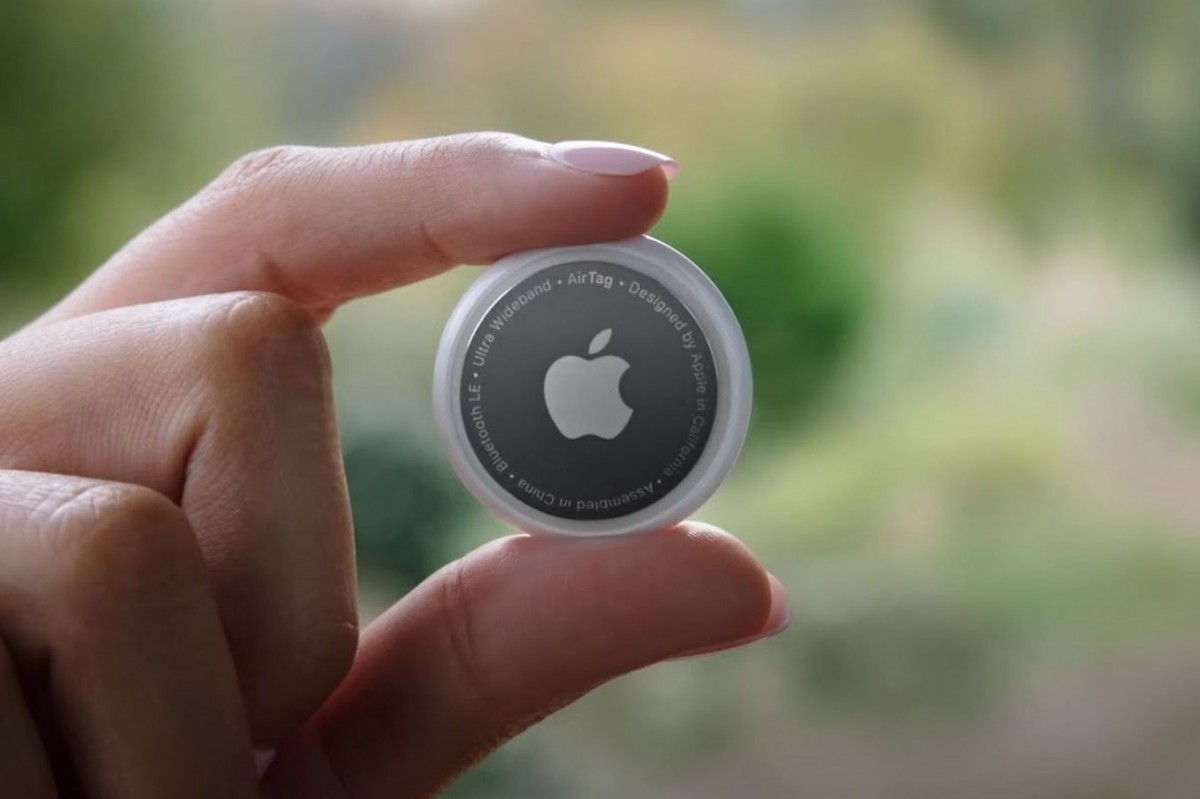
    Commercially released more than two years ago, the AirTag tracking device is probably the least discussed product in Apple’s current portfolio, especially if you choose to ignore news stories and reports tackling various security issues and privacy concerns among both existing users and prospective buyers waiting for some “fix.”

    While it’s unclear if the AirTag stalking problem will ever be resolved (or even if it can be resolved satisfactorily), Apple is believed to be working on a sequel to the original 2021 edition that could see daylight as early as late 2024.
    That’s… still pretty distant, leaving a lot of room for a change of plans (or ten), and of course, today’s AirTag 2 information doesn’t come from an official source either. Ming-Chi Kuo’s new “prediction” of a “4Q24” mass production start doesn’t even seem particularly firm, and although the reputable analyst’s inside sources are more often than not right on the money, this rumor feels like a guesstimate first and foremost based on the OG AirTag’s sales figures so far.

    These are obviously not part of the public domain, but Kuo has reason to believe they’ve proven strong enough over the last year or so to justify the development of a second generation.

    Because the AirTag 2 is likely to go on sale either during the final calendar quarter of next year or sometime in the opening quarter of 2025, it’s virtually impossible to make any confident predictions regarding its specific features, capabilities, and potential upgrades over the first generation.
    For what it’s worth, Ming-Chi Kuo also “believes” (which sounds like another hunch rather than concrete info gathered from supply chain insiders) that the AirTag 2 will be used (alongside other devices) by Apple to create a new spatial computing “ecosystem” with the Vision Pro headset at its center.
    No, we’re not entirely sure exactly what that means either, but it’s safe to assume that the AirTag 2 will be deeply “integrated” and closely coordinated with the Vision Pro… whenever both products actually become available for the masses.
  • Apple releases iOS 16.6 to patch several software flaws some of which have been actively exploited

    Apple releases iOS 16.6 to patch several software flaws some of which have been actively exploited

    Apple has released iOS 16.6 for the iPhone and iPadOS 16.6 for, well, the iPad. The updates will patch several vulnerabilities including one that impacts the Apple Neural Engine. The latter delivers on-device natural language processing and image analysis faster and with more energy efficiency than the CPU or GPU. Apple says that an app might be able to  execute arbitrary code with kernel privileges which means an attacker could run any command on a targeted iPhone or iPad.

    This patch is heading to iPhone 8 and later, iPad Pro (3rd generation) and later, iPad Air (3rd generation) and later, and iPad mini (5th generation). A vulnerability on the Find My app could allow sensitive location information to be divulged via an app. This patch will be available to the iPhone 8 and later, iPad Pro (all models), iPad Air 3rd generation and later, iPad 5th generation and later, and iPad mini 5th generation and later.

    Several patches for the Kernel are part of the update. This is the core part of an operating system. With one flaw, Apple says it is aware of reports that the vulnerability has been actively exploited on versions of iOS released before iOS 15.7.1. With this vulnerability, “an app may be able to modify sensitive kernel state” allowing the attackers to manipulate how the operating system runs.

    Other possible attacks against the iOS and iPadOS kernels listed by Apple include one that could allow the attackers to elevate privileges giving them the ability to do more than standard users. Another flaw could lead to a denial-of-service attack that could prevent users from accessing the features and apps they want to use. And another vulnerability can give an attacker root privileges. This could allow an attacker to create a backdoor, add a trojan, or delete any information on an iPhone or iPad.
    There are two vulnerabilities listed for the WebKit browser engine including one that has been actively exploited according to reports that Apple has become aware of. With these security issues, it is a good idea to install the update now. Go to Settings > General > Software Update and follow the directions. Other updates available today include watchOS 9.6, macOS 13.5, and tvOS 16.6.
  • Netflix adds new feature to iOS, Android to help you quickly find content to watch

    Netflix adds new feature to iOS, Android to help you quickly find content to watch

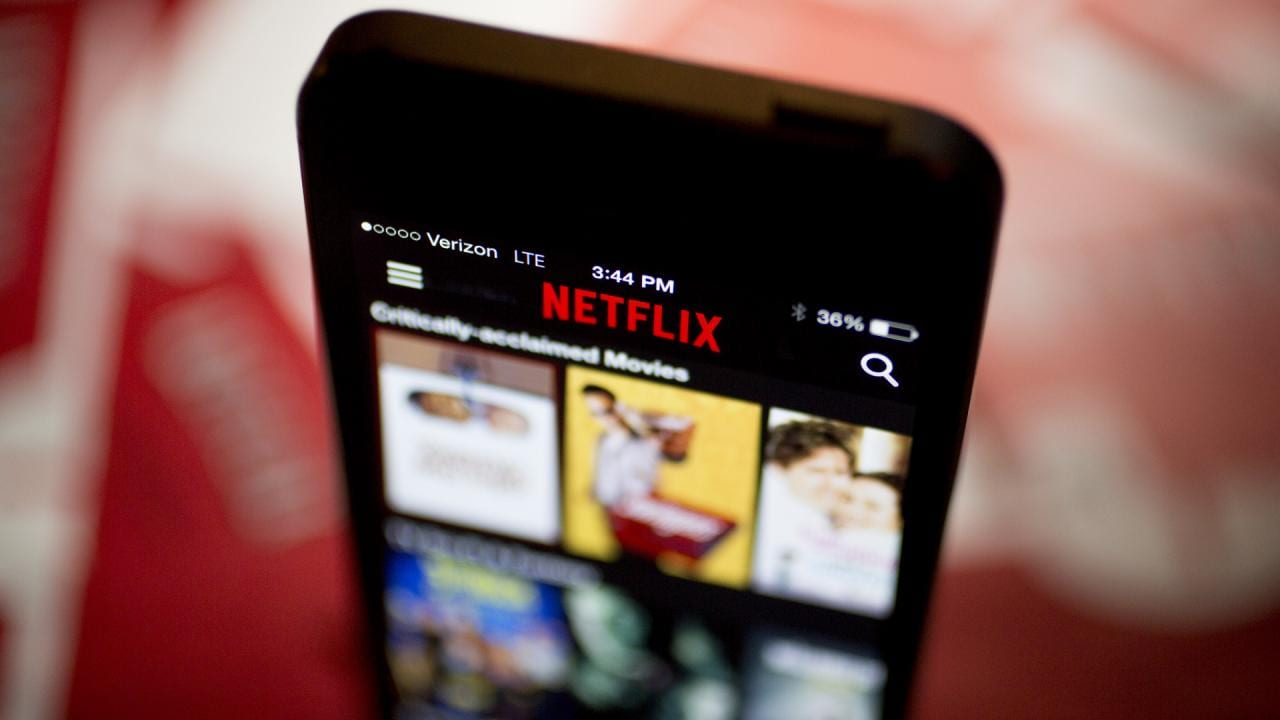
    Netflix announced today that it is adding a new feature to its popular mobile phone app. Called My Netflix, this is a one-stop shop for both iOS and Android users that features shortcuts to help you find something to stream on the platform. The new My Netflix Hub will show you the content you recently downloaded, the movies and television shows you gave a thumbs up to, shows and movies you’ve saved to My List, trailers that you’ve viewed, what content you’re in the middle of watching, content you’ve recently viewed and more.

    With the My Netflix Hub, you can check it out wherever you are to get ideas of what to watch next including shows and movies that you’re in the middle of watching, or content that you’ve downloaded to view at any time. Even with the capabilities of the My Netflix Hub, you can always visit your Home tab or other parts of the app to see the entire Netflix library.

    The My Netflix Hub learns more about you the more you use it. So if you save more medical dramas or give a thumbs up to every episode of Grey’s Anatomy, you’re apt to find more medical dramas in the My Netflix Hub. The Hub is rolling out today to iOS users and will be available on Android devices early next month. Check to see if the My Netflix Hub has arrived by opening the app and looking for the tab on the bottom right corner of the display.
    If the My Netflix Hub hasn’t been added to your iOS Netflix app, you can try to manually update the app by opening the App Store and tapping on the profile picture in the upper right corner. You’ll see a list of apps that are in a queue to be updated. Scroll down until you see “Netflix” (that is, if it appears on the list) and tap on “Update.” Wait for the app to be updated before you open the Netflix app to check whether the My Netflix Hub has arrived on your iPhone. I can tell you that the update has hit the Netflix app on my iPhone 11 Pro Max running iOS 16.6.
  • Changes made by Apple is making iPhone users switch back to Apple Maps from Google Maps

    Changes made by Apple is making iPhone users switch back to Apple Maps from Google Maps

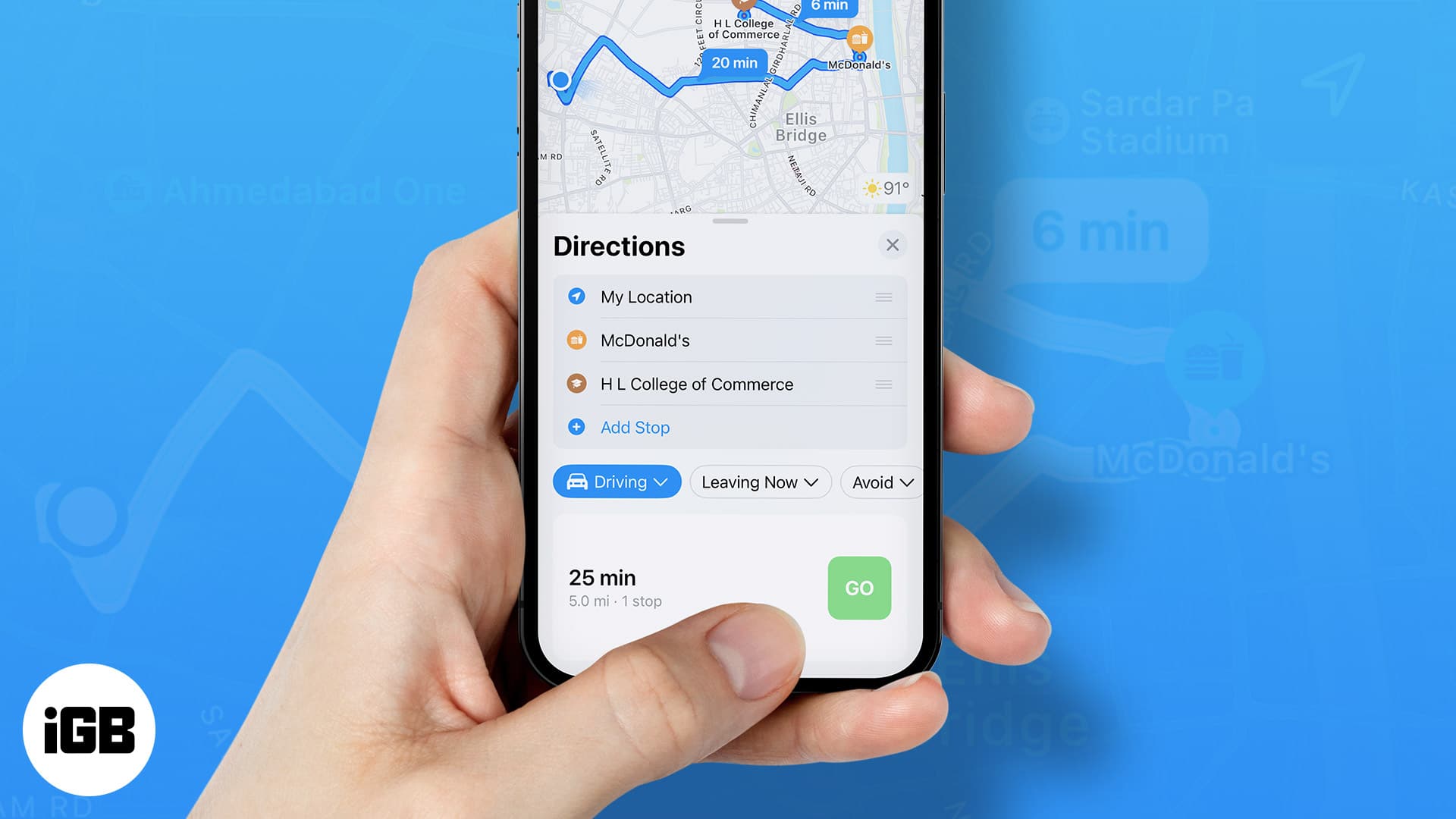
    Apple Maps was something of a mess for a long time, prompting users to download Google Maps instead. Things are finally getting better though and iPhone owners are beginning to appreciate the changes that Apple has made to its maps app.
    Google Maps used to be the default mapping app on the iPhone and iPad but that changed after iOS 6 was announced. Apple Maps had many bugs including misplaced labels for landmarks and businesses and missing roads in cities. The user experience was so bad that Apple CEO Tim Cook had to issue an apology for the frustration it caused.
    Apple Maps has improved to the point that many people are sticking with it instead of switching to Google Maps.
    Changes such as an attractive design, clear public transit direction, faster routes, and better management of the unpredictability of subway outages than Google Maps is making people like Jason Rabinowitz who switched to Android to use Google Maps more easily come back to Apple’s ecosystem.
    Jane Natoli, who considers herself a Google Maps power user, says she has started using Apple Maps more after her iPhone prompted her to use the app in an airport. The app was able able to detect that she was at the airport and recommended shops and restaurants in her terminal. Natoli also liked that it had clearer information than Google Maps. She also thinks that it’s easier to read Apple’s find directions when compared to Google Maps.
    Georgia Tech graduate Angelica Nguyen says that roads are easier to look at on Apple Maps and the view is not cluttered by points of interest.
    Even though the iPhone comes preloaded with Apple Maps, most users have downloaded Google Maps as an alternative, according to Canalys. But Apple Maps is more deeply integrated into iOS and services that need direction use Apple Maps.
    People generally like to use default options, according to user-experience consultant Peter Ramsey. So now that Apple Maps has improved, people have no reason to download Google Maps.
    Google Maps is still considered the better option by some when they are driving. And Apple still has a lot of work to do. Costume-design student Laura Pladziewicz says that Apple Maps misguided her when she was in Boston. Law student Noah Abdelaziz said the app suggested a route that lengthened his commute.
  • Alleged Foxconn employee reveals three possible colors for non-Pro iPhone 15 line

    Alleged Foxconn employee reveals three possible colors for non-Pro iPhone 15 line

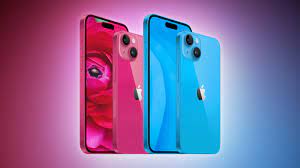
    The possible Foxconn employee’s Weibo post, when translated, says “Our workshop is a 15 ordinary model with an extra Green, light Yellow, and Pink to make it look better and a c port  is added to the smart island.” The post seems to have lost something in translation, but we can assume that what the post says is that Foxconn is working on the iPhone 15 in additional Green, light Yellow, and Pink. Two new features are observed on the upcoming basic iPhone model, the USB-C port and the Dynamic Island.
    Foxconn is the contract manufacturer hired by Apple to assemble many of its devices including some iPhone models. Several leaks about upcoming Apple devices are supposedly leaked by employees working with such contract manufacturers as they might know intimate details of these devices seeing as their job is to assemble them all day.
    We’ve seen plenty of rumors about possible colors for the iPhone 15 and iPhone 15 Pro models during the last few months and nearly all of them mention a Pink color option for the iPhone 15 and iPhone 15 Plus.
    Now that we’ve translated the Google Translation, let’s talk about some of the other new features coming to the non-Pro iPhone models this year. We can start with the 48MP image sensor that will back the Wide camera on both the iPhone 15 and iPhone 15 Plus. Both devices will also get a hand-me-down chipset as the 4nm (which is really an enhanced 5nm process node) A16 Bionic will be powering these units after driving the iPhone 14 Pro and iPhone 14 Pro Max. Larger batteries are also rumored to be onboard.
    The iPhone 15 Pro models will feature a titanium chassis, the 3nm A17 Bionic SoC (making them the only phones to use a 3nm chipset this year), larger batteries, and the aforementioned USB-C port. The iPhone 15 Pro Max should be equipped with a periscope lens making it the first iPhone ever to have this feature. Optical zoom on the unit will go from 3x to 5x-6x thanks to the periscope lens which will be exclusive to the top-of-the-line model.
    We expect the iPhone 15, iPhone 15 Plus, the iPhone 15 Pro, and the iPhone 15 Pro Max to be introduced in early September.