Retail News CRM

Tag: apple

  • Apple Pay is down for some users forcing them to pay for purchases like a Luddite

    Apple Pay is down for some users forcing them to pay for purchases like a Luddite

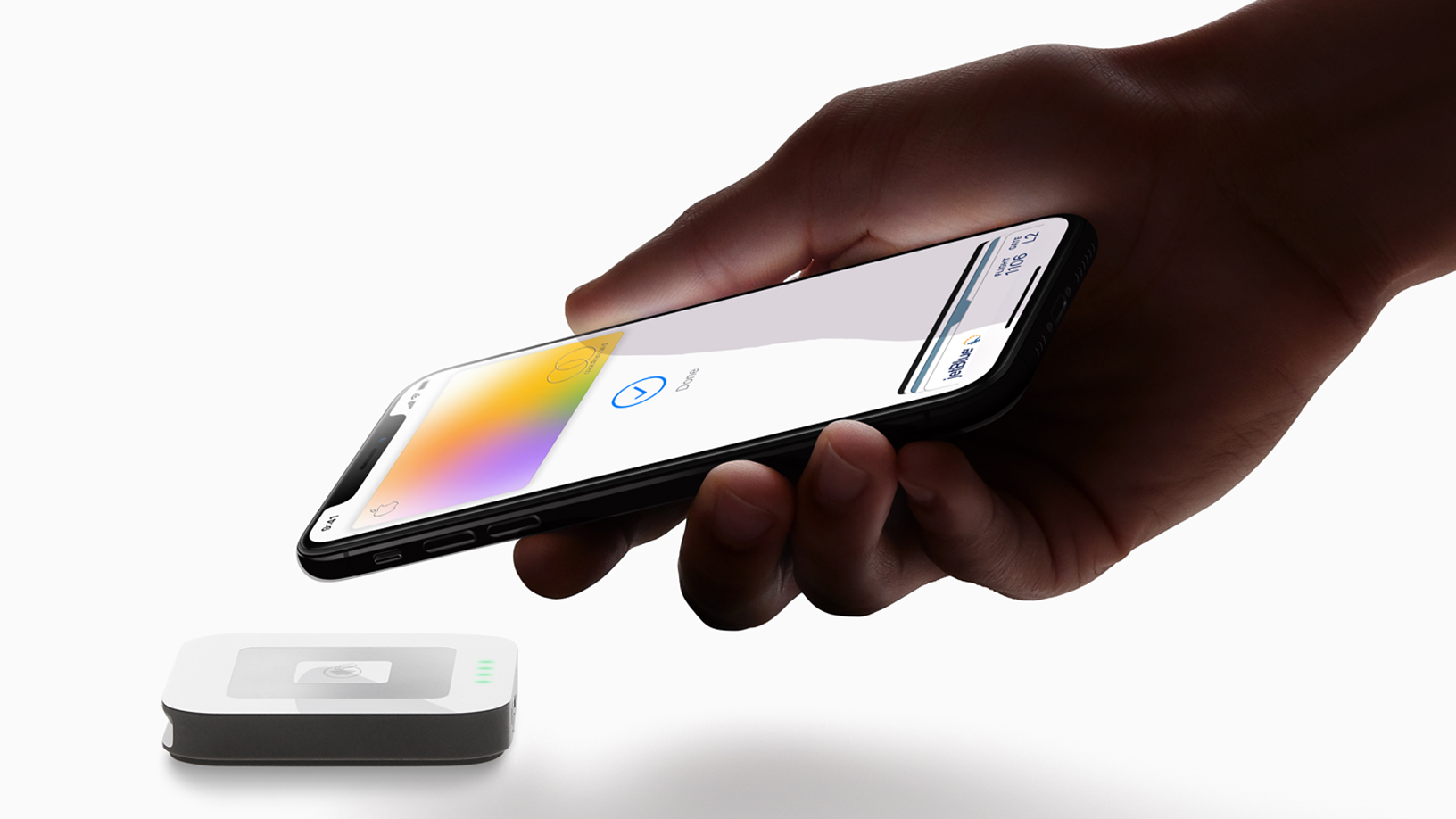
    Some social media users are complaining that they are unable to use contactless payment system Apple Pay to ring up a transaction using a Chase credit card. On Apple’s System Status page, it notes that Apple Pay is undergoing some maintenance at the moment and adds that some users in Maryland may have issues with the feature. However, the problem appears to be preventing Apple Pay users from hearing that satisfying “ding” indicating that their credit card has been accepted in other states as well.

    Nilay Patel, editor-in-chief of The Verge stating that his Chase card was declined when using Apple Pay. Patel noted that when he called Chase, the bank told him that the problem is an “unexpected Apple Pay upgrade” which matches the reason for the issue posted by Apple on the System Status page. Other Thread users weighed in complaining about the same problem including one poor (and possibly hungry) iPhone user who wrote, “Yup, Chase Apple Pay declined getting my baguette and vegan cheese.”

    Considering that the weekend is usually prime time for shopping, we wonder whether Apple should have performed the maintenance on Apple Pay during a time when shoppers are less likely to be tapping their iPhones on POS (point of sale, not what you thought the abbreviation stood for) machines. For example, at 1 am PST (4 am EST), most Americans are sleeping and charging up their iPhone units.

    If this is a problem that happens to you today whether you are shopping in Maryland or Massachusetts, or anywhere else in the U.S., there is the perfect workaround but only if you are up to doing this. Once your Apple Pay payment is declined, follow these directions precisely:

    • Put your iPhone in your pocket.
    • Reach into your other pocket and remove your wallet.
    • Open the wallet and remove the Chase card that is connected to Apple Pay.
    • Run the card through the POS terminal like you might have done years ago before Apple Pay was launched.

    If this happened to you today, we’re sure you were sweating and trying hard to remember how you paid for purchases made before October 20th, 2014 when Apple Pay launched. But those with a memory of a bygone era have been able to pay for their purchases today by simply using their Chase credit card without bringing Apple Pay into the picture. Or, you could pay for your purchases with cash.

  • Apple Podcast bug means no new episodes for some titles although there is a simple workaround

    Apple Podcast bug means no new episodes for some titles although there is a simple workaround

    Remember Apple’s television ads for the iPhone 3G? The ad would tell you, regardless of any problem you need a solution for, “There’s an app for that.” When you think about it, for any subject matter that you have an interest in, there’s a podcast for that. And if you are an iPhone user, you probably use the Apple Podcasts app. But until recently, the app had a serious problem that was preventing users from listening to the latest episodes of certain Podcasts stored in the user’s library.

    The bug prevents the latest episodes for affected podcasts from showing up as these episodes will not automatically be downloaded. This means that these podcasts won’t appear in the Up Next queue. If the user knows that a new episode for a podcast he/she follows has dropped, the episode can be discovered by looking for the new episode in the app’s search tab. But many podcast app users rely on getting alerted by the app whenever a new episode is ready and thanks to the bug, this is not happening.

    It’s unknown exactly how many podcasts are affected by the bug but complaints on social media seem to indicate that the problem is widespread. And there is the aforementioned workaround. Open the Apple Podcasts app and after tapping the Search tab on the bottom right of the screen type in the name of the podcast you want to hear the latest episode of and tap the blue “search” bar next to the space bar on the virtual QWERTY keyboard. Press the Episodes filter above the search results (which is also below the search bar) and the latest episode will be on the top of the list. Just press the play button on the right of the listing to hear it.

    You might not have to do this much longer because some users say that they are now getting new episodes automatically sent to their Apple Podcasts app. If so, that’s good news. If not, try the workaround until your Podcast app is working perfectly again. By the way, if you don’t have the app on your iPhone, click on this link to download it from the App Store.

  • Apple is compelled to remove Home Screen web apps from iOS in the EU due to the DMA

    Apple is compelled to remove Home Screen web apps from iOS in the EU due to the DMA

    What many thought was a bug has turned out to be a move made on purpose by Apple as the latter will not allow web apps on the iOS Home Screen in the European Union. On its Developer support page, Apple notes that the EU’s Digital Market Act (DMA) requires it to allow users to select a browser that doesn’t use Apple’s WebKit browser engine for the first time. Because of this, Apple said that it had to remove the Home Screen web apps.

    Apple says Home Screen web apps on iOS are built on WebKit and they “align with the privacy and security model for native apps on iOS.” This is important and Apple goes on to say, “That integration means Home Screen web apps are managed to align with the security and privacy model for native apps on iOS, including isolation of storage and enforcement of system prompts to access privacy impacting capabilities on a per-site basis.

    However, without this isolation and enforcement, malicious web apps could read data from other web apps and even use their permissions to access the user’s camera and microphone without his or her consent. Browsers could also install web apps without the consent or awareness of the user.

    Apple adds, “Addressing the complex security and privacy concerns associated with web apps using alternative browser engines would require building an entirely new integration architecture that does not currently exist in iOS and was not practical to undertake given the other demands of the DMA and the very low user adoption of Home Screen web apps. And so, to comply with the DMA’s requirements, we had to remove the Home Screen web apps feature in the EU.”

    Apple adds, “EU users will be able to continue accessing websites directly from their Home Screen through a bookmark with minimal impact to their functionality.” The tech giant also was forced to remove support for Home Screen web apps on Safari in the EU because the DMA requires equality for all browsers. Since third-party browsers can’t have Home Screen web apps, neither can Safari.

    The absence of Home Screen web apps in the EU was first noticed with the release of iOS 17.4 beta 2. The changes will come to all iOS users in the 27 member EU states once iOS 17.4 is released in the first week of March.

  • Apple takes a long time to remove fake app posing as a popular password manager

    Apple takes a long time to remove fake app posing as a popular password manager

    Imposter app LassPass posing as the popular password manager LastPass has been removed from the App Store one day after the creators of the original app issued a warning against it.

    Apple prides itself on keeping the App Store safe by performing numerous safety checks before approving an app. It does seem to have a higher bar for security than its immediate competitor. That doesn’t mean it’s doing a perfect job of keeping the App Store safe, as the latest incident shows.

    What makes the oversight feel particularly worrisome, though, is that LastPass is a service people use to store logins and passwords for various platforms. A fake copycat app designed to trick people into revealing their master password could give the bad actors behind it access to every or most apps a person uses.

    The app in question, LassPass, had a name resembling the original app and copied LastPass’s branding and interface.

    There were some telltale signs that it was a fake that many users quickly noticed, such as misspellings and a different publisher. It also had only one rating, whereas the legitimate app has more than 52 thousand. All of the reviews for it also noted that it was a deceptive app.

    LastPass created a blog post on February 7 to warn its users against the app, which was removed from the App Store on February 8. According to the analytics platform Appfigures, the app has been on the platform since January 21. TechCrunch reports.

    It’s not known how many people fell for the app, but it can be assumed that it failed to attract many downloads, as it never made it to any of Apple’s Top Charts.

    If you have LassPass on your iPhone, not only should you delete it, but also change your LastPass password.

  • Apple announces big changes coming in March to iOS, Safari, and the App Store in the EU

    Apple announces big changes coming in March to iOS, Safari, and the App Store in the EU

    Apple is making big changes in the European Union, which will allow, among other things, iPhone users to sideload apps from third-party app stores. From the start, the late Steve Jobs intended to prevent iPhone users from sideloading apps on the iPhone for security reasons. Apps from third-party app stores are installed without Apple checking them out to see if they are security risks; apps downloaded from the App Store have been vetted for malware and other malicious behavior, although sometimes developers with evil intentions can get an app through.

    Developers will also be able to choose alternative payment platforms to handle in-app transactions in the EU across all of Apple’s operating systems including, including iOS, iPadOS, macOS, watchOS, and tvOS. The commission that Apple will take on in-app purchases that it processes through its own in-app payment platform, the so-called Apple Tax, will be reduced in the EU from the 15%-30% range seen in the rest of the world, to 10%-17%. Apple won’t see a dime from in-app transactions completed through alternative payment platforms.

    The 27 member countries of the EU benefit from the EU’s Digital Markets Act (DMA) which forces Apple to make these changes in this market. Another change being made by Apple will show users a new “choice screen” the first time they open Safari in iOS 17.4 or later. While EU iPhone users can already change their default browser away from Safari, the new “choice page” will bring to their attention that they can choose a default browser and include a list of third-party browsers to help them make that change immediately.

    Apple makes it clear that it doesn’t like being forced to put up the “choice screen” because it means “that EU users will be confronted with a list of default browsers before they have the opportunity to understand the options available to them. The screen also interrupts EU users’ experience the first time they open Safari intending to navigate to a webpage.”

    The company also said, “Inevitably, the new options for developers’ EU apps create new risks to Apple users and their devices. Apple can’t eliminate those risks, but within the DMA’s constraints, the company will take steps to reduce them. These safeguards will be in place when users download iOS 17.4 or later, beginning in March…” One of the changes Apple is making in the EU will bring additional malware protections that will prevent iOS apps from launching if they are discovered to contain malware after being installed on a user’s device.

    Changes are coming to iOS in the EU as well. EU iPhone users can choose a third-party contactless payment app to replace Apple Pay and select an alternative app marketplace as their default to replace the App Store.

    Apple Fellow Phil Schiller said, “The changes we’re announcing today comply with the Digital Markets Act’s requirements in the European Union, while helping to protect EU users from the unavoidable increased privacy and security threats this regulation brings. Our priority remains creating the best, most secure possible experience for our users in the EU and worldwide. Developers can now learn about the new tools and terms available for alternative app distribution and alternative payment processing, new capabilities for alternative browser engines and contactless payments, and more. Importantly, developers can choose to remain on the same business terms in place today if they prefer.”

    Apple says that all of these changes will take place in March with the release of iOS 17.4 in the region.

  • Apple supplier Goertek to set up $280M Vietnam subsidiary

    Apple supplier Goertek to set up $280M Vietnam subsidiary

    Apple supplier Goertek plans to invest US$280 million to set up a new subsidiary in Vietnam as it seeks to expand in the Southeast Asian market.

    To be based in the northern province of Bac Ninh, it is likely to manufacture headphones, smart watches and virtual reality and augmented reality electronics products, the Chinese company said in a recent filing with the Shenzhen Stock Exchange.

    It hopes to “use local resources in Vietnam to enhance the company’s overall competitiveness.”

    It has been in Vietnam for 10 years with subsidiaries Goertek Vina and Goertek Technology Vina.

    In 2022 the latter reported revenues of $2.5 billion and a net profit of $191 million.

  • Apple celebrates the New Year in Japan with free gift card promo and engraved AirTag trackers

    Apple celebrates the New Year in Japan with free gift card promo and engraved AirTag trackers

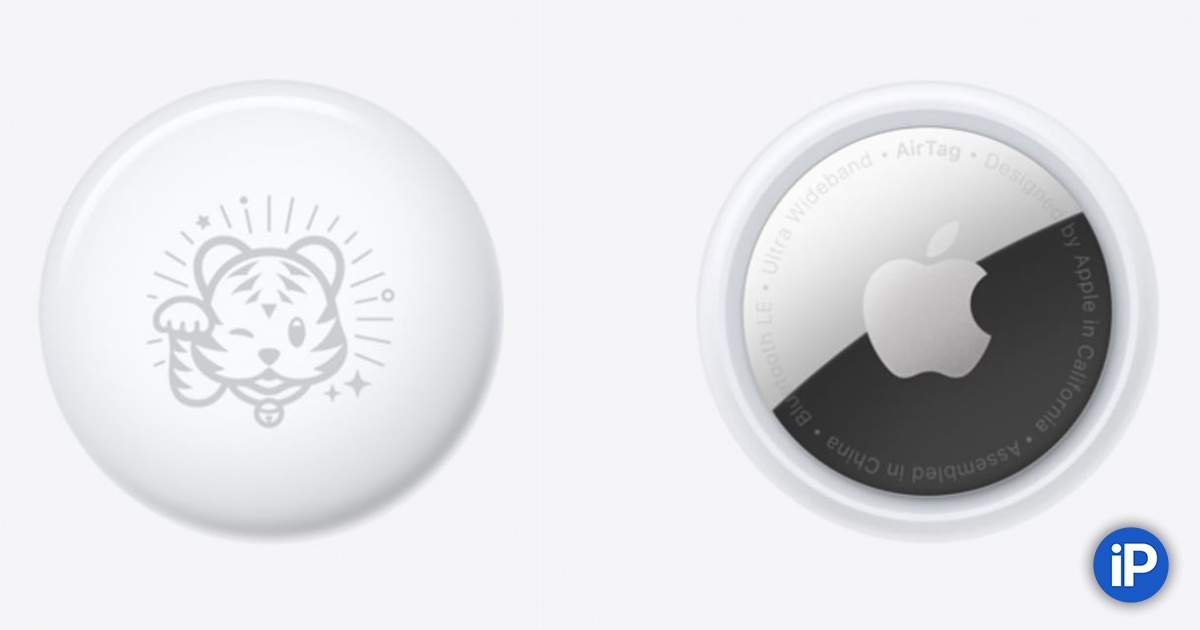
    Apple is currently running a gift card promotion in Japan while also offering a specially engraved AirTag that celebrates the upcoming Year of the Dragon. Celebrating the New Year is always a big deal in the country with businesses shutting down for a few days and some firms, like Apple, offering special promotions on their products. Like it did last year, Apple plans on rewarding purchasers of its devices in Japan with a free gift card. Last year, the value of the gift cards ranged between $30 and $240 depending on the item purchased.

    This year, the length of the New Year promotion in Japan is being doubled to four days from two days previously. The promo will be running in Japan from January 2, 2024, to January 5, 2024. The typical gift card is valued at 11,000 Yen and will be handed out to buyers of the latest third-generation iPhone SE, iPhone 13, and iPhone 14 models. Keep in mind that 11,000 Yen sounds like a huge chunk of cash but converts into $77 US only.

    The first 50,000 AirTag purchasers will get a special “Year of the Dragon” AirTag. If you want one, you’re going to have to visit an Apple Store since buyers using the Apple Store app will not be able to receive a “Year of the Dragon” AirTag item tracker. Last year’s AirTag deal delivered an engraved “Year of the Rabbit” item tracker for the first 30,000 units purchased.

    Apple used to have a cool promotion in Japan during this time of the year called “The Lucky Bag.” The company would stuff a few bags with products and slap a greatly discounted price tag on them. Consumers spent $300 for their bag and didn’t know which one of the four available they would receive. The value of these bags ranged from $640 to $1,280 in the 2015 promotion.

    That year each Lucky Bag had an Apple TV, a special New Year’s edition of the mophie powerstation, a pair of Beats PowerBeats2, an iTunes gift card valued at $8, and an Incase ICON Slim Pack backpack. The most desired bag also featured an 11-inch Apple MacBook Air and other accessories, including a limited edition Power Support Air Jacket. Another bag, believed to be worth $1,070, replaced the MacBook Air with a 16GB Apple iPad Air 2. Another bag worth approximately $814 had a 16GB Apple iPad mini 3 inside while the most widely received bag carried a 16GB Apple iPod touch inside.

  • Lowe’s finally adds support for Apple Pay

    Lowe’s finally adds support for Apple Pay

    The second-largest hardware chain in the U.S. has finally decided to support Apple Pay. For those who don’t know what Apple Pay is, it is the mobile payment service that allows an iPhone user to select a credit, debit, or prepaid card from the Wallet app and tap the phone against a POS machine to complete a transaction at a retail store.

    You don’t have to fumble for your wallet to grab your credit card, especially when you’re bundled up to stay warm in the bitter cold, and you don’t have to worry about your card’s information being stolen by a skimmer placed inside a card slot by a criminal. It’s just so darn convenient and it costs you nothing to use it. Apple collects .15% of the value of every transaction rung up with Apple Pay. That means that on a $100 transaction, Apple earns the princely total of 15 cents.

    But this is a volume business after all and with so many people using Apple Pay, the service is expected to generate $4 billion in revenue for Apple this year which is more than double the $1.9 billion that Apple Pay raked in for Apple in 2022. Earlier this year Apple promoted Apple Pay with a series of ads. And now, after a long absence, Lowe’s is adding Apple Pay support to its 2,100 retail locations in the U.S.

    This is a shrewd move by Lowe’s and an attempt to take some business away from the number one hardware chain in the U.S. since Home Depot does not support Apple Pay. Another huge retailer that doesn’t support Apple Pay is Walmart. Eight years ago we told you when the largest discount retailer in the states launched its own mobile payment service imaginatively titled Walmart Pay.

    Using Walmart Pay requires you to install the iOS or Android version of the Walmart app on your phone. Earlier this year Kroger tried to apply some pressure to competitor Walmart by accepting Apple Pay for the first time starting last April.

    It would be quite a big deal for Apple if Walmart were to add support for Apple Pay like Lowe’s did because, eventually, continued growth for Apple Pay will have to come from the addition of more retailers, especially those huge chains that previously held back support for the service.

    If you’re like me, there is that feeling when Face ID verifies you and that “ding” goes off indicating that your payment via Apple Pay has been accepted. And we have no doubt that Apple loves that sound too since it means more money, albeit in nickels and dimes, is being added to its coffers.

  • The delayed collaborative Apple Music playlist surfaces in iOS 17.3 beta 1

    The delayed collaborative Apple Music playlist surfaces in iOS 17.3 beta 1

    Worried about abuse and spam, Apple removed the collaborative Apple Music playlist feature from iOS 17.2. With the collaborative playlist, friends and family members can make changes to your playlist including the addition/deletion of songs, and the reordering of the list. In “Now Playing,” the same friends and family members can react to a particular song using an emoji. Apple reportedly pushed back the release of the feature to an unknown date next year.

    The collaborative Apple Music playlist still might not be available to all iPhone users with an eligible device until 2024 when the final version of iOS 17.3 is released. But for those who install iOS 17.3 beta 1, the feature is available now. Whether Apple keeps the collaborative Apple Music playlist on the final version of the update is unknown. Heck, Apple could even decide to remove it from iOS 17.3 beta 2.

    By default, only the person who created the playlist, which is the device owner, will be able to add songs to the playlist. However, the feature will allow the device owner to make a change in settings that will allow others to decide what the tunes on the playlist should be and in which order they should play. And if someone out there is sick of a particular tune on the playlist, it can be removed.

    Still, if you’d like to check it out while you can now, you can join the Apple Beta Program by going to beta.apple.com, or by clicking on this link. Sign up for the Beta program and once you do, go to Settings > General > Software Update and you’ll see a line on top of the screen for Beta Updates. Tap on that line and press on iOS 17 public beta to receive the update.

    Keep in mind that beta releases are not stable and if a feature you need every day is affected, you might have to erase the beta which will wipe your phone. If you have a backup saved, you can get your data back by installing the backup. Frankly, if having the collaborative Apple Music playlist is not important to you, you might as well wait to see if it survives to the final version of iOS 17.3 which will probably be sometime next month.

  • Apple reveals discount pricing feature for subscriptions in the App Store

    Apple reveals discount pricing feature for subscriptions in the App Store

    A post on the Apple Developer website reveals that a new “contingent pricing” feature will be available in the App Store. The subscription gets its name because customers can be given a discount on a subscription contingent on them having an active subscription to another publication. That discount will continue to be offered every month as long as the customer remains subscribed to both magazines.

    Here is what Apple told developers on the website: “Contingent pricing for subscriptions on the App Store — a new feature that helps you attract and retain subscribers — lets you give customers a discounted subscription price as long as they’re actively subscribed to a different subscription. It can be used for subscriptions from one developer or two different developers. We’re piloting this feature and will be onboarding more developers in the coming months.”

    Apple says developers should start planning how they will work contingent pricing into their App Store pricing strategies. A link on the website will allow developers to sign up to receive a notification from Apple in January, when the company will inform developers of more details related to “contingent pricing.”

    In explaining exactly what “contingent pricing” is, Apple writes, “For example, you might offer Ocean Journal premium subscribers the opportunity to subscribe to Mountain Climber for a discounted price of $4.99/month instead of the regular $5.99/month. Customers pay the discounted price as long as they remain Ocean Journal subscribers.”

    While Apple is writing to developers, the tech giant does explain how customers will be able to find publications in the App Store that offer “contingent pricing.” Apple says that customers will find the discounted pricing in a publication’s App Store listing, off-platform marketing channels, and planned placements in the App Store.

    Apple says that it will help developers manage the implementation of “contingent pricing” by offering customers “a seamless redemption and purchasing experience” based on the contingent price proposition the developers will provide.

    Obviously “contingent pricing” isn’t going to be available to App Store customers until sometime next yeear.

  • TSMC shows off 2nm chip prototype to Apple

    TSMC shows off 2nm chip prototype to Apple

    TSMC is the largest foundry in the world and Apple is its biggest customer. Apple was able to reserve most of TSMC’s initial 3nm production for the A17 Pro chipset which is being used to power the iPhone 15 Pro and iPhone 15 Pro Max. To keep things simple, just remember that as the process node number gets lower, the transistors used by a chip get smaller in size which means that more of them can fit into the small space inside an SoC. The higher a chip’s transistor count, the more powerful and/or energy-efficient it is.

    Looking at the iPhone as an example, the iPhone 11 series was powered by the 7nm A13 Bionic which carried 8.5 billion transistors. The 3nm A17 Pro has 19 billion transistors. And since it takes a few years to build the fabs and order the machinery needed, we’ve known for some time that TSMC is working toward 2nm chip production. Apple has already had a chance to check out 2nm prototypes built on TSMC’s N2 node. The report noted that another huge TSMC customer, NVIDIA, also was able to view the 2nm prototype chip.

    TSMC previously said that it would start 2nm volume production in 2025 and in a statement to The Financial Times, the company said that it is “progressing well and on track for volume production in 2025, and will be the most advanced semiconductor technology in the industry in both density and energy efficiency when it is introduced.” Assuming that there are no delays, the iPhone 17 Pro and iPhone 17 Pro Max could be the first Apple handsets to be powered by a 2nm application processor (AP), possibly the A19 Pro.

    At 2nm, TSMC will debut its new Gate-all-around (GAA) transistors which cover the channel on all four sides reducing current leaks and delivering gains in power efficiency. Samsung Foundry already uses GAA with its 3nm production.

    Speaking of Samsung Foundry, the latest word is that Qualcomm will be switching from TSMC to Samsung to produce the 3nm Snapdragon 8 Gen 5 AP in 2025. Qualcomm left Samsung Foundry in 2022 after the latter reported low yields building the Snapdragon 8 Gen 1. TSMC took over to produce the Snapdragon 8+ Gen 1 and has had the business ever since, although that seems likely to change in 2025. Samsung Foundry’s yield is about 60% for the most basic of 3nm production. The yield is expected to drop when building APs for smartphone.

    At a 60% yield, 40 out of every 100 dies cut from a wafer fails to meet quality control. And since the foundry’s customers are usually responsible for the cost, yield is a major factor when determining which foundry a chip designer does business with.

    Samsung says that it is ready for 2nm production. “We are well-equipped to set up for SF2 mass production by 2025,” Samsung said. “Since we were the first to take the leap and transition to GAA architecture, we are hoping the progress from SF3 to SF2 will be relatively seamless.” While Apple and NVIDIA were able to get a look at their future, TSMC is putting together the final list of its 3nm and 2nm clients according to DigiTimes.

    Intel is also looking to grab some contract business away from TSMC and Samsung Foundry. Intel’s next-gen 18A node (1.8nm) could take process leadership away from the pair and it is offering chip design firms free test production. Intel could shake up the market. Longtime TSMC customer AMD said in July that it would “consider other manufacturing capabilities.”

    Leslie Wu, chief executive of consulting firm RHCC, said that companies looking to manufacture their chip designs using a 2nm node might start having their chip production spread across multiple foundries. With the concern about China invading Taiwan always something to worry about, Wu said, “It’s too risky to rely on TSMC solely.” Yet Apple has been relying solely on TSMC for years.

  • New iOS 17.3 feature will keep a thief out of your iPhone and your banking apps

    New iOS 17.3 feature will keep a thief out of your iPhone and your banking apps

    Now that Apple released iOS 17.2, the first iOS 17.3 developer beta has been released and includes a new feature that might frustrate iPhone thieves. Stolen Device Protection uses certain tools to prevent criminals from employing a stolen iPhone passcode to have the run of an iPhone that is at a location normally not associated with the owner of the device. If an iPhone is at such a location and Stolen Device Protection is enabled, the handset will require that Face ID or Touch ID be used before allowing certain actions to be made.

    Actions that require either Face ID or Touch ID when an iPhone is in an unusual location include viewing passwords stored on the device and wiping the phone. A one-hour delay will be called for when creating a new Apple ID password. After the hour, Face ID or Touch ID will still be required to change the password. The delay is essentially buying time for the owner to report his phone stolen.

    Apple adds another layer of biometric protection to the iPhone in iOS 17.3; Image Credit Beta Profiles.

    Other actions that require biometric approval when Stolen Device Protection is enabled and an iPhone is away from the user’s usual locations include applying for an Apple Card, turning off Lost Mode, and accessing and using payment methods stored in Safari. If Face ID or Touch ID fails and Stolen Device Protection is enabled, the user cannot use his/her passcode to sign in.

    The following actions will require Face ID or Touch ID when Stolen Device Protection is enabled:

    • Viewing/using passwords or passkeys saved in iCloud Keychain
    • Applying for a new Apple Card
    • Viewing an Apple Card virtual card
    • Turning off Lost Mode
    • Erasing all content and settings
    • Taking certain Apple Cash and Savings actions in Wallet
    • Using payment methods saved in Safari
    • Using your iPhone to set up a new device

    The following actions require Face ID or Touch ID and the final action is delayed by one hour:

    Stolen Device Protection is supposed to prevent a scam that starts when someone makes friends with an iPhone user or spies on one in order to obtain his/her passcode. Sometimes this is done by looking over the shoulder of the iPhone user or by asking to see a photograph and watching as the iPhone user unlocks his handset using his/her passcode.

    The thief then steals the iPhone, enters the purloined passcode, resets the Apple ID password, disables Find My, performs a factory reset, and sells the device. A working iPhone is more valuable in the black market than one that is locked down; the latter device is generally sold for parts. Alternately, the thief could use the passcode to steal passwords for banking and other financial apps, email passwords, and more that are stored in the iCloud Keychain.

    If Apple keeps the new feature in the final version of iOS 17.3, most iPhone users won’t get this feature until sometime early next year. If you installed the first developer beta of iOS 17.3, you can enable Stolen Device Protection by going to Settings > Face ID & Passcode > Stolen Device Protection.

  • Apple attempts to escape EU fine by offering to open its NFC technology for rivals

    Apple attempts to escape EU fine by offering to open its NFC technology for rivals

    In an attempt to avoid a hefty fine and ongoing legal battle with the European Union, Apple is reportedly proposing to open up its near-field communication (NFC) technology, used for tap-and-go payments, to its rivals.

    This move comes after the European Commission launched an antitrust investigation into Apple’s practices surrounding Apple Pay, suspecting that the company was unfairly restricting access to key technology to maintain its dominance in the mobile payment market.

    Despite not holding the majority share of smartphone sales or being the dominant mobile payment service in the EU, Apple Pay has gained significant traction, with over 2,500 banks and more than 250 fintech and challenger banks across Europe using the service.

    Apple’s efforts to address the EU’s concerns come amidst a broader crackdown on the company’s business practices. The EU recently labeled Apple as a “gatekeeper” under the Digital Markets Act (DMA), which empowers the Commission to regulate big tech firms that hold dominant positions in the digital market.

    Earlier this year, Apple acknowledged the possibility of third-party app stores on iPhones but later challenged the EU’s ruling mandating rival app stores. Additionally, it has appealed the inclusion of iMessage in the DMA’s gatekeeper designation, arguing that iMessage’s market share in Europe is too small to warrant regulatory scrutiny, which actually might turn out to be true.

    As Apple navigates these regulatory challenges, it’s clear that the company is facing increasing pressure to address concerns about its competitive practices in the EU. The proposed NFC access could be a step in the right direction. However, it remains to be seen whether it will be enough to appease the Commission and avoid further regulatory scrutiny.

  • Apple to move key iPad engineering resources to Vietnam

    Apple to move key iPad engineering resources to Vietnam

    Apple is allocating product development resources for iPad to Vietnam, Nikkei reported on Friday, citing sources briefed on the matter.

    Apple is working with China’s BYD, a key iPad assembler, to move new product introduction (NPI) resources to Vietnam, the report said, adding that this is the first time the company has shifted NPI resources to Vietnam for such a core device.

    Engineering verification for test production of an iPad model will start around mid-February and the model will be available in the second half of next year, it said.

    Apple and BYD did not immediately respond to Reuters’s request for comment.

    Apple suppliers including Luxshare and Foxconn also invested in the Southeast Asian country earlier this year to further diversify production away from China.

  • Apple could be forced to use USB-C ports on older iPhone models in India

    Apple could be forced to use USB-C ports on older iPhone models in India

    Just as the EU did with its common charger rule that led Apple to equip the iPhone 15 series with USB-C ports replacing the company’s proprietary Lightning ports, India added a similar rule of its own. But Reuters reports that Apple met with the country’s IT Ministry at the end of last month and during the closed-door meeting, Apple requested that some exemptions be added to the new common charger rules in the country. India’s new rule requires all electronic devices to charge USB-C by June 2025.

    One part of the new rules would force Apple to replace the Lightning port on older iPhone models with a USB-C port and that is the issue that has Apple meeting with India’s IT Ministry. While the EU’s rule change only affected new iPhone models released after the rule takes effect in 2024, Apple decided that instead of having to change things up in the middle of the iPhone 15 release cycle, it would switch to USB-C starting with the release of the 2023 iPhone models last September.

    India’s new rules, on the other hand, must be followed for all electronic devices sold in the country regardless of when a specific device was originally released. This would require Apple to change the charging and data transfer ports on older models it sells in India including the iPhone 14, iPhone 14 Plus, and the iPhone 13. To Apple, this would be a hardship and would probably raise the prices of these models which would be a problem in a developing country like India.

    Since the majority of iPhones sold in India are older models (again, due to India being a developing country), the common charger rule in India could hit Apple hard in India. Apple says that if it must make the changes to older iPhone models, the company won’t meet targets for India’s Production-Linked Incentive scheme (PLI). A pet project of Indian Prime Minister Narendra Modi, PLI gives manufacturers financial incentives for increasing production in India and making investments in the country.