Retail News CRM

Tag: apple

  • Apple, Goldman Sachs partnership reportedly coming to an end

    Apple, Goldman Sachs partnership reportedly coming to an end

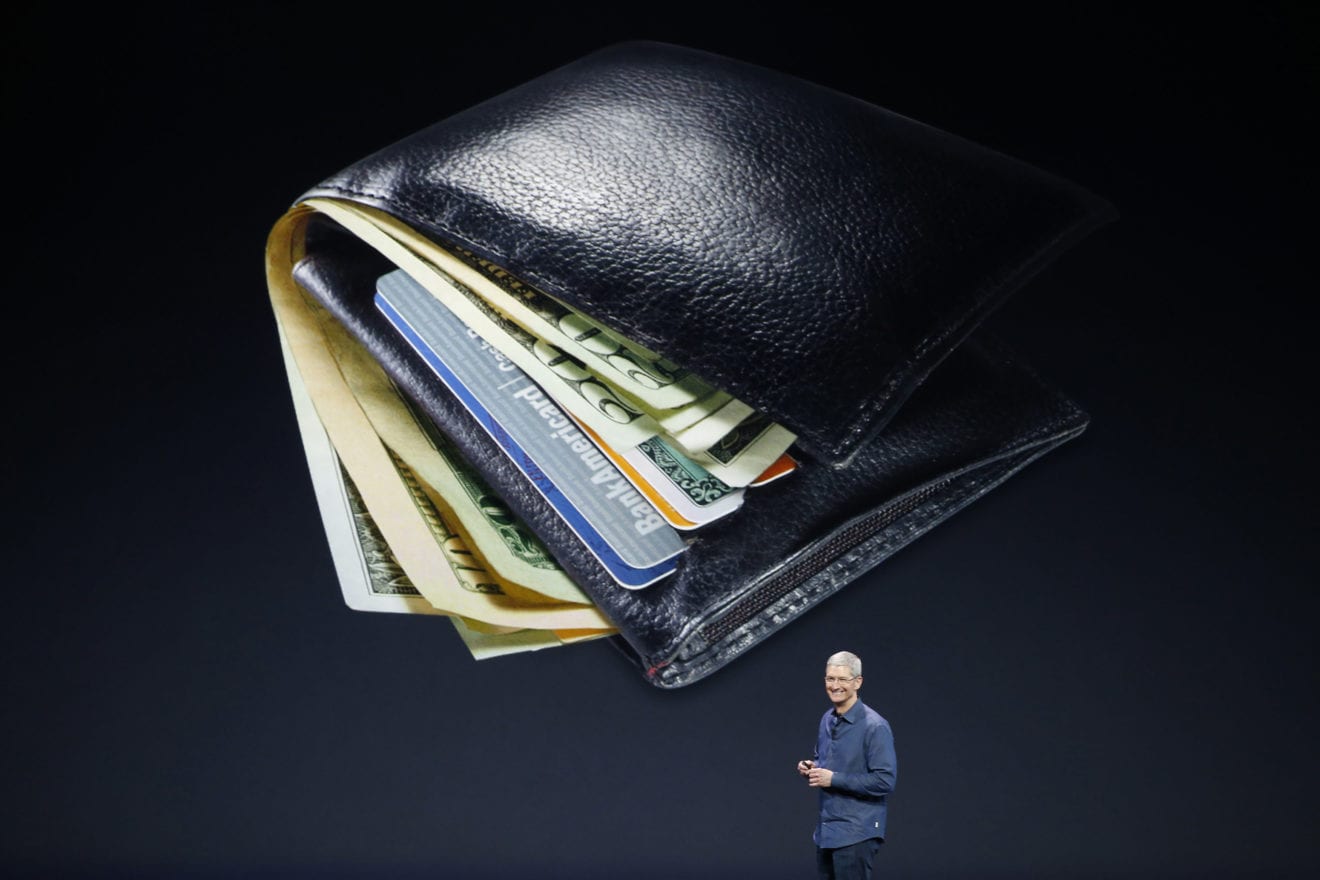
    This past summer we told you that global investment banking firm Goldman Sachs, Apple’s partner in the Apple Card, was looking to exit the partnership. At the time, American Express was considered a possible replacement for Goldman Sachs. The Apple Card launched in August 2019 with no fees charged for late payments, going over the credit limit, or for an annual membership.

    Account holders get 3% back on Apple Pay purchases made using the Apple Card at the Apple Store (both physical and online), the App Store, Uber and Uber Eats, Walgreens, Nike, Panera Bread, T-Mobile, ExxonMobil, and Ace Hardware. On purchases made from other retailers that accept the Apple Card via Apple Pay, customers get 2% cash back. The cashback amount belonging to each cardholder is tallied daily and can even be swept daily into an interest-bearing savings account.

    Today, a person familiar with the situation told CNBC’s Leslie Picker that Apple has presented Goldman Sachs with a proposal that will dissolve the Apple-Goldman Sachs partnership within the next 12 to 15 months. This would force Apple to find a new financial partner to keep the popular Apple Card alive along with Apple’s high-yielding savings account. While Apple offers the card via its Wallet app, Goldman Sachs runs the operations’ back-end.

    An Apple representative told CNBC today, “Apple and Goldman Sachs are focused on providing an incredible experience for our customers to help them lead healthier financial lives. The award-winning Apple Card has seen a great reception from consumers, and we will continue to innovate and deliver the best tools and services for them.” It isn’t clear whether Apple has a deal with a new partner although, as we mentioned at the beginning of this article, American Express was rumored in July to be interested in the business.

    At the start of this year, a report said that Goldman Sachs had put aside $1.2 billion in loan-loss provisions for its consumer credit division covering the first nine months of 2022. These funds are put aside by a bank to cover debt that the bank believes will not be repaid. At the time, analysts said that the large increase in load-loss provisions was due to the Apple Card.

    Goldman originally hoped to have its consumer credit division, which includes the Apple Card, hit the breakeven mark in 2022. But that has been pushed back until 2025. Last year, Wolfe Research analyst Bill Carcache said, “The Apple Card portfolio may generate lower revenues and face higher loss content relative to the industry average.”

    If Goldman does want out, we’d expect Apple to announce a partnership with another firm fairly quickly. Stay tuned.

  • Apple Watch will get back a popular and useful feature in watchOS 10.2

    Apple Watch will get back a popular and useful feature in watchOS 10.2

    When Apple released watchOS 10 it got rid of a handy feature that Apple Watch wearers loved. This feature allowed a user to switch the watch face on his timepiece by swiping on the display. The removal of this feature seemingly upset Apple Watch owners enough that Apple felt compelled to return it to the watchOS 10.2 beta 3. This comes from an “X” subscriber @aaronp613 who posted some code strings from the beta, including one that reads “Swipe to Switch Watch Face.”

    To use this feature, once you have watchOS 10.2 beta 3 installed or once Apple releases watchOS 10.2, go to Settings > Clock. From there you can set which method of changing watch faces you prefer. So if you have watchOS 10.2 beta 3 on your Apple Watch, you can return this feature. If you don’t have the beta installed, you’ll have to wait until the release of the final version of watchOS 10.2, which will be pushed out later this year.

    You can set up watch faces to swipe to by going to the Watch app on your iPhone, tapping the Face Gallery tab, and creating alternate watch faces. You can make several different watch faces for various occasions, including some functional faces with plenty of complications for the workday, a more formal watch face for upcoming holiday parties, and other watch faces for other events, including your workouts.

    With a quick swipe, you can change your watch face to have a watch to fit any occasion without having to own more than on timepiece. By setting your Apple Watch to enable “Swipe to Switch Watch Face,” you can quickly go through the watch faces you’ve set up by swiping your Apple Watch display.

    It isn’t clear why Apple decided to do away with the feature in the first place since swiping the screen in watchOS 10 doesn’t do anything. However, the company must have received enough feedback from Apple Watch users who are missing this quick and easy way to change the watch face on their smartwatch.

  • Apple stops advertising on “X” again

    Apple stops advertising on “X” again

    Citing its sources, Axios says that Apple has stopped advertising on the platform for the second time since Elon Musk purchased Twitter. This time the decision to stop spending ad money on what is now known as “X” came after Musk endorsed an antisemitic conspiracy theory that was posted on the site. 164 Jewish rabbis and activists demanded that companies like Apple, Google, Amazon, and Disney stop advertising on “X”.

    Apple, a major advertiser on “X,” has joined IBM, Disney, Sony, Warner Bros. Discovery, Lionsgate, and Paramount Global. A report by Media Matters for America says that certain advertisers, including Apple, IBM, Amazon and Oracle, had their ads on “X” placed next to posts considered to be from far-right subscribers.

    In response to a post on “X” that claimed Jewish communities support “dialectical hatred against whites,” Musk replied, “[y]ou have said the actual truth,” The comment by Musk drew a rebuke from the White House. White House spokesperson Andrew Bates said, “It is unacceptable to repeat the hideous lie behind the most fatal act of Antisemitism in American history at any time, let alone one month after the deadliest day for the Jewish people since the Holocaust.”

    “X” CEO Linda Yaccarino responded to the criticism via a tweet in which she wrote, “X’s point of view has always been very clear that discrimination by everyone should STOP across the board — I think that’s something we can and should all agree on. Regarding this platform — X has also been extremely clear about our efforts to combat antisemitism and discrimination. There’s no place for it anywhere in the world — it’s ugly and wrong. Full stop.”

    Musk purchased Twitter last year paying $44 billion for the social media platform. After changing the name of the site from Twitter to “X,” the multi-billionaire revealed plans to turn “X” into a multi-functional “super app” like China’s WeChat which offers social media capabilities along with mobile payment features. But if “X” is unable to keep some of its high-spending advertisers, it will need to find some new sources of income besides X Premium.

  • Purple star apple prices skyrocket

    Purple star apple prices skyrocket

    Purple star apples, popular both in Vietnam and its export markets, have seen prices rise by 30-40% from a year ago.

    The fruit is in season and sells in markets and stores for VND90,000-100,000 (US$3.58-3.97) per kilogram for type 1 (the highest quality), a 40% increase from a year ago, and VND40,000-50,000 for types 2 and 3.

    Oanh, who runs a fruit store on Pham Van Hai Street in HCMC’s Tan Binh District, said the star apples this year are bigger, of better quality and more eye-catching. “Every day I pick up 50 kilograms and sell them all. During holidays the demand is doubled, but there is not enough supply.”

    According to Hanh, a wholesaler at the Thu Duc Agricultural Product Market, type 1 is in short supply. “Every day I procure more than one ton but it is not enough to supply wholesalers. Purple star apple is very scarce at the beginning of the season.”

    A recent VnExpress survey of fruit farmers in Can Tho City and Soc Trang Province found that the highly sought-after fruit is 50% more expensive than last year at VND28,000-35,000 per kilogram.

    Phong, who owns a half-hectare orchard in Can Tho Province, expects to make profits of VND250 million, double the previous season’s. “This year not only is there a bountiful purple star apple harvest, but the price is also skyrocketing.”

    Similarly, farmers in Soc Trang Province, dubbed the “purple star apple capital” of western Vietnam, are overjoyed that exporters are buying their fruit at VND45,000 per kilogram. One-hectare orchards are making profits of VND500-700 million this year.

    Su Quoc Loc, director of the Loc Mai Agriculture Cooperative, which specializes in the fruit, said export prices of fresh star apples are 13% higher from a year ago and domestic prices, 50%.

    The cooperative’s members own 47 orchards that meet VietGAP quality standards, 60% of them more than one hectare.

    Loc attributed the rising prices to increasing exports to the U.S. and China.

    This year, instead of rushing to harvest, which leads to a spike in supply and fall in price, fruit growers have learned to stagger their harvest.

    As a result, the star apple season, which usually lasts from November to January, could extend all the way to April. This method provides a more stable supply and maintains high prices.

    Star apples are mainly being harvested in the Can Tho City and Tien Giang and Soc Trang provinces, according to data from the Plant Protection Department.

    Tien Giang is notable with over 3,000 ha while Soc Trang Province has 2,300 ha, both with different varieties of star apple, such as purple, Lo Ren and pink butter.

    The purple variety is highly valued due to its exquisite shape and is available year-round.

    Star apple is exclusively a Vietnamese export and imported by China and the U.S., with prices paid by the latter reaching nearly VND500,000 per kilogram at one point.

  • Apple might be working on a custom battery

    Apple might be working on a custom battery

    Battery life on the iPhone has been gradually improving since the iPhone 13 series, despite the latest iPhone 15 series not bringing significant upgrades in the battery department, as you can see in our dedicated piece about iPhone 15 and iPhone 15 Pro Max battery life and charging speeds. However, Apple might have something in mind, as new rumors suggest.

    Apple is rumored to be working on a custom in-house battery design. The company is exploring alternative cathode materials to enhance the overall performance of the battery module, to extend the battery life of its future products released after 2025.

    The report suggests that Apple is actively considering increasing the silicon content inside the battery, moving away from the conventional use of graphite as the anode material in lithium-ion batteries. Graphite’s unique properties make it an ideal choice, efficiently storing and releasing electrical energy, ensuring reliable and long-lasting battery performance in mobile devices.

    While a silicon-based approach could potentially improve overall battery capacity and reduce charging times, there is a challenge—silicon tends to expand during the charging process. However, Apple seems to have found a solution to mitigate this issue.

    Rumors about Apple developing its own next-gen batteries date back to 2019. In fact, even before that, the company has been collaborating with suppliers to introduce innovative battery solutions, such as the space-saving, L-shaped battery in the iPhone XS.

    By bringing battery development in-house, Apple gains more control over the design and construction of its products. The company claims that it regularly audits its suppliers to ensure they are meeting its high standards.

    And what are its high standards, you may wonder? Apple has ambitious environmental goals, aiming to make every Apple product with 100% clean energy by 2030. This commitment requires all suppliers to transition to electricity generated from solar, wind, and other renewable sources. Additionally, Apple envisions creating products using only recycled and renewable materials. In a recent pledge, the company aims to use 100% recycled cobalt in all ‘Apple-designed’ batteries by 2025.

    Whether the rumored custom Apple battery will actually happen and whether the company will stick to its goals is still up in the air.

  • Apple Arcade, Apple News+, and Apple TV+ get more expensive

    Apple Arcade, Apple News+, and Apple TV+ get more expensive

    In an unsurprising move, Apple confirmed this week that it has increased the prices of three of its subscription-based services: Apple Arcade, Apple News+, and Apple TV+.

    Apple didn’t really offer any reason for the price hikes, but it’s probably related to global inflation. Not to mention that just about every streaming service in the United States announced price increases in the last couple of months.

    That being said, if you’re living in the United States, here is how much you’ll have to pay for either of the three services mentioned above:

    • Apple TV+: $9.99 per month (was $6.99)
    • Apple Arcade: $6.99 per month (was $4.99)
    • Apple News+: $12.99 per month (was $9.99)

    It’s also worth mentioning that customers who’d rather subscribe to Apple TV+ on an annual basis will now have to pay $99 per year instead of just $69.

    Customers who are paying for all three services via the Apple One bundle are not excluded from the price increases. All Apple One bundles are now more expensive as you can see below:

    • Individual: $19.95 per month (was $16.95)
    • Family: $25.95 per month (was $22.95)
    • Premier: $37.95 per month (was $32.95)

    If you’re living in Europe, MacGeneration has all the new prices for Apple Arcade, Apple News+, and Apple TV+. The price changes should take effect immediately for new customers, while current subscribers will have 30 more days to decide whether or not they wish to continue to pay for any of Apple’s services.

  • Apple releases watchOS 10.1 to fix the Weather app

    Apple releases watchOS 10.1 to fix the Weather app

    If you’re one of those people who have multiple weather apps installed on your phone and smartwatch and love to tell others when a warming trend is on the way (“It’s going to be 78 tomorrow. 78! In late October! Can you believe it!!!”), then you might be my twin. Seriously though, Apple Watch owners who use their timepieces to check on the weather were having an issue in watchOS 10 that came out of nowhere like a mid-afternoon rain shower.

    The issue prevented a complication (which is any function on a watch that does something other than tell you the time) from showing you any weather-related data when the app is set to your current location instead of a specific city. For example, let’s say you live in Kalamazoo, Michigan and you set your Apple Watch to show you the weather in whatever city you’re currently at. With watchOS 10, the bug will prevent you from seeing any weather data from the current location setting. But if you set the weather app to give you the weather specifically in Kalamazoo, it works perfectly.

    We can understand setting the weather for the current location because it would normally show you the weather conditions for any place you might travel to without having to add a location to the settings. Even if you drive a few miles to the next city over, the weather could be different and with that setting enabled, the Apple Watch will automatically adjust. Or at least it will once you exterminate the bug by installing watchOS 10.1 which was disseminated by Apple yesterday.

    To install the app, connect your watch to Wi-Fi and the charger. From the watch go to Settings > General > Software Update. If the update is available, make sure your watch is charged to at least 50% and tap on Install.

    Apple says that if the update does not solve the issue, from your phone go to Settings > Weather and disable Location Access and then enable it. again. And if that doesn’t work, you will need to reset all location data by going from your phone to Settings > General > Transfer or Reset iPhone. Tap on Reset and then Reset Location & Privacy. Enter your passcode and reset. Hopefully, one of these steps will take care of the problem.

    The update also adds support for the double tap gesture on the Apple Watch Series 9 and the Apple Watch Ultra 2. Tapping your index finger with your thumb twice will answer a call, play and pause streaming music, stop a timer and more.

    NameDrop is now available to the Apple Watch with the update. Bring your Apple Watch near an iPhone running iOS 17 or an Apple Watch SE 2, Apple Watch Series 7 or later, or an Apple Watch Ultra, and you’ll exchange contact information with someone new. My Card is a complication on the Apple Watch that will give users quick access to NameDrop.

  • Apple hints update is coming to fix flickering Watch display issues and more

    Apple hints update is coming to fix flickering Watch display issues and more

    Complaints from the Apple Community webpage and Reddit indicate that some Apple Watch users are having issues with the displays on their timepieces. Judging from the posts, it would appear that the screens on the affected units are flickering when the user raises his/her wrist to fully light up the display when in Always On mode. Another issue being investigated by Apple is one where complications on certain Apple Watch models turn pink when the user’s wrist is raised.
    One Reddit subscriber noted that the flickering issue occurs when a timer is running or the Modular Ultra face is being used. Other complaints sound like this one from an Apple Community subscriber who wrote, “It’s not just you. Series 9 on 10.0.2 here, I’m experiencing the same issue. Split second of screen flickering when raising to wake from AOD. It only happens sometimes, but enough to the point that it bugs me.”

    Based on the posts, it would seem that the flickering issue and the pink complications have been spotted on the new Series 9 watches as well as the Apple Watch Ultra 2. The bug continues to appear even after the latest version of watchOS, 10.0.2, is installed. Apple is expected to release the public version of watchOS 10.1 next week, which might contain a fix that exterminates the bugs.

    In fact, Apple even hinted that an update to fix the problem is on the way. In a memo, Apple told service providers not to repair impacted watches and instead, tell customers that they should keep the software on their Apple Watch up to date. That certainly sounds like Apple is expecting to release a software update soon that will fix the flickering on the Apple Watch screens as well as the color change to the complications on certain watch faces.

    Apple says that users can disable the Always On display as a temporary workaround to fix the flickering. Press the Digital Crown until you see the home screen. From there, go to Settings > Display & Brightness and toggle off the Always On mode. With the Always On display enabled, the screen dims when the user’s wrist is down and gets brighter when the wrist is raised. This is the point when the flickering shows up.

  • Apple could be introducing three new iPad models this coming Tuesday

    Apple could be introducing three new iPad models this coming Tuesday

    Many assumed that after unveiling the new iPhone 15 series, the Apple Watch Series 9, and the Apple Watch Ultra 2 last month, we wouldn’t be seeing Apple release any more hardware in 2023. But there could be one last squeeze of the toothpaste tube left by the gang in Cupertino resulting in an announcement that would reveal three new iPad tablets, according to Supercharged. We could also see a new Apple Pencil with USB-C charging.

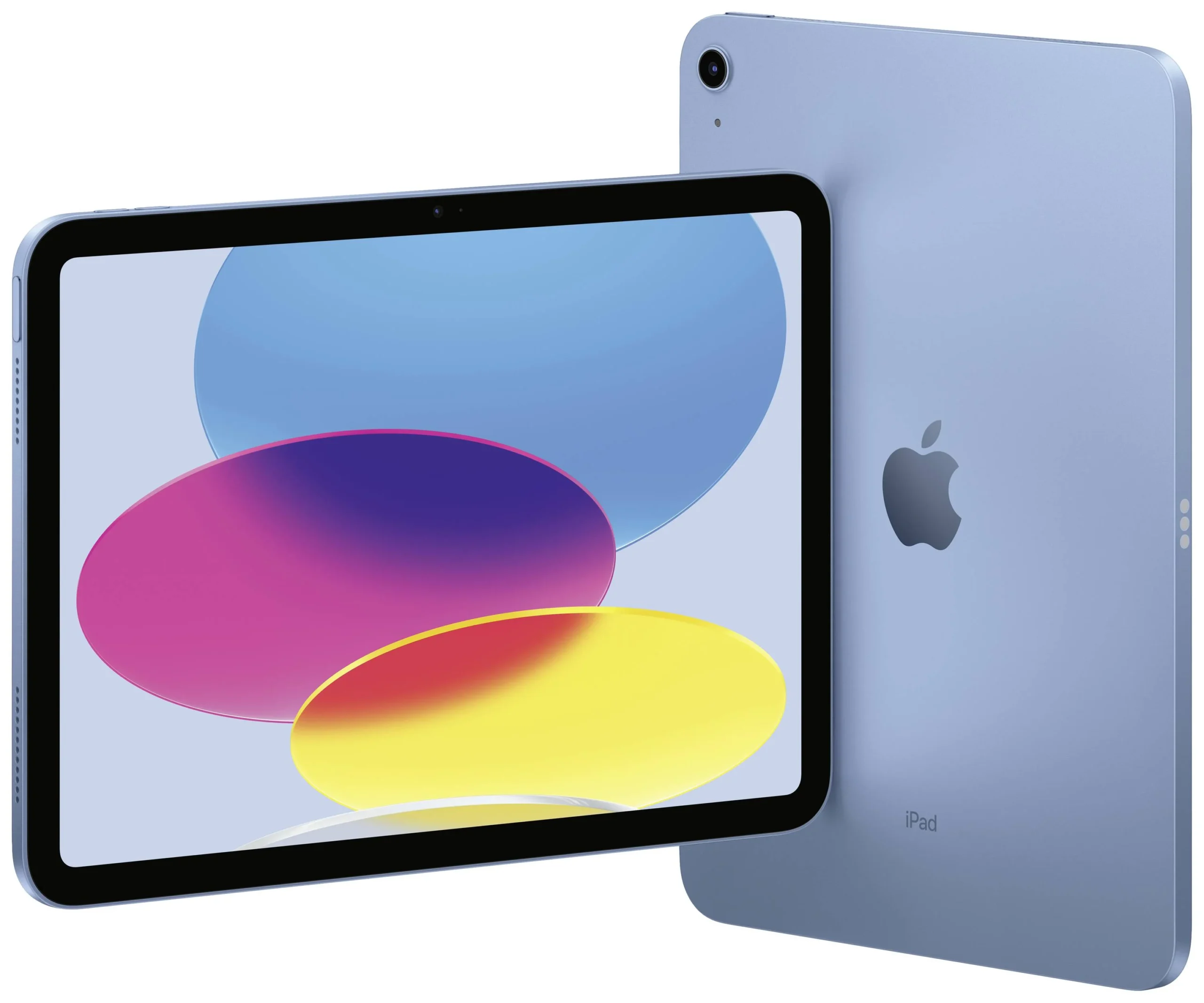
    The report cites a source “familiar with Apple’s media plans” who says that this Tuesday, October 17th, Apple will introduce a new entry-level iPad, an M2-powered iPad Air, and a new iPad mini. The entry-level iPad would be the 11th generation model replacing the 10th generation iPad which was announced in October 2022. The new iPad Air should come with an upgrade in the form of a faster M2 chip. The previous iPad Air, the first to use an M-series chip, was announced in March 2022.

    The new iPad Air, rumored to be announced this Tuesday, will supposedly be powered by a powerful M2 Apple Silicon chip.

    Also rumored to be announced on Tuesday is the iPad mini 7 which could be powered by the A16 Bionic chipset, the same one that currently is used to run the iPhone 15 and iPhone 15 Plus models. Additionally, the new iPad mini 7 will do away with the “jelly scrolling” flaw that causes the left side of the screen to lag while the right side moves at a normal pace. All three tablets are expected to receive minor boosts in specs.

    Apple is not expected to put on a big show for the release of the new iPads as an announcement will be made by the company on YouTube and through its newsroom site. If you hope the announcement will include a new iPad Pro, you’re early. The OLED iPad Pro models are expected to become official during the second half of 2024.

    This makes sense since Apple’s Vision Pro spatial computer will dominate the first half of the year. We expect the new iPad Pro model to be offered with an 11-inch and a 13-inch display.

    Ever since the pandemic ended, tablet sales have dropped. Apple saw a surge in iPad sales when many worked from home and students attended virtual classes. Perhaps an injection of fresh new iPad models will stimulate Apple’s tablet sales.

  • Update to iOS 17.1 brings an important change to the Action Button

    Update to iOS 17.1 brings an important change to the Action Button

    The iPhone 15 Pro and iPhone 15 Pro Max have the new Action Button above the volume rocker that replaced the Mute switch. With the new Pro models, the Action Button can be set to have a certain action take place when the button is pressed. To customize the button, the user goes to Settings > Action Button. The first Action that you can set the button to do is to act as a Silent mode switch that turns the Silent mode on or off which is exactly what the Mute switch used to do.

    Swipe to the left once and you get the next option, Focus, which silences notifications and filters out distractions. Other options appear as you swipe to the left including the ability to tap the button and open the camera, turn on the flashlight, start and stop recording a voice memo, use your phone as a magnifying glass, activate your favorite shortcut, use an accessibility feature, or have the Action Button take no action when pressed. When you find the Action option you want, just leave the appropriate icon showing on the image of the Action Button on the screen and leave the page.

    Cde discovered by 9to5Mac in iOS 17.1 beta 3, which was released to developers today, reveals that Apple is making a change to the Action Button. When the phone, using the proximity sensors, detects that it is in your pocket, the Action Button will require a longer press to activate. This prevents the feature from accidentally getting activated when the iPhone is inside your pocket.

    There is no setup required for the new feature to work and it will be automatically enabled for iPhone 15 Pro and iPhone 15 Pro Max users as soon as they install iOS 17.1 (once it is released). An accidental “pocket” activation of the Action Button on an iPhone 15 Pro series model could set off a shortcut that you’ve created that might disable the ringer, for example, turn off other features of the phone without you knowing, share your location and even share the last image you snapped.

  • Dutch competition regulator rejects Apple’s objections to $53 million in fines

    Dutch competition regulator rejects Apple’s objections to $53 million in fines

    Apple may be the favorite phone brand in the Netherlands, but the Dutch regulators lately think little of the iPhone makers.

    The Cupertino giant has faced rejection from the Dutch competition regulator ACM (Authority for Consumers and Markets). Apple objected to fines that currently add up to $53 million, but the Dutch ACM is adamant on the issue.

    Internally, this “objection-rejection” thing has been known from July 13, 2023, when ACM decided to say “No!” to Apple’s objections, but it has only now been published.

    Apple is ready to take this to court: “We disagree with the ACM’s original order, which degrades investment incentives and is not in the best interests of our users’ privacy or data security. As the ACM has denied our administrative appeal, we will appeal to the Netherlands courts”, Apple told Reuters.

    The ACM vs. Apple beef in the Netherlands is a long-standing dispute over… dating apps in the App Store. The problem Dutch authorities saw in the way Apple was conducting its business was due to it not allowing alternative payment systems for Dutch dating apps. That’s all they wanted – an alternative payment system to be allowed on the App Store, because Dutch people were not happy with the commission fee that the App Store takes on purchases.

    The ACM says that Apple has now complied with “most of its demands”, but there’s an additional – undisclosed one – that they haven’t complied with.

    It’s still unknown what’s the character of that final order that Apple failed to comply with, but the ACM regulator has promised to publish details should it win in court.

  • iOS 17 and iPadOS 17 are now available for download

    iOS 17 and iPadOS 17 are now available for download

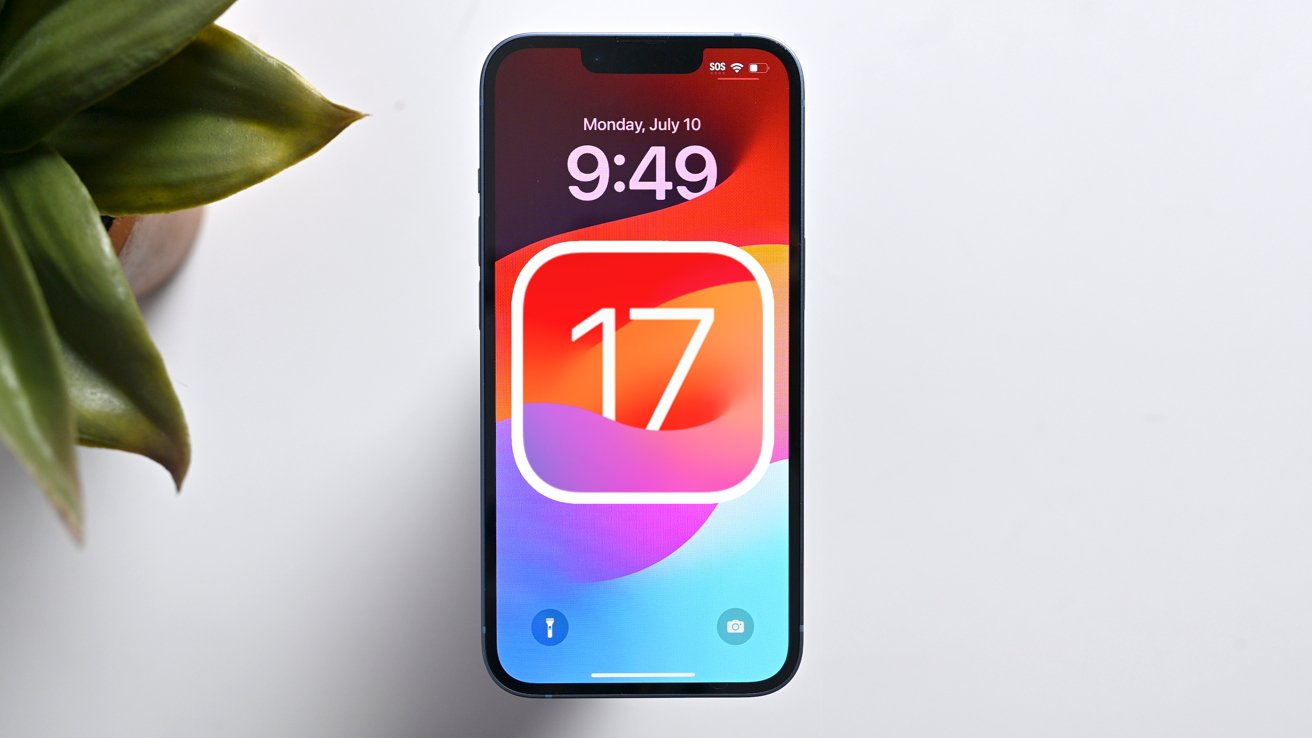
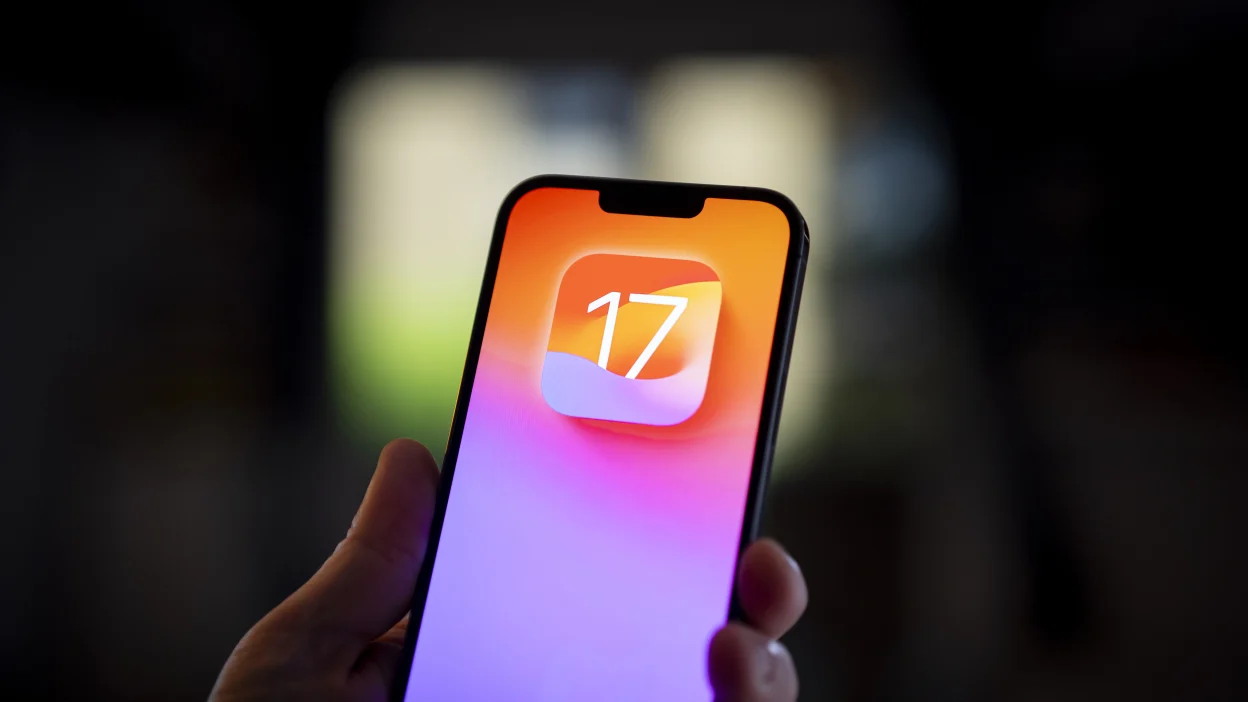
    Apple has delivered on its promise from the Wonderlust event, and iOS 17 and iPadOS 17 are ready for download. If you’re eager to upgrade to the latest iOS or iPadOS version, just follow these simple steps.

    Head over to Settings, tap on General, and select Software Update. From there, you can download the latest update. If you’re not in a rush to explore what iOS 17 and iPadOS 17 have to offer, you can simply let your iPhone or iPad handle the download in inactive hours, but make sure it’s while charging.

    If your battery is running low, it’s a good move to juice up your phone or tablet before diving into the update. Also, it’s a smart call to connect to Wi-Fi unless you want to be left wondering where all your mobile data went. After your iPhone or iPad gets that new OS update, it’s time to dive in and explore what’s new. But before you jump in, let’s take a quick peek at some of the coolest new features.

    iOS 17 brings in Contact Posters, which lets you decide how you want to show up on the other person’s screen when you call them. You can jazz it up by creating a full-screen calling card with a photo, emojis, and more.

    You can also explore Live Voicemail. When someone is leaving you a voicemail, their message gets transcribed to text on your lock screen in real time. After seeing what it’s all about, you get to decide if you want to answer the call.

    You can also leave a video message on FaceTime or quickly share contacts using NameDrop – bring your iPhone close to another iPhone. Plus, there’s an upgraded Private Browsing mode, better Autocorrect, and some fresh emojis thrown into the mix. For a full rundown of all the cool stuff iOS 17 has in store for your iPhone.

    Now, you can slap interactive widgets onto your iPad’s home screen, not just to peek at info but to play around with it too, right from those widgets. Plus, iPadOS 17 brings lock screen customization to your iPad, just like on the iPhone.

    The Health app is making its way to the iPad in iPadOS 17, making the most of that large screen and giving you a better look at all your health stats and data. If you’ve got an Apple Watch, sync it up with your iPad, and you’ll have all your health info right there on the bigger screen.

  • Foxconn workers earn more building the Mate 60 Pro than the iPhone 15 line

    Foxconn workers earn more building the Mate 60 Pro than the iPhone 15 line

    The Huawei Mate 60 Pro is getting a serious look from U.S. government officials who are trying to figure out how Huawei and SMIC (China’s largest foundry) created 7nm Kirin 9000S 5G chipsets in the face of U.S. sanctions. Huawei is not allowed to be shipped any cutting-edge chips made by any chip foundry that uses American technology to produce chips.

    As a result, Huawei’s flagship Mate 50 series and P60 series used Qualcomm’s Snapdragon 8+ Gen 1 application processor after the company obtained a license to import the components. However, Qualcomm was forced to tweak these chips so that they would not work with 5G networks. But out of nowhere, the Mate 60 Pro uses chips produced by SMIC using its second-gen 7nm process node and these chips support 5G.

    The other phone under intense scrutiny, but for a different reason, is the iPhone 15. Apple just unveiled the four new models in the series and worldwide phone buyers are taking a hard look at the new handsets to see which models they want to buy. They also want to see the new USB-C port on the devices.

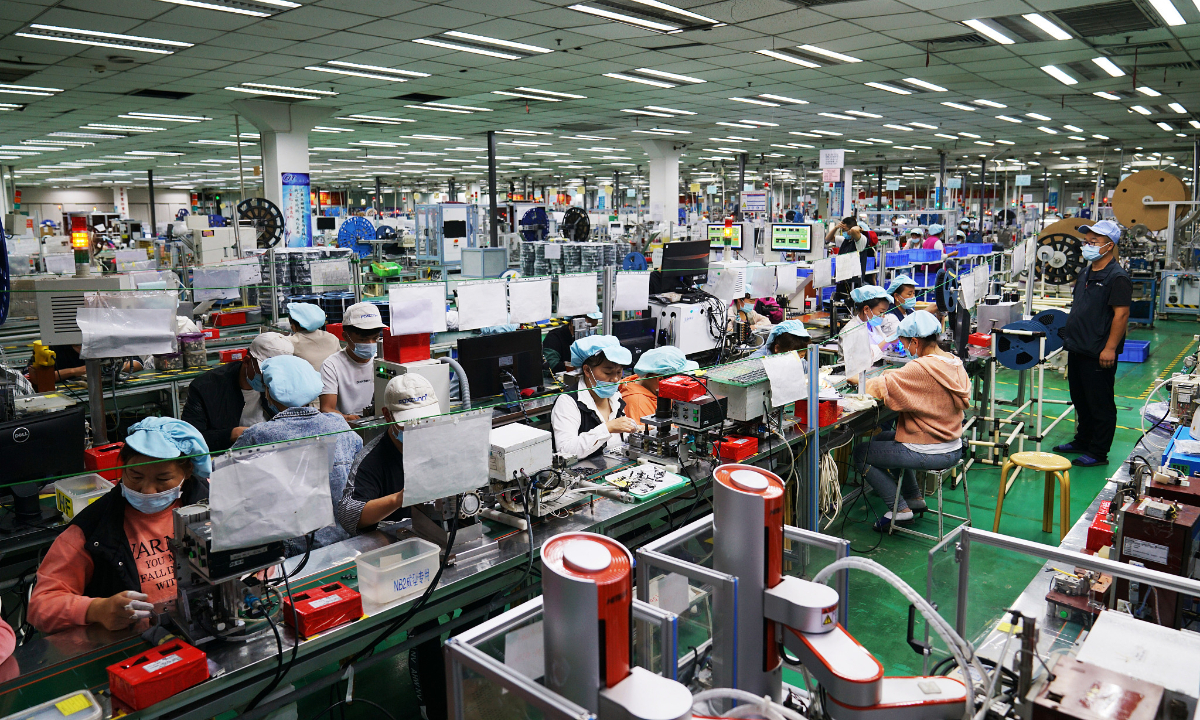
    Interestingly, in China, both the Mate 60 Pro and iPhone are assembled by the same contract manufacturer, Foxconn. And the Foxconn unit that assembles Huawei phones is paying its workers more than the unit that assembles the iPhone.

    Two recruitment agents told SCMP that Foxconn’s FIH division, a subsidiary that used to be known as Foxconn International Holdings, was offering new workers last week 26 yuan an hour ($3.60) to help assemble the Mate 60 Pro at the Foxconn factory in Shenzhen’s Longhua district. Meanwhile, workers helping to assemble the iPhone at Foxconn’s integrated Digital Product Business Group (iDPBG) are making 21 yuan an hour ($2.88), or 19.2% less than those building the Mate 60 Pro.

    A recruitment agent with the surname Xu in Shenzhen said, “The new hires will know what phone they are making after the factory allocates them to different teams based on current demand, but these days they have a higher chance of making handsets for Huawei.” The agent went on to say that those making the iPhone make less than those working for Foxconn’s FIH unit because the iPhone production unit offers more welfare benefits for workers.

    In Zhengzhou, home to the largest iPhone factory in the world, Foxconn is offering workers a peak signing bonus of 6,480 yuan ($888.35). Meanwhile, this year could be one of the toughest launches for the iPhone in China. Not only did the introduction of the Huawei Mate 60 Pro unleash a wave of nationalistic pride in the country, but the CCP banned the iPhone from being used in government offices citing security issues with the phone.

    Just the other day, reliable analyst Ming-Chi Kuo pointed out that Apple doesn’t market the iPhone to those working in government offices and stated that people in China who buy Huawei phones do not buy the iPhone. As a result, he didn’t change his estimate of iPhone shipments for the rest of this year.

  • Google makes a small change to the Android version of the YouTube app

    Google makes a small change to the Android version of the YouTube app

    Google likes to fool around with YouTube like a person who can’t stop scratching an itch. Unlike changes made to Google Maps that are helpful, some of the changes made to YouTube appear to be done for no real reason. Recently, the web version of the video stream moved from square corners to rounded corners on the thumbnails and the video player, and the feedback from YouTube users was not exactly favorable.

    Now it appears that YouTube is making the same change to videos on the YouTube Android app. The result is a more blinding white light in the background which might lead some users to turn on Dark theme. Open the YouTube app on Android and tap the profile picture in the upper right corner. Next, tap on Settings > General > Appearance. A popup box will ask you to choose from using the device theme, Light theme, or Dark theme. Make your choice.

    Since the rounded corners extend to the video player on the web and not just the thumbnails, we can assume that this will be the case for the Android app as well. Right now, the new look hasn’t been pushed out to many Android devices and it has yet to appear on my Pixel 6 Pro using Android 14 Beta 5.3.

    On the YouTube website, the rounded corners do not appear when you are watching a video in full screen or in Theater mode. But once you return to Default view, they do return. Now we don’t know exactly when Google plans to roll this out more widely to Android users and whether it will follow through by rounding the corners on the iOS YouTube app.

  • iPhone 15 to cost up to $1,950

    iPhone 15 to cost up to $1,950

    The iPhone 15 will be sold in Vietnam from Sep. 29 with the highest-priced model costing VND46.99 million (US$1,950).

    Apple Store Online Vietnam and other authorized resellers listed the prices of four models soon after U.S. tech giant Apple unveiled its latest smartphones early Wednesday.

    The lineup includes iPhone 15, 15 Plus, 15 Pro, and 15 Pro Max, and they range from VND22.99 million (iPhone 15 with 128 GB of storage) to VND46.99 million (Pro Max, 1 TB).

    For the first time Vietnamese can buy an iPhone the same month it is released. In the past they had to wait for one or two months before the phone made its official way into the country.

    Preorders start on Sep. 22 and first deliveries will be on Sep. 29.

    Apple Store Online buyers can only preorder a maximum of two per model.

    The fact that Apple has started early sales in Vietnam shows that it considers the country a key market, Doan Viet Dung, a media representative at electronics retail chain ShopDunk, said.

    “We predict that the iPhone 15 Pro Max will lead in sales like in previous years.”

    FPT Shop expects sales to exceed that of the previous model, the iPhone 14, by 20%.

    Retailers plan to offer promotions and discounts to compete with the official Apple store.

    Hoang Ha Mobile and Di Dong Viet plan to sell the phones at VND500,000-1.5 million lower than the Apple Store prices.

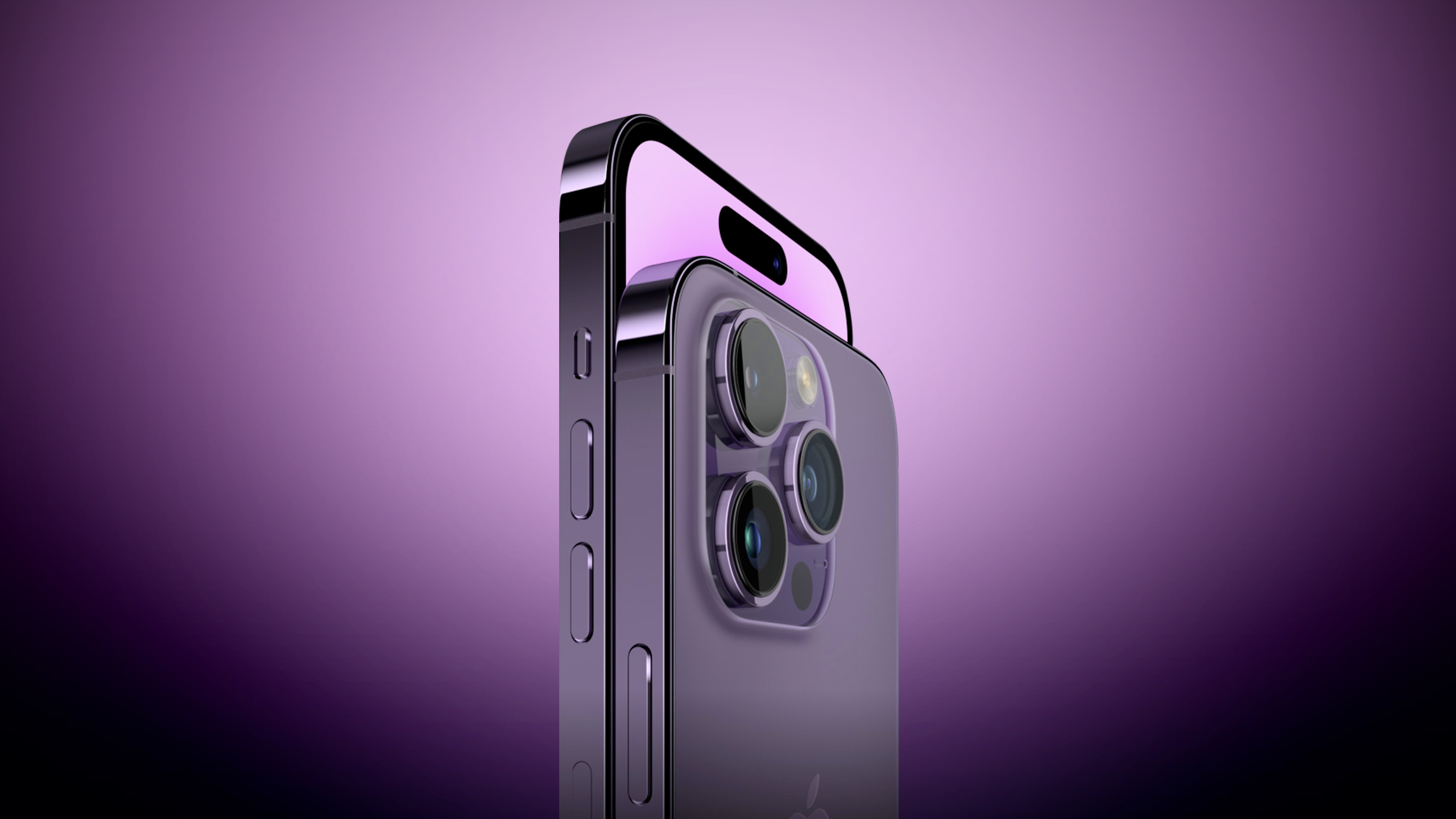
    The iPhone 15 is made of titanium, not aluminum and steel like previous models. It also has a USB-C connection instead of the traditional Lightning port.