Tag: apple

  • Samsung loses patent case retrial

    Samsung loses patent case retrial

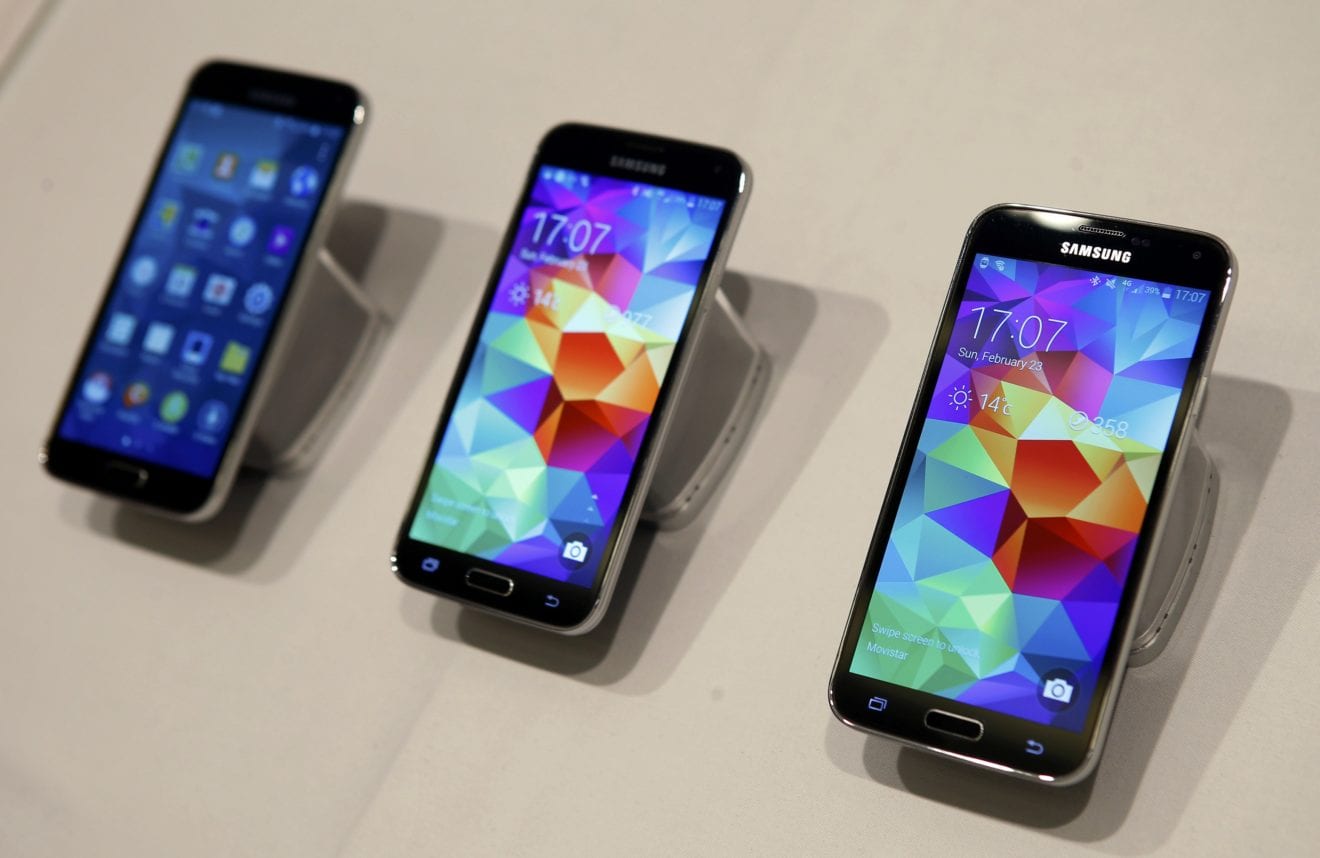
    A U.S. court has ordered Samsung Electronics to pay $538.6 million in damages for infringing the design and utility patents of iPhones in early Galaxy models in a retrial of a case that dates back seven years.

    The retrial jurors in the Northern District of California on Thursday awarded Apple $538.6 million in damages after five days of deliberations – $533.3 million for violating design patents and $5.3 million for violating utility (technical) patents.

    The amount is $140 million more than the $399 million Samsung had agreed to pay – equivalent to all profits from the sale of the infringing smartphones – before it asked the Supreme Court to order a lower court to retry the case.

    Samsung already paid $548 million in damages to Apple in December 2015 that included the $399 million.

    In 2012, the Korean tech giant was found liable for infringing three of its U.S. archrival’s iPhone design patents – the rounded corners, the rim that surrounds the front face, and the grid of icons that users view – and two technical patents, which affect the way some features work. But the two companies have long disputed the amount of damages to be paid.

    Samsung has not decided whether to appeal the retrial verdict, which would prolong the already lengthy legal battle.

    “Today’s decision flies in the face of a unanimous Supreme Court ruling in favor of Samsung on the scope of design patent damages,” Samsung said in a statement. “We will consider all options to obtain an outcome that does not hinder creativity and fair competition for all companies and consumers.”

    Apple said in a statement it was pleased that the members of the jury “agree that Samsung should pay for copying our products.”

    “This case has always been about more than money,” the iPhone maker said, adding, “we believe deeply in the value of design, and our teams work tirelessly to create innovative products that delight our customers.”

    “Samsung is now going to consider its options,” wrote Florian Muller, an intellectual property analyst who writes a closely followed patent blog Foss Patents. “Those options are post-trial motions and, possibly, another appeal.”

    The legal feud between the two biggest smartphone rivals began in April 2011 when Apple sued Samsung for violating its patents and copying the design of its iPhone, seeking $2.5 billion in damages.

    Samsung was ordered to pay $1.05 billion in damages by jurors in 2012, which was reduced on appeal to $930 million. The U.S. Court of Appeals for the Federal Circuit stripped another $382 million from that, saying the iPhone’s appearance could not be protected through trademarks, to $548 million in December 2015.

    A year later, the U.S. Supreme Court ordered a lower court on Samsung’s petition to reconsider the $399 million in damages on unanimous opinion that damages for design patent infringement can be based only on the part of the device that infringed the patent, not on the entire product.

    Samsung argued then that it should only have to pay $28 million in damages for profits from the components of its Galaxy phones that copied Apple’s patents.
  • Apple AirPort Base Stations begin to get out-of-stock

    Apple AirPort Base Stations begin to get out-of-stock

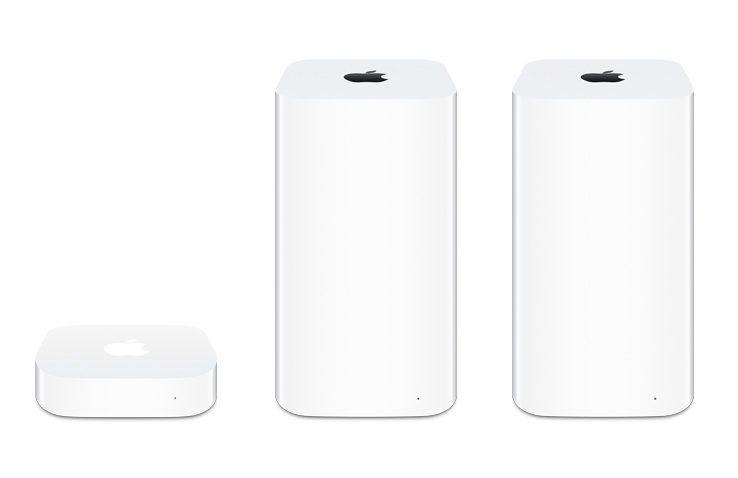
    AirPort base stations are beginning to sell out or disappear entirely from Apple’s online and retail stores in select countries, a few weeks after Apple announced it has discontinued the lineup of routers.

    The first casualty is the AirPort Extreme, now listed as “sold out” on Apple’s online store in the United States, and unavailable for pickup at Apple’s retail stores across the country. The base station remains available in limited quantities in select other countries, including Australia, Canada, Japan, and Singapore.

    AirPort Express and AirPort Time Capsule models remain in stock on Apple’s online store in the United States, and select other countries, but they will eventually sell out too as inventory continues to dwindle.

    In addition, the entire AirPort lineup is no longer listed on Apple’s online store in several European countries, such as France, Germany, Italy, Spain, and the United Kingdom. It’s possible that some of Apple’s retail stores still have inventory remaining in those countries.

    Apple said that its AirPort products would only remain available while supplies last, so this was to be expected eventually.

    Prior to being discontinued, Apple hadn’t refreshed its lineup of AirPort base stations in five to six years. The high-end AirPort Extreme and AirPort Time Capsule were last updated at WWDC 2013, while the smaller AirPort Express was last updated in June 2012 and still uses the old 802.11n Wi-Fi standard.

    The end of the road for AirPort products comes roughly a year and a half after it isreported that Apple ceased development of the base stationsto “sharpen” its focus on other major products.

    While the AirPort lineup has been discontinued, Apple will be providing service and parts for the current-generation base stations for up to five more years. Apple also shared a new support document offering tips on choosing a router to use with its devices, and now sells the Linksys Velop mesh system.

  • Apple acknowledge iPhone challenges

    Apple acknowledge iPhone challenges

    Analysis of the latest Apple sales figures shows that tech giant remains a phenomenal company, but it needs to regain the magic spark that used to be its hallmark.

    As usual, Apple’s performance is good on both the top and bottom lines. Revenue for the quarter jumped by almost 16 per cent, an impressive increase given last year’s strong results. Even more impressive was the 25.3 per cent leap in net income, an uplift that came despite a higher level of spending on research and development.

    But as good as the headline numbers are, there are some less satisfactory nuances in the underlying dynamics driving them. Foremost among these are sales of the iPhone. On the surface, revenue from iPhone sales, which rose by 14 per cent, looks strong. However, this is mostly pushed up by higher average prices rather than volume. Indeed, in unit sales terms, the number of iPhones sold rose by just 3 per cent over the same period last year.

    Given the high raw numbers that sit behind a 3 per cent unit uplift, such a criticism may seem petty. However, the second quarter last year was a weak one for the iPhone with sales down in both volume and value terms. As such, we would expect a much bigger uplift this time around. That this didn’t materialise, and that unit growth is well below the run rate for new phone launches, signals that the replacement cycle is slowing down. In essence, we maintain our view that Apple is struggling to persuade many consumers to update their phones.

    Failure to wow

    As I’ve have said before, this relative slowdown in iPhone sales is largely a function of Apple’s inability to come up with meaningful and valuable innovations that wow consumers. No matter how Apple tries to spin it, the iPhone X is essentially an incremental product that lacks the excitement and newness earlier models brought to the market.

    The same logic applies to many other product lines, including iPads and Apple Watch. These are good, quality items, however they are simply not impressing the market and Apple is losing its lustre in terms of producing compelling products. Apple has moved from a position of ‘must have this and must have it now’ to ‘might buy this at some point in the future’.

    Price increases may mitigate this but, ultimately, such a shift can only ever result in a softer sales performance.

    Adding new products, such as HomePod, into the mix provides potential new sources of revenue.

    However, with launches to date, Apple is not disrupting the market like it used to. HomePod is a case in point. Here, despite good technical specifications and design credentials, Apple was a latecomer to the smart speaker market. This crimped sales and puts Apple in direct competition with both Google and Amazon – against both of which it does not have a clear and compelling unique selling point. While we believe Apple can take a share of this market, we do not think it can win a decisive victory in the battle with other tech firms.

    One area of relative success, at least in revenue terms, is services. However, this is an area where we think Apple needs to push harder. Amazon is successfully creating an ecosystem of services through Prime. Apple needs to do something similar by building on its Apple Music subscription and its App Store offering. Content is a big growth area and is becoming increasingly linked to devices. Apple needs to play more heavily in this space both to generate new opportunities but also to defend its own device business.

  • Hong Kong Customs Roll Up Counterfeit Phone Gangs

    Hong Kong Customs Roll Up Counterfeit Phone Gangs

    A territory-wide Hong Kong Customs raid has resulted in arrests and netted 100 smartphones suspected of being counterfeits.

    During the one-day Operation Snow Leopard, officers raided 12 shops and two storage places, seizing smartphones with suspected false trademarks or bearing possibly false trade descriptions. They also found about 3400 accessories also suspected of being fakes.

    Arrested were 18 men and a woman between 21 and 48 years old, including shop owners and salespersons, while the market value of the seized goods is estimated to be about HK$1.5 million.

    Customs had earlier received information alleging that some phone-repair shops sold suspected counterfeit smartphone accessories, and some shops were suspected to have engaged in unfair trade practices by selling old smartphones as new products, or selling parallel-imported smartphones as authorised products.

    After an in-depth investigation with the help of trademark owners, Customs took the enforcement action yesterday and raided 12 shops.

    Customs also cracked down on a syndicate in connection with export, supply and distribution of suspected counterfeit smartphones and accessories. A total of 64 suspected counterfeit smartphones and 330 suspect accessories were seized from the storage places in Sham Shui Po and Tsing Yi.

    A 32-year-old male head and 34-year-old female member of the syndicate were arrested. With the investigation ongoing, more arrests are possible.

    Intellectual Property Investigation Bureau chief Catherine Yip says the successful detection of the case was attributed to reporting by members of the public and the full help of trademark owners.
    She says Customs will step up inspection and enforcement with the approach of the Labour Day Golden Week.

    Customs says traders need to comply with the requirements of the Trade Description Ordinance (TDO) as the sale of counterfeit goods can lead to a fine of up to $500,000 and imprisonment for five years.

    Meanwhile, Customs has broadened reporting options by introducing a dedicated crime-reporting email account (crimereport@customs.gov.hk).

    Intelligence Bureau chief Kitty Poon says public reports received by Customs have risen progressively by 21 per cent, from 31,994 in 2015 to 38,819 last year. Of these, the proportion received via email has grown from 30 per cent in 2015 to almost 40 per cent last year.

  • Time goes by for Apple Watch-exclusive

    Time goes by for Apple Watch-exclusive

    Time has run out for Japan’s Apple Watch-exclusive store.

    Inside Shinjuku’s Isetan department store, it is one of three pop-ups the tech titan built when launching the wearable in 2015. Its last day will be May 13.

    Apple shut down the other two pop-ups, in London and Paris, early last year. The Tokyo one closes a month after a fully fledged Apple Store opened opposite Isetan.

    According to 9to5mac and Gizmodo Japan, the shop has held a fire sale on Isetan’s website to sell its remaining Apple Watch Edition devices at prices as low as $700 (the 18-karat gold watches sold for at least US$10,000 and as much as US$17,000 when they first became available).

  • OCBC Bank first in Singapore to enable instant digital card issuance and provisioning on Apple Pay

    OCBC Bank first in Singapore to enable instant digital card issuance and provisioning on Apple Pay

    OCBC Bank customers have a new, speedy way of resolving a common issue when shopping or dining: Not having the right credit card to enjoy the best discount, rebate or reward.

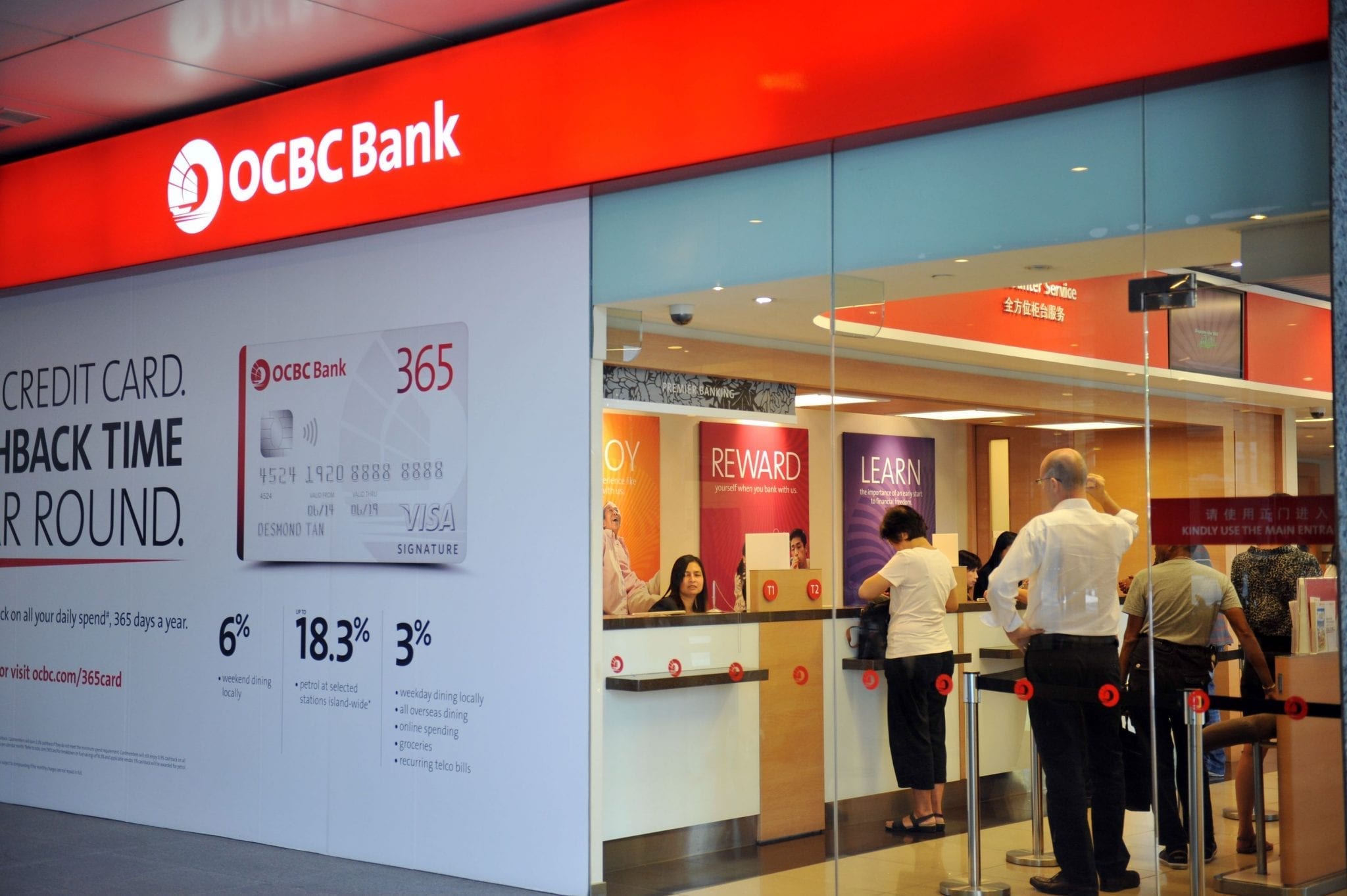
    Since last month, OCBC Bank became the first bank to enable customers to transact at merchants that accept Apple Pay within minutes of applying for a new VISA credit or debit card. Any OCBC Bank customer – even if you do not yet own an OCBC Bank card – can apply for a card online and have your application approved almost immediately. There is no need to then wait for the physical plastic to arrive in your mailbox: The card can be accessed and provisioned (that is, added to) Apple Pay instantly via the OCBC Mobile Banking app.

    VISA cards make up almost 80 per cent of the OCBC Bank cards currently provisioned to Apple Pay. Instant provisioning of cards for use with Apple Pay has been enabled for OCBC Bank VISA credit cards – including the 365, FRANK, Voyage, Robinsons Group, Plus! VISA and NTUC Plus! cards – as well as the Yes! debit card.

    Mr Aditya Gupta, OCBC Bank’s Head of E-Business Singapore, said: “This is the new digital – instant, embedded and frictionless access to banking products and services. Our customers can now receive their new card digitally and provision it to their Apple Wallet to start paying with it straight away – all from within our mobile banking app and within a few minutes. We believe this is a huge level-up in customer experience and will further accelerate our digital card applications and cashless payments market leadership drive.”

    Leader in payments and digital banking

    OCBC Bank is one of the top credit card issuers in Singapore and the market leader in contactless payments; one in every two VISA contactless transactions, including Apple Pay, is made with an OCBC Bank card. Monthly mobile wallet payments have doubled since 2016, while the number of credit cards provisioned to mobile wallets has increased sevenfold. 60 per cent of OCBC Bank cards provisioned to mobile wallets are on Apple Pay. Mobile wallet usage is especially popular for lifestyle transactions including groceries, transport such as private hire cars, food deliveries and fast food.

    Mr Vincent Tan, OCBC Bank’s Head of Credit Cards, said: “When we first introduced mobile payments to our customers in 2016, the future of payments looked exciting then – and it has definitely proven itself to be so. One in every two VISA contactless transactions is made with an OCBC Bank card so we have clear leadership in the mobile and contactless payment space. More OCBC customers, even those who are not currently our cardholders, can now benefit from our suite of credit cards within minutes of applying for one. With our instant digital card issuance, they can immediately provision their new cards to Apple Pay via our mobile banking app, and start to enjoy our cards’ rewards and rebates.”

    OCBC Bank has constantly worked towards making banking seamless and embedded in our customers’ natural behaviour and interactions. OCBC Bank led the way in Singapore in launching voice-powered conversational banking for retail customers in February 2018, which allows customers to ask Siri to check their bank balances, credit card overview and make e-payments. It was the first bank in Singapore to introduce biometric authentication to access bank account details with OCBC OneTouch in March 2015, and OCBC OneLook in November 2017 on the OCBC Mobile Banking app, leveraging fingerprint and facial recognition technology. OCBC Bank then offered customers the convenience of banking on their wrist, launching its mobile banking app for Apple Watch in March 2016. In November 2016, OCBC Bank enhanced its OCBC Pay Anyone e-payments service by enabling customers to send money via OCBC Pay Anyone directly within Apple’s iMessage on iPhones, and via any app on Android devices using the OCBC Keyboard in August 2017.

  • a Second Apple China store in Macau?

    a Second Apple China store in Macau?

    Apple China is planning a second shop in Macau, according to Apple Insider.

    Quoting StoreTeller, it says the IT brand’s store will be at Sands Cotai Central casino resort.

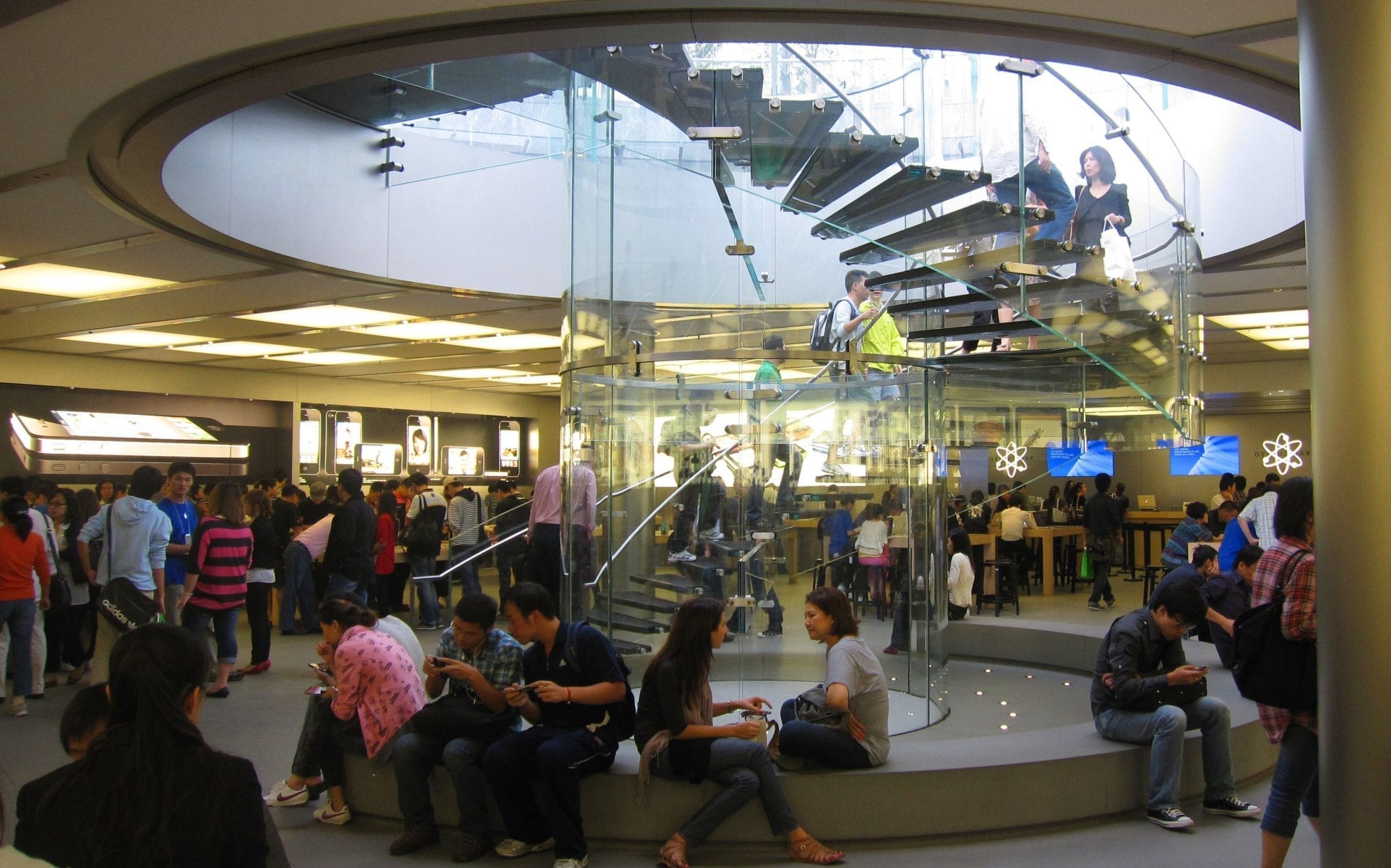
    Unlike Apple Galaxy Macau, the outlet is external, and is likely to open this quarter.

    Globally, its latest all-new store is in Vienna.

  • Apples focuses on high-end audio market

    Apples focuses on high-end audio market

    Apple is returning to its roots when it comes to music products and is starting to embrace the world of audiophiles who are prepared to pay more for premium, higher-quality speakers and music devices.

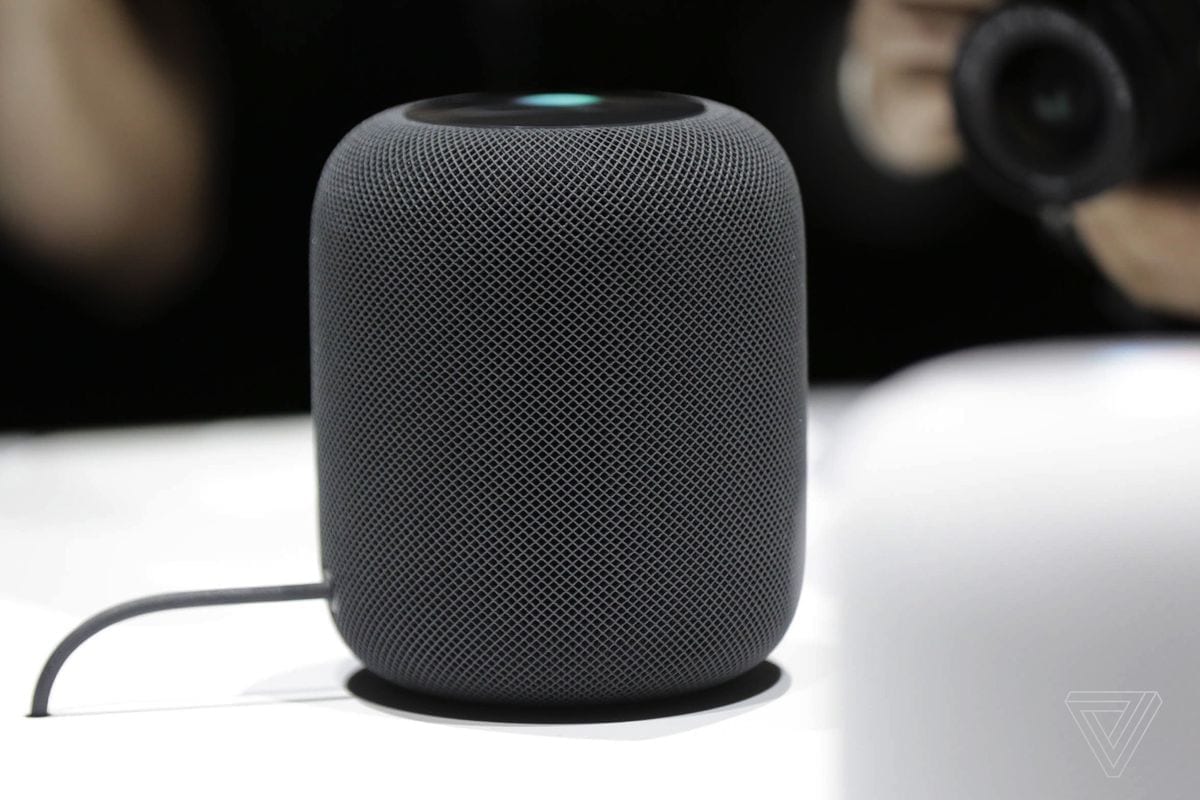
    Take the release of the HomePod in February. Apple‘s new home speaker is designed to compete with Amazon’s Echo devices. A key part of Apple’s marketing for the device focuses on the audio quality.

    “HomePod is a powerful speaker that sounds amazing and adapts to wherever it’s playing,” Apple says on its website. “It is the ultimate music authority, bringing together Apple Music and Siri to learn your taste in music.”

    Apple already has its own line of headphones, and even has an entire separate brand for them: Beats. Apple bought Beats for $3 billion (£2.1 billion) in 2014, and got its hands on the company’s trendy headphones business, its fledgling music streaming service, and Beats founders Jimmy Iovine and Dr. Dre.

    But the Beats brand never felt like a natural fit for Apple. The company built up its profile by making sure that celebrities and sports stars wore its distinctive, colourful headphones. Apple, however, prefers to be far more low-key in its endorsements and design choices. Design chief Jony Ive favours white, minimalist products, for example.

    Apple now seems to be planning to start again on headphones and is reportedly working on something that seems much more Apple-y.

    High-end audio products are nothing new for Apple. In fact, it brings the company back to the release of the iPod.

    The iPod Classic was practically tailor-made for audiophiles with its 80GB or 160GB hard drive and support for lossless music. Wired said that it was “the natural choice for people who are serious enough about audio quality to include their listening equipment in their signature files.”

    But over the years Apple has moved away from catering to audiophiles. It’s a small market, after all, and Apple does not want to risk releasing niche products. So newer iPhones made it incredibly difficult to play lossless music, and Apple eventually discontinued the iPod Classic. “Farewell Apple iPod classic, We Audiophiles Will Miss You,” PC Magazine wrote.

    There have been glimmers of hope for audiophile Apple watchers over the years, though.

    Ive likes to play loud music in the Apple design studio. Maybe that was a sign that an Apple stereo system was on the way. Apple founder Steve Jobs had been working on a new, lossless music format with musician Neil Young. Maybe Apple was about to get back into lossless audio in a big way (it wasn’t). U2 singer Bono said that he was working on a top secret music format with Apple. Perhaps that was the high-resolution audio fans had been waiting for.

    The audiophiles revolted. “How do you justify an iDevice to an audiophile?” read one forum post. “With the lackluster audio properties inside the devices and the inability to make adjustments to the sound it is a hard sell to someone who cares about audio, for a company that claims to love music.”

    Another forum post had the title “Apple Music… Seriously?” Audiophiles bemoaned the lack of proper lossless audio support. Sure, some people made the point that Apple’s music format is basically identical to standard lossless formats. But audiophiles never saw Apple as a serious player in that space.

    Now, that all seems to be changing. The HomePod received positive reviews from Reddit’s audiophile community. Apple vice president of worldwide marketing Phil Schiller even tweeted a link to a post from the subreddit reviewing the speaker.

    The release of a line of premium Apple headphones would do even more to establish Apple’s audiophile credentials. Until recently, the closest thing you would find to an audiophile product in an Apple Store was a speaker made by a third-party company such as Devialet. But that is likely to change as Apple develops its own line of speakers and headphones.

  • Apple Japan to open store in Shinjuku Tokyo

    Apple Japan to open store in Shinjuku Tokyo

    Apple will launch a new store in the Shinjuku ward of Tokyo on Saturday, April 7. It will be the company’s eighth retail outlet in the country.

    Shinjuku is a special ward that’s a major commercial and administrative centre, housing the Northern half of the busiest railway station in the world (Shinjuku Station) and the Tokyo Metropolitan Government Building, the administration centre for the government of Tokyo. As of 2015, the ward has an estimated population of 337,556.

    With the opening of its Shinjuki establishment, Apple will  have 504 retail stores in 24 countries and an online store available in 39 countries.

  • Apple reseller Malaysia apologises over cancelled warehouse sale

    Apple reseller Malaysia apologises over cancelled warehouse sale

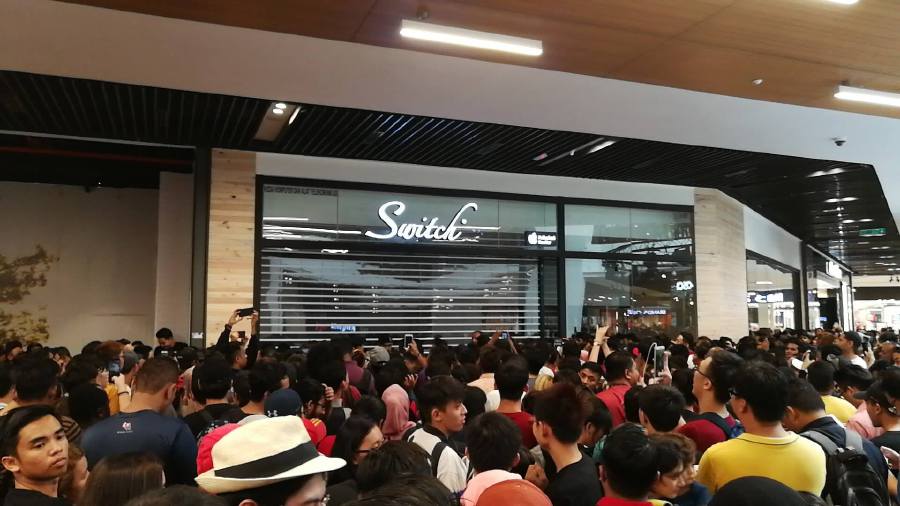
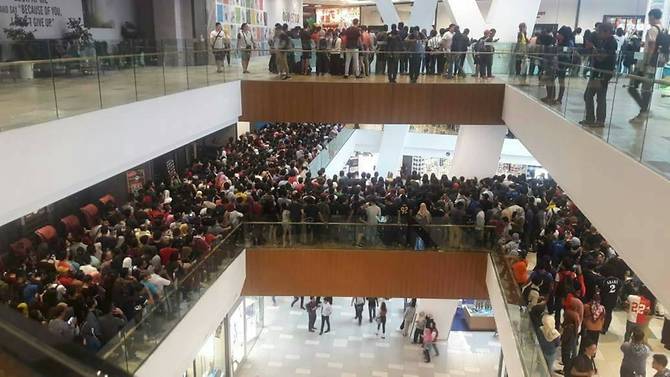
    Following the warehouse sale fiasco on Friday, Switch Malaysia has issued an apology and extended the sale of Apple products to all its branches nationwide.

    In a Facebook posting today, the Apple Premium Reseller said Apple lovers may now enjoy discounted price at 30 of its retail outlets nationwide just for today and Sunday (March 3 and 4).

    The products on discount are MacBook Air 11” (RM2,799), iPhone 6 (32Gb) Gold (RM1,399), iPhone X 64GB (RM4,899) and iPhone X 256GB (RM5,649).

    Apple accessories were also on offer, from as little as RM1. The Apple warehouse sale at MyTown Shopping Centre in Cheras had started yesterday.

    However, it was cancelled after the mall swamped by thousands of Apple fans.

    Some of them had been standing in queue outside the mall since the night before.

    In an apology, Switch said: “We are truly sorry for the Demo Clearance Event yesterday.

    “We did not expect the magnitude. We were overwhelmed by the 11,000 who turned up,” it said.

    Switch acknowledged that their customers had came from other states, woke up early, stayed up all night, brave the traffic and temperature at night, and trying their best to stay in line at the clearance event. Switch promised its customers that it will do much much better in future.

    Despite the apology, Apple lovers – who were told that they could get an iPhone 5s for RM200 or an iPhone 6S for RM800 (a brand new iPhone 6S retails for RM2,249) – are still upset.

    Facebook user Joseph Lee said: 11k people showed up…but they only had 200 units to sell.

    Another Facebook user Muhammad Syamim advised Switch to hold future warehouse sale via online instead.

    Some scolded the customers for making a mad rush for the warehouse without checking the terms and conditions. Mohamad Azlee said Switch had already mentioned the limited quantity of products on sale. “The 11,000 are too lazy to read,” he said.

  • Apple Retail Stores in China to Accept Alipay Mobile Payments

    Apple Retail Stores in China to Accept Alipay Mobile Payments

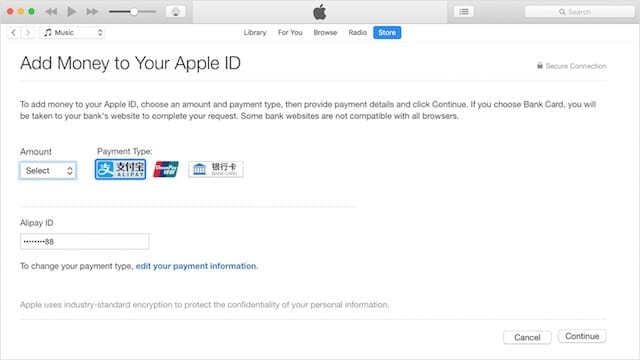
    Apple China will accept Alipay in its stores – the first third-party mobile payment system to be accepted at any Apple store worldwide.

    This follows lukewarm reception in China for Apple’s own payment system, says Reuters.

    The IT giant will accept Alipay payments across its 41 brick-and-mortar retail stores in China, says Ant Financial, which runs the system for Alibaba.

    Meanwhile, Apple China’s website, iTunes store and App Store have been accepting Alipay for more than a year.

    Apple is shifting user data to China-based servers this month to meet local rules, and last year removed dozens of local and foreign VPN apps from its Chinese app store.

    China’s official Xinhua news agency says Apple will build its second data centre in China, in the Inner Mongolia Autonomous Region, after setting up a data centre in Guizhou.

  • Amazon posts largest profit in its history on sales

    Amazon posts largest profit in its history on sales

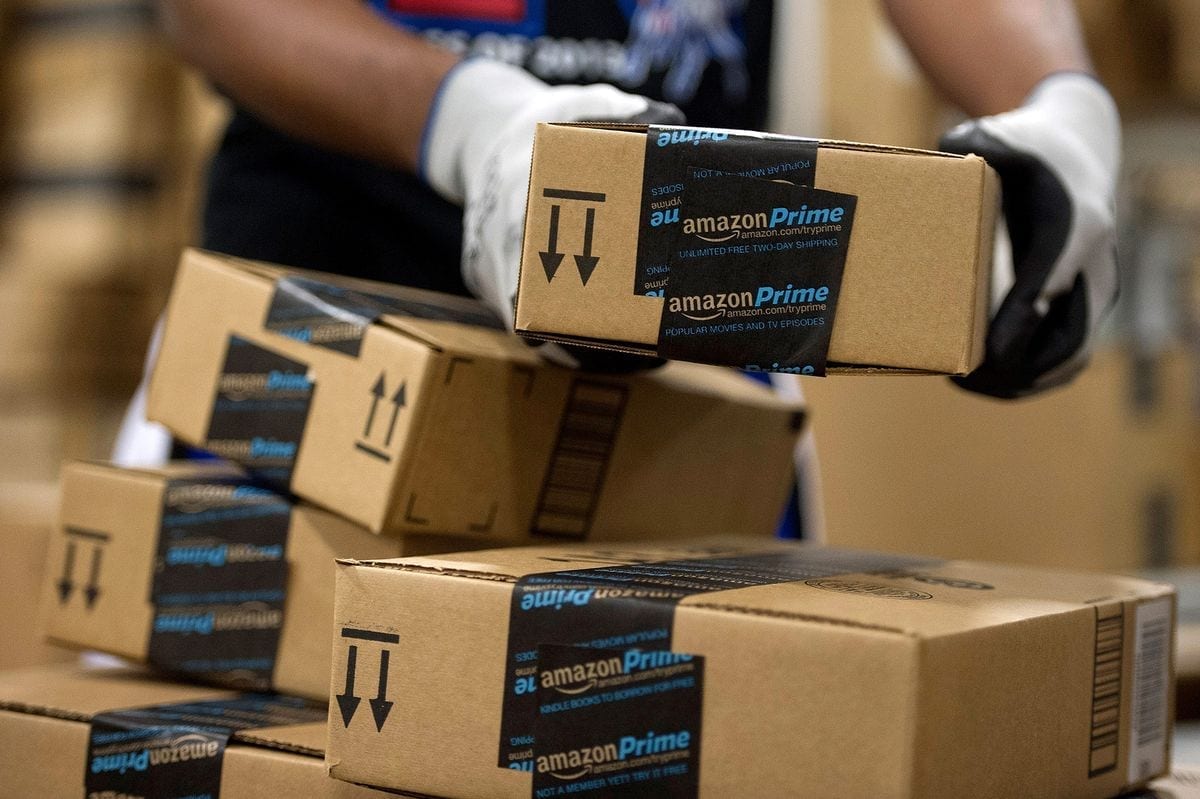
    Amazon’s quarterly profit reached a record US$1.86 billion in the three months to December 31, fuelled by millions of new customers to its Prime fast-shipping club.

    There was also a provisional $789 million boost to its bottom line from the US government’s tax bill which was passed in December.

    “This was another blow-out quarter for Amazon,” said GBH Insights analyst Daniel Ives. “The retail strength was eye-popping as the company had a banner holiday season and looked to capture roughly 50 per cent of all e-commerce holiday season sales.”

    “Our 2017 projections for Alexa were very optimistic, and we far exceeded them,” said founder and CEO Jeff Bezos.

    Neil Saunders, MD of GlobalData Retail, said that with 38.2 per cent sales growth in the final quarter, Amazon was one of the clear winners over the holiday season.

    “Admittedly this number is flattered by the inclusion of Whole Foods revenue, but even when this is stripped out, Amazon still increased sales by an impressive 27.9 per cent. Given this is above the trajectory of recent growth, it is safe to say that Amazon shows no signs of slowing down.”

    Saunders said the figures clearly show Amazon’s primary growth opportunities now lie in services.

    “Prime and subscription revenue, for example, increased by 46 per cent over the prior year. This is an impressive uplift and demonstrates Amazon is pulling more and more consumers into its ecosystem of content and services.”

    Allied with the increase in Prime membership is the rise in sales of Echo devices.

    “Our data show these were popular gifting and self-purchase items over the holiday period. Amazon now has a clear edge over other smart device manufacturers. This, and the fact Prime offers far more benefits and services than rivals, means Amazon should be able to withstand increasing competition from Apple, Google, and others as they launch and upgrade their smart speakers and connected home products

    Growth from services, as well as the addition of Whole Foods, is helping to strengthen Amazon’s bottom line. This quarter, net income increased by a stellar 147.8 per cent while operating profit rose by a very respectable 69.5 per cent.

    “This is in spite of increased investment and higher losses from the international operation. Notably, the better profit outcome also masks the pressure on margins from increased delivery and fulfillment costs: these rose by 56.9 per cent over the prior year and as a proportion of product sales rose to 21.7 per cent from 18.7 per cent in the same period last year.

    “Although Prime revenue offsets some of the fulfillment costs, this income is also used to fund content production, and various other benefits members enjoy. As such, we believe Prime makes only a small contribution to covering Amazon’s fulfillment costs. However, over the longer term, we believe this contribution may increase as Amazon starts to raise the price of membership.”

    Saunders said that while Amazon has grown sharply, it is still nowhere near its potential. “There are categories, like home and apparel, where it is underpenetrated and with tweaks to its proposition should be able to make further gains. There are markets around the world, like Australia, where Amazon is just getting started and has significant scope to boost sales. There are areas, like healthcare, that it is seeking to disrupt in the future. And there is Whole Foods, where some progress has been made – but which has yet to feel the full force of Amazon’s innovative approach.

    “In other words, Amazon has a lot more runway to grow.”

  • Apple sales report doesn’t look good

    Apple sales report doesn’t look good

    Apple has been quick to point out the record-breaking revenue numbers for its first quarter.

    The Cupertino-based company reported first-quarter sales of US$88.3 billion and a record quarterly profit for the final three months of last year of $20.1 billion.

    As much as this is praiseworthy, it also masks some more worrying trends.

    First is the 1 per cent fall in unit sales of the iPhone. Although revenue for phones increased by 13 per cent, this was a function of higher prices rather than increased volume. On the surface, this may not seem like a problem, but in our view, it indicates that Apple is, once again, struggling to persuade consumers to upgrade or switch to new devices. This slowing of the upgrade cycle will likely have an impact on phone revenue in future quarters.

    Moreover, the slowdown in iPhone sales is emblematic of Apple’s inability to come up with meaningful and valuable innovations that wow consumers. Even the iPhone X is an incremental product that lacks the excitement and newness earlier models brought to market. Apple is fortunate in having a strong base of fans and many consumers who are bought into its ecosystem of services; but without device innovation, even this may prove insufficient to maintain market share in the face of rising competition.

    Mac sales disappoint

    The second area of disappointment comes from Mac sales where both volume and revenue slipped over the prior year. Admittedly, Apple is up against a comparative from last year when its new MacBooks Pros were gaining ground, but even so, this also underlines a dearth of serious innovation in the home and professional computing segments.

    We also believe that lower volumes, and the fact that Apple’s products were not at the top of everyone’s Christmas lists, put a dampener on service growth. Last quarter this segment grew by 34 per cent and by 22 per cent in the quarter before that. Over this period, the increase was a much more modest 18 per cent. Arguably, the holiday period should be a bumper time for Apple subscriptions; that it wasn’t is concerning – not least because Apple needs income from services to make up for softness in product sales.

    That Apple’s HomePod wasn’t available in time for the holidays was a misstep, not least because it could have helped boost service revenue. Our data show smart speakers and smart home devices were popular gifting and self-purchase items over November and December – with both Amazon and Google growing their market shares. Although Apple will point out its product is superior to rivals’ efforts, it is a latecomer to the party, and we believe its potential sales will be crimped as a result.

    For all of these challenges, Apple remains a solid and financially successful company. Indeed, its profits increased over the period. However, a lack of serious and significant innovation means it runs the risk of diluting future earnings. Apple thrives off serving a mass market; a move to providing more expensive items to fewer people will ultimately prove harmful to the bottom line.

    In essence, we believe that the clear blue water that once existed between Apple and rivals is much diminished. The company has time to reopen the gap, but to do so, it needs to pull something new and unique out of its hat sooner, rather than later.

    -Neil Saunders-

  • Single-brand retailers now easier to enter India

    Single-brand retailers now easier to enter India

    Indian Prime Minister Narendra Modi has removed the need for a federal approval of foreign single-brand retailers entering India.

    He has also relaxed the rule mandating 30 per cent local sourcing giving companies five years to reach the threshold.

    The surprise moves will speed the launch of at least 10 foreign brands believed to have applications in processing at present, including Uniqlo parent Fast Retailing and Tesla, according to a report in the Times of India. Fast Retailing had lodged an application to open Uniqlo stores last November, and Tesla has been in talks with government officials.

    “There are around 10 applications under single-brand retail trading and these will be positively impacted once the amendments in the FDI policy are notified,” Suresh Prabhu, Commerce and Industry Minister said without revealing brand names.

    Apple may be another foreign company to benefit from the about-face. The US tech giant had a previous application to enter the country via its own Apple stores declined because it could not meet local content requirements.

    Foreign brands have long been frustrated by Indian government restrictions on single-brand retailers, which were effectively designed to protect the ‘unorganised’ domestic retail sector, dominated by ma-and-pa retailers.

    Modi is trying to stimulate the Indian economy by relaxing foreign investment rules in a number of sectors, even allowing overseas companies to take a stake in the national carrier Air India.

  • More “green” of Apple store Garosugil

    More “green” of Apple store Garosugil

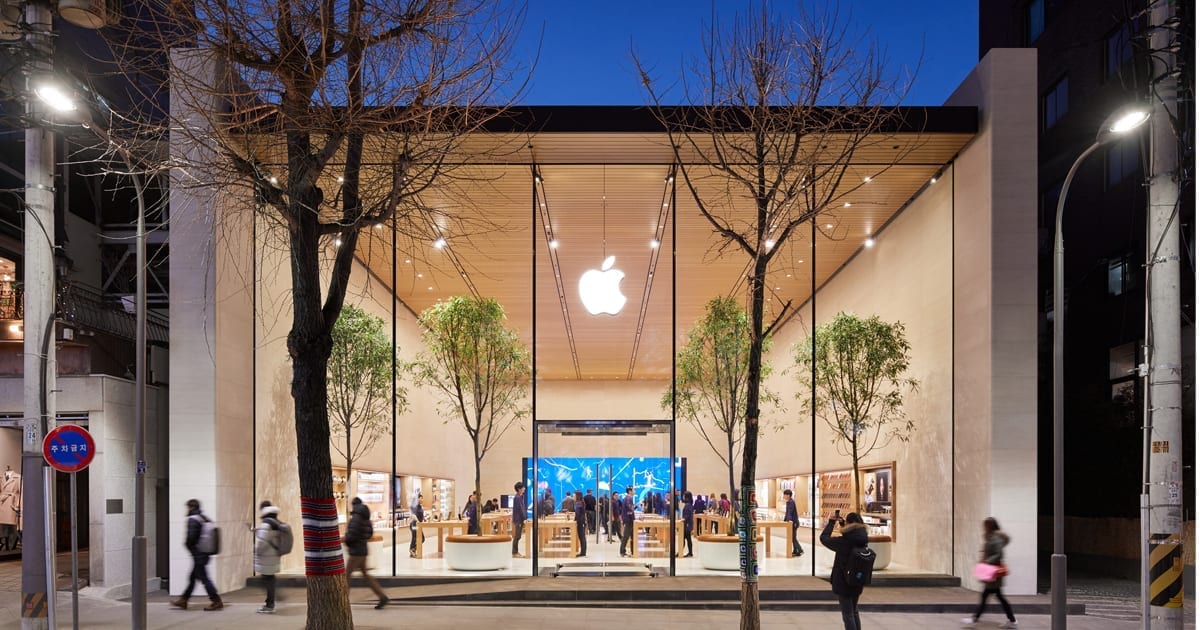
    Opening in Seoul on Saturday, Apple Garosugil will bring Apple’s products, in-store programming and services together in one place for the first time for South Korean customers.

    In the heart of the Gangnam area, the store features a 7.6m glass facade along a tree-lined street, with interior trees mirroring those outside.

    “Our stores are gathering places for the community where everyone is welcome to connect, learn and create,” says Apple senior VP of retail Angela Ahrendts.

    Today at Apple programming offers free sessions daily to inspire participants to unlock their creativity in photography, music, art and design, coding skills and more. The sessions are held in the heart of the store, the Forum, with its video wall.

    Anyone can attend a 30-minute Quick Start session, then go further with experiential photo walks or attend entrepreneurial sessions. Educators and developers can also receive advice and specialised training in the store’s boardroom.

    Apple’s full line of products and a curated collection of accessories are available in the store. Along each side of the store are Avenues, inspired by window displays along a shopping street, which offer interactive displays for visitors. These feature third-party products and accessories.

    Customers can register for Today at Apple sessions through the Apple Store app, as well as explore products and shop.

    Between them, the store’s 140 team members speak 15 languages.