Tag: apple

  • EU seeks details on Apple’s tax set-up

    EU seeks details on Apple’s tax set-up

    EU regulators have asked iPhone maker Apple for details of its recent tax structure following last year’s order to pay back taxes of up to €13 billion (A$20 billion) to Ireland, Europe’s anti-trust chief says.

    European Competition Commissioner Margrethe Vestager, who issued the record back-tax bill against Apple in August 2016, said she wanted to make sure the company now complies with the bloc’s rules which ban unfair state aid.

    “I have been asking for an update on the arrangement made by Apple, the recent way they have been organised, in order to get the feeling whether or not this is in accordance with our European rules but that remains to be seen,” Vestager told a news briefing on the sidelines of an international tech summit in Lisbon.

    “We are looking into this of course without any kind of prejudice, just to get the information,” she said.

    Vestager said her request preceded reports based on the “Paradise Papers” which showed that Apple shifted key parts of its business to Jersey as an offshore tax haven in a move to maintain a low tax rate. Apple has said no operations were moved from Ireland.

    “We have no contact after the Paradise Papers. We are in the process. There is no particular need,” she said.

    She also said it was too early to say whether the latest leaks on tax arrangements by companies would lead to any investigation.

    “That remains to be seen if we will open more cases after the Paradise Papers.”

    The European Commission last month sued Ireland for its tardiness in collecting the money from Apple.

  • Apple closer as ever to trillion-dollar valuation

    Apple closer as ever to trillion-dollar valuation

    Apple has taken a step closer to becoming a trillion-dollar company after the tech giant reported a blowout third quarter and shrugged off concerns related to the iPhone X.

    Its shares rose almost four per cent in pre-market trading on Friday, on track to add nearly $US30 billion ($A42 billion) to its market capitalisation. The company is valued at $US868 billion.

    The California-based company also forecast a strong holiday quarter ahead, which will include the much-awaited iPhone X that started selling on November 3.

    “We see iPhone X unlocking pent-up iPhone upgrades, especially in China, driving more than 20 per cent iPhone unit growth and a revenue and earnings beat in 2018,” analyst Katy Huberty on Morgan Stanley said.

    Long lines had already started forming outside Apple stores in Asia as fans flocked to buy the new iPhone.

    At least five brokerages raised their price targets on the stock, with Canaccord Genuity making the most bullish move by raising its price target by $US15 to $US195.

    The median price target on the stock is $US180.

    With Canaccord’s move, five Wall Street analysts now have target prices for Apple that put its market value above $US1 trillion.

    Drexel Hamilton’s Brian White is still the most bullish among Apple analysts tracked by Thomson Reuters with a target price of $US208.

    Apple’s third-quarter results underscored the company’s ability to drive growth not just on iPhones, but across its range of products, analysts say.

    The company’s suite now includes five different iPhone models, the iPad, the Mac and the Apple Watch as well as its fast-growing services.

    Apple said it sold 46.7 million iPhones in the fourth quarter ended September 30, above analysts’ estimates of 46.4 million, according to financial data and analytics firm FactSet.

    Mac and Ipad sales were also above the estimates of most analysts.

  • Apple delivers higher profit as iPhone X launches

    Apple delivers higher profit as iPhone X launches

    Apple profits rose on the back of strong iPhone sales in the past quarter, with the U.S. tech giant on Thursday shrugging off the lofty price of its new flagship iPhone X and predicting a stellar holiday season.

    “The iPhone X orders are very strong; we couldn’t be more excited to get underway,” Apple chief executive Tim Cook said during a quarterly earnings call.

    “A few minutes ago the first sales started in Australia; several hundred people were waiting at the store in Sydney and there are similar reports across that region.”

    Cook added that Apple is working to increase iPhone X output to catch up to demand. The wait time for online orders stretched to an unprecedented six weeks shortly after Apple began taking orders last month, but it remained unclear whether demand or supply factors were the cause.

    Net profit rose 19 percent from a year ago to $10.7 billion in the fiscal fourth quarter to September 30, Apple said. Revenues were up 12 percent to $52.6 billion.

    Release of the earnings figures pushed Apple shares up more than two percent to $172.54.

    Apple sold more iPhones, iPads and Mac computers than it did in the same quarter a year earlier. Smartphones sales climbed by about a million units to 46.7 million in the three months winding up the California company’s fiscal year, according to the earnings report.

    “We’re happy to report a very strong finish to a great fiscal 2017, with record fourth quarter revenue, year-over-year growth for all our product categories, and our best quarter ever for services,” Cook said.

    “We’re looking forward to a great holiday season.”

    Apple closed out its fiscal year posting a full-year profit of $48.35 billion, up 5.8 percent, on revenues of $229 billion, a rise of 6.3 percent from the previous year.

    In the latest quarter Apple was able to reverse its fortunes in China, boosting overall sales by 12 percent in the “Greater China” region. Sales were up in other regions except for Japan, which saw an 11 percent revenue drop.

    Analyst Patrick Moorhead, of Moor Insights & Strategy, said “Apple crushed” with a strong quarterly report showing improvements in all product categories and a 34 percent jump in services revenue.

    Moorhead said concerns that iPhone sales would weaken as customers awaited the newest device were unfounded.

    “Apple managed to thread the needle on iPhone sales between the giant interest in the iPhone X and what the company had to ship, which was iPhone 7 and 8,” he said.

    Ambitious goal 

    With the iPhone X launching Friday in about 50 markets around the world, Apple is setting the ambitious goal of reinventing the smartphone as it strives to fend off fierce competition from rivals, especially in China.

    The flagship handset marks the 10th anniversary of the first iPhone release.

    The iPhone is the main profit driver for Apple, accounting for more than half its revenues, and is the cornerstone for the ecosystem of other devices and services.

    Apple upped the ante by boosting the starting price of the iPhone X to $999 for U.S. customers, a price which will be higher in other markets and with extra options.

    When asked about the high price during the earnings call, Cook pointed out that the iPhone line has models costing much less than the 10th-anniversary version.

    “We tried hard to have an iPhone that is as affordable as possible for people who want an iPhone but have a more limited budget,” Cook said.

    “This is the first time we have had three iPhones new at the top of the line at once, so see what happens. We are bullish.”

    Two iPhone 8 models were released in September.

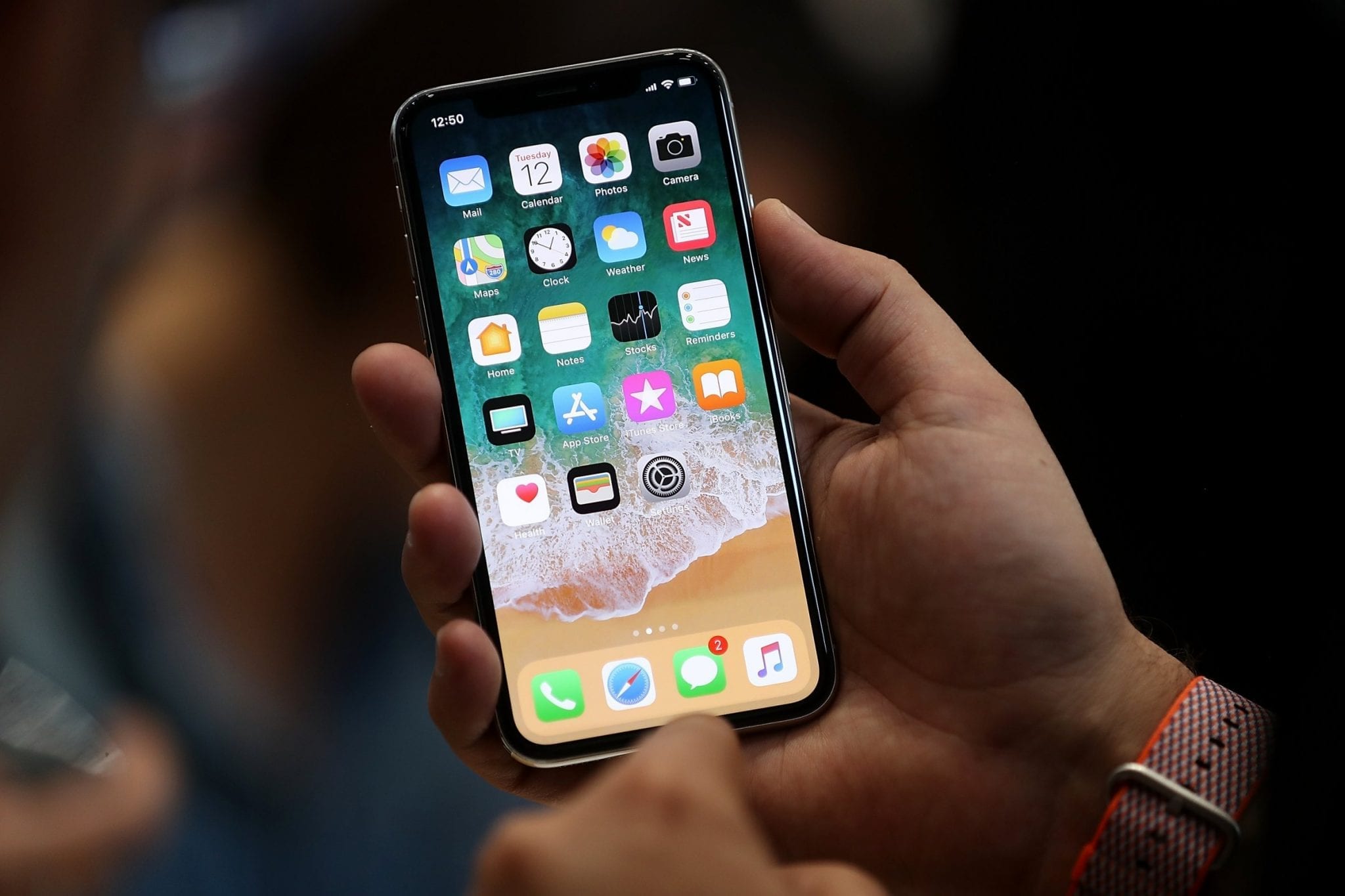
    Cook has described the iPhone X as the future of the smartphone, packed with technology including facial recognition, cordless charging and an edge-to-edge screen made of organic light-emitting diodes used in high-end televisions.

    Analysts interviewed see signs of strong demand for iPhone X, perhaps fueled by the company’s famously devoted fans who have shunned freshly released iPhone 8 models to wait for the 10th anniversary device.

  • Apple, Samsung face new iPhone damages trial

    Apple, Samsung face new iPhone damages trial

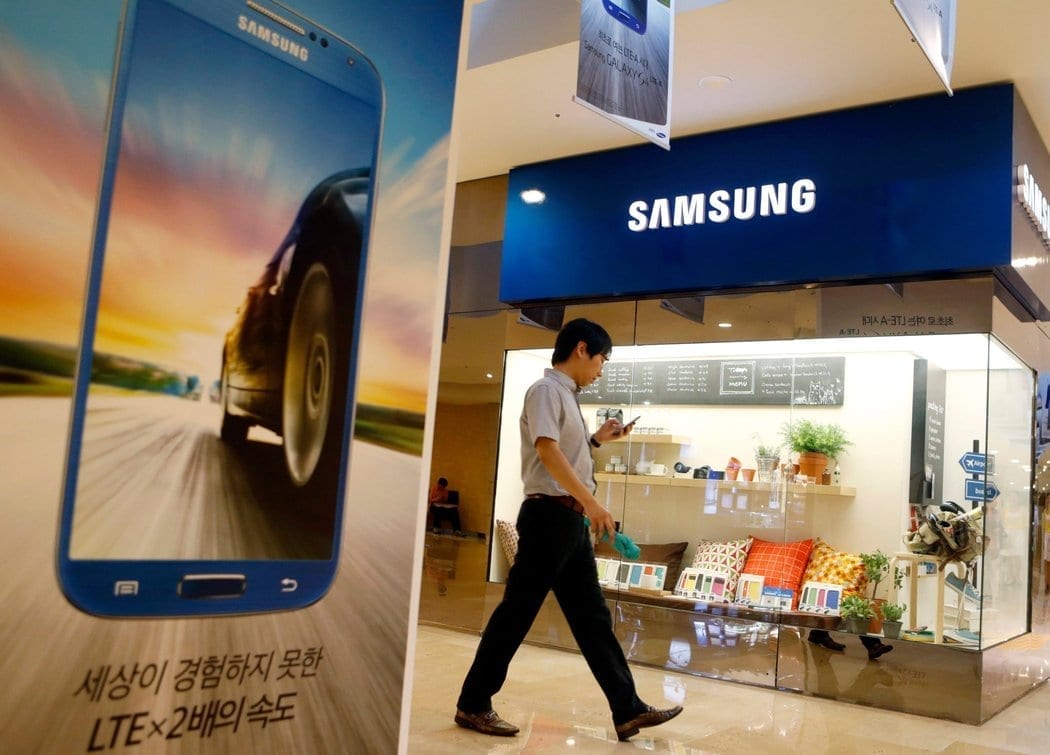
    A U.S. judge has ordered a new trial to determine how much Samsung Electronics Co should pay Apple Inc for copying the look of the iPhone. U.S. District Judge Lucy Koh in San Jose, California issued her order late on Sunday, 10 months after the U.S. Supreme Court set aside a $399 million award against Samsung, whose devices include the Galaxy.

    The three Apple patents covered design elements of the iPhone such as its black rectangular front face, rounded corners, and colorful grid of icons for programs and apps.

    Koh’s order is a setback for Apple, which called a retrial unnecessary and said the award should be confirmed. The Cupertino, California-based company did not immediately respond on Monday to requests for comment.

    Silicon Valley has closely followed the 6-1/2-year-old case.

    Companies such as Facebook Inc and Alphabet Inc’s Google have said an Apple win would encourage owners of design patents to sue for huge, unfair awards on products containing hundreds of features that are costly to develop.

    The $399 million represented profit from Samsung’s sales of infringing smartphones, though the South Korean company has said it deserved reimbursement if it prevailed in the litigation.

    It was part of a $548 million payment that Samsung made to Apple in December 2015.

    The legal dispute concerned whether the “article of manufacture” for which Samsung owed damages included its entire smartphones, or only parts that infringed Apple patents.

    Without deciding that question, Justice Sonia Sotomayor wrote for the Supreme Court last Dec. 6 that “the term ‘article of manufacture’ is broad enough to embrace both a product sold to a consumer and a component of that product.”

    In Sunday’s order, Koh said the jury instructions at the original 2012 trial inaccurately stated the law on that issue.

    She said Samsung may have been prejudiced if jurors were prevented from considering whether any infringement covered “something other than the entire phone.”

    Apple contended that the jury instructions were “not erroneous,” and said it had proved that Samsung applied its patented designs to its “entire phones.”

    Jurors initially awarded $1.05 billion to Apple, which was later reduced.

    Samsung, in a statement, welcomed a new trial, calling it “a historic opportunity to determine how the U.S. Supreme Court’s guidance on design patent damages will be implemented.”

    The case is Apple Inc v Samsung Electronics Co et al, U.S. District Court, Northern District of California, No. 11-01846.

  • Apple slams Qualcomm suit seeking iPhone ban in China

    Apple slams Qualcomm suit seeking iPhone ban in China

    China is a vital Apple manufacturing base and sales market.

    Apple has rejected as “meritless” a legal move by Qualcomm to ban iPhone sales in China, the latest salvo in a bitter patent battle between the two U.S. tech giants.

    Qualcomm had filed a lawsuit in Beijing seeking a ban on the assembly and sale of iPhones in China — a vital Apple manufacturing base and sales market.

    The two California companies are fighting over Apple’s claims that Qualcomm is abusing its market power over certain mobile chipsets in order to demand unfair royalties.

    Apple filed a U.S. lawsuit to that effect in January and has joined efforts in other countries where Qualcomm faces probes from antitrust authorities.

    Qualcomm has countersued Apple for the royalties.

    In response to Qualcomm’s Beijing suit, Apple said in a statement: “This claim is meritless and, like their other courtroom maneuvers, we believe this latest legal effort will fail.”

    It was filed on September 29 in an intellectual-property court, and said the suit was confirmed by a Qualcomm spokeswoman.

    It remains unclear how much chance Qualcomm’s case has in China, where huge numbers of workers are employed in the manufacture of iPhones.

    The Qualcomm patents cover power management and a touch-screen technology called Force Touch that Apple uses in current iPhones, Bloomberg reported, quoting Qualcomm.

    Apple dismissed Qualcomm’s claims.

    “In our many years of ongoing negotiations with Qualcomm, these patents have never been discussed and in fact were only granted in the last few months,” Apple’s statement said.

  • China a major challenge for Apple and Samsung

    China a major challenge for Apple and Samsung

    Responses to Apple and Samsung Electronics’ latest flagship releases in the Chinese market have been lukewarm to downright disappointing.

    Domestically, Samsung Electronics’ Galaxy Note 8 has performed like a rock star, alleviating company insiders’ concerns that the Galaxy Note 7 exploding debacle would keep customers away.

    Over the pre-sales period between September 7 through 14, around 850,000 phones were sold, at least 400,000 of which have been activated. The pre-sales amount is more than double that of the Galaxy Note 7, which had sold 400,000.

    As the chief competitor to Apple in the struggle for global smartphone dominance, Samsung needs to do well not just at home but abroad.

    By September 22, the Galaxy Note 8 had been released in over 60 countries  (South Korea, North America and select European countries had releases on September 15). Eventually, Samsung plans to release the smartphone in over 150 countries.

    Fortunately for the South Korean company, early reports that have trickled out to the media indicate that the Galaxy Note 8 has received an overall positive reception in foreign countries.

    “In the North American market, [the Galaxy Note 8] has recorded pre-sales figures two digits higher than what the Galaxy Note 7 achieved,” said a Samsung Electronics official who asked not to be named. “The sales situation in major European markets is good. Overall, the beginning stages of the Galaxy Note 8′s release have been on the positive side,” she added.

    The conspicuous omission among the mentioned countries is China, a market Samsung, with its 3 percent market share (as of the second quarter of this year) cannot afford to disregard. Slated for official release on September 29, pre-sales of the Galaxy Note 8 began on September 13.

    On September 16, Chinese news platform Jinri Toutiao reported that the South Korean smartphone had recorded a paltry 5,700 in pre-sales in two days. In comparison, the iPhone 8, which also began pre-sales on the same date, had sold 1.4 million through the same time period, according to Chinese e-commerce firm JD.com.

    Though some have pointed to the slightly more cumbersome process for pre-sale purchase compared to Apple (Samsung requires a 100 yuan deposit, Apple requires none), the more widely accepted view among market analysts is that the reason for the dismal reaction is based on geopolitics.

    The agreement between the United States and South Korea to install THAAD missile systems as a countermeasure against possible North Korean provocations has deeply strained ties between the East Asian neighbors. With retailer Lotte Mart recently announcing its decision to pull out of China and vast drops in a formerly booming tourism industry propped up by Chinese visitors, September 29 is a date that looms large not just for Samsung, but for South Korea as a country.

    Samsung will in particular want to avoid the kind of official release day that Apple had with its iPhone 8 on September 22. Hong Kong paper Ming Pao reported that the local reaction was lacking in enthusiasm compared to prior releases of earlier iPhone versions.

    At the Hangzhou Apple Store, 30 to 40 security guards laid out steel fences in front of the entrance starting at 6 a.m. in anticipation of long lines. Two hours later, after only two people stood in line, the guards collected the fences and went home.

    Less than optimal numbers showed up at other Apple stores throughout the country. In one Beijing store, four customers showed up throughout the entire day.

    Like Samsung, Apple has not gained the desired response in a market it desperately needs. Unlike Samsung, it cannot use geopolitical tensions as a convenient scapegoat for its problems.

    Speculation on the poor showing has been attributed to the slated release of the iPhone X later on this year and the lack of technological upgrades that justify the high price tag.

    Consumers (not only in China, but worldwide) have been questioning why they would fork over high prices for the iPhone 8 when they can simply wait to purchase a more advanced version in a few months time.

    Meanwhile, the iPhone 8′s headlining feature, the facial recognition system, has not caught on among Chinese consumers, making the phone a hard sell.

    Finally, the emergence of Chinese competitors has relegated both Apple and Samsung to the lower rungs of the Chinese smartphone market.

    An online survey conducted on social media site Weibo asked users a variety of questions about the iPhone. 28 percent selected “Who cares about Apple, Xiaomi, Huawei?” while 18 percent selected “The price is excessive” among the available responses.

    Once regarded as indisputable leaders in the smartphone game, Apple and Samsung’s positions of leadership will depend in part on making inroads into China. Unfortunately for them, China has proved to be a tricky customer thus far.

  • Bangkok Apple Store in planning

    Bangkok Apple Store in planning

    Multiple reports from Thailand tip the opening of the first Bangkok Apple Store in 2018.

    The move began as a rumour when recruitment advertisements appeared in the country seeking creative, expert, “genius”, managers, store leaders and business leader roles in what – based on similar advertising in other markets – could only mean a search for qualified staff for an official Apple store. Advertisements also invited applications for the two-year Apple Store Leader Program, according to MacRumors.com.

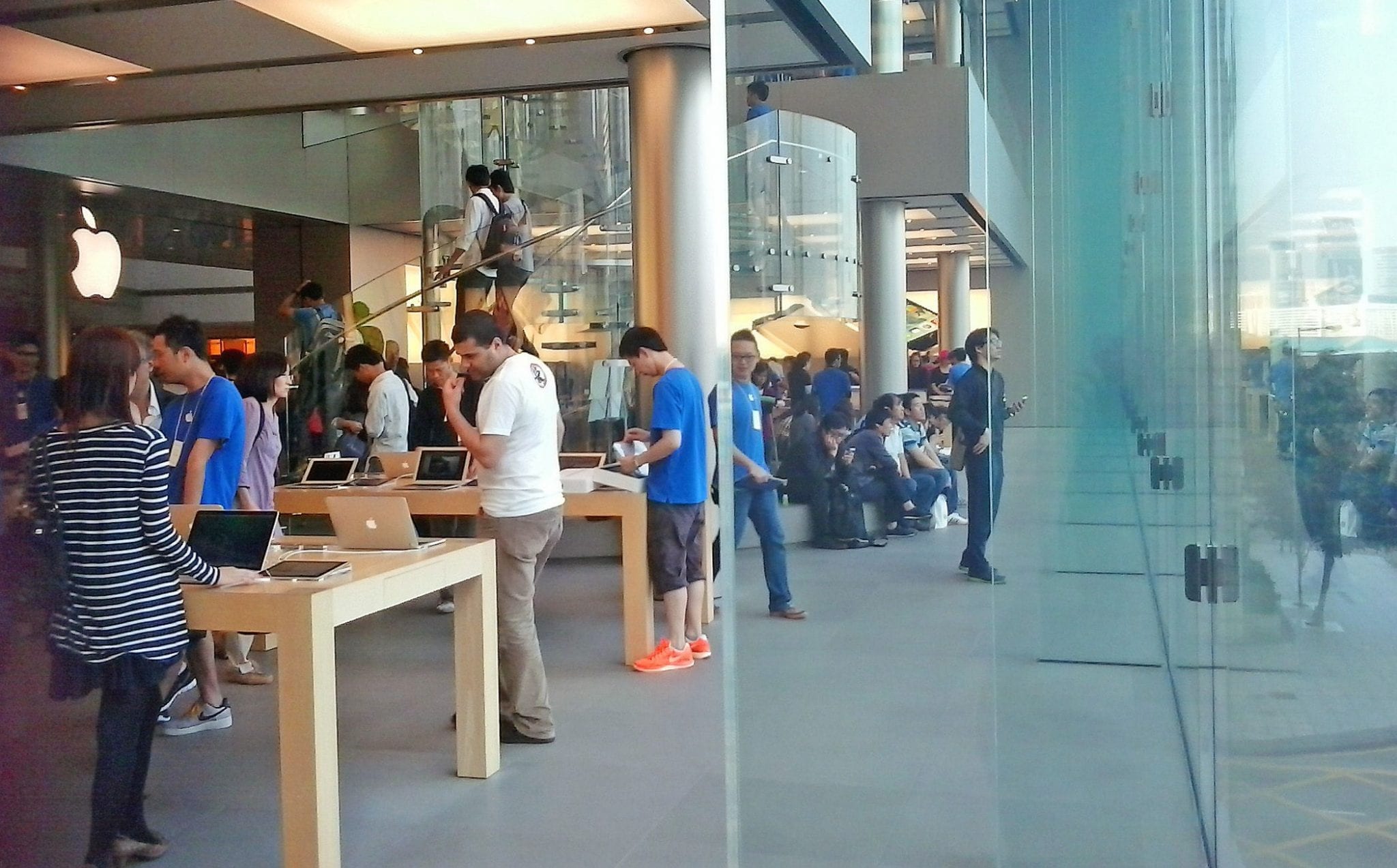
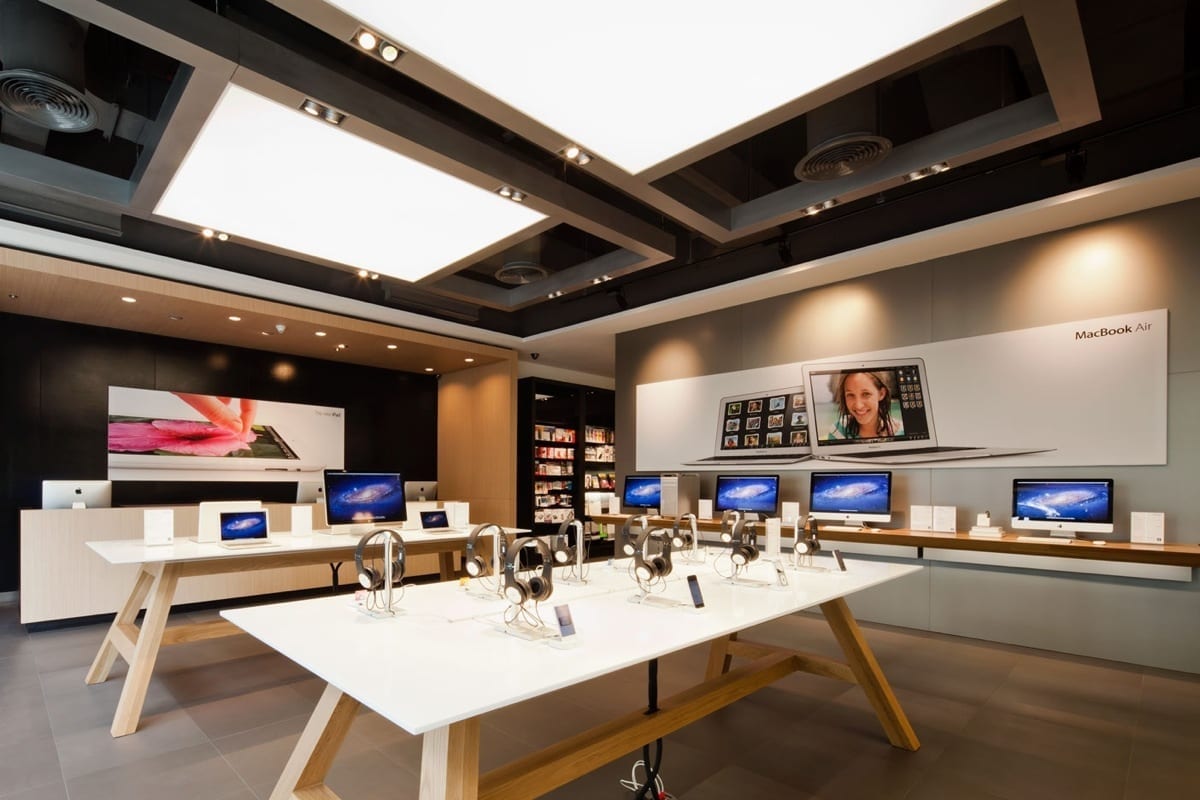
    The ads added credibility to rumours published in Thailand earlier this year which tipped the first Bangkok Apple Store would open at the IconSiam shopping centre, currently being built on the banks of the Chao Phraya River, by Siam Piwat, which also owns the Siam Paragon, Siam Discovery and Siam Center malls in the heart of Bangkok. Of those, only Siam Paragon would seem to have sufficient space to host a flagship Apple store, although it would lack the bold street frontage Apple prefers for its retail outlets. IconSiam will feature a row of two-story brand maisons which, while previously earmarked for luxury European fashion brands, could include a distinctive Apple store with bold frontage, such as that used in Apple’s Orchard Road store in Singapore, (pictured above), or its Hong Kong stores, one of which is built on an overpass spanning two buildings across a busy street.

    Apple is also working on its retail debut in Macau and Seoul in this part of the world, following the successful (but delayed) opening of the Singapore store in May.

  • Apple Watch cellular functionality to have low reach

    Apple Watch cellular functionality to have low reach

    Although the big selling point of Apple’s newly-announced Apple Watch Series 3 is its cellular connectivity, Canalys has noted that this functionality will launch with a limited addressable market.

    The Apple Watch 3 – announced earlier this month along side the new iPhone 8, iPhone 8 Plus and iPhone X smartphones – will have an integrated eSIM to support both LTE and UMTS connectivity.

    But in a research note, Canalys said this functionality will only be supported by 14 mobile operators across eight countries at launch, and buyers will not have their choice of carrier as is the case with cellular-equipped iPads.

    Instead Apple Watch’s cellular functionality requires a companion iPhone, and that iPhone must be using a postpaid SIM from an eligible operator.

    In addition, in the important Chinese market, the functionality will initially be limited to just five regions not including Beijing.

    “The total iPhone installed base currently sits at around 517 million. Of those, only 164 million are the right iPhones, with the right carrier, on the right tariff to work with the new cellular Apple Watch at launch,” Canalys analyst Ben Stanton said. This means 68% of iPhone owners will be uable to use the new device’s best feature.

    “Apple’s potential buyers are spread across eligible and ineligible operators and contracts, and many will be disappointed. Apple needs to exert pressure on more carriers to make the required network investment before the buzz around its new product dies down.”

    Canalys did note that another six operators are lined up to offer Apple Watch cellular functionality soon, which would increase Apple’s addressable market to 47% of its total iPhone installed base, but the company is yet to specify when these operators will become eligible.

    “There will be some churn as loyal Apple fans switch operators to unlock the full potential of the Series 3, but customers in long-term postpaid deals with ineligible carriers often cannot do this without incurring a financial penalty,” Canalys analyst Jason Low said.

    “This will be a major barrier to early adoption of the Apple Watch Series 3. But eligible operators do have an opportunity to grow their sales of Apple Watches against retailers and Apple direct channels.”

  • Apple concedes new watch has connectivity glitch

    Apple concedes new watch has connectivity glitch

    Apple on Wednesday conceded its latest smartwatch unveiled a week ago has problems with its most important feature: the ability to make phone calls and access data without an iPhone nearby.

    Several prominent reviewers said Wednesday they could not recommend the device because of a wifi glitch that causes cellular connectivity problems.

    The Watch Series 3 starts at $399 and was launched alongside new iPhone models. Unlike previous versions of the watch, it has cellular network connectivity built in.

    Apple said the watch can experience LTE connectivity problems when it connects to open wi-fi networks such as at a hotel or a coffee shop.

    The company is “investigating a fix for a future software release,” Apple spokeswoman Amy Bessette told.

    Many reviewers praised the new features and gave generally positive assessments.

    But other prominent publications, including the Wall Street Journal and The Verge, recommended against purchasing the new model because the LTE cellular data connectivity did not work as expected.

    The mixed reviews weighed on Apple shares, which closed down about 1.7 percent at $156.07.

    Apart from connection issues, some reviewers were disappointed with the drain on the watch’s battery while making calls. Apple had touted up to 18 hours of battery life but said the watch would get only one hour on a cellular phone call. Gene Munster, a longtime Apple analyst with Loup Ventures, doubted issues with the Series 3 Watch would hurt Apple’s bottom line. “That review takeaway is a negative but is not a surprise. This is the first generation watch with LTE,” he told.

    Bob O’Donnell, an analyst with Techanlysis Research, said the watch reviews, paired with reviews of the iPhone 8 that were generally positive but described the phone as an incremental improvement on its predecessor, put more pressure on the iPhone X to garner good press before its Nov. 3 launch.

    Apple also experienced hiccups with iOS 11, the new operating system the firm released Tuesday.

    For business users, iOS 11’s Mail application had problems sending mail for Microsoft Exchange and Outlook.com mail accounts.

  • With new operating system, Apple revamps its money-making App Store

    With new operating system, Apple revamps its money-making App Store

    The App Store brought in $21.5 billion in revenue in the past nine months. Apple Inc’s newest operating system for iPhones and iPads introduces changes to its marketplace for third-party software to satisfy app developers and add new so-called augmented reality apps.

    The system, called iOS 11, is being released on Tuesday ahead of its two newest phone handsets, the iPhone 8 and iPhone X, set to start shipping to customers on Friday and Nov. 3, respectively.

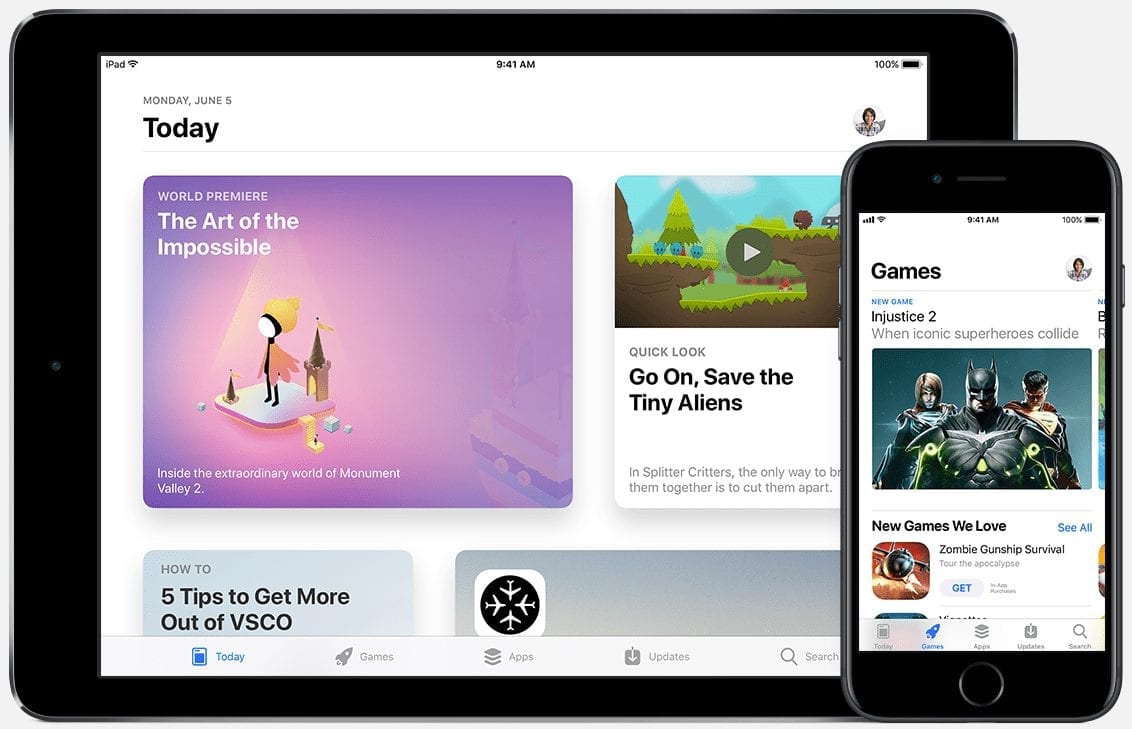
    The most visible changes will come to App Store. The App Store is the backbone of Apple’s services segment, which brought in $21.5 billion in revenue in the past nine months, a 19 percent increase over the previous year and a bright spot as overall sales grew only 5 percent.

    The store has been redesigned to give app developers more space for images and text to describe their software. Developers have long grumbled that their software is hard to find in Apple’s store unless users type in the precise name of the app or follow a link to it.

    “The redesign make it much cleaner and speaks to the pain point of the store: You had so many apps that if you didn’t know exactly what you were looking for, it was really hard to find anything,” said Carolina Milanesi, an analyst with Creative Strategies.

    The new store also gives prominent display to games. Games are expected to make up 75 percent of all revenue for Apple’s App Store, according to App Annie, which collects and analyzes market data on mobile apps.

    Most of that revenue comes in the form of so-called in-app purchases, where gamers make purchases of tokens, gems and other digital items to unlock new parts of the game. “It’s really the gift that keep on giving from the developer perspective,” Milanesi said.

    But perhaps the biggest change in iOS 11 will the debut of augmented reality apps, or AR, in which digital images float over the real word. Apple has made much of those a capabilities , but an ostensibly minor feature may help AR apps spread: Screen recording.

    In testing, Adam Debreczeni, maker of an app that lets users see a three-dimensional map of a fitness activity like a bicycle ride or run they’ve gone on, was surprised at how enthusiastically users took to sharing screen recordings of AR apps like his.

    “I think that’s going to help AR games go viral and get better distribution,” he said.

  • Apple iPhone X Asia on-sale dates confirmed

    Apple iPhone X Asia on-sale dates confirmed

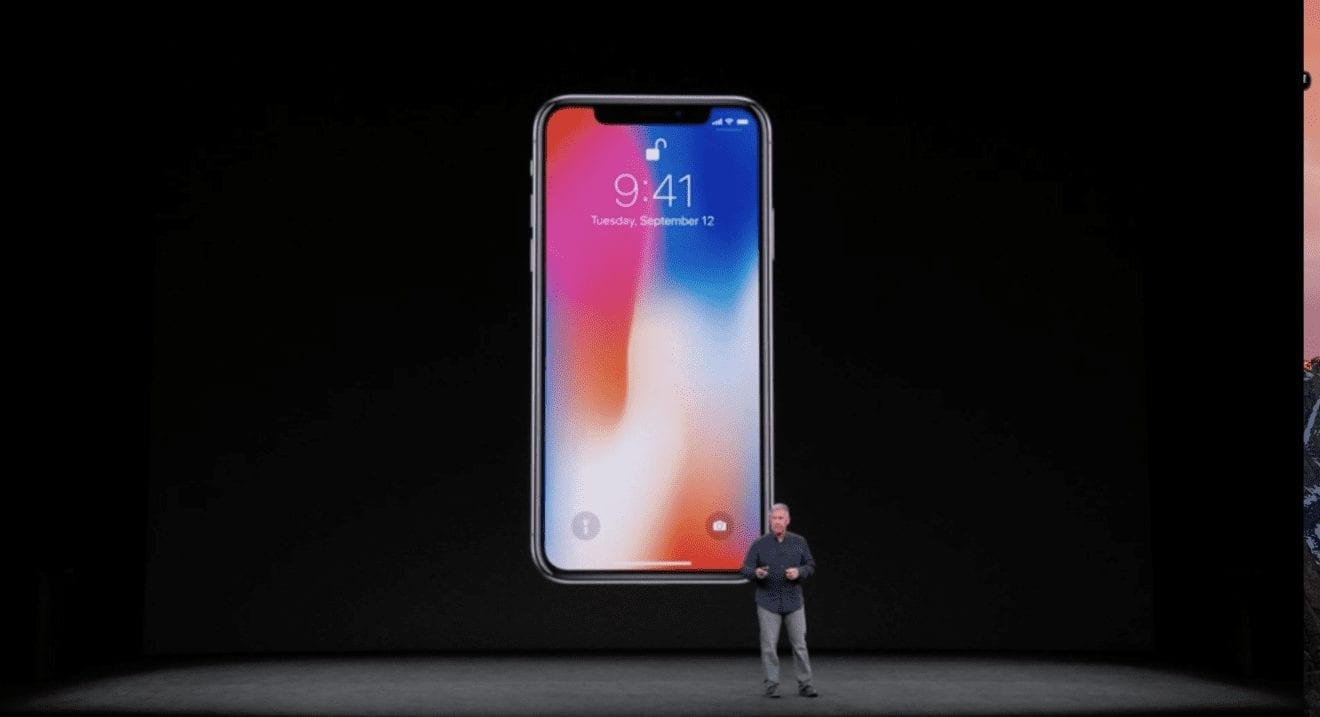
    Apple’s most expensive and technologically advanced iPhone yet, the X, was unveiled overnight. And the tech giant has revealed the new Apple iPhone X Asia on-sale dates.

    Preorders for the handset will open on October 27 with the on-shelf date November 3 in the following Asia-Pacific markets: Australia, China, Hong Kong, India, Japan, New Zealand, Singapore and Taiwan.

    In the US, the phone will sell from $999 for the base model 64GB model, but regional pricing has yet to be revealed.

    It was one of three major product announcements by Apple. The other two were a new cellular version of its Apple Watch, along with the new generation ‘standard’ iPhone 8. (Scroll down for more details)

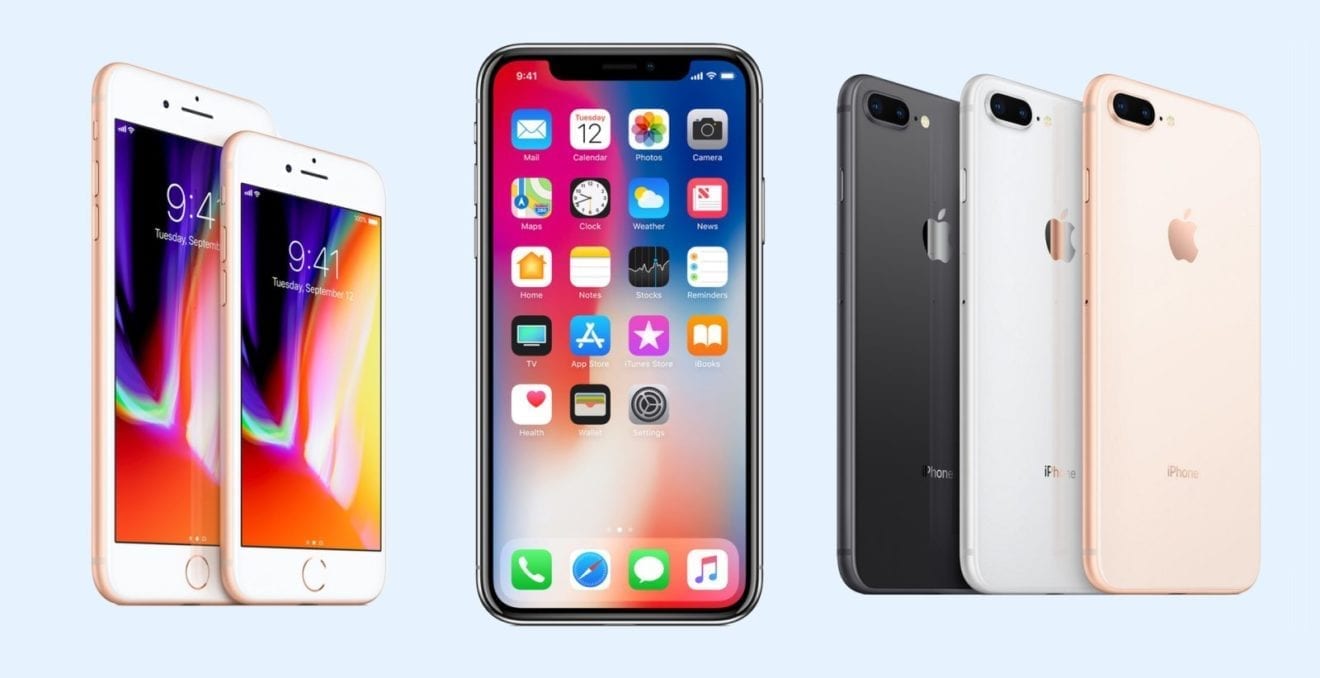
    The iPhone X has been described by Apple as “the future of the smartphone”, featuring full-front and rear glass design, surrounded by stainless steel frame, with a 5.8-inch ‘Super Retina’ OLED display, A11 Bionic chip, wireless charging and an improved rear camera with dual optical image stabilisation.

    With an all-glass front the ‘home’ button has been removed. Instead of activating the phone with a fingerprint, users can unlock the phone, and make payments, using Apple’s Face ID technology – you look at it to switch it on.

    The glass back enables a world-class wireless charging solution. Wireless charging works with the established Qi ecosystem, including two new wireless charging mats from Belkin and mophie, available from Apple.com and Apple Stores.

    “For more than a decade, our intention has been to create an iPhone that is all display. The iPhone X is the realisation of that vision,” said Jony Ive, Apple’s chief design officer.

    The home button has been replaced with what Apple describes as “fast and fluid gestures. Now users swipe up from the bottom to go home from anywhere.

    Apple says the new 7-megapixel TrueDepth front camera that enables Face ID features wide-colour capture, automatic image stabilisation and precise exposure control, and brings portrait mode to the front camera for better quality selfies and a depth-of-field effect. The phone also features a redesigned dual 12-megapixel rear camera system with dual optical image stabilisation. The camera also delivers the highest quality video capture ever in a smartphone.

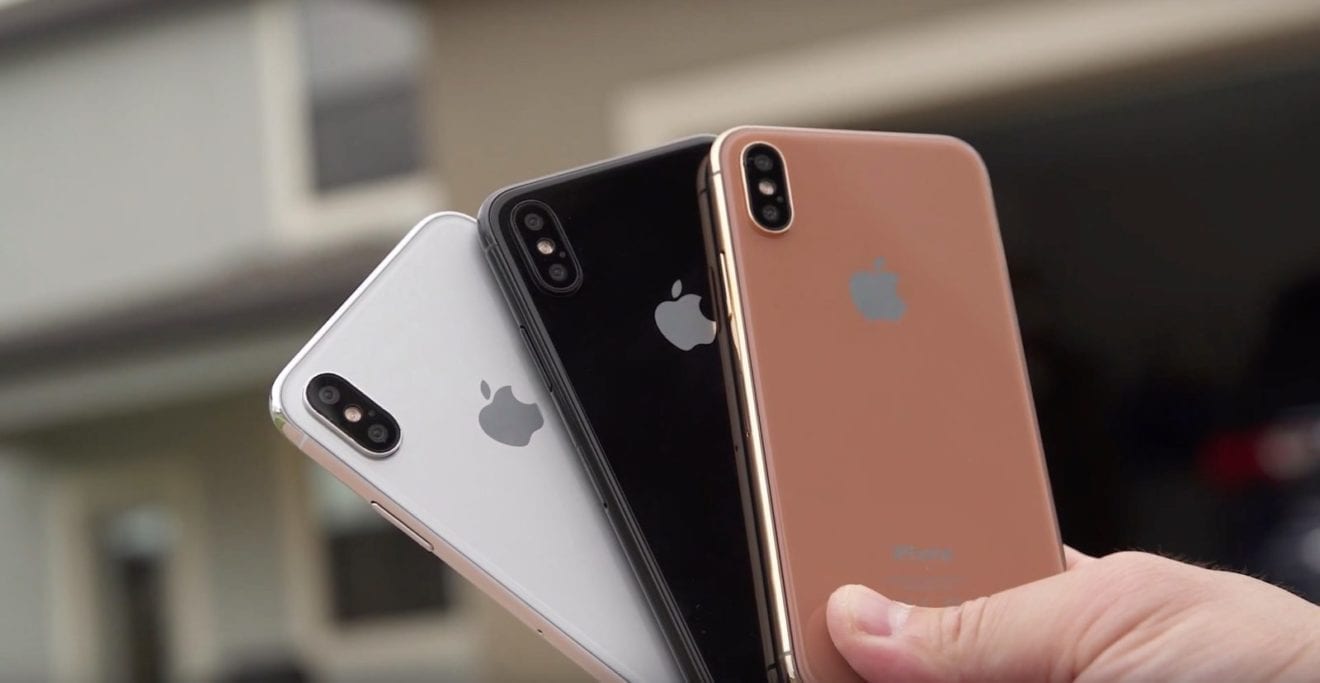
    The iPhone X will be available in silver and space gray in 64GB and 256GB models.

    The new iPhone 8


    Meanwhile, the Asia onsale dates of the new iPhone 8 and iPhone 8 Plus will vary. Orders will be taken from September 15, with availability from September 22 in Australia,  China, Hong Kong, Japan, New Zealand, Singapore and Taiwan. It will be available in India from September 29.

    The iPhone 8 features a new glass and aluminum design in three colours – grey, silver and gold –  Retina HD displays and an A11 Bionic chip. They come with 4.7-inch and 5.5-inch HD displays, and redesigned stereo speakers up to 25 per cent louder and delivering deeper bass, enabling richer-sounding music, videos and speakerphone calls.

    Sold with 64GB and 256GB capacity, the base model will be priced from US$699.

    Series 3 Apple Watch

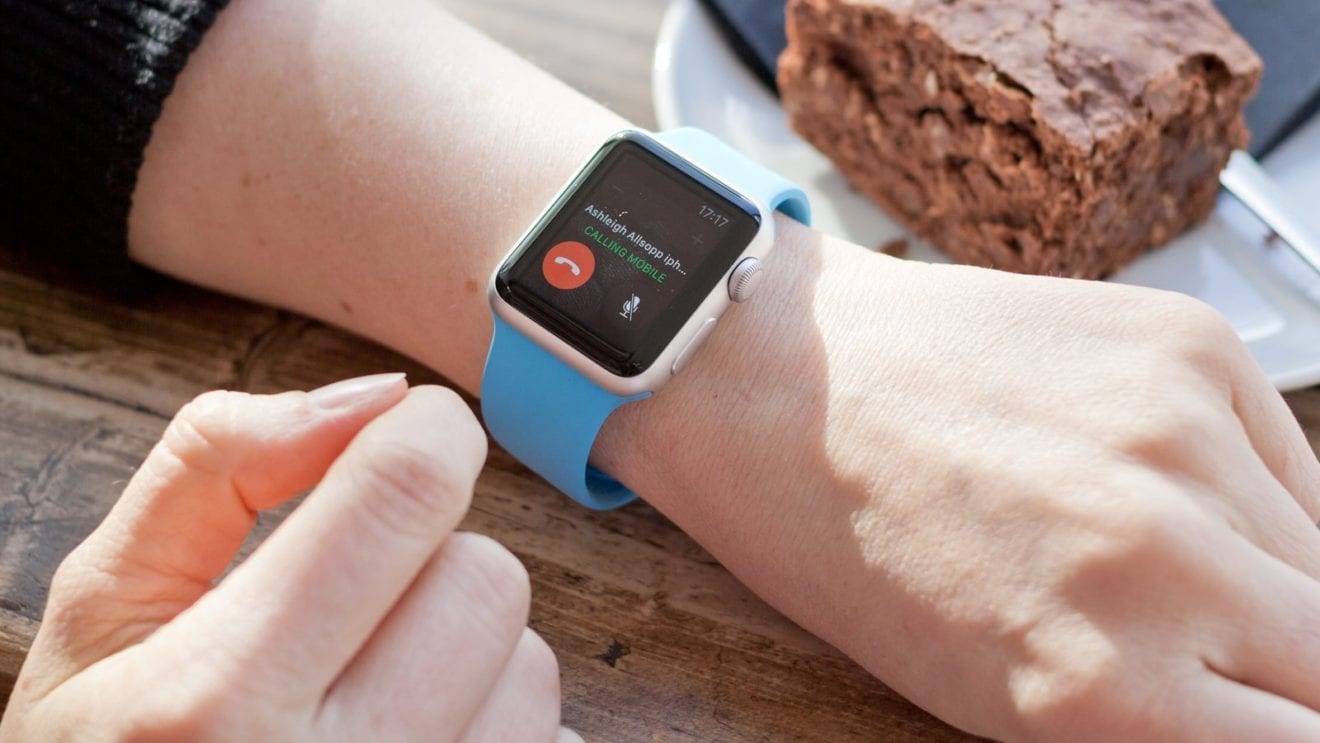
    The new Apple Watch Series 3 now features built-in cellular capability.

    “Whether users are out for a run, at the pool or just trying to be more active throughout their day, Apple Watch Series 3 with cellular allows them to stay connected, make calls, receive texts and more, even without an iPhone nearby,” says the company.

    “The third-generation Apple Watch is an amazing health and fitness companion with intelligent coaching features, water resistance 50 meters and a new barometric altimeter that measures relative elevation.”

    The watch comes in two models, one with GPS and cellular, and one with GPS, both featuring a 70 per cent faster dual-core processor and new wireless chip.

    “We believe the addition of cellular will transform the way people use Apple Watch, providing a new sense of freedom since they can stay connected with or without their iPhone,” said Jeff Williams, Apple’s COO.

    Soon, the combination of cellular and WatchOS 4 will allow Apple Music users to stream 40 million songs from their wrist.

    In Asia-Pacific, the cellular watch model can be pre-ordered from September 15, with both models in stores from September 22 in Australia, China and Japan. It will be launched in other countries next year.

    Customers will be able to order the GPS-only version from September 15, with availability beginning September 22 in Australia, China, Hong Kong, Japan, New Zealand, Singapore and Taiwan and in India and Macau from September 29.

    An Apple Watch Nike+ edition will be available to order on Apple.com from September 15, with limited availability on October 5 in Australia, China, Hong Kong, India, Japan, Macau, New Zealand, Singapore, Taiwan and Thailand.

    An Apple Watch Hermès edition will be available to order on Apple.com from September 15, with availability from September 22 in Australia, China and Japan.
  • Apple set to unveil anniversary iPhone in major product launch

    Apple set to unveil anniversary iPhone in major product launch

    Apple hopes iPhone X will silence critics who say the company has lost its innovation edge.

    A decade after then-CEO Steve Jobs unveiled the first iPhone, Apple Inc on Tuesday is set to introduce a completely redesigned top-of-the-line iPhone along with two other new phones, as well as a big upgrade to the Apple Watch and a higher-definition Apple TV.

    The splashy launch event will take place at the Steve Jobs Theater at Apple’s new Apple Park “spaceship” campus – widely considered to be the final product designed by Jobs, who died in 2011.

    The new products and the holiday shopping season that follows are the most important for Apple in years. The company has sold more than 1.2 billion iPhones over the past decade and ushered in the era of mobile computing, but last year suffered a substantial decline in revenue as many consumers rejected the iPhone 7 as being too similar to the iPhone 6.

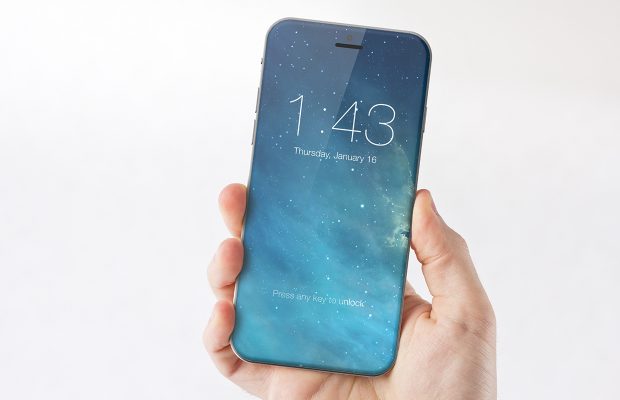
    Apple hopes the new high-end phone, expected to be called the iPhone X, will silence critics who say the company has lost its innovation edge. It features an edge-to-edge display with richer colors and facial recognition to unlock the phone without the need for a fingerprint reader or physical home button.

    The two other models, expected to be called the iPhone 8 and iPhone 8 Plus, are intended to update the iPhone 7 and iPhone 7 Plus. They could also include some new features, such as a glass back similar to the iPhone 4 that would help facilitate wireless charging.

    The phones are expected to come with a steep price tag. Bernstein analyst Toni Sacconaghi predicts the top-end model will cost $899, though other analysts expect it to cross the $1,000 threshold. That compares to a top base price of $769 for the iPhone 7 Plus prior.

    Much of that added costs is driven by more expensive parts, like a higher-resolution display, 3D sensors and more memory capacity. “Some of these components are just darned expensive. There’s just no doubt about that,” said Brian Blau, an Apple analyst at Gartner.

    Blau expects Apple to keep several lower priced models in its lineup.

    Watch for wireless networks

    Analysts also expect Apple to reveal a new Apple TV that operates at higher resolution than its previous set. The higher resolution could play into Apple’s efforts to court Hollywood, which have shifted into a higher gear recently with two high-profile executives hired away from Sony.

    The company is also expected to reveal more details about the HomePod, its voice-activated home speaker that competes against Amazon.com Inc’s Echo devices and the Google Home speaker. Apple announced the HomePod in June and said it will ship in December.

    Lastly, Apple is expected to announce a new version of the Apple Watch. Previous versions of the watch had to be tethered to a user’s phone in order to receive send or receive data, but the new version is expected to connect to wireless data networks just like a phone.

    Apple does not say how many Apple Watches it sells. Gene Munster, a veteran Apple watcher and analyst with Loup Ventures, believes the watch could double or even triple in sales because of the new connectivity.

    But even a huge boom in one product will not move the company’s financials like the iPhone, which accounted for 63 percent of Apple’s $215 billion in sales last year. Even if Apple crushes rivals like Fitbit Inc and Garmin in smart watch sales, Apple remains the iPhone company.

    “It’s a really big deal for the wearables category for Apple, but it’s not a big deal for the company,” Munster said.

  • Huawei bites Apple in smartphone sales rankings

    Huawei bites Apple in smartphone sales rankings

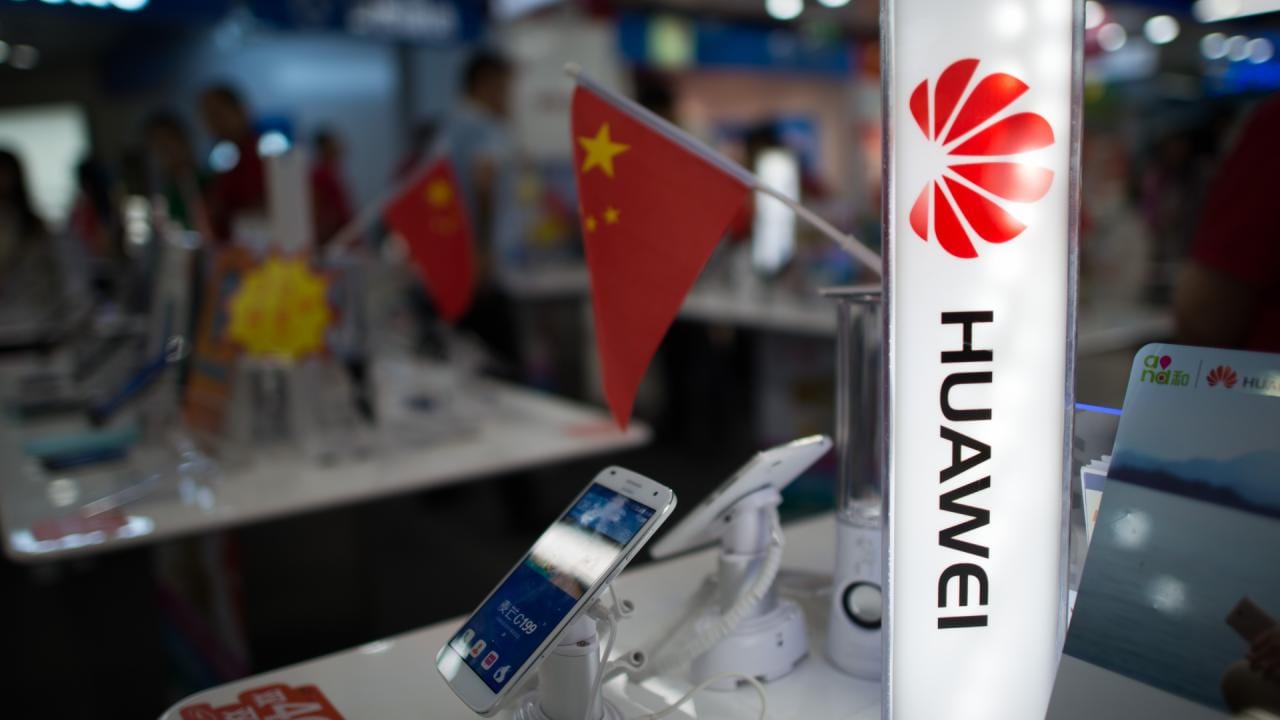
    Chinese brand Huawei has overtaken Apple in global smartphone sales rankings for two consecutive months – and is set to achieve a trifecta, according to research house Counterpoint.

    “With August sales looking strong for the Chinese vendor, a hat-trick for Huawei could be on the cards,”says Counterpoint research director Peter Richardson..

    “This is a significant milestone for Huawei, the largest Chinese smartphone brand with a growing global presence. It speaks volumes for this primarily network infrastructure vendor on how far it has grown in the consumer mobile handset space in the last three to four years,” said Richardson.

    “The global scale Huawei has been able to achieve can be attributed to its consistent investment in research and development and manufacturing, coupled with aggressive marketing and sales channel expansion.”

    But Richardson cautions Apple should regain its second spot given a new edition of the iPhone is set for launch in September.

  • Apple China sets pertinent date for store opening

    Apple China sets pertinent date for store opening

    Apple China has set an opening date of September 16 for its Tianyi Square location in Ningbo – just in time for the iPhone 8 release.

    It will be the US technology brand’s 41st store in China, and appears to be geared toward Apple’s new retail vision with a large central gathering space with conventional retail on its periphery.

  • Apple backs payments via WeChat

    Apple backs payments via WeChat

    Apple Inc’s online services support WeChat payment from yesterday under a tie-up between the US technology giant and Tencent, China’s top dot-com firm with almost 1 billion users.

    Apple users can purchase apps and subscribe to online music by bundling App Store and WeChat payment accounts. In China, around 963 million people use WeChat, a popular instant message and picture sharing tool.

    Apple will “continue to be committed to offering customers across its ecosystem a variety of payment options that are simple and convenient,” the firm said in a statement.

    The WeChat payment tie-up is expected to allow Apple to boost revenue from services, which may help the company to offset sales decline of iPhone and iPad in recent quarters in China, industry insiders said.

    Apple has increased investment in China by setting up new research hubs data centers and more Apple Stores.