Tag: apple

  • Force Friday II stars at Apple stores

    Force Friday II stars at Apple stores

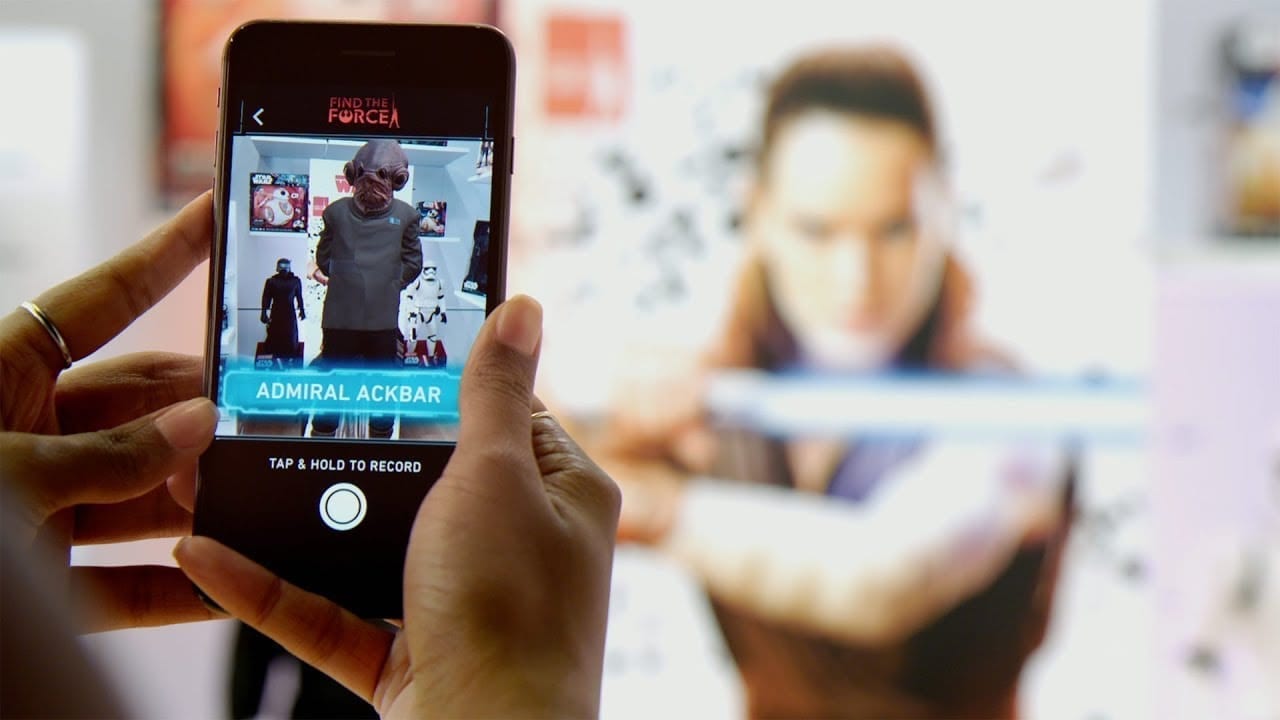
    To celebrate Force Friday II, Apple is hosting Star Wars-themed Today at Apple events at its retail stores internationally, including special computer graphics (CG) tutorials featuring Industrial Light and Magic (ILM) artists.

    The sessions include workshops on iPad video creation, drone programming for children and CG art.

    There are two feature classes, the first being “How To: Build Your Own Star Wars Trailer” which teaches signature techniques in an exclusive video from The Last Jedi director Rian Johnson. Footage and music from various Star Wars movies will be available for cutting together trailers in iMovie on iPad.

    The second feature session, “Kids Hour: Coding the Droids from Star Wars,” offers children a chance to program a Sphero robot and guide it through a self-designed maze. Apple was one of the first retailers to sell Sphero’s BB-8, a rolling iOS-connected drone modelled after the droid from Disney’s Star Wars: The Force Awakens.

    As with other Today at Apple classes, customers can take in their own iPad, iPhone and Sphero drone, or use hardware provided in store.

    Apple is also hosting two special events featuring ILM artists at its Union Square flagship outlet in San Francisco.

    On Friday, three ILM artists will explain how the Star Wars galaxy is created through animation, 3D modelling, stop motion and CG. Users can apply the techniques to create their own droids using iPad Pro and Apple Pencil.

    Saturday’s session features ILM visual effects art director Christian Altmann, the man behind BB-8.

    He will talk about his creative process and explain how colour, shaping and composition give BB-8 personality and emotion. Users can create their own BB-8 using iPad Pro and Apple Pencil.

    As well as the US, the sessions are in territories including China, Hong Kong, Japan, Macau, Singapore, Australia and Taiwan.

  • TrueMoney adds support for Apple digital purchases

    TrueMoney adds support for Apple digital purchases

    Thailand’s True Corp has introduced the ability to pay for purchases over Apple’s digital platforms using its TrueMoney digital payment service.

    All TrueMoney customers are now able to purchase items through the App Store, Apple Music or iTunes directly from their TrueMoney accounts, the company announced.

    Customers with new or existing Apple IDs will be able to select TrueMoney is a payment method in their account settings for the three digital stores from their Apple devices or PCs in the case of iTunes.

    The payment option will allow for one-tap purchasing from Apple devices including iPhones, iPads, Apple Watches and Apple TVs.

    Last week, Vietnam’s Vinaphone became the last of the nation’s major mobile operators to introduce carrier billing for Google Play over the Fortumo payments platform.

  • Apple under pressure to dazzle as market slows

    Apple under pressure to dazzle as market slows

    Apple has lost ground in the Chinese market, with revenues down 10 percent in the past quarter from a year earlier. As Apple and Samsung gear up to launch new flagship smartphones, the market leaders are seeking a wow factor that can help them fend off challenges from rising Chinese-based manufacturers.

    Apple is under particular pressure to dazzle as the culture-changing California iPhone maker looks for a way to maintain its image as an innovation leader in a global market showing signs of slowing.

    “Clearly, Apple wants to do something different for the 10th anniversary” of the iPhone, NPD Group analyst Stephen Baker told AFP.

    Baker said this is a challenge for Apple because “it is still going to be a flat piece of glass and the other things we talk about around a phone.”

    Apple is widely expected to unveil the latest iteration of the iPhone in September, while smartphone market leader Samsung is holding an August 23 unveiling likely to launch its Galaxy Note 8 handset.

    The two market leaders are seeing rivals, mainly from China, chip away at market share, creating pressure to showcase innovation, say analysts.

    Some reports say the new iPhone will include a high-quality, edge-to-edge screen with a notch in the top for an extra camera supporting 3D facial recognition.

    Some speculate that the back of the new handset will be glass and will offer wireless charging.

    “We are expecting a major design refresh on Apple,” GlobalData analyst Avi Greengart told.

    “That has been a sore point, especially in China. People are looking to show off a status symbol, so it needs to look different than Huawei or Xiaomi, and I think it will.”

    Apple has lost ground in the Chinese market, with revenues down 10 percent in the past quarter from a year earlier in its “Greater China” segment.

    Some reports say Apple could release as many as three new handsets, including an “iPhone Pro” aimed at capturing the high end of the market.

    Shifting market

    Global smartphone sales saw a modest decline of 0.8 percent in the second quarter of 2017, as market leaders Samsung and Apple consolidated their positions, an IDC survey showed.

    The South Korean giant maintained the top spot with a 23.3 percent market share, while Apple held onto second place with 12 percent, according to IDC.

    Huawei was the third-largest vendor, with an 11.3 percent market share. The Chinese electronics giant closed the gap with Apple, adding two percentage points to market share from a year earlier, according to the survey.

    China-based Oppo and Xiaomi rounded out the top five.

    Samsung is in stride with a recently released Galaxy 8 flagship phone, seemingly recovered from an embarrassing recall of a Note 7 model due to batteries catching fire.

    “Samsung had the Note 7 debacle, but it appears their troubles are behind them,” Greengart said.

    “Samsung is doing some amazing things with its display and design.”

    NPD’s Baker said he expected “the drum beat of Hero Android phones” that could challenge the iPhone “to be a little louder this year that it has been.”

    Meanwhile, the Google-made Pixel smartphones that debuted last year will likely get a second generation in the months ahead.

    New Pixels are expected to have richer screens and an additional front speaker, and to follow the trend of adding a second camera on the back for depth-sensing.

    Gartner analyst Brian Blau suggested that, aside from Apple trying to wow with an anniversary iPhone, flagship handsets launched this year would have incremental improvements, not radical transformations.

    “There will be a small number of new players, and that always brings excitement,” Blau said.

    New entries include the “Essential” smartphone from a startup founded by Andy Rubin, credited with being the father of Android software.

    Essential, whose backers include internet colossus Amazon and China’s Tencent Holdings, began selling its $699 handset this month, touting the handset’s ceramic and titanium construction and the ability to add accessories on a magnetic connector.

    Augmenting reality

    Some analysts say the upcoming handsets may showcase the ability to handle augmented reality (AR) as a way to revive interest.

    Google has pushed augmented reality with a “Tango” phone, and enabled Pixel handsets to be used for virtual reality with “Daydream” gear. And Apple has made an AR kit available to developers that could lead to iPhone apps.

    “The standard AR demos we have seen for years as a future thing — seeing how new furniture looks in your living room or virtual coupons hanging in mid-air in supermarket aisles — we will see this fall,” Greengart predicted.

    Smartphone makers are also expected to do more with voice recognition and commands, making handsets more attractive in places where literacy rates are low but mobile internet access is available.

  • Apple sales beat expectations as all categories fire

    Apple sales beat expectations as all categories fire

    Apple sales beat estimates in the latest quarter, with all its main product segments showing growth – even the iPad and Apple Watch, which were previously struggling.

    The US-based tech giant boosted net income by 12 per cent year-on-year to $8.72 billion on total sales of $45.41 billion.

    But despite its global success the company still has major challenges in China, a market it once considered key to future growth. Greater China sales fell 9.5 per cent to $8 billion as locals switched allegiance to local brands, often with better specifications and lower price tags.

    While iPhone sales have stagnated in the mainland, other product categories showed growth and sales were also higher in Taiwan.

    “The decline from a market standpoint was concentrated in Hong Kong, which is a place that has been really affected by a reduction in tourism because the Hong Kong Dollar is pegged to the US dollar,” said Apple CFO Luca Maestri.

    The strong global result was unexpected given the third quarter is traditionally Apple’s weakest due to its product launch cycle. The next generation iPhone, on track for a September launch, is expected to help Apple achieve fourth quarter sales of between $49 billion and $52 billion.

    “Decidedly rosier”

    GlobalData Retail MD Neil Saunders described the results as “decidedly rosier than those of recent quarters”.

    “In our view, this is a very solid performance, especially so at this point in the cycle when consumers are awaiting the release of the next generation of product. All the main product segments are showing growth – however, it is clear that growth across the divisions is far from even. iPhone growth is respectable, but far from stellar. iPad growth is good but is still not strong. Mac growth is decent, but this is down to higher-priced laptops pushing up revenue rather than underlying volume growth in unit terms. In other words, sales of products are reasonable, but not spectacular.”

    Saunders said the services sector – including products such as iTunes, Apple TV and the App Store – shows the strongest potential for Apple in the short term.

    “In contrast, service sales powered ahead – with a growth rate of 22 per cent over the prior year. Services now represent around 16 per cent of Apple’s revenue base, up from 14 per cent a year ago. In our view, this growth has some way to run.”.

    Saunders expects near-term benefits from iPads, the HomePod and the new iPhone.

    “While the iPad remains a category past its prime, we believe the upcoming release of iOS 11 has the potential to stimulate some growth. In essence, Apple has come to realise that as aesthetically pleasing and as technologically sound as it is, the applications for the iPad are somewhat limited. This is exacerbated by the fact that the main benefit of an iPad, namely its larger screen, has been diminished by the rise of bigger smartphones. The new operating software goes some way to remedying this and gives the iPad many of the functions of a laptop or notebook; in so doing, it puts some clear blue water between it and the iPhone. This will allow Apple to compete more effectively with devices like Microsoft’s Surface and could sustain this quarter’s slight uptick in demand.”

    Home Pod shines

    Saunders said the HomePod comes “as a breath of fresh air” – if only because it is the first major new product release by Apple for some time.

    “Despite this, we have mixed views about its potential success. There is no doubt that Apple has created a good piece of kit with superior speakers and some smart functions. However, the concept itself is not revolutionary; indeed, it is rather samey and follows a multitude of other home devices, including Amazon’s Echo products. One of the challenges here will be getting consumers who have already committed to one platform to switch to Apple or to buy into Apple as well. In our view, the HomePod is not sufficiently differentiated to do this well. As such, we do not believe the device will be the new iPhone; although it will likely be more successful than Apple Watch.”

    A fundamental problem for Apple is that it has set the bar so high, he said. “Its existing products are impressive and often cutting edge. However, consumers are now intimately familiar with them and, take them for granted.

    As such, it is tough to wow them with small changes and tweaks – no matter how much engineering and technical prowess those adaptations require.

    “That said, Apple has been in an incremental mode for quite some time. Our sense is that the company has lost the edge for looking at a part of the market or a category and finding ways in which it can radically reinvent it – just as it once did with the iPod and then the iPhone. This is the fuel that previously made Apple great; without adding more of it to the fire, Apple’s flame – dazzling though it is – will not burn brighter.”

  • Apple revenue rises on iPhone boost

    Apple revenue rises on iPhone boost

    Apple has reported a 7.2 per cent rise in quarterly revenue, buoyed by better-than-expected sales of its iPhones ahead of the smartphone’s 10th-anniversary edition launch later this year.

    On Tuessday the company said iPhone sales rose 1.6 per cent to 41.03 million in the third quarter ended July 1, above analysts’ average estimate of 40.7 million units, according to financial data and analytics firm FactSet Street Account. Apple sold 40.4 million iPhones a year earlier.

    Many customers wait for Apple to launch its new smartphones before deciding on upgrading or replacing their current devices, which usually results in iPhone demand tapering in the months before a release.

    The company forecast total revenue of between $US49 billion ($A61 billion) and $US52 billion for the current quarter, while analysts on average were expecting $US49.21 billion, according to Thomson Reuters I/B/E/S.

    Analysts on average expect the company to sell 45.55 million iPhones in the current quarter, according to FactSet. Apple sold 45.51 million iPhones in the year-ago quarter.

    Apple’s fourth quarter generally includes first-weekend sales of the company’s latest devices.

    The company’s net income rose to $US8.72 billion, or $US1.67 per share, in the three months ended July 1, from $US7.80 billion, or $US1.42 per share, a year earlier.

    Revenue rose to $US45.41 billion from $US42.36 billion in the quarter, typically the company’s weakest. Analysts on average had expected $US44.89 billion.

  • Samsung beats Apple in brand health rankings

    Samsung beats Apple in brand health rankings

    Google, YouTube and Facebook have topped a first-ever global brand health ranking by YouGov, an online market research firm based in the UK.

    In a list dominated by online brands, Samsung has come in fourth, messaging service WhatsApp is in fifth position, and Apple’s iPhone is in sixth spot. Other brands in the top 10 ranking include brands such as Amazon, Toyota, Adidas and Colgate.

    The rankings are based on YouGov BrandIndex data from across the world. BrandIndex operates in 32 countries across the globe, including markets in North America, South America, Europe, Africa, Asia and Australia.

    The ranking takes into account consumers’ perceptions of a brand’s quality, value, impression, satisfaction, reputation and whether consumers would recommend the brand to others. The rankings list shows the brands with the highest average Index scores between July 1, 2016 and June 30, 2017.

    “Tech brands dominate this global list and with good reason. By their very nature the likes of Google, YouTube and Facebook are open and accessible in most places on earth to anyone with online access,” YouGov CEO for data products Ted Marzilli said.

    “The presence of Samsung and Apple iPhone demonstrate are a sign that our mobile devices have become the remote controls for our lives. All of the brands in the ranking are mainstream with broad utility at their core – and this is as true of the likes of Toyota and Colgate as it is for WhatsApp and Samsung.”

  • Apple Greater China has new leader

    Apple Greater China has new leader

    Wireless technologies team leader Isabel Ge Mahe has been appointed to the newly created role of VP/MD of Apple Greater China, reporting to CEO Tim Cook and COO Jeff Williams.

    “Apple is strongly committed to invest and grow in China, and we are thrilled Isabel will be bringing her experience and leadership to our China team,” says Cook. “She has dedicated a great deal of her time in recent years to delivering innovation for the benefit of Apple customers in China, and we look forward to making even greater contributions under her leadership.”

    As VP of Apple’s wireless technologies software engineering division for nine years, Ge Mahe has been involved in the development of cellular, Wi-Fi, Bluetooth, NFC, location and motion technologies for nearly every Apple product. She has also overseen the engineering teams developing Apple Pay, HomeKit and CarPlay.

    In China, she has worked with Apple’s R&D team and carrier partners to develop China-specific features for iPhone and iPad, including QR Code support, SMS fraud prevention and enabling the use of a phone number as an Apple ID.

    Born in Shenyang and fluent in Mandarin, Ge Mahe earned Bachelor and Master of Electrical Engineering degrees from Simon Fraser University in British Columbia. She holds an MBA from the University of California, Berkeley. She takes up her new role, in Shanghai, in the next few months.

  • Apple continues Asia expansion with its first retail store in Taiwan

    Apple continues Asia expansion with its first retail store in Taiwan

    Apple has continued to expand its retail footprint in Asia after the iPhone-maker opened its first store in Taiwan this weekend.

    The inaugural Apple Store is located in Taipei 101, a landmark skyscraper in Taipei, and it is staffed with an initial workforce of 130 employees, Apple said. Doors in Taiwan opened at 11am local time on Saturday, but eager fans had queued for as long as 68 hours in some cases.

    Beyond selling products and offering repairs, the Apple Taipei 101 store is aimed at being a place for community and learning. Apple said it will offer visitors access to its ‘Today at Apple’ programs that cover topics like photography and video, art, design, music and coding.

    Like in other parts of Asia, Apple customers in Taiwan had until now had to rely on Apple’s website or third-party resellers to buy products and handle repair options. That’s despite the fact that many of Apple’s key manufacturing partners, including Foxconn, are headquartered in Taiwan but operate their factories in China.

    Exact numbers aren’t clear, but Apple is consistently among the top five smartphone sellers in Taiwan with upwards of 15 percent marketshare, although that spikes significantly around new device launches.

    This Taiwan launch comes hot on the heels of the opening of Apple’s first retail store in Singapore, and the announcement of plans for an Apple Store in Korea. The company is also working to expand its stores to India. Apple, which has already begun assembling some devices in the country, said it recently held “constructive” dialogue with government officials on the topic.

  • Apple To Open The First Retail Store Taiwan

    Apple To Open The First Retail Store Taiwan

    Apple has revealed that it will be opening its first store in Taiwan in the near future. The store will be located at the Taipei 101 skycraper and will take up space on both the basement level and the ground floor. The combined floor space will be approximately 1,322 square meters. Taipei 101 is the fourth tallest building in the world and is in the Xinyi District of Taiwan’s capital city.

    “Taiwan’s first Apple Store will soon open in Taipei! Apple Store – Taipei 101 will provide a space for people to experience Apple’s full range of products and services; At the same time, for people to come together to create, share and learn,”

    Authorized resellers

    While the specific opening date has not been set, a Taiwanese publication has speculated that it could happen as soon towards the end of this month. Currently, Apple sells its range of products such as iPhones, iPads, Apple Watch, Mac desktop and laptop computers via third-party resellers. Apple also sells to its Taiwanese customers directly online. Some of the Apple authorized resellers in Taiwan include iStore, Studio A and Youth.

    So far there are about 495 Apple stores spread across 17 countries around the globe. The United States takes the lion’s share of the stores having 270 of them while the remainder is distributed in the rest of the world. In the greater China area, Apple has more than 40 retail stores with five of them located in Hong Kong and about 41 retail stores located in Mainland China. Most of these stores are stationed in MixC and Galaxy shopping malls.

    Recruitment of employees

    Apple’s plans to open a retail store in Taiwan first came to the fore in 2016 when it posted ads for various positions include business leader, store leader, manager, expert and genius. This came at a time after Apple had raised in a bond offering approximately $1.38 billion in Taiwan. The absence of an Apple retail store in Taiwan has been ironic since majority of the key suppliers to Apple such as Foxconn are headquartered on the island.

  • Huawei will leapfrog Apple and HP to lead the PC market in five years

    Huawei will leapfrog Apple and HP to lead the PC market in five years

    Huawei will become the top personal computer maker in the world in three to five years, leapfrogging the likes of Apple, Lenovo and HP, a top executive at the firm told on Wednesday, just days after launching new notebook devices.

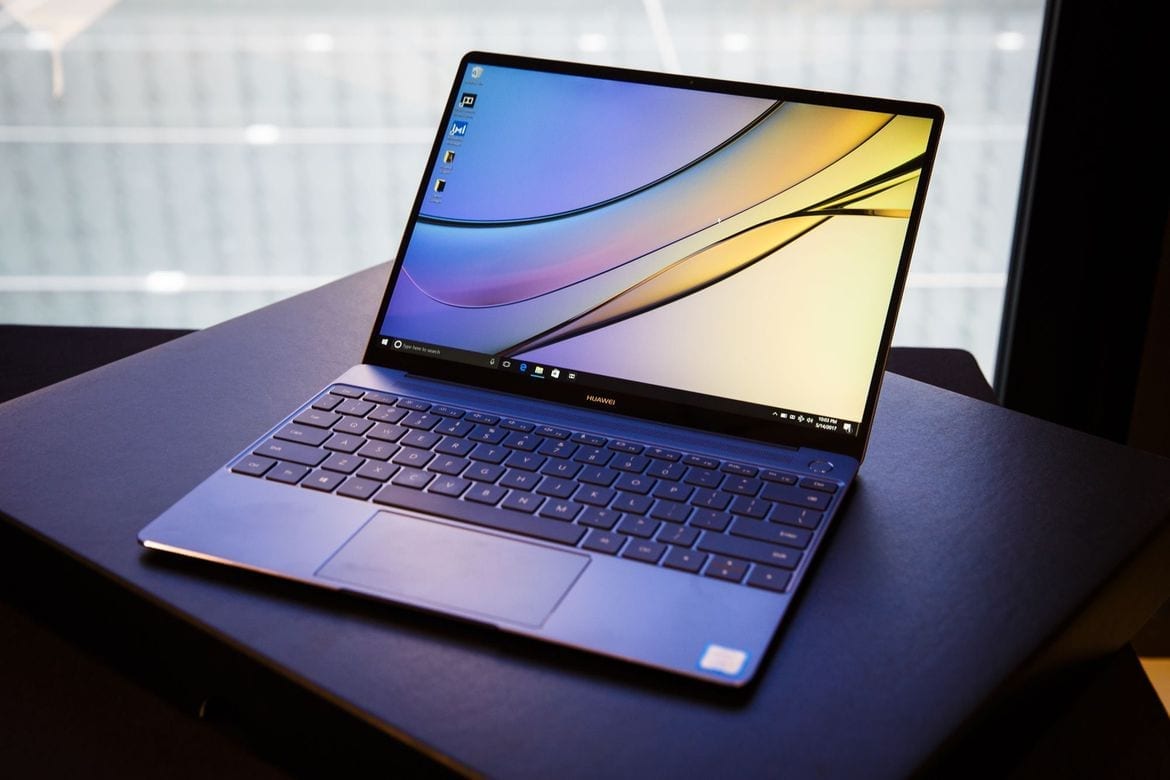
    In May, the Chinese firm took the wraps off of the MateBook X, MateBook D and MateBook E — the X is a laptop that competes directly with Apple’s MacBook line of products. For its part, the company says it is bullish on its plans in the PC space.

    “Whenever Huawei decides to enter an area, make a product, our target is always to be a global leader,” said Wan Biao, chief operating officer of Huawei’s consumer business group. “I think this comes from Huawei’s unswerving input in R&D, and our innovation capabilities. I think these has already been proven in our smartphone products.”

    When asked how long it will take to sit at the top spot in the market, Wan said the “process would take about three to five years.”

    The PC market has been declining for several years, but it recorded 0.6 percent growth in the first quarter of 2017, according to data from IDC. Given that low growth, it’s an incredibly tough market.

    HP, Lenovo, Dell, Apple, and Acer make up the top five players in the world by market share, IDC said. So if Huawei becomes number one, that would mean beating out those top players. Wan, however, said he’s confident.

    “Of course, we are confident because of Huawei’s powerful innovation capabilities. In fact, in the laptop space some technologies are the same with smartphone. In the meantime, with the development of AI, AR and VR [artificial intelligence, augmented reality and virtual reality] technologies, the chance to succeed will only grow bigger for a strong innovative company,” Wan told.

    Huawei’s consumer business is relatively young and began with smartphones. The Chinese giant is seeing success: reported revenues in its consumer business group were up 42 percent year-on-year in 2016 to 178 billion yuan ($26.19 billion). Smartphone shipments were up 29 percent to 139 million units, and Huawei is now the third-largest smartphone vendor in the world by market share.

    Wan’s projection of being the top PC maker in only a few years mirrors similar bullishness from the company about smartphones. In 2016, Richard Yu, the CEO of the consumer division at Huawei, told that the firm would be number one in smartphones by 2021.

    It may seem odd that Huawei is entering a stagnant market, but the tactic is to try and create an ecosystem of products for consumers. Not only does Huawei have smartphones, but it also sells smartwatches and Wi-Fi routers. Laptops are another edition to the portfolio.

    “I think for Huawei’s strategy, one of the most crucial points is the connectivity of all things. Every object in the world should be able to connect … Therefore Huawei is also developing our business over these notions,” Wan said.

  • Apple debuts HomePod speaker to bring Siri into the living room

    Apple debuts HomePod speaker to bring Siri into the living room

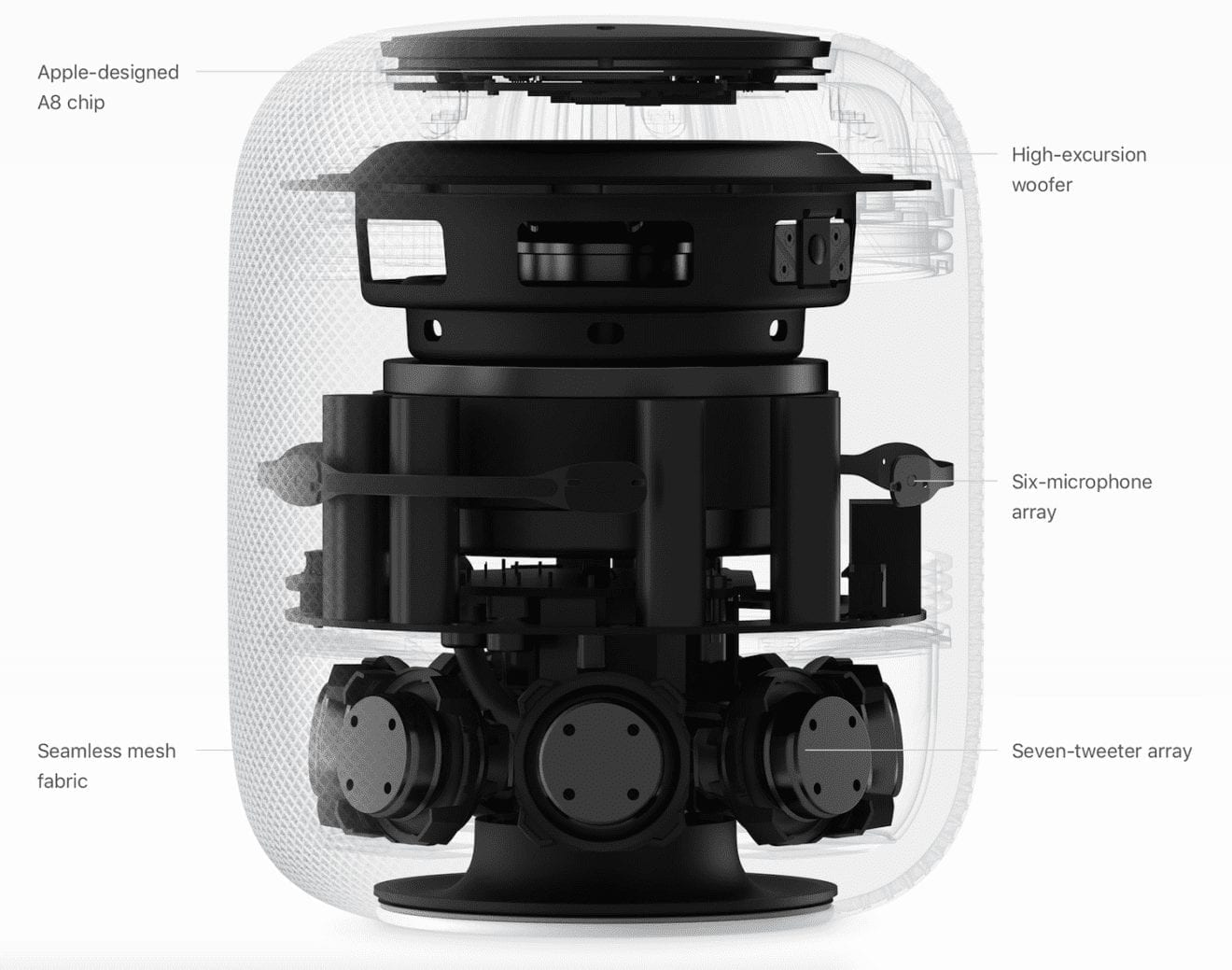
    The HomePod speaker stands just under seven inches (18 cm) tall and is covered in fabric mesh that will come in white or gray. Apple on Monday introduced the HomePod, a voice-controlled speaker that can make music suggestions and adjust home temperatures, taking aim at Amazon.com’s Alexa feature and Echo devices.

    The move is the first into a completely new area by Apple for more than two years as the world’s most valuable technology company looks to make up for a dip in iPhone sales and new ways to get customers to use more of its money-making apps and services.

    Apple’s Siri assistant will be integrated into the $349 speaker, and can make music recommendations that pair with the company’s Apple Music service, send text messages, check news and sports scores and control compatible home gadgets like lightbulbs and thermostats.

    HomePod users may initially be constrained by Siri’s lack of capabilities as compared to Alexa, which also boasts the ability to order millions of Amazon products as well as food from restaurants like Domino’s.

    Apple is expected to announce plans this week to make its Siri voice assistant work with a larger variety of apps, but initial changes were expected to add just a small number of capabilities.

    Apple will begin shipping the HomePod to the United States, Britain and Australia in December.The HomePod speaker stands just under seven inches (18 cm) tall and is covered in fabric mesh that will come in white or gray. A computer processor will tune sound to the room and beam specific parts of music, like a singer’s voice, toward the listener.

    The speaker, while expected by some industry watchers, marked Apple’s first new product announcement since the Apple Watch in September 2014. As a music-playing device, it will also be a challenger to Sonos, whose wifi-controlled speakers are used by many smartphone users for home entertainment.

    A new Siri interface on the Apple Watch will also blend users’ calendar information with other useful details, like airline tickets they may have booked, the company said.The Cupertino, California-based company said Siri, which also competes with Alphabet Inc’s Google Assistant, will now work across devices.

    Apple shares closed down 1 percent at $153.93, not far below the all-time high set last month.Apple also used its annual developer meeting in San Jose, California – its largest ever with some 5,000 people attending – to offer hints about so-called augmented reality technology.

    Augmented reality

    The technology, a feature of the wildly successfully smartphone game Pokemon Go, overlays digital information on real-world images and is seen as an area in which the keenly awaited 10th-anniversary iPhone can stand out from competitors.

    New indoor maps of areas like malls and airports indicated that Apple might be laying groundwork to display information over images of those places in the future.

    The company also rolled out tools for developers to create augmented reality applications for iPhones and iPads. To show the tools off, Apple invited Wingnut AR, the company formed by “Lord of the Rings” director Peter Jackson, on stage.

  • Apple opens flagship Singapore store, its first retail outlet in Southeast Asia

    Apple opens flagship Singapore store, its first retail outlet in Southeast Asia

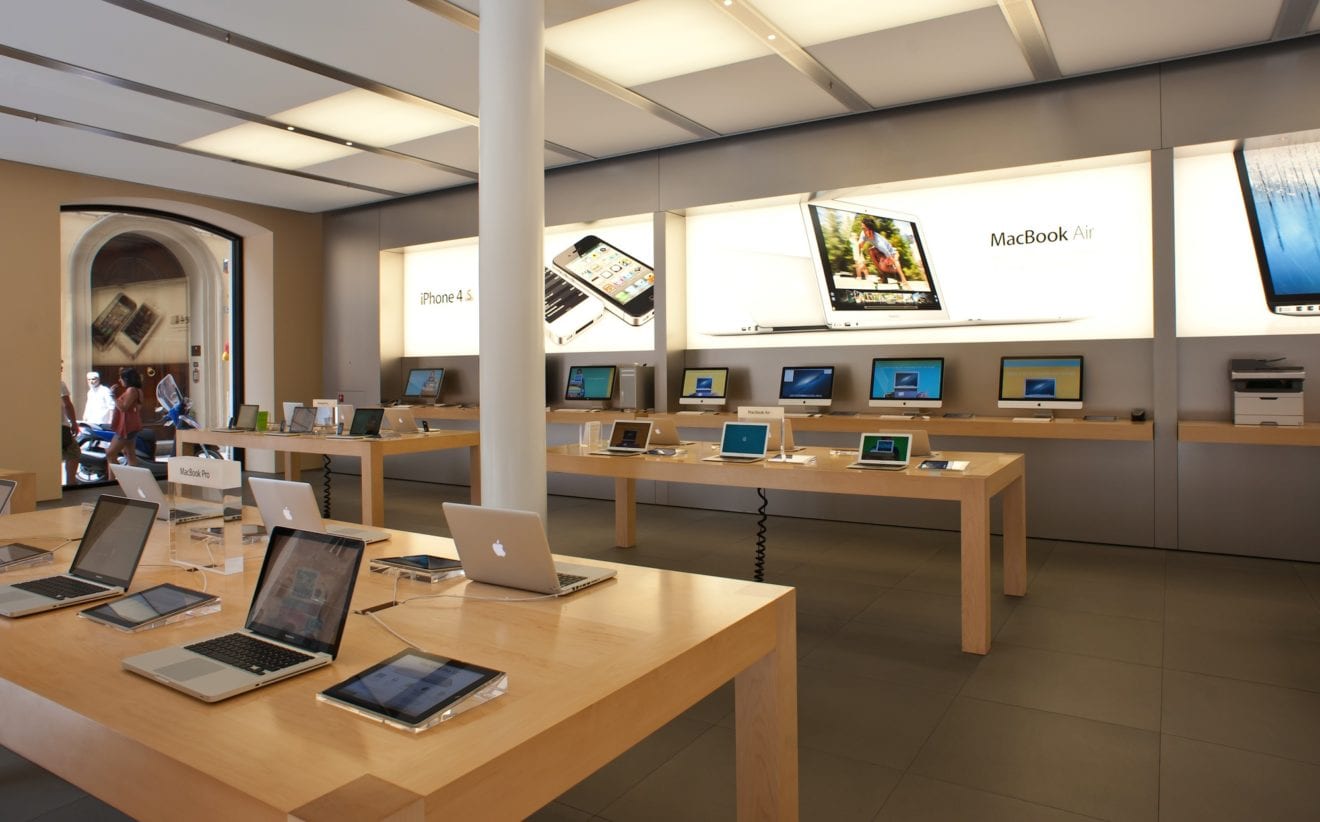
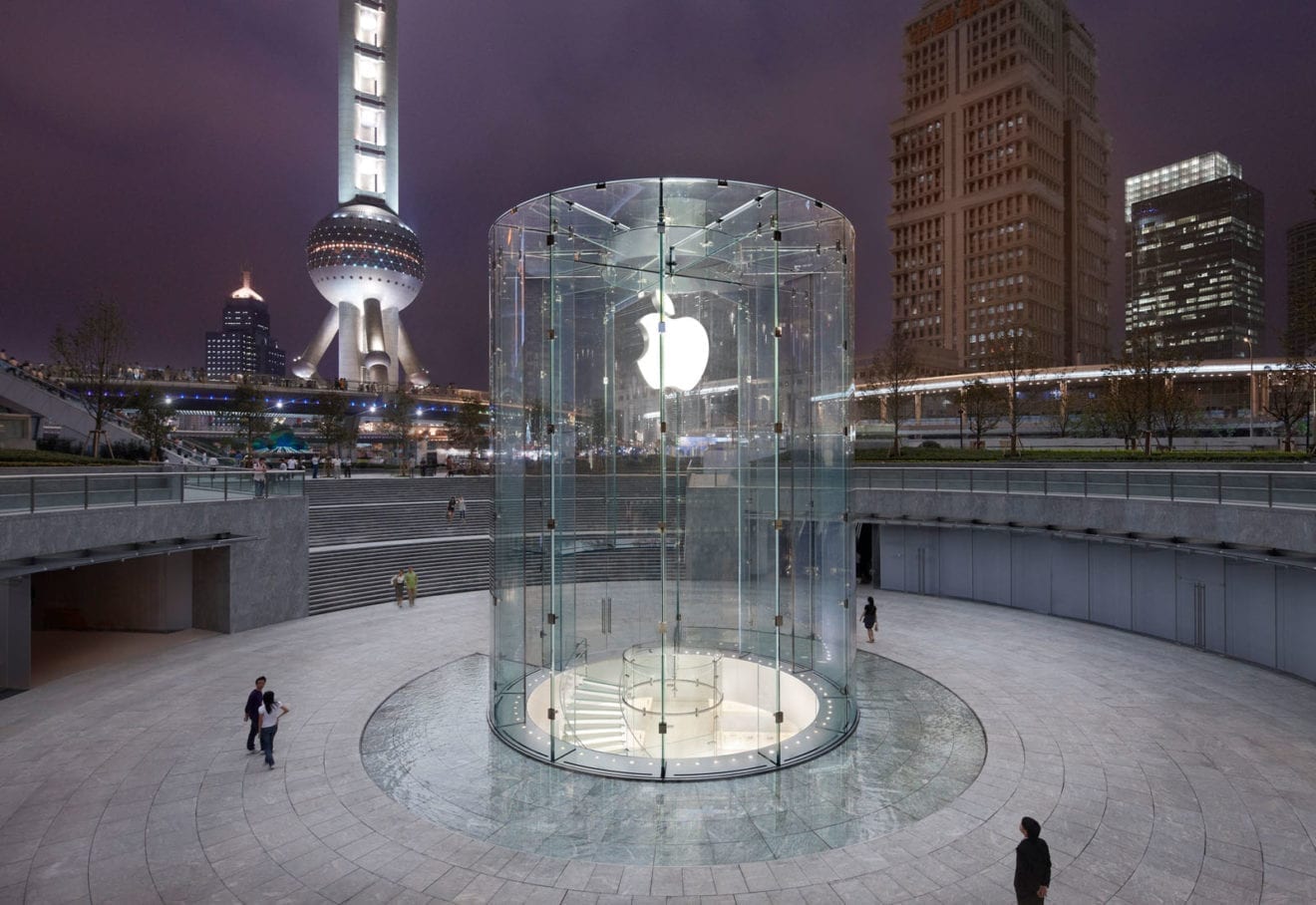
    Saturday saw the official opening of Apple‘s new retail store in Singapore, also marking the first Apple Store to open in Southeast Asia. Officially known as Apple Orchard Road, the store is the latest of Apple’s next-generation retail stores, feature design elements like a large, all-glass front, open spaces to be used for community-focused events such as Today at Apple, tree planters inside, and custom wood furniture.

    The store’s design and interior were first revealed earlier this week when Apple finally had the barricades removed after months of work. At 10:00 AM on Saturday the store was opened to the public, with a significant crowd waiting outside. Apple’s senior vice president of retail, Angela Ahrendts, was present at the opening to welcome visitors and take part in the celebration with staff.

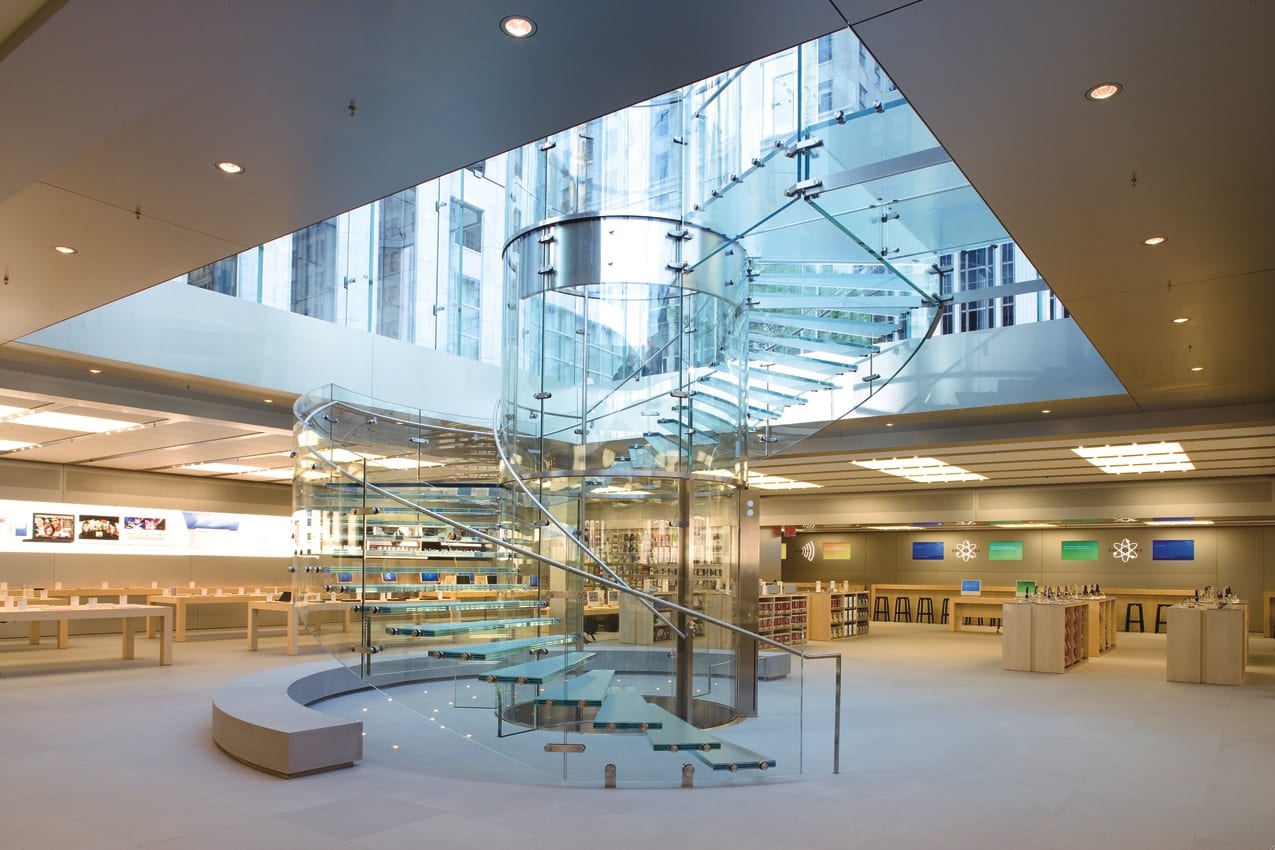
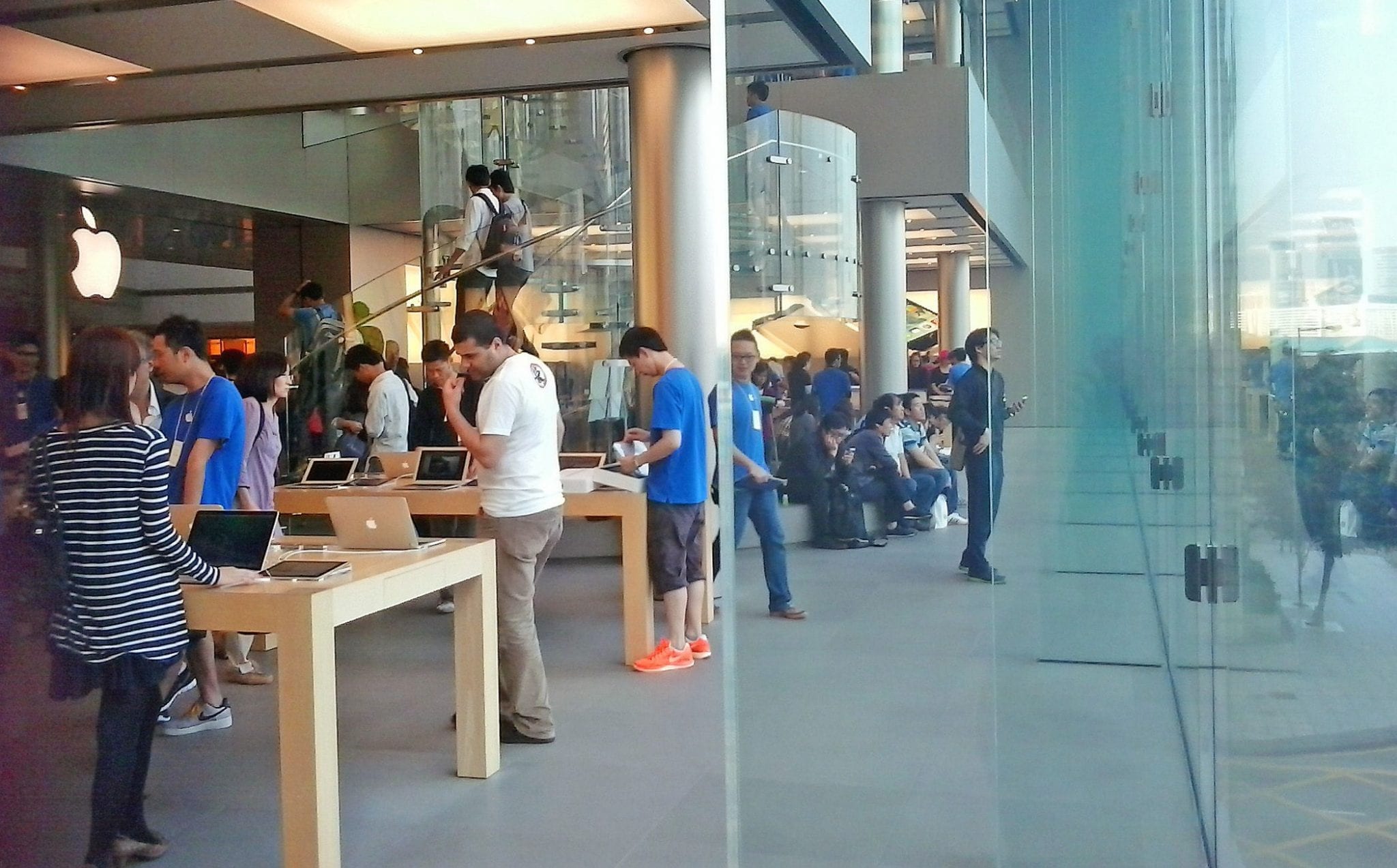
    After spending almost two years in the planning stages, Apple Orchard Road has come to life as two-story outlet featuring a curved staircase that features design elements borrowed from the new Apple Park headquarters in Cupertino. Upstairs guests will find the Genius Grove and gathering area for Today at Apple sessions, while the bottom floor has plenty of tables showcasing the company’s many products and accessories.

    Part of Apple’s goal with redesigning their stores is to change the public’s perception of the locations as simply places to buy Apple products. Ahrendts has said that they want Apple stores to be viewed more as meeting spots, much like Starbucks, or as places where interesting events take place, with friends wanting to check it out together.

  • Nokia, Apple bury hatchet in patent dispute

    Nokia, Apple bury hatchet in patent dispute

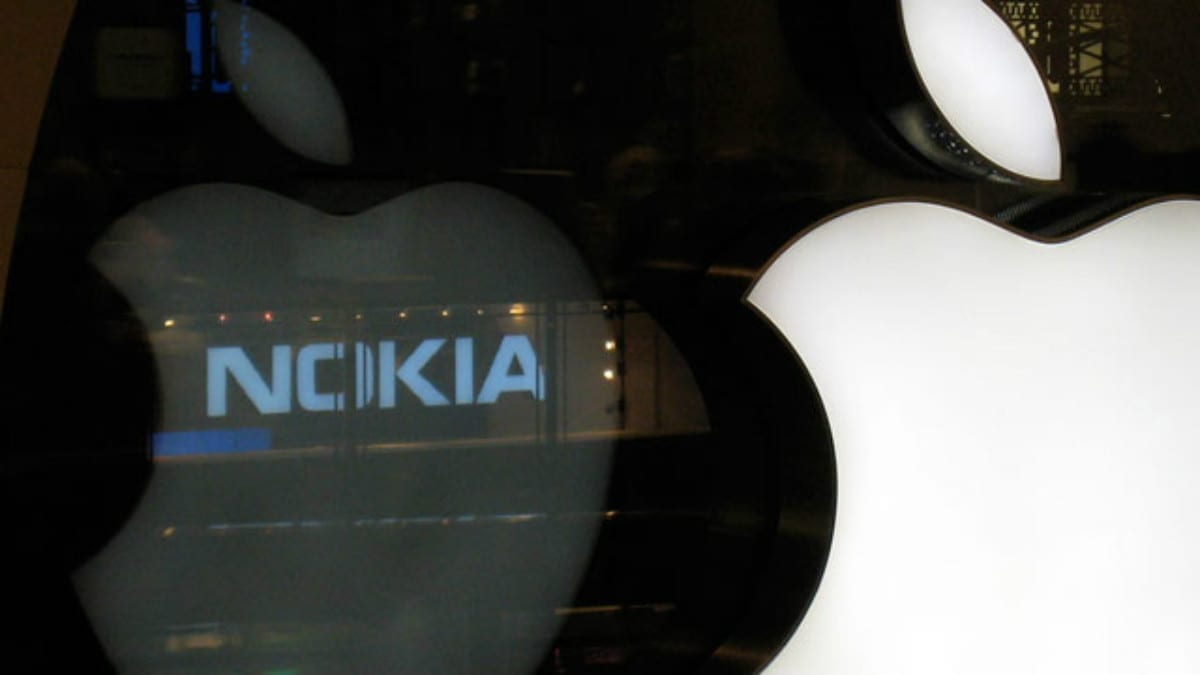
    It’s an upgrade in the relationship between two companies. Nokia and Apple said Tuesday they were burying the hatchet in a bitter patent dispute with a cooperation agreement and an undisclosed cash payment by the U.S. tech giant to the Finnish group.

    By settling their ongoing intellectual property dispute, the two companies would “move the relationship… from being adversaries in court to business partners,” Nokia’s chief legal officer Maria Varsellona said.

    Following years of clashes, Nokia and Apple originally signed a licensing agreement in 2011.

    But last December, the Finnish group, once the world’s top mobile phone maker, complained that Apple was using Nokia technology in many products without paying for it.

    And it filed lawsuits in Germany and in the United States.

    Concretely, the dispute concerned 32 patents for innovations related to displays, user interface, software, antennae, chipsets and video coding.

    The deal reached on Tuesday would put the two companies’ relationship back on an even keel, with Nokia providing “certain network infrastructure products and services to Apple,” the statement said.

    Apple would “resume carrying Nokia digital health products (formerly under the Withings brand) in Apple retail and online stores, and Apple and Nokia are exploring future collaboration in digital health initiatives,” it continued.

    “Regular summits between top Nokia and Apple executives will ensure that the relationship works effectively and to the benefit of both parties and their customers.”

    Apple’s chief operating officer Jeff Williams said the U.S. giant was “pleased with this resolution of our dispute and we look forward to expanding our business relationship with Nokia.”

    The two sides did not disclose the financial details of the deal.

    But Nokia would receive “additional revenues during the term of the agreement,” the Finnish group said.

    The up-front cash payment would allow Nokia to “provide a comprehensive update of its capital structure optimisation programme,” a restructuring plan launched in late 2015, which may now be lighter thanks to the payment by Apple.

    Nokia’s shares were showing a gain of more than seven percent stake on the Helsinki Stock Exchange at around 10:00 GMT, while the overall market was up by just 0.8 percent.

  • Apple Orchard Road opening on May 27

    Apple Orchard Road opening on May 27

    The wait for Apple fans will be over soon. Apple Orchard Road – the official name of the Apple retail store here – will be opening its doors on May 27 at 10am. Close to midnight last night, workers were seen pasting the opening date on the white facade covering the front of the store at Knightsbridge mall.

    It is not only the first Apple retail store in Singapore, but also the first one in South-east Asia. The store will open daily from 10am to 10pm.

    News of the Apple retail store here first broke in October 2015, after a former tenant of the mall, the Pure Fitness gym chain, sent a letter to its members informing them of its closure to make room for the Apple store. Four other tenants were also moved.

    In an exclusive interview during the opening of the Apple Dubai Mall store last month, Apple’s senior vice-president of retail Angela Ahrendts told: “We want to be on an iconic street, where people will naturally come, whether they are locals or tourists.”

    This is especially so when it is the first store in the country and it allows Apple to build a beautiful signature store for that community, she said.

    Retail experts said the Apple store’s location makes sense. Said Associate Professor Prem Shamdasani of the National University of Singapore Business School: “For more than a decade, Apple has been opening retail stores in very good locations in major cities globally to showcase its great products and enhance the brand experience for loyal fans and consumers.

    “Singapore’s position as a vibrant and progressive global city in South-east Asia will help to reinforce Apple’s brand leadership in the region,” he said.

    As of April, Apple has 495 retail stores in 20 countries.

    Apart from selling Apple products such as iPhones, iPads and MacBooks, as well as accessories, the local Apple store will have staff who Apple calls Geniuses – technical personnel who specialise in troubleshooting and repairs of products.

    Apple Orchard Road will also host hands-on sessions called Today at Apple, which launches in all Apple retail stores across the world this week.

    Taught by Creative Pros, who are the liberal arts equivalent of Apple’s technical Geniuses, these free educational sessions focus on the features of Apple products and allow anyone to learn skills like photography, illustration or coding.

    For the Singapore store, Apple has appointed 12 Singaporean creatives as Red Dot Heroes. They are people who have made a contribution in their fields like the arts, photography, music or film.

    They include street photographer Aik Beng Chia and illustrator Kristal Melson (see their profiles below), as well as film-maker Boo Junfeng and local singer Sezairi.

    These Singaporean creatives are similar to Apple’s Creative Pros and some of them will conduct workshops in Apple Orchard Road.

    Experts also see possible learning points for the retail industry from the Apple store.

    “When you want to control the store experience, you need to own and operate it,” said Mr Clement Teo, principal analyst at market research firm Ovum.

    “The bar for customer service in Apple stores and online is high, supported by trained Geniuses and expert advice from Creative Pros to help customers get the most out of their Apple products. Happy customers equal to loyal Apple customers,” Mr Teo added.

    Contrary to popular belief, Apple Orchard Road will not signal the end of Apple premium resellers (APRs) like Nubox and Epicentre, and repair centres such as QCD Technology.

    “They (APRs) will continue to adapt and survive – especially in suburban areas,” said Mr Teo. “Repair centres will be a great supplement to Apple for all sorts of warranty and repairs.”

    In fact, Prof Shamdasani said that the Apple retail store will enhance the brand’s value and attractiveness and help to expand the market for Apple products and services in Singapore, which, in turn, will benefit the APRs and repair centres.

    Apple Orchard Road will be run on 100 per cent clean energy using rooftop solar installations provided by Singapore-based solar energy provider Sunseap Group.

    iPhone and MacBook user Chung Weifang is excited about the new Apple store here. The 33-year-old communications executive said: “There is nothing like buying a product from the brand’s flagship store, where the customer experience begins the moment one steps into the retail space.”

  • Apple plans new store in Red Dot Centre Singapore

    Apple plans new store in Red Dot Centre Singapore

    Apple is getting ready to open its first Apple Store in Singapore on the island’s prime Orchard Road shopping boulevard.

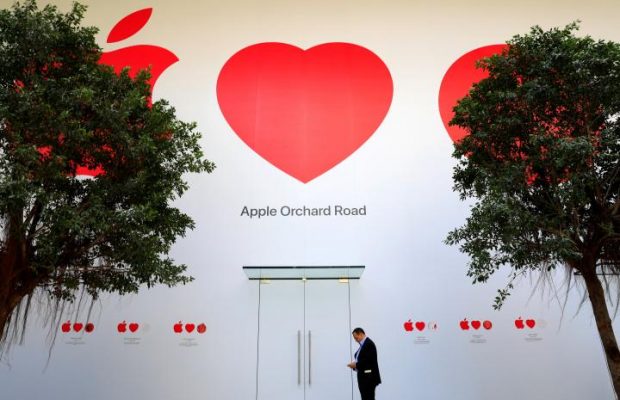
    The storefront at Knightsbridge Mall is covered by a white facade with a large red Apple logo next to a heart and red dot above the store name “Apple Orchard Road”.

    Singaporeans often refer to their city state as a “little red dot” on the map of Southeast Asia.

    Barricades outside the store were removed on Wednesday night, suggesting the store would open soon. In the Asia-Pacific region the Cupertino, California-based company already operates retail stores in China, Japan, Hong Kong, Macau and Australia.