Tag: apple

  • Apple’s multi-billion dollar bonanza

    Apple’s multi-billion dollar bonanza

    Apple will make about $US38 billion ($A53 billion) in tax payments on its overseas cash and plans to open a second US campus as part of a five-year, $US30 billion US investment plan.

    Apple said it plans a wave of investing and hiring in the United States and will create 20,000 jobs through hiring at its existing campus and the new one. It will announce the location later this year.

    About a third of the new spending will be on data centers to house its iCloud, App Store and Apple Music services. The company has data centers in seven states and also on Wednesday broke ground on an expansion of its operations in Reno, Nevada, where local officials granted it tax breaks on a downtown warehouse.

    The announced tax payment was roughly in line with what analysts expected from the tax bill, which requires companies to pay a one-time tax on foreign-held earnings whether they intend to bring them back to the United States or not.

    Apple has $US252.3 billion in cash abroad and previously had set aside $US36.3 billion in anticipation of tax payments on its foreign cash, meaning the payment would not represent a major impact on its cash flow this quarter.

    Apple did not indicate how much, if any, of its cash it would actually bring back to the United States.

    Apple also said it would boost its advanced manufacturing fund, which it uses to provide capital and support to suppliers such as Finisar Corp and Corning Inc, from $US1 billion to $US5 billion. Apple said it plans to spend $US55 billion with US-based suppliers in 2018, up from $US50 billion last year.

    Apple joins Amazon.com Inc in scouting for a location for a second campus. Amazon finished taking applications from cities in October for its second campus.

  • Hybrid Smartwatches to Make Up Over 50% of Smartwatch Shipments by 2022

    Hybrid Smartwatches to Make Up Over 50% of Smartwatch Shipments by 2022

    Watches that appear to be analogue models but integrate smartwatch features will make up more than half of the smartwatch market by 2022, according to Juniper Research.

    This means that nearly 80 million hybrid smartwatches, such as Fossil Q and Nokia Steel, will be shipped by 2022, up 460 per cent from an estimated 14 million last year. However, for digital-display smartwatches like Apple Watch and Fitbit Ionic, Juniper lowers the rate of growth to 160 per cent.

    This slower growth has caused several manufacturers, including Huawei, Motorola and Sony, to leave the space, says Juniper’s new report, Smartwatches: Trends, Vendor Strategies & Forecasts 2018-2022. Those staying in play are pivoting toward specific uses, mainly fitness, which Apple, Casio, Samsung and others have emphasised in recent releases.

    “The smartwatch market is refining itself into a series of specific-use cases”, says research author James Moar. “This is having an impact on every aspect of smartwatches, from their design for increasingly specialised uses to their sale through specific retailers. While most vendors cannot necessarily hope to reach a broad coverage, the industry as a whole is here to stay.”

    Despite the renewed interest in hybrids, Juniper expects individual players to produce few smartwatches. Hybrid watch manufacturers generally ship fewer than 2 million units annually.

    An exception is Fossil, which has released many display and hybrid smartwatches. It is forecast to ship more than 6 million smartwatches annually by 2020.

    Meanwhile, the report has found that different connectivity technologies are becoming more prevalent for smartwatches, with GPS expected to be an element for nearly half of all smartwatches by 2022. In comparison, growth will be limited for near-field communication NFC technology as this is currently locked into specific ecosystems. Juniper does not foresee any change to this in the foreseeable future.

    Juniper Research provides research and analytical services for the global hi-tech communications sector, and has also just issued a complimentary white paper for vendors, Why Most Smartwatches ‘Fail’.

  • Apple’s first South Korean store set to open in Seoul on Jan. 27

    Apple’s first South Korean store set to open in Seoul on Jan. 27

    The first official Apple Store Korea will open later this month.

    Apple Korea announced today that its first fully-fledged retail shop in South Korea will open on January 27, on Garosugil in the affluent southern district of Gangnam in Seoul.Apple said on its website that the store will trade seven days a week from 10am to 10pm.

    Consumers will be able to try out iPhones, Apple Watches, iPads, MacBooks and other Apple products, visit the Genius Grove for repairs, and attend training sessions on the use of Apple gadgets at the store.

    Apple said it has been working with mobile carriers, including SK Telecom, KT and LG Uplus so users can register and set up their mobile phones at the store.

    Apple began replacing iPhone batteries early this month as hundreds of thousands of South Korean iPhone users filed a suit over allegations the tech giant intentionally slowed down older iPhones to push users to buy new models.

  • iPhone helps dial up Nov retail sales growth to 2-year high

    iPhone helps dial up Nov retail sales growth to 2-year high

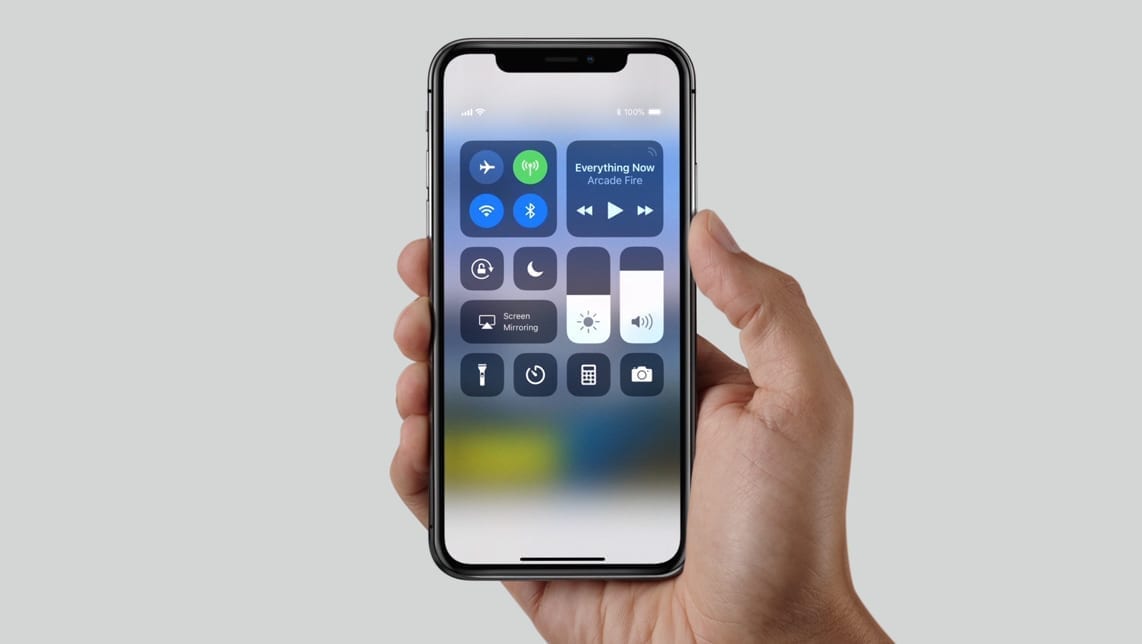
    Retail sales surged in November with their strongest growth in almost two years, reversing course from the slump seen in October possibly due to the launch of the iPhone X and improved consumer sentiment, say economists.

    Total takings grew 5.3 per cent in November compared to the same month a year ago – its best showing since March 2016, according to latest data by the Singapore Department of Statistics.

    This is a reversal of the 0.2 per cent decline recorded in October – revised lower from earlier estimates of a 0.1 per cent dip – and a steeper 0.6 per cent fall in September. It also beat economist forecasts of a modest 1.1 per cent rise, according to a poll by Bloomberg.

    With motor vehicles stripped out, retail sales still grew 4.7 per cent year-on-year.

    Despite the volatility usually seen in retail sales numbers, economists say that November’s data is a sign of a continued pickup in sentiment thanks to a brightening economy.

    Maybank Kim Eng economist Chua Hak Bin said: “You haven’t seen this type of retail numbers for quite some time. It looks as if growth has broadened and consumers are a lot more upbeat… Generally, the feel-good factor has spread out.”

    While it seems that consumer spending has finally turned the corner, one factor that could influence this recovery is a hike in taxes. Credit Suisse economist Michael Wan said: “The one risk is on policy – whether the government will change any tax rates and the magnitude of change.”

    Goods and services tax (GST), which has stood at 7 per cent since 2007, is widely seen as the top contender for a hike, with e-commerce tax another likely candidate. Market watchers expect the issue of tax to be addressed at the upcoming Budget 2018.

    Maybank’s Mr Chua said that the timing of a GST hike, if any, matters. For example, there could be an uptick in retail sales as consumers bring forward their spending ahead of higher taxes in the future. A possible e-commerce tax could also affect retail sales. Mr Chua explained: “Some of the international e-commerce transactions are not captured (in terms of tax). There could be some shifts as the playing field is levelled as this (an e-commerce tax) will take away some advantage that the international online players have.”

    As of now, retail sales data mostly captures brick-and-mortar spending. He believes November’s stellar growth was likely driven by smartphone sales with the launch of the latest iPhone X, which would explain the surge in computer & telecommunications equipment sales.

    Computers & telecommunications equipment was by far the best performing segment, going up by 16.6 per cent compared to a year ago. This was followed by supermarket sales at 9.7 per cent and petrol service station sales at 9.6 per cent.

    On a month-on-month basis, the performance of computers & telecommunications equipment was even more stark, jumping 46.5 per cent compared to October. This was followed by motor vehicles at 14.6 per cent. The poorest performing segment was watches & jewellery with a decline of 3.6 per cent.

    After seasonal adjustment, total retail takings went up by 5.1 per cent in November compared to the month before. Excluding car sales, it still grew a respectable 2.9 per cent.

    While retail sales was much stronger than expected, sales of food & beverage services was mixed. Total takings grew 2.1 per cent year-on-year, but dipped 0.1 per cent compared to October. The total retail sales value in November was estimated at S$3.8 billion, higher than the S$3.6 billion seen last year.

    Despite the uncertainty surrounding possible tax hikes, economists remain optimistic on the outlook for retail sales in 2018.

    Mr Chua pointed out that even when GST was increased in the past, the backdrop of a booming economy helped offset its dampening effects.

    He said: “The state of the economy and the job market – those are always the more overwhelming factors. What’s important is that the economy holds up.”

  • IPhone addiction may be a virtue, not a vice for investors

    IPhone addiction may be a virtue, not a vice for investors

    Apple Inc investors are shrugging off concerns raised by two shareholders about kids getting hooked on iPhones, saying that for now a little addiction might not be a bad thing for profits.

    Hedge fund JANA Partners LLC and the California State Teachers’ Retirement System (CalSTRS) pension fund said on Saturday that iPhone overuse could be hurting children’s developing brains, an issue that may harm the company’s long-term market value.

    But some investors said the habit-forming nature of gadgets and social media are one reason why companies like Apple, Google parent Alphabet Inc and Facebook Inc added $630 billion to their market value in 2017.

    “We invest in things that are addictive,” said Apple shareholder Ross Gerber, chief executive of Gerber Kawasaki Wealth and Investment Management.

    He also owns stock in coffee retailer Starbucks Corp, casino-runner MGM Resorts International and alcohol-maker Constellation Brands Inc.

    “Addictive things are very profitable,” Gerber added.

    Still, the investment community is increasingly holding companies to higher social standards, and there is some concern that market-leading tech companies could draw attention from regulators much like alcohol, tobacco and gambling companies have in the past.

    Apple, Alphabet and Facebook could not immediately be reached for comment on Monday, but Facebook has said social media can be beneficial if used appropriately.

    Apple shares traded marginally lower on Monday. CalSTRS holds $1.9 billion in Apple stock, a sliver of the company’s nearly $900 billion market value, while JANA declined to disclose the size of its smaller stake.

    “Before Apple speaks, I think it’s too early to change the narrative” for investors, said Peter Jones, vice president of research for Ferguson Wellman Capital Management, which has about 350,000 Apple shares.

    Social media companies, not hardware makers, are more deserving of any addiction-related scrutiny, some said.

    Jordan Waldrep, who invests in alcohol, tobacco and gambling stocks as manager of the USA Mutuals Vice Fund, said blaming Apple for their customer’s addiction was analogous to blaming makers of cigarette packs instead of tobacco companies.

    “The social media, the cigarettes, are the addictive product,” he said. Waldrep’s Vice fund does not own Apple but he said he would consider including social-media companies.

    Kim Forrest, senior portfolio manager and vice president at Fort Pitt Capital Group, agreed that companies like Facebook, Twitter Inc and Snap Inc might be more at risk than Apple if investors and regulators push back on how much time people spend on mobile devices.

    “Apple is just the delivery device,” said Forrest, who said Fort Pitt has limited Apple holdings. “It’s only compelling with software. Software is the dopamine releaser that keeps you coming back.”

    Twitter declined to comment and Snap could not immediately be reached.

    The letter from JANA and CalSTRS recommends Apple set up a committee of child-development experts and make more new tools available to parents.

    The addiction issue gained notoriety when former Disney child star Selena Gomez said she canceled a 2016 world tour to go to therapy for depression and low self-esteem, feelings she linked to a social media addiction.

    Fears about smartphone addiction have already kicked off regulatory backlash. In December, the French education minister said mobile phones would be banned in schools, and draft legislation in France would require children under 16 to seek parental approval to open a Facebook account.

    Even tech insiders are among the vocal critics of social media and its addictive potential.

    “Apple Watches, Google Phones, Facebook, Twitter – they’ve gotten so good at getting us to go for another click, another dopamine hit,” said Tony Fadell, a former Apple executive, on Twitter.

    John Streur, chief executive of Calvert Research and Management, an Apple shareholder that focuses on social responsibility, said it is plausible that tech devices may some day be understood to hold risks we do not currently understand well.

    That would hurt investors if evidence later emerged that companies intentionally built features that create dependency and had evidence that doing so was unsafe.

    For the time being, John Carey, a portfolio manager at Amundi Pioneer Asset Management in Boston, said concerns over the human impacts from being glued to screens are not likely to cut into profits. The company holds Apple stock, but the funds Carey manages do not.

    “I doubt there will be any impact on the use of smartphones. We’re already addicted to them,” he said.
  • Apple apologizes for secretly slowing older iPhones

    Apple apologizes for secretly slowing older iPhones

    Apple apologized for secretly slowing down older iPhones, a move it said was necessary to avoid unexpected shutdowns related to battery fatigue.

    Many customers had interpreted the move as a way to for Apple to juice demand for newer iPhone models, their suspicions fueled by the fact that the company didn’t initially disclose the slowdowns or its reasons for them.

    Apple also said it will cut the price of a battery replacement by $50 to $29 through next year. New batteries had previously cost $79 for those who didn’t purchase the Apple Care maintenance plan.

    “We apologize,” the company said on its website . “We have never — and would never — do anything to intentionally shorten the life of any Apple product, or degrade the user experience to drive customer upgrades.”

    The replacement plan begins in late January for anyone with an iPhone 6 or later that requires a new battery.

    Apple said it will also issue an update to its operating system early next year to give users a better understanding of the health of their battery, so they can see if its condition is affecting performance.

    Hostile customer reaction was swift after a report this month uncovered the intentional slowdown in speed tests. Only then did Apple acknowledge that the slowdown was due to a fix it rolled out last year. Shares dropped 2.5 percent Tuesday — also dinged by analysts predicting lower-than-expected demand for the iPhone X — and only partially recovered by Thursday.

    At least five groups seeking class action status, involving consumers in Texas, Illinois, California and New York, have also sued the company in the wake of the slowdown revelation.

    Ben Bajarin, an analyst with Creative Strategies, said Apple found itself in a tough spot by having to explain what it did to cope with the reality that all lithium ion batteries degrade over time.

    “The error — if anything — was not being more transparent,” he said. “They were legitimately trying to make people’s iPhones last longer.”

  • Apple cuts iPhone X margins for Indian retailers

    Apple cuts iPhone X margins for Indian retailers

    Stores in India which sell the iPhone X have complained about the reduction in retail margins by Apple from 6.5% to 4.5%. Large chains and even small-scale operators are accusing the company of wanting to scoop in massive margins while not allowing its retail partners to benefit.

    Some stores, like the Bengaluru-based Sangeetha Mobiles, had stopped taking orders for the iPhone X. This comes as a supply-demand mismatch in India has led to calls for Apple to give the country a higher priority when it comes to providing stock in time. iPhone production has fallen to the extent that it has affected the bottom line of companies like Foxconn which assemble the devices.

    Subhash Chandra, managing director at Sangeetha Mobiles, says: “Apple has cut margins on the iPhone X from 6.5% to 4.5% for large retailers like us, and if a customer pays by card, which is usually the case, the margin reduces to almost 1.5-2%.”

    Sangeetha Mobiles has about 400 stores across India. “Apple gives the least margins… How on earth do they expect the retailer to work for them for free — our overheads are anywhere around 10%,” complained Chandra.

    The margins offered by brands like Samsung and Xiaomi are more than double what Apple does – 12% to 15%. Brands like Oppo and Vivo are giving higher than usual margins in order to compete better in the burgeoning Indian market.

    Quoting an unnamed chief executive of a top retail chain as saying that he would not be stocking the iPhone X at its 300-odd stores due to the reduced margins and because he had no control on retail pricing both offline and online.

    Underling the supply issues, another big handset retailer said he had received only 400 iPhone X units since the launch, much less than what had been promised by Apple.

    Analysts told the newspaper that if Apple did not step up supplies, it may be unable to bridge the gap with Samsung and the numerous Chinese brands that were already ahead in terms of volume sales.

    India has about 350 million smartphone users, a number that is expected to grow to 500 million in the next couple of years. Many new buyers or those looking to upgrade are potential iPhone users.

    One analyst, Neil Shah, the research director at Hong Kong-based Counterpoint Research, told the newspaper: “They (Apple) will have to start now because if they lose a window of opportunity in next two years to be on mind of the growing smartphone user base, it would be somewhat difficult to grow faster in the world’s second largest smartphone market.”

  • Apple launches on Lazada

    Apple launches on Lazada

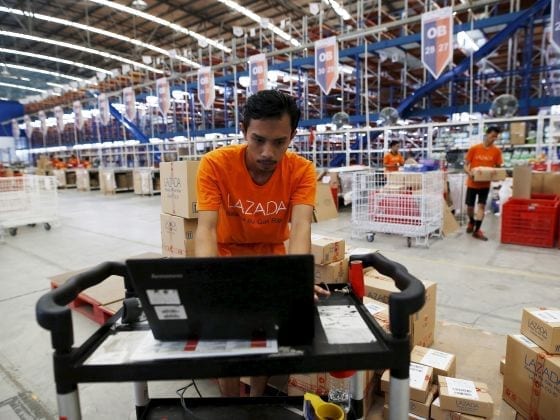
    Apple fans around South East Asia can now get new iPhones, iPads, and Macbooks from an official store on Lazada.

    Apple’s Lazada store opens in Indonesia, Thailand, the Philippines, Singapore, and Malaysia. Vietnam too will participate at an unconfirmed date.

    Alibaba-owned Lazada will get stock directly from Apple, after forming an agreement with the Cupertino company. That makes it the only official online seller of Apple’s baubles in the region. Beats by Dr. Dre headphones and other accessories are also available.

    Apple has a store in only one Southeast Asian nation: Singapore. That has created a niche for grey-marketeers to sell Apple’s gadgets – particularly iPhones – at inflated prices, with the ever-present risk of shoppers getting a counterfeit item.

    The opening is a boost to Lazada’s efforts to get more major brands to set up storefronts on its site. It already has 3,000 brands, mixed in with 135,000 smaller merchants.

    Earlier this year, when Retail in Asia met Duri Graziol, Director of Lazada Indonesia, and our discussion was about very well established brands and their way of targeting South East Asia.

    Typically, brands explore different options, among others,  creating their own .com., or going with a market place such as Lazada or Alibaba.

    Duri’s views on those options were the following :

    Creating your own .com

    Iis more ambitious and it requires huge investments, which go beyond building the website. Brands can easily build an e-commerce website, but how to bring people to the website, this is the challenge.

    Unless, you are selling something specific, which customers cannot find elsewhere, you are a small shop next to a shopping mall. Either people know your shop, or you will be basically just one in the thousands shops in the city, so on the internet.

    When people look for products without having any preference or idea, they go to a mall, and if you are not in there, you will miss your chance. In an online environment, those people go to market places and search per category.

    Going with a market place

    Customers who go to Lazada for instance, do not search per brand, they search for category, and if you are not there, it is very hard to target those customers.

    Additionally, a brand, which decides to open its own website will have to deal with high marketing costs to bring traffic to the website, with Lazada, those marketing costs are reduced as we work as a group. This is a massive advantage.

    In the countries we serve, infrastructures are a huge obstacle. Indonesia, for instance, has thousands of islands, as well as Philippines, and you need to deal with that, 50% of our orders are done ourselves.

    Another advantage of going with Lazada is the customer service management, which is internal for us makes it easier to reply to all questions regarding products, delivery, and logistics issues.

    Furthermore, payment, in countries like Indonesia, present some difficulties. Credit card and online banking penetration are still low or COD remains the lion’s share of payment methods and this it has pushed us to develop a business model for it.

    Cash on delivery is the solution for markets, in which trust is hard to build, and other payment services are not very well established.

    Concisely, Lazada is not only a market place, Lazada means experience in managing the customer journey and the different stakeholders involved in it.

    Apple is always looked at as a role model, so we are looking forward to the next giant brand to join Lazada.

  • Apple buys song recognition app Shazam

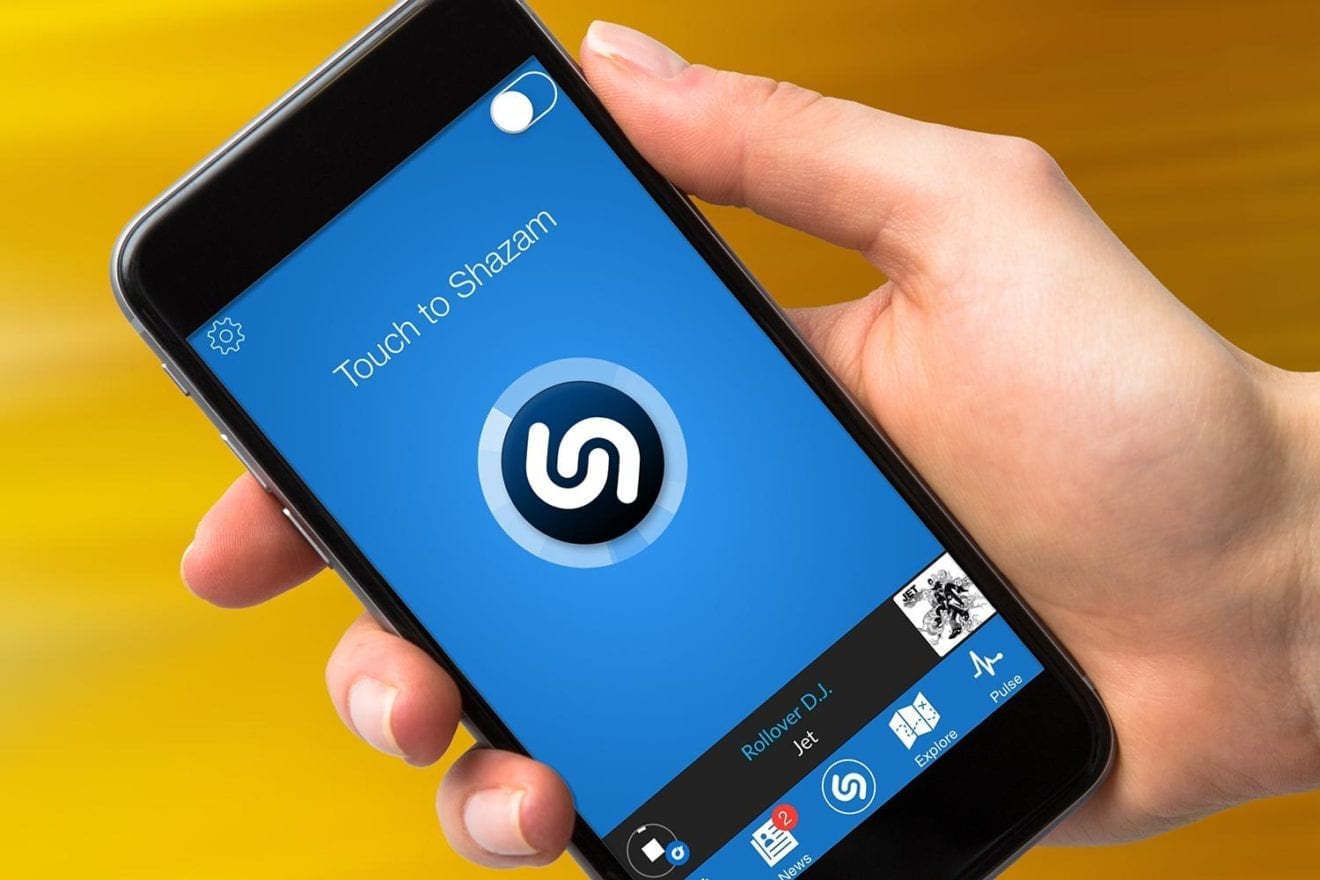
    Apple buys song recognition app Shazam

    Apple said Monday that it would buy leading song recognition app Shazam in a fresh bid to secure an edge in the intensifying battle of streaming services.

    Apple, whose streaming service has rapidly grown but still has only half the paid subscribers of Spotify, said that Shazam has consistently been one of the most popular items on its App Store.

    The two companies did not disclose financial terms. The technology news sites Recode and TechCrunch, quoting unnamed sources, both put the deal at around $400 million.

    The market signaled its approval, with Apple share prices jumping 2.0 percent, well outpacing the 0.2 percent rise on the Dow Jones Industrial Average.

    “Apple Music and Shazam are a natural fit, sharing a passion for music discovery and delivering great music experiences to our users,” Apple said in a statement.

    London-based Shazam said in a separate statement: “We can’t imagine a better home for Shazam to enable us to continue innovating and delivering magic for our users.”

    Shazam, which was founded in 1999 in the early age of online music, has offered a solution to a longtime agony of listeners — putting a name to elusive songs. With a click, the app identifies tracks playing on the radio, at parties or as background music.

    But Shazam has struggled to find a way to make money off its technology, even as it said that it had reached one billion downloads on smartphones last year.

    Shazam only recently announced it had become profitable, thanks to advertising and steering traffic to other sites such as Spotify and Apple Music.

    The technology is also no longer quite as novel, with Shazam facing rivals such as SoundHound and with smartphones capable of ever more advanced recognition functions.

    Mark Mulligan, who writes a popular blog on the music industry, described Shazam as “cool tech without a business model” and said Apple was a rare player that could bring out the app’s value.

    Facing tough competition

    The world’s most valuable publicly traded company, Apple earns most of its revenue from iPhones but has also found it vital to be seen on the cutting edge culturally.

    Apple, which revolutionized online music a generation earlier with iTunes, in 2015 launched Apple Music as the market turns to streaming, which offers unlimited on-demand listening.

    Apple said in September that the service had more than 30 million subscribers — a quick rise, but still trailing Spotify.

    Spotify — which has emphasized a barebones, user-friendly interface instead of unique features — said it had 60 million paying users as of July and 80 million more on its free tier.

    And with streaming experiencing rapid growth, competition has become even fiercer.

    Retail giant Amazon seized on its vast consumer reach as it launched its own streaming service last year.

    YouTube, the video-sharing behemoth owned by Apple’s rival Google, also has its own music streaming platform and recent reports said it was looking to launch a new paid subscription package next year.

    Tech battle turns to services

    Shazam has already proven it can be woven into another service. A year ago, it formed a partnership with SnapChat, the youth-driven social media platform whose videos evaporate, with users able to “snap” to friends the music they discover around them on Shazam.

    Neil Saunders, managing director of GlobalData Retail, said the Shazam sale “underlines the fact that the battle of the technology companies is firmly moving beyond hardware and into services.”

    “This is a good move for Apple that helps to consolidate its already strong position in music content. It won’t be the last takeover of a tech firm by these big giants,” he said.

    Apple has already invested in buying big-name music brands, in 2014 paying an eye-popping $3 billion for Beats Electronics, the headphones, speaker and streaming brand of rapper Dr. Dre.

    Soon afterward, it bought Semetric, a British company that tracks music consumption on behalf of labels and artists.

  • Lazada to offer Apple products to Southeast Asia customers

    Lazada to offer Apple products to Southeast Asia customers

    Fans of Apple can soon buy their favourite Apple products on Lazada, Southeast Asia’s leading eCommerce company.  As an authorised online reseller, Lazada’s customers will be able to choose from a wide range of Apple products including iPhone, MacBook, MacBook Pro, iPad, iPad Pro, Apple TV, Beats by Dr. Dre, and other accessories.

    Start shopping this holiday season

    Consumers can start browsing this holiday season when the Apple ‘Shop-in-Shop’ on Lazada officially launches today (8th December) in the Philippines, Indonesia, Thailand and Singapore. This will be followed by Malaysia on 11th December, and then in Vietnam.

    By shopping on Lazada, customers can choose to pay for their Apple devices through Lazada’s 0% financing instalment plans[1]. Exciting surprises also await Lazada customers looking to score savings from deals offered during the finale of Lazada’s Online Revolution shopping event, the 12.12 Final Sale. More details will be announced later.

    The “preferred choice” for global brands

    Lazada Group Chief Executive Officer Max Bittner said the Apple ‘Shop-in-Shop’ concept is a testament to Lazada’s reputation as the undisputed and trusted online shopping and selling platform in Southeast Asia. “Lazada is the preferred choice for global brands who, like us, want to drive the explosive growth of eCommerce in Southeast Asia,” said Mr. Bittner, adding: “It also underscores our commitment to give consumers better and convenient access to the world’s best brands and products, especially those from Apple.”

  • Xidan Joy City’s new zone unveiled to mark 10 year anniversary

    Xidan Joy City’s new zone unveiled to mark 10 year anniversary

    Beijing’s iconic Xidan Joy City celebrated its 10 year anniversary today by unveiling its newly renovated Rose Garden relaxation zone. The celebration also marks the completion of the first phase of a significant upgrade of the mall’s interior and public areas that will continue until 2019.

    Mall owner COFCO has commissioned Woods Bagot to lead the interior design of renovation works as part of its wider strategy to deliver a new generation of Joy City malls that continue to stay ahead of changing lifestyles and interactive digital technology in China.

    Already a favourite destination among Beijing’s trend-setters and fashion-conscious youth, the 185,000 m2 mall is arranged over 12 floors in an established downtown shopping district and is home to a range of global brands including Apple, Kate Spade, Michael Kors, Sephora and Zara.

    When the renovation is complete in 2019 the mall’s leading brand portfolio will be showcased across eight diverse thematic areas, providing a change of pace and an engaging journey for visitors as they move through the space.

    Xidan Joy City’s reimagined Rose Garden is a spacious relaxation area within the F&B zone featuring a spectacular organic-form wood and glass spiral staircase as its focal point.

    The Rose Garden offers breathing space in an outdoor-themed environment, bathed in abundant natural light during the day and lit dramatically from above at night by an abstract rose ceiling light fixture. Different-height seating scattered with foliage and greenery gives shoppers a unique line of sight to enjoy a more natural and personal experience as they relax.

    Billy Ip, Woods Bagot, said:

    “Beijing’s youth market has evolved greatly over the last decade, with social, economic and technological developments driving new trends, desires and lifestyles. Visitor experience is the new battleground for this sophisticated audience who seek to spend time in unique, engaging environments.

    “For Xidan Joy City’s many fans, the Rose Garden is a space where many happy memories have been made. We have honoured this sentiment by creating a place for visitors old and new to both recall and build new memories.

    “Woods Bagot’s concept for the revived Rose Garden provides an avant-garde interpretation of an energising and peaceful ambience, and we look forward to sharing our creative direction for the other spaces as works progress over the next year.”

  • FPT Retail to hold IPO in mid-December

    FPT Retail to hold IPO in mid-December

    FPT Digital Retail is set to launch an IPO on the Ho Chi Minh City Stock Exchange on Friday week.

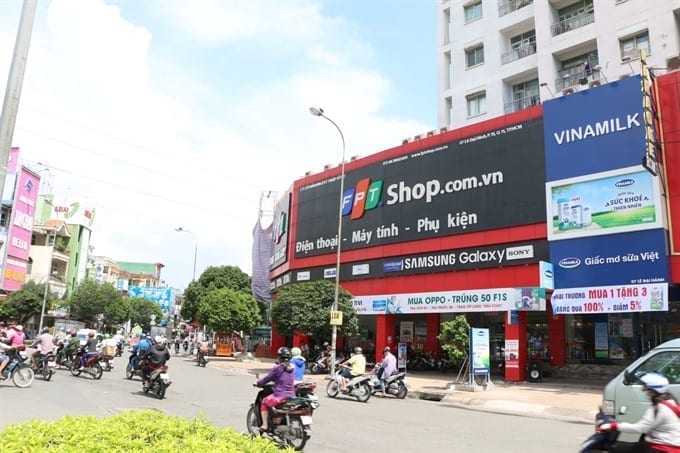
    Details of the IPO pricing have not been disclosed, but the retail arm of Vietnam’s largest IT company plans to use the proceeds over the next three years to open 100 stores officially licensed by Apple.

    FPT secured the nation’s first licence from Apple in 2012 to set up a store network specialising in such products as the iPhone and Macbook under the brand F.Studio. There are now 10 outlets run by FPT Digital Retail. Apple products make up 40 per cent of the the chain’s offerings, and the retailer plans to increase the network tenfold.

    Meanwhile, a survey has shown that more than a third of Apple products in the Vietnam market are “unauthorized” and do not have a guarantee from the manufacturer.

    While Apple has a representative office in Vietnam, there is yet to be an official Apple Store. Sales of Apple products in the Vietnam are currently valued at $1 billion annually. Apple iPhones accounted for 7 per cent of the total 14 million smartphones sold in Vietnam last year, ranking third after Samsung Electronics (28 per cent) and Oppo (25 per cent), according to IDC Vietnam.

    Vietnam has 15 Apple-authorized stores run by local retailers, including the 10 F.Studio outlets and those of Mobile World Group. This compares with 527 authorised stores in Singapore, 480 in Thailand and 364 in Indonesia.

    FPT Retail general director Nguyen Bach Diep has told an investor roadshow in Ho Chi Minh City that the market listing date will be no later than April 30.

    CEO Nguyen Viet Anh says the company expects total revenues of about US$600 million this year, 10 per cent of this from online sales, while its profit is estimated to be VND293 billion (about US$13 million) by year-end.

    Splitting from FPT’s retail and distribution sector in 2012, FPT Retail is now the second-largest information and communications technology retailer in Vietnam, holding 18 per cent market share after Mobile World Group with 45 per cent.

    FPT Retail’s nationwide store network will reach 480 outlets by the end of this year, up 25 per cent year on year.

  • Apple’s Tim Cook says developers have earned $17 bln from China App Store

    Apple’s Tim Cook says developers have earned $17 bln from China App Store

    Apple Inc’s chief executive Tim Cook said developers using its platform in China number 1.8 million and have earned a total 112 billion yuan ($16.93 billion), representing roughly a quarter of total global App Store earnings.

    Cook shared the data on Sunday during a speech at China’s top public cyber policy forum, organised by the Cybersecurity Administration of China (CAC), which oversees internet regulation including censorship.

    Earlier this year, Apple said that developers had earned roughly $70 billion in total revenue through the store.

    Apple is facing criticism from local users and rights groups for bowing to pressure from Beijing cyber regulators after it decided to remove hundreds of apps from its Chinese store this year, including messaging apps and virtual private network (VPN) services, which help users subvert China’s Great Firewall.

    Apple counts China as its third-largest region by sales but it has lost market share in recent years as high-end handsets from local rivals continue to gain traction. The firm is hoping to regain momentum following the release of its iPhone 8 and iPhone X models which shipped in November.

    The U.S. tech giant said earlier it had moved its Chinese cloud data onto the servers of a local partner in the Chinese province of Guizhou.

    Cook has come to China several times this year, including an October visit where he was among executives that met with President Xi Jinping, who also had prepared remarks read at the conference on Sunday.

    Cook’s attendance is conspicuous at the conference, marking the first high-level executive to attend in the event’s four-year history.

    Others included Google chief executive Sundar Pichai, who is also attending the conference for the first time.

  • A bit more work for Apple Korea flagship

    A bit more work for Apple Korea flagship

    Construction work on Apple Korea’s first flagship store in Seoul is set to be completed just before Christmas.

    On a 1300sqm site in fashionable Sinsa-dong, the two-storey Apple Store will feature an exterior glass wall.

    “The construction work that started in August is expected to be completed by December 23,” says a construction agency official, hinting at the opening being possibly early next year. The opening was delayed for about two months after Apple reportedly changed the building design at the last minute. Previously the firm had planned a five-storey building.

    Apple last year signed a contract to use the site until February 2036, paying a lease deposit of KW4.84 billion (US$44 million).

    While the brand has about signature stores in 22 countries, it has delayed opening in South Korea despite launching iPhone sales there in 2009 through telecom carriers and contract retailers.

    Apple’s latest iPhone X, its first OLED smartphone, was released today in Korea with telecom carriers KT and SK Telecom receiving pre-orders a week ago. The first batch of 150,000 phones sold out in less than in five minutes.

  • Apple’s Asia Suppliers Rise on Forecast of Strong Holiday Sales

    Apple’s Asia Suppliers Rise on Forecast of Strong Holiday Sales

    Apple Inc.’s suppliers in Asia, including Hon Hai Precision Industry Co. and Wistron Corp., rose after Apple forecast revenue for the quarter ending in December that topped estimates amid strong demand for its 10th anniversary iPhone.

    Hon Hai, the main assembler of the iPhone X, rose as much as 1.8 percent in Taipei trading, while Wistron, another Apple assembler, rose as much as 4.3 percent. Quanta Computer Inc., Pegatron Corp. and Genius Electronic Optical Co. also rose.

    After concerns about production volumes this year, Apple signaled it’s fixing supply problems with the iPhone X and setting itself up for a better-than-expected holiday period. Supported by resurgent iPad and Mac sales, the 10-year anniversary iPhone will help push revenue to a record high of $84 billion to $87 billion in the quarter ending in late December, Apple said in a statement. Analysts had predicted $84 billion, according to data compiled by Bloomberg.

    Apple shares rose about 4 percent in late U.S. trading after the earnings report. The Cupertino, California-based company is the most valuable in the world with a market valuation of more than $850 billion.