Tag: apple

  • Apple to open first Taiwan store in Taipei 101 mall

    Apple to open first Taiwan store in Taipei 101 mall

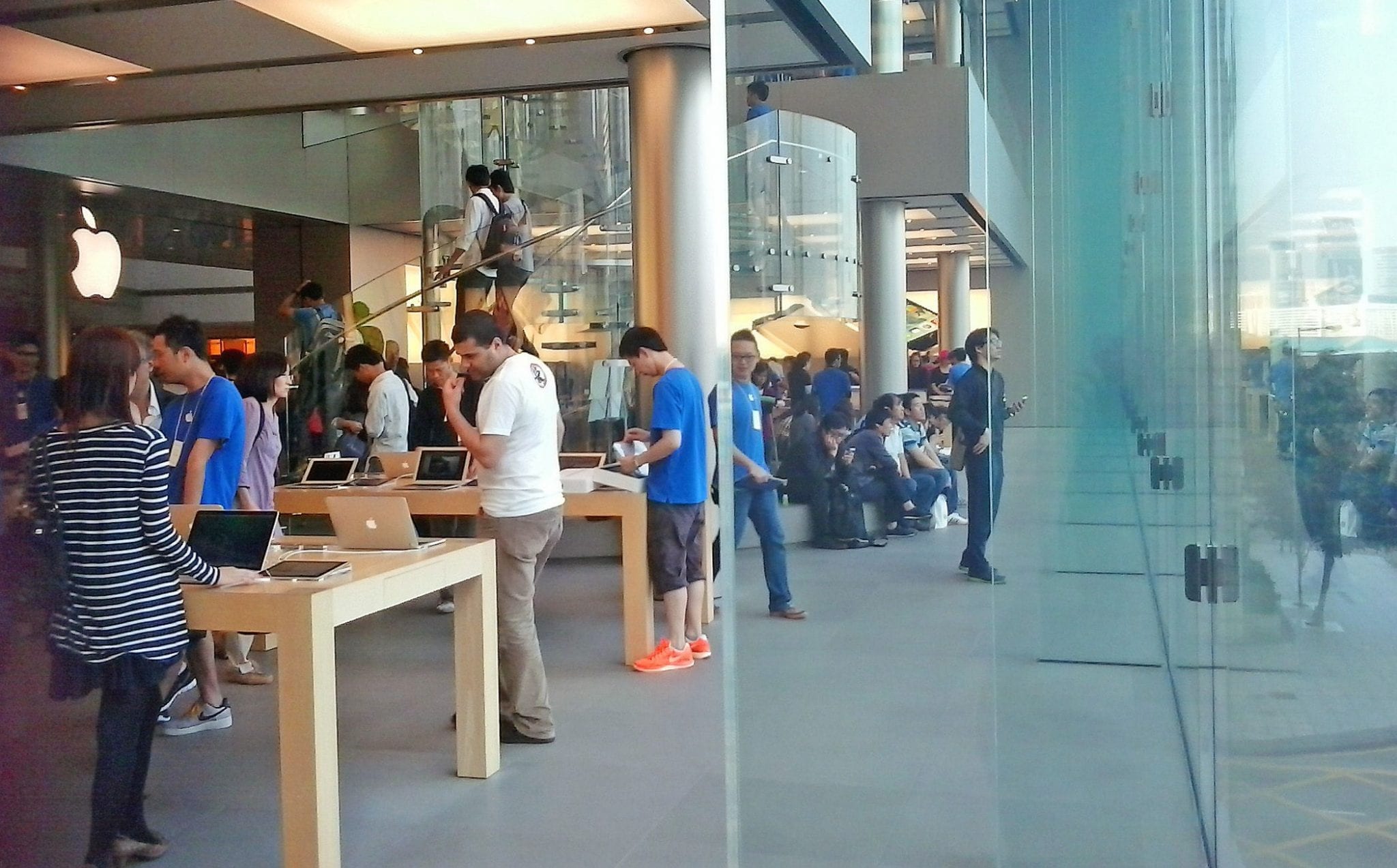
    Tech giant Apple  is reportedly eyeing Taipei 101 mall as the location for its first retail store in Taiwan, according to an industry insider, with no official opening date given by the source.

    Located on the first basement level of the mall, the debut Taiwanese store will be spread over 1,322 square meters. It is expected that the branch will be fitted out in Apple’s new retail design, which is already being rolled out across the US.

    Further consolidating Apple’s push into Taipei, Apple premium reseller Studio A will close its shop on April 17, Studio A president Cheng Ying-lung told local media.

    Cheng said the Studio A store in Taipei 101 has seen a decline in sales over the past three months, due mainly to a drop in tourist arrivals from China.

    Last July, Apple posted its first job listings for Taiwan, which were followed by a confirmation of its plans to set up a store in the country.

    However, Apple did not say when the shop would be opened or where in Taiwan it would be located.

    Apple boasts nearly 500 retail stores in 19 countries and online stores available in 39 countries.

    After the US, China is Apple’s biggest market. Apple’s latest store opening was in China’s Nanjing in early April, one day after a Beijing court ruled in favour of Apple pertaining to a patent feud the US smartphone maker is having with Shenzhen Baili Marketing Services Co.

    The local manufacturer claims Apple stole its exterior designs, which the court found not to be the case.

  • Apple reportedly opening first Singapore store in May

    Apple reportedly opening first Singapore store in May

    Apple is reportedly opening its first store in Singapore this month, according to CNBC, which will also serve as the U.S. tech giant’s first Southeast Asia store.

    Located at the city’s Knightsbridge mall on Orchard Road, the hotly anticipated Apple store – which spans five storefronts and climbs four storeys, is due to open May 22, a retail fit-out worker has told CNBC.

    CNBC managed to speak with the Legends Interior employee onsite last Thursday after finishing work on the retail space, who said the store is planned to open May 22.

    When contacted via email, the Apple’s head of corporate communications for Southeast Asia and India. Katrina Tran, told CNBC, “We don’t have any new announcements about Apple retail.”

    The mega-store has been veiled in secrecy since works began on the site some two years ago, with problems relating to the construction in a busy part of central Singapore being the reason behind such delays.

    Singapore’s Ministry of Manpower (MOM) issued a stop work order to the contractor for the worksite, Legend Interiors, a retail interiors specialist. The order went into effect on October 24, 2016 and was lifted on November 16, 2016.

    MOM told that the stop work order was issued “for unsafe conditions relating to work at height, traffic management, scaffolding, electrical installation and lifting operations that were observed during an inspection at the worksite.”

    A sign outside the building site originally said the expected completion date was October 31, 2016. Then it was changed to January 30, 2017, before a date was erased completely.

    A source with knowledge of the project also told CNBC about problems with a neighbour — the Grand Royal Orchard Singapore hotel. That source said there had been a conflict over logistical and infrastructure issues related to the construction

    DP Architects PTE, the architect for the Singapore project, declined to comment on the new store, citing nondisclosure agreements, while civil and structural engineer, Rankine & Hill, and the mechanical and electrical engineer, J. Roger Preston, also avoided commentary.

    Apple is notorious for secrecy with new stores and is known for strict non-disclosure agreements for the company’s contractors and suppliers, including $50 million payouts for each breach.

  • Apple to hold educative sessions at Apple Stores to increase customer engagement

    Apple to hold educative sessions at Apple Stores to increase customer engagement

    It may just be a marketing gimmick, but Apple’s latest initiative has all the elements to attract the crowd in its stores. The tech giant is planning to mobilize the mass to its stores by arranging educative sessions, dubbed “Today at Apple”, which would be organized by experienced professionals and will impart wisdom on a varied list of topics ranging from literature to coding.

    This initiative is aimed at building a better engagement between Apple enthusiasts and the brand by providing creative outlets and sessions, completely free of cost. The sessions will be held by experienced Creative Pros, who will make use of the varied products that Apple has to offer in order to educate the participants.

    Apple’s Senior Vice President of Retail, Angela Ahrendts said: “Today at Apple’ is one of the ways we’re evolving our experience to better serve local customers and entrepreneurs.”

    “We’re creating a modern-day town square, where everyone is welcome in a space where the best of Apple comes together to connect with one another, discover a new passion, or take their skill to the next level. We think it will be a fun and enlightening experience for everyone who joins,” she added.

    So if you are a photography enthusiast getting ready to sharpen your skills via six “How To” sessions at the nearest Apple store, that would cover shooting, organizing, editing and more or if you think you have elevated from all the basic stuffs, you can participate in the photo walks. If you are a coder, you can learn how to tinker around with Swift Playgrounds, which shares the same ethos that professional developers regularly apply in their day to day coding activities.

  • Apple self-driving car testing plan gives clues to tech program

    Apple self-driving car testing plan gives clues to tech program

    Apple Inc outlined a plan to train operators of self-driving cars in documents submitted to California regulators earlier this month, the latest clues to the company’s autonomous vehicle technology aspirations.

    Apple was granted a permit to test self-driving cars on April 14 by the California Department of Motor Vehicles but the company has never said anything about its plan.

    The state released 41 pages of Apple application documents to Reuters that give some clues about the company’s highly secret self-driving effort, which it has never openly acknowledged.

    The iPhone maker joins a long list of carmakers, start-ups and technology rivals, including Alphabet’s Waymo, that are testing cars on state roads. Apple is looking for new hit products and autonomous car technology is expected to revolutionize the traditional auto industry.

    As part of the application, Apple included a 10-page training plan that appeared to be related to operators taking back manual control of the car during automated driving exercises of the system, which it calls a development platform.

    Apple declined comment beyond the filing.

    The plan includes a document called “Automated System: Development Platform Specific Training Overview” whose objective is “to train safety drivers in various automated driving conditions.”

    “Development platform will be controlled electronically (e.g. joystick) and safety drivers must be ready to intervene and take control,” the document reads.

    The document highlights different scenarios to be tested, from high speed driving and tight U-turns to lane changes.

    One letter sent from Apple to the state Department of Motor Vehicles noted that Apple’s development platform “will have the ability to capture and store relevant data before a collision occurs.”

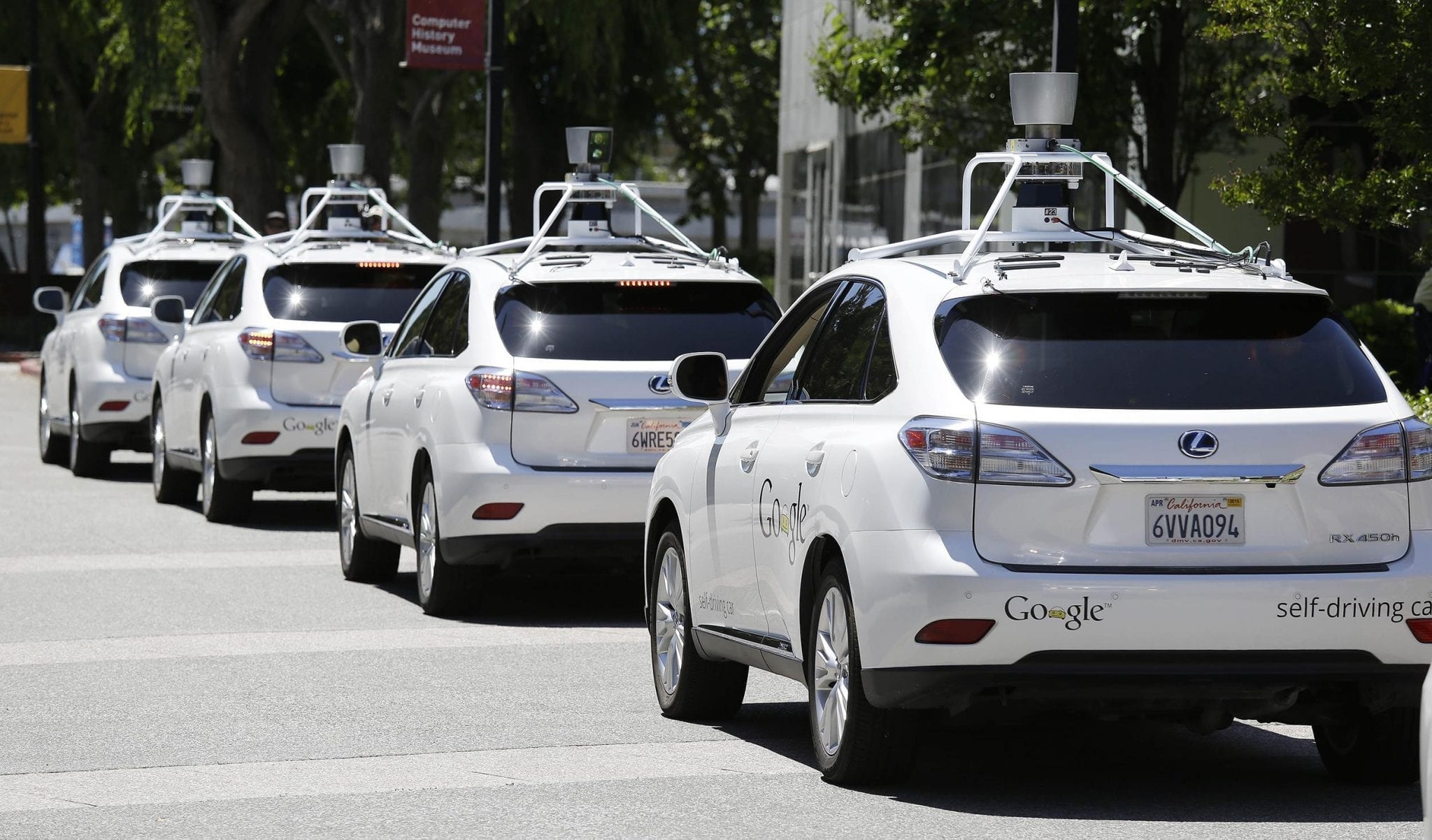
    The document does not include detail on how Apple’s self-driving platform actually works or other technical details. It also does not say what kind of sensors are found on Apple’s three permitted vehicles, all 2015 Lexus model RX450h.

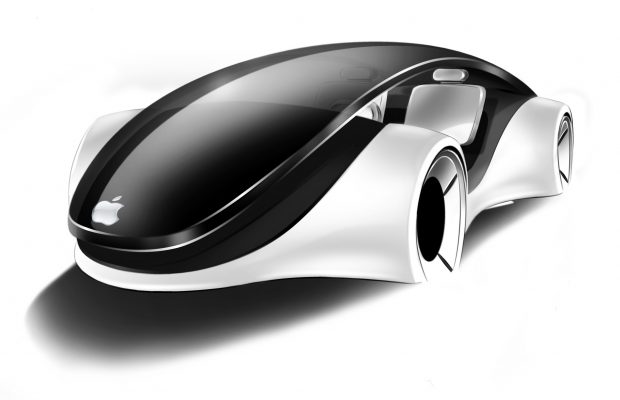
    The permit does not necessarily mean that Apple itself is building a full car. Apple could instead be designing a self-driving platform that can be integrated into other manufacturer’s cars.

  • Apple to open App Accelerator in India

    Apple to open App Accelerator in India

    US tech major Apple will set up an App Accelerator in Bangalore, in order to provide support to Indian developers and help them to transform the design and performance of their apps on its mobile operating system iOS.

    The Accelerator in Bengaluru, the hub of India’s start-up scene, will inspire the next generation of Indian developers, according to the company.

    Each week, Apple experts will lead briefings and provide one-on-one app reviews for developers. The facility will also provide support and guidance on Swift — Apple’s programming language created to build apps for iOS, Apple TV and Apple Watch.

    “India has one of the most vibrant and exciting iOS developer communities in the world and already tens of thousands of developers in India make apps for iOS,” the company said in a statement.

    The App Accelerator at Bengaluru will help to further enrich the iOS app ecosystem.”

  • Apple receives permit in California to test self-driving cars

    Apple receives permit in California to test self-driving cars

    Apple Inc has secured a permit to test autonomous vehicles in California, fuelling speculation that it is working on self-driving car technology in a crowded arena of companies hoping to offer those cars to the masses.

    The permit allows it to conduct test drives in three vehicles with six drivers, the state Department of Motor Vehicles said on Friday. The vehicles are all 2015 Lexus RX450h, according to the DMV.

    Although it has never openly acknowledged it is looking into building an electric car, Apple has recruited dozens of auto experts in recent years, and the permit pulls the curtain back a bit on any possible plan.

    “This does confirm what’s long been rumored: that Apple is at least toying with the idea of getting into the autonomous game in some capacity,” said Chris Theodore, president of consultancy Theodore & Associates, and a former vice president at Ford Motor and Chrysler.

    The permit does not mean Apple is definitely building a car. “This is not necessarily automobiles as initially rumored, but software or possibly hardware associated with autonomous technology,” Theodore said.

    An Apple spokesman declined to comment directly on the filing, pointing back to a statement the company made in November when it wrote to the U.S. National Highway Traffic Safety Administration (NHTSA) on the subject of regulating self-driving vehicles.

    “The company is investing heavily in the study of machine learning and automation, and is excited about the potential of automated systems in many areas, including transportation,” Apple’s director of product integrity, Steve Kenner, wrote in that five-page letter.

    Apple executives have been coy about their interest in cars. Chief Executive Tim Cook has suggested that Apple wants to move beyond integration of Apple smartphones into vehicle infotainment systems.

    Apple joins a growing list of traditional carmakers, technology companies, and small start ups to test drive cars in California – all vying to be the first to have commercially viable vehicles on the roads.

    Companies that have been issued permits also include Alphabet Google unit, Ford Motor, Volkswagen AG, Daimler AG, Tesla Motors and General Motors.

    Many companies have said the first cars will launch in 2020 but some experts believe it may take much longer due to regulatory challenges.

  • Hover Camera Passport Comes to Apple Retail Stores, With In-Store Demos Available

    Hover Camera Passport Comes to Apple Retail Stores, With In-Store Demos Available

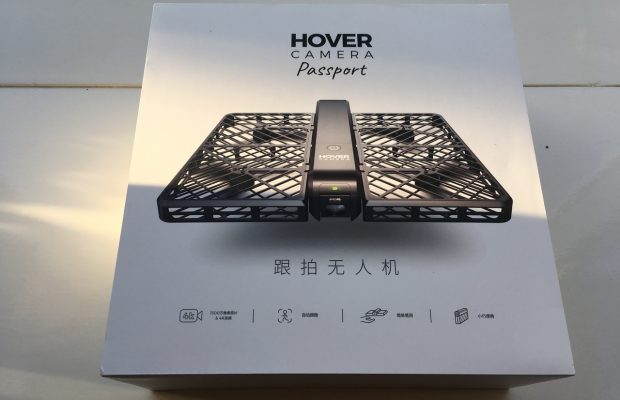
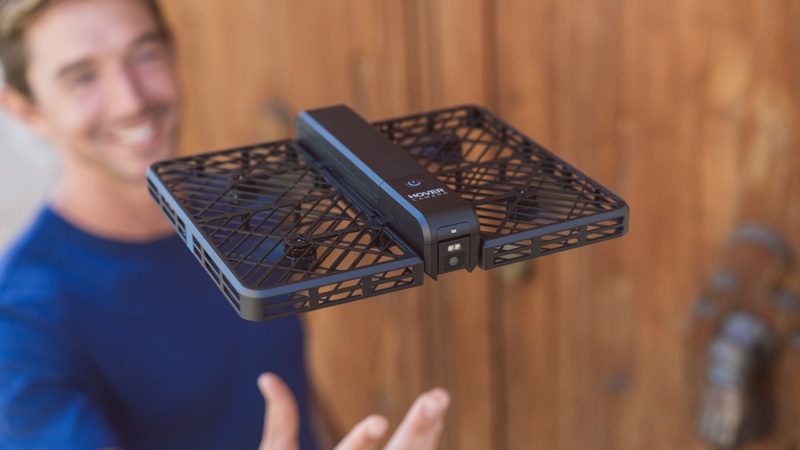
    Hover Camera Passport, a lightweight, personal drone-style camera from Zero Zero Robotics, is available on Apple’s website and in Apple retail stores in the United States, Canada, China, Hong Kong, and the UK starting today.

    The Hover Camera Passport can be thought of as a sort of next-generation autonomous selfie stick that’s able to follow you around and capture a hands-free photo whenever you wish.


    It’s made from a lightweight (242 grams), foldable carbon fiber material so it packs down small and can go anywhere, and it’s equipped with face tracking and body tracking so it knows who to follow. The drone travels up to 17 miles per hour and can hover for 10 minutes at up to 65 feet away, so it’s able to track a user that’s running, walking, biking, or engaging in other similar physical activities.

    There’s a 13-megapixel camera built in, which can also capture 4K video. Since it’s a flying camera, it can capture 360 degrees of panoramic video, and it’s designed to be flown right out of the box, so even people unfamiliar with drones can pick it up and fly it.


    The Hover Camera Passport is controlled through the Hover Camera iOS app, which provides features like a real-time video feed, quick social sharing, multiple flight modes including spin and orbit, auto follow, and picture-taking features.

    New features are being added to the Hover Camera Passport for its Apple Store launch, including compatibility with iMovie and Final Cut Pro X, a more user-friendly interface, and automated media editing to create small, moving clips that can be shared with family and friends.

    Zero Zero Robotics is offering a $499 Apple-exclusive bundle at Apple Stores, which consists of a Passport flying camera, two batteries, a charger, an adapter, and an easy-carry bag. Apple retail stores will be hosting in-store demos of the Hover Camera Passport so customers can try it out. 42 retail stores will begin demos today, and other stores will start demonstrations in May.

  • Qualcomm, Apple go to war over licensing

    Qualcomm, Apple go to war over licensing

    Qualcomm and Apple will battle it out in court over patent licensing for technology used in the iPhone, with both filing suit against the other.

    Apple recently filed three lawsuits against Qualcomm, in the US, China and the UK, accusing the chipmaker of abusing its dominant market position to force Apple to pay billions in superfluous royalty payments for components that have nothing to do with Qualcomm baseband processors.

    These components include Touch ID and Apple Pay. The US lawsuit is seeking $1 billion in damages, while the lawsuit in China is seeking $145 million.

    Now Qualcomm is hitting back, filing an answer to Apple’s lawsuit as well as a counterclaim accusing Apple of failing to engage in good-faith negotiations regarding Qualcomm’s 3G and 4G standards-essential patents on fair, reasonable and non-discriminatory (FRAND) terms.

    Qualcomm has also accused Apple of breaching agreements and negotiations with the company, interfering with Qualcomm’s agreements with licensees that manufacture iPhones and iPads for Apple and encouraging “regulatory attacks” on Qualcomm’s business by making false claims.

    Apple also allegedly deliberately chose not to utilize the full performance of Qualcomm chips in the iPhone 7 to misrepresent the performance disparity between iPhones using Qualcomm’s modems and those using competitor-supplied modems, and threatened Qualcomm in an attempt to prevent it from making public comparisons about the relative performance of iPhones.

    “Over the last ten years, Apple has played a significant role in bringing the benefits of mobile technology to consumers with its popular products and services. But Apple could not have built the incredible iPhone franchise that has made it the most profitable company in the world, capturing over 90% of smartphone profits, without relying upon Qualcomm’s fundamental cellular technologies,” Qualcomm EVP and general counsel Don Rosenberg commented.

    “Now, after a decade of historic growth, Apple refuses to acknowledge the well established and continuing value of those technologies. It has launched a global attack on Qualcomm and is attempting to use its enormous market power to coerce unfair and unreasonable license terms from Qualcomm.”

  • Apple has ordered 70 million OLED panels from rival Samsung for upcoming iPhone 8

    Apple has ordered 70 million OLED panels from rival Samsung for upcoming iPhone 8

    Shares of Samsung Electronics got a boost on Tuesday after the report that archrival Apple had ordered 70 million display panels that the South Korean giant specializes in for the upcoming iPhone. Samsung’s stock closed at 2.1 million Korean won, posting a rise of 1.54 percent.

    Citing a supply chain source, Nikkei reported that Apple has placed orders for bendable organic light-emitting diode panels for use in 70 million handsets for the year. OLED offers brighter displays and better power efficiency over liquid crystal displays currently in use.

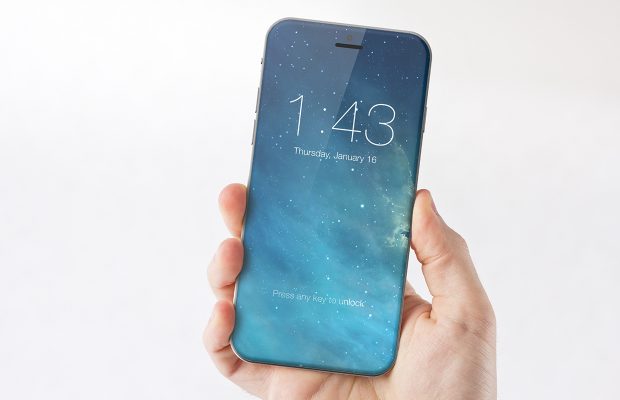
    Samsung’s OLED displays are used on its own flagship Galaxy devices, and the company is a market leader in the area. Apple is expected to launch three new iPhones later this year, with the anniversary edition iPhone 8 believed to have a slightly curved 5.2-inch OLED screen. This will be the most expensive model. The two other iPhones will have LCD displays. It would be the first time Apple has used OLED displays on its flagship device.

    Quoted IHS Markit analyst David Hsieh as saying that the order for 70 million units of OLED panels is in line with his expectations. He added that Samsung is expecting to produce as many as 95 million units for Apple in 2017, in case demand exceeds expectations. Hsieh also said Samsung is likely to be the sole supplier.

    “It is also possible that some of these 70 million handsets will not be shipped to customers this year and be carried over to next year depending on demand,” Hsieh told.

    The 70 million unit figure gives a sense of the kind of bullish demand Apple is expecting for the anniversary model, which some analysts are suggesting could cost $900 to $1,000.

    But some analysts have said it’s not likely Apple will sell all 70 million OLED iPhones this year looking at previous performance. In the fiscal first quarter, which ended Dec. 31, Apple sold 78.2 million iPhones — latest iPhone 7 and 7 Plus models and older versions.

    Neil Shah, research director of devices and ecosystems at Counterpoint Research, said he expects Apple to be able to sell around 70 million iPhones in total in the final quarter of this year when it releases the new device. But again, not all 70 million will be the OLED devices.

    “Seventy-million units of the OLED iPhone is too high for me at this point,” Shah told.

    The likelihood is Apple will sell some of the OLED phones next year, and at least have some ready in case it sees a pop in demand.

    Leaks and reports suggest that the iPhone 8 could be the most advanced yet with new features such as a front-facing camera with 3-D sensor. Analysts are expecting this to kick of a “supercycle” of iPhone sales.

  • Apple to open first R&D center in Indonesia this year

    Apple to open first R&D center in Indonesia this year

    Good news to Apple fans in Indonesia — Apple will finally bring its flagship phones to the country this year. The company will open the doors to its first R&D center in the country in the second quarter of this year in the city of Tangerang, reports The Jakarta Post. This means Apple will officially be able to retail its iPhone 7 and 7 Plus in Indonesia now, which the company reportedly plans to launch today.

    The move is part of Apple’s efforts to become compliant with local regulations which stipulate that a foreign phone maker needs to have at least 30 percent domestic content in order to sell phones in the country. The company committed to invest $44 million to set up an R&D centre in the country last year.

    Apple did not immediately respond to Retail News’s request for comments.

    Apple is not alone in moving to boost local content in Indonesia so as to meet regulations and be able to retail its phones in the country. It was reported in November 2015 that Lenovo began producing its 4G phones in the country as part of the company’s commitment to meet the regulation.

  • Apple opens new stores in China, Germany

    Apple opens new stores in China, Germany

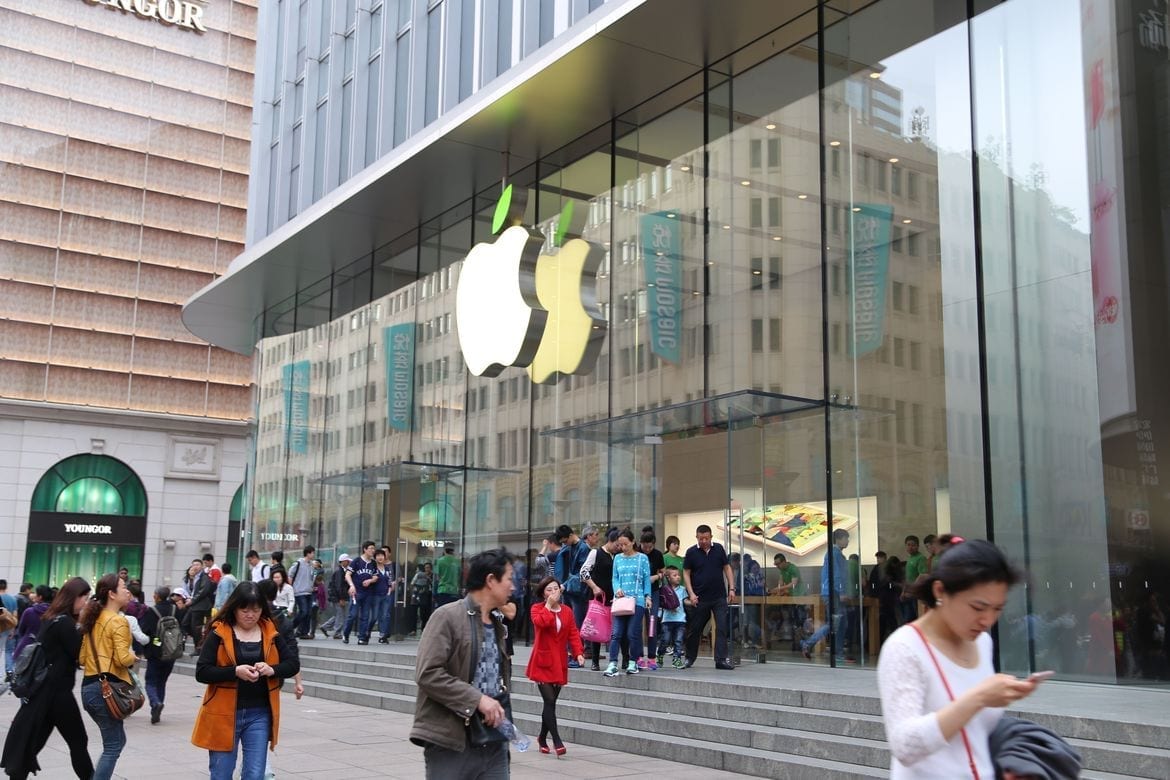
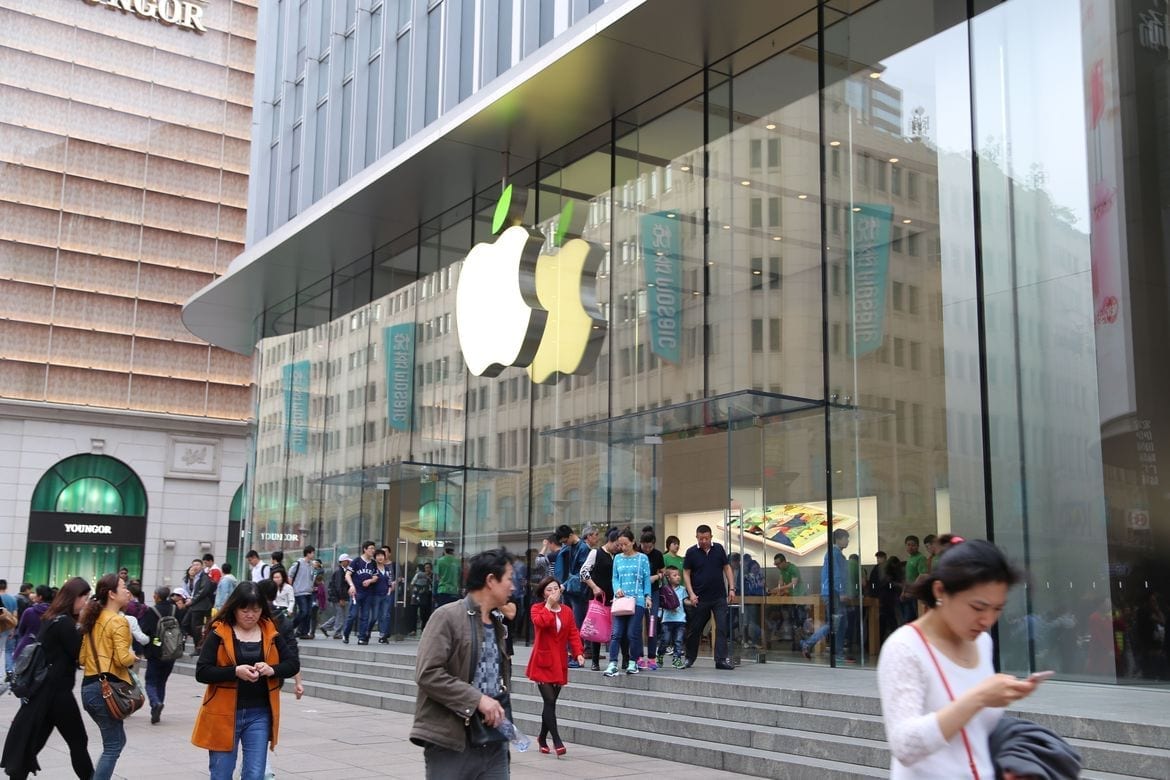
    While Apple’s retail team is currently remodelling all its stores, the company expanded its reach with three new stores in China, Germany and the US. More than 350 store employees at the new stores in Nanjing (China), Cologne (Germany) and Miami (US) welcomed thousands of customers at the grand openings. “Each store complements the local architecture, from the restored facade in Schildergasse to the 90-by-30-foot glass entryway of Apple Nanjing,” the company said in a statement on Saturday. For the first time in each city, customers can explore The Forum — a place where the local community can gather and learn.

    All the three stores also feature The Boardroom — a space for local entrepreneurs, developers and business customers to get hands-on advice and training. On March 12, Apple reopened its store in St. Johns Town Center in Florida — the 35th store company updated to its latest design in the US. Apple opened its first store on May 15, 2001, at the Tysons Corner Center mall, Virginia.


  • Oppo, Vivo founder reveals how he toppled Apple in China

    Oppo, Vivo founder reveals how he toppled Apple in China

    Duan Yongping is convinced Tim Cook didn’t have a clue who he was when they first met a couple years ago. The Apple boss probably does now.

    Duan is the reclusive billionaire who founded Oppo and Vivo, the twin smartphone brands that dealt the world’s largest company a stinging defeat in China last year. Once derided as cheap iPhone knockoffs, they leapfrogged the rankings and shoved Apple Inc. out of the top three in 2016 — when iPhone shipments fell in China for the first time.

    They managed to do it because the American smartphone giant didn’t adapt to local competition, the entrepreneur told Bloomberg in what he said was his first interview in 10 years. Oppo and Vivo employed tactics Apple was reluctant to match, such as cheaper devices with high-end features, for fear of jeopardizing its winning formula elsewhere, Duan said.

    “Apple couldn’t beat us in China because even they have flaws,” the 56-year-old electronics mogul said. “They’re maybe too stubborn sometimes. They made a lot of great things, like their operating system, but we surpass them in other areas.”

    That’s not to say Duan doesn’t appreciate the iPhone maker’s global clout. In fact, the billionaire’s obsession with his US rival is legion: he’s long been a big-time investor in Apple and an unabashed fan of its chief executive officer.

    “I’ve met Tim Cook on several occasions. He might not know me but we’ve chatted a little,” Duan said. “I like him a lot.”

    Apple couldn’t confirm Duan’s meeting with Cook when contacted by Bloomberg. But Duan has blogged incessantly about Apple’s products, share price and operations since 2013, when the company was worth half what it is today. He needs “a really big pocket” because he carries four devices, including a heavily-used iPhone. In a 2015 post, he argued Apple’s profit should reach $100 billion within five years. Today, Duan won’t say when he actually bought in but says much of his overseas wealth remains tied up in the iPhone maker. He even lives in Palo Alto, an easy drive from Apple’s new UFO-like headquarters in Cupertino.

    “Apple is an extraordinary company. It is a model for us to learn from,” Duan said. “We don’t have the concept of surpassing anyone, the focus instead is to improve ourselves.”

    Oppo’s gains against Apple may now earn an even broader following for the billionaire dubbed China’s Warren Buffett by local media for his investment acumen. Born in Jiangxi, a birthplace of Mao Zedong’s Communist revolution, Duan began his career at a state-run vacuum tube plant before making his name with homegrown electronics.

    Duan left the factory floor around 1990, when China was just embracing capitalism and opening industries to private investment. He headed to southern China’s Guangdong province, then the cradle of liberal reforms, to run a struggling electronics plant. His first product was the “Subor” gaming console with dual-cartridge slots — a direct shot at Nintendo Co.’s classic Family Computer, known elsewhere as the Nintendo Entertainment System. The 100- to 400-yuan Subor became a hit in the absence of local competitors. Duan even enlisted Kung Fu star Jackie Chan to endorse the device. By 1995, revenue from the Subor exceeded 1 billion yuan.

    Duan left to set up a new business that year as the operation flourished — a pattern he would repeat in later years. He christened his second venture Bubugao, literally “rising higher step-by-step.” BBK, as the company came to be known, created a popular line of VCD and MP3 players but later also made DVD players for global brands. Subsidiary Bubugao Communication Equipment Co. became one of the country’s biggest feature-phone makers around 2000, going head-to-head with Nokia and Motorola.

    It was the first iPhone in 2007 that paved the way for Oppo and Vivo. While they share a common founder in Duan, the sister brands are fierce competitors, trotting out dueling marketing campaigns in markets from India to Southeast Asia. Their salesmanship philosophy plays well in emerging markets, IDC research manager Kiranjeet Kaur said.

    “The companies fully understand how to make the best of their people, a specialty they inherited from Duan,” said Nicole Peng, a senior director at Canalys. Importantly, they understood their millennial audience. “Many of their managers are young and have been working at the company since graduation.”

    Duan’s latest endeavors were, in part, dreamed up in Apple’s backyard. By 2001 at the age of 40, Duan had decided to move to California to focus on investment and philanthropy, later installing his family in a mansion he reportedly bought from Cisco Systems Inc. Chairman John Chambers. But the advent of the smartphone forced the entrepreneur out of retirement.

    By the second half of 2000s, BBK was on the verge of falling apart as sales of its basic devices slowed. The likes of Huawei and Coolpad were making smartphones priced at around 1,000 yuan. That nearly put the company under, Duan recalled.

    “We were in serious discussions about how to close the company peacefully — in a way that the employees can leave unhurt and suppliers don’t lose money,” he said.

    Those intense brainstorming sessions spawned the two businesses that would go on to embody Duan’s greatest success. In 2005, the entrepreneur and his protege Tony Chen decided to create a new company. Dubbed Oppo, it sold music players but ramped up to smartphones in 2011. In 2009, BBK itself created Vivo, headed by another of Duan’s disciples, Shen Wei.

    “Making mobile phones was not my call,” said Duan. “But I reckoned we could do well in this market.”

    At first, neither label garnered much attention. The iPhone was captivating users with its revolutionary apps system and elegant interface, while BlackBerrys lorded over the corporate market. But Oppo and Vivo then developed a marketing-blitz approach that relied on local celebrity endorsement and a vast re-sellers’ store network across China. They crafted an affordable image that appealed to a millennial crowd, then tricked out their devices with high-end specs. On the surface, Oppo and Vivo phones now routinely surpass the iPhone on measures such as charging speeds, memory and battery life.

    It paid off. The duo together shipped more than 147 million smartphones in China in 2016, dwarfing Huawei Technologies Co.’s 76.6 million units, Apple’s 44.9 million and Xiaomi’s 41.5 million, IDC estimates. Oppo and Vivo both doubled their 2015 haul. In the fourth quarter, they were No. 1 and No. 3, respectively — Huawei was second. Their approach worked particularly well in lower-tier cities, where mid-range phones became a mainstream hit, said Tay Xiaohan, an IDC analyst.

    Duan’s smartphone progeny are also gaining some momentum beyond their home turf. In the fourth quarter, Oppo and Vivo were fourth and fifth in the world, respectively. About a quarter of Oppo’s shipments went to markets like India, where it hopes to dig in before Apple establishes a meaningful presence.

    “Smartphones are an unprecedented opportunity. We forecast at least for the next 10 or 20 years, there’s no replacement. But we don’t know,” Duan said.

    Cook said on the weekend that Apple doesn’t have a specific goal for market share.

    “The competition is more fierce in China — not only in this industry, but in many industries,” Cook told the China Development Forum in Beijing. “I think that’s a credit to a number of local companies that put their energies into making good products.”

    Duan has increasingly kept his distance from the Chinese smartphone makers despite remaining a significant shareholder (he won’t say how much). He says he prefers to stay out of the spotlight and enjoy California with his journalist wife and kids. In fact, he attends board meetings but claims to get most of his information on Oppo and Vivo from the internet, to avoid “disturbing them.”

    His rivals have been less considerate. Last October, Xiaomi Corp. co-founder Lei Jun lambasted competitors who build dense store channels in rural areas in pursuit of quick sales. In an interview with China Entrepreneurs Magazine in October, Lei accused such players of using “imbalanced information” to trick buyers into shunning Xiaomi, precipitating its decline from the top spot.

    “Those who said this were insane,” Duan said without naming names. “When someone talks about an information imbalance, deep down they believe consumers are idiots.”

    His most visible passion these days is stock investment, which is why he agreed to pay a then-record $620,100 in 2006 to lunch with Buffett. Quotes from the Sage of Omaha still pepper Duan’s blogposts, right alongside tips on golf and Apple.

    Duan cemented his reputation as a savvy financier in part by digging his friend, Netease Inc. founder William Ding, out of a hole. Ding’s internet company tanked to as low as 13 cents after the dot-com bubble burst, then almost became the first U.S.-listed Chinese company to get tossed off the Nasdaq over an auditing issue. Duan came to his friend’s aid, buying about 5 percent of Netease with just $2 million in 2002, when the stock price averaged 16 cents. Company filings show he still held just over 4 million shares as of March 2009, but Duan said he sold much of that when Netease hit $40.

    His other much-studied holding is premium-liquor company Kweichow Moutai Co. He said he bought in at 180 yuan in late 2012. While it nearly halved in 2014, Moutai today trades above 370 yuan.

    Duan isn’t shy about talking up his trades, not least of which is Apple, which remains near a record high despite a rare sales decline in 2016. But looking back on his decades as first entrepreneur then stock-picker, his proudest moments remain rooted in BBK. Though he claims to keep it at arm’s length, he admits to worrying about succession and whether the company culture will survive another generation of leaders.

    And while BBK’s Vivo and Duan’s own Oppo have done well, there’s no certainty in a fast-moving business. Both are starting to ramp up everything from the features on their phones to marketing campaigns: Oppo notably used Barcelona’s Mobile World Congress to unveil its most advanced camera technology yet, signaling a new maturity.

    One thing’s for sure, Duan doesn’t see himself returning to an active executive, leaving others to deal with the next challenge.

    “I’ve made it clear many years ago, I will never make a comeback,” he said. “If there’s a problem they can’t fix, then neither can I.”

  • Apple China investing in research hubs

    Apple China investing in research hubs

    Apple China plans to set up two more research hubs and boost investment there.

    The announcement comes as CEO Tim Cook takes his latest trip to Apple’s single biggest overseas market. He is expected to be present at the opening of a new Apple store at Jinmao Place in Nanjing this Saturday, March 25.

    Apple HK

    Apple says it plans to build research hubs in the eastern cities of Shanghai and Suzhou, on top of centres already slated for Beijing and the southern city of Shenzhen. It has also pledged to spend at least US$507 million on research institutions.

    All four centres will open thisyear with the aim of enabling co-operation with local partners and attracting talent.

    Meanwhile, Cook has addressed an economic forum in Beijing attended by senior government officials and leaders of corporations such as Royal Dutch Shell and Saudi Arabian Oil.

    For the first time, iPhone shipments to China fell last year. This followed years of China driving Apple’s growth, even as smartphone demand elsewhere faltered. Now, local vendors like Huawei Technologies, Oppo and Vivo are eroding its market share.

  • Apple India opens franchise stores

    Apple India opens franchise stores

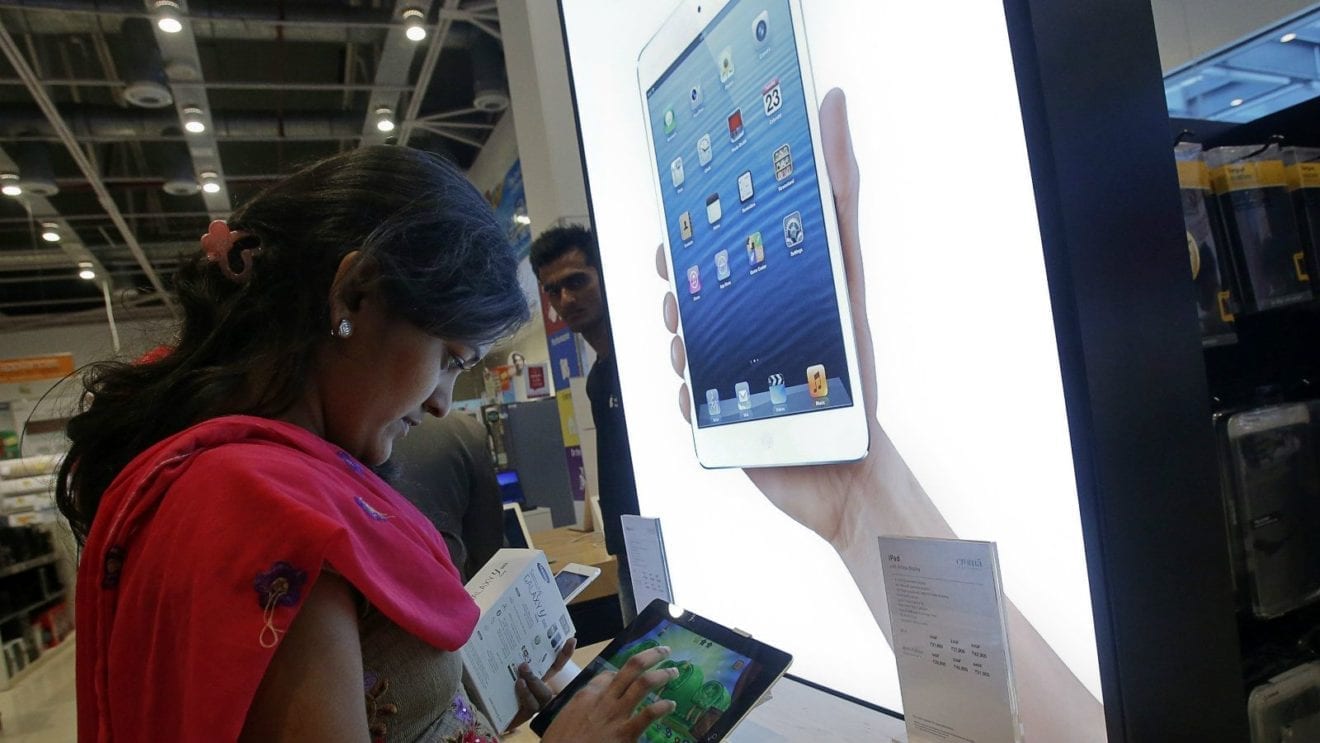
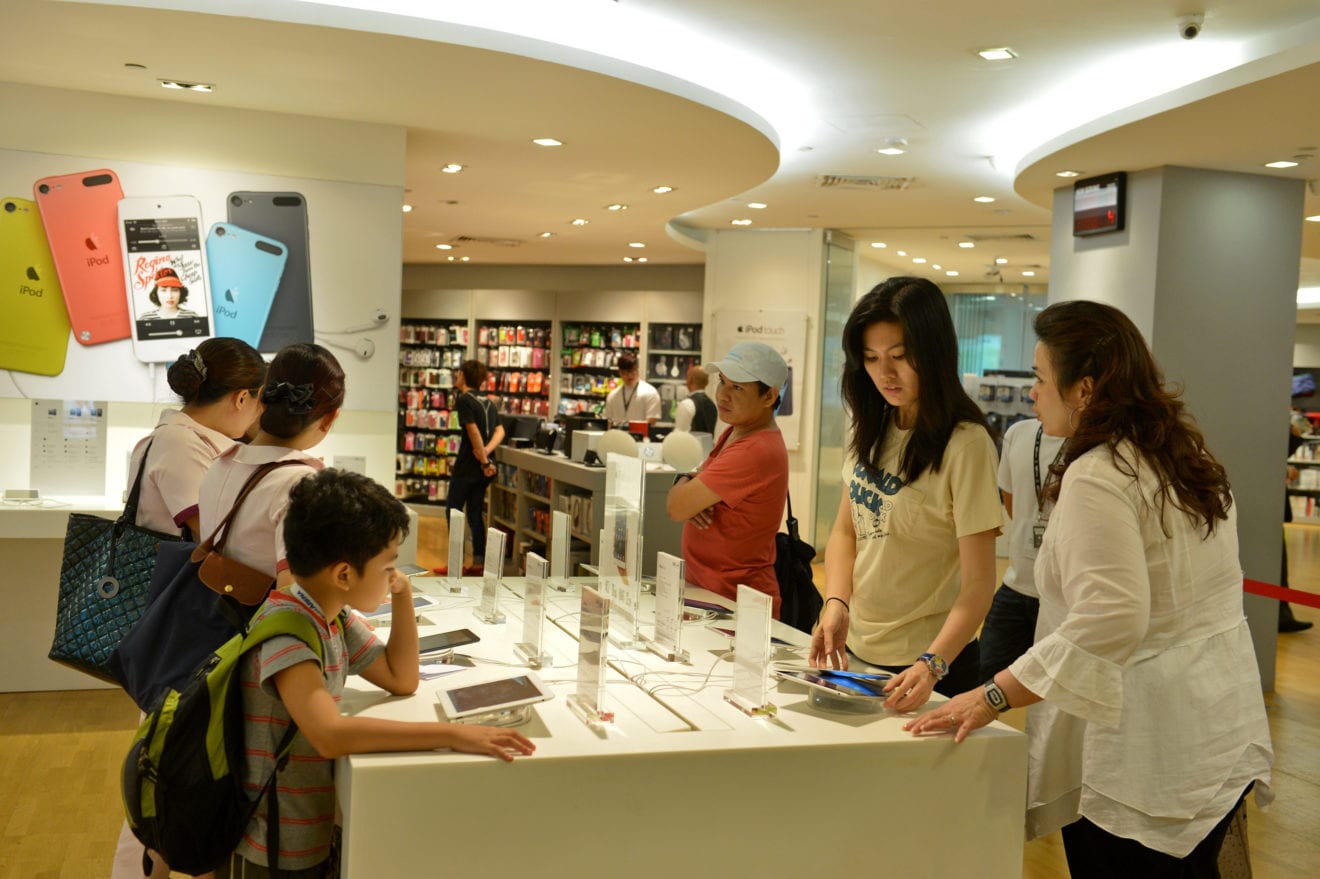
    Apple has set up more than 100 small franchise stores in India in the pilot phase of an initiative aiming at six-fold expansion over the next 12 months.

    The US electronics company’s move is a bid to take on Samsung and Chinese rivals, reports The Economic Times.

    Branded as Apple Authorised Resellers, the stores are no larger than 46 sqm and are distinct from the company-owned outlets Apple plans for India.

    It is a format through which the company plans to widen its presence in high-rental, high-street locations in large cities, neighbourhoods and tier-two and -three markets, say senior trade partners.

    Such stores have been set up in Bengaluru, Chandigarh, Mumbai, the National Capital Region (NCR) and Pune. In the NCR, the stores can be found in Gurgaon’s Galleria Market, Malviya Nagar, South Extension and Vasant Vihar.