Tag: apple

  • Apple is setting up shop in Samsung territory

    Apple is setting up shop in Samsung territory

    Apple announced it plans to open its first store in South Korea — an aggressive move, considering its main rival in the smartphone space, Samsung, is headquartered there. To that end, it’s hiring 15 staff members in the region and has stated publicly how excited it is by the prospect.

    We know that the store is set to open up in the nation’s capital, Seoul, but Apple has yet to make it clear exactly where within the city. However, South Korean media has commented that it should appear somewhere in the southern district and that work is expected to begin shortly, completing at some point before the end of November.

    To make sure its new store is staffed properly, Apple’s new positions range from store leader to business manager. While the listings don’t specifically state that they will be working at the Seoul store, it seems like an awful coincidence if they aren’t set to work there.

    The opening of a facility in South Korea is somewhat of a statement to Samsung also. With the big Android manufacturer taking a bit hit to its brand at the tail end of 2016 due to problems with its Galaxy Note 7 phone, it could be that Apple smelled blood in the water. However, it is also worth pointing out that it faces a lot of competition in Asian markets now from lower-end device manufacturers, many of them originating in China.

    Apple could be looking to put a stamp on the region and maintain a foothold in what is quickly becoming one of the most hotly contested regions. Targeting South Korea is a smart move too, as it is geographically near to some of the biggest smartphone industry growth in the world but well within the borders of an economically prosperous country.

  • Apple to invest $1b in SoftBank tech fund

    Apple to invest $1b in SoftBank tech fund

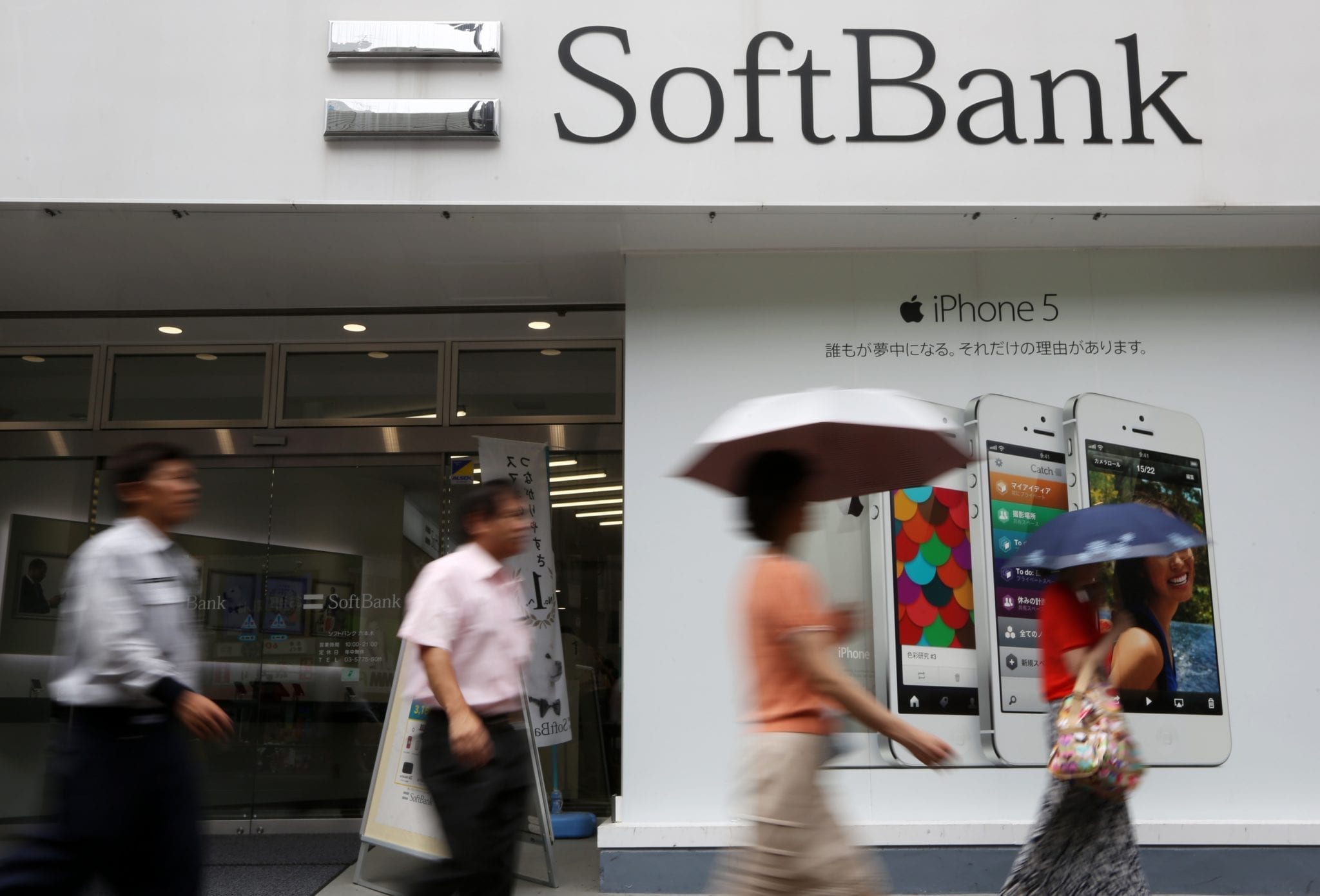
    Apple has revealed plans to invest $1 billion in Japanese telecom behemoth SoftBank’s $100 billion technology venture capital fund.

    Apple will join a list of investors that are also expected to include Foxconn Technology Group and Oracle chairman Larry Ellison. Companies including Qualcomm have already committed to the fund.

    The $100 billion SoftBank Vision Fund will invest in strategic technology areas such as the IoT and AI as part of efforts by SoftBank CEO Masayoshi Son to help the company capitalize on emerging opportunities.

    The report quotes a market analyst as stating that that the investment could be aimed at helping Apple’s core smartphone business stay competitive as the IoT market expands, and could also reflect the company’s increasing interest in partnering with other companies for growth.

    Apple does not have a track record of investing in venture capital funds, but the company has been changing its investment strategy recently to reflect evolving market dynamics.

    This change in strategy and growing interest in partnerships was reflected by the company’s $1 billion investment in China’s home-grown Uber alternative Didi Chuxing last year.

  • An iPhone’s journey, from the factory floor to the retail store

    An iPhone’s journey, from the factory floor to the retail store

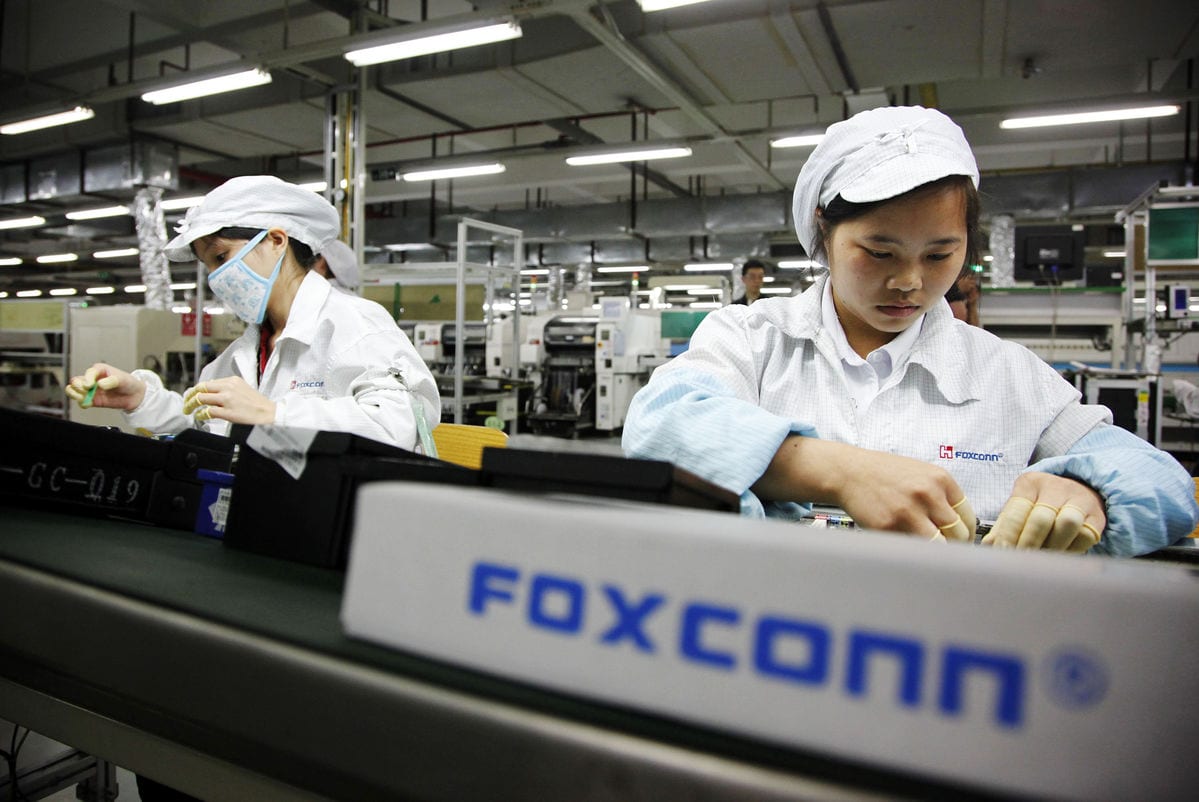
    Apple buys many of the components for iPhones — like the memory chip, the modem, the camera module, the microphone and the touch-screen controller — from more than 200 suppliers around the world. Foxconn, the Taiwanese company that runs the Zhengzhou facility, even produces some smaller parts, such as metal casings.

    Apple orders many of the components from global suppliers and then sells them, en masse, to one of its contract manufacturers in China. In Zhengzhou, that means Foxconn.

    Foxconn’s facilities in Zhengzhou cover 2.2 square miles and can employ up to 350,000 workers, many of whom earn about $1.90 an hour. The operation does final assembly, testing and packaging.

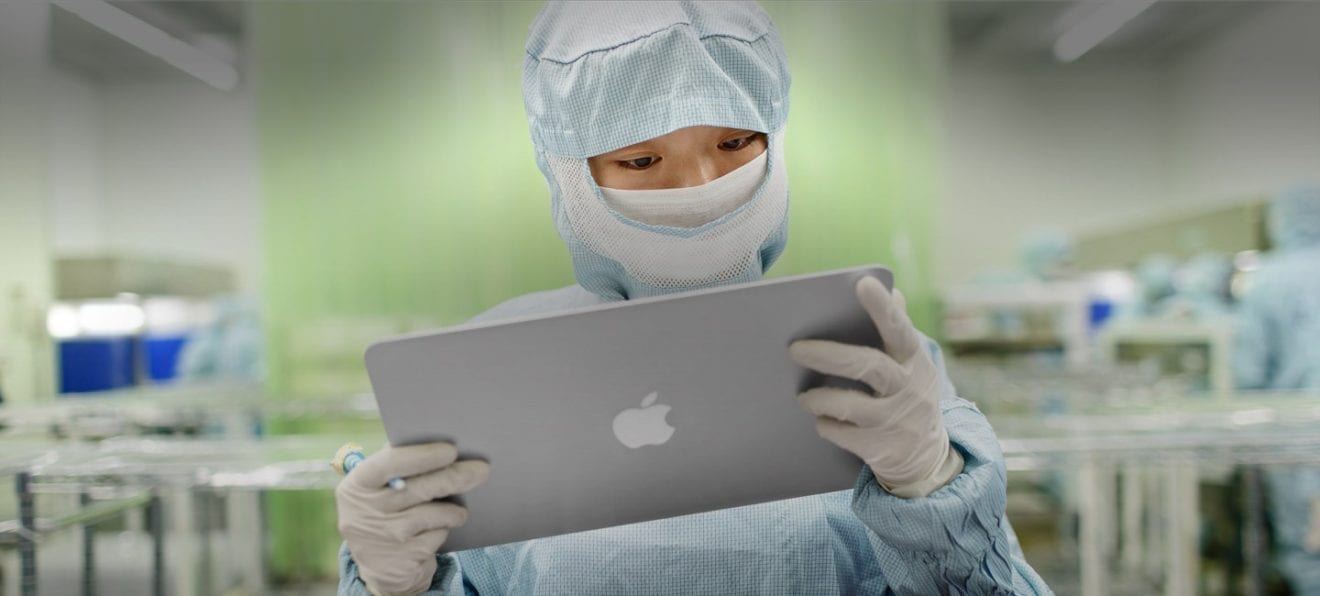
    There are 94 production lines at the Zhengzhou manufacturing site, and it takes about 400 steps to assemble the iPhone, including polishing, soldering, drilling and fitting screws. The facility can produce 500,000 iPhones a day, or roughly 350 a minute. After the iPhone rolls off the assembly line, it is placed in a sleek white fiberboard box, wrapped and put on a wooden pallet, and then wheeled out to waiting trucks.

    The newly assembled iPhone is transported a few hundred yards beyond the factory gate, where China built a large customs facility. The customs operation sits in a bonded zone, which allows Apple to sell the iPhones more easily to Chinese consumers.

    As the final point of assembly for the iPhone, China also serves as a starting point for Apple’s global tax strategy. In Zhengzhou, often in the customs facility, Foxconn sells the completed iPhones to Apple, which in turn resells them to Apple affiliates around the world.

    The process, most of which takes place electronically, allows Apple to assign a portion of its profits to an affiliate in Ireland, a tax-advantageous locale. The system is not unique to China.

    IPhones bound for the United States and other parts of the world leave customs by truck and are transported three miles to the Zhengzhou airport. The airport has been significantly expanded in recent years, as production of the iPhone has increased.

    Some years ago, personal computers that were made in China were transported to the United States by container ship, with a trip lasting about a month. Smartphones are small enough to be shipped by plane in huge quantities — and cost-effectively. A single wide-body Boeing 747 can easily carry 150,000 iPhones tucked into its aluminum canisters.

    From Zhengzhou, UPS, FedEx and other freight carriers typically fly U.S.-bound iPhones to Anchorage, Alaska. There, they refuel, before going on to Louisville, Ky., a major logistics hub, or other points.

    For an iPhone headed for the China market, customs officials use an electronic system to virtually stamp the goods as “exports” and then restamp them as “imports.” In Zhengzhou, the process happens in the same customs facility just outside the factory.

    Once the products are declared an import, customs can collect a 17 percent value-added tax, a kind of national tax, based on the import price. Afterward, the goods are approved for transport around China. Domestic-bound iPhones are typically loaded onto a large truck and taken on an 18-hour drive from Zhengzhou to Shanghai, in eastern China, where Apple has set up its national distribution center. A single tractor-trailer holds up to 36,000 iPhones. Because the vehicles have about $27 million worth of freight on board, they are equipped with cameras and sometimes accompanied by armed security guards.

    After the iPhone leaves the Foxconn factory in Zhengzhou, it takes two days, on average, to get to a store in Shanghai, a 590-mile trip. It takes three days, on average, to get to a store in San Francisco, some 6,300 miles away.

    IPhones can sell for nearly 20 percent more in China than in the United States.

    Chinese customers pay much higher prices, because of currency fluctuations and the country’s hefty value-added tax.

    A 32-gigabyte iPhone 7 sells for about $776 at the Apple Store in Shanghai. In New York, it goes for $649.
  • Apple allegedly deepening partnership with Foxconn

    Apple allegedly deepening partnership with Foxconn

    Apple is turning to manufacturing partner Foxconn to facilitate efforts to expand both research centers and business further into Southeast Asia, and open up facilities in China and Indonesia, according to recent reports

    Foxconn has been manufacturing for Apple for over a decade. While Apple’s Indonesian presence is somewhat limited at the moment, Foxconn has been in Indonesia for several years.

    Not clear is what assistance Foxconn may specifically give Apple, beyond access to already-forged business arrangements with local suppliers and businesses.

    In late November, Indonesian Communication and Information Minister H.E. Rudiantara said that the country’s Communication and Informatics Ministry was “finalizing the plan” for an Apple-led research center in Jakarta. Apple has reportedly already selected a few locations in the country for the center.

    Earlier in the year, Chinese media reported that Apple is launching its first research and development center, located in technology incubation area Zhongguancun Science Park, Beijing. According to reports on the matter, the center has a budget of about $15 million, with a long-term expenditure goal of $45 million over the next few years. The center is allegedly seeking to hire around 500 workers, with no particular focus beyond Apple products and software.

  • Opening of Singapore first Apple Store gets pushed back indefinitely

    Opening of Singapore first Apple Store gets pushed back indefinitely

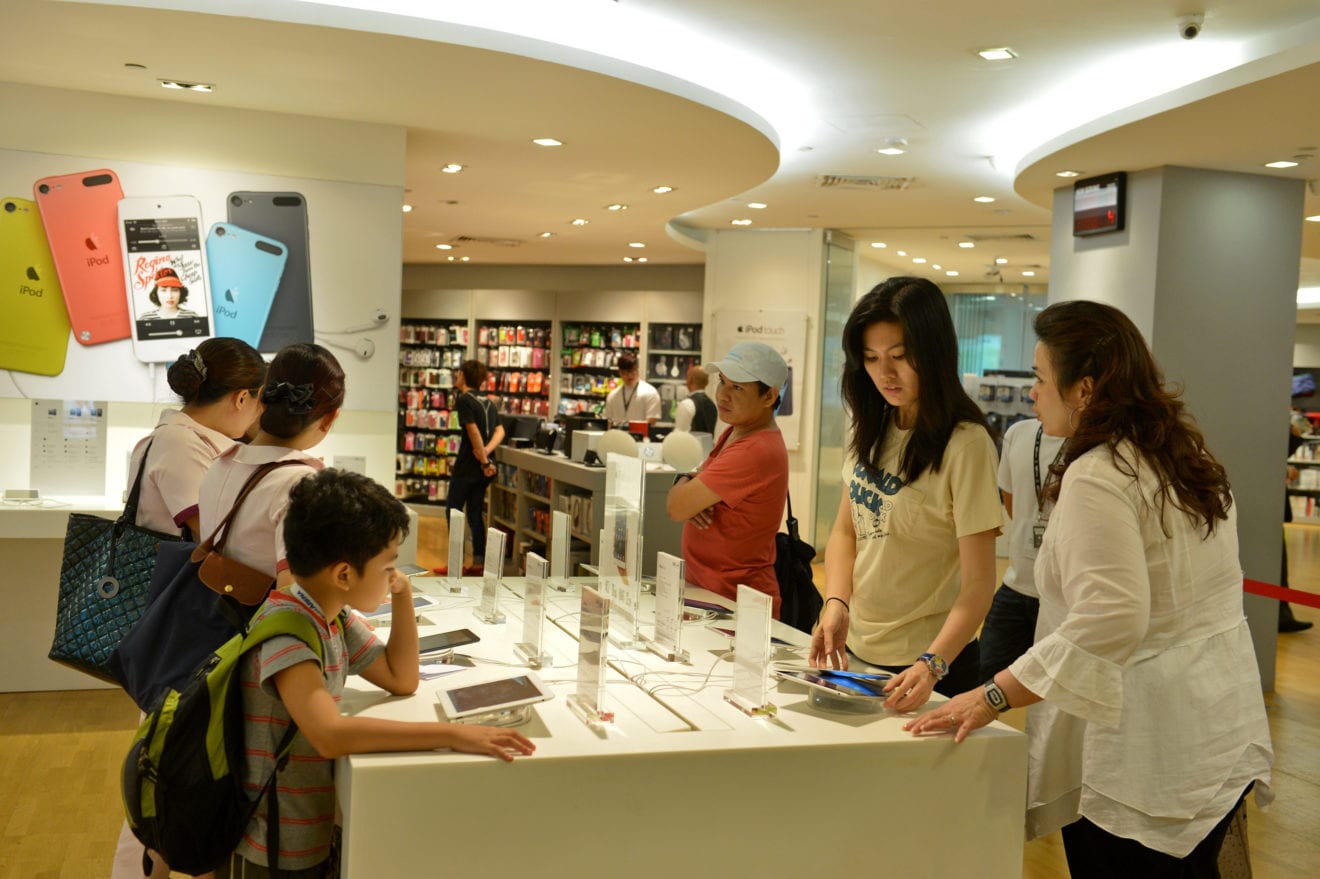
    Back in July, Singaporeans were thrilled by the news that our very first Apple retail store was set to open in November at Orchard Road’s Knightsbridge Mall.

    With Apple products only available to Singapore dwellers via authorised resellers (Nübox , EpiCenter) and Apple’s online store, the opening comes as a very welcomed surprise to both Apple fans and tech enthusiasts alike.

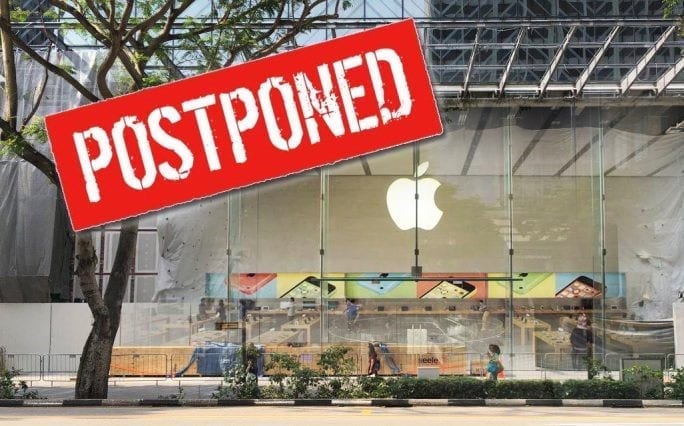
    The facade of the store, albeit still very much under renovation, was also observed by local Apple blog My Apple Singapore to potentially have the trademark front-facing glass panels that international Apple retail stores possess.

    What was also exciting, especially to us, were the possibilities of how an Apple retail store in Singapore would turn out, given that the company is known for designing its stores so as to “become one with the community [it is in]”.

    And it’s not just in the superficial – Apple stores in Japan are also known to participate in the Japanese New Year’s Fukubukuro (“lucky bag”) tradition, giving out bags containing random Apple products at highly discounted prices.

    At that point of time, we were a mere few months away from the unveiling of a shiny new store which could, pardon the reference, make shopping in Singapore great again, but the projected date (and month) has already come and passed…and we’re still far from picking out Apple products over the counters.

    From 31 Oct, To 30 Jan, To…

    Last month, The Straits Times came bearing the bad news that the store “will likely not open in time for Christmas this year”.

    The information board at the location showed an updated expected completion of Jan 30, 2017, and comes as a 3-month delay from the previously stated Oct 31, 2016.

    The store was also observed to be “still covered by white construction hoarding, with construction canvas draped over the exterior’s glass panels” – not exactly the most promising sign.

    Photo of the store’s information board in Nov 

    But that’s not the end of it.

    According to a report last week, the date has now been covered up, making the date of completion pretty much indefinite.

    After a check with workers and security guards at the site, the report found that the delays were “unavoidable after the site was issued with a three-week stop-work order in late October”.

    This was confirmed by the Ministry of Manpower (MOM), which revealed that the order was meted out on Oct 24 due to “unsafe conditions relating to work at height, traffic management, scaffolding, electrical installation and lifting operations that were observed during an inspection at the worksite”.

    Was The First Predicted Date Of Completion Too Optimistic?

    Given that a 3-week delay would’ve definitely caused a break in construction, the pushing back of the date of completion not once, but twice, might suggest that the first predicted date of completion (Oct 31) might have been a stretch in the first place.

    But then again, according to industry observers who has been interviewed, delays “are not uncommon [given] Apple’s emphasis on customer experience in its flagship stores”.

    Regardless, We do hope that the site is now much safer for the workers (given that this year has seen a rise in workplace deaths, and is an issue we shouldn’t ignore anymore), and that we also get an update soon.

    And this time, a more accurate one.

  • Nokia expands litigation against Apple to 9 more countries

    Nokia expands litigation against Apple to 9 more countries

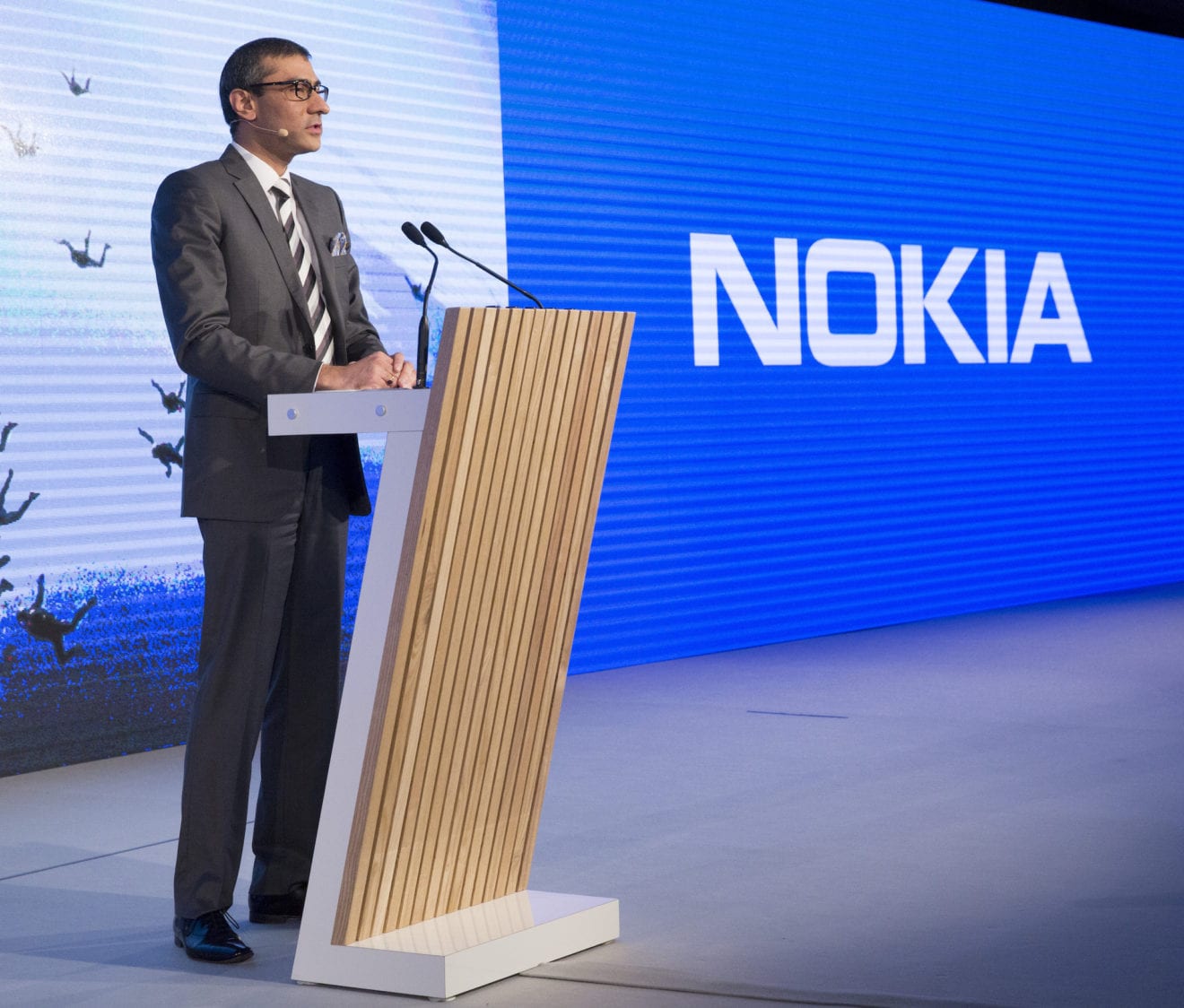
    Nokia said Thursday it has increased the number of patent suits launched against Apple from 32 to 40, spread across 11 countries in US, parts of Asia and Europe.

    The move comes a day after Nokia revealing it was suing Apple for a number of patent infringements in the US and Germany, covering display, user interface, software, antenna, chipsets, video coding and other technologies used in devices such as the iPhone.

    On Wednesday, Nokia filed lawsuits in three German courts and two lawsuits in a US court in Texas.

    Nokia claimed Apple agreed to license some of its patents in 2011, but declined subsequent offers made by Nokia to license others of its technologies used by Apple products.

    “After several years of negotiations trying to reach agreement to cover Apple’s use of these patents, we are now taking action to defend our rights,” said Ilkka Rahnasto, head of patent business at Nokia.

    Nokia’s move comes a day after Apple filed on Tuesday an antitrust lawsuit against Acacia Research Corp and Conversant Intellectual Property Management, accusing them of colluding with Nokia to extract and extort exorbitant revenues unfairly from Apple.

    The lawsuits now extend to Finland (3 patents), UK (3 patents), Italy (4 patents), Sweden (3 patents), Spain (1 patent), The Netherlands (3 patents), France (1 patent), Hong Kong (1 patent) and Japan (2 patents), Nokia revealed on Thursday.

    In addition, Nokia has filed a complaint against Apple with the US International Trade Commission, which has the power to block the importation of products to the US if they are found to infringe patents. The USITC complaint covers eight patents.

  • Nokia sues Apple for patent infringements in US and Germany

    Nokia sues Apple for patent infringements in US and Germany

    Nokia said on Wednesday it has filed a number of complaints against Apple in Germany and the US, accusing the iPhone maker of infringing on Nokia patents.

    Nokia’s lawsuits cover 32 patents on technologies such as display, user interface, software, antenna, chipsets and video coding. These lawsuits stem from a disagreement between Apple and Nokia over licensing fees for Nokia Technology.

    “Since agreeing a license covering some patents from the Nokia Technologies portfolio in 2011, Apple has declined subsequent offers made by Nokia to license other of its patented inventions which are used by many of Apple’s products,” the company said in a statement.

    The Finnish telecoms equipment firm said it had negotiated for “several years” with Apple but is now “taking action.”

    “Through our sustained investment in research and development, Nokia has created or contributed to many of the fundamental technologies used in today’s mobile devices, including Apple products,” said Ilkka Rahnasto, head of patent business at Nokia.

    “After several years of negotiations trying to reach agreement to cover Apple’s use of these patents, we are now taking action to defend our rights.”

    Nokia has filed the lawsuits in courts in Dusseldorf, Mannheim and Munich in Germany and the US District Court for the Eastern District of Texas, and “is in the process of filing further actions in other jurisdictions”, it said.

    Nokia’s move comes a day after Apple filed an antitrust lawsuit against Acacia Research Corp and Conversant Intellectual Property Management, accusing them of colluding with Nokia to extract and extort exorbitant revenues unfairly from Apple.

  • Apple targets Indonesia with $44 million in R&D investment

    Apple targets Indonesia with $44 million in R&D investment

    Apple is working hard to break into the Indonesian smartphone market, announcing plans to invest roughly $44 million in a research and development (R&D) center over the next three years.

    The investment will let the company sell its iPhone 7 there after the Indonesian government recently announced that as of January 2017, all 4G-enabled phones sold in the country must include at least 30% local content, which can be reached via hardware, software, or an investment.

    Indonesia presents a massive growth opportunity for Apple, which posted its first annual decline in revenue in 15 years during Q3 2016. The year-over-year decline is primarily due to the decelerating global smartphone market since the iPhone comprises almost two-thirds of the company’s total revenue.

    Nevertheless, Apple is unlikely to find immediate success in Indonesia, much as it has in other emerging markets such as India. The smartphone market is largely controlled by Samsung, which accounted for 26% of smartphone shipments in Q2 2016, according to IDC. Meanwhile, low- to mid-tier devices from local and Asian vendors such as OPPO, ASUS, Advan, and Lenovo make up the rest of the top five vendors, by share.

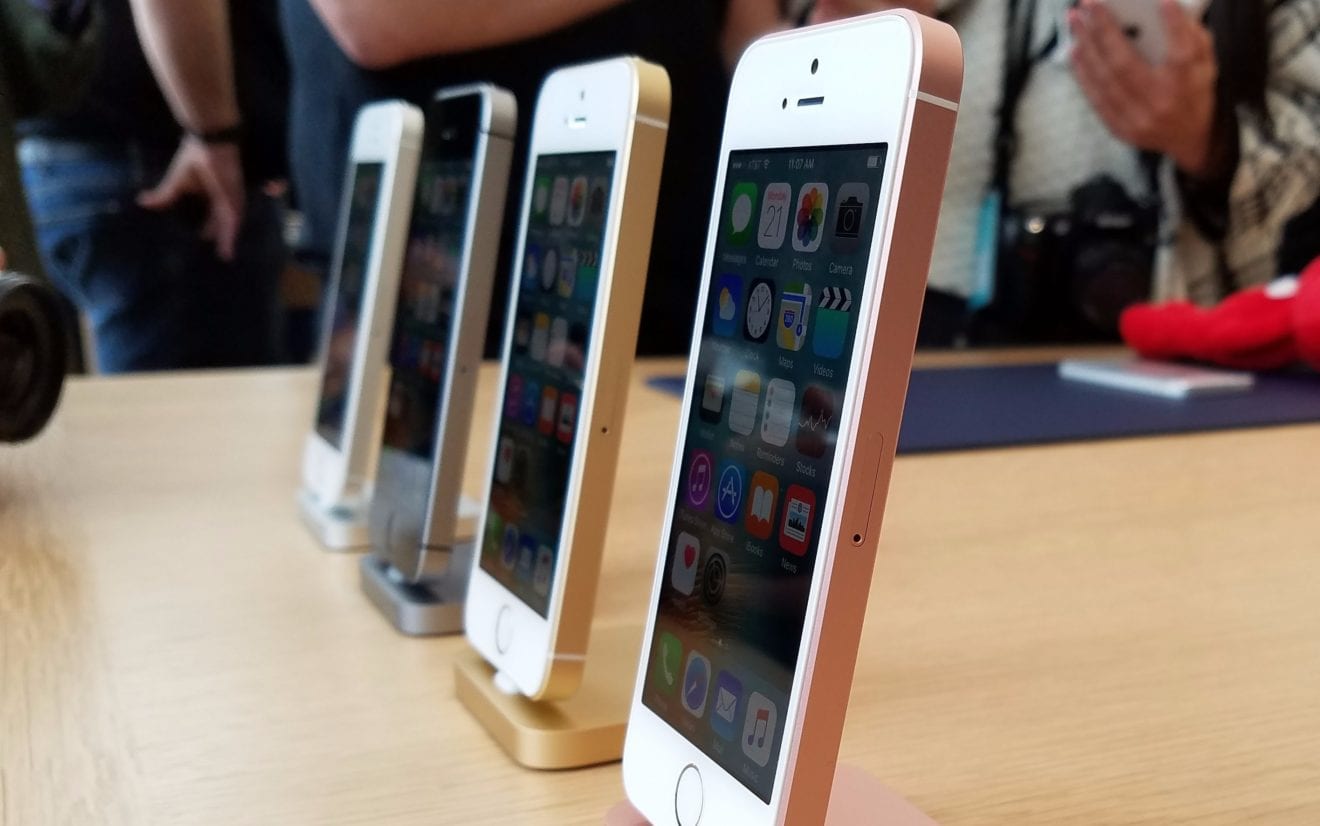
    The low- to mid-tier smartphone market is a key area in which Apple does not yet have a significant presence. This is a missed opportunity Piper Jaffray analyst Gene Munster noted during Business Insider’s IGNITION conference in December. And while the iPhone SE at $400 could be seen as an attempt by the company to partly capture the mid-tier market, it’s still marginally more costly than those being offered by local and Asian vendors. The OPPO F1, for instance, retails for around 3.8 million Indonesian Rupiah (roughly $283 USD).

    The global smartphone market is expected to slow considerably over the next few years. Despite a record-setting holiday quarter, 2015 was likely the last year of double-digit growth for smartphone shipments.

    Mature markets were at the heart of this year’s deceleration. Adoption has reached new highs in key markets in the United States, Europe, and China. The pool of first-time buyers in these countries is shrinking rapidly, and sales are now primarily coming from phone upgrades.

    Meanwhile, emerging markets will continue to see robust shipment growth. India and Indonesia, in particular, will help fuel a large share of the shipments growth within the global smartphone market over the next few years.

  • Apple Korea targets 15pc market share

    Apple Korea targets 15pc market share

    Apple Korea is going head on to Samsung on its home turf, on target to sell 2.9 million iPhones in South Korea this year, giving it a market share of about 15 per cent.

    At the end of last month it had sold 2.6 million iPhones, and is forecasting improved results for the year. Its operating profit has reached more than KRW800 billion (US$684 million) on revenue of KRW3 trillion, according to Yonhap News Agency.

    Sales of iPhones account for more than 75 per cent of Apple’s revenue in Korea, sources say. It launched the iPhone 7 in October with the opportunity to take share from market leader Samsung after its Galaxy Note 7 debacle.

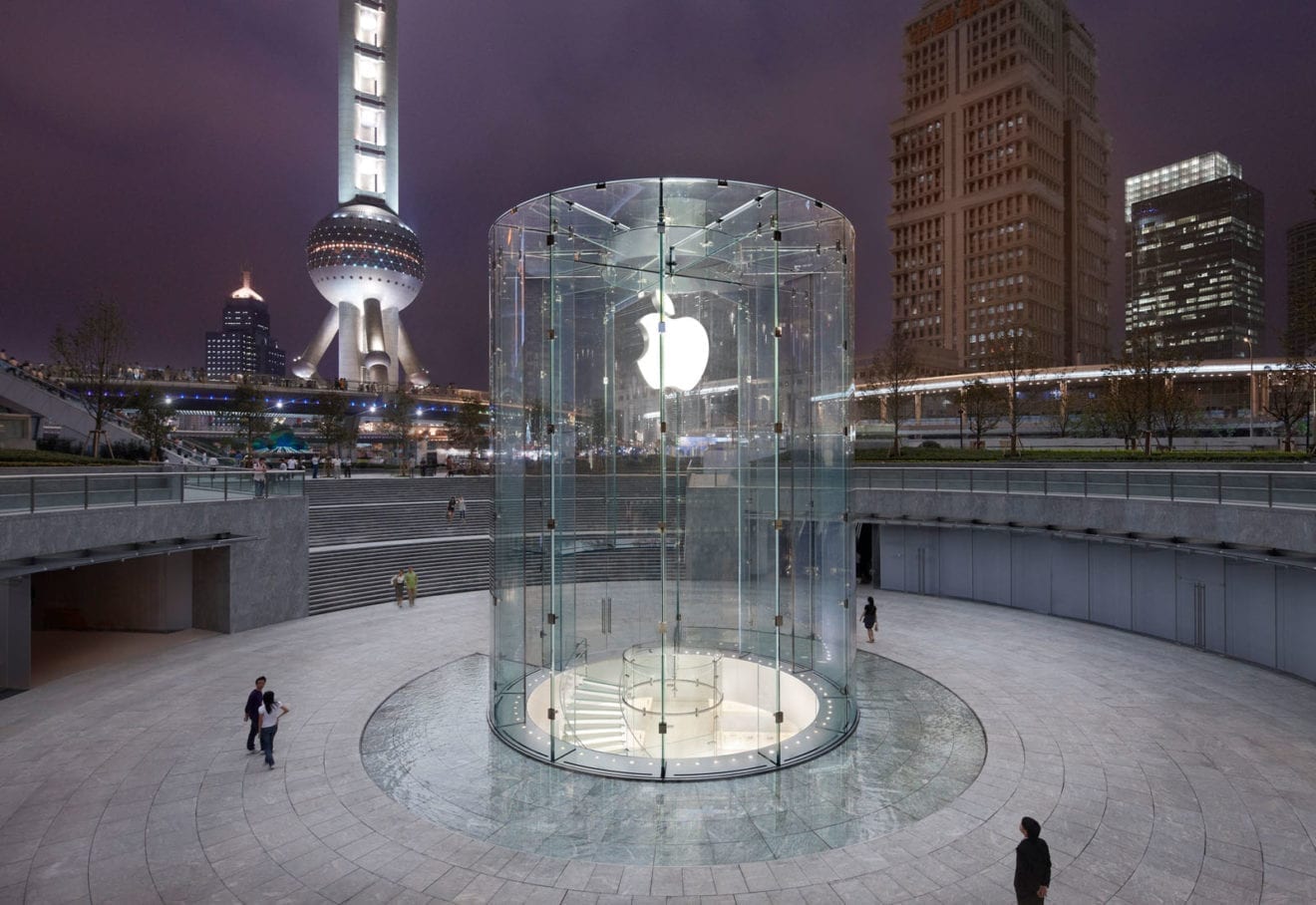
    On top of that, the Cupertino-based tech company is building its first flagship retail store in Seoul, expected to be completed next November, right across the street from Samsung’s headquarters.

    Apple’s market share in Korea peaked at 33 per cent in the fourth quarter of 2014 following the launch of the iPhone 6, according to Counterpoint. Samsung and LG now have a combined market share of more than 80 per cent. LG had a 19 per cent market share in the second quarter of this year.

    South Korea and Japan, where the iPhone had more than a 50 per share for the three-month period ending October 30, are rare growth markets in Asia for Apple. Its iPhone shipments in China plunged 31 per cent to 7.5 million units in the third quarter, with market share falling to 6.2 from 10.3 per cent, according to Strategy Analytics.

    Apple reportedly reduced orders from component suppliers for its iPhone 7 models early this month because of demand being weaker than expected in many markets, including China.

  • Apple tipped for strong growth in South Korea

    Apple tipped for strong growth in South Korea

    Apple Korea is forecast to post improved results for the year, with its operating profit reaching more than KRW800 billion ($684 million) on revenue of KRW3 trillion.

    The vendor is expected to sell 2.9 million iPhones in South Korea this year, giving it a market share of about 15 per cent, sources told the news agency. At the end of November it had sold 2.6 million iPhones.

    Sales of iPhones account for more than 75 per cent of Apple’s revenue in Korea, the local sources said.

    Apple launched the iPhone 7 in the country in October and has the opportunity to take share from market leader Samsung in its home country after its Galaxy Note 7 debacle. The Cupertino-based vendor is building its first flagship retail store in Seoul, which is expected to be completed in November 2017 and is located across the street from Samsung’s headquarters.

    The US vendor’s market share in South Korea peaked at 33 per cent in Q4 2014 following the launch of the iPhone 6, according to Counterpoint.

    Samsung and LG now have a combined market share of more than 80 per cent. LG had a 19 per cent market share in Q2.

    South Korea and Japan, where the iPhone had more than a 50 per share for the three-month period ending 30 October, are rare growth markets in Asia for Apple.

    iPhone shipments in China plunged 31 per cent to 7.5 million units in Q3, with Apple’s market share falling to 6.2 per cent from 10.3 per cent in Q315, according to Strategy Analytics. Earlier this month Apple reportedly reduced orders from component suppliers for its new iPhone 7 models due to weaker than expected demand in many markets, including China.

  • App makers not ready for Apple’s new ATS rules

    App makers not ready for Apple’s new ATS rules

    A month before Apple is expected to enforce stricter security requirements for app communications in iOS, enterprise developers are not ready for the changes, a new study indicates.

    The study was performed by security firm Appthority on the most common 200 apps installed on iOS devices being used within enterprise environments. The researchers looked at how well these apps conform to Apple’s App Transport Security (ATS) requirements.

    The researchers found that 97% of the analyzed apps — 193 out of 200 — used exceptions and other settings that weakened the default ATS configuration.

    ATS was first introduced and was enabled by default in iOS 9. The standard forces all apps to communicate with internet servers using encrypted HTTPS (HTTP over SSL/TLS) connections and ensures that only industry-standard encryption protocols and ciphers without known weaknesses are used. For example, SSL version 3 is not allowed and neither is the RC4 stream cipher, due to known vulnerabilities.

    Before ATS, app developers implemented HTTPS using third-party frameworks, but configuring SSL/TLS properly is hard so implementation errors were common. These weakened the protection that the protocol is supposed to provide against traffic snooping and other man-in-the-middle attacks.

    Currently iOS provides a method for apps to opt out of ATS entirely or to use it only for specific connections, but Apple wants to change that. At its Worldwide Developers’ Conference in June, the company announced that it will require all apps published on the App Store to turn on ATS by the end of this year.

    The requirement won’t be enforced at the OS level, but through the App Store review process. Using some of the ATS exceptions will still be possible, but developers will have to provide a “reasonable justification” for using them if they want their apps to be approved.

    “Among the top 200 iOS apps that we analyzed, 166 apps (83%) bypass at least some ATS requirements by setting ‘NSAllowsArbitraryLoads’ attribute to ‘true’ in their Info.plist files,” the Appthority researchers said in their report.

    “However, not all of them bypass ATS requirements for all network connections. For instance, a company can still support ATS requirements for network connections with its domain, while allowing ATS to bypass all other connections.”

    Apps that didn’t use HTTPS for all of their connections include Facebook, Twitter, LinkedIn, Facebook Messenger, Skype, Viber, WhatsApp, Fox News, CNN, BBC, Netflix, ESPN, Hulu, Pandora, Amazon Cloud Player, Word, Excel, PowerPoint, and OneNote, but also utility apps like Flashlight, QR code readers and games.

  • Apple’s iPhone 7 Sees Discounting as China Sales Fall

    Apple’s iPhone 7 Sees Discounting as China Sales Fall

    Jun Zhang today reiterates a Neutral rating, and a $102 price target, warning that sales of the iPhone in China, he estimates, are “still weaker than retail channels” as discounting of the phone has popped up across the country.

    iPhone sales, presumably in dollars, he doesn’t specify — fell by 6% in November, and are probably down “slightly” from November this month, as discounting takes hold outside of tight supplies at Apple’s online store:

    Overall iPhone sales in China were down 6% in November and slightly down MoM in November due to some pushes in “single day” sales. In our view, iPh- one 7 sales will continue trending down and many retailers in China have al- ready started discounting ($50) the iPhone 7 in November. iPhone 7 Plus sup- ply is catching up in November, and sales have grown MoM in November. iPh- one 6/6S sales continue to be weak. The 7 Plus model currently accounts for 60% of iPhone 7 sales in China. We started seeing some retailers discounting this model in November. In our view, there is a waitlist if ordered from Apple’s online store, but consumers can easily buy them from local stores and third party retail stores. Since the jet black mod- el has high return rate, Apple might try to control capacity. Overall, we believe iPhone sales in China are still weaker than retail channels expected.

    Zhang also cautions investors not to be mislead if they hear of component orders rising come the March quarter. In his view, “Some noise of Apple increasing orders might come from the iPad instead of the iPhone,” given he sees Apple refreshing the various iPad models in March.

  • Apple China opens seventh Shanghai store this weekend

    Apple China opens seventh Shanghai store this weekend

    Apple China will open its seventh retail store in Shanghai this weekend.

    The new store is located in Vanke Mall in Qibao (pictured below), a popular tourist destination in suburban Shanghai, known for its traditional Chinese architecture.

    vanke-mall-in-qibao

    The store will be the US tech brand’s 489th worldwide

    Apple has already opened 20 new stores worldwide this year, including in Saint-Germain in Paris, Hong Kong and in Zhujiang New Town in Guangzhou, China.

    The store will formally open at 10am Saturday morning.

  • Apple Criticized by Korean Game Developers for its App Store Refund Policy

    Apple Criticized by Korean Game Developers for its App Store Refund Policy

    It took me a while to figure out what the big deal was. It’s not that people buy a $1.99 game, then get a refund and keep playing.It’s that people buy $100 in in-game “currency” using an in-app purchase, then get a refund, and keep the $100 of in-game “currency”. Then do this again. And again. And again.

    Oh, you want to have the best fort in Clash of Clans? $100 in in-game gold, and you can do it quickly! Then get a refund on that in-game gold. Want to get good Pokemon faster? $100 in in-game gold and you can lure more Pokemon to you (for a long time.) Then get a refund on that in-game gold.

    It took me a while to figure out what the big deal was.

    It’s not that people buy a $1.99 game, then get a refund and keep playing.

    It’s that people buy $100 in in-game “currency” using an in-app purchase, then get a refund, and keep the $100 of in-game “currency”. Then do this again. And again. And again.

    Oh, you want to have the best fort in Clash of Clans? $100 in in-game gold, and you can do it quickly! Then get a refund on that in-game gold. Want to get good Pokemon faster? $100 in in-game gold and you can lure more Pokemon to you (for a long time.) Then get a refund on that in-game gold.

    Not quite true. In clash of clans, if you request a refund in $100 worth of gems, the game takes the gems spent from you and you end up with thousands of gems in debt. You can still earn gems the normal way but it goes to offset that negative gem count.

    Don’t know how clash of clans can do this but Koreans can’t figure out what the refund was for…

    So… Commenters, we don’t need to be specifying “Korean developers” or calling them out by their nationality. This is a problem to *ALL* nationality of developers, it just happens that this article was in a Korean newspaper, so the developers they interviewed are Korean. Saying things like “These Korean developers whining about…” or “I wish these Korean companies would…” is unnecessarily adding nationality (and by proxy race) in to a complaint. Would you have made the same comment if the developers had been from California? Or Texas? Would you have specified “These Californian developers…” or “I wish these Texan companies…”?If not, then leave “Korean” off the description you post. Their “Koreanness” has nothing to do with the issue.

    I hate in app purchases. I disable them from my settings.So pretty simple. Get rid of in app purchases. Than they wouldn’t have an issue tracking down people who ask for refund. One time fee payment for full game.

    A non issue really. The developer has access to the receipt for each purchase and can check if it is still valid at any point in time.
    They just need to keep track of the receipts, basic in-app programming ffs.
    To be consistent Apple should have the same policy for their stores – so I can buy an iPhone/MacBook then call to request a refund without returning it. I’m sure there’ll only be a “small” number of people abusing it 😉

    And what exactly are people “stealing” by “returning” 100 gold coins in an app – a couple bytes of database space?

    I operate my own small business, a small hardware device with an online system connected – getting in on the “smart home” craze. Manufacturing is outsourced, so we don’t have to deal with manufacturing shrink, we just pay a per-unit contracted cost. The online service, as with any of these games, is practically zero cost-per-unit. If someone cancels a service, or asks for a refund (which we always offer). Yes, hardware space and bandwidth cost money, but there is no “direct cost” per-user.

    Hardware-wise, in the past month, we’ve had $2388 which I’d classify as shrink at retail price, $912 at cost price. That includes:

    – 1 unit damaged in warehouse
    – 3 units lost by couriers shipping to customer
    – 4 “change of mind” hardware returns that couldn’t be re-sold
    – 1 unit that was bought via PayPal with a stolen credit card (we had to swallow the cost)
    – 3 units that were returned as being faulty, which we determined was fraudulent – 1 had a smashed screen which couldn’t have happened during qa/shipping (impact mark), one which was obviously dropped and cracked but otherwise seemed to work fine, and 1 which was returned because apparently only the accessories were in the box, not the unit itself (even though we could see the unit was online, and connected to our service – not for long though!)

    At cost price, for us that was around 0.9% shrink vs revenue, and around 1.4% vs per-item profit margins (not taking into account operating costs here). That’s something we have to budget for – we *know* it’s going to happen, and we take that into account. 100% of our shrink costs come from hardware, not software. Out of that, only a third of shrink was down to “fraud”.

    Saying shrink can’t happen with a digital product is silly. Of course it’s going to happen. If you’re dealing with people, at some point you’re going to deal with fraud. Fact of life. The only difference is the physical cost behind it doesn’t scale the same way as with physical products.

    Here’s two examples:

    1. Company A sells a video streaming service for $10/month. Someone purchases a subscription uses a stolen credit card, and watches 50 films. The credit card company (rightfully) does a chargeback 14 days later, and the company cancels the service. A movie averages at 1.5GB, using 75GB bandwidth. They pay AWS $0.06/GB for bandwidth, which equates to $4.50. They also have to pay the rights holders $0.10 per viewing as part of their agreement. That’s $5, meaning that the total cost of the fraud is $9.50 – that’s $9.50 worth of shrink.

    2. Company B offers a mobile video game for free on the App Store, and sells packs of “100 gold coins” for $5. When a user buys coins, they can use them to buy items in the store – the transaction is purely in the game, and the only result of buying the coins is a database entry to tell the game “hey, user X bought 100 coins”. Somebody buys 100 packs of coins for $500, buying all sorts of virtual items for their character, again, all database entries. The user claims their child accidentally bought the coins, and Apple refunds the $500. Company B hasn’t lost money, other than perhaps a couple of cent in bandwidth costs. Shrink is effectively 0.

    That’s why I don’t understand them chasing so much – unless there is a physical per-unit cost behind it, it’s really not worth it. So what if someone buys a game or coins and returns them, they’ve lost a sale, sure, but they haven’t lost money.

    you work for company A and i’m another customer. i don’t give a flying f*** if Fred next door can or can’t watch the latest Star Wars movie because of his fraudulent dealings with you. it literally has no material affect on the outside world.

    you work for company B and i’m a customer on the same server as Fred. While you haven’t lost money, what you’ve done is enabled Fred to gain an unfair advantage over me and many others who have not bought the coins and got the stuff for free. of course, we don’t know that he hasn’t paid for them – perhaps he’s just a mr moneybags. but word gets out, the big spenders get upset that people competing with them are doing so by fraud and a ********* goes down on the game’s message boards. shrink isn’t measurable in terms of lost sales – yet – but is high in terms of lost reputation and goodwill. it could well have a material effect an order of magnitude higher than company A’s issues going forward.

    comparing a video streaming service which serves one end user at a time, to a MMO game where the actions of one gamer affect the others is silly.

    But you can’t *not* have a refund policy. I have, myself, gotten a refund for a game, when the game stopped working after upgrading from iOS 6 to iOS 7. The app was still installed and could still run (well, as far as it ever did after upgrading), but couldn’t be updated or re-downloaded.IMO, the amount of money they’re going to spend chasing down and suing the small % of customers who abuse it isn’t worth it. All businesses have to deal with a small % of fraud – how many retail places have had TVs returned as faulty when a new one comes out, or people had “left” their laptop in the trunk of their stolen car, or had their iPhone suddenly develop an intermittent fault just after a small scratch appears on the screen.

    It’s a cost of doing business.

    But you can’t *not* have a refund policy.
    It’s a cost of doing business.

    Very true. I wish these Korean companies would get a life and wake up. They are probably losing far more money from employee theft and laziness than a few app users.

    Every business has shrink built into their monthly costs. Shrink is everything from stuff people return that they cannot get credit for, employee theft, customer theft, stuff that gets broken on the floor, etc. You have to expect these things to occur and build it into your costs.

    I always assumed that Apple was able to remotely delete refunded apps.

  • HSBC enables Apple Pay for Singapore cardholders

    HSBC enables Apple Pay for Singapore cardholders

    Customers can enjoy $5 off every transaction as a kick off promo. HSBC Singapore is treating its HSBC Visa and MasterCard credit cardholders with Apple Pay.

    Customers using iPhone SE, iPhone 6 to higher versions, and Apple Watch can use Apple Pay in stores with Visa payWave or MasterCard contactless payment terminals in Singapore and overseas.

    As a kick off treat, HSBC customers will be given $5 off for every Apple Pay transaction with their HSBC credit cards, with a minimum spend of $10 per transaction. This promo will be on until January 15 next year.

    Commenting on the launch, HSBC Singapore head of retail banking and wealth management Anurag Mathur said going digital is part of the banks strategy as technology and mobility are changing how our customers do banking.

    “Our findings show that awareness of contactless mobile payment is high amongst Singapore consumers (about 89%) and over half indicated interest to try this new payment method. We believe the security, privacy and convenience Apple Pay brings will appeal to all our customers, especially those who are also active users of our digital banking services,” he said.