Tag: apple

  • Apple stops returns & exchanges for retail purchases in Hong Kong

    Apple stops returns & exchanges for retail purchases in Hong Kong

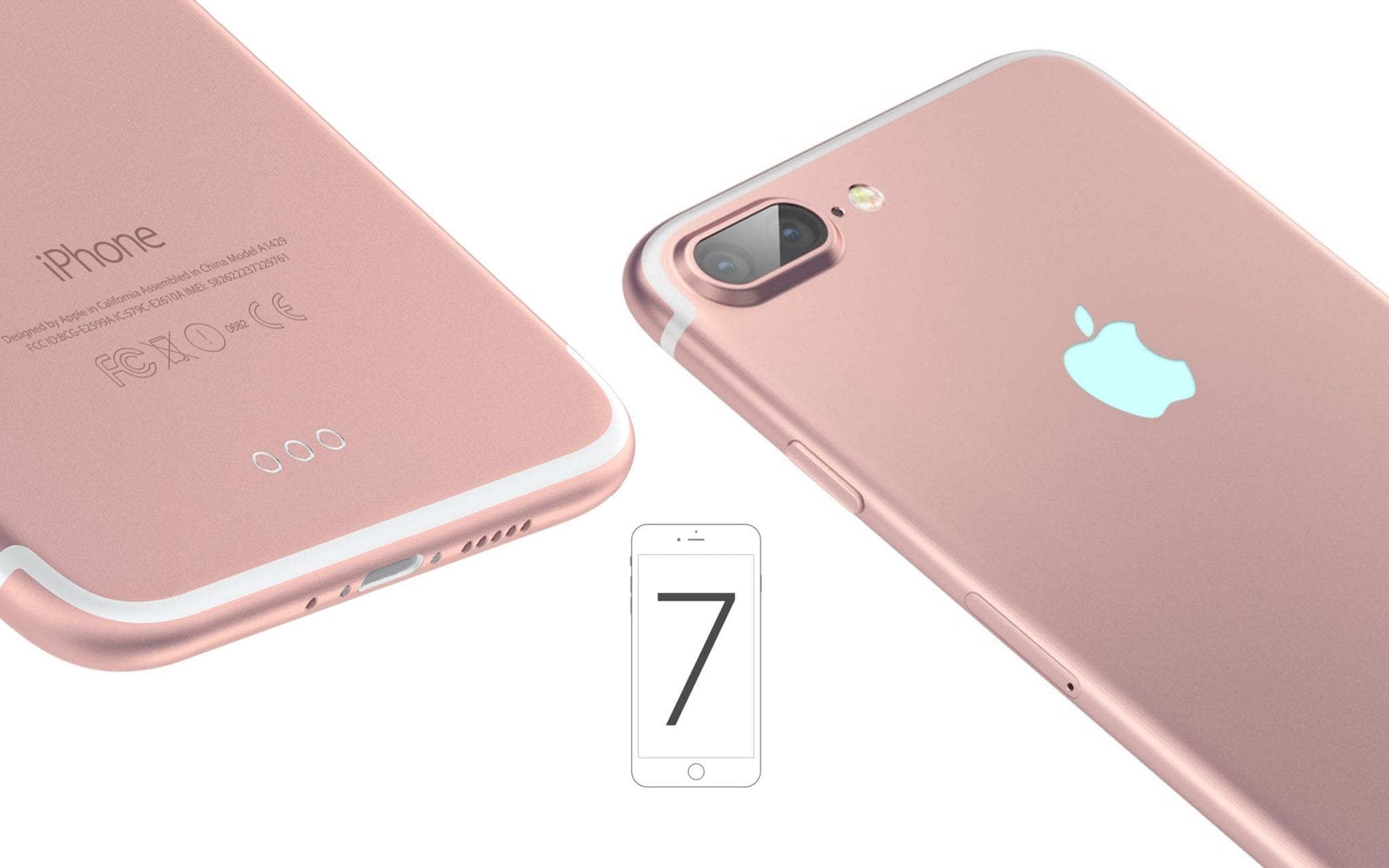
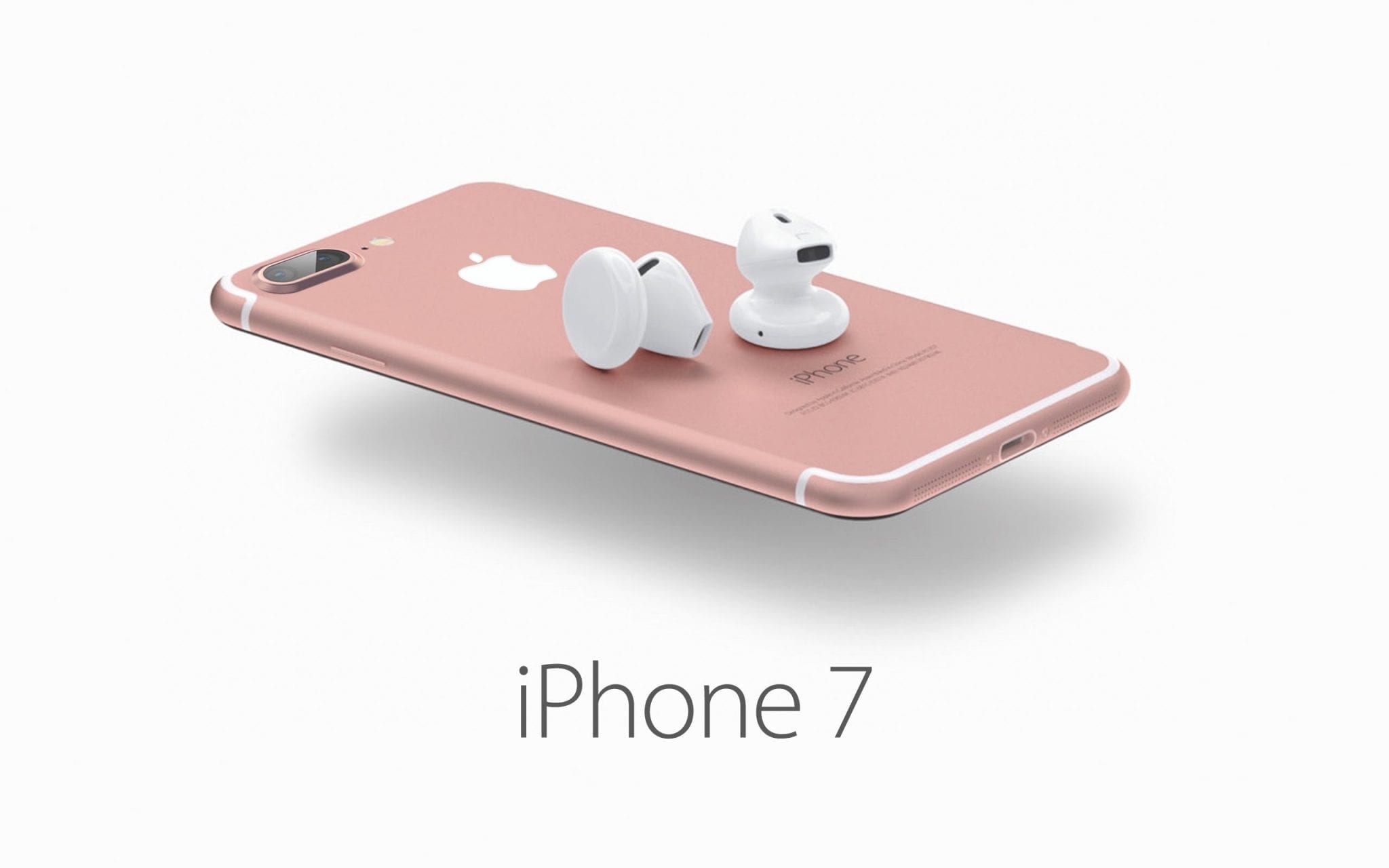
     In parallel with the iPhone 7 and 7 Plus launching in Hong Kong, Apple has simultaneously halted all returns and exchanges for Apple and Beats products bought at the company’s local retail stores.

    The change is noted on the company’s website. Previously, people were able to return or exchange products within 14 days, so long as they had their original receipt and packaging.

    Why Apple would clamp down the same day as a major product launch is unclear, but the decision might be related to China’s black and gray markets, which take advantage of Hong Kong’s lower import duties and taxes. Smuggling iPhones into mainland China can be lucrative, even though Apple has launched iPhones there simultaneously for several years.

    Hong Kong is likely to see a crush of iPhone sales in the next few weeks, in no small part because of scalpers and smugglers. By stopping returns and exchanges, it may be able to better manage the chaos involved and deter anyone from trying to commit fraud.

  • Apple Hong Kong to open new store

    Apple Hong Kong to open new store

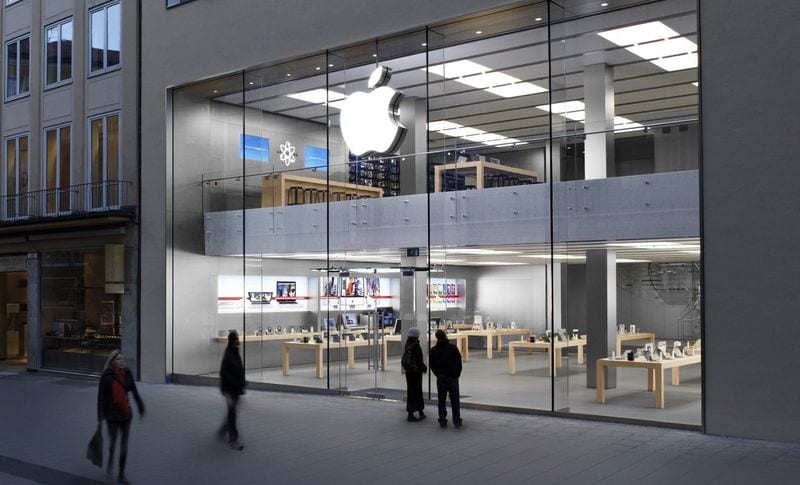
    Hong Kong is about to get a new official Apple store.

    Hoardings have gone up in the APM shopping mall in Kwun Tong, inside Millennium City, as construction gets underway of a single-storey Apple Hong Kong shop.

    Hong Kong boasts one of the highest numbers of official stores on a per capita basis in the world.

    Apple HK 7th store


    The new store will almost certainly feature the new interior design created by the tech giant’s retail head Angela Ahrendts, whose previous role was CEO of Burberry. The store can be expected to be called simply Apple – with the company dropping the “store” from its title globally.

    Hoardings give no indication of an opening date, announcing simply: “We’ve got something special in store for you. A brand new Apple store is coming soon”.

    apple-hong-kong-7th-store

    Perhaps significantly, the hoarding is a bold red colour – unlike previous hoardings covering Apple store fitouts which have always been white.

  • Vietnamese camp outside Singapore shops in wait of iPhone 7

    Vietnamese camp outside Singapore shops in wait of iPhone 7

    Demand among tech-geeks is soaring since Apple’s release of the iPhone 7 and 7 Plus last week, and unhinged Apple fans in Vietnam are no exception.

    Many are determined to be the first to buy the new device. However, Apple doesn’t have a direct retail presence in the country, so the eager fans have to go the extra mile to get their hands on a new phone.

    Vietnamese dealers and resellers have quickly spotted a lucrative business opportunity here and are willing to pay line-sitters who may have to camp outside outlets in Singapore for a couple of days leading up to the iPhone’s launch there this Friday.

    Some Vietnamese living in Singapore have posted ads on Facebook asking for VND2 million ($90) to camp out overnight to be the first in line for the new phone.

    “It seems long to wait in line for 24 hours. But you will stay occupied playing card games, shooting the breeze with your fellows and even shopping in the mall,” a Facebook account named Son Le said in an advertising status.

    Any time that Apple launches a new product, there is an influx of such requests posted in the online technology community, and this time Apple’s true aficionados in Vietnam are still impatient to get those phones.

    “We will handle paying the bills. All you have to do is to be the first in line. And more importantly, you can get paid much higher for an iPhone 7 Plus in the new color Jet Black,” Thang, a reseller in Hanoi, told VnExpress.

    Quang, a dealer in Ho Chi Minh City, said the interest in line-sitters has been growing in the weeks leading up to the launch this weekend. He said due to the whopping demand, people will ask to be paid much more than than they were last time and securing a spot in the line is important, so Quang decided to fly his staff to Singapore.

    “This time we will probably have to wait in line for a couple days,” said Quang. “The business is also quite risky. The price could slump heavily by a few million dong. There is a chance we could make a loss on this,” he said.

    vietnamese-apple-fans-pay-people-in-singapore-to-buy-iphone-7s

    A group of Vietnamese camp outside a reseller store in Singapore during an iPhone launch in 2015.

    As many have witnessed during the last couple of iPhone launches, a growing number of resellers in Vietnam have been hiring line-sitters in Singapore to sell the phones on the domestic market.

    A retailer in Hanoi, after careful consideration, chose to turn to Vietnamese students in Singapore who want to make some cash to cover their tuition fees.

    “It costs much more to fly from here to Singapore,” said a Hanoi-based re-seller, adding that it is about $100 cheaper to take a direct flight from Ho Chi Minh City to Singapore than it is from Hanoi.

    “We have no choice but pay people who are currently living on the island to queue up and send just one person from here over with the money,” he explained, adding that he has five Vietnamese students working for him.

    In addition to camping out for the new iPhone, there are other opportunities to earn some money for anyone who is about to travel from Singapore to Vietnam next week. They can make a quick buck of about $25 for a phone just by taking it back with them on board.

    Shops in Hanoi are charging consumers double the price quoted by Apple for an iPhone 7 Plus 256 GB, with a promise that buyers will be the first Vietnamese to get their hands on a new iPhone.

  • Apple focuses on health and fitness for Watch 2

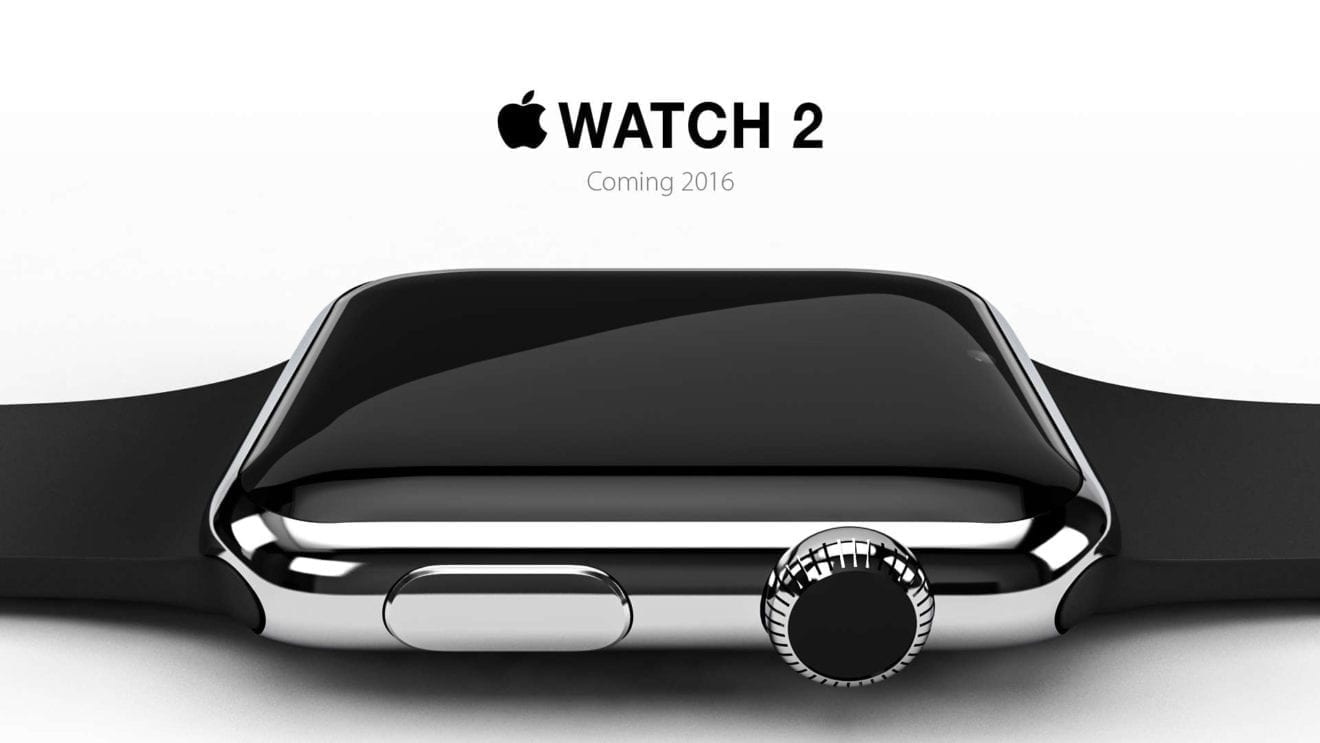
    Apple focuses on health and fitness for Watch 2

    Apple is forging a new identity for its smartwatch line, an increasingly niche brand personality that focuses mainly on health and fitness.

    “We’re thrilled with the response to Apple Watch and how it’s changed people’s lives. We are committed to fitness and health and think our customers will love the new capabilities of Apple Watch Series 2,” said Jeff Williams, Apple’s chief operating officer.

    In the past 18 months since it was introduced in the market, the Apple Watch has increasingly veered toward health fitness.

    The newly unveiled Apple Watch Series 2 comes even more packed with fitness and health capabilities including a water resistance 50 meter rating for swimming, and built-in GPS so users can now run without an iPhone.

    Apple also developed all-new algorithms for swimmers after hundreds of hours of research for two new workout options, pool and open water. The watch can count laps, track average lap pace and auto-detect stroke type to accurately measure active calorie burn.

    With built-in GPS, Apple Watch Series 2 records precise distance, pace and speed for outdoor workouts such as walking, running or cycling, without needing to take an iPhone.

    Users can also begin an outdoor workout immediately as Apple Watch Series 2 uses Wi-Fi, GPS and locally stored satellite data to quickly identify their location. On completion of an outdoor workout, view a route map that shows variations in speed in the Activity app on iPhone.

    Whether running, going for a swim or walking between meetings, the Activity app on Apple Watch Series 2 counts all daily activity towards the Stand, Move and Exercise rings.

    Combined with the performance enhancements of watchOS 3 announced in June, the Apple Watch Series 2 makes it even easier to access third-party apps, receive and respond to notifications and conveniently use Apple Pay.

  • Grand opening for Olympia 66 in Dalian

    Grand opening for Olympia 66 in Dalian

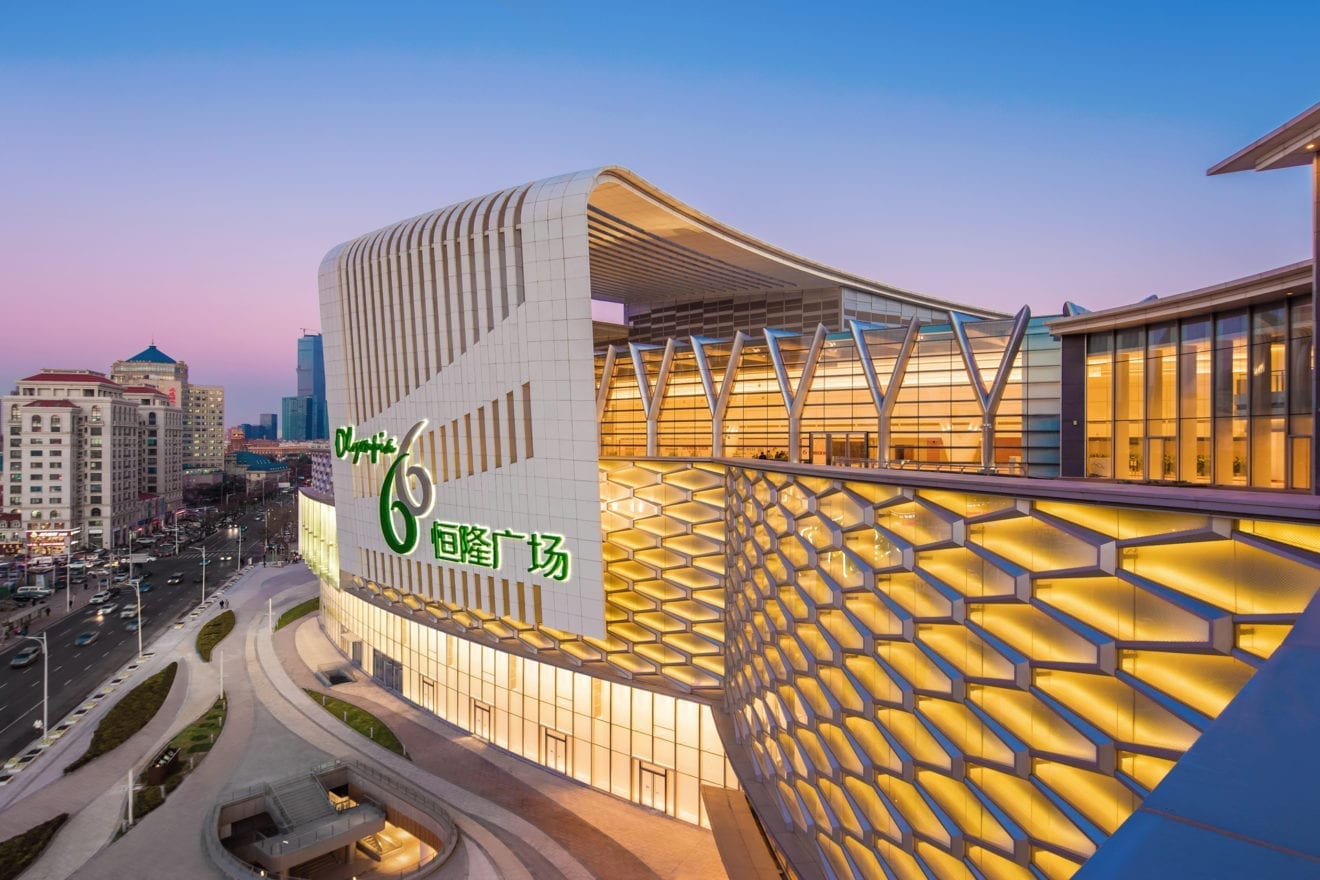
    Hang Lung Properties has staged a grand opening for Olympia 66 in Dalian, the Hong Kong-based developer’s eighth commercial complex in China.

    Located in the Xigang business and financial district of Dalian, the megamall joins Hang Lung’s other world-class projects in the northeast, namely Palace 66 and Forum 66 in Shenyang, and Riverside 66in Tianjin.

    Chairman Ronnie Chan and MD Philip Chen officiated at the event with senior management and guests.

    “Although China’s economy remains weak, Olympia 66 has performed on par with expectations since its soft opening in December,” says Chan.

    With more than 220,000 sqm of retail space, plus parking for 1200 cars, the mall’s design is based on the design concept of Tai Chi twin dancing carps. It has a 300m-long façade decorated with about 3000 glass ornaments shaped like fish scales, and 9900m of LED lights that can display images and text.

    More than 40 brands have made their debut at Olympia 66, including Apple, Cos, Coterie, Nannini and Under Armour. F&B outlets account for 30 per cent of the trade mix, and the mall has an ice-skating rink as well as Dalian’s first Palace cinema with 1600 seats in 10 theatres.

    Olympia 66 is the second Hang Lung mall in China to implement the company’s EST (experience, service and technology) program. This enables customers to combine online services with offline shopping, and a WeChat app offers mall news and promotions. There is also a location service to find particular stores, a digital queuing service for F&B outlets, a car-parking tracker and, to be introduced soon, mobile payment at the car park.

  • Chinese retail prices on the new iPhone 7 may drag down sales

    Chinese retail prices on the new iPhone 7 may drag down sales

    This is clearly a big change in the industry, and as big changes oftentimes go, people aren’t immediately excited about it. People also seem frustrated with Apple’s new wireless headphone option, the “AirPods”, which will retail for around $160. That’s even more impressive when you consider Apple Watch was only on sale for 8 months of the year. It means for all those who sit at their desks,charge the phone and plug in their headphones to listen to music, Apple’s latest smartphone isn’t going to cut the mustard -you simply can’t do both. Apart from having aLightning input at the rear of the dock, there is a 3.5mm output jack as well.

    We expect more third-party solutions to arrive in the next few weeks to make this less of a pain in the rear. This is only slightly more useful than the one port on the phone. AirPods auto-pair with all your iCloud-connected devices except Apple TV.

    Schiller mentioned that the Lightning adapter Apple includes with every iPhone 7 is a way the company is helping ease the transition from the 3.5 mm jack. Apple killed the 3.5mm audio port with the iPhone 7 and iPhone 7 Plus.

    Apple initially quoted shipping dates of two to three weeks after September 16, but the company quickly pushed ship dates back to four to six weeks for some versions of the black iPhone 7s. And, these standalone left/right AirPods only play music when they detect that they’re in your ear.

    They’re just standard Bluetooth, with a little bit of “secret sauce” for easy pairing with Appledevices. When Apple unveiled the iPhone 7, people took issue with its lack of a headphone jack.

    “Apple has a very long history of removing features we all thought were necessary, and then convincing us that we didn’t need them”, said Ask, noting that Apple paved the way in phasing out the use of floppy discs and optical drives in computers.

    The Bluetooth or Lightning allow for the transfer of audio signals to the headphones digitally.

  • Hermès Apple Watch launched at up to $1499

    Hermès Apple Watch launched at up to $1499

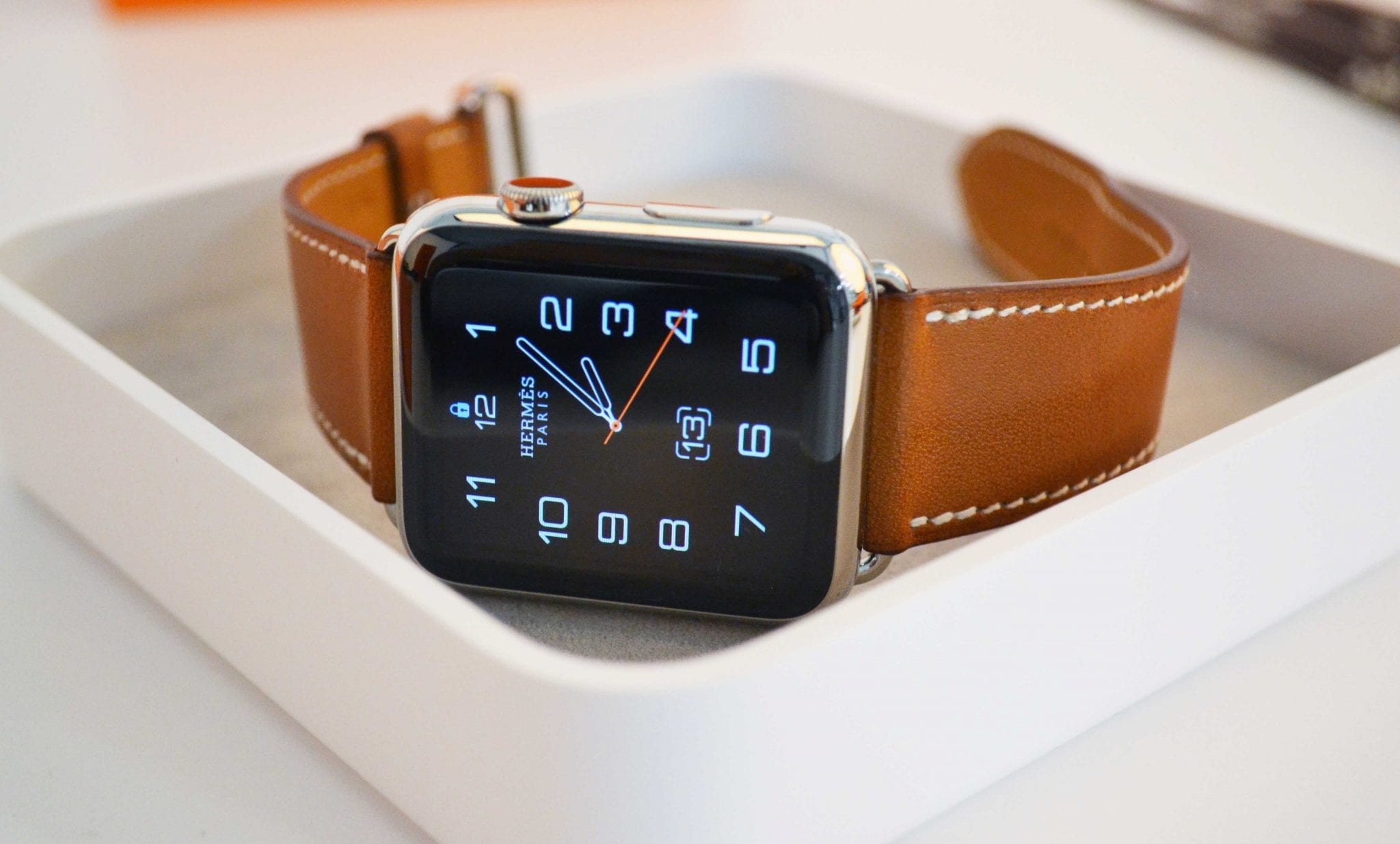
    Hermès and Nike have revealed new collaborations with Apple, to produce exclusive co-branded Apple Watches.

    Hermès introduced new Apple Watch styles and an expanded assortment of wristbands that incorporate its signature palette alongside a series of bold new colors.

    Meanwhile, Nike is focused on functionality for the sportsperson, with the Apple Watch Nike+ Series 2, featuring GPS, a two-times-brighter display, water resistance to 50m and a dual-core processor.

    Launch dates in Asia

    In Asia, the Apple Watch Hermès will be available from September 23 in Australia, China, Hong Kong, Japan, Macau, Singapore and Taiwan. The Nike watch goes on sale from yesterday, September 9.

    The Hermès models range in price from US$1149 to $1499, while the Nike sells for a more affordable $369 – $399. The Hermès wristbands will also be sold separately.

    Apple watch Hermes double buckle cuff

    Hermes says the design process was driven “entirely by a shared ambition for ultimate beauty and utility,” featuring exclusive watch face designs inspired by the iconic Clipper, Cape Cod and Espace Hermès models.

    “Ours is a partnership born of parallel thinking and mutual regard — we share similar preoccupations, ever evolving and refining our design,” said Jonathan Ive, Apple’s chief design officer.

    Siri speaks

    The Apple Watch Nike+ also includes exclusive Siri commands and Nike watch faces along with deep integration with the new Nike+ Run Club app to motivate wearers to go for a run, coaching plans that adapt to their unique schedule and progress, and guidance from the world’s best coaches and athletes.

    “Apple Watch is the ultimate device for a healthy life and we wanted to push it further to create the best smartwatch in the world for runners and athletes,” said Jeff Williams, Apple’s COO. “Apple Watch Nike+ takes performance tracking to a whole new level and we can’t wait to bring it to the world’s largest community of runners.”

  • JCB to offer Apple Pay in Japan

    JCB to offer Apple Pay in Japan

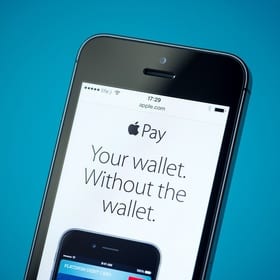
    JCB, the only international payments brand based in Japan, today announced that it brings its customers Apple Pay when it launches in October, an easy, fast and secure way to make mobile payments that is private and convenient with iPhone 7, iPhone 7 Plus, Apple Watch Series 2 throughout their day, including in stores, within apps and on the web.

    Since its establishment in 1961, JCB has been a pioneer in the Japanese payment industry, providing attractive products and services to meet the emerging needs and expectations of Japanese consumers. As part of this initiative, JCB introduced the contactless payment solution QUICPay in 2005, playing a leading role for mobile payments in Japan.

    The QUICPay acceptance network can now be used for Apple Pay transactions, enabling everyday use at places such as convenience stores, supermarkets and drug stores. By supporting Apple Pay, we will be bringing a convenient and secure customer experience to an even broader range of consumers.

    The newly released JCB Token Platform (JTP) will play an important role in the technology for secure mobile payments by replacing the original card number with a unique device specific number for Apple Pay users.

    Apple Pay is easy to set up and you will continue to receive rewards and benefits offered by your credit cards. Customers can also use JCB Card to pay for Suica on Apple Pay including recharging Suica balance.

    In stores, you can pay with Apple Pay with iPhone 7, iPhone 7 Plus and Apple Watch Series 2 anywhere QUICPay is accepted. Just tell the cashier you would like to pay with QUICPay, then simply place your iPhone 7, iPhone 7 Plus near the contactless reader, and with the touch of a finger on Touch ID, the payment is complete. When paying with your Apple Watch Series 2, double-click the side button before holding it near the reader.

    For JCB cardholders, online shopping in apps and on websites accepting Apple Pay is as simple as the touch of a finger on Touch ID, so there’s no need to manually fill out lengthy account forms or repeatedly type in shipping and billing information. When paying for goods and services on the go in apps or Safari, Apple Pay works with iPhone 6 and later, iPad Pro, iPad Air 2, and iPad mini 3 and later. You can also use Apple Pay in Safari on any Mac introduced in or after 2012 running macOS Sierra, and confirm the payment with iPhone 6 or later or Apple Watch.

    “The payment industry is rapidly evolving with diversifying consumer needs and technological advancements. The simple and intuitive user experience that Apple Pay provides, together with JCB’s unique position in Japan as an issuer, acquirer and payment system, will help create a new payment lifestyle that is both secure and convenient for everyday use,” said Ichiro Hamakawa, President and CEO, JCB Co., Ltd. “Apple Pay represents another giant step towards the realization of a cashless society. As a global brand and a pioneer in the payment industry, we are committed to supporting this trend in both Japan and abroad through our network.”

    Security and privacy is at the core of Apple Pay. If your iPhone, iPad or Apple Watch is ever lost, you can use Find My iPhone to put your device in Lost Mode to suspend Apple Pay, or you can wipe your device clean completely. You can also stop the ability to make payments with Apple Pay on iCloud.com.

    When you use a credit card with Apple Pay, the actual card numbers are not stored on the device, nor on Apple servers. Instead, a unique Device Account Number is assigned, encrypted and securely stored in the Secure Element on your device. When you use Apple Pay, your credit card number will not be shared with the merchant.

  • Apple slugged with $19 billion tax bill

    Apple slugged with $19 billion tax bill

    The European Commission is ordering Apple Inc to pay Ireland unpaid taxes of up to €13 billion euros (A$19.15 billion), after ruling the firm had received illegal state aid.

    Apple and Dublin said on Tuesday the US company’s tax treatment was in line with Irish and European Union law and they would appeal the ruling, which is part of a drive against what the EU says are sweetheart tax deals that usually smaller states in the bloc offer multinational companies to lure jobs and investment.

    The US feels its firms are being targeted by the EU and a US Treasury spokesperson warned the move threatens to undermine US investment in Europe and “the important spirit of economic partnership between the US and the EU”.

    Starbucks Corp has been ordered to pay up to €30 million to the Dutch state, while Amazon.com Inc and McDonald’s Corp are also under investigation by the Commission, the EU’s executive arm.

    EU Competition Commissioner Margrethe Vestager questioned how anyone might think an arrangement that allowed Apple to pay a tax rate of 0.005 per cent, as Apple’s main Irish unit did in 2014, was fair.

    “Tax rulings granted by Ireland have artificially reduced Apple’s tax burden for over two decades, in breach of the EU state aid rules. Apple now has to repay the benefits,” Vestager told a news conference.

    Analysts said the size of the claim underlined the Commission’s aggressive stance, but since each case involves different circumstances and tax rules, lawyers said it was hard to see if further big claims were any more or less likely.

    Apple, which had more than US$200 billion (A$266 billion) in cash and readily marketable securities at the end of June, is likely to see the case drag out for years in EU and possibly Irish courts.

    The EU’s ruling challenges the way that Ireland agreed to tax the profits of Irish registered Apple subsidiaries, through which most of its non-US profits flowed.

    Apple Inc licences the rights to technology designed in the United States to Irish subsidiaries.

    These then hire contract manufacturers to make devices which they sell to Apple retail subsidiaries around Europe and Asia.

    Since the manufacturing cost is a small portion of device sales prices and retail subsidiaries are allocated a small operating margin, Apple Ireland is very profitable.

    In 2011, it earned US$22 billion after paying US$2 billion to its US parent in relation to the rights to Apple intellectual property.

    However, the Irish tax authority agreed only €50 million of this was taxable in Ireland, the European Commission said.

    Under the terms of Apple’s tax deal, first agreed in 1991 and renewed in 2007, Apple could allocate most of the profits earned by its Irish operating units to a “head office” that did not have any employees or own any premises.

    The Commission said this agreement had no basis in tax law and was not available to others, and so represented state aid.

    Irish Finance Minister Michael Noonan said he profoundly disagreed with the decision and in order to preserve Ireland’s attractiveness for investment he would appeal.

    Ireland’s low corporate tax rate has been a cornerstone of the country’s economic policy for decades, drawing investors from multinational companies whose staff account for almost one in 10 of the country’s workers.

    For many technology firms like Google and Facebook, a key attraction is that Ireland allows companies to adopt tax structures which see them pay much less than the 12.5 per cent headline rate. The companies say they follow all tax rules.

    Apple said it was confident of winning an appeal.
  • Apple said to plan iPhone for Japan that supports FeliCa

    Apple said to plan iPhone for Japan that supports FeliCa

    Apple is reportedly planning to launch an iPhone in Japan that supports FeliCa, the contactless mobile payment standard widely used in the market.

    Sources told that a future iPhone designed for the market will include a FeliCa chip to support payments using the Sony-developed standard.

    FeliCa is used in multiple public bus and train pass payment systems across Japan. The standard dominates in Japan over the NFC standard used in Apple Pay – there are an estimated 1.9 million FeliCa payment terminals in the country handling around $46 billion worth of transactions per year.

    According to the report, Apple plans to work with multiple transit card providers on the launch, and is currently planning to store virtual representations of transit passes within the iPhone’s wallet app.

    Apple is said to currently plan to introduce the FeliCa functionality into the next iPhone models bound for the market, although the introduction could be held back to next year if talks with Japanese payment networks stall.

    One hurdle that could complicate the plan is the fact that FeliCa chips are designed to process transactions in a tenth of a second to accommodate Japan’s very busy transit system, whereas transactions using Apple Pay currently go through servers and require bank approval.

  • Apple Pay, Android Pay purchases may hit $8b by 2018

    Apple Pay, Android Pay purchases may hit $8b by 2018

    In-app purchases and website retail payments are projected to drive annual spend via Apple Pay and Android Pay up to $8 billion in 2018, up from $540 million this year, Juniper Research reveals.

    The company also projects that the value of digital and physical goods purchased through mobile ‘OS-Pay’ platforms will increase by fifteen times in the next two years.

    Meanwhile, despite the continued contraction of the consumer tablet market, more than 85% of remote goods payments are forecast to be made using mobile devices in 2021.

    The new study, “Mobile & Online Remote Payments for Digital & Physical Goods: Opportunities & Forecasts 2016-2021,” found that the integration of OS-Pay into apps will be standard for developers looking to reduce buyer friction, where password entry on smartphones remains cumbersome.

    “It is clear that even in markets where PCs and laptops have a high installed base, the smartphone is playing an increasingly important role where remote goods purchases are concerned,” noted research author Steffen Sorrell. “For merchants, this means that the buyer experience must be made as frictionless as possible – from product search and discovery to purchase.”

    Apple has recently signalled its intent to offer Apple Pay to online merchants by the end of 2016, offering a similar payment mechanism to PayPal. Juniper anticipates that this move will be welcomed by most merchants as long as integration into their storefronts is made simple and rates are competitive.

    The research firm also expects the entry of Android Pay into this space as it expands to more countries. This will no doubt boost the market further in terms of merchants who may have been undecided where Apple Pay is concerned.

    Juniper believes that these OS-Pay solutions are likely to pose a threat to PayPal’s Western dominance, although it said it does not anticipate that combined sales via Apple Pay and Android Pay will approach those via PayPal within the next five years at least.

  • Apple To Build Its First R&D Center in China

    Apple To Build Its First R&D Center in China

    Apple plans to open its first research and development centre in China this year, the latest in a series of steps to bolster its presence in a vital region as sales slow down.

    Tim Cook, Apple’s chief executive, revealed the plans to increase investment in local R&D during a meeting this week with Zhang Gaoli, China’s vice premier.

    The move comes after Apple reported that revenues fell one-third in the latest quarter in Greater China, where Apple faces growing competition from local smartphone makers such as Huawei and Oppo as well as tougher economic conditions.

    The new R&D centre will be made up of both new and existing staff. Apple already has 9,000 staff in China, roughly half of whom work in its 42 retail stores. In the past four years, Apple has doubled the number of corporate offices in China to 45.

    “We look forward to expanding our operations in China with a new research and development centre as we continue to grow our talented team here,” Apple said, without specifying the scale of staffing or financial investment in the effort.

    “The centre will open later this year, bringing together our engineering and operations teams in China as we develop advanced technologies and services for our products, both for our customers in China and around the world,” Apple added.

    Even as revenues slide, Apple is increasing its investment in future products and international expansion. Last month, the US tech group revealed a 26 per cent increase in its quarterly R&D spending to $2.6bn, a record 6 per cent of revenues. Its annual R&D spending is now approaching $10bn.

    In May, Apple invested $1bn in Didi Chuxing, a Chinese car-hailing service — an unusual move for a company that has typically favoured much smaller deals. As well as providing a strategic partnership as a secretive Apple team works on developing its own car, the investment was widely seen as an attempt to build goodwill with the Chinese government after a series of setbacks in the region.

    Earlier this year, Apple’s iTunes films and iBooks services were blocked in China as part of a wider crackdown on foreign content. Apple also lost a patent case in Beijing that threatened to block sales of the iPhone 6.

    “The new centre is also aimed at strengthening relationships with local partners and universities as we work to support talent development across the country,” Apple said.

    China has also become a growing focus for Apple’s environmental efforts as it pushes its supply chain partners to use more renewable energy. On Wednesday it said that Lens Technology, a glass manufacturer, would obtain 100 per cent of its electricity from wind power by the end of 2018 — the first Apple supplier to make such a commitment.

    In last month’s earnings call Mr Cook stressed the “long-term opportunity” in China, where sales grew 55 per cent to $40bn during the first three quarters of Apple’s fiscal year. Revenues from its books and movies stores in China were “less than $1m” before they were blocked, he added.

  • Apple and Samsung continued to lose smartphone market share in China during Q2

    Apple and Samsung continued to lose smartphone market share in China during Q2

    Smartphone shipments in China during the second quarter rose 14.9% on a year-over-year basis to 149 million units. Sequentially, shipments rose 2.7%. This growth is not coming from high-end manufacturers like Samsung and Apple. Instead, entry-level handsets and mid-range 4G models are capturing attention from subscribers to the nation’s three major carriers. China Mobile, China Unicom and China Telecom are each offering subsidies on these less expensive models.

    This has resulted in a build up of inventory in the country’s retail channels. During the first two quarters of the year, manufacturers shipped more phones than the number that consumers were buying. As a result, analysts expect an “inventory correction” during the fourth quarter. This should result in manufacturers slowing down shipments of smartphones to retail channels in order to keep inventories lean.

    Digitimes own research has Huawei listed as the top smartphone producer in China with a 14% market share from April through June. The 12.7% share earned by Oppo during the same time period was next, followed by Vivo and Xiaomi with 11.2% and 10.4% of the market, respectively. Apple was fifth with a single digit slice of the pie.

    In an earlier report, Apple was said to have claimed 10.8% of the Chinese smartphone market during the first quarter of this year. That was a decline from the 12% share Apple controlled in the first quarter of 2015. Now in single digit territory, the company is looking at India to provide future growth in iPhone shipments.

    source: Digitimes

  • Apple India smartphone share tumbles

    Apple India smartphone share tumbles

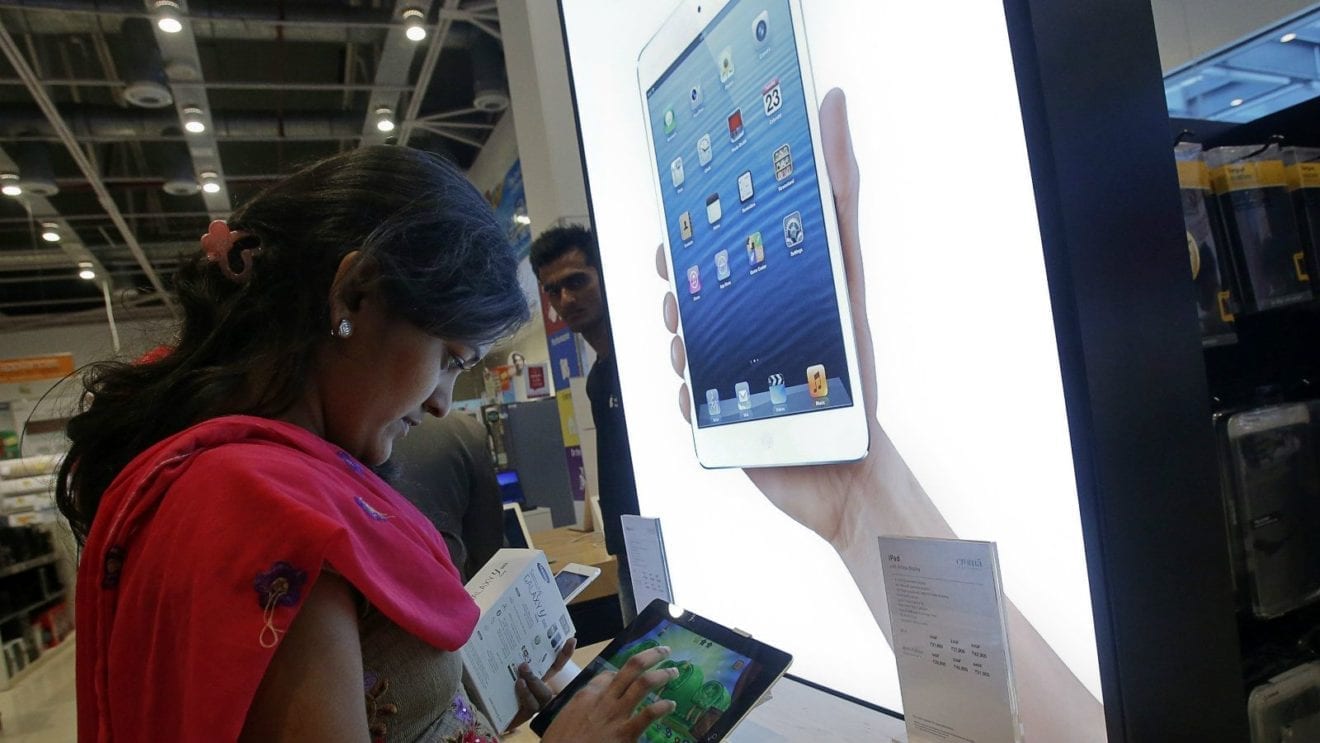
    While Apple India has big plans, a new report from Strategy Analytics says the US tech giant shipped 800,000 smartphones in India in the second quarter of this year – down from 1.2 million units in the same period last year.

    “Apple IOS fell 35 per cent” year-on-year, says Strategy Analytics director Woody Oh, “while its smartphone market share has halved from 4 to just 2 per cent in India during the past year.”

    He says Apple should work on iPhone’s pricing in India as cheaper devices will help boost sales. Apple also needs to enlarge its retail presence through Apple stores or online channels if it wants to regrow significantly, says Oh.

    But Apple CEO Tim Cook says that for the first nine months of its current fiscal year, Apple’s iPhone sales in India were up 51 per cent year-on-year. “We are looking forward to opening retail stores in India down the road… we see huge potential for that vibrant country.”

    Cook says Apple has launched a centre to support Indian developers creating applications for its IOS operating system, and has opened an office in Hyderabad to accelerate map development.

  • Lenovo-­Motorola India seeks to open showrooms

    Lenovo-­Motorola India seeks to open showrooms

    The Lenovo-­Motorola India combine has applied for single-­brand retail licence to open company­- owned showrooms.

    This comes on the heels of the Chinese company’s mobile sales in India crossing the US$1 ­billion mark.
    Lenovo India’s director Sudhin Mathur says the turnover from mobile-phone sales in the year ended March 31 stood at $1.3 billion, nearly double the $700 ­million of the previous year.

    “Sales have been growing at a healthy pace and we expect to maintain a strong momentum.”

    According to industry tracker IDC, the Lenovo­-Motorola combine sold about 10 million units last year, accounting for a nearly 10 per cent share of the market.

    Mathur says smartphone industry sales in India are expected to grow by 30 per cent this
    year.

    The company’s units for India are being contract ­manufactured by Flextronics at Sriperumbudur. Lenovo is also looking at having its own phone plant in India.

    Mathur says eight or ­nine new models will be introduced in India over the coming months as the company beefs up its portfolio ahead of the festive season.

    Other companies to have applied for the single-­brand retail licence include Apple and Chinese company LeEco.