Tag: apple

  • China becomes top iOS App Store market in Q3

    China becomes top iOS App Store market in Q3

    China set new record in the third quarter for the highest iOS App Store revenue to date for any country, according to App Annie’s Market Index Report for the period.

    With total revenues of $1.7 billion, China overtook the United States by over 15% and its growth is projected to climb further by 2020.

    The Q3 2016 Market Index Report also showed that China maintained its spot as No. 1 for Games category as it accounted for the majority of the generated revenue.

    Other prominent categories making strides are Entertainment and Social Networking, which have more than tripled in the past year. Video streaming apps (like iQIYI, Tencent Video and Youku) in China have had a major impact on the Entertainment category as a whole.

    Pokemon Go was cited as the stand-out app of the year, racking up $600 million in customer spend faster than any app to date. It also outpaced the extremely successful Clash of Clans by more than 6.2 times in under three months.

    Pokemon Go has also converted a massive amount of a user’s non-mobile time to mobile time as its innovative AO gameplay and iconic IP were compelling enough to convince users to spend more time overall on their mobile devices. It has altered the playing field as it introduced augmented reality to the masses and paved the way for future AR and VR opportunities in the app stores.

    The revenue of Entertainment apps strengthened in the third quarter and it has grown substantially in both iOS App Store and Google Play. This is largely due to the popularization of in-app subscriptions as a monetization method driven by video streaming.

    With revenue more than tripling since the third quarter of 2014, people are not only using their mobile devices to stream content but also as a common form of payment.

    This represents a significant shift from traditional broadcasting and television structures where users typically enter into a contract with a cable provider.

  • iPhone7 hits Korean stores in Note 7’s absence

    iPhone7 hits Korean stores in Note 7’s absence

    The Apple iPhone 7 went on sale in South Korea on Friday, seeking to fill a void left by arch-rival Samsung on its home turf following a damaging recall fiasco over the Note 7 smartphone.

    The South Korean electronics giant discontinued the Note 7 — one of its key iPhone challengers — on October 11 following reports that replacements for combustible models were also catching fire.

    The decision is set to cost Samsung billions in lost profits, and there are already signs that Apple is reaping some of the benefits.

    An official at mobile carrier Korea Telecom (KT) said the first batch of 50,000 iPhone 7s they put up for pre-order a week ago sold out in 15 minutes.

    “I would attribute part of that to the Note 7 effect,” said the official, who declined to be identified because he was not authorised to talk to the media.

    Customer defection is one of Samsung’s biggest concerns, especially as the Note 7 was specifically aimed at taking on the iPhone in the premium handset market.

    In the hope of retaining customer loyalty, Samsung had offered Note 7 users a 70,000 won ($60) phone bill credit if they swapped their faulty phones with another Samsung handset.

    The half-dozen customers buying the new iPhone at a KT store in central Seoul on Friday were all long-time Apple users who had pre-ordered their handsets.

    Office worker Lee Kyung-Hee, 34, said she had moved fast when the pre-order service opened, fearing a surge of interest from unhappy Note 7 owners.

    “I set an alarm and was very quick,” Lee said.

    In South Korea, retail prices for the iPhone 7 and 7 Plus start from 869,000 won and 1.02 million won respectively, for their basic 32GB models.

  • Apple, Nike and Playboy among most popular US brands on Alibaba’s Singles Day

    Apple, Nike and Playboy among most popular US brands on Alibaba’s Singles Day

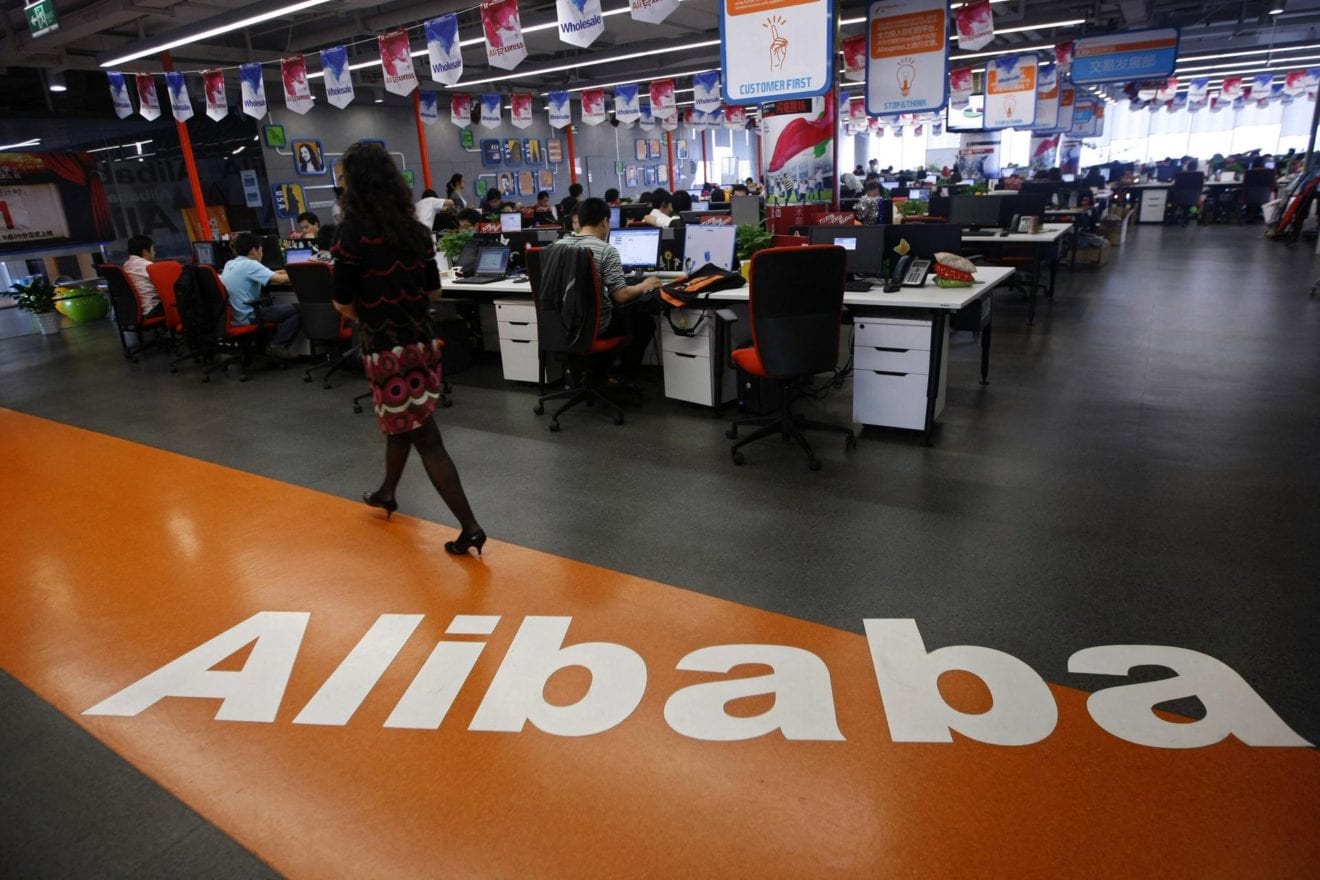
    Alibaba Group Holding Ltd. says sales from its massive Singles Day shopping event totaled $17.8 billion, up more than 24% from the record $14.3 billion sold last year.

    (This year’s total is RMB 120.7 billion, up 32% year-over-year due to fluctuations in the Chinese currency.)

    The most popular U.S. brands as of about 10:30 p.m. CST were, in order: Apple Inc. Nike Inc. New Balance, Playboy, and Skechers USA Inc.

    “Alibaba is using this year’s Singles Day to showcase the number of international brands participating, everyone from Apple, Victoria’s Secret, Burberry, Gap, [and] Nike, acting as the gateway to China for these brands and fulfilling Chinese consumers’ insatiable demand for Western products,” said Danielle Bailey, head of Asia-Pacific research for L2 Inc.

    Victoria’s Secret is in the L Brands Inc.  portfolio.

    Singles Day started strong, with sales of $1 billion recorded in the first five minutes.

    Alibaba Offers Virtual-Reality Shopping on Singles’ Day

    Alibaba is hoping to boost sales from China’s biggest annual online-shopping event–Singles’ Day–with what it claims is the world’s first virtual-reality shopping experience.

    Many U.S. brands have tried and, so far, failed to find success in the Chinese market. Recently, Netflix Inc. said it would abandon efforts to launch a full-service offering in China.

    Wal-Mart Stores Inc.  announced in June that it would partner with Alibaba rival JD.Com Inc. to grow its China business. The partners announced new initiatives in October.

    Apple and Nike are popular in China irrespective of the day, with Nike reporting 21% revenue growth in China in fiscal first-quarter 2017. The U.S. and China are Nike’s two biggest basketball markets, Trevor Edwards, Nike brand president, said on the Sept. 27 earnings call, according to a FactSet transcript.

    The Playboy brand is also popular in China, with items like jewelry and fragrances selling well.

    Starbucks Corp. seized the opportunity to get into the Singles Day festivities, offering a Cocoa Java Mocha beverage exclusively for the day at locations across China. The company also sold gift sets, exclusively-designed gift cards, and limited-edition My Starbucks Rewards Cards 11/11.

    Forty-seven million users purchased international brands, led by U.S. brands, according to L2 data, and 82% of sales were made on a mobile device.

    “With Alibaba distributing different deals across different devices, they have encouraged devoted savings seekers to keep separate shopping carts on their desktops and mobile phones,” said Tim Barrett, retail analyst at Euromonitor International. “Alibaba is grooming a generation of mobile-first shoppers, a move which will pay off greatly when the entire world is addicted to their mobile devices.”

    For Alibaba Chief Executive Daniel Zhang, this integration of sales across different platforms is critical.

    “If you look at this as an online game, people see you will have less margin in the future,” Zhang said, according to the Alibaba live blog of the Singles Day event. “But when we look at the entire landscape, only 10% of China’s total retail is online. What we believe is that at the end of this, online and offline… should be fully integrated.”

    This year, Alibaba introduced virtual reality into the 11.11 experience, as well as games, with 2.6 billion games played, according to L2.

    “Alibaba is blurring the lines between entertainment and e-commerce and extending technologies thought to be simply gimmicks in the West,” said Bailey.

    Even with the eye-popping sales numbers, popular brands and new technologies, Alibaba shares are down 1.4% in Friday trading.

    “In keeping with the de-emphasis of GMV [gross merchandise value] as a reported metric, we expect sales volume to become but one of many focuses of the event, with others being new mobile functionality, innovations and improvements in logistics, new partnerships,” said Deutsche Bank in a note published Tuesday, which calls Singles Day “a PR exercise.” Analysts there expected 35% year-over-year growth.

    Deutsche Bank rates Alibaba shares buy with a $138 price target.

    Alibaba shares are up 14.4% for the year so far while the S&P 500 is up 5.7% for the same period.

  • Boom quarter for Alibaba Group

    Boom quarter for Alibaba Group

    While China’s economy goes through a sluggish patch, internet shopping mall giant Alibaba Group has announced a sparkling quarter in which profit beat expectations, its fledgling cloud computing business more than doubled sales, and its entertainment income quadrupled.

    “Our results reflect our increasing ability to monetise our 450 million mobile users through new and innovative social commerce experiences,” says CEO Daniel Zhang.

    “Beyond the strong performance of our core commerce business, we are pleased with the continued rapid growth of our cloud computing business. We also see huge potential in our newly integrated digital media and entertainment unit. By combining engaging online experiences with highly relevant content, we delivered impressive financial and operational results for the quarter. ”

    CFO Maggie Wu says the group had robust revenue growth of 55 per for the quarter ended September 30.

    “Our highly profitable and cashflow-generative core commerce business enables us to invest in our future growth areas of cloud computing, digital media, and entertainment and innovation initiatives. We expect each of these businesses to drive long-term value for both our customers and shareholders.”

    At RMB34.292 billion (US$5.142 billion), revenue increased 55 per cent year-over-year, the star sector being digital media and entertainment, which ballooned 302 per cent to RMB3.608 billion. There was also an impressive 130 per cent growth in revenue from cloud computing to RMB1.493 billion, while revenue from innovation and other sources grew 78 per cent to  RMB698 million, and revenue from core commerce rose 41 per cent to RMB28.493 billion.

    Up 23 million

    Mobile monthly active users (MAUs) on its China retail marketplaces reached 450 million in September, an increase of 23 million over June, while annual active buyers reached 439 million, an increase of 5 million from the 12-month period ended in June.

    Customers for its cloud computing business grew to 651,000 from 577,000 in the previous quarter. The operating loss from cloud computing was RMB398 million for the quarter, and adjusted EBITA loss narrowed from RMB158 million in the previous quarter to RMB57 million.

    Alibaba says its Taobao app continues to be the leading social-commerce platform, serving creative content, social-engagement opportunities and personalised shopping recommendations. Livestreamed demonstrations for fashion apparel, cosmetics, maternity/baby products, sports and activewear generated millions of daily views.

    The company says it also achieved high social engagement on the mobile Taobao platform, citing more than 6 million app users sharing their shopping experience with friends each day.

    “We continue to see strength in the consumer electronics category, with robust growth in smartphones and large appliances,” says Alibaba. “In September, Apple recognised our branding reach and distribution capability by appointing Tmall the third-party online platform for the simultaneous launch of the iPhone 7 with Apple in China.”

    In the large appliance category, Alibaba is continuing to work with Haier’s logistics subsidiary RRS, with orders from its marketplaces handled by RRS growing by more than 82 per cent for the quarter.

    Triple digits

    Alibaba has also continued to make strong progress in the FMCG category, with personal care, food, and mother and baby being among the top growth categories. Its Tmall Supermarket has seen its volumes grow by triple digits year-on-year.

    “Multinational FMCG brands are working with us as the partner of choice, not only to drive their transaction volume, but also in the areas of brand building, channel expansion and product launches to grow their presence in China.”

    During the year Alibaba launched innovations around livestreaming, AR and VR to drive consumer engagement. Examples include a livestreamed “See now, buy now” fashion show watched by 7 million viewers on Taobao, Tmall and the Tudou and Youku apps. Alibaba also integrated the omni-channel shopping experience at more than 60,000 offline storefronts, including Gap, Uniqlo and Intime department store.

    A pilot program has been introduced to help global merchants sell beyond China. Hong Kong and Taiwan are the first markets outside the mainland.

    Alibaba Cloud hosts and provides security products and services for more than 35 per cent of China’s websites, says the company.

  • Apple’s AirPods set to launch by year-end, sources say

    Apple’s AirPods set to launch by year-end, sources say

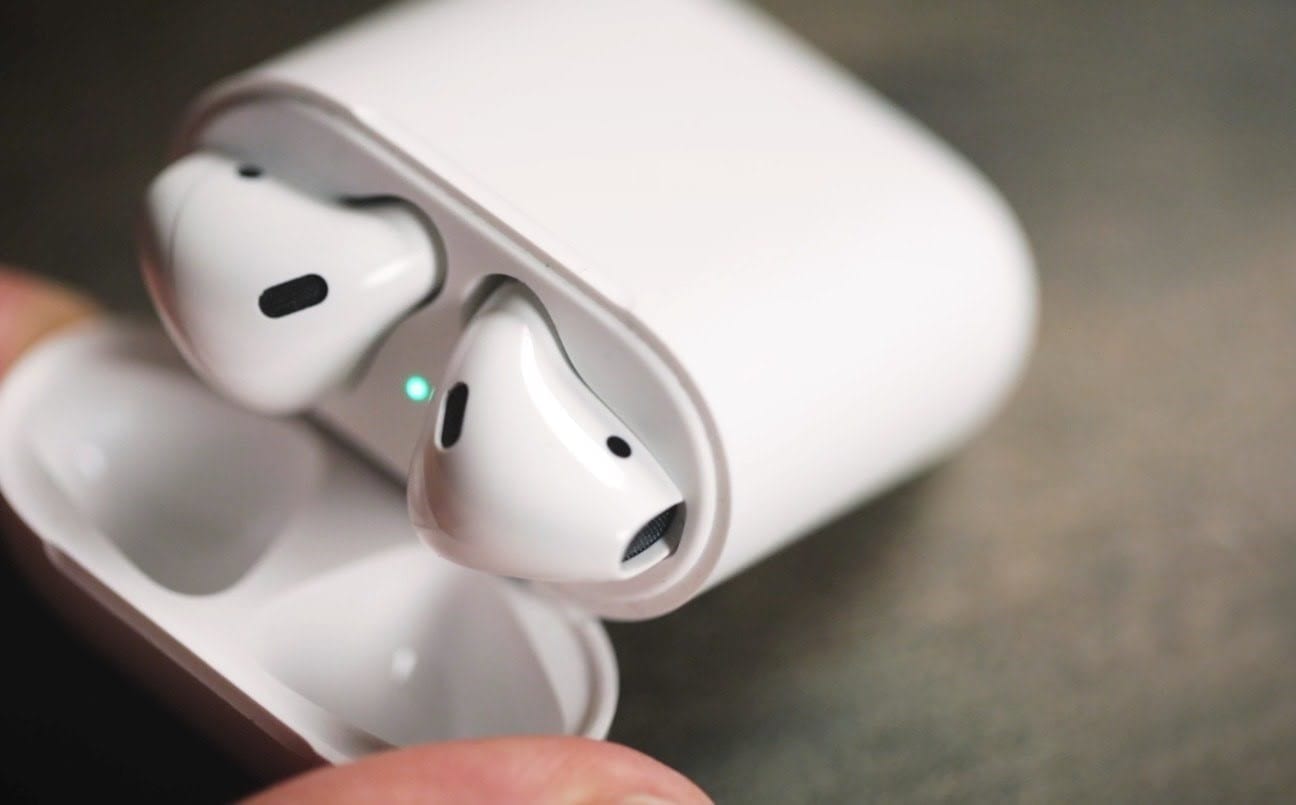
    Apple‘s AirPods will ship before the end of this year, AppleInsider’s sources have confirmed, dismissing a bogus supply chain report that surfaced early Tuesday, November 1.

    Supply chain monitor Economic Daily News reported on Tuesday that manufacturer Inventec would see quarterly profits jump in the quarter starting in January 2017 because of a shifted launch date. At the same time, the publication said that the fourth quarter 2016 profits would not be changed from the third quarter.

    When asked about the report, Apple told AppleInsider that it doesn’t comment on “rumors or speculation.”

    However, sources familiar with the company’s plans indicated that internally, there is no official delay until January for shipment of the wireless earbuds, AppleInsider says.

    One person briefed on the matter said plainly that there was “no way that these are getting pushed to January.”

    In addition, contacts at Apple retail noted that AirPods demonstration units are already available in some stores. Out of 10 stores polled by AppleInsider, six of them had demo units.

    Where demo units are available, staff have already received training on the product. At those locations, employees are just awaiting notification from management to start showing the AirPods to shoppers.

    “We’re ready to go any time,” one retail source said. “We’ve got a few pairs for customer demonstration that we’re just waiting on the word to start with.”

    Several venues have also received hardware for review. Those arrived prior to the quiet reveal that the AirPods wouldn’t ship in time to meet an original “late October” ship date.

  • Apple to Build Innovation Center in Indonesia

    Apple to Build Innovation Center in Indonesia

    Industry Minister Airlangga Hartanto supports US-based technology giant Apple’s plan to build innovation centers in Indonesia. He hopes the facilities will trigger the use of domestic components and raise the number of app developers in Indonesia.

    “They have expressed their commitment to build innovation centers along with Apple’s plan to enter Indonesia’s market,” Airlangga said in a press release yesterday, October 27, 2016.

    The Apple innovation centers will be built in three locations, aimed at creating the latest digital technology, including the development of apps that can be used on their production devices.

    According to Airlangga, Apple sees a huge market potential in Indonesia. In the last five years, the number of mobile telecommunications subscribers has increased four times to 211 million. In Indonesia, the number mobile phones used is estimated to reach 300 million units.

    The Industry Ministry noted that in 2014, Indonesia imported 57.7 million units of mobile phones, 59,000 units of handheld computers and 5.7 million units of tablet computers. In 2015, the number declined; replaced by products assembled in Indonesia.

    Today, there are 17 manufacturing industries capable of assembling mobile phones, handheld computers, and tablet computers.

  • This is how much the new MacBook Pro will cost in Singapore

    This is how much the new MacBook Pro will cost in Singapore

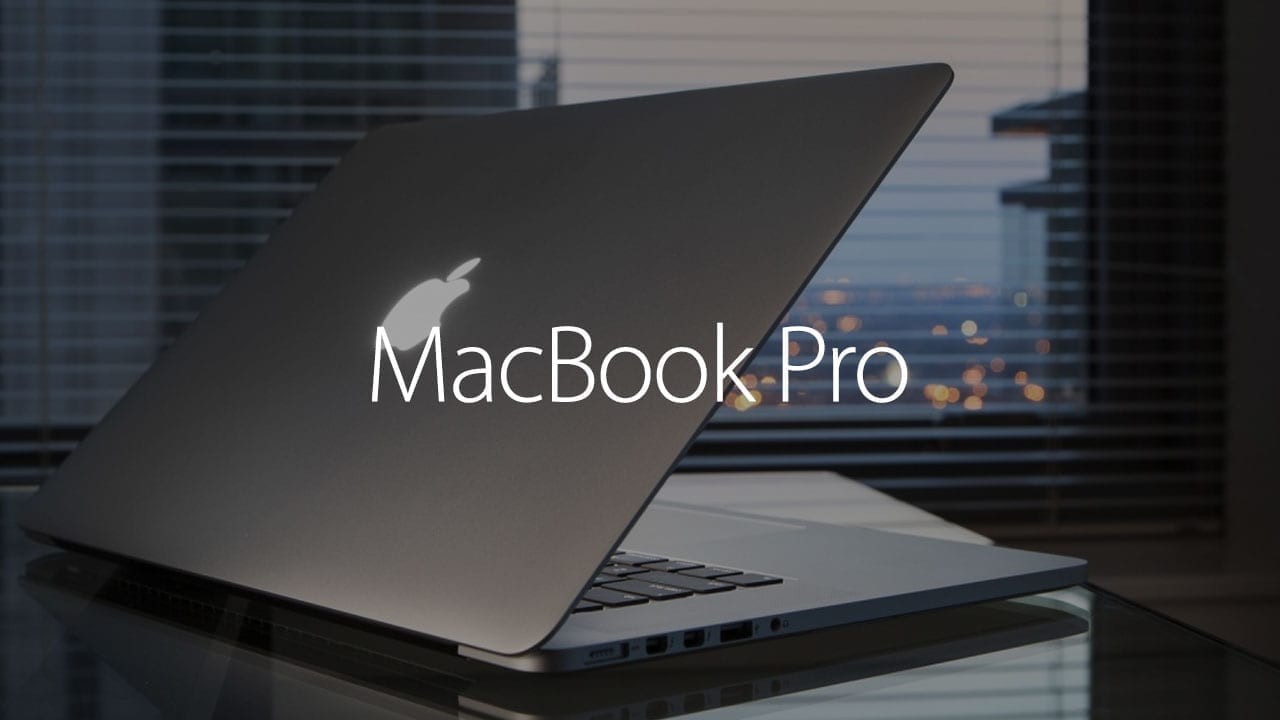
    The hotly-anticipated Touch Bar Mac machines are here and they are packed with shiny upgrades. Apple has launched two new models that are thinner and lighter than ever – a 13-inch MacBook Pro (14.9mm) and a 15-inch MacBook Pro (15.5mm).

    The key features on the refreshed MacBook Pros include a context-sensitive, customisable Touch Bar that replaces the physical function key strip, giving fast access to popular commands, quick actions and your commonly-used apps and programs

    Touch ID makes its debut on the laptop, allowing you to authorise payments, switch accounts and say goodbye to typing in long passwords.

    Apple has also pumped up the battery life to 10 hours and simplified the machine’s exterior, trimming down various ports on the chassis, relying primarily on four Thunderbolt 3 ports for connectivity and power. But do not worry, the headphone jack is still there.

    The laptops are scheduled to ship in 2-3 weeks and you can order them now at the Apple Store.

    The 13-inch, 2.9GHz dual-core Intel Core i5 MacBook Pro with Touch Bar and Touch ID costs S$2,588, while the 15-inch, 2.7GHz quad-core Intel Core i7 MacBook Pro costs S$3,948. Both machines are available in Space Grey and Silver.

  • Apple will open another R&D center in Japan

    Apple will open another R&D center in Japan

    Apple is on a research & development spree! The company has announced a bunch of new R&D centers over the past few months, and R&D spendings have skyrocketed. This time, Apple CEO Tim Cook announced that the company plans to open a new center in Japan during a visit in Tokyo.

    This isn’t the first time we’re hearing about a new R&D center in Japan. Previous reports have indicated that Apple was building a new R&D center for 2016 or 2017.

    Cook met with Japan’s prime minister Shinzo Abe to discuss all things Apple and Japan. Later at a press conference, Chief Cabinet Secretary Yoshihide Suga reported that Apple would complete its R&D center in December.

    So what is this R&D center anyway? Located in Yokohama, the building used to be a Panasonic factory. Apple has taken over the building and transformed it into an R&D center.

    This way, Apple can more easily hire talented Japanese engineers. It’s unclear what the Japanese team is going to work on.

    Overall, in addition to existing R&D centers, Apple will soon have R&D centers in Shenzhen, Israel, the U.K., France, Japan and Sweden. Maybe it’s time to rethink Apple’s tagline on all of its products — “designed by Apple in Cupertino and many other countries.”

  • Why Apple China is struggling

    Why Apple China is struggling

    Apple’s sales decline is slowing – but there are several reasons why it is doing so badly in China…

    While the iPhone 7 has not been out long enough to have had a full impact on this quarter’s numbers, it has helped Apple to moderate the pace of revenue decline.

    Even so, global revenues are still down by 9 per cent over last year indicating that Apple is a long way off the steep growth trajectory it once enjoyed. With more investment going into stores, and with those store selling fewer products than they once did, it is not surprising that net income is on the slide. Indeed, Apple will be particularly disappointed with its rare full-year profit decline.

    China is an interesting, and worrying, example of some of these points. Across this quarter Apple saw revenues fall by 30 per cent in Greater China. In part this is down to the fact the market is more mature and ownership of iPhones is higher than it once was. But it is not the whole story: domestic brands like Huawei and Vivo have gained share thanks to the fact that they have, in design and technical terms, caught up with Apple and are now seen more favorably by consumers. In essence, in China and elsewhere, while Apple’s products are still seen favorably, the distance between Apple and its competitors is nowhere near as great as it once was.

    “No longer firing on all cylinders”

    Globally, the change in Apple’s fortunes is partly down to the fact that it is no longer firing on all cylinders. Previously, Apple was able to rely on strong sales of phones, tablets and computers to drive up revenue and profit across all geographies. This is no longer the case. Tablet sales are in decline. Growth from computers, which are long overdue a refresh, is weak. And consumers in some markets are saturated with product which makes growth much more difficult to attain. The latter is exacerbated by the fact that new releases, such as the iPhone 7, have been iterative rather than innovative.

    Unfortunately, Apple’s attempts to add new strings to its fiddle have not counteracted some of the strings that are now playing out of tune. In particular the Apple Watch, while a triumph of engineering, has simply not become a mass market product in the way that the iPhone, iPad, or iPod did. The one bright spot comes from service revenue, which includes streams of sales from Apple Pay, Apple Music and other services, and is up 24 per cent year-on-year. Over the longer term, this is a very lucrative part of Apple’s business and growth story, but it is not yet at the point where it is offsetting revenue declines in other areas.

    Despite this relatively gloomy view, it is important to note that Apple is being judged by its own incredibly high standards. Even with the dips in growth it remains a phenomenally successful business that is far from running out of steam.

    Complexity over simplicity

    That said, there is a complexity creeping into the firm that runs counter to Apple’s underlying philosophy of simplicity. The recent launch of the iPhone 7 in the US is a case in point: the buying process has been dreadful. The cumbersome system of placing orders via the website, where users have had to enter carrier information, has frustrated many customers. Meanwhile the vast array of different models, color options and payment and upgrade methods has contributed to a shortage of the right stock in the right place and has inevitably slowed sales.

    For a brand like Apple these things matter. As the company has always maintained, the experience of purchasing is almost as important as the product itself. While there is no doubt Apple continues to be committed to this mantra – especially with the store upgrades it is now rolling out – it needs to look more carefully at issues of stock availability and to make the purchase process simpler and easier.

    Looking ahead, Apple’s prospects give cause for optimism. In the next fiscal year the company will come up against softer comparatives which will flatter performance. However, the unveiling, later this week, of new computers will help to ease up Mac sales. And as the iPhone 7 becomes more widely available, Apple will receive a nice growth spurt over the holiday quarter.

    Longer term, the company will be helped by the natural replacement cycle of older iPhones as these break, are damaged, or become less attractive to their users. Furthermore, Apple will, at some point, come up with a new phone – or maybe another device – that represents a significant leap forward and puts it on a better growth footing.

    As such, this current period is a hiatus rather than representing a material change in Apple’s long term prospects.


    -Neil Saunders

  • Apple, Deloitte enter mobile business tie-up

    Apple, Deloitte enter mobile business tie-up

    Apple and Deloitte has entered into a partnership to help companies transform the way they work by taking advantage of the iOS platform.

    As part of the joint effort, Deloitte is creating a first-of-its-kind Apple practice with over 5,000 strategic advisors who are solely focused on helping businesses change the way they work across their entire enterprise.

    Apple and Deloitte will also collaborate on the development of a new service offering from Deloitte Consulting called EnterpriseNext, designed to help clients fully take advantage of the iOS ecosystem of hardware, software, and services in the workplace.

    The new offering will help customers discover the highest impact possibilities within their industries and quickly develop custom solutions through rapid prototyping.

    “We know that iOS is the best mobile platform for business because we’ve experienced the benefit ourselves with over 100,000 iOS devices in use by Deloitte’s workforce, running 75 custom apps,” said Punit Renjen, CEO of Deloitte Global.

    “Our dedicated Apple practice will give global businesses the expertise and resources they need to empower their mobile workforce to take advantage of the powerful ecosystem iOS, iPhone, and iPad offer, and help them achieve their ambitions, while driving efficiency and productivity.”

  • Price of New iPhone 7 in Indonesia Will Be Among Highest Worldwide

    Price of New iPhone 7 in Indonesia Will Be Among Highest Worldwide

    Indonesia is predicted to be the country in Southeast Asia with the second-highest price for Apple’s new iPhone 7, according to a recent price study by iPrice Indonesia, local arm of online shopping startup the iPrice Group.

    The iPhone is manufactured in China, which neighbors Southeast Asia, but according to the iPrice Indonesia study, the iPhone 7 will be significantly more expensive in the region compared to the United States, due to shipment export costs, import duties and taxes, and other fees imposed by governments.

    According to iPrice, the iPhone in Indonesia will be one of the most expensive worldwide.

    “For countries where the iPhone 7 has not yet been officially launched, such as Thailand, Vietnam, Indonesia, Malaysia and the Philippines, the tech savvy have resorted to going abroad in the hope of being the first to own it,” iPrice said in a statement e-mailed to the Jakarta Globe by Andrew Prasatya, the company’s content marketing executive.

    “Unauthorized retailers are purchasing the iPhone 7 from Singapore and Hong Kong [where the iPhone 7 has already been launched] and selling them in their home countries at higher prices, which can go up to 14 percent in Vietnam and 49 percent in Thailand,” iPrice said in the statement.

    Apple has not yet announced the official release date for the iPhone 7 in Indonesia.

    How Expensive Can It Go?

    The study estimates that an iPhone 7 with 128 gigabytes of internal storage will cost about $1,268 when it arrives in Indonesia, making it nearly $500 more expensive than in the United States, from where it originates.

    As for neighboring countries, buyers in Thailand are expected to pay the most, where a new iPhone may cost up to $1,340.

    The cheapest is in Singapore at $897, where the iPhone 7 has been available since last month.

    The study said middle-income Indonesians, with an average salary of $1.80 (or Rp 23,900) per hour, have to work at least 87 days to afford an iPhone 7, assuming that the whole salary is spent on the phone.

    They may likely think twice before purchasing a 128 GB iPhone since the price is equivalent to the latest automatic scooter by Japanese manufacturer Honda. The price would also be equivalent to three-months’ rent of an apartment located in the heart of Jakarta, or 32 bags of rice at 50-kilograms per bag.

    Highly Anticipated

    Still, the iPhone 7 is eagerly awaited in Indonesia. And despite negative reaction around the replacement of audio jack with Apple AirPods, the latest model is in demand because of innovations such as increased storage, a new home button and water-resistance, according to reports from various local media and online tech-focused news portals.

    IPrice said regardless of its fairly high price, the iPhone generally remains popular in Indonesia.

    It referred to industry data showing that about 61.2 million units of the previous generation iPhone 6 and 6s were sold in the country during the first quarter of 2015.

    “In addition to the innovation of the iPhone 7, the iPhone is a status symbol in Indonesia where the owners are perceived as being rich, successful and living in luxury,” iPrice’s statement said.

  • Apple Korea to launch first official store

    Apple Korea to launch first official store

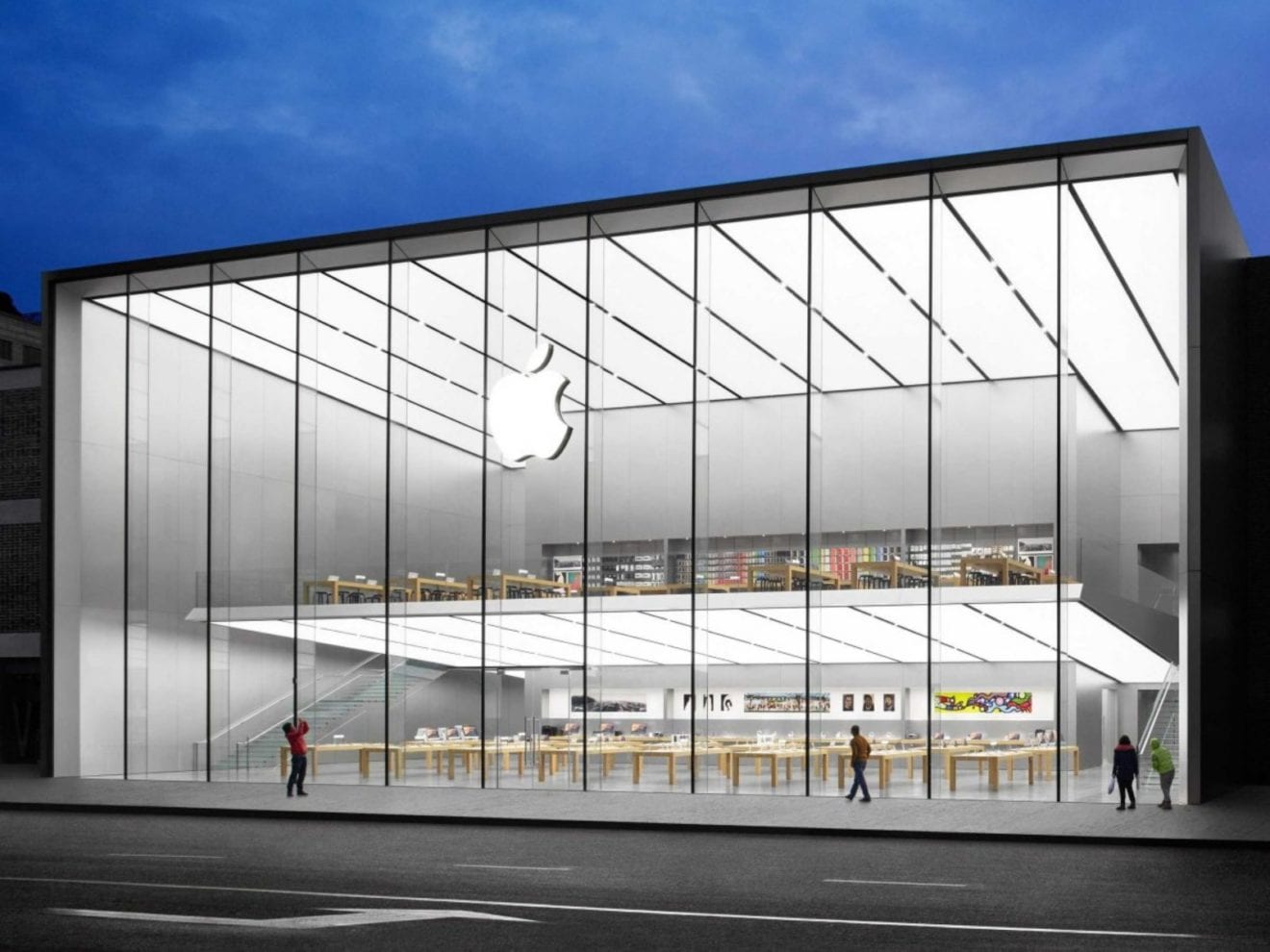
    Apple Korea is to open the brand’s first official store in Seoul, but no date has been revealed.

    A lease has been signed for a property in Garosu-gil Road, an upmarket, tree-lined street, with Apple Korea paying a 1.6 billion won (US$1.44 million) deposit for the lease, which runs to February 29, 2036.

    Without an Apple Store in Korea, consumers have had to turn to third-party suppliers, leading to complaints about delays and poor service, reports the Korea Times.

    In response, the Korea Fair Trade Commission told Apple in December to rectify its policy.
    Apple has started recruiting staff for the Seoul store, advertising positions covering marketing, store crew and customer service.

  • LeEco India ready to roll out 1000 stores

    LeEco India ready to roll out 1000 stores

    Chinese tech firm LeEco India plans to open 1000 outlets across the subcontinent by the end of this year.

    Expecting half of its revenue in India to come from physical stores, LeEco filed an application five months ago with the Foreign Investment Promotion Board (FIPB) to open single-brand retail stores.

    These will be a mix of company-owned stores as well as franchise outlets, says LeEco India COO for smart electronics business Atul Jain. “This is in line with our aim to be among top three brands in the country by 2018.”

    LeEco, which also has an offline presence in China, has not revealed the cost of setting up the stores. However, it will be spending nearly US$10 million on marketing in the three months starting October.

    Already the company has tied up with multiple distributors across organised and unorganised channels in India and is already available in about 3000 outlets in cities including Bengaluru, Chennai, Delhi, Mumbai, Pune and Varanasi. It expects to reach 65 cities and have a presence in 6000 to 8000 outlets by December.

    No longer exclusive

    Launched exclusively on Flipkart, LeEco’s products will now be available on other eCommerce marketplaces such as Amazon India and Snapdeal. Flipkart has contributed nearly 75 per cent of LeEco’s sales in India.

    LeEco has invested Rs.50 crore (US$500 million) in setting up a smartphone assembly plant in the Greater Noida area, in partnership with Compal Electronics. The factory has an initial capacity of 60,000 units a month but this will be ramped up to 200,000 by the end of December.

    By the second half of next year, the company plans to start exporting products to Hong Kong, Indonesia, Malaysia, Russia and Singapore, says Jain. LeEco sold more than 70,000 phones and 2000 televisions last month alone.

    Other plans include a partnership with Hungama to offer music services from next month.
    Founded by billionaire Jia Yueting in 2004, LeEco positions itself as the Apple, Netflix and Tesla of China. Apart from smartphones and online content, the company sells TVs, electric vehicles and virtual-reality headsets.

  • Alibaba Group now Asia’s richest company

    Alibaba Group now Asia’s richest company

    Alibaba Group Holding has surpassed Tencent Holdings and China Mobile in market capitalisation to become Asia’s richest company.

    Alibaba’s market value rose to US$261 billion in New York last week, overtaking Tencent’s US$255.98 billion capitalisation in Hong Kong on Thursday during a trading week shortened by a public holiday.

    China Mobile was the region’s third-largest company, valued at $249.38 billion.

    Alibaba’s shares have risen 28.8 per cent this year to $104.64, making the owner of Taobao.com and Tmall eCommerce platforms the world’s 10th-largest company by value, according to Bloomberg data. The world’s five most valuable companies now gain their revenue from technology or the internet – Apple, Alphabet, Microsoft Corp, Facebook and Amazon.com.

    In Asia, technology and internet-related businesses have displaced oil refineries, manufacturers and banks in the top three spots.

    Samsung Electronics of South Korea is the other technology company among Asia’s 10 most-valuable corporations, valued at $191.76 billion.

    As well as eCommerce, Alibaba has businesses in internet finance, cloud computing, film investment and logistics. The Hangzhou-based company’s second-quarter revenue rose 59 per cent, the strongest since its 2014 initial public offering in New York.

  • The iPhone 7 hits stores, some models are already sold out

    The iPhone 7 hits stores, some models are already sold out

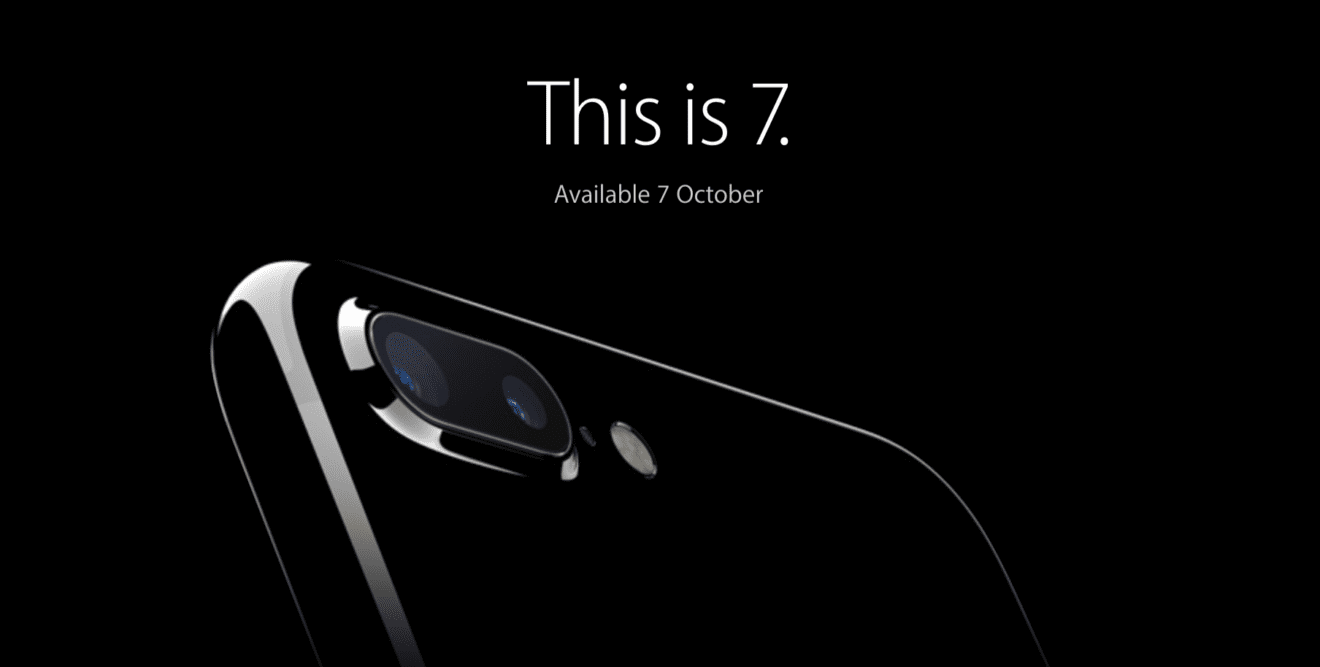
    Starting bright and early on Friday, September 16, you can get your hands on a brand new iPhone 7 or iPhone 7 Plus.

    Apple fans are finally laying their hands on the brand new iPhone 7 and iPhone 7 Plus.

    Eager customers joined long lines in cities like Sydney, Hong Kong, London, New York, Boston and San Francisco on Friday as the new models went on sale, more than a week after they were unveiled.

    Apple is releasing the phones, which are water resistant and feature beefed-up cameras, in more than 25 countries around the world. But people who haven’t reserved one in advance won’t be able to be too picky about the color — or get the larger model. Apple said earlier this week that the iPhone 7 Plus is completely out of stock online.

    “During the online pre-order period, initial quantities of iPhone 7 Plus in all finishes and iPhone 7 in jet black sold out and will not be available for walk-in customers,” the company said in a statement.

    However, some consumers who thought carriers might have the larger model in stock were disappointed as the day progressed.

    “The iPhone 7 Plus is not available in stores this morning, so customers who wish to get iPhone 7 Plus should go [online] to place an order,” a Verizon spokeswoman said.

    Meanwhile, T-Mobile said its stores had “limited inventory at launch,” with shipping dates as far away as the end of November for black iPhone 7 Plus devices.

    Your best bet of finding an iPhone 7 Plus may be directly through Sprint. A spokesperson said “most of our retail stores have [the iPhone 7 Plus] going into [today].”

    An AT&T spokesperson has not yet responded to a request for comment.

    Many customers who couldn’t get a device aired their complaints on Twitter.

    If you’re not in a rush and don’t fancy spending your morning waiting on a sidewalk, you can order an iPhone 7 or 7 Plus online through Apple or a number of retailers.

    According to Apple’s website, the jet black version of the iPhone 7 Plus won’t ship until November in the U.S. All other colors, including matte black, will ship in two to three weeks if ordered online directly from Apple. Those wait times could change.

    The 4.7-inch iPhone 7 starts at $649 and the 5.5-inch iPhone 7 Plus starts at $769.

    Outside an Apple Store in Hong Kong, sports coach Kala Singh said he’d reserved his matte black iPhone 7 a week ago. “I always upgrade my phone when they change the number,” he said.

    Singh opted not to go for a jet black version because he said he’d heard it’s easy to get finger smudges on them.

    But at the same store, Tsang Yan-yee said she was “a little bit upset” that she’d had to settle for a rose gold iPhone 7 instead of a jet black one. She also said she was disappointed with Apple’s controversial decision to remove the phone’s headphone jack.