Tag: apple

  • Visa, Amex to launch Apple Pay in HK

    Visa, Amex to launch Apple Pay in HK

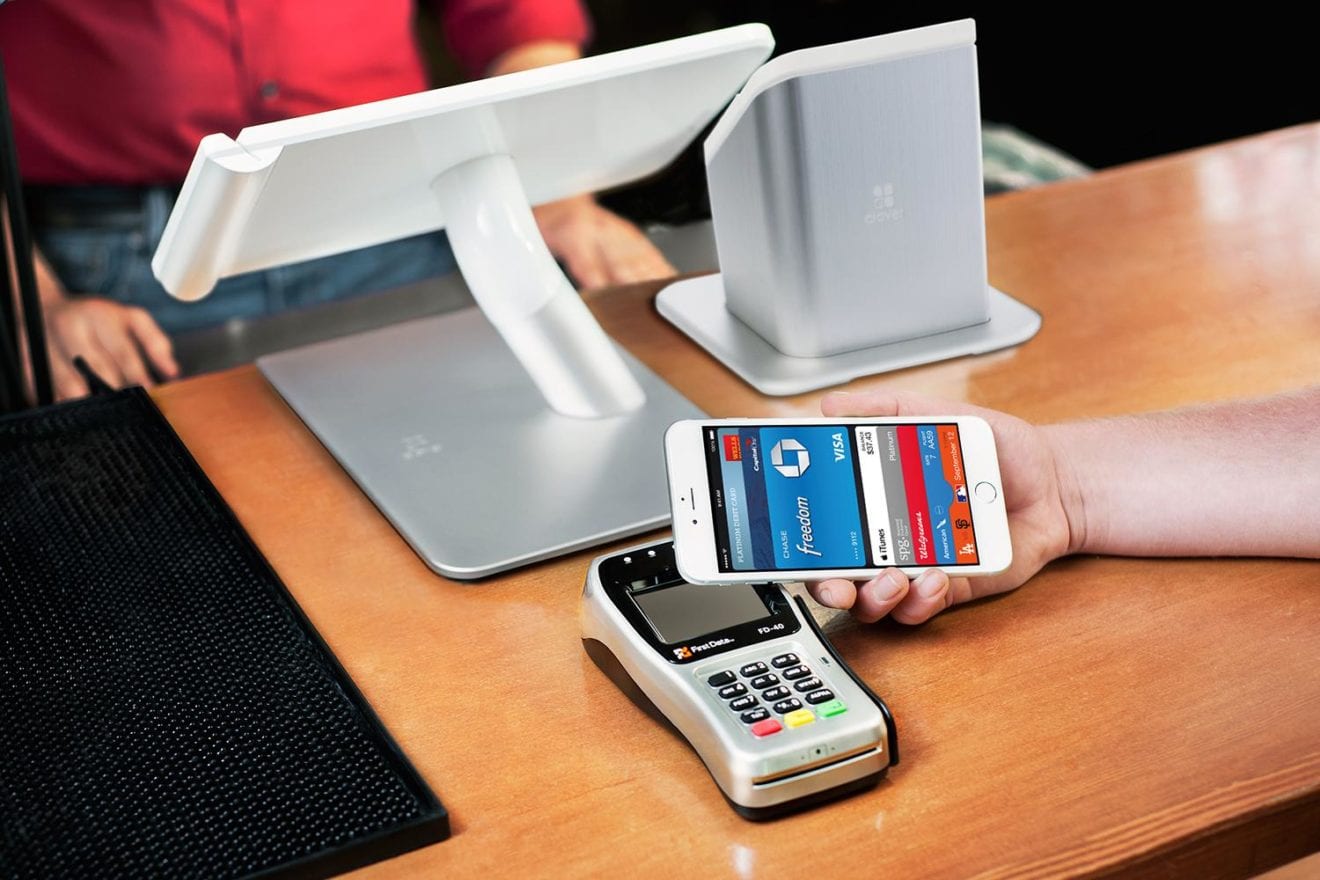
    Visa and American Express have both revealed plans to support mobile payment service Apple Pay in Hong Kong starting this summer.

    Customers in the region with American Express and Visa cards will be able to use Apple Pay to pay for purchases where contactless payments from the credit or charge cards are accepted.

    Apple Pay supports the iPhone 6s, iPhone 6s Plus, iPhone 6, iPhone 6 Plus, iPhone SE and Apple Watch for in-store payments, and these devices plus the iPad Air 2, iPad mini 3, iPad mini 4 and iPad Pro for payments from within apps.

    The platform uses the Visa Token Service to ensure card numbers are not stored on the device or on Apple servers.

    Instead a unique device account number is assigned, encrypted and securely stored in the Secure element on a user’s device device. Each transaction is authorized with a one-time unique dynamic security code. Customers can use Apple’s TouchID fingerprint authentication system to approve payments.

    “Visa is proud to support issuers in Hong Kong who want to launch Apple Pay to bring their customers a more secure and convenient way to pay. In Hong Kong contactless payments have become a necessity for everyday life,” commented Caroline Ada, country manager for Visa Hong Kong and Macau.

    “American Express was the first card issuer to bring Apple Pay to Card Members in the Asia Pacific region. Our customers love the ease and security of Apple Pay in their daily spending, dining and leisure activities,” added American Express VP and general manager for card services for Hong Kong and Taiwan Susanna Lee.

  • ZTE China plans new stores

    ZTE China plans new stores

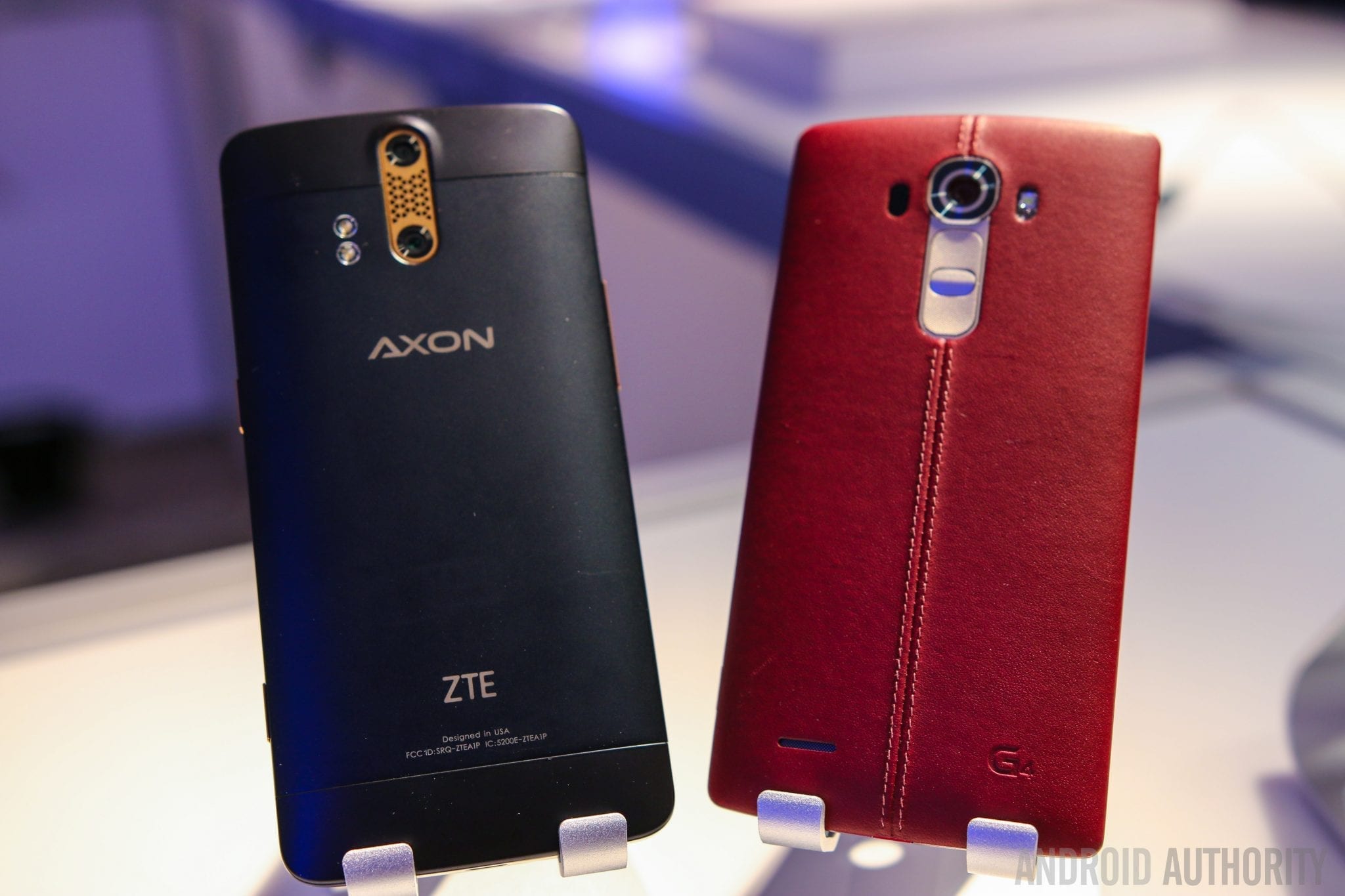
    Chinese multinational telecommunications equipment and systems company ZTE Corporation plans to open 23 stores this year, mainly in China but also Germany and Mexico.

    Meanwhile, its latest smartphone, the flagship Axon 7, will go on sale for $449 in the US next month, up against Apple’s iPhone 6s and Samsung’s Galaxy S7.

    Headquartered in Guangdong, ZTE China has three business units – carrier networks (54 per cent), terminals (29 per cent) and telecommunication (17 per cent). Its core products are wireless, exchange, access, optical transmission and data telecommunications gear, mobile phones and telecommunications software.

    ZTE China also offers video on demand and streaming media. It primarily sells products under its own name.

  • India says Apple can open stores, but first create jobs

    India says Apple can open stores, but first create jobs

    Foreign companies eager to sell products in India must also create jobs in the country, Indian Finance Minister Arun Jaitley told CNBC in an interview, amid efforts by tech giant Apple to win approval to open its own retail stores in Asia’s third-largest economy.

    Apple’s application — aimed at boosting sales in India and countering a slowdown in China — has yet to be approved, as India typically requires single-brand retailers to source at least 30 percent of their raw material needs from local suppliers.

    Jaitley said the thought process behind the rule, which was put in place by the previous United Progressive Alliance coalition, was sound.

    “Speaking for myself, I feel it was based on good rationale, and the rationale behind the policy was, when somebody eyes such a large market, obviously job creation also is something the government of India is concerned with,” Jaitley said.

    “Now am I to be concerned with job creation or not? Or am I only to allow foreign companies to sell products in India and not create jobs in India?,” he said.

    Jaitley said exceptions could be made in case of specific high-technology areas and the government would take a call on whether Apple’s application meets this criteria.

    Apple currently sells products in India through distributors. The tech company recently opened an iOS developer center to help support and develop future app-makers.

    Bolstering jobs creation is a key cog of the Indian government’s showpiece “Make in India” initiative that aims to encourage foreign manufacturers to set up shop in India.

  • Apple explores charging stations for electric vehicles

    Apple explores charging stations for electric vehicles

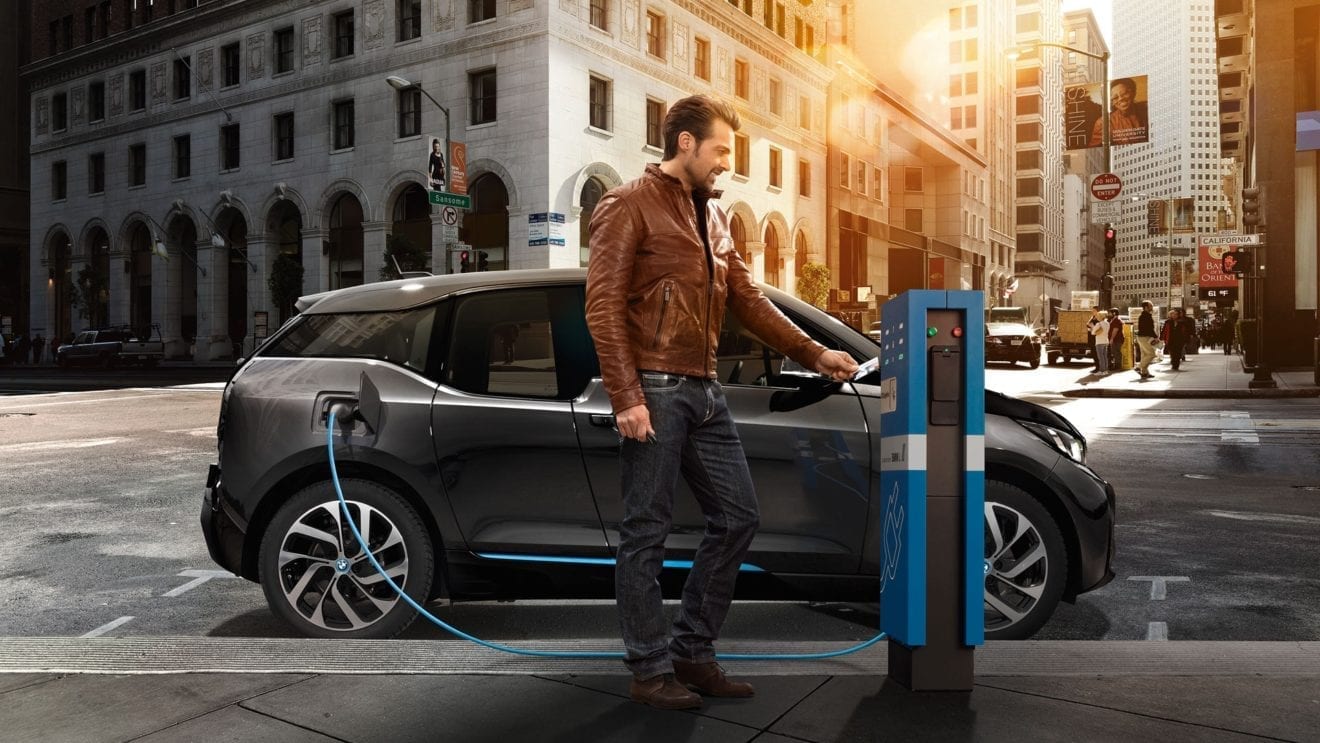
    Apple is investigating how to charge electric cars, talking to charging station companies and hiring engineers with expertise in the area, according to people familiar with the matter and a review of LinkedIn profiles.

    For more than a year, Silicon Valley has been buzzing about Apple’s plan to build an electric car. Now the company appears to be laying the groundwork for the infrastructure and related software crucial to powering such a product.
    The moves show Apple responding to a key shortcoming of electric vehicles: “filling up” the batteries. A shortage of public charging stations, and the hours wasted in charging a car, could be an opportunity for Apple, whose simple designs have transformed consumer electronics.

    Apple, which has never publicly acknowledged a car project, declined to comment for this story. Neither the LinkedIn profiles nor sources said specifically that Apple was building charging stations for electric cars.
    But automotive sources last year told Reuters that Apple was studying a self-driving electric vehicle (EV), as the Silicon Valley icon looks for new sources of revenue amid a maturing market for its iPhone.

    Apple is now asking charging station companies about their underlying technology, one person with knowledge of the matter said. The talks, which have not been reported, do not concern charging for electric cars of Apple employees, a service the company already provides. They indicate that Apple is focused on a car, the person added.

    Charging firms are treading carefully, the person added, wary of sharing too much with a company they view as a potential rival.
    It is unclear whether Apple would want its own proprietary technology, such as Tesla Motors’ Supercharger network, or would design a system compatible with offerings from other market players.

    Several charging station suppliers contacted by Reuters declined to comment about any dealings with Apple, which typically requires potential partners to sign non-disclosure agreements.

    Arun Banskota, president of NRG Energy electric vehicle charging business, EVgo, did not respond directly to questions about Apple, but said repeatedly that his company was “in discussions with every manufacturer of today and every potential manufacturer of tomorrow.”

    Apple has hired at least four electric vehicle charging specialists, including former BMW employee Rónán Ó Braonáin, who worked on integrating charging infrastructure into home energy systems as well as communication between EVs, BMW and utilities, according to a LinkedIn review.

    As recently as January Apple hired Nan Liu, an engineer who researched a form of wireless charging for electric vehicles, for instance. Quartz earlier this month reported that Apple had hired former Google charging expert Kurt Adelberger.
    Electric vehicle charging stations are manufactured, installed and operated under varying business models. Players in the space include Car Charging Group and privately held ChargePoint, SemaConnect and ClipperCreek, infrastructure companies such as Black & Veatch and AECOM as well as General Electric, Siemens and Delta Electronics.
    The three largest utilities in California also have plans to install charging stations.

    CHARGER SHORTFALL

    The electric car industry has faced a chicken-and-egg paradox with the installation of charging stations. Property owners have been reluctant to install the stations before EVs hit the road en masse, and drivers are wary of buying EVs until charging stations are widely available.

    Apple’s home state of California by 2020 will need about 13 to 25 times the roughly 8,000 work and public chargers it currently has, to support a projected 1 million zero-emission vehicles on the road, according to an estimate by the National Renewable Energy Laboratory.

    Tesla recently goosed electric vehicle demand, unveiling its more affordable Model 3 sedan, generating hundreds of thousands of reservations from potential buyers and leading many experts to calculate the number of EVs will soon outstrip the charging station supply.

    Tesla has led the way with a proprietary network for customers, who also can use public chargers. Tesla’s more than 600 “Supercharger” stations juice up a car in about 30 minutes, more than twice as fast as the standard “fast charger,” called Level 2.
    One global engineering and construction firm already has reached out to Apple to offer its services, a person at the firm said.
    “It would be natural to assume if Apple is going to have a full battery electric vehicle that creates a seamless consumer experience the way Apple does, the charging infrastructure and its availability would be of paramount importance,” the source said.
  • M1 will launch Apple Pay in Singapore

    M1 will launch Apple Pay in Singapore

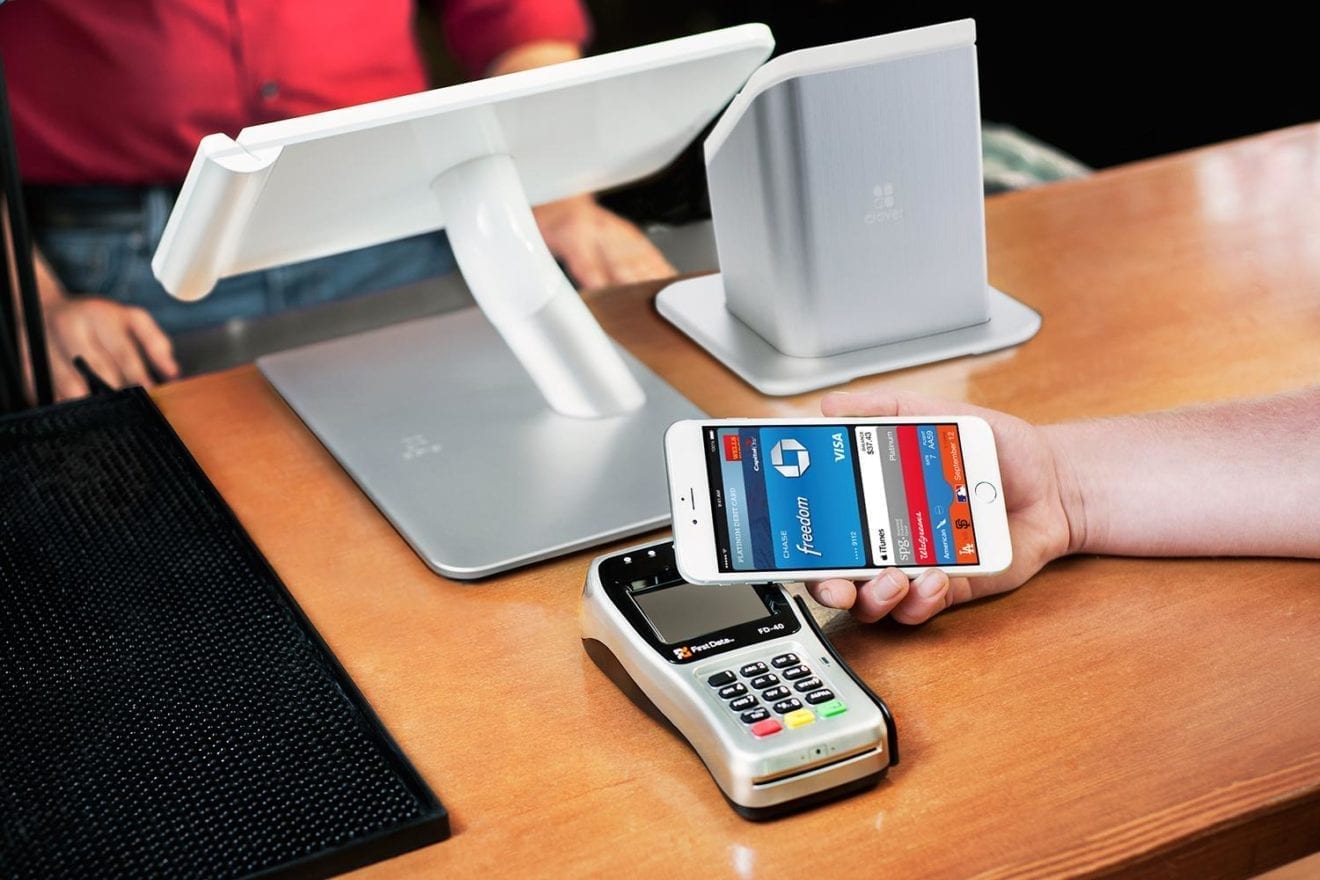
    The operator will allow its customers to use the mobile payment service to make purchases at M1 Shop outlets and branches.

    Apple has meanwhile revealed it has extended the reach of Apple Pay to include holders of credit and debit cards issued by five banks in the country – DBS Bank, OCBC Bank, POSB Bank, United Overseas Bank (UOB) and Standard Chartered Bank.

    The five banks combined account for more than 80% of credit and debit cards issued in the country.

    Apple Pay, which launched last month in Singapore, was previously only available to holders of credit cards issued by American Express in the nation.

    The service is currently available in six markets – Australia, Canada, China, United States, United Kingdom and Singapore, with planned launches for Hong Kong and Spain this year.

    The service can be used on Apple’s iPhone SE, iPhone 6s, iPhone 6s Plus, iPhone6, iPhone 6 Plus and Apple Watch devices for payments at physical retail outlets.

    Banks are likely hoping Apple Pay transactions will increase adoption of contactless payments and eat into a chunk of the small payments pie currently dominated by cash transactions.

    OCBC Bank Singapore is offering its credit and debit card customers a 3% rebate for Apple Pay transactions island-wide in the first month of activation, with a cap of up to S$15 ($11).

    UOB is meanwhile aiming to lift the S$100 transaction limit for contactless payments at all its POS terminals island by the end of next year. The limit has been removed from 2,000 of the bank’s 10,000 terminals so far.

    Figures from a recent MasterCard study have revealed an appetite for digital wallets among consumers in the Asia Pacific, with 19.5% using such wallets, a two-fold increase from two years ago.

  • AccuWeather expands reach via Apple TV app

    AccuWeather expands reach via Apple TV app

    AccuWeather launched the all-new AccuWeather app for Apple TV, which further expands AccuWeather’s global reach across platforms by enabling users access across devices and locations.

    Apple TV users can now quickly and easily zoom in and out on radar conditions locally or anywhere in the world.  The enhanced AccuWeather app for Apple TV also provides highly detailed weather forecasts including AccuWeather’s patented MinuteCast minute-by-minute forecast with precipitation type and intensity for the next two hours, as well as start and end times, hyper-localized by Apple TV location.

    Additional new features include AccuWeather’s Day by Day 15-Day Forecast, expanded view of hourly weather forecasts, and AccuWeather RealFeel Temperature.

    The app offers an expansive variety of weather HD video content available from any news and information provider.

    “AccuWeather continues to demonstrate its commitment to an expansive global digital strategy with this application,” said Steve Smith, President of Digital Media for AccuWeather.  “Viewers can rely on AccuWeather’s personalized, exclusive weather experience on Apple TV, in addition to the AccuWeather iOS app, for weather information and updates with Superior Accuracy.”

    AccuWeather is the only app in the weather category to offer expanded language support on Apple TV, meeting localization needs with more than 100 languages and dialects. The app also provides real-time global severe weather alerts and warnings for Apple TV users.

  • Apple CEO Tim Cook in China hails Chinese app developers

    Apple CEO Tim Cook in China hails Chinese app developers

    Apple CEO Tim Cook has hailed Chinese app developers and their contribution to world’s second biggest economy, as he began his visit here days after the tech-giant invested $1 billion in local ride hailing app Didi Chuxing.

    “The momentum is absolutely incredible,” Cook said in a meeting with developers, government officials and journalists.

    He said developers in China have earned over $7 billion, more than half of it in last one year.

    Their apps are popular around the world, with many of them having been downloaded in hundreds of countries, Cook said.

    “We are in the early phases of a tremendous growth,” the 55-year-old CEO said.

    “Government policies like Internet Plus act as the foundation of why I think the growth can be so incredible from here. They foster innovation and entrepreneurship throughout the Chinese economy,” state-run Xinhua news agency quoted him as saying.

    Cook is on his eighth China visit since becoming Apple CEO in 2011.

    He took a Didi taxi with Jean Liu Qing, president of Didi, to meet the developers.
    The Apple chief regularly meets entrepreneurs when in China, and he said he continues to be impressed by them.

    “[China] is one of the most vibrant places in the world. There are so many entrepreneurs now that they’ll drive the next generation of innovation in China,” he said.

    Apple Inc chief executive Tim Cook visited Beijing last Monday, days after announcing a $1 billion deal with ride-hailing app Didi Chuxing, and as the US firm tries to reinvigorate sales in China, its second-largest market after the United States.
    Cook explained that Apple had chosen to invest in Didi as it has been “an incredibly great success story on the App Store,” aside from being a leading ride sharing service both in and outside China.

    He said the investment reflected Apple’s excitement about Didi’s fast-growing business and Apple’s “continued confidence” in China’s economy in the long term.
    Cook did not give a direct answer when asked about rumours that the Didi investment has some connection with Apple’s own plans for an electric car.

    Currently, he said, Apple’s focus when it comes to the car market is on CarPlay, it’s device for connecting Apple smartphones to in-car entertainment systems.

    “We’ll see where that takes us,” he said.
    But Cook became far more direct when asked whether the investment was a sign of Apple losing its innovative edge.

    “No, no, there is no truth behind that at all,” he said, arguing that it was a sign of Apple placing greater focus on China.

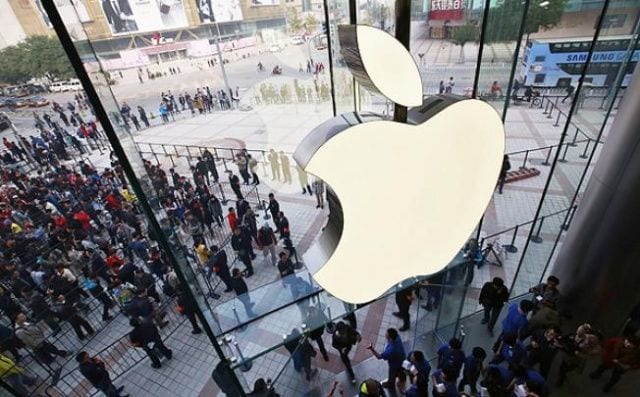
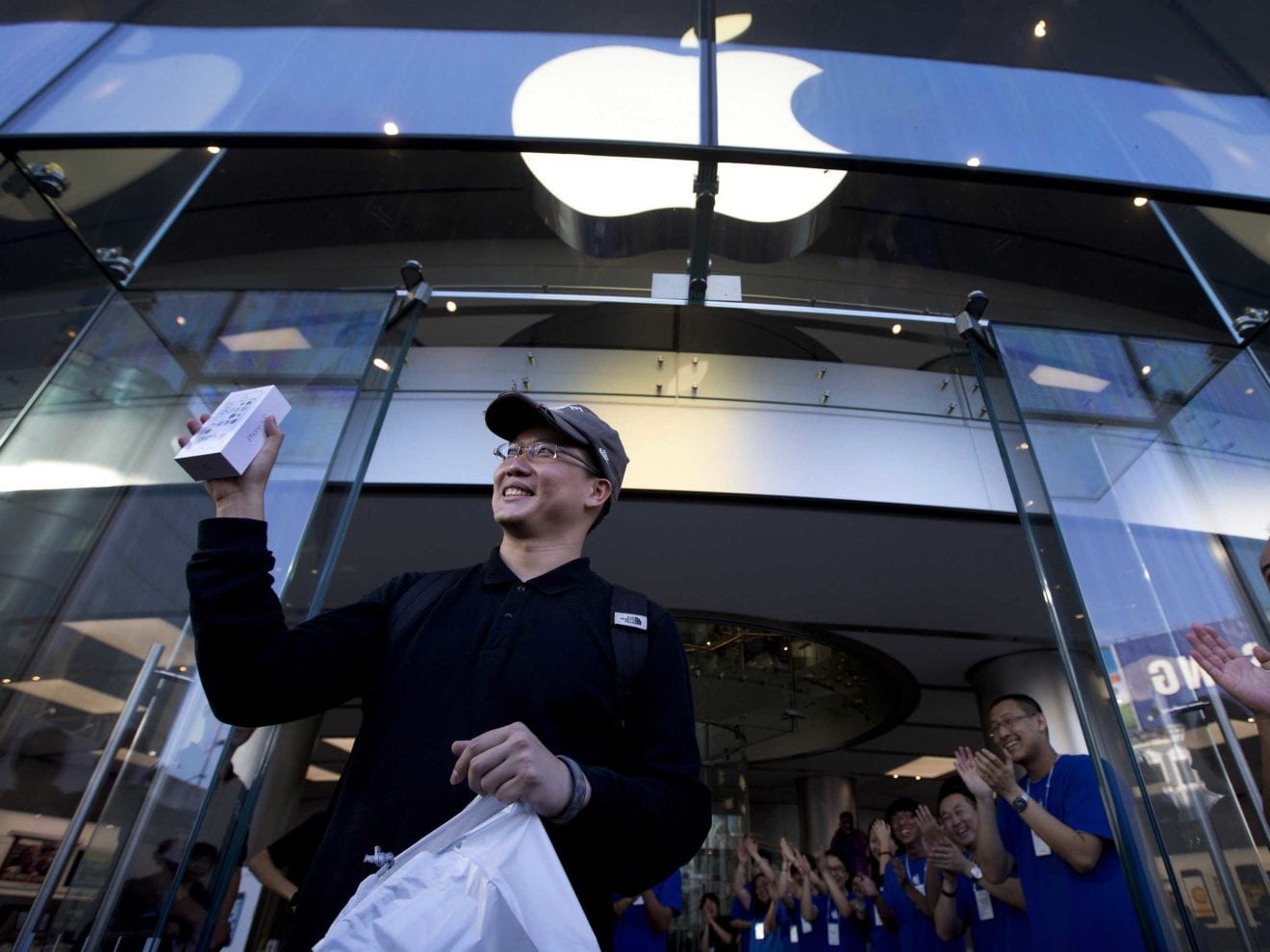
    Apple has already put a lot of money into opening retail stores in China, which is Apple’s second biggest market after the US.

    It is expecting the 37th Apple Store to open this Saturday, approaching Cook’s goal of having 40 before the end of 2016.

  • Apple China loses trademark fight

    Apple China loses trademark fight

    A small firm that sells handbags and other leather goods has won a trademark fight with US tech giant Apple China.

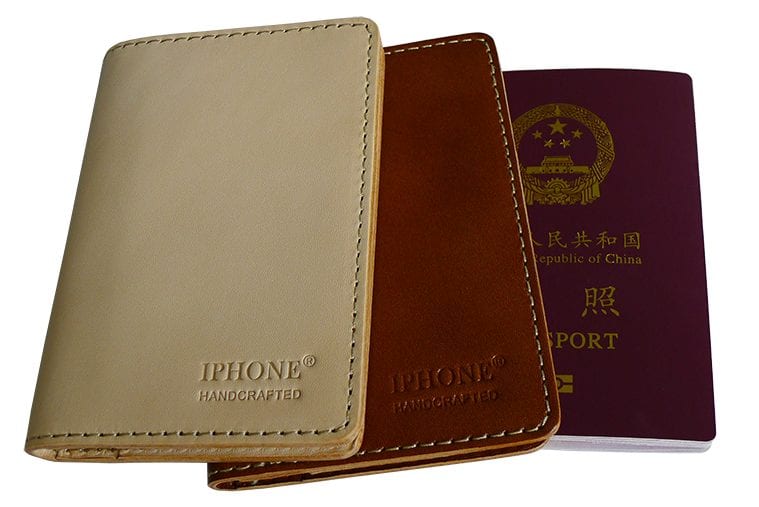
    A Beijing court has ruled that Xintong Tiandi Technology can keep using the name Iphone for its leather products, the official Legal Daily newspaper reports. The company registered the trademark in 2010.

    Apple filed a trademark bid for the name for electronic goods in 2002, but this was not approved until 2013.

    “Apple is disappointed the Beijing Higher People’s Court chose to allow Xintong to use the iPhone mark for leather goods when we have prevailed in several other cases against Xintong,” says an Apple spokesman. “We intend to request a retrial… and will continue to vigorously protect our trademark rights.”

    The Chinese firm’s products include leather phone cases, and its leather goods are branded “IPHONE” with a registered trademark symbol.

    iPhone leather China 1

    Apple first brought the case against the company to the Chinese trademark authority in 2012. When that failed, Apple filed a lawsuit in a lower Beijing court. That also ruled against Apple, which then appealed to the higher court.

    In its ruling, the higher court said Apple could not prove it was a well-known brand in China before Xintong Tiandi filed its trademark application in 2007 (Apple iPhones first went on sale in China in 2009).

    Meanwhile, Apple’s latest results show a 13 per cent drop in revenue on slower iPhone sales. Sales in China, its second-biggest market, plunged by 26 per cent.

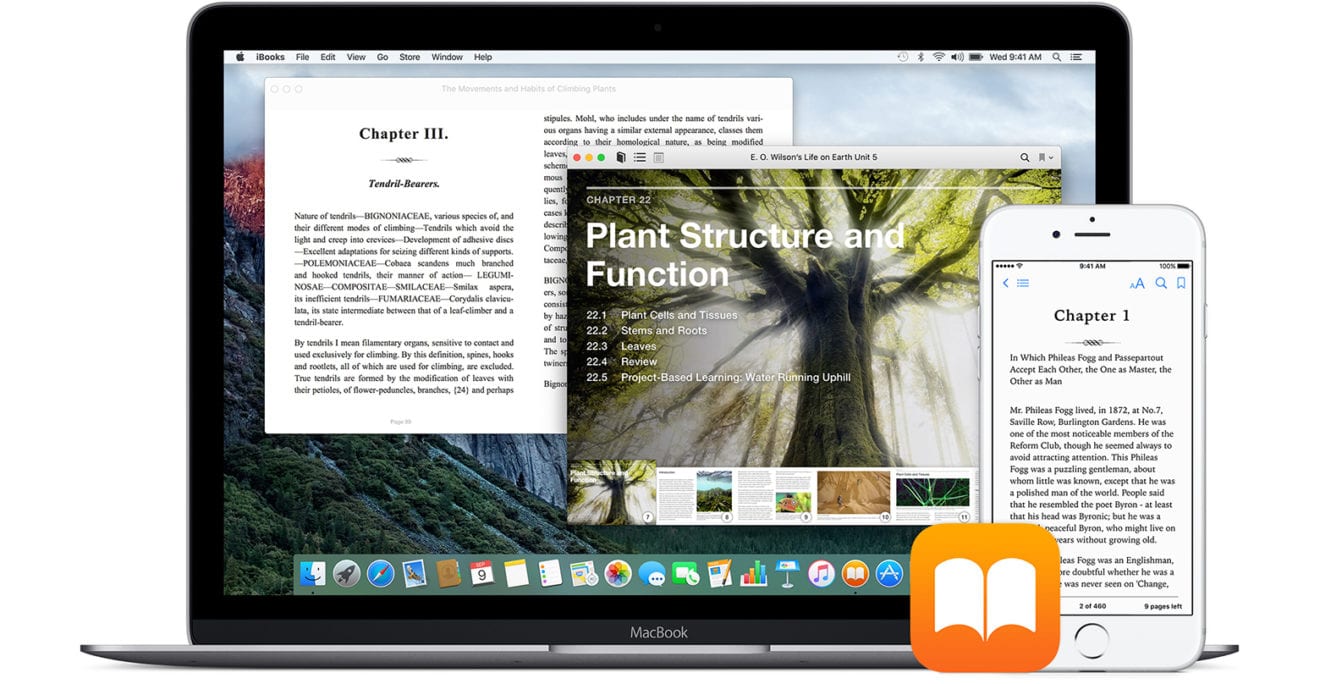
    Apple also faces other difficulties in China. In March, Beijing passed a law requiring all content shown in China to be stored on servers based on the Chinese Mainland. As a result, Apple’s iBooks and iTunes services were shut down in China. Apple is hoping access to the services will be restored soon.

    Billionaire investor Carl Icahn has just sold all his shares in Apple over concerns about the technology firm’s prospects in China.

  • Gucci America follows Michael Kors out of IACC

    Gucci America follows Michael Kors out of IACC

    Gucci America has become the second brand to quit the International Anti-Counterfeiting Coalition(IACC) since the US-based group allowed Chinese eCommerce giant Alibaba to become a member last month.

    Describing Alibaba as “our most dangerous and damaging adversary”, Michael Kors left the IACC just after the Washington, DC group let Alibaba on board.

    Gucci, along with other Kering Group brands like Balenciaga, is suing Alibaba in New York, accusing it of knowingly encouraging and profiting from the sale of counterfeit goods on its eCommerce platforms. Alibaba has dismissed the suit as “wasteful litigation”.

    “The IACC stands by its decision and is committed to lean into the future and lead a coalition of the willing,” IACC president Robert Barchiesi says. “Whether it’s payment processors or online marketplaces, the choice is clear, they must be an integral part of the solution.”

    Alibaba’s membership is in a special category without voting rights, originally created when eBay asked to join the coalition, which it has not done as yet.

    Alibaba says its membership will allow it to work more closely and effectively with brands to enforce intellectual property rights.
    There are more than 250 members of the IACC including Apple, Chanel and Cisco Systems.

    Meanwhile, Alibaba Group boss Jack Ma has been confirmed as the IACC’s spring conference speaker.

  • Apple, SAP enter cloud apps partnership

    Apple, SAP enter cloud apps partnership

    Apple and SAP have teamed up to combine native apps for iPhone and iPad with the capabilities of the SAP HANA platform.

    This joint effort will also focus on developing a new iOS software development kit (SDK) and training academy.

    According to the companies, the SAP HANA Cloud Platform SDK will provide businesses, designers and developers the tools to quickly and efficiently build their own iOS apps for iPhone and iPad, based on SAP HANA Cloud Platform, SAP’s open platform as a service.

    These native apps will provide access to core data and business processes on SAP S/4HANA, while taking full advantage of iPhone and iPad features like Touch ID, Location Services and Notifications.

    A new SAP Fiori for iOS design language will advance the SAP Fiori user experience by combining it with a consumer-grade iOS experience to deliver on the robust user needs in the enterprise and enable developers to build next-generation apps.

    SAP will also develop native iOS apps for critical business operations. These apps for iPhone and iPad will be built with Swift, Apple’s modern, secure and interactive programming language, and will offer a familiar user experience with the SAP Fiori for iOS design language.

    “This partnership will transform how iPhone and iPad are used in enterprise by bringing together the innovation and security of iOS with SAP’s deep expertise in business software,” said Tim Cook, Apple’s CEO.

    “Through the new SDK, we’re empowering SAP’s more than 2.5 million developers to build powerful native apps that fully leverage SAP HANA Cloud Platform and tap into the incredible capabilities that only iOS devices can deliver.”

  • China blamed for Apple sales slump

    China blamed for Apple sales slump

    Apple sales slumped 26 per cent in Greater China in the latest quarter, driving the tech giant to its worst result in 13 years.

    CEO Tim Cook said the Hong Kong market was largely to blame, due to its currency value being pegged to the US dollar. Sales in the mainland fell by a more modest (but still alarming) 11 per cent. Greater China sales totalled US$12.49 billion, equivalent to about 24.5 per cent of its global revenues.

    Cook added that a year ago Apple sales in China soared a remarkable 81 per cent year-on-year, suggesting that made for a tough benchmark for this quarter’s results.

    But Apple cannot blame all the company’s current woes on China: sales in its US home market fell 10 per cent as well.

    Globally, Apple sales totalled US$50.6 billion, down from the $58 billion of the previous corresponding period. Its quarterly net income fell from $13.6 billion to $10.5 billion and gross margin fell from 40.8 per cent to 39.4 per cent. International sales accounted for 67 per cent of the quarterly revenue.

    Despite the sales decline, Apple is showing no sign of slowing its aggressive expansion program in Greater China which it predicts will soon become its largest single market, overtaking the US.

    During the quarter the company opened seven more stores, with five more planned in the current quarter, taking the network of large format stores to about 40.

    The company will also take a hit from the Chinese Government’s decision last week to ban Apple’s iTunes music store and its Apple Bookstore – both selling digital content to Chinese customers who have invested in iPhones, iPads or Apple computers.

    The biggest drain on sales is the iPhone, which is now struggling to keep pace with a myriad of less expensive models offering similar technology at often vastly lesser prices. Apple sold more than 51.2 million iPhones in the first three months of 2016 – nearly 10 million fewer than during the same quarter of 2015.

  • Apple is losing its charm

    Apple is losing its charm

    In a sure sign that Apple is losing its mojo, the company’s second quarter results are unrelentingly gloomy with total revenue down strongly on an overall basis and across most regions.

    This, combined with a weaker gross margin outcome, has dinted net income which fell by almost a quarter over the prior year.

    While sales were blown off course by the strong dollar, which dampened the final results in regions like China and Europe, this was only part of the reason for the decline. The fact that revenue in Apple’s home market dropped by over 10 per cent, and that the volume of devices sold slipped by double digits, testifies to a larger truth: Apple is not innovating enough on the product front to drive sales.

    Apple’s last product unveilings were lacklustre and characterised a company that – while still on the cutting edge of technology – seems to have run out of radical new ideas. This was underlined by the fact that Apple has elected to chase lower-priced parts of the market with its smaller, cheaper iPhone.

    Although there is nothing wrong with this strategy, it is a tacit admission that the company is no longer churning out the kind of leading edge devices that command a hefty premium.

    All of this leads to a problem, especially in saturated markets like North America where device penetration is already high: new product is seen by many consumers as being good, but not quite good enough to justify upgrading. This applies to the iPhone, but especially to iPads where the new line up is rather confusing with little to differentiate the various versions now on offer.

    Admittedly Apple’s task is very challenging. It has for years been the market leader, not just in terms of share, but also in terms of innovation and thinking – and this is inevitably a very difficult pace to keep up. However, Apple needs to come up with a radical new innovation or product rather than just the current incremental improvements to existing products. This is the only way in which it will reinvigorate sales growth.

    None of this is to suggest that Apple is a failing company. Despite the decline, its revenue and profit numbers are still extremely healthy and its brand remains both popular and relevant. However, without pulling something new out of its hat it is likely that revenue will continue to decline as the company moves into its third and fourth quarters.

    One of the ‘party tricks’ of the late Steve Jobs was to always have a surprise up his sleeve – that “one last thing” that made audiences gasp and consumers ache with desire for the latest Apple innovation. As competent and passionate as current management is, it is this spirit which Apple is now lacking and desperately needs to get back.

  • Apple sales fall 26% in Greater China, optimistic on China and India

    Apple sales fall 26% in Greater China, optimistic on China and India

    Apple’s double-digit growth in Greater China, which has helped fuel the huge success of the iPhone over the past few years, came to a grinding halt last quarter, with revenue falling 26 per cent as iPhone demand softened.

    Sales in the Greater China region, which includes the mainland, Hong Kong and Taiwan, dropped to $12.5 billion in its fiscal Q2 ending 31 March. The region accounted for a quarter of Apple’s total revenue, down from 29 per cent a year ago.

    Revenue in mainland China, Apple’s second largest market after the US, fell 11 per cent (7 per cent in constant currency terms) – a year ago sales surged by 81 per cent.

    Apple yesterday reported its first-ever quarterly drop in iPhone sales,which dropped 16 per cent to 51.2 million units.

    Apple CEO Tim Cook said in the earnings call he doesn’t think China is as weak as everyone says. “In China we may not have the wind at our backs that we once did, but it’s a lot more stable than what I think is the common view. So we remain really optimistic on China.”

    He noted that it opened seven stores in China last quarter, taking its total to 35, and will open five more this quarter.

    Cook talked up its services businesses, which expanded 20 per cent last quarter and represented the company’s second largest revenue-generating category in Q2. But with Apple suspending its iBooks and iTunes Movies services in China last week after the country’s video and publishing regulator imposed stricter guidelines on online content, its growth prospect in services could be severely dampened.

    Beyond China
    The company faced declining sales across the Asia-Pacific region, with revenue falling 25 per cent in Asia Pacific (ex China and Japan) to $3.16 billion.

    Japan was the bright spot in the region, reporting a 25 per cent jump in sales to $4.13 billion.

    Responding to a question about India, the third largest smartphone market in the world, Cook said infrastructure and sales channels will be key.

    The LTE networks being rolled out in the country will “unleash the power and capability of the iPhone in a way that an older network, a 2.5G or even some 3G networks, would not”, he said.

    He noted that unlike in the US, where operators sell the vast majority of phones, in India the operators in general sell virtually no phones. “So it’s through retail, and retail is many, many different small shops”.

    The company has been working on its sales channels for the last 18 months, and Cook said he is encouraged by the results that it’s beginning to see.

    “But because the smartphones that are working there are low end, primarily because of the network and the economics, the market potential has not been as great there. But I view India as where China was maybe seven to ten years ago, and I think there’s a really great opportunity there,” he said.

  • Apple’s book and film services go dark in China

    Apple’s book and film services go dark in China

    Apple Inc’s online book and film services have gone dark in China, after Beijing introduced regulations in March imposing strict curbs on online publishing, particularly for foreign firms.

    Attempts by Reuters on Friday to access Apple’s iBooks Store and iTunes Movies services were met with a message in Chinese saying they were “unusable.”

    China’s media regulator, the State Administration of Press, Publication, Radio, Film and Television, demanded Apple halt the service, the New York Times reported, citing two unnamed people. The regulator did not respond to a faxed request from Reuters for comment.

    “We hope to make books and movies available again to our customers in China as soon as possible,” said a Beijing-based Apple spokeswoman, who declined to provide further comment.

    This is not the first time an Apple service has been made unavailable in China.

    The company’s News app, launched last year, can be used in many countries by people who downloaded the app from the U.S., United Kingdom or Australia App Stores. But those people trying to access the service on the mainland are shown the message “News isn’t supported in your current region.”

    The Apple spokeswoman in Beijing said News had only launched in the U.S., United Kingdom and Australia, but declined to comment on how the app could still be used in places like South Korea and Hong Kong but was blocked in mainland China.

    Apple’s second-largest market by revenue is Greater China, which includes Taiwan and Hong Kong, driven by the iPhone’s popularity in the world’s biggest smartphone market.

    But the company has at times met with official resistance from Beijing, with state media once branding the U.S. tech behemoth’s iPhone a danger to national security.

    In March, regulations came into effect that prohibit foreign ownership and joint ventures in online publishing and stipulate that all content be stored on servers in China. The move sparked fear of greater curbs on foreign businesses.

    In an effort to shape public opinion, President Xi Jinping’s government has implemented an unprecedented tightening of internet and media controls and sought to codify the policy within the law, a campaign that critics say ignores human rights and is a burden for business.

    Earlier this month, the U.S. labeled China’s internet censorship a trade barrier in a report for the first time since 2013, saying worsening online restrictions are damaging the business of U.S. companies.

    Officials say internet restrictions are needed to ensure security in the face of rising threats such as terrorism and foreign ideology that could destabilize China.

  • Apple Pay Singapore launched

    Apple Pay Singapore launched

    Apple Pay Singapore is now live – the second Asian market in which the tech giant’s new payments system is now accepted.

    The cardless, cashless payment system debuted in China last month and more Asian markets are expected to follow after negotiations are concluded with partnering banks and card systems.

    Apple Pay allows shoppers to buy goods using their iPhone, iPad or Apple Watch – but in Singapore only American Express card holders can use the facility, for now.

    Apple pay

    “Credit and debit cards from Singapore’s most popular banks, including DBS, UOB and Standard Chartered will work with Apple Pay in the coming months,” Apple Singapore said in a statement.

    But Forrester researcher Zhi Ying Ng believes consumer adoption of Apple Pay will be slower than expected in Singapore.

    “The use of contactless card payments is increasing in Singapore, and consumers are comfortable with using it. While there are still significant barriers to consumer adoption of digital wallets today, it will take time before these wallets become more convenient for customers and as customers realise the benefits and additional value that digital wallets bring,” he said in a statement.

    Apple Pay is also now accepted in the US, Canada, Australia and the UK.