Tag: apple

  • Apple Retail Stores Headed To India Soon

    Apple Retail Stores Headed To India Soon

    Apple is working to open retail stores in India, now the world’s second-largest smartphone market. Although Apple has eyed the country for a while now, the company’s plans point to a quick and rapid expansion to help its iPhone sales.

    Apple is working to open its first retail stores in India, a country of 1.3 billion people that’s grown into the world’s second-largest smartphone market, behind China, and one that can help keep new customers coming to the iPhone.

    To get that process started, Apple submitted an application to receive government approval to open its first stores there, though it didn’t get the “format” quite right and has resubmitted the application, according to a Feb. 7 report from Bloomberg Business. An unnamed source told the publication that it’s not clear how many stores Apple aims to open, or in what time frame the application may be approved.

    During Apple’s Jan. 26 earning call with analysts, CEO Tim Cook pointed to India as an “incredibly exciting” market for growth and an example of Apple’s ability to find investment opportunities during times of economic uncertainty.

    “Some of the most important breakthrough products in Apple’s history were born as a result of investing through the downturn,” Cook said during the call. “We’ve also seen these times as opportunities to invest in new markets, just as we’re doing now in areas such as India.”

    As of the close of Apple’s quarter, 66% of its revenue was generated outside of the US. Despite economic softness, Cook said that Apple saw its best results ever in Greater China, with revenue growing 14% over last year and 47% sequentially.

    It currently has 28 stores in China and plans to have 40 by this summer.

    Highlighting the potential that India represents, Cook noted that while the median age in China is around 36 or 37, in India it’s 27.

    “Almost half the people in India are below 25,” Cook noted. “So I see the demographics there also being incredibly great for a consumer brand and for people that really want the best products.”

    Sales of iPhones in India grew 76% during the quarter.

    During the calendar third quarter of 2015, one in three smartphones shipped in India was 4G enabled, an almost threefold increase over the previous quarter

    Nearly half of the smartphones sold there during the quarter had 5-inch-plus displays and prices below $200. With sub-$150 LTE devices, Samsung currently dominates India’s budding smartphone market, with a 24% share, followed by Micromax, an Indian brand, with a 16.7% share.

    Apple’s marketshare, by comparison, is around 2%, which analysts attribute, in part, to Indian consumers’ lack of an in-store experience and the relative high prices of the iPhone.

    Following Apple’s last earnings call, Jackdaw Research analyst Jan Dawson explained that while Apple continues to diversify its revenue streams, the size of its iPhone base “becomes ever more important to its revenue growth.”

    While Apple introduced the Apple Watch, Apple TV, Apple Music, and the iPad Pro in 2015 to spur growth and profitability, Dawson wrote, “almost all of these new products and services are tied to the iPhone in some way, and benefit greatly from the installed base of a half billion iPhone users.”

    While the iPhone itself will contribute less to Apple’s overall performance going forward, Dawson added, “it’s going to become ever more central to Apple’s future growth.”

    IDC analyst Kiran Kumar expects smartphone marketshare in India to finally outstrip feature phones in 2016, and for the country to see a “healthy double-digit growth rate” over the next few years.

    From the research of Counterpoint, “India smartphone user base grew to 220 million users by the end of 2015, surpassing [the United States] for the first time ever.”


  • Apple Inc Set to Infiltrate India with Famed Retail Outlets

    Apple Inc Set to Infiltrate India with Famed Retail Outlets

    Imagine being in the hustle and bustle of everyday Mumbai traffic, and spotting an Apple Store across the street. This is about to get real, as Apple Inc. is on course to open its first single-brand retail outlet in India. Sources told Bloomberg that applications for retail business are already under process, with no approval date finalized as of yet. In his recent town hall meeting, CEO Tim Cook personally confirmed that the tech giant is going to open Apple Stores in India.

    Such a deal is believed to exempt Apple from local regulations, according to which, single-brand stores need to assemble products comprising 30% of locally-manufactured components. Currently, the company sells its iPhones, iPads, and other devices in the country via third-party distributors. The company’s push into India has been part of Mr. Cook’s turnaround strategy, as he aims to target the 1.3 billion Indian citizens and exploit the inherent growth potential in the country.

    This target market may be even more lucrative than China, as India’s population is relatively younger and has relatively low smartphone penetration. The country possesses a vast 4G connectivity network, unlike other emerging markets; this presents a lucrative opportunity for Apple, as it would be able to promote its latest gadgets in the region. Last year, India surpassed the US as the second-largest smartphone market, in terms of global unique active users.

    Apple reported a 38% year-over-year (YoY) sales increase in India in its latest quarterly earnings; the company sold over 800,000 units in the region during the quarter ended December 31, 2015. Sales in other emerging markets had shown stagnant growth for the same period, while China experienced a comparatively lower growth rate than India at 14%. Sales volume for the iPhone alone experienced 76% growth in India, compared to 45% in the Middle East, South Korea, and Africa, 18% in China, and 20% in Europe. Moreover, the India’s population has a median age of 27 years, as opposed to China, where the median age is 37 years.

    Such high-growth numbers indicate that now may be the perfect time for Apple to open its famed single-brand retail stores in India. Apple Stores are known for their distinctive setup, excellent customer experience, and strong brand association, which is known to deliver superior products. Such a setup is likely to attract the country’s youth, who helped raise India’s smartphone sales by 23% to 220 million in 2015.

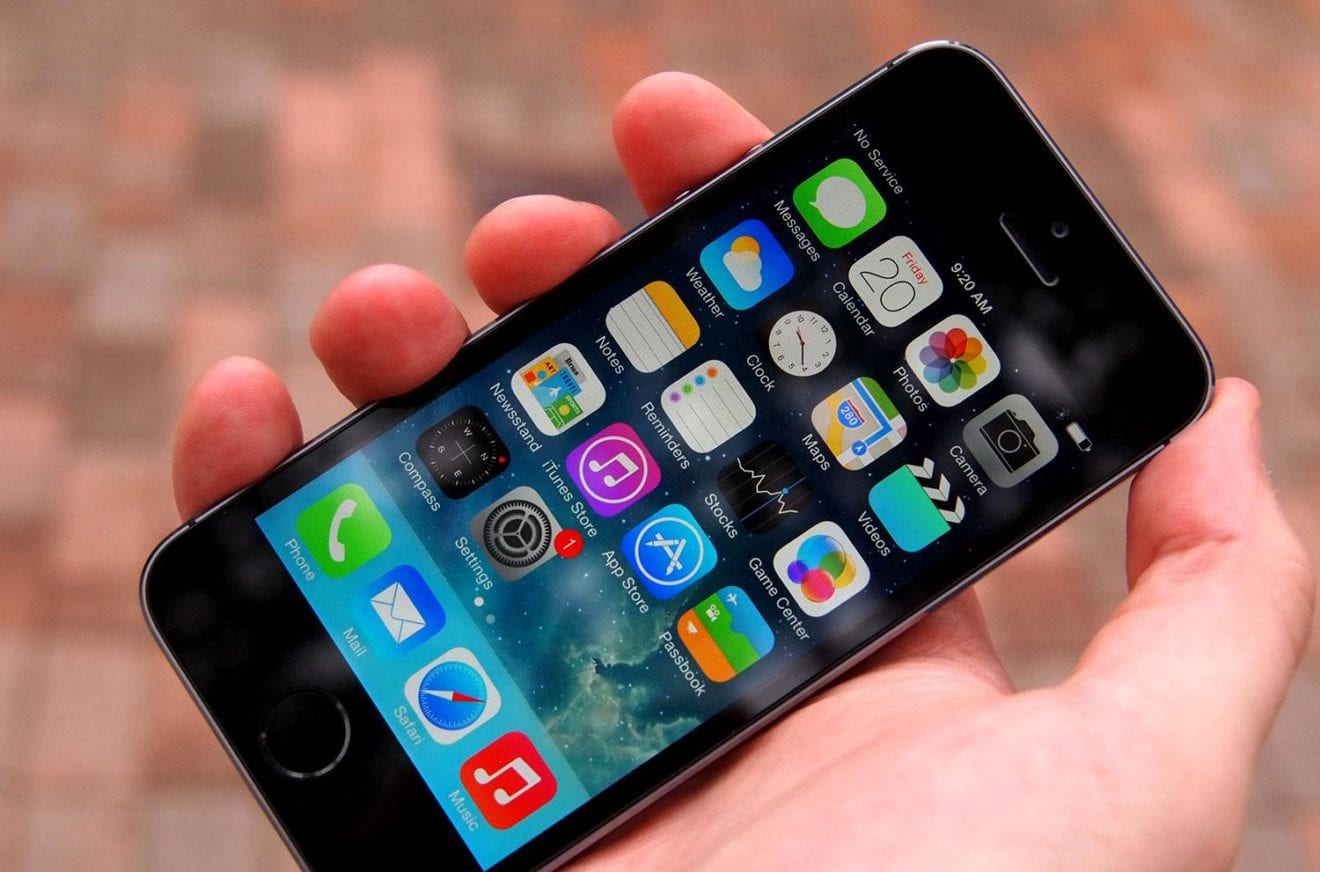
    A major roadblock to Apple’s business, however, comes in the shape of local smartphone makers and other cheaper brands, as the country has a relatively lower income-scale than most of Apple’s other markets. But the tech giant has so far successfully weaved past this issue by enforcing aggressive price cuts on some of its older devices, such as the iPhone 5s. Even the iPhone 6s/6s Plus models were sold under various discount packages, and this pricing flexibility helped increase product availability across all third-party distributors.

    With the company reporting stagnant growth in global smartphone sales in its earnings release, due to increasing consumer product upgrade lifecycles, India may just be the bailout it seeks. The company aims to turn around faltering handset sales with the new iPhone 7. Establishing stores in major population centers such as Delhi and Mumbai can help it attain greater traction when the smartphone launches.

  • Oppo, Vivo snap at Apple’s heels in China

    Oppo, Vivo snap at Apple’s heels in China

    Beyond China few may have heard of Oppo or Vivo, but these local handset vendors are rising up the rankings in the world’s largest smartphone market, using local marketing savvy and strong retail networks in lower-tier cities.

    Industry experts say these cities — there are more than 600 of them and some are bigger than many European capitals — are the next smartphone battlefield as China’s major cities are saturated.

    International brands such as Apple and Samsung Electronics have mostly not yet reached this part of the market — which accounts for more than 56% of China’s overall consumption, according to Beijing All China Marketing Research.

    In an economy growing at its slowest pace in a quarter of a century, buyers in these smaller cities – with populations of up to 3 million – tend towards cheaper phones, which is good news for Guangzhou-based Oppo and Vivo, as well as Meizu Technology Co, an affiliate of Alibaba Group Holding Ltd.

    “Oppo and Vivo have already overtaken Samsung and ZTE Corp in China, and are working to chase down the big three of Huawei, Xiaomi and Apple in 2016,” said Strategy Analytics analyst Neil Mawston.

    Selfies, gimmicks
    To be sure, these lower-priced newcomers lack the firepower of the premium brands, and operate on razor-thin margins or at losses. They need mass volume sales to keep going, the industry experts said.

    Oppo sold 10.8 million smartphones, giving it a 9% market share and a top-5 ranking, in the fourth quarter of last year, according to Strategy Analytics — even as the overall China market slipped 4%.

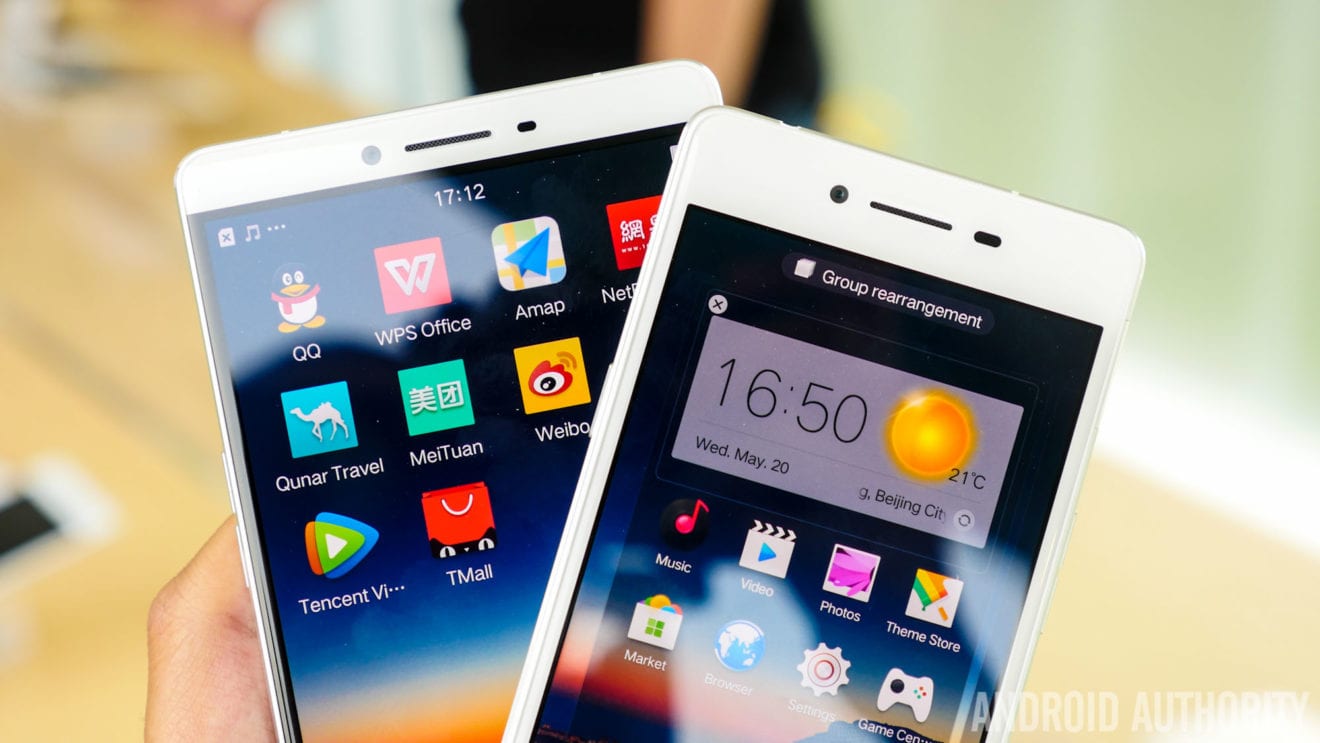
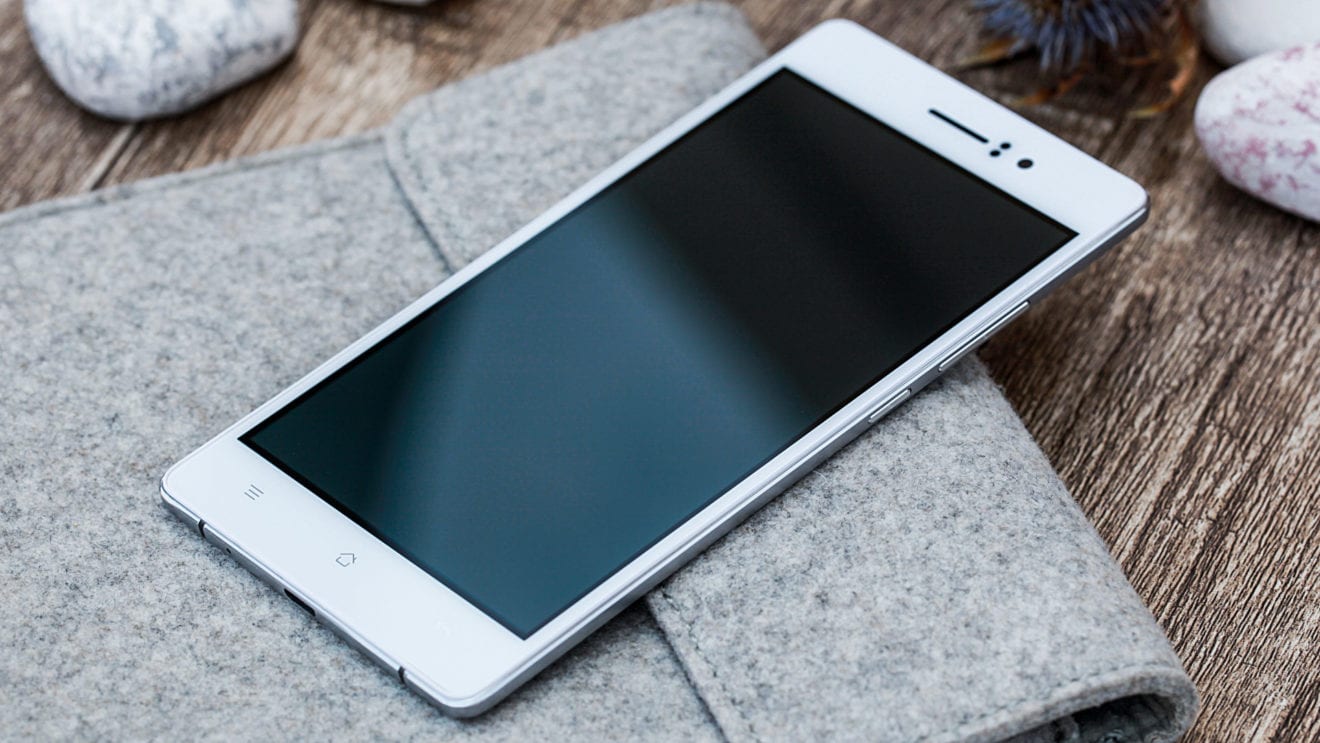
    Oppo’s R7 smartphone, priced at 1,999 yuan ($304), touts itself as a “selfie expert”, with a bigger screen than the iPhone 6s and competitive camera resolution.

    Vivo ranked fourth with 10% market share, below Apple’s 13%.

    The growth among these younger vendors comes as Apple, Xiaomi and others struggle to maintain momentum in a market swamped with smartphones and fading economic growth.

    Analysts say the newcomers run eye-catching marketing gimmicks, including sponsorship with local TV shows, and have extensive retail networks in lower-tier cities.

    “There’s only so much the international firms can do when it comes to localized marketing in China,” said Nicole Peng at Canalys. “For foreign companies like Samsung, their marketing strategies don’t really cater to the Chinese consumer.”

    Sixth-ranked Samsung declined to comment.

    Apple last week forecast a first revenue drop in 13 years and posted the slowest-ever increase in iPhone shipments as the Chinese market showed signs of weakening.

    Challenges ahead
    China has nine of the world’s top-12 smartphone brands, with nearly a quarter of the market share, according to CounterPoint Research, but turning that into volume sales beyond China will be a challenge.

    Overseas, Chinese brands lack strong distribution networks and can run into intellectual property issues. Oppo is already in several Asian and Middle East markets, while Vivo is in Malaysia and India.

    And at home, Chinese device buyers are notoriously fickle, switching between brands in a cut-throat market. Regular price wars have seen ZTE and Lenovo Group frequently swap places in the sales rankings.

    “The lines between ‘high-end’ and ‘low-end’ devices is blurring, which leaves price as the sole differentiator for most mass market buyers,” said Sameer Singh, an analyst who blogs at Tech-Thoughts.net.

    “Brand image tends to be a lagging indicator of customer experience, i.e. as the latter improves, so does word-of-mouth and consequently brand image. I think that’s what we’re seeing with Chinese brands today.”

  • Apple’s Tim Cook confirms intent to set up retail stores in India

    Apple’s Tim Cook confirms intent to set up retail stores in India

    Weeks after we revealed that Apple has applied to the government to set up its fabled stores in India, its chief executive officer Tim Cook has confirmed the same, signaling India’s elevation in the Cupertino-based smartphone maker’s consciousness as one of its key growth markets.

    In a townhall meeting with Apple employees held at Infinite Loop headquarters in Cupertino in the days following the first quarter earnings, Cook said that Apple was in “early preparations” to bring its retail stores to India, according to report by 9to5Mac, which tracks developments at Apple very closely.

    Cook singled out India as “one of Apple’s most important growth areas for the next decade”, underlining its importance given its favourable demographics and surging smartphone sales.

    Apple’s top boss also said India unlike many emerging markets had 4G mobile services and it which therefore “gives Apple the opportunity to push its latest devices to regions like India”.

    Cook also fielded audience questions, attempting to reduce concerns related to the company’s iPhone dependence, and discussed porting more Apple services to Android and releasing cheaper iPhones to appease growing markets.

    India is the world’s fastest growing smartphone market, having surpassed the US in 2015 as the second largest by unique active users worldwide. This would make a strong case for Apple’s famed retail stores, distinct for its look, feel and customer experience, to come up as the brand enjoys a very strong aspiration value, especially among the youth.

    Apple has applied for the single brand retail license, which once granted, will allow it to open its own stores here. Currently, Apple sells its iPhone, iPad, Mac and other products through third-party resellers in the country. But with the government easing up foreign investment rules on single brands and relaxing mandatory local procurement conditions for high-tech companies, the doors are now open for Apple to make a direct foray.

    Apple posted its best ever quarterly sales in India recently, with volumes crossing 800,000 units for the three month period to end-December 2015. During this period, sales in developed markets faltered. Revenue in India surged 38%, albeit on a smaller base, compared with 11% growth in overall emerging markets and 14% in Greater China, its second-largest market after the US.

    iPhone sales volumes grew 76% in India compared with 45% in Korea, the Middle East and Africa, 20% in several western European countries and 18% in mainland China, in the October-December quarter.

    “During hard times like now, it provides an opportunity to invest in newer markets such as India where there are long-term prospects,” Cook said during the first quarter earnings last month, acknowledging the potential of the Indian market.

    “India is quickly becoming the fastest-growing BRIC nation, the third-largest smartphone market behind China and the US, and the median age of the population is 27 compared to 36-37 in China,” he added.

    Apple has been making aggressive price cuts on older devices such as iPhone 5s and even cut prices on iPhone 6s and 6s Plus models after consumers were deterred by the high cost of new models. It’s also increasing availability, including online besides giving greater flexibility to retailers and distributors on pricing.

  • Hang Lung Properties’ net profit sinks 56 per cent on lower property sales in Hong Kong

    Hang Lung Properties’ net profit sinks 56 per cent on lower property sales in Hong Kong

    Hang Lung Properties chairman Ronnie Chan Chichung said on Thursday the developer cut its final dividend for the first time in 16 years amid weak sales in Hong Kong and the poor retail outlook in China would be a headwind over its prospects going forward.

    On Wednesday, Hang Lung said core earnings plunged 56 per cent last year -the largest fall in terms of percentage points since 2011 – to HK$4.38 billion.

    It owns a portfolio of eight shopping malls in the mainland which are occupied by high to mid-end retailers such as Apple, Prada, Louis Vuitton.

    “The cut in dividend was not because of the question of cash flow as we have cash reserve of more than HK$30 billion. The board wanted to send out a message to our shareholders about the grim market outlook,” he said.” We do not know when spring will come back.”

    The cut in dividend will only save HK$44 million.

    His remarks come a day after Apple forecast its first revenue drop in 13 years and reported the slowest-ever increase in iPhone shipments as the critical Chinese market showed signs of weakening.

    IPhone sales were expected to fall for the current quarter compared with the same quarter last year, chief executive officer Tim Cook said on a conference call with analysts on Wednesday.

    Hang Lung is the first to kick off result announcement among developers and analysts said its performance could provide a guide for the prospects of the retail industry in the months ahead.

    Other major developers who own and operate shopping malls in China include Sun Hung Kai Properties, Wharf (Holdings) and Henderson Land Development.

    Mainland Chinese rents account for 54 per cent of Hang Lung’s HK$8.94 billion revenue, down 47 per cent from 2014. It declared a final dividend of 58 HK cents, 2 per cent lower than 59 HK cents in 2014.

    The last time it cut its dividend was in 1999.

    Chan said he was told by clients that sales in the second half were worst than the first-half of last year.

    “It is not an encouraging sign as the track record shows sales in the second half year used to be better,” he said. Many high-end brands in the second-tier cities were facing difficult operating environments with decreasing sales.

    “Some even exited from the market entirely, causing occupancy of our Forum 66 in Shenyang and Center 66 in Wuxi to retreat to 87 per cent and 72 per cent , respectively,” the company statement said.

    Its mainland portfolio recorded a revaluation loss of HK$266 million mainly due to lower valuation of the malls at Forum 66 and Center 66 in Wuxi.

    Thomas Lam, head of valuation and consultancy at Knight Frank attributed the lower revaluation reflected the malls generated less rental income from previous year.

    “Landlords of mainland malls are reeling from a double whammy,” he said.

    During the year, Hang Lung said property sales plunged 88 per cent to HK$1.19 billion from the sale of 63 apartments and some car parking spaces.

    Chan, however, said Hang Lung gross rental income in Hong Kong and on the mainland still edged up 7 per cent to HK$7.75 billion last year due to the benefitting from various asset enhancement.

    Net profit declined 56 per cent to HK$5.09 billion as a result of smaller revaluation gains on investment properties.

  • Apple turns to India as Chinese market weakens

    Apple turns to India as Chinese market weakens

    As red-hot sales in China show signs of cooling, Apple Inc executives are touting India’s growing appetite for iPhones.

    In an earnings call in which the company reported meager iPhone growth and forecast its first revenue drop in 13 years, the Indian market stood out as a rare bright spot for Apple.

    Sales of the company’s flagship smartphone climbed 76% in the country from the year-ago quarter, Apple CFO Luca Maestri said on the call.

    And Apple CEO Tim Cook suggested more growth is on the horizon, noting the median age in India is just 27.

    “I see the demographics there also being incredibly great for a consumer brand, and for people that really want the best product,” Cook said. “We have been putting increasingly more energy in India.”

    Growth in India is a tantalizing prospect as Apple grapples with the economic downturn in China, its second largest market. While revenue in Greater China rose 14% in the last quarter, Apple is beginning to see a shift in the economy, particularly in Hong Kong, Maestri told Reuters in an interview.

    India cannot immediately offset Apple’s woes in China, said analyst Neil Shah of Counterpoint Technology Market Research. The company averaged only about 450,000 smartphone shipments per quarter in India in 2015, compared with more than 15 million per quarter in China, Shah said.

    What’s more, nearly 70% of smartphones sell for less than $150, leaving just a sliver of the market for Apple’s high-end phones. The company’s smartphone market share stands at less than 2%, Shah said.

    But the Indian market seems to be turning in Apple’s favor. With 4G coverage spreading, Indian consumers will likely be more open to investing in smartphones, Shah said.

    Young consumers are already willing to spend heavily on the device at the center of their digital lives. As in China, Apple products are coveted status symbols.

    “The love for the iPhone is there,” said Carolina Milanesi, chief of research and head of US business at Kantar Worldpanel ComTech, a consumer research firm.

    Apple’s next task is expanding distribution in India, where its products are sold through third-party resellers. The company has filed an application with India’s Department of Industrial Policy and Promotion to open its own stores, an Indian official told Reuters earlier this month.

  • Apple China bracing for fall

    Apple China bracing for fall

    Even as it announces record revenues and net profit, Apple says it has sold fewer iPhones in the first quarter and is bracing for a fall in sales in its critical Chinese market.

    “It’s becoming more apparent that there are some signs of economic softness,” says CFO Luca Maestri. “We are starting to see something that we have not seen before.”

    He admits the tech giant is working in a “very difficult macroeconomic environment” and projects a further slide in iPhone sales for the second quarter, reports the International Business Times. Apple’s projected revenues indicate the company’s sales are about to fall for the first time in 13 years.

    Apple’s sales stumble was masked by the record corporate quarterly profit. Conlumino analyst Neil Saunders takes a close look at the latest Apple report in our international section.

    Apple sold 74.8 million iPhones in the first quarter, ending December 26, which is the first full quarter of sales of the iPhone 6S and 6S Plus. The 0.4 per cent growth in shipments was the lowest since the product’s launch in 2007.

    Maestri says that although Apple China revenue rose by 14 per cent in the quarter, the company is starting to see a shift in the economy, particularly in Hong Kong.

    Apple had record figures in the first quarter for both net profit ($18.36 billion, up from $18.02 billion) and revenue (up 1.7 per cent to $75.87 billion). Greater China accounted for 24.2 per cent of the total revenue, more than all of Europe combined.

    An indication of Apple’s popularity in China can perhaps be gauged by the dwindling number of fake Apple stores in the southern city of Shenzhen, some of which have been taken over by unauthorised outlets for local phone brands.

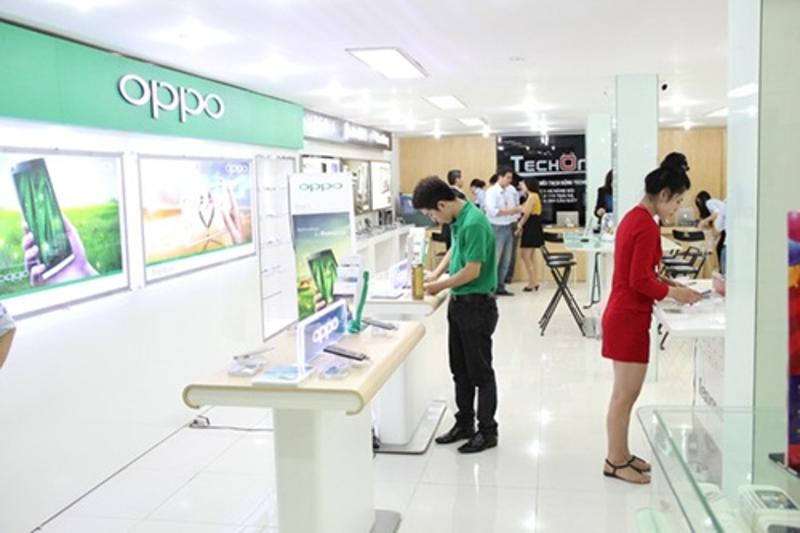
    In a street of gadget stores, copycat Apple outlets were not uncommon, complete with the latest iPhone models and accessories and uniformed staff. Only four months there were more than 30, but about a third of these have gone, reports Reuters. Instead of iPhones, some of these shops are now selling Huawei, Meizu, Oppo and Xiaomi phones.

    In fact, the iPhone has become a “street cellphone” – a Chinese term that means a widely available and popular product that lacks novelty value.

    “Using an iPhone is hardly something you can show off to people now,” a Shenzhen retailer told Reuters.

    In the US, iPhones are still popular, and 60 per cent of people who had an iPhone before the launch of the iPhone 6 have yet to upgrade, says the company.

    Meanwhile, the Indian market stands out as a rare bright spot for Apple with a growing demand for iPhones, reports The Indian Express.

    Sales of the company’s flagship smartphone climbed 76 per cent in India from the year-ago quarter, according to Luca Maestri.

    Apple CEO Tim Cook has suggested more growth lies ahead with median age in India being 27 years.

    “I see the demographics there also being incredibly great for a consumer brand,” he says. “We have been putting increasingly more energy in India.”

    India cannot immediately offset Apple’s woes in China, says analyst Neil Shah of Counterpoint Technology Market Research. Apple averaged about 450,000 smartphone shipments a quarter in India last year, compared with more than 15 million a quarter in China.

    Also, nearly 70 per cent of smartphones sell for less than $150, leaving  a slim market for Apple’s high-end phones. Its smartphone market share stands at less than 2 per cent, says Shah.

  • Apple sales stumble shrouded by record profit

    Apple sales stumble shrouded by record profit

    While it seems harsh to be negative about a company that has just taken $75.9 billion in revenue, the focal point of today’s quarterly update from Apple is inevitably the year-over-year growth rate. Here the rather lackluster 2 per cent uplift represents something of a misstep for a company that has built its reputation on impressive performances.

    It is certainly the case that a strong dollar diminished Apple sales growth, but even the increase of 8 per cent on a constant currency basis is fairly anemic when set against previous quarters. Of particular concern is the 4 per cent decline in revenue in the Americas, which remains Apple’s most important region in terms of sales.

    In our view, the fact that the weakest performance came from the most mature region with the highest levels of product penetration is no coincidence. The blunt truth is that Apple failed to persuade consumers to buy into its holiday product lineup in the way it has done in previous years.

    While there is no doubting Apple’s technical and design prowess, some consumers simply overlooked its new iPhone, seeing too few benefits over and above their existing models to convince them to upgrade.

    The new iPad, which even by virtue of its name was aimed at a more professional audience, also received something of a lukewarm reception among consumers.

    This translated into soft sales growth. Our own data show that this holiday was one of the weakest for personal electronics in recent history. Indeed, a number of players like Best Buy saw their own results dragged down by lower than normal demand for things like tablets – something that underlines the fact that when Apple sneezes, other retailers catch a cold.

    None of this is to diminish the impressive numbers, which continue to indicate that Apple is an immensely popular brand with desirable products, but it perhaps serves as an early warning that the company needs to work much harder at creating a step change in the new devices it launches. It must also ensure that these are squarely aimed at satisfying real consumer demand rather than internal egos: while Apple engineers may be excited about shaving a millimeter off the depth of a phone, such technicalities are far less appealing to everyday users.

    Fortunately for Apple, the lack of growth in the Americas was offset by continued strong growth in China, where product penetration is far lower and there is a much larger base of new consumers to capture. The same is also true of parts of Europe, although here the advancement in Apple sales was somewhat depressed by the strength of the dollar against local currencies.

    Nevertheless, the fact remains that 2016 is year when Apple needs to come up with revolutionary rather than evolutionary product. If it fails to do so, its growth is likely to be diminished still further.

  • Oppo, Vivo snap at Apple’s heels in China mobile market

    Oppo, Vivo snap at Apple’s heels in China mobile market

    Beyond China few may have heard of Oppo or Vivo, but these local handset vendors are rising up the rankings in the world’s largest smartphone market, using local marketing savvy and strong retail networks in lower-tier cities.

    Industry experts say these cities – there are more than 600 of them and some are bigger than many European capitals – are the next smartphone battlefield as China’s major cities are saturated.

    International brands such as Apple and Samsung Electronics have mostly not yet reached this part of the market – which accounts for more than 56 percent of China’s overall consumption, according to Beijing All China Marketing Research.

    In an economy growing at its slowest pace in a quarter of a century, buyers in these smaller cities – with populations of up to 3 million – tend towards cheaper phones, which is good news for Guangzhou-based Oppo and Vivo, as well as Meizu Technology, an affiliate of Alibaba Group Holding Ltd .

    “Oppo and Vivo have already overtaken Samsung and ZTE Corp in China, and are working to chase down the big three of Huawei, Xiaomi and Apple in 2016,” said Strategy Analytics analyst Neil Mawston.


    Oppo sold 10.8 million smartphones, giving it a 9 percent market share and a top-5 ranking, in the fourth quarter of last year, according to Strategy Analytics – even as the overall China market slipped 4 percent (Oppo) To be sure, these lower-priced newcomers lack the firepower of the premium brands, and operate on razor-thin margins or at losses. They need mass volume sales to keep going, the industry experts said.

    Oppo sold 10.8 million smartphones, giving it a 9 percent market share and a top-5 ranking, in the fourth quarter of last year, according to Strategy Analytics – even as the overall China market slipped 4 percent.

    Oppo’s R7 smartphone, priced at 1,999 yuan ($304), touts itself as a “selfie expert”, with a bigger screen than the iPhone 6S and competitive camera resolution.

    Vivo ranked fourth with 10 percent market share, below Apple’s 13 percent.

    The growth among these younger vendors comes as Apple, Xiaomi and others struggle to maintain momentum in a market swamped with smartphones and fading economic growth.

    Analysts say the newcomers run eye-catching marketing gimmicks, including sponsorship with local TV shows, and have extensive retail networks in lower-tier cities.

    “There’s only so much the international firms can do when it comes to localized marketing in China,” said Nicole Peng at Canalys. “For foreign companies like Samsung, their marketing strategies don’t really cater to the Chinese consumer.”

    Sixth-ranked Samsung declined to comment.

    Apple last week forecast a first revenue drop in 13 years and posted the slowest-ever increase in iPhone shipments as the Chinese market showed signs of weakening.

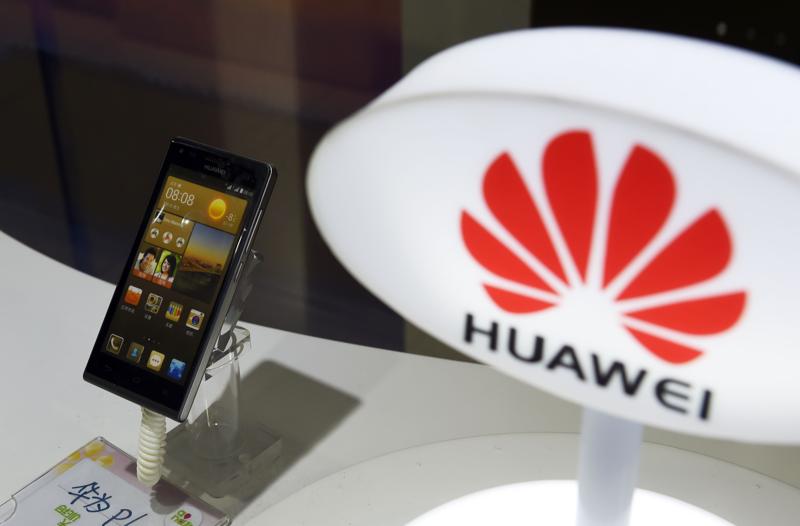
    A mobile phone made by Chinese telecom equipment maker Huawei is displayed in a store in Beijing. (AFP)

    CHALLENGES AHEAD

    China has nine of the world’s top-12 smartphone brands, with nearly a quarter of the market share, according to CounterPoint Research, but turning that into volume sales beyond China will be a challenge.

    Overseas, Chinese brands lack strong distribution networks and can run into intellectual property issues. Oppo is already in several Asian and Middle East markets, while Vivo is in Malaysia and India.

    And at home, Chinese device buyers are notoriously fickle, switching between brands in a cut-throat market. Regular price wars have seen ZTE and Lenovo Group frequently swap places in the sales rankings.

    “The lines between ‘high-end’ and ‘low-end’ devices is blurring, which leaves price as the sole differentiator for most mass market buyers,” said Sameer Singh, an analyst who blogs at Tech-Thoughts.net.

    “Brand image tends to be a lagging indicator of customer experience, i.e. as the latter improves, so does word-of-mouth and consequently brand image. I think that’s what we’re seeing with Chinese brands today.”

  • Strong Resale Market for iPhones Boosts Apple in China

    Strong Resale Market for iPhones Boosts Apple in China

    The Journal is detailing Apple Inc.’s remarkable success in China, particularly with the iPhone, and questions about Apple’s future as China’s economy slows.

    Part of that success stems from the strong resale value of used iPhones, which many consumers view as a way to narrow Apple’s price premium, compared with most other smartphones. Unlike in the U.S., most Chinese purchasers pay for the iPhone in full up front.

    Apple offers its own trade-in program at its retail stores in China, where it offers store credit for used iPhones. But there’s also a massive network of small shops that buy and sell used iPhones.

    In Chongqing, the biggest city in southwestern China, Luo Lishan operates a stall in the basement of an electronics market only steps from an Apple store. She sells new and used iPhones and says that a year-old iPhone in good condition can fetch 3,000 yuan ($450) depending on the model, while other brands’ phones usually go for less than 1,000 yuan.

    “The iPhone keeps its value better than other phones,” she says, as she puts a SIM card into a new iPhone 6S Plus for a customer.

    To protect the resale value, Chinese consumers use their phones differently than many in the West. For example, they make more use of Apple’s “Assistive Touch” feature, which is intended for people with disabilities who have trouble pushing the home button to control the phone.

    Chinese users who worry about wearing out the home button instead tap Assistive Touch, which appears among other apps as a dimly lit gray square containing a white circle surrounded by two rings. Enabling the feature offers on-screen shortcuts to access Siri, raise the volume and other actions.

    To protect the screen, many Chinese iPhone owners also affix a screen cover. It’s so common that many electronics retailers affix the cover in the store at the time of purchase. Screen-cover vendors also set up booths outside Apple stores.

    Last October, a few weeks after Apple introduced the iPhone 6S and 6S Plus, hawkers waited outside Apple’s Sanlitun store in Beijing. Inside, Apple had sold out of metallic pink iPhones – a color Apple calls rose gold. Hawkers sold the hard-to-get phone outside at a mark-up.

    Prospective customers were directed to a man sitting on the steps next to the store. His job was to inspect the condition of an old phone offered for trade. If it was an iPhone, he’d check the screen for nicks and dings and look inside the phone software to verify details such as storage size and country of origin.

    After the inspection, he offered a price for the old phone. If the customer agreed to the price, the customer paid the difference between the cost of the new iPhone and the resale price of the old phone.

    After one trade, the man added the cash to thick bundle in his hand and tossed the old phone with other handsets purchased that day.


  • India And Southeast Asia Could Be The ‘New China’ For Apple

    India And Southeast Asia Could Be The ‘New China’ For Apple

    I first wrote about the potential of Asia for Apple in September 2014. My article, titled “Asian Growth sends strong bull message for Apple” met with a lot of critical comments that the Apple brand would never catch on in China. The people were too poor, the local competition was too strong, the political and legal hurdles were an insurmountable barrier, etc. Of course, such critics have been proved very wrong. In the company’s 2012 annual report, China was not even listed as a specific operating segment. China is now second behind the US in terms of operating income. Now everyone writes articles about how vital China is to the company.

    Apple’s Q1 2016 results showed the importance of international sales (66% of revenue) to Apple, and specifically the importance of Asia.

    The Americas: revenue decline of 4% to US$29.3 billion.

    Europe: revenue increase of 4% to US$17.9 billion.

    Japan: revenue decline of 12% to US$4.8 billion.

    Asia-Pacific: revenue increase of 4% to US$5.4 billion.

    Greater China: revenue increase of 14% to US$18.4 billion (and + 47% sequentially).

    India specifically, and Asia in general, now offer the same future potential for Apple as did China. Indeed, Asia is already realizing that potential for the company.

    India

    Of course, India is not exactly the same challenge as was China, but the similarities are very apparent. Again, the naysayers state the people are too poor, the local competition is too strong, and the political and legal hurdles (including rampant corruption at every level of society) are insurmountable. For the same reason this was a false argument in regard to China, it is a false argument in regard to India.

    China’s economic growth is indeed slowing. However, consumer demand is strong as China transitions from an industrial economy to a consumer-driven one. Apple will continue to grow there, but more slowly than the 84% growth in revenue it enjoyed last year. Despite all the talk of gloom and doom, in Q1 2016 iPhone unit sales in China did increase by 19%. Mac sales increased 27% year-on-year as the Apple “ecosystem” increasingly embeds itself in the country.

    The country forecast by the IMF to have the fastest growth of any major economy this year is India, at 7.5%.

    Of course India has the negative of a much lower GDP per head than China or of many other Asian countries. The IMF assesses Chinese GDP per head in 2015 at US$8,280. For India it has a figure of US$1,688. What this misses out though is the incredible wealth inequality in India. The middle class there is growing fast and has a strong culture of showing off brand affordability. General estimates are that by 2025 the country will have over 500 million people who can be called “middle class.” As Tim Cook commented in the Q1 2016 conference call, the median age of the country is only 27, the kind of demographic that economists love.

    As my October 2015 article pointed out, India is forecast to have 314 million mobile users by 2017, which would be the second-highest total of any country.

    Retail in India

    Despite the headlining and highly-paid Angela Ahrendts coming on board, Apple has been slow to ramp up its retail presence in Asia. Only about 10% of Apple’s worldwide total of stores are in Asia and Australia. Only in China has the pace of new stores been quickened. In total, 26 new stores are planned for China this year, doubling their current number. The latest of these, the 33rd, opened in Qingdao this week. Apple targets to have 40 stores open in China by the middle of this year. This still compares poorly with the 53 retail stores, for instance, in California alone.

    In India, retail could be vital for success. So far Apple has been handling the retail market in India through sub-distributors, but this has put their brand image in the hands of often not very competent third parties. Historically, retail has been difficult for foreign companies in India, but the Modi Government is relaxing the rules.

    Previously, single-brand retailers which were foreign-owned had to source 30% of their product locally. Additionally, there were heavy restrictions on the use by such companies of e-commerce. With these restrictions being loosened, in mid-January, Apple filed an application to open the first real Apple Store in the country. Just as Tim Cook personally led the political dance to get Apple established in China, so he has reportedly met twice with Indian Prime Minister Modi in the past six months.

    The India Market

    Almost identically to when Apple entered the China market, the smartphone market in India is dominated at present by Samsung (OTC:SSNLF) and by local manufacturers. We all know what happened in China when that was the case a couple of years ago.

    IDC estimates that in the third quarter of 2015, Samsung had 24% of the market and Lenovo held second place among imported phones. Apart from them, it was local manufacturers such as Micromax, Lava and Intex. This is ripe for Apple to follow their China strategy. That means supplying current new models to the wealthier middle-classes and their older models at a strongly discounted price to those who cannot afford the current model. Apple is already doing this in fact. As an example, the 6S originally sold for 62,000 rupees, while the 5S price was cut in early December to 24,999 rupees. This put it in a similar price bracket to the Samsung “A” and “E” series phones. Now the 16GB 6S has been further reduced to 48,499 rupees.

    Up to March 2015, Apple increased sales by 44% to over US$1 billion. It is expected that this figure will double in the year to March 2016. In Q1 2016, revenue increased 38% (or 48% in constant currency terms). iPhone unit sales increased 76%.

    Sales are growing from a small base, but retail expansion and a new concentration on India by Tim Cook should see sales take off in the next couple of years. An accelerated planned roll-out of 4G in India, just as we saw in China, will also help the company’s expansion. Interestingly in the Q1 2016 conference call, Tim Cook made specific reference to rising 4G penetration in China as a boost to Apple sales. No doubt the same is equally true of India.

    He also stressed the importance of emerging markets in general and LTE penetration to the future. He commented:

    “If you go outside of China into the other emerging markets, our share is much lower and the LTE penetration is so low…. it indicates to me that there is still a lot of people, a tremendous number of people in the world, that will buy smartphones.”

    The GDP per head differential with China will mean that India takes longer to reach the stratospheric sales figures we saw in China. Equally, the Apple ecosystem is not as strong in India and it will take time for iTunes and the App Store to become a way of life there.

    One potentially very bullish factor for Apple is the fact that their biggest manufacturing partner, Foxconn, has applied for manufacturing approvals in the country. This has led to obvious speculation that iPhones will be manufactured in the country, with all the myriad advantages that would bring. Foxconn is proposing to have 20 facilities operating in India by 2020 at an investment cost of US$5 billion.

    Elsewhere in Asia

    China may have a population of 1.4 billion and India 1.25 billion, but elsewhere in Asia the sheer mass of the addressable market is substantial. Figures of population of other Asian countries for 2015 and World Bank details of GDP per capita for 2014 illustrate the often-overlooked potential in Asia outside of China and India. In the Q4 2015 conference call, the company had stated that revenue increased 27% in that period for this region.

    There are over 1.8 billion people in Asia outside the behemoths of China and India. This potential is reinforced by the fact that these countries have the demographics that economists look for. That is to say, young growing populations with improving educational levels in countries with strong growth rates. This group of countries alone far exceeds the populations of US or of Western Europe.

    Below, I summarize just a few of the Asian countries where Apple’s footprint has grown strongly.

    Japan (population 127 million and GDP per capita of US$36,194) is the market in the world where the Apple ecosystem is generally considered at its strongest. In the Q4 2015 conference call, Apple had stated that Japan revenue increased 9%, not bad for a mature market. However in Q1 2016, revenue declined 12%, although in constant currency terms it was a decline of only 4%. This is still of some concern for Apple, and the figures seem to reinforce market rumors that the iPhone 6 and 6S were not so well received there in what is already a mature market for Apple.

    Indonesia (population 255 million and GDP per capita of US$3,491) and the Philippines (population 101 million and GDP per capita of US$2,872) are both seeing Apple sales grow strongly. Both have very young populations and the Philippines was the strongest growing economy in Asia last year. Apple is planning to invest in R & D facilities in Indonesia following new government regulations to come into effect in 2017. These will require overseas suppliers to include 30% of import value in their products from either local manufacturing or from software input. Official figures show that Indonesia imported US$5 billion worth of mobile phones in 2015. The real figure would be higher as it does not include parallel imports through Singapore.

    In Korea (population 49 million and GDP per capita of US$27,970), Apple has made significant inroads. This is despite Korea being the home market of the formerly all-powerful Samsung. At the Q1 2016 conference call, it was reported that iPhone sales increased 45% there.

    Thailand (population 67 million and GDP per capita of US$5,977) and Malaysia (population 30 million and GDP per capita of US$11,307) are seeing significant growth for Apple. Exact growth rates have not though been released by Apple.

    Vietnam (population 93 million and GDP per capita of 2,052) is an interesting study. The country was a long-time foe of the US and has a low GDP per capita of US$2,052. Yet, Apple opened a subsidiary there in October last year on the back of sales that had tripled in the first half of 2015. This will allow them to open their own store and sell directly to Vietnamese consumers. There are a startling 124 million cellphone subscribers in the country which shows the fast development in the country.

    Singapore (population of 5.6 million and GDP per head of US$56,284) will be seeing its first Apple store opening in 2016. With a GDP per capita higher than the US and a large re-export business, this is a strong market for the company. Apple Pay will be launched here in 2016. The other Asian destinations for Apple Pay this year will be China and Hong Kong.

    Different commentators may argue as to what extent these countries can have a substantial effect on Apple’s bottom line. There seems little doubt to me as to the strongly accretive effect on the company in the medium to long term.

    For 2016, the ADB (Asian Development Bank) has forecast GDP growth of 7.3% for South Asia, 4.9% for S-E Asia and 6.7% for China. Though lower than in some previous years, this is a lot stronger than likely growth rates in developed countries and will further narrow the gap between the two.

    Conclusion

    It should be only a matter of time before China is the single biggest market for Apple in terms of revenue. As Tim Cook said on the earnings call, the company is “maintaining our investment plans for China.”

    It is probably only a matter of time and demographics before the rest of Asia is Apple’s third biggest market in terms of revenue. This makes it false to argue that growth for the iPhone and other Apple products is limited because of the company’s high market share in its mature markets. Short term, currency fluctuations somewhat tempered Apple’s still healthy growth in the region, but that will not be a continuing long-term issue.

    These immature markets signify that Apple has very significant growth opportunities for years to come, as Tim Cook pointed out. The company may have been somewhat slow to roll out its retail footprint around Asia, but this now seems to be on the way. At the Q1 2016 results call, it was revealed that the company has US$215.7 billion in cash. US$200 billion of this is stashed off-shore. Retail expansion in Asia could well be the best use Apple has for a portion of this huge cash pile. This will help set up Apple’s long-term continuing growth in the region.
  • A bigger shoe may yet drop for Apple stock

    A bigger shoe may yet drop for Apple stock

    As analysts and investors eye prospects for Apple stock, many are drilling down on the company’s sales and earnings prospects in China, its biggest overseas market.

    On Wednesday, the company’s stock was down as much as 5 percent, a day after the tech giant reported disappointing sales of the iPhone and the slowest year-over-year growth ever for the blockbuster device. That news raised a red flag, since those sales account for two-thirds of Apple’s total revenue.

    In response, Apple CEO Tim Cook remained confident on the outlook for China. He noted that Chinese incomes are rising and their savings rate is among the highest on the planet. China’s consumers sent retail sales up 11 percent year-over-year in December — not very ruffled, for now, by the nation’s market turmoil.

    The question, for Apple, is whether that confidence can last: Cook noted in a conference call after Apple’s earnings announcement Tuesday that sales in Greater China, especially Hong Kong, began to “soften” in January. But for now, China’s consumers are the reason why Apple execs rattled off a list of eight nations and regions they were worried about, from Canada to Turkey, without mentioning China.

    “Young urban Chinese elites have savings, so they can afford it,” said Todd Lee, senior director of economic consulting firm IHS Global Insight.

    The damage was less for the simple reason that China’s consumers are relatively flush, even as the nation’s investment and export sectors are enduring shocks. Their savings rate is about 38.5 percent of income, and average per capita disposable income rose 7.4 percent in 2015, even as China’s financial markets whipsawed throughout the second half of the year.

    That’s also a reason why expectations are fairly high for the Jan. 28 report from Chinese e-commerce giant Alibaba, which RBC Capital Markets analyst Mark Mahaney said will boost adjusted profit per share by 31 percent. Consensus estimates are lower, calling for a 25 percent gain.

    Apple said its overall profit for the first quarter of its 2016 fiscal year rose 1.9 percent, to $18.4 billion, or $3.28 per share, from $18 billion and $3.06 a share last year. (The 7.2 percent gain in per-share earnings reflects stock buybacks that reduced Apple’s share count.)

    Sales rose 1.7 percent, to $75.9 billion, but would have been up 8 percent if the value of the world’s different currencies had stayed the same as last year, Apple said. “The difference is about the size of an average Fortune 500 company,” Cook said.

    iPhones’ average price was reduced by $49, to $691, by the rise in the U.S. dollar, which makes each sale in local currency abroad less valuable to U.S.-based shareholders. Currency is also the reason for about a third of the drop in revenue that Apple projected for the March quarter.

    By contrast, Apple’s Brazil sales fell because of a 40 percent drop in the Brazilian real that required Apple to raise iPhone prices there, dragging overall sales in the Americas 1 percent lower. Japan was down 12 percent, sales in Russia were hurt by the collapsing price of oil and the ruble, and the falling euro combined with Russia’s woes to turn an 18 percent European sales gain in constant currency into only a 4 percent as-reported gain. Apple now gets two-thirds of its revenue from outside the U.S.

    “Major currencies, such as the Canadian dollar, Australian dollar, Mexican peso and Turkish lira have declined 20 percent or more,” Cook said, adding that “$100 of Apple’s non-U.S. dollar revenue in Q4 of 2014 translated to only $85 last quarter due to the weakening currencies in our international markets.”

    Analysts had expected Apple to earn $3.23 a share on $76.6 billion in revenue.

    Shares of Apple rose modestly after the earnings were announced, then sagged as Cook and other executives talked on the post-earnings conference call with analysts. Having closed at $99.99, they slumped under $95 on Wednesday morning. The stock was above $120 as recently as November.

    “[The] negative reaction after hours reflect[ed] … a huge shift in tone as AAPL sounded more susceptible to China macro versus 90 days ago,” RBC Capital Markets analyst Amit Daryanani wrote.

    Apple’s relatively strong China performance isn’t an anomaly or tied to any Asian enthusiasm for a quintessentially American brand. China’s retail sales gains all last year were nearly five times the rate in the United States, where consumer spending has also been growing faster than the economy as a whole. According to Moody’s Analytics, China’s retail sales were up by double digits in every month of 2015.

    According to Lee of IHS Global Insight, China’s consumers have increased their spending at a fairly predictable pace in recent years, behaving much the same way when the investment side of the economy is growing faster than 10 percent as they are now, with overall growth reported at just under 7 percent in official statistics. Investors have openly questioned whether the official statistics exaggerate the health of China’s economy.

    The price of an iPhone is still stiff for Chinese consumers who make an average income of about $10,000 per three-person household, Lee said. But the average income of the top 20 percent of the population is about $23,000, making them the primary target of Apple’s continued push into China. And consumers in China still have enough savings to keep consuming — though that could change if markets there keep gyrating, he said.

    “It depends on the severity and the type of the slowdown,” Lee said. A slow, steady decline in growth wouldn’t be likely to spook consumers, but “if there’s a banking crisis that crushes the economy, all bets are off.”

    Not all bets. Long-term prospects are bullish enough that Apple isn’t planning to pull back on investing heavily in China, Cook said.

    “The middle class in China was less than 50 million people in 2010, and by 2020 it’s projected to be about half a billion,” he said.

    But in a possible sign that even Apple is hedging its bet on China, Cook’s quickly changed the topic to India — which has a younger population and lower smartphone penetration than China, and where Apple boosted sales 38 percent.

    “India is incredibly exciting,” Cook said. “It’s quickly becoming the fastest-growing BRIC country.”

  • Apple seeks nod to open India stores amid concerns of slowing sales growth

    Apple seeks nod to open India stores amid concerns of slowing sales growth

    Apple sells its iPhones, iPads and Macs in India through third party resellers, and industry analysts estimate that the Cupertino, California-based company has less than a 2 percent share in India’s smartphone market, dominated by cheaper brands.

    The company has filed an application with India’s Department of Industrial Policy and Promotion to open its own stores, Amitabh Kant, secretary at the federal trade ministry unit told Reuters.

    Apple also confirmed the application filing, but declined to give details.

    Its expansion plans in India come at a time when concerns about slowing growth in the United States and China, the world’s most important market for smartphones, have weighed on the company’s stock in the last few months.

    Shares in Apple, the world’s most valuable company by market value, are down 28 percent from their peak in April last year.

    The company operates more than 450 stores in 18 countries. Chief Financial Officer Luca Maestri told Reuters in October that Apple had 25 stores in China and was opening a new one roughly every month.

    Its plans for India have been held back due to restrictions on foreign investment in the retail industry, which require single brand overseas retailers to buy close to a third of the goods sold at their stores from local producers.

    Apple representatives held talks with Indian government officials about a relaxation of the 30 percent local-sourcing norms before filing the application, said a source familiar with the company’s plans.

    Apple’s plans come against the backdrop of initiatives unveiled by Indian Prime Minister Narendra Modi, who met with Apple chief Tim Cook during his U.S. visit last year, to boost foreign investments in India.

    In November, the government eased foreign investment norms in 15 major sectors, including relaxing the mandatory local-sourcing rule for foreign single-brand retailers in the case of “cutting-edge technology” products.

    Kant said his department would examine Apple’s application in view of the changes made for local sourcing.

    For years, India has been a low priority market for Apple as spending power is weaker than in China, where the company’s iPhones swiftly became must-have devices after their 2007 launch.

    But Apple is now looking to boost its market share in India’s rapidly growing market, and the company’s recent growing spend on advertising in the country has indicated an aggressive campaign to sell more.

    India is likely to overtake the United States to become the world’s No. 2 smartphone market in 2017, according to research firm Strategy Analytics. The local smartphone segment is dominated by Samsung Electronics and India’s Micromax.

  • First Singapore Apple Store starts construction

    First Singapore Apple Store starts construction

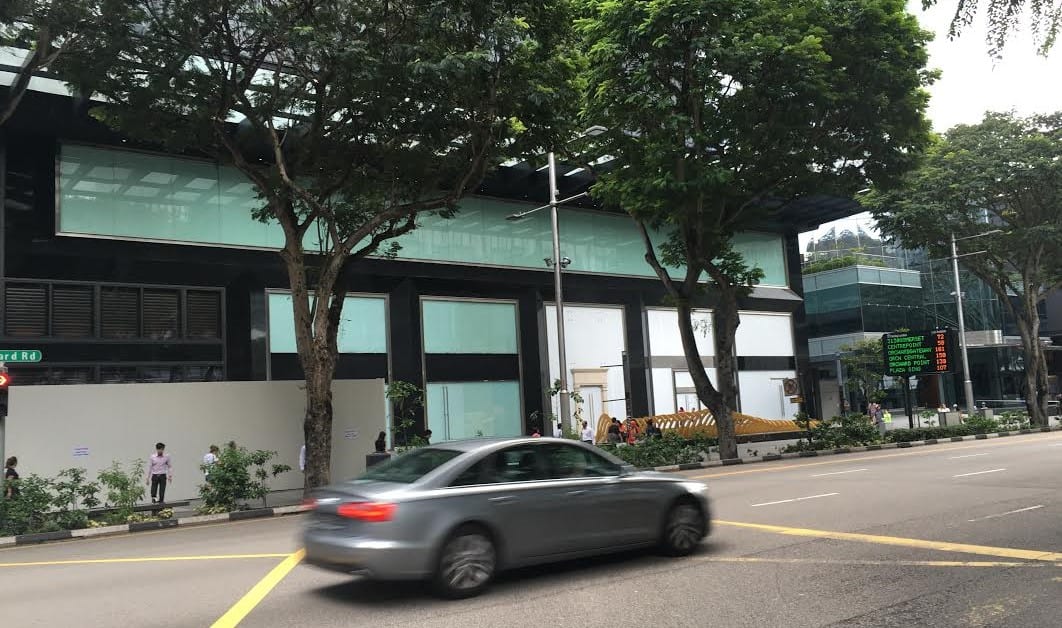
    Singapore’s first Apple Store is taking shape on Orchard Road – not that anyone would notice.

    To keep the design a secret ahead of its grand opening later this year, the company is taking its usual security of measure of keeping the site under wraps, reports iphonehacks.com. There is no sign of the Apple logo.

    In the Knightsbridge retail centre, the store was previously the Pure Fitness gym, which vacated last month. Nearby stores include Tommy Hilfiger and Tangs.

    Despite its low-key approach, Apple has confirmed it will be opening its first retail store in Singapore. “We have more than 900 incredible employees working in our Singapore contact center and are thrilled to begin hiring the team that will open our first Apple Store in Singapore,” Apple retail guru Angela Ahrendts said in a statement last year.

    Iphonehack.com says the debut Singapore store may be powered by renewable energy, possibly solar power. Meanwhile, Apple has posted job vacancies on its website, including business manager, business specialist and Apple Store leader.

  • Apple Should Open More Outlets in China

    Apple Should Open More Outlets in China

    Apple has seen robust sales in China despite the country’s worsening economic situation. Last quarter, revenues from Greater China grew 99% year-over-year, confirming the management’s opinion that China sales have been strong. Chinese economic slowdown concerns have emerged yet again and it remains to be seen whether Apple will continue its strong performance in the region.

    In its latest note to investors, BofA/Merrill Lynch contends that Apple should open more retail stores in China if it wants to increase market share in the country. The idea is based on Merrill Lynch’s survey of 1,000 respondents across China, which was done to find a correlation between retail store presence and iPhone share/iPad ownership in the region.

    Through a regression analysis, the firm found high correlations between retail store presence and iPhone share and iPad ownership. Of the survey respondents, 24% own iPhones while 39% said that they intend to buy one, which shows that Apple could gain further share.

    Merrill Lynch notes that Apple currently has 26 outlets opened in 11 regions across mainland China. The company intends to increase that number to 40 by the middle of this year. Apple has also announced that it will open two more retail stores in January in Guangzhou (Guangdong region) and Nanjing (Jiangsu region). The firm’s analysis suggests that the four new store launches in January can generate an additional 2.99 million units.

    “We believe these store openings could lead to incremental iPhone units sold in the regions and help Apple continue to increase share in broader China,” analysts at Merrill Lynch said.

    In a prior research note, Merrill Lynch had upgraded Apple shares from Neutral to Buy. The firm said that its upward revision in the rating was based on the launch of iPhone 7, potential roll-out of iPhone 6c (5e), and increase in capital return program in April.

    Apple is expected to release its first quarter fiscal year 2016 (1QFY16) results after the markets close on January 26. The tech giant is expected to report revenues of $76.7 billion and adjusted earnings per share (EPS) of $3.24. Merrill Lynch expects Apple to post strong China sales.

    Chinese stocks dropped significantly last August, pointing to slowing growth in one of the world’s biggest economies. Questions were put forth regarding iPhone’s growth in the region at that time. In response to this, CEO Tim Cook told investors that China business has remained robust.

    In the last earnings call, Mr. Cook told the Street that he doesn’t believe Apple’s results in China are heavily dependent on small changes in growth in its economy. He further stated that in light of the number of customers coming into Apple stores and sales trends, it is hard to say that there is an economic slowdown in the country.

    According to the data from Strategy Analytics, China currently comprises 20% of Apple’s total iPhone unit sales. Hence, if Chinese sales are strong, it is very likely that Apple could overcome the tough comps set by the highly successful iPhone 6 and 6 Plus lineup.