Retail News CRM

Tag: apple

  • How big is Apple’s green initiative in China?

    How big is Apple’s green initiative in China?

    It’s not easy to convey the scale of the two initiatives Apple announced today to reduce its carbon footprint in China—Building 200 megawatts of solar projects in the provinces on its own and partnering with its Asian suppliers to install another 2 gigawatts of new clean energy.

    Apple’s press release offered some helpful analogies.

    —The 40 megawatts of solar projects already completed in the Sichuan Province produce more than the total amount of electricity used by all of Apple’s offices and retail stores in China.

    —The 200 megawatts of solar projects planned for the northern, eastern and southern regions of China will produce enough energy to power 265,000 Chinese homes in a year

    The combined programs will avoid over 20 million metric tons of greenhouse gas pollution in China between now and 2020, the equivalent of taking nearly 4 million passenger vehicles off the road for a year.

    “Climate change is one of the great challenges of our time, and the time for action is now,” said Tim Cook, Apple’s CEO. “The transition to a new green economy requires innovation, ambition and purpose.”

    It also takes a lot of money. Apple achieved 100% carbon neutrality in its U.S. operations in part by generating its own clean energy and in part by buying credits from other clean energy providers. Now it’s doing the same in China.

    Not every company can afford that. Still, Apple is getting plaudits for leading by example.

    “We need governments and companies to transition us to renewable energy as rapidly as possible,” said Gary Cook of Greenpeace, an organization that played Apple’s scold not that many years ago. “Apple’s announcement today is a major step forward in building a renewably powered supply chain for its products.”

  • iPhone 6s hits store shelves in South Korea

    iPhone 6s hits store shelves in South Korea

    By Kim Seung-yeon

    SEOUL, Oct. 23 (Yonhap) — Apple Inc.’s two latest smartphones went on sale in South Korea on Friday, with the industry poised to keep close tabs on the market for possible overheating on the retail front.

    The country’s three major mobile carriers — SK Telecom Co., KT Corp. and LG Uplus Inc. — released the iPhone 6s and iPhone 6s Plus for sale via their respective retail stores nationwide.

    The iPhone 6s is available for 720,000 won (US$635) for the 16GB model and 1.14 million won for the 128GB, given the subsidy of about 130,000 won, according to the telecom companies.

    The price of the iPhone 6s Plus starts from 999,000 won and runs to 1.26 million won depending on the phone’s storage capacity.

    The mobile carriers each held a launching event for the new iPhone series earlier in the day, offering various promotions and free gifts to woo consumers.

    The release of a new iPhone series usually draws heated interest here among consumers, including Apple loyalists, and the entire industry.

    Huge demand for the new iPhones has been a trigger for the mobile carriers to risk giving large sums of rebates that passed the legal limit in order to steal customers away from rivals.

    In October last year, the government came up with a new handset subsidy law to curb the excessive paybacks. Yet it proved to be less than effective when the iPhone 6 series went on sales later in that month and retail vendors began to splurge subsidies.

    Industry watchers are paying close attention again this time as to how the market will response to the two upgraded iPhones, although many bet that there won’t be as much of a fuss as the previous releases due to tougher market conditions.

    The online presales of the iPhone 6s series, which ran through this week, ended in early closures as they sold out in the first few minutes of the start.

    Of the early purchases, 30.4 percent booked the new rose gold model, while preorders for the silver iPhone 6s Plus came in at mere 0.1 percent, according to one of the mobile carriers.

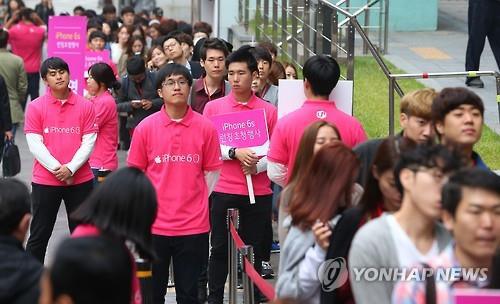
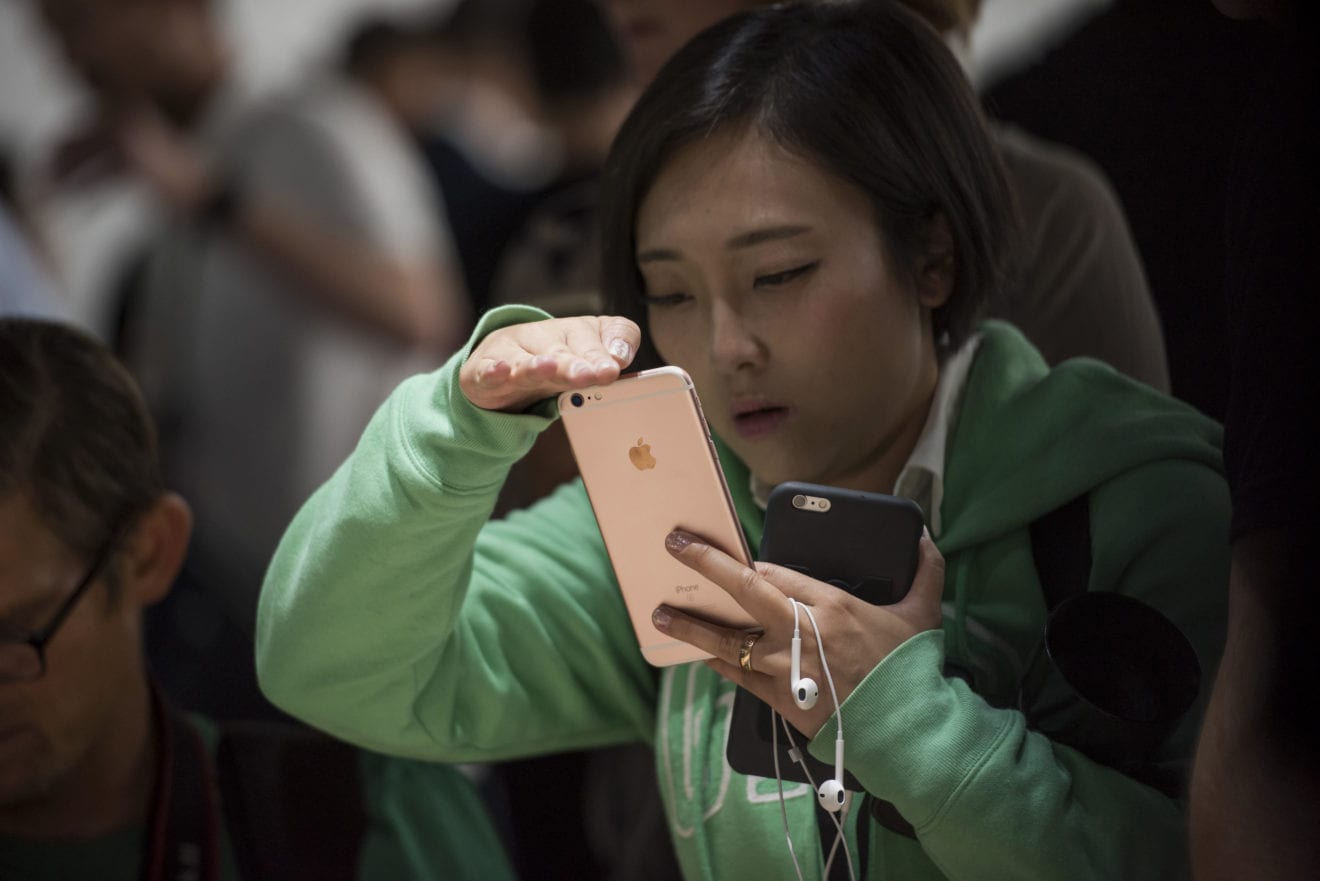
    Customers form a long queue to buy the new iPhone S6 series on the first day of its release in front of a direct retail store run by South Korean mobile carrier LG Uplus Inc. in Seoul, on Oct. 23, 2015. (Yonhap)

    Customers form a long queue to buy the new iPhone S6 series on the first day of its release in front of a direct retail store run by South Korean mobile carrier LG Uplus Inc. in Seoul, on Oct. 23, 2015.

  • Apple’s location for its official Singapore store confirmed?

    Apple’s location for its official Singapore store confirmed?

    Apple’s location for its first official store in Singapore might be confirmed in a press release… that was not released by Apple.

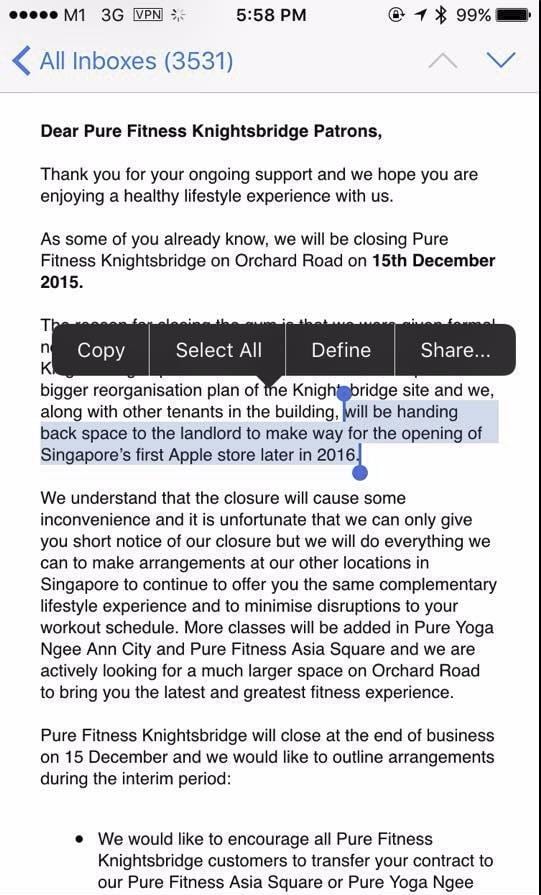
    The announcement started innocently enough: fitness chain Pure Fitness issued a statement saying it will be closing its branch in Knightsbridge, a distinctive retail building in Singapore. Oddly, it mentions in passing that “Pure and other tenants will be handing back space to make way for the opening of a new Apple store in late 2016.”

    We can only guess why Pure Fitness talked about Apple in the press release.knightsbridge

    Earlier, an email was apparently sent out to Pure Fitness customers stating the same news:

    apple pure fitness

    Apple has been seeking a retail space in Singapore for some time. We are reaching out to the company for comment.


  • Apple Inc. To Open The Largest Store In China Tomorrow

    Apple Inc. To Open The Largest Store In China Tomorrow

    Apple Inc. confirmed the upcoming launch of its 21st Apple Store in China, scheduled to open in Dalian on October 24, 2015. The latest retail outlet is situated in Parkland Shopping Mall on 19 Jiefang Road. Earlier in 2012, the iPhone maker claimed that the store in Dalian may potentially be the Apple’s “largest” retail outlet ever.

    The company’s new outlet is located in Dalian’s Zhongshan District, a populated area usually flooded with tourists from Japan, Korea and China. And it also serves as a popular port and financial center. Apple confirmed that the store was set to open its doors on Saturday at 9:30 AM.

    As Apple pursues its aim to open the “largest flagship store” in Parkland Mall, the company may also decide to transfer that title to its other upcoming retail outlet for Dubai, scheduled to open on October 29. The tech giant’s store in the Mall of Emirates also marks it as its first expansion plan in the Middle East.

    Apple is aware of its strong influence in Chine, and has been working on the Dalian project for past three years. Through this, it is clear that the tech giant takes China as one of its main consumer markets for Apple products. Even though Apple might not make its Dalian outlet the “largest” one, its former plans do so indicate that it may have other exclusive plans for its store in China.

    The company has also invited US locals to apply for potential jobs at the upcoming store, with recruitment beginning earlier this year. By introducing a new store in China, Apple may help create increasing job opportunities for local citizens as well. By providing customers with basic Apple Store services such as a Genius Bar, workshops, tutorials and more at the upcoming Apple Store, it is evident Apple is attempting to integrate its standard store elements into the upcoming branch to ensure it can authentically deliver according to its original standards and help boost its reputation even further in Chinese markets.

    By launching an Apple outlet in one of the most visited locations in Dalian, Apple’s plan may help it increase its user base even further. The company’s efforts to attract a larger target market is expected to be successful due to its easy access to numerous strangers and tourists who visit Parkland for shopping. The tech giant will be able to benefit from its store location and may attract foreigners to its variants, further promoting its services to a larger audience through its China retail outlet.

    Moreover, it is highly possible that Apple’s new store will help boost business for surrounding retailers as well, enabling the company to secure a relationship with Dalian businesses for future ventures. As far as its store in Dubai is concerned, the iPhone maker is deliberately choosing shopping plazas and malls to introduce its outlets, so that it can target wider audiences.

    It isn’t confirmed that the tech giant still plans to make its Dalian branch the “largest” outlet. However, the store’s launch this Saturday is expected to attract many customers from China, Korea and Japan.

  • Apple Stores set to enter India; teams up with Croma Retail

    Apple Stores set to enter India; teams up with Croma Retail

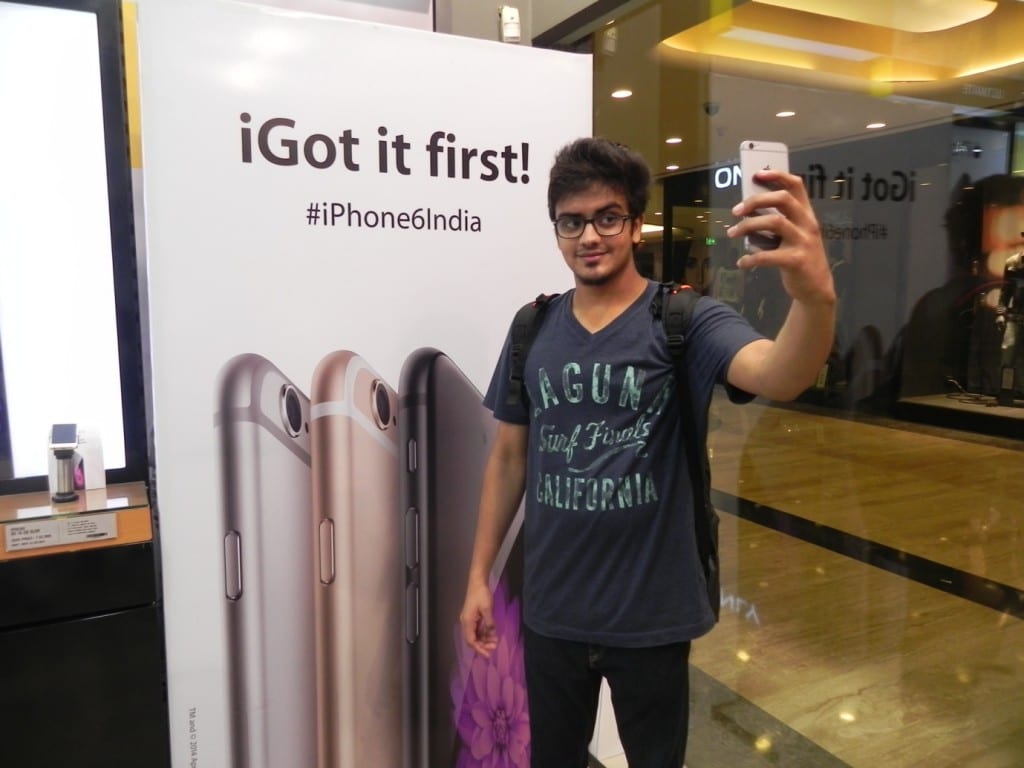
    Apple Stores will now officially enter Indian shores in partnership with Tata-owned consumer electronics chain Croma which will host Apple at six locations – five in Croma stores, Mumbai and one in Bangalore – to begin with. The locations are Juhu, Oberoi Mall, Malad, Ghatkopar, and Phoenix Mall in Mumbai. In Bangalore, it will be opened in Jayanagar. These stores will be opened by Diwali this year.

    Avijit Mitra, chief executive officer of Infiniti Retail, which owns Croma said, “We are proud to partner Apple to launch the Apple Store in India and extremely bullish about it. These stores will be modelled on the global design and will offer the best experience to consumers, showcasing the entire range of Apple products.”

    It should be pointed out that these stores will be different from Apple exclusive stores in India. Apple will not own these stores, but has franchisees who are premium re-sellers. Apple products are sold online via e-commerce portals as well.

    The Apple space will be 400-500 square feet in area and the store design, furniture, fixtures and lighting will the same as that used in Apple stores globally and the sales staff will also be trained by the company, the report added.

    Croma has stated that it has 97 stores across the country with 3.8 million customers where as Apple owns more than 460 stores in 17 countries. The company has significantly increased its retail presence in the country in the past year with five distributors in India.

  • Apple iPhone 6s Sales in China Below Expectations, Says Boutique Researcher J.L. Warren

    Apple iPhone 6s Sales in China Below Expectations, Says Boutique Researcher J.L. Warren

    Junheng Li with boutique research shop J.L. Warren Capital this morning opines that Apple‘s (AAPL) rollout of its iPhone 6s is failing to meet expectations, citing as the main reason a failure of the Chinese market to deliver.
    “According to information and/or data readily available from AAPL suppliers, we consider that the iPhone 6s initial launch in the 12 markets globally, is not meeting market expectations,” writes Li.

    Oddly enough, although Apple announced on September 28th that its first-weekend sales of the 6s beat last year’s 10 million for the iPhone 6, selling more than 13 million units, Li argues the result was underwhelming.

    “During the first week (including weekend) or 3 days post launch, we estimate ~13million units were sold. This number is lower than original expectations, largely due to an overestimated demand from mainland China.”

    Li cites some China market data from something called Gray Market Marker, which apparently collects the price of iPhones trading on the black market:

    AAPL launched the iPhone 6s simultaneously in Hong Kong and mainland China which cannibalized sales in HK. According to the largest grey market make [sic] a consumer electronics trading platform, the current spot prices for many models even on the launch data (9/30/2015) were below the official retail prices, unprecedented in the iPhone launch history. In total, we estimate that ~2.5-3 million of units of the 6s were sold in the mainland and ~1.5 units sold in HK. In comparison with previous years iPhone launches, when the mainland was not included in the initial launch, only 30% of the 6s purchases were from mainland, vs. 50% in previous years.

    (One point not addressed by Li is whether the premium can be expected to be lower, or even absent, precisely because the iPhone 6 was only available on the black market last year, having been left out of rhr first round of retail sales.)

    Li offers one explanation for why she thinks sales to China are below plan: “Since ZTE and Huawei already launched smart phones with 3D force touch, the new screen is not novel to Chinese consumers.”

    Li also offers some other tidbits, such as that the iPhone that comes in rose gold finish was the best seller, making 45% of sales.

    As for the outlook, she opines,

    We believe that China is the biggest moving piece for AAPL’s global sales in 2015, given it is about 20+% of the company’s global market and the demand for the iPhone is growing at ~20% according to our research. We currently project 200 million units of sell-in for iPhone 6/6+ and iPhone 6s/6s+ combined in 2015, which is 10million sell-through units lower than, the current street consensus.

    Apple shares today are down 81 cents, or 0.7%, at $110.50.

  • Apple launches new iPhone 6s and 6s Plus, available in Singapore on Sept 25

    Apple launches new iPhone 6s and 6s Plus, available in Singapore on Sept 25

    Apple unveiled two new iPhones – iPhone 6s and iPhone 6s Plus – during a special event held at the Bill Graham Civic Auditorium.

    As with any iPhone with a “S” moniker, the new iPhones are incremental upgrades to its predecessors.

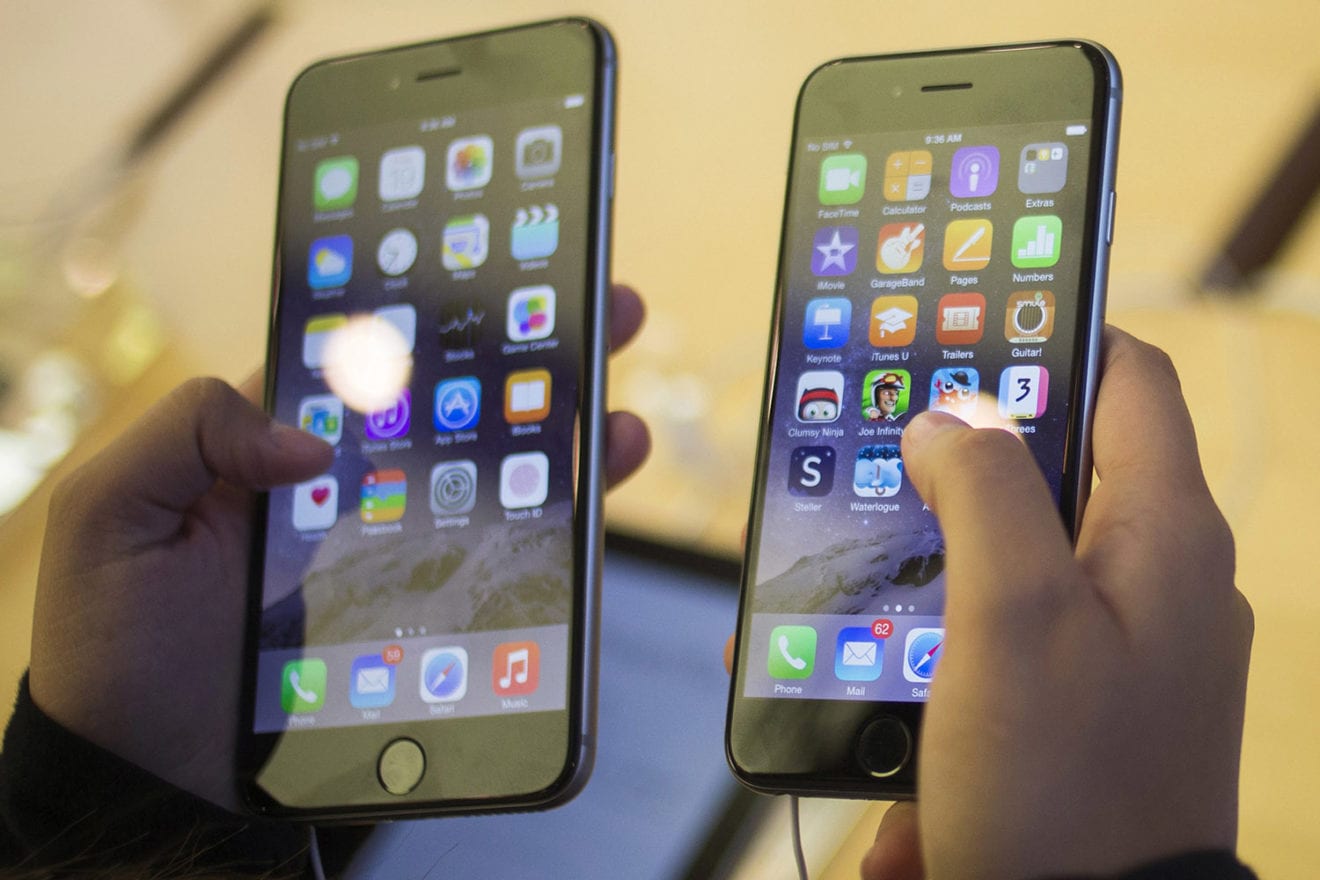
    The biggest feature being highlighted during the event is the 3D Touch, which is similar to Force Touch found on Apple Watch’s display.

    Users can press lightly on an app icon to bring up options that previously unavailable. For example, users can check in in Facebook without starting the app using 3D Touch.

    Both iPhones feature the new A9 processor and an improved 12-megapixel rear camera (up from 8-megapixel previously) that is able to shoot 4K (3,840 x 2,160 pixels) videos and Live Photos.

    Live Photos will display moving images of moments before and after the picture was taken.

    The front-facing camera gets an upgrade too with a better 5-megapixel camera that comes with Retina Flash (flash from display) for selfie lovers.

    In addition, it is now able to shoot panoramic pictures as well as slow-motion videos.

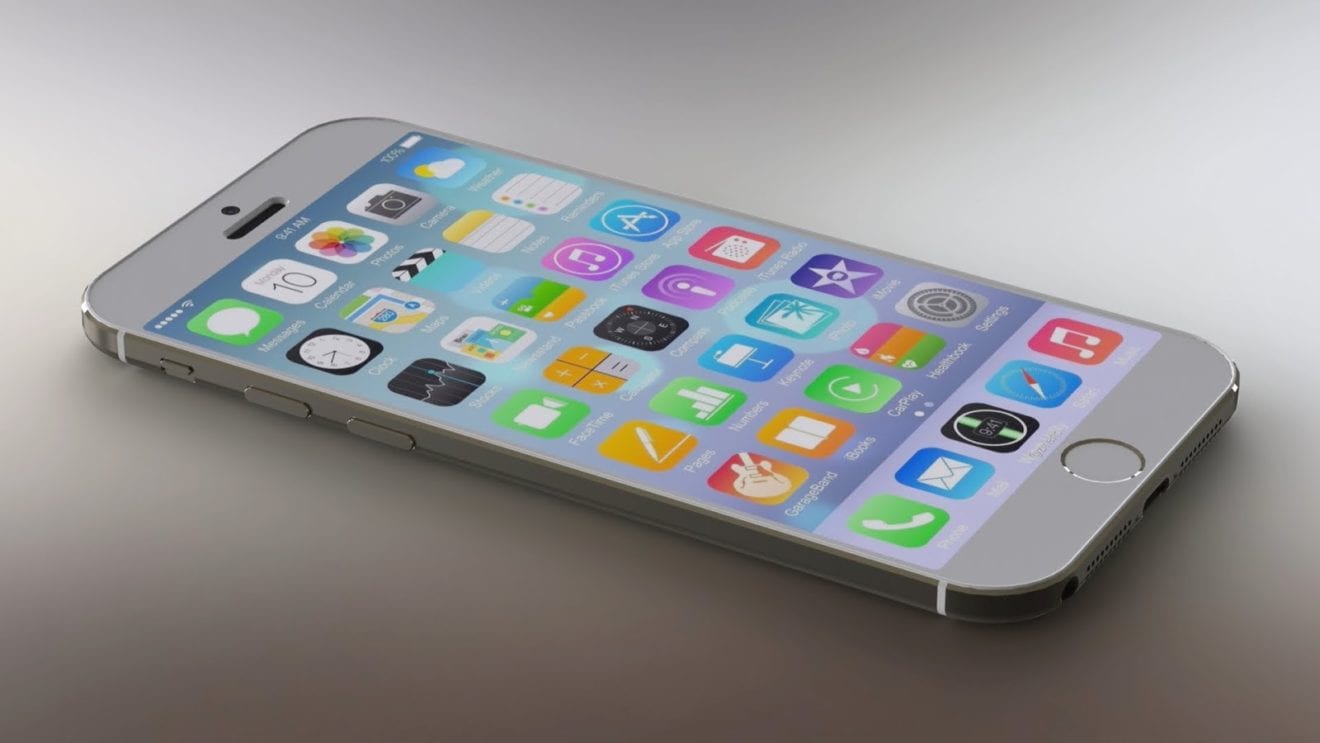
    Appearance wise, the new iPhones look exactly like its predecessors. The iPhone 6s still sports a 4.7-inch with a screen resolution of 1,334 × 750 pixels while the iPhone 6 Plus’ 5.5-inch display has a screen resolution of 1,920 x 1,080 pixels.

    However, both iPhones are slightly 0.2mm thicker than its predecessors with with the iPhone 6s measuring at 7.1mm and iPhone 6s Plus at 7.3mm. But they are now built with less-bendable 7000 Series aluminium shell to prevent the “Endgate” fiasco last year from happening again.

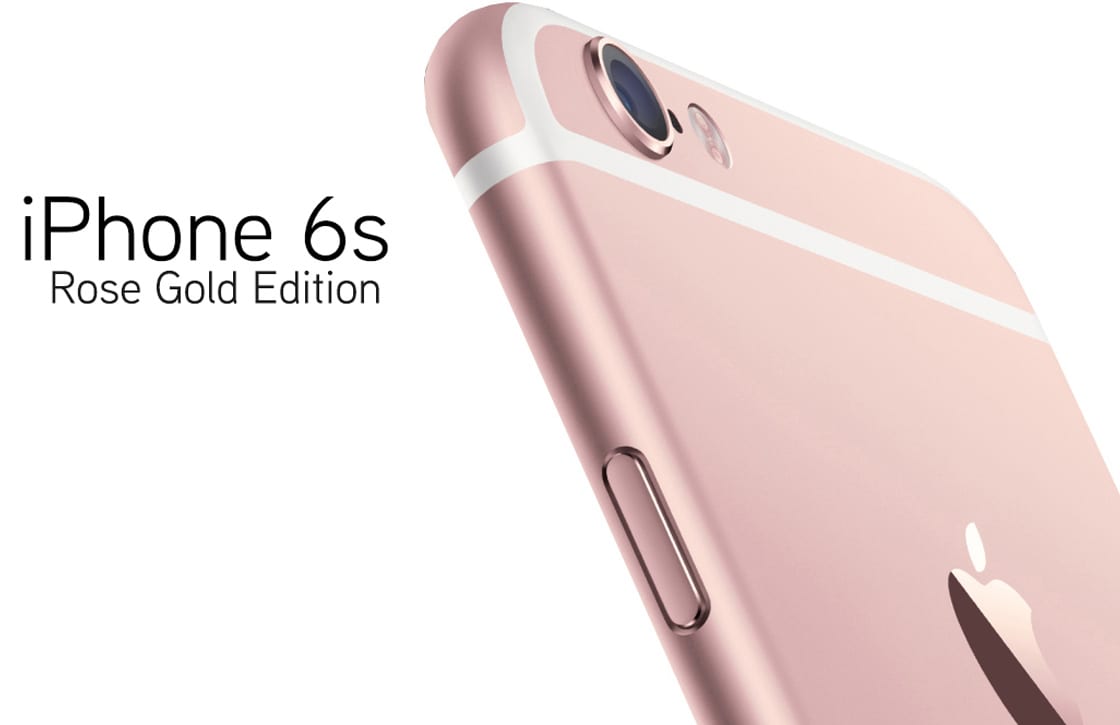
    Both iPhones now come in a new rose-gold colour to add to the existing gold, silver and space grey options. There is still no 32GB version for its new phones and the new iPhones will come in 16GB, 64GB and 128GB versions.

    The iPhone 6s will retail in Singapore starting from $1,048 (16GB) and the iPhone 6s Plus will start at $1,218 (16GB).

    Pre-ordering starts Sept 12.

    The new iPhones will hit Singapore’s shores on Sept 25.

  • 3 Hong Kong to sell iPhone 6s, iPhone 6s Plus for HKD 0

    3 Hong Kong to sell iPhone 6s, iPhone 6s Plus for HKD 0

    3 Hong Kong will launch Apple’s iPhone 6sand iPhone 6s Plus smartphones on the local market. Stating 25 September, 3 Hong Kong will offer the iPhone 6s 16GB and the iPhone 6s Plus 16GB for HKD 0 with a refundable deposit on the iPhone monthly plan.

    Customers will be able to acquire the iPhone 6s 16GB for HKD 0 for HKD 408 or above iPhone monthly plans. The iPhone 6s Plus 16GB will also be available for HKD 0 for HKD 498 or above iPhone monthly plans. The iPhone 6, iPhone 6 Plus and iPhone 5s will also be available.

    Customers who acquire the iPhone 6s and iPhone 6s Plus from 3 Hong Kong will be able to connect to the operator’s LTE network with VoLTE HD voice functionality. Users will also have internet access at 3 Hong Kong’s over 16,000 Wi-Fi hotspots.

    Customers can buy the iPhone 6s and iPhone 6s Plus at 3 Hong Kong’s retail shops and online at the iphone.three website.

  • The Apple-IBM MobileFirst Program Set to Launch in China

    The Apple-IBM MobileFirst Program Set to Launch in China

    In July 2014 the Apple and IBM global partnership was formed to transform enterprise mobility via the iPhone and iPad. The alliance formed MobileFirst. By mid-November the MobileFirst website was launched and began promoting the new apps that were being custom designed for key segments of business including Banking/Finance, Travel/Transportation, Retail, Telco, Insurance and Government. It has since expanded to Healthcare, Industrial Products, Law Enforcement, Energy/Utilities and Social Programs.

    It’s being reported today by Guanzhou’s 21st Century Business Herald that the Apple-IBM MobileFirst Enterprise program will be officially coming to China in the coming weeks. The program will reportedly begin with 10 apps aimed at the retail, insurance, financial, telecom and aviation sectors, as well as the government, and events will be held in Beijing and Shanghai to showcase the new products.

    The goal of the Apple-IBM MobileFirst was to have 100 apps finished by the end of this year. Thus far 32 of them are completed with more on the way. Guo Jijun, president for strategy at IBM Greater China, who is also in charge of MobileFirst in the country, noted that “IBM has also formed partnerships with companies, including Twitter, Tencent, SAP, Facebook and China Telecom, so the MobileFirst platform can integrate the strength of these businesses.

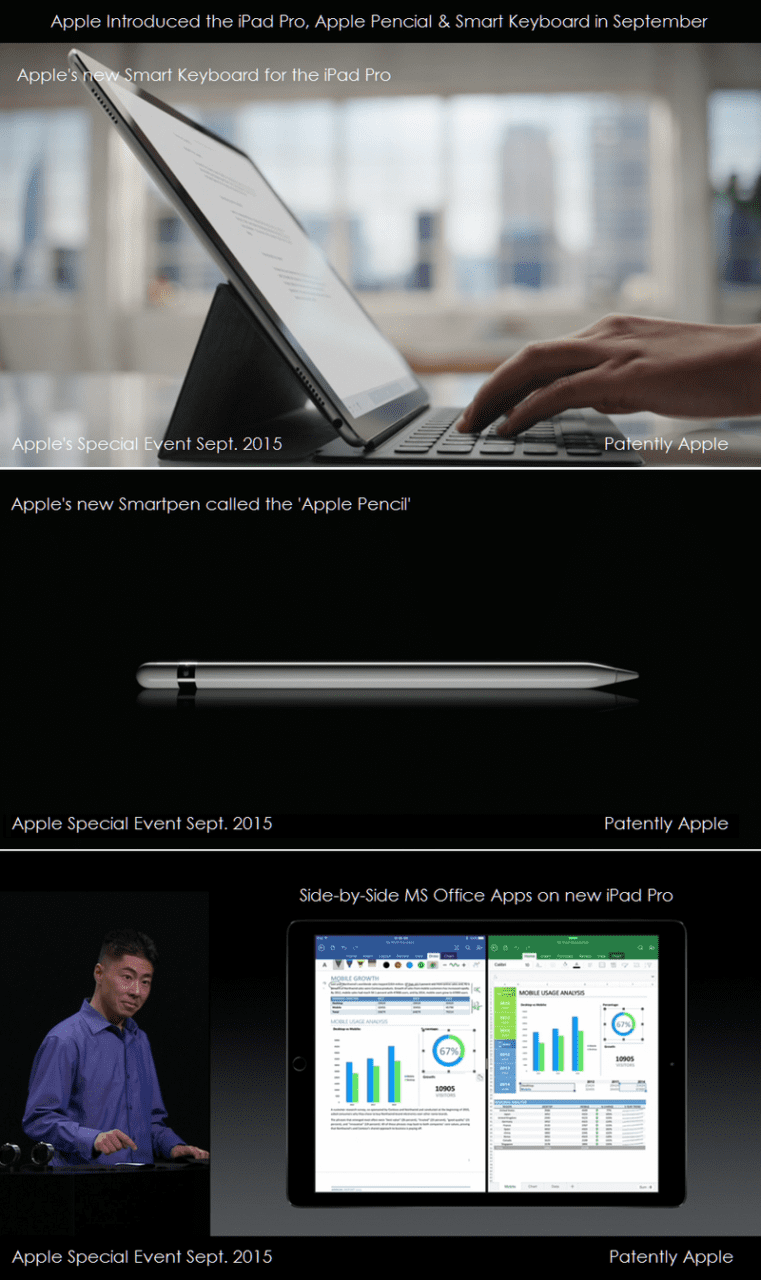
    Apple introduced the new iPad Pro on September 9 that now adds the ability to work with a new Smart Keyboard and a digital smartpen called the Apple Pencil to support  professional markets.

    2AF 55 APPLE IPAD PRO, APPLE PENCIL, SMART KEYBOARD

  • China’s fake Apple Stores alive and well, look to profit on iPhone 6s launch

    China’s fake Apple Stores alive and well, look to profit on iPhone 6s launch

     Thanks to lax copyright enforcement policies, growing demand for all things Apple and a lack of official retail channels, China’s fake Apple Stores are experiencing a resurgence on the back of iPhone 6s preorders.

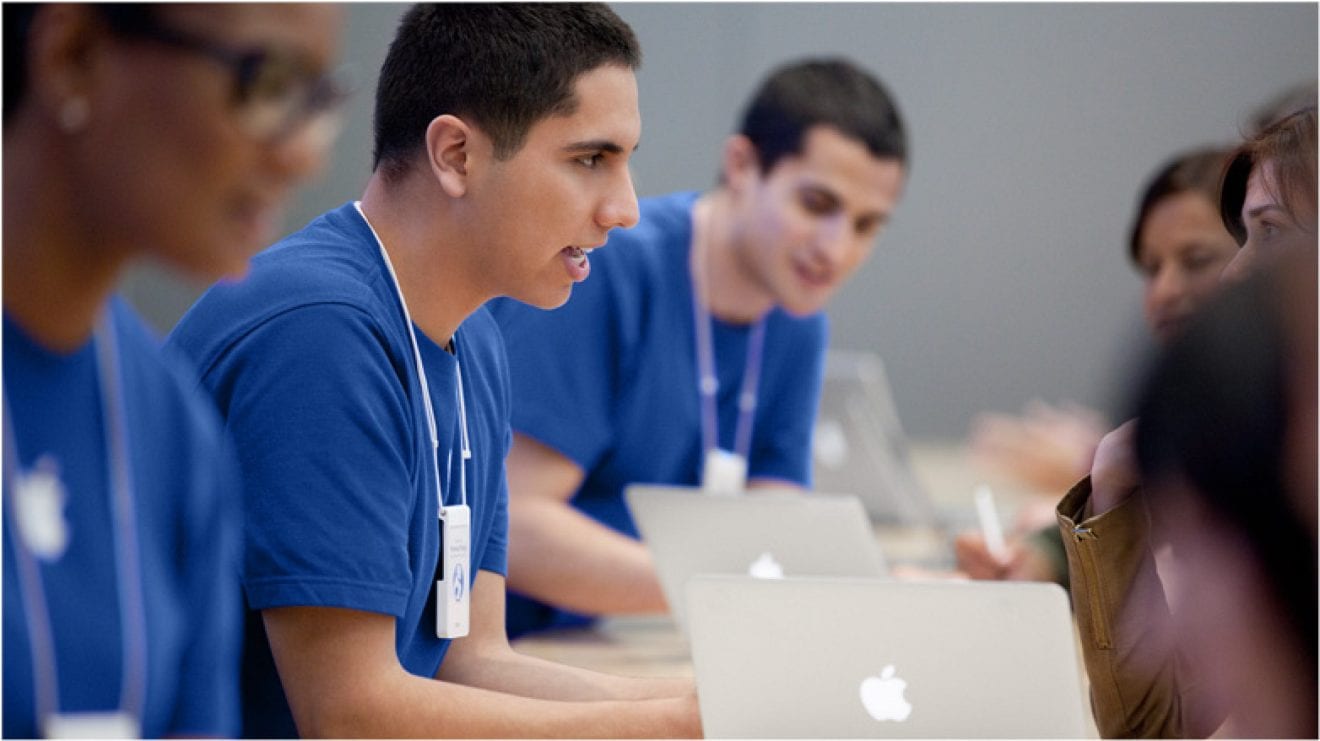
    In electronics manufacturing mecca Shenzhen, a major cog in Foxconn’s iPhone and iPad production machine, a multitude of counterfeit Apple stores are popping up to take advantage of Friday’s iPhone 6s release, reports Reuters. According to publication estimates, more than 30 storefronts bear Apple’s iconic logo, with some unauthorized outlets kitting out personnel with Apple Store-style blue t-shirts and lanyard name tags.

    As they have in the past, these counterfeit stores are taking advantage of China’s seemingly insatiable iPhone demand. Just hours after iPhone 6s preorders went live last week, Apple’s allotment for the Chinese market sold out, pushing buyers loathe to wait an extra two to three weeks toward unauthorized stores that buy stock from official resellers and flip them for a hefty profit.

    With iPhone viewed as a status symbol in China, many consumers are willing to pay more than double retail prices to get their hands on one the day it comes out. For some buyers the high costs are apparently worth the added cachet that comes with nabbing a copy on day one. Consumers in other markets are also keen to get their hands on Apple’s latest smartphone, but Chinese customers are especially zealous.

    The benefits are more concrete for resellers, who risk minimal retail overhead and an upfront investment by smuggling iPhones in from Hong Kong, the U.S. and other far-flung markets. If successful, however, they stand to haul in huge returns.

    Apple has for years dealt with counterfeit stores, an issue that gained media attention in 2011. While Chinese officials ultimately ordered a handful of operators to shut down, the unauthorized resale industry was never completely wiped out. Now with iPhone 6s, resellers are back in business.

    Part of the problem stems from an inadequate official retail presence in the region. Apple only had 22 stores serving all of China as of June. By comparison, there are 53 Apple Stores in California alone. The disparity is stands in contrast to China’s market potential, which is widely viewed as vital to Apple’s growth and sales sustainability. The company has plans to expand its retail footprint to 40 stores by 2016, however, the most recent being a second Hangzhou location in April.

  • Apple IPhone 6s, IPhone 6s Plus To Be Available At Retail Stores From Friday

    Apple IPhone 6s, IPhone 6s Plus To Be Available At Retail Stores From Friday

    Apple Inc. said Monday that its latest smartphones, the iPhone 6s and iPhone 6s Plus, will be available at the technology giant’s retail stores at 8 a.m. local time on Friday, September 25.

    The company also noted that more than 50 percent of existing devices have upgraded to iOS 9, its newest mobile operating software that was rolled out last week, marking the fastest iOS adoption ever.

    Apple said its retail stores will have the new iPhones available for walk-in customers, who should arrive at a store early. Both models will also be available on Friday from AT&T Inc. ( T ), Sprint Corp. ( S ), T-Mobile US Inc. ( TMUS ), Verizon Wireless, additional carriers and select Apple authorized resellers.

    Philip Schiller, Apple’s senior vice president of Worldwide Marketing said, “Customer response to the iPhone 6s and iPhone 6s Plus has been incredibly positive, we can’t wait to get our most advanced iPhones ever into customers’ hands starting this Friday. iOS 9 is also off to an amazing start, on pace to be downloaded by more users than any other software release in Apple’s history.”

    In early September, Apple unveiled its iPhone 6s and iPhone 6s Plus smartphones with a faster processor, new 3D Touch capabilities and an improved camera, seeking to woo customers ahead of the holiday season and to assuage investors that its flagship device still has the mojo to sustain growth.

    The phones, which look like their predecessors, are powered by A9 chip, have a new feature called 3D Touch that lets users make commands as well as avail shortcuts and menus by pressing down on the screen.

    Last Monday, Apple said it is on track to beat last year’s record for first weekend sales of iPhone 6 and 6 Plus, when sales breached the 10 million mark within just three days of its sales launch on September 19, 2014.

    The iPhone 6s and iPhone 6s Plus will be available in gold, silver, space gray and the new rose gold metallic finishes for $0 down, with 24 monthly installment payments that start at $27 and $31 respectively, from Apple’s retail stores in the U.S., Apple.com, select carriers and Apple authorized resellers.

    Both the smartphone models will also be available from Friday in Australia, Canada, China, France, Germany, Hong Kong, Japan, New Zealand, Puerto Rico, Singapore, the UK and the U.S. The iPhone will be available by reservation only in China, Hong Kong, Japan and U.S. stores in tax-free states.

    Starting this Saturday, September 26, customers will be able to visit Apple.com to reserve their iPhone for pick-up at their local Apple Store, based on availability. Apple noted that most Apple stores will also have iPhone available for walk-in customers each day.

    Every customer who buys an iPhone 6s or iPhone 6s Plus at an Apple retail store will be offered free Personal Setup to help them customize their iPhone by setting up email and show them new apps from the App Store.

    Apple-designed accessories, such as leather and silicone cases in different colors and Lightning Docks in color-matched metallic finishes, will also be available.

    While unveiling the iPhone 6s and iPhone 6s Plus earlier in September, Apple had said that the devices will come with iOS 9, which would be available as a free software update.

    iOS 9 brings more features to iPhone with a Proactive assistant that is similar to Android’s Google Now service, powerful search and improved Siri features, along with an improved security feature.

    Built-in apps on iOS 9 feature redesigned Notes app, detailed transit information in Maps, and a new News app that displays news from several sources.

    AAPL is trading at $114.33, up $0.88 or 0.78 on a volume of 4.44 million shares.


  • Apple retailer iBox to focus on regional markets

    Apple retailer iBox to focus on regional markets

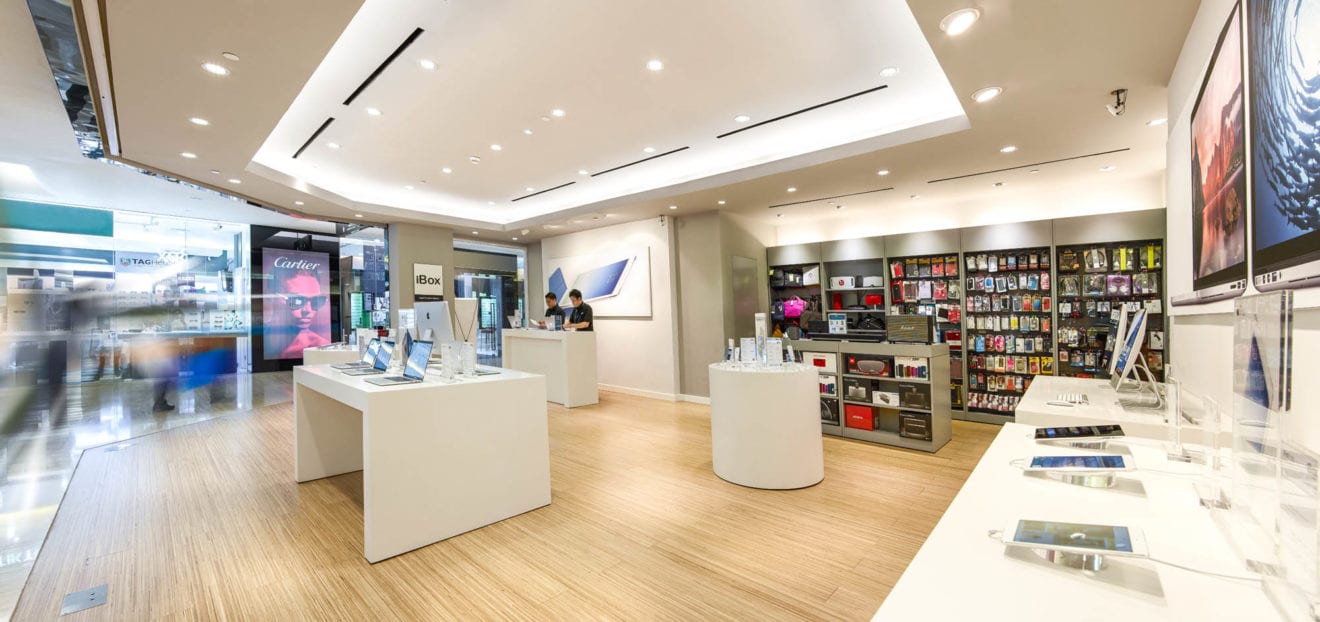
    iBox, one of Indonesia’s largest resellers of Apple products, plans to open six more retail stores by the end of 2015, mostly focusing on regional areas that are potential markets for Apple products.

    Cities on the retailer’s sights include Yogyakarta, Balikpapan and Manado, showing its effort to try and capture markets outside of major cities, particularly in Java.

    Herman Wong, director of iBox in Indonesia, elaborated that the retailer would increase the number of its nationwide retail stores to 48, from the current number of 42 to extend its reach within regional markets.

    He described the relative market for Apple products in Indonesia as still very segmented within the upper middle- to high-income bracket demographic, adding that a lack of proper awareness on the usage and capabilities of Apple’s hardware and software is what kept the giant US brand from settling in that segment.

    “For upper middle-income people in regional cities, their purchasing power would be slightly better than those of larger cities due to the lower costs of living and of goods in general,” he told on Tuesday.

    Herman also said that because Apple’s principal products, such as the iPhone and the iPad, were majorly based on data and Internet usage, and with many parts of Indonesia lacking adequate data infrastructure, Apple’ s national penetration remained very minimal.

    “Many Apple users in Indonesia are still concentrated within Java, particularly in major cities, where data infrastructure is more developed than in other areas. One way to expand awareness about Apple products is to also open training centers and provide training sessions on how to use the software and hardware,” he added.

    iBox distributes up to 40 to 45 percent of all Apple products in Indonesia. PT Data Citra Mandiri, a subsidiary of publicly listed cellphone distributor PT Erajaya Swasembada, is responsible for operating and supplying iBox stores.

    Regarding the availability of newer Apple products in Indonesia, Herman mentioned that the Apple Watch smartwatch, which was released in April, may be available in iBox stores by December. However, he could not confirm the release dates for the recently announced iPad Pro or iPhone 6S.

    Erajaya Swasembada marketing and communications manager Djatmiko Wardoyo said the strong US dollar and weak domestic economic conditions had not significantly impacted sales owing to the fact that the market for Apple products remained segmented into the upper middle- to higher-income bracket buying for the “brand” value.

  • Apple Begins Hiring for Flagship Chinese Retail Store in Macau

    Apple Begins Hiring for Flagship Chinese Retail Store in Macau

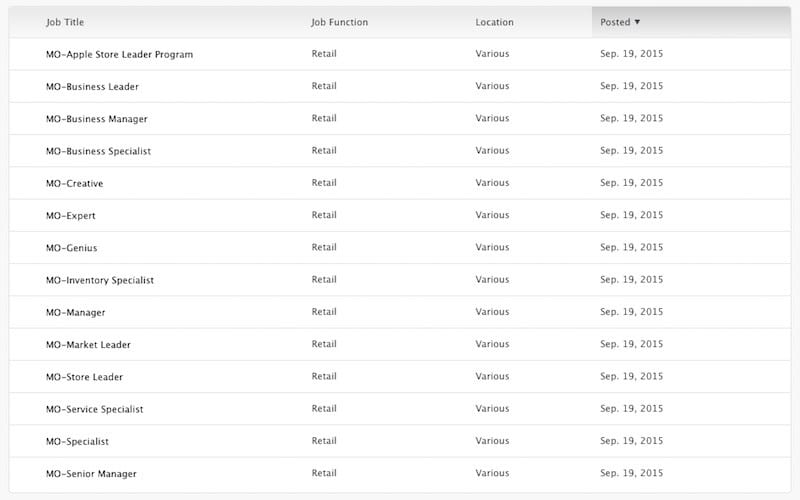
    Apple has posted several job listings for an upcoming retail store in Macau, a Special Administrative Region of China. The store is looking to fill Specialist, Creative, Genius, Store Leader and Manager positions, in addition to hiring for the Apple Store Leader Program and multiple business-related positions.

    Chinese-language newspaper Macao Daily reported in June that Apple is planning to open a flagship store in Macau, which is located across from Hong Kong, but the news went largely uncovered by mainstream media. At the time, the report claimed that Apple had not finalized a location for the upcoming store.

    Apple-Store-Macau
    Apple celebrated the grand opening of its Apple Store in Brussels today, while two new Apple Stores also open in Nanjing, China and Florence, Italy today and September 26 respectively. Apple now operates over 460 retail stores worldwide.

  • Apple underwhelms with ‘catch-up’ iPhone 6

    Apple underwhelms with ‘catch-up’ iPhone 6

    Apple CEO Tim Cook said the new iPhone 6 models unveiled overnight might look the same, but the difference is under the cover.

    He’ll be hoping Apple fans take the hint – because on the face of it, the new model released is underwhelming. There was none of the groundbreaking innovation of previous model launches, such as the introduction of Siri, the virtual assistant you can talk to, or anything especially visual, such as new look screens or shape design.

    The new model – as widely predicted – includes a multi-touch interface which senses the pressure with which it is being touched to create different responses.

    The phones feature Retina displays covered in the “strongest glass on any smartphone” and a new generation aluminium case using “the same alloy used in the aerospace industry” and in different colours, which now include rose gold.

    The camera has been “upgraded” to 12 megapixels, which is still a specification considerably less than handsets from rival manufacturers which sell for a fraction of the cost of an iPhone.

    Inside the case is a new “Apple-designed A9 chip described as “the most advanced chip ever in a smartphone, delivering faster performance and great battery life”.

    “The only thing that has changed with iPhone 6s and iPhone 6s Plus is everything — 3D Touch lets users interact with iPhone in entirely new and fun ways, and the innovative Live Photos brings your pictures to life,” said Philip Schiller, Apple’s senior VP of worldwide marketing. “These are the most advanced iPhones ever, with 7000 series aluminum, ion-strengthened glass, the new 64-bit A9 chip, 12-megapixel iSight and 5-megapixel FaceTime HD cameras, faster Touch ID, LTE and Wi-Fi. Customers are going to love them.”

    We’ll await the verdicts from reviewers in coming weeks. In the meantime, the superficial statistics, such as camera and processor, appear very much to be catching up to rival handsets like the latest Samsung Galaxy and HTC One models – rather than a leapfrog in technology or performance.

    In Asia-Pacific, the new models will be available in Australia, China, Hong Kong, Japan, New Zealand and Singapore from September 25.

  • Apple To Launch Retail Stores In China, Italy And Belgium By September End

    Apple To Launch Retail Stores In China, Italy And Belgium By September End

    Apple Inc.  announced that by September end, it will open two new stores in Italy and China. The announcement was made on September 9, at its long-awaited annual event in San Francisco, where it also launched a range of its new products.

    According to the company, the Chinese outlet in Nanjing will launch on September 19, while the Florence outlet will debut on September 26; both stores will open at 10 AM. Moreover, Apple unofficially confirmed its plans to launch a new store in Brussels on September 19, which would the company’s first-ever retail store in Belgium.

    The Brussels branch will be located at Avenue de la Toison d’O, the Florence outlet at Republic Square, and Nanjing outlet at Rainbow Joy Shopping Mall. Currently, the Belgium branch sports a board that states: “Creativity, to be continued,” with paintings surrounding the barricade.

    It is evident that Apple’s plan to open three new stores in different countries will help the company expand its product line to a wider customer base. With the event’s worldwide coverage, Apple’s efforts to attract a larger audience may prove successful.

    With the debut of iPhone 6s, iPad Pro, an upgraded Apple TV, and the Watch leather bands, Apple has successfully launched a diverse category of products that will help the company attract clients globally. Customers may be inclined to check the new Apple Stores after the immense hype about the new products.

    With the gradual product shipments, the company has smartly kept its users hooked for updates. Furthermore, with the three new stores scheduled to open in September, Apple has made a conscious effort to place them in central locations, which will help attract larger crowds.

    The new Apple Stores will create new job opportunities for local people, and help recruit potential employees in the respective regions. Through this expansion plan, the tech giant will not only help expand its services to other countries, but also establish improved and reliable relations for future ventures.

    The launch of the new stores, along with subtle hints for a potential store in Antwerp later, may push excited customers get a head start to plan their preorders.