Tag: Artificial intelligence

  • Nearly 20% of Asia-Pacific Firms Expect AI to Cut Office Space, CBRE Finds

    Nearly 20% of Asia-Pacific Firms Expect AI to Cut Office Space, CBRE Finds

    Nearly one-fifth of surveyed companies in the Asia-Pacific region believe wider adoption of artificial intelligence will reduce their real estate needs, a study by property consultancy CBRE has found.

    More than half, 56 per cent, held a neutral view, believing either that AI had no impact on office space demand or that it was too early to determine its effect, while 25 per cent said AI adoption would require them to expand their office footprint.

    The survey of 651 corporate real estate executives, conducted between May 26 and July 10 across nine regional markets, showed that AI currently has a more significant impact on office operations than on physical space requirements, according to Ada Choi, head of research for Asia-Pacific at CBRE.

    Operational Shift Outpaces Desk Reductions

    Corporate deployment of machine learning in property management expanded sharply over the past two years. The survey, conducted between May 26 and July 10 across nine markets including Hong Kong, mainland China, Singapore, Japan, Australia and India, found that 46 percent of occupiers now classify themselves as active AI adopters in corporate real estate functions. That represents a steep increase from 9 percent recorded in 2024.

    Automation currently assists facility monitoring, leasing analytics, space planning and workplace energy management rather than eliminating core real estate demand. Property teams use algorithmic tools to streamline building maintenance schedules and track daily badge swipes, turning automation into an administrative efficiency tool rather than a headcount guillotine.

    Regional leasing patterns show that companies rebalance rather than abandon their commercial leases. Fifty percent of surveyed occupiers project portfolio expansions through 2029, with 60 percent citing organic corporate growth as the primary catalyst.

    The Flight to Prime CBD Assets

    Commercial tenants are executing a deliberate flight to quality across major Asian financial centres. Eighty-five percent of surveyed occupiers specify Grade A buildings or higher for future commitments, and 48 percent demand space inside central business districts.

    This consolidation into top-tier commercial towers squeezes secondary and decentralised office parks. Landlords holding modern assets with green credentials and flexible floorplates capture leasing activity, while older secondary stock faces structural vacancy as corporate tenants offload low-grade square footage to fund premium addresses.

    The bifurcation penalises owners of dated suburban business parks who banked on decentralisation during earlier cost-cutting cycles. Institutional capital in Asia is now forced to either invest heavily in asset enhancement programmes or accept prolonged rent discounts to retain secondary tenants.

    Stabilised Attendance Anchors Space Requirements

    Physical workplace presence has normalised across the region at levels far higher than in North America or Western Europe. Eighty-eight percent of respondents confirmed their employees work in the office at least three days per week, marking the highest rate recorded since the start of the pandemic. An additional 85 percent stated that desk attendance has reached a permanent equilibrium.

    “With attendance and utilisation largely stabilised at higher levels, companies are no longer focused only on bringing employees back to the office,” said Tom Gaffney, head of leasing for Asia-Pacific at CBRE.

    Space shortages are most acute in Tokyo and major Indian tech hubs, where tight supply limits available Grade A options. In mainland China, corporate expansion continues at a measured pace, led by domestic technology, software development and clean energy enterprises taking advantage of softened prime rental rates in top-tier cities.

    Labour Market Realities and Future Leases

    The resilience of physical leasing contrasts with broader corporate polling on long-term workforce headcounts. A World Economic Forum survey conducted last year across 55 economies found that 41 percent of employers planned to reduce headcount as software automated standard white-collar tasks, raising questions about future desk utilisation.

    Asia-Pacific commercial occupiers have sidestepped immediate floorplate cuts by redirecting automated productivity gains into higher transaction volumes and new service lines. Corporate real estate directors are structuring three- to five-year leases around steady headcounts while monitoring whether generative workplace tools eventually alter administrative staffing models.

    Commercial landlords now watch the final quarter of 2026, when a heavy schedule of prime Hong Kong and Tokyo lease renewals will test whether tenant expansion pledges turn into binding long-term contracts.

  • ADB Lifts Southeast Asia Growth Outlook to 4.7% on Tech Exports

    ADB Lifts Southeast Asia Growth Outlook to 4.7% on Tech Exports

    The Asian Development Bank raised its 2026 economic growth forecast for developing Southeast Asia to 4.7 per cent on Wednesday, up from 4.6 per cent projected in July. Global shipments of semiconductor chips and data center components surged. That demand offset the drag from high energy prices and severe weather.

    Across the wider Asia-Pacific region, the Manila-based lender lifted its 2026 expansion target by 0.1 percentage point to 5.0 per cent. It held the 2027 projection at 5.1 per cent. The revised figures show a widening regional split. Electronics manufacturing hubs are pulling ahead while economies exposed to food inflation and power generation shortfalls lag behind.

    Hardware Demand Lifts Export Leaders

    Vietnam received the sharpest upgrade in the updated Asian Development Outlook. Growth there is now projected at 7.8 per cent for 2026, up from 7.2 per cent. The bank also increased Vietnam’s 2027 forecast to 7.6 per cent, citing strong foreign direct investment and state stimulus programs directed into industrial parks and logistics infrastructure.

    Malaysia gained an upward adjustment as well. The economy will expand 4.9 per cent in 2026, up from the 4.6 per cent estimated in July. Growth should moderate to 4.7 per cent in 2027. Both countries have secured substantial market share in chip packaging, testing, and component fabrication for cloud infrastructure operators.

    Net exports remained resilient, supported by demand for electronics and AI-related products.

    Thailand recorded a modest bump to 2.0 per cent for 2026 from 1.8 per cent, though ADB trimmed its 2027 outlook to 1.9 per cent. Indonesia held steady. Growth there is projected at 5.2 per cent across both years, underpinned by household consumption.

    Energy Costs and Drought Penalise Importers

    Prospects weakened in the Philippines. The lender lowered the country’s 2026 growth target to 3.3 per cent from 3.8 per cent. It also reduced the 2027 forecast to 5.1 per cent from 5.3 per cent. Power sector strains and dry spells continue to weigh on domestic output.

    Geopolitical friction in the Middle East and Eastern Europe has kept fuel import bills high for non-oil producers. In markets like Cambodia and the Philippines, higher utility tariffs flow directly into retail prices. That squeeze curbs discretionary consumer spending and raises cold-chain logistics expenses for supermarket operators.

    What the Divergence Changes for Retail and Supply Chains

    Consumer brands face a shifting landscape where capital expenditure yields the fastest returns. Rising wages in Vietnam and Malaysia bolster middle-income buying power for consumer tech and packaged goods. Mall operators and retail chains are accelerating store openings in secondary cities to match demand.

    Agricultural supply chains face heavier margin pressure across the western Pacific. Parched croplands and high diesel prices increase transport and ingredient costs for food manufacturers. Fast-moving consumer goods suppliers must now renegotiate wholesale contracts across archipelagic supply routes.

    Earlier Forecast Steps and Baseline Trajectory

    The latest revisions follow a July review where regional output held steady against tightening monetary conditions in Western export destinations. In April, the lender had modeled a broader regional recovery. Energy market volatility then intensified through the middle quarters of the year.

    Price pressures have eased across developing Asia, where headline inflation should settle at 2.8 per cent this year. That moderation gives central banks room to adjust interest rates once currency pressures ease against the US dollar.

    The Timeline for El Nino Disruption

    Weather risks represent the primary operational hazard through the coming quarters. ADB expects the current El Nino pattern to intensify through late 2026 and peak around November. That timeline threatens hydroelectric generation and irrigated rice cultivation.

    Agricultural disruptions register in headline economic data with a multi-month lag. The bank expects the sharpest drag from the climate cycle to hit during the first half of 2027. The next baseline revision to regional growth figures arrives in December.

  • Anthropic Leases First Stage of $10.4 Billion Queensland Data Centre

    Anthropic Leases First Stage of $10.4 Billion Queensland Data Centre

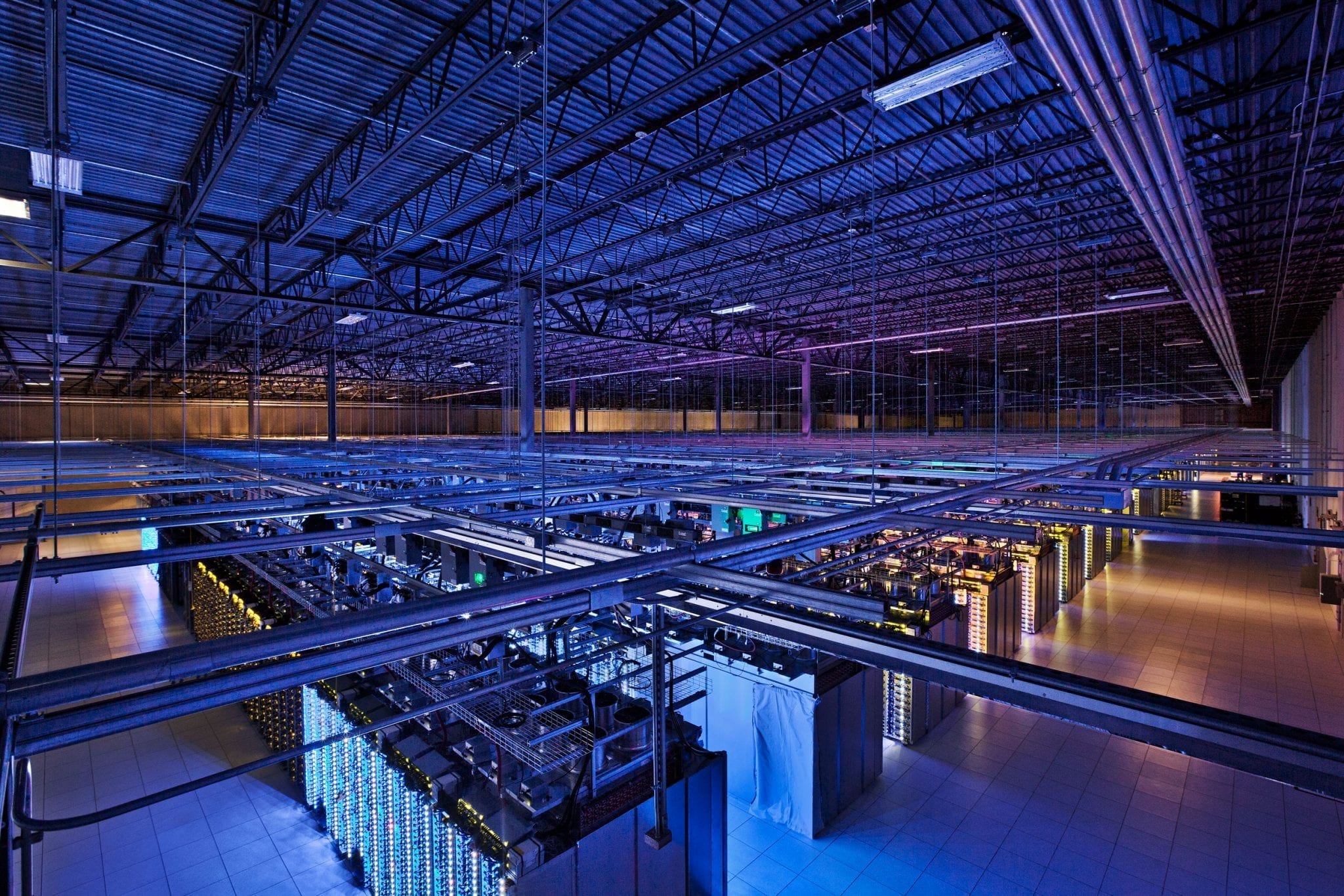
    Artificial intelligence laboratory Anthropic has agreed to lease the first stage of a A$14.5 billion ($10.4 billion) data centre campus in Queensland proposed by Singapore-based Zerra DC, marking the US company’s first major commitment in Australia.

    Queensland state premier David Crisafulli announced the agreement on Wednesday in parliament, indicating that San Francisco-based Anthropic will invest in the 1.44-gigawatt Western Downs Digital Park located roughly 250 kilometres northwest of Brisbane.

    Consortium structure and power design

    Development filings detail four 360-megawatt facilities built across a 726-hectare site near Dalby over a four- to six-year delivery timetable. The campus sits within an energy corridor hosting 5.4 gigawatts of installed generation, linking directly to the Braemar transmission substation with on-site battery storage to smooth load swings.

    Ownership runs through a joint venture between Macquarie Capital and Zerra DC, the data centre vehicle of Singapore group AGP Sustainable Real Assets. Australian property giant Dexus holds exposure via its 85 per cent stake in Australian Data Centres, which owns a 25 per cent interest in the development entity.

    Anthropic will direct the Queensland compute capacity toward live inference processing for its Claude platform rather than foundation model training. The operator had previously evaluated up to 5 gigawatts of capacity across New South Wales before committing to the Queensland campus.

    Shifting regional capacity and power competition

    For cloud and enterprise operators across the Asia-Pacific region, the Dalby commitment confirms that mega-scale computing demand is migrating away from congested primary metro hubs. Real estate availability and electrical grid capacity in Sydney and Melbourne face severe constraints, pushing wholesale occupiers into regional utility corridors where transmission lines already exist.

    The scale of the project alters capital allocation for digital infrastructure investors across Australia. Total domestic data centre pipeline capacity stands at 16.2 gigawatts across projects worth A$155 billion, but physical grid connection timelines remain the decisive bottleneck for operators seeking to deliver operational halls before 2028.

    Regulatory friction across state and federal policy

    Resource competition is already forcing metropolitan authorities to slow down approvals. While Goodman Group secured clearance for a 135-megawatt asset in Sydney’s Macquarie Park, local councils halted a planned 90-megawatt build in Lane Cove West over municipal water consumption.

    Federal and state policy approaches are also diverging. Canberra outlined rules taking effect in early 2027 that require commercial operators to underwrite dedicated new clean power generation and pay network reinforcement costs. Queensland state ministers, however, have opted to process regional approvals independently to capture private capital investment without mandating exclusive new renewable builds.

    Prior commitments and next milestones

    The lease follows a preliminary memorandum of understanding signed between Anthropic and the Australian federal government in April covering safety frameworks and local technology adoption. Dexus separately initiated a formal capital raising process for its Australian Data Centres subsidiary to bring outside institutional equity into the delivery vehicle.

    Execution of the project now rests on two formal clearances: a development permit from the Western Downs Regional Council and foreign investment approval from the Foreign Investment Review Board. Long-term master plans allow the consortium to expand the campus to six buildings totaling 2.16 gigawatts, which would raise total private investment to A$31.9 billion.

  • Pentagon Blacklist of Nearly 200 Chinese Companies Threatens Trump and Xi Talks

    Pentagon Blacklist of Nearly 200 Chinese Companies Threatens Trump and Xi Talks

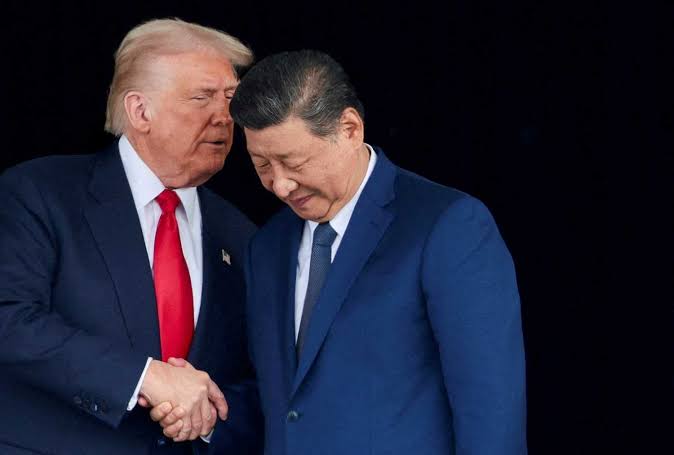
    President Donald Trump and Chinese counterpart Xi Jinping will address the Pentagon’s 1260H blacklist this week after the roster expanded to nearly 200 Chinese corporate champions.

    The register now includes e-commerce group Alibaba, search provider Baidu, and electric vehicle maker BYD, creating friction across consumer technology and automotive supply chains.

    Mandated by the US Congress, the 1260H designation penalizes companies accused of assisting the Chinese military. The listing restricts designated firms from securing US government contracts and cuts off access to Washington lobbying firms under rules that took effect on June 30. Companies on the list face heightened scrutiny from international supply chain partners, institutional shareholders, and trade compliance desks.

    Court Challenges and Boardroom Pushback

    Corporate targets are fighting the designations in federal court rather than waiting for diplomatic resolutions. Alibaba, autonomous driving sensor producer Hesai Group, biotechnology contractor WuXi AppTec, and drone maker DJI have secured interim procedural victories in US district courts over evidentiary standards used by defense officials. The legal wins provide temporary relief, though federal judges traditionally defer to executive discretion on national defense matters.

    Beijing retaliated following the June blacklist updates by enforcing export curbs and procurement reviews against selected American suppliers. Chinese trade officials are now including executives from designated companies, including battery giant Contemporary Amperex Technology and optical transceiver manufacturer Zhongji Innolight, in summit delegations to force direct negotiations.

    Supply Chain Exposure Across Asia

    For consumer tech and automotive operators across the Asia-Pacific region, the expansion of 1260H creates direct commercial risk. Suppliers integrating components from BYD or Hesai must navigate secondary compliance questions when selling assembled goods into North American distribution networks. Cloud software developers utilizing AI tools from Alibaba or Baidu face parallel questions regarding data provenance, as Washington claims Chinese platforms extracted training data from US labs.

    Asian retail and hardware brands cannot treat 1260H as a symbolic naming list. Institutional investors often mirror federal defense rosters in their internal risk matrices, constraining equity valuations and raising borrowing costs across Hong Kong and mainland bourses. The practical consequence is a sharp division in enterprise software and mobility hardware: vendors must either ring-fence their Western operations or absorb complete exclusion from public sector contracts.

    I would not be surprised if Beijing raises 1260H around the summit, particularly because several prominent Chinese companies now on the list are also being discussed as part of Xi’s business delegation.

    Legislative Escalation in Washington

    The latest dispute follows a nine-year diplomatic gap that paused when Trump visited Beijing in May. The Pentagon updated the blacklist weeks after that meeting, prompting the China Daily newspaper to publish a June 14 editorial arguing the enforcement contradicted efforts to stabilize bilateral commerce. Treasury Secretary Scott Bessent attempted to calm tensions on Sunday in New York during trade talks with Vice Premier He Lifeng, establishing a bilateral artificial intelligence working group.

    Capitol Hill is pushing in the opposite direction, with lawmakers introducing 64 separate bills referencing 1260H since last year. Proposals under review in the draft National Defense Authorization Act would widen the designation criteria to target any enterprise where the Chinese state holds even a single publicly traded share.

  • Glance Adds True Fit Sizing Data to AI Shopping Platform Ahead of 2026 Holidays

    Glance Adds True Fit Sizing Data to AI Shopping Platform Ahead of 2026 Holidays

    Glance has partnered with sizing technology provider True Fit. The deal embeds fit intelligence into Glance’s AI shopping interface across 60 million connected screens ahead of the 2026 holiday shopping season.

    The system links Glance’s generative virtual try-on tools with True Fit’s transaction records. That database covers 91,000 apparel and footwear brands and more than $500 billion in purchase history. By combining visual simulations with verified purchase data, both firms aim to reduce return rates on agentic e-commerce platforms.

    Integrating Fit Models Into Lockscreen Discovery

    Online fashion retailers lose billions each year to sizing-related returns. According to True Fit customer data, more than 70 per cent of shoppers interacting with AI retail agents ask specifically about fit before buying.

    Glance pushes shopping recommendations across mobile lockscreens, connected televisions and desktop computers. Integrating True Fit sizing predictions allows the interface to suggest specific garment sizes alongside on-screen try-on previews. Shoppers no longer have to guess.

    “AI is moving more of the shopping decision into the conversation, so the agent has to resolve the questions that determine whether someone buys,” said Mansi Jain, chief operating officer at Glance. “In fashion, fit is one of those questions.”

    How the Dataset Operates

    True Fit builds its recommendation layer on two decades of transactional data. The archive spans 60 million individual products. It also tracks post-purchase behavior, including returns and repeat orders across hundreds of partner retailers.

    Computer vision models then pair that database with user photos to render garments on screen. The software cross-references user measurements against actual return histories for each garment cut. It narrows size options before routing the buyer to checkout.

    Agentic Commerce and Brand Adoption

    For fashion brands across Asia and Western markets, agentic systems replace traditional search-and-browse websites. Sizing errors create major friction when an AI interface autonomously assembles complete outfits for shoppers.

    Autonomous shopping software must convert browsing intent into keepable orders. Putting verified returns data directly into the discovery layer lifts conversion confidence for apparel labels. It also reduces fulfillment overhead from bracket purchasing, where shoppers buy multiple sizes intending to return the extras.

    Expansion Plans for 2027

    Operating as a core unit of India-based InMobi Group, Glance runs on more than 400 million devices globally. In September 2026, the platform expanded its agentic commerce footprint by linking with Mastercard Agent Connect to process direct payments.

    Following the holiday launch on Glance screens, True Fit will roll out the joint try-on software to its wider merchant network in 2027. Both companies will present the technical architecture at the RetailClub AI Festival in California on September 22.

  • Japan and ASEAN Agree to Review Economic Partnership Pact

    Japan and ASEAN Agree to Review Economic Partnership Pact

    Japan and the Association of Southeast Asian Nations agreed on Sunday at a meeting in Manila to work toward strengthening their economic partnership pact.

    The two sides will review the agreement, taking into consideration the risk of supply chain disruptions and the growing role of artificial intelligence.

    Addressing Supply Disruptions and Tech Rules

    Japan’s Economy, Trade and Industry Minister Ryosei Akazawa said at the opening of the meeting that it was time to join forces to turn challenges into opportunities under the pact, which first took effect in 2008.

    Philippine Trade Secretary Maria Cristina Roque said commercial cooperation across the bloc is growing more important as external trade pressures mount. Japan reaffirmed technical and financial support for oil stockpiles across ASEAN member nations. That aid aims to insulate regional transport networks from Middle East energy delivery bottlenecks.

    Impact on Cross-Border Trade and Logistics

    The formal review addresses mounting vulnerabilities across freight networks that carry goods for industrial operators, Japanese parts manufacturers, and consumer goods shippers. Trade lanes between Tokyo and ASEAN hubs face higher operating expenses from route diversions and fluctuating fuel surcharges. Safeguards under the pact will give multinational logistics firms more predictable clearance procedures during regional emergencies.

    New artificial intelligence provisions will establish commercial terms for digital trade, automated warehouse systems, and cross-border data routing. Retailers expanding automated fulfillment across Southeast Asia have struggled with fragmented national regulations on software compliance and automated transactions. A unified standard negotiated through the partnership reduces regulatory friction for Japanese electronics and automation vendors operating in Manila, Bangkok, and Jakarta.

    Origins of the Pact Revision

    The original ASEAN-Japan Comprehensive Economic Partnership took effect in 2008, focusing primarily on tariff elimination for manufactured goods and agricultural products. Member states expanded the treaty in 2019. That revision added updated chapters on trade in services, movement of business personnel, and direct investment protections.

    Bilateral discussions in May accelerated the current review after Philippine President Ferdinand Marcos Jr. And Japanese Prime Minister Sanae Takaichi agreed to widen the scope of the treaty. Negotiators will now draft specific treaty language covering digital governance and energy security ahead of the next ministerial session.

  • Estée Lauder Partners with Profound to Track Brands Across Generative AI

    Estée Lauder Partners with Profound to Track Brands Across Generative AI

    The Estée Lauder Companies has partnered with AI marketing platform Profound to monitor and optimize how its beauty portfolio appears across generative artificial intelligence platforms.

    Earlier this summer, industry leaders highlighted a new visibility battle for beauty brands as consumers increasingly consult 2 leading AI assistants, ChatGPT and Gemini, for product comparisons and personalized beauty advice.

    Through the collaboration, Estée Lauder gains a consolidated view of how its brands are represented across major AI engines worldwide, deploying Profound’s tools to ensure conversational recommendations align with product positioning.

    Tracking Generative Engine Optimization

    Retail marketing is shifting rapidly from search engine optimization to generative engine optimization. Traditional search engines return ranked links based on keywords, indexing and paid placements. Conversational models work differently. They synthesize answers from training data and live retrieval, producing direct recommendations without standard search results.

    Profound co-founder and chief executive James Cadwallader noted that brand owners must actively monitor how algorithmic systems describe their products to shoppers. The software scans model outputs across regions to flag inaccurate claims, missing product lines and unapproved comparisons.

    “The way people discover beauty is being rewritten in real time, and we intend to shape that shift rather than reacting to it,” said Aude Gandon, global chief digital and marketing officer at The Estée Lauder Companies.

    Shifting Digital Spend From Keyword Search

    Beauty conglomerates face higher customer acquisition costs across standard digital channels as retail media networks fragment and search traffic slows. Deploying optimization software lets brand managers identify which datasets feed recommendation models.

    That transition creates operational friction for teams accustomed to bidding on static keywords. Generative models update retrieval patterns frequently. As a result, visibility is harder to predict and measure across regional variations in product nomenclature.

    Dynvibe chief executive Anne-Cécile Guillemot characterized the rise of conversational discovery tools as a new visibility battle for consumer brands. She noted that companies must rebuild how they structure product data and publish ingredient documentation.

    Monitoring Brand Accuracy Across Platforms

    Estée Lauder will direct its portfolio teams to standardize product attributes, clinical claims and application guidance across databases that large language models crawl. The initiative covers the group’s global stable of skincare, makeup, fragrance and hair care labels.

    Consumer adoption of generative search interfaces has spread across North America, Europe and Asia over the past two years. Beauty remains one of the most queried retail categories on conversational platforms. Shoppers frequently seek advice on complex ingredient combinations and personalized skin routines.

    Looking ahead, the two companies will integrate regional language queries into the monitoring platform as AI engines expand local conversational capabilities.

  • Mobily Unveils Digital Transit Route Linking Asia, Europe, and Africa

    Mobily Unveils Digital Transit Route Linking Asia, Europe, and Africa

    Saudi telecom operator Mobily presented its intercontinental digital infrastructure plan linking 3 continents, Asia, Europe, and Africa, at the Submarine Networks World conference in Singapore this week.

    Chief of Wholesale Adel Alaskah outlined the carrier’s deployment of subsea cable landings and terrestrial links designed to handle rising transit volumes between East Asia and Western hubs.

    Transcontinental Route Architecture

    The network model anchors traffic across Saudi Arabia’s dual coastlines on the Red Sea and the Arabian Gulf. By bridging both bodies of water with cross-country terrestrial fiber, the operator offers carriers an alternative to congested legacy maritime passages.

    Subsea cable landings feed directly into domestic data centers and cloud facilities. This setup allows transit traffic to interface directly with cloud computing and artificial intelligence workloads rather than serving only as passive passthrough bandwidth.

    Transit Competition Across the Indian Ocean

    Wholesale capacity buyers in Asian hubs such as Singapore and Hong Kong face persistent bottleneck risks along traditional routes through the Malacca Strait and the Suez Canal. Mobily is competing directly with regional Gulf incumbents and global consortia to capture enterprise and hyperscaler traffic bound for European exchanges.

    For Asian carriers, route diversification reduces exposure to physical cable cuts and geopolitical choke points. The primary commercial risk rests on transit pricing and latency guarantees, where Gulf overland routes must prove competitive against all-sea paths.

    Integration with AI and Cloud Capacity

    Wholesale operators across Asia have shifted focus from basic raw bandwidth sales to high-density compute interconnection. Mobily framed its geographic link as a foundational layer for regional artificial intelligence clusters requiring fast access to multi-region cloud availability zones.

    Hyperscale cloud providers continue building out redundancy across Southeast Asia, driving sustained demand for diverse westward pathways out of Singapore.

    Next Steps on Cable Landings

    The operator is marketing capacity to international carriers and consortium members negotiating upcoming cable builds across the Indian Ocean basin. Mobily wholesale teams are scheduled to hold bilateral interconnect talks with Asian network operators through the final quarter of the year.

  • OpenAI Projects $278 Billion Cash Burn Through 2030 on Infrastructure Push

    OpenAI Projects $278 Billion Cash Burn Through 2030 on Infrastructure Push

    OpenAI expects to burn $278 billion between 2026 and 2030 as infrastructure costs outpace revenue, according to an internal presentation. The company plans to spend $856 billion on computing power and hardware over those five years. Annual revenue is projected to climb from $36 billion this year to $350 billion in 2030.

    Cumulative revenue through the decade is forecast at $840 billion from enterprise and consumer adoption. Computing power represents the group’s largest single operational expense.

    Depleting Capital Reserves

    That spending trajectory puts direct pressure on the balance sheet. OpenAI raised $122 billion in March at an $852 billion valuation. Internal forecasts show those cash reserves will run out by 2028.

    Management has held talks with private investors for fresh funding at a valuation near $1.2 trillion to plug the gap. The deficit leaves little room for operational missteps or weaker enterprise software demand.

    Hardware Demand and Asian Supply Chains

    Asian technology suppliers, data centre builders, and hardware vendors will see sustained procurement from that $856 billion computing budget. High-bandwidth memory makers, advanced packaging specialists, and server assemblers in Taiwan, South Korea, and Japan sit directly in the flow of that capital.

    Monetization carries the real risk. Enterprise buyers across retail and consumer tech face higher prices as model builders try to recover infrastructure costs. Competing open-source architectures offer lower operational expenses.

    Delayed Public Listing

    A confidential filing for an initial public offering in June laid the groundwork for a public market debut. Chief executive Sam Altman ruled out a 2026 listing soon after, citing internal concerns over artificial intelligence safety protocols.

    Delaying the float leaves the company dependent on private equity consortia, sovereign wealth funds, and strategic tech partners. These backers must absorb hundreds of billions in negative cash flow before the 2028 cash cliff.

    The Next Funding Milestone

    Attention now turns to the final terms of OpenAI’s prospective $1.2 trillion financing round. Investors will watch whether enterprise subscription revenue meets the target run rate required to hit $36 billion before the current fiscal year concludes.

  • Dongfeng Motor to Begin Trial Humanoid Robot Production at Year-End

    Dongfeng Motor to Begin Trial Humanoid Robot Production at Year-End

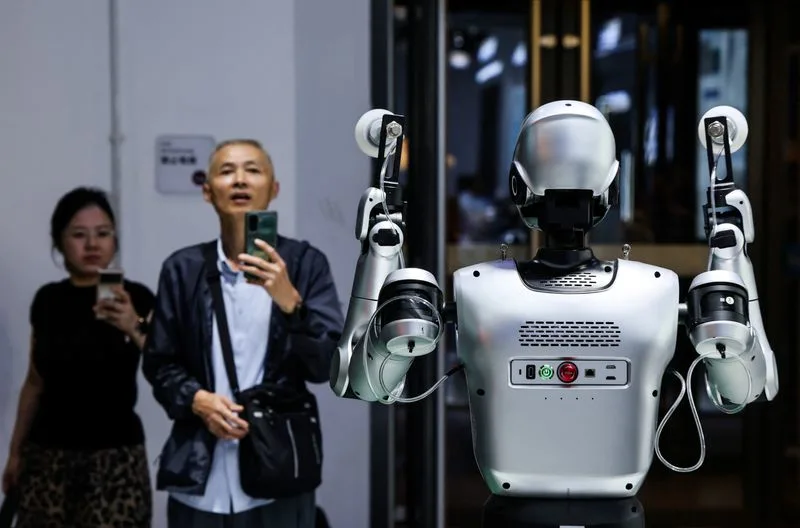
    Dongfeng Motor plans to begin small-batch trial production of its humanoid robot at the end of this year, aiming to bring its working capabilities on par with human workers by the end of next year.

    The humanoid robot will enter manufacturing factories in October to handle sorting and quality inspection tasks, according to Zhang Zhenlin, chief engineer of intelligent technology at Dongfeng.

    Factory Sorting and Showroom Patrols

    Development covers two distinct platforms: a bipedal humanoid named Xiaodong and a quadruped model called Yuanzai. Both debuted at the 2026 World Robot Conference in August this year.

    Xiaodong handles material sorting inside automotive manufacturing plants. Over time, the system will move from single repetitive tasks to autonomous factory floor operations.

    Commercial rollout begins earlier for Yuanzai. The quadruped will handle customer guidance in auto dealerships, campus patrols, and facility monitoring through onboard multimodal perception and autonomous navigation.

    Cross-Sector Technology Sharing

    Chinese automakers are applying EV software architectures and artificial intelligence models directly to robotics hardware. Dongfeng chief engineer of intelligent technology Zhang Zhenlin said developing embodied intelligence lets teams reuse automotive large-model technology and speed up commercialization.

    Automakers’ development of embodied intelligence products allows technology to be reused across multiple areas such as automotive large models, thereby speeding up commercialization and mass production.

    Overlapping supply chains give carmakers immediate access to batteries, vision sensors, and assembly infrastructure. Factory operators expect the humanoid units to reduce assembly costs while running round-the-clock inspections on vehicle lines.

    The Competitive Field in China

    Dongfeng is not alone in the push. Several domestic EV makers have built dedicated robotics divisions to automate shop floors and sell commercial hardware.

    Xpeng opened a humanoid robot production line on September 8, 2026. It plans mass production of its Iron robot by late 2026, with customer deliveries starting in 2027. Chery-backed Aimoga Robotics has shipped more than 3,000 units globally and is preparing an IPO. Li Auto, Seres, and Leapmotor have also put capital into embodied AI development this year.

    Capital Allocation and Global Goals

    Robot deployment fits into a wider overseas expansion budget. Dongfeng plans to invest 50 billion yuan ($7.41 billion) internationally to launch more than 50 vehicle models.

    Under a roadmap presented by deputy general manager Zhou Feng, the company will build 10 assembly plants and five research hubs outside China. Dongfeng targets 1.5 million overseas vehicle sales annually by 2030, using Xiaodong’s 15-month trial run as the baseline test for broader automation.

  • Google Accelerates Cloud Growth as AI Spreads Across Asia in Two Years

    Google Accelerates Cloud Growth as AI Spreads Across Asia in Two Years

    Google is putting the growth of its cloud computing business into a higher gear after the rapidly spreading use of generative artificial intelligence.

    Harsha Konduri, managing director for Google AI across Asia-Pacific and Japan, said artificial intelligence has become widespread in two years or so, compared to more than 10 years it took to embed cloud computing.

    Compressed Timelines Across Regional Markets

    Konduri sees huge growth potential in Asia and noted that regional demand for artificial intelligence is rising to maximize cost-effectiveness for companies.

    To support this pace, Google is tailoring its enterprise offerings to prioritize three core capabilities: data security, governance controls, and real-time cost management. Asian enterprises operating across fragmented regulatory jurisdictions require strict data residency guarantees before connecting proprietary commercial databases to foundation models.

    Cost Controls and Infrastructure Governance

    Corporate spending priorities across regional consumer, financial, and logistics sectors have shifted from raw model testing to disciplined operating expenditure. Uncontrolled token usage and compute expenses can quickly erode margins on consumer-facing applications.

    Google is positioning its cloud ecosystem to provide real-time budget fencing and compute optimization tools. Regional retailers and supply chain operators demand predictable billing models before deploying automated customer service, inventory routing, and demand-forecasting tools at scale.

    Platform Competition in Asia Pacific

    Rival hyperscalers including Microsoft and Amazon Web Services are competing aggressively across Asia-Pacific data center hubs. Competition centers on offering pre-configured enterprise safeguards that allow corporate legal and technical teams to deploy applications without building internal compliance layers from scratch.

    For commercial operators, the battle among cloud providers reduces migration friction and lowers infrastructure costs. The primary operating risk sits in long-term lock-in to proprietary foundation models that complicate future cross-platform integration.

    Enterprise Deployment Targets

    Enterprise tech spending in major Asian markets previously required multi-stage sign-offs across regional boards. The compression of software rollout cycles forces corporate leadership to balance rapid capability deployment against compliance exposure under local privacy frameworks.

    Market participants are now monitoring quarterly capital expenditure filings and regional data center investments as Google and its rivals build out localized processing capacity across Japan, Southeast Asia, and Australia.

  • Scott Bessent and He Lifeng to Meet at JPMorgan Headquarters in New York

    Scott Bessent and He Lifeng to Meet at JPMorgan Headquarters in New York

    US Treasury Secretary Scott Bessent will meet Chinese Vice Premier He Lifeng on Sunday at JPMorgan Chase headquarters in New York to discuss AI security, trade, and economic issues.

    The meeting is scheduled for 10.30 am ET, days before President Donald Trump hosts Chinese President Xi Jinping at the White House in Washington on Thursday and Friday.

    Manhattan Venue and Security Logistics

    JPMorgan agreed to host the meeting at its Manhattan tower. Officials picked the private corporate site over government facilities due to United Nations General Assembly security across New York, according to a person familiar with the arrangements.

    Bank executives will not join the talks. Bessent previously invited JPMorgan Chief Executive Officer Jamie Dimon to address private sector growth at a G20 finance leaders meeting in Asheville, North Carolina.

    Trade Policy and Technology Security

    The agenda spans AI security controls, trade flows, and cross-border financial relations. For supply chain planners, electronics makers, and consumer brands across Asia, these sessions establish the framework for tech restrictions and tariffs.

    Shifts in export controls or market access alter operational risk for multinational firms manufacturing in Greater China. Sourcing costs, component logistics, and capital flows across Asia-Pacific depend directly on these US-China discussions.

    Previous Bilateral Engagements

    Bessent and He previously negotiated trade on March 16, 2026, at the Organisation for Economic Co-operation and Development headquarters in Paris. Sunday’s meeting prepares the ground for the leaders’ summit.

    White House aides invited Dimon to attend next week’s state dinner for Xi in Washington. Dimon skipped the corporate delegation that accompanied Trump to Beijing during his meeting with Xi in May.

    The White House Summit Ahead

    Trump hosts Xi at the White House on Thursday and Friday. Sunday’s economic session will define the specific trade and technology files presented to both heads of state during those Washington meetings.

  • China Tech Boom Fuels August Factory Output as Domestic Spending Stalls

    China Tech Boom Fuels August Factory Output as Domestic Spending Stalls

    China’s industrial sector showed renewed strength in August as an AI-driven tech boom fuelled factory output, according to data reported by Reuters this week.

    The readings highlighted deepening imbalances in the world’s second-largest economy, where resilient manufacturing and exports are sustaining growth even as sluggish consumption and a worsening investment slump weigh on domestic demand.

    Factory gains split from retail demand

    Industrial production accelerated through August on higher orders for computing equipment, semiconductors, and automated factory machinery. Tech supply chains absorbed high component volumes, keeping coastal industrial belts busy throughout the month.

    Consumer-facing businesses saw none of that momentum. Retail cash registers recorded sluggish turnover across apparel, home furnishings, and department stores, extending a pattern where consumers withhold discretionary spending while property values slide.

    Property drag hits consumer sentiment

    Household wealth remains tied up in residential real estate, where falling prices continue to deter family spending on non-essential goods. Shoppers in major metropolitan areas have shifted budgets toward essentials and discounted product lines rather than big-ticket purchases.

    For retail landlords and store operators across tier-one and tier-two cities, this split complicates leasing and store expansion plans. Brand owners face rising warehouse inventories because finished goods leave assembly lines faster than domestic retail networks can clear them.

    The export reliance risk

    The gap between manufacturing capability and domestic retail absorption leaves consumer goods makers dependent on overseas shipments to balance their books. That trade balance face headwinds if external import demand slows or overseas tariffs tighten on Chinese-made goods.

    Retailers across the country now look to third-quarter national retail sales totals and upcoming autumn trade figures to gauge whether household demand will stabilize before the year-end shopping season.

  • Tencent Cloud and U Mobile Partner on Enterprise 5G and AI in Malaysia

    Tencent Cloud and U Mobile Partner on Enterprise 5G and AI in Malaysia

    Tencent Cloud signed a preliminary pact with Malaysian carrier U Mobile on September 15 to build enterprise artificial intelligence tools on the carrier’s 5G network. It is Tencent Cloud’s first direct AI partnership with a telecom operator in Malaysia.

    Under the memorandum of understanding, the companies will run joint development projects through U Mobile’s Enterprise Innovation Platform. The facility links Tencent Cloud’s AI processing infrastructure with U Mobile’s ULTRA5G mobile network. Both groups plan to test software tools for corporate clients and small to medium-sized enterprises. Commercial rollout across Southeast Asia will follow.

    How the platform pipeline operates

    The joint programme runs across three stages: build, test, and demonstrate. Technical teams from both companies will hold engineering workshops and conduct pilot shows. They will also open testing environments to software developers, academic researchers, and startups.

    Engineers will focus on system integration, automated workflows, network security, and data handling. U Mobile plans to use the trials to identify enterprise use cases. These can convert into paying commercial contracts once network validation wraps up.

    At U Mobile, we are focused on using our next-gen 5G network to enable innovation that delivers real value to businesses. Our partnership with Tencent Cloud strengthens this by bringing together 5G, AI and cloud technologies to explore new applications across industries.

    Carriers compete for enterprise AI workloads

    Southeast Asian telecom operators face flat consumer mobile revenue and rising capital spending on network rollouts. Partnering with Chinese hyperscalers gives local carriers ready-made enterprise software suites without funding research from scratch. For Tencent Cloud, tying algorithms directly to local carrier data pipes secures access to corporate clients. Rivals Alibaba Cloud and Huawei Cloud are already pursuing those accounts in Kuala Lumpur.

    This structure shifts the capital burden. U Mobile provides the radio access network and corporate client relationships. Tencent Cloud supplies model architectures and compute tools. The setup reduces upfront overhead for the carrier, though long-term margins will depend on how the partners split software licensing fees.

    SME adoption presents commercial hurdle

    Small and medium-sized enterprises make up the bulk of Malaysia’s business sector, but smaller firms frequently delay advanced tech spending. High transition costs and complex integration cycles often stall digital transformation plans before software reaches production.

    Both partners target this friction by building pre-tested tools for specific operational bottlenecks. If pilot programs fail to show measurable efficiency gains or clear cost cuts within six months, enterprise uptake will lag. Network capacity would then sit underutilised.

    Deployment pathway and next steps

    Earlier carrier partnerships in the market centered strictly on data connectivity and basic cloud hosting rather than integrated AI tooling. The current project follows U Mobile’s rollout of its commercial ULTRA5G network infrastructure across high-density Malaysian business districts.

    Joint technical workshops with selected enterprise partners begin in the fourth quarter of 2026. The initial batch of commercial pilot deployments across retail, logistics, and manufacturing sectors will head for review by mid-2027.

  • Anthropic to Open Fifth Asia-Pacific Hub in Singapore in October

    Anthropic to Open Fifth Asia-Pacific Hub in Singapore in October

    Anthropic will open its first Southeast Asian office in Singapore this October, establishing its fifth Asia-Pacific base as enterprise competition with OpenAI escalates across regional markets.

    Singapore ranks second globally out of 121 countries for per-capita usage of the company’s Claude model, trailing only Australia.

    The Singapore hub follows earlier regional openings in Tokyo, Seoul, Bengaluru and Sydney. Dale Finlay, who spent six months leading regional go-to-market operations at OpenAI, will head Anthropic’s Southeast Asian expansion.

    The Race for Regional Enterprise Accounts

    Enterprise demand across Southeast Asia is shifting from experimental trials to operational software integration. By setting up physical operations in Singapore, Anthropic gains direct access to regional corporate headquarters, financial institutions and digital commerce operators evaluating large language model providers.

    OpenAI established its Asia headquarters in Singapore in late 2024 and recently moved to secure 100,000 square feet of office space at Shaw Tower. OpenAI also recruited former Meta South Asia head Sandhya Devanathan to direct its ASEAN and Australian operations, establishing an aggressive commercial baseline that Anthropic must now counter with local technical support and enterprise sales teams.

    Singapore as the AI Gateway

    Singapore has committed more than SG$1 billion ($770 million) to upgrade national artificial intelligence capabilities and infrastructure. That funding and regulatory clarity have attracted a dense cluster of American software developers, including Cognition and Sierra, which chose the city-state for their regional headquarters.

    Hardware developers are following the same path. San Francisco-based note-taker manufacturer Plaud opened its regional base in Singapore, expanding its local team from 10 to 100 staff in nine months while committing SG$20 million ($15.7 million) to local engineering and product development across twelve regional markets.

    Execution and Talent Pressures

    For enterprise software vendors, the primary hurdle in Southeast Asia is localized multilingual workflow deployment rather than raw compute availability. Corporate buyers require models that handle fragmented languages and regional compliance standards without compromising data security.

    The competition between Anthropic and OpenAI will center on poaching senior enterprise sales talent and securing multi-year integration contracts with regional conglomerates before the close of the fiscal year.