Tag: Artificial intelligence

  • ChatGPT Directs Online Shoppers to Fraudulent Websites and Scams

    ChatGPT Directs Online Shoppers to Fraudulent Websites and Scams

    Generative artificial intelligence tools like ChatGPT are directing users to fraudulent websites and malicious online schemes, cybersecurity firm Eset warned on September 16, 2026.

    Eset NZ country manager Scott Leman reported that large language models are surfacing high-risk links, including fake online stores, cryptocurrency scams, and imitation login pages designed to steal user information.

    Unlike traditional search engines that rely on domain authority and indexing algorithms to filter out malicious content, AI search assistants summarise vast amounts of web data, occasionally prioritising compromised sources that contain phishing links.

    How Scammers Manipulate Scrapers

    Attackers generate mass quantities of keyword-stuffed copy to catch automated scraping cycles. This content funnels shoppers to malicious domains. Common traps include direct links, fake downloads, QR codes, and clone booking portals.

    Scammers also plant fake phone numbers and links inside forum threads and press releases. AI crawlers sweep up these entries, presenting them to users as verified customer support contacts.

    “Someone asks an AI tool for help, follows the link it provides and ends up on a fake login page, scam website or malicious download,” says Scott Leman, Eset NZ country manager.

    The Threat to Smaller Operators

    These routing errors create two commercial headaches for independent brands across the region. Authentic merchants lose customer traffic to copycat storefronts. Defrauded shoppers then direct their anger at the real brand.

    Risk falls hardest downstream. Big marketplaces maintain dedicated threat intelligence units. Smaller regional merchants run lean IT teams that cannot audit scrapers around the clock.

    Accelerating Exploitation Cycles

    Faster attack cycles make defense harder. Threat actors use automation to reverse-engineer software patches on the day developers release them. That shrinks the defensive window for digital storefronts.

    Brands that rely on passive domain registration and basic search optimisation now face clone sites within hours of launching new campaigns.

    Security teams are monitoring how OpenAI and rival search providers upgrade their link verification filters ahead of the peak holiday trading rush.

  • China Accounts for 97% of Global Humanoid Robot Shipments

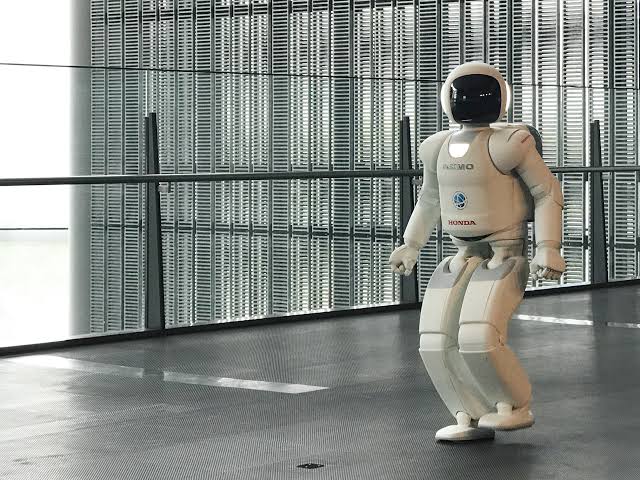
    China Accounts for 97% of Global Humanoid Robot Shipments

    Chinese manufacturers now account for 97 per cent of global humanoid robot shipments, establishing near-total supply chain dominance over the emerging hardware category.

    The concentration reflects rapid assembly scaling across mainland manufacturing hubs after Beijing designated humanoid robotics an official priority sector in late 2023, even as commercial deployment remains heavily concentrated in domestic test environments and state-backed pilot facilities.

    Where the Hardware Goes

    Domestic electronics assembly plants, automotive factories, and automated fulfillment warehouses absorb the vast majority of current production. Factory operators deploy the bipedal units for repetitive handling, parts transfer, and precision testing tasks where fixed automation arms cannot easily maneuver.

    Hardware pricing runs from 15,000 to 50,000 dollars per unit depending on sensor arrays and dexterity capabilities. Chinese assemblers maintain a structural cost edge through local sourcing of actuators, harmonic reducers, and lithium power packs.

    Western competitors face higher component costs and longer assembly timelines. That gap mirrors earlier hardware buildouts in consumer drones and commercial service bots, where Chinese component density squeezed foreign assemblers out of entry-level price tiers.

    The Deployment Bottleneck

    Supply chain supremacy does not instantly create sustainable commercial demand. Most delivered units operate in controlled trial environments rather than fully automated commercial workflows.

    Retailers, logistics operators, and facility managers hesitate to replace standard wheeled automated guided vehicles with expensive bipedal robots. Wheeled units cost a fraction of the price and execute warehouse transport without balancing risks.

    Earlier Manufacturing Milestones

    Beijing designated humanoid robotics an official priority sector in late 2023, setting targets for mass production and supply chain independence by 2025. That policy push directed subsidies and venture capital into domestic component makers, accelerating prototype development into commercial runs.

    Commercial viability now depends on software reliability and real-world task completion rates rather than shipment volumes. Factory trials scheduled across Chinese automotive plants throughout the final quarter will determine whether large-scale enterprise purchase orders materialize.

  • Unilever Cuts Beauty Formulation Time to Two Days Using Artificial Intelligence

    Unilever Cuts Beauty Formulation Time to Two Days Using Artificial Intelligence

    Unilever cut product formulation cycles from six days to as little as 24 hours across its beauty division. The shift followed the deployment of predictive artificial intelligence tools across 4,500 research staff.

    The business arm generated EUR 12.8 billion in 2025. That accounted for one-quarter of the consumer goods giant’s global turnover across brands including Pond’s, Dove, Vaseline, Dermalogica and Nutrafol.

    Concept-to-brief design timelines have shrunk to a few days, and scientific claims generation is 75 per cent faster, the group said. In-house systems mine external retail, social media and search data across more than 1,000 sources every month. This tracks beauty trends 60 per cent faster than traditional market research methods.

    Accelerating Lab Work to Shelf

    Products built on these algorithmic models are already selling across mass retail channels. Pond’s Skin Institute Hydra Miracle line uses the company’s Cera-Hyamino formula. It emerged after machine learning models processed 30 terabytes of microbiome data to identify ingredient pairings. A recent Dove hair damage range drew on algorithmic analysis of 100,000 structural hair data points.

    Scientists at the division also cross-reference 150,000 internal research documents accumulated over several decades. Virtual cohorts simulate test outcomes across 2,500 digital subjects before physical trials begin. To embed the workflow, the company ran internal AI training programs for more than 40,000 employees worldwide.

    Today, AI plays a role across the entire innovation journey: from understanding emerging consumer needs to scientific discovery and product validation.

    Compressing Mass Market Timelines

    Speed matters in Asian beauty aisles. Agile domestic brands in China, South Korea and Southeast Asia regularly take new personal care concepts from idea to retail checkout in under four months. Legacy multinationals traditionally operated on multi-year development cycles. That left them flat-footed when ingredient fads or application formats caught fire on social platforms.

    Linking live social sentiment directly to formulation labs is Unilever’s strategy to close that speed gap. The company used that mechanism for its Vaseline Originals expansion, turning viral social media beauty hacks into packaged products sold via TikTok Live, including specialized jelly primers and brow cosmetics. The operational risk shifts downstream. Accelerating formulation does little if contract packaging and regional supply chains cannot scale production at the same pace.

    The Multi-Year Data Pivot

    This deployment builds on multi-year investments in consumer data infrastructure and algorithmic ingredient modeling. Unilever reorganized its corporate structure into five category-focused business groups in 2022, isolating Beauty & Wellbeing to give it dedicated research budgets and faster commercial clearance.

    Competitors like L’Oreal and Procter & Gamble have made parallel investments in skin diagnostics and automated chemistry labs across the region. The race now turns on whether predictive formulation translates into durable repeat purchases or merely floods store shelves with short-lived trend products.

    Unilever is currently testing predictive digital twin models and agentic software across its R&D pipeline. The next slate of AI-designed skincare lines is scheduled for regional retail distribution through 2027.

  • SoftBank Shares Fall 13% as OpenAI and Anthropic Urge Caution

    SoftBank Shares Fall 13% as OpenAI and Anthropic Urge Caution

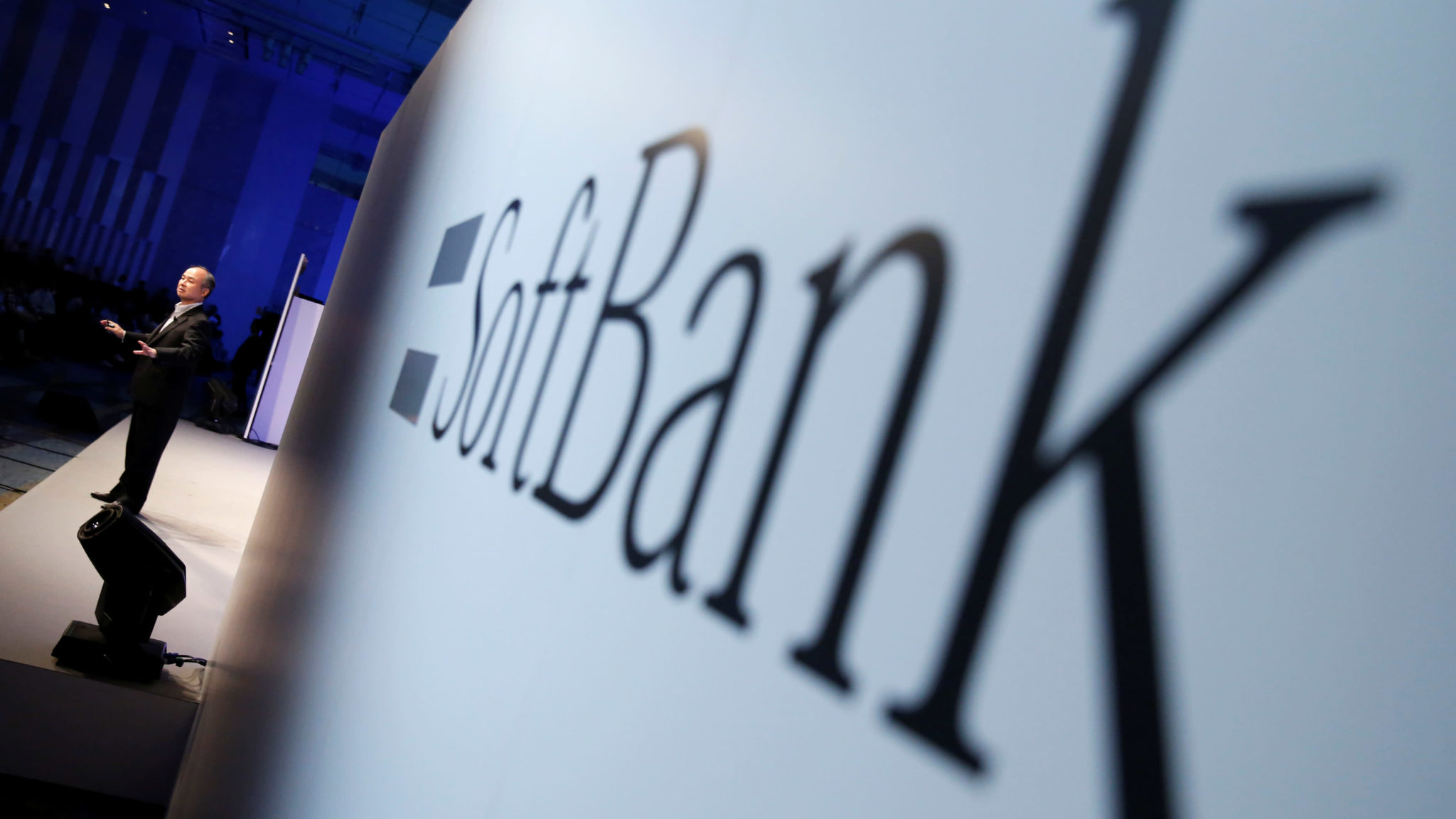
    SoftBank Group shares tumbled 13 per cent in Tokyo after artificial intelligence developers OpenAI and Anthropic urged market caution.

    The sell-off hit the Japanese conglomerate’s portfolio valuation immediately. Its holdings remain heavily weighted toward generative technology and semiconductor assets.

    Reassessing tech exposure

    Traders dumped the stock after commentary from the two foundation-model leaders cooled expectations for rapid commercial monetization. SoftBank spent recent quarters shifting capital into frontier model creators and computing infrastructure. That strategy tied its balance sheet directly to the artificial intelligence buildout.

    Holding companies with concentrated tech bets take the brunt when model builders forecast slower timelines. SoftBank’s trading multiple relies heavily on private asset valuations. That leaves little cushion during sector pullbacks.

    Valuation risk across portfolio holdings

    Institutional investors across Asian markets now face the fallout from aggressive hardware and software bets. Regional peers have largely favored diversified balance sheets and disciplined corporate software rollouts over pure-play generative startups.

    A major risk lies in the gap between heavy capital expenditure commitments and verifiable enterprise revenue. When model developers lower operational targets, secondary market liquidity for portfolio firms dries up fast.

    Market pressure mounts in Tokyo

    Past quarters saw SoftBank aggressively shift cash out of mature holdings to fund new technology bets. That redeployment concentrated risk into a narrow band of private tech assets rather than stable cash-generating operations.

    Trading desks in Tokyo are watching SoftBank’s next portfolio disclosure to see whether the group recalibrates its deployment pace or maintains existing investment targets.

  • AS Watson Rejects AI Staff Cuts Across 17,000 Global Outlets

    AS Watson Rejects AI Staff Cuts Across 17,000 Global Outlets

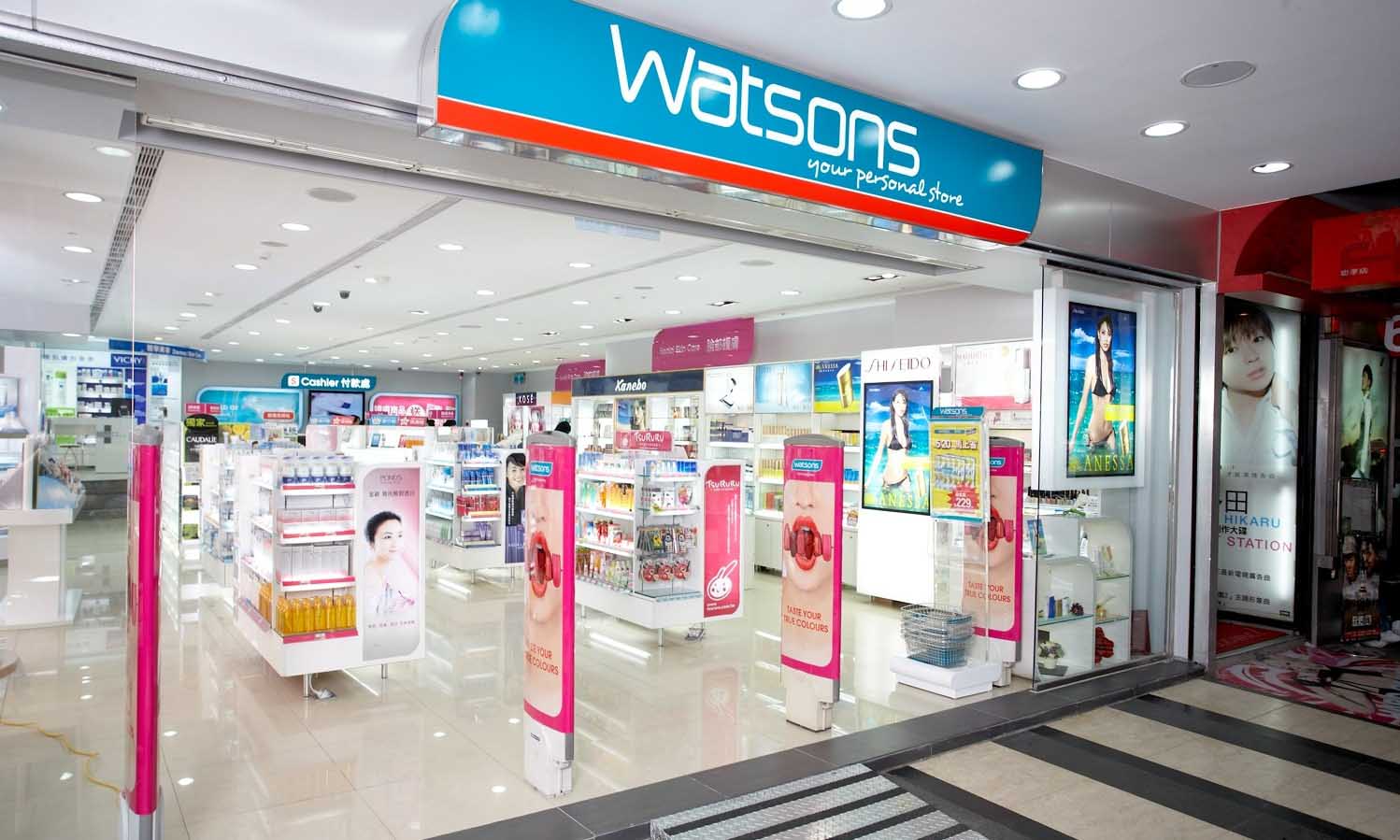
    AS Watson Group will not use artificial intelligence to cut its workforce across more than 17,000 stores in 31 markets, group chief executive Malina Ngai said in Macau.

    The Hong Kong-based retailer is the world’s largest health and beauty chain by store count. It is steering automation toward floor assistance and warehouse ergonomics rather than headcount reductions.

    Speaking at the Fortune Leaders Forum, Ngai said the business rolled out a human-AI partnership model last October. The system pairs floor staff with digital assistants to handle routine lookups and operational tasks. That frees employees for direct customer service. Management tracks progress through internal engagement scores and customer feedback rather than labor cost cuts.

    Automation Shifts Warehouse Labor in Foshan

    The technology is already altering logistics on the ground. At a group distribution warehouse in Foshan, 120 kilometers from Hong Kong, heavy-lifting robotics changed site demographics. Women now make up 62 per cent of the facility’s workforce. Across the wider region, men typically hold 80 per cent of manual handling roles.

    Asian retail operators face a split in automation strategies. Western corporations and technology vendors eliminated thousands of administrative roles this year. Store-heavy pharmacy and beauty chains, however, rely on physical interactions to drive basket sizes. Cutting floor staff risks service margins in dense Asian shopping hubs, where personal consultations secure higher-value skincare sales.

    Dual Listing Plans Anchor Network Scale

    Parent conglomerate CK Hutchison is preparing the retail division for public markets. Reports indicate the group is planning a dual listing in Hong Kong and London. The deal could value AS Watson at approximately $30 billion.

    “Is it really that, with AI, we’re going to cut out 30% of our workforce? Or… are we going to increase the quality of our people’s intelligence?”

    Founded as a Hong Kong pharmacy in 1841, the company expanded through European acquisitions and store openings across Asia. Ngai previously led digital and e-commerce integration, building the foundation for the current store-assist tools.

    Landlords and investors are watching whether these productivity gains lift sales per square meter in core Asian markets as the float approaches.

  • FamilyMart Launches AI-Designed Desserts to Speed up Product Cycles

    FamilyMart Launches AI-Designed Desserts to Speed up Product Cycles

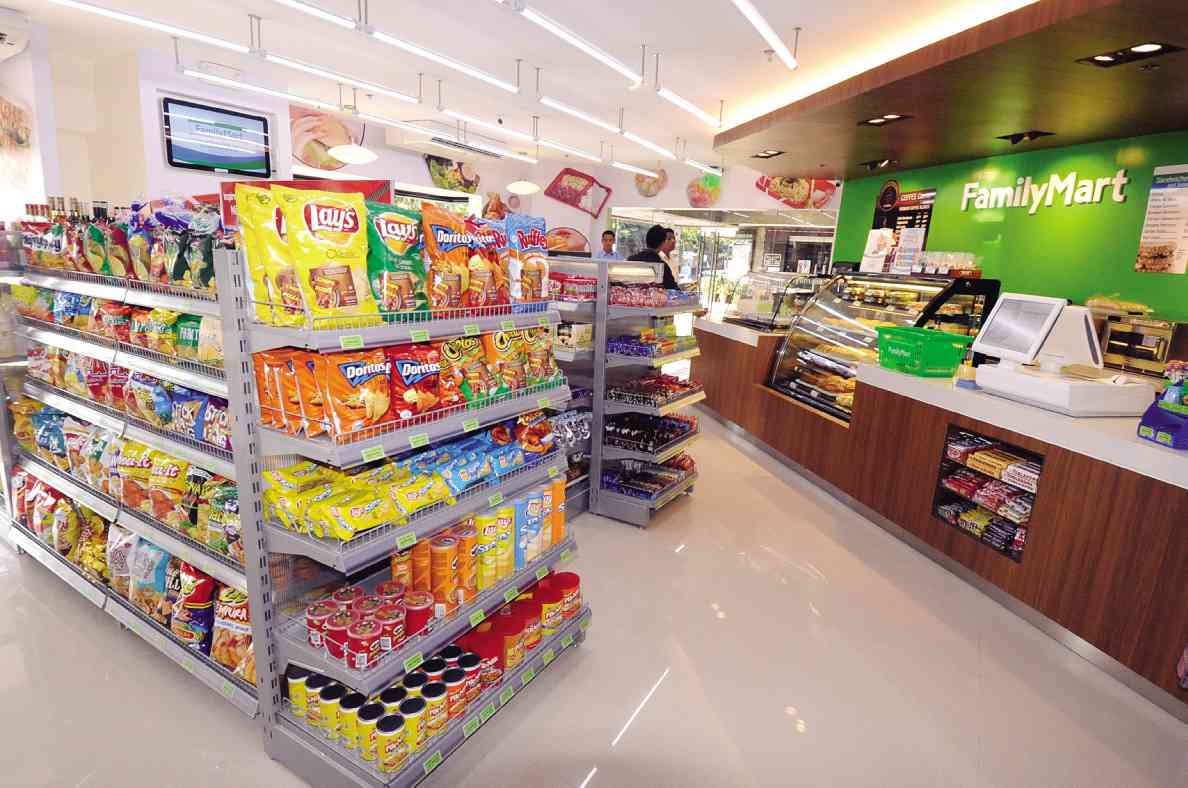
    Japanese convenience store operator FamilyMart will roll out its first dessert formulated by generative artificial intelligence in September 2026, aiming to cut product development workloads by 20 per cent.

    The Tokyo-based chain is deploying algorithm-driven recipe creation across its chilled dessert counters to capture fast-moving consumer tastes faster than human product teams can test them.

    Automating Recipe Formulation

    FamilyMart is using generative AI platforms to analyse consumer social discussions and purchase patterns, generating finished dessert recipes directly from raw trend data. The software evaluates ingredient combinations, texture profiles, and flavour pairings before human development teams test the formulations for mass production.

    Sweets and chilled bakery items generate disproportionate store traffic compared with daily staples like rice balls and bento meals. Convenience store operators in Japan rotate novelty desserts every few weeks, creating intense pressure on research teams to find fresh flavour profiles that stand out on shelves.

    Rival Pressures Across Japanese Convenience Chains

    Convenience retailers across Japan face shrinking domestic margins and high labour costs, pushing operators to automate back-office operations and supply chain decisions. Seven & i Holdings and Lawson have similarly turned to algorithmic demand forecasting, but using automated systems directly for consumer recipe design shifts technology from logistics into core merchandising.

    For food ingredient suppliers and packaging manufacturers, shorter development timelines will require more agile production lines. Suppliers that cannot adjust ingredient batches within tight AI-driven launch schedules risk losing shelf space to more flexible competitors.

    The Timeline for Store Rollouts

    FamilyMart has spent recent quarters testing automated shelf-stocking tools and digital signage across its store network to trim operational overhead. Applying generative technology to food product design represents the next stage of that operational overhaul.

    The company will track sales performance and inventory waste for the September 2026 AI dessert before deciding whether to expand automated development into its wider bento and prepared beverage lines.

  • Ant International Deploys AI Agents Across 1.5 Billion-Account Network

    Ant International Deploys AI Agents Across 1.5 Billion-Account Network

    Ant International is deploying artificial intelligence agents across its global merchant acquiring network this quarter to automate cross-border payments and digital commerce workflows.

    Based in Singapore, the fintech arm of Ant Group processes transactions across dozens of partner e-wallets. Together, those wallets serve over 1.5 billion consumer accounts worldwide.

    Automating Cross-Border Commerce

    Autonomous AI systems are being integrated directly into merchant settlement channels and checkout interfaces. These software agents handle currency conversions, fraud monitoring and automated order reconciliation without manual intervention. Ant International is embedding the technology into its Alipay+ cross-border payment platform and WorldFirst business account solutions.

    Engineering teams in Singapore and Hangzhou designed the architecture. It allows software agents to execute transactions autonomously based on predetermined consumer and merchant parameters.

    The Regional Shift to Agentic Commerce

    Competition is heating up. Ant International is racing regional rivals to capture merchant transaction fees as generative artificial intelligence moves from text prompts to autonomous execution. Competing operators including Grab, Tencent and regional banking groups are testing similar machine-to-machine checkout models across Southeast Asia. The shift aims to lower settlement dispute rates and cut conversion friction for cross-border retailers selling to outbound travelers and digital buyers.

    For independent merchants, autonomous agent integration lowers payment handling overheads across multi-currency checkouts. Verification protocols remain the primary operational risk. Unauthorized autonomous agent decisions can trigger false approvals or dispute liabilities across fragmented regulatory jurisdictions.

    Building Beyond Traditional QR Networks

    Merchant acceptance under Alipay+ recently passed 90 million points of sale across travel hubs in Japan, South Korea, Europe and Southeast Asia. That network previously relied on consumer-initiated QR code scans to route local e-wallet transactions across national borders.

    Commercial deployment across enterprise merchant accounts begins later this quarter. Cross-border clearing metrics are due in the group’s next operational update.

  • Thai Companies to Boost AI Spending 44% to US$26 Million

    Thai Companies to Boost AI Spending 44% to US$26 Million

    Thai businesses plan to increase artificial intelligence spending by 44 per cent over the next two years. That will lift average corporate investment from US$18.3 million to more than US$26 million.

    Expected financial returns will rise from 18 per cent to 35 per cent over the same period. That equals US$8.8 million per company by 2028.

    The projections come from the SAP Value of AI report, produced with Oxford Economics. The study surveyed 200 corporate executives in Thailand and 2,400 peers across 12 other markets. Automated systems currently handle 24 per cent of tasks across surveyed Thai firms. Executives expect that share to reach 42 per cent by 2028 as deployments shift from pilot projects to direct operations.

    The Push Toward Agentic Workflows

    Much of the projected financial upside rests on agentic AI. Unlike tools that only generate text or summaries, this software executes multi-step business workflows. Thai enterprises project US$8.5 million in financial returns from agentic systems over the next two years, delivering a 13 per cent return on investment on those tools alone.

    Although 71 per cent of respondents express satisfaction with current tech returns, 55 per cent state their existing deployments fail to capture the full commercial potential of the software. To narrow that gap, 72 per cent of Thai businesses plan workforce upskilling and reskilling programmes.

    Governance Deficits and Infrastructure Gaps

    For Southeast Asian retailers and supply chain operators, accelerating software outlays without underlying data integration creates drag rather than efficiency. Regional competitors in Singapore and Malaysia face similar integration hurdles. Legacy enterprise resource planning platforms often struggle to feed unstructured store and warehouse data into automated ordering algorithms.

    Corporate governance lags behind these spending commitments. Only 13 per cent of Thai businesses report having the internal skills needed to govern automated software effectively. Just 14 per cent possess adequate governance processes and compliance frameworks. Without clear operational boundaries, autonomous systems that place purchase orders or adjust inventory allocations risk compounding data errors across commercial networks.

    Shifting Away From Standalone Pilots

    Earlier technology cycles across Southeast Asia focused primarily on standalone front-end tools, such as customer service chatbots and isolated marketing generators. Those deployments produced rapid initial cost savings. However, they rarely connected directly to core supply chains, warehouse databases, or enterprise financial ledgers.

    Thai businesses are moving from AI experimentation towards execution, and we are seeing that momentum reflected in growing returns.

    This transition now tests whether internal data architectures can support automated execution at scale. Some 57 per cent of Thai enterprises report that their data infrastructure is technically ready for automation. Yet readiness remains uneven across departments. Inventory, finance, and logistics units must align their core databases before projected 2028 budget increases take effect.

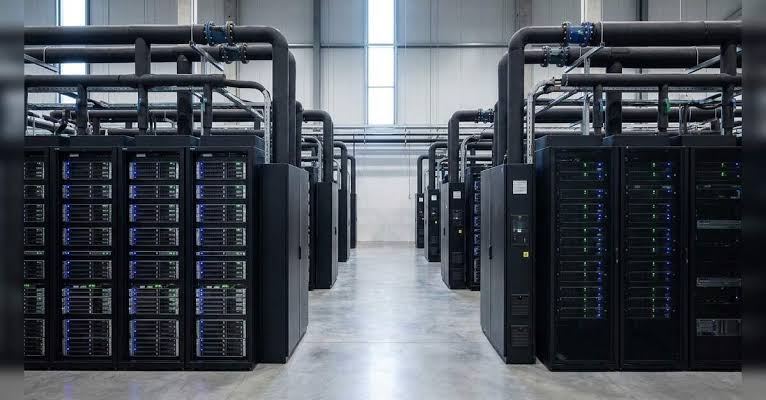
  • NFD Korea Starts Work on 300MW AI Data Campus in Dangjin

    NFD Korea Starts Work on 300MW AI Data Campus in Dangjin

    NFD Korea has started development on a 300-megawatt artificial intelligence data center campus in Dangjin, roughly 90 kilometers southwest of Seoul.

    Building permits for an initial 200-megawatt phase came through in September 2026. General contractor DL E&C broke ground in early November.

    A second agreement signed on September 9 with Chungcheongnam-do Province, Dangjin City, and EFD Co. Added a 100-megawatt parcel (Building C) valued at 1.24 trillion won ($920 million). Permitting for that final block wraps up in December 2026. The completed 300-megawatt facility will use liquid cooling engineered for rack densities up to 160 kilowatts to handle AI model training and inference workloads.

    Securing power outside the capital

    Grid bottlenecks in greater Seoul have pushed data center developers into industrial belts further south. Securing high-voltage power allocations near the capital now takes years. Operators also face regulatory delays and local residential pushback.

    Placing the campus inside the Songsan 2 General Industrial Complex avoids urban zoning disputes and secures grid access. Korea Electric Power Corporation has committed a full 300-megawatt supply. LS Electric will deliver step-up transformers in stages across 2027 and 2028.

    Between low community-opposition risk inside the industrial complex, proximity to the Seoul metro, and strong local government backing, Dangjin is positioned to deliver AI data center capacity quickly.

    The race for high-density capacity

    High-density space remains scarce for cloud providers and hyperscalers entering South Korea. Standard enterprise facilities cannot handle the heat generated by modern graphics processing units. Most of these processors require dedicated liquid cooling.

    Institutional real estate investors across Asia are shifting capital away from speculative logistics and into purpose-built computing hubs backed by long-term leases. NFD Korea is currently negotiating terms with international cloud service providers and AI firms to anchor the Dangjin site before commercial rollout.

    Building out a national pipeline

    Dangjin’s buildout follows an initial memorandum of understanding signed in 2023 for the first 200 megawatts across Buildings A and B. Founder and chief executive Choi Jae-woo, a former infrastructure lead at Amazon Web Services and Brookfield-backed DCI Data Centers, launched NFD Korea to develop a gigawatt-scale pipeline across the country.

    In Yongin City, the developer broke ground on an 80-megawatt hyperscale facility in September 2025. That site will also go live in 2028.

    Commercial service for Dangjin’s Phase 1, consisting of Building A, begins in the first quarter of 2028. Phases 2 and 3 are scheduled to come online before the end of that year.

  • Coles Drops Palantir AI Software Across 840 Australian Supermarkets

    Coles Drops Palantir AI Software Across 840 Australian Supermarkets

    Coles will terminate its software partnership with US technology firm Palantir. The platform will leave more than 840 Australian supermarkets when the three-year contract expires.

    The system processed more than 10 billion rows of operational data. That load covered employee shifts, bakery production schedules and store-level inventory allocations.

    Operational Data and Customer Backlash

    Signed in February 2024, the agreement deployed Palantir’s Foundry operating system and artificial intelligence tools for workforce planning and supply-chain logistics. The supermarket chain confirmed the platform will exit its stores beyond 2027. Public pushback over Palantir’s government surveillance and defence contracts drove the decision.

    Advocacy group GetUp mounted a billboard campaign near hundreds of stores in July, mimicking Coles branding to challenge its privacy practices. Coles rejected claims that shopper data was exposed to external access.

    “The software is deployed within Coles’ own environment and is operated and isolated under Coles controls,” a Coles spokesperson said.

    Supplier Scrutiny and Reputational Risk

    Retailers across the Asia-Pacific region face swift commercial fallout when back-end software vendors carry political or military profiles. Enterprise procurement once rested on technical capability and cost alone. That calculation has changed. Boards must now weigh vendor reputation alongside data isolation protocols.

    Ripping out an enterprise planning platform creates operational friction and heavy switching costs. Replacing tools that coordinate thousands of store rosters and perishable stock orders takes months of procurement, technical integration and staff retraining.

    The Shift in Retail Procurement

    Work began as a standard productivity initiative while grocery chains accelerated automation to curb operating costs. Palantir’s historical ties to intelligence agencies, US immigration enforcement and foreign defence contracts turned routine back-office optimization into an active brand problem.

    A replacement tender and full system migration across the 840 supermarkets must now wrap up before the contract concludes at the end of 2027.

  • Tripo AI Raises 3 Billion Yuan in Series B and B+ Rounds

    Tripo AI Raises 3 Billion Yuan in Series B and B+ Rounds

    Tripo AI has raised 3 billion yuan across combined Series B and Series B+ funding rounds this financial year to scale its generative 3D foundation models and commercial toolsets.

    This capital injection gives the company one of the largest war chests among Chinese artificial intelligence startups focused on automated spatial asset creation.

    Scaling 3D Asset Generation

    Users can convert text descriptions and two-dimensional images into production-ready 3D meshes within seconds. That speed cuts digital modeling time from days to minutes. It also directly lowers production expenses for game developers, virtual retail designers, and industrial visualization teams.

    Capital from the combined rounds will fund compute infrastructure and dataset acquisition. The money will also back larger engineering teams focused on multi-view reconstruction algorithms.

    Commercial Pressure on Digital Studios

    For consumer brands and e-commerce merchants building virtual storefronts, rapid 3D generation removes a persistent cost bottleneck. Traditional digital catalog creation requires manual sculpting and texture mapping for every stock keeping unit. Automated mesh generation shifts that workflow toward batch processing, forcing regional digital agencies and outsourced modeling studios to adjust their pricing structures.

    Adoption speed and export limits present the main risks. Consumer software platforms adopt synthetic assets quickly. Enterprise retail and manufacturing clients, however, demand strict geometric precision and clean topology that generative models still struggle to deliver without manual touch-ups.

    Prior Traction and Next Milestones

    Earlier funding rounds allowed Tripo AI to roll out browser-based generation tools and integrate application programming interfaces with major graphics engines. The platform processed millions of user queries over previous product cycles, building an initial base among independent creators and digital design shops.

    Looking ahead, management will focus on rolling out enterprise tier subscriptions and expanding direct integrations with global rendering pipelines before the end of the financial year.

  • Shinsegae Chairman Joins US-Led AI Supply Chain Push

    Shinsegae Chairman Joins US-Led AI Supply Chain Push

    Shinsegae Group Chairman Chung Yong-jin met senior United States officials in Washington on Thursday, expanding the Korean retail group’s role in a US-led artificial intelligence supply chain initiative.

    The Korean retail giant partnered with US startup Reflection AI in March, and the two companies are currently working to establish a joint venture and select a site for a large-scale AI data center in Korea.

    Washington Backing for Korean Infrastructure

    Chung attended the launch of Foundry School at the Donald J. Trump Institute of Peace after an invitation from US Vice President JD Vance and the US Department of State. Run jointly by the State Department and Stanford University, the program trains technical talent and entrepreneurs for strategic industrial sectors.

    US Under Secretary of State for Economic Affairs Jacob Helberg called the Shinsegae alliance with Reflection AI a template for allied economic security under Washington’s Pax Silica framework. The initiative aligns supply chains across semiconductors, artificial intelligence, advanced manufacturing and power generation among allied nations.

    Attendees included US Secretary of State Marco Rubio and House Republican Majority Leader Steve Scalise. Corporate leaders present included Meta President Dina Powell McCormick, Micron Technology CEO Sanjay Mehrotra and Applied Materials CEO Gary Dickerson.

    “Successfully leading an advanced-industry supply chain alliance centered on the US is the task of our time,” Chung said during discussions in Washington.

    From Department Stores to Server Racks

    Shinsegae is pivoting from traditional store networks into digital infrastructure. Department store operators across Asia face margin pressure in physical formats. That pressure is driving conglomerates to seek revenue from digital services, logistics networks and cloud infrastructure.

    Securing backing from Washington gives Shinsegae diplomatic standing and potential hardware access that purely domestic competitors lack. Execution carries risk. Developing and powering high-density data centers requires heavy capital expenditure and massive grid capacity in an already constrained Korean energy market.

    Next Steps for Joint Venture

    Talks in Washington build on an initial agreement signed in March, when Shinsegae and Reflection AI agreed to pursue a dedicated data center project in South Korea. That deal was the first project designated under the State Department framework promoting allied AI expansion.

    Both companies are now finalizing terms for the joint venture entity. They are reviewing prospective sites across South Korea ahead of formal construction filings.

  • Virtue Mirage Launches 17-Tool Fashion Personalisation Platform

    Virtue Mirage Launches 17-Tool Fashion Personalisation Platform

    Australian entrepreneur Lukas Cervenan launched Virtue Mirage in September 2026, introducing a hyper-personalisation platform designed to reshape the online fashion shopping experience.

    The system offers 17 tools that create a digital twin of a shopper using photos or exact measurements, extending personalisation across entire online stores rather than limiting it to individual products.

    By replacing traditional model imagery across every product gallery, the platform allows shoppers to see garments on their real body sizes across participating stores running on services such as Shopify and BigCommerce.

    How the Network Functions

    Shoppers manage their profiles through a central dashboard that stores saved outfits, real-time stock availability, and tailored size advisories for specific garments. A semantic search engine pairs items across a merchant’s inventory directly onto the user’s avatar, rather than displaying isolated product grids. New inventory drops can be pre-rendered for registered customer profiles before users land on the store page.

    To our knowledge, we are the only platform in the world that is transforming entire websites. So a size-16 shopper is never looking at a professional size-6 model; she sees her real size, on her real body, in every image across a brand’s entire store.

    The Return Problem Across Regional Fashion

    Retail margins across Asia-Pacific e-commerce continue to erode under the weight of reverse logistics. Fit failures drive the bulk of fashion returns, worsened by bracket-buying habits where shoppers purchase several sizes of a single item with the intention of returning most of them. Eliminating the disconnect between model proportions and real customer bodies attacks reverse logistics costs at the point of discovery.

    Standalone virtual fitting widgets rarely alter overall conversion because they sit isolated on individual product detail pages. By transforming whole catalogues into personalised galleries, operators attempt to lift checkout completion while defending independent web stores against dominant regional marketplaces like Shein and Zalora. The primary technical hurdle remains rendering fidelity, as artificial intelligence tools frequently struggle with drape and textile weight across edge sizes.

    Decade of Commercial Imaging Preceded Launch

    The platform builds directly on Cervenan’s commercial imaging business, Virtue Creative Studios, which produced e-commerce and campaign photo shoots for more than 500 apparel brands over the past ten years. That production background informed the platform’s visual architecture, which formats store catalogs to allow external AI shopping agents and semantic web scrapers to parse inventory data directly.

    Participating merchants on Shopify and BigCommerce are now integrating the software into their live storefronts ahead of peak year-end trading cycles.

  • GetUp Targets Hundreds of Coles Stores over Palantir AI Deal

    GetUp Targets Hundreds of Coles Stores over Palantir AI Deal

    Community advocacy group GetUp targeted hundreds of Coles stores across Australia with spoof digital billboards, challenging the supermarket operator over its enterprise partnership with US analytics vendor Palantir. The advertisements ran outside store entrances in July, mimicking the retailer’s signature red and white branding with the slogan: “Here at Coles, we’re always watching you.”

    The pushback followed Coles deploying software from the controversial US technology company to sharpen artificial intelligence and operational efficiency across its supermarket network. While the digital billboards were taken down quickly, the campaign triggered public debate over how large grocery chains handle customer data and explain tracking tools to shoppers.

    Public Scrutiny Over Store Analytics

    Supermarket operators across the Asia-Pacific region have accelerated investments in predictive analytics, automated inventory forecasting, and computer vision systems. Enterprise partnerships with overseas defence and intelligence contractors carry brand risks that standard retail IT upgrades do not. Consumer groups increasingly scrutinise the boundary between back-end supply chain optimisation and customer-facing surveillance.

    For grocery chains operating in concentrated retail markets, transparency around data architecture has become an operational necessity rather than an investor relations footnote. When retailers fail to define where data processing stops, third-party advocacy groups easily fill the information vacuum with negative messaging right at the store entrance.

    Retail AI Strategy Under Pressure

    The dispute reflects broader friction across Australian retail as grocers test advanced algorithmic tools to cut shrink and streamline operations. Coles had framed its AI rollout as an efficiency play, intended to modernise store workflows and stock management across its national footprint. Linking store-level operations to specialised analytics vendors has instead tested customer goodwill at a time of heightened consumer sensitivity around commercial data collection.

    Grocers managing similar automation rollouts across regional markets now face tighter questions regarding data sovereignty, third-party software governance, and in-store customer communications. Retailers will need to clarify operational boundaries as advocacy campaigns continue tracking corporate technology procurements.

  • Bidgely Shows Energy AI for 50 Million Homes at Enlit Asia 2026

    Bidgely Shows Energy AI for 50 Million Homes at Enlit Asia 2026

    Bidgely will present its energy artificial intelligence solutions alongside regional energy leaders at Enlit Asia 2026, scheduled for 22 to 24 September in BSD City, Jakarta.

    Headquartered in Los Altos, California, the company serves over 50 million homes globally and holds more than 19 foundational patents powering its UtilityAI platform.

    Bidgely and its vice president for EMEA and APAC, Nipun Jain, will demonstrate how smart meter data analytics can be deployed directly or across cloud ecosystems such as AWS, Microsoft Azure, Snowflake, and Databricks.

    Targeting Southeast Asian Power Loss

    Power distributors across Southeast Asia face heavy revenue leakage from non-technical losses, primarily unmetered taps, meter tampering, and unrecorded commercial consumption. Traditional auditing relies on manual inspections across sprawling municipal feeder lines. It is a slow, expensive field process that leaves billions in lost revenue on distribution balances. Algorithmic anomaly detection cuts those inspections down to verified problem sites. That gives state-backed utilities in Indonesia, Malaysia, and the Philippines a faster return on their smart meter outlays.

    Commercial property owners and industrial operators across the region will feel this operational shift directly. As utilities adopt granular meter-level intelligence, billing discrepancies become faster to audit and harder to contest. For enterprise consumers, appliance-level breakdown data clarifies peak-demand surcharges. Regional distributors also gain direct data to use when negotiating tariff structures and demand-response targets.

    Cloud Platforms and Grid Strains

    Growth across ASEAN follows Bidgely’s addition of regional executive teams in July 2026 and technical roadshows across North America and Europe earlier in the year. Rapid deployment of advanced metering systems across key ASEAN markets has generated vast troves of interval data. Local power authorities rarely process this information beyond standard monthly invoicing.

    At Enlit Asia, we are showing how energy leaders are extracting value from this AMI data with AI/ML based big-data analytics, which turn interval data into concrete outcomes that remove bill shock, eliminate non-technical losses and build a resilient grid for the future.

    Technical Sessions in Jakarta

    Nipun Jain, vice president for EMEA and APAC at Bidgely, leads the regional delegation. Technical sessions scheduled for 22 and 23 September focus on feeder-level forecasting, battery asset visibility, and active grid layer management for distribution networks facing new consumer demand spikes.