Tag: asia

  • Korea Sale Festa kicked off last week

    Korea Sale Festa kicked off last week

    The Korea Sale Festa beginning Sept. 28 will fail to fulfill its aim of boosting consumption and helping small- and medium-sized enterprises (SMEs), as a growing number of retailers and consumers have turned away from the government-initiated discount event.

    Since 2016, the government has hosted the Korean version of Black Friday to stimulate domestic consumption.

    However, consumers have pointed out low discount rates and the poor quality of products sold during the event.

    Retailers have also complained about the ineffectiveness of the event. “Department stores and discount chains regularly hold discount events, so their sales do not grow significantly during the Korea Sale Festa,” a retail industry official said.

    Amid the growing criticism, the government even cut the budget for the event and its duration.

    According to Rep. Yoon Han-hong of the main opposition Liberty Korea Party, the Ministry of Trade, Industry and Energy will spend 3.45 billion won (US$3 million) on the Korea Sale Festa this year, down from 5.1 billion won last year.

    In particular, the budget for traditional markets and SMEs decreased to 1.3 billion won from 2.77 billion won, while that for the promotion of the event is 2.15 billion won, down from 2.32 billion won.

    Most of the 2.15 billion won has been used to cast SHINee’s Choi Min-ho as spokes-model for the Korea Sale Festa, and entertainers who will perform on the eve of the event. They include Red Velvet, EXO, NCT 127 and several other singers and comedians.

    The length of the Korea Sale Festa has also been shortened to 10 days this year from 34 days last year.

    Given that the event will be held after the peak shopping season of the Chuseok holidays, SMEs and vendors at traditional markets will face difficulties in boosting sales.

    Against this backdrop, the number of companies participating decreased to 231 this year from 446 last year, as a growing number of retailers, hotels and restaurants declined to offer discounts.

    “Despite the recent slump in domestic consumption, the trade ministry does not pay any attention to the Korea Sale Festa, as it focuses only on the shutting down of nuclear power plants,” Yoon said. “The government should come up with measures to boost consumption and support SMEs.”

    The ministry decided to spend 2 billion won on the Korea Sale Festa next year, down 1.45 billion won from this year. Some observers expect the Moon Jae-in administration will move to abolish the event initiated by the previous Park Geun-hye administration.

  • Vietnam warned it is planning too many airport

    Vietnam warned it is planning too many airport

    Vietnamese provinces are proposing new airports without realizing that the country is already overloaded with these facilities, experts say.

    Authorities in the southern Ba Ria-Vung Tau province have been working with private firm Ho Tram Ltd. on constructing a civilian airport.

    The airport, estimated to cost VND4.2 trillion ($193.6 million), will cover 250 hectares (618 acres) with a runway of 2,400 meters. It will be invested in by Ho Tram, the investor of the Grand Ho Tram Strip resort nearby.

    The province had previously proposed another airport to serve military and cargo purposes, which is estimated to cost $1 billion.

    These two airports would be just 30 kilometers away from each other.

    Meanwhile, Ba Ria-Vung Tau already has an airport on Con Dao Island in operation and the mega Long Thanh International Airport being planned in southern Dong Nai Province is just 40 kilometers away.

    In July, the northern province of Lao Cai proposed that an airport built near Sa Pa, one of Vietnam’s top tourist attractions, for both civilian and military purposes.

    Provincial authorities estimated investment for the airport at over VND5.7 trillion ($246 million).

    Apart from the Noi Bai International Airport in Hanoi, the northern region is already set to get another one, the Van Don International Airport near Ha Long Bay, this December.

    Experts are concerned that Vietnam is building too many airports without carefully evaluating their necessity.

    ‘Airport race’

    Dr. Nguyen Thien Tong, former faculty head of aeronautical engineering at the Ho Chi Minh City University of Technology, said that there is an “airport race” in the country.

    “If every province in the country had an airport, things would be chaotic,” he said.

    It’s not necessary to have two new airports in Ba Ria-Vung Tau, as the province does not have a large number of tourists, Tong added.

    Echoing Tong, Ngo Viet Nam Son, an architect who participated in designing the Ninoy Aquino International Airport Terminal in the Philippines, said that the province should only have one helicopter airport.

    “It would be much more efficient if money is spent on building an expressway which connects Ba Ria-Vung Tau and HCMC,” Son said.

    Speaking of the proposed airport near Sa Pa, Tong said that roads should be the focus of this area, not airports.

    “There needs to be a very large number of tourists influx to result in profits for an airport, otherwise it would be a waste,” he said.

    Investing in roads in this area will allow different vehicles to travel to multiple destinations in the north, serving the majority of the population, Tong added.

    Son was concerned about the distance from the airport to Sa Pa town, which is about 100 kilometers away, a distance too long to attract tourists.

    Traveling from the airport to Sa Pa town will take two hours with that distance, the same time tourists have to spend for flight procedures, he noted.

    As travelling from Hanoi to Sapa now takes just five hours via expressway, roads should be the main focus of the area, not airports, Son said.

  • Here are Indonesia’s top 10 retailers according to Euromonitor

    Here are Indonesia’s top 10 retailers according to Euromonitor

    Indomaret convenience store chain leads the rankings of Indonesia’s top 10 retailers.

    The Indomarco Prismatama-owned convenience store chain achieved sales of US$4.89 billion last year, followed by Alfamart with $3.97 billion, according to Euromonitor.

    Speaking at a conference where Indonesia’s top 10 retailers were revealed, Euromonitor’s Dhea Sutanto said Indomaret’s success was likely attributable to the greater number of physical stores it had compared to its competitors, and its promotion strategy.

    “If it is able to reach more consumers and more outlets, automatically it will generate more revenue, especially if it provides more accessibility to consumers that are harder to reach,” she added.

    Indomaret currently operates 15,633 outlets across Indonesia while Alfamart has 13,991.

    Matahari Department Store took third spot on the list with $1.36 billion in sales, followed by Carrefour and Transmart Carrefour by Trans Retail Indonesia, which earned $1.22 billion.

    In fifth place was Dairy Farm International operation which includes Hero Supermarket Group, Guardian, Star Mart and Giant, among others, with $903 million in sales.

    High-end fashion retailer Mitra Adi Perkasa, which owns Kidz Station, Marks & Spencer and Sports Station, came in sixth with $866 million. It was followed by Matahari Putra Prima group (Hypermart, Boston Health), gadget retailer Erajaya Swasembada (Erafone) and middle-to-low-income fashion retailer Ramayana with $781 million, $688 million and $643 million in sales, respectively.

    Books and stationery stores Gramedia, Grazera and Trimedia from Gramedia Asri Media ranked 10th by earning $430 million in sales.

  • Coca Cola Australia buys Mojo Kombucha

    Coca Cola Australia buys Mojo Kombucha

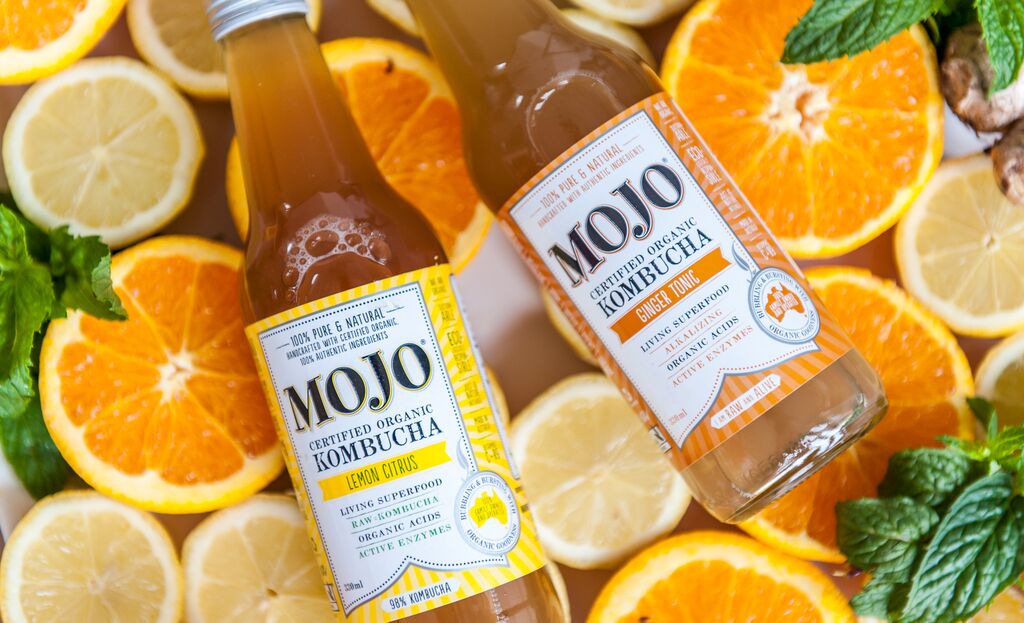
    Coca Cola Australia announced on Tuesday it has acquired the Organic & Raw Trading Co., the Australia-based owner of Mojo Kombucha.

    The terms of the deal were not disclosed. In a move that sees the soft drink maker diversify into low-sugar, natural beverages, Coca Cola will add Mojo brands to its portfolio of 165 products and 25 brands across Australia.

    “The addition of Mojo Kombucha fits perfectly with the growing popularity of organic, probiotic drinks,” Vamsi Mohan, president of Coca-Cola Australia, said in a statement.

    In the last twelve months, Coca Cola has been buying up healthier drink companies, including sparkling water, as consumers become increasingly health conscience.

    More recently, the soft drink heavy weight acquired UK coffee chain Costa for $5.1 billion and invested a small stake into Kobe Bryant’s sports drink BodyArmor in August.

    For the second quarter 2018, Coca Cola reported net revenues declined 8% to $8.9 billion, impacted by a 15% headwind from the refranchising of company-owned bottling operations.

    However, organic revenues grew 5%, driven by concentrate sales growth of more than 2% and price/mix growth of more than 2%.

    “We’re encouraged with our performance year-to-date as we continue our evolution as a consumer-centric, total beverage company,” said James Quincey, President and CEO of Coca-Cola. “We have the right strategies in place and remain focused on achieving our full year guidance.”

  • Louis Vuitton dominates fake products seized in Korea

    Louis Vuitton dominates fake products seized in Korea

    South Korea’s Customs service has released an intellectual property infringement report detailing the most-seized counterfeit goods over the past four years.

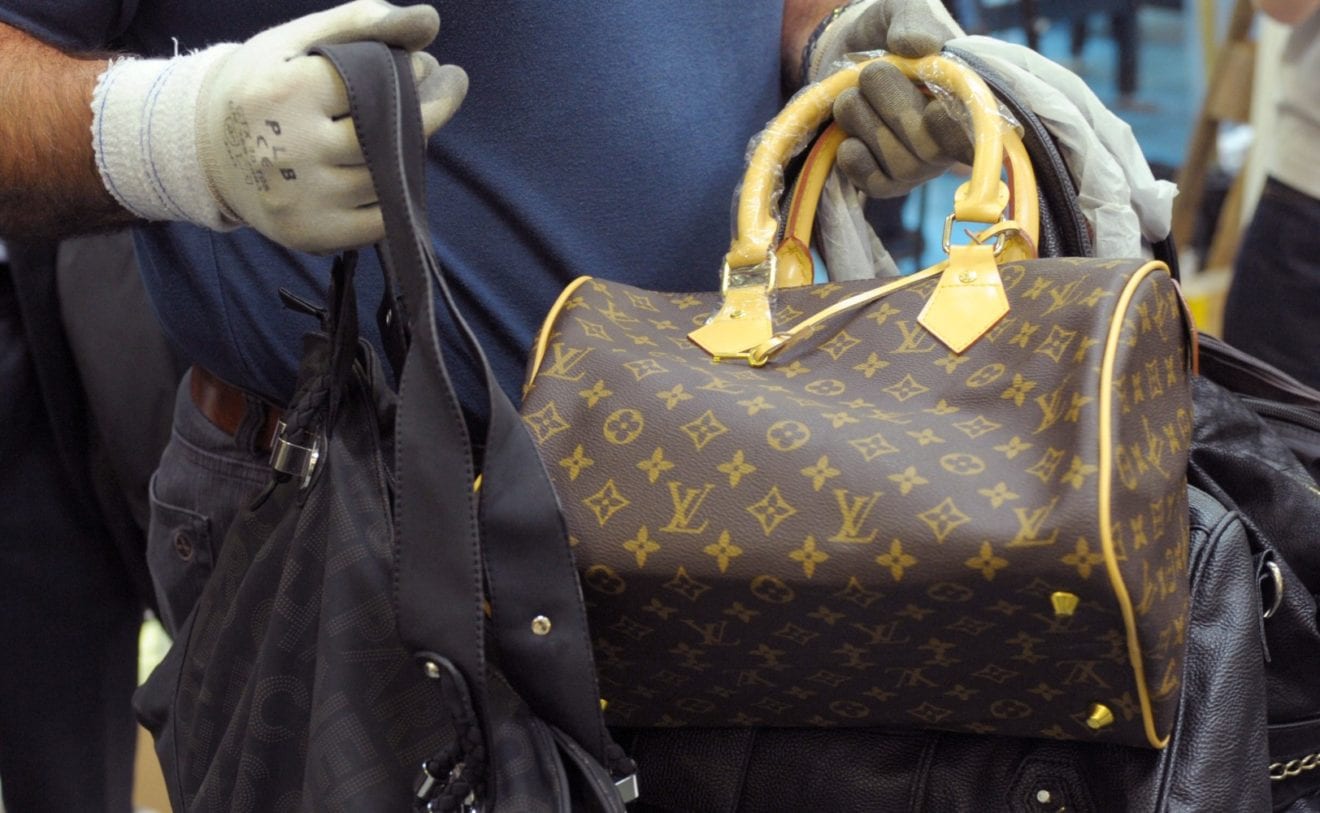
    According to the report, South Korean officials seized more fake Louis Vuitton products than any other between June 2014 and June this year, a trend that accelerated over the period.

    Agents seized KRW183.1 billion (US$224 million) worth of LV-trademarked counterfeit goods, mostly originating from China. Almost a quarter of those goods were seized within the last six months alone.

    Democratic Party lawmaker Kang Byung-won, who commissioned and released the report, said: “Making and distributing fake goods is a criminal act that violates intellectual property rights, and it is required to toughen crackdown on such illegalities.”

    Other frequently counterfeited brands include Rolex watches, Cartier jewelry, Chanel garments and accessories, and Gucci products.

  • Hermès’ marketing strategy revealed

    Hermès’ marketing strategy revealed

    On a sticky autumn day in Manhattan’s Meatpacking District, pedestrians walking down 10th Avenue and turning left on 14th Street might have clocked a velvet rope, bathed in glowing red light emanating from a gallery space.

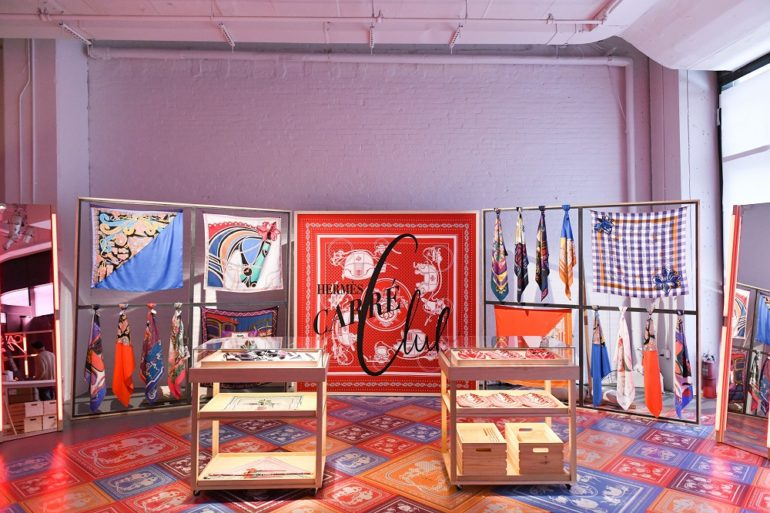
    Inside, the curious were greeted by a smiling concierge welcoming them to the Hermès Carré Club, a magical makeshift pop-up dedicated to one of the French luxury brand’s more accessibly priced, high-volume products: silk scarves.

    After submitting their personal “membership details” on an iPad, including name and email, visitors were encouraged to peruse stations where a handful of the artists who create the prints that cover Hermès scarves were on-hand, sketching out new creations in a demonstration of the craftsmanship that is a key pillar of the company’s approach. A gentleman painted portraits rendered in signature Hermès orange, while two handsome Central Saint Martins graduates swirled designs onto their hand-made, wrought-iron “drawing machine.”

    On the walls were vintage Hermès colour swatches, which guests were prompted to name. (Suggestions included “Bill Cunningham Blue,” “First Husband” — for a muted taupe — and “Gin,” a silvery grey.) There was a “Carré-oke booth” — get it? — and a café that served free coffee and staged jazzy concerts each evening. And yes, should you want to buy something, there was a capsule collection of scarves designed especially for the event.

    This open-to-the-public, four-day experience — which is also traveling to Toronto, Singapore, Los Angeles and Milan — was designed to help position Hermès not as stiff, snobby, or exclusive, but playful, engaging and inclusive. Sure, the company sells five-figure Birkin bags, but it also sells “Twilly” tie-neck scarves for $160, underscoring one of the company’s core skills: conjuring a halo of perceived exclusivity over a wide range of products, while balancing an image rooted in both high luxury status symbols and a young-at-heart whimsy.

    Category segregation is critical to the company’s strategy. Hermès confines iconic, core-category products like bags to high-end price ranges, while offering other categories, like scarves, at lower price points to aspirational consumers. But so is brand storytelling. And yet, curiously, the 181-year-old house, majority-owned by the Hermès family and run by sixth generation heir Axel Dumas, does not have a marketing department. Instead, it employs a communications team to manage press and media buying and a creative team to conceive seasonal campaigns. (This year’s theme is “Let’s Play.”)

    “You know, we don’t do marketing,” explains Bali Barret, artistic director of the women’s universe at Hermès, who oversees ready-to-wear, shoes, accessories and scarves. Both Pierre Hardy and Nadège Vanhee-Cybulski — who shows her latest ready-to-wear collection in Paris on Saturday — report to her. Barret also serves as the liaison between the company and the hundreds of artists that design its scarves.

    “The scarf represents the fantasy and humour of Hermès; it’s an affordable object compared to most of the things we’re doing and that makes it younger,” she adds. “There’s a lot of freedom in it. Sometimes, the image can feel conservative, so we have to keep updating, telling again and again that it’s still creative, contemporary.”

    The company sold its first scarf in 1937. In the first half of the 2018 fiscal year, sales in the silk and textiles category were €249 million ($292 million), up from €246 million ($289 million) in the first half of 2017. Across the board, sales were €2.9 billion ($3.4 billion), up from €2.7 billion ($3 billion), with jewellery and home, ready-to-wear and perfume enjoying double-digit growth. And last year, the company posted record profitability.

    It was Barret who oversaw the conception of the Carré Club, recruiting several of her star scarf makers to join the travelling band in each city. Sitting at one of the on-site cafe’s tiny tables, the floor of the space skinned with a scarf print, Barret is wearing one-of-a-kind Hermès merch — a grey sweatshirt embroidered with “Hermès Club” in cursive — with a navy blue and red-striped scarf wrapped securely around her neck like a choker. In today’s streetwear-fuelled fashion cycle, customers would pay a good price for one of those sweatshirts. But it’s not for sale. “We have lots of requests,” Barret says, noting that she did have one made for Vanhee-Cybulski.

    The Manhattan leg of the Carré Club tour was also a testing ground. Next spring, Hermès plans to open a flagship in the neighbourhood, which is flooded with tourists thanks to The High Line — an elevated park on old freight railway tracks — the Whitney Museum of American Art and an impressive mix of restaurants and retail stores and close enough to the West Village to attract a local clientele too. The bits of data collected at the “membership desk” will help sales associates begin to forge relationships early on.

    “It creates a one-to-one, personal relationship,” said Florian Craen, Hermès’ executive vice president of sales and distribution. “We want to re-engage people.”

    In many ways, Hermes’ “anti-marketing marketing” approach checks many of the boxes of a traditional marketing strategy. Hermès still wants to engage customers and find new ones through communication. And it’s certainly a major investment. In 2017, the company spent €275 million ($323 million) on “communication expenditure.” (The company declined to clarify exactly what that encompasses.) But its approach is less clinical than most: there’s a sense of humanity and humour.

    At Hermès, the structure of the organisation adds another layer of employee accountability. The heads of each region choose whether or not they want to host one of these projects, instead of Paris dictating where it will be staged. (It mirrors the way in which the company merchandises its stores: buyers from each outpost attend an event twice per year in Paris, where they place orders customised to their clientele.) “We want people to experience something different in every store,” Craen said.

    “It’s about emotions and sensitivity, but not being too serious,” Barret added. “It’s just scarves.”
  • Sungei Wang Plaza Will Be Getting a Major Facelift

    Sungei Wang Plaza Will Be Getting a Major Facelift

    Sungei Wang Plaza, one of Kuala Lumpur’s older malls, is getting a facelift.

    The mall’s majority owner Capitaland Malaysia Mall Trust’s (CMMT) has announced plans to transform the tired shopping centre into a “glistening-gold location” by the middle of next year. Renovations will feature a 3D screen that is to be part of a 24 hour lights display.

    Complex manager Yuen May Chee said: “The 3D-patterned screen will give a brand new modern outlook to Sungei Wang Plaza and it will glisten under the sunlight. Furthermore, the screen will form certain patterns during dawn and dusk.”

    The mall will also feature a new “Jumpa” zone to include a family entertainment park, large-format specialty retail stores, fashion brands, F&B, beauty products and a supermarket.

    Previously a noted fashion locale, the mall had declined in popularity as new developments entered the Malaysian shopping centre market. The planned renovations will be the mall’s third major refurbishment since 2013, and is expected to cost CMMT MYR54.5 million (US$13.2 million).

  • Vietnam 9-month GDP growth highest in 8 years

    Vietnam 9-month GDP growth highest in 8 years

    Vietnam’s GDP grew by 6.98 percent between January and September, the highest nine-month growth rate since 2011.

    Data released by the General Statistics Office (GSO) Friday showed growth in the third quarter was 6.88 percent year-on-year.

    In the year-to-date agriculture and fisheries grew by 3.65 percent, the highest since 2012. Industry and construction grew by 8.89 percent and services by 6.89 percent.

    Between January and September, the country earned $178.9 billion from exports, a year-on-year increase of 15.4 percent, while spent $173.52 billion on imports, up 11.8 percent.

    Exports of 26 items each topped $1 billion. Three of them exceeded the $10-billion mark: electronics-computers-components, machinery-equipment and phones-components.

    Inflation was at 3.57 percent in the first nine months of this year. Vietnam set target to keep inflation below 4 percent for the whole year.

    “Growth in the first nine months showed many positive results. However, there are still many challenges, especially in the background of the China-U.S. trade war,” GSO general director Nguyen Bich Lam said on Friday.

    The escalating trade friction between the U.S. and China poses a threat to countries like Vietnam which exports intermediate goods to China, while weaker global demand will also act as a drag on growth prospects, Reuters quoted Capital Economics as saying Friday.

    The research firm projected Vietnam’s growth rate to slow down from 7 percent this year to 6 percent in 2019 and 2020.

    But the trade spat has not yet affected Vietnam’s exports to the U.S, Lam said. Vietnam could seek opportunities to boost exports and welcome foreign investments, while watching out for risks including transhipment to avoid tax, similar tariffs imposed on Vietnam and global trade contraction, he added.

    In a report issued Wednesday, the Asian Development Bank forecast Vietnam’s GDP to expand by 6.9 percent this year.

    The economy grew by 6.81 percent last year, the highest rate in a decade.

  • KLIA retail space offered for tender

    KLIA retail space offered for tender

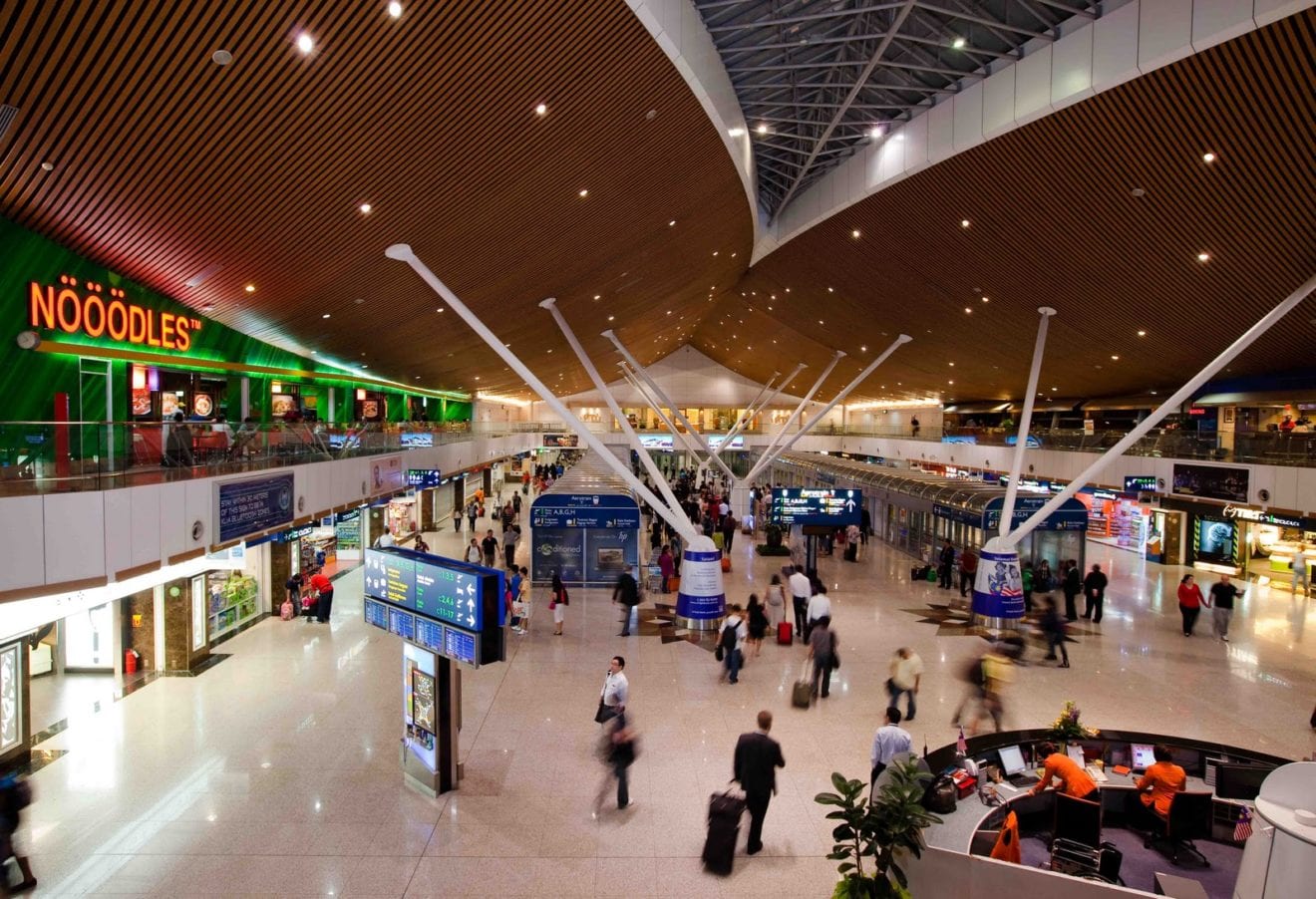
    Malaysia Airports has announced 14 tenders for KLIA retail space covering more than 2000sqm.

    The tenders are part of the Kuala Lumpur International Airport rennovation works in the main terminal building.

    The majority of the tenders closed in mid-September, although the deadline for submissions for a 777sqm walkthrough emporium in the level 3 arrivals area, featuring core duty free brands such as perfume and alcohol, remains open until October 11. Tenderers are asked to consider the creation of a seamless walkthrough emporium incorporating a passenger walkway of approximately 30 to 40 per cent of the common walkway.

    The closed tenders include four news, books and convenience goods outlets; two coffee outlets, and two casual dining concepts in the main terminal.

    The tenders are part of MAHB’s five-year plan to evolve KLIA into “a hub with increased connectivity and seamless transfers”.

    The new retail layout at KLIA will be divided into five new zones: the duty free zone, fashion avenue, ‘retailtainment’, sense of place, and F&B.

  • Duty-free on arrival set for Incheon next year

    Duty-free on arrival set for Incheon next year

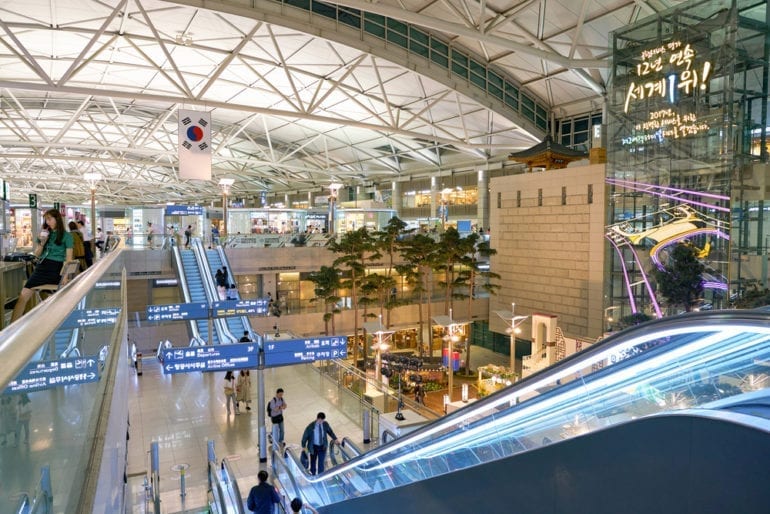
    The country’s first duty-free store available to returning travelers will open at Incheon International Airport as early as next May, the Finance Ministry announced.

    Currently, duty-free purchases are allowed only for passengers departing Korea, either at an international airport or in advance at city locations with the goods available for pick-up at the departure terminal.

    “The number of people traveling abroad has been on the rise and they’ve been grappling with the inconvenience of carrying products purchased duty-free throughout the whole trip,” the Ministry of Economy and Finance said in a statement released.

    “[Duty-free on arrival] is aimed to end that inconvenience and prompt consumers to spend more inside the country instead of shopping duty-free overseas.”

    The statement added that duty-free on arrival is now already available at 149 airports in 73 countries.

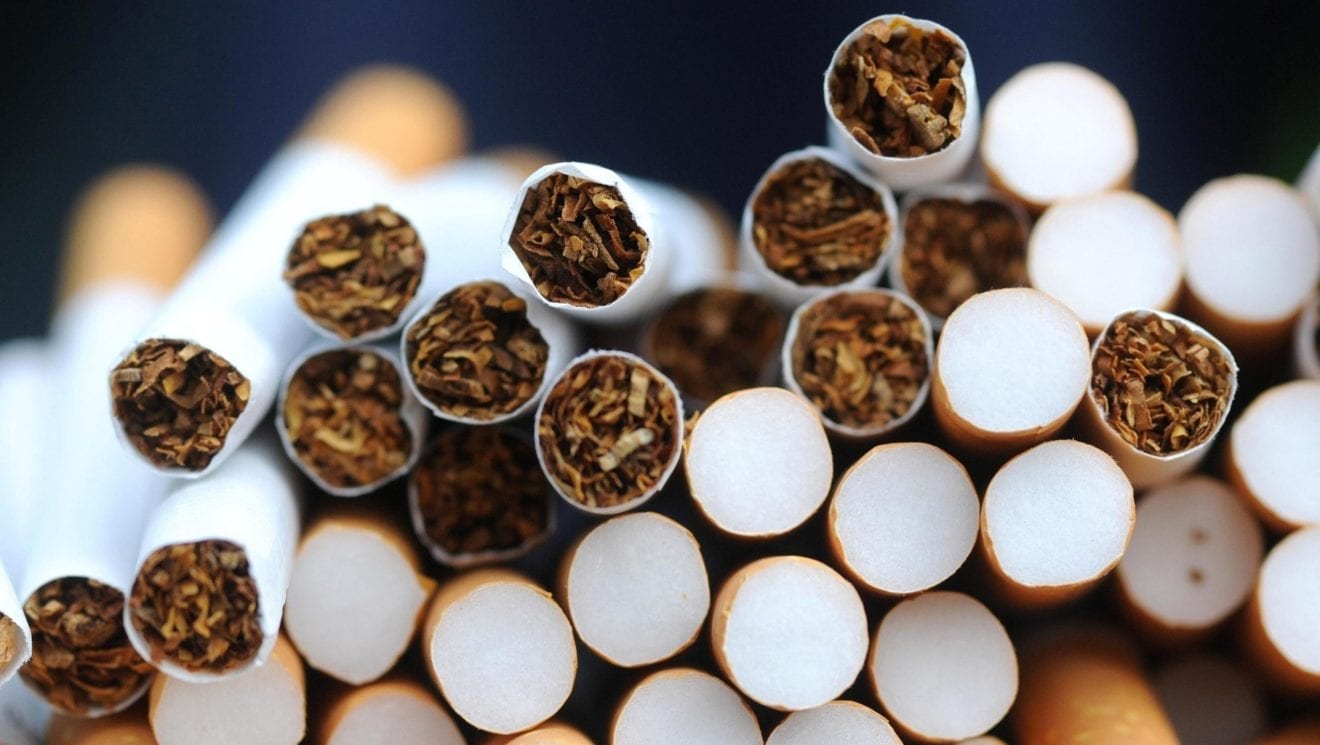
    Cigarettes, a duty-free steady seller, will not be allowed for sale at on-arrival stores, the ministry said.

    “The price of cigarettes differs greatly at duty-frees and local retailers,” said a source at the Finance Ministry. “People could buy lots of them at arrival gates and resell them in Korea at a price cheaper than the official retail price.”

    The same abuse could be possible with cigarettes purchased at departure duty-frees, but the source added that “generally speaking, it’s inconvenient [to buy cigarettes there for resale] because they have to be carried throughout the trip and, in such cases, the purpose is mainly personal, either for the consumers themselves to smoke during the trip or as gifts.”

    Fruits and meat products that must be declared for quarantine are also banned from arrival duty-free stores.

    The Finance Ministry also reminded travelers that the purchase limit for duty-free products for Koreans returning home remains unchanged at US$600.

    Larger duty-free brands that operate stores in the city and departure gates argued the need to raise that limit if the government wanted to grant licenses for stores at the airport’s opposite end.

    Bidding for licenses to run duty-free spaces at Incheon International Airport’s arrival gates will be held between March and May of next year.

    Only small and mid-sized companies are allowed to submit business plans, leaving out industry leaders such as Lotte, Shilla and Shinsegae Duty Free.

    Operations at on-arrival duty-free stores are planned to start between late May and June. After a six-month trial run at Incheon, the government will look into expanding duty-free on arrival at other international airports in the country.

    This announcement puts an end to a 15-year debate. Consumers support the idea: 81 percent of respondents to a government survey last month complained about carrying duty-free goods while traveling.

    Since 2003, lawmakers have proposed to begin duty-free on arrival six times, but all the initiatives failed in the face of opposition from current operators and airlines. Current tax law allows duty-free purchases only on departure, so National Assembly action would be required as part of setting up a new system.

    President Moon Jae-in urged quick changes to the current system in August, citing a $13.7 billion tourism deficit last year.

  • J Crew to develop new brand for younger shopper

    J Crew to develop new brand for younger shopper

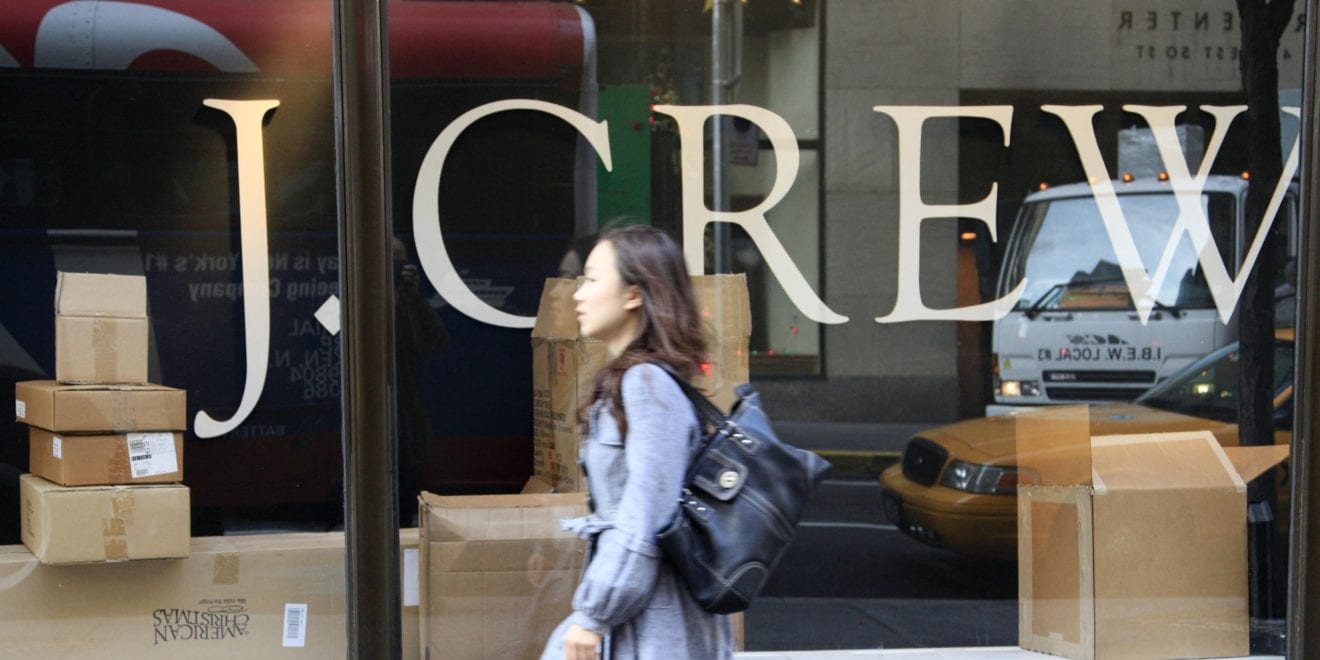
    A new J Crew brand is under development as the US fashion house seeks to broaden its appeal to younger female shoppers.

    In an interview, J Crew CEO Jim Brett says the company sees itself as having more than two brands.

    “In fact, we’ll be announcing one new brand this year. It is aimed at women, and it’s younger than any of our existing brands.”

    While he declined to reveal any further details of the new J Crew brand, commentators say the move will help it broaden its audience away from the staple “preppy” style it is currently associated with. It is part of a broader strategy to lift lacklustre sales.

    The new J Crew brand would be its third, the second being denim-driven Madewell, targeting millennial women with what described as “more of a tomboy style”.

    Its core brand is being relaunched with broader range of sizes and improved styling.

    Brett says the strategies are already paying off, evidenced by two consecutive quarters of same-store sales growth. But he cautions new brands must target new customer demographics.

    “It’s very important to maintain distinction between the brands,” he said. “It wouldn’t do the portfolio any good to cannibalise itself.”

  • 90 percent of Vietnamese want tobacco tax raised

    90 percent of Vietnamese want tobacco tax raised

    Most Vietnamese want the tax on tobacco raised as a means to reduce smoking, a survey has found.

    The survey, by Canadian NGO HealthBridge, released at a conference Tuesday showed that 90 percent of Vietnamese think raising the price of a 20-pack of cigarettes to VND45,400 ($1.95) will have an impact on smoking.

    The average price now is VND15,000 (64 cents), the survey said.

    Over 80 percent of respondents said smokers would be deterred if the price is hiked to VND22,700 (97 cents), the survey, which polled around 600 people, said.

    The same number said the tax should be increased to 45-70 percent. The special consumption tax (SCT) on tobacco is currently 35.6 percent.

    Should tax on tobacco be raised?current tax 35.6% retail priceTax should not be changedTax should increase to at least 45%No comment

    Le Thi Thu, senior project manager at HealthBridge, said that studies have shown smoking is a greater financial burden on the poor than the rich since treatment of diseases caused by smoking costs a lot of money.

    “The negative impacts of smoking on Vietnamese people’s lives are undeniable.”

    Smoking gets easier

    But Vietnam’s policies on tobacco tax have not been effective in reducing smoking, experts said at the conference.

    Nguyen Thu Huong, communications officer at the Ministry of Health’s Tobacco Control Fund, said the average price of a 20-pack of cigarettes fell from VND12,700 (54 cents) in 2010 to VND11,000 (47 cents) in 2015.

    The low price allows more people, even children, to smoke, she added.

    Dr Nguyen Tuan Lam, a specialist at the World Health Organization (WHO) Vietnam, noted the current SCT of 35.6 percent on tobacco is lower than the global average of 56 percent.

    It is also lower than in several other Southeast Asian countries such as Thailand, Singapore, the Philippines, and Malaysia, he said.

    Vietnam’s tobacco prices are the second lowest among 20 western Pacific countries for which data is available, he said.

    The Ministry of Finance has proposed two options for raising the tax.

    The first option is a combination of an SCT and a fixed tax. With it, a 20-pack of cigarettes will attract an additional VND1,000 (4.3 cents) in fixed tax, and each cigar, VND1,500 (6.4 cents).

    The second option is to increase the SCT every year until it reaches 85 percent in 2021.

    Health officials favor the first option, but said the fixed tax should be higher at VND2,000-5,000.

    Lam said a tax of VND5,000 would reduce the number of male smokers by 6.3 percent and the number of people dying of tobacco use would fall by 900,000.

    Pham Thi Hoang Anh, country director of Healthbridge Vietnam, said the government should gradually increase the taxes on tobacco every year. “Thailand increased them every two years between 1992 and 2015, from 55 percent to 86 percent.”

    But that was on wholesale prices, which would be equivalent to 115-600 percent on retail prices in Vietnam, she explained.

    “No one is harmed when tobacco tax is raised. There are few industries that are growing as strongly as tobacco, which is growing at 9-10 percent a year.”

    A tax hike would not kill businesses, but would decrease the number of smokers and increase the government’s revenues, she added.

    Last June WHO advised the Vietnamese government to hike the tax on tobacco to deter people from smoking.

    Vietnam is among the 15 countries in the world with the lowest tobacco prices, WHO chief Kidong Park said.

    To achieve its target of reducing the rate of male smokers from 47 percent to 39 percent by 2020, the government would need to raise the fixed tax rate on tobacco by at least VND2,000 per pack, he said, referring to the finance ministry proposal.

    VND5,000 per pack would be better, he added.

    Vietnam has among the world’s highest numbers of smokers. An estimated 15.6 million Vietnamese spend VND31 trillion ($1.36 billion) on cigarettes each year.

    Smoking is a major cause of lung cancer and cardiovascular diseases in the country, and costs it VND23 trillion ($1 billion) in treatment and labor loss annually, according to the Ministry of Health.

  • Tmall and L’Oréal China strengthen partnership

    Tmall and L’Oréal China strengthen partnership

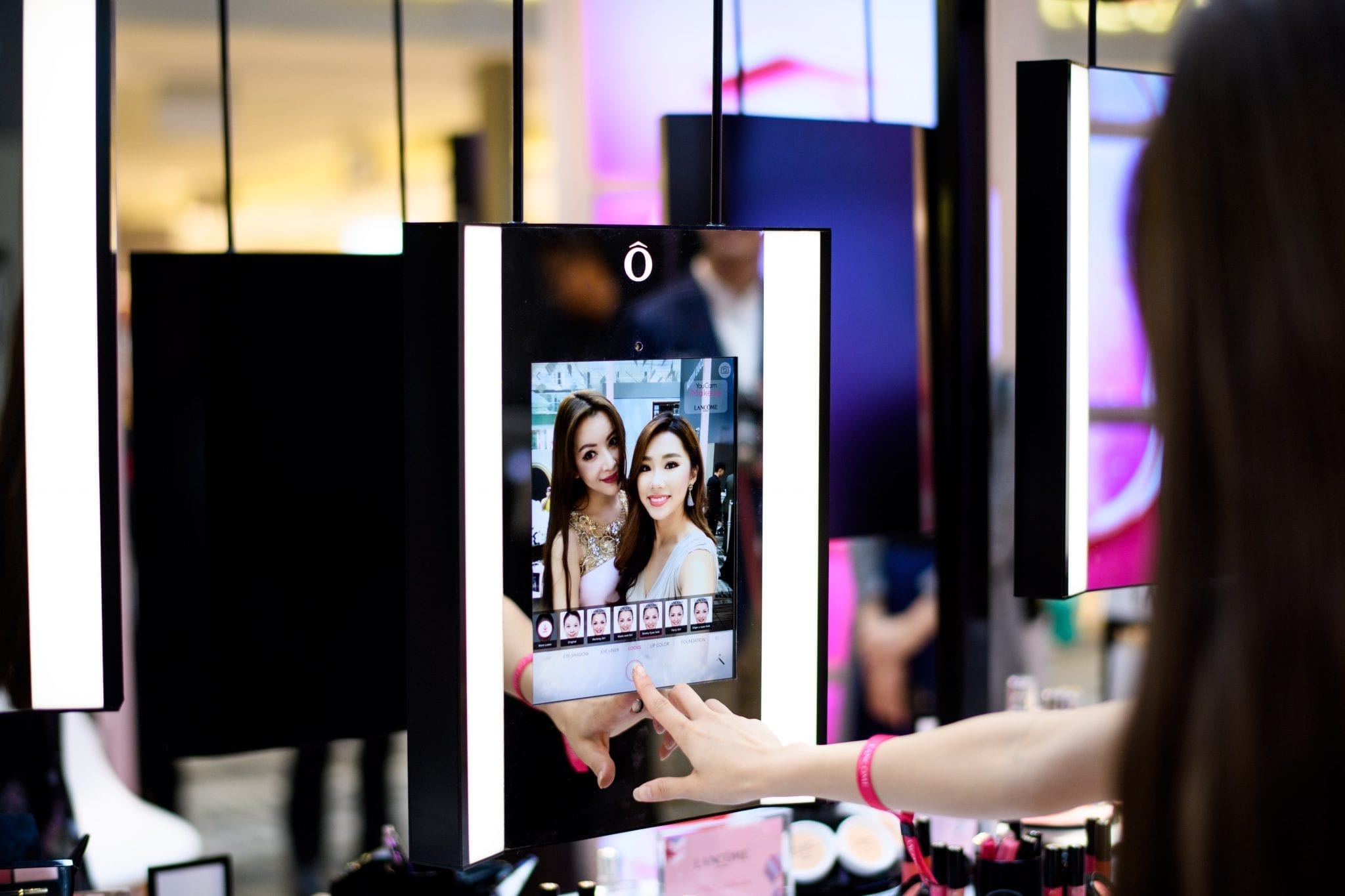
    Alibaba Group’s Tmall, and L’Oréal China said today they’ll work closely together to find new ways for the beauty group to tap into the Chinese market, leveraging data-driven consumer analytics and a new value chain that better connects consumers, products and channels.

    Tmall Innovation Center (TMIC), the retail innovation arm of Tmall, will work closely with L’Oréal China to catalyze the consumer-to-business (C2B) approach, based on insights and trends generated from the 600 million-plus customer base across Alibaba’s marketplaces.

    The partnership’s first initiative will focus on China’s male-grooming industry. According to a white paper co-developed by TMIC and L’Oréal China Consumer Intelligence Team, online sales of men’s grooming products have increased by more than 50% in each of the past two years. In the past year, 62% of the male consumer pool between the ages of 15 and 50 said they used male-specific facial skincare products, showing a massive addressable market for male grooming products.

    “With Tmall’s unparalleled customer insight, we are committed to helping L’Oréal China offer its customers best-in-class personalized product experiences. Tmall has transformed product development in every area, from product innovation and brand building to consumer assets and channel management. We help brands discover new demand and markets as well as offer completely new customer experiences,” said Jet Jing, President of Tmall.

  • Yildiz Looking to Sell Godiva in Japan

    Yildiz Looking to Sell Godiva in Japan

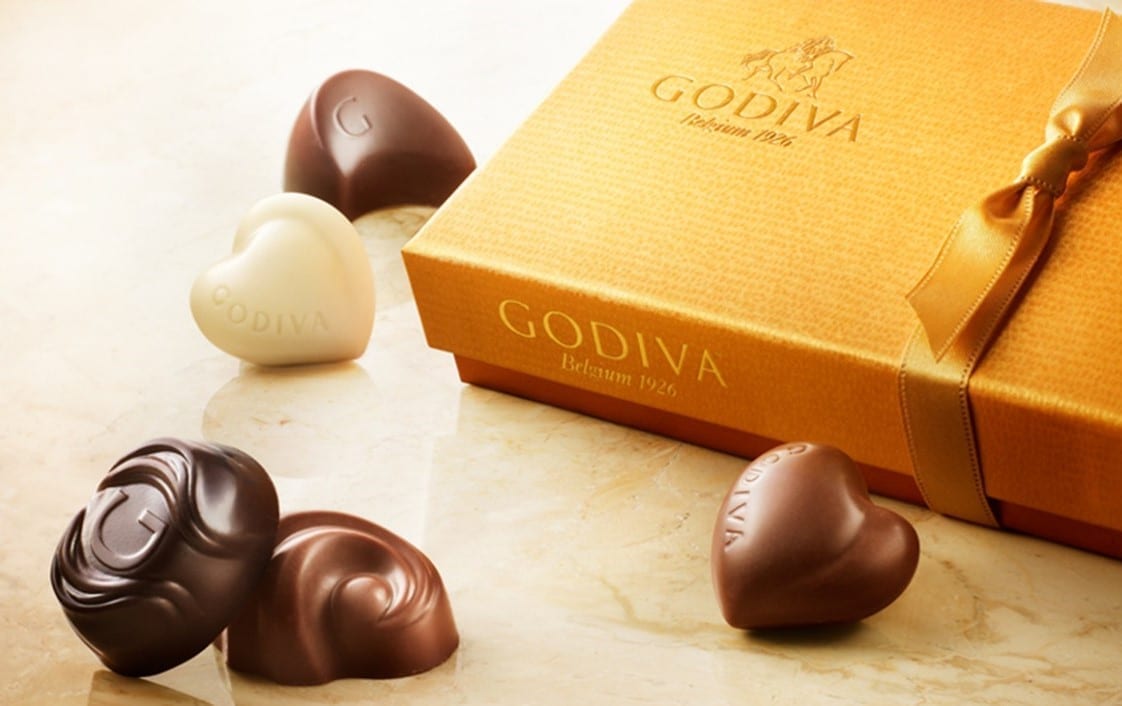
    A sale of Godiva Japan is being considered which could value the business at US$1.5 billion.

    Parent Yildiz Holding is considering an offer which would allow it to use the proceeds to reduce debt and invest in other markets with larger growth prospects.

    Gidova Japan has annual sales of about $350 million a year.

    Yildiz Holdings was founded by Turkish brothers as a biscuit shop in 1944, acquiring Godiva in 2007 for $850 million. It now operates hundreds of Godiva cafes around the world as well as marketing Godiva-branded chocolate products, and its assets include UK brand McVitie’s biscuits.

    Unnamed sources said a formal sale process would commence within weeks.

    Prospective bidders include rival confectionery companies or private equity funds, along with Japanese trading groups.

  • Samsung cleans up its cross-shareholding web

    Samsung cleans up its cross-shareholding web

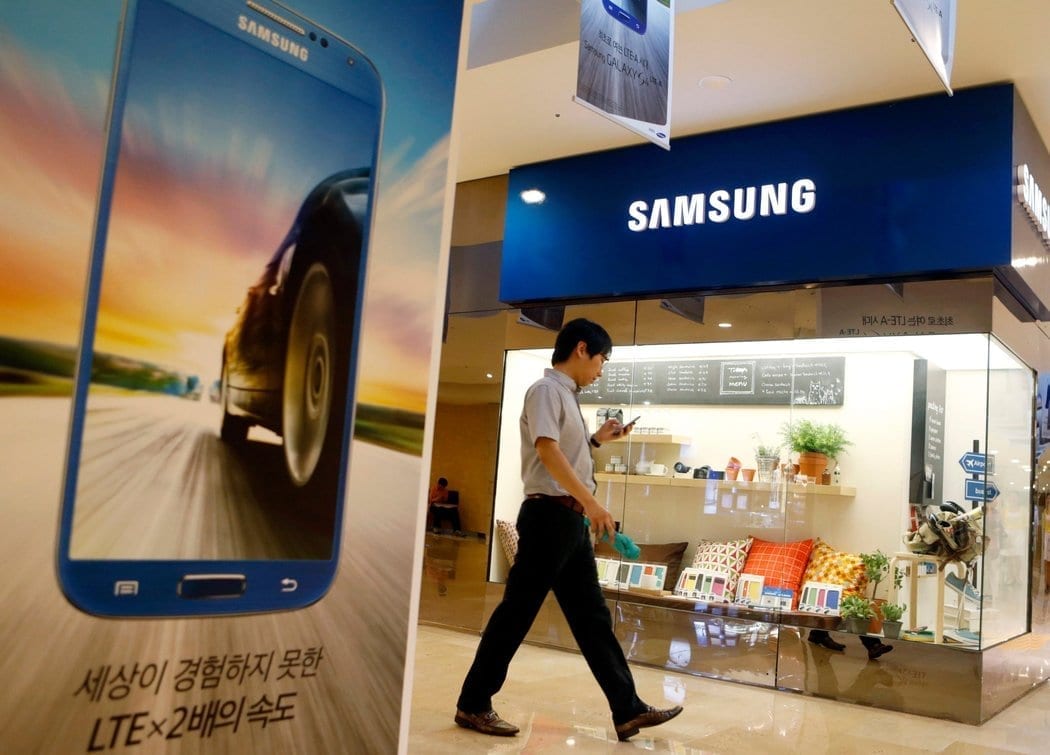
    Samsung Group affiliates sold off shares in each other’s companies on Friday in a major step toward revamping the conglomerate’s governance structure and removing its byzantine web of cross-shareholding.

    Samsung Fire & Marine Insurance put 2.61 million shares, or 1.37 percent, of Samsung C&T for sale at a suggested price of 328.5 billion won ($294.3 million) through a block deal. Samsung Electro-Mechanics had 5 million shares in the company, equivalent to 2.61 percent, which it aimed to sell at 642.5 billion won.

    The main buyers were institutional investors, industry sources said. They purchased each Samsung C&T share for 122,000 won, 5 percent down from the previous day’s closing price. This will leave Samsung Fire & Marine Insurance with 319.3 billion won and Samsung Electro-Mechanics with 610 billion won.

    The sell-offs put an end to the conglomerate’s long history of cross-shareholding in which companies in a group own shares in other companies. In Korea, the tactic is often used by a conglomerate’s owner family to tighten its ownership across affiliates without directly owning shares in each.

    Samsung, the country’s largest conglomerate, originally had six affiliates forming a complicated spoke-and-axle structure with Samsung C&T at the center. The other five companies were Samsung Electronics, Samsung SDI, Samsung Life Insurance, Samsung Fire & Marine Insurance and Samsung Electro-Mechanics.

    Its first step toward breaking the structure came in April, when Samsung SDI sold off 4.04 million shares worth 559.9 billion won in Samsung C&T. This effectively terminated three out of seven cross-shareholding arrangements that existed across affiliates. Friday’s sell-off cut off the remaining four.

    Industry analysts expected Samsung C&T to buy back the shares sold by the two affiliates, but all of them were sold to outside investors through block deals, a form of transaction in which two parties agree on a price outside the stock market. Samsung SDI also sold its shares to institutional investors in a block deal in April.

    The current administration under President Moon Jae-in has sent multiple warnings to Samsung to resolve its cross-shareholding structure. It was one of Moon’s pledges when he ran for office last year.

    As for Samsung’s Lee family, the effect on their ownership inside the group is minimal. Its members, including the ailing patriarch Lee Kun-hee and his son Lee Jae-yong currently own 33 percent of Samsung C&T, the group’s de facto holding company. Friday’s sell-off of 3.98 percent in the affiliate won’t make much difference.