Tag: asia

  • IDEAS: Lack of technology, skills transfer from China to Malaysia

    IDEAS: Lack of technology, skills transfer from China to Malaysia

    While Malaysia has benefited from China’s foreign direct investment (FDI) in terms of financing and capacity, the social and environmental impacts of these investments should be looked into as well.

    The Institute for Democracy and Economic Affairs’ (IDEAS) research paper entitled “Impacts of Investment from China in Malaysia on the Local Economy” said there is a lack of technology and skills transfer from China to Malaysia, which the think tank highlighted as being crucial.

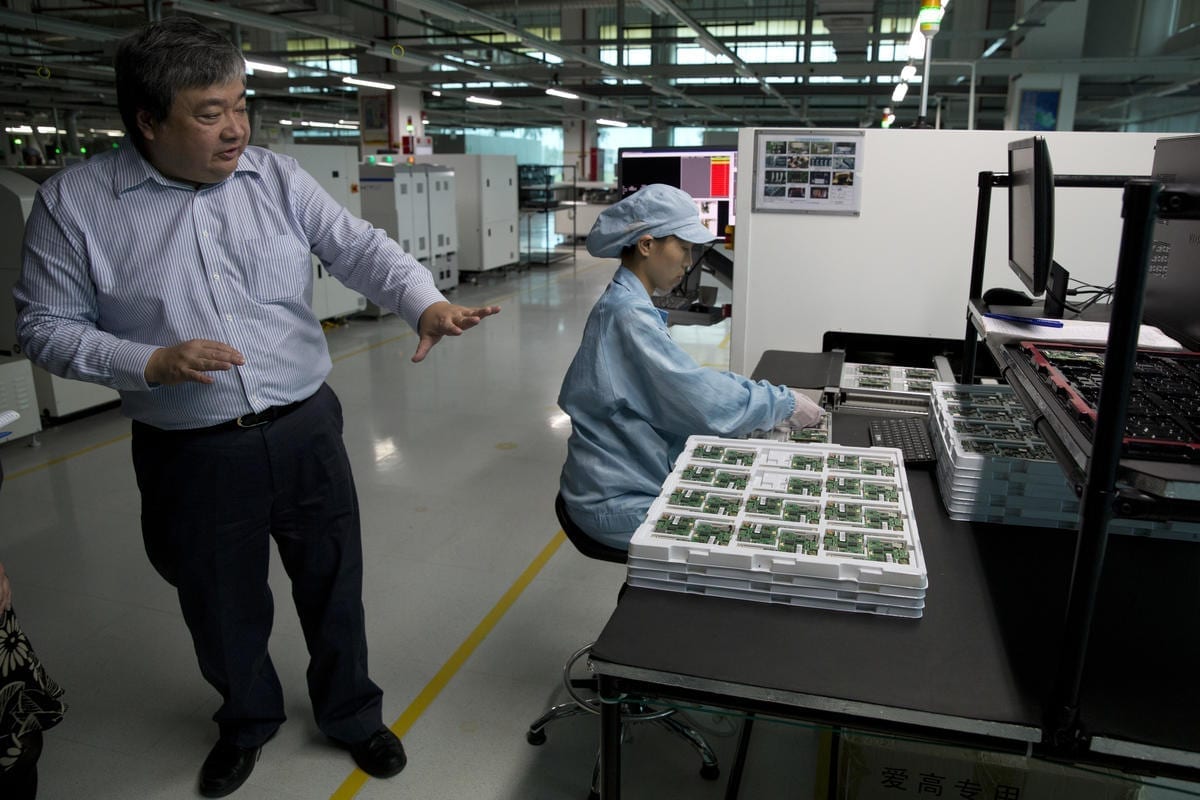
    IDEAS director of research and development Laurence Todd said there are instances of Chinese companies favouring Chinese labour and subcontractors over local ones.

    Having said that, he noted that evidence from other countries suggests FDI is most beneficial when there is a high level of technology and knowledge transfer but this requires the involvement of human capital.

    “There are indications that Chinese firms do not always provide opportunities for such transfers, particularly to local SMEs,” he said.

  • Vietnamese experts sound alarm over US-China trade war impacts again

    Vietnamese experts sound alarm over US-China trade war impacts again

    Low-tech, polluting FDI firms will try to set up shop in Vietnam as the U.S.-China trade war escalates, experts have warned.

    Nguyen Bich Lam, head of the General Statistics Office, said that small-scale Chinese firms are likely to eye a shift to Vietnam to avoid high tariffs imposed by the U.S.

    Such firms typically use pollution causing technology, he said, adding that there have been previous warnings about such FDI projects.

    The latest escalation of the U.S.-China trade war only heightens this possibility, he noted.

    Vietnam needs to carefully inspect projects which were registered in the last nine months with capital lower than $1 million to prevent those with outdate technologies from harming Vietnam’s natural environment, Lam added.

    Echoing Lam, Le Dang Doanh, former director of the Central Institute for Economic Management under the Ministry of Planning and Investment, said that a number of these companies have already entered Vietnam in recent years.

    It is the responsibility of the ministry to say no to FDI projects that can harm the environment, he said.

    Lam emphasized: “At this time, Vietnam needs to filter out FDI projects, not accepting them at any cost as it did 30 years ago.”

    Other experts expressed concerns that Vietnam could end up becoming a dumping ground for Chinese goods.

    Economist Nguyen Tri Hieu said that China might seek to dump its goods on Vietnam to avoid Donald Trump’s tariffs.

    Cheaper Chinese goods competing with Vietnamese goods will not benefit Vietnam’s economy, he said.

    Meanwhile, industry insiders have expressed fears that China might borrow the “made in Vietnam” label to dodge U.S. tariffs.

    Diep Thanh Kiet, vice chairman of the Vietnam Leather, Footwear and Handbag Association (LEFASO), said there was a “very high” possibility that Chinese bags would be exported to the U.S. through Vietnam.

    Chinese businesses can do this by easily setting up a factory in Vietnam with a budget of only $200,000 to manufacture products with materials imported from China, he told local media.

    If this cannot be controlled, there could be grave consequences for Vietnamese textile firms since “the U.S. might apply the same tariffs as they have done on China,” Kiet said.

    The U.S. slapped tariffs of 10 percent on $200 billion worth of Chinese goods on September 24, and Beijing immediately retaliated with tariffs at 5 and 10 percent on $60 billion worth of U.S. products.

    The two countries have already slapped tariffs on $50 billion worth of each other’s goods earlier this year.

  • H&M India sales jump 49 pc in June-August qtr to Rs 352 crore

    H&M India sales jump 49 pc in June-August qtr to Rs 352 crore

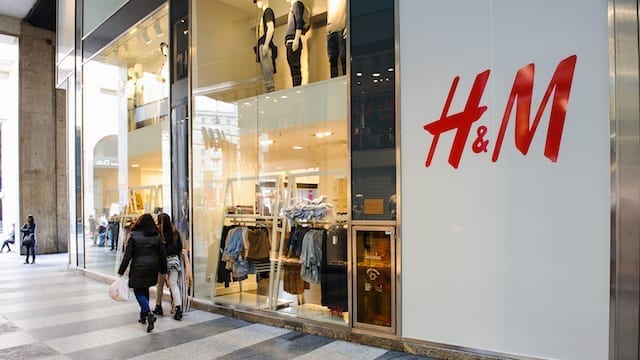
    Swedish fashion retailer Hennes & Mauritz (H&M) posted a 49 percent growth in sales in India to 428 million Swedish Krona (around Rs 352 crore) in June-August quarter of 2018.

    While, for the nine-month period (December 2017 to August 2018) H&M India sales reported a 34 percent growth to 1,124 million Swedish Krona (around Rs 924 crore) including VAT compared to the corresponding period.

    H&M, which follows December-November financial year, has added 7 stores during the last nine months in India, totalling to a network of 34 stores.

    The company had posted sales of 178,817 million Swedish Krona in December-August, H&M said in a nine-month report.

    In the June-August quarter, H&M reported a global sales of 64,800 million Swedish Krona.

    During the quarter, H&M’s online sales increased by 32 percent, it added.

    “The group’s online sales increased by more than 30 percent in the third quarter. Today H&M online is in 47 markets and we are continuing at full speed to roll out online globally to all our existing store markets as well as to other markets,” said H&M CEO Karl-Johan Persson.

    During the three-month period, Germany was the highest contributor with 9,851 million Swedish Krona sales, followed by USA with 6,869 million Swedish Krona sales. H&M operates 458 and 559 stores in Germany and USA, respectively.

    While, China had a sales of 3,225 million Swedish Krona during the June-August quarter of 2018, where it operates 522 stores.

  • Filipino chocolate brand to open store in Tokyo

    Filipino chocolate brand to open store in Tokyo

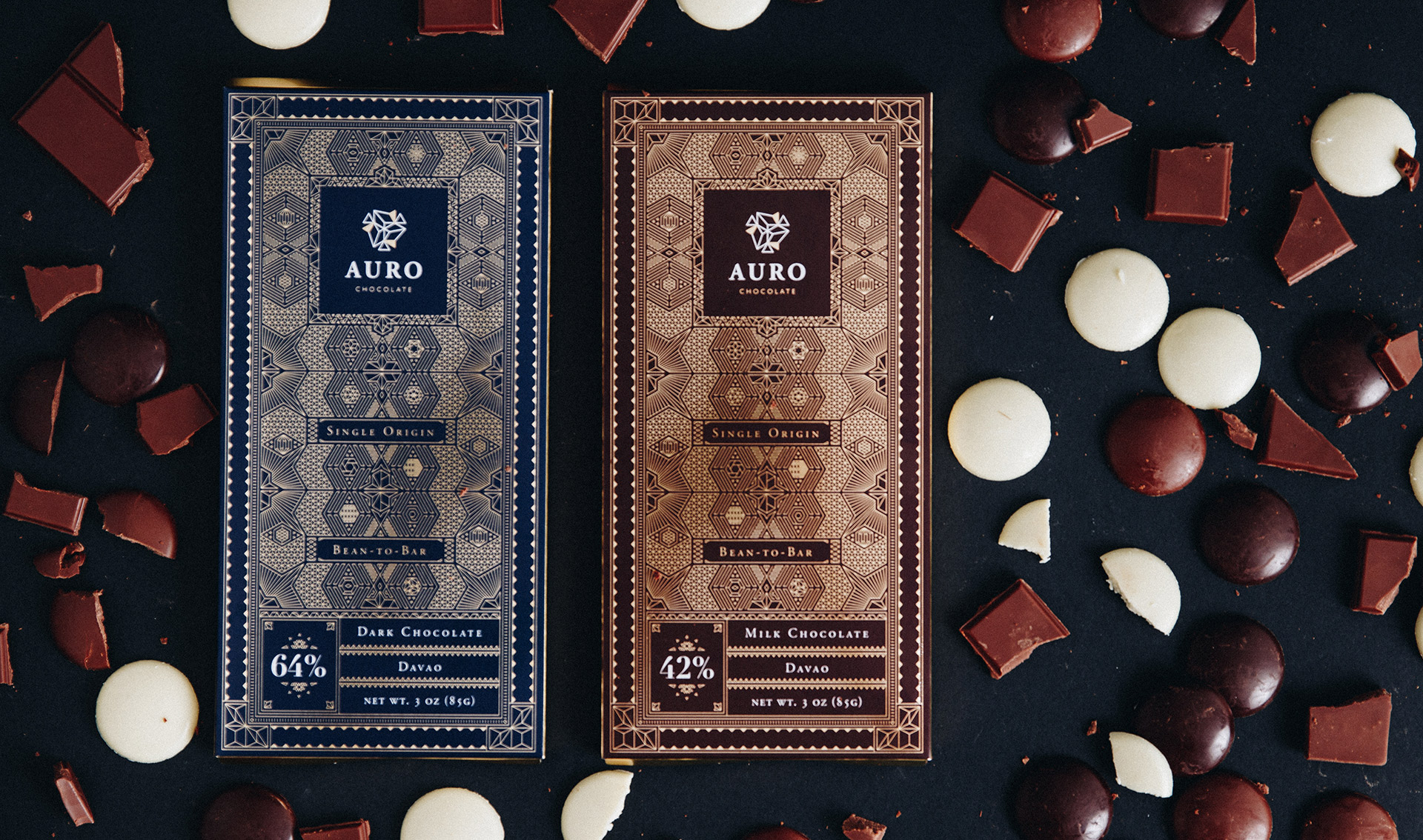
    Filipino chocolate brand Auro is expanding to Japan.

    The first Auro Chocolate store will open on October 7 in Frenity House in Shibuya City, a special ward of Tokyo. The brand was discovered during a trip to the Philippines by the father of the founder of Japanese distributor Kotowari, which is now exclusively representing the brand in Japan.

    Co-founder Mark Ocampo said: “They discovered us through social media. He bought all these chocolates from the Philippines and took them to Japan. They tried all the chocolates they had and chose us.”

    Kotowari will manage the approximately 20-30sqm Auro store in addition to promoting the brand in local hotels and restaurants. The said the deciding factor in distributing the Auro brand is the direct relationship between the chocolatier and the cacao farmers who supply beans. Auro assists the farmers with business administration training and quality control, helping to improve their quality of life.

  • Bang & Olufsen made a Brown Bear speaker inspired by a Line character

    Bang & Olufsen made a Brown Bear speaker inspired by a Line character

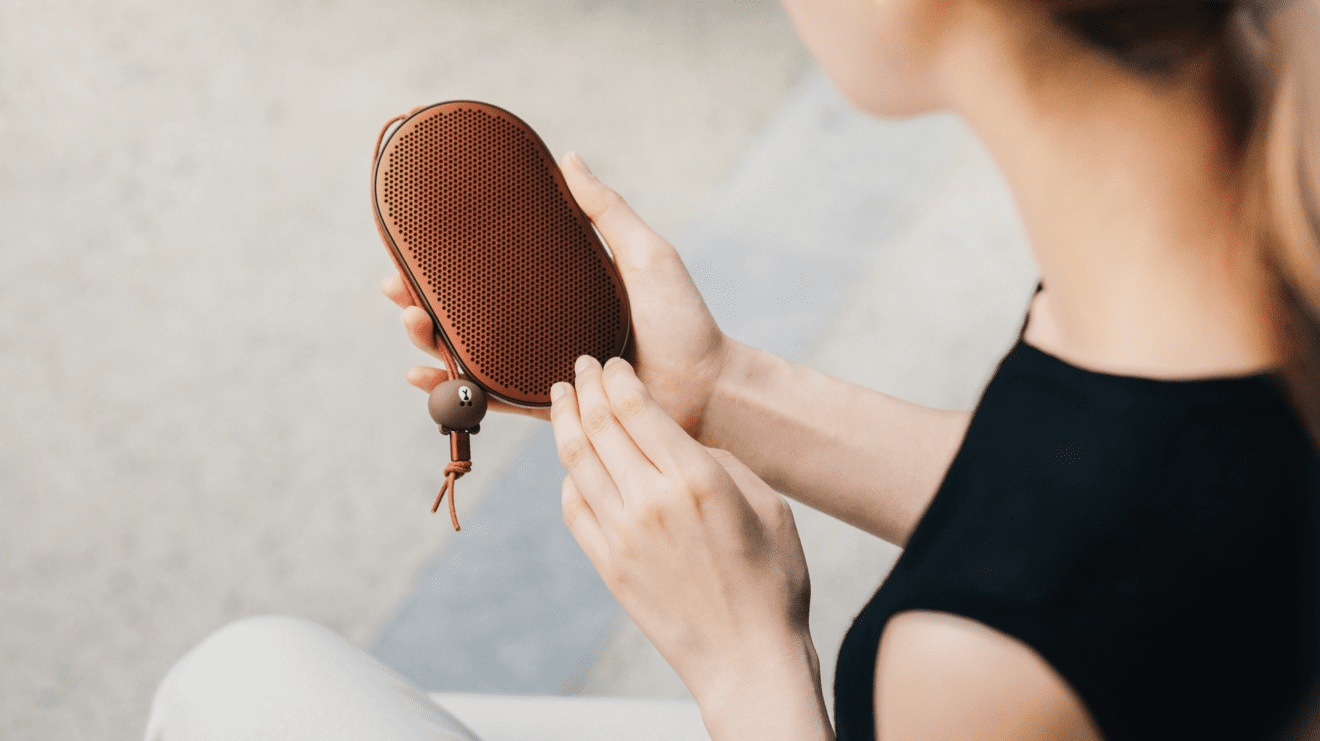
    Messaging platform Line has partnered with consumer electronics firm Bang & Olufsen to release a Brown-Bear themed speaker.

    The collaboration attests to the popularity of the chat app within Asia and of its proprietary characters, which are in familiar daily use amongst those who communicate via the platform. Brown Bear is a well-loved character in Line’s cartoon cast.

    Line character merchandise already sells in 108 countries, with a flagship store for Line-themed products in New York’s Times Square.

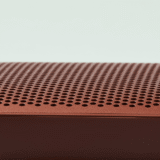
    The Bluetooth speaker, based on the firm’s Beoplay P2 model, is controlled by taps and shakes rather than button presses, and is brown with a featured Brown Bear accessory. It has been given a limited release with only 5000 units made, distributed in East Asia and the US both online and at a few retail outlets.

    Last month, Line partnered with DJI to create a Brown Bear-themed drone.

    View gallery of how the speaker looked like below (5 images) :

  • CIMB to accept payments from six mobile wallets

    CIMB to accept payments from six mobile wallets

    CIMB Bank Bhd will be accepting Quick Response (QR) Payment from six major mobile wallets at its terminals, enabling it to tap into an estimated customer base of about 4.5 million in Malaysia and 520 million registered mainland Chinese.

    This is the first in the market QR payment acceptance for six mobile wallet systems are accepted on a single terminal. The six mobile wallet partners are Alipay, Touch & Go Digital, Boost, KiplePay, Mcash, and Vcash.

    CIMB has partnered with GHL Systems Bhd, a leading payments company in Malaysia and Asean, to introduce the CIMB’s multi-QR terminal acceptance points for both merchants and customers.

    CIMB Group Consumer Banking CEO Samir Gupta said that this move will not only fulfil its customers and merchants’ needs, but also help develop the cashless payment ecosystem in Malaysia, in support of Bank Negara’s vision in promoting a cashless society.

    “We are delighted to enable CIMB merchants to process multiple QR codes via GHL’s unique single payment facility/gateway. Our multi-channel model is not just convenient but also cost-saving to CIMB’s merchants as multiple QR settlements are streamlined into a single payments provider,” said GHL Group CEO Danny Leong.

    The payment method is already available at certain outlets of House of Leather, NSK and Super Seven.

  • Luxury brands turn their gaze to increasingly picky millennial buyers

    Luxury brands turn their gaze to increasingly picky millennial buyers

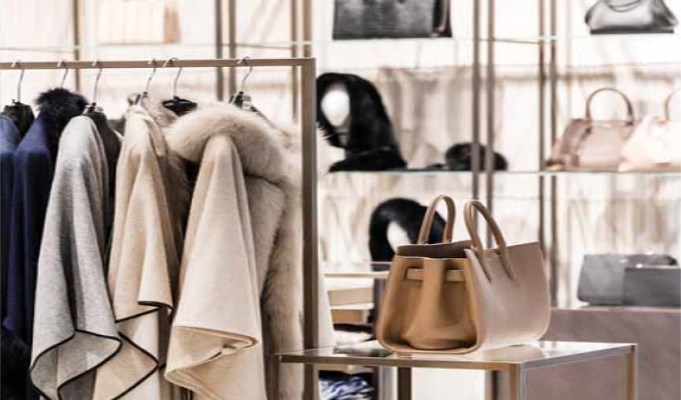
    Multimillion-dollar fashion brands in Hong Kong are transforming themselves to appeal to rich young customers.

    Christine Chen, 27, was looking for a special wedding gift for her best friend. Loaded with cash, she went into one luxury store after another at a mall. Doors were opened obsequiously and staff in tuxedos fawned over her.

    But soon her interest in luxury fashion dissipated, at least temporarily, because of the overwhelming attention she received.

    Fifteen minutes later she was out of the door without completing her shopping.

    Christine’s story epitomes the experience of many young Hong Kong shoppers: They have no problems buying item after item online but quickly lose interest when the very same items are physically displayed in front of them along with an army of sales staff.

    High prices are not a problem, according to Christine, but the shopping experience at luxury stores often makes her and her friends reluctant to buy.

    Hong Kong has seen many changes in buying behavior in recent years. Some have not been kind to sellers as the closure of many Burberry, Coach and Louis Vuiton stores due to lack of patrons testifies.

    Bloomberg presumed that wealthy Chinese, who account for much of the luxury items purchased, are no longer willing to wait in queues for the latest watch or handbag.

    On the other hand, the surge of millennial buyers in the ages of 20-34 is transforming the traditional demographic at shopping malls. Their increasing incomes and family financial support allow the young to shift from fast fashion to posh clothing and accessories.

    Bain & Co has predicted that by 2025 millennials and the Generation Z (people born after 1996) will be the consumers of 45 percent of luxury fashion sold on the planet.

    Then again, it is not easy to make them buy. After being accustomed to middle-aged buyers for long, sellers of luxury goods now have to turn their gigantic marketing machinery toward increasingly younger buyers.

    Chow Tai Fook is one of the top 10 luxury fashion brands and has colossal revenues. It is larger than brands like Hermès, Rolex, and Prada, according to Deloitte.

    Since 2016 Chow Tai Fook has been making over its traditional outlets to make them millennial-friendly. It also has online shopping portal ctfeShop.

    At another of its outlets in Hong Kong, Chow Tai Fook even offers customers the experience of personally wrapping a jewelry gift box with items bought on the spot.Standing out is its branch in Kwai Fong, one of the island’s nightlife hotspots. Guests encounter a pink-themed café inside the store that ensures no one leaves thirsty. The selfie generation also loves the Kwai Fong branch for its check-in area specifically meant for taking photos.

    In each area, stores have their own signature color, with red being a symbol of fortune and light blue and pastel pink representing youth.

    The company came up with the idea of jewelry vending machines in Shanghai inspired by traditional vending machines.

    It also bought copyrights from Disney and rolled out jewelry lines inspired by the latter’s cartoon characters.

    All these are meant to help young buyers feel more comfortable at Chow Tai Fook, Po Liu, its international business director, explained.

    Chow Tai Fook’s range of campaigns for the brands under its umbrella works toward the same goal.

    T MARK is a diamond brand that focuses on the diamond traceabilityand authenticity. diamond is inscribed with a mark that carries a set of unique serial numbers, enabling customers to trace the life journey of a diamond from sourcing to production.

    SoInLove is a jewelry gifting brand with affordable price, young style. Monolgues is an on-trend jewelry brand for trendsetting millennials .

    French luxury brand Guy Laroche recently launched a series of art watches in Hong Kong and China.

    Instead of thin leather straps in classic yellow and brown tones, they come with pastel straps and large faces with imprints of French paintings.

    This personalization was in response to millennials’ need to express themselves, and the watches are a favorite item, especially for online shoppers.

    “Young people have innovative views that help us reach our target audience quickly, while the experience of older executives reduces potential risks.”Elise S.M. Tsui, a distributor of Guy Laroche watches in Hong Kong, said young people were becoming her main customers. So her company also employs young people in managerial positions.

    Vietnam too

    This shift in demographics is also happening in Vietnam.

    Since the beginning of last year Lacoste Vietnam has seen VIP customers aged 24 – 35 years increase by 315 percent. A VIP customer is one who makes a one-time purchase of at least VND27 million ($1,155).

    Bui Thu Phuong, marketing director of Lacoste Vietnam, said in the last two years, amid fierce competition from international and domestic fashion brands and the entry of many global names, Lacoste set out to build strategies to attract millennials and the Generation Z in addition to the middle-aged segment.

    “This is a very promising customer group that many brands are interested in. They were and have been key players in the global workforce. This young group always wants its needs gratified immediately.”

    Concurring with Phuong, Nguyen Thi Minh Thu, marketing director of Precita jewelry, said millennials as a customer group account for a big proportion of purchases of high-end brands.

    They were born in the digital age and live with the digital world for more than 24 hours a week. Health and beauty are their major interests, but they are also very particular about the quality of the products they buy and how practical their spending is.

    Designer Do Long has been in the fashion industry for eight years and runs a design shop. A few years ago his clients started to see younger buyers, aged 25-35, flood in, but now many 18-20-year-olds can afford customized, expensive attires, he said.

    To gain market share, designers and luxury fashion businesses are forced to innovate strategies and technologies to produce esthetic, trendy, cost-effective, and versatile lines while simultaneously their clients offering new experiences.

    For instance, someone who has four Precita earrings can wear them in 20 different ways. The brand personalizes wedding rings by engraving hearts on their inside.

    Earlier this year Precita tweaked its website to enable customers to research products and buy with a few clicks.

    In 2017 and 2018 Lacoste spent its entire marketing budget on digital media like online newspapers and magazines, social networks and outdoor displays in malls and other venues frequented by young people.

    The brand also employs young influencers to promote its items, including models Quang Dai and Helly Song, Miss Vietnam H’Hen Nie and singers Noo Phuoc Thinh and Isaac.

    This marketing ploy has been adopted by many businesses to connect with the millennial customer.

    As for Christine Chen, not only did find jewelry for her friend, but also got to personally enclose it for her in a small, pretty chest.

    “This shop is decorated like a treasure chest and each chest has its own code. All I have to do is pass the code to my friend and she will have a pleasant gift experience.”

  • Metro Cash & Carry India to open smaller stores to expand quickly

    Metro Cash & Carry India to open smaller stores to expand quickly

    The German discount wholesaler is about to open its 27th store in the market which will be just 40,000sqft in size, far smaller than the 75,000-100,000sqft format of most existing stores.

    The new compact store in Ghaziabad follows another of similar size in Nasik.

    Arvind Mediratta, CEO and MD of Metro Cash and Carry India, says going forward new stores will be between 40,000sqft  and 50,000 sqft. “We are doing away with bigger stores in the range of 75,000-100,000sqft,” he said.

    The smaller footprint has also been necessitated by a lack of development sites: a 100,000sqft store requires about eight acres of land, an area not easy to find in cities.

    “The store format of 40,000sqft is easy to scale up,” Mediratta said in an interview. “A lot of people think more space means more sales. Customers don’t come to you more often because you have a bigger store.”

    Metro Cash and Carry India is targeting 50 stores by 2020, but given the move to smaller outlets, that number may be surpassed, said Mediratta.

    “[But] we don’t want to get into reckless expansion. In our business, to make money the cost of real estate has to be right. It is not just about the availability of the real estate but it has also to be at the right price,” he said.

  • Walmart India eyes 10 pc revenue from private labels, 30 stores by 2019

    Walmart India eyes 10 pc revenue from private labels, 30 stores by 2019

    Walmart India, which runs 22 Best Price wholesale stores, is planning to increase the share of its private labels to topline to 10 percent by next year as it plans to tap the Flipkart platform.

    According to a report: The company opened its 22nd store in Ludhiana late last month, which is the sixth in the state, where it began with and the second in the Punjab city.

    The company will have 30 stores by the time it completes a decade of its second coming next year.

    Globally, the retail major which is bigger than Boeing, Coca-Cola, Facebook, and the Google parent Alphabet in total sales–nets around 20 percent of its topline from private labels, which are low-priced but high margin items while from a volume perspective it is around 25 percent, which it has already achieved in the country as well.

    Walmart India closed fiscal 2017 with a topline of Rs 3,609 crore, up around 14 percent, according to government filing.

    The numbers for FY18 is not available for Walmart.

    “Currently, our revenue from private labels is 6-7 per cent from our two brands–Right Buy and Member’s Mark, wherein the first is the cheaper than the other. We hope to take this to 10 per cent by 2019, when we close our first decade,” Krish Iyer, Chief Executive, Walmart India said.

    Internationally, its private labels are a US$ 60 billion business for them under the name of Sams Club, while its total volume is over US$ 500 billion.

    India is the only market where Walmart is only into wholesale.

    Iyer, also said he expects an uptick in private label sales going forward as the company is planning to cross-sell these brands on Flipkart, its online marketplace subsidiary here.

    In the biggest M&A deal, the world’s largest retailed Walmart had bought 77 percent of the homegrown online marketplace Flipkart for over US$ 16 billion in August.

    It can be noted that FDI norms allow only 51 percent in multi-brand retail, whereas in cash & carry 100 percent is permitted.

    Flipkart also has developed private brands like Billion though not exactly in the grocery segment.

    “What can be done is while we can’t sell on Flipkart, our manufactures can do and vice versa, which can be beneficial for both,” Iyer said.

    But he was quick to add that both are independent companies with independent boards and the process can take time.

    “Nothing will happen immediately at least over the next quarter or so. But we do see tremendous scope for synergies as Flipkart is very good at their logistics, deliveries, customer relationship management, artificial intelligence, machine learning and analytics, among others. We too have similar strengths, which can be combined,” he said.

    The company made a reentry in 2009 after exiting its failed jv with Bharati Enterprises, on its own and opened the first wholesale store in Amritsar. The new 56,000 sq.ft. store in Ludhiana is the sixth in the state and the first one since August 2015 in Agra.

    The company has announced plans to open 50 stores by 2025. When asked where it would be by the turn of the first decade (next year), Iyer said, adding they would have 30 stores by December 2019. We will also two fulfilment centres by then, and the next one is coming up in Vishakapattanam by December 2019.

    He said the company has created over 1 million customers since 2009, and each store typically generates around 2,000 jobs of which around 250 are direct jobs.
    Walmart eyes 10 pc revenue from private labels, 30 stores by 2019

    Walmart India, which runs 22 Best Price wholesale stores, is planning to increase the share of its private labels to topline to 10 percent by next year as it plans to tap the Flipkart platform.

    According to a report: The company opened its 22nd store in Ludhiana late last month, which is the sixth in the state, where it began with and the second in the Punjab city.

    The company will have 30 stores by the time it completes a decade of its second coming next year.

    Globally, the retail major which is bigger than Boeing, Coca-Cola, Facebook, and the Google parent Alphabet in total sales–nets around 20 percent of its topline from private labels, which are low-priced but high margin items while from a volume perspective it is around 25 percent, which it has already achieved in the country as well.

    Walmart India closed fiscal 2017 with a topline of Rs 3,609 crore, up around 14 percent, according to government filing.

    The numbers for FY18 is not available for Walmart.

    “Currently, our revenue from private labels is 6-7 per cent from our two brands–Right Buy and Member’s Mark, wherein the first is the cheaper than the other. We hope to take this to 10 per cent by 2019, when we close our first decade,” Krish Iyer, Chief Executive, Walmart India said.

    Internationally, its private labels are a US$ 60 billion business for them under the name of Sams Club, while its total volume is over US$ 500 billion.

    India is the only market where Walmart is only into wholesale.

    Iyer, also said he expects an uptick in private label sales going forward as the company is planning to cross-sell these brands on Flipkart, its online marketplace subsidiary here.

    In the biggest M&A deal, the world’s largest retailed Walmart had bought 77 percent of the homegrown online marketplace Flipkart for over US$ 16 billion in August.

    It can be noted that FDI norms allow only 51 percent in multi-brand retail, whereas in cash & carry 100 percent is permitted.

    Flipkart also has developed private brands like Billion though not exactly in the grocery segment.

    “What can be done is while we can’t sell on Flipkart, our manufactures can do and vice versa, which can be beneficial for both,” Iyer said.

    But he was quick to add that both are independent companies with independent boards and the process can take time.

    “Nothing will happen immediately at least over the next quarter or so. But we do see tremendous scope for synergies as Flipkart is very good at their logistics, deliveries, customer relationship management, artificial intelligence, machine learning and analytics, among others. We too have similar strengths, which can be combined,” he said.

    The company made a reentry in 2009 after exiting its failed jv with Bharati Enterprises, on its own and opened the first wholesale store in Amritsar. The new 56,000 sq.ft. store in Ludhiana is the sixth in the state and the first one since August 2015 in Agra.

    The company has announced plans to open 50 stores by 2025. When asked where it would be by the turn of the first decade (next year), Iyer said, adding they would have 30 stores by December 2019. We will also two fulfilment centres by then, and the next one is coming up in Vishakapattanam by December 2019.

    He said the company has created over 1 million customers since 2009, and each store typically generates around 2,000 jobs of which around 250 are direct jobs.

  • HCMC embraces coworking space concept

    HCMC embraces coworking space concept

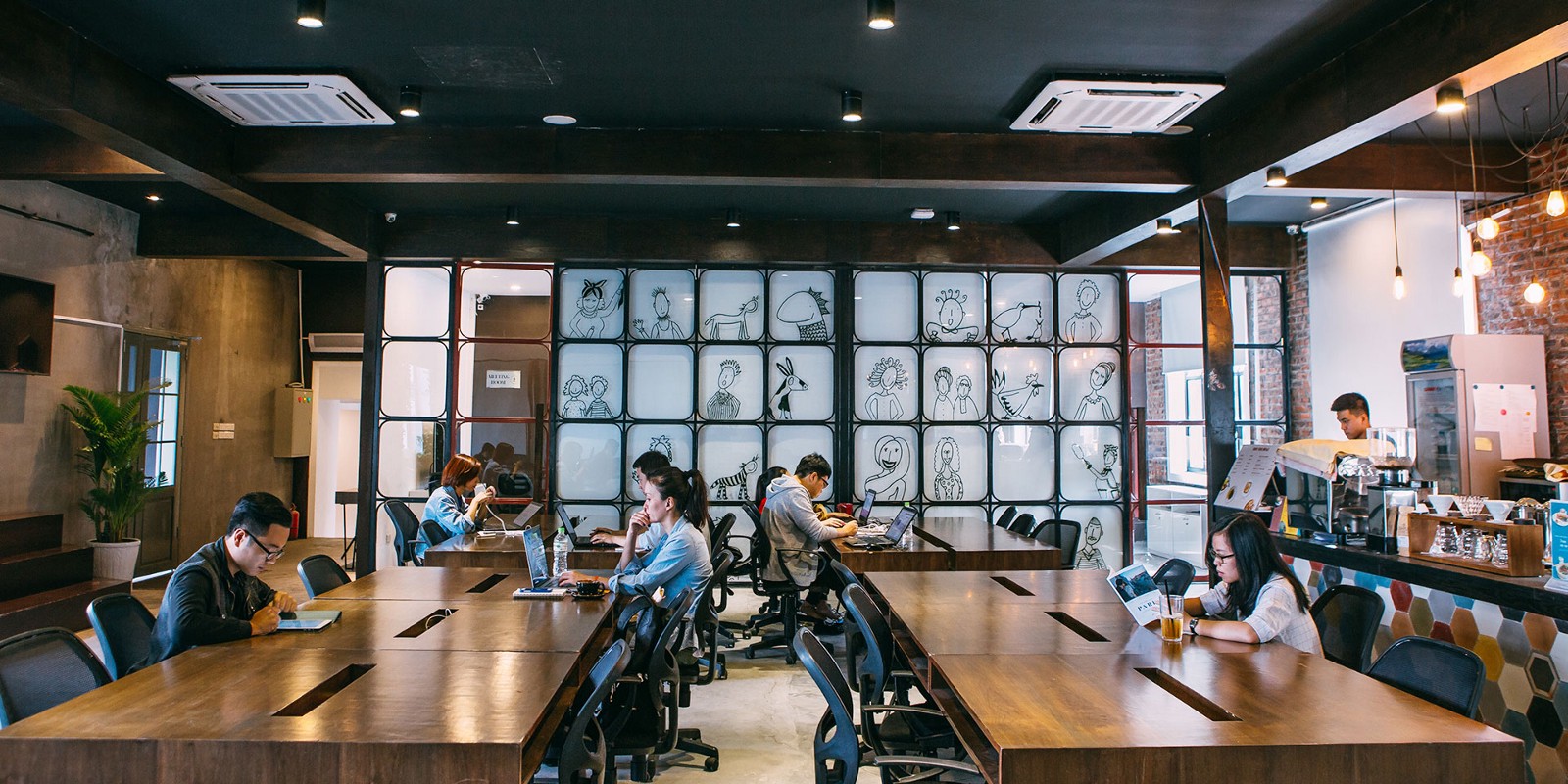
    With the supply of traditional office space struggling to meet demand in HCMC, coworking spaces are becoming increasingly popular.

    Survey showed that a seat in a coworking space in Districts 1 and 3 costs $150-300 per month.

    On Nguyen Dinh Chieu Street in District 3 the cost is $150-200, while in De Tham Street, which is popular with foreigners, it goes up to $200-300.

    Rentals in Vietnam are lower than in most other cities in the Asia Pacific: they average over $400 a month in Shanghai, over $600 in Singapore and $1,500 in Hong Kong, according to real estate consultancy CBRE.

    Operators of coworking spaces said their customers are mostly freelancers, entrepreneurs and market researchers from other countries.

    They work for a short time in the city and only need a seat where they can work with their laptop, they said.

    Coworking spaces are especially popular with Japanese market researchers since they have a minimalist working style and usually travel alone, they revealed.

    As of April there were 23 coworking operators in Vietnam managing a total of 34 spaces, said CBRE.

    Growth has averaged 55 percent a year over the last five years, and the number of spaces is likely to reach 45 by the end of this year, it noted.

    Drawing attention

    The growth in Vietnam is attracting increasing attention from international firms.

    Real estate service firm Jones Lang LaSalle said last month that WeWork, the third largest startup in the U.S., plans to open a coworking space in HCMC later this year.

    It will be the largest in Vietnam at 5,000 square meters.

    WeWork acquired Chinese coworking space firm Naked Hub for $400 million last April, expanding its reach into the Asian market.

    The Hive, a Hong Kong-based operator, is planning to open a new facility by the end of this year in HCMC, according to CBRE.

    The company already has one office on Xuan Thuy Street in the city’s District 2.

    Major local operators like Toong, UP, Circo, and Dreamplex have all stepped up their rate of expansion, and the number of smaller operators with just one venue is also increasing.

    Nguyen Hong Hai, CEO of office rental service Pax Sky, said coworking spaces are now popular because the supply of office space in HCMC’s central districts is not meeting demand because of a rising wave of entrepreneurs coming there.

    He said that grade A office space in the city costs $50-60 per square meter plus tax a month, and grade B office space, $22-30.

    But occupancy rates of over 95 percent mean customers have to wait for a long time to find a good place, he said.

    There is still a lot of untapped potential in the coworking industry in HCMC because of its very vibrant entrepreneurship scene, he added.

    In Vietnam, 91 percent of people using coworking space are below 35 years of age, according to a CBRE study last year.

    This proportion is a lot higher than the global average of 67 percent and reflects the nation’s young demographics, creating robust demand, it said.

    Around 54 percent of coworking space users in Hanoi and Ho Chi Minh City are either founders or employees of start-ups, and approximately 14 percent are self-employed freelancers, it added.

  • Panda Express Is Opening Soon In Manila

    Panda Express Is Opening Soon In Manila

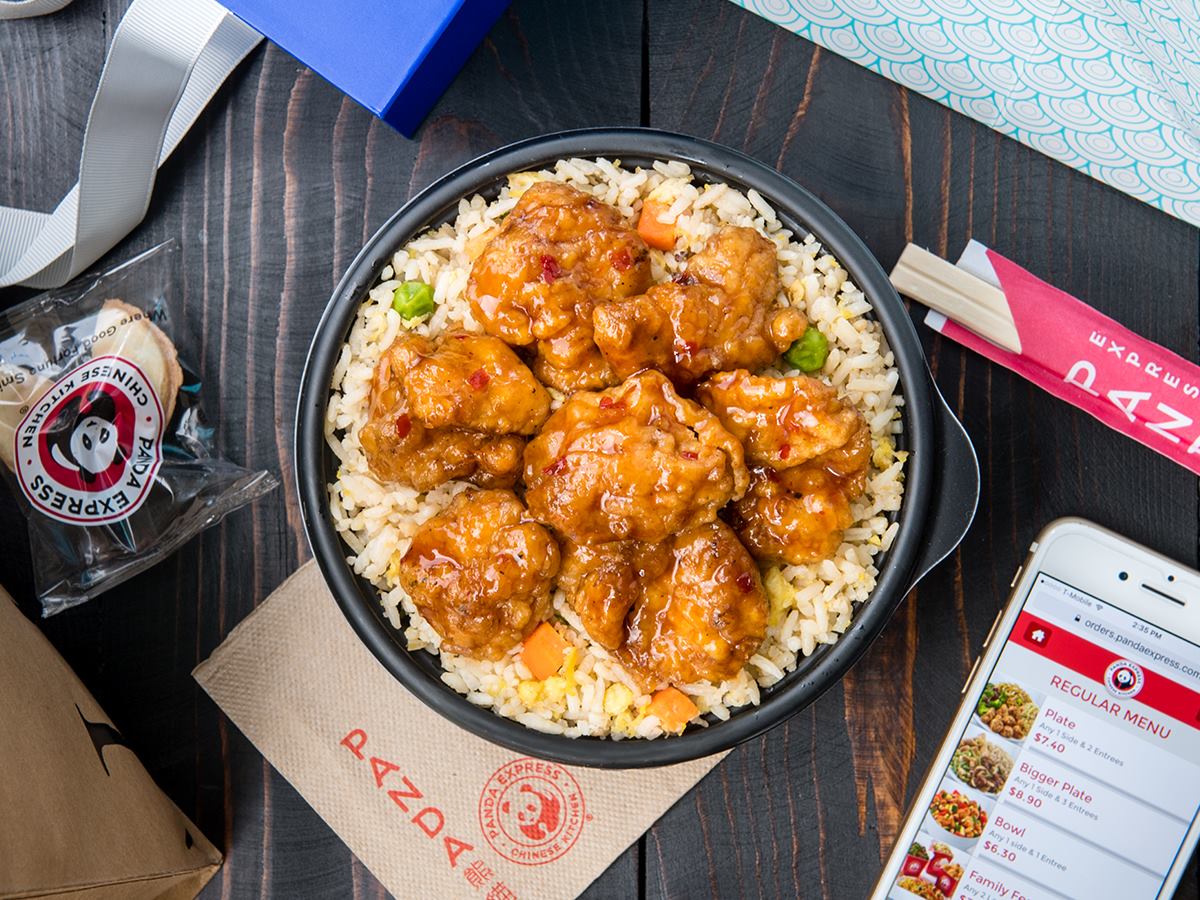
    US restaurant chain Panda Express is heading to the Philippines.

    Jollibee Food Corp says it will launch Panda Express Philippines, dubbed “the Chinese kitchen” in North America, after creating a 50-50 joint venture with the parent Panda Restaurant Group.

    The first five Panda Express Philippines outlets will open in Metro Manila, after which other regional opportunities will be evaluated for the business.

    “With proven track records in providing great tasting food at a great value, JFC and Panda join hands to introduce American Chinese food, a globally-influenced cuisine inspired by authentic Chinese culinary principles, to the Philippines,” JFC said in a statement filed with the stock exchange.

    “We look forward to tapping into JFC’s market expertise to grow the Panda Express brand into a household name in the Philippines and, more importantly, actioning our shared value of inspiring people to better their lives,” added Andrew Cherng, co-founder and co-CEO of Panda.

    Jollibee Foods chairman Tony Tan Caktiong described Panda Express as an offer “very much in line” with Jollibee’s current portfolio of brands.

    Panda Express has stores worldwide, including networks in Korea, Japan and Russia.

  • GDEX acquires 44.5% stake in Indonesian courier

    GDEX acquires 44.5% stake in Indonesian courier

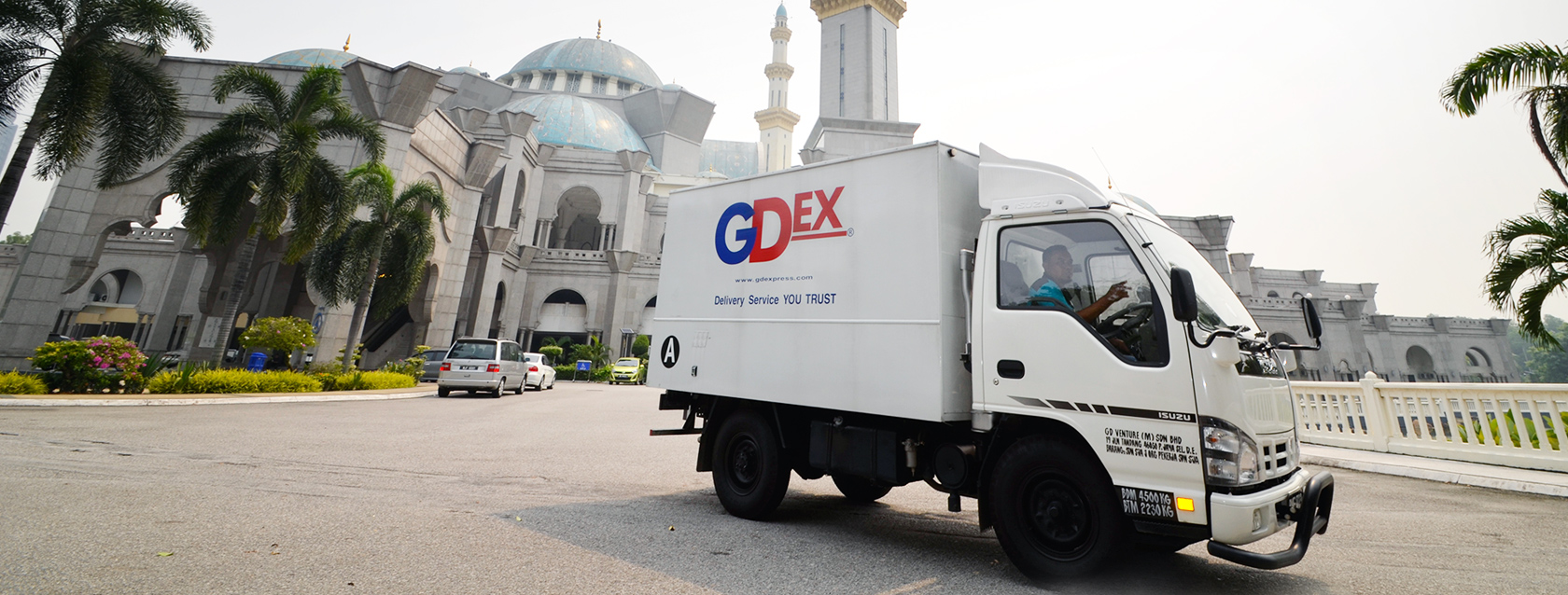
    GD Express Carrier Bhd (GDEX) and two of its wholly owned subsidiaries have taken up a 44.5% stake in PT Satria Antaran Prima TBK (SAP Express) via an initial public offering (IPO) for IDR92.71 billion (RM25.8 million) or IDR250 per share.

    SAP Express is slated for listing this week.

    GDEX told Bursa Malaysia that the group and two units GDEX Sea Sdn Bhd and GD Valueguard Sdn Bhd have subscribed for a 16.5%, 18% and 10% stake in SAP Express for RM9.57 million, RM10.43 million and RM5.79 million, respectively.

    The subscription sum will be satisfied entirely in cash through internal generated cash and cash in hand.

    Headquartered in South Jakarta, SAP Express mainly provides services in the express delivery segment, as well as transportation, distribution and warehousing.

    As of March 2018, it is able to cover the whole of Indonesia supported by its 58 branches and 12 representative branches as well as more than 100 retail counters.

    GDEX said the participation in SAP Express’ IPO will enable the group to tap into the fast-growing express delivery industry in Indonesia, which is also in line with the strategy of regional expansion starting with Indonesia.

    “We believe Indonesia offers a vast growth opportunity for the courier business, supported by the growth of e-commerce as well as conventional business. The continuation of the company’s partnership with SAP Express will enable the company to provide business advice and support as well as knowledge transfer between the two companies.”

    Its shares gained 1.5 sen or 3.6% to close at 43 sen today with 1.01 million shares changing hands.

  • Companies offer Vietnamese households access to solar energy

    Companies offer Vietnamese households access to solar energy

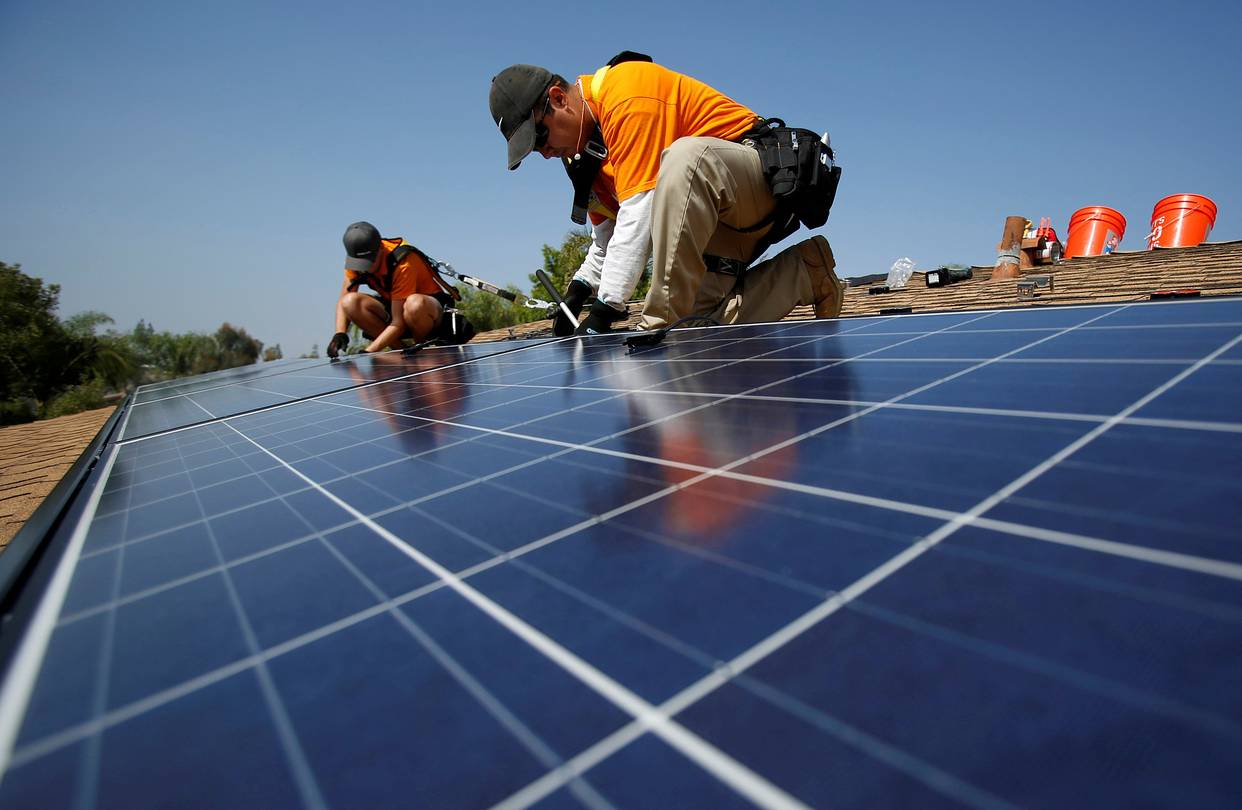
    Bach Khoa solar energy has tied up with BIC Insurance to offer a five-year warranty for its products.

    It has also signed a deal with lender BIDV for providing loans to customers to buy its BigK solar energy solutions.

    SolarBK will subsidize the first year interest on loans for people borrowing to buy BigK solutions between September 20 and October 31 from BIDV Vung Tau-Con Dao.

    A BIDV spokesperson said, “This is the first time ever in Vietnam that a third party like BIC has come forward to guarantee the output and a bank has agreed to provide finance to a solar energy company.”

    With the government adopting policies to encourage the use of solar power, this market in Vietnam is growing rapidly. But public awareness of this field is quite low resulting in many new companies doing disorganized business and providing customers with poor quality products, discrediting the solar power industry and Vietnamese enterprises in particular.

    According to SolarBK, Vietnamese customers tend to prefer foreign brands when trying out a new product or service due to the belief they are superior to local products. Therefore, the company decided to bring in a third party to guarantee the quality.

    A SolarBK spokesperson said, “It not only helps enhance the Vietnam brand’s reputation, but is also a way to encourage other Vietnamese companies to invest in renewable energy, which remains a new field.”

    Nguyen Ngoc Quynh, chief business officer of SolarBK, said in the context that Circular 16 expires in less than a year the company has tried to find partners in insurance and banking for customer support.

    “The insurance is a chance for ‘Made in Vietnam’ solar energy products to prove their capacity and value are comparable with international products, SolarBK in this case.”

    The completion of its new factory, IREX (500 MWp capacity), helps SolarBK not only control the quality but also optimize costs, she said.Quynh also explained that the reasonable prices and good quality of her company’s products result from the fact that SolarBK has deployed initiatives in producing PV panels and technology.

    “IREX solar panels have a lifespan of 25-30 years and achieved international certification such as UL and TUV, which allows them to be exported to many countries.”

    Time for insurance, banking to join hands with solar

    BIC and BIDV are two of the first companies to join the solar energy market in Vietnam. At the signing ceremony Le Manh Hung, CEO of BIDV Vung Tau-Con Đao, said this is a new product pack that involves many techniques and long learning time, and it is an entirely new field that makes financial institutions extremely worried.

    “However, BIDV has shared with SolarBK the dream and aspiration of Vietnamese people in the field that we want to be pioneers. This is the reason for comprehensive warranty cooperation, and together we work to make the Vietnamese dream come true.”

    “To secure collaboration with BIDV and BIC within a short time, SolarBK had to prove its ability to develop projects. The partnerships reflect our commitments to product and service quality, showing the long-term vision, financial capacity and well-organized business developing plans in this field”.Tran Hoai An, CEO of BIC Insurance, said together with BIDV and SolarBK/SolarGATES his company would offer “Green Insurance for Clean Power Source” as a guarantee for SolarGATES’ customers.

    Within two months of introducing its BigK solar power solutions for households, the company has installed panels with a total capacity of nearly 180 kWp nation-wide.

    SolarBK’s goal is to bring solar power to millions of households in Vietnam and ensure people think of BigK whenever they talk about solar energy.

  • Hong Kong eyewear retailer Jins makes debut at Kwun Tong

    Hong Kong eyewear retailer Jins makes debut at Kwun Tong

    The first Jins Hong Kong eyewear store opened last Friday – part of the Japanese retailer’s broadening focus on Asia.

    The company said it sees Hong Kong’s “sophisticated retail market” as an idea place to start tapping into the growing eyewear market across the region.

    “We have been extending our presence in the region and Hong Kong is an inevitable choice of base as the city has a fast-growing and vibrant eyewear market,” said Mikiya Yamawaki, GM overseas business development at Jins.

    The Jins Hong Kong store at Kwun Tong takes up about 1000sqft and features a range of more than 1000 frames. Customers are promised finished glasses in about 30 minutes after they select their frames.

    Yamawaki said Jins aims to become the world’s leading eyewear brand by accelerating its global expansion plan.

    “Japanese products and brands are popular with consumers in Hong Kong, and they appreciate high-quality goods and innovative ideas. It is an ideal place from which to expand our business. We hope to provide unique and high-quality glasses and services through our Hong Kong store.”

    Associate director-general of investment promotion Dr Jimmy Chiang welcomed the opening of the first Jins Hong Kong store. “It will not only add new choices of eyewear for local customers, but also bring new designs and technologies from Japan to the local industry.”

    Jins was founded in 1988 and has been developing its eyewear brand since 2001. As of August, the company had 510 stores in Japan, Mainland China, North America, Taiwan and the Philippines.

  • House of Hennessy airport flagship opens in Hong Kong

    House of Hennessy airport flagship opens in Hong Kong

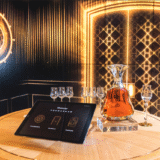
    Hennessy has opened its first airport flagship store at Hong Kong International Airport.

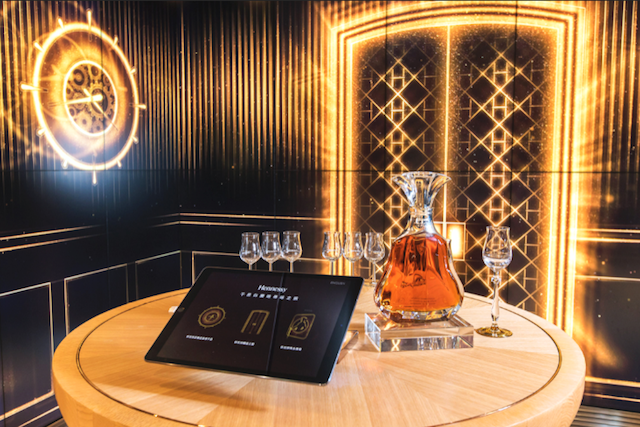
    The new “House of Hennessy” retail concept involves an exclusive selection of products (including a number or rarities) and an “immersive cognac experience” based on a design inspired by a historic French castle acquired by the Hennessys in 1841.

    Guests to the store are invited to taste the products on offer and visit a VIP presentation room for an overall introduction to the brand and its heritage, augmented by interactive technologies.

    Moet Hennessy Global Travel Retail’s president Laurent Boidevezi said that due to the strong demand in the Asia market in recent years, as well as consumer desire to further explore cognac culture, the company has been developing interactive and educational approaches to engage with global travellers at HKIA, which experiences a large volume of traffic.

    “We are also delighted to be working with Airport Authorities Hong Kong and CDF-Lagardere to bring our first-of-a-kind boutique to life in this way. It will definitely strengthen our trinity partnership.”

    Lagardere Travel Retail chairman & CEO Dag Rasmussen said: “Our joint venture – CDF-Lagardere – wanted to give travellers at HKIA something that was truly original and exciting.

    This exceptional House of Hennessy store achieves that. It is more than a boutique: we have created a fully immersive Cognac experience for passengers.”

    The House of Hennessy store is located at Duty Zero by CDF, Departure Hall 1, Terminal 1 of the HKIA.