Tag: asia

  • Malaysia’s Aug exports decline 0.3%, trade surplus at nearly 4-year low

    Malaysia’s total exports fell marginally by RM215.2 million or 0.3% to RM81.8 billion in August, the second time exports recorded a decrease in 2018 after February due to the high base effect, according to the Department of Statistics.

    Trade surplus also recorded the lowest value since November 2014 at RM1.6 billion on the back of a double-digit growth of 11.2% or RM8.1 billion in imports to RM80.2 billion in August.

    Total trade stood at RM162 billion, RM7.9 billion or 5.1% higher than the same month a year ago.

    The main products which contributed to the decline in exports were palm oil and palm oil-based products (-RM1.5 billion); liquefied natural gas (-RM918.3 million); timber and timber-based products (-RM49.0 million); and natural rubber (-RM39.5 million).

    However, increases were recorded for crude petroleum (+RM1.3 billion); electrical & electronic products (+RM985.5 million); and refined petroleum products (+RM232.2 million).

  • Daiso Japan Launches Sakura-themed Store in Philippines

    Daiso Japan Launches Sakura-themed Store in Philippines

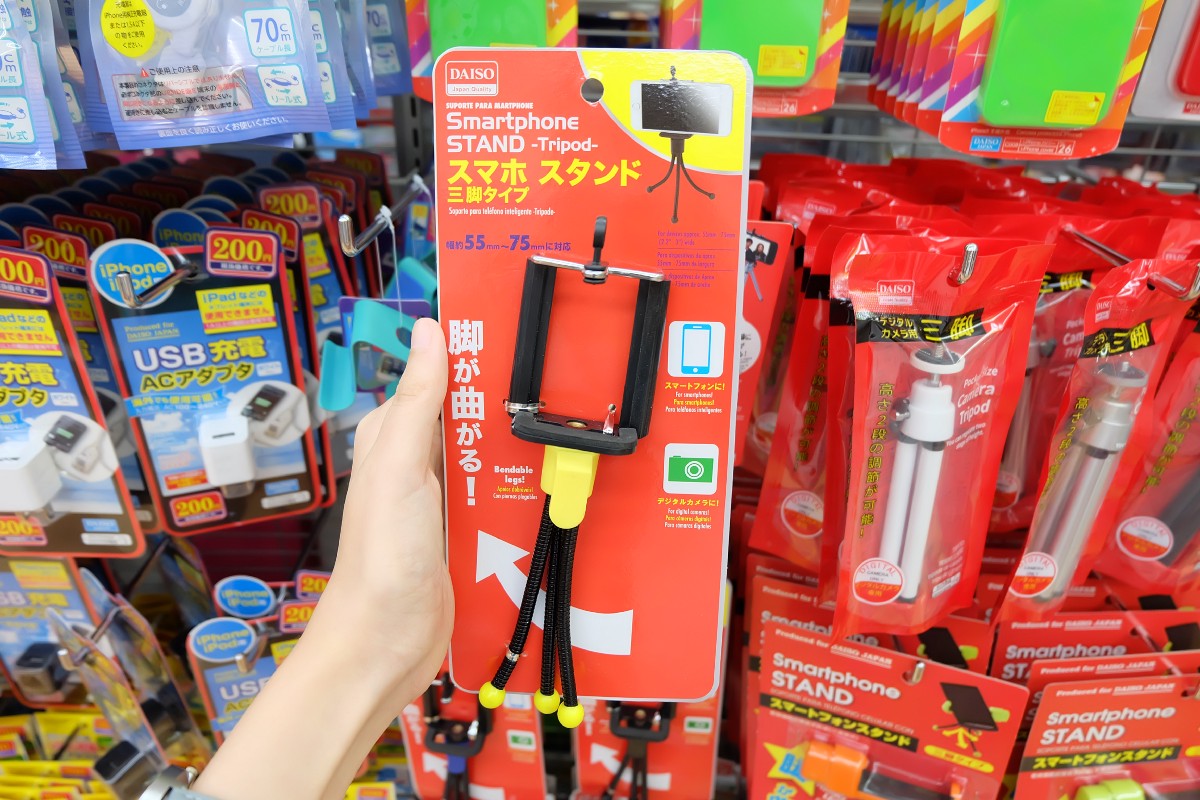
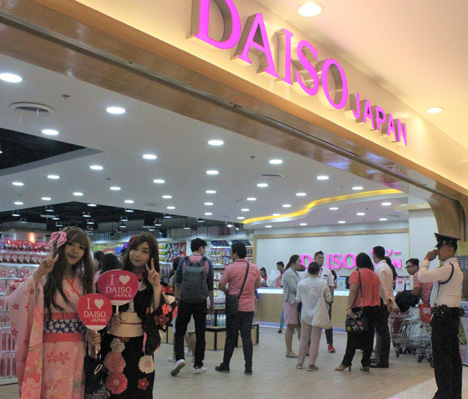
    Daiso Philippines has opened a Sakura-themed flagship store in Robinsons Galleria, Quezon City.

    Following the first store in Tuguegarao, the new one is inspired by the Sakura flowers and the Japanese culture of minimalism.

    The interior is designed with the elements of pale-coloured wood and stainless steel, with contrasting pink-coloured products, most notably Hello Kitty-themed perfumes, cosmetics and other products.

    “The inspiration behind the theme is basically Sakura being an iconic, and beloved flower of Japan and Daiso is in totality a representation of everything Japanese,” says Bernice Jayne Chioa-Bunoan, marketing services manager at Daiso Japan.

    More than 70,000 products ranging from kitchen essentials to stationery products to laundry utensils are sold from PHP88.

    Established in 1977 in Japan, Daiso now has 3000 stores all over the world. Daiso Philippines was launched in 2009.

  • Competition heats up in third-party merchandise, food delivery market

    Competition heats up in third-party merchandise, food delivery market

    With huge demand driving Vietnam’s merchandise, food delivery market, investors are keen on a piece of the action.

    After operating for a year in HCMC Lalamove, a logistics company headquartered in Hong-Kong specialising in same-day delivery and courier services, came to Hanoi Wednesday.

    A day earlier Grab had released its food delivery app, GrabFood, after a period of testing.

    The food delivery market looks extremely lucrative, and businesses want to cash in, industry insiders said.

    “By 2020 Vietnam will have over 50 million customers shopping online,” Phillippe Rambaud, head of Lalamove’s Hanoi market development division, said. “This will be a large market for on-demand delivery services.”

    Nguyen Duc Loi, CEO of Lalamove Vietnam, said the firm aims to have 10,000 contracted drivers on a permanent basis.

    Grab Vietnam CEO Jerry Lim claimed GrabFood’s growth has been very impressive, with the number of its contractors increasing eight-fold in just a month of testing in Hanoi.

    “GrabFood is the next major step for Grab in becoming a super-app which meets all the essential needs of people’s daily lives,” he said.

    “The way each individual service interconnects and complements each other allows us to build an ecosystem that delivers real benefits not only to our customers and drivers but also to our business partners and vendors,” Jerry Lim added.

    Go Viet has launched Go Send as a complementary service, but also aims to develop it into a super-app like Grab. It also plans to launch a food delivery service later this year.

    Last year Go Send delivered over 800,000 fashion products and handled 2.3 million food orders for 203,000 small-scale online vendors.

    But despite their major success in the online delivery market, the three entrants have to face the difficulties that come when competing with established incumbents popular in the market such as Delivery Now (Foody), and Vietnammm.

    Besides, many of their drivers are reluctant to make advance payments to vendors and take on the risk of wrong delivery and customers not accepting goods.

    Lalamove for instance has a policy of having drivers make advance payments for food/goods of up to VND3 million ($130.4) in HCMC and VND2 million ($86.95) in Hanoi.

    Many vendors still do not focus on delivery through third party applications as an important income stream.

    A representative of a milk tea chain in Hanoi told VnExpress that revenues still come mainly from direct sales and phone orders as well as the chain’s own digital app.

    Its response times are still much faster than using third party apps, he said.

    As more and more providers of delivery services emerge, he believed the most important factors vendors would look for are effective support systems and prices.

    The intense competition means consumers will benefit increasingly from the variety of choices and the discounts and improvements in service competitors constantly make to gain market share.

    Companies like Grab, Go Viet and Lalamove uniformly claim competition is good for the market, consumers and the businesses themselves.

    One of them said the Vietnamese market would see even more competitors in future.

    Analysts said this boom would soon spark a struggle between digital delivery platforms and traditional services just like the ongoing between Uber and Grab and traditional cabs.

    Do Xuan Quang, deputy head of Vietnam Logistics Business Association, said Vietnam was the fastest growing e-commerce market in Southeast Asia, and along with the strong growth of the logistics industry at 15-20 percent, a similar movement in the delivery market is not surprising.

    In 5-10 years, the delivery market in Vietnam will be valued at around $10 billion, he said.

    U.K.-based market research firm EuroMonitor International values the food delivery market in Vietnam at around $33 million this year and at more than $38 million in 2020.

    It also puts the annual growth rate of the market at 11 percent.

  • Tesco Lotus Thailand profits down

    Tesco Lotus Thailand profits down

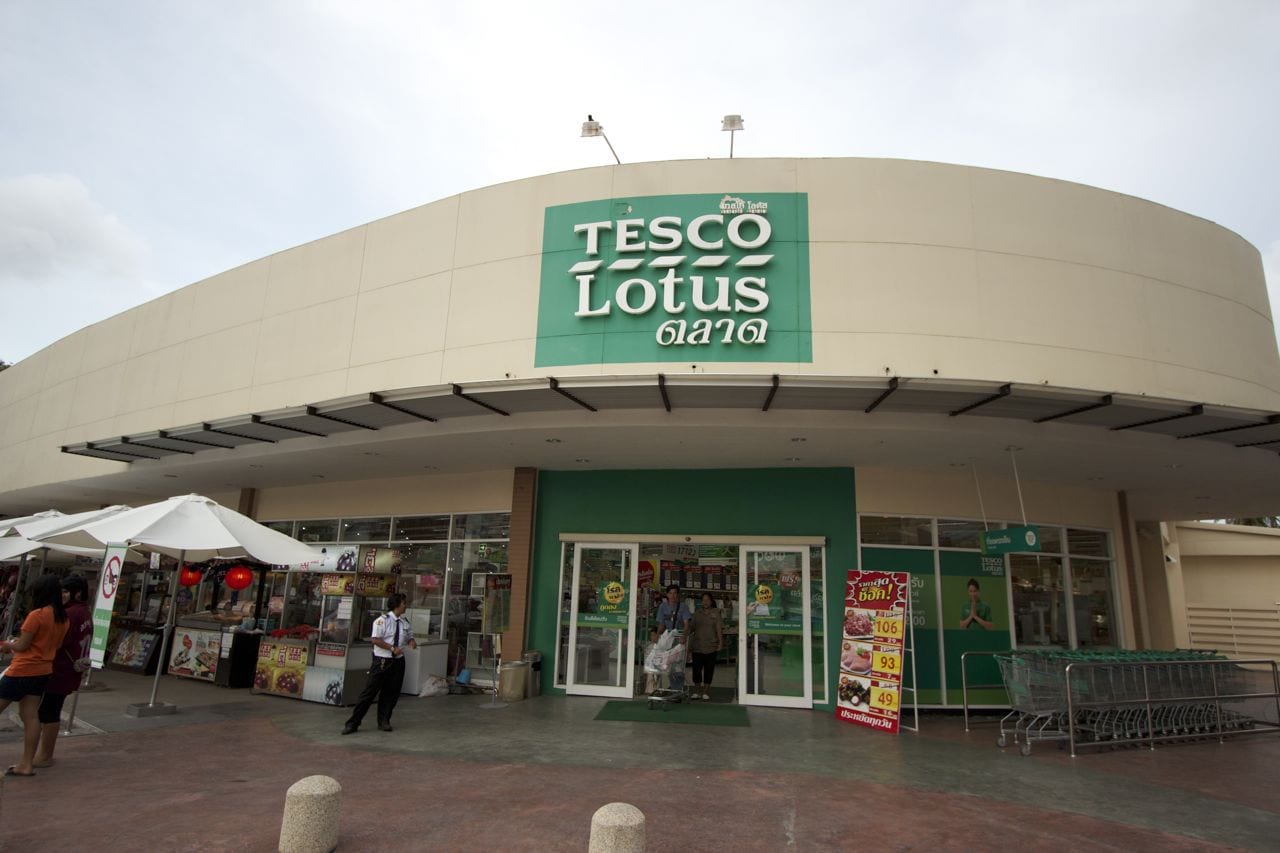
    Falling sales by Tesco Thailand impacted the UK parent company’s first half results released overnight.

    Like-for-like sales across Asia – which also includes the neighbouring Malaysia stores – fell by 4.8 per cent, explained by the company’s decision to exit its unprofitable Tesco Thailand cash-and-carry business.

    But the company’s profit in Asia fell by 29.1 per cent.

    Despite the disappointing numbers, Tesco CEO David Lewis moved to reassure investors that tesco Thailand was still an important focus.

    “In Thailand we’re market leader, it’s still the most profitable part of the group and there’s still significant growth to be had,” he said.

    Tesco reported an operating profit before one-off items of £933 million, which has 24 per cent ahead of the same time last year, but missed analyst expectations of £978 million.

    “I don’t think the market had fully factored in the Asian [business] but we’re really encouraged by the UK,” said Tesco CFO Alan Stewart.

  • Asian Coffee : Vietnam quiet despite recovery in global prices; Indonesia premiums tighten

    Asian Coffee : Vietnam quiet despite recovery in global prices; Indonesia premiums tighten

    Global coffee prices recovered but markets were subdued in Vietnam and Indonesia due to low stocks in both the countries, traders said.

    In Indonesia’s Lampung province, exporters quoted premiums for the grade 4 defect 80 robusta at $25 to $30 premium a ton to London’s November and December contracts, down from last week’s $50 premium, a trader said.

    Another trader quoted the beans at $70 premiums to November and January contracts.

    “Market prices rose in the past week, we have to cut premiums,” one of the traders said, adding that only a few transactions took place this week due to weaker demand and low stock after Indonesia’s main harvest ended last month.

    Indonesia coffee exports from the province of Lampung in Sumatra in September plunged 51 percent from the same month last year to 10,058 tons, official data showed, with lower production this year and higher domestic demand contributed to the drop in exports.

    “Global buyers have shifted to Vietnam because its cheaper there,” the trader added.

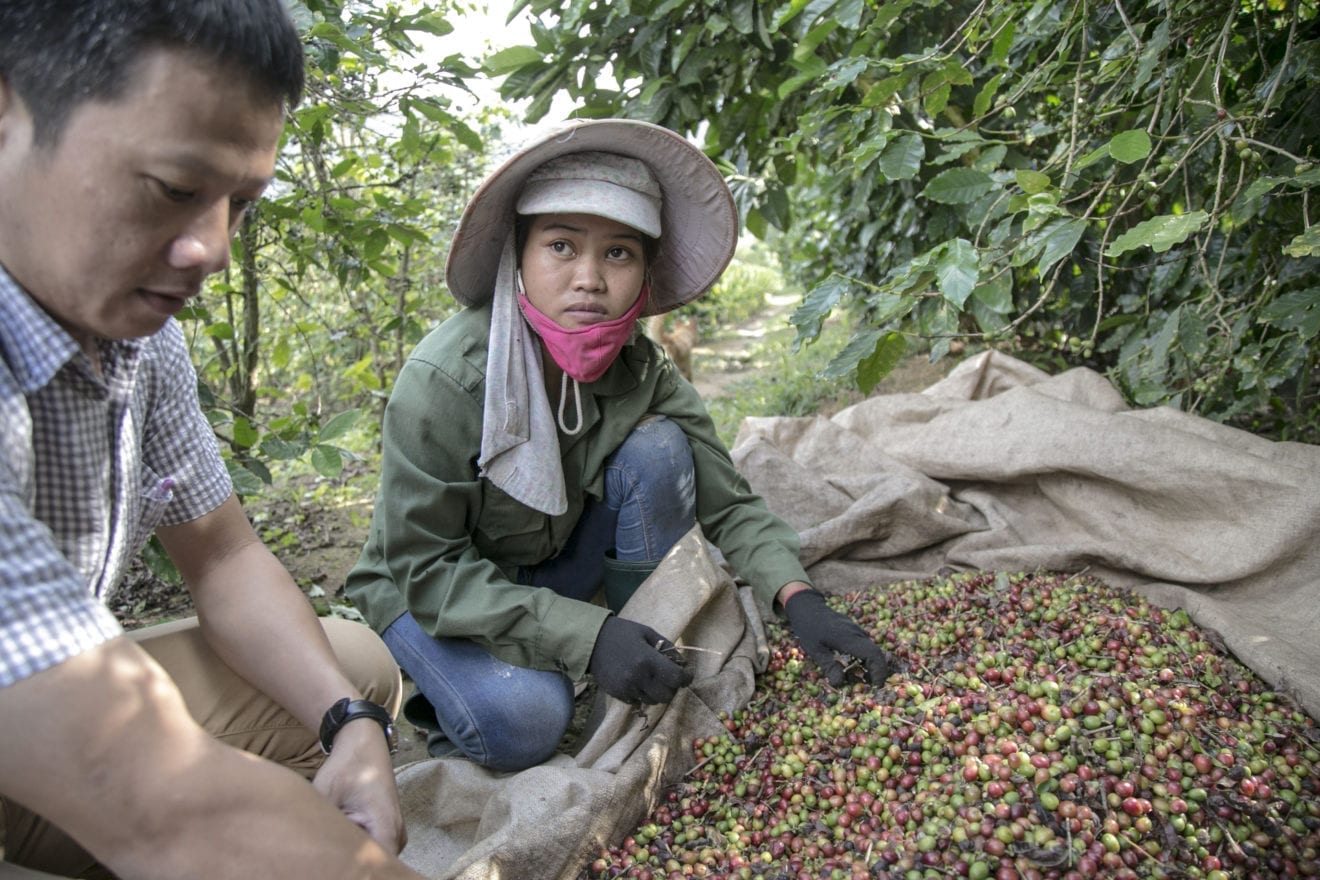
    In Vietnam, exporters have started offering beans from the upcoming harvest since stocks from the past crop were running low, while farmers are still not satisfied with the price despite a recovery in global prices, traders said.

    Farmers in the Central Highlands, Vietnam’s largest coffee growing area, offered coffee at VND34,000-34,400 ($1.46-$1.47) per kg, up from VND32,600-32,800 last week, but still below a 6-year-high level of more than VND47,000 hit last year.

    “The green bean (prices) are too low and the cost is increasing. (In) some countries, the running cost is even higher than the price,” said Luong Van Tu, chairman of the Vietnam Coffee and Cocoa Association.

    Regardless, Vietnam in the 2017/2018 crop exported an estimated 1.8 million tons of coffee, up 12.95 percent from the previous crop, while January-September exports grew 19.6 percent annually to 1.46 million tons, government data showed.

    Exporters offered Vietnam’s 5-percent black and broken grade 2 robusta at $30-$40 discount per ton to London’s November and January contracts, same as last week, but importers asked for a larger discount of $50, traders said.

    Extended rains in Vietnam’s coffee growing region have raised concerns about the quality and timing of the upcoming harvest, which could start as early as next month.

    Scattered showers are expected over the next week in the Central Highlands region, the National Centre for Hydro-Meteorological Forecasting agency said on its website.

  • Dr. Martens maker sues online retailer Yoox over lookalike boots

    Dr. Martens maker sues online retailer Yoox over lookalike boots

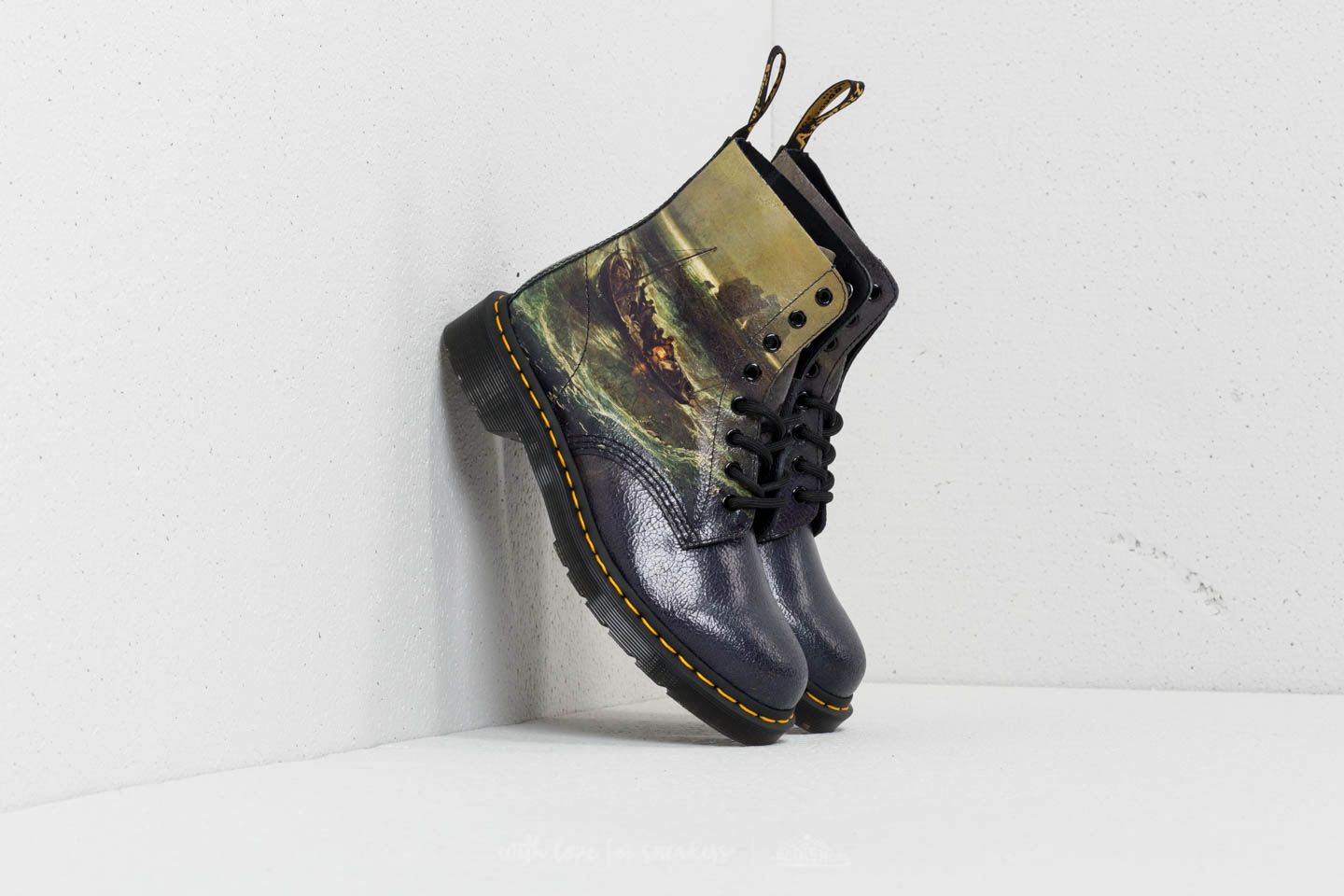
    Airwair International Ltd, the company that makes Dr. Martens, is suing Yoox-Net-A-Porter Group for selling shoes that, it claims, look too much like its iconic lace-up boots.

    The lawsuit, filed in federal court in San Francisco, alleges trademark infringement, trademark dilution and unfair competition which first reported the story.

    Dr. Martens is reportedly calling for a preliminary injunction against the online retailer.

    This isn’t the first time the British brand has sued a competitor for ripping off its designs.

    In 2017, Airwair International slapped US-based shoe brand Steve Madden with a lawsuit for trademark infringement, claiming that it unlawfully copied Dr. Martens’ two tone grooved sole edge, DMS undersole and heel loop.

    In 2013, the company sued US-based shoe brand Chinese Laundry, citing similar trademark infringements.

  • Kakao to spin off e-commerce unit for expansion

    Kakao to spin off e-commerce unit for expansion

    South Korean mobile messaging platform Kakao is spinning off its e-commerce unit for further expansion.

    The new organisation will be Kakao’s largest spin-off, worth about KRW510.3 billion (US$458.6 million) by December. It will take over the operation of the Kakao Gifts, Shopping, Kakao Style and Kakao Farmer services.

    Kakao has also made plans to acquire global e-commerce firms and has expressed being open to securing additional funds through its spin-off.

    A spokesperson for the company said: “We are indeed open to securing additional investments after the process is completed. But at the moment we do not have any specific plans.”

    Kakao’s e-commerce business is weak in comparison with industry leader Naver, achieving only one seventh of the sales of its competitor. Its messenger service, conversely, remains dominant in its market.

  • Zara Opens Its First Concept Fashion Store in Shanghai

    Zara Opens Its First Concept Fashion Store in Shanghai

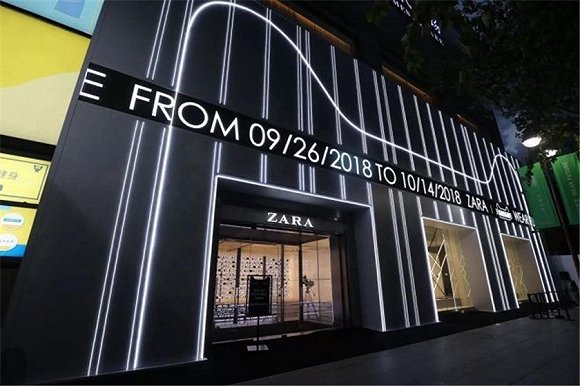
    Fast-fashion retailer Inditex has opened its first Zara China concept store, in Shanghai’s CBD.

    The store features digital services provided in collaboration with Alibaba’s Tmall platform to allow customers to buy limited-edition items via their mobile phone. Visitors can scan product barcodes to signal an attendant to bring clothes to a fitting room, and then make a digital payment if they decide to purchase.

    Following lacklustre earnings last year, Zara is refocusing on digitisation, O2O services and social influencers to reach its target demographic.

    Zara China was launched in 2006 and now operates more than 180 stores. China is home to Inditex’s second largest retail network after its home territory of Spain.

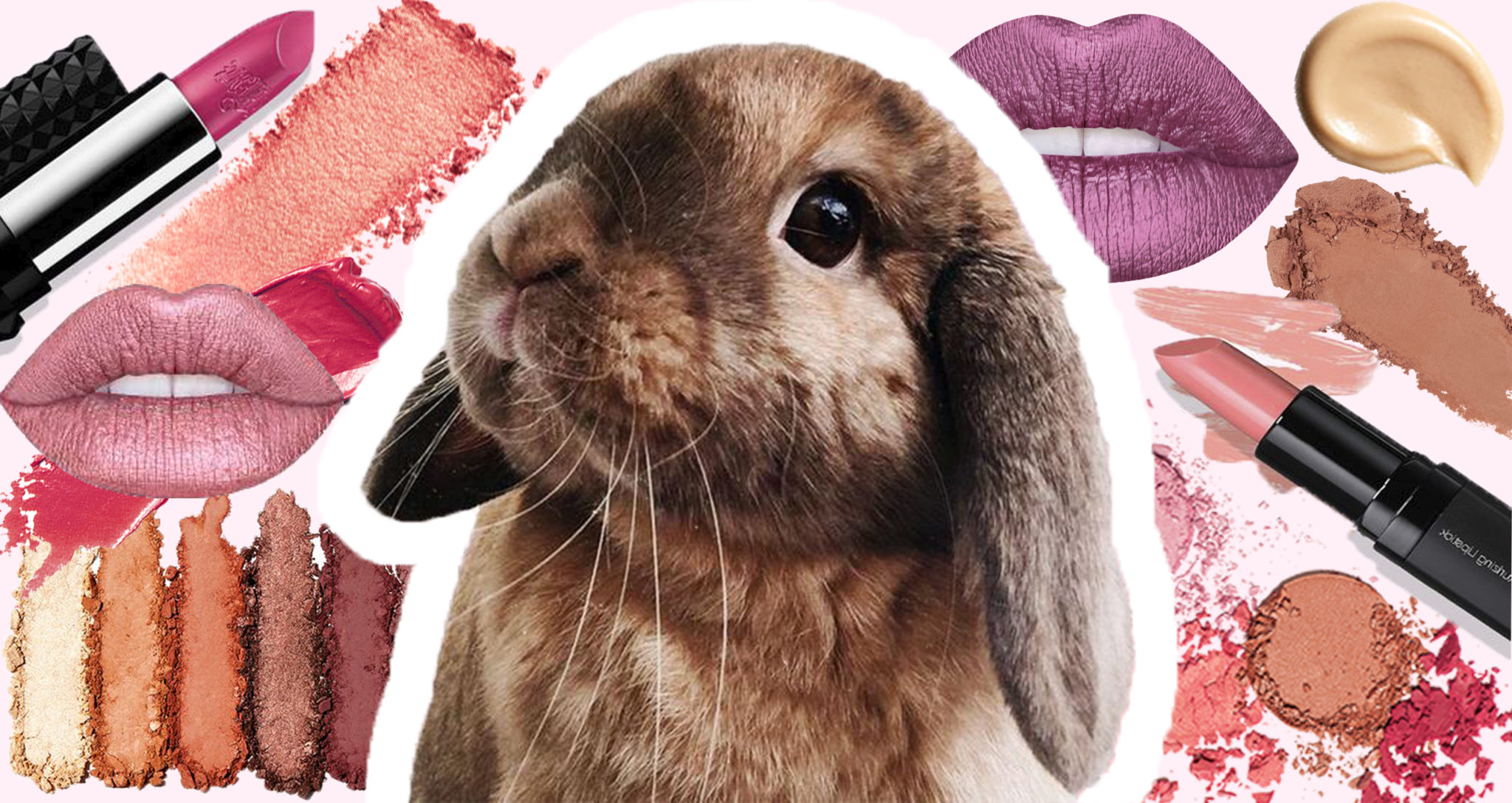
  • Is it the end of cosmetics testing on animals for China?

    Is it the end of cosmetics testing on animals for China?

    It has been little more than a year since French cosmetics firm NARS’ controversial decision to sell its make-up in China caused a major rift in the global cruelty-free beauty scene.

    Fans of the brand and animal-lovers may soon be able to make peace. China is mooting a change in its policy of testing cosmetics on animals which could pave the way for cruelty-free brands to tap into the country’s US$33 billion cosmetics market.

    China’s National Institute for Food and Drug Control (NIFDC) recently issued a statement about its commitment to overhauling testing in the cosmetics industry and exploring viable alternatives to animal tests that are commonly used in countries where the practice is banned. The NIFDC emphasised that research, development, and the standardisation of testing methods that don’t use animals are its top priorities.

    Animal-protection organisations have been working closely with Chinese stakeholders to replace animal testing – which, for cosmetics alone, requires the use of an estimated 500,000 animals per year around the world – with more modern and predictive technologies.

    Notable progress has been made in recent months.

    Troy Seidle, vice-president of research and toxicology for Humane Society International, said that the recent NIFDC statement, published on its official WeChat account last week, is particularly promising.

    “It would be the first time the authority has publicised its view towards cosmetic alternatives with a future strategy so clearly articulated,” Seidle says. “Chinese authorities and stakeholders are actively working to embrace validated alternatives to strengthen international regulatory alignment and trade in the cosmetic sector.”

    China’s cosmetics testing laws require all foreign cosmetics products to be tested on animals before they can be sold in the country. In 2014, China began to soften its stance, allowing domestic cosmetic brands to sell products not for “special use” (make-up, skincare, and fragrances) without the need to test them on animals, but only so long as they adhered to strict standards and a list of pre-approved and tested ingredients. This also applied to foreign cosmetics brand that chose to manufacture products in China for sale locally.

    However, the 2014 rule change was not enough to convince organisations campaigning for cruelty-free cosmetics that selling in China was acceptable. They objected because companies that manufacture in China still face a risk that animals could be harmed via post-market testing – under which brands can have products taken off the shelves and tested on animals.

    In 2017, Nudestix was taken off the cruelty-free brands list of animal welfare website Cruelty-Free Kitty after the UK brand announced it would be producing its products domestically and selling in China.

    “Even though Nudestix does not test on animals, and has successfully bypassed any required pre-market animal testing in China, this is not enough for a “cruelty-free” claim,” Cruelty-Free Kitty author Suzana Rose wrote in a blog post last month. “Any brand that sells cosmetics in physical stores in China can potentially have their products taken down from the shelves and tested on animals.”

    Mette Knudsen, CEO of KnudsenCRC, a Shanghai-based consultancy that helps companies seeking to sell in China, wanted to help brands understand just how serious the risk was of cosmetics companies encountering these post-market tests, as they remain the “biggest barrier” to receiving cruelty-free certification.

    Usually, the post-market tests take place in response to a consumer complaint, though research commissioned by consultants Reach24H found that some Chinese municipal governments would sometimes implement mandatory post-market testing.

    Through research and talks with Chinese officials, laboratories, and UK charity Cruelty-Free International, KnudsenCRC determined that post-market testing rarely involved animals. This is because animal testing is expensive – it costs five to 10 times more than other safety assessments – and also time-consuming, taking about three months to complete.

    “If you have a product with a safety risk on the shelves, you obviously don’t have three months to see if it poses a safety risk or not; you have to react immediately,” Knudsen said.

    SEE ALSO : Makeup brand Nudestix enters China

    KnudsenCRC is teaming up with Cruelty-Free International on a pilot project designed to help cosmetics brands ensure no animal testing has occurred throughout their supply chain, and is working closely with authorities in Shanghai to eliminate the risk of post-market tests.

    “Although we have a lot of assurance from the Shanghai authorities,” Knudsen says, “it’s important to have the pilot because we need to be able to say this is a route we can recommend.” Knudsen says that many brands have already expressed interest and sent in applications for the pilot. Five brands will take part in the first stage of the project, due for completion in early spring 2019.

    It could take years to implement a complete shift away from cosmetics testing using animals. But some milestones towards ending the practice have already been attained.

    The Institute for In Vitro Sciences, a globally recognised organisation working to advance non-animal testing methods in China, announced this year that a lab it was working with in Hangzhou had officially adopted a test on artificial skin. The NIFDC has also adopted alternative tests for skin corrosion and eye irritation, as well as phytotoxicity (testing on plants), with more alternative methods to be introduced in the near future.

    “A crucial first step toward transitioning to non-animal testing approaches for cosmetics in China is for the national authority responsible for this sector to officially recognise the validated test methods as acceptable,” Seidle says. “Until this happens, companies and labs have little incentive to invest money or time to establish the infrastructures and competency necessary to carry out these tests on a regular basis, or for the industry as a whole to commission such tests within China.”

    There is pressure to move quickly. The 28-nation European Union became the first region to ban cosmetic testing on animals in 2013, prompting other countries to follow suit; and the California State Assembly has just passed a bill that will make it illegal for make-up or personal care brands tested on animals, or including ingredients that have been tested on animals, to be sold in the state. If the California governor signs the bill, the law could go into effect as soon as 2020.

    China faces a juggling act on consumer safety. Given numerous food and drug scandals in recent years, safety clearly remains the government’s top priority.

    “To balance consumer safety at a time when the market is developing at 500 kilometres an hour is a very difficult task. Getting the industry up to cruelty-free standards is not something they do overnight,” Knudsen says. “I’d say the minute they can make absolutely sure that consumer safety is not in danger, obviously they would allow these alternative methods.”

    It’s not just the government that is showing movement on the matter. A new generation of Chinese consumers is demanding higher levels of social responsibility from brands – the same consumers who lavish cash on their pets as if they were their children.

    “This is where the speed at which China is moving is a very good illustration because in just 10 years, pets are everywhere. It’s a completely new mindset,” Knudsen says. “Pets have definitely spurred an interest in everything in regards to cruelty-free. This is where you see a deeper and sincere interest in not harming animals.”

    Animal-rights organisations and beauty brands such as Lush have taken the opportunity to educate consumers about cruelty-free practices to inspire more ethical choices. Humane Society International provided funding to the Dalian Vshine Animal Protection Association in China to carry out an extensive public awareness campaign, as part of the organisation’s global #BeCrueltyFree effort. Its initiatives included a lecture tour of 50 universities in 34 provinces, awareness videos on animal testing and alternative technologies screened at shopping centres.

    While there are no official channels for purchasing cruelty-free products in China, such brands already have a presence on direct-to-consumer commerce platforms like Taobao and WeChat.

    There’s also little doubt that there are conscious Chinese shoppers seeking out animal-friendly beauty products through travel abroad as they become more educated about their options.
  • Nestle Malaysia CEO Alois Hofbauer to be replaced soon

    Nestle Malaysia CEO Alois Hofbauer to be replaced soon

    Alois Hofbauer will be stepping down as Nestle (Malaysia) Bhd CEO effective Nov 30.

    Nestle said in a statement that Hofbauer’s departure is to pursue other interests outside the group.

    Hofbauer will be succeeded by Juan Aranols, currently CFO for the Nestle Group’s Zone Asia, Oceania nd Sub-Saharan Africa (Zone AOA).

    Aranols joined the Nestle Group in 1990 as an auditor for Nestle Spain. In his 28 years with the company, he has held roles of increasing responsibility across a number of different markets in Europe and Latin America.

    He has worked for the last six years at Nestle Global Headquarters, first as global group controller and since 2015 in his current role as CFO and member of the senior management team for Zone AOA.

    “Nestle Malaysia is a company with a long history and great future prospects. I am both humbled and excited to be given the opportunity to take this organisation forward, building on the strong foundations laid by my predecessor and his team,” said Aranols of his new appointment.

    Meanwhile, Hofbauer has been Nestle Malaysia CEO for the last five-and-a-half years.

    “I am proud that my team and I have established Nestle Malaysia as one of the top performing companies on the Bursa Malaysia. We reignited growth and achieved solid results year after year. I am confident that this success will continue, and I wish Juan all the best in his new role,” said Hofbauer.

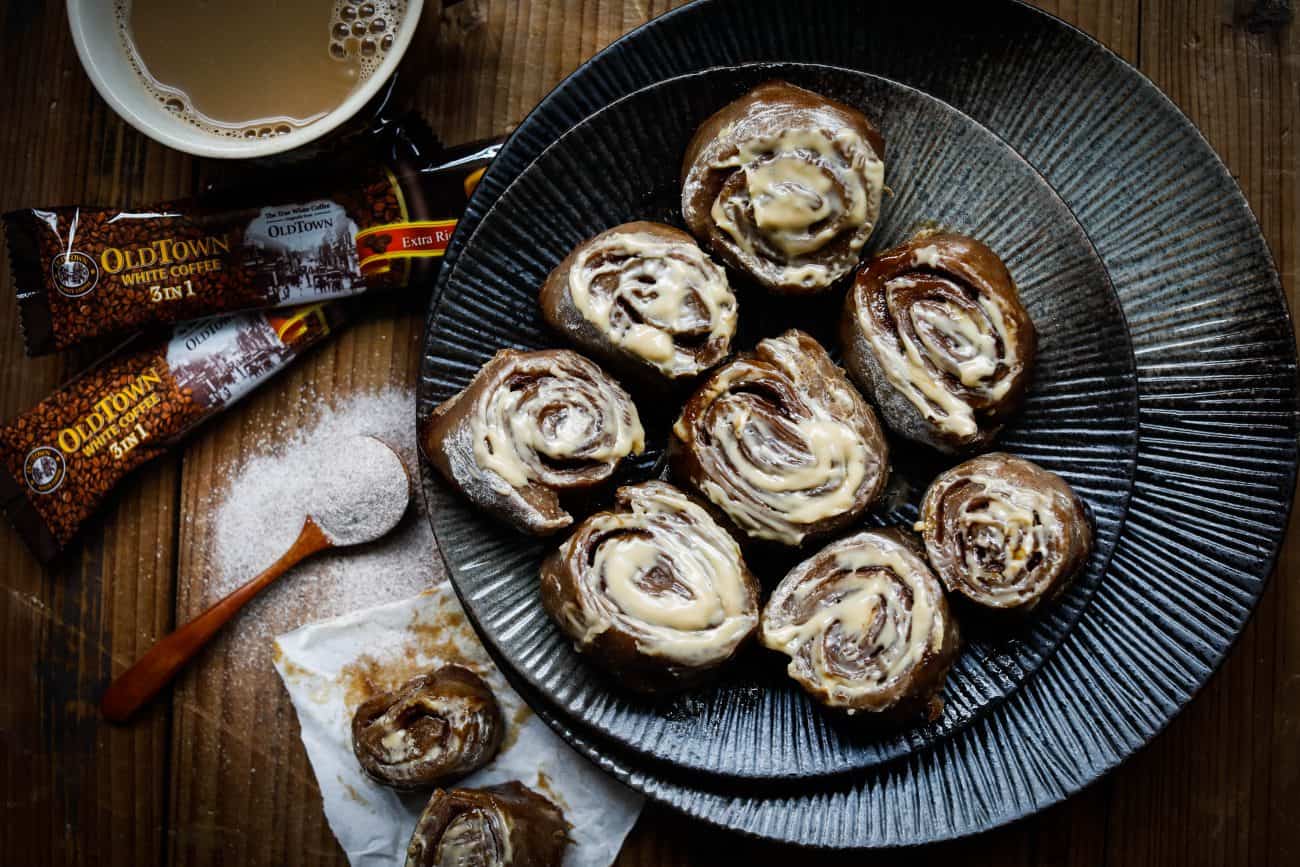
  • Oldtown White Coffee opens new concept store at Suntec City

    Oldtown White Coffee opens new concept store at Suntec City

    Malaysian cafe chain Oldtown White Coffee has launched a concept store at Suntec City Mall.

    The venue opened last month and features a facial-recognition feature as part of its ordering system. Seating 88 guests, Oldtown Suntec City offers exclusive local menu items and new coffee flavours, including popcorn and coconut lattes.

    Oldtown White Coffee is Malaysia’s largest white coffee chain and operates more than 250 outlets throughout Southeast Asia. It has established outlets in China and Indonesia, and has recently expanded into Vietnam and Cambodia.

  • Experts on the fence over first made-in-Vietnam cars

    Experts on the fence over first made-in-Vietnam cars

    Several experts and industry insiders are advising caution over judging carmaker Vinfast too highly, too soon.

    VinFast, a unit of Vingroup JSC (VIC.HM), Vietnam’s largest business conglomerate, officially showcased its first two vehicles: the LUX A2.0 sedan and the LUX SA2.0 SUV at the Paris Motor Show on Tuesday.

    The new carmaker impressed everyone by doing this just one year after kicking off production in northern Hai Phong City. It received much praise for completing design and development of its models, as well as putting together a production line at an astonishing pace.

    Supporters pointed to the company’s ‘daring’ strategy of gaining a head start by taking a shortcut, by signing agreements with a strong list of global partners.

    The company uses Siemens’ plant construction expertise; BMW’s intellectual property; Pininfarina’s design; and Bosch for hardware, software and service solutions.

    Experts say that VinFast’s car falls into the mid-luxury segment. Automobile expert Le Anh believes the sedan can sell for VND1.4 billion ($60,869) and the SUV for VND1.8 billion ($78,260).

    However, amidst all the praise and euphoria, many people have advised caution in assessing VinFast’s progress.

    An expert with many years of experience in the luxury car sector in Hanoi said: “Initial images and figures do not say much about the product line’s final performance. The commercial version of the models have not even been completed yet.”

    “The fact that VinFast could develop the models so quickly is easy to understand given that it has bought most of the required technology, designs and engineering from other carmakers,” the expert said.

    This observation matches that of Bill Russo, head of Shanghai-based consultancy Automobility Ltd and a former Chrysler executive.

    “The key question is why the world needs yet another car brand in an era when hardware is commoditising. The fact that they have outsourced design and manufacturing and are relying on foreign R&D tells me they are following a traditional path that may not be competitive in an era of digital mobility services,” Russo said.

    Meanwhile, a former Vietnamese engineer who has worked for Volkswagen in Germany for many years, said Vietnamese people have the right to be proud at the birth of a new Vietnamese brand.

    “But what comes next? Quality, reliability and price are the real problems that VinFast needs to overcome when approaching customers,” he added.

    Bui Sinh, who has many years of experience with other luxury car brands, said that there were no grounds to trust the two new models.

    “The information provided is one-dimensional, and there is no actual car to verify these claims. Only when we know the car works, should we move on to analyse the quality of the car and the calibre of its technology.”

    Sinh also pointed out that if VinFast were to position the first two models in the luxury car market segment, ‘national pride’ would just form part of the brand, and have little effect in the actual selling.  For wealthy customers used to driving luxury or mid-luxury vehicles, patriotism cannot replace actual function, he said.

    Other experts have also said people should be careful in assessing VinFast’s progress. Previously, two other automobile makers in Vietnam– state-owned VEAM Motor and private venture Vinaxuki– have flopped.

    Bui Ngoc Huyen, chairman of Vinaxuki, which tried to produce a domestic car but ceased production just before its first car was to be officially released in 2012, said VinGroup’s deep pockets would help, but warned that building a brand takes time.

    “You have to move from producing small and cheap cars to luxury ones,” he said. “It will take several years for a new carmaker to fine tune its products and win the confidence of consumers. It will take between 10 and 20 years.”

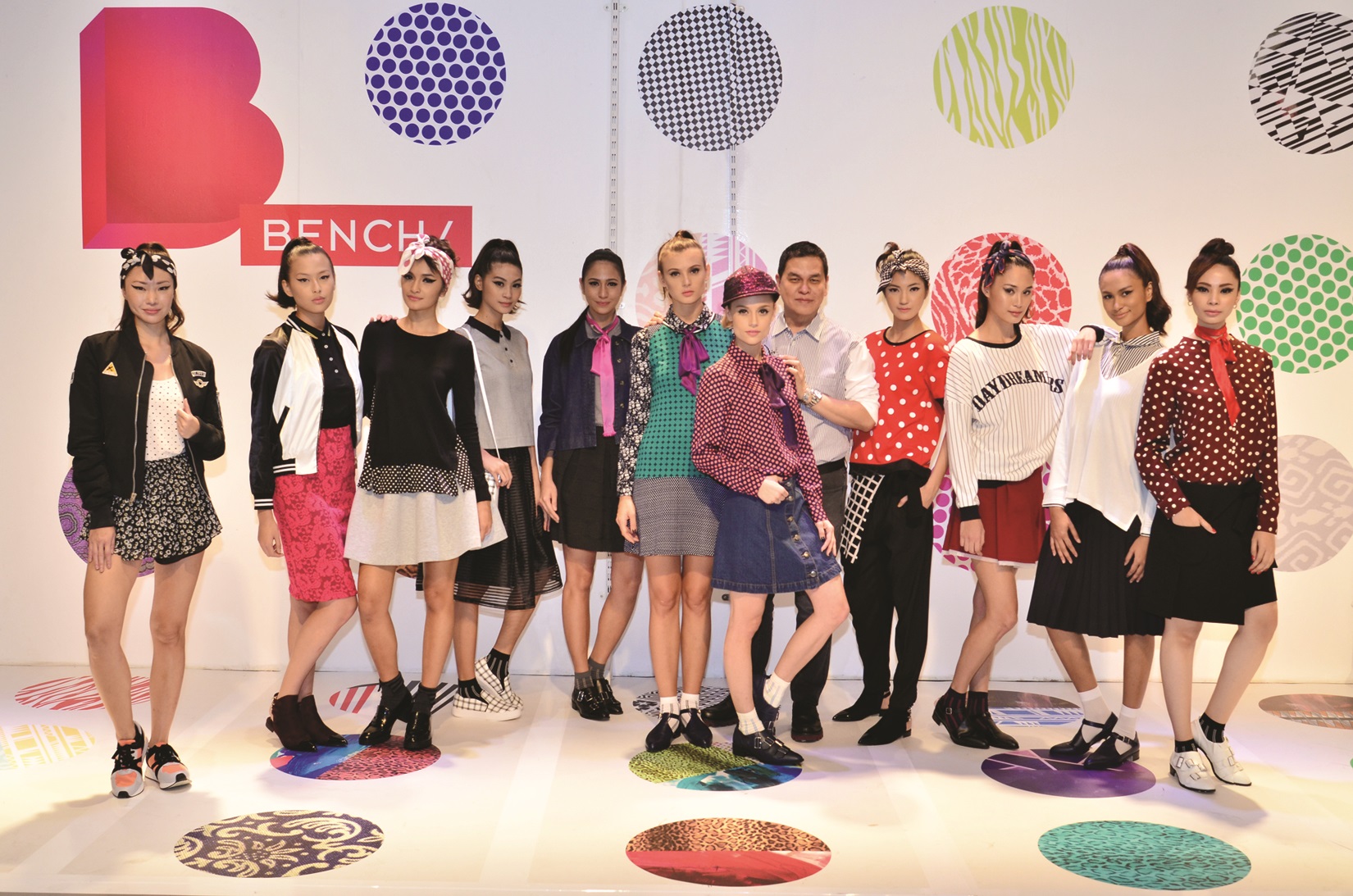
  • Filipino brand Bench opens in Dubai

    Filipino brand Bench opens in Dubai

    Philippine apparel brand Bench has opened in BurJuman, Dubai.

    The 1179sqft store offers women’s and men’s clothing and undergarments, perfumes and other products. The brand says it has been conspicuously welcomed by the Filipino community resident in Dubai.

    Bench has grown from its earliest incarnation as a t-shirt store in the late 1980s into an international clothing and lifestyle brand with numerous celebrity endorsements. The brand’s worldwide network of sales points includes the US, Middle East and China.

  • Millennials’ love for luxury brands focuses on two brands

    Millennials’ love for luxury brands focuses on two brands

    Millennials feel better about their future earnings than older consumers and spend more on luxury goods.

    That’s according to a survey of more than 3,000 consumers across China, Europe and the US by UBS Group AG. Eighteen to 35 year olds have contributed 85 percent to growth in the luxury market last year and will represent 45 percent of total high-end spending by 2025, according to the report published Friday.

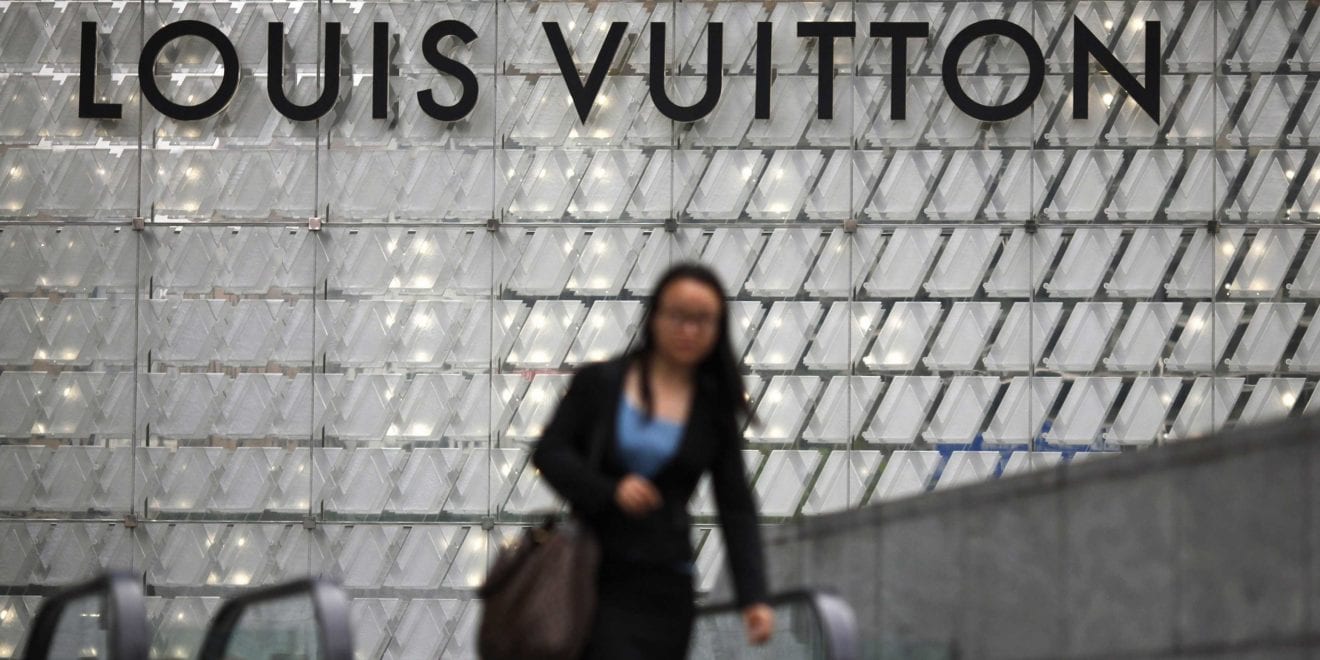
    Gucci and Louis Vuitton are millennials’ favourite brands, according to the survey and social-media data analysed by UBS.

    While the intent to buy online is higher in the age group than among older consumers, physical stores continue to feature highly among preferred places to shop.

    Chinese millennials, a major driving force behind sales growth, allocate about 20 percent of discretionary income to purchasing luxury goods, a similar share as older generations.

    Nearly 70 percent of Chinese Millennials expect their personal financial situation to improve in the next 12 months, compared to 65 percent of Chinese respondents aged 35 or more.

    That is good news for companies selling luxury goods, considering Millennials drove 85 percent of the sector’s growth last year. In fact, luxury fashion labels which have been performing well lately have a high percentage of sales from Millennials.

    For example, UBS estimates 65 percent of Saint Laurent’s revenues to have come from this age group in 2017, while Gucci’s Millennial sales were estimated in 50 percent. Louis Vuittonobtained approximately 33 percent of its profits from consumers aged 21-37, as claimed by UBS.

    Younger people in Italy and the US have higher spending budgets than their elders, according to the report.

  • Korea’s rice burger franchisees fight back

    Korea’s rice burger franchisees fight back

    BonGousse Rice Burger, which was acquired Tuesday by chain Nene Chicken, is receiving fierce criticism from franchisees for failing to inform them of the deal.

    The rice burger chain was established in 2010. The brand rose to fame thanks to its popularity among students, but entered a steep downfall last year when CEO and founder Oh Se-rin was convicted of drug use.

    BonGousse franchisees claim they were never informed about the merger by headquarters beforehand and only learned about it after the deal between the companies were finalized last month. According to local news outlets, the association of BonGousse franchisees reported the headquarters to the Fair Trade Commission saying that the deal violated contracts with franchisees.

    Franchisees are set to meet with BonGousse headquarters to receive details on the acquisition on Thursday.

    “We’re in the process of expanding our business with our expertise in the chicken business and franchise operation,” Nene Chicken said in a statement. “We plan to create synergy with the acquired company based on our experience in the franchise business and quality control.”

    BonGousse Rice Burger started out as a street food stall that sold rice balls made in the form of a hamburger. The business took off by establishing restaurants near schools and universities, and the number of branches reached a peak of 1,000 in 2015.

    Oh also gained attention and fame as a young entrepreneur, and made many media appearances to encourage entrepreneurship among students. A college dropout, Oh was only 25 when he started BonGousse in front of a high school in Suwon, Gyeonggi.

    Oh was found to have taken drugs with three women at a hotel in Seoul in May 2015. He was also found to have used methamphetamines three times with close associates in 2016 at a hotel and at his home. He was sentenced to a year and a half in prison and three years of probation. His conviction in August 2017 tainted the brand’s image and dragged down sales by 30 percent, according to BonGousse franchisees.

    In October, a group of around 300 BonGousse franchisees sued Oh and BonGousse headquarters for damages. They said that, after the conviction, the company modified contract terms in a way that increased advertising costs for franchisees while reducing headquarters’ costs.