Tag: asia

  • Amazon, Alibaba seek Vietnamese sellers

    Amazon, Alibaba seek Vietnamese sellers

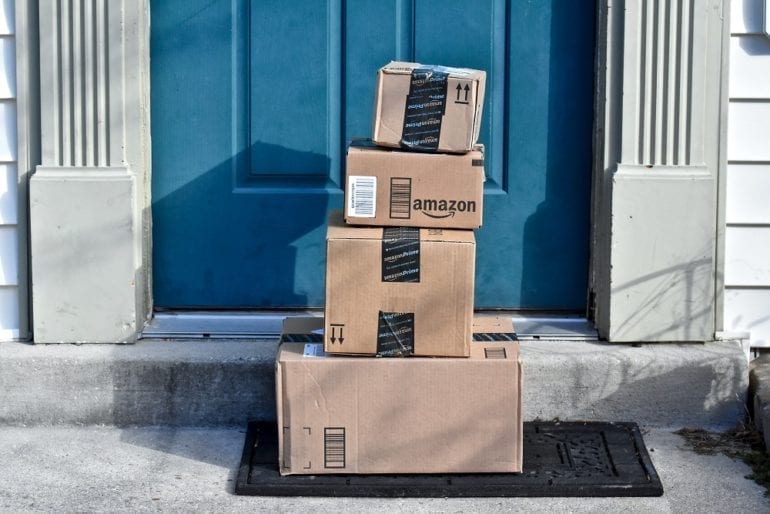
    E-commerce giants Amazon and Alibaba are looking to sign up more Vietnamese sellers for their online marketplace.

    U.S.-owned Amazon last month collaborated with the Vietnam E-commerce Association (VECOM) to organize a workshop called Selling Globally on Amazon in Hanoi and Ho Chi Minh City.

    The events attracted over 2,000 people each.

    Since March Amazon has been partnering with VECOM to host a number of training courses and workshops for sellers.

    It has launched a website and an official Facebook fanpage in Vietnamese to connect with individuals and businesses who want to sell their products on its network.

    Park Joonmo, CEO of Amazon Global Selling Korea and Southeast Asia, said there is an increasing number of Vietnamese sellers on Amazon, including manufacturers, brand owners and startups.

    They have started selling globally through Amazon to reach millions of potential customers all over the world, he said in a statement.

    Around 200 Vietnamese businesses are selling on Amazon, according to the Ministry of Industry and Trade.

    Experts said this number could rise greatly since Vietnam is a major exporter of items such as agriculture produce, foods and furniture.

    China’s Alibaba has also been looking for Vietnamese sellers on its AliExpress website since July.

    AliExpress executive Yang Ninh said Vietnam is one of the most diverse manufacturers in the world, and its growth makes it an important destination for Alibaba.

    AliExpress wants to open the door for Vietnam to over 200 markets around the world, he added.

    Vietnam’s e-commerce market grew by 25 percent last year, according to VECOM, which forecasts this rate to continue until 2020.

  • Tencent, Hillhouse back MINISO

    Tencent, Hillhouse back MINISO

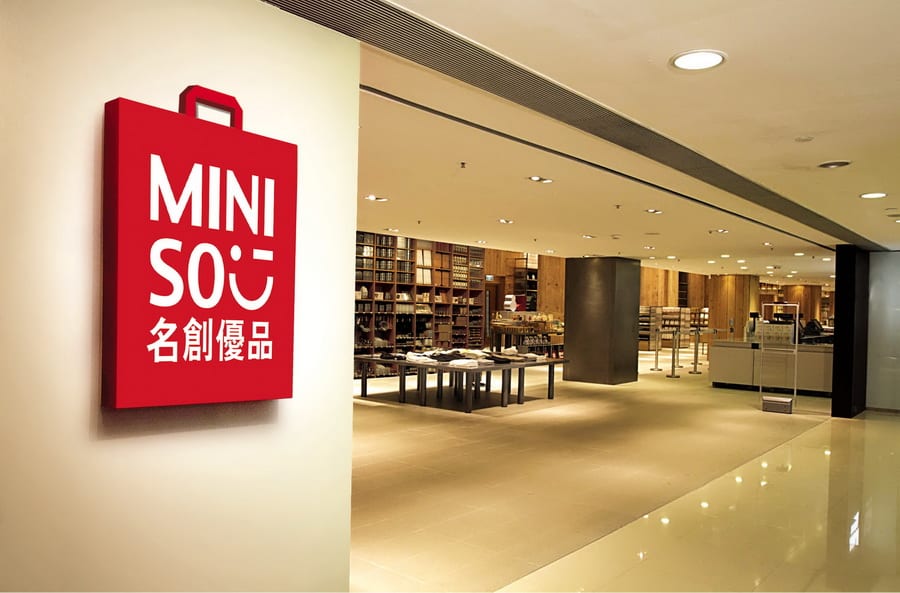
    Tencent and Hillhouse Capital have invested RMB1 billion (US$146 million) into fast-growing Chinese discount retailer Miniso.

    Founded just five years ago, Miniso has already grown to more than 3000 stores worldwide using what it describes as a “high quality, low price” philosophy.

    Three years ago, the China-headquartered retailer which pretends to be Japanese in its brand positioning and marketing, made its first foray abroad. One in three of its stores are now in overseas cities in 70 countries and markets, including Hong Kong, Singapore, Japan, Vietnam, Taiwan, Macau, India, South Korea, North Korea, Indonesia, Malaysia and the Philippines.

    In a statement, Miniso said the strategic investment from Tencent and Hillhouse Capital will enhance cooperation in big data analysis, smart outlets, intelligent retail and digital operations, among other areas.

    “The investment of Tencent and Hillhouse Capital will help the future development of Miniso by improving its ability in terms of information technology, capital operation, corporate governance, etc. The investment will also expand its layout in the field of intelligent retail and accelerate overseas market expansion, so as to help Miniso achieve its medium-term strategic goals.”

    That goal is to have 10,000 stores trading in 100 countries with RMB 100 billion in sales by 2022.

  • Malaysia Airlines, Jet Airways expand codeshare agreement

    Malaysia Airlines, Jet Airways expand codeshare agreement

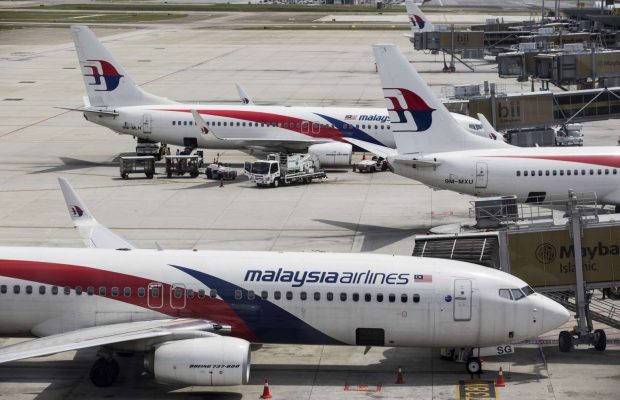
    Malaysia Airlines and Jet Airways have expanded their codeshare agreement to offer consumers a wider network of destinations effective Sept 24.

    Malaysia Airlines said in a statement that the wider network covers new routes with departures from Mumbai and Hyderabad to cities in India as well as Southeast Asia destinations including Hong Kong, Bangkok and Singapore.

    The agreement is an extension from existing codeshare with Malaysia Airlines on Malaysia Airlines routes from Kuala Lumpur to Mumbai, Bangalore, Hyderabad, Delhi and Chennai.

    “We are delighted to announce the codeshare expansion with Jet Airways to broaden our global reach into India, the third largest market in the aviation industry. Together with Jet Airways, we will be offering seamless connectivity to fast growing cities in India including Aurangabad, Dabolim (Goa), Ahmedabad, Kochi and Kolkata,” said Malaysia Airlines’ chief revenue officer Ignatius Ong.

    “This codeshare agreement serves as an important element towards Malaysia Airlines’ proposition of being the preferred way to fly to, from and around Malaysia,” he said.

    Malaysia Airlines’ codeshare on Jet Airways services include flights from Hyderabad to Bangalore as well as flights from Mumbai to Ahmedabad, Aurangabad, Bangalore, Chennai, Delhi, Goa, Hyderabad, Jaipur, Kochi and Kolkata.

    Meanwhile, Jet Airways codeshare on Malaysia Airlines services include flights from Kuala Lumpur to Bangkok, Hong Kong and Singapore.

  • Keppel in joint venture for first commercial development in India

    Keppel in joint venture for first commercial development in India

    Keppel Land, the property subsidiary of Singaporean conglomerate Keppel Corporation, is in a partnership to develop its first commercial property in India.

    The group has acquired a well-located 3.09ha site from Metro Cash & Carry India in Yeshwanthpur through a majority 51:49 joint venture with Indian property developer Puravankara.

    The total consideration of INR 4.05 billion (US$81 million) includes the cost of $16 million for the construction of a 160,000sqft retail/office complex. The total development cost, including the land, is $207.4 million.

    Yeshwanthpur is 5km northwest of central Bangalore, one of the primary hubs for the technology industry in India. The area is among the largest and fastest-growing office markets in the country.

  • Monica Vinader opens in New Town Plaza Mall

    Monica Vinader opens in New Town Plaza Mall

    Monica Vinader is pursuing its expansion into the great city of Hong Kong with the opening of its third store this September.

    Famous for its versatile styling, and loved for its encouragement of women to self-gift, and to give to each other, the British jewellery brand chose the exclusive New Town Plaza mall as location for its latest store.

    Renowned for instantly wearable and contemporary designs, Monica Vinader is a favourite amongst A-list names such as the Duchess of Cambridge, Olivia Palermo and Emma Watson.

    The store is an opportunity for Monica Vinader to bring everyday fine jewellery to more women across China, whilst expanding their presence in Hong Kong.

    Being only 30 minutes away from China, the New Town Plaza mall is a prime destination for Chinese day visitors, while also servicing over 3.69 million residents in Hong Kong’s new territories.

  • Lotte prepares for verdict on chairman

    Lotte prepares for verdict on chairman

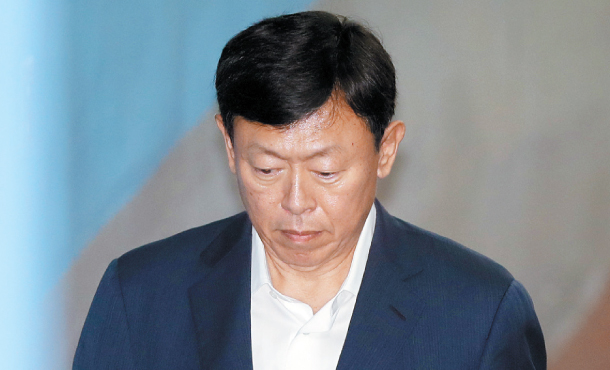
    Lotte Group Chairman Shin Dong-bin is due to receive his appeals court sentence tomorrow. The leader of Korea’s largest retail conglomerate is facing up to 14 years in jail.

    Shin has already served eight months of the 30-month sentence he received over charges of bribing former President Park Geun-hye to curry favor during her administration.

    Prosecutors requested a 14-year sentence for the Lotte Group chairman to the appeals court in August.

    Lotte employees last month submitted a petition that Shin be released on the grounds that the absence of the 62-year-old chairman is hurting Lotte’s business. Major business decisions have been on hold since Shin has been imprisoned, and recruitment and investment has been scaled back tremendously.

    The ruling tomorrow is expected to have major implications for Lotte, and potentially the Korean economy as well. Lotte, with a net worth valued at over 100 trillion won ($89.4 billion) and annual revenue of 90 trillion won, is Korea’s fifth-largest conglomerate.

    A chairman’s downfall

    On Feb. 13, Shin was put in jail after the Seoul Central District Court found him guilty of bribing former President Park in return for a business deal. According to prosecutors, he offered 7 billion won to a nonprofit foundation controlled by Park’s close friend Choi Soon-sil to score a license it needed to operate its duty-free business in Seoul.

    Lotte’s official stance, however, is that Shin and the company are simply victims of Park’s abuse of power. Shin offered the 7 billion won in May 2016, after Lotte had failed twice in 2015 to obtain approval to continue its duty-free operations in Seoul for the following year.

    In July 2017, the Board of Audit and Inspection found that the Korea Customs Service, which oversees the assessment of duty-free businesses, manipulated evaluation scores to disqualify Lotte. Lotte’s original score far exceeded those of the companies that obtained approval instead.

    “Like other businesses that had given money to Park [and her friend] after private meetings with her, Lotte was not giving out bribes, but paying a sort of ‘quasi-tax,’” said a Lotte spokesman.

    Frozen in time

    For the past eight months of Shin’s absence, Lotte Group has been wary of making major decisions on investment and recruitment.

    The conglomerate invested 879.1 billion won in its retail business during the first half of this year, a 20 percent decline from last year. Lotte also hit the brakes on hiring. It only hired some 2,300 new employees this year, whereas it had recruited between 12,000 and 13,000 new workers in other years.

    The conglomerate has also put some 10 trillion won worth of domestic and overseas investment and merger and acquisition plans on an indefinite hiatus. Projects on hold include large-scale oil complexes in Indonesia and Louisiana and acquiring Vietnamese confectionary, retail and hotel businesses.

    Shin’s imprisonment came as a complete surprise in February. Shin, then the chairman of the Korea Ski Association, had scheduled a dinner meeting with international ski authorities for the day following the first court ruling.

    “As we didn’t expect Shin’s imprisonment, we hadn’t made any provisions for such a development,” said a Lotte spokesman on Sunday. “Shin left a huge vacuum in Lotte’s management. Now, all of Lotte Group is paying careful attention to the appeals court ruling.”

    Though Lotte is far from being the only Korean conglomerate to see its leader go to jail, it is rare for companies to hold off on all major management decisions throughout their imprisonment.

    “Lotte’s dependence on Shin was especially high, especially because of the unique situation we have with Lotte in Japan,” said a Lotte spokesman.

    Shin played an instrumental role in helping Lotte grow to its present size. He led the acquisition of the home shopping and electronics retail businesses that became Lotte Homeshopping and Lotte Hi-mart. Shin also strengthened Lotte Chemical by purchasing Samsung’s chemical division for just 3 trillion won.

    In 2015, Shin also emerged as the sole leader of both Lotte’s Korean and Japanese businesses after ousting his own father – who founded Lotte in 1948 in Japan before expanding to Korea in 1967 – as well as older brother from the management of Lotte Holdings. The Tokyo-based holding company holds major stakes in Lotte’s Korean businesses.

    “After the Shin brothers’ power struggle [where Shin fought over the succession of the conglomerate with his older brother Shin Dong-joo], Lotte faced public scrutiny. This revealed the conglomerates’ backward management practices, including [the complex] cross-shareholding [control], which drew the attention of the prosecutors’ office,” said an industry source.

    Although Shin may have caused problems for management in the past, the consensus among Lotte employees is that only Shin can improve the conglomerate’s organizational structure.

    In recent years, Shin pushed for greater transparency and the separation of Lotte’s Japanese and Korean businesses. He also tried to remove cross-shareholding ties by merging Lotte subsidiaries under Lotte Corporation, a new Korean holding company. Cross-shareholding occurs when publicly traded companies own shares in each other, leading to double counting of equity and distorted assessment of the companies’ value.

    “Firms like Amazon are pushing the global retail industry towards new levels of competition,” said Park Ju-young, who teaches entrepreneurship and business at Soongsil University. “Because of its status as Korea’s largest retail conglomerate, Lotte’s defensive approach to management may eventually lead to economic loss for the country.”

    Loyal supporters

    Law authorities confirmed Monday that Lotte union members submitted a petition on Sept. 10 to the judge in charge of the case to free Shin for the upcoming appeals court sentence.

    According to the Seoul High Court, which is overseeing the case, the petition was signed by 19 people, including Lotte trade union members representing Lotte Shopping, Lotte Property & Development and Lotte World, as well as high-ranking officials from the Korean Federation of Tourist & Service Industry Worker’s Union.

    “Lotte did not gain any unlawful profit from handing out bribes to former President Park, and is instead a victim [of the Park administration],” read the 3-page-long petition. “When Lotte provided its golf course in Seongju, North Gyeongsang, as the grounds for the installation of the anti-missile system Thaad upon coercion from Park, China retaliated by closing down Lotte stores.”

    Lotte union members said they decided to submit a petition after hearing that prosecutors had recommended a 14-year sentence for Shin in late August.

    “We are not trying to persuade the judge that Shin is innocent,” said Kang Suk-yun, head of Lotte’s labor union. “But we believe that our plea for clemency does not contradict the sentiment of the Korean people, when the entire Korean economy, not just Lotte, is doing poorly.”
  • European businesses repose confidence in Vietnam

    European businesses repose confidence in Vietnam

    European companies’ business sentiment in Vietnam is at the highest level in 18 months, EuroCham’s Business Climate Index shows.

    The latest index (BCI), which the business group released Wednesday, is at just two points below the all-time high achieved in the third quarter of 2016.

    This growing confidence in Vietnam’s trade and investment environment is reflected in a six-point jump in the second quarter of this year against the first quarter.

    The BCI shows Vietnam is open for business as an attractive trade and investment destination, Nicolas Audier, co-chairman of EuroCham, said in a press release.

    “The EU-Vietnam Free Trade Agreement (EVFTA) should be ratified soon. On the cusp of this historic deal, which will boost trade and investment on both sides, we hope this positive message from EuroCham and its members will inspire the government to continue opening its markets to foreign investment and improving its trade and investment environment.”

    EuroCham members reported an optimistic outlook on a range of issues, from their own investment and profit projections to workforce levels and Vietnam’s economic outlook.

    Over 70 percent reported a positive situation at their enterprise in the last quarter, with 62 percent describing it as ‘good’ and 12 percent as ‘excellent’.

    Looking ahead to the next quarter, 64 percent believed their business situation would be ‘good’ while 15 percent said ‘excellent’.

    EuroCham members are also optimistic about Vietnam’s economic outlook, with 57 percent predicting ‘stabilization and improvement’ in the next quarter and 34 percent believing it would remain unchanged.

    Fifty seven percent believed their business would see either a ‘significant’ or ‘moderate’ increase in staff next quarter, while 61 percent expected either a ‘significant’ or ‘moderate’ increase in investment.

    Over three-quarters of members (76 percent) believed orders or revenues would see a ‘significant’ or ‘moderate’ increase in the third quarter.

    For the first time, EuroCham asked members for their views on corporate social responsibility (CSR). 87 percent said CSR is important to their business operations in Vietnam. The main motivations for CSR included ‘brand reputation’ and ‘customer/environmental concern’.

    Vietnam’s GDP grew by 6.98 percent between January and September, the highest nine-month rate since 2011. The economy grew by 6.81 percent last year, the highest in a decade.

    The foreign sector’s exports in the first eight months of the year were worth $110.3 billion, up 13.4 percent year-on-year and accounting for 71 percent of the country’s total exports of $155.4 billion.

  • Hong Kong yoy August retail sales rose

    Hong Kong yoy August retail sales rose

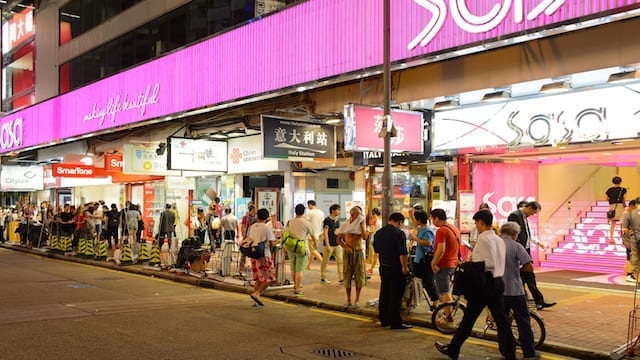
    Hong Kong August retail sales surged 9.5 per cent ahead of last year according to figures from the Census and Statistics Department (C&SD).

    The figure marked an improvement of the revised 7.8 per cent recorded in July and year to date, growth is running at 12.2 per cent year on year.

    A government spokesman said the increase in Hong Kong August retail sales was buttressed by solid local demand and visible growth in visitor arrivals.

    But the spokesman warned that while favourable job and income conditions and sustained growth in inbound tourism should support the retail sector in the short term, the government will “closely monitor how consumer sentiment will be affected by the external headwinds in the period ahead”.

    After netting out the effect of price changes year on year, Hong Kong August retail sales increased by 8.1 per cent. For the first eight months of this year, inflation-adjusted total retail sales increased by 10.6 per cent, estimates the C&SD.

    Predictably, the growth was fuelled by tourist-driven categories, with jewellery, watches and valuable gifts sales up 21.6 per cent. Cosmetics sales were up 16.3 per cent, footwear and accessories by 13.6 per cent, department store turnover rose 11.7 per cent and Chinese medicines and herbs improved by 9.3 per cent. Apparel sales rose by a more modest 5.7 per cent.

    Categories of goods not affected by tourists fared less well, with supermarket sales up by a mere 0.3 per cent, food and alcohol by 6.3 per cent, furniture sales up 5.5 per cent and eyewear sales by 2.8 per cent.

    The only categories to record a downturn were electrical and consumer durable goods, which fell by 3.5 per cent, and newspapers and books, down 2.3 per cent.

  • Samsung opens biggest store ever in India

    Samsung opens biggest store ever in India

    South Korea’s Samsung Electronics announced the opening of the world’s largest mobile experience centre in Bengaluru.

    Located in the iconic Opera House building situated on Brigade Road, the new India flagship is the smartphone maker’s largest mobile experience centre.

    Dubbed “Samsung Opera House”, the renovated and redesigned retail space houses a mix of “technology, lifestyle and innovation to offer people unique experiences,” according to the Seoul headquartered Samsung, in a press release.

    Restored over two years, the store’s Opera House façade retains its original look and feel. On the inside, a modern experiential space has been developed with extensive use of modern technology.

    The store showcases Samsung’s full line-up of smartphones and wearable devices at the experience centre alongside flagship consumer electronics products such as smart tvs, ovens and refrigerators

    Harnessing the brand’s #DiscoverTomorrowToday mantra, Indian shoppers can also expect a differentiated product experience, centred on virtual reality and artificial intelligence, as well as the internet of things.

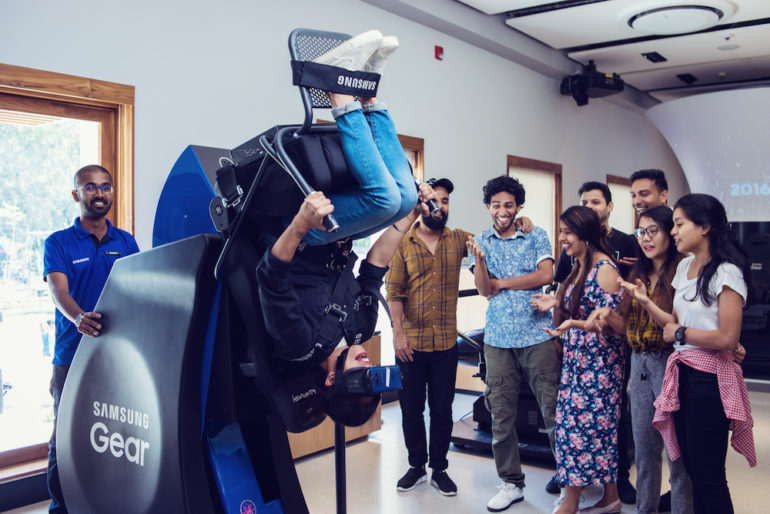
    VR experiences include a 4D Sway Chair and the Whiplash Pulsar 4D chair that makes 360 degrees three-dimensional movements, designed to simulate a fighter pilot doing extreme aircraft stunts, or experience a space battle, or a roller coaster ride.

    Consumers can also pre-book the centre’s home theatre zone for watching movies and shows.

    “Today’s consumers, especially millennials, seek unique experiences. They want to interact with the brand, touch, feel and create. This is what Samsung Opera House is about.

    We have curated never seen before experiences that will excite people of all age groups alike. Opera House will also organize workshops, activities and events, bringing together Samsung’s innovations with people’s passions. We are proud of the transformation that this place has seen,” HC Hong, President & CEO, Samsung SouthWest Asia, said.

    Samsung selected Bengaluru as host city given its notoriety as India’s tech capital, which has attracted many Millennials and tech-savvy consumers to the area.

    The new store in India comes two months after Samsung inaugurated the world’s largest mobile factory in Noida in July this year, reinforcing the company’s commitment to India.


  • Malaysia’s GDP growth to moderate to 4.9% for 2018

    Malaysia’s GDP growth to moderate to 4.9% for 2018

    Malaysia’s economic growth is expected to ease to 4.9% in 2018, as export growth slows and lower public investment following the cancellation of major infrastructure projects, said World Bank chief economist for the East Asia and Pacific region Sudhir Shetty.

    As a highly open economy, he said Malaysia will continue to face substantial risks relating to uncertainty in the external environment.

    Heightened financial market volatility either triggered by shifting monetary policy expectations in advanced economies could spread across emerging economies, including Malaysia.

    Another key risk relates to the escalation in protectionist tendencies and trade tensions in some major economies that could have an adverse impact on Malaysia, given its high level of integration with global markets.

  • Elephant Grounds Is Opening In Manila soon

    Elephant Grounds Is Opening In Manila soon

    Hong Kong coffee shop Elephant Grounds will open in the Philippines.

    The popular micro-roaster and cafe, which launched in 2013, has five locations in Hong Kong. It is known for its wooden decor, garden-inspired interiors, bakery items and ice-cream sandwiches.

    The chain will open its first branch in the Philippines at One Bonifacio High Street Mall, Bonifacio Global City, by the end of this year.

  • Vietnam’s U18 liquor sales ban impractical, experts say

    Vietnam’s U18 liquor sales ban impractical, experts say

    Experts say it will be difficult to implement an age-based ban on selling liquor, better options are needed.

    They are also saying that an emphasis on education and raising awareness will have greater impact in dealing with the problem of liquor abuse.

    A draft bill on the prevention of dangers of alcohol being compiled by the Ministry of Health proposes a number of prohibitions, including: promotion in any manner of liquor with alcohol content of 15 degrees or above; usage of positive phrases like “medicinal alcohol”, “nutritious alcohol” on product labels; advertising of alcohol during television prime time (6-9 p.m.); sale of alcohol to persons under 18; and sale of alcohol on the internet.

    Kieu Anh Vu of law firm KAV Lawyers said it was very necessary to bring legal measures against the dangers of alcohol, because the harm it was causing was indisputable.

    Vu said he supported the draft bill’s ban on alcohol consumption by government officials, civil servants, and employees during working hours or between shifts during the working day; by operators of motorized vehicles; and by people under 18.

    “These regulations are appropriate to ensure social order, safety and health of the community,” he said.

    However, Vu was concerned about how age checks would be carried out. “Will vendors have the right to check people’s age by looking at their identity cards, or just by asking questions?”

    Psychologist Nguyen An Chat, on the same page as Vu, also questioned how alcohol sellers could correctly verify the age of each individual.

    “Some 15 year olds look very mature while some 20 year olds can look underage. Would everyone wishing to purchase alcohol have to produce identity documents?” he wondered.

    An online right?

    Lawyer Vu Tien Vinh, director of Bao An Law Firm, said: “Buying alcohol over the Internet is more convenient than going to shops or supermarkets. If online sale is prohibited, people can and will continue to buy alcohol through traditional channels.

    Vinh said that in reality, it was too easy for buyers to obtain alcohol via traditional channels such as supermarkets and other dealers. When consumers can buy alcohol anytime, anywhere, the ban on online sales will not have much of an impact on its consumption, he said.

    “Detecting online transactions on the sale of alcohol to punish with fines is very difficult. It will not be hard for consumers to get around this regulation,” Vinh added.

    Sociologist Trinh Hoa Binh concurred, saying identification of illegal alcohol sales online was very hard to do.

    “Internet sales are the current trend. Will the prohibition of selling alcohol online go against this?” asked psychologist researcher Nguyen An Chat.

    Given the implementation difficulties, Binh proposed that instead of prohibitive regulations, authorities should instead start with education, build a set of cultural values for the modern Vietnamese society that discourages alcohol abuse.

    Chat supported this. He said education should begin at home and continue in schools so that each person was aware of the danger of drinking, so that people would exercise restraint and control their consumption.

    Psychologist Khuat Thu Hong said many countries have faced difficulties in implementing regulations prohibiting or restricting the sale/use of alcohol, but over time, strict compliance has become the norm.

    “In Vietnam, for these regulations to be implemented well, close monitoring and regular communication on the harms of alcohol will be essential for the people to understand and co-operate,” said Hong.

    In Vietnam, about 800 deaths per year are related to the use of alcohol, including beer. Almost 30 percent of social order disruption cases are also related to alcohol consumption.

    In 2017, Vietnamese people spent close to $4 billion on alcohol. The cost of dealing with alcohol-related traffic accidents was  estimated at about one percent of the GDP the same year.

    The alcohol industry contributes about VND50 trillion ($2.17 billion) to the state budget a year and provides about 220,000 jobs directly or indirectly.

  • Xiaomi opens world’s largest Mi Home store in Wuhan, China

    Xiaomi opens world’s largest Mi Home store in Wuhan, China

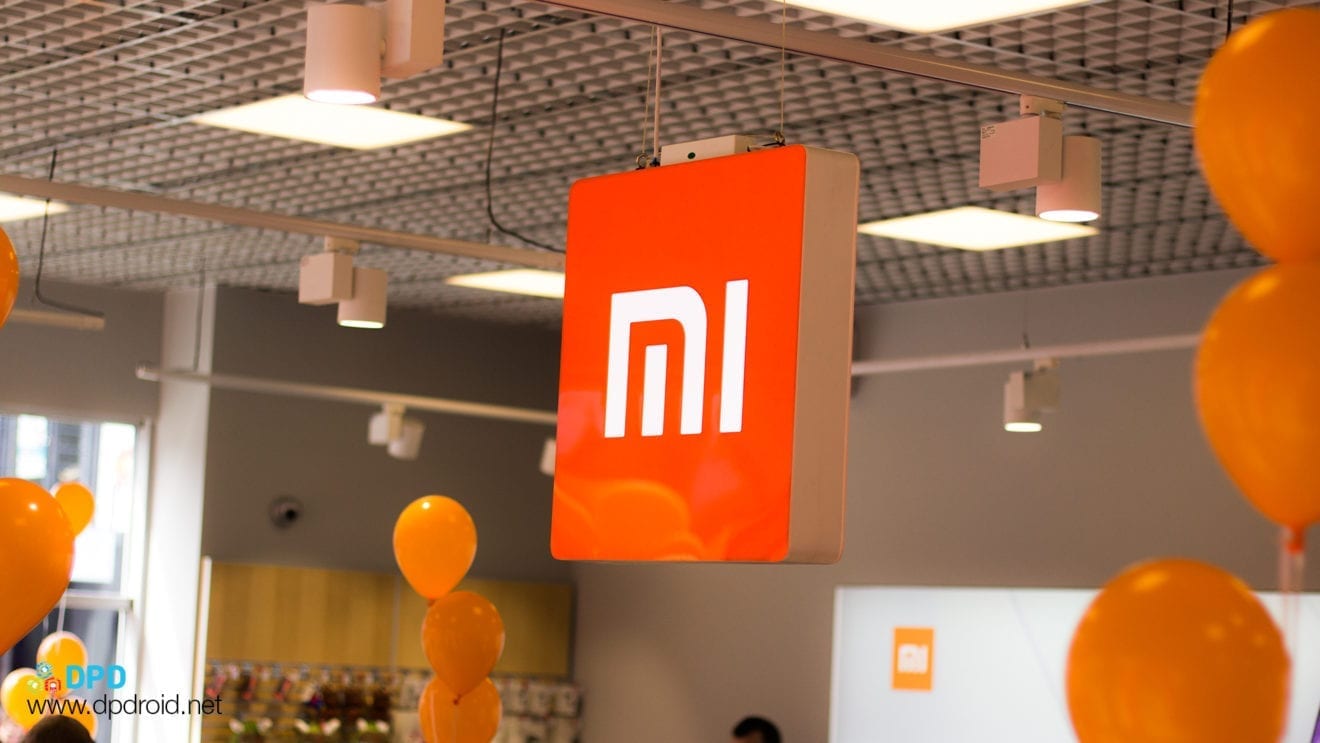
    Chinese electronics brand Xiaomi has opened its largest Mi Home store in Wuhan.

    The new location, launched shortly after the firm reached its target of 100 Mi Home stores in China, features a smart home demo zone that showcases a range of its products in a home-use environment. Sales assistants are on-hand in Xiaomi’s stores to guide customers in the use of the devices on sale and to process payments without waiting in queues.

    Xiaomi now targets expansion to 200 Mi Home locations in China by the end of the year and 1000 by 2020. It will also bring the number of authorised dealers to 2000 over the next three months. Following the opening of the Mi Home store in Wuhan, the company aims to extend its retail network to cover all quality business districts across the country by the end of this year.

    The brand’s physical stores are seen as a move to counter those of competing brands.

    Robust handset sales have recently seen Xiaomi reverse a RMB12 billion (US$1.75 billion) loss during the fourth quarter of its financial year ended June last year to a profit of RMB14.6 billion ($2.1 billion) in the same period this year.

  • SK Telecom puts its smart speakers in Paradise

    SK Telecom puts its smart speakers in Paradise

    SK Telecom will develop artificial intelligence-based (AI) hospitality services for the Paradise Hotel Busan, the mobile carrier said Wednesday.

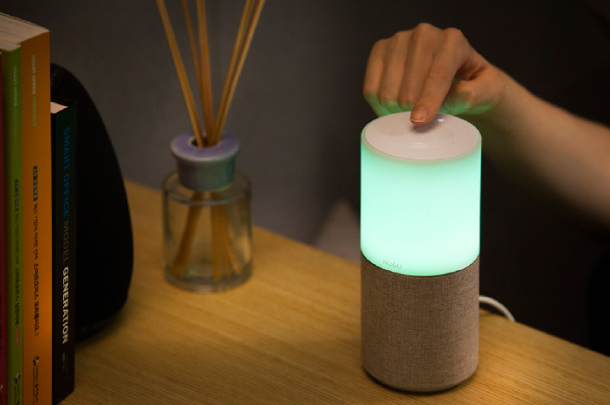
    The company hopes to use its AI technology to improve various hospitality services offered at the hotel, located near Busan’s famed Haeundae Beach. It will start by placing the latest version of its voice-powered smart speaker Nugu, dubbed the Nugu Candle, in about 100 hotel rooms this year.

    The Nugu Candle, released in July, offers more mood-lighting options than its predecessors in 17 different colors from its own light-emitting diodes (LED).

    The device can answer customers’ verbal inquiries about hotel facilities and tourist information about surrounding areas.

    The device will also be used in restaurants and wine bars inside the hotel. The smart speaker is not capable of controlling lamps in the room or curtains yet, a spokesperson from the mobile carrier said.

    But the partnership could expand to offering more AI-based hospitality services in the future, and the device will be given software upgrades to support new features.

    “We will keep striving to make sure AI becomes a natural part of our customers’ lives,” said Park Myung-soon, head of SK Telecom’s AI business unit.

    It’s not the first time Nugu has been placed in hotels. An earlier version of Nugu is being used at the Walkerhill Hotel in eastern Seoul. The company placed Nugu in all 250 rooms at the Walkerhill about two weeks ago, according to the company.

    That device can control some room settings, like temperature, through voice commands.

    KT is the mobile carrier’s largest competitor in putting AI technology into hotels. KT introduced a hotel version of its GiGA Genie smart speaker in July.

    The hotel version has a 10.8-inch display and it understands English, unlike the original GiGA Genie for homes. It can control lighting, room temperature, televisions and order things from the front desk on voice commands. The hotel version is currently being used in the Novotel Ambassador Hotel & Residence in Dongdaemun and L’escape Hotel in central Seoul.

    Kim Chae-hee, senior vice president of KT’s AI business unit, at a press event held in July said KT will continue to target hotels as customers increasingly look for services that don’t require them to interact with hotel staff face to face.

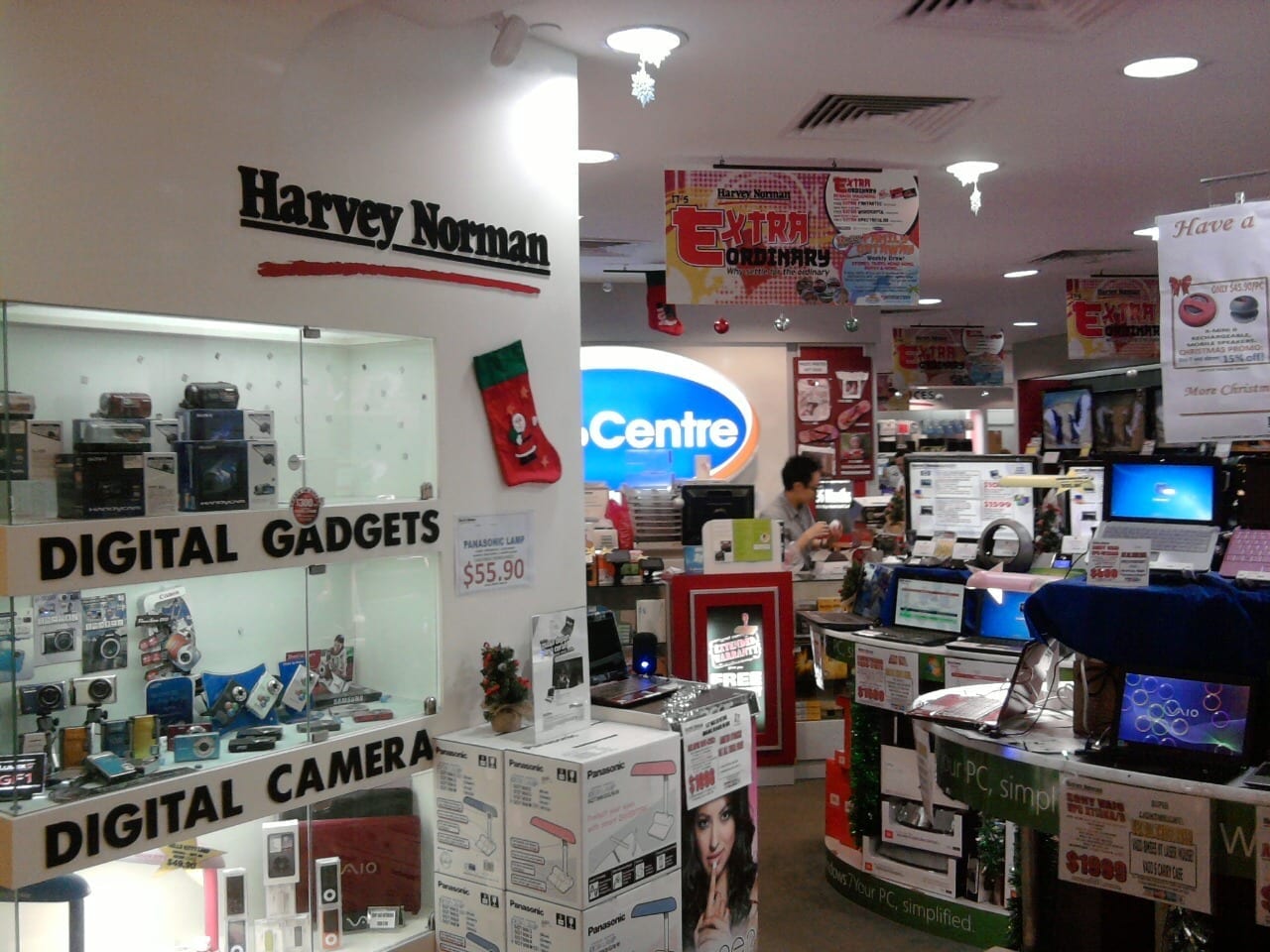
  • Harvey Norman to open 50 more stores in Malaysia

    Harvey Norman to open 50 more stores in Malaysia

    Australian furniture and appliance retailer Harvey Norman plans to open 34 stores in Malaysia, taking its network there to 50.

    In a commentary accompanying the company’s recent Australian results filing, Harvey Norman said it was planning substantial investment outside Australia where markets offered greater growth potential.

    The company indicated it would open as many as 18 of its own stores overseas by 2020, taking its offshore network to 107. More stores would likely open on a franchised model.

    Malaysia is a primary target given the country’s population has been growing at a rate of 400,000 people per year since 2010 and currently totals about 32 million. It believes the market can sustain 50 Harvey Norman stores by 2023.

    Asia stores accounted for about AUD$500 million (US$362 million) in sales in the latest financial year.