Tag: asia

  • Indonesia’s online travel startup Traveloka in talks to raise US$400M

    Indonesia’s online travel startup Traveloka in talks to raise US$400M

    Jakarta-based online travel startup Traveloka is in talks with existing and new investors to raise about US$400 million in funding, citing multiple people privy to the development.

    The company intends to use the capital to “push beyond traditional airline tickets and hotel bookings into activities for travellers like concerts or amusement parks”, according to this report.

    When contacted, a Traveloka spokesperson said: “At this moment we cannot make a confirmation because as part of our corporate policy, we do not comment on rumor or speculation in the market. We will give updates at the soonest if we have new information.”

    Over a year ago, global online travel agency Expedia infused US$350 million primary minority investment into Traveloka. Its other investors are East Ventures and Global Founders Capital.

    Traveloka provides services including flights, hotels and trains booking services, besides tour packages for attractions and activities, connectivity products, airport transports, and buses.

    It has established partnerships with more than 100 domestic and international airlines, serving more than 200,000 routes worldwide, according to its website. It also has a direct accommodation inventory, varying from hotels, apartments, guest houses, homestays, to villas and resorts.

    Traveloka provides more than 40 payment options for customers in Indonesia, Thailand, Vietnam, Malaysia, Singapore and the Philippines. Its app has registered over 30 million downloads so far.

    Last May, the startup launched several new features, including car rental services. It already provides Traveloka Eats, and lending service PayLater.

  • Japan’s TOKAI taps into Telstra’s global network

    Japan’s TOKAI taps into Telstra’s global network

    Japanese fixed line operator TOKAI Communications has contracted Australia-based Telstra to provide connectivity to help pursue an international expansion.

    TOKAI Communications has arranged to use the Telstra Programmable Network (TPN) to access Telstra’s networks.

    The Japanese operator will also to tap into Telstra’s subsea cable infrastructure spanning 230 countries and territories, as well as its Ethernet Private Line services, to directly connect TOKAI’s business locations on point-to-point subsea cables linking Singapore and Tokyo.

    According to the companies, the partnership will give TOKAI Communications the capability to compete in new markets and to connect customers to new overseas opportunities.

    “Telstra developed TPN to empower enterprises to meet the challenges of the future, embrace digital transformation and to quickly respond to changing market and customer demands,” Telstra head of international Oliver Camplin-Warner said.

    “With TPN, employees at TOKAI Communications will operate on a single, integrated and intelligent platform that provides flexible and dynamic access to Telstra’s high bandwidth, low latency and secure networks that allow the enterprise adapt faster to changing demands.”

  • Reckitt Benckiser partners up with Shopee to hold “Super Brand Day” event

    Reckitt Benckiser partners up with Shopee to hold “Super Brand Day” event

    Reckitt Benckiser and Shopee have joined hands organizing the ‘Super Brand Day’ event, offering up-to-70% discounts on products from 10 famous brands, including Enfagrow, Durex, Dettol, Veet, Scholl, Finish, Vanish, Airwick, Shieldtox, and Brasso. The promotion also includes 10% cashback and Apple iPad giveaway (worth 11,290THB) for the top spender. The campaign, which will be held under the concept “Healthier Lives, Happier Homes,” will be live from 3rd – 9th October 2018.

    Mr. Faraz Siddiqui, E-Commerce Director, Marketplace, of Reckitt Benckiser Healthcare Manufacturing (Thailand) Co., Ltd., stated that Reckitt Benckiser, the world’s leading manufacturer and distributor of consumer and health products, has partnered up with Shopee, the leading eCommerce marketplace in Southeast Asia and Taiwan, to introduce the campaign “Super Brand Day” which includes more than 10 leading brands such as Enfagrow, Durex, Dettol, Veet and Scholl listed online with up-to 70% discounts, 10% cashback, and a chance to win an Apple iPad as a biz price for the top spender. Moreover, the campaign includes getting free shipping for all orders to fit the lifestyle of new-generation online shoppers.

    Mr. Siwakorn Siriwongpanupong, Business Development Division Chief of Shopee (Thailand) Co. Ltd., said, “Shopee is delighted to be a partner of Reckitt Benckiser to launch the Super Brand Day campaign. This collaboration brings online shopping experience to a whole new level by transforming the whole Shopee application into Reckitt Benckiser’s theme for 24 hours on the 9th of October. Special promotions and deals will the available to users through Reckitt Benckiser official shops in Shopee Mall.We believe this partnership will truly enhance the online shopping experience for Thai shoppers.”

    Additionally, Reckitt Benckiser has teamed up with the leading e-commerce provider, N-SQUARED eCommerce Co. Ltd., led by Nuttapon Boonpinon, Managing Director, to ensure campaign success and deliver the greatest online shopping experience to customers.

    The Super Brand Day special campaign will be held under the concept of “Healthier Lives, Happier Homes” with discounts up to 70% as a special gift to online shoppers.

    The collaboration strengthens Shopee’s position as the leader of eCommerce marketplaces in Southeast Asia and Taiwan. Shopee’s user-friendly platform, which has amassed more than 23 million app downloads in Thailand, is trusted by consumers as a source of quality products with competitive prices. Numerous worldwide brands have listed their products on Shopee. Reckitt Benckiser’s Super Brand Day, which will be held this 3-9 October, is certainly a remarkable campaign that online shoppers must not miss.

  • Huawei says US ban would delay 5G deployment

    Huawei says US ban would delay 5G deployment

    China’s Huawei is now arguing that US regulators should allow the company to sell its equipment to US telecom companies because not doing so could “ultimately delay 5G deployment.”

    The argument is contained in Huawei’s latest filing with the FCC, detailing a series of meetings between top US Huawei executives, including Tom Dowding, SVP of the company’s US wireless business, and FCC officials including Kris Anne Monteith, chief of the agency’s Wireline Competition Bureau.

    “Huawei’s lack of presence in the US would raise prices, harm competition, hinder innovation, and ultimately delay 5G deployment,” the company summarized in a filing to the FCC.

    “Huawei’s entry into the US market provided much-needed competition,” argued Huawei’s Dowding in the filing. “As a result of the lack of competition, equipment prices in the US market in general tend to be about 20-30% higher than they are in other developed regions, for example in Europe. However, various studies have shown that the United States’ telecommunication infrastructure is falling behind those in other developed countries … In [Speedtest’s] 2018 rankings, the US ranked #44 for mobile network speed and #9 for fixed broadband. A 2016 report shows the mobile network speed of United States is about 2/3 of China’s.”

    Huawei’s filing stands as opposition to an attempt by the FCC to block sales of its equipment to US telecom operators that receive government funding. The FCC embarked on a proposal to tacitly block any network operator—big and small—from using Universal Service Funds to purchase equipment from companies that may pose a security threat. That proceeding at the FCC is widely seen as an attempt by the US government to block Chinese network equipment vendors Huawei from competing in the market.

    Critics of Huawei argue that, if the Chinese company sells its equipment to US telecom companies, that would open a backdoor into US networks for Chinese espionage. Huawei, for its part, has strenuously argued against that notion.

    “A blacklist on certain equipment vendors does not address the reality that cybersecurity risks arise from various points of vulnerabilities in an international supply chain,” Huawei wrote in its filing. “In response to a staff question as to the FCC’s role in securing US telecommunications equipment, Huawei emphasized that the global and complex nature of the telecommunications supply chain necessitates a comprehensive security framework to protect against threats. This framework should be developed as part of an inter-agency effort involving government entities with the authority and expertise to consider security issues. Huawei has been active in promoting cybersecurity both internally and alongside government bodies, and welcomes the opportunity to continue contributing to the development and promulgation of security standards and best practices.”

    Importantly, Huawei has noted that roughly half a dozen rural wireless network operators—including United TelCom and SI Wireless—have come out in support of Huawei.

    Huawei’s use of 5G as leverage in its argument is particularly noteworthy considering officials from the FCC and the wireless industry have been warning that China could embark on significant 5G deployments, and would thus beat the United States in the “race to 5G.” Now Huawei, a major Chinese company, is urging officials to allow it to sell its equipment in the United States so that the nation can more quickly build out 5G networks.

    Verizon, AT&T, T-Mobile and Sprint have all announced 5G deployments, using equipment from the likes of Ericsson, Nokia and Samsung.

  • Indonesian fintech startup Moka raises $24M

    Indonesian fintech startup Moka raises $24M

    Indonesia’s Moka, a startup that helps SMEs and retailers manage payment and other business operations, has pulled in a $24 million Series B round for growth.

    The investment is led by Sequoia India and Southeast Asia — which recently announced a new $695 million fund — with participation from new backers SoftBank Ventures Korea, EDBI — the corporate investment arm of Singapore’s Economic Development Board — and EV Growth, the later stage fund from Moka seed investor East Ventures. Existing investors Mandiri Capital, Convergence and Fenox also put into the round.

    The deal takes Moka  to $27.9 million raised to date.

    Moka was started four years ago primarily as a point-of-sale (POS) terminal with some basic business functionality. Today, it claims to work with 12,500 retailers in Indonesia and its services include sales reports, inventory management, table management, loyalty programs, and more. Its primary areas of focus are retailers in the F&B, apparel and services industries. It charges upwards of IDR 249,000 ($17) per month for its basic service and claims to be close to $1 billion in annual transaction volume from its retail partners.

    That’s the company’s core offering, a mobile app that turns any Android  or iOS device into a point-of-sale terminal, but CEO and co-founder Haryanto Tanjo — who started the firm with CTO Grady Laksmono — said it harbors larger goals.

    “Our vision is to be a platform, we want to be an ecosystem,” he told TechCrunch in an interview.

    That’s where much of this new capital will be invested.

    Tanjo said the company is opening its platform up to third-party providers, who can use it to reach merchants with services such as accounting, payroll, HR and more. The focus is initially on local services that cater to SMEs in Indonesia, but as Moka targets larger enterprises as clients, he said that it will integrate larger, global solutions, too.

    Moka offers services beyond point-of-sale, but the core offering is turning any smart device into a cash machine

    Moka itself is expanding its capabilities on the payment side.

    Indonesia, the world’s fourth largest country based on population and Southeast Asia’s largest economy, is in the midst of a fintech revolution with numerous companies pioneering mobile-based wallet services aimed at ending the country’s fixation on cash-based transactions. That’s mean that there are a plethora of options available today. Tanjo said Moka is working to support them all in order to help its merchants grow their businesses and consumers to have easier lives.

    There are so many wallets here in Indonesia,” he said. “There are more than 10 right now and maybe in the next few months there’ll be 15-20, we want to be the platform that works with all of them.”

    Already it works with the likes of OVO, T-Cash and Akulaku, and e-wallets including DANA and Kredivo. The startup is also working in another area of fintech: loans.

    As an extension of its platform, it has tied up with SME loan companies who can reach out to Moka businesses using its platform. With the merchant’s consent, Moka can provide business data — including revenue, profit, etc — to help provide data to assess a loan application. That’s important because the process is particularly challenging in Southeast Asia, where few organized credit checking facilities exist — it makes sense that Moka — which has built its business around encouraging business growth and management — uses the information it has access to help its partners.

    Tanjo said the company takes an undisclosed cut of the loan in cases where it has successfully connected the two parties. He said that he doesn’t expect that to initially become a major revenue stream, but over time he anticipates it will help its customer base grow and become a more important source of income for the startup.

    Sequoia India has some experience in POS startups having backed Pine Labs in India, which recently landed a big $125 million round from PayPal and Singapore sovereign fund Temasek. Still, there are plenty of local players across various markets in Southeast Asia, including StoreHub, which is backed by Temasek subsidiary Vertex Ventures, and Malaysia’s SoftSpace.

    While those two competitors have established a presence in multiple markets in Southeast Asia, Tanjo — the Moka CEO — said there are no plans to venture overseas for at least the next 12 months.

    “We’re still scratching the service,” he said. “So it doesn’t make sense to expand too soon.”

  • PLDT taps Amdocs for IT infrastructure automation

    PLDT taps Amdocs for IT infrastructure automation

    The Philippines’ PLDT has contracted Amdocs to transform its IT infrastructure under an expanded six-year service agreement.

    The new contract builds on a seven year master transformation agreement that will see Amdocs modernize PLDT’s IT applications and help introduce new digital technologies.

    Under the new deal, Amdocs will consolidate, modernize and manage the IT infrastructure of both PLDT and wireless subsidiary Smart.

    Amdocs plans to provide the operators with automation capabilities enabling the self-healing of errors and systems. PLDT and Smart plan to use operation automation to prepare for a journey to the cloud while reducing their operational costs.

    “Our successful collaboration with Amdocs gets stronger as we continue our digital journey,” PLDT president and CEO Manuel V. Pangilinan said.

    “This agreement will further boost our efforts to enhance customer experience and engagement. With Amdocs running and automating our IT operations, we will be better equipped to quickly launch innovative products and services to deliver a compelling digital experience to our customers.”

  • DHL brings “Cash on Delivery” to Malaysia, Thailand, & Vietnam

    DHL brings “Cash on Delivery” to Malaysia, Thailand, & Vietnam

    E-commerce exporters in China and Australia, consumers in Malaysia, Thailand and Vietnam, and DHL eCommerce are all expecting benefits from the introduction of a Cross Border Cash-on-Delivery (COD) system by Deutsche Post DHL Group.

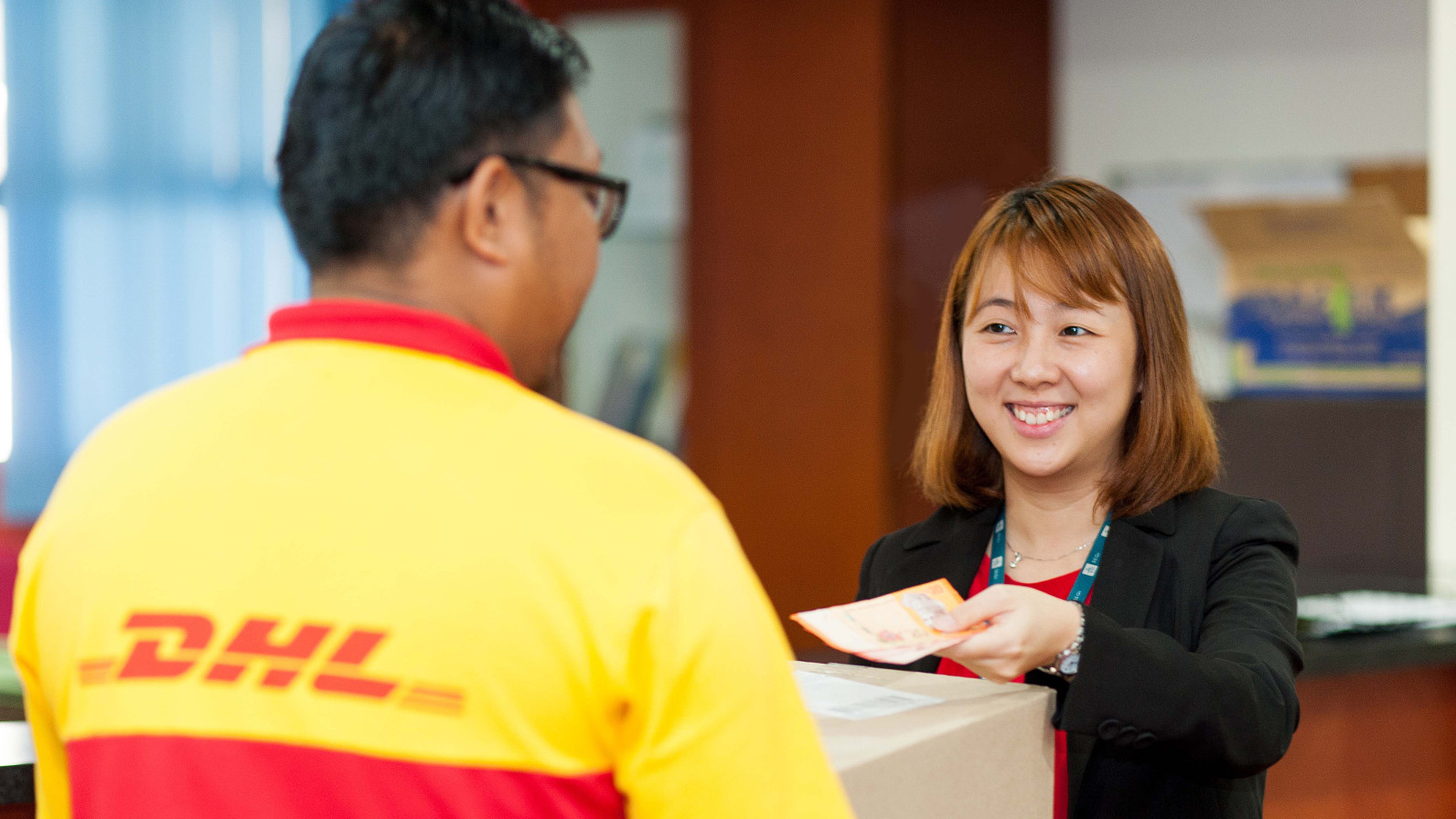
    The DHL e-Commerce Cash on Delivery (COD) service will allow consumers in the three Asean countries to pay in cash when they receive their online purchases.

    With more than 73 per cent of Southeast Asia’s population unable to access credit cards or internet banking services, DHL is realising that reverting to low-tech cash has the potential to see significant increases in volume (and revenue), as the regions burgeoning middle-class looks further afield for their purchases.

    “The low level of credit card penetration has forced e-commerce retailers to offer alternative modes of payment methods, such as cash on delivery, digital payments, and in some cases paying in-store”, said Charles Brewer, CEO of DHL eCommerce.

    “This opens up a huge potential by reaching out to a new group of unbanked consumers, and also meeting the needs of consumers who prefer to pay in cash.

    “With our fully-owned domestic delivery network in Malaysia, Thailand and Vietnam, we are able to deliver on-time with secure features like cash-on-delivery”, Mr Brewer added.

    The DHL eCommerce COD service allows sellers, specifically in China and Australia, to collect cash on delivery in the three Asean member states, with payment status tracking available on the DHL portal. Vendors receive their money every 14 days.

    Comprising a total solution, DHL eCommerce offers parcel pick-up, easy IT integration of the seller’s inventory into the DHL shipping process, end-to-end tracking, dynamic routing and distribution, returns management, and more.

    DHL Vietnam to truck Sendo’s local sales

    Meanwhile in Vietnam, DHL recently announced a partnership with Sendo, Vietnam’s leading local e-commerce platform.

    The deal will see the German logistics giant provide delivery to Sendo customers in Ho Chi Minh City (HCMC), Hanoi, and other primary markets in the country.

    Describing the deal as delivering benefits to everyone, Tran Hai Linh, CEO of Sendo said the international standard delivery service will boost the confidence of the country’s eCommerce shoppers, and deliver increased business to the 300,000  vendors, micro-entrepreneurs, and small businesses who sell their products online.

    To kick-start the arrangement DHL eCommerce has placed more than 300 ServicePoints in locations that provide easy access to Sendo’s sellers.

    Vendors can either drop off their parcels and receive discounts of up to 20 per cent, or arrange for a pickup by DHL for direct door-to-door delivery.
  • Smart taps Samsung for VoWiFi service launch

    Smart taps Samsung for VoWiFi service launch

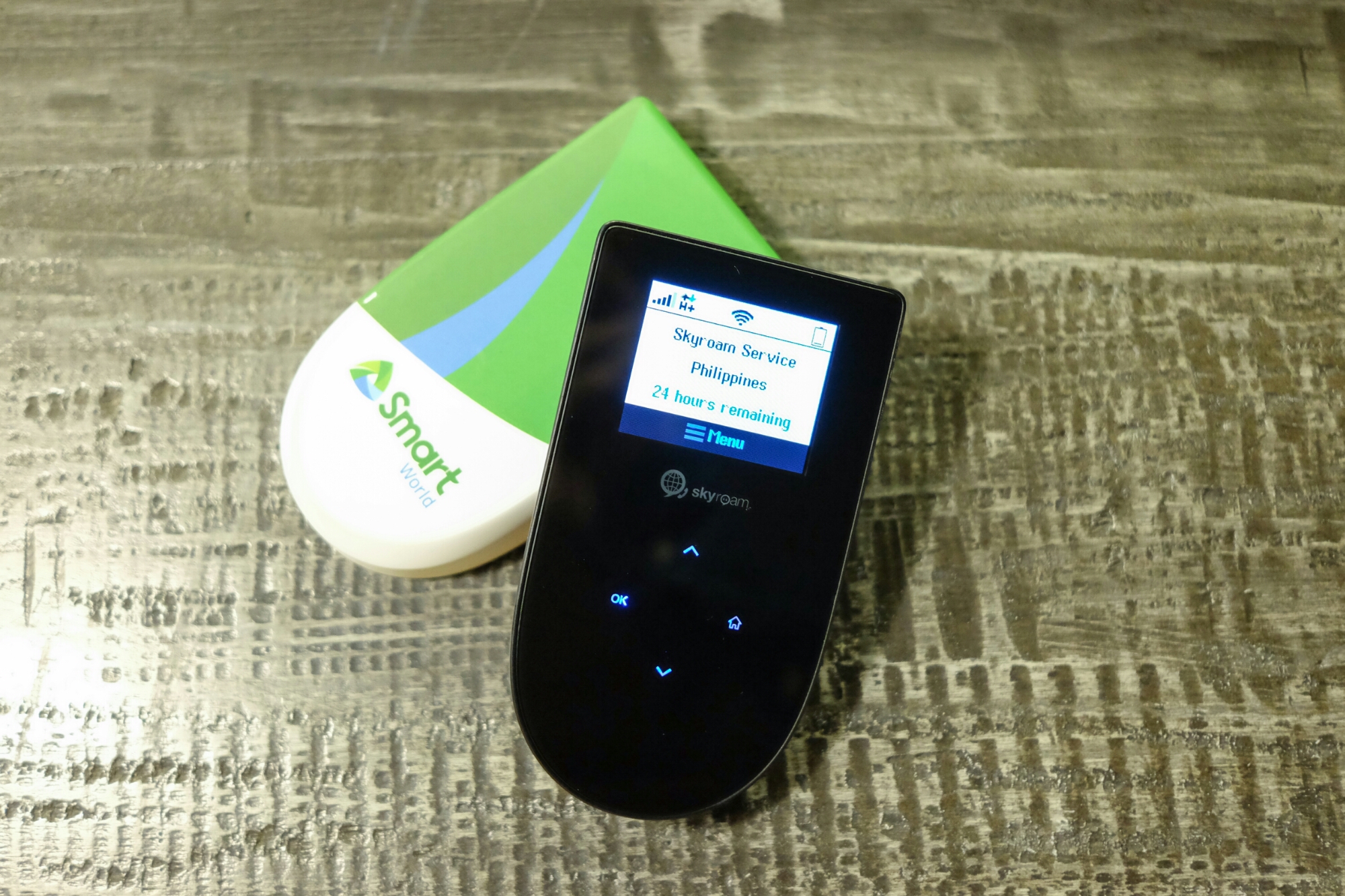
    PLDT’s mobile subsidiary Smart Communications has teamed up with Samsung for the launch of its voice over WiFi (VoWiFi) service.

    Smart said the service will initially available to selected subscribers by October after Samsung releases its latest firmware over-the-air update.

    Smart customers can make VoWiFi calls using Samsung smartphones such as the Samsung Galaxy S8 and S8+, Galaxy S9 and S9+, Note 8, and Note 9 via any WiFi connection like Smart WiFi and PLDT Home WiFi.

    VoWiFi, also known as WiFi calling, lets customers make and receive calls and text messages over a WiFi connection using their smartphone’s native dialer, without having to install a third-party app.

    Smart said WiFi calling will also be available soon to other select Samsung devices.

    Earlier this month, Smart made its first successful VoWiFi call over a live network in Cebu, in partnership with its technology partners Huawei and Samsung.

    Mario G. Tamayo, PLDT-Smart senior vice president for network planning and engineering, said the call is the first of its kind outside metro Manila, and “a key part of PLDT and Smart’s integrated efforts to continuously improve and evolve our voice services.”

    Last year, Smart also made the country’s first voice over LTE (VoLTE) mobile call, which uses LTE or 4G to conduct calls.

    Smart is also deploying carrier-grade Smart WiFi in high-traffic public places across the country, such as transportation hubs like MRT-3 and LRT-1 stations, major airports, bus terminals and seaports across the country, as well as in schools, government buildings, hospitals, malls and entertainment centers.

  • NEC completes construction of SACS cable

    NEC completes construction of SACS cable

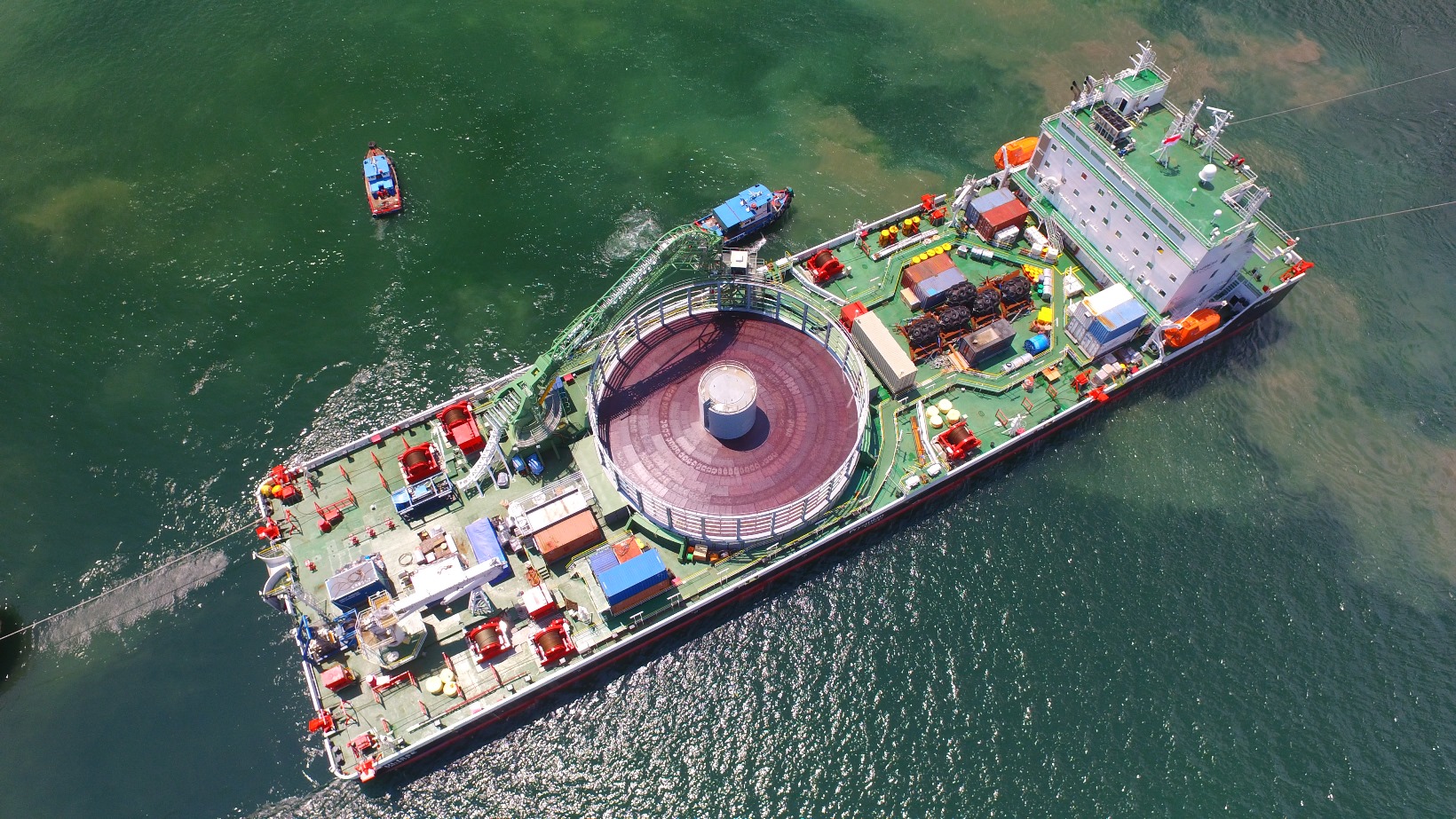
    Japanese vendor NEC has announced it has completed the construction of the first subsea cable crossing the south Atlantic ocean for Angola Cables.

    The South Atlantic Cable System (SACS) has been deployed and is now ready for commercial service. The cable system spans between Angola with Brazil, connecting the African continent to Latin America directly for the first time.

    The system uses a four fiber pair configuration to deliver an initial design capacity of 40Tbps. In Angola, it will land at the existing Sangano cable landing station, while in Brazil it will land in a newly constructed data center constructed for SACS and another cable system connecting Brazil with the US.

    SACS was partly funded through a loan provided by the Japan Bank for International Cooperation to Angola state-owned development bank the Banco de Desenvolvimento de Angola.

    “NEC is honored to have been selected as a partner for SACS, the world’s first optical submarine cable system crossing the South Atlantic, directly connecting two Portuguese speaking nations of Angola and Brazil,” NEC GM for submarine networks Toru Kawauchi said in a statement issued on Monday.

    “Yesterday, all communication between the two continents had to go up north and cross the North Atlantic. From today, this new cable will bring information at the speed of light, improving the connectivity between the two nations and two continents.”

  • HCMC office rents soar to five-year high

    HCMC office rents soar to five-year high

    High-rise buildings in downtown HCMC have seen monthly rents rocket to $70 per square meter, the highest in five years.

    A report on the Ho Chi Minh City office market in the third quarter of 2018 said the main reason for rising prices is that office supply is not able to meet current demand.

    The report, prepared by real estate service firm Jones Lang LaSalle (JLL) Vietnam, noted that in the past three months, the average gross rent of Grade A office towers rose to about $50/sq.m per month, up by nearly 7 percent over the same period last year.

    However, the highest gross rents of towers in prime locations in HCMC soared even higher to $70/sq.m per month. This marks a record high for nearly half a decade.

    Similarly, rents for Grade B rental properties located in Districts 1 and 3 of the city have surged over the $30/sq.m per month threshold.

    Rental office space occupancy rates for Grade A properties are now over 95 percent while Grade B offices have been filled up 96.5 percent.

    Office occupancy has accelerated as a result of the boom in information technology, e-commerce and co-working space industries. The demand for HCMC office space could increase by 10 percent every year for the next 10 years, according to JLL Vietnam.

    As of the third quarter of 2018, the total office space for lease in HCMC was approximately two million square meters: Grade A buildings totaled 250,000 square meters; Grade B, 900,000 square meters; and Grade C, about 810,000 square meters.

    The JLL report also forecasts that in the next three months, office rents in HCMC will continue to rise quickly due to the lack of new premises to meet the huge demand.

    Grade A and B office space will continue to be in short supply in the fourth quarter of 2018, as the next 11 buildings planned are only to be completed by 2019-2020 at the earliest, it said.

  • Richemont in Talks to Buy Buccellati from Chinese Owner

    Richemont in Talks to Buy Buccellati from Chinese Owner

    Swiss luxury holding firm Richemont is in talks to acquire jewellery manufacturer Buccellati from Chinese holding company Gansu Gangtai.

    The Chinese company took an 85 per cent shareholding in the Italian company a year ago for US$226 million, but the brand has performed poorly during the first half of this year. Gansu Gangtai’s initial plans to invest further in the brand have been scuttled by new restrictions in Chinese foreign investment and reported management difficulties.

    The company is currently valued at $313 million under the proposed deal, in which a Qatari investor, Mayhoola, has also expressed interest.

    Buccellati turns 100 next year and is known for its ornate, lush jewellery designs and bejewelled, golden iPad covers.

    It operates physical stores in Shanghai and Beijing, as well as retailing online on JD.com.

  • VinFast sedan, SUV should cost around $50,000

    VinFast sedan, SUV should cost around $50,000

    Experts say VinFast’s sedan and SUV should cost below and just above $50,000, respectively, to be competitive in Vietnam.

    VinFast’s debut at the Paris Motor Show this month has sparked much speculation among Vietnamese customers on the selling price of the two models expected to hit the domestic market next year.

    Apart from promising “high-end cars at reasonable prices”, the automaker has not revealed any concrete price range.

    Industry analysts say vehicle prices depend on multiple factors such as dimensions, comfort, vehicle safety technology, operation, design as well as production, assembly and localization.

    However, these factors will only amount to a base number, as the final price would depend heavily on the brand’s business strategy, they add.

    The marketing and sales director for a Japanese automaker believes that reasonable price tags for the sedan and SUV should fall approximately below VND1 billion ($42,800) and VND1.2 billion ($51,300) respectively.

    Product position is crucial to any car brand, he explained. The company cannot just simply open with high prices and lower them once it achieves a desired market share. The strategy may seem workable at first glance, but runs the potential risks of previous customers feeling that they have lost something, and therefore, turn their backs on the brand.

    He also believed that LUX A2.0 and LUX SA2.0 are not VinFast’s ‘trump cards’. Initially, the manufacturer may accept not to prioritize profits. Attention and acceptance of the brand, especially for new products, would in fact be the most important factors when entering a new market.

    The director of a distributor of imported German cars said he also believes reasonable prices should hover around the VND1 billion mark. If the price is set between VND1.4-1.6 billion ($59,900-68,500) as per, the company will be creating obstacles for itself, as VinFast is still very young.

    “Even if VinFast is 5 to 10 years ahead of other companies, it would still need just as much time or longer to establish a brand and build customer trust,” he said. “The initial ‘national pride’ and excitement for novel products will inevitably cool down over time.”

    Moreover, he said, it would take at several years after the models hit the road to verify their quality and durability, not the mention the fact that technology and equipment for the cars have not yet been finalised.

    Bui Sinh, who has held senior positions with several luxury car brands in Vietnam, praised VinFast’s ‘clever’ strategy to start with high-end models. “Once you make a good impression with a mid-range or above product, making small cars will be easy”.

    VinFast had not done the opposite, as in reality many automakers specialising in affordable cars faced much difficulties expanding upwards into luxury segments, he added.

    However, Bui Sinh reminds that caution must be taken with a low pricing strategy. If the market response does not meet the company’s expectations, the company would be locked into covering losses over the next few years.

    On specialist said: “If customers are enthusiastic over a VND1 billion car, selling smaller models at VND300-400 million ($12,800-17,100) will be much easier.”

  • Malaysia’s govt undecided on fuel subsidy plans

    Malaysia’s govt undecided on fuel subsidy plans

    The government, which has promised to stabilise the fuel prices and reintroduce fuel subsidies to targeted groups in its manifesto, has yet to make decision on its fuel subsidy plans.

    “We are still drafting it. We have not come up to a number yet, and whether there is a decrease or increase (in fuel subsidy) we will see when we table it in the parliament,” Minister of Entrepreneur Development Mohd Redzuan Md Yusof said.

    “We are still trying to make estimates to what impact it (the subsidy plans) has to the economy of the country,” he added.

    On Budget 2019, Mohd Redzuan said the government is trying its best to come up with a fair and balanced budget, noting there will be an increase in the development expenditure.

  • Ted Baker Asia sales free falls

    Ted Baker Asia sales free falls

    Ted Baker Asia sales slipped in the 28 weeks to August as the UK brand trimmed its store network in Hong kong and Mainland China.

    According to its latest results filing, Ted Baker Asia sales fell 1.8 per cent in real terms, however in constant currency they rose 1.8 per cent, to £11.2 million.

    Sales per square foot excluding e-commerce sales decreased 4.4 per cent.

    “We continue to refine and develop our strategy for success in Asia,” said chairman David Bernstein.

    In China, Ted Baker closed one store, one concession and one outlet store. It closed another store in Hong Kong.

    But Bernstein said the company’s e-commerce concession businesses in China and Japan performed well with sales of £1.7 million (up by £600,000 compared with last year) which expressed as a percentage of total Ted Baker Asia retail sales came to 15.2 per cent.

    In Asia, Ted Baker licensees opened new stores in India, Malaysia, Singapore and Taiwan during the period.

    Globally, Ted Baker retail sales, including e-commerce, rose 1.1 per cent to £220.1million. Group revenue, including licensing, rose 3.5 per cent to £306 million.

    “Ted Baker has continued to develop and expand as a global lifestyle brand across its markets and distribution channels despite challenging external trading conditions,” said founder and CEO Ray Kelvin. “This continued growth is testament to the strength of the Ted Baker brand, the design and quality of our collections as well as the dedication and talent of our teams.

    “Whilst we believe that the second half of the year will remain challenging due to external factors, we are well positioned to continue Ted Baker’s long-term development. Our flexible business model ensures that our customer has multiple channels to engage with Ted Baker and our global e-commerce business continues to expand, supported by our digital marketing strategy and unique stores that showcase the brand.”

  • JD Central plans unmanned retail shop debut in 2020 for Thailand

    JD Central plans unmanned retail shop debut in 2020 for Thailand

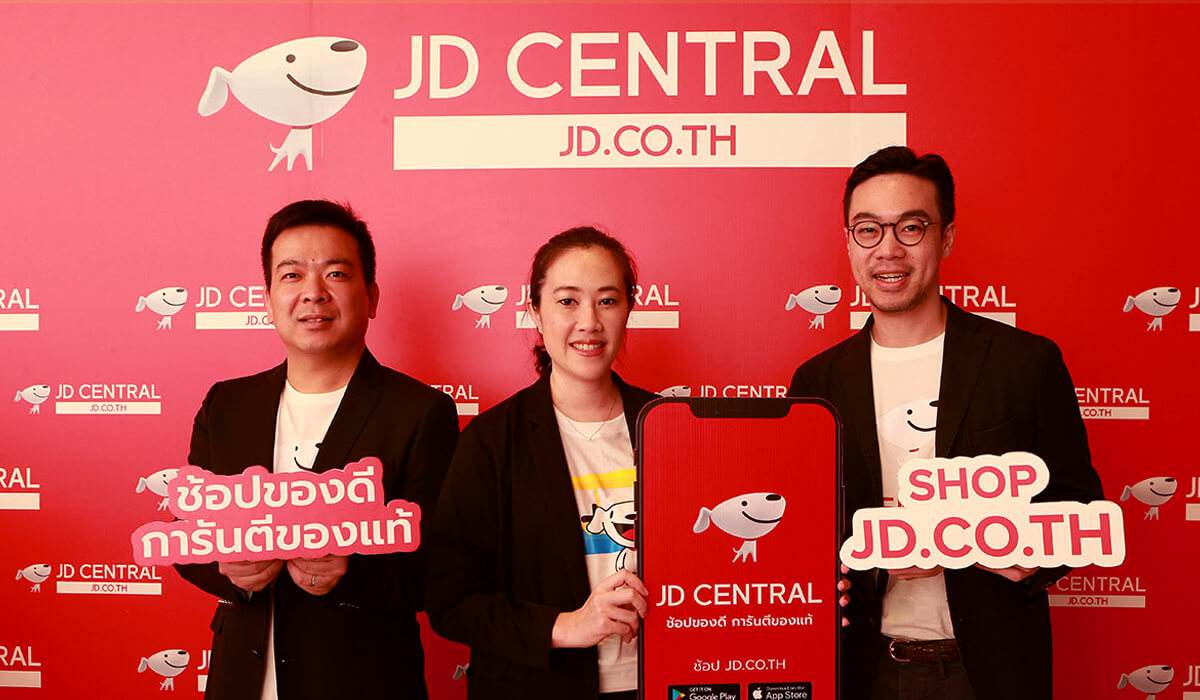
    JD Central – the new joint venture between Chinese online specialist JD and Thailand’s Central Group – has revealed plans to open automated stores, starting next year in Bangkok.

    Vincent Yang, JD Central’s CEO, said the company is evaluating a location where it could test an unmanned store format. Customers would enter the store and transact using facial recognition software.

    The move would be one of several initiatives the company is evaluating using new-generation technology. Another is the use of autonomous warehouse robots to replace humans in warehouses to reduce overheads.

    “We need to get approval to use robots and autonomous delivery vehicles in Thailand,” Yang said.
    Speaking after the official launch of JD Central, which has been operating in pre-launch mode for three months, Yang said the company plans to be Thailand’s largest online retailer by 2020.

    “E-commerce in Thailand will increase to 10 per cent of the total retail market in three years, up from 3-5 per cent today, thanks to competition and user experience,” he said.

    During the three-month trial, orders on the new platform increased 15-fold. Yang claims just 2 per cent of orders were returned and there was a 50 per cent repurchase rate by customers. Four out of every five customers accessed the site via mobile.

    JD Central offers products from 4000 brands, the most popular to date being mobile phones, food, home accessories and apparel.

    The company also has a strong focus on authenticity, guaranteeing no fake goods are on sale on its platform.

    “We are positioned to be the most trusted online platform brand by focusing on customer experience with authentic products. If customers find any fake products on our website, they will be refunded three times the original price,” he said.