Tag: asia

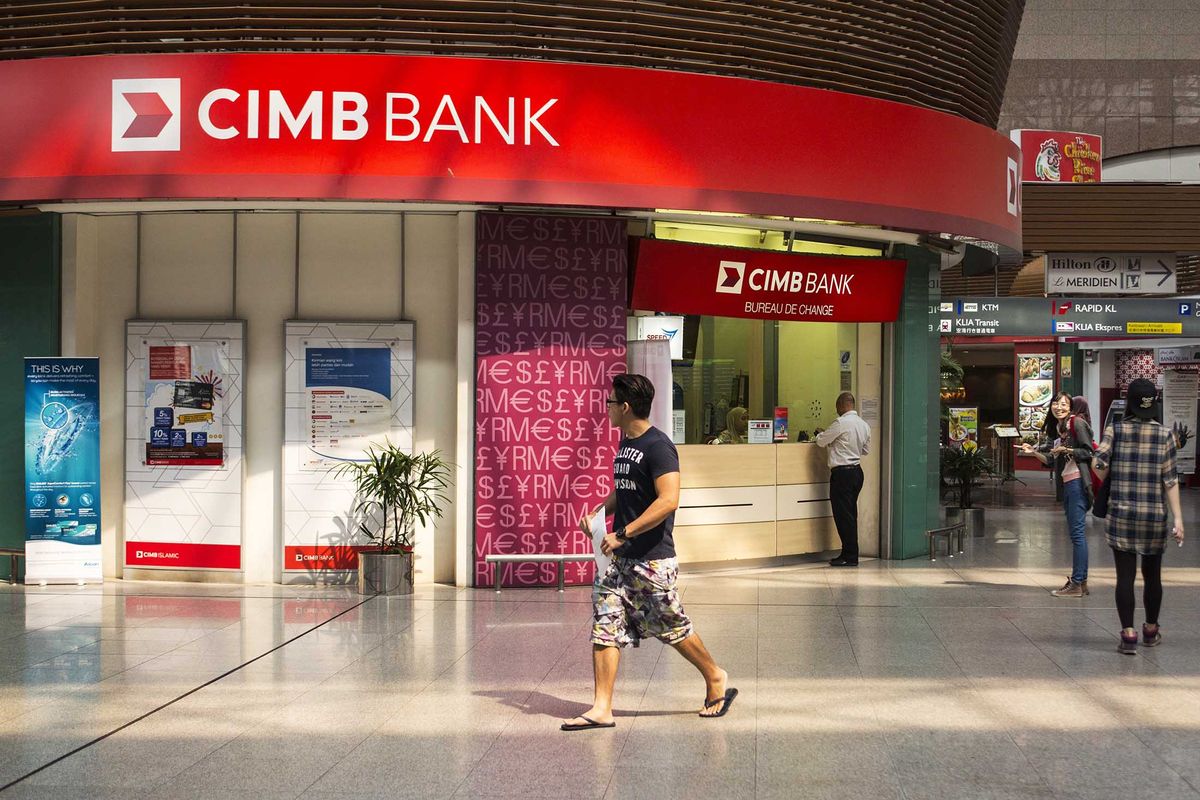
  • Asian banks tear down brick-and-mortar expansion model

    Asian banks tear down brick-and-mortar expansion model

    Just a few years ago, starting a retail banking operation in Indonesia, a nation teeming with islands stretched across a distance as wide as the U.S., would require investing in thousands of physical branches and on an army of bank tellers.

    But Singapore’s largest banking group DBS Group Holdings is attempting to disrupt that business expansion model by wielding its own branchless smartphone banking platform.

    The bank launched digibank in Indonesia in August last year, the biggest selling point being accounts that can be opened without visiting a bank branch. Although other banks offer similar digital services, almost all of them require customers to open accounts at physical locations.

    DBS sales associates can be found in over 50 coffee shops and malls in the cities of Jakarta, Bandung, Surabaya and Jogjakarta. Signing up takes about 15 to 30 minutes — or “as long as it takes to drink a coffee,” as the digibank salesforce promotes. The accounts check fingerprints through e-KTP, the Indonesian electronic identification card.

    New applicants can verify their biometric identities on the spot at coffee shops, or they can wait at home for digibank agents to come visit them. Through their mobile phones, customers can accept deposits, transfer funds, and an artificial intelligence program answers most basic queries, such as those regarding balances and account histories.

    After DBS rolled out digibank in India in 2016, it captured over 2 million customers, yet only 60 to 70 people run that operation. “In the last five years since 2013, the whole world has changed,” said Pearlyn Phau, deputy group head of the consumer banking group and wealth management at DBS.

    The fact that smartphones handle almost all aspects of life, especially among the younger demographic, have paved the way for this moment. Advances in financial technology and flexible government regulations were also tail winds. “With the digital model, what we’re trying to do is to re-enter the retail space, but without the high cost of brick-and-mortar,” said Phau.

    DBS plans to add lending functions to digibank by the end of this year. In Indonesia, digibank drew about 600,000 users over the past year. “In the next five years, we want to book around 3.5 million customers,” said Wawan Salum, managing director of the consumer banking group at PT Bank DBS Indonesia.

    Another Indonesian bank, Bank BTPN, is attempting to eliminate the face-to-face verification step altogether. The company is applying for government permission to verify new accounts for Jenius, the smartphone-based financial service platform, via video calls.

    “Once that is approved, we will not even send someone on a motorbike to come and visit you for identification,” said Peterjan van Nieuwenhuizen, BTPN’s head of digital banking. “You can just do a video call on your phone.”

    Jenius, which went live in 2016, began offering unsecured loans last month. Lending limits are set based on an individual’s financial profile, such as the transaction history, and the financing includes instant-access credit lines. Jenius could offer insurance and wealth management products later on.

    “We started consumer retail banking…from scratch,” said Nieuwenhuizen. “We started from the concept of how we can be a life finance tool rather than a bank. Traditionally, it would have been very difficult for us, or any new player, to enter [Indonesia] because you’re building a thousand branches across more than 13,000 islands.”

    Jakarta, Indonesia’s capital, suffers from traffic snarls like other major metropolises across Southeast Asia. The extra effort to travel to a bank branch has contributed to the lack of foot traffic to bank branches. But the spread of smartphones has granted youth tools to easily fulfill bank transactions. Only 20% of adult Indonesians held accounts in 2011, but the share has risen to 49% last year, World Bank data shows.

    Globally, about 1.7 billion adults have neither opened an account, nor transferred money with a mobile phone, the World Bank estimates. However, two-thirds of unbanked adults have mobile phones. That shows digital banking could be ripe for explosion in places like the Philippines and Vietnam.

    Innovative financial services open the door for small to mid-tier banks, as well as foreign players, to expand market shares — more so than large, established banks. Go-Jek, the Indonesian ride-hailing app, also poses a threat to traditional banks since it runs an online payment service.

  • StarHub to cut jobs in efficiency drive

    StarHub to cut jobs in efficiency drive

    Singapore’s StarHub has announced plans to cut around 300 jobs and pursue other cost-cutting measures as part of a plan to respond to intense competition and shrinking core telecoms revenues.

    The strategic transformation plan will also see the operator invest in growing new digital businesses such as its recently created cyber-security company Ensign InfoSecurity, in the development of ICT solutions for enterprise customers, and in digitalization initiatives aimed at improving the customer experience.

    StarHub’s planned headcount reductions will concentrate on non-customer facing functions, the operator revealed. The company also plans to make additional roles redundant through natural attrition and tighter management of contractor roles.

    Affected employees will be notified by no later than the end of the month. StarHub will take a $25 million one-off charge to fund restructuring costs including the provision of support for laid off employees.

    Through the headcount reductions and planned improved operational efficiencies, StarHub aims to generate S$210 million ($152.1 million) in savings over the three years from 2019.

    The operator is targeting savings in areas including procurement activities, leasing costs, maintenance and sales and distribution expenses, but plans to funnel a portion of these savings into the investments in new growth areas.

    “The intense competitive ferocity right across the market, new entrants, lower voice revenues, thinning margins for fixed broadband services, high content costs for Pay TV operations and high market penetration for mobile and fixed services, has necessitated efficiency optimization initiatives as part of the strategic transformation plan,” StarHub CEO Peter Kaliaropoulos said.

    “Technological innovation and competition are redefining how we deliver services to our customers and we at StarHub need to transform our operating model, otherwise we will face greater risks in the future. Our revised operating structure will be best placed to meet our strategic intent, enhance customer experience, increase accountability and effectiveness and improve competitiveness and agility.”

  • Jollibee expanding in Hong Kong

    Jollibee expanding in Hong Kong

    “It feels like you’re back home,” said Filipino Joanna Galabay, a long-time foreign domestic worker in Hong Kong, as she munched on a drumstick at a Jollibee’s branch on Connaught Road.

    Singaporean bags-and-shoes chain Charles & Keith opened its first branch in the upscale New Town Plaza in Sha Tin last month, and will open its second outlet – at Parker House in Central – in November. It has committed to opening another store in the city, and told it plans to “expand cautiously to 10 locations in the next five years.” It has branches in the Philippines and Indonesia so is well known to the city’s domestic helpers

    Potato Corner, which now has four outlets in Hong Kong, said a branch in Central is in the pipeline. The restaurant chain started in the Philippines but, as part of its international expansion, took off as well in Indonesia.

    “For Southeast Asian brands in particular, Hong Kong has a unique advantage for having a long-established Southeast Asian population,” said retail analyst Lawrence Wan of CBRE Hong Kong. “ … You can see their restaurants opening in prime areas. The lifestyle and trendy fast fashion brands from Southeast Asia are also gaining steam.”

    The number of Southeast Asian companies in Hong Kong rose 17 per cent between 2013 and 2017, with the city now having 586 such businesses, according to the government’s Census & Statistics Department. In addition to players like J. CO Donuts & Coffee of Indonesia, and Bread Talk and Irvins Salted Egg, both from Singapore, they include big multinationals, such as the Development Bank of Singapore and the United Overseas Bank, also from the Southeast Asian city state.

    Hundreds of thousands of maids fan out on their Sunday day off in this city of 7.4 million people. Filipino maids often meet their friends at Jollibee, for example, chatting, eating, snapping selfies and calling family back home. In April, visiting Philippine President Rodrigo Duterte created quite a stir when he sat down at the Hung Hom outlet of Jollibee and chatted with a Filipino maid. Indonesian helpers are also fans of Jollibee.

    The women have expanded the customer base of the brands by bringing home drumsticks, doughnuts and other treats with them when they return to their employers’ homes on Sunday nights. The Southeast Asian businesses have also simply grown by word of mouth.

    “We initially entered Hong Kong because of the large Filipino population in the market,” Jollibee’s media office said. “However, we are now seeing that our new stores have majority local customers, with more Hong Kong locals loving our Chickenjoy [chicken meals].”

    Potato Corner, which markets itself as the maker of the “world’s best flavoured fries”, said its Hong Kong stores achieved the “all-time record for highest single day sales” in the brand’s 25 years of operation. It didn’t give specifics.

    “Potato Corner is popular among Filipinos, and some of our most loyal regulars are Filipinos. Indonesians [are our loyal customers], too, as Potato Corner has a strong presence in Indonesia,” said Ryan Asis Maniago, managing director of UpFive Corporation Ltd., the master franchisee in Hong Kong.

    As Hong Kong’s population ages, its need for foreign domestic helpers will grow, with the number of helpers expected to jump to 600,000 over the next three decades, the government says. While their wages are modest – HK$4,520 (US$577) a month, plus living space in their employer’s home and food – their sheer number makes them a serious consumer base. They spend about a quarter of their wages in Hong Kong, according to a study by NGO Mission for Migrant Workers released in August. That would mean they are dropping about HK$5 billion (US$640 million) a year in the city.

    The number of Southeast Asian businesses is expected to grow under two free trade agreement between Hong Kong and the Association of Southeast Asian Nations, which represents the 10 countries of the region: Indonesia, Thailand, Vietnam, Singapore, Malaysia, Philippines, Myanmar (also known as Burma), Cambodia, Laos and Brunei. The agreements go into effect next year.

    Consulate officials from the Philippines, Singapore and Thailand also noted that Hong Kong serves as a strategic gateway to China’s huge number of consumers, elevating its importance to businesses of the Asean member countries.

    However, businesses said in interviews that expansion is hampered by the city’s high rents. Also, some complained that it is difficult for them to set up bank accounts for their operations.

    “The cost of doing business in Hong Kong is more expensive compared with other countries, especially in rent,” Irvins Salted Egg said.

    The snack company said it is negotiating with a few landlords for some prime retail spaces in popular shopping malls.

    In 2017, Hong Kong’s Causeway Bay, home to one of Potato Corner’s branches, had the most expensive retail space in Asia, and second in the world behind New York.

    Property consultant Cushman & Wakefield said annual retail rentals in the trendy and popular shopping district on Hong Kong Island reached HK$21,255 (US$2,712) per square foot, just behind Upper 5th Avenue’s HK$23,400 (US$2,986) per square foot.

    While rents are high, the Thai Consulate applauded the city’s business-friendly tax system.

    “The simple tax system with no VAT and importing tax is also a selling point to Thai exporters,” the Thai Consulate-General said.

    There were 154 existing trademark registrations from Thailand in Hong Kong as of last year, a 77-per cent increase compared to 2016. Leading Thai brands in Hong Kong include Bangkok Bank, spa and spa products retailer Thann, and restaurant Blue Elephant.

    Thais have opened many small business in the city, including massage parlours and beauty and nail salons.

    The city’s attractiveness has grown to Southeast Asian businesses, some of which were quick to thank Filipino and Indonesian domestic helpers for getting them off to a solid start.

    Noemi Morgado, a Filipino maid working in Pok Fu Lam, is one such helpful ambassador. “Ever since I brought my employer’s family a bucket of Jollibee fried chicken on New Year’s, they have regularly asked me to bring some home after my day off,” said Morgado, holding three buckets of the chain’s fried chicken.

  • Singtel launches ultra-fast broadband for gamers

    Singtel launches ultra-fast broadband for gamers

    Singtel has launched a new ultra-fast fiber broadband service targeted at gamers, which comes bundled with a dedicated gaming Wi-Fi modem.

    The new 1+1 Gbps Fibre Pro Gamer Bundle comes with the newly launched Razer Sila gaming router and a subscription to the WTFast Gamer Private Network service, which is designed to automatically connect gamers to the fastest servers.

    The bundle is priced at S$69.60 ($50.41) on a 24-month contract, and connects to a dual network which comprises 1Gbps of dedicated bandwidth for gaming and another 1Gbps for regular internet usage.

    The dedicated bundle is being launched today at the opening day of Singtel’s first PVP Esports Championship in Suntec City, a three day event featuring teams from Australia, India, Indonesia, the Philippines and Thailand competing for a $300,000 prize pool.

    “We are pleased to offer our customers this broadband bundle that’s specially designed for online gaming during our inaugural PVP Esports Championship event,” Singtel CEO consumer Singapore and group chief digital officer Yuen Kuan Moon said.

    “Online gaming is extremely popular with our customers. This requires high connectivity performance and specialized devices to optimize the gaming experience. By bringing together Singtel’s superior network connectivity and Razer’s Sila gaming router, we believe the 1+1 Gbps Fibre Pro Gamer Bundle will provide the ultimate performance for gamers.”

  • Thai Lion Air launches Dhaka-Bangkok direct flights

    Thai Lion Air launches Dhaka-Bangkok direct flights

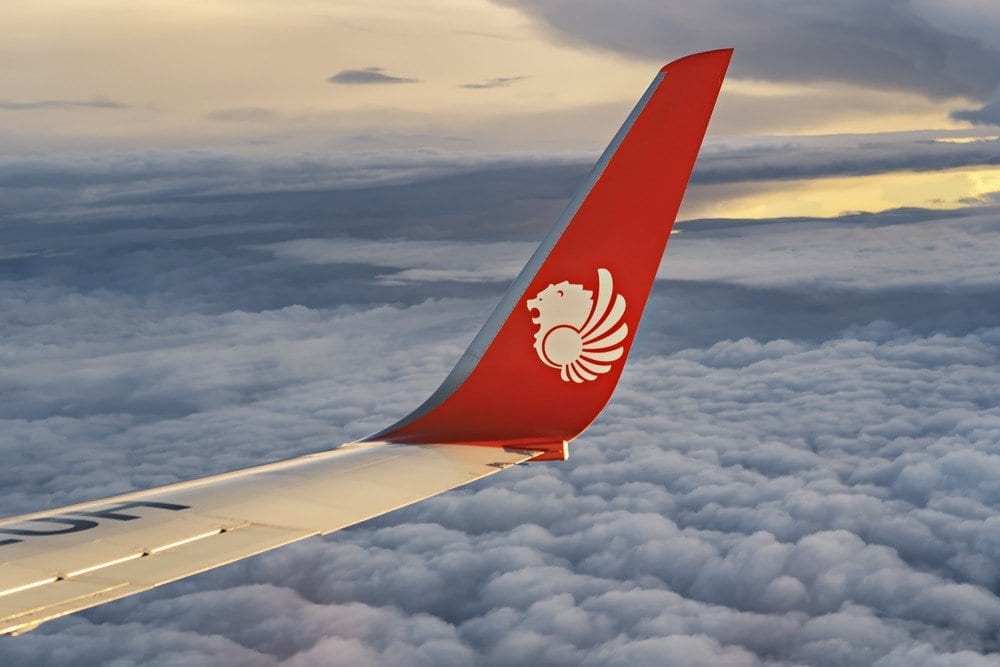
    Budget airline Thai Lion Air launched direct flights between Dhaka and Bangkok, in an event at Lakeshore hotel on Saturday.

    They will be flying from Bangkok’s Don Mueang Airport to Dhaka’s Hazrat Shahjalal International Airport.

    At the event, Malindo General Manager (Commercial Strategy) Saravanan Ramasamy said: “The company will play a pivotal role in connecting Bangladesh with Bangkok, China, Nepal, Vietnam, India, and Myanmar.

    “As the second largest Low cost carrier in Thailand, we have already conquered the South East Asian and South Asian market. Soon we will be offering flights to Japan.”

    The airline is offering round trips from Dhaka to Bangkok at a starting price of Tk16,083.

    At the event, the head of sales delivered a presentation on the journey and future expansion plans of the company.

    Thai Ambassador to Bangladesh Panpimon Suwannapongse and Thai Lion Air Managing Director Phillip Pang cut a cake at the launch ceremony.

    In a press statement, chairman of the Board of Thai Lion Air Captain Darsito Hendro Seputro said they will be launching their inaugural flight from Bangkok to Dhaka on October 1 this year.

    “Travelers will be attracted by amazing architectural marvels such as the Ahsan Manjil,” said Capt Septuro. “They will also be able to experience the handicrafts, spices, herbs, gift shops, and local food of the country.”

    The company currently operates aircraft including the Boeing 737-900 ER, with 215 seats, Boeing 737-800, with 189 seats, Boeing 737 MAX 9, with 215 seats, and the Airbus A330-300, with 392 seats.

    Passengers choosing to fly with Thai Lion Air will also be able to enjoy free baggage allowance of 10kg and free allowance for sports equipments of 10kg on domestic flights.

    As per the international flight policy of Thai Lion Air, Dhaka-Bangkok round trips will have free baggage allowance of 20kg.

    Currently, the airlines are offering a new service called Lion Seat Selection, which will let passengers choose their preferred seat locations, either beside a window or the aisle. For passengers who do not use the Lion Seat Selection service, the system will automatically assign a random seat number at check-in.

    Using this service, bookings can be made at least four hours prior to departure via the call centre or through the company’s official website.

    Thai Lion Air is a low cost carrier of Lion Group, founded in 2013, with 12 domestic flights, 2 cross region flights and more than 20 international flights. The airline will provide an alternative travel option for passengers travelling to Bangkok and beyond at very affordable price.

  • Rakuten completes 5G trials in 28-GHz with Nokia

    Rakuten completes 5G trials in 28-GHz with Nokia

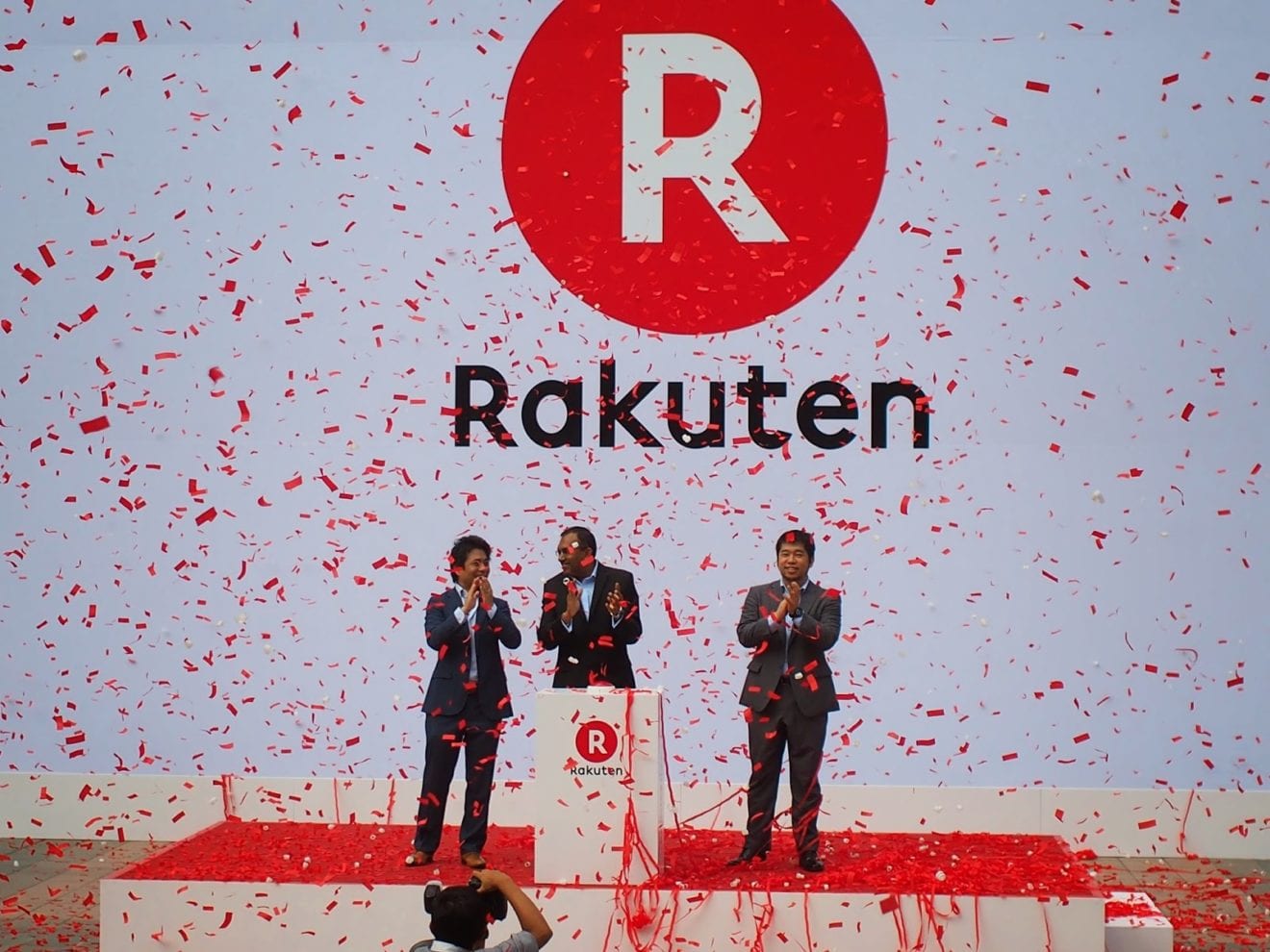
    Japan’s Rakuten Mobile Network said it has completed over-the-air 5G trials in the 28-GHz frequency band using equipment provided by Nokia and Intel.

    The trials were carried out from June in a shielded room at the Nokia Kawasaki Technology Center located in Kanagawa Prefecture in Japan, using Nokia AirScale base station and the Intel 5G Mobile Trial Platform.

    During the trials, Rakuten Mobile Network and Nokia verified a number of 5G applications including 4K video and 3D 360-degree VR live streaming, the Japanese mobile carrier said in a company statement.

    Rakuten Mobile Network, which is the newly created mobile subsidiary of Japanese e-commerce giant, secured government approval to deploy 4G mobile services in the 1.7-GHz frequency band in April 2018. The company aims to launch its first mobile services as a mobile network operator in October 2019.

    Rakuten Mobile Network is teaming with a number of vendors including Nokia on the design and construction of its nationwide mobile network. The two companies will also work closely together on 5G technology testing and evaluation, Rakuten said.

    “The next generation of mobile broadband and the Internet of Things, enabled by 5G, will transform virtually all sectors of society and industry, and further accelerate the opportunities to advance in healthcare, education, energy services and agriculture, and within new industry applications,” Rakuten Mobile Network CTO Tareq Amin said.

    “The results of our trials highlight the importance of realistic 5G OTA testing and reinforce the potential of 5G networks, taking us a step closer towards actual deployment,” he added.

  • T-Mobile to launch 5G prepaid 5G next year

    T-Mobile to launch 5G prepaid 5G next year

    T-Mobile’s prepaid brand will launch 5G services at roughly the same time the operator launches the technology for its main T-Mobile brand, according to carrier executives.

    T-Mobile’s Chief Technology Officer Neville Ray said the carrier’s pending 5G launch will be sold through all of the operator’s outlets, including its prepaid brand.

    T-Mobile is using equipment from Ericsson and Nokia to build a 5G network across the carrier’s 600 MHz, 28 GHz and 39 GHz spectrum in 30 cities—including New York, Los Angeles, Dallas and Las Vegas—during 2018. However, T-Mobile’s Ray said earlier this year the operator won’t be able to offer compatible smartphones for the service until early 2019.

    And yesterday, T-Mobile rebranded its prepaid service MetroPCS as Metro by T-Mobile. The action is partly an attempt by T-Mobile to tell customers the brand is powered by T-Mobile’s network.

    In conjunction with the rebranding effort, T-Mobile’s prepaid service is also refreshing its pricing options to include Google One cloud storage services and an Amazon Prime account with its $60-per-month unlimited option.

    T-Mobile’s 5G launch in the US will be relatively unique, at least based on operators’ initial commentary around their 5G launch plans. Specifically, T-Mobile plans to primarily use its 600-MHz spectrum for its initial 5G build-out.

    The carrier spent roughly $8 billion on those licenses during the FCC’s recent incentive spectrum auction of TV broadcasters’ unwanted spectrum licenses. To be clear, though, T-Mobile has also said it will use other spectrum bands including its millimeter-wave spectrum holdings for its forthcoming 5G service.

    The upshot for T-Mobile is that low-band spectrum like 600-MHz will allow the carrier to quickly cover large geographic areas of the US with 5G due to the propagation characteristics of the spectrum.

    Meantime, Verizon is initially using its 28-GHz spectrum for its own 5G efforts. Indeed, the operator’s newly launched 5G Home service uses 28-GHz spectrum.

    AT&T also plans to use its own millimeter-wave spectrum holdings for 5G, though the operator has hinted that it will refarm its midband holdings for 5G as well. And Sprint has said its 5G launch will primarily use its vast 2.5-GHz holdings.

  • TCB, Visa launch QR code payment in Taiwan

    TCB, Visa launch QR code payment in Taiwan

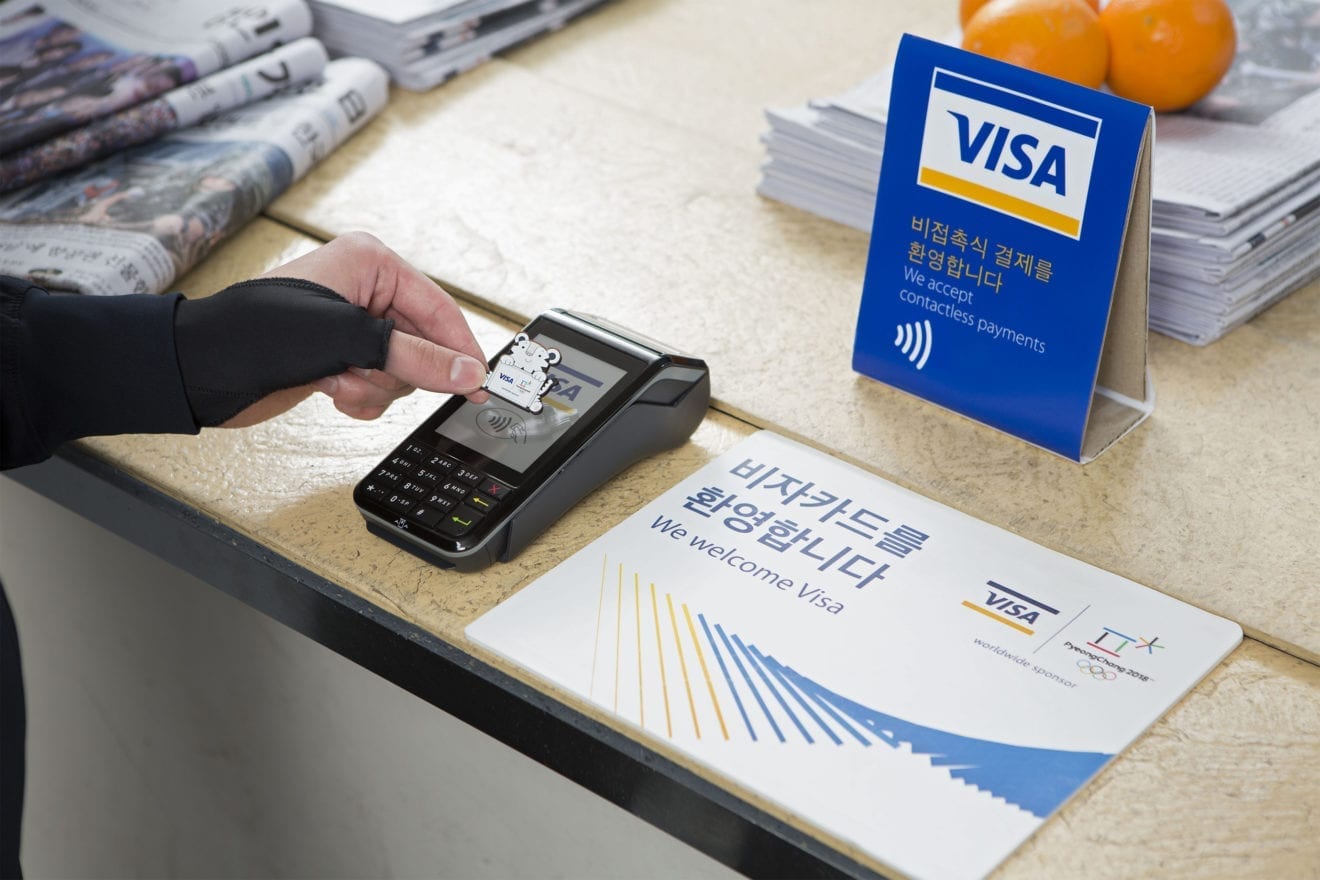
    This month, the Taiwan Cooperative Bank (TCB) and Visa have implemented what both call Taiwan’s first standardized and EMV-compliant QR code payment.

    Part of Financial Information Service Co.’s “Standardized QR Code Solutions,” the new EMV solution will be among the first large-scale deployments of standardized QR Code payments in Taiwan, initially covering more than 8,000 TCB acceptance points. In the future consumers can link their TCB Visa debit or credit cards with the Taiwan Mobile Payment mobile app to experience the security and convenience of mobile payment.

    Visa announced plans to introduce QR code payment in Taiwan in July last year. It was meant as a response to the introduction of Apple Pay, Samsung Pay and Google Pay in March, May and June of the same year.

    At the time, Visa said it had 35 million credit cards issued by 20 banks in Taiwan – presenting both a threat and opportunity for the card company with the introduction of alternative payment platforms for consumer retailers hooked to their smartphones.

    In January 2018, mobile payment in Taiwan stood at just 13% – low for a highly developed economy renowned for leading innovation. In contrast, mobile payment in China accounted for 61.2% of the global user base in 2018. With the encouragement of Taiwan Premier, Lai Ching-te, the government is aiming to have 90% of mobile phone users using mobile payment by 2025.

    “This roll-out will boost the bank’s already extensive acceptance footprint due to standardized QR Code’s cost-effectiveness as a payment method. We hope to help further advance Taiwan’s mobile payment for the benefits of all.” TCB chairman Chung-Dar Lei.

    Marco Ma, General Manager of Visa Taiwan, added that “the EMV QR Code Specifications are intended to be globally interoperable, and with the right mobile application local consumers, as well as overseas travelers will be able to use the same QR Code to make payments everywhere the specifications have been adopted, opening up more revenue sources beyond Taiwan.”

    TCB’s EMV QR code solution offers extensive payment applications including payments for credit card bills, utilities, insurance premiums, tuition fees, air tickets, taxes, food and e-commerce purchases.

  • Dtac welcomes extension of 900-MHz bid decision deadline

    Dtac welcomes extension of 900-MHz bid decision deadline

    Thailand’s Dtac has welcomed the decision by regulator NBTC to extend the submission deadline for applying to participate in an upcoming 900-MHz auction if no bids come in today.

    The deadline extension will allow Dtac to complete its feasibility study before making a final decision on whether to participate.

    Dtac is the only operator to pick up bid documents for the upcoming auction by the deadline yesterday, and rivals AIS and True Corp have already indicating that they will not be participating.

    Dtac was expected to use the spectrum to replace its expiring 850-MHz spectrum and ensure continuity of service for customers still using the spectrum. The feasibility study is evaluating whether the 900-MHz spectrum is required, as well as the criteria and procedures of the license being auctioned.

    The operator will now have until October 16 to decide whether to participate in the bid, which will be held later in the month. The date will be October 20 if there are multiple participants, and October 28 if there is only one bidder.

    The NBTC recently rejected a request from Dtac for a remedy period allowing it to use its expiring spectrum now its license has expired, but the court had issued an emergency injunction while a hearing on the matter was before the courts.

  • AirAsia strengthens east Malaysia network

    AirAsia strengthens east Malaysia network

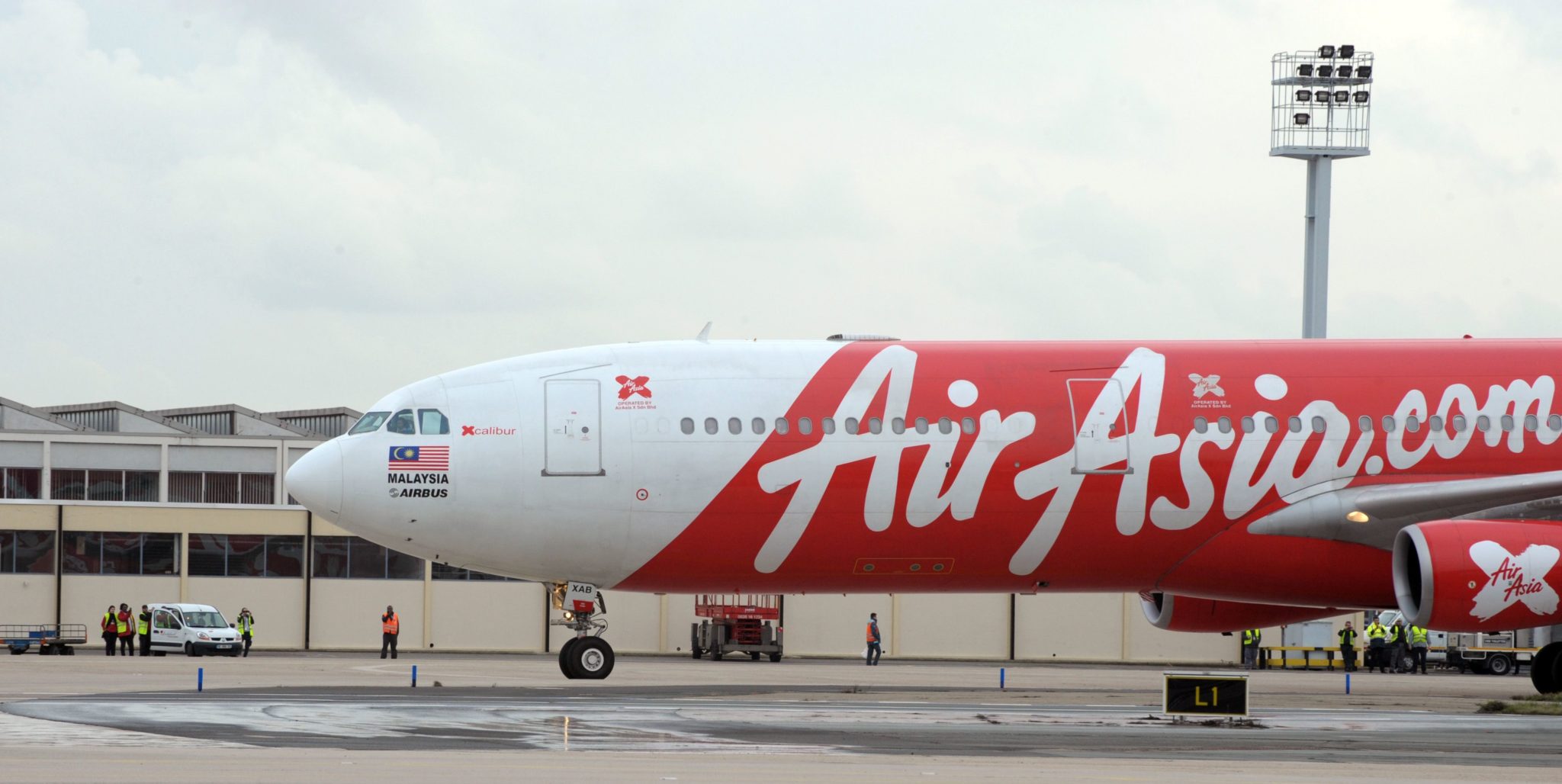
    AirAsia is strengthening its connectivity in East Malaysia with four-weekly flights from Kuching to Tawau starting 2 December.

    AirAsia is the only Malaysian airline to offer direct flights between the capital city of Sarawak and the third largest city in Sabah state.

    AirAsia Malaysia CEO Riad Asmat said:  “To launch a new route from our Kuching hub to Tawau is a testament to our commitment to further boost the connectivity in East Malaysia.”

    Tawau is gaining popularity as a gateway to the Sabah’s dive sites, especially among Chinese tourists.

    The airline said 99% of passengers on Fly-Thru routes to Tawau were from cities in China and 76% of all passengers visiting Tawau come from China.

    AirAsia Malaysia (flight code AK) now flies to 13 destinations from Kuching, namely Kuala Lumpur, Kota Kinabalu, Kota Bharu, Johor Bahru, Bintulu, Langkawi, Penang, Sibu, Tawau, Miri, Shenzhen, Pontianak and Singapore. The airline also flies to four destinations from Tawau to Kuala Lumpur, Kota Kinabalu, Johor Bahru and Kuching.

    To promote the new route, the airline is offering an all-in-fares from MYR79* one-way from Kuching to Tawau.

    The promotional fare is available for booking on airasia.com and the AirAsia mobile app from now until 14 October 2018 for travel between 2 December and 26 November 2019.

  • Telkom Indonesia taps Brightcove to support OONA launch

    Telkom Indonesia taps Brightcove to support OONA launch

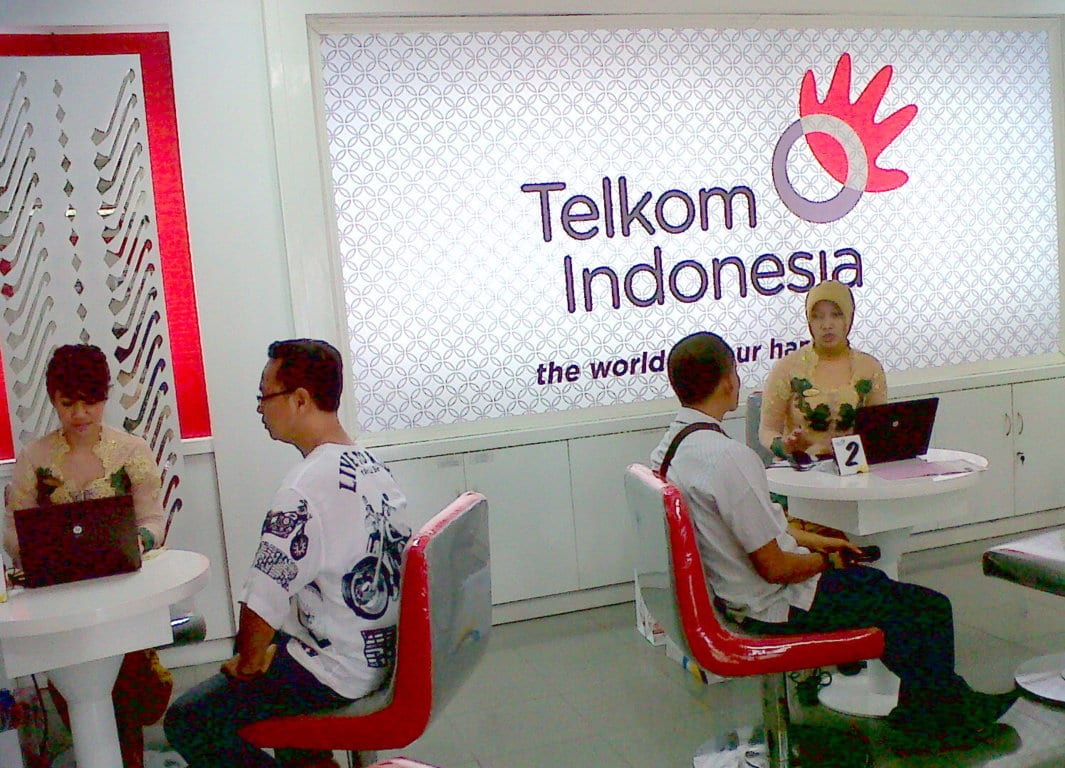
    Telkom Indonesia subsidiary Metranet has contracted Brightcove to provide technology for the launch of the OONA live and VOD mobile video app in Indonesia.

    Brightcove, which provides cloud solutions for managing, delivering and monetizing multi-screen video experiences, will provide its video platform to support the launch of the OONA app for Telkom Indonesia’s 135 million subscribers.

    OONA will stream 60 live TV channels and offer on-demand content, as well as serving video advertising with server side ad insertion technology.

    It integrates features including chat bots, chat with other viewers, offline caching, parental controls, screen captures, a virtual wallet and a 360-degree video player.

    “Metranet is excited to be the first to launch OONA for Indonesian market as part of our goal to bring first-class entertainment to Telkom Indonesia’s mobile customer base,” Metranet CEO Widi Nugroho said.

    “With 135 million potential viewers, we understand the pressure is intense to ensure that even with free content, the streaming experience for the user needs to be exceptional and the advertising experience should be seamless. This is why we selected Brightcove for their robust and scalable OTT video streaming architecture, industry-leading server-side ad insertion technology, proven track record of working with some of the world’s top OTT service providers, and established in-region technical support team.”

  • Huawei invited to participate in India’s 5G use case trials

    Huawei invited to participate in India’s 5G use case trials

    Huawei has reportedly received an invitation from the Indian government to participate in the telecom ministry’s 5G technology trials, after being initially left out of the list of vendors asked to take part.

    Huawei India CEO Jay Chen told that the company has received an invitation after approaching the government to express an interest in taking part.

    The telecom ministry’s earlier decision to exclude Huawei and ZTE from the list of vendors approached to take part in the trials led to speculation that India could follow Australia and the US in preventing Chinese vendors from participating in their respective nation’s 5G rollouts.

    But after Huawei expressed an interest in participating in the trials, the telecoms ministry announced that it will evaluate the vendor’s proposal and consider including Huawei in the planned 5G field trials.

    According to Huawei’s Chen, Huawei has a collaborative relationship with the Indian government and has already been working with various Indian operators in laying the groundwork for 5G deployments.

    The vendor has expressed an interest in running 5G trials in two Indian cities, including Delhi, and plans to partner with operators, academia and companies in adjacent industries to identify relevant 5G use cases for the Indian market.

    According to the report, ZTE has yet to receive an invitation from the ministry.

  • HKBNES launches free public Wi-Fi at tram shelters

    HKBNES launches free public Wi-Fi at tram shelters

    HKBN Enterprise Solutions (HKBNES) has formally launched a free high-speed public Wi-Fi network on tram shelters across Hong Kong in association with Hong Kong Tramways and Cody Out of Home (Cody OOH).

    The HEREWIFIFREE service provides public free Wi-Fi with unlimited sessions on nine key tram shelters located along the busiest commercial and residential centers on Hong Kong Island.

    HKBN launched a pilot of the new service in May, and usage levels have grown 40% by the end of August. The unlimited usage session enhancement meanwhile launched in June.

    “We are happy to support this high-speed free Wi-Fi service to bring Hong Kongers speedy and convenient online connectivity,” HKBN director Mikron Ng said.

    “Our partnership with Tramways and Cody OOH is another example of how we showcase our win-win-win model in which Tramway passengers, Cody OOH customers and our corporate customers can all benefit.”

    “Hong Kong Tramways is pleased to collaborate with HKBNES and Cody OOH in order to offer innovative services,” added Hong Kong Tramways commercial and corporate affairs manager Antoine Sambin.

    “The high quality and the user-friendly experience of the free Wi-Fi solution are valued by the tram passengers, pedestrians and retail communities in the near vicinity. We aim to keep contributing to a smarter city thanks to our Tram Shelters network.”

  • Wi-Fi Alliance introduces new Wi-Fi naming scheme

    Wi-Fi Alliance introduces new Wi-Fi naming scheme

    The Wi-Fi Alliance has introduced a new naming scheme for the various generations of Wi-Fi technology in a bid to reduce confusion among consumers and increase sales of next-generation equipment.

    Through the initiative, devices supporting the upcoming IEEE 802.11ax standard will be labeled as Wi-Fi 6. The naming convention will also be applied retroactively, with 802.11ac Wi-Fi to be renamed Wi-Fi 5 and 802.11n Wi-Fi to be designated as Wi-Fi 4.

    Product vendors will be able to use the Wi-Fi 6 designation to identify the latest generation of Wi-Fi that a device supports, while service providers will be able to identify the capabilities of a Wi-Fi network for their customers.

    In support of the new naming scheme, Wi-Fi Alliance will adopt the generational naming scheme for its certification programs. The Wi-Fi Certified 6 certification program will launch next year.

    “For nearly two decades, Wi-Fi users have had to sort through technical naming conventions to determine if their devices support the latest Wi-Fi,” Wi-Fi Alliance president and CEO Edgar Figueroa said.

    “Wi-Fi Alliance is excited to introduce Wi-Fi 6, and present a new naming scheme to help industry and Wi-Fi users easily understand the Wi-Fi generation supported by their device or connection.”

    The new naming scheme has widespread industry support, with vendors including Intel, Netgear, Qualcomm, Ruckus Networks, Aruba and Boingo Wireless having already issued statements endorsing the new convention.

  • Bharti Airtel buys AI startup AuthMe

    Bharti Airtel buys AI startup AuthMe

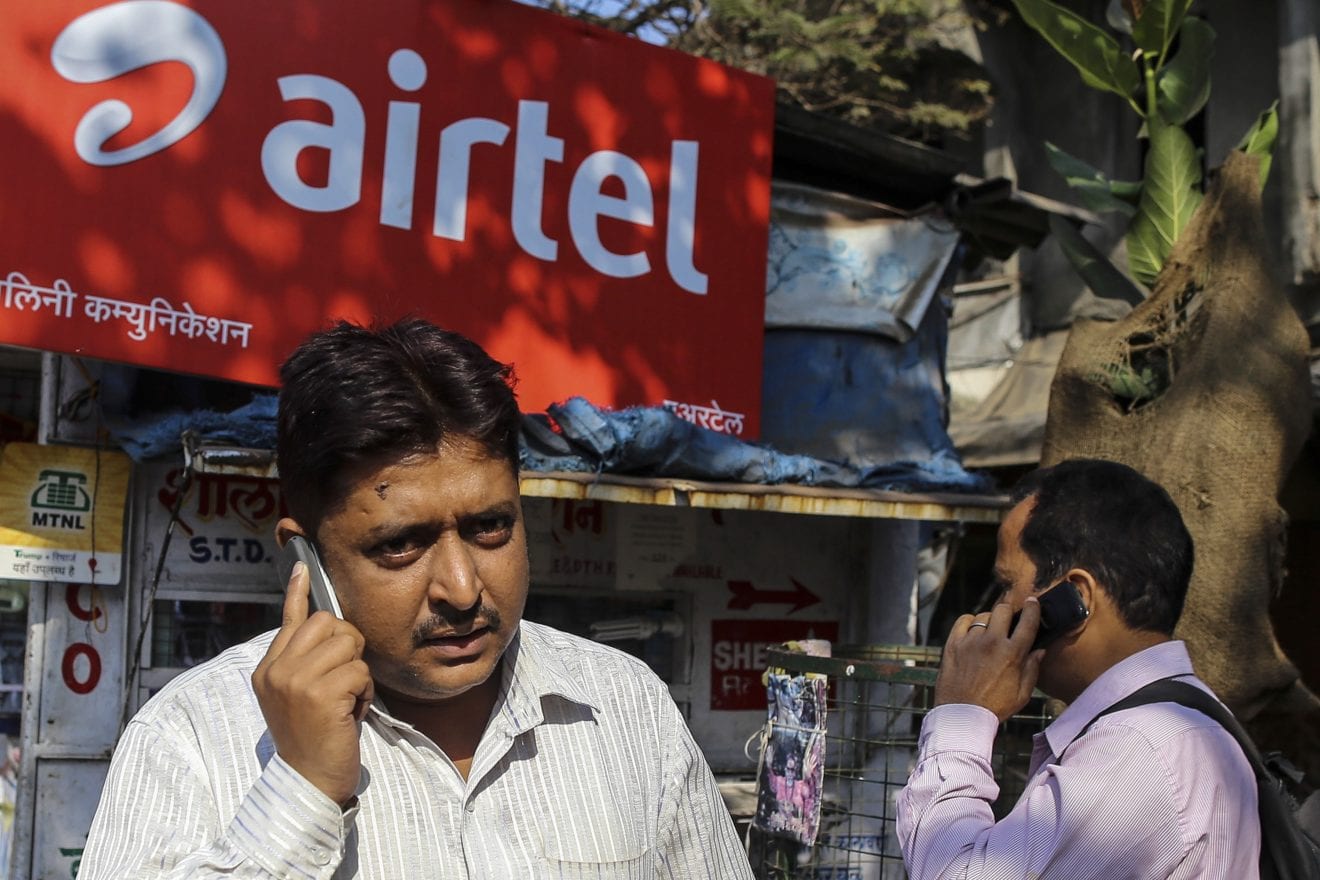
    Indian telecoms operator Bharti Airtel has acquired AuthMe ID Services (AuthMe), a Bengaluru-based start-up focused on artificial intelligence (AI) based solutions, in a bid to bloster its AI portfolio.

    Financial details of the deal were not disclosed.

    As part of the deal, the core team of AuthMe will join Airtel and be a part of Airtel X Labs in Bengaluru.

    Airtel set up Airtel X Labs to drive innovation in the areas of AI, IoT, AR and VR and is “building a world-class team” for the facility, the operator said in a statement released on Wednesday.

    “We are thrilled to bring on board a bunch of highly talented people who share our passion for building exciting digital solutions that benefit our customers,” Bharti Airtel global CIO Harmeen Mehta said.

    We are rapidly scaling up Airtel X Labs, our digital innovation factory, and these new solutions will accelerate our journey towards rolling out intuitive digital products, particularly in vernacular languages, for our 430 million plus customers.”

    In addition, Airtel has acquired the intellectual proprietary rights for two flagship solutions developed by AuthMe.

    One of the solutions is called Callup AI, which has created a chat and voice assistant that uses AI to quickly and effectively resolve customer queries over email, chat and phone calls. The solution is used by 10 companies across three countries in banking, finance, payments and housing domains.

    The other solution, the “Fintech OCR”, is an end to end Optical Character Recognition (OCR) pipeline built for financial documents. The application is designed for processing KYC docs, bank/credit card/loan statements, mark sheets, and can be customized to process known formats of other documents. It can pick up any language with standard fonts, Airtel said.

    In a separate announcement, Airtel said it has launched its VoLTE services to Bengal and Sikkim to enable customers in all towns across the two states to enjoy HD quality voice calls with faster call setup time.