Tag: asia

  • Shanghai Disney Resort opens out-of-town store in Suzhou

    Shanghai Disney Resort opens out-of-town store in Suzhou

    Shanghai Disney Resort has opened its first retail store outside of Shanghai in nearby Suzhou.

    The Suzhou Village Shanghai Disney Resort Store offers more than 500 items of merchandise (some of it exclusive to the Shanghai location), immersive ambience and entertainment, with a focus on extending the brand’s current market.

    The Suzhou store is the third Disney Resort location outside of the main resort premises.

    Shanghai Disney Resort comprises a Disneyland theme park and two themed hotels, as well as a Disneytown dining and retail district and Wishing Star Park recreation area.

  • Golden Week : Chinese Millennials go for Insta-spots in HK

    Golden Week : Chinese Millennials go for Insta-spots in HK

    Hong Kong had its own influx of tourists from Mainland China. But they were not all in search of the city’s more well-trodden sights.

    Media used to report about facts and figures related to shopping expenses and how Chinese travelers were making the fortune of retailers. This year, Millennials and GEN Z contributed to HK differently.

    Tourism Board would be happy to know that HK’s Instagram spots were shared and re-shared on social media framing HK as much more than a shopping destination.

    Among the preferred spots:

    • The Rainbow Thief : When captured at an appropriate angle, a colorful building opposite with a mural design titled the “Rainbow Thief” forms the perfect backdrop.
    • Montane Mansion : The claustrophobic 46-year-old Montane Mansion is an urban photographer’s dream, as it seemingly melds into the Oceanic Building and the Yick Cheong Building on either side, forming a mishmash of juxtaposing windows, air conditioning vents and hanging laundry.
    • The Choi Hung Estate : The fresh palette of paint tones that fade into each other on the facade lives up to its namesake, and has pulled in the social media-savvy crowds.
    • The Sai Wan Swimming Shed : only one swimming shed remains in Hong Kong, on the far western edge of the island.
  • Sneakersnstuff reveals expansion plan in Asia

    Sneakersnstuff reveals expansion plan in Asia

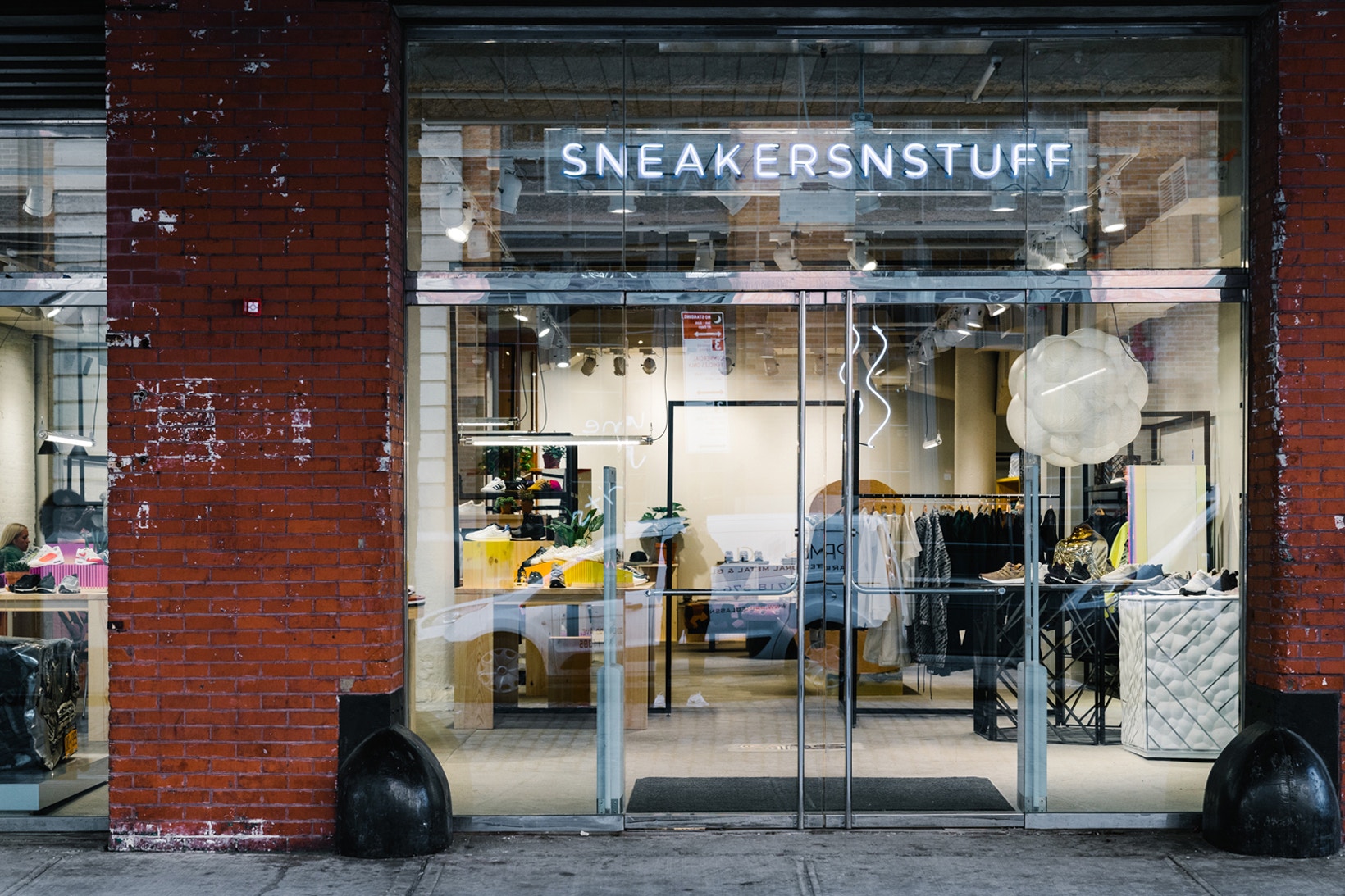
    Swedish boutique athletic footwear retailer Sneakersnstuff has announced plans for an Asian expansion.

    According to co-founder Erik Fagerlind, the brand is targeting a presence in Seoul and Tokyo next year, after opening in Los Angeles late this year. The move is designed to smooth out options for further expansion in the region.

    “It’s easier for us to open another store in Europe than another store in the US because we already have that machinery in place,” said Fagerlind. “So our focus is to build the machinery in Asia so we can open up stores.”

    Sneakersnstuff has stores in Stockholm, London, Paris, Berlin and New York City.

  • Foreign investors snap up prime office space in downtown Saigon

    Foreign investors snap up prime office space in downtown Saigon

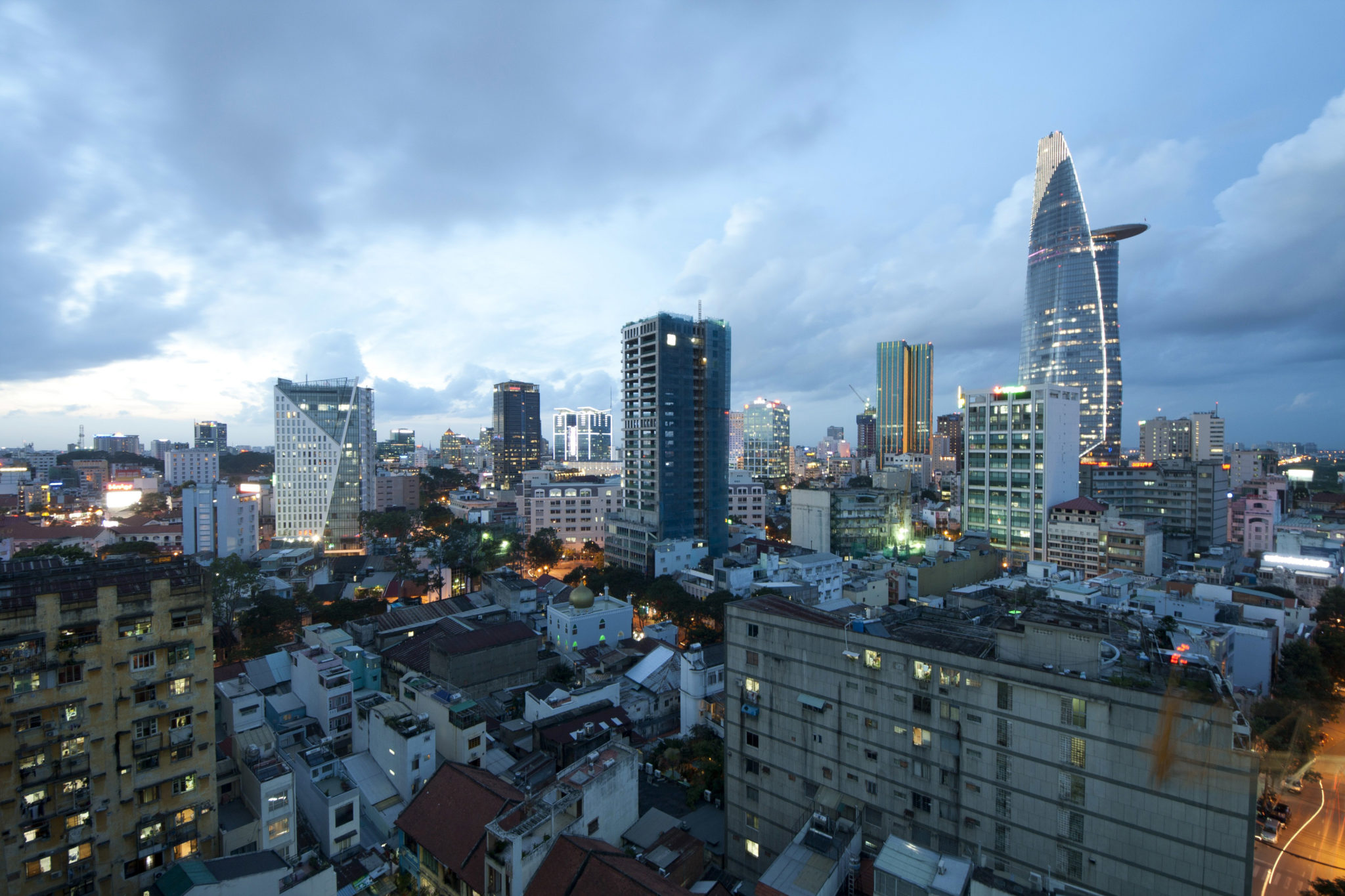
    Foreign investors currently own majority stakes in about 50 percent of high-end office buildings in downtown Saigon.

    A newly-released Savills Vietnam report said investors from Singapore, Hong Kong, Japan, South Korea, Germany and Slovakia own stakes in nine Grade A office complexes in prime Saigon locations. Asian investors hold a bigger market share than that of European companies.

    Given the scarce supply of Grade A office space in the nation’s commercial hub, current occupancy rates in this segment are above 95 percent, and monthly rents have reached their highest in nearly half a decade at $50-70 per square meter.

    This has spawned many M&A deals in this property segment. Notable among these is the purchase of a 24 percent stake in Sun Wah Tower by Japan’s Nomura Real Estate Company earlier this year. The tower is located on the Nguyen Hue walking street in District 1.

    With demand remaining high, many new real estate companies have entered the market.

    Alpha King, a Hong Kong based real estate company, announced its plan to construct a 35 storied Grade A office building on Tran Hung Dao Street in District 1, close to the Ben Thanh Market. Work on this building is expected to completed by 2020.

    Slovakian investors plan to build the Friendship Tower on Le Duan Street, also in District 1. Construction of the 21-story building began this May and is expected to finish by 2020.

    When complete, both Alpha King and Friendship Tower will respectively contribute 72,000 and 19,000 square meters of Grade A office space.

    Su Ngoc Khuong, investment director at Savills Vietnam, said there are many foreign investors in Group A projects because they are cash-rich while such projects require big investment capital.

    The limited amount land available in prime Saigon locations has also led to great interest among foreign investors looking to make profits from renting space to both foreign and local companies.

    Explaining why international corporations are boldly investing in grade A office buildings in Saigon in recent years and are likely to do so in the years to come, Khuong said that global economic integration will continue to increase demand for office space in the city, thus creating a sustainable and profitable cash flow for Group A office leasing projects.

  • Strong growth for LVMH Moet Hennessy Louis Vuitton

    Strong growth for LVMH Moet Hennessy Louis Vuitton

    LVMH Moet Hennessy Louis Vuitton boosted revenues by 10 per cent to €33.1 billion in the first nine months of this year.

    Organic sales grew 11 per cent compared to the same period last year and by 13 per cent after excluding the impact of the closed DFS concessions at Hong Kong International Airport at the end of the year. Every geographic market performed well, the company said. Third quarter revenue was up 10 per cent.

    The wines & spirits business group recorded organic revenue growth of 7 per cent during the first nine months, with Champagne volumes stable and Hennessy cognac volumes increased by 4 per cent, led by the US and Chinese markets.

    The fashion & leather goods business group achieved organic revenue growth of 14 per cent and 20 per cent reported, with the flagship Louis Vuitton brand the standout performer.

    “Ready-to-wear and shoes, in particular, experienced strong momentum with an excellent reception of the last two fashion shows of womenswear and menswear,” the company said in a statement.  “A new communication for Louis Vuitton perfumes was unveiled, marking the launch of the brand’s latest perfume creation. Christian Dior, consolidated since the second half of last year, enjoyed an excellent performance.

    Celine made progress and began a new chapter in its history with the first runway show of Hedi Slimane, which was a great success and created enormous resonance. Fendi and Loro Piana continued to grow. The other brands continued to strengthen,” the company said.

    LVMH Moet Hennessy Louis Vuitton’s perfumes & cosmetics business group recorded organic revenue growth of 14 per cent, driven in particular by the performance of its star brands Christian Dior, Guerlain and Givenchy.

    The watches & jewellery business group achieved organic revenue growth of 14 per cent, with Bulgari delivering “an excellent performance and gaining market share”.

    The selective retailing business group achieved organic revenue growth of 8 per cent in the first nine months of 2018, and 14 per cent excluding the airport concession closures in Hong Kong.

    Sephora’s organic revenue growth was strong, particularly in North America and Asia. The expansion and renovation of its distribution network is continuing with a new store concept in China and the first Sephora-branded store in Russia.

    “DFS performed well, especially in Hong Kong and Macao. The recent openings of T Galleria in Cambodia and Italy progressed well.”

    The company said that in an “uncertain geopolitical and monetary context, LVMH will continue to be vigilant” in the months ahead.

  • Nike’s new House of Innovation in Shanghai

    Nike’s new House of Innovation in Shanghai

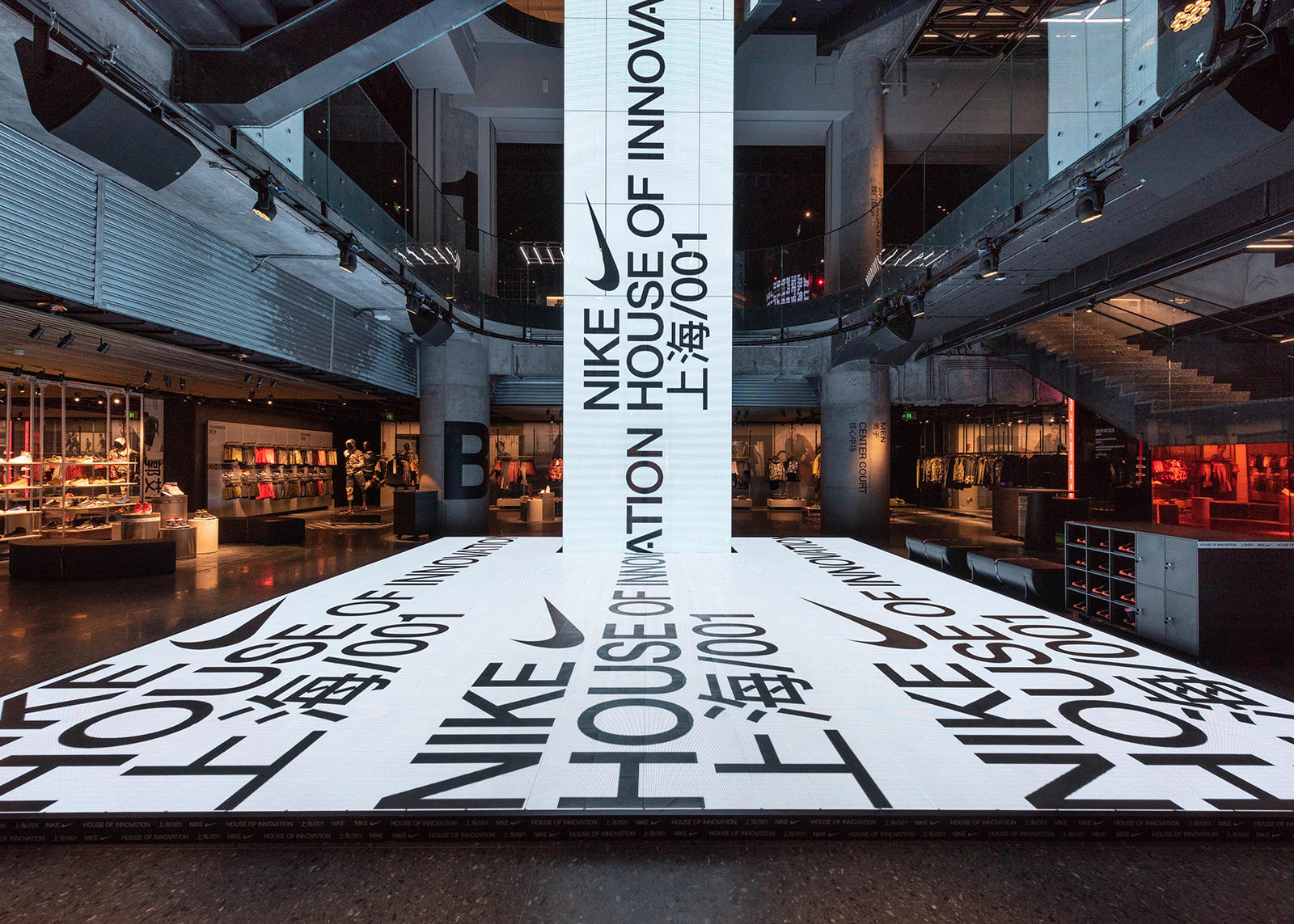
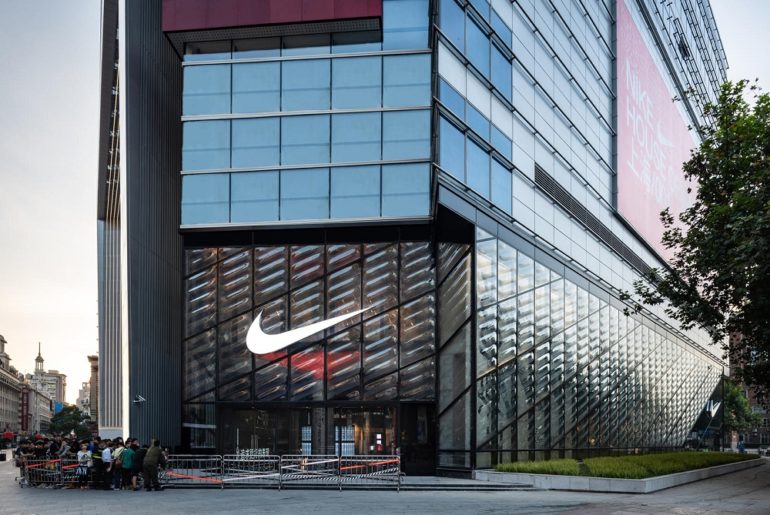
    Nike unveiled its first “House of Innovation”, located in Shanghai.

    The new store concept celebrates the brand’s innovations with rotating art installations, workshops, lectures and digitally-led trialing sessions. It also offers visitors exclusive products and collectibles that can’t be found anywhere else.

    On its website, Nike defined the retail space as “cross-category”, “consumer-focused” and “hyper-local”.

    Located in the Nanjing East Road shopping district, the store occupies four floors, spanning over more than 41,000 square feet.

    Access to the Nike Expert Studio, located on the top floor, is restricted to members of the brand’s membership club, NikePlus. There, they have access to even more exclusive items, personalized product picks and private sessions with athletes. NikePlus members can also have one-on-one sessions with a designer to customize select shoes by adding dip-dye, embroidery and other embellishments.

    The sportswear giant intends to launch several Houses of Innovation around the world, with a second store opening planned for New York City this fall. The company did not disclose where future shops will be located.

  • Vietnam’s latest fuel price hike spikes inflation concerns

    Vietnam’s latest fuel price hike spikes inflation concerns

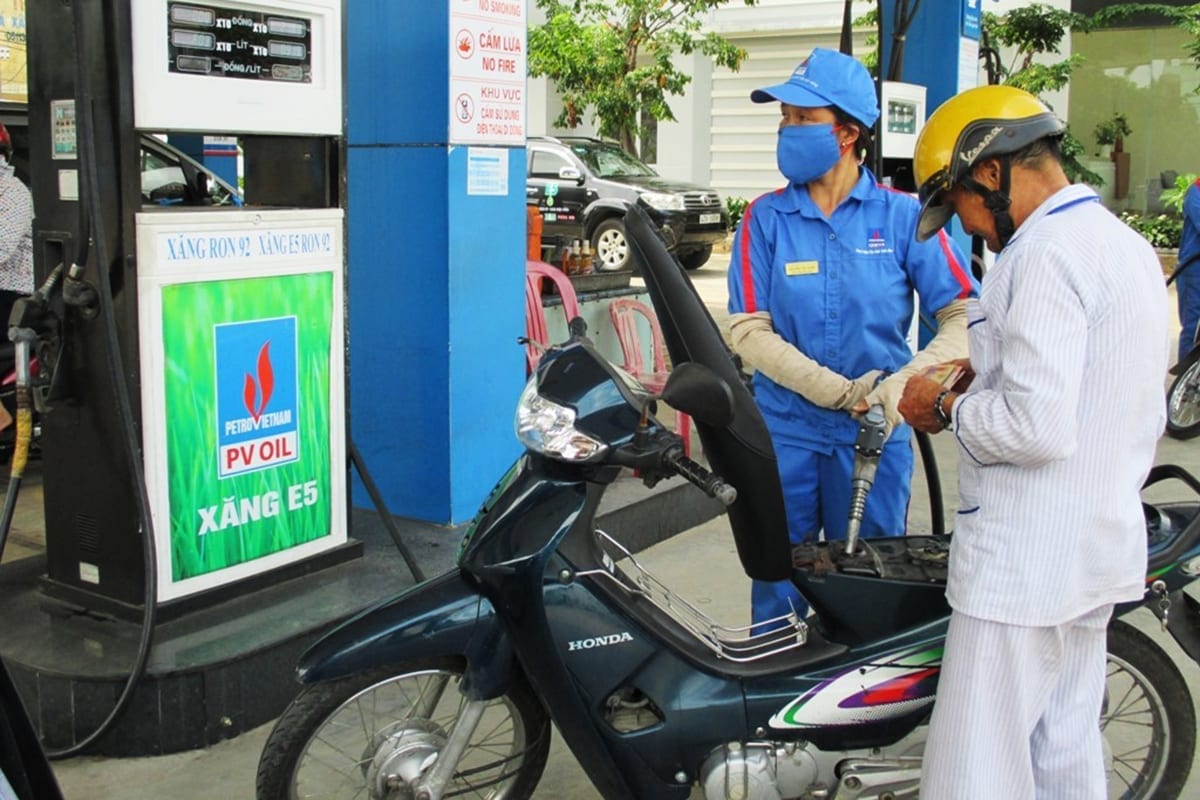
    Last weekend’s increase in fuel prices has stoked fears that Vietnam might not meet its 2018 inflation target.

    The ministries of Industry and Trade and Finance upped fuel price last Friday, and prices of biofuel E5 RON 92 went by VND675 per liter to VND20,906 (90 cents) and that of RON 95 by VND577 to VND22,347 (96 cents).

    Kerosene prices went up by VND485 to VND17,086 (73 cents) per liter and that of mazut oil by VND752 to VND15,694 (67 cents) per kilogram.

    The ministries said that the increase in domestic prices followed a rise in world fuel prices of 3-5 percent over the last 15 days.

    They said that a RON 92 barrel costs $90.36, RON 95, $92.40 and diesel, $96.89.

    This was the third fuel price hike since early September. In this period, the per liter price of E5 RON 92 went up by VND1,296 (5.6 cents) in total, while that of RON 95 rose by VND1,170 (5 cents).

    While the latest increase has raised concerns among economists that Vietnam will not be able to meet its inflation target for the year, transportation businesses are worried about immediate impacts.

    Lam Dai Vinh, director of a cargo business said that he had to raise his service prices as fuel price accounts for 40 percent of his costs.

    Although his customers were not happy, Vinh said that he had no other choice.

    Economist Nguyen Tri Hieu said that the fuel price hike is one of the contributing factors to higher consumer price index (CPI).

    Costs will increase for businesses, which in turn, will lead to higher goods prices and therefore affect inflation, he said.

    “It is unlikely that Vietnam will be able to keep inflation below its target of 4 percent this year,” Hieu added.

    Echoing Hieu, Ngo Tri Long, former director of the Market Research Institute under the Ministry of Finance, said that there are “variables” in the market that could negatively affect inflation this year.

    Inflation was at 3.57 percent from January to September this year, according to the General Statistic Office.

    Experts are concerned about other factors that could lead to higher inflation, including the Vietnamese currency, dong, falling against the US dollar as a result of the U.S.-China trade war and natural disasters that often occur in the second half of the year, making business target more difficult to meet.

    Oil firms grow

    However, local oil firms are seeing robust growth because of higher oil and petrol prices.

    PetroVietnam Drilling (PVD) saw the price of its stock on the HCMC Stock Exchange (HOSE) increase by 65 percent in the last 30 days because of increasing world prices.

    From September 21 to October 6, crude oil prices went up from $78.9 to $88.81 per barrel, while that of RON 95 rose from $84.16 to $92.4 per barrel.

    PVD board chair Do Van Khanh said that when crude oil prices go above $60 per barrel, the company’s oil rigs will not have to be put on hold, and when it reaches over $70, business will become stable.

    PetroVietnam Gas also saw revenues up by 41.5 percent in the first half of this year, because oil prices rose 36 percent year-on-year in the same period.

    The price of its stock on HOSE has gone up by over 40 percent to VND120,000 ($5.15) since early July.

    Vietnam’s fuel price is set to increase even more next year when the new environmental tax approved by the National Assembly’s Standing Committee takes effect.

    Starting January 1 the tax on petrol will increase from VND3,000 (13 cents) per liter to VND4,000 (17 cents), and on diesel from VND1,500 to VND2,000.

    The hike was scheduled for next year so that the government could keep inflation under 4 percent this year.

    Although the plan met strong public opposition during its draft phase, authorities defended it, saying it would bring VND15.7 trillion ($676.8 million) each year to the government’s coffers, and help to deal with environmental issues.

    In the first half of this year, Vietnam imported 7.07 million tonnes of fuel worth $4.66 billion, up 40.4 percent in value from the same time last year, according to Vietnam Customs.

    The country exported 1.6 million tonnes of fuel, worth over $1 billion, up 41.7 percent in value.

  • Korean restaurant Mom’s Touch to land in Singapore

    Korean restaurant Mom’s Touch to land in Singapore

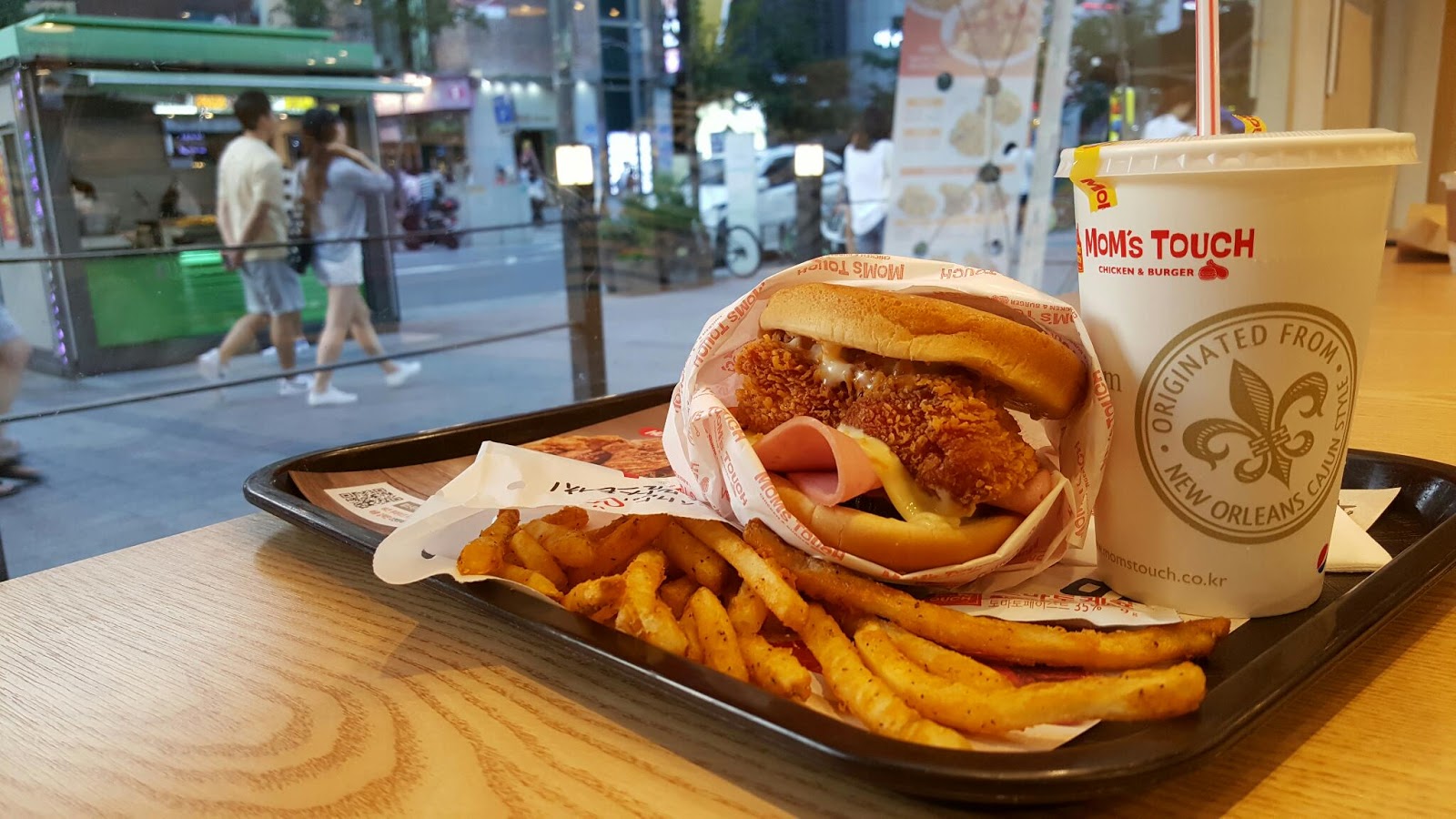
    No Signboard Holdings has entered into a master franchise agreement with South Korean Haimarrow Food Service and US firm HFS Global to develop and operate Mom’s Touch chicken and burger restaurants in Singapore and Malaysia.

    The group has been granted the right to operate the South Korean chain in Singapore and Malaysia for a period of 10 years – with an option to renew for another 10 years – from the date the group’s first Mom’s Touch restaurant commences operations (or on 2 January 2019, whichever is earlier).

    The company’s initial plan is to launch eight Mom’s Touch restaurants in Singapore and Malaysia within the first three years of the franchise agreement.

  • French pâtissier Christophe Michalak to open his first store in Japan

    French pâtissier Christophe Michalak to open his first store in Japan

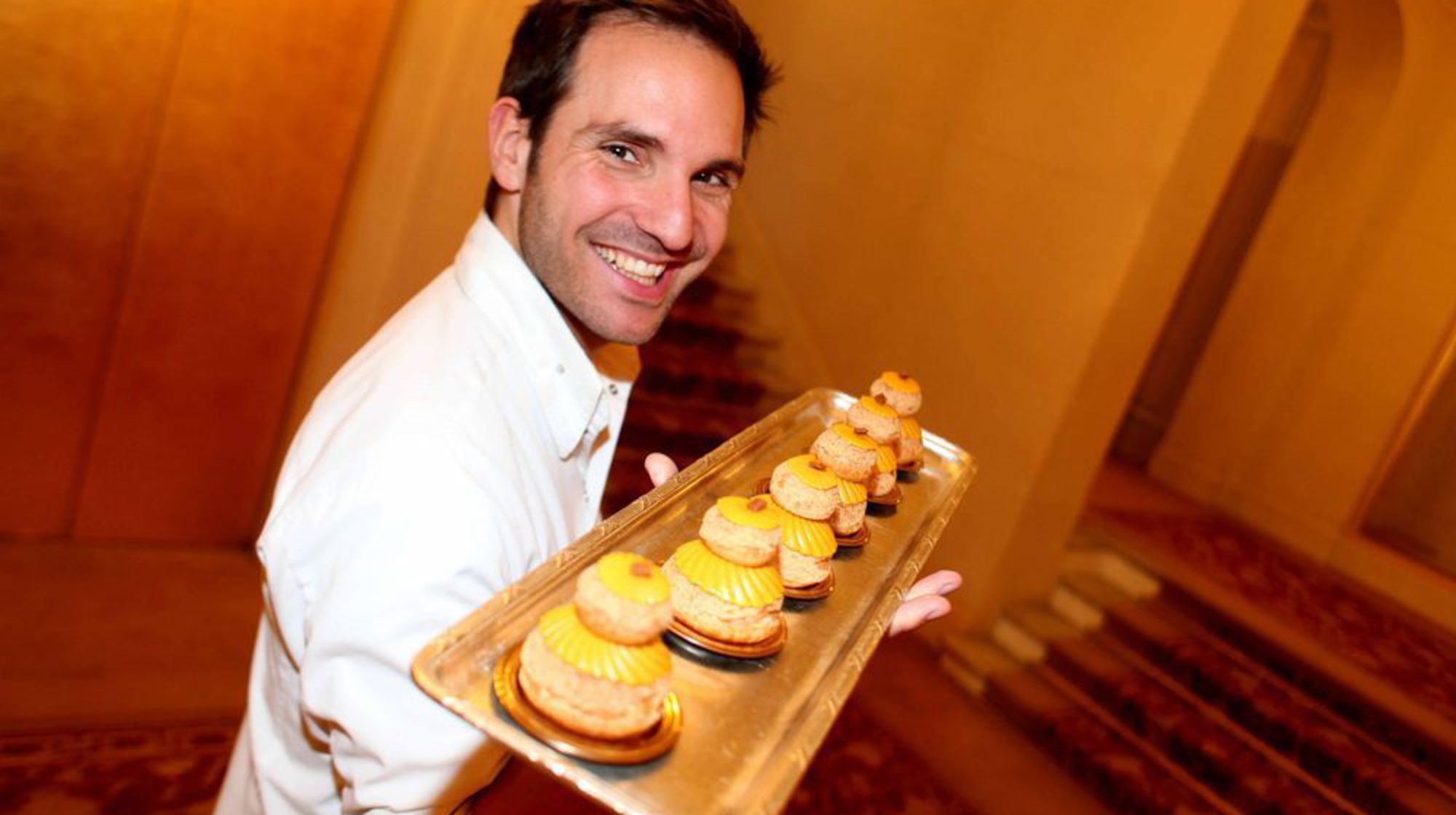
    French patisserie Christophe Michalak is about to open its first pastry store in Japan.

    The Michalak store opens tomorrow in Tokyo’s famous fashion district Omotesando.

    Michalak Omotesando will sell small desserts, cupcakes and items created to appeal to Japanese customers such as the Monkoeur which blends chocolate and passionfruit with the local citrus fruit the yuzu, in place of lime.

    A signature dish will be Kosmik, a small jar containing layers of mousse and sponge, which customers can customise.

    It will also serve savoury dishes such as quiche.

    Michalak operates four stores in Paris and chose Japan for his first overseas foray because he believes the nation to be home to some of the world’s best pastries.

  • Fung partners with French fashion label Ikks

    Fung partners with French fashion label Ikks

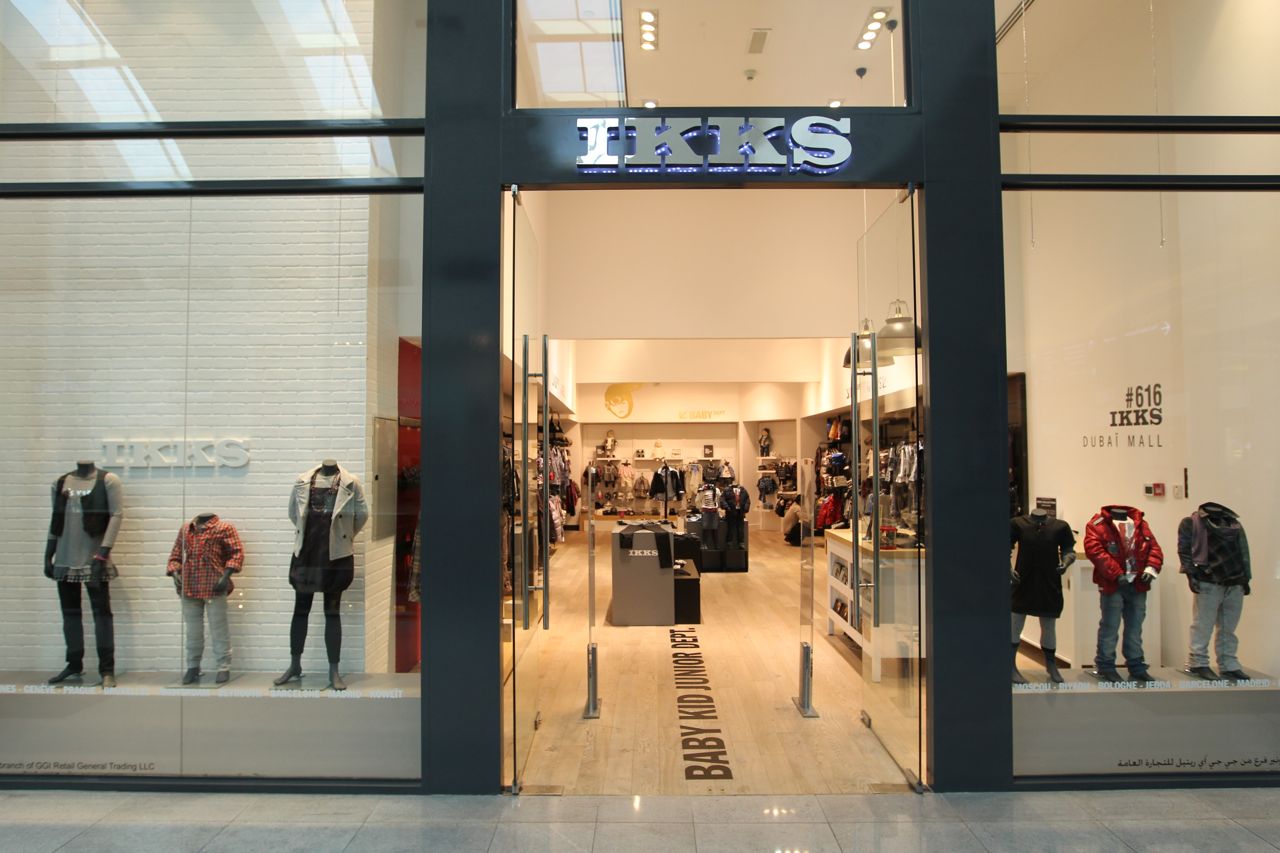
    French fashion label Ikks has launched in Mainland China after forming a partnership with Fung Kids.

    Four stores have been opened in Shanghai and Beijing focusing on the brand’s new childrenswear line, with more planned on both the mainland and in Hong Kong in advance of a wider Asian expansion.

    Ikks Group has 3600 outlets in 45 countries and reportedly plans to open 50 Ikks Paris Junior stores across China within the next four years.

    Childrenswear is a new category for Ikks, founded in 1987, which has previously specialised in womens fashion. The new range was launched last month, after being developed with the help of Fung Group.

    Ikks Group CEO Pierre-Andre Cauche said he hopes the Fung JV will help the brand expand its awareness in greater China.

    “Developing children’s clothing in China is a long-term project. We are certain that Chinese parents will appreciate the brand’s disruptive positioning which – it should be remembered – was the first label 30 years ago to have re-imagined kids fashion to copy the adult wardrobe,” he said.

  • Malaysia telco sector seen facing stiff headwinds

    Malaysia telco sector seen facing stiff headwinds

    The telecommunications (telco) sector is expected to face difficult headwinds given the heightened regulatory pressure and competition that is unlikely to abate anytime soon, said PublicInvest Research analyst Eltricia Foong.

    “We reckon that the operating landscape for both mobile and fixed-line operators will continue to be challenging. In the past, the fixed-line broadband market had been nonchalant but with the implementation of Mandatory Standard on Access Pricing (MSAP) following the change of federal government in May, this segment has since been hit by lower margin and greater competition,” she said in her report.

    With the implementation of MSAP, wholesale prices for network services are expected to be reduced by 8.7% to 12.1% between 2018 and 2020 while retail broadband prices are expected to decline 25% by end-2018.

    Although Telekom Malaysia (TM) currently monopolises the fixed-line fibre network, lower wholesale prices and the possible opening of its fibre network could mean greater competition in the future.

    Foong said the mobile segment has gone through a price war in recent years but judging from the relatively high profit margins enjoyed by operators, she believes that there is still room for further decline in prices, noting the risk of the regulator pressing for lower prices in the future.

    “We note that the mobile industry has been hit by price competition in recent years, particularly the postpaid segment where average revenue per unit (Arpu) has declined from a high of RM91 in 2013 to RM86 currently. Interestingly, prepaid Arpu has been holding up at around RM36 during the same period, though competition had temporarily brought down the rate to RM32 in 2016,” she said.

    She noted that Digi was hit the most, as its prepaid pricing was reduced from about RM40 in 2013 to RM32 currently.

    Operators in Malaysia continue to enjoy higher profit margin relative to regional peers, with net margins of between 10% and 24%. In Thailand, Indonesia and Singapore, operators’ net margins are between 2% and 20%.

    While the price competition that started in 2015 has led to lower profit for most telco players, Foong said, overall Arpu is not likely to improve but instead, may continue its downtrend, either due to market forces or regulatory pressure.

    “In an environment of falling revenues, cost optimisation will be the key for players to strive in this challenging telco industry. Digi and Maxis have proven track records in cost management while TM and Axiata are high-cost operators. This could also mean that there is limited scope for Digi and Maxis to extract greater cost efficiency going forward,” she said.

    For TM, the MSAP would result in lower revenue for its wholesale business and lower Arpu for Unifi services, and it is crucial for TM to achieve better cost efficiency in order to cushion the impact of further margin erosion.

    Foong said TM has the highest manpower cost as a percentage of revenue at 22% in FY17, compared to under 10% for the mobile operators. Although its high proportion of staff cost is justifiable with its extensive backhaul infrastructure, it is still lagging in terms of achieving optimal level of productivity.

    “Measured against revenue per employee, TM has the lowest count of RM500,000. Generally, we feel that any staff downsizing measures by TM would be costly and perhaps sensitive given the presence of labour union,” she said.

    Other costs that TM could potentially rationalise are supplies and materials, and maintenance costs.

    Given the weak prospect of declining revenue while cost rationalisation may be an uphill challenge for TM, Foong does not rule the possibility of TM being privatised in the future, which may make it easier for TM to restructure its operations.

    However, a merger between TM and Axiata is unlikely to materialise as the differences in corporate culture would impede a smooth integration process.

    Operators with good management track records like Digi and Maxis could still leverage on cost efficiency to minimise earnings decline in the near term, though the scope to do so is limited.

    Meanwhile, the less cost-efficient operators are likely to post a more significant drop in earnings in an environment of declining revenue, which would jeopardise their ability to maintain their historical dividend payout.

    “Prior to the onslaught of price competition in 2015, the telco sector had been paying attractive dividend but this has since deteriorated over the years. Between 2014 and 2019, our projected DPS CAGR for the sector is -12%.

    “In view of the unexciting earnings growth prospects, higher operating risk and lower dividend, we downgrade the telco sector to ‘underweight’. We cut our Arpu assumptions for FY19-20F for all the mobile operators and reduce terminal growth to 1.5%,” said Foong.

  • Hanoi plans second sports complex for SEA Games 2021

    Hanoi plans second sports complex for SEA Games 2021

    Capital city authorities have outlined this plan in a recent report to Prime Minister Nguyen Xuan Phuc, saying the upgrade is required because the condition of Hang Day stadium on Trinh Hoai Duc Street has severely deteriorated in recent years.

    The new complex would cost over VND6.3 trillion ($270.4 million), with funds raised from investors who operate the stadium for 50 years, the report said.

    The sports complex will be built on an area of 32,000 square meters, expanding the current area of 22,000 square meters.

    A deal for the upgrade was signed in March by domestic private firm T&T Group which manages the stadium, and French firm Bouygues Construction.

    The headquarters of the city’s Department of Planning and Investment nearby will be moved to another location to make space for the new complex.

    It will be the second international sports complex in Hanoi, after the My Dinh stadium in Nam Tu Liem District.The new stadium will have a capacity of 20,000 people, with several additional facilities including cinemas, event centers, parking basements and convenience stores.

    The Hang Day stadium is a multi-purpose facility which was first established for Hanoi’s École d’Education Physique (Hanoi’s School of Physical Education) in 1934. It was later expanded in 1958.

    In 2017, it was placed under the management of T&T Group, a corporation involved in finance, real estate and agriculture sectors.

    Hanoi will host the 31st edition of the Southeast Asian Games (SEA Games), which is scheduled to last 17 days, as well as the Para Games, for 11 days, from October to December in 2021.

    A total of 16,000 people are estimated to participate in the event, 11,000 of them athletes.

    This is the second time that Vietnam will be hosting the SEA Games after the first instance in 2003.

  • The digital opportunity for Coca Cola at Costa Coffee

    The digital opportunity for Coca Cola at Costa Coffee

    Coca-cola bought Costa Coffee for GBP3.9 billion (US$5.1 billion) recently. As a result of the deal, the US-based fizzy drink company will gain a strong cafe presence across Europe, Africa, the Middle East, and the Asia Pacific.

    So far, Costa has about 2,400 coffee shops in the UK, 1,400 coffee shops in 31 international markets, and more than 8,000 Costa Express self-serve units.

    Why your cash is no good at these bars and coffee shops

    On average, the brand has been in business for more than 40 years and has opened 289 new stores every year. In fact, prior to the deal, Costa was set on establishing a strong presence in China.

    The company also earned GBP1.167 billion (US$1.507 billion) in revenues in 2016. The figure pales in comparison to Starbucks’ revenues of US$22.39 billion (2017) but maybe in a couple of years, Costa might be in a position to lead the market.

    One of the biggest factors that will play to Coca-Cola’s advantage is that innovation is part of Costa’s DNA. “When I came to the business I could see the foundation was strong but we needed to invigorate and innovate. I want us to be famous for innovating,” said Costa MD Dominic Paul last year.

    The company even worked with startups in the UK to prepare itself for the digital world, and build the coffee shop of the future. “We want to build an experience that’s relevant in 2025,” said an executive at one of the company hackathons.

    Highlighting the digital opportunity

    Starbucks has access to plenty of data about its customers and their buying habits, and it does a fabulous job using technology to drive business growth — today.

    Costa Coffee, on the other hand, might not know as much about its customers but with Coca-Cola in the mix, the company has significant opportunities ahead of it.

    Coca-Cola owns brands like fairlife (milk), Dasani (water), Georgia (coffee), Nestea (ice-tea), Cappy (fruit juice) among several others.

    The company understands the beverage market and has data to map seasons, geographies, and other metrics to customer purchases — allowing Costa to enter new markets, draw up ideal customer personas to market to, and even create more targeted advertising.

    In fact, Costa Coffee could even follow in Starbucks’ footsteps and venture into the retail market, all on the strong shoulders of Coca-Cola.

    Here are a few technologies that Coca-Cola uses — that Costa could borrow and benefit from in the future:

    # 1 | AI-driven proof-of-purchase for loyalty program

    One reason why Starbucks has been able to collect mountains of customer data is that they offer a great loyalty program. In fact, since their loyalty program runs on an app, the company is able to send targeted messages and offers as well.

    Costa could ape the loyalty program that Starbucks offers, and it could make it better by incorporating features that award points for the purchase of ready to drink coffee products from supermarkets and retail outlets.

    In order to do so, the company could use the AI solution that Coca-Cola developed in partnership with Google last year — which is now part of most of the campaigns run by the fizzy drink company in the US.

    # 2 | AI-powered vending machine count

    In the digital age, vending machines are a good alternative to retail outlets, especially for the cafe industry.

    A large number of people across the globe wait in a queue every morning, only to take their coffee and bagel ‘to-go’. Having more vending machines could be a good way to solve the problem — especially if they’re stocked frequently.

    However, the problem then would be checking when a machine needs to be refilled. If Costa is to go down this route, it could leverage a solution that Coca-Cola developed in partnership with Salesforce.

    The ERP giant’s AI product had been trained to recognize, identify, and count the varieties and quantities of Coca-Cola bottles stored in one of its cooler display cabinets, simply by analyzing a photo taken with an iPad or iPhone.

    Further, using AI, the system can factor in seasonal variations, weather information, and upcoming promotions, to automatically calculate when the machines need to be restocked.

    # 3 | Big data to determine popular flavors

    Coca-Cola created Cherry Sprite based on data from hundreds of thousands of self-serve soft-drink fountains.

    It has developed strong big data capabilities and understand how to leverage data to determine how to create products that customers prefer.

    Using this knowledge, and data from Coca-Cola’s Georgia and other brands, Costa could create the perfect ready to drink beverages for customers, propelling itself ahead of the competition quite quickly — especially with Coca-Cola’s distribution and supply chain intelligence to support it.

  • Animal cafe trend a concern for wildlife experts in Cambodia

    Animal cafe trend a concern for wildlife experts in Cambodia

    As the trend to keep and display exotic animals in cafes in the Cambodian capital grows in popularity, wildlife experts have warned that the animal trade is largely unregulated and could be putting creatures at risk.

    Reptile Cafe, one of the city’s recent openings, is located on a quiet corner of Street 448 in Phnom Penh. Inside, a few cages filled with iguanas are displayed at the front door. On the left is a cage for a large red parrot, while further in, several other glass enclosures are filled with orange corn snakes, geckos and spiders.

    They are unlikely and unconventional coffee mates, but all of them have been brought into the country to spark the curiosity of customers, according to owner Chea Raty, 32.

    “Seeing the growing market for coffee shops, I had an idea and wanted to open a small cafe and show off the species that I love,” he said. He now has more than ten different species on show, which guests can freely interact with. And he plans to introduce more.

    “As some customers sip their coffee, they’ll see that others dare to hold these animals. And they too would want to try and touch them.”

    None of these animals, however, has proper documentation. Instead, they were registered as pets by the Ministry of Agriculture, Forestry and Fisheries.

    Similar to Raty, Nay Sokhondara, 25, said he started his Zoo Cafe four months ago after seeing the potential of combining coffee and animals.

    The species he keeps in his busy establishment include marmosets, guinea pigs, a chinchilla and a raccoon.

    “Many young people don’t know these animals, so I want to introduce them,” he said.

    Most of them were bought from a farm in Thailand, and some he brought back from Vietnam. He has no formal documents to bring them across the border and admitted to taking a risk in doing so.

    “I have some people there. I know them, so I can trust them. Then sometimes, I paid them also,” Sokhondara said. “I need to spend one day to transfer my pets individually.”

    None of the species, he added, is endangered and he too has registered them as house pets with a five-year licence. His next plan: To source a small kangaroo from Thailand and create a breeding farm.

    Sarah Brook, a technical adviser to Wildlife Conservation Society (WCS), said the trend of exhibiting wild animals is a worrying one.

    “Wild animals do not make good pets, so it not good to encourage this practice,” she said.

    “Even when bred in captivity they need a lot of care, a good diet and an environment similar to their natural habitat, and free of disturbance and stress.

    “I don’t think a cafe in Phnom Penh can provide that.”

    She added that Cambodia needs to take stronger legal action and implement better enforcement to prevent the illegal wildlife trade from thriving.

    “It is a very big problem in this region, for pets, meat, medicines and other products,” she said.

    However, Keo Omaliss, Director of Forestry Administration, played down the concerns and said these types of cases were inconsequential.

    “For Cambodia, I think there is not much cross-border illegal trade of wildlife. It is so little,” he said.

    He said there was no problem with the animals being registered inside Cambodia and put on display in captivity as long as they were not on the endangered species list, and that the purpose was to educate the general public.

    “Whether this activity affects the number of wild animals in the natural forest or not, this is something important we need to focus on. But if their activities are just to make people love animals, it’s a good thing,” he said.

    However, Nick Marx, Wildlife Alliance’s director of wildlife rescue and care, said these animals should be sent back to their natural habitats.

    “Keeping wild animals in small cages is unkind,” said Marx.

    “This kind of practice serves no benefit for conservation. It is clearly for entertainment to attract customers.”

    While Wildlife Alliance is working to combat the illegal trade of Cambodian wildlife within the country, he believed that these particular species were not indigenous to Cambodia and therefore not within his organisation’s jurisdiction to act and confiscate them.

    “It should be the job of the Cambodian government to make sure all these animals are kept properly and all these shop are acting legally.”

  • Singtel, affiliates sign eSports alliance

    Singtel, affiliates sign eSports alliance

    Singtel and four of its regional mobile associates have entered a collaboration agreement aimed at stimulating the gaming and eSports ecosystem in Southeast Asia, Australia and India.

    Singtel and wholly-owned Australian subsidiary Optus have signed agreements with India’s Bharti Airtel, Thailand’s AIS, the Philippines’ Globe Telecom and Indonesia’s Telkomsel covering areas including scaling up eSports, content creation and distribution.

    Singtel, Optus, Airtel, AIS, Globe and Telkomsel plan to jointly develop solutions and services for gamers and fans across the region, including providing access to local, regional and global eSports competitions, original content and exclusive programming.

    The agreement was signed at the Singtel Group’s first multi-title and regional eSports league championship – the PVP Esports Championship – over the weekend.

    The Singtel Group has announced plans to leverage its telco assets and regional mobile customer base of more than 700 million to pursue opportunities to encourage eSports development.

    Singtel also used the championship event to unveil its new ultra-fast fiber broadband service  for Singapore gamers, which includes 1Gbps of dedicated gaming bandwidth and another 1Gbps for general internet usage.

    “Gaming is part of a digital world without borders, where fast network speeds, connectivity and local market knowledge are critical. It is a natural and perfect fit for Singtel and our partners,” Singtel International CEO Arthur Lang said.

    “We are committed to working as a group to better serve the gamers in our networks, and in the region. We hope to play a major regional role as an enabler of eSports, to collectively grow the gaming ecosystem, and give gamers the support and recognition they deserve.”