Tag: asia

  • H&M invests $20M in payments firm Klarna

    H&M invests $20M in payments firm Klarna

    Fast-fashion retailer H&M has taken an investment stake of less than 1% in Swedish fintech company Klarna for $20 million, reported the Financial Times reported. Beginning next year, Klarna will provide both in-store and online payment services for H&M, beginning with 14 European countries, including the U.K. and Sweden, according to a press release. The partnership could expand into the U.S. and Asia.

    By integrating payments across H&M’s channels, the goal is to provide customers “a seamless, personalized and engaging shopping experience,” the press release said. The new capabilities will involve frictionless mobile, in-store and online payments and will simplify deliveries and returns. It will also allow shoppers to determine when and how they pay, including try-before-you-buy services.

    The next generation of the H&M app and H&M Club loyalty and payment program will include these new features, the companies said.

    Facing a declining stock price and following a 10-quarter same-store sales slump, H&M has been moving aggressively throughout 2018 to bolster technology and merchandising. In March the company reported declining profits because of “weak sales development as well as higher markdowns,” but CEO Karl-Johan Persson predicted 25% sales growth for the rest of the year. The company has refocused on e-commerce and refined its merchandising mix and store count, even closing stores so as to expand on Alibaba’s Tmall.

    The company is using big data and artificial intelligence to customize the assortments in individual stores. H&M wants to reduce markdowns by using algorithms to analyze store receipts, returns and loyalty-card data, and is testing the technology in a Stockholm store. In August, it announced the roll-out of a new e-commerce site and mobile app, equipped with visual search capabilities specifically for the U.S. market. H&M is testing voice interactive mirrors at its New York City flagship store, which offer selfies, style advice and discounts via QR codes.

    The retailer is also investing in its supply chain by making it faster, more flexible and efficient through the use of proximity sourcing and automated warehouses. H&M plans to bring RFID to 1,800 stores in 2019. Earlier this year, it announced the launch of a new brand called Nyden aimed at Millennials and their increasing rejection of fast fashion. This follows the introduction last year of stores with a broader range of apparel for men, women and children branded as Arket. These stores also include home goods and some have cafes.

    H&M is investing in advanced technology that spans its online and offline channels, products and support services such as payments. Now it has invested in Klarna, which is known for a technology that allows customers to arrange for financing at the point of sale. For H&M, the retailer hopes the partnership will smooth out and streamline its payments options, delivery and return processes.

    “We want to make it possible for customers to move freely between the various channels and choose how they want to shop and experience our offering online and in-store,” H&M Head of Business Development Daniel Claesson said in the release. “This partnership will bring tailor-made payment solutions to our customers and accommodate evolving shopping patterns and needs.”

  • Indonesia Central Bank says Alipay, WeChat non-compliant with e-transaction rules

    Indonesia Central Bank says Alipay, WeChat non-compliant with e-transaction rules

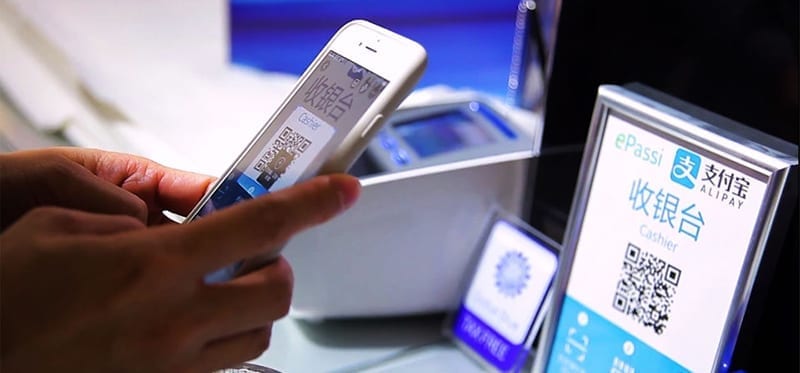
    Bank Indonesia has said that foreign consumer payment applications, like China’s Alipay and WeChat that Chinese tourists reportedly used in Bali, are not approved for local use.

    The central bank said the applications did not comply with regulations, in particular because they did not have a cooperation with local payment systems.

    BI payment system policy executive director Onny Widjanarko said in Jakarta on Thursday that all foreign payment applications, including Alipay and WeChat, were required to comply with Indonesian regulations. “Any payment system should be adjusted to existing regulations,” he said.

    Under the National Payment Gateway (GPN) system, any foreign principles involved in retail transactions are required to cooperate with local switching companies.

    Onny said foreign payment applications must meet two requirements to be approved for conducting transactions in Indonesia: establish cooperation with a local switching company and be connected to major Indonesian banks.

    “So far we have found two cases. The foreign payment apps have cooperated with local switching companies, but they are neither connected to nor are cooperating with Book 4 major banks,” Onny said. He also stressed that all transactions in the country were required to use the rupiah.

    He said BI had halted any transactions made through foreign payment apps that did not have a cooperation with local companies.

    Onny said the central bank would monitor the situation to ensure that all transactions were made through local switching companies in compliance with regulations.

  • Apple has redesigned new iPhones in China

    Apple has redesigned new iPhones in China

    Apple has made a rare special concession to Greater China with the design of its newest line of smartphones, revealing that new iPhone XS and iPhone XS Max produced for the market will not support the new eSIM feature.

    The eSIM feature, which supports two simultaneous carriers and is designed to allow more convenient switching between them, will not be available in Hong Kong, mainland China and Macau.

    Instead, the devices in these markets will offer slots for two physical SIM cards. This represents a rare case of Apple tailoring iPhones to a specific market.

    The report notes that it is unclear whether the special arrangement is to comply with any Chinese regulations, or merely as a result of pressure from the market’s operators reluctant to enable such easy switching between carriers, and Apple has not commented on the matter.

    But whatever the reason, the concession demonstrates that Apple is willing to take extraordinary steps to maintain its foothold in the world’s largest smartphone market. Greater China was responsible for around 20% of Apple’s total revenues during its 2017 financial year – around $45 billion.

    The company is under increasing competitive pressure from local vendors including Huawei and Xiaomi, which can differentiate by offering more locally oriented services.

  • Avison Young opens its first office in Asia

    Avison Young opens its first office in Asia

    Mark E. Rose, Chair and CEO of Avison Young, the world’s fastest-growing, private and Principal-led, global commercial real estate services firm, announced today that the company has opened a new office in Seoul, South Korea.

    The new Seoul office represents Avison Young’s first office in Asia, 85th office globally, and an additional step in the firm’s ongoing aggressive global growth and expansion strategy. Full operations in Seoul will begin on November 1, 2018.

    Over the past 10 years, Avison Young has grown from 11 to, now, 85 offices in 76 markets and from 300 to more than 2,700 real estate professionals in Canada, the U.S., MexicoEurope and Asia.

    Effective immediately, 63 new members, including brokerage and other service specialists, join Avison Young from Seoul, South Korea-based commercial real estate firm Mate Plus Advisors Co. Ltd. Byoung Gon Choi becomes a Principal of Avison Young’s Seoul Operations and Managing Director of the new office. He will focus on expanding Avison Young’s business-line coverage across South Korea, servicing new and existing clients, and managing the day-to-day operations of the office.

    Choi brings 34 years of commercial real estate experience in South Korea to Avison Young, most recently as CEO of Mate Plus Co. Ltd., a leading real estate property management company in Korea; CEO of its affiliate Mate Plus Advisors, which specializes in investment sales, retail, project management, asset management, leasing, research and advisory services; and CEO of Genstar, of which Mate Plus is a key affiliate.

    “The opening in Seoul represents another milestone in our global expansion strategy,” comments Rose. “We’re thrilled to be launching our first office in Asia in Seoul as we begin to fulfill our long-sought goal of entering the highly dynamic Asian marketplace and expanding our footprint across another continent. Furthermore, we’re delighted to have Byoung Gon Choi, who is a highly regarded commercial real estate professional, guiding our expansion program in Seoul and the rest of South KoreaByoung Gon’s ability to foster deep relationships is evident in his previous companies’ geographic and project-type diversity. He understands current market trends and uses that knowledge to provide creative solutions that meet each client’s unique business needs. He and his team, which include leading capital markets and corporate services professionals, have comprehensive knowledge of Seoul’s commercial real estate sectors and can also give clients highly strategic advice on asset management and property management. The new team’s experience and expertise will benefit our clients and company alike. We couldn’t be more pleased to have Byoung Gon and our other new colleagues on board.”

    Rose adds: “We believe that Seoul is an underserved market that offers great potential for increased local, national and international investment sales and leasing activity. Seoul, which has a young, highly educated and tech-savvy workforce, is a gateway to China and the rest of Asia. The new Seoul office will also enhance our ability to facilitate multi-market transactions – and sets us up for further expansion within the Pacific Rim.”

    Choi will work closely with Hiren Thakar, a Principal of Avison Young and the firm’s Chief Operations Officer, International Operations.

    “We were impressed by Byoung Gon’s professional manner in meeting client needs and his proactive approach to commercial real estate brokerage company management and service,” states Thakar. “A well-established industry leader, he and the entire Seoul team will fit well in our client-centric culture. We are already working on developing potential new partnerships and generating client assignments together. Furthermore, South Korea is a stable, rapidly growing Pacific Rim country that has become a destination for investors, landlords and occupiers as they seek to establish a foothold in the region. Each real estate sector is expanding rapidly and has a large, diverse client base. Byoung Gon and his team are experienced in working with international clients and have been successful at completing assignments throughout South Korea.”

    Today’s announcement follows Avison Young’s announcement on July 16, 2018 that Caisse de dépôt et placement du Québec (CDPQ), one of Canada’s leading institutional fund managers, has made a $250-million preferred equity investment to accelerate Avison Young’s strategic growth plan.

    Thakar adds: “The opening of our new Seoul office will allow us to capitalize further on CDPQ’s investment in Avison Young’s strategic initiatives. Our global team will continue to eye additional markets for expansion through the deployment of capital obtained via CDPQ’s recent investment.”

    Avison Young made its first investment under its strategic partnership with CDPQ by acquiring leading U.K. firm Wilkinson Williams LLP and opening a new office in London’s West End on August 1, 2018.

    “We are delighted to join the Avison Young family and be the faces of the company’s first office in Asia,” says Choi. “Avison Young’s entrepreneurial and collaborative culture resonates well with the way we conduct business in South Korea. Our team strongly expects that, by sharing in the benefits of Avison Young’s Principal-led and collaborative business philosophy, we can take our consulting services in South Korea to the next level. Moreover, in co-operation with Avison Young colleagues, we can complete the value chain, providing all types of commercial real estate services to clients.”

    Choi adds: “We believe that our clients will be better served by tapping into Avison Young’s global brand and resources. We look forward to working with our new colleagues throughout the company and developing many trans-Pacific partnerships on behalf of our clients. We also look forward to recruiting new top professionals as we expand the firm’s presence throughout South Korea.”

    Effective November 1, 2018Avison Young’s new Seoul office will be located at 9F Samhwa Tower, Eulji-ro-5-gil 16, Jung gu, Seoul, Korea 04539.

    Seoul, the capital of South Korea, is located on the Han River and serves as the main gateway and logistics hub for Northeast Asia. With a population of approximately 10 million, Seoul ranks among the world’s most dynamic marketplaces. The region is home to many manufacturing sectors, including steel, electronics, automobiles and auto parts, textiles and footwear, chemicals and pharmaceuticals. Other sectors with a strong presence include information and communications technology, financial technology, fashion and construction. International trade also plays a key role in the city’s economy, thanks to South Korea’s status as one of the world’s top exporters. The city’s workforce benefits from low local (5%) and national (4%) unemployment rates (as of August 2018). The World Bank’s latest rankings list South Korea fourth globally for ease of doing business. Seoul’s commercial real estate market features vibrant office, retail, industrial, multi-family and investment real estate sectors. However, the city is also known for its high levels of alternative assets, including data centres, self-storage facilities, student accommodation, education-related buildings and healthcare and seniors-care properties.
  • Vietnamese banks expect profits to rise

    Vietnamese banks expect profits to rise

    A newly-released central bank survey on business trends among Vietnamese banks found 72.6 percent saying their business situation had improved from the second quarter, with 15.8 percent reporting significant improvement.

    The survey, which was conducted in September, showed that over half, 56.8 percent, of the banks surveyed said that they have hired more staff in the third quarter, higher than the 46 percent in the second quarter.

    But 26.6 percent of them said they still need more staff and 61.5 percent planned to hire more people in the last quarter.

    The banks project lending to grow the most, followed by payments and deposits.

    Over 88 percent expect profits before tax to grow 18.6 percent on average from last year, higher than last year’s expectations of 13.6 percent.

    They expect capital mobilization on average will grow by 5.8 percent in the last quarter and 15.3 percent for the whole year, higher than last year’s 14.9 percent.

    The banks also forecast their outstanding loans to grow by 4.5 percent in the last quarter this year and by 15.2 percent for the whole year thanks to a stable mobilization interest rate.

    Vietnam has nine wholly-owned foreign banks, four state-owned banks and 31 joint-stock banks.

    The country’s credit growth in the first nine months of this year was 9.52 percent, lower than the 11.02 percent of the same period last year.

  • 3rd generation of Vietnam’s Bphone unveiled

    3rd generation of Vietnam’s Bphone unveiled

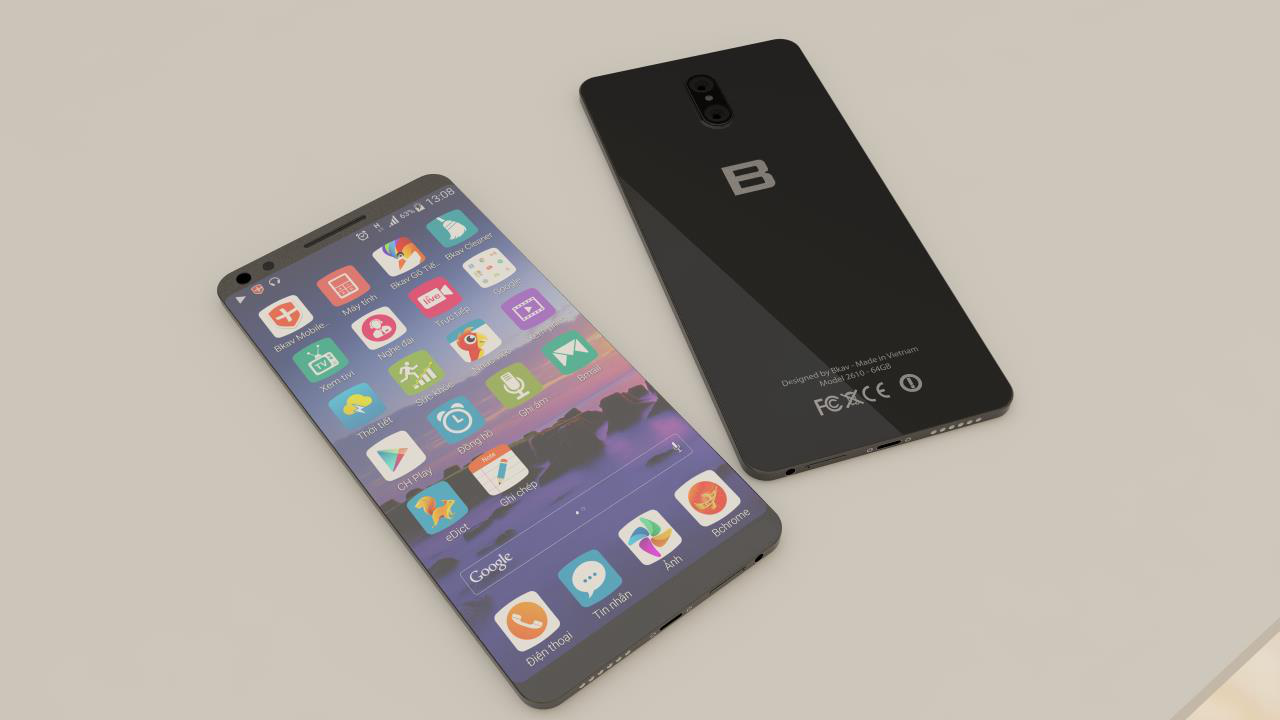
    Vietnam’s cyber security firm BKAV unveiled the third generation of its Bphone on Wednesday without a home button, pricing it from $300. It requires users to navigate to the home screen and apps by using hand gestures just like in Apple’s iPhone X.

    It comes in two versions, Bphone 3 and Bphone 3 Pro, and they have a six-inch 18:9 HD screen, Android 8.1 and a Snapdragon Qualcomm 636 chip, giving them twice the performance of the previous version, Bphone 2, according to BKAV. Company staff demonstrated this by playing the mobile game PUBG on the phones at the release event in Hanoi.

    The battery lasts 1.5 days and can be charged to 80 percent in 35 minutes with Quick Charge 3.0 technology at three times the average charging speed, the firm claimed.

    It is the first phone in the price range with IP68 waterproof rating, meaning it could be immersed in 1.5 meters of water for half an hour without a problem, BKAV stated. Vu Thanh Thang, Bphone vice chairman, said the phone would survive coffee spills and can even be washed with soap.

    Ninety percent of the phones’ parts are sourced from U.S. and Japanese suppliers, he added.

    It filters out all spam messages and phone calls, the company said. Bphone 3 comes with 3GB ram, 32GB storage and a microSD slot, while Bphone 3 Pro has 4GB and 64GB.Bphone 3 also has a new feature that allows people losing it to find it even when it is factory reset, not connected to the Internet or lacks a sim card.

    Bphone 3 is priced at VND6.99 million ($300), and the Pro version at 9.99 million ($430).

    Customers can start pre-ordering today, and shipping will begin October 19.

    Bphone 3 will be the only Vietnamese competitor in the Vietnamese mid-range phone market which is dominated with Korea’s Samsung, China’s Oppo and Huawei. Other popular phones in the same price range are the Huawei Nova 3i ($300), Galaxy A7 2018 ($330) and Oppo F9 ($330).

    BKAV produces antivirus software and provides cybersecurity solutions. Last year, the firm demonstrated in a Youtube video that it was able to fool Apple’s Face ID with a mask made with a 3D printer.

    The firm debuted the Bphone in May 2015. While initially warmly welcomed, the phone’s launch was disappointing to many buyers as it was only available online and the company had to delay delivery four times.

    The phone also caused controversy because despite being Vietnamese-made, 30 percent of the phone was manufactured by a Chinese firm.

    Bphone 2 was introduced last year, and 12,000 units have been sold, according to BKAV.

  • Indonesian logistics startup Waresix secures $1.6m funding

    Indonesian logistics startup Waresix secures $1.6m funding

    Indonesia’s US$240 billion logistics market is said to be growing by double digits per year. Tapping into that opportunity is Waresix, a startup that aims to improve warehouse services in Southeast Asia’s biggest economy.

    Waresix today announced that it has obtained US$1.6 million in pre-series A funding from investors led by East Ventures and Monk’s Hill Ventures.

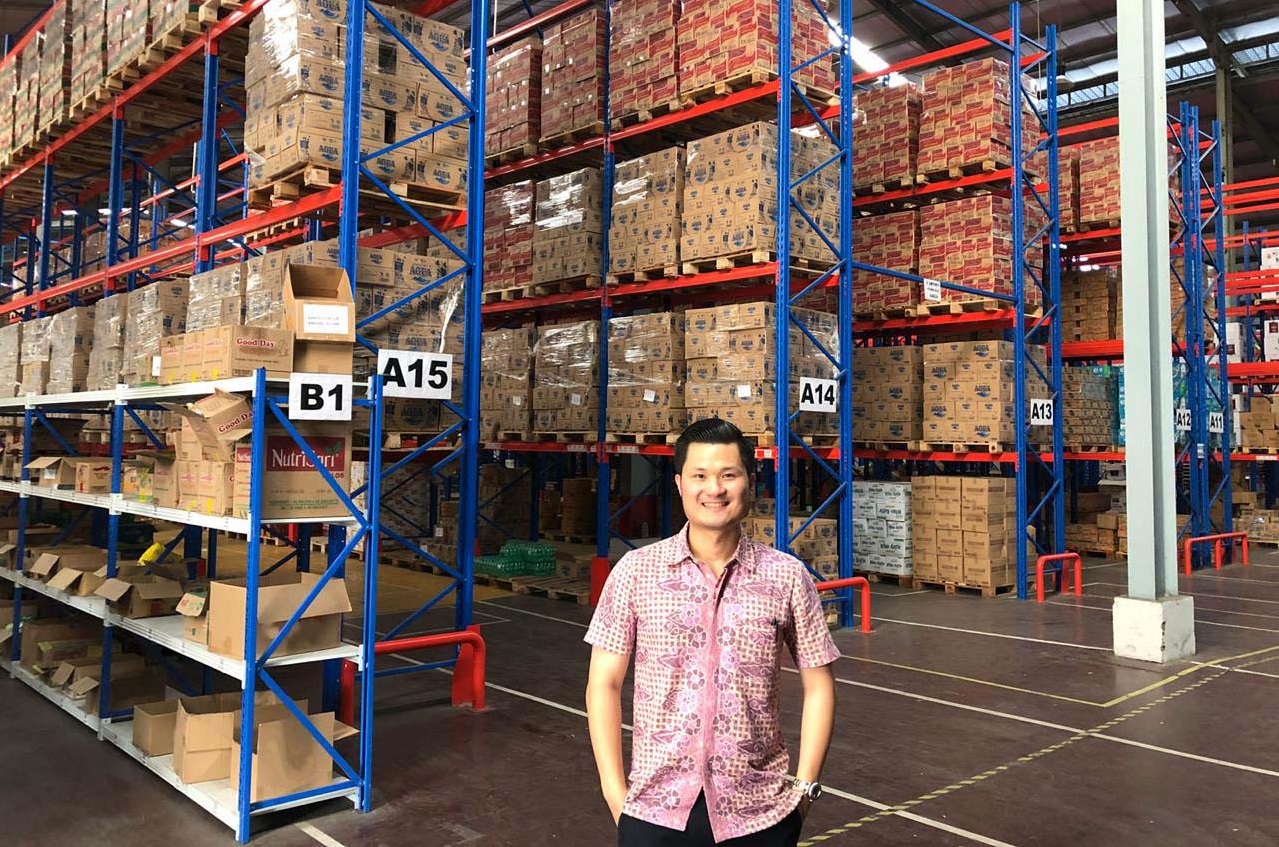
    Founded in 2017, the startup built a marketplace that connects businesses and individuals in need of warehouse space with warehouse operators. The site allows users to book a wide range of storage options in less than 24 hours. It also provides cross-border warehousing services for overseas customers looking to distribute goods in Indonesia.

    Waresix covers 26 cities across the archipelago. It has partnered with more than 75 warehouse operators that handle general cargo, retail fulfillment, and cold storage.

    Warehouse and fulfilment needs account for 16 percent of Indonesia’s logistics market – equal to a market size of over US$30 billion, according to market estimates. This segment is expected to expand significantly alongside the country’s ecommerce sector.

    “As the ecommerce industry grows at extremely fast pace, it’s important to ensure that movement of goods is as efficient as possible – which makes the warehousing industry an inevitable part of supply chain optimization,” explains East Ventures managing partner Willson Cuaca.

    SMDV and Triputra Group were the other investors that participated in this latest fundraise, which comes months after Waresix raised its seed round.

  • Lion Air Temporarily Shuts Down Domestic and International Flights

    Lion Air Temporarily Shuts Down Domestic and International Flights

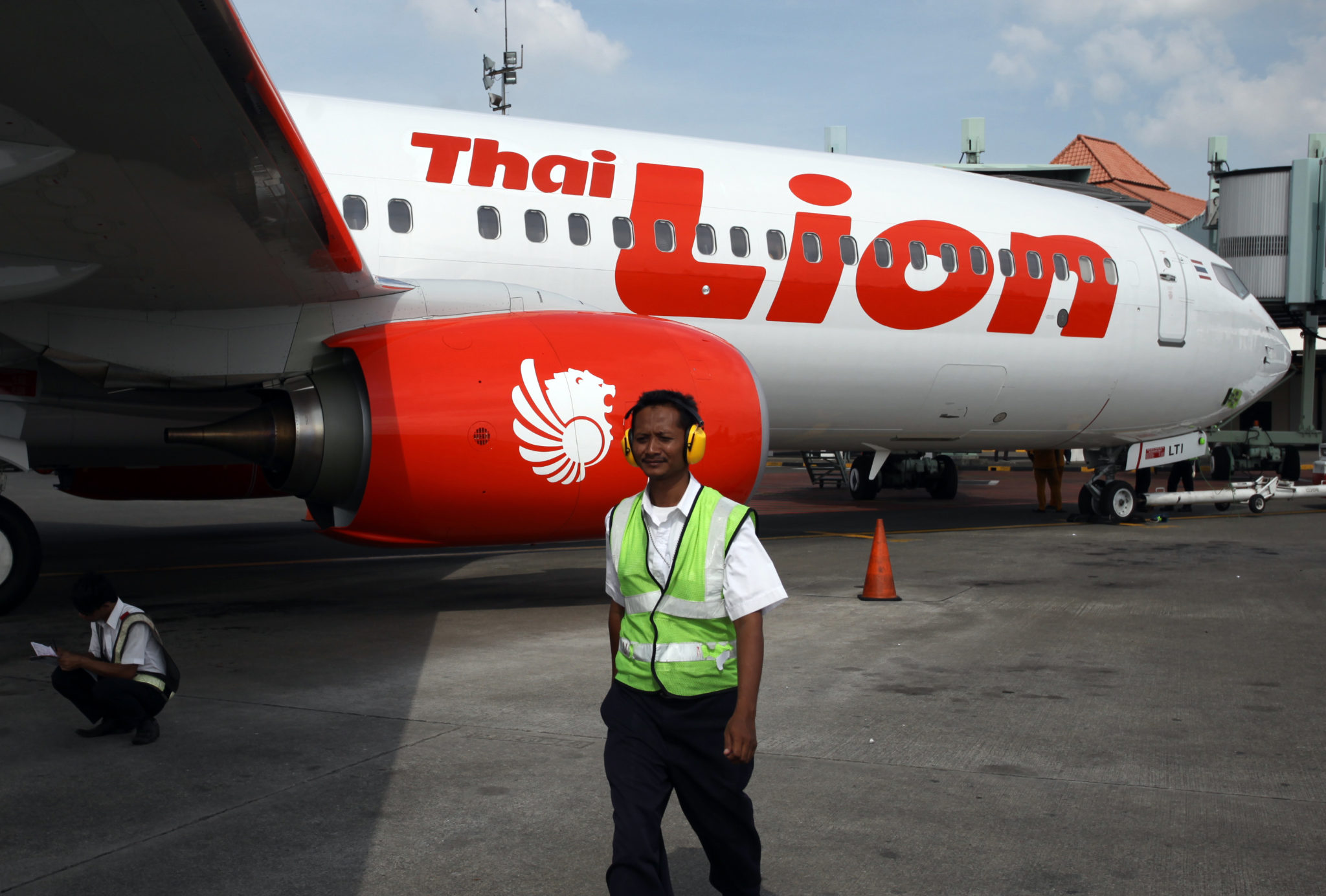
    Budget airline Lion Air has temporarily shut down 93 domestic and two international flights following harsh sanctions imposed by the Transportation Ministry for an immigration debacle at the Soekarno Hatta Airport last week—when international passengers were taken by Lion Air ground-handlers to the domestic instead of the international arrivals terminal—a ministry official said.

    The ministry’s air transportation director Maryati Karma said Lion Air has temporarily shut down 217 flights on 93 domestic routes and 10 flights on two international routes since the sanctions were imposed.

    The self-imposed shutdown will be effective from May 18 to June 18.

    The ministry handed a five-day suspension to all of Lion Air’s ground handling operators last week. Earlier this month, the ministry also banned the controversial airline from launching new domestic routes in the next five months after a pilot strike.

    Lion Air’s ground handling staff reportedly took 182 passengers arriving on a flight from Singapore on May 10 to Soekarno-Hatta airport’s domestic arrivals terminal instead of its international arrivals terminal, bypassing immigration checkpoints in the process.

    Maryati said Lion Air is still responsible for refunding tickets or offering alternative flights for passengers who have booked seats in the cancelled flights by June 18 at the latest.

    “If they don’t meet the deadline, we will revoke the permits on those routes permanently,” Maryati said during a press briefing in Jakarta.

    Edward Sirait, President Director of Lion Air, confirmed the temporary flight shutdown, saying it will apply on busy routes for the airline, including Jakarta-Makassar, Jakarta-Kualanamu, Jakarta-Singapore and Kualanamu-Penang.

    “The shutdown is not caused by the sanctions, but because of the low season ahead of Ramadan in June,” Edward said as reported by Antara news agency.

  • Philippines finally sets terms of third telco selection

    Philippines finally sets terms of third telco selection

    The Philippines’ telecoms ministry and regulator has finally published the formal terms of the selection process for the market’s third operator.

    The final terms of reference for the beauty contest style selection process have been released by the Department of Information and Communications Technology and National Telecommunications Commission (NTC).

    Compared to the most recent draft, the final terms give a heavier weight to guaranteed internet speeds and allow more flexible terms on payment of performance security bonds, the report states.

    Now that the terms have been released, the NTC plans to commence the sale of bid documents for 1 million pesos ($18,450) each on October 6, and has set a bid submission deadline of November 5.

    A winner will be selected based on the highest committed level of service, including population coverage and internet speed promises, over a five-year commitment period.

    With the modified weighting, the most important criteria is now national population coverage, which will be weighted at 40%. The weighting for capex and opex commitments has meanwhile been decreased to 35% with the weight for minimum average broadband speed increased to 25%.

    The draft terms of reference for the selection of the third telco to break the Philippines’ telecoms duopoly of Globe and PLDT were released in February.

    These terms have been subject to multiple revisions, delaying the selection process. But after Philippine president Rodrigo Duterte threatened to personally intervene in the process and select a winner himself in “about 30 minutes,” the regulator responded by quickly reaching agreement on the final terms.

  • YouTube banking on premium subs to raise revenue

    YouTube banking on premium subs to raise revenue

    Research firm emarketer forecasts that video ad spend will reach $20 billion by 2020. Unfortunately for YouTube, rival video advertisement platforms (media types) are expanding.

    YouTube’s competition is increasingly coming from specialist platforms, such as Twitch and Instagram. Apple iTunes is also drawing from the population of music-video viewers who have traditionally helped differentiate YouTube from its ad-supported competitors.

    To address rising competition in the advertising market, Google-owned YouTube is diversifying its business model by rebranding and expanding its YouTube Premium subscription service and other measures to raise revenue, while maintaining the company’s position as the world’s leading online video platform.

    The current markets for YouTube Premium, excluding the music-only tier, are expected to generate revenue of nearly $2 billion in 2022, according to research firm IHS Markit.

    “To date, online video advertising growth has been fueled by the movement of advertising budgets, particularly from traditional TV – a rising tide that has lifted all the major platforms,” said Dan Cryan, the company’s executive director of digital media.

    “At some point, this budget migration will slow, however, and the battle for audiences will be intensified as a battle for ad spending.”

    Revenue generated by YouTube Premium in 2022 equates to 7% of the $27 billion the company is expected to make worldwide from advertising. Nearly three-quarters (73%) of YouTube Premium subscription revenue will come from the United States, followed by Europe with 13%, Asia-Pacific with 6%, and Mexico and Canada making up the remaining 9%.

    Content monetization methods outside of advertising will help to deliver higher revenues to its content producers, keeping them loyal to the platform and by extension, their audiences. Examples of these methods include paid individual channel subscriptions, an integrated merchandise store and the recently expanded and rebranded YouTube Premium subscription.

    “The YouTube Premium subscription leans into its position as a music platform, to drive uptake and expand its offer,” said Max Signorelli, home entertainment research analyst for IHS Markit.

    “[This is] a well justified move considering the exceptional growth of Spotify and Apple Music subscriptions, which between them gained 3.5 million subscribers per month in the first quarter of this year.”

  • APAC telcos to have 477m 5G subs by 2023

    APAC telcos to have 477m 5G subs by 2023

    Asia-Pacific’s mobile operators are expected to have a combined 477 million 5G subscriptions by 2023, according to GlobalData.

    In a new report,  the research firm said that it expects the first 5G service launches by operators in the region next year.

    Total mobile users in Asia-Pacific are meanwhile on track to reach 2.87 billion by the end of the year, growing to 3.3 billion by the end of 2023, for a CAGR of 2.8%.

    Subscription growth will be driven by the expansion of wireless networks in underserved markets, GlobalData predicted.

    Meanwhile 4G will become the dominant mobile technology by share of subscriptions this year, outnumbering 2G for the first time.

    The total LTE market share is on track to nearly double by the end of the forecast period in 2023 driven by continuous expansion of LTE networks by operators in the region.

    Data services revenue is meanwhile predicted to account for 60.3% of total mobile service revenue generated by operators in the region between 2018 and 2023.

    GlobalData has also estimated that MVNOs in Asia-Pacific have around 194 million subscribers, accounting for 4% of the total market.

  • SingMeng to acquire Digi Cambodia

    SingMeng to acquire Digi Cambodia

    Cambodia’s SingMeng Telemedia has announced plans to acquire and merge with Digi to create an operator with a range of services including internet, entertainment, voice, and enterprise solutions.

    The planned merger is expected to complete in October, the companies announced this week.

    SingMeng offers triple play and smart TV services, a well as broadband, mobile TV and VoIP services businesses. The company operates over 6,000km of fiber across Cambodia.

    Digi is the market leader of Cambodia’s residential internet market, operating a FTTH network in the nation. SingMeng will be able to leverage Digi’s market footprint to expand the addressable market for its triple play and media offerings.

    “The acquisition of Digi will not only bring SingMeng entertainment and Triple Play service to Digi customers, but it will also allow us to offer more options to Cambodians,” SingMeng CEO Sarah Xiaohua Wang said.

    “SingMeng is committed to invest on innovation and bringing international service standard to the local market. Unlike other transactions that are premised on excessive cost cuts, this merger is about growth, which will create more opportunities for employees as we will serve more people in more places.”

  • Malaysia’s Parkson may close fifth Vietnam mall

    Malaysia’s Parkson may close fifth Vietnam mall

    Malaysia’s Parkson is apparently shutting down its fifth mall in Vietnam after suffering serious losses in recent years. Although the company has not made any official announcement, its name-board has been taken down from the Cantavil An Phu builing in Ho Chi Minh City’s District 2.

    If it shuts down, it would be the second outlet in HCMC that the company is downing the shutters on this year, following Parkson Flemington in District 11, and would bring the number of Parkson stores in Vietnam down to five, of which three are in HCMC, one in northern Hai Phong City and one in central Da Nang City.

    Previously, the firm had shut down its two outlets in Hanoi.

    Parkson, the first international mall to open in HCMC, has been reporting losses in recent years. Among its four markets – Malaysia, Indonesia, Myanmar and Vietnam, the last mentioned has been the worst performer in the fourth quarter of the fiscal year ending June 30, according to a report by Parkson Retail Asia.

    Vietnam had a negative growth of -14.6 percent in the fourth quarter and -8.3 percent in the fiscal year ending June 30 this year, it said.

    “The operating environment in Vietnam remains challenging amidst a crowded retail scene, wherein intensive promotional activities had to be carried out to capture sales,” the report said.

    Vu Vinh Phu, former chairman of the Hanoi Supermarket Association, said that Parkson was able to operate well when it first came to Vietnam more than 10 years ago as the number of competing malls then in the country was low.

    But market has become much more competitive now, with many new malls offering more than just a shopping experience, making them a place for entertainment and food, Phu told local media.

    Even though Parkson is one of the earliest comers, without a change in strategy, it will have to leave Vietnam sooner or later, he added.

    Parkson, a premium retail group from Malaysia, entered Vietnam in 2005 and developed a premium shopping mall chain in the big cities of HCMC, Hanoi, Hai Phong and Da Nang.

    It was touted as one of the highest-potential players in the retail market, planning to open 2-3 malls a year in Vietnam’s big cities.

    The entrance of other foreign companies like Thailand’s Central Group, South Korea’s Lotte and Japan’s Aeon as well as Vietnamese firms like Vingroup, Bitexco and Sun Group has changed things.

    Japanese retailer Aeon owns a mall in Hanoi’s Long Bien District and has another one in Ha Dong District under construction. It is planning other malls in Hai Phong and HCMC.

    Vietnam’s Sun Group opened the Sun Plaza mall in April and is building another one in Hanoi.

    Vietnam was one of 30 countries with the most vibrant retail market in the world, with retail sales of $129 billion last year, an 11 percent growth over the previous year, according to the Ministry of Industry and Trade.

  • Docomo launches prepaid Wi-Fi for travelers

    Docomo launches prepaid Wi-Fi for travelers

    Japan’s NTT Docomo has introduced a new prepaid Wi-Fi service for travelers to the nation, offering easy access to its national network of public wireless LAN hotspots.

    The new functionality is being added to the operator’s Japan Welcome SIM prepaid SIM service for tourists and business travelers.

    The service supports high-speed downloads at speeds of up to 988Mbps, and also provides access to Docomo’s LTE and 3G networks. It is offered through plans starting at 1,080 yen ($10) for no bundled data allowance, or 1,836 yen with 600MB of include data.

    Customers have the option to recharge their data allowance by viewing ads or answering questionnaires, and additional data can be purchased for rates starting at 100MB for 216 yen. A free plan with no bundled data allowance is available.

    Docomo is also extending the service period of the prepaid SIMs from five to 20 days, and has introduced an XL version of the plan for 3,024 yen with 2GB of data. As a promotion, the company will offer the XL plan at 1,944 yen for the first 999 customers using a coupon code.

  • AirAsia to become a travel technology company

    AirAsia to become a travel technology company

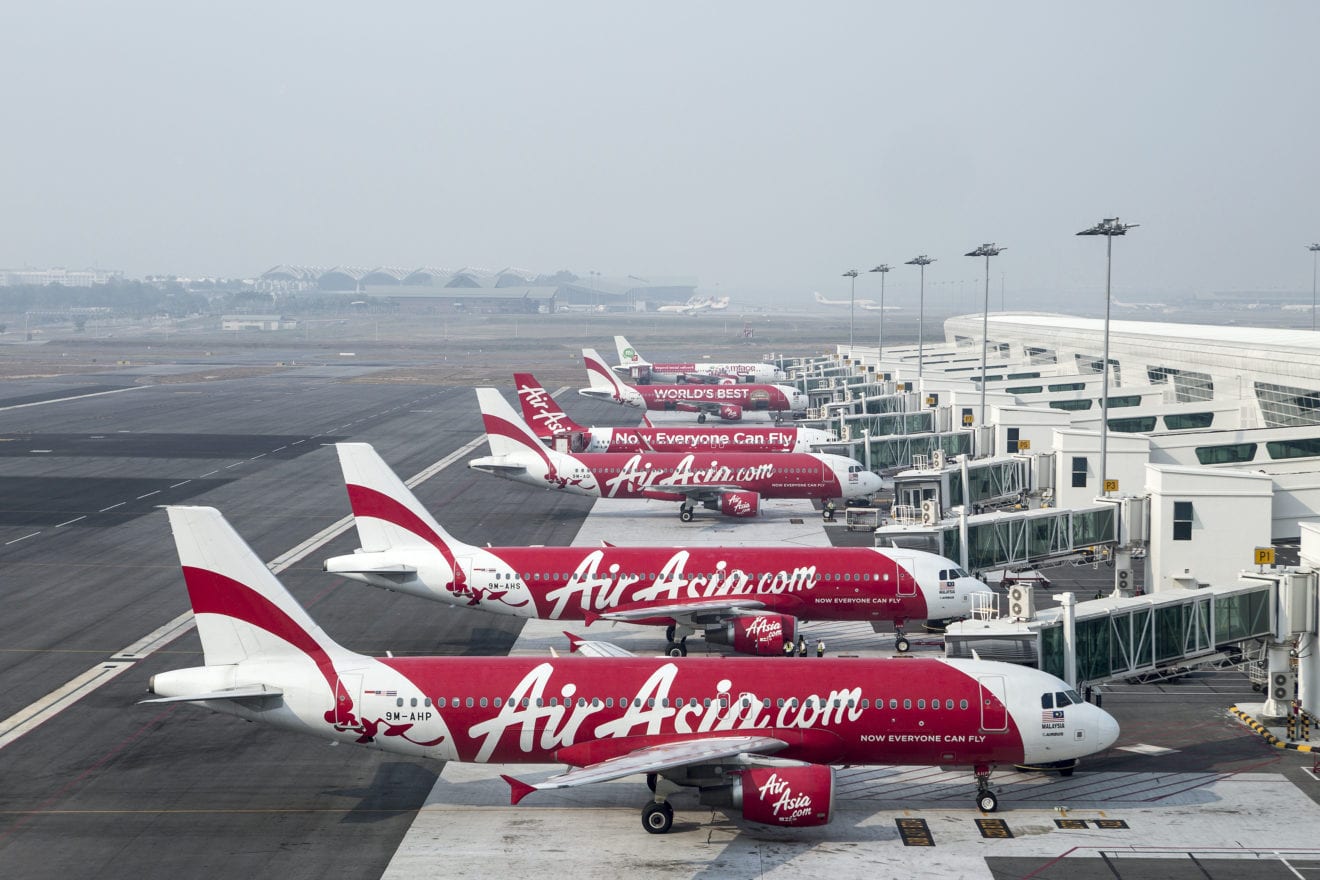
    AirAsia is integrating Google Cloud’s machine learning and AI (artificial intelligence) technologies into every aspect of its business, as part of its transformation into a travel technology company.

    Speaking at the Google Cloud Next London ‘18 event, AirAsia group chief executive officer Tan Sri Tony Fernandes said, “It’s a huge mission, but we’ve never done anything easy.”

    “We are now in our next phase of development where we are expanding beyond air transport, and digitalising our operations and processes to become more efficient.”

    Google Cloud will allow AirAsia to make full use of the mountain of data it already owns, opening up opportunities for the carrier to build new businesses.

    AirAsia is building two big platforms – airasia.com, its one-stop digital travel platform to meet the travel needs of customers for flight, accommodation, tours, ground transport and entertainment; and BigLife which it claims will be “like Kayak, Tripadvisor, Groupon and eBay rolled into one”.

    “BigLife will incorporate all the investments under our digital arm Redbeat Ventures, such as our money app BigPay, in-flight connectivity platform Rokki, online marketplace Ourshop and logistics services RedBox and RedCargo.

    “Both platforms will help drive more business into AirAsia with the help of data,” he said.

    According to Google Cloud chief executive officer Diane Greene, AirAsia started using Google’s services with G Suite to transform the way the company works.

    “Now, with our advanced analytics platform and machine learning services, AirAsia will be able to digitise every aspect of its business to better serve its customers,” she added.

    AirAsia also hopes to use Google Cloud to maximise operational efficiency and reduce risk through predictive maintenance, real-time weather forecasting and crew optimisation.

    On top of that it aims to improve demand forecasting and targeted marketing and provide more personalised experiences to increase customer loyalty.

    AirAsia will also be able to enroll its technical teams in the same programme Google Cloud uses to train its engineers, allowing the airline to build its own internal machine learning system.

    To view Tony’s presentation on how AirAsia will work with Google Cloud to become a travel technology company, visit g.co/cloud/nextonair18.