Tag: asia

  • IoT malware grew threefold in H1

    IoT malware grew threefold in H1

    In the first half of 2018, IoT devices were attacked with more than 120,000 modifications of malware, according to the Kaspersky Lab IoT report. That’s more than triple the amount of IoT malware seen in the whole of 2017.

    Kaspersky Lab warns that the snowballing growth of malware families for smart devices is a continuation of a dangerous trend: 2017 also saw the number of smart device malware modifications rise to 10 times the amount seen in 2016.

    The market for IoT devices and their role in everyday life, is growing exponentially. But cybercriminals are seeing the financial opportunities too, and are multiplying and differentiating their attacks as a result.

    The danger for consumers who love their IoT gadgets, is that threats can strike unexpectedly, turning seemingly harmless devices into powerful machines for illegal activity. This can include malicious cryptocurrency mining, DDoS attacks, or the discreet inclusion of devices in botnet activities.

    Aware of these dangers, Kaspersky Lab experts regularly review the data collected from various sources including our honeypots – decoy devices used to attract the attention of cybercriminals and analyze their activities. The latest updates are striking: during the first half of 2018, the number of malware modifications aimed at IoT devices registered by researchers was more than three times higher than the number registered in the whole of 2017.

    The statistics show that the most popular method of IoT malware propagation is still the brute forcing of passwords – repetitive attempts at various password combinations. Brute forcing was used in 93% of detected attacks. In most of the remaining cases, access to an IoT device was gained using well-known exploits.

    The devices most often attacking Kaspersky Lab honeypots were routers (by a large margin). 60% of the registered attempts to attack our virtual devices were coming from them. The remaining share of compromised IoT gadgets included a variety of different technologies, such as DVR-devices and printers. The honeypots even registered an attack coming from 33 washing machines.

    Different cybercriminals may have different reasons to exploit IoT, but the most popular goal is to facilitate DDoS-attacks by creating botnets. Some malware modifications are also tailored to turn off competing malware, fix its own vulnerabilities and shutdown vulnerable services on the device.

    “Compared to personal computers and smartphones, IoT devices might not seem powerful enough to attract cybercriminals and be used in their illegal activity,” notes Mikhail Kuzin, security researcher at Kaspersky Lab. “However, their lack of performance is more than outweighed by their number, and the fact that some smart gadget manufacturers are still not paying enough attention to the security of their products.”

    Kuzin adds that even if vendors begin to provide their devices with better security now, it will be a while before old vulnerable devices have been phased out of our homes.

    “In addition, IoT malware families are customizing and developing very fast, and while previously exploited breaches have not been fixed, criminals are constantly discovering new ones. IoT products have therefore become an easy target for cybercriminals who can turn simple machines into a powerful device for illegal activity, such as spying, stealing and blackmailing.”
  • Bamboo Airways postpones maiden flight

    Bamboo Airways postpones maiden flight

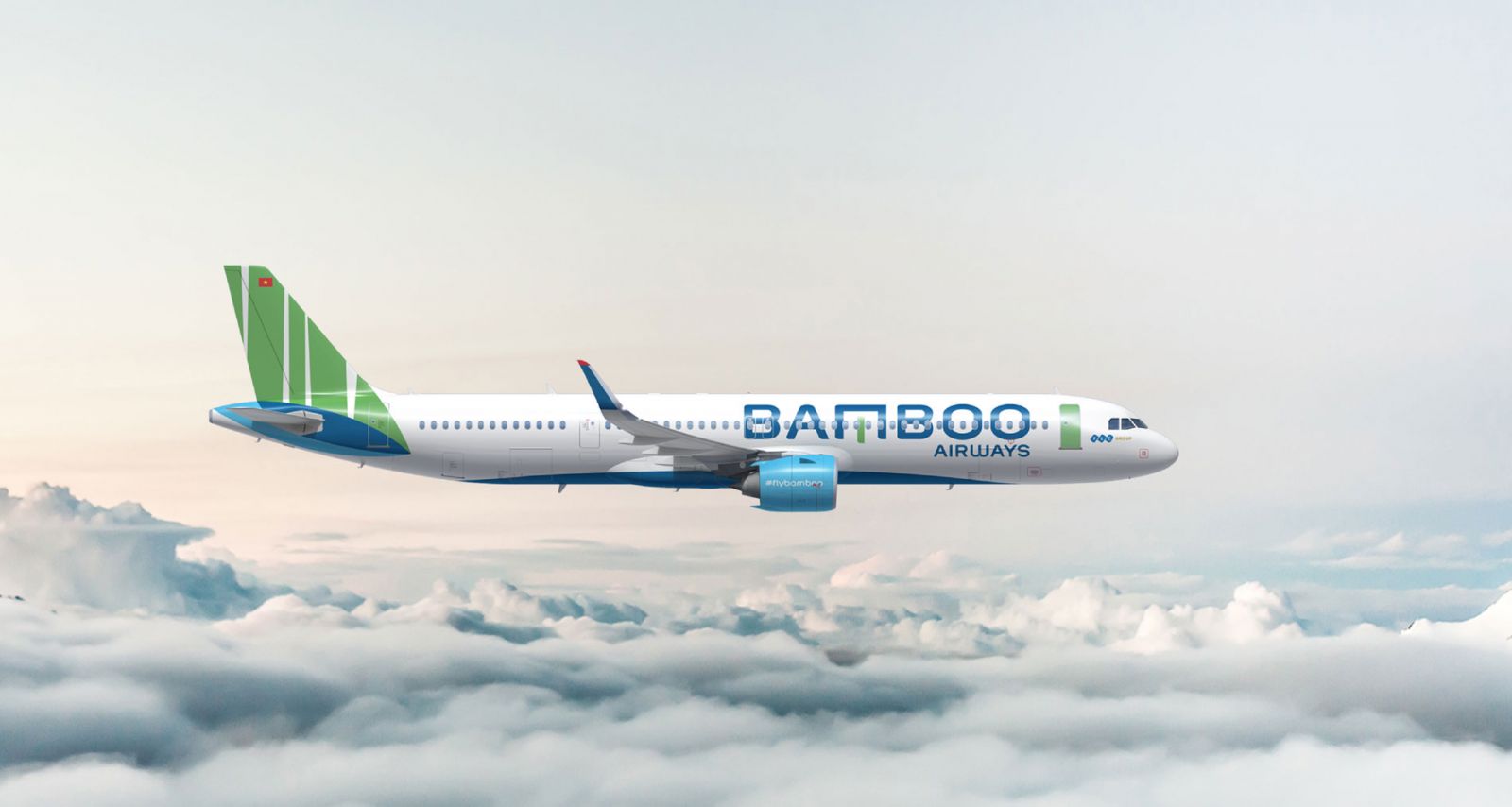
    The carrier, owned by Vietnamese private firm FLC Group, is yet to receive its license. The delay in getting its license meant that the airline also missed out on its plans to start selling tickets from September 2.

    A Ministry of Transport official, who declined to be named, told Monday that the licensing procedures for the airline have not been completed. An official of Vietnam Aviation Authority also confirmed that the flight permit could not be granted on time to the airline.

    The transport ministry had asked the Prime Minister to allow it to issue an air transportation business license to Bamboo Airways in late August. However, the ministry is yet to receive an official reply.

    No one elaborated on the reason for the delay. An FLC Group spokesperson told that the airline’s first flight will be moved to the end of the fourth quarter of this year.

    “We have to rearrange the original plan. However, Bamboo Airways’ business strategy and pre-designated flight network will not be affected by this adjustment,” the spokesperson said.

    Bamboo Airways’ general director Dang Tat Thang said the airline is currently in the process of finalizing its airfreight business license.

    This is the final legal basis for the company to officially enter the market.

    Thang said that all preparations for the first scheduled flight for the fourth quarter had been completed.

    Bamboo Airlines will become Vietnam’s fifth airline when it becomes operational.

    The other four airlines are flag carrier Vietnam Airlines; budget operator Jetstar Pacific Airlines, which is partly owned by Vietnam Airlines; budget carrier Vietjet Aviation and Vietnam Air Services Co.

    Hanoi-based FLC, whose main businesses include housing, resorts and golfing, had said it planned to operate international and domestic flights to tourist spots in Vietnam, including where FLC has major properties.

  • Huawei launches 5G power solutions

    Huawei launches 5G power solutions

    Huawei has launched what it says is the industry’s first full-range 5G power solutions for global operators to address an expected 100% increase in energy consumption with 5G compared to 4G.

    The 5G Power series of products are designed to deliver an end-to-end, scalable energy solution for both newly built and upgradeable cell sites.

    It has been designed utilizing technology including peak shaving, linked voltage boosting and energy slicing to provide a ‘one site one cabinet’ design.

    Huawei said its research suggests that more than 70% of cell sites will face challenges such as insufficient power, battery and distribution capacity, and more than 30% of sites need grid modernization to match the power demands of 5G.

    Its solution has been designed to help operators reduce capex and opex while improving energy reliability to meet the high reliability and low latency requirements of future mobile applications.

    “Based on deep understanding of pain points carriers are facing in the progress of network evolving, Huawei 5G Power Solution achieve end-to-end synergy from wireless network to telecom energy, which will further enable carriers to build networks quickly, reduce site energy consumption, and maximize their investment value,” Huawei president of telecom energy Tao Hongming said.

    “As a telecom energy supplier who is able to provide end-to-end ICT solutions, Huawei is willing to work with carriers and industry partners on continuous innovation and exploration, and jointly solve the energy challenges in 5G era.”

  • Temasek Foundation and Indonesia To Develop Fintech Talents

    Temasek Foundation and Indonesia To Develop Fintech Talents

    Temasek Foundation International (TF INTL) and Ngee Ann Polytechnic (NP) has partnered with Indonesia’s Ministry of Research, Technology and Higher Education (MoRTHE) on Wednesday to deliver a new programme that encourages an exchange of knowledge among academia, industry partners and regulators in the financial technology (FinTech) sphere.

    «The digital economy is disrupting work and indeed, lives. This means that educators need to collaborate to reinvent and update their skills to keep pace with industry developments,» said Benedict Cheong, chief executive of TF INTL in a press statement.

    Educators To Benefit

    This programme will enable educators from Indonesia and Singapore to exchange knowledge and develop new ways to train aspiring youths in financial technology, Cheong said.

    «We hope to develop lecturers with high performance and good understanding in Financial Technology, to supply talent who can compete in the industry’s 4.0 era. This MoU will give a lot of benefits to Indonesia’s Higher Education, especially in universities and polytechnics in Indonesia,» said Ir. Paristiyanti Nurwardani, director of learning of MoRTHE.

    Commitment

    TF INTL has committed a grant of about S$523,000 for this cross-border programme, which will include experiential learning through lab crawls, hackathons, seminars and workshops.

    The course participants will get to visit and network with FinTech developers and users to gain fresh insights into the emerging field, as well as take part in challenges that will inspire innovative applications for the financial sector.

    Collaboration

    Over the next three years, the three parties will collaborate to implement a FinTech learning programme for higher education providers in Indonesia.  Some 180 academic leaders and faculty from Indonesian tertiary institutions will work towards developing FinTech curriculum and capability.

    The programme will span over two runs, ending in 2020. The institutions confirmed for the first run include: Institute Teknologi Bandung (ITB), Politeknik Negeri Jakarta (PNJ), Universitas Indonesia (UI), Universitas Pendidikan Indonesia (UPI), Universitas Padjadjaran (UNPAD) and Univeristas Airlingga (UNAIR).

  • Vinfast, set to be Vietnam’s first domestic carmaker, gains credit line

    Vinfast, set to be Vietnam’s first domestic carmaker, gains credit line

    VinFast aims to become Vietnam’s first domestic car manufacturer.

    The company, a unit of Vietnam’s largest conglomerate Vingroup JSC, plans to have its first production models built under its own badge hit the streets next August. Vingroup has earmarked about $3.5 billion for the project.

    Credit Suisse AG and HSBC were the lead arrangers and the financing agreement was guaranteed by German export credit agency Euler Hermes, Vingroup and Vinfast said in a statement.

    The statement also said that in August Vinfast completed syndication of a $400 million term loan facility led by four international banks.

  • Telenor Myanmar launches Asia 9 roaming package

    Telenor Myanmar launches Asia 9 roaming package

    Telenor Myanmar has launched a new international roaming package offering data roaming at local rates in nine Asian markets.

    The new Asia 9 plan offers data roaming at 9 kyats ($0.0058) per MB in Vietnam, Thailand, Malaysia, China, Singapore, Cambodia, Bangladesh, Pakistan and Indonesia.

    Aimed at prepaid and postpaid customers traveling to or working in the markets, the new plan has a weekly subscription fee of 900 kyats.

    Standard data rates in the nine countries start at 500 per MB. During a promotional period which will last until further notice, Telenor Myamnar will offer customers not subscribing to the new roaming package data roaming in the nine markets at 14 kyat per MB.

    “Telenor possesses one of the best data networks in the region and taking the best out of it, we created this new ‘ASIA 9’ promotion. Telenor customers in Myanmar can now browse the internet as if they are in their own country while they are traveling or working in those 9 Asian countries,” Telenor Myanmar CMO Amaresh Kumar said.

    “This would create the best chance for our customers to stay connected with their friends, families and even to run a virtual office. To offer the customers with the most affordable and innovative services that suit their needs is always on top of our priorities and we will continue to do so.”

  • Huawei insists it’s not a 5G espionage risk

    Huawei insists it’s not a 5G espionage risk

    Two Korean mobile carriers are trying to decide whether to choose Huawei as their next-generation 5G network equipment provider, and the Chinese electronics giant sent a press release Monday to downplay potential spying issues.

    Huawei said there has never been any information leakage over its devices and vowed to follow any Korean government demands for security verifications.

    “Huawei’s products and solutions are used by customers and consumers in over 170 countries, Fortune 500 companies and major mobile operators around the world,” said Huawei in the release. “Huawei is doing its best to offer stringent cyber security and has received zero complaints concerning the issue.”

    Huawei is now the world’s second-largest smartphone vendor after Samsung Electronics and the No. 1 maker of telecom network equipment. It noted in the release that it is “abiding by laws and regulations in the regions it offers ICT solutions.”

    The release came as KT and LG U+, the two smaller players in Korea’s mobile market, are set to announce which telecom equipment suppliers they have chosen for their 5G service. Announcements are expected this month.

    Given that LG U+ is already using 4G long-term evolution network devices from Huawei, it is highly likely Korea’s smallest telecom might choose the Chinese manufacturer for compatibility’s sake. It also uses network devices by Samsung, Nokia and Ericsson.

    LG is likely to choose all four, including Huawei, for its 5G networks.

    Sources say KT isn’t likely to opt for Huawei. The second-largest carrier in Korea has been using Samsung, Ericsson and Nokia equipment for its 4G LTE network.

    Deals involving trillions of won in orders were supposed to be closed by August but have been delayed. Korea aims to commercialize 5G network as early as next March, but Korean telecom authorities are in a dilemma over the Chinese issue.

    They realize Beijing could retaliate through trade sanctions if Korea decides not to choose the Huawei equipment.

    Korea’s top telecom, SK Telecom picked Samsung Electronics, Ericsson and Nokia as the suppliers for its 5G network equipment on Sept. 14 despite Huawei’s lower offer. Huawei is known to charge prices that are 20 to 30 percent lower than other global competitors for high-quality 5G equipment.

    Huawei’s security problem stems from its ties to the Chinese government, and the worry that its equipment being used for spying purposes isn’t confined to Korea. Britain’s National Cyber Security Centre said in July that it “is less confident” about the integrity of Huawei products.

    The U.S. and Australian governments in August banned Huawei and ZTE from supplying equipment to develop the country’s 5G wireless infrastructure for security reasons.

    One of the main reasons for the escalating trade war between the United States and China is their desire to win in the 5G race to become a global leader.

    Huawei is already a supplier of 4G networks in Australia and refuted the August decision, saying Canberra should not use the excuse of national security to erect trade barriers.

  • A’pieu opens first store in Thailand

    A’pieu opens first store in Thailand

    A’pieu, a cosmetics label owned by South Korea’s Able C&C, opened its first store in Thailand last month and will speed up its plan to open more stores in the country.

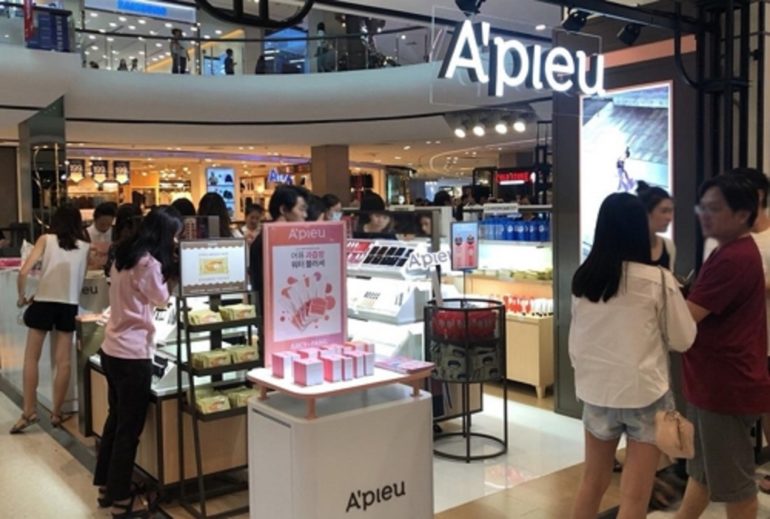
    Its first stand-alone store, opened on September 29, is housed at Central Plaza Pinklao, a shopping mall located in Noi District in Bangkok and one of the most sought-after places by young visitors as it hosts many famous fashion brands, restaurants, and a cinema.

    A’pieu plans to open three more independent stores in the country by next month. It is also scheduled to open another store at Siam Square, the largest shopping and entertainment area in Bangkok, in January 2019.

    Its products are also available at five outlets of Eve and Boy, a local drugstore chain selling premium cosmetics labels such as Estee Lauder and Clinique. The Korean beauty brand plans to provide its products to total 12 Eve and Boy outlets across the nation by the end of this month.

    “We have put forward the opening schedules of A’pieu stores in Thailand as its products have drawn better-than-expected responses from Thai customers after the soft-launching event,” said an official from Able C&C. “We will take the label available at more health and beauty stores in Thailand and open more independent outlets.”

    Outbound shipments of Korean cosmetics products to the 10-member Association of Southeast Asian Nations market reached US$406 million in 2016, up 31.6 percent from the previous year, according to a report by the Korea Trade-Investment Promotion Agency.

    Thailand’s cosmetics market is the largest among them and has posted an annual growth rate of 8 percent in recent years, the company said, citing data from market researcher Euromonitor International.

    The size of the Thai beauty market was estimated at around $2.6 billion in 2016 and is expected to top $3 billion this year, it added.

  • Small Chinese cities in China are the future for luxury

    Small Chinese cities in China are the future for luxury

    In China, luxury goods are no longer exclusively for well-heeled city folk. In fact, the future of brands like Louis Vuitton, Chanel, Gucci and Prada may lie in smaller cities like northern China’s Hohhot, which is 10 hours by rail to the capital of Beijing and has a population of three million.

    More than half of all luxury consumers in China live outside the top 15 cities, in so-called second- and third-tier cities and other less developed ones, according to a report jointly released last week by Boston Consulting Group and Chinese internet giant Tencent.

    Luxury goods, more often associated with sophisticated city dwellers, have become commodities to be bought by the aspirational classes and strivers from the boondocks.

    Such a fragmentation was made possible after brands digitised the marketing and purchasing process, and as Chinese consumers increasingly obtained information about luxury goods online, especially via smartphones. Mobile apps and content take up more than half the online attention of luxury buyers, through engagement by social media accounts of key opinion leaders and the brands themselves, and via apps, advertisements and third party e-commerce platforms, the report shows.

    However, 58 per cent of consumers still prefer the old-fashioned way of buying in bricks-and-mortar stores after doing the research online, and around half choose to make their purchases while travelling overseas.

    “The battle for luxury consumers will shift swiftly from offline to online, and in five years, we will enter the age of Luxury Digitisation 2.0 where online and offline [marketing and sales] will knit together closely,” BCG partner Wang Jiaqian said in a statement.

    In tier-three and lower-tier cities that do not have physical luxury stores, buyers are twice as likely to make purchases online as those in the top 15 cities, but nearly 80 per cent of them said they would not mind making the trip to a physical store to shop.

    Chinese consumers have been the key target for global luxury brands for their deep pockets and the sheer size of the country’s market. China’s personal luxury goods market, worth €105 billion (US$122 billion) in 2017, is expanding at 6 per cent annually, and is expected to reach €162 billion in 2024, according to the report. By then, 70 per cent of all new growth in the world’s luxury market will be driven by China, which will account for 40 per cent of the global market.

    Chinese luxury goods buyers are mostly young and well educated – and 70 per cent are female. The average age among both genders is 28 years, and two out of three are aged 18 to 30 with a bachelor’s degree or above, the report found.

    Chinese e-commerce platforms account for half of the country’s online luxury purchases, driven by the launch of Luxury Pavilion by Alibaba Group Holding’s Tmall and Top Life by JD.com.

    However, social commerce – a new form of e-commerce that incorporates social interactions among consumers via social media such as Tencent Holdings’ WeChat – is also on the rise and currently accounts for 11 per cent of all luxury online purchase.

    The concept of social commerce has exploded in popularity over the past two years, especially among young consumers. The new model gamifies shopping so that the more friends you share the deal with, the deeper the discount. It also involves creating a platform where users share photos and videos, write posts and tag items in their pictures that link to e-commerce listings.

    The pervasive use of smartphones among mainland China’s population is a key factor enabling social commerce. Research firm eMarketer forecasts that the total number of smartphone-based online shoppers in the country will reach 443.3 million this year, making up more than three quarters of China’s online retail sales.

    The BCG/Tencent report was based on data collected from 1.8 million Chinese luxury consumers identified by BCG and Tencent, as well as a poll of 2,620 consumers who bought luxury goods in the past 12 months.

  • New York burger chain Shake Shack confirms first Singapore outlet

    New York burger chain Shake Shack confirms first Singapore outlet

    Shake Shack has confirmed its long-ago leaked debut in Singapore, the US restaurant chain announcing overnight it will open at the new Changi Jewel shopping centre under construction.

    “We’re comin’ to the city where east meets west!” the company announced.

    As predicted back in March, Shake Shack Singapore will be launched through its South Korean franchise partner SPC Group, which operates Paris Baguette in the city. SPC has 6000 stores from 30 brands around the world, including seven Shake Shacks in Seoul.

    “We are executing our strategic plan in Asia with plans to launch in Singapore, Shanghai, and Manila next year,” said Michael Kark, VP of global licensing with Shake Shack in the US.

    “For years we’ve been looking for the right opportunity to enter the Singaporean market given its regional importance, and we’re thrilled to have found the right strategic partner and an ideal launch location. Our Shake Shack Singapore flagship site will be in the stunning Jewel Changi Airport, home to more than 2000 trees, harkening back to Shake Shack’s birthplace in New York City’s Madison Square Park.”

    The chain debuted in Asia at Tokyo’s Gaien Park in 2015, and since then has expanded to include 10 Shacks in Japan, seven in South Korea, and one in Hong Kong operated by a subsidiary of Dairy Farm International. A second Shake Shack in Hong Kong will open soon in Pacific Place.

    Shake Shack Singapore says it intends to work with local suppliers and producers to create “a one-of-a-kind Shack for the Singapore community”. The menu will feature signature items including the ShackBurger, Shack-cago Dog, crinkle-cut fries, beer, wine and frozen custard ice cream.

  • Vingroup retail arm acquires Vietnamese supermarket chain

    Vingroup retail arm acquires Vietnamese supermarket chain

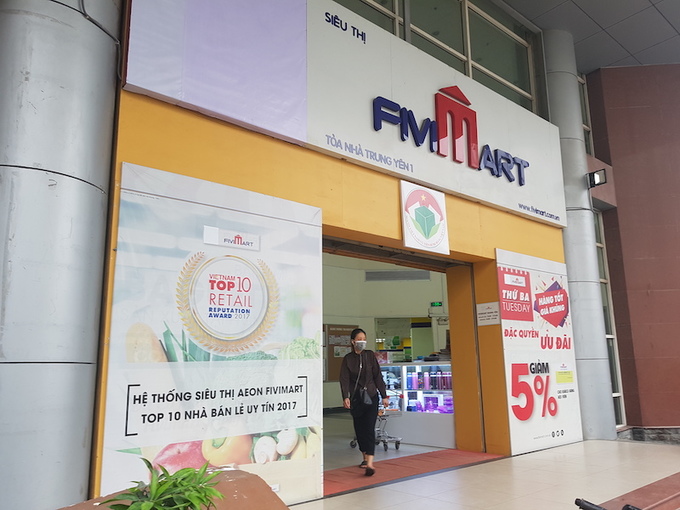
    VinCommerce, owner of the largest Vietnamese retail outlet chain, has bought out competitor supermarket chain Fivimart.

    The deal, whose value has not been revealed, delivers 23 Fivimart outlets to VinMart.

    VinCommerce, a member of the Vingroup business conglomerate, bought Fivimart from domestic company Nhat Nam JSC and Japanese retailer AEON, which held 70 percent and 30 percent stakes, respectively.

    VinCommerce CEO Thai Thi Thanh Hai said that her company’ vision is to have VinMart and VinMart+ (a chain of convenience stores) outlets not just in Vingroup’s apartment buildings and malls, but also in other neighborhoods.

    “The acquisition of Fivimart is part of how we make that vision a reality,” she added.

    The acquisition raises the number of VinMart stores to 100 and that of VinMart+ to 1,400.

    Hai said that VinCommerce plans to have 200 VinMart and 4,000 VinMart+ stores by 2020.

    Nhat Nam JSC sold a 30 percent stake of Fivimart, founded in 2007, to AEON in 2015.

    It had increased its number of outlets from 10 then to 23 now.

    The deal saw Fivimart’s revenue increase, by as much as 20 percent a year for some time.

    But the company has been reporting losses for the last three years, attributing them to high costs. Its losses amounted to VND60 billion ($2.58 million) in 2015, VND96 billion ($4.13 million) in 2016 and VND23 billion ($989,600) last year.

    At the end of last year, Fivimart reported an accumulated loss of almost VND200 billion ($8.6 million), with a debt of VND823 billion ($35.41 million), which was equal to the company’s total asset value.

  • Bearpaw Continues Ongoing Partnership With Wing’s Foot Korea, Inc.

    Bearpaw Continues Ongoing Partnership With Wing’s Foot Korea, Inc.

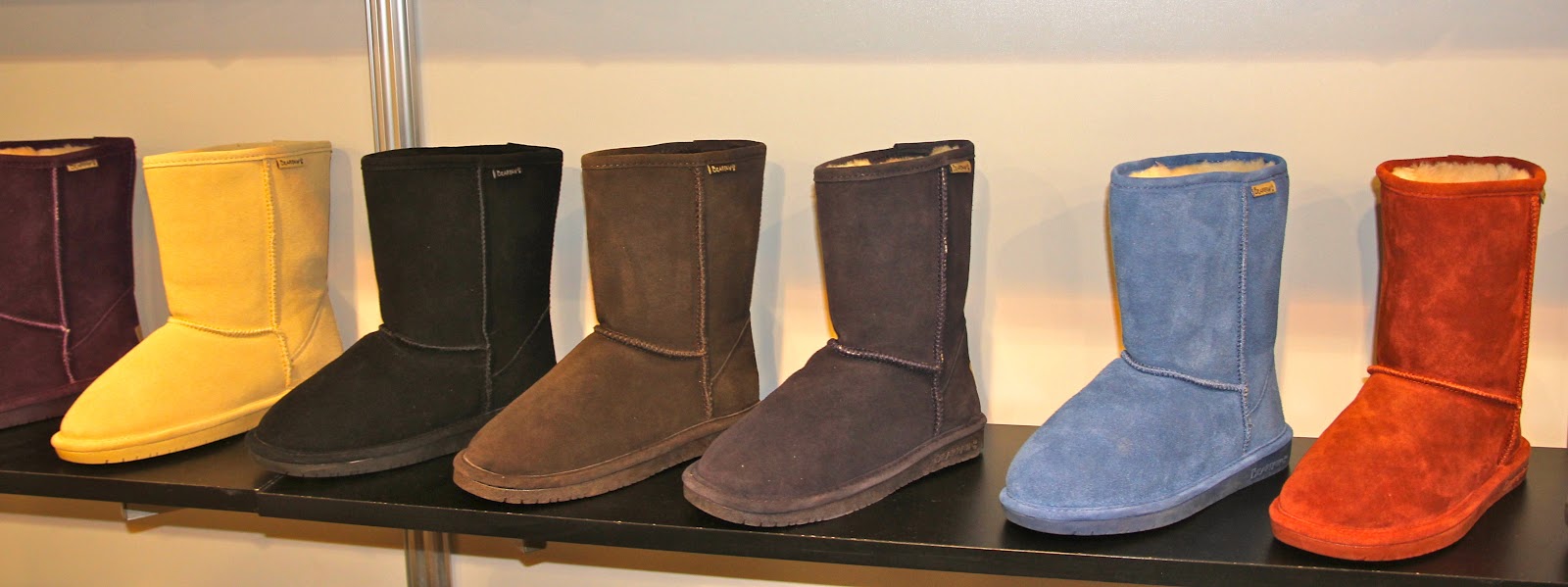
    In representing the Bearpaw brand to the consumers of South Korea and Japan, Wing’s Foot has introduced an extensive line of footwear and an assortment of apparel and outerwear to the region.

    Bearpaw’s VP of international sales Kevin McDonald said Bearpaw is extremely grateful for its partnership with Wing’s Foot as it has been a great fit for their brand and has given Bearpaw the ability to reach new and expanding markets, therefore cultivating continued growth and success.

    Bearpaw president John Pierce said Wing’s Foot has been its exclusive distributor to the Korean market for several years now, and the company is pleased to extend the partnership.

    “Bearpaw will continue to increase the company’s efforts with our existing partners across several locations outside of the US.”

    Bearpaw products are now available throughout the US and in more than 45 countries throughout the world.

  • Gordon Ramsay’s new Hong Kong restaurant

    Gordon Ramsay’s new Hong Kong restaurant

    Gordon Ramsay’s Hong Kong journey continues with the announcement of his third restaurant in the city.

    Maze Grill, set to open this October in Ocean Terminal, Harbour City, strengthens the internationally acclaimed chef’s ties with Hong Kong, and cements the city’s position as one of the world’s greatest dining destinations.

    Located in the new glasshouse extension of Ocean Terminal, maze Grill represents Ramsay’s third partnership with Dining Concepts and the first opening of the contemporary steakhouse outside of London.

    Inspired by the three maze Grill restaurants located in London, the dining experience is casual, warm and welcoming.

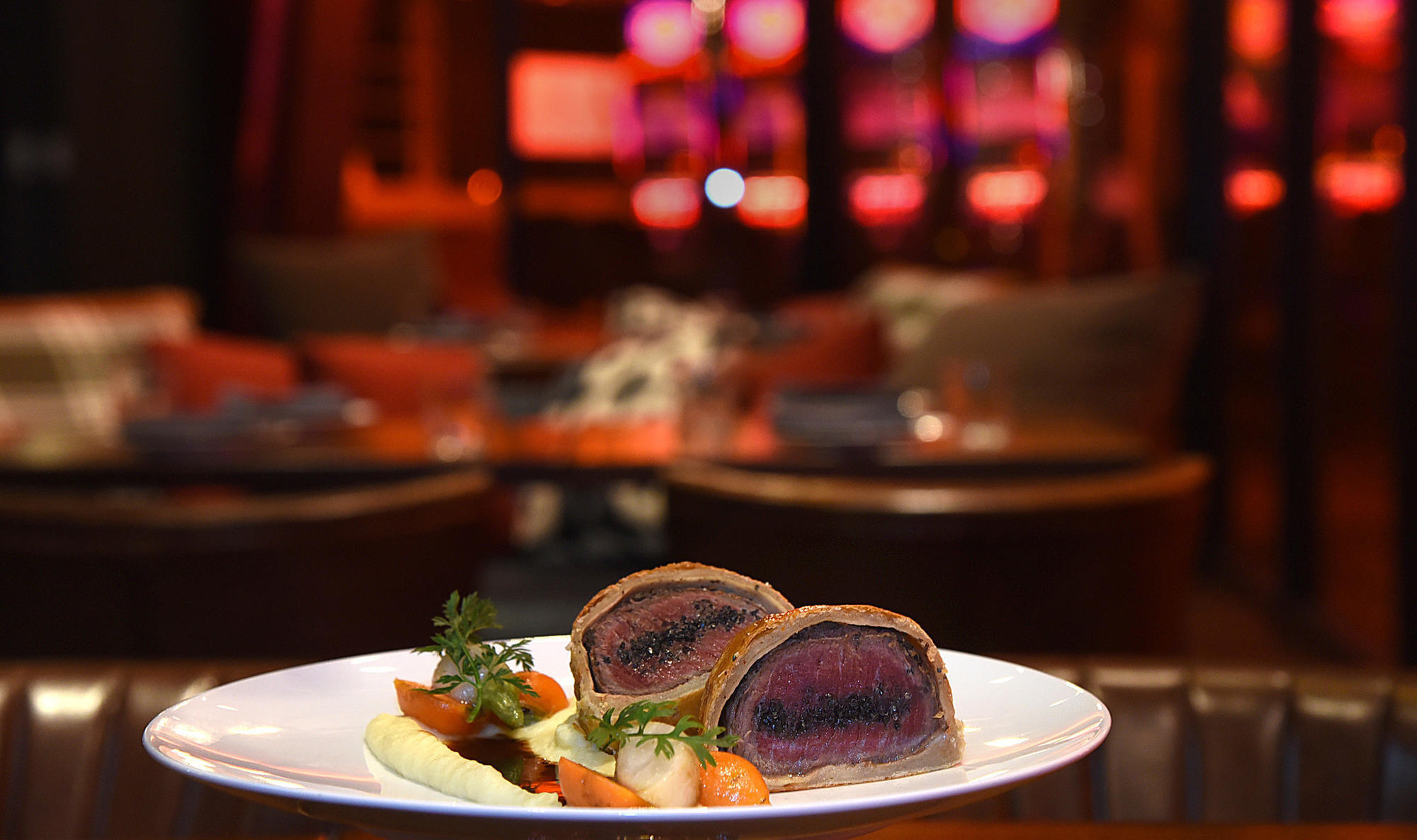
    The menu features a selection of international and rare breed cuts, fish and poultry dishes, Gordon Ramsay’s signature dish, Beef Wellington, and a range of dishes exclusive to maze Grill Hong Kong.

    Among these are an array of Japanese infused starters, a Traditional Ploughman’s Pork Pie-carved Table Side, and scrumptious desserts including a Raspberry Soufflé.

    The internationally acclaimed chef owns a number of Michelin starred restaurants across the globe, including London’s longest-running restaurant to hold a Michelin star award and is one of only four in the UK to maintain three stars.

  • Taiwan’s Tiger Sugar bubble milk tea to open in Singapore

    Taiwan’s Tiger Sugar bubble milk tea to open in Singapore

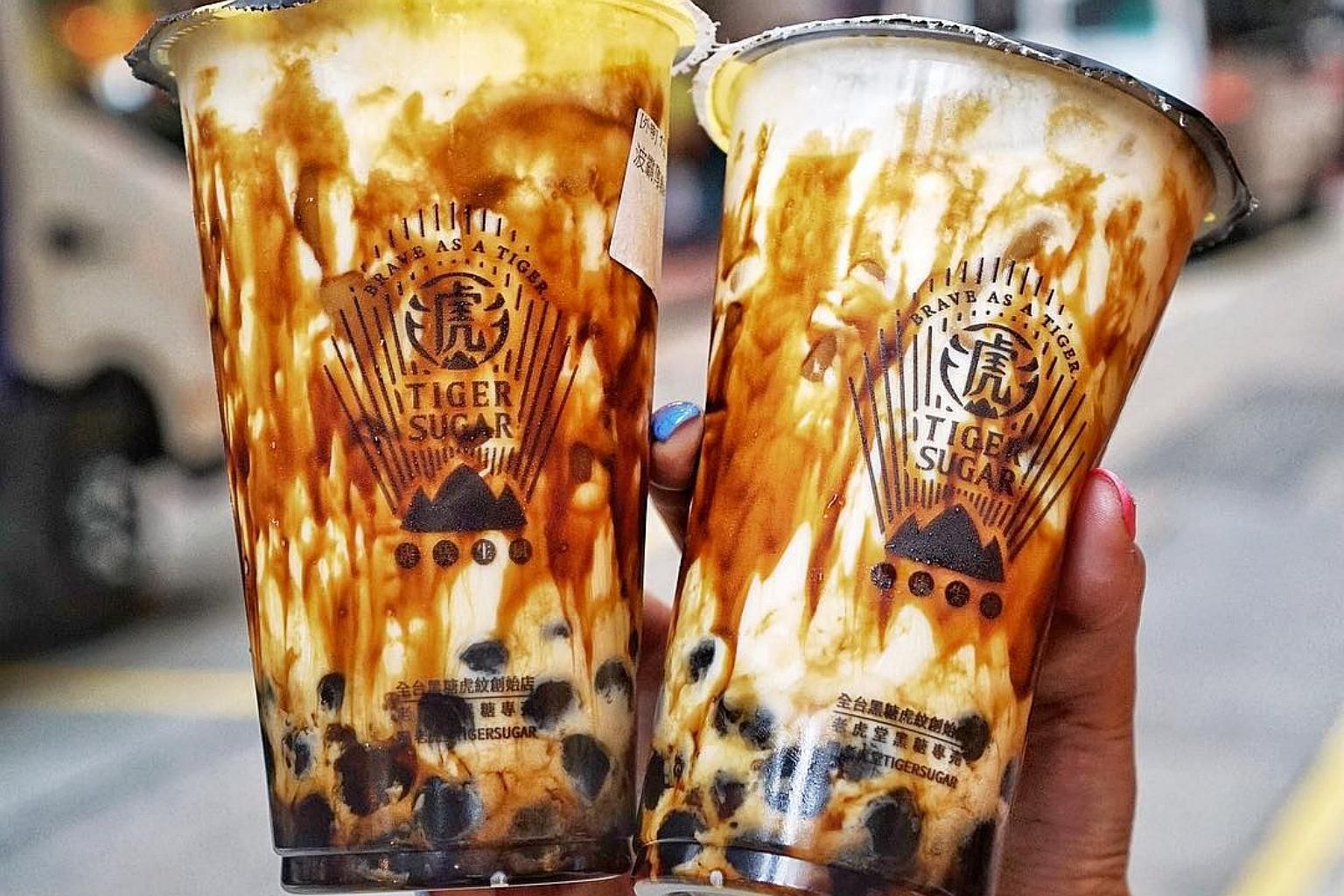
    Popular Taiwanese bubble milk tea brand Tiger Sugar is set to launch in Singapore.

    Queues with a minimum waiting time of an hour have been reported at Tiger Sugar locations both in Taiwan and Hong Kong. Photographs of customers enjoying the stripey brown sugar bubble milk drink have trended strongly on Instagram.

    The new store will be set up in the City Hall area and is scheduled to open next month. Similar queues are anticipated for the new location.

    Bubble tea has become an important trend in Singapore with 10 brands opening within the past year alone.

  • Vietnam to grow 7 percent in 2018: report

    Vietnam to grow 7 percent in 2018: report

    A report by the Standard Chartered Bank says Vietnam will top ASEAN economic growth this year.

    The report, released Friday, attributed this to manufacturing and agriculture sectors.

    Titled Vietnam: fast, not furious, growth,” it said the economy will grow by 7 percent this year.

    Other factors contributing to the high growth is the robust growth of electronics, with high foreign direct investment inflow and increasing consumption, the report said.

    It estimated next year’s growth at 6.9 percent.

    Standard Chartered economist Chidu Narayanan said that Vietnam has strong growth prospects, and an average FDI inflow of about $17 billion a year can be expected from now until 2020.

    Manufacturing is set to have a double-digit growth for the second year in a row, and agriculture will recover in the second half of this year, the report said.

    It also saw stable growth in the service sector, led by strong consumption in the country, the report said.

    The service sector, accounting for 40 percent of the economy in the first half this year, saw a 7 percent growth year-on-year growth in the same period.

    The report also said young, well-trained and low-cost human resources will play a part in boosting service growth, it said.

    Standard Chartered also forecast that the USD/VND exchange rate would reach VND23,400 by the end of this year.

    The central bank rate on Sunday was VND22,720 and VND23,310-23,390 at local banks.

    On Thursday, the World Bank upped its forecast for Vietnam’s growth by 0.3 percent to 6.8 percent.

    However, the Asian Development Bank last month lowered the growth rate from 7.1 percent to 6.8 percent, saying that the ongoing trade war between the U.S. and China could have spillover impacts on Vietnam’s export and FDI inflows.

    In the first nine months this year, Vietnam’s GDP grew by 6.98 percent, the highest nine-month growth rate since 2011.

    The economy grew by 6.81 percent last year, the highest rate in a decade.