Tag: asia

  • DHL Express recognized as Asia Pacific Best Employer in 2018

    DHL Express recognized as Asia Pacific Best Employer in 2018

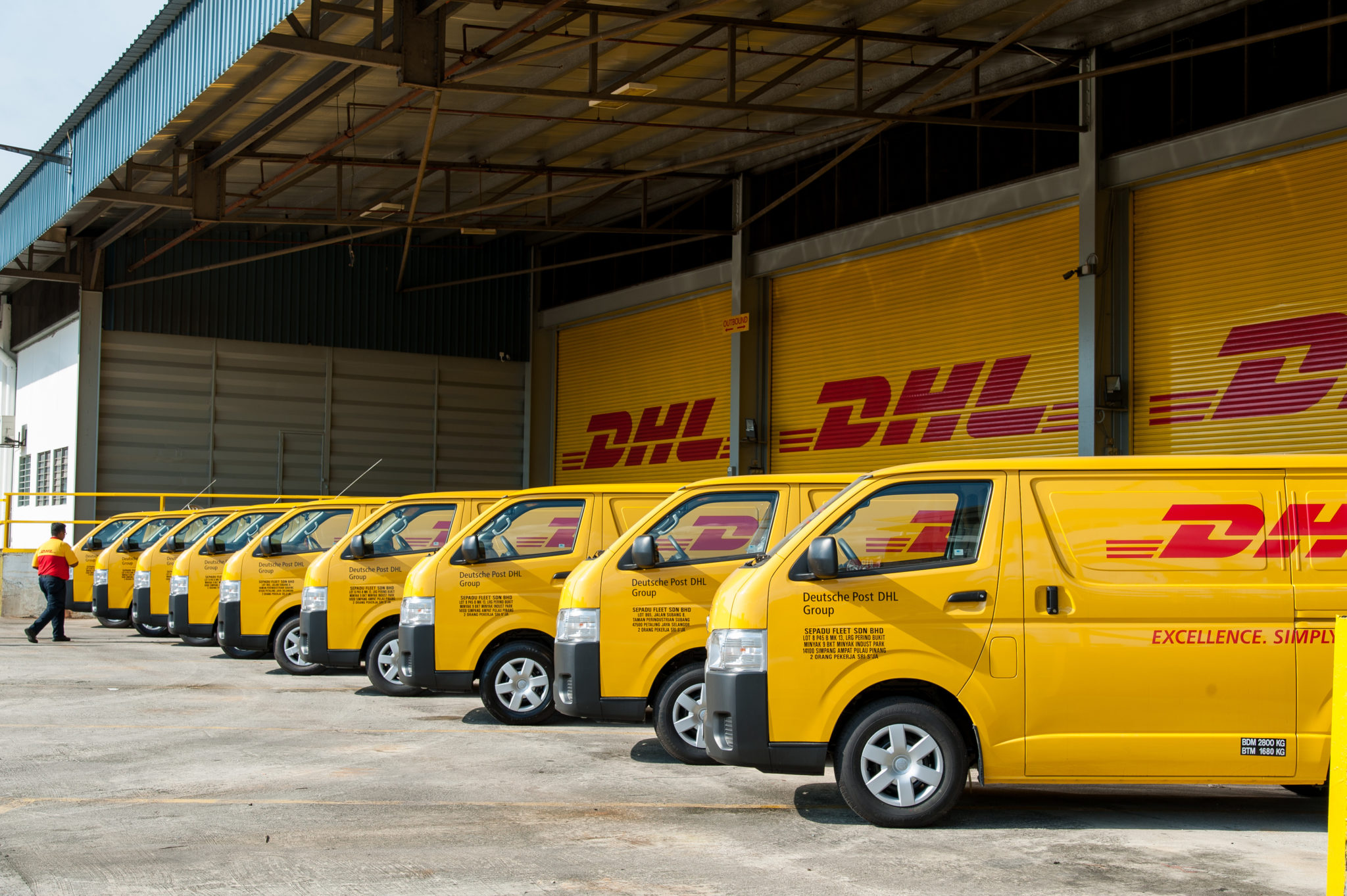
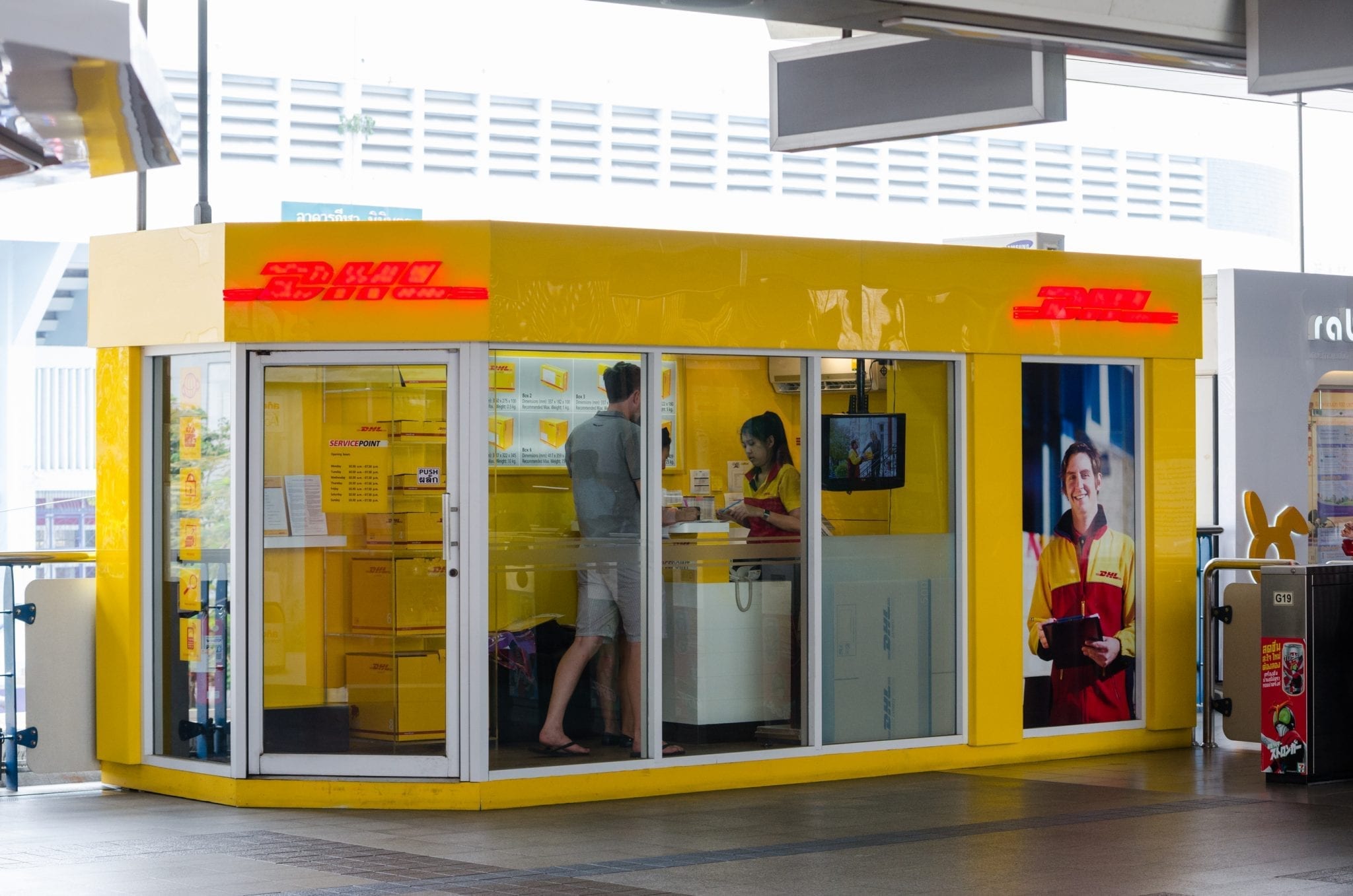
    DHL Express, the world’s leading international express services provider, has been named Asia Pacific Best Employer 2018 by Aon Hewitt, the global talent, retirement and health solutions business of Aon plc. This is the fifth time DHL Express has won this award in the region, since 2013.

    This accolade is conferred to companies which have won Aon Hewitt awards in at least three countries across the region, and DHL has exceeded this expectation by winning Best Employer in India, Malaysia, Philippines, Singapore and Thailand.

    Ken Lee, CEO, DHL Express Asia Pacific said, “It is an honor to be recognized as a leading employer and an excellent workplace in Asia Pacific again. This award is a huge win for the region because it is strong proof that we have been successful in building positive relationships with our employees, who are such vital assets to the success of our organization. As we aim to remain Employer of Choice, employee engagement continues to be our top priority and we are committed to sustained investment in our employees to help them realize their full potential.”

    Based on a comprehensive study, nominated companies were thoroughly assessed by an independent external committee based on three types of sources: employee opinion survey, human resources practices, and CEO questionnaire and interview. According to Aon Hewitt, DHL Express has demonstrated and achieved consistently high performance in key areas of Employee Engagement, Compelling Employer Brand, Effective Leadership and High Performance Culture across the region. Additionally, employee perception indicates that DHL Express excels in critical execution enablers including infrastructure and technology that drive productivity and encourage collaboration, and openness to diversity in the environment.

    DHL Express’ continuous investment in talent growth, including its Certified International Specialist (CIS) and Certified International Manager (CIM) programs has trained over 60,000 employees in Asia Pacific as of 2017. Employees are trained on the company strategy, and fundamentals of international and management skills such as ensuring respect and results while interacting with colleagues.

    In addition to the CIS and CIM programs, DHL Express regularly organizes activities that celebrate and recognize employees’ dedication and cultivate employee engagements at all levels. These include initiatives such as ‘Staff Appreciation Week’ and ‘Employee of the Year’. Most recently in August 2018, DHL Express held its DHL AsiaCup in Singapore — the annual employee football and cheerleading event involving more than 1,000 employees, to rally teams across the region to build an even stronger employee network and celebrate their successes.

    First conducted in Asia in 2001, Aon Hewitt’s Best Employers study aims to recognize companies that have a real competitive advantage by investing in its people, and to explore the winning attributes of a workplace of choice.


  • Julius Baer Expands in India

    Julius Baer Expands in India

    The Swiss-based bank is recruiting a total of 11 advisors. The new hires will be spread across Julius Baer’s Indian branches in Chennai, New Delhi, Calcutta, and Mumbai.

    Asia head Jimmy Lee said this summer that India is a core growth market, along with China and Indonesia, and of course major hubs Singapore and Hong Kong. Julius Baer has massively built its imprint in Asia with the 2012 acquisition of Merrill Lynch’s private bank outside the U.S. – a method the bank is keen to continue, as Lee recently said.

    Growth by M&A

    Since then, the bank has built out its business on the Indian subcontinent, including taking an entire team from now-defunct Banca Svizzera della Italiana, or BSI.

    The 11 bankers will report to Ashish Gumashta, CEO of Julius Baer Wealth Advisers in India, who took over last year following the exit of Rahul Singh last July. Gumashta was a veteran of Merrill Lynch in India, and instrumental in the integration into the Swiss private bank following the deal.

  • Most IT security teams believe their IoT devices are not secure

    Most IT security teams believe their IoT devices are not secure

    The majority of IT security teams believe that a key gap in their company’s overall security strategy is their inability to identify attacks that use IoT devices as the point of entry, according to a global study conducted by the Ponemon Institute on behalf of HPE’s Aruba.

    In fact, more than three-quarters of respondents believe their IoT devices are not secure, with 75% stating that even simple IoT devices pose a threat. Two-thirds of respondents admitted they have little or no ability to protect their “things” from attacks.

    The Ponemon Institute study, entitled “Closing the IT Security Gap with Automation & AI in the Era of IoT,” surveyed 4,000 security and IT professionals across the Americas, Europe and Asia to understand what makes security deficiencies so hard to fix, and what types of technologies and processes are needed to stay a step ahead of bad actors within the new threat landscape.

    “Despite massive investments in cybersecurity programs, our research found most businesses are still unable to stop advanced, targeted attacks — with 59% believing they are not realizing the full value of their defense arsenal, which ranges from 10 to 75 security solutions,” Ponemon Institute chairman Larry Ponemon said.

    “The situation has become a ‘perfect storm,’ with nearly half of respondents saying it’s very difficult to protect complex and dynamically changing attack surfaces, especially given the current lack of security staff with the necessary skills and expertise to battle today’s persistent, sophisticated, highly trained, and well-financed attackers”

    The research revealed that in the quest to protect data and other high-value assets, security systems incorporating machine learning and other AI-based technologies are essential for detecting and stopping attacks that target users and IoT devices.

    The majority of APAC respondents polled for the report agree that security products with AI functionality will help to reduce false alerts (66%), increase their team’s effectiveness (62%), provide greater investigation efficiencies (57%) and advance their ability to more quickly discover and respond to stealthy attacks (53%).

  • Singtel launches Liquid Infrastructure platform

    Singtel launches Liquid Infrastructure platform

    Singtel has launched a new globally available platform designed to allow enterprises to easily configure their networks to better support their business requirements.

    The Liquid Infrastructure platform integrates physical and virtual network services into a single platform embedded with network visibility and intelligence capabilities. This allows enterprises to deploy network resources as and when needed.

    The platform is supported by Singtel’s data network infrastructure and virtual network services. It is designed for use in cloud, VPN and IoT deployments.

    The operator has also upgraded its global IP network with new flexibility and software capabilities to support the service.

    “We have integrated software-based network services to this platform to provide a versatile, robust and scalable solution that delivers critical network services where and when they are needed,”Singtel Group Enterprise VP of global products Goh Boon Huat said.

    “By having the control of connectivity in the hands of our customers, we facilitate their transformation to the digital era through a superior and more agile network deployment and management experience.”

    Liquid Infrastructure is integrated with Singtel’s global network, which consists of subsea cables, an IP VPN network with 428 points of presence and a global internet service spanning more than 200 countries.

  • MobiCom introduces fingerprint authentication

    MobiCom introduces fingerprint authentication

    Mongolia’s MobiCom, a subsidiary of Japan’s KDDI, has introduced fingerprint authentication based on the national KHUR digital information exchange system.

    With the move, MobiCom has become the first operator to arrange compatibility with the KHUR system.

    Mongolian customers will be able to use fingerprint authentication to take advantage of more than 100 service offerings without the need to present an ID card.

    KHUR was developed as an integrated national population database used by government authorities to offer registration, taxation, social insurance, and other services to citizens.

    It adds biometric capabilities to the Mongolian national ID card, which is required for completing public procedures such as voting. MobiCom has linked its sales management system to the database to enable personal identification authentication based on fingerprint verification.

    As well as existing capabilities, MobiCom plans to use the link to KHUR to develop new telecoms and finance services for the Mongolian market.

    MobiCom is Mongolia’s largest mobile operator by subscribers. The company was founded in 1995 and today provides mobile, fixed line and satellite services as well as a range of ICT services. KDDI has been an investor in the operator since it was founded, and became the majority owner in March 2016.

  • Global cellular IoT connections to cross 5b mark by 2025

    Global cellular IoT connections to cross 5b mark by 2025

    Global IoT cellular connections are expected to hit the 5 billion mark by 2025 and China will continue to lead by contributing nearly two-thirds of such connections, says Counterpoint Research.

    According to the latest research from Counterpoint’s IoT (Internet of Things) service, global IoT cellular connection grew 72% in the first half of 2018, which the research firm described as “a considerable increase” as compared to the same period last year.

    China at present is the world’s largest cellular IoT market, with the country’s three telcos – China Mobile, China Unicom and China Telecom – accounting for a combined 70% of the global IoT connections. In 2025, an estimated 66% of global IoT connections are expected coming from the trio’s IoT networks.

    “Emerging markets like India, Brazil and Africa can offer tremendous scale but will likely be late followers compared to China in this path to connected everything,” Counterpoint research analyst Satyajit Sinha said.

    “However, the massive growth opportunity remains in terms of cellular-IoT connections in emerging markets which will be possibly catalyzed by operators such as Reliance Jio in India but more specifically from multi-market players such as Telefonica or MTN or Vodafone,” Sinha noted.

    According to Sinha, smart manufacturing, smart utilities and smart mobility applications – such as automotive and asset tracking – will be the key growth drivers for IoT adoption over the next five to seven years.

    NB-IoT to be the dominant connectivity technology

    On the technology side, the report predicts that narrowband IoT (NB-IoT) will dominate the market with 45% of global IoT cellular connections by 2025, due to the wide variety of application opportunities and faster adoption rates in the overall ecosystem.

    2G IoT connections will occupy less than 1% of global IoT cellular connections by this time, as they are increasingly replaced by NB-IoT.

    3G IoT connections face the same fate as 2G. However, 3G will go extinct much faster than 2G.

    4G LTE IoT connections (high bandwidth & low latency) will grow at a much faster rate till 2022, due to global adoption of LTE Advanced and Advanced Pro.

    At the same time, the increased popularity of NB-IoT and unlicensed LPWA will also take away the opportunity and share of LTE-M, which will have a presence until 2022 and contribute around 6% of global IoT cellular connections in 2025.

    “Most of the IoT connections are still on 2G/2.5G networks,” Counterpoint research director Peter Richardson said. “However, the shift to 4G LTE and cellular-LPWAN is already in motion and we expect an ongoing shift to these newer technologies in 2H 2018 and 2019.”

    While cellular-LPWAN brings a number of advantages over unlicensed LPWA solutions, Richardson added that there are a number of use cases where unlicensed technologies offer a superior mix of cost and functionality.

    “Over the short to medium term, we expect co-existence and even the combined use of both licensed and unlicensed LPWA technologies,” he said.

    As the industry is expected to smoothly transition from 4G LTE to 5G from 2020 onwards, 4G LTE IoT connections will hold slightly more than a third of global IoT cellular connections in 2025, Counterpoint said.

    “5G will be crucial for some sectors, for example automotive, especially for V2V and V2X. The adoption of 5G cellular will depend on the availability, cost of modems from companies like Qualcomm and Huawei as well as coverage area. We expect 5G to account for around 10% of global IoT cellular connections in 2025,” Richardson concluded.

  • DHL APAC Innovation Centre Incepts Vechain as a Partner as it Displays it on its Partner Wall

    DHL APAC Innovation Centre Incepts Vechain as a Partner as it Displays it on its Partner Wall

    While most coins are trying to find solutions for a variety of industries, Vechain has its focus set on the bringing blockchain and cryptos to the logistics sector. And its hard work and focus seem to have paid off as Vechain finds itself on the partner wall of DHL’s Asia-Pacific Innovation Centre (APIC) in Singapore.

    VechainThor’s DApp and DHL partnership could bring blockchain to logistics

    The news of the partnership with DHL shared by Sarah Nabba, Country Manager for Singapore at VeChain Tech where she said the DHL center provides an immersive experience to clients by introducing new solutions from both established co. & startups and the Vechain would look for collaborations with DHL.

    This could prove to a really good news for the project as DHL is one of the biggest names in logistics globally. It would also provide Vechain to grow under DHL’s guidance at the Innovation Centre and may get a chance to collaborate on a variety of projects in the logistics space.

    DHL Asia-Pacific Innovation Centre is first of its kind in Asia-Pacific. This SGD$10m facility is DHL’s first innovation center outside of Germany and the first dedicated center for innovative logistics services in the Asia-Pacific region. Launched with the support of the Economic Development Board (EDB) of Singapore, the APIC showcases futuristic technologies that will transform logistics operations.

    VeChain is continuously working on its business model of Blockchain-as-a-Service (BaaS) provider that targets enterprise-level businesses. Vechain had recently had announced that it has co-developed a blockchain-based supplier evaluation system with global logistics provider DB Schenker. This new decentralized application (DApp) will use the VeChainThor blockchain to score DB Schenker’s third-party logistics partners in China based on collected data –  the result being an evaluation for services such as packaging, transportation, and the quality of goods.

    The Vechain Foundation claims that the DApp is the first ever implementation of blockchain for supplier management purposes

    “In the future, the system and its related applications can potentially evolve into a platform [that is] widely shared and co-constructed by a broad range of logistics service providers.”

    Logistics sector has significant roadblocks which blockchain can provide a solution to. Blockchain has potential to rehaul the logistics and supply chain industry by providing the tamper-proof tracking of products is being recognized by an increasing number of global industry giants, among them Maersk, IBM, and FedEx, as well as South Korean electronics leader Samsung and Walmart. Understanding this space well, Vechain is making its move correctly towards mending this problem.

    Technology can actually make things better for the logistics sector and blockchain and Vechain is just here to do that. Blockchain does have a potential to fundamentally change the logistics industry and Vechain would look forward to cooperating with more industry players building a logistics ecosystem based on mutual construction, trust, collaboration, and benefit.

  • Vietnam to hike power prices in 2019

    Vietnam to hike power prices in 2019

    Deputy Minister of Industry and Trade Do Thang Hai said Friday that national utility Vietnam Electricity (EVN) might need to cover an incurred cost of VND20.73 trillion ($892.18 million) between 2018 and 2019.

    This include incurred costs of VND5.48 trillion ($235.92 million) this year and projected costs of VND15.25 trillion ($668 million) next year, Hai said.

    Incurred cost this year includes exchange rate differences in 2017 of VND3.07 trillion ($132.13 million), payment for water resources exploitation, VND502 billion ($21.6 million) and higher gas prices VND1.91 billion ($82.18 million).

    Projected incurred costs next year are based on exchange rate differences this year of VND3.51 trillion ($151.28 million), exchange rate differences 2015 scheduled to be paid next year, VND734 billion ($31.58 million), payment for water resources exploitation, VND502 billion ($21.6 million), and increase in gas costs, VND10.5 trillion ($451.79 million).

    Hai said EVN would review its electricity production costs last year in collaboration with government bodies to see if it was lower than current prices and would report to authorities for directions on adjusting next year’s prices.

    In July, Prime Minister Nguyen Xuan Phuc had banned any increase in electricity prices and medical fees for the rest of the year, aiming to keep the inflation rate below 4 percent and achieve a GDP growth of 6.7 percent in 2018.

    Inflation was at 3.57 percent in the first nine months of this year.

    The most recent power price increase in Vietnam was last December, when it rose 6.08 percent to VND1,720.65 (currently 7.4 cents) per kWh.

    EVN had a revenue of VND293.18 trillion ($12.61 billion) last year, with VND289.25 ($12.44 billion) from electricity sales, an increase of 8.94 percent from the previous year.

  • Vietjet signs $1.24 bln financing deal for new Airbus planes

    Vietjet signs $1.24 bln financing deal for new Airbus planes

    Vietjet signed a financing agreement with Mitsubishi UFJ Lease & Finance Company Ltd and France-based BNP Paribas Bank to finance the carrier’s acquisition of up to five new aircraft worth $614 million at list price, it said in a statement.

    Vietjet also signed a memorandum of understanding valued at $625 million for financing and future ownership of five other aircraft at list prices with France-based banking group Natixis and some Japanese equity underwriters, it said.

    The acquisition of the aircraft is part of a contract signed earlier with Airbus and includes A321neo aircraft, Vietjet said, adding all aircraft financed on Wednesday will be delivered in the last quarter of 2018 or early next year.

    “These deals will greatly contribute to Vietjet’s plan for fleet expansion and network growth in the coming time,” said Vietjet Vice President Dinh Viet Phuong.

    In July, Vietjet placed provisional order to buy 50 A321neo Airbus aircraft worth $6.5 billion at list prices while it also struck a deal for 100 Boeing passenger jets worth almost $13 billion at list prices.

    Vietjet, Vietnam’s biggest private airline, currently operates 60 Airbus aircraft with more than 385 flights daily within Vietnam and to countries such as Japan, Hong Kong, South Korea, Taiwan, Singapore, China, Thailand, Myanmar and Malaysia.

  • Hyundai Motor considers eco-friendly engine for its N brand

    Hyundai Motor considers eco-friendly engine for its N brand

    Hyundai Motor is planning to build a driving center in Korea as early as next year in its ambition to have its high-performance division compete with BMW’s M and Mercedes-Benz’s AMG models.

    “I am considering building a driving academy where customers are invited to experience high-performance cars,” Thomas Schemera, head of Hyundai Motor’s high-performance division said at the Paris Motor Show on Thursday. “I believe interacting with customers and listening to their feedback are important.”

    Schemera also added that the first center is most likely to be built in Korea before the automaker expands to other parts of the world like the United States or Europe.

    Schemera, formerly in charge of BMW’s M series, was appointed executive vice president of Hyundai Motor to head its high-performance vehicle and motorsport division in March.

    Hyundai Motor’s N series is a latecomer in the industry, as its initiative of launching a high-performance lineup only became official in 2015. BMW’s M series, one of Hyundai’s strongest competitors in high-performance motoring, began in the 1970s.

    Yet, Hyundai’s N series sales figures are quite impressive so far. Since its launch in Europe in the second half of 2017, the first model – the i30 N – sold 3,771 units this year through August. This is already 35 percent above the initial sales target for this year, which was 2,957 units.

    The second in the series – the Veloster N – is doing well, too. Since its launch in July in Korea, it sold 525 units in its first two months. Globally, it sold 4,122 units this year as of August, again surpassing its initial goal of 3,300 units.

    The Veloster N team is planning for a U.S. launch before the end of this year. The third in the series – the i30 Fastback N – premiered at the Paris Motor Show, now underway.

    Hyundai Motor’s ambitions in high-performance cars is helping elevate Hyundai’s brand image in general, according to Schemera.

    “The i30 sales had been on a downturn, but they started to rebound after the launch of the i30 N,” he said. “Not only other N models but also other Hyundai cars in Europe will likely see improved sales.”

    Ahead for the N series, Schemera hinted there would be an eco-friendly engine for its lineup, perhaps an HEV, PHEV or even a hydrogen engine.

  • Remo Ruffini invests in a brand founded by influencers

    Remo Ruffini invests in a brand founded by influencers

    A new generation of Italian fashion talents has earned a stamp of approval from a titan of the industry.

    Archive, an investment vehicle controlled by Moncler chairman and chief executive Remo Ruffini’s Ruffini Partecipazioni Holding, announced on Monday that it has taken a 49 percent stake in Attico, a fashion brand founded by Milan’s Gilda Ambrosio and Giorgia Tordini less than three years ago.

    The founders were already internationally known among fashion insiders for their street style and social media presence when they launched the opulent, vintage-inspired dresses in robes in February 2016, and that exposure helped catapult Attico into more than 140 stockists by the following year. Both former freelance designers and consultants, Ambrosio and Tordini together now count more than 630,000 followers on Instagram in addition to another 217,000 followers on Attico’s account.

    Attico is sold at Bergdorf Goodman, Net-a-Porter, Moda Operandi and Matches Fashion, among other global retailers, and has expanded into footwear, handbags and jewellery. Celebrities including Margot Robbie, Michelle Williams and Naomi Campbell have all worn their designs and prices range from $250 for a drawstring pouch to over $4,000 for a python printed leather coat.

    “The deal — to be considered a mere financial investment — is in line with Archive diversification strategy whose mission is to invest in the ready-to-wear as well as in the food and beverage and hospitality business,” said a representative for Archive in a statement.

    Ambrosio and Tordini said in 2017 that they had major ambitions for their growing label. “What we would love is to create a world that we started narrating with clothing and accessories and adding furniture, books and eventually make a platform that’s going to contain all these objects and you can navigate around the world of Attico,” said Tordini.

    With a new influx of cash from Archive, the founders have a chance to realise those ambitions.

  • Jumbo China sets plan for more store

    Jumbo China sets plan for more store

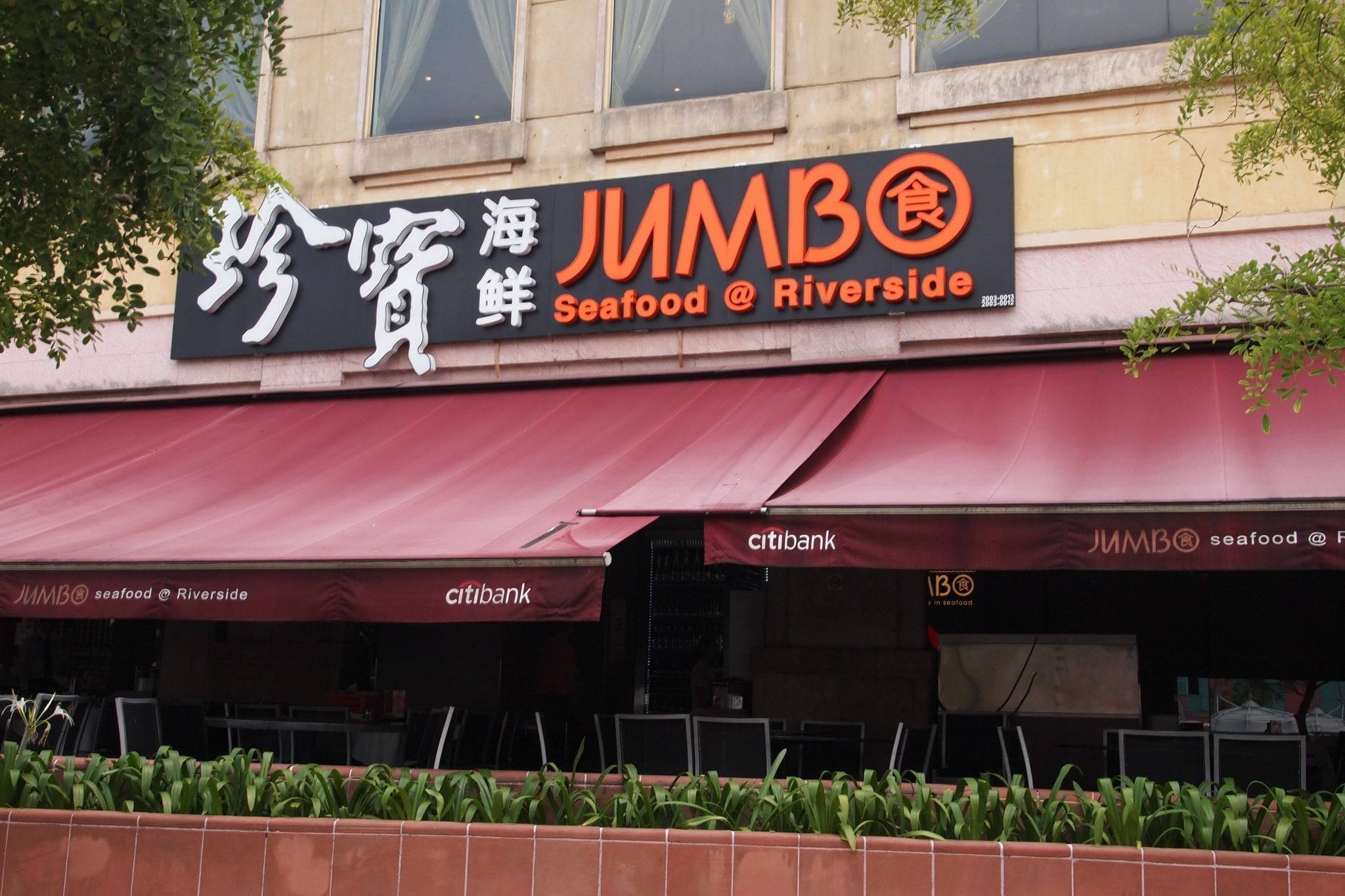
    Restaurant operator Jumbo Seafood has opened its first franchise in Mainland China, in the city of Fuzhou.

    The move signals the onset of a period of Asian expansion for the brand, which has announced plans to open five to six new franchise outlets each year, targeting Shenzhen, other mainland cities, South Korea, Hong Kong, Macau and Indonesia.

    The new 13,000sqft venue at the Dongbai Centre is Jumbo’s fourth franchised Jumbo Seafood restaurant since last year, and follows the recent opening of Jumbo Seafood in Taichung City.

    Other targets for immediate expansion include Thailand and Singapore. A spokesperson for the brand noted:

    “We project that Jumbo would add two new Jumbo Seafood outlets in Singapore – one Jumbo Premium Seafood outlet in Ion Orchard shopping mall and another potentially in the upcoming Jewel Changi – and one new Chui Huay Lim Teochew Cuisine outlet over the next 12 months.”

    Jumbo operates 15 Jumbo Seafood restaurants across Asia.

  • StanChart and Huawei Team Up

    StanChart and Huawei Team Up

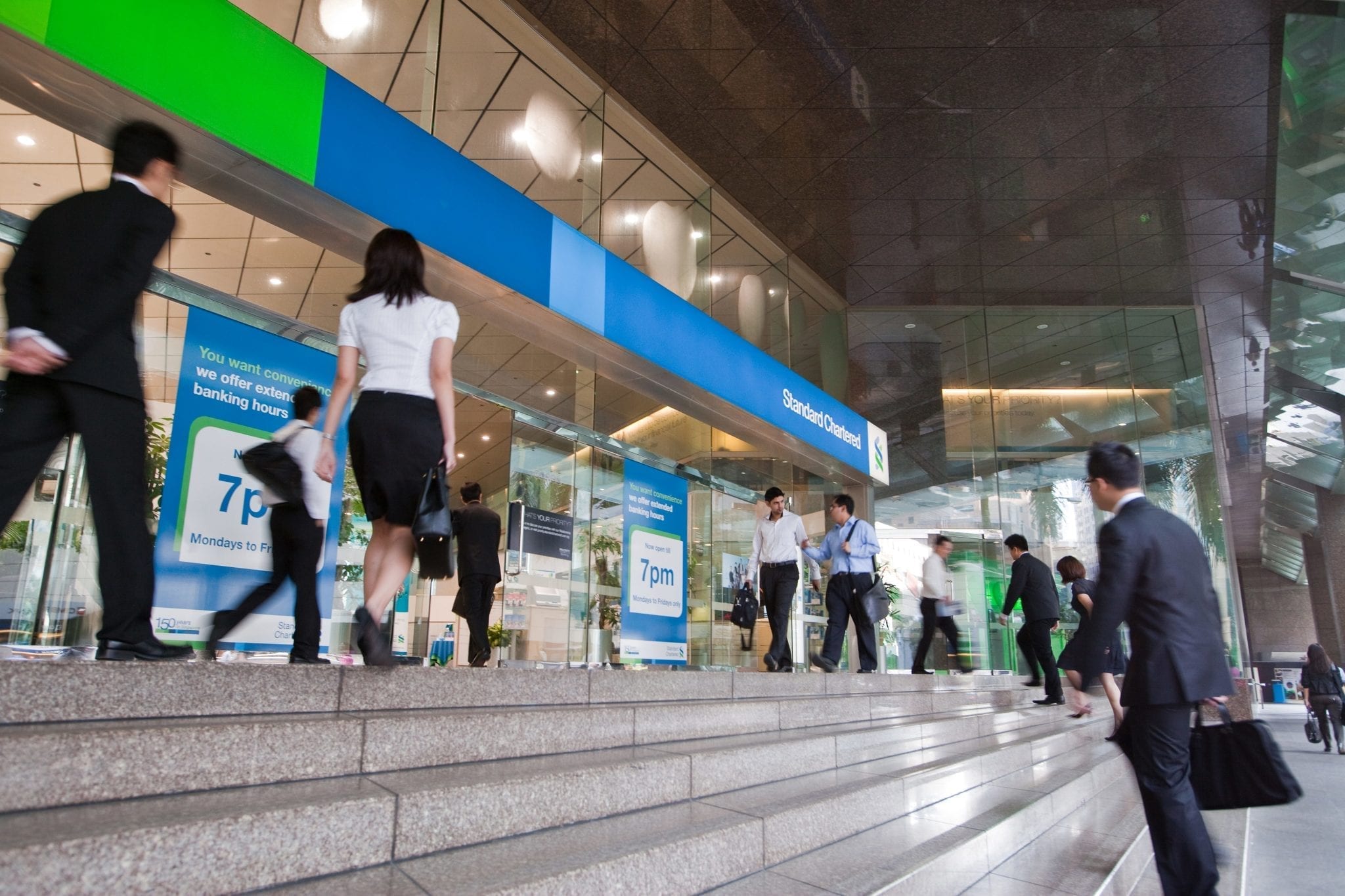
    The solution combines Internet of Things (IoT) and cloud capabilities so the bank will be able to track the movement of goods on a real-time basis, reducing operational risks and providing reliable data that can be used in financing decisions, Standard Chartered and Huawei said on Wednesday.

    Rather than corporates having to manually initiate these transactions through paper-based or emailed instructions, corporates’ and banks systems will be able to «speak» to each other in real-time, triggering financing or payment instructions through Application Programming Interfaces, or APIs.

    Fundamental Change

    «Technology can change the fundamental way we do banking. We look forward to piloting the solution with clients and working with Huawei and other technology partners to explore new use cases, Michael Gorriz, information chief at Standard Chartered, said.

    The IoT solution uses Huawei’s OceanConnect, an open platform built on IoT, cloud computing, and big data technologies. With a cloud-based unified IoT device management capability as its core, it links up with connected devices and collects real-time data through a series of agents while providing user-friendly open APIs to application developers to design and orchestrate the business process.

  • Seed Money for Healthcare Startups in Southeast Asia

    Seed Money for Healthcare Startups in Southeast Asia

    HealthXCapital launched Emerging Asia’s first healthcare-focused early stage VC fund, according to a media release sent on Thursday.

    Backed by Apollo Hospitals, Jungle Ventures, Eight Roads Ventures (the proprietary investment arm of Fidelity International), and other private investors, early stage venture firm HealthXCapital aims to fuel healthcare innovation in Asia’s emerging economies.

    Healthcare Has Not Kept Pace

    The region has experienced one of the world’s fastest growths stories but healthcare has not kept pace. We believe that HealthXCapital can foster healthcare innovation in Asia in order to improve patient outcomes, access and affordability in our core demographies, said Suneeta Reddy, Managing Director of the Apollo Hospitals Group.

    HealthXCapital has launched a $25 million fund to provide smart, connected capital to healthcare startups focused on emerging markets in South Asia and Southeast Asia.

    Perennial Challenges

    The firm invests and works intensively with healthcare startups to augment their commercialisation and bring accessible socio-economic benefits to Asia’s healthcare ecosystem.

    Asia faces perennial challenges such as underdeveloped infrastructure, affordability of treatments, lack of proactive healthcare and opaque data management. While healthcare expenditure is growing fast, it still continues to lag. Large gaps remain in the Asian healthcare systems, Reddy added.

    Ripe For Disruption

    These gaps are also driving strong demand for technology in the $517 billion opportunity in 2018 as projected in a recent report published by Frost & Sullivan.

    Our aim at HealthXCapital is to help modernise a sector which has long been ripe for disruption. We want to grow the best domestic and global healthcare technologies by helping them rapidly scale across emerging Asian markets, said Seemant Jauhari, Partner at HealthXCapital.

  • 5 countries driving 50% of mobile internet subscribers growth

    5 countries driving 50% of mobile internet subscribers growth

    Just five countries – including China, India, Indonesia and Pakistan – are expected to drive 50% of all new mobile internet subscriber growth between now and 2025, according to GSMA Intelligence.

    The research body’s latest Mobile Trends Report, [PDF] published yesterday, forecasts that the four Asian countries and Nigeria will together account for around 700 million of the 1.6 billion new internet users over the period.

    China and India will be by far the biggest growth markets, adding 321 million and 308 million new mobile internet users respectively by 2025. Indonesia is expected to add 75 million new users, while Pakistan and Nigeria will add 53 million each.

    The next generation will not just be mobile first in terms of mobile internet use, but mobile only, with GSMA Intelligence forecasting that there will be a total of 3.7 billion mobile only internet users by 2025.

    Meanwhile the report forecasts that the revenue growth outlook for mobile operators will be conservative until proven revenue streams emerge for the IoT and 5G. The GSMA expects there to be around 400 million connections by 2022, and over 1.3 billion 5G connections by 2025, representing a global average penetration of 15%.

    But growth will be driven by a small number of countries, with China being the single largest market. But South Korea is expected to see the greatest take-up in terms of the percentage of the market’s mobile subscriber base by 2025 at 60%, followed by Japan and the US at nearly 50% each.

    Globally, LTE will continue to drive the majority of revenue for the next 10 years, with GSMA Intelligence forecasting that the technology will grow to account for 57% of total connections in 2025. Even if 5G’s total share exceeds 15% it is expected to complement rather than replace LTE.