Tag: asia

  • Telenor, PT&T interested in Philippines third telco bid

    Telenor, PT&T interested in Philippines third telco bid

    At least six companies have purchased the bid documents related to the selection process for the Philippines’ third telco.

    A representative of the nation’s telecoms regulator NTC told local media on Tuesday that Telenor and three local ventures, as well as another company that has asked not to be named, had purchased bid documents for the selection process.

    Local fixed line operator Philippine Telegraph and Telephone (PT&T) has affirmed its interest in joining the fray by purchasing the documents.

    The fixed line operator has evaluated the terms of the bid documents and found them acceptable, and believes it has a strong chance of winning as the only local company that can satisfy the requirements, PT&T’s CEO James Velasquez told the publication.

    More potential applicants may purchase bid documents in the coming days.

    Bidders will have until between November 5 and November 7 to submit their bids for the beauty contest style selection process, and the winning applicant could be announced by as early as the same month.

    Any overseas company winning the license will need to partner with at least one local company to comply with the nation’s limits on foreign ownership of telecoms operations.

  • Naver unveils cutting-edge location tech for smarter mobility

    Naver unveils cutting-edge location tech for smarter mobility

    From indoor navigation using augmented reality to ultra-high definition mapping technology for autonomous driving, South Korean internet giant Naver is developing a range of location-tracking technologies it believes will form the backbone of new offline services in the future.

    Some of these technologies were unveiled Thursday at Naver’s annual developer’s conference Deview 2018 held in Seoul, organized to showcase the Korean portal site operator’s future tech development direction each year.

    Stressing “location” as the most important cue for context in a physical space, Naver Chief Technology Officer Song Chang-hyun said Naver’s in-house research lab is developing and testing out an array of location and mobility-based technologies that will serve as the backbone of new, real-world services
    “If technology can fix mobility problems in the physical space, it will inevitably lead to the development of new services. And the underlying platform technology for any location and mobility problem is mapping,” Song said in a keynote speech during the conference.

    In line with this vision, Naver plans to open source the Naver Maps Enterprise application programming interface to developers next month. The soon-to-be-free mapping API includes including point of interest data and navigation data, which most smaller ICT firms find difficult to build and maintain.

    The Korean internet giant also introduced for the first time the eXtended Definition & Dimension Map, or xDM, platform which includes high-dimension mapping, localization and navigation technologies to guide people and self-driving vehicles in not just outdoor, but also indoor settings.

    For instance, Naver utilized its xDM platform to build an AR navigation system that guides people through indoor spaces without GPS access, using just a smartphone camera. On a smartphone, walking direction signs and messages would be overlaid on top of real-life pathways as captured by the camera.

    The company also showcased the latest updates in its robotics technology development, which had taken center stage at last year’s Deview conference.
    This service is slated to debut soon, via a partnership with Incheon Airport. This week, Naver signed a memorandum of understanding with the airport’s operator to launch an indoor AR navigation app that would guide airport passengers to their respective destinations inside the airport.

    “We plan to open source our xDM platform in the form of API and SDK so that they can be used for various location-based service development and mobility research in the future. We plan to continue improving xDM so it can grow into Korea’s top location and mobility platform,” Song said.

    In addition, Naver Labs is developing technologies for self-driving cars, including a high-definition map that combines high-definition aerial maps and mobile mapping devices to build intricate, real-time maps even in crowded urban centers where GPS access is partly blocked out.

    M1, an autonomous indoor mapping robot that creates intricate 3D maps while moving by laser-scanning its surroundings with a 360-degree camera, and Around, a self-driving robot that navigates itself by accessing M1’s mapping data via the cloud, are undergoing commercialization procedures via a partnership with Hyundai Heavy Industries Holdings.

    Aircart, an electric book cart equipped with a module that amplifies human power to make pushing the cart significantly easier, is preparing for commercial deployment at local libraries in partnership with Samsong Caster.

    Naver’s robotics lab is also continuing research and development efforts with Seoul-based Korea Tech Co. to develop robotic cable-driven arms with humanlike sensitivities called Ambidex. Weighing just 2.6 kilograms, the robot’s core motors are placed near the torque and transfers power down to the lower arms and fingers via flexible, lightweight cable wires.

    Looking ahead, Naver plans to showcase its fleet of robots at the Consumer Electronics Show in Las Vegas in January next year, marking its first-ever attendance at the global electronics conventio
  • Samsung launches Galaxy A9 with rear quad camera

    Samsung launches Galaxy A9 with rear quad camera

    Samsung Electronics on Thursday unveiled the world’s first smartphone with four rear cameras, packed with new features to capture moments more effectively.  The Galaxy A9 debuted at a launch event held in Kuala Lumpur, Malaysia, highlighting the first rear quad camera built for a world driven by visual communication.

    “Building on our legacy in smartphone camera development, we’re introducing next-generation technology across our entire Galaxy portfolio to give more consumers the opportunity to experience cutting-edge innovation,” said Samsung smartphone chief Koh Dong-jin. “We’re excited to deliver on this promise and debut world-leading smartphone camera technology with the Galaxy A9.”

    The Galaxy A9 with a 6.3-inch AMOLED display is packed with Samsung’s best camera innovations, Koh added.

    The rear quad camera, with four lenses on the back of the smartphone, allows users to get close, with a 2x optical zoom feature for detailed close-up shots even from far away.

    The 24-megapixel main lens captures clearer and brighter images in both bright and low-light conditions, while the ultrawide lens and the scene optimizer allow users to shoot scenes more like a professional.

    In addition, the camera’s AI Scene Recognition feature allows users to identify subjects and adjust settings accordingly for the best photo, in an instant.

    The Galaxy A9 comes with a 3,800-milliampere-hour battery, allowing an all-day performance. The new phone also provides 128 gigabytes of storage and up to 512 gigabytes of expandable memory for storing high-quality images and visual content.

    It will be released globally starting in November, in unique colors: Caviar Black, Lemonade Blue and Bubblegum Pink.

    The A9 also boasts a sleek and ergonomic design that fits in one hand with a curved back made of 3D glass for a luxurious comfortable feel, the company said.

    Smartphones with five cameras are becoming a major trend in the market.

    LG Electronics unveiled the V40 ThinQ smartphone with three cameras on the rear and two on the front on Thursday.

  • Philip Morris to begin selling Korean-made heated tobacco unit

    Philip Morris to begin selling Korean-made heated tobacco unit

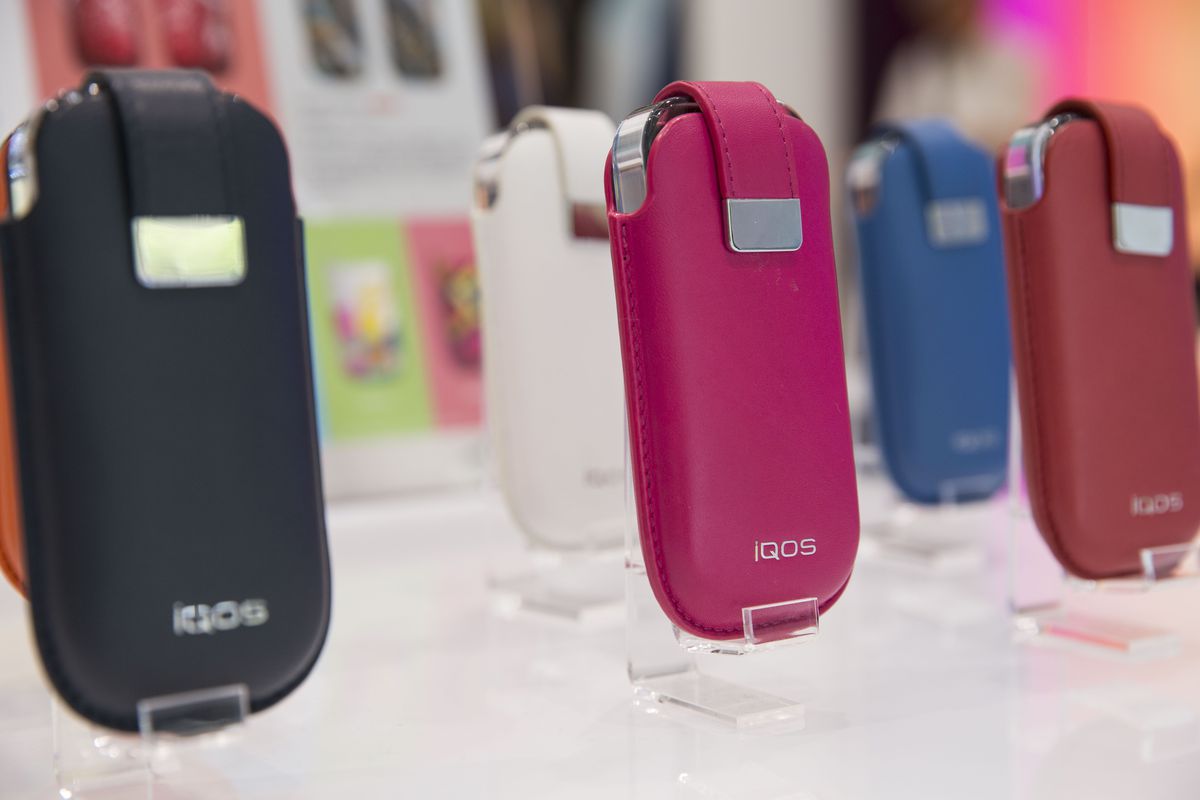
    Philip Morris Korea Inc. said Thursday that it will begin selling its tobacco sticks, called Heets, produced at its factory in South Korea later this month.

    To this point, Philip Morris Korea imported Heets for sale in South Korea.

    Philip Morris Korea has expanded its production facility in Yangsan, the first facility in Asia to manufacture heated tobacco units for its tobacco heating device IQOS. Yangsan is a city located about 420 kilometers southeast of Seoul.

    The share of Heets, tobacco sticks exclusively for IQOS, was reported at 8.1 percent of South Korea’s total tobacco market in August.

  • Snapchat adds new ad features for retailers

    Snapchat adds new ad features for retailers

    On the back of a tie-up with Amazon, which saw Snapchat commence the testing of visual search shopping, the U.S. social media firm has now debuted three advertising routes for retailers to use.

    The first, coming out of its initial test phase, is called Shoppable Snap ads, which are made available through Snapchat’s self-service ad-buying platform. Previously known as Collection ads, advertisers can now create shoppable collections of products.

    That leads to the second new function, where brands can import their product catalogs and instantly create ads from assets already available.

    Brands can also use their imported product catalog feed to create Story Ads and Snap Ads as well. It is designed much like the shopping links already used by Instagram and Facebook, allowing users to tap on a product image and view more information about it.

    Thirdly, Snapchat pixel is designed to hone in on Snapchat users who visit a site, allowing brands to see what types of pages the users visit.

    Looking forward, Snapchat will team up with more than 40 new partners with digital ad experience, to help advertisers create ads with e-commerce, direct response and data-driven capabilities.

    The news comes as Snapchat continues to garner a strong following, especially among younger consumers.

    A report by research firm eMarketer said Snapchat is expected to add 1.2 million new teen users by 2022.

    In comparison, rival social media firm Facebook, is expected to lose 2.2 million users, said the report.

    For the recently ended second quarter, Snapchat’s global revenues grew 44 percent reaching $262 million. Snapchat predicts current third-quarter revenues to fall between  $265 million to $290 million, up 27 percent to 39 percent from a year earlier.

  • Lotte’s Shin returns to work after early release

    Lotte’s Shin returns to work after early release

    Lotte Group Chairman Shin Dong-bin returned to the office on Monday, getting back to work immediately to resolve issues that were put on hold while he was imprisoned until Oct. 5.

    Shin was spotted heading to his office on the 18th floor of Lotte World Tower in Songpa District, southern Seoul, Monday morning without responding to questions from reporters.

    The 62-year-old Lotte head’s return to work comes just eight months after he was sentenced to 30 months in prison in February for bribing former President Park Geun-hye. On Friday, the Seoul High Court replaced the prison sentence with four years of probation.

    On his first day back, Shin was scheduled to meet with top executives for business updates, including heads of Lotte Group’s four main business units and Vice Chairman Hwang Kag-gyu, who was the de facto leader of the conglomerate during Shin’s vacancy.

    “We plan to speed up examinations of business agendas that were put on hold in order to normalize the company’s management,” a Lotte spokesman said.

    Shin was a core decision maker for multiple large-scale projects inside the group, and his imprisonment put a halt on many of those plans. Earlier this year, Lotte was looking into investing a total of 11 trillion won ($9.6 billion) in domestic and foreign companies, but the decisions had to be postponed.

    Among the large-scale construction projects waiting to restart is Lotte Chemical’s massive oil complex in Indonesia, in which the company planned to invest 4 trillion won by 2023. This was the largest ongoing investment when Shin was detained in February. Lotte finalized procedures in purchasing land for the site last year, but its construction was indefinitely postponed.

    Another problem left to untangle is the Lotte World project in Shenyang, China. The ambitious 3-trillion-won plan to build a mall, theme park, hotel and residencies inside one complex was stopped during construction by Chinese officials in November 2016. The apparent reason was safety violations, but it was thought to be part of unofficial sanctions on Lotte for having approved a land swap with the then-government for the deployment of the U.S.-led Thaad antimissile system.

    Lotte’s organizational reform also has a chance of moving forward now that Shin is back in control as he can mediate between Korean and Japanese shareholders. Since 2016, Shin has led efforts to cut cross-shareholding among affiliates and rearrange them under Lotte Corporation, a Korean holding company.

  • Samsung sets quarterly profit, revenue records

    Samsung sets quarterly profit, revenue records

    Samsung Electronics once again set quarterly records for profit and revenue thanks to high demand for the semiconductor chips needed to propel today’s key technologies.

    However, Korea’s biggest company is facing challenges as its current portfolio is heavily dependent on computer chip sales. Its smartphone business is struggling as sales of its flagship Galaxy S9 smartphone sales failed to reach expectations.

    According to Samsung Electronics’ guidance report on third-quarter performance, released on Friday, the company’s revenue grew 4.7 percent compared to a year ago to 65 trillion won ($57.5 billion) while its operating profit expanded by 20.4 percent to 17.5 trillion won. It is a new record for both quarterly revenue and operating profit. The earlier market consensus on Samsung Electronics’ operating profit was between 16.8 trillion won and 17.1 trillion won. Compared to the previous quarter, revenue was up 11.1 percent and operating profit was up 17.7 percent.

    Although the guidance report did not give details on the earning performance of each business, market experts believe the company’s record-breaking performance was due to the company’s semiconductors.

    Brokerage firms estimated that Samsung Electronics made roughly 25 trillion won in revenue in semiconductors in the third quarter, up 24 percent from last year’s 19.9 trillion won.

    The operating profit of the memory business is estimated to have increased by 36 percent to 13 trillion won, which would be an all-time record.

    DRAM revenue is believed to have surged 47 percent year-on-year to around 14 trillion won while NAND flash was up more than 8 percent during the same period to 7 trillion won.

    “The recent starting of additional production line manufacturing DRAM and NAND flash of the company’s memory plant in Pyeongtaek, Gyeonggi, is said to have contributed to the robust sales of the company’s memory chips,” said Doh Hyun-woo, NH Investment & Securities analyst.

    The company’s display business is estimated to have improved sharply in the third quarter as well, contributed by Apple’s release of the latest iPhone, equipped with organic light-emitting diode (OLED) display, in September.

    While the liquid-crystal display (LCD) business revenue is estimated to have dropped 28 percent, OLED business is estimated to have increased 35 percent year-on-year to over 7.5 trillion won. LCD prices have recently been falling on the attacks of low-price competition from Chinese companies. The overall display revenue is estimated to have increased 14 percent to around 9.5 trillion won.

    On the contrary, Samsung’s mobile communication business is believed to have suffered. Sales of the Galaxy S9, which was released in the second quarter, are middling, and the company is believed to have spent a large amount on marketing the Galaxy Note9, which was released in August. This likely had an effect on the company’s operating profit.

    In the third quarter, market analysts believe the mobile business dropped 9 percent to 25 trillion won, while operating profit fell nearly 30 percent year-on-year to 2.3 trillion won compared to the 3.3 trillion won recorded a year ago.

    The company’s dependency on its semiconductor’s business is becoming an increasingly large concern.

    “While the third quarter guidance report is positive in that it exceeds earlier market consensus, heavy dependency on semiconductor performance is a negative [for Samsung Electronics],” said Kim Yang-jae, analyst at KTB Investment & Securities. “[Samsung Electronics] is facing a slowdown on earnings momentum, as DRAM prices has been falling since the fourth quarter.”

    DRAMeXchange, a computer chip market research firm, estimated that DRAM and NAND flash prices will fall in the fourth quarter compared to the third quarter due to difference between supply and demand. When compared to the third quarter, DRAMeXchange projected a 5 percent drop in the fourth quarter, sharper than earlier estimates of a 1 to 3 percent decline.

  • Uniqlo Opens Biggest Southeast Asian Store in Manila

    Uniqlo Opens Biggest Southeast Asian Store in Manila

    Uniqlo opened its largest Southeast Asian store yet on Friday, in Manila’s Glorietta 5 shopping centre.

    The store spans two floors with more than 4000sqm in retail space. The Japanese fast-fashion brand’s 15th global flagship, it has been likened to its stores in Paris, Oxford Street in London, Orchard Road in Singapore and on New York’s Fifth Avenue.

    “The new store offers local and international customers a huge shopping area and a world-class immersive shopping experience featuring large visual displays and state-of-the-art design concepts,” said Uniqlo in a statement.

    “As with other global flagship stores, it will also showcase the full lineup of LifeWear for men, women, kids and babies.”

    Uniqlo Philippines has been running a nationwide campaign as a lead-up to the store’s launch, called ‘Our Future Is Here’. The fast-fashion retailer has been inviting customers to nominate Filipinos who they believe are leaders in sports, film, music, culture, design, and other disciplines, influencing the nation’s future.

    As part of that campaign, an installation from local artist Leeroy New takes centrestage on the store’s second floor.

    “The great success of Uniqlo Philippines is thanks to our customers here,” said John Jay, president for global creative at Uniqlo’s parent, Fast Retailing.

    “The Our Future Is Here campaign is an exciting opportunity to deepen our connection with the city of Manila through our global flagship store, to engage communities and celebrate the innovators who will shape its future.”

    Opening its largest Southeast Asian store in Manila is testament to the Uniqlo brand’s strength in the Philippines.

    The store’s ground floor features the brand’s basics range including its Airism and HeatTech ranges, while the second floor hosts Uniqlo U and Uniqlo UT t-shirt collaborations.

  • NSK Hypermarket Malaysia to open in Cyberjaya in 2020

    NSK Hypermarket Malaysia to open in Cyberjaya in 2020

    Retail and wholesale chain NSK hypermarket is set to open in Cyberjaya by the end of 2020, with the signing of a tenancy agreement between Setia Haruman Sdn Bhd and NSK Property Sdn Bhd.

    NSK will rent a 13-acre piece of land located at the centre of Cyberjaya from Setia Haruman for 15 years. The 250,000 square feet hypermarket is targeted to open for business in the last quarter of 2020 and will initially operate from 7am to midnight daily.

    The hypermarket will cost RM35 million to build and operate retail and wholesale business, making it the first of its kind in Cyberjaya.

    “Our hypermarkets in Selayang and Kuchai Lama, operate 24 hours and we believe there is a growing need to have 24-hour hypermarkets to meet the needs of the people who wants the flexibility of shopping at any hour of their convenience. This can also be a possibility here as we see many 24-hour facilities mushrooming in Cyberjaya,” NSK executive chairman CB Lim said in a statement.

    Setia Haruman executive chairman Ahmad Khalif Mustapha Kamal said the opening of NSK hypermarket in Cyberjaya is yet another milestone in the growth and development of Cyberjaya’s ecosystem, which has many amenities that cater to the needs of its community from education, sports and recreation, 24-hour outlets and more.

    “With the opening of a public hospital and MRT in 2020 and 2022 respectively, we are confident many more businesses will open in the near future and this will enhance the liveability of Cyberjaya at large. We aim to make Cyberjaya, THE ideal place to work, live, study and play,” he said.

  • Stephen Marks mulls French Connection sale

    Stephen Marks mulls French Connection sale

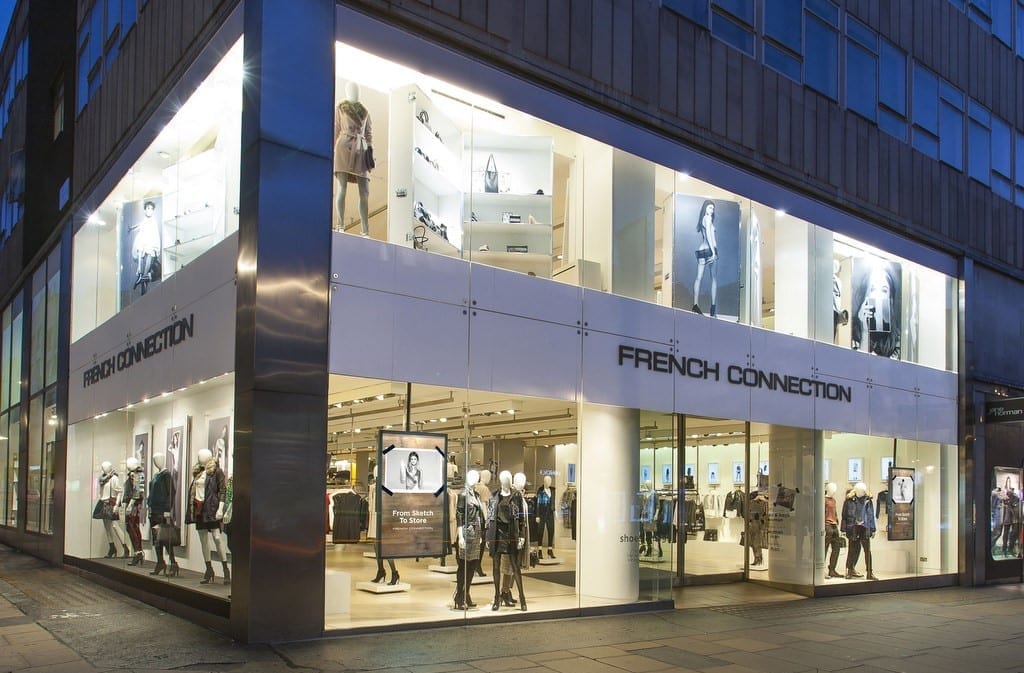
    French Connection founder and CEO Stephen Marks plans to sell his remaining cornerstone stake in the fashion label.

    Sky News UK has reported Marks has engaged Numis Securities to approach prospective buyers for the 42 per cent stake in French Connection which he still holds. He founded the brand back in 1969.

    UK media is reporting that should a buyer be found for the stake, it would almost certainly trigger a takeover bid for the entire company. A formal stock exchange announcement is pending.

    French Connection is emerging from a challenging period in its history after its hugely successful FCUK era brand positioning fell from favour in the late 2000s. In recent months, it has built strong sales online via Asos and it raised £23.3 million from the sale of 75 per cent of its Toast label in April to Danish retailer Bestseller United, parent of Selected, Vera Moda and Jack & Jones, among others.

    But the parent brand, now down to a store network of only about 30, recorded a like-for-like sales decline of 7 per cent in the half year to July 31 and a loss of £5.5 million. Marks, however, anticipates the business will be profitable by January with licensing income on the rise, reaching £2.6 million for the period, and wholesale revenues up 6.2 per cent.

    Any deal for Marks’ stake will be heavily influenced by the second largest shareholder in French Connection, Mike Ashley, who holds 27 per cent of the stock. Ashley recently bought out troubled House of Fraser and is CEO of Sports Direct.

  • IKEA India not to hike prices of low-end furniture products

    IKEA India not to hike prices of low-end furniture products

    Swedish furniture giant IKEA Sunday said it would not raise the prices of low-end furniture and furnishing products if the company costs increase due to Centre’s recent hike in customs duty on some furnishing items to curb imports of non-essential goods.

    “For now, we have not seen any repercussions, but if there is continuation of costs due to hike in customs duties on furniture and furnishing items, then at some point of time we would have to pass it (burden) on to customers, but we may do it on higher-end products, not lower-end,” Patrik Antoni, Deputy Country Manager said.

    “So, customers can still be hopeful,” he said.

    Patrik said IKEA is a global company and it would appreciate global trade, but would not be happy with trade barriers such as customs tariff or import duties.

    He also said trade barriers will only affect ‘ease of doing business,’ which will in the long run affect customers.

    The Central Government had on September 26 hiked customs duties on as many as 19 items, including jet fuel, air conditioners and refrigerators, with an aim to curb imports of non-essential goods.

    IKEA imports most of the products it sells, and many are covered by the latest customs duty hike which includes tableware, kitchenware and household items made of plastic and travel bags, among others.

    The total import bill on account of shipment of such items into the country last fiscal was Rs 86,000 crore.

    Curbing non-essential imports was part of the five-pronged steps announced by the government to check widening current account deficit and capital outflows.

    IKEA is planning to invest nearly Rs 3,000 crore in the next three years to open three fulfillment centres (packing warehouses) in Mumbai, Bengaluru and Delhi.

    The company would open the centres as an omni-channelling brand with large IKEA stores, city centre stores and online presence.

    IKEA is set to open its second store in Mumbai later this year and would hold a ground-breaking ceremony on October 11 in Bengaluru.

    By 2025, there would be over 25 stores across cities such as Ahmedabad, Surat, Pune, Chennai and Kolkata with both online and offline approaches.

  • Restructuring for Tencent as challenges rise

    Restructuring for Tencent as challenges rise

    Facing increased challenges from tighter government regulations, the Chinese internet giant, Tencent Holdings, announced last week its first restructuring in six years.

    The reshuffle comes as Tencent Holdings, which has seen a hefty fall in market value this year, is facing fresh criticism from analysts and investors unnerved by regulatory roadblocks, a fuzzy overseas strategy and growing debt.

    The gaming and social media firm is one of a number of Chinese internet companies whose prospects are in question after years of spectacular growth.

    The Shenzhen-based and Hong Kong-listed company said in Sunday’s statement that it will consolidate three content business groups to one unit and create a new group for cloud and smart industries.

    The move is seen at improving cloud-based data offering services for corporate clients, which rival Alibaba Group dominates in China, and boosting its content offering capabilities for a wide range of services such as WeChat, music, games and other entertainments.

    Tencent commented and said it will “further explore the integration of social, content and technology that is more suitable for future trends, and promote the upgrade from consumer internet to industrial internet.”

    The company said it will also set up a technology committee to help strengthen its research and development and promote collaboration and innovation.

    Founded in 1998, Tencent enjoyed uninterrupted growth from when it went public in 2004 until this year. Its shares surged more than 88 times after its IPO, and its market value hit a peak of US$578 billion in January this year.

    On Friday, Tencent shares in Hong Kong closed at HKUS$323.20, compared with HKUS$406 at the end of 2017.

    The company’s biggest money-maker is gaming. However, its most popular game this year is PlayerUnknown’s Battlegrounds Mobile (PUBG Mobile), and Chinese authorities have yet to approve the in-game purchases that allow Tencent to make money.

    Hit by China’s intensified crackdown on online gaming, Tencent has reported its first quarterly profit fall in nearly 13 years.

    The main business of Tencent is video games but the company also runs China’s dominant social network, WeChat, with more than 1 billion users.

  • Hanoi preparation plan for SEA Games 2021

    Hanoi preparation plan for SEA Games 2021

    Hanoi plans to upgrade the Hang Day stadium into an international sports complex for the SEA Games 2021.

    Capital city authorities have outlined this plan in a recent report to Prime Minister Nguyen Xuan Phuc, saying the upgrade is required because the condition of Hang Day stadium on Trinh Hoai Duc Street has severely deteriorated in recent years.

    The new complex would cost over VND6.3 trillion ($270.4 million), with funds raised from investors who operate the stadium for 50 years, the report said.

    The sports complex will be built on an area of 32,000 square meters, expanding the current area of 22,000 square meters.

    A deal for the upgrade was signed in March by domestic private firm T&T Group which manages the stadium, and French firm Bouygues Construction.

    The headquarters of the city’s Department of Planning and Investment nearby will be moved to another location to make space for the new complex.

    It will be the second international sports complex in Hanoi, after the My Dinh stadium in Nam Tu Liem District.The new stadium will have a capacity of 20,000 people, with several additional facilities including cinemas, event centers, parking basements and convenience stores.

    The Hang Day stadium is a multi-purpose facility which was first established for Hanoi’s École d’Education Physique (Hanoi’s School of Physical Education) in 1934. It was later expanded in 1958.

    In 2017, it was placed under the management of T&T Group, a corporation involved in finance, real estate and agriculture sectors.

    Hanoi will host the 31st edition of the Southeast Asian Games (SEA Games), which is scheduled to last 17 days, as well as the Para Games, for 11 days, from October to December in 2021.

    A total of 16,000 people are estimated to participate in the event, 11,000 of them athletes.

    This is the second time that Vietnam will be hosting the SEA Games after the first instance in 2003.

  • Li-Ning launches outlet in Lahore Pakistan

    Li-Ning launches outlet in Lahore Pakistan

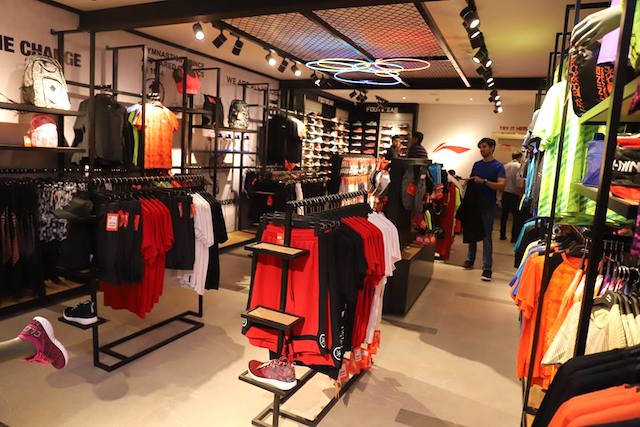
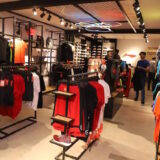
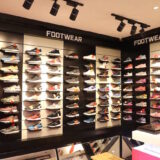
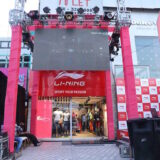
    Li-Ning Pakistan has made its debut with a flagship in the capital city of Lahore.

    The Chinese sportswear and accessories giant says the new Gulberg flagship, opened late last month, signals a nationwide expansion in the territory following the introduction of Li-Ning products in resellers earlier this year.

    Pakistan’s international badminton champion Mahoor Shehzad has been made the face of the brand in this market.

    Li-Ning was founded by its namesake, a prominent Chinese gold medallist athlete in 1990, before becoming one of the world’s largest sports apparel brands.

    Li-Ning operates more than 6400 stores and outlets worldwide.

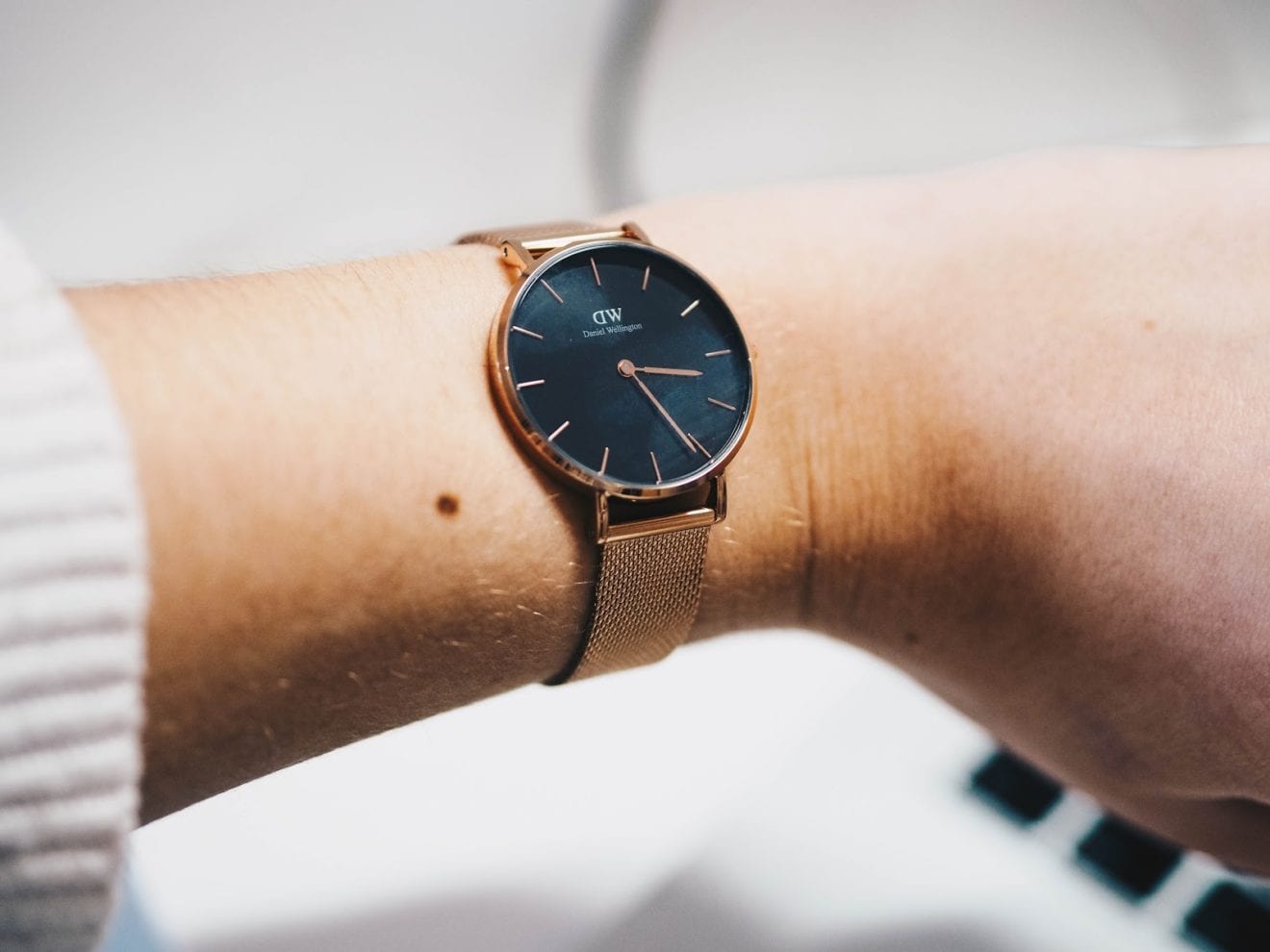
  • Daniel Wellington put more focus to boosts travel retail sector

    Daniel Wellington put more focus to boosts travel retail sector

    Daniel Wellington is strengthening its expansion in global travel retail, opening more than 35 stores in key travel destinations during the past six months.

    Helen Wong, head of travel retail at Daniel Wellington said that the watch brand has consolidated its brand image in travel this year through stronger collaborations and exclusive concepts.

    “We are approaching the travel retail experience not only on a product level, through our new Daniel Wellington travel retail-exclusive products, but also through elevated brand concept environments,” she said.

    “Thanks to stronger collaborations with our partners and popular demand from our fans, we have been able to present the brand in creative and engaging pop ups and shops-in-shops this year, with more exciting spaces to come.”

    The company opened at Shenzhen Bao’an Airport last month, marking the first Daniel Wellington boutique in a travel retail location at a Chinese airport.

    In Malaysia, the brand has partnered with Dufry to open at the Genting Highlands integrated resort, northeast of Kuala Lumpur.

    And in Thailand, Daniel Wellington has signed the lease for its first store, to be opened at Chiang Mai in partnership with local duty-free retailer King Power.

    Travel is also on the agenda in South Korea, where the brand is consolidating its presence with renovation projects planned across 16 locations, including in Seoul, Incheon, Busan and Jeju. The brand is also targeting premium destinations and has designed a new furniture concept specially for travel retail locations.

    Other travel retail openings this year include a first store in Cam Ranh Airport, which serves the popular Vietnamese tourist destination of Nha Trang.

    Besides opening stores in travel-related locations, Daniel Wellington has developed products exclusive to these stores this year, including the Classic Cambridge 36mm style modelled on the 40mm size, one of the brand’s first styles launched.

    Wong said the company’s greatest focus during coming months will be to solidify the brand awareness through controlled distribution and a global social media strategy for travel retail.