Tag: asia

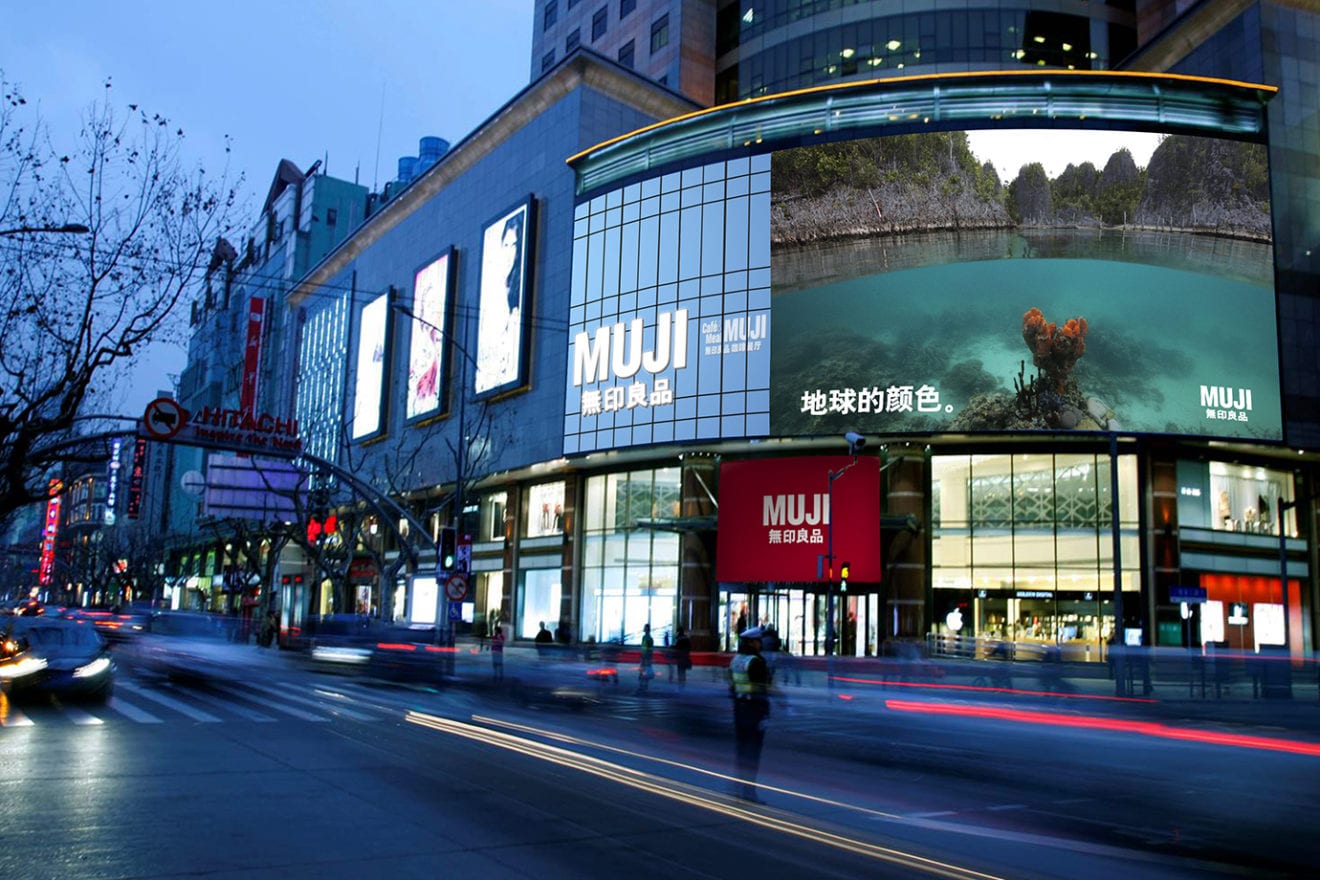
  • Giant Muji Ginza flagship plan revealed

    Giant Muji Ginza flagship plan revealed

    Japanese anti-brand retailer Muji will open a new global concept store in Tokyo’s Ginza district next April.

    Besides a seven-storey Muji Ginza retail store, the company will open a Muji Hotel, a gallery and community space and a Muji-branded Diner on the site. It will close its existing standalone Tokyo flagship store at Yurakucho on December 2.

    Satoru Matsuzaki, president and representative director of Muji’s parent company Ryohin Keikaku, says the new Muji Ginza flagship will be a global statement for the brand with a focus on food.

    “Muji wants to connect the relationships between people and people, people and society, and people and nature through its goods and services,” Matsuzaki said in a statement.

    “Among the three most basic of human needs (clothing, food, and housing), food is perhaps the most critical, essential part of life. City dwellers, however, have become far removed from the farms, ranches and fisheries, where the food is actually produced, and have come to consume food as nothing more than mere merchandise. Many of them know neither the producers, the land nor the sea that grew the food.

    “The new global flagship store will dedicate more goods and services to food. We hope it helps customers think about the producers and production areas, taking another look at the relationship between food and people.”

    A dedicated food area on the store’s ground floor features vegetables and fruits delivered directly from the farms near Tokyo. The store will sell freshly squeezed juice or desserts made from in-store fruits. There will be a space to eat on site and the store will sell teas, spice and fruits by measure.

    A Muji Diner will open in the first basement level, focusing on simple food and featuring a salad bar. Dishes of fish, meat or wild game in season will be available for individual diners and groups.

    Muji Hotel Ginza and Atelier Muji Ginza

    Described as “anti-gorgeous, anti-cheap” the Muji Hotel Ginza promises “a great sleep at the right price”. It will be the third Muji Hotel after properties in Shenzhen and Beijing, featuring 79 guest rooms.

    The Atelier Muji Ginza will open on the building’s sixth floor, beneath the hotel, intended as a “multi-purpose facility of design and culture”.  It will comprise two galleries for exhibitions featuring craftwork and design, a salon where people can talk over coffee or drinks, a library of books related to design and arts and a lounge for events and workshops.

    To bridge the gap between the old flagship’s closure and the new Ginza concept’s opening, a mini pop-up store is planned for Marronnier Gate Ginza – half way between the two sites – trading for three months from December 12. It will stock items selected from Muji’s 7000 lifestyle basics range.


  • Flipkart arm to invest Rs 991 cr for logistics hub in Bengal

    Flipkart arm to invest Rs 991 cr for logistics hub in Bengal

    Instakart Services, a part of the online e-commerce major Flipkart, is set to invest Rs 991 crore for setting up a logistics hub in West Bengal, a Minister said on Wednesday.

    “The company proposes to invest Rs 991 crore for setting up a logistic park at our Haringhata Industrial park which has road network advantage and is near the airport. According to the detailed project report, it will provide 18,310 jobs,” Finance, Commerce and Industries Minister Amit Mitra said.

    West Bengal Industrial Development Corporation (WBIDC), in its board meet on Wednesday approved in principle the company’s proposal, which will now go to the Cabinet standing committee for its nod, he said.

    The state government has about 358 acres of land at an industrial park, of which the company will be provided around 100 acres at Rs 63.49 lakh per acre, Mitra said adding that it will act an as anchor investor in the park.

  • Hypebeast launches Hypefest

    Hypebeast launches Hypefest

    Hypebeast is the prime destination for young male in their mid-2000s with a vague interest in Japanese denim or limited-colorway Nike Dunks or whatever it was that Pharrell was wearing that month.

    The fashion blog was among the first to enthusiastically document trends in sneakers and streetwear.

    Kevin Ma, who founded the blog in 2005 when he was a student in Vancouver, didn’t know much about fashion then. But 13 years later, the Hong Kong native sits quietly at the top of a publicly traded Hypebeast empire.

    His dominion includes the website, a quarterly print magazine, an online store, legions of influential fans and now a Hypebeast festival, which will take place the first weekend of October in an undisclosed location in Brooklyn with a “breathtaking view of the Manhattan skyline.”

    It will be called Hypefest.

    Mr. Ma, 36, and his team have been reluctant to share too much information in advance of the festival; it might kill the hype.

    Instead, taking cues from the brands that they’ve promoted for years, they are letting news about the festival trickle out slowly, and letting intrigue build.

    Upward of 10,000 tickets will be available online next week — for free.

    But promotional materials promise that Hypefest will be a “highly curated and educational experience.” There will be booths from global clothing companies like Adidas Originals, Diesel and Moncler, as well as streetwear brands like Needles and Girls Don’t Cry.

    There will also be music, food, art and talks with fashion designers, held in a “Hypetalks panel discussion area.”

    Perhaps most notably, Hypefest will not be a merch-fest.

    “We want people to really have an experience as opposed to shopping,” Mr. Ma said. “I feel that you can shop any time. You can shop at a shop. You can go to a pop-up to shop. You can go online to shop.”

    Hypefest merchandise will primarily be sold online, which could curtail the secondhand market that is endemic to hypebeast culture, in which “drops” of merchandise from vaunted brands are snatched up quickly in person and resold.

    Scarcity is part of the aesthetic, which has been adopted by celebrities like Jonah Hill (called “a budding darling of the hypebeast community” by Dazed) and Justin Theroux (a “low-key hypebeast,” according to The Cut). Their outfits have helped to incubate an entire media ecosystem, as tabloids analyze their casual style.

    The 2018 hypebeast bears only a loose resemblance to the one whose wardrobe Mr. Ma assembled in the early days of his site.

    During a recent interview at his apartment in SoHo, he was dressed down in a loose black long-sleeve shirt, jeans and black Vans. Even the most discerning eye might have missed that the jeans were from Mr. Completely, the Los Angeles store; that the shirt was from the Japanese brand N.Hoolywood; that his frames were from Gentle Monster, the Korean glasses retailer.

    Though Mr. Ma’s understated, globally sourced look spoke to the style ideology he has long tried to inculcate in his readers, Hypebeasts are now more easily identified by flashy, recognizable brands.

    But Mr. Ma understands, he said, that the term is now mostly out of his control.

    “It can be anything nowadays I feel,” he said. “Which is kind of cool.”

  • Grab, Fave form strategic partnership to boost growth

    Grab, Fave form strategic partnership to boost growth

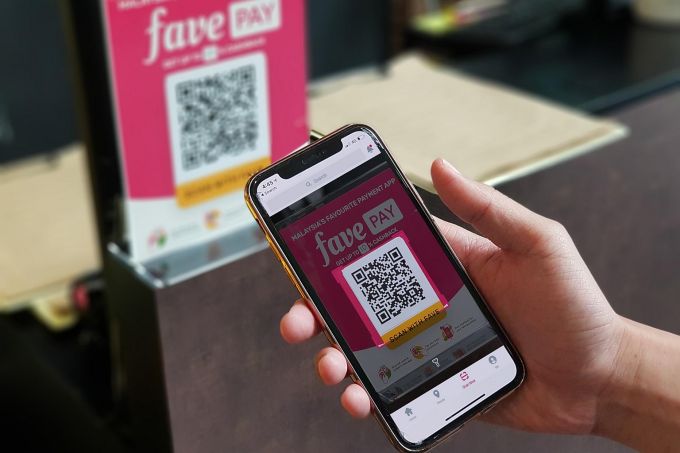
    Prominent O2O services Fave and Grab have announced a strategic partnership to accelerate growth for both platforms across the region.

    The partnership combines the strengths of Fave’s broad merchant network and FaveDeals platform with Grab’s large user base and growing ecosystem.

    Starting this week, Fave’s merchant sales team will onboard merchants for GrabFood and GrabPay in Singapore and Malaysia, aiming to further accelerate the growth of both firms’ respective food delivery and mobile wallet services in these countries. Later in October, Fave will expand its platform with GrabPay mobile wallet.

    Fave customers can already spend their GrabPay balance at restaurants and retailers in the Fave network and deals available on Fave. Users may spend their credits across multiple categories and receive discounts and cashback offers. As a result, Fave merchants will now be able to access Grab’s Asean-wide customer base of more than 110 million app downloads.

    The integration of the GrabPay wallet was done through GrabPlatform, a suite of APIs that enables partners to access components of Grab’s technology like logistics and payments. This is the first of its kind integration in a partner app for the Grab Platform.

    Grab Financial’s senior MD Reuben Lai said” “We’ve always believed that in order for the region to go cashless, we would need a collaborative approach and are happy we can now count Fave, one of the fastest growing O2O platform in Southeast Asia as a strategic partner. As the region’s leading fintech platform, we will increasingly offer integrations through GrabPlatform. This allows more local and global partners to tap into previously untapped consumers and grows the Grab ecosystem as an everyday app.”

    Founder of Fave Joel Neoh added: “This collaboration with Grab provides a valuable win-win situation for both merchants and consumers. By providing GrabPay wallet as a payment option on the Fave platform, our merchants will immediately benefit from additional customer traffic from the millions of people who use the Grab platform daily. For customers, we have just made life easier for paying at our Fave merchants by partnering with the leading mobile wallet in the region.”

    The two partners are exploring additional ways to collaborate and help small and medium-sized enterprises grow their business. Further collaborative efforts will be focused on integrating more services on both platforms.

  • E-commerce majors see strong growth in apparel, large appliances as festive sale kicks off

    E-commerce majors see strong growth in apparel, large appliances as festive sale kicks off

    E-commerce giants Flipkart and Amazon India have seen a strong start to their festive sale with categories like apparel and large appliances driving record transactions and new customers coming on board.

    According to a PTI report: These companies have put in months of preparation in ramping up selection, setting up warehouses and strengthening delivery network ahead of the festive sale to ensure a smooth shopping experience for customers, with demand being much higher than on non-festive days.

    Players like Flipkart, Amazon India and Paytm Mall kick-started their festive sale from October 10 that will continue for the next 5-6 days. More offers are expected to be rolled out over the next many days leading up to Diwali.

    “The scale of Big Billion Days (festive sale of Flipkart) has only grown with each passing year and this year too, we expect the trend to continue. While each category sees manifold growth, we expect smartphones, large appliances and apparel to be phenomenally big categories,” Kalyan Krishnamurthy, CEO, Flipkart said.

    He, however, declined to comment on the volume of business expected to be generated, saying “its early to speculate as the growth always end up surprising us”.

    Amit Agarwal, Senior Vice President and Country Head at Amazon India, said the first day of the Great Indian Festival 2018 has been the biggest day ever with record-breaking sales across categories.

    “We are off to a great start and have seen phenomenal numbers during early access and first day that is still on. Three out of four phones sold in the country were on our platform. We saw record sales in large appliances category like TVs, washing machines and refrigerators,” he said, adding that there has been 2.7X growth in number of new customers shopping on Amazon.in compared to previous year’s Diwali.

    Agarwal said Xiaomi, on its platform, sold more than a million devices in a day, while OnePlus has seen record bookings worth Rs 400 crore.

    “More customers bought fashion products than any other, as Amazon fashion saw its biggest day ever more than doubling its growth over last year,” he further said.

    About 20 million people are expected to shop on various e-commerce platforms during the festive sale, translating into sales of around US$ 3 billion for players like Amazon and Flipkart, according to a report by research firm RedSeer.

    The report states that the share of items like electronics and furniture during the sale could be higher this year due to various affordability initiatives being undertaken by the e-commerce players. Mobile phones currently account for a lion’s share of sales on the two leading e-commerce platforms.

  • Boneshaker burger to open more stores in China

    Boneshaker burger to open more stores in China

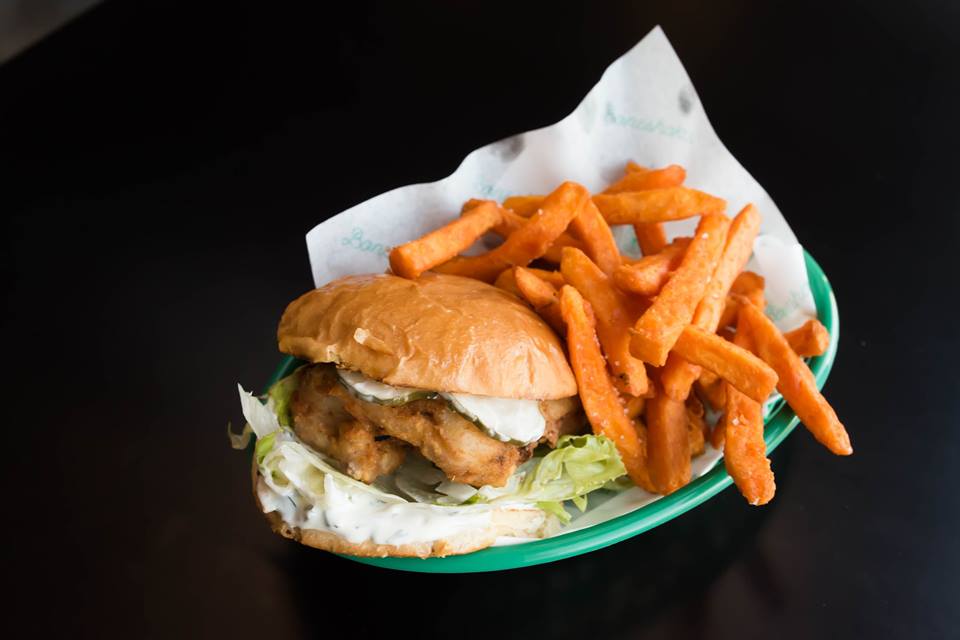
    Australian burger bar Boneshaker has opened three stores in Shenzhen and now plans 20 in greater China, given the strong response to date.

    Boneshaker describes its offer as “an Aussie burger with the lot” featuring beetroot, egg and pineapple, which is a new burger variation for China.

    Owner Billy Petropoulos opened the first Boneshaker in Shenzhen in March last year, refining the format to the local market, before two more stores followed. The remaining 17 planned will open progressively over the next five years.

    Petropolous said in an interview in his hometown of Adelaide that the market in China is young, and Shenzhen itself is just 40 years old.

    He said the burgers appeal particularly to the 20-40 age group. “They love it.”

    Boneshaker makes its burgers using fresh, healthy organic ingredients. It also offers local menu items such as the recently launched Peking duck fries and serves South Australian beers.

  • Nestle Malaysia to sell business to finance world’s largest Milo plant

    Nestle Malaysia to sell business to finance world’s largest Milo plant

    Nestle (Malaysia) Bhd is selling its chilled dairy business – which retails the Bliss brand of yogurt drinks, in Malaysia, Singapore and Brunei – and its Petaling Jaya factory, to Lactalis Manufacturing Malaysia Sdn Bhd for RM155.3 million, as part of plans to set up the largest Milo factory in the world in Chembong, Negri Sembilan.

    The group said it would be using RM100 million, or the bulk of the proceeds from the sale, by end of 2019, for the Milo manufacturing centre of excellence in Chembong.

    Nestle Malaysia plans to move all existing Milo manufacturing assets in the Petaling Jaya factory to the Chembong factory.

    The disposal is on a going-concern basis, with Lactalis offering continuous employment to a majority of the affected employees based on the purchasers’ evaluation of their business and operational requirements. For roles that will no longer be available, termination benefits will be accorded to those who qualify.

    The group expects a one-time gain of RM27 million from the disposal, split over 2018 and 2019.

    The deal comes with a “no compete” clause for five years, from Jan 1, 2019, forbidding Nestle Malaysia from going into the chilled dairy business.

  • Stéphane Bianchi to head LVMH watchmaking division

    Stéphane Bianchi to head LVMH watchmaking division

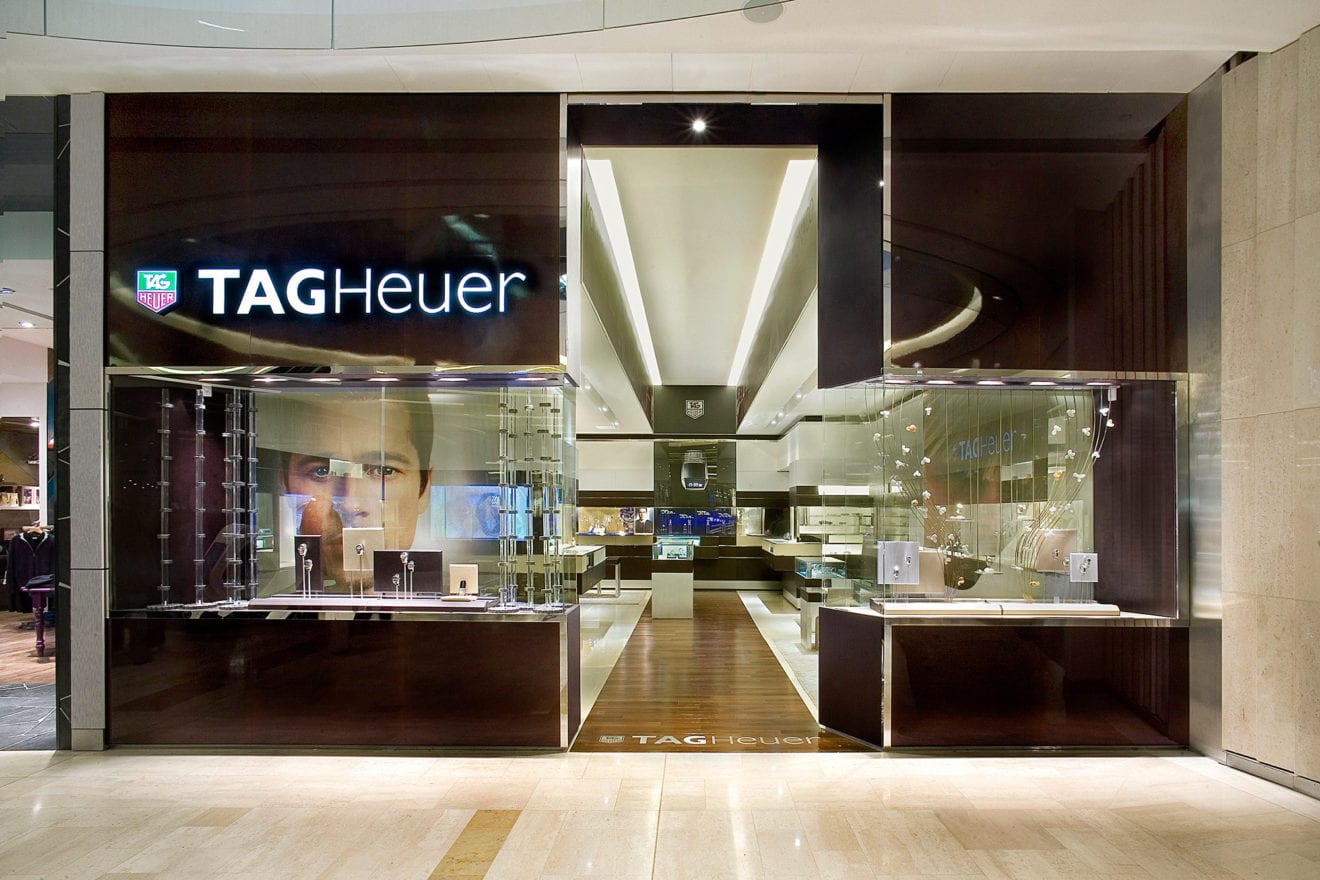
    LVMH has tapped Stéphane Bianchi, the former CEO of the cosmetics firm Yves Rocher, to succeed Jean-Claude Biver as head of LVMH’s watch division.

    Biver, who recently turned 69, stepped down from his operational duties as president of the LVMH watch division and CEO of TAG Heuer for health reasons but will nevertheless remain as non-executive chairman of the division.

    After spending over 45 years in the industry, Biver said he wishes to focus more specifically on “advising and sharing” his experience.

    Bianchi will become CEO of TAG Heuer and oversee the operations of Hublot and Zenith, the other two brands in the watch division, effective 1st of November.

    Recently on the board of the Maus Group, a family business, Stéphane spent most of his career with the Yves Rocher Group where he was CEO from 1998 to 2015.

    LVMH has also promoted Frédéric Arnault to the position of director of strategy and digital director at TAG Heuer. Arnault, 23, was named TAG’s head of connected technology last year. He is the son of LVMH Chairman and CEO Bernard Arnault.

    “I would like to applaud Jean-Claude Biver for the decisive leadership that he has shown in his role at the head of the watchmaking division,” Bernard Arnault said in a statement. “Since the integration of Hublot within LVMH, he has elevated our watchmaking division to a world class technical level of the highest order and has significantly accelerated its commercial growth. I am delighted that the Group will continue to benefit from Jean-Claude’s advice, and I am sure that his entrepreneurial spirit will bring many innovative new ideas to the world of watchmaking.”

  • Thailand is top destination for Holidays

    Thailand is top destination for Holidays

    Just more than a year ago, I ate at Nahm, in Bangkok and walked out after paying barely US$60 for a tasting menu that currently ranks 49th on the World’s 50 Best Restaurants list.

    My grand, five-star hotel, the Anantara Siam, with its gilded murals and landscaped courtyards, cost US$150 a night, including a breakfast buffet that was truly fit for royalty. Even the most expensive souvenir I bought in town, an elephant figurine with inlaid mother of pearl, cost less than a typical outing to McDonald’s back home in New York.

    Yet, according to a visualisation of recent UN World Tourism Organ-isation (WTO) data by HowMuch, a financial literacy and infographics agency, Thailand outranks every other nation in Asia when it comes to tourism spend.

    Globally, the only countries that out-earn Thailand in terms of tourism dollars are France (US$61bil), Spain (US$68bil), and the United States-which handily takes the gold medal, at US$211bil.

    It all comes down to volume. Foreign arrivals could hit 40 million next year, which is more than half the country’s population.

    “In Thailand, you’ve got something for everybody,” says Rebecca Mazzaro, a specialist for bespoke outfitter ATJ.

    “From the private island with the private villa to amazing street food meals that only cost a couple bucks, it has a diversity and variety that exists in few other markets. It’s no surprise lots of people are going-and spending,” she says.

    Though gaps in the WTO’s data make it difficult to ascertain the per-visitor spend in each of these countries, given recent and forthcoming developments, that number is likely to be rising.

    “There’s no question that historically Bangkok – and Thailand in general – has always been perceived as a value destination,” says John Blanco, general manager of the forthcoming five-star Capella Bangkok, opening next spring with 101 suites facing the Chao Phraya River.

    “But there has been a real effort to shift that perception.”

    Mastercard’s annual Global Destination Cities Index recently ranked Bangkok as the most-visited city in 2017 for the third year in a row. The study, based on undisclosed public data sources, rather than cardholder transactions, indicates that travellers shell out US$173 for a day in the Thai capital, compared to US$537 in Dubai or US$286 in Singapore. This year, it forecasts travellers will spend an additional 14% more.

    By next year, the city will have gained even more opportunities to spend, such as superlative new resorts from Four Seasons, Rosewood, Mandarin Oriental, and Waldorf Astoria, plus a US$1.6bil Bal Harbour-esque mixed-use retail development called Icon Siam. When it opens in November, the latter will claim restaurants from top-tier chefs, including Alain Ducasse and an outpost of Tokyo department store Takashimaya. The Capella hotel will house Mauro Colagreco restaurant, whose Mirazur in Menton, France, has two Michelin stars.

    “There’s a lot more meat on the bone now,” Blanco says of luxury offerings in the capital.

    Dino Michael, global head of Waldorf Astoria Hotels and Resorts, agrees. “We’ve been noticing the upscaling of Bangkok for a few years,” he tells Bloomberg. “The consumer has become more sophisticated; the dining scene has become more sophisticated.”

    And yet the timeless appeal is what led him to open the brand’s first South-East Asia property in Bangkok in August – a glassy tower with dramatic skyline views from nearly every angle. Among Bangkok’s selling points, he says, are strong infrastructure and airlift, a “depth and breadth of tourists”, and an ingrained culture of hospitality. For tourists and brands thinking about charting the region, Michael adds, “It’s world renown and an obvious starting point.”

    There may be a price to pay for popularity, particularly on Thailand’s beaches and islands. Already, throngs of partygoers on commercial yachts have done so much damage to the pristine marine ecosystem of Maya Bay-the picturesque backdrop to Leonardo DiCaprio’s 2000 film The Beach –that the area closed for four months earlier this year to recover. Unable to bounce back fast enough, it’s now being closed indefinitely. That follows similar measures in nearby Koh Khai and Koh Tachai islands, where coral was being destroyed at devastating rates.

    In Phuket, Mastercard’s 12th-most-visited destination in the world, there’s been a sharp decline in the local turtle population, correlated with the rise in beachside pollution. It’s led 70 hoteliers to band together to promote sustainability and encourage better etiquette among travellers. — Bloomberg

    And in Thailand’s north, the dramatic growth of tourism has led to a sobering spike in unethical wildlife tourism, often centering around elephants and tigers.

    The capital, meanwhile, has stayed largely out of the way of these visitor-related troubles-perhaps because it’s hard(er) to justify bad behaviour in a city with 40,000 Buddhist temples. “Of course, red light tourism is alive and well-like it or not,” says Catherine Heald, founder and chief executive of Asia outfitter Remote Lands. “But ultimately, tourism has really lifted the local economy.” At $57 billion a year, there’s no denying that.

    Read more at https://www.thestar.com.my/business/business-news/2018/10/11/thailand-is-top-destination/#zi8mAJb1KF44VojD.99

  • Burger King eyes expansion in Africa

    Burger King eyes expansion in Africa

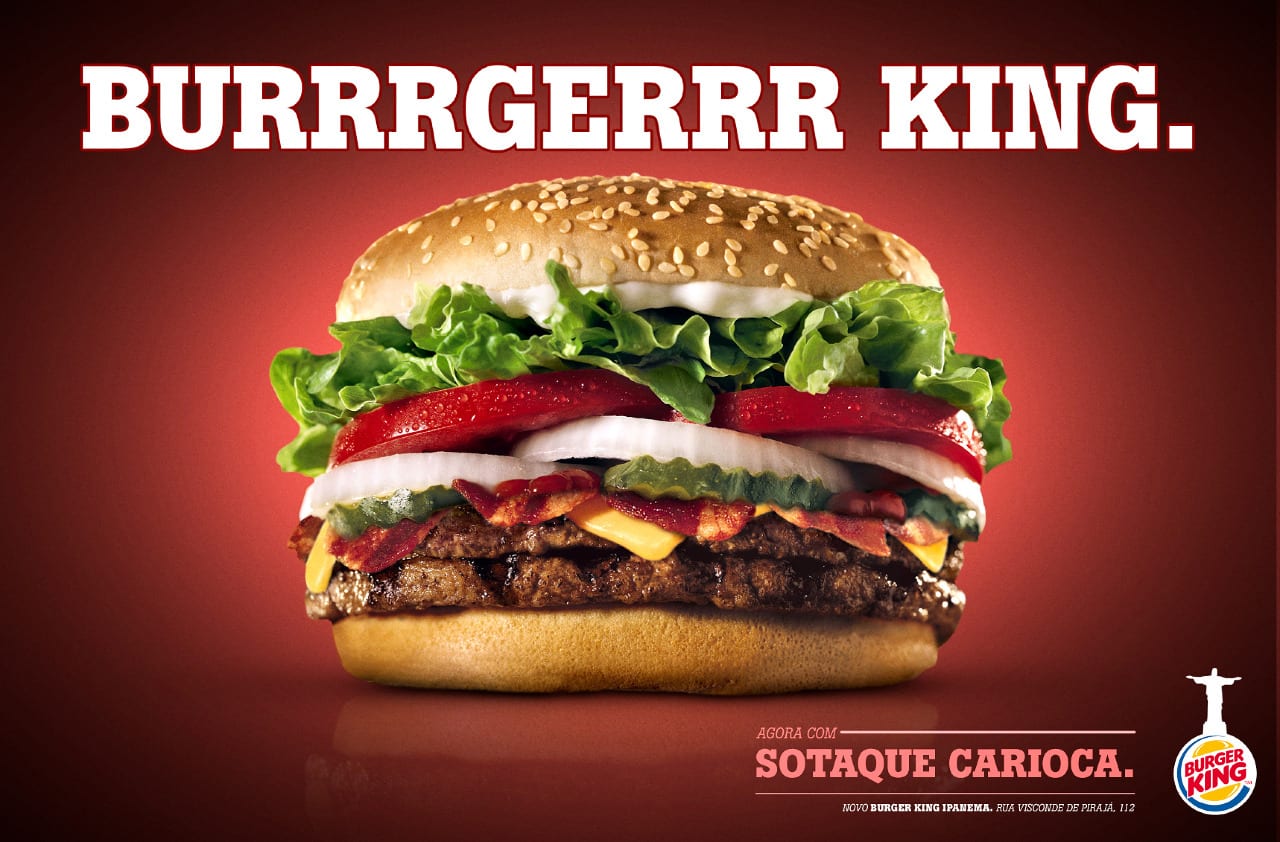
    Burger King, the world’s second-biggest burger chain, is set to launch a string of restaurants in sub-Saharan Africa, including Nigeria, according to a senior executive.

    Daniel Schwartz, chief executive of Burger King’s parent company, Restaurant Brands International, told that the region was seen as a “huge opportunity”.

    Africa has mouth-watering demographics for any fast-food chain, with the United Nations forecasting that it will have ten of the world’s fastest-growing cities between now and 2035.

    And the continent’s population is young, with a median age of just 19. The population is expected to top two billion by 2050, doubling again by the end of the century.

    Burger King is currently undergoing rapid expansion internationally, adding two or three restaurants each day to its global network. But with 17,000 outlets worldwide, it remains far behind rival McDonald’s which claims more than 37,000.

    Asia and Europe are the main focus for Burger King, but, said Schwartz, the brand is “significantly under-penetrated” in Africa.

    “We are so under-penetrated around the world relative to our peers – and ourselves in the US,” he added. “We’re just scratching the surface.”

    José Cil, president of Burger King, told the FT that fast-food restaurants “aren’t really well penetrated yet” in sub-Saharan Africa. “We think Nigeria is an amazing opportunity, we think East Africa as well.”

    Besides Nigeria, Africa’s largest economy, Burger King is reported to be eyeing Kenya and Ivory Coast among other countries in the region.

    But, said Cil, Burger King had “a lot of work to do” in Nigeria “in terms of infrastructure and supply chain”.

    “We want to do it right — and we want to do it in a big way,” he said. “We want to scale quickly. So, we’re excited about the potential.”

    News of Burger King’s latest expansion comes as Nigeria inches its way out of a recession caused by the dramatic fall in oil prices. With a population of 194 million, the country is the continent’s most populous.

  • Men more into beauty products online than women in Vietnam

    Men more into beauty products online than women in Vietnam

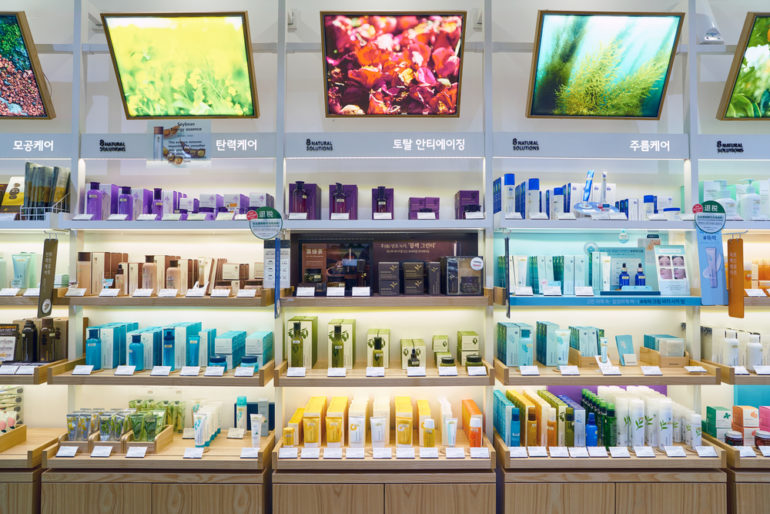
    The survey, conducted by Ho Chi Minh City-based market research firm DecisionLab, found that in the preceding three months, 58 percent of the male respondents said they had purchased beauty products online, compared to 49 percent of women.

    The survey polled more than 1,900 people.

    More men also bought clothing, footwear, cooking ingredients, mobile phones, home appliances and long distance travel packages online last year.

    The research also found variation across categories depending on where the pre-shopping research was conducted.

    Online research was mostly done for big ticket items like mobile phones, home appliances, hotel stays, cinema tickets, travel, insurance and beauty products.

    For non-durables like food and beverages, people chose to shop offline.

    In the use of mobile devices to shop online, Facebook was the most popular gateway in Vietnam, especially for clothes and beauty products, the survey found.

    The World Bank has forecast that Vietnam’s $200-billion economy is likely to grow to a trillion dollars by 2035.

    More than half of its population, compared to only 11 percent today, is expected to join the ranks of the global middle class with consumption of $15 a day or more.

    Across the country, the ratio of people using smartphones among mobile phone subscribers reached 84 percent in 2017, up from 78 percent the previous year, according to the 2017 Nielsen Vietnam Smartphone Insights Report.

    Online sales in Vietnam have expanded rapidly in recent years, currently accounting for 3.39 percent of the country’s retail market. The total retail market grew 10.9 percent last year to $173.27 billion, local media reports said.

  • Airbnb looms as major threat to HCMC hotels

    Airbnb looms as major threat to HCMC hotels

    Hotel and serviced apartment tariffs outside the city center are leveling off and on the brink of declining as a result of competition from apartments leased on Airbnb and others.

    CBRE’s senior director, Duong Thuy Dung, said since 2016 a total of nearly 100,000 apartments have been built and sold in Saigon, and a large proportion of them are on Airbnb.

    So far this year only 43 new properties have hit the HCMC serviced apartment market. This low number was because investors had to consider reducing supply to avoid the competition from short-term lease apartments, Dung explained.

    Nevertheless, grade A serviced apartments in the downtown area saw high occupancy rates thanks to their superior location and inherent differences in brand and utility, she said.

    But grade B and C serviced apartments are under pressure, as are hotels.

    CBRE study, released in September, showed demand for three-star hotels have been gradually falling because of growth of Airbnb in both HCMC and Hanoi.

    Airbnb, launched in 2008, has over five million registered rental properties in 191 countries, while the 10 largest hotel chains in the world only have 6.1 million rooms.

    As of August this year Hanoi and HCMC had 21,994 properties on Airbnb. The average rental is around $36 per room per night in Hanoi and $44 in HCMC, making them very competitive.

    CBRE concluded that with their rapid expansion in the Vietnamese market, short-term room rental services are now a direct competitor to three-star hotels due to the similarity in their prices.

  • BMW plans to take control of China joint ventures

    BMW plans to take control of China joint ventures

    German luxury carmaker BMW announced a plan to take control of its China joint-venture, the first foreign automaker to take advantage of Beijing’s new ownership rules for the sector. BMW will acquire a further 25 per cent stake in the venture with Brilliance China Automotive for €3.6 billion (US$4.2 billion), the company said, bringing its stake to 75 per cent by 2022.

    Foreign automakers have long been restricted to holding no more than a 50 per cent stake in their China operations, but Beijing decided to relax the ownership caps this year.

    The reforms are part of Beijing’s plan to further open its economy to foreign business, after years of facing pressure from the United States and Europe.

    But US and European business groups say the reforms have still not gone far enough, and have pushed for further opening.

    To force the issue, and to hit back at China for alleged theft of American intellectual property, US President Donald Trump has slapped tariffs on roughly half of the imports from China.

    The joint-venture “is the cornerstone of the BMW brand’s sustained success in its largest single market,” said Harald Kruger, BMW’s chairman.

    “BMW Group and Brilliance continue to set a good example of successful cooperation in China,” he said.

    TRADE WAR EFFECT

    The changes in ownership rules are a boon for foreign automakers which will gain a greater share of control and profits from their China operations, but hurt prospects for their Chinese partners.

    Brilliance China’s shares in Hong Kong have plummeted this year, and were suspended from trading on Thursday.

    The two companies had extended their joint venture contract until 2040 and announced a plan to pump €3 billion (US$3.5 billion) into expanding their auto plants in northeast Liaoning province – ramping up production capacity to 650,000 cars early next decade while creating 5,000 new jobs.

    BMW has been hit particularly hard by the US-China trade war with many of its SUVs imported from the US facing new 25 per cent taxes, while cars imported from other countries have benefited from China’s tariff cut for vehicles from 25 per cent to 15 percent.

    With the new production capacity, the China joint-venture will start to produce BMW vehicles like fully-electric BMW iX3 for export globally from 2020, BMW said.

    China’s auto market, the world’s largest, has faced headwinds this year as the economy slows.

    In August, China’s new vehicle sales continued to fall, following a drop in July.

  • Walmart may soon track heart rates through shopping carts

    Walmart may soon track heart rates through shopping carts

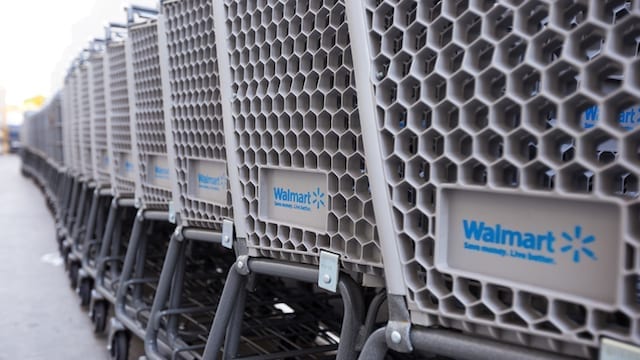
    But its not about burning calories, Walmart wants to capture shopper reactions based on what they see or feel in terms of products and prices. The patent, titled “System and Method for Biometric Feedback Cart Handle,” will have grocery carts fitted with sensors on the cart’s handle, that will transmit the data to Walmart’s servers.

    “If biometric indicators show signs of an emergency, the program may also issue a broadcast throughout the store to call associates’ attention to the situation and could potentially initiate a call for emergency medical help as well,” said technology blog CBInsights.

    However, not all shoppers are happy with this new development with many taking to social media to express their concerns. Susan La Duke tweeted that is was on “the list of reasons” why she would never shop at Walmart.

    The retail giant has also bolstered its e-commerce and grocery teams witha reshuffle of senior executives in the US.

    Kieran Shanahan was promoted as the new senior vice president of e-commerce retail for everyday living while Tom Ward was named the new senior vice president of digital operations.

    It also announced that Andrea Albright will take up the position of senior vice president of snacks, beverage and impulse, replacing Al Dominguez who is leaving the company after 12 years.

    Bloomberg reported that Shanahan and Ward had helped expand the online grocery business prior. Walmart’s grocery segment makes up more than half its US sales.

    Deutsche Bank had upgraded the shares of Walmart on Tuesday based on strength in the online grocery industry. Deutsche Bank analyst Paul Trussell said that the retail giant is “reaping returns on the many years of investment in e-commerce and customer service”, which puts the retailing giant in the best position to move forward.

    Trussell also lifted his stock target from $US89 to $US113. Nuveen managing director Stephanie Link agrees that Walmart’s digital investments and acquisitions with Jet and Flipkart are a good move although she said to CNBC that Deutsche Bank’s call is a little early as Walmart still has to do some more to deliver growth.

    “They [Walmart] have just started to make these investments, and you’re just starting to see some results, but I think it’s going to take a long time … I think the environment is competitive and I think what Walmart is doing is right, but I don’t necessarily want to own the stock,” she said on CNBC‘s “Halftime Report.”

  • Vietnam’s U18 liquor sales ban impractical

    Vietnam’s U18 liquor sales ban impractical

    They are also saying that an emphasis on education and raising awareness will have greater impact in dealing with the problem of liquor abuse.

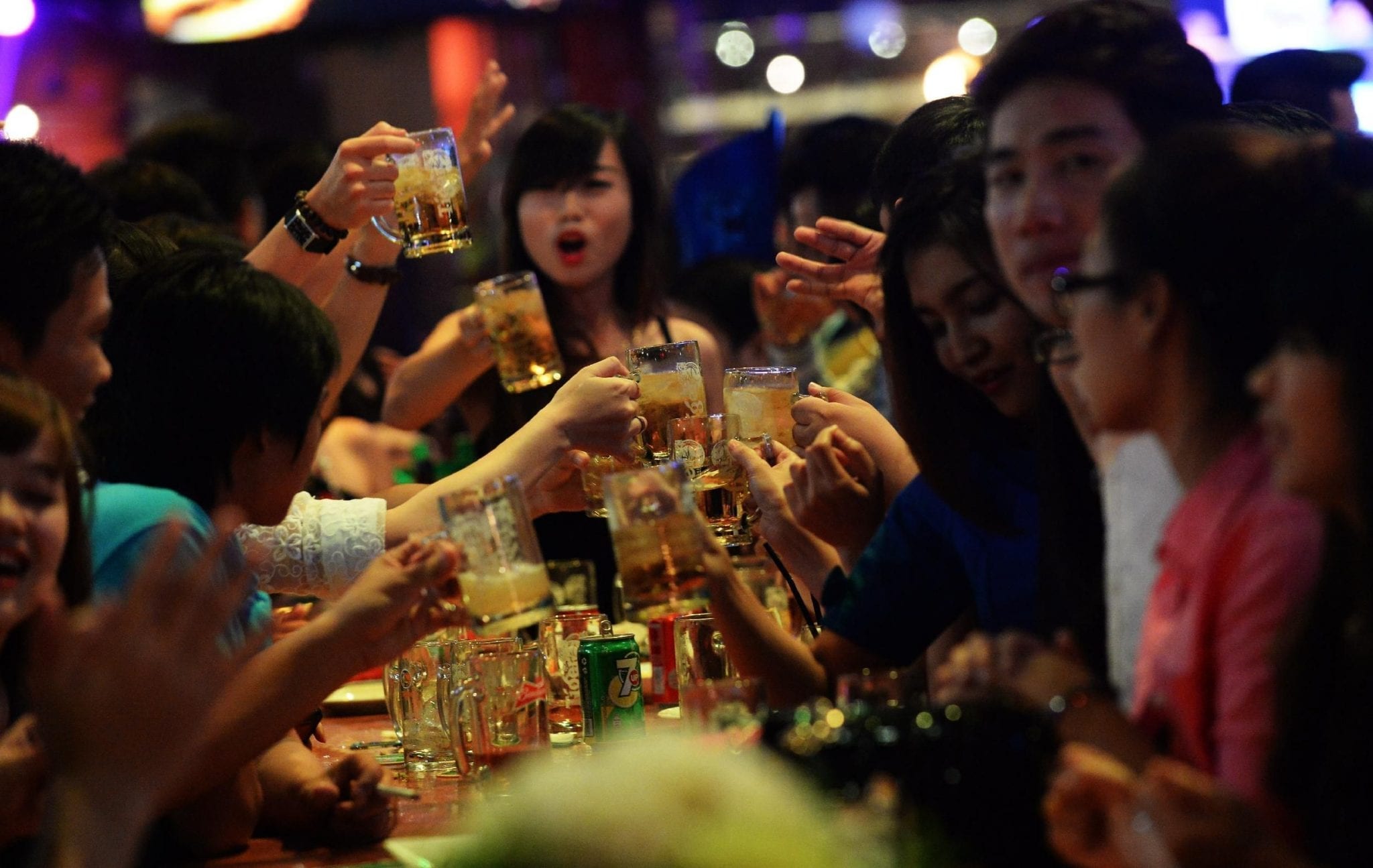
    A draft bill on the prevention of dangers of alcohol being compiled by the Ministry of Health proposes a number of prohibitions, including: promotion in any manner of liquor with alcohol content of 15 degrees or above; usage of positive phrases like “medicinal alcohol”, “nutritious alcohol” on product labels; advertising of alcohol during television prime time (6-9 p.m.); sale of alcohol to persons under 18; and sale of alcohol on the internet.

    Kieu Anh Vu of law firm KAV Lawyers said it was very necessary to bring legal measures against the dangers of alcohol, because the harm it was causing was indisputable.

    Vu said he supported the draft bill’s ban on alcohol consumption by government officials, civil servants, and employees during working hours or between shifts during the working day; by operators of motorized vehicles; and by people under 18.

    “These regulations are appropriate to ensure social order, safety and health of the community,” he said.

    However, Vu was concerned about how age checks would be carried out. “Will vendors have the right to check people’s age by looking at their identity cards, or just by asking questions?”

    Psychologist Nguyen An Chat, on the same page as Vu, also questioned how alcohol sellers could correctly verify the age of each individual.

    “Some 15 year olds look very mature while some 20 year olds can look underage. Would everyone wishing to purchase alcohol have to produce identity documents?” he wondered.

    An online right?

    Lawyer Vu Tien Vinh, director of Bao An Law Firm, said: “Buying alcohol over the Internet is more convenient than going to shops or supermarkets. If online sale is prohibited, people can and will continue to buy alcohol through traditional channels.

    Vinh said that in reality, it was too easy for buyers to obtain alcohol via traditional channels such as supermarkets and other dealers. When consumers can buy alcohol anytime, anywhere, the ban on online sales will not have much of an impact on its consumption, he said.

    “Detecting online transactions on the sale of alcohol to punish with fines is very difficult. It will not be hard for consumers to get around this regulation,” Vinh added.

    Sociologist Trinh Hoa Binh concurred, saying identification of illegal alcohol sales online was very hard to do.

    “Internet sales are the current trend. Will the prohibition of selling alcohol online go against this?” asked psychologist researcher Nguyen An Chat.

    Given the implementation difficulties, Binh proposed that instead of prohibitive regulations, authorities should instead start with education, build a set of cultural values for the modern Vietnamese society that discourages alcohol abuse.

    Chat supported this. He said education should begin at home and continue in schools so that each person was aware of the danger of drinking, so that people would exercise restraint and control their consumption.

    Psychologist Khuat Thu Hong said many countries have faced difficulties in implementing regulations prohibiting or restricting the sale/use of alcohol, but over time, strict compliance has become the norm.

    “In Vietnam, for these regulations to be implemented well, close monitoring and regular communication on the harms of alcohol will be essential for the people to understand and co-operate,” said Hong.

    In Vietnam, about 800 deaths per year are related to the use of alcohol, including beer. Almost 30 percent of social order disruption cases are also related to alcohol consumption.

    In 2017, Vietnamese people spent close to $4 billion on alcohol. The cost of dealing with alcohol-related traffic accidents was  estimated at about one percent of the GDP the same year.

    The alcohol industry contributes about VND50 trillion ($2.17 billion) to the state budget a year and provides about 220,000 jobs directly or indirectly.