Tag: asia

  • Harvey Nichols bucks high street trend with profit rise

    Harvey Nichols bucks high street trend with profit rise

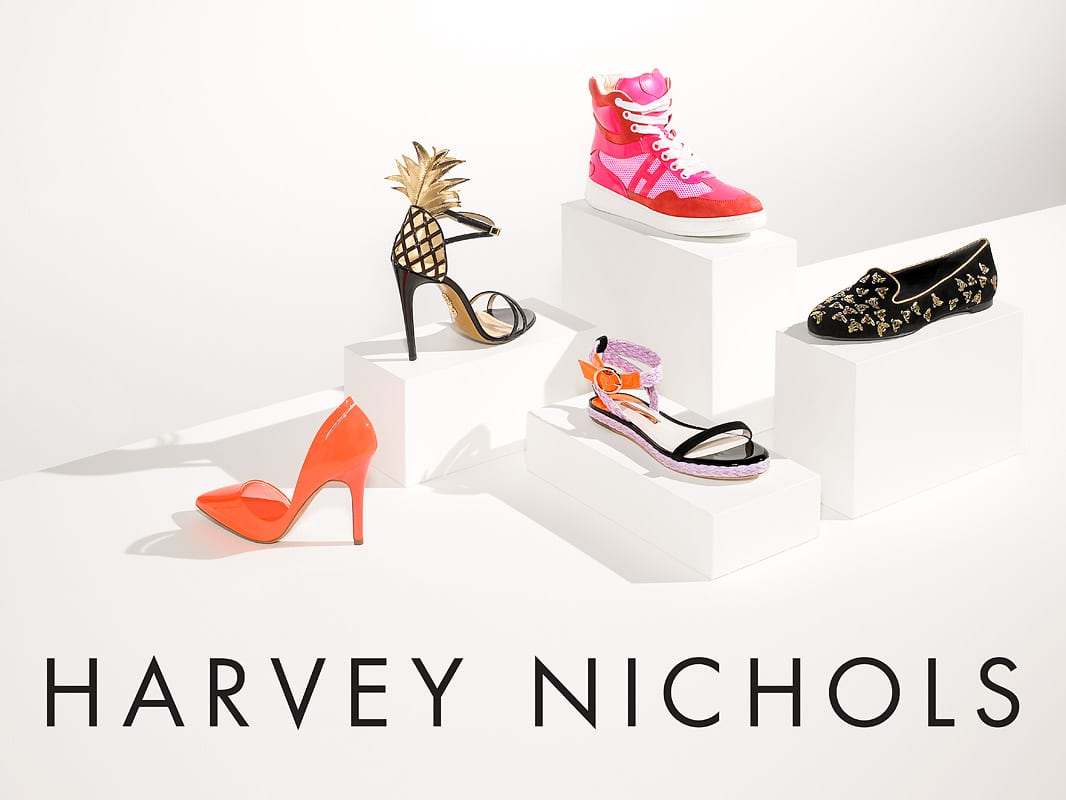
    Upscale UK department store Harvey Nichols doubled its pre-tax earnings this year to £14.7 million – a stark contrast to rival chains.

    Group sales rose 9 per cent to £210 million during the year to March 31, the retailer’s high-end positioning seemingly shielding it from the challenges facing companies like House of Fraser, John Lewis and Debenhams, all struggling to achieve growth or profitability.

    Harvey Nichols says its Kensington flagship store delivered a “strong performance” following refurbishment, but that trading generally remained tough.

    “We are extremely pleased to see a strong financial performance last year, and our ambitious Knightsbridge store refurbishment plans have had a positive impact,” said joint COOs Manju Malhotra and Daniela Rinaldi.

    “However, the retail environment remains challenging and competitive. With this uncertain outlook, we are focused for the remainder of this year on continuing to drive sales and delivering an omnichannel experience for our customers.”

    The revamp of the flagship commenced two years ago with the menswear department and the company has just completed the womenswear international section.

  • CIMB in Top 100 of Thomson Reuters’ Global Diversity & Inclusion Index

    CIMB in Top 100 of Thomson Reuters’ Global Diversity & Inclusion Index

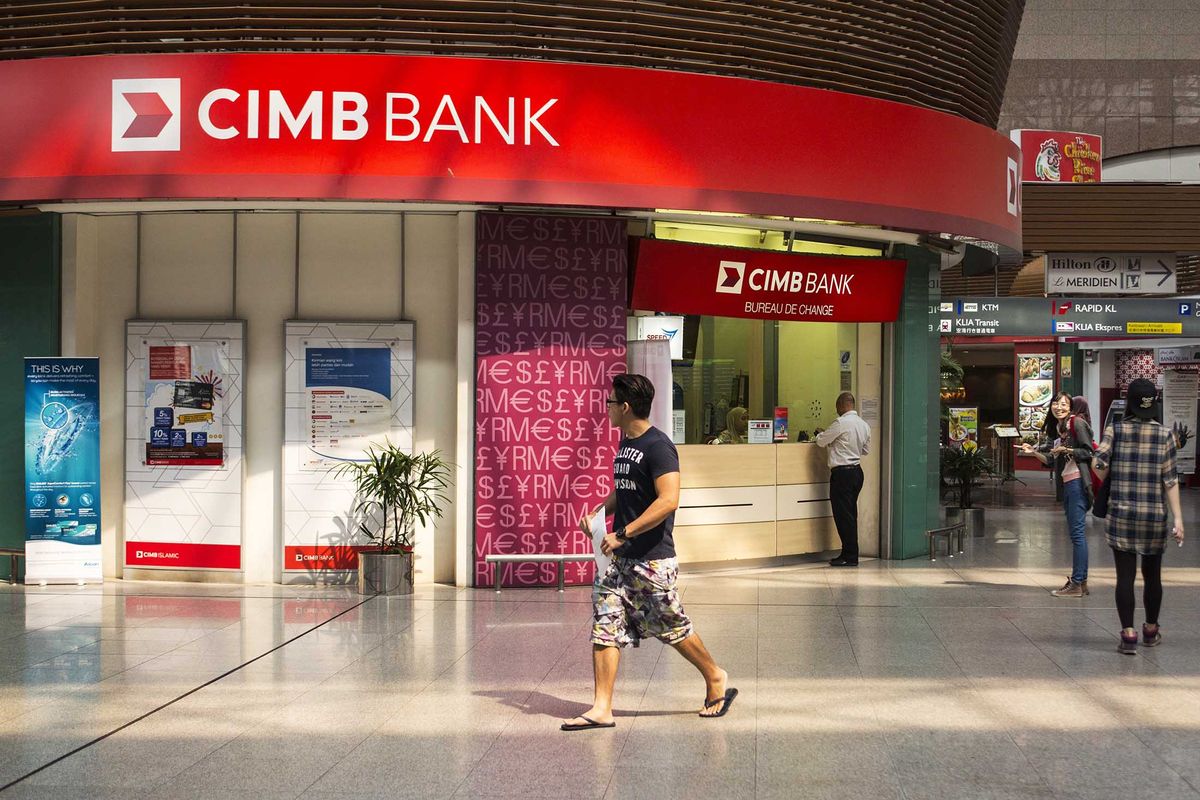
    CIMB Group Holdings Bhd has been ranked top 100 most diverse and inclusive organizations globally by Thomson Reuters’ Diversity & Inclusion (D&I) Index 2018, which measures more than 7,000 companies globally on their environmental, social, and governance (ESG) strategy.

    Thomson Reuters D&I Index provides an additional lens to investment professionals and investors alike to evaluate companies for their ESG strategies, which have a bearing on long-term opportunities and investment risks, as more and more investors value the societal and business benefits of investing in diverse and inclusive organisations.

    “The recognition in Thomson Reuters D&I Index affirms our efforts to create a positive impact not only
    economically, but also socially and environmentally. CIMB takes its commitment to all our stakeholders seriously. In terms of our people, we have consciously transformed CIMB into a workplace that attracts and retains a team of talents, currently comprising 34 nationalities spread across 15 countries. As for ESG-related efforts, our corporate social responsibility arm, CIMB Foundation, has expended over RM120 million to benefit about 700,000 lives since its inception in 2007. All these factors have contributed to the group’s journey in becoming a leading ASEAN bank, and I’m pleased that these efforts are being recognised by the Thomson Reuters D&I Index,” CIMB Group CEO Tengku Datuk Seri Zafrul Aziz said in a statement today.

    Over the years, CIMB has demonstrated great leadership in the banking industry and corporate world by transforming its people policies, as well as strengthening its ESG aspirations. This includes extended maternity leave; flexible work arrangements for parents to young children; 30-day paid paternity leave; and even up to six months’ staff rejuvenation leave, with the staff’s job and seniority assured. Currently, CIMB has a 56% ratio of women in its workforce, with close to 42% representation at senior management level.

  • Changi Airport :+7.9% passenger traffic increase in August

    Changi Airport :+7.9% passenger traffic increase in August

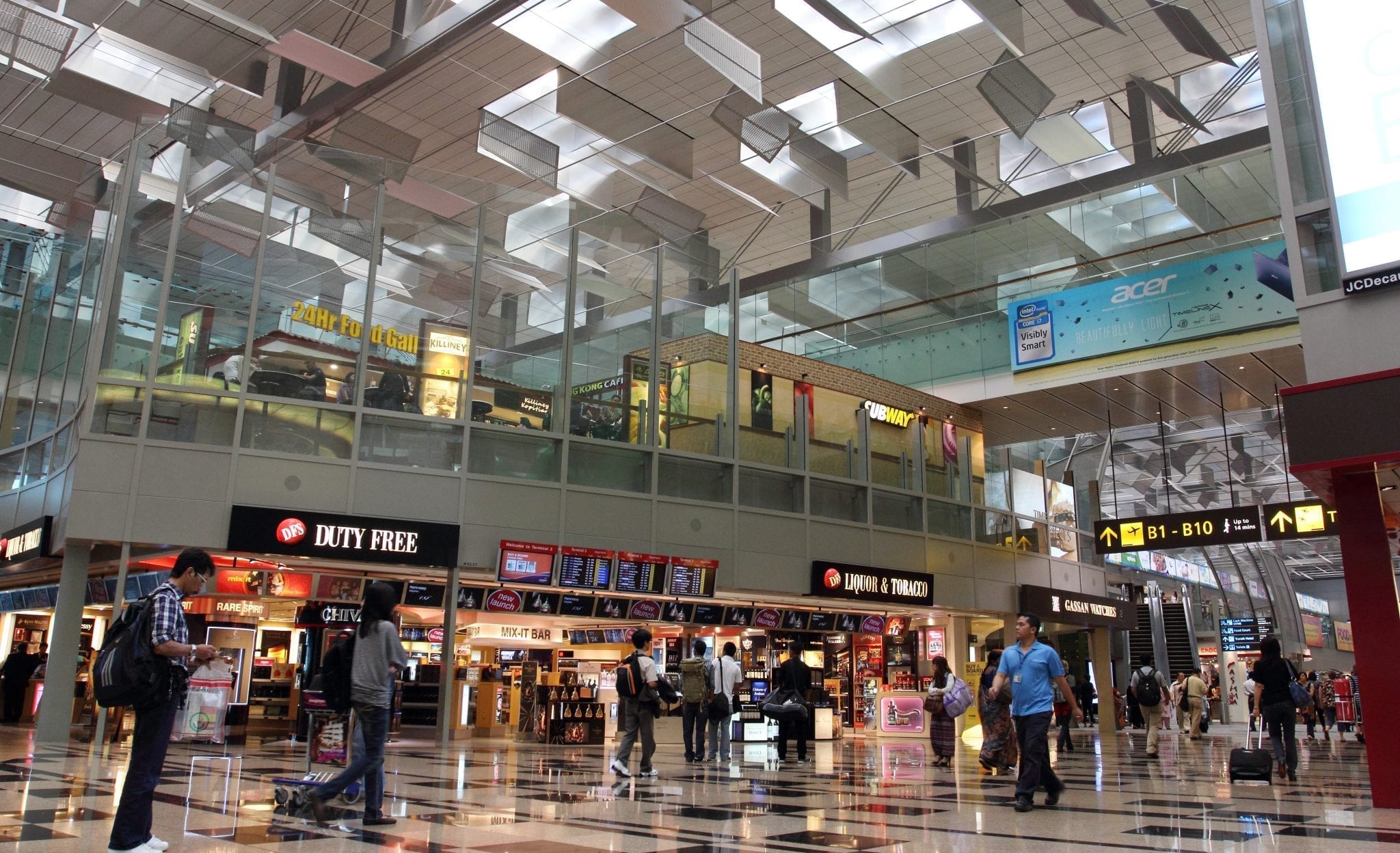
    Singapore Changi Airport recorded a +7.9% year-on-year increase in passenger traffic in August, to 5.68 million.

    Operator Changi Airport Group said there was growth across all regions. Traffic to and from Oceania was up+10%, the first double-digit increase of the year. Europe (+22%) and South Asia (+13%) also posted robust growth.

    Among Changi’s top ten markets, nine recorded higher traffic. Melbourne (+16%), Sydney (+13%) and Manila (+12%) were among the cities to register double-digit growth.

    Changi Airport Group also announced the opening of an E-Gadget Mini by Sprint-Cass electronics retail unit in the Terminal 2 departures hall. Seafood restaurant Fish & Co has also opened in T2.

    T3 saw two recent openings. Restaurant A-One Signature serves claypot-cooked cuisine while Seven Stop is a 24-hour vending machine concept store offering gifts, lifestyle products and has claw machines for play.

  • Seoul Design Cloud to promote city as design hub of Asia

    Seoul Design Cloud to promote city as design hub of Asia

    Seoul is promoting itself as Asia’s leading design hub with a series of design-related events.

    Hosted by the Seoul Design Foundation, Seoul Design Cloud, a mega design event comprising Seoul Design Week, Seoul Upcycling Week and Seoul Fashion Week – different from the biannual fashion event – kicked off Monday at Dongdaemun Design Plaza.

    “With Dongdaemun Design Plaza as the center, Seoul’s design will take a leap. And Seoul Design Cloud will show the way,” Choi Kyung-ran, the head of the Seoul Design Foundation, said at a press event on the opening day.

    Seoul Design Cloud is being held at the DDP – which is also being used as the main press center for the inter-Korean summit – through September 26.

    “DDP will receive attention (from around the world). We hope that through this opportunity, (the venue) can grab people’s attention,” Choi said.

    The 10-day event kicked off with the Human City Design Seoul conference, which discusses the city’s future in terms of design-related aspects.

    At the conference, Seoul Mayor Park Won-soon spoke as a social designer, suggesting Seoul move on as a design city. A related exhibition is being held at the DDP during the period of the event, introducing cases from 21 cities in which design has made people’s lives better.

    Ahn Gi-hyun, the head curator of the exhibition, and his team gathered examples from around the world, and contacted cities to receive videos that are being shown at individual kiosks.

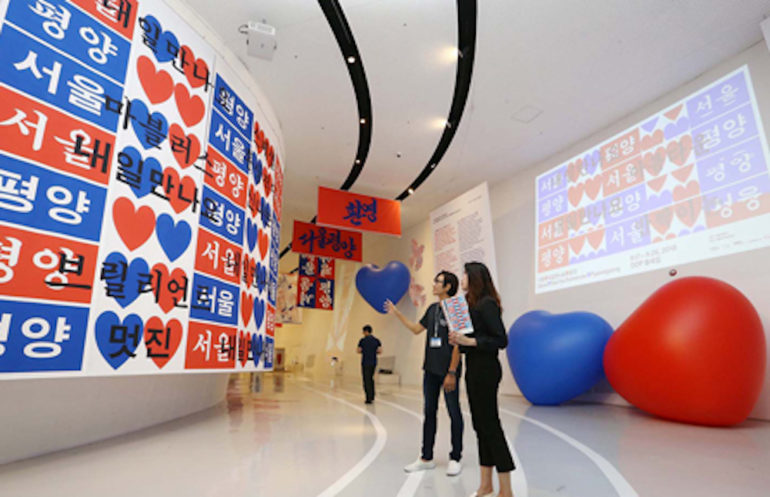
    “Seoul See You Tomorrow Pyeongyang” is an exhibition that celebrates cooperation and harmony between the two Koreas and hopes to link the two capital cities beyond physical and political boundaries.

    Around 41 graphic designers and illustrators from Korea and abroad participated in creating artworks that imagine what the two cities would be like in 2030, using mainly the colors of red and blue.

    Meanwhile, young student designers will showcase 100 new hanbok designs on Sunday at Changdeokgung, with student models wearing the designs walking around the palace garden. The outfits were shown to the public on Monday at a fashion show in line with the opening of Seoul Design Cloud.

    During the event period, a market will also be held at DDP to introduce local brands based in the Dongdaemun area, the fashion hub of Seoul.

    With Seoul Design Cloud covering a broad spectrum of design with diverse events, from conferences to markets, questions were raised at the press conference about the identity of the event.

    “We have obtained some fundamental results by cooperating with the Seoul Metropolitan Government on the topic of city revitalization,” said Jun Gi-hyun, an official from the Seoul Design Foundation, in response to the question.

    “Regarding design, there are numerous things happening. It is our role to show everything to the people, allowing them to be inspired,” he added.

  • KFC Malaysia plans expansion

    KFC Malaysia plans expansion

    KFC Malaysia is considering expansion in Bandar Sri Sendayan, Malaysia, following the launch of the township’s first outlet this month.

    Opened in collaboration with Matrix Concepts Holdings Bhd, the initial response to the launch of the globally popular brand has been encouraging.

    Datuk Seri Mohamed Azahari Kamil, MD of local franchisee QSR Brands (M) Holdings, said: “We believe the demand is high here based on the increasing number of population in the township.”

    The outlet and drive-thru in Bandar Sri Sendayan is the brand’s 700th outlet nationwide and the 21st out of 23 targeted for the region this year. The 24-hour venue can accommodate 170 customers at one time.

    QSR brands is considering four further outlets for Bandar Sri Sendayan, the population of which is expected to reach 120,000 people in the foreseeable future.

  • Hyundai Mobis makes autonomous car radar

    Hyundai Mobis makes autonomous car radar

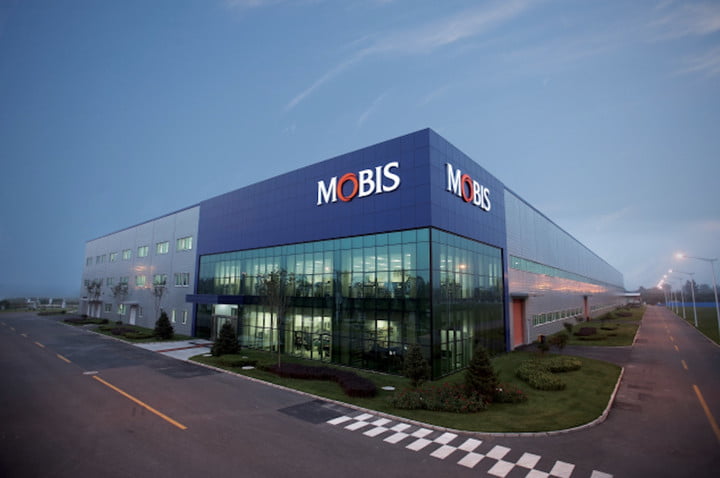
    Hyundai Mobis said Thursday that it developed its own short-range radar system for use in autonomous cars and plans to offer the system to local automakers from 2020.

    Radar can be used as an object detection system to help self-driving cars avoid collisions. The company said it is the first local firm to develop this type of radar on its own.

    The short-range radar developed by the auto parts maker is used for blind-spot collision warnings, a driver assistance service that alerts drivers of a potential collision with a car behind it, depending on the position and speed of the car to the rear.

    According to Hyundai Mobis, its radar works twice as fast as existing systems and detects objects 1.5 times further away. The hardware for the system weighs roughly 120 grams (4.2 ounces), half the amount of existing devices, the company said.

    Local automakers have been depending on imports for object detection systems and the Hyundai Motor affiliate said its system can replace imported radar.

    The parts maker’s goal is to develop four different radar systems used in self-driving cars within this year. To develop high-performance long range radar, the company is working with two German radar companies.

    According to Hyundai Mobis, the market for radar systems for cars will grow by an average of 20 percent every year to reach 20 trillion won ($17.8 billion) by 2023.

    Gregory Baratoff, the vice president of Hyundai Mobis’ DAS engineering group, said the company will soon introduce video recognition technology and sensor fusion technology that integrates data collected from different sensors with the ultimate goal of developing parts for fully autonomous cars, in a statement Thursday.

    To expand its sensor portfolio by 2020, the company said it will secure technologies to develop all types of sensors used in self-driving cars.

  • Vinalines to build 2 terminals at $299 mln in Lach Huyen Port

    Vinalines to build 2 terminals at $299 mln in Lach Huyen Port

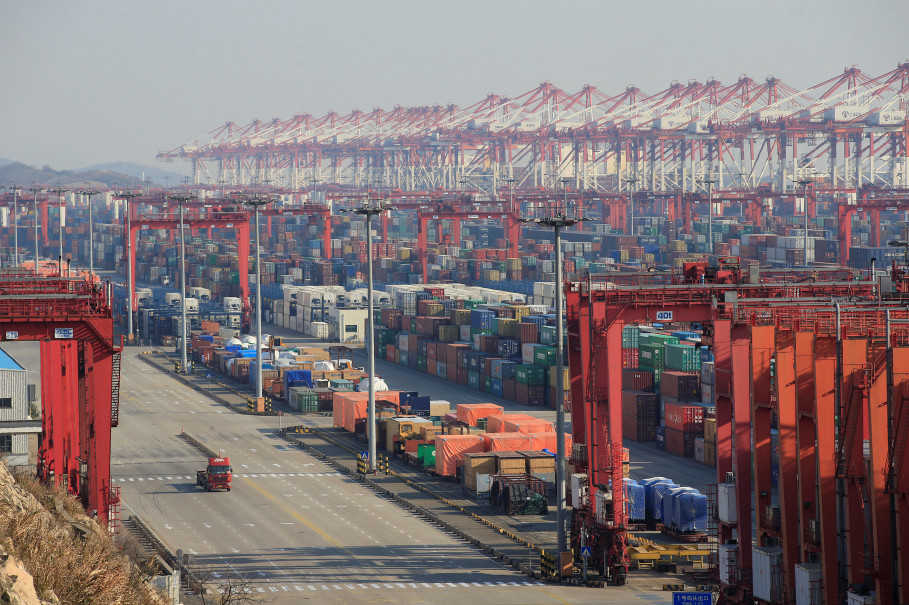
    Vinalines is seeking approval from the government for building two container terminals at Lach Huyen Port in northern Hai Phong City.

    Nguyen Canh Tinh, director of the state-run Vietnam National Shipping Lines (Vinalines), said its subsidiary, Haiphong Port JSC, would build terminals No.3 and No.4 at the port.

    He said the Haiphong Port JSC used to work mainly at Hoang Dieu terminal, which has now been taken over for the construction of an urban area, and so new terminals are needed in its place.

    The two proposed terminals would have a total length of 750 meters and the capacity to handle vessels of up to 100,000 DWT (8,000 TEU), and cost around VND7 trillion ($299 million), he said.

    Vinalines and Hai Phong Port JSC, in which Vinalines owns a 65 per cent stake, also plan to develop a logistics center of around 250ha in the area to optimize the handling, storage, processing, and distribution of cereals.

    Tinh said the investment in the terminals would be a strategic step in the company achieving its plan to handle around 30 percent of cargo at ports nationwide by 2020.

    Lach Huyen is set to become a modern port complex and the only one in the north that can berth ships of up to 150,000 tons.

    It is expected to have nine terminals with a combined length of 3,000 meters by 2020.

  • Asian firms shuffle production around the region as US tariffs hit China

    Asian firms shuffle production around the region as US tariffs hit China

    A growing number of Asian manufacturers of products ranging from memory chips to machines tools are moving to shift production from China to other factories in the region in the wake of US President Donald Trump’s tariffs on Chinese imports.

    Companies including SK Hynix of South Korea and Mitsubishi Electric, Toshiba Machine Co and Komatsu of Japan began plotting production moves since July, when the first tariffs hit, and the shifts are now under way, company representatives and others with knowledge of the plans said.

    Others, such as Taiwanese computer-maker Compal Electronics and South Korea’s LG Electronics, are making contingency plans in case the trade war continues or deepens.

    The company representatives and other sources spoke on condition of anonymity because of the sensitivity of the issue.

    The quick reactions to the US tariffs are possible because many large manufacturers have facilities in multiple countries and can move at least small amounts of production without building new factories. Some governments, notably in Taiwan and Thailand, are actively encouraging companies to move work from China.

    The United States imposed 25% duties covering US$50 billion (RM206.5 billion) of Chinese-made goods in July, and a second round of 10% tariffs covering another US$200 billion of Chinese exports will come into effect this week. The latter rate will jump to 25% at the end of the year, and Trump has threatened a third round of tariffs on US$267 billion of goods, which would bring all of China’s exports to the United States into the tariff regime.

    The tariffs threaten China’s status as a low-cost production base that, along with the appeal of the fast-growing China market, drew many companies to build factories and supply chains in the country over the past several decades.

    At SK Hynix, which makes computer memory chips, work is under way to move production of certain chip modules back to South Korea from China. Like its US rival Micron Technology, which is also moving some memory-chip work from China to other Asian locations, SK Hynix does some of its packaging and testing of chips in China, with the chips themselves mostly made elsewhere.

    “There are a few DRAM module products made in China that are exported to the United States,” said a source with direct knowledge of the situation, referring to widely used dynamic random-access memory chips. “SK Hynix is planning on bringing those DRAM module products to South Korea to avoid the tariff hit.”

    Most of SK Hynix’s production won’t be affected, the source added, since China’s dominance in computer and smartphone manufacturing makes it by far the largest market for DRAM chips.

    Toshiba Machine Co says it plans to shift production of US-bound plastic moulding machines from China to Japan or Thailand in October.

    The machines are used for making plastic components such as automotive bumpers. “We’ve decided to shift part of our production from China because the impact of the tariffs is significant,” a spokesman said.

    Mitsubishi Electric, meanwhile, says it is in the process of shifting production of US-bound machine tools used for metal processing from its manufacturing base in Dalian, in northeastern China, to a Japanese plant in Nagoya.

    In Taiwan, an executive at notebook PC maker Compal, who declined to be named, said the trade war’s impact had been limited so far, but the company was studying its options.

    “We can also use facilities in Vietnam, Mexico and Brazil as alternatives,” the person said. “It won’t be easy because our majority production is in China; no other country can replace that at this moment.”

    Smaller companies are exploring their options too. South Korean medical equipment manufacturer IM Healthcare, which makes products including air purifiers, is studying a move to Vietnam or South Korea if the trade conflict intensifies, a source with direct knowledge of the matter said.

    Some Asian governments hope for an economic and strategic boost from the US-China conflict. In Taiwan, the government is actively encouraging companies to move production out of China, pledging last month to speed up its existing “Southbound Policy” to reduce economic reliance on China by encouraging companies to move supply chains to Southeast Asia.

    Taiwan economics ministry official William Liu said that the trade war was “a challenge and an opportunity” for the self-ruled island. Taiwan depends on China as an export market, he noted, but at the same time could see a boost in jobs from companies moving operations back home.

    Thailand also hopes to benefit from the “flow of technology and investment leaving China during the trade war”, said Kanit Sangsubhan, secretary-general of the Eastern Economic Corridor (EEC) Office of Thailand, which is coordinating a US$45 billion project to attract investment into the country. The EEC last month took some 800 representatives of Chinese companies on a tour around the eastern industrial heartland, and the country’s Board of Investment has done seven roadshows in China this year to woo investors.
  • IconSiam Bangkok due to open November 9

    IconSiam Bangkok due to open November 9

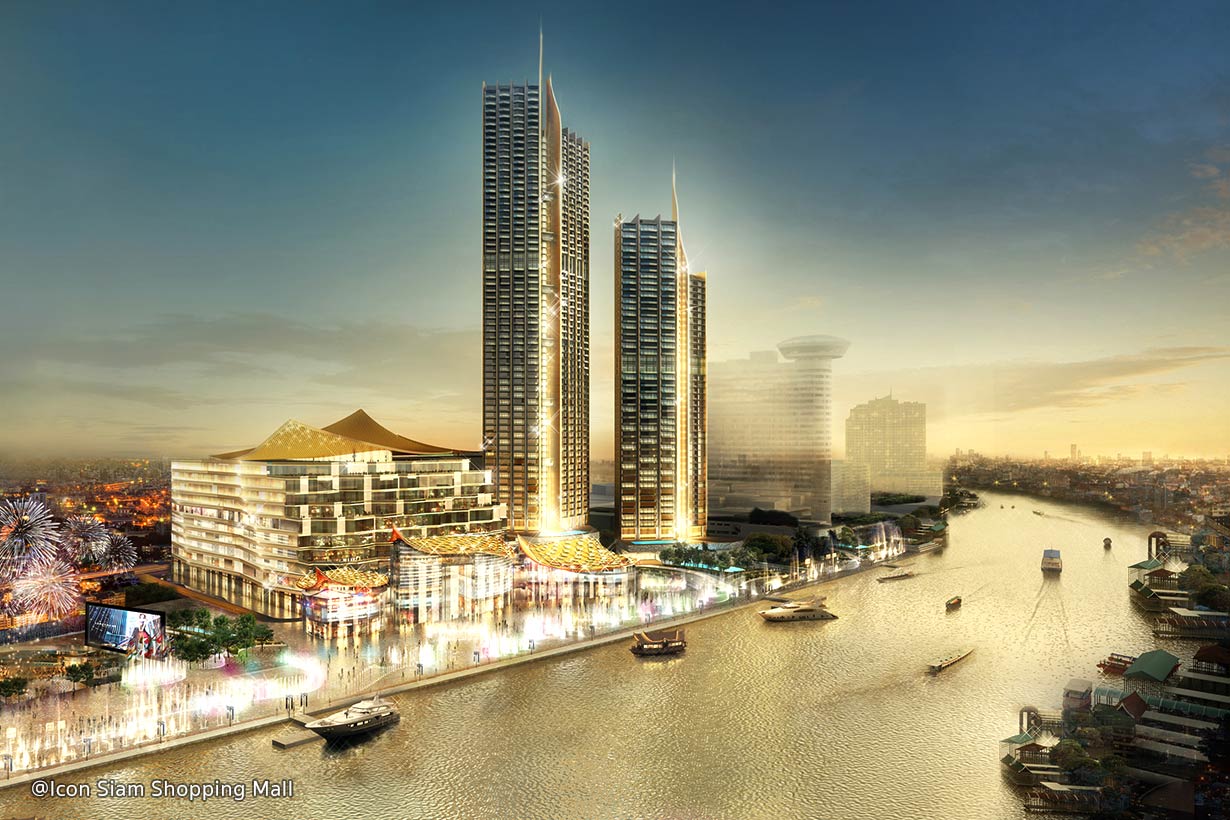
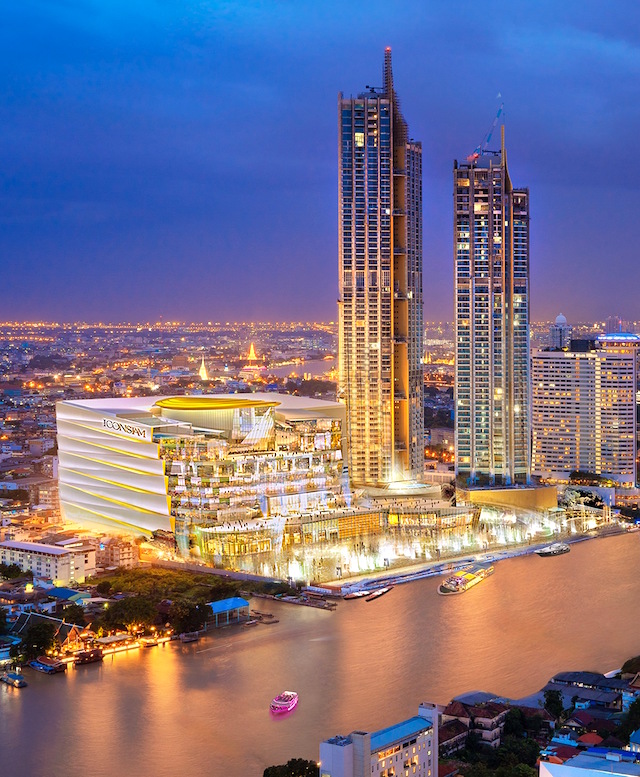
    Bangkok’s massive IconSiam development will open on November 9, its developers have confirmed.

    The US$1.67 billion complex being constructed on a 400-metre-long stretch of the Chao Phraya River will feature 14 flagship stores of internationally renowned brands, many of them taking space in the ultra-luxury 25,000sqm glass pavilion called IconLuxe, located next to the river and featuring the longest pillarless glass facade in the world.

    The development will be home to two shopping centres, whose tenants will include 188 brands and store concepts from around the world making their debut in Thailand, including duplex maisons for luxury brands.

    IconSiam CEO Supoj Chaiwatsirikul says IconSiam will represent “a completely new business model for destination development” in Thailand.

    “We are committed to making IconSiam a new national landmark and an exciting global destination. We have therefore placed particular emphasis on becoming the location of choice for the flagship stores of the world’s finest brands as well as introducing many firsts and innovations at the various outlets.”

    The development will comprise a 750,000sqm mega-destination featuring not only two shopping precincts, but theme parks, a museum, hotel and apartment towers.

    “IconSiam will excite visitors with a rich diversity of offerings, including art and culture, in addition to extraordinary dining and shopping possibilities,” said Chaiwatsirikul. “The project is co-designed and co-activated in collaboration with enterprises of all sizes and with people from all walks of life, and the benefits of the project are shared among all parties.

    “We have made every participant in IconSiam – whether they be outlets selling products, or designers and artists showcasing their creations, or even neighborhood communities helping in our operations – an inseparable part of our business model and they play a part in shaping our development.”

    Flagships line up

    Flagship stores at IconSiam will include the largest Adidas Original store in Asia, H&M-owned fashion label Cos, an Aland lifestyle concept store from Korea, and local accessories brand Naraya. H&M will open a three-level store.

    UK retailer JD Sports will open its first Thai store at the development and Nike’s store will be the first in Asia with a Kicks Lounge.

    The retail development is anchored by Thailand’s first Takashimaya department store from Japan which plans to introduce 170 brands into the market for the first time.

    Details have yet to be released about world-class restaurants and a rooftop bar planned for the complex. Besides those, IconSiam will feature seven food and beverage zones, each with a different atmosphere and concept. Tenants will include Singapore’s Jumbo seafood restaurant and Taiwan’s Harbour restaurant.

    Fitness First will open its largest Thai venue yet.

    Opening festival

    Chaiwatsirikul says IconSiam has budgeted THB1 billion (US$31 million) on an opening and launch festival, including extensive international communications.

    “Because IconSiam will be a showcase for the very best that Thailand has to offer and serve as a platform to propel Thai brands, products, artists, artisans and Thai culture onto the global stage, we are investing heavily to make IconSiam globally visible. We want IconSiam to be a magnet for the country, capable of drawing hundreds of thousands of international and local visitors a day, and to bring honour to Thailand,” he said.

    Meanwhile, the development’s two luxury residential towers remain under construction. The 70-floor, luxury Magnolia Waterfront Residences with 379 residential units is 90 per cent complete, while the 52-floor, super luxury The Residences at Mandarin Oriental Bangkok with 146 units is 80 per cent complete.

    IconSiam is being developed by three Thailand companies: shopping centre operator Siam Piwat, which owns Siam Center, Siam Paragon and Siam Discovery; residential developer Magnolia Quality Development Corporation; and multinational conglomerate Charoen Pokphand Group.

  • Hong Kong sees a 3D revolution in jewelry making

    Hong Kong sees a 3D revolution in jewelry making

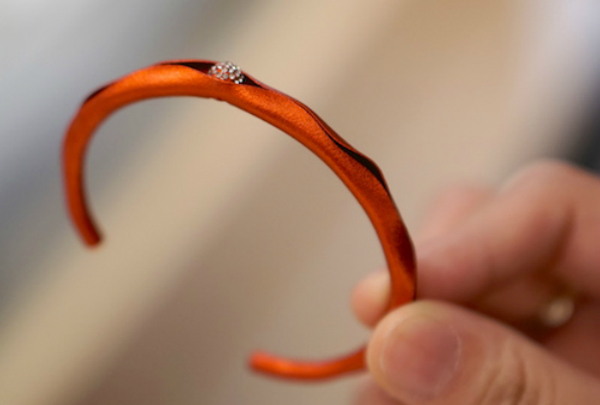
    Ejj Jewellery is a top brand that has become the first firm in Hong Kong to print out creative 3D designs to make affordable jewelry.

    Designer Elaine Shiu had never thought of opening a jewelry business until she worked as an interpreter at an international jewelry conference in Hong Kong.

    After a year, she decided to quit her job to start her own company. She was the CEO of Shanshu Jewelry, which focuses on selling jewelry made from precious corals, from 2010-2015.

    Ejj Jewellery is Elaine Shiu’s second company, started with two others. Her partners are responsible for business development and marketing, while Elaine’s focus is on researching designs and creating new products.

    She searched for new material and focused on application of digitization. In 2017, Ejj launched jewelry products created with a 3D printer, becoming the first brand in Hong Kong to utilize this new technology in jewelry making. It took her a year of study, research and experimenting before the creation of the first product.

    The company started with the aim of conquering the Hong Kong and China markets. To compete with individual designers, as well as top jewelry corporations, Elaine Shiu opted for product diversification. A special feature of Ejj is that the shine of Italian silver jewelry depends not on the gemstones, but on the cutting technique.

    Before the product is loaded into a specialized printer, it is designed entirely through digital graphic applications like Autodesk Fusion 360, SketchUp and Rhinoceros. This allows Elaine to fine-tune every detail, control the parameter as well as the size of the product so that it suits many customers.

    Then, the design is entered into the 3D printer to create shape, and color according to pre-determined settings. After finishing this part of the process, the product’s surface is treated and added gems to create highlights. Thanks to the elasticity of the material, finished products like bracelets can be easily adjusted to fit the size of the wearer by lightly squeezing it 1-2 times.

    With the application of technology and reducing the manual process, the product price, ranging from HKD 750 to HKD 1,500 (equivalent to USD 96 – USD 192), is quite reasonable and suitable for young people.

    Elaine also uses 3D printers to create innovative designs for silver and gold jewelry, shortening production time but still able to deliver unique designs.

    “Jewelry made with 3D printers is still a new thing, and even though it has not been received as well as the traditional products, sales are still impressive compared to our company’s initial expectations. We’re confident that this product line will grow due to its unique advantages,” said Elaine Shiu.

    For achieving breakthroughs in the use of new material and designs, Ejj was honoured with the “Hong Kong’s Most Innovative Jeweler 2017” award. Elaine Shiu also received the “Asia-Pacific Enterprenuer of the Year 2017” award, given by NGO Enterprise Asia.

    Ejj Jewellery’s products are being distributed through Design Gallery chains managed by the Hong Kong Trade Development Council (HKTDC). The brand has also extended its reach to major cities in mainland China, including Shenzhen, Shanghai, Chengdu and Chongqing.

    In 2017, Ejj successfully cooperated with luxury hotel group Banyan Tree in Bangkok, Thailand. Currently, the company has started negotiations or franchising, which has the potential to raise the number of its stores to hundreds. Elaine Shiu also lists Vietnam as a market with high potential, given its population of more than 90 million and many similarities with Thailand.

    On September 20-21, Ejj Jewelry was officially available in Vietnam via the In Style – Hong Kong Exhibition.

    Elaine Shiu said that she hopes to find a right partner to expand her market.

  • Kia to hire 1,300 of its contractors’ workers

    Kia to hire 1,300 of its contractors’ workers

    Kia Motors will directly hire 1,300 employees at its contractors by next year in response to the Moon Jae-in administration’s goal of reducing the number of contract workers, the carmaker announced on Thursday.

    If it completes the transition, Kia Motors will have directly hired all contracted workers at its factories. Since 2015, Korea’s No. 2 carmaker has already directly hired 1,087 employees of its contractors as of this June.

    “The latest agreement between management and the labor union lives up to the current administration’s initiative on [improving the work environment for] contract workers,” the company said in a written statement Thursday. “The management and the union preemptively approached the issue and came out with a solution.”

    The agreement, which was made at Kia Motors’ Sohari factory in Gwangmyeong, Gyeonggi, on Wednesday comes two weeks after the Ministry of Labor announced that it is considering mediating the employment issue between Kia Motors and its contracted workers. Until recently, Hyundai Motor Group avoided negotiating directly with contracted workers, as it already had its hands full dealing with its permanent employees.

    In July, however, a committee dedicated to reforming unfair administrative issues at Ministry of Labor advised the ministry to resolve an illegal dispatch of workers issue at Hyundai Motor Group. In response, the labor ministry recently told the carmaker to directly negotiate with the contracted workers at its company.

    Kia Motors’ bigger affiliate, Hyundai Motor, has already been working on the issue since 2017. In 2017, the carmaker directly hired some 6,000 employees from its subcontractors. From 2018 to 2021, the carmaker also promised to directly hire an additional 3,500 employees.

    “The latest agreement will put an end once and for all to the issue of contractors’ employees at Kia Motors,” said an official from the carmaker.

    In 2015, Kia Motors’ contract workers’ unit of the Korean Metal Workers’ Union sued Hyundai Motor Group Chairman Chung Mong-koo and Kia Motors CEO Park Han-woo for violating regulations on dispatched workers, but the case has not been decided yet.

  • Kenzo Kids makes debut in Hong Kong

    Kenzo Kids makes debut in Hong Kong

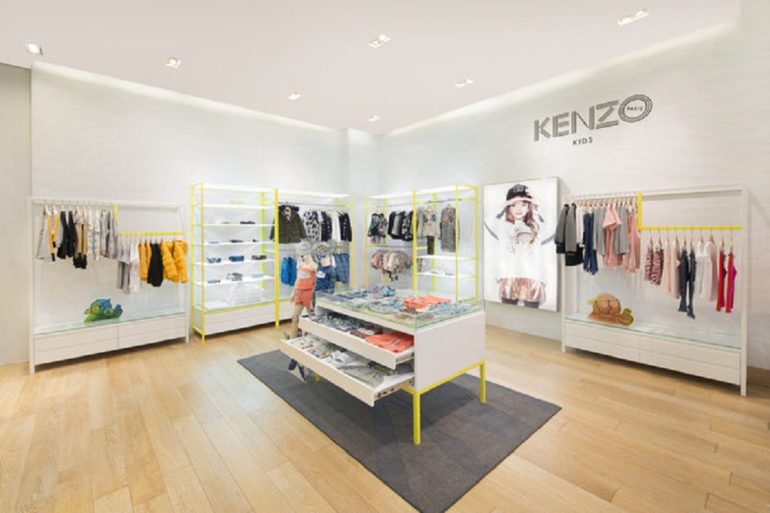
    Kenzo Kids is commencing its physical store roll out in Asia, opting for Hong Kong as its debut market, with plans to open more stores in Asia, according to Fashion Network.

    The children’s arm of French luxury label Kenzo has officially opened a flagship store in Hong Kong’s Ocean Terminal shopping centre. In partnership with Semir-backed Kidiliz, which has been Kenzo Kids’ licensor since 2006, the 40-square-metre store carries Kenzo’s collections for boys and girls aged 0 to 16 years old.

    “Hong Kong was chosen for its dynamism and potential. We held a pop-up store for Kenzo Kids at Ocean Terminal in 2017, which is one of the busiest and most dynamic malls in Asia. The pop-up was a success and it was the logical next step to open a flagship store this year,” Maud Rascle, creative director of the Kidiliz group, told Fashion Network.

    Kidiliz is a strong link for the Parisian house. In 2017, China’s Semir Group entered into exclusive negotiations with Kidiliz last May to revive the group, which also distributes British premium brand Paul Smith Junior and Lili Gaufrette.

    The new Kenzo Kids store is just the beginning signs of international growth for the label. The children’s wear label has already reaped great rewards with its new creative directors Carol Lim and Humberto Leon, the founders of Opening Ceremony, who took over the design helm at Kenzo in 2011. Kenzo Kids has since seen its annual growth sit between from 20 to 30 percent each year.

    Kenzo Kids collections are currently sold across 850 counters across the globe.

  • Lumine revealed Indonesia expansion

    Lumine revealed Indonesia expansion

    Japanese urban retail concept Lumine is set to open its first store in Jakarta in December.

    Opened in partnership with local retailer Time International, the store at the Plaza Indonesia mall will be Lumine’s second overseas location. The launch is timed to commemorate the 60th anniversary of the establishment of diplomatic relations between Indonesia and Japan.

    President and CEO of Lumine Yuji Morimoto said: “We are very excited to launch our second overseas store, to collaborate with a leading retailer Time International, in Plaza Indonesia. For both Indonesia and Japan, this year is a meaningful anniversary. We hope to become a place that stimulates the sensibilities of our customers, not just a place where they can purchase products.”

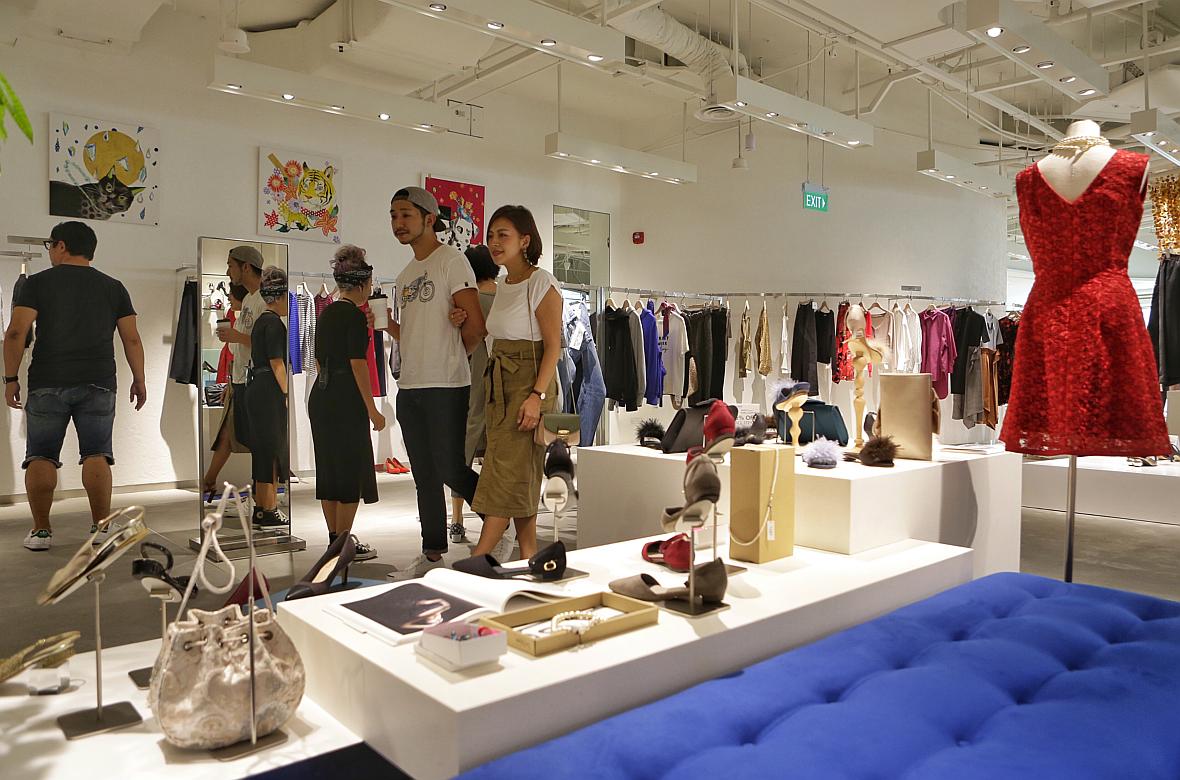
    The approximately 1200sqm specialty store offers chic Japanese lifestyle and fashion brands.

    Offerings include womenswear, menswear, miscellaneous lifestyle goods, and a café. Its main target customers are independent women with a global outlook who are sensitive to trends and possess unique and distinctive styles.

    Lumine operates 15 branches in Japan and one in Singapore, which opened last November.

  • UK shoppers prefer self-serve checkouts

    UK shoppers prefer self-serve checkouts

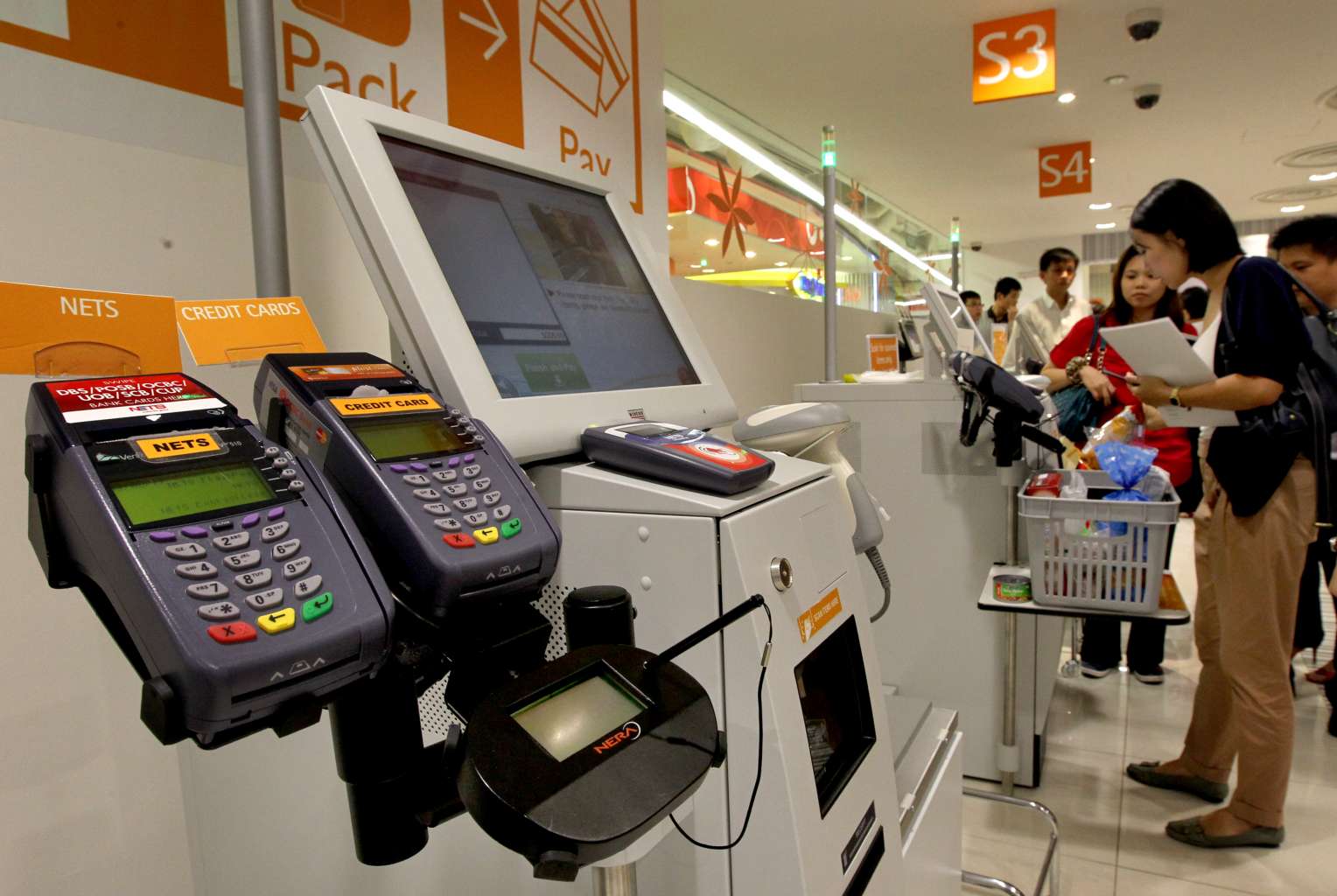
    Brits are increasingly turning to retailers who offer self-service payment options, with 57 per cent preferring to avoid human interaction while shopping, new research shows.

    Research by delivery management company Whistl found that when it comes to buying groceries, only 17 per cent consider human interaction important.

    The over 45s still prefer old-fashioned service with 70 per cent of this age bracket preferring to deal with real people, compared to just 25 per cent of 18-24 year-olds.

    It seems men are more likely to opt for a self-service payment option with 53 per cent admitting this is their preferred choice, compared to 47 per cent of women.

    The tables turn however when it comes to customer support, with more than half of Brits preferring to speak to a real person when they have an issue.

  • Automotive sales in September to be lower than in August: Research

    Automotive sales in September to be lower than in August: Research

    Kenanga Research expects sales volume for the automotive sector in September to be lower than the August 2018 level with the end of the tax holiday, despite certain makes seeing reduction in prices under the sales and service tax (SST) regime.

    “With the new SST gazetted on September 1, 2018, vehicles are charged 10% sales tax. Nevertheless, from the recent announcement by certain car makers, the prices for the locally-assembled and completely-knocked-down (CKD) units have dropped by 1% to 3% (compared with 6%-rated goos and services tax), whereas the prices for the completely-built-up (CBU) units have increased by 1% to 3%,” it said in a research note last Friday.

    Kenanga Research believes the unexpected price decrease in locally-assembled and CKD units was attributed to the better compliance of Industrial Linkage Programme regulation, which provides incentives and duty exemption to the original equipment manufacturers that use local components under the National Automotive Policy 2014.

    The research house is maintaining a “neutral” rating on the automotive sector, with Tan Chong Motor Holdings Bhd being the top pick for its turnaround in earnings after two consecutive years of losses with focus on high-margin vehicles, and expected expansion of its Indochina operations for larger market share volume.

    “Our other top pick for the sector is MBM Resources Bhd, which is trading at an undemanding 6.3 times FY18 PER (price-to-earnings ratio) compared with the five-year forward average of 11 times.”

    According to the Malaysian Automotive Association, Malaysia’s vehicle sales increased 27% year-on-year to 65,551 units in August, ending the historic three-month zero-rated tax holiday.

    However, on a month-on-month basis, car sales dropped 4% due to Perodua’s supply disruption and run-out of popular passenger vehicle models during the first two months of the tax holiday.