Tag: asia

  • Anya Hindmarch Harbour City opens

    Anya Hindmarch Harbour City opens

    Anya Hindmarch opens a new store in Harbour City, Hong Kong.

    Anya Hindmarch has become renowned for its production and creativity, and was the first accessories designer to hold an on-schedule London Fashion Week show. Highlights include shows with models emerging from within a giant space-age Amphitheatre, an artful suburban house that revealed a giant disco ball and pop-ups such as the Service Station at Selfridges London.

    Anya Hindmarch’s Chubby Hearts campaign is a love letter to London that saw the brand suspend 24 giant heart shaped helium balloons above London landmarks – gained international recognition.

    Creativity, modern craftsmanship and personalisation sit at the heart of everything Anya Hindmarch does. The launch of Sticker Shop shaped a global cult of leather stickers, allowing customers to create their own personal artwork.
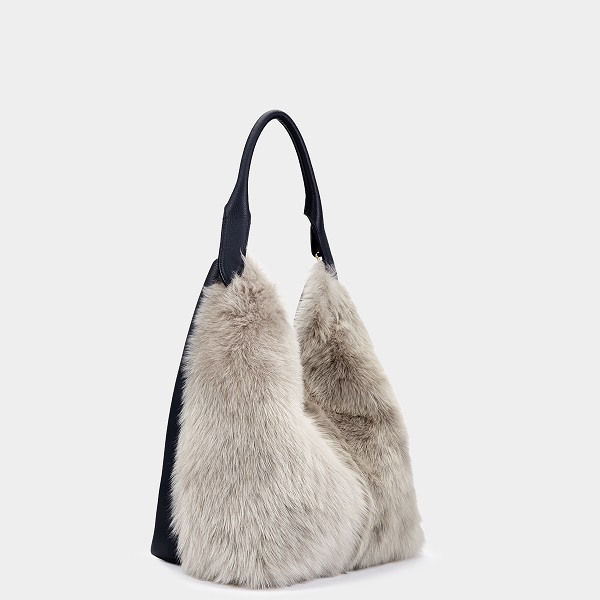
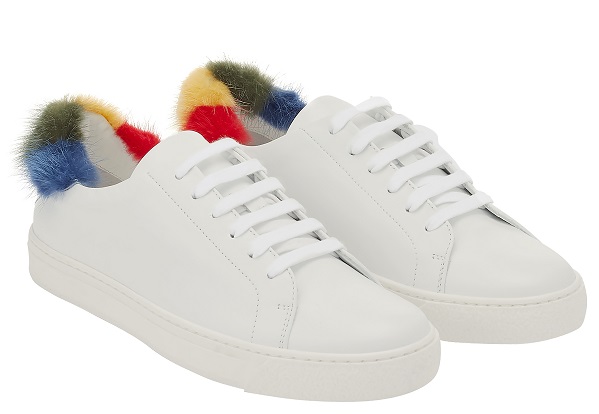
    Taking an obsession with craftsmanship and personalisation a step further, the Build a Bag and Pimp Your Phone collections allow the customer to design their own bag or phone case from thousands of potential combinations. Launched in 2017, the Anya Smells fragrance collection recreates everyday scents using the finest materials.

    Anya Hindmarch is now ready to bring its colorful soul to Kowloon with this new store.

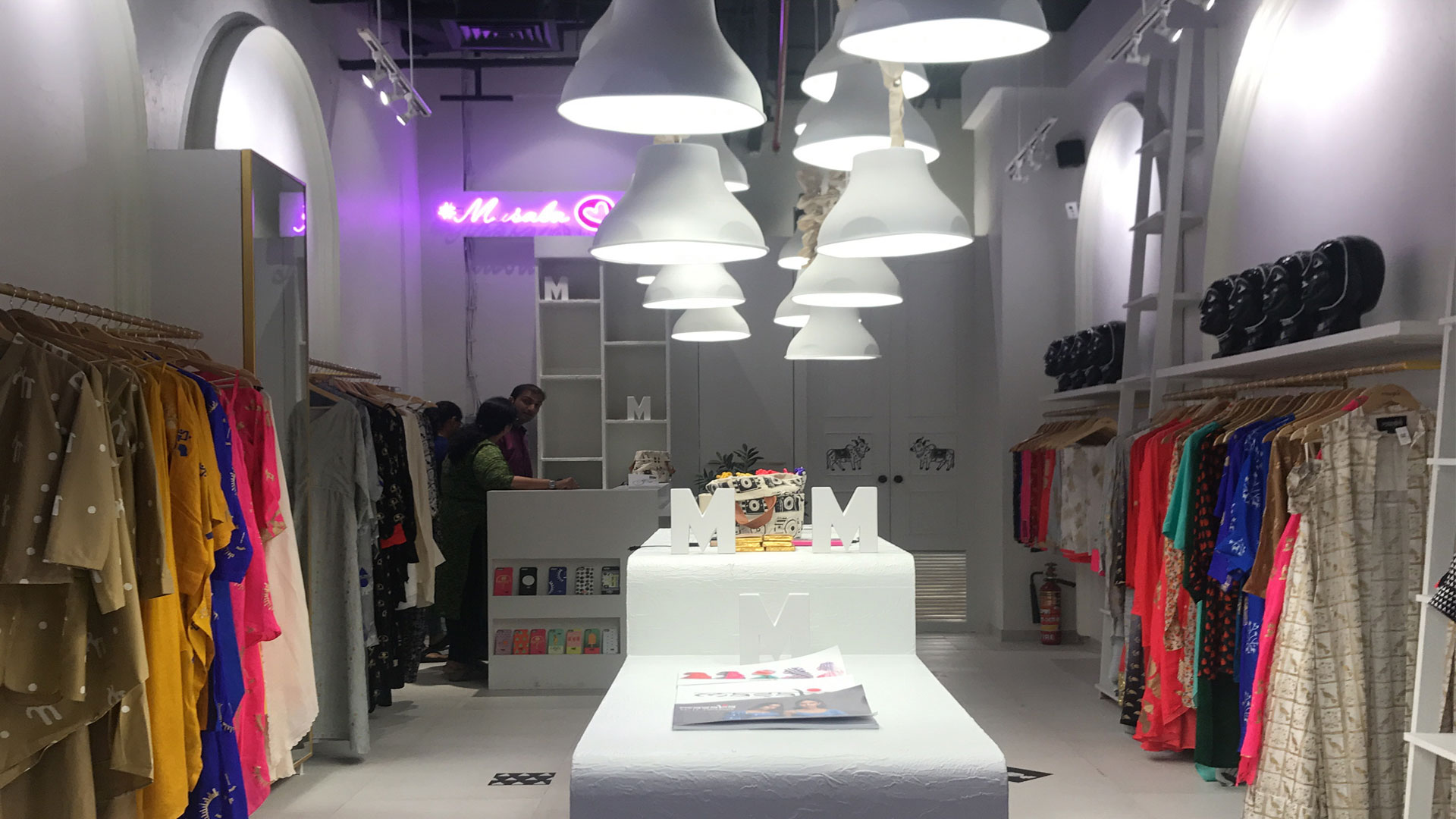
    The 581 square foot store opened its doors on September 19th in Harbour City, the renowned shopping mall in Kowloon.

    The opening of the store overlapped with the launch of the AW18 key collections including the Chubby collection, Build a Bag, and the Eyes.

    The gallery-like space features signature design of Anya Hindmarch flagship stores with luxurious mirrored shelving, vintage vitrines in a clean contemporary style.

    Tables, wingback chairs and side table all designed by Italian designer Martino Gamper exclusively for Anya Hindmarch.

    Anya Hindmarch founded her business in London in 1987 and it has since grown into a global brand with over 30 stores – including flagships in New York, London and Tokyo.


  • Amazon, Samara Capital buy India’s retail chain More

    Amazon, Samara Capital buy India’s retail chain More

    Samara Capital, a private equity company, has teamed with Amazon to buy Indian grocery retailer More from Aditya Birla Retail.

    While the value of the deal has not been disclosed, it is reported a person close to the transaction putting it at around ₹4,200 crore (US$584 million).

    It is believed Amazon’s stake in the business will be capped at 49 per cent to comply with Indian foreign investment regulations. The balance will be held by Samara Capital, which is an Indian entity founded by former Citigroup executives.

    Amazon has already committed US$500 million to build its food retailing business in India, where it sees massive opportunity for growth.

    Analysts say that by investing in More, Amazon can build both online and offline food retailing operations simultaneously and find ways to marry the two. But it faces intense competition from Walmart which spent $16 billion acquiring Flipkart in a deal completed last month.

    More operates more than 500 supermarkets and 20 hypermarkets, ranking it fourth among Indian grocery retailers.

  • JD launches online shopping service in Indonesia

    JD launches online shopping service in Indonesia

    Chinese e-commerce giant JD has initiated a grocery delivery service at Commuter Line train stations in the Greater Jakarta area.

    The new online retail store, JDVirtual, allows customers to use QR codes to purchase groceries to be delivered to their homes. The store sells food, beverages, and other grocery products found in conventional retail outlets.

    The initiative serves to test a new business model while targeting the high number of Commuter Line users in Jakarta, which serves an average of 1 million people per day.

    Users of the JD.ID app can purchase products immediately by scanning JDVirtual codes. The whole transaction process is completed within the app.

    Zhang Li, JD.ID’s president director said: “The customers are our inspiration in doing business in Indonesia. We believe that with JDVirtual, a borderless shopping concept will provide a real solution for modern retail industry, while also helping to run our mandate to help bring Indonesia forward.”

  • 4FINGERS buys 50% stake in Australia’s Mad Mex

    4FINGERS buys 50% stake in Australia’s Mad Mex

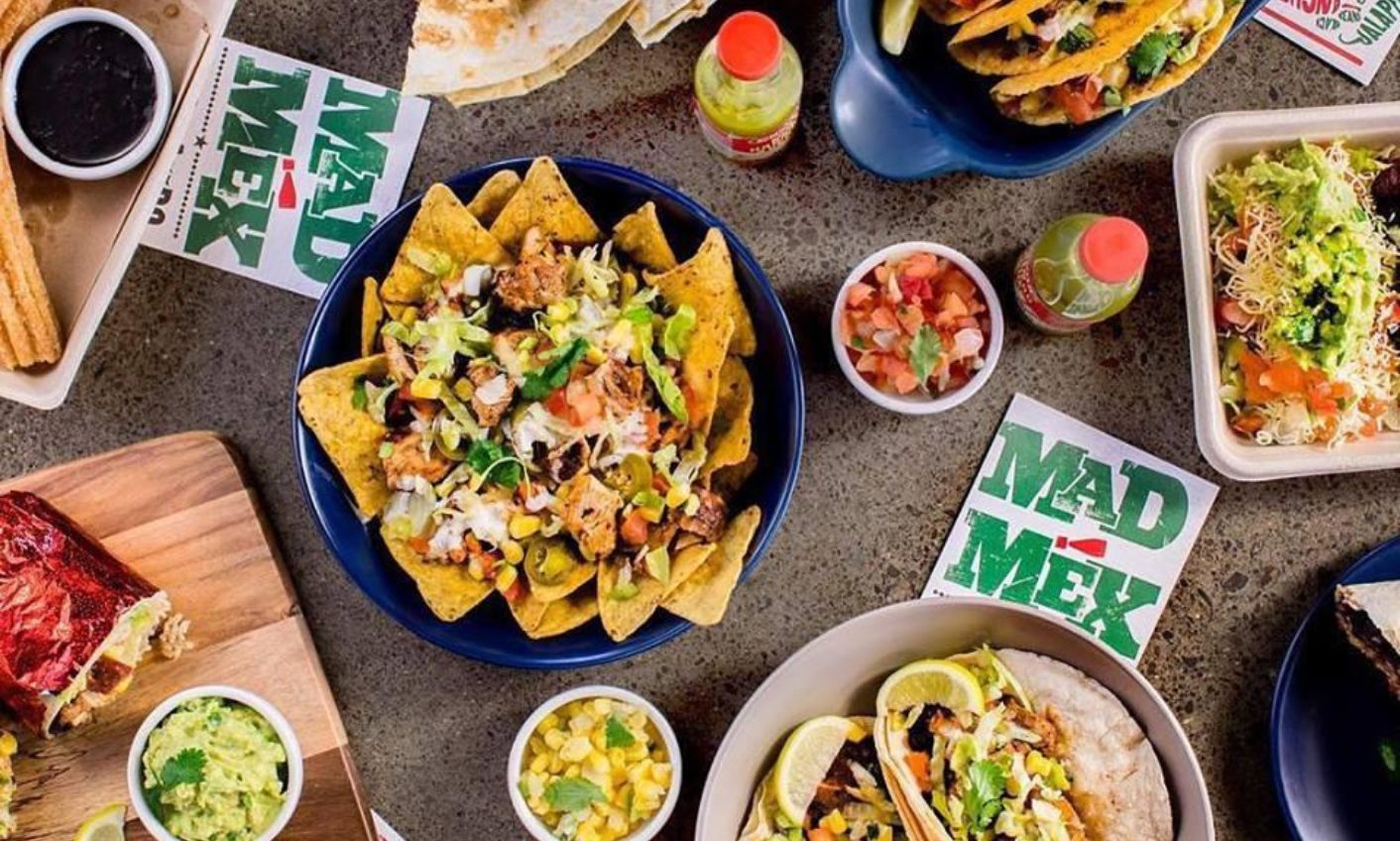
    Singapore casual dining brand 4Fingers has acquired a 50 per cent stake in Australian Mexican QSR brand Mad Mex Fresh Mexican Grill.

    The move is reportedly a first step into a scalable, quality F&B portfolio ready for international expansion. Mad Mex is considered a reputable brand in Australia and New Zealand for its authentic Mexican menu with fresh, healthy ingredients.

    4Fingers plans to initially build the brand in Southeast Asia, beginning with Singapore and Malaysian outlets within the next year.

    Mad Mex’s founder Clovis Young will retain his position as CEO of the brand along with his 50 per cent shareholding.

    The acquisition comes after Mad Mex invited investment earlier this year after posting consistently strong earnings. The chain has achieved more than 4 per cent like-for-like sales growth over the past two quarters, a sharp contrast to the broader Australian food and beverage marketplace, which is facing structural challenges.

    The deal is projected to see the two groups’ combined revenue reach in excess of S$120 million for the 2019 financial year.

    Young said the brand was excited to be partnering with a renowned global brand that aligned with Mad Mex’s firm focus on the customer service and quality.

    “I started Mad Mex in 2006, because I absolutely love Mexican food. But there is a lot of Mexican food out there, and to be honest it’s mostly mediocre,” Young said.

    “I wanted my customers to get a fast meal, but with homemade quality, made entirely of real ingredients, with the fewest preservatives, oils, and sugars possible. You should never have to choose between a quick meal and quality healthy food”.

    Vijay Sethu, director of 4Fingers, said the acquisition of Mad Mex marked a significant milestone in the group’s growth strategy.

    “We are very excited with our investment in Mad Mex and look forward to working with Clovis to further grow this business in Australia and New Zealand and to rollout the Mad Mex brand in Asia.”

  • SK buys 9.5% stake in Vietnam’s Masan Group

    SK buys 9.5% stake in Vietnam’s Masan Group

    SK Group will acquire a 9.5 percent stake in Vietnamese food and beverage company Masan Group to become its largest foreign shareholder.

    The Korean conglomerate announced Wednesday that it has agreed to acquire the stake at $470 million. The two companies will jointly look for business opportunities in Vietnam through strategic investments.

    Masan Group is at the top of the Vietnamese food and beverage market. Its business portfolio expands into finance, animal breeding and mineral mining. Its yearly revenue posted 1.9 trillion won ($1.7 billion) last year.

    “The latest investment is meaningful in a way that it is part of the group’s effort to secure new business opportunity in the global markets just like Chairman Chey Tae-won emphasized in his New Year speech early this year,” said Lee Hang-soo, head of the group’s PR team in a statement Wednesday.

    “SK Group and Masan Group will cooperate to develop new businesses in Vietnam as well as elsewhere in the Southeast Asia region,” he added.

    SK Group has been showing keen interest in fortifying its global business over the past few years.

    SK has been looking for business opportunities in the United States, China and Southeast Asia. The group had established a new investment arm in Singapore based on joint investment from its five subsidiaries.

  • VN-Index claws back to four figures after two months

    VN-Index claws back to four figures after two months

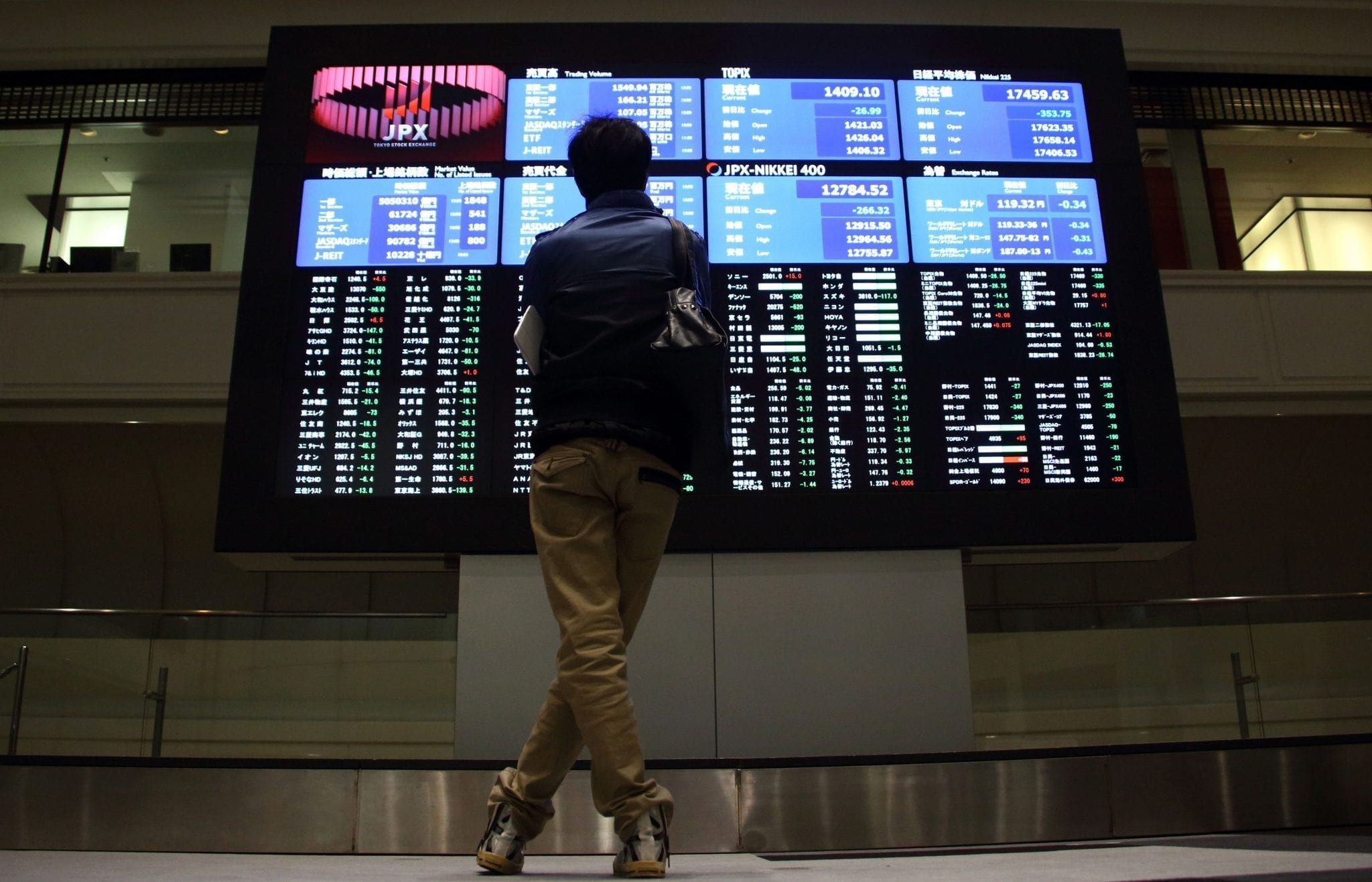
    Vietnam’s benchmark VN-Index closed at 1,004.74 points Thursday, reaching four figures for the first time in two months.

    It gained 9.2 points.

    The HNX-Index on the Hanoi Stock Exchange and the UPCoM-Index for unlisted companies rose by 0.75 percent and 1.01 percent respectively.

    The VN30-Index, representing the 30 largest stocks in terms of capitalization, gained almost 8.5 points to finish the day at 971.

    Twenty one of the 30 stocks rose, including FPT by almost 1 percent. Hoa Phat steel company (HPG) gained VND1,250 (5.4 cents) and food producer Masan (MSN) by VND1,300 (5.6 cents).

    PetroVietnam Gas (GAS), PetroVietnam Oil (OIL) and Binh Son Refinery (BSR) were other prominent gainers.

    Fifteen of 17 bank stocks closed in the green. Techcombank (TCB) stock rose by VND1,400 (6 cents) and VPBank (VPB) VND850 (3.7 cents).

    Nguyen The Minh, director of analysis at Yuanta Brokerage said the market would continue to rise in the short-term despite fluctuations on the international market.

    He expected the VN-Index to touch 1,100 points in the near future.

    It started recovering on September 12 after plunging by 18.19 percent in the second quarter to become the worst-performing market in the world.

  • House of Masaba to host pop-up shop in Singapore

    House of Masaba to host pop-up shop in Singapore

    Designer Masaba Gupta’s House of Masaba will open a pop-up shop in an Indian restaurant, Yantra, on Saturday (September 22).

    Located in Singapore’s Tanglin Mall, the store will present the brand’s latest collection and provide shoppers with a chance to meet the designer.

    Shoppers at the one-day long event, which closes at 6pm, will have the opportunity to meet Gupta and discuss styling options for her designs as well as ask about her inspirations.

    Gupta has held pop-up shows this year in several countries, including the US, Thailand, Canada and Hong Kong.

  • Citychamp eats up luxury watch brand

    Citychamp eats up luxury watch brand

    Listed Hong Kong watch & jewellery group Citychamp has bought a majority stake in Ernest Borel Holdings.

    The transaction, which saw Citychamp taking a 58.22 per cent shareholding in the heritage Swiss watch manufacturing brand, was completed on Tuesday.

    Ernest Borel, an award-winning brand even in its early days of business in the mid to late 19th century, is noted for its traditional focus on export markets outside Europe. It was first purchased by a group of investors from China in 1997.

    Citychamp currently distributes more than 25 international brands within major cities in Mainland China. Its brands include Rossini, Corum, Eterna, Rotary, Ebohr, J&T Windmills, Kana and Dreyfuss & Co.

    The news comes just a day after international fashion brand Chanel acquired a 20 per cent stake in the parent company of luxury Swiss watch brand F P Journe.

  • Flipkart gets over Rs 3,462 crore infusion from Singapore entity

    Flipkart gets over Rs 3,462 crore infusion from Singapore entity

    Flipkart Internet, the online marketplace arm of the Walmart-backed company, has received over Rs 3,462 crore fund infusion from Flipkart Marketplace, Singapore, as per regulatory documents.

    According to a PTI report: The fund infusion — done in two tranches — will provide more ammunition to Flipkart, which is locked in an intense battle with US-based Amazon for leadership in the burgeoning Indian e-commerce market.

    “…in accordance with the Letter of Offer dated August 14, 2018 circulated by the company for the rights issue of shares, the board of directors of the company be and hereby allot 14,57,598 Class A equity shares…for an amount aggregating to Rs 30,07,02,46,740 for cash to Flipkart Marketplace Private Ltd, Singapore,” regulatory documents filed with Corporate Affairs Ministry said.

    The resolution was passed at the board meeting held on August 30, 2018. The board, during the same meeting, also passed another resolution (in accordance to a Letter of Offer dated July 18) for allotting 2,21,002 equity shares for Rs 455.92 crore for cash to Flipkart Marketplace, Singapore.

    The fresh capital also comes close on the heels of festive sale season that not only brings in discounts and deals for customers, but is also an annual showdown of sorts between the two largest players in the segment — Flipkart and Amazon India.

    Market watchers expect the competition between the two to be even fiercer this year as both companies have invested significantly through the year to ramp up product offerings as well as logistics infrastructure to ensure speedier delivery.

    While Flipkart now has the backing of US retail giant Walmart (via a Rs 16 billion deal signed earlier this year), Amazon India too has received millions of dollar in funding through the year from the US parent across operations like marketplace and payments business.

    About 20 million people are expected to shop on various e-commerce platforms during the festive sale next month, translating into sales of around Rs 3 billion for players like Amazon and Flipkart, according to a report by research firm RedSeer.

    In a statement Tuesday, Flipkart said it expects to see a surge of 8-10X in sale of perfumes on its platform during the sale season. This growth, it said, would be on the back of an overhaul undertaken by the company.

    “Project ‘Authenticated’ promises a revamp of Flipkart’s portfolio comprising over 2000 perfumes and a seal of authenticity on the listing image, a new feature that showcases brand-approved sellers,” it said.

    The company will also add more exclusive partnerships and expand its collection of globally recognised labels in coming months, it added. The size of the perfume industry as a whole is predicted to grow 50 percent to Rs 3,000 crore over the next five years, the statement said.

  • US coworking space to set up shop in HCMC

    US coworking space to set up shop in HCMC

    WeWork, the third largest startup in the U.S., and the sixth largest in the world, is set to open a new office in HCMC late this year.

    In its latest report on the co-working space market in Vietnam, real estate firm Jones Lang LaSalle (JLL) said WeWork is looking to open an office on Doan Van Bo Street in District 4.

    The company recently did market research and customer surveys, JLL said.

    The office, to open in December, will be the largest co-working space in Vietnam at 5,000 square meters.

    JLL said the entry of global real estate startups is a positive sign.

    WeWork, valued at $20 billion last year, was one of the largest startups in the U.S., behind only Uber and Airbnb, and the sixth largest in the world. Founded in 2010 it has 250,000 employees.

    It had acquired Chinese coworking space firm Naked Hub for $400 million last April, expanding its reach into the Asian market.

    WeWork reported a rise in losses in the first half of this year to $723 million from $154 million a year earlier.

    But JLL estimates it would continue to expand.

    It said in its report: “We think Wework is likely to have a presence in most of the six Southeast Asia cities within the next 12 months. In addition, the company is likely to grow in terms of number of locations within each city as well.”

    Vietnam has seen the coworking space market expand in recent years.

    Major local operators like Toong, UP, Circo and Dreamplex are all expanding at an accelerated rate, and the number of smaller operators with just one venue is also increasing.

    The Hive, a coworking space maker from Hong Kong, is planning to open a new facility by the end of this year in Ho Chi Minh City. The company already has one office on Xuan Thuy road in District 2 in the same city.

    Real estate consultancy CBRE said the number of coworking offices in the country has grown by an average of 55 percent in the last five years.

    Most operators reported a very healthy 75-80 percent average occupancy rate as of last April.

  • Innisfree second store in Australia opens soon

    Innisfree second store in Australia opens soon

    Korean beauty brand Innisfree will open its second store in Australia at Westfield Doncaster shopping centre in Victoria on October 5.

    The store will feature over 600 products across skincare, make up, body care, hair care and home fragrances, which are formulated with an average of 80 per cent naturally-derived, responsibly-sourced ingredients.

    The company said it will invite customers to discover some of its most-loved products, creating a customised shopping experience.

    “Customers will be invited to discover some of Innisfree’s most-loved products around the world, including the Green Tea Seed Serum, Jeju Orchid Enriched Cream, Super Volcanic Clay Mousse Mask and My Real Squeeze Masks,” the company said in a statement.

    Innisfree opened its first store in Australia in Melbourne Central shopping centre in June. The Doncaster store demonstrates the company’s commitment to the Australian market, according to Innisfree general manager Brian Jeong.

    “We have many exciting developments planned for our Australian consumers and opening the second Innisfree store in Westfield Doncaster shows our commitment to this market,” Jeong said.

    Innisfree is offering exclusive gifts and eco-friendly tote bags to the first 800 people who visit the Doncaster store and spend more than $50.

    Customers who sign up to the beauty brand’s loyalty program will receive free samples with their purchase, as well as loyalty points.

  • Indonesia’s Dollar Supply Increases as Investors Return

    Indonesia’s Dollar Supply Increases as Investors Return

    The value of the rupiah has stabilized in recent days as the domestic supply of dollars has increased due to inflows from returning investors and more exporters converting their earnings, Bank Indonesia Governor Perry Warjiyo said on Friday (21/09).

    “The rupiah has stabilized and it tends to strengthen,” Perry said. “Many fund managers have begun to invest and allocate their portfolios to emerging markets. So what was going out has begun to return.”

    The rupiah traded at 14,815 to the dollar at 1.05 p.m. in Jakarta on Friday, marginally stronger than Thursday’s closing.

    Perry also said inflation is expected to stay benign this year despite the rupiah’s fall, saying the rate is seen near the lower end of Bank Indonesia’s 2.5 percent to 4.5 percent target range. The annual inflation rate stood at 3.20 percent in August.

    Bank Indonesia has raised interest rates four times since mid-May to defend the rupiah, which fell to its weakest in 20 years amid wider emerging market selloffs. It will meet again next week to review monetary policy.

  • KT signs partnership to build AI hotels in Vietnam

    KT signs partnership to build AI hotels in Vietnam

    KT said Tuesday that it inked a partnership with Vietnam’s largest construction company, Hoa Binh Construction Group, to build artificial intelligence-equipped hotels and smart cities.

    Based on the partnership, the two companies plan to install AI services in hotels and apartments in Vietnam and other Southeast Asian countries. In the longer term, the two hope to expand the cooperation to create smart cities featuring digital technologies.

    KT has already created an AI hotel in Korea earlier this year by installing smart speakers customized for hotels in rooms at the Novotel Ambassador Hotel & Residences in Dongdaemun, eastern Seoul. Hotel guests can use a version of KT’s GiGA Genie smart speaker to turn on lights, change TV channels and order more towels from the front desk.

  • H&M sales rise during third quarter, despite logistics hitches

    H&M sales rise during third quarter, despite logistics hitches

    Global H&M sales rose 9 per cent during the third quarter to August 31 as the fast-fashion retailer made the most of a new supply chain system put in place in Europe and North America.

    On a constant-currency basis, sales rose by a more modest 4 per cent.

    According to a brief announcement, which did not include any geographical breakdown of the company’s quarterly performance, sales excluding VAT reached SEK 55.821 billion (US$6.26 billion).

    “The H&M group’s continuous transition, to face the major shift within the industry, has contributed to a gradually improved sales development and increased market share in many markets in the third quarter,” the company said.

    “However, sales and cost development in some of the group’s important markets such as the US, France, Italy and Belgium were in the third quarter considerably affected by the issues that emerged during the implementation of new logistics systems in the spring.”

    The new logistics systems enable a faster and more efficient supply chain as well as a continued integration of store and online.

    A more detailed set of figures is expected with the release of nine-month results on September 27.

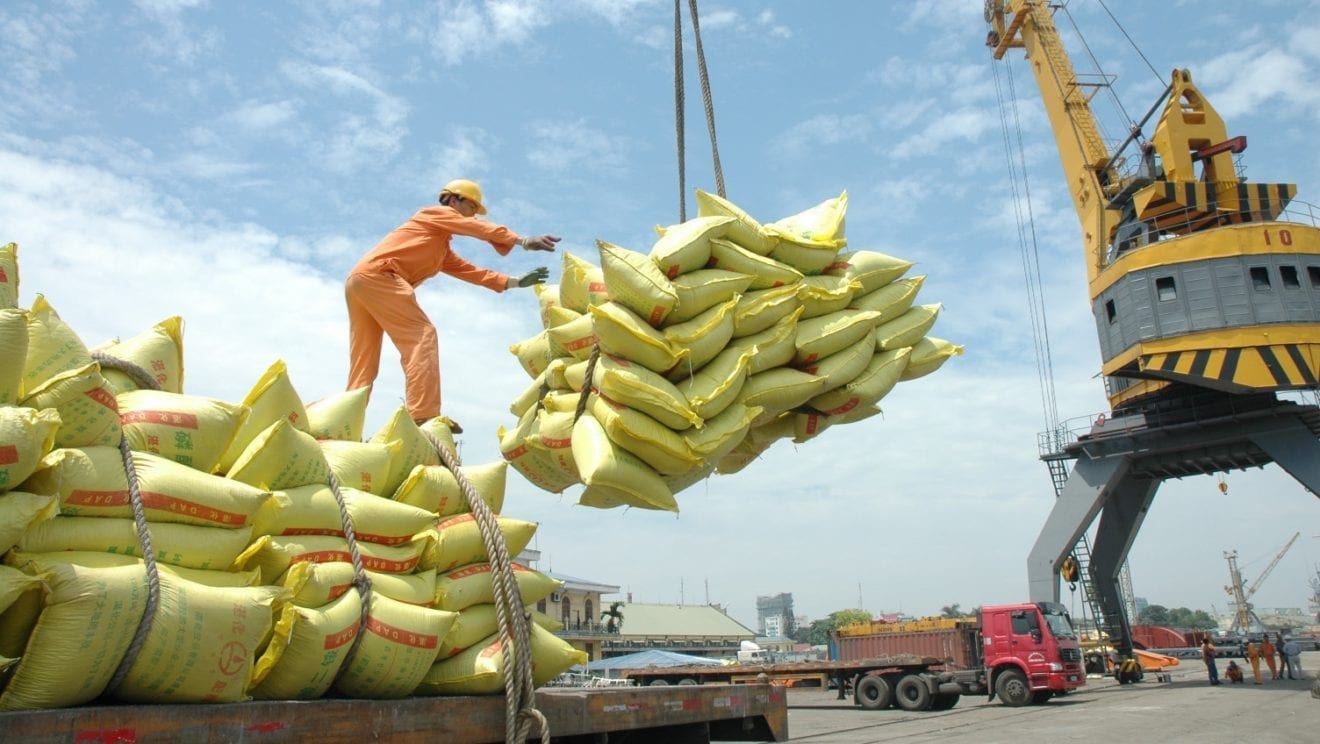
  • India rice prices recover; low Thai rates dampen Vietnamese offers

    India rice prices recover; low Thai rates dampen Vietnamese offers

    Rice export prices in India recovered this week after demand improved, while rates for the Vietnamese variety eased.

    Rates for top exporter India’s 5 percent broken parboiled variety edged up by $2 per ton to $373-$377 per ton this week, from their lowest in 17 months last week.

    “Enquiries from African buyers have risen in the last few days,” said an exporter based at Kakinada in the southern state of Andhra Pradesh.

    Another exporter, based in Mumbai, said Indian rice was currently competitive due to rupee depreciation.

    The Indian rupee has lost more than 13 percent of its value so far in 2018, and plunged to a record low earlier this week, increasing exporters margins.

    Meanwhile, in neighbouring Bangladesh, rice output from the summer-sown crop ‘Boro’ hit 19.5 million tonnes, exceeding the target of 19 million tonnes, as farmers raised acreage to cash in on higher prices, data from the Bangladesh Bureau of Statistics showed.

    Last year, the country’s Boro rice crop, which accounts for more than half of the country’s typical annual rice production, fell to its lowest in seven years after floods destroyed crops.

    In Vietnam, traders offered benchmark 5 percent broken rice at $395-$405 a ton, slightly lower than last week’s $400-$405 range.

    Despite potential demand from the Philippines in the aftermath of Typhoon Mangkhut, which damaged paddy in the country, prices for the Vietnamese variety did not go up since Thai rates were lower.

    “If we increase prices further, people will just go and buy Thai rice,” a Ho Chi Minh City-based trader said.

    The south-Asian country, which has already completed the harvest of its two major crops, exported 4.5 million tons of rice in the first eight months, meeting around 70 percent of the whole-year projection of 6.5 million tons set out by the government.

    A trader estimated Vietnam’s current autumn-winter mini crop could yield around 1.8 million tons, half the volume of a major crop, with most of the rice likely to be kept for domestic consumption given the next harvest will not be until March 2019.

    In Thailand, benchmark 5 percent broken rice prices were quoted at $390-$393 per ton, free on board (FOB) Bangkok, unchanged from last week.

    While demand was flat, it would pick up in the near future due to natural disasters in the region, especially in the Philippines and Indonesia, traders said.